Which of the following biology field is related to agriculture?
Easy
Which of the following functions in connecting muscle to bone?
Easy
Diagram 1 shows an experiment to investigate the movement of substances across a visking tube. What is the process that takes place in this experiment?
Medium
A plant cell is immersed in distilled water for 15 minutes. After that, the cell taken out and immersed in 30% sucrose solution. What is the condition of the plant cell if it is put back into the distilled water for 15 minutes?
Medium
Diagram 2 shows the molecular structure of three food classes. Identify X, Y and Z.
Easy
Which of the following are the characteristics of enzymes?
I Structure of enzymes are changed at the end of a reaction
II Enzymes are only required in small amounts
III The action of enzymes is specific
IV Reactions catalysed by enzymes are irreversible only
Easy
Diagram 3 shows the number of cells produced after a cell has undergone two times of mitosis. How many number of cells produced if mitosis occurs another two times?
Medium
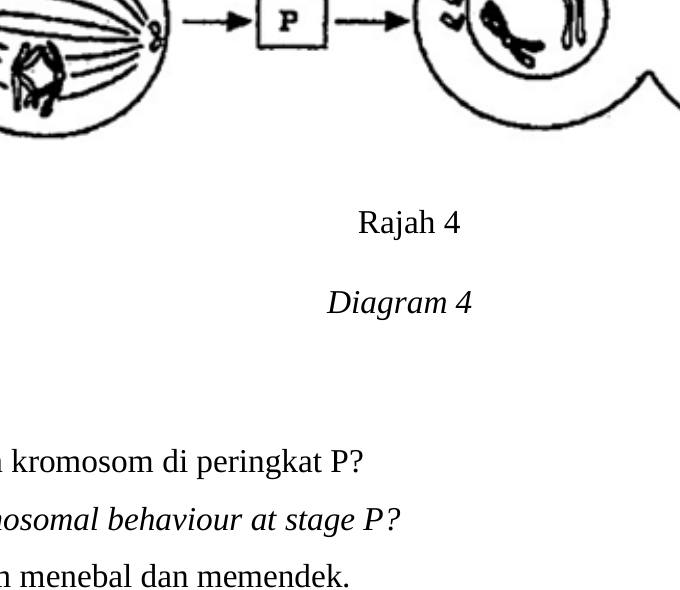
Diagram 4 shows two stages in meiosis. What is the chromosomal behaviour at stage P?
Medium
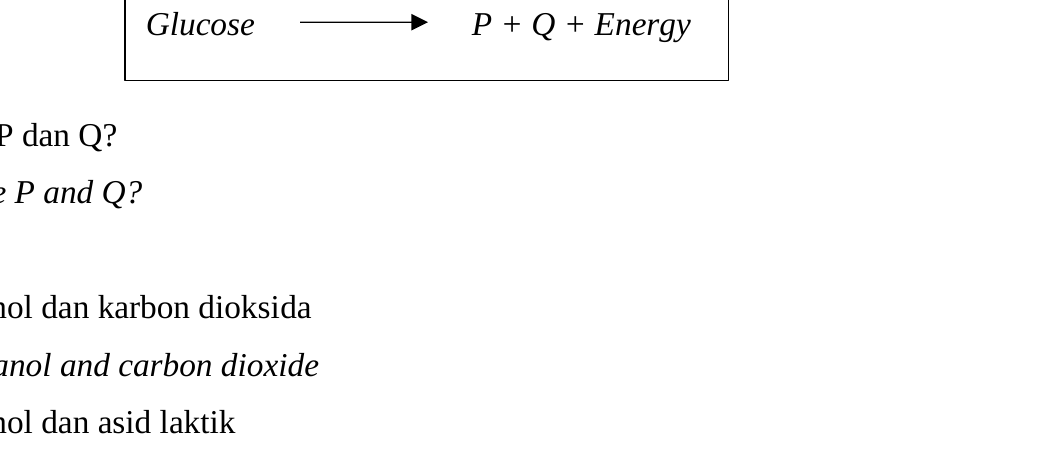
The following equation shows the fermentation process that takes place in yeast.
Glucose → P + Q + Energy
What are P and Q?
Easy
A group of students carry out an experiment to study respiration in living organisms. The air needed for the experiment is passed through a soda lime. Which of the following explains the procedure of the experiment?
Medium
In what forms are carbon dioxide being transported in the blood?
I Carbonic acid
II Carbonate ion
III Carbaminohemoglobin
IV Dissolved carbon dioxide
Medium
Which of the following shows the correct sequnece of inhalation mechanism in a fish?
P - When the mouth opens, the floor of the buccal cavity is lowered.
Q - Water from the outside which contains oxygen enters the mouth.
R - The pressure in the buccal cavity decreases.
S - The opercular cavity is enlarged and the operculum opening is closed.
Medium
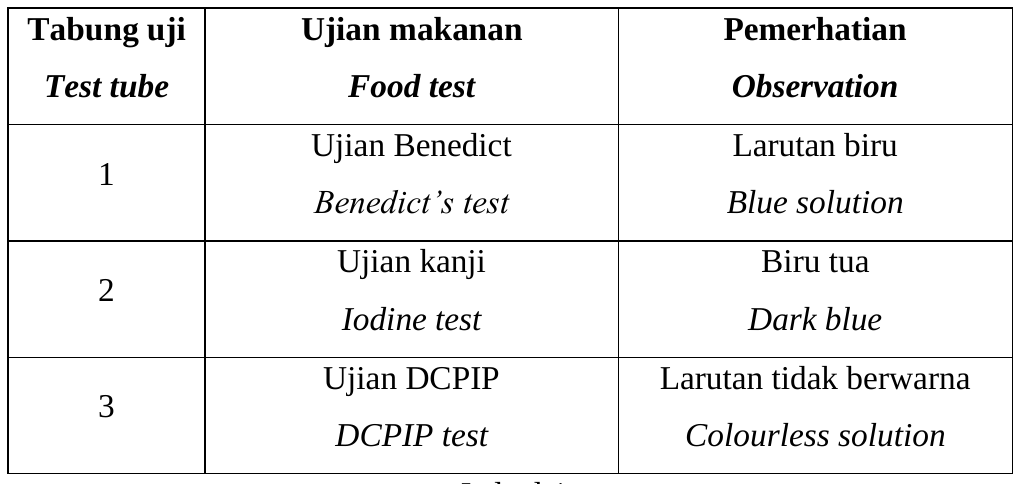
Three different food tests were carried out on a food sample. The results are shown in Table 1.
Test tube 1: Benedict's test - Blue solution
Test tube 2: Iodine test - Dark blue
Test tube 3: DCPIP test - Colourless solution
What is the food sample?
Medium
The following statement describes the eating habit of an individual.
Overeating and vomit out the food that they have eaten.
What health problem does the individual have ?
Easy
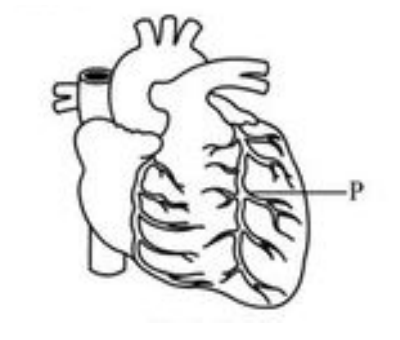
Diagram 5 shows the structure of a human heart. P is
Easy
J, K, L and M are the stages in blood clotting mechanisme.
J : Platelets clump at the wound
K : Erythrocytes are trapped
L : Thrombokinase converts prothrombin into thrombin
M : Thrombin converts fibrinogen into fibrin
Which is the correct sequence?
Medium
Artificial immunity can be obtained when a person ................
I recovers from a certain disease
II is given injection of vaccine
III is given injection of antiserum
IV receives antibodies from mother through placenta
Easy
Which of the followings are the ways of transmission of HIV?
I Unprotected copulation with infected person
II From infected mother to foetus
III Through saliva, tears and sweat of the infected person
IV Shake hands with infected person
Medium
Which pair of types of sensory receptor and stimuli involved is matched correctly?
Medium
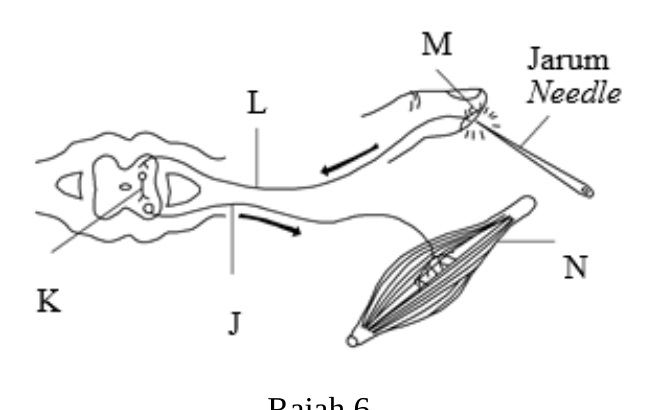
Diagram 6 shows the pathway of an impulse in a reflex arc. Which statement describes the reflex arc above?
Medium
When the body temperature increases above the normal body temperature, the corrective mechanism that is involved is?
I Less sweating
II Vasodilation of blood vessel
III Low metabolism rate
IV Erector muscle contracts
Medium
Which of the following has hydrostatic skeleton and exoskeleton at different stages of its life cycle?
Medium
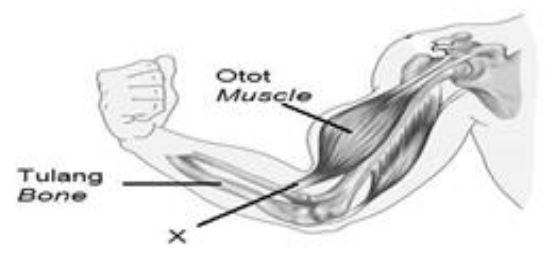
Diagram 7 shows a human arm. What will happen if X is torn?
Medium
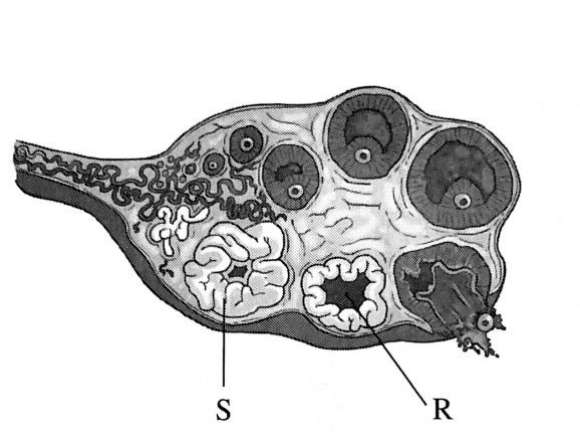
Diagram 8 shows the female reproductive system. Which of the parts produces the secondary oocyte?
Easy
Diagram 9 shows the stages in the development of follicle R into S in the ovary. Which of the following is the correct changes of the hormonal levels in the blood ?
Medium
Which of the following statements is true about primary and secondary growth?
Medium
Table 2 shows the differences between light-dependent reaction and light-independent reaction during photosynthesis.
P: Light-dependent - Takes place in the stroma; Light-independent - Takes place in the granum
Q: Light-dependent - Oxygen is released; Light-independent - Oxygen is not released
R: Light-dependent - Occurs during day time; Light-independent - Occurs during the night
S: Light-dependent - Glucose is not formed; Light-independent - Glucose is formed
Which of the following shows the correct differences?
Medium
Parasitic plants have modified roots that penetrate the host plant and connect to the xylem, phloem or both. What are these modified roots?
Easy
Phytoremediation is the process of using X to clean contamination from water an soil. What is X?
Easy
Which of the following correctly explain the difference between tropism and nastic response?
Medium
After double fertilisation occurs, the triploid endosperm nucleus divides and form the endosperm tissue. What is the function of these endosperm tissue?
Easy
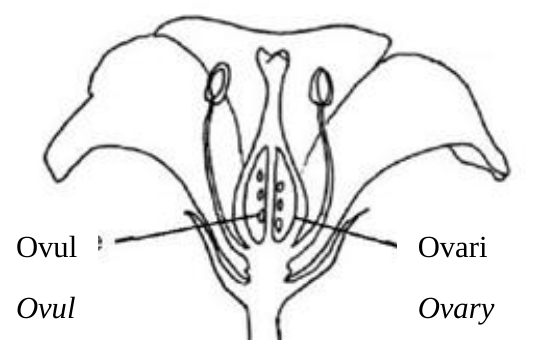
Diagram 10 shows the cross sectional area of a plant. What will happen to ovules and ovaries after fertilization?
Medium
Plants can be classified based on habitat. Which of the following is correctly matched?
Easy
Which of the following is the way to conserve biodiversity?
Easy
The following information shows the results of an experiment carried out by a group of pupils to estimate the population size of frogs in a habitat.
- 60 frogs are caught and marked on the first day.
- 20 frogs are caught a week later, 12 frogs are marked.
What is the population size of the frogs in the habitat?
Medium
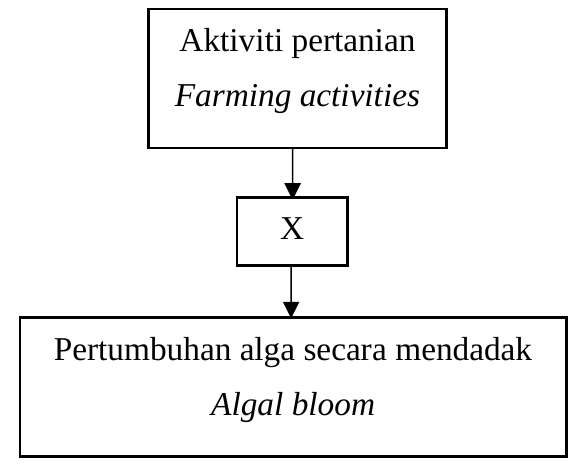
Diagram 11 shows the process of eutrofication: Farming activities → X → Algal bloom. Which of the following refers to X ?
Medium
A man with O blood group married a woman with A blood group. The woman is heterozygous for A blood group. Which of the following are the probabilities that their children will inherit O blood group or A blood group?
I 50% of the children have A blood group.
II 100% of the children have O blood group.
III 50% of the children have O blood group.
IV 25% of the children have A blood group.
Medium
Diagram 12 shows a karyotype of a student. Which of the following shows the number of chromosomes in a normal gamete produced by the student?
Medium
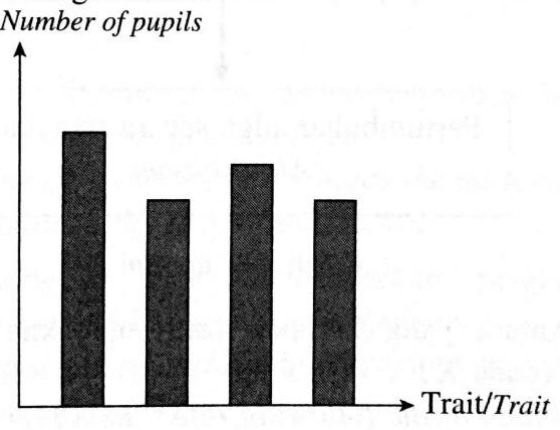
Diagram 13 shows the variation among pupils in class 5 Bijaksana. What is the possible trait shown in Diagram?
Medium
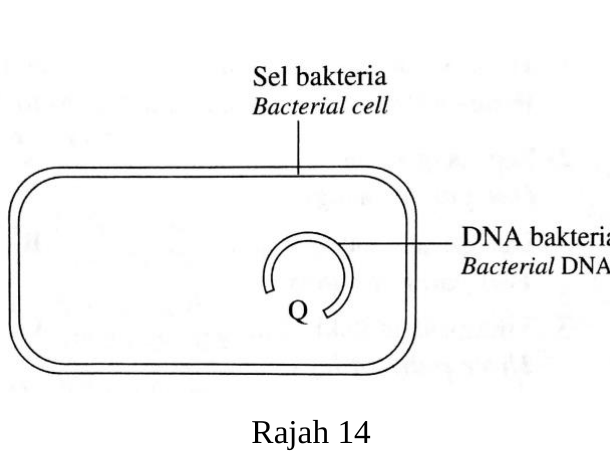
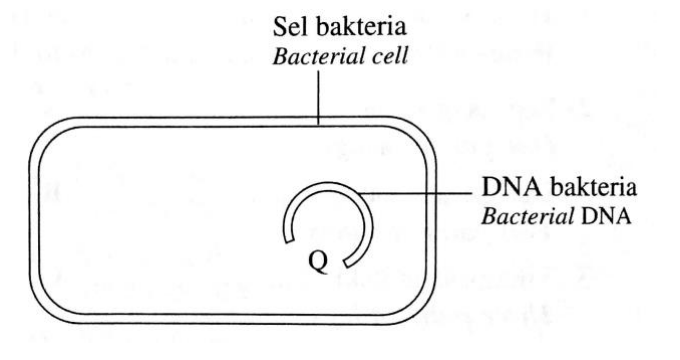
Diagram 14 shows a bacterial cell that is used to produce human insulin. What is inserted into gap Q?