Diagram 1 shows an apparatus used in a biology laboratory. Part X of the apparatus is broken while a student is conducting an experiment. Which substance can be used to decontaminate the spills of chemical from part X in the laboratory?
Easy
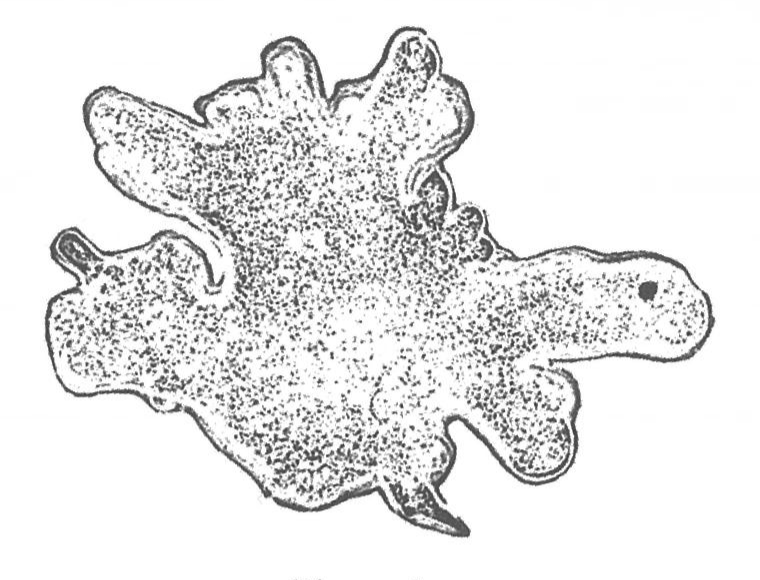
Diagram 2 shows a unicellular organism. Due to a prolonged drought, it has to live in dry and low temperature habitat. Which of the following is the most suitable reproductive method for this organism?
Medium
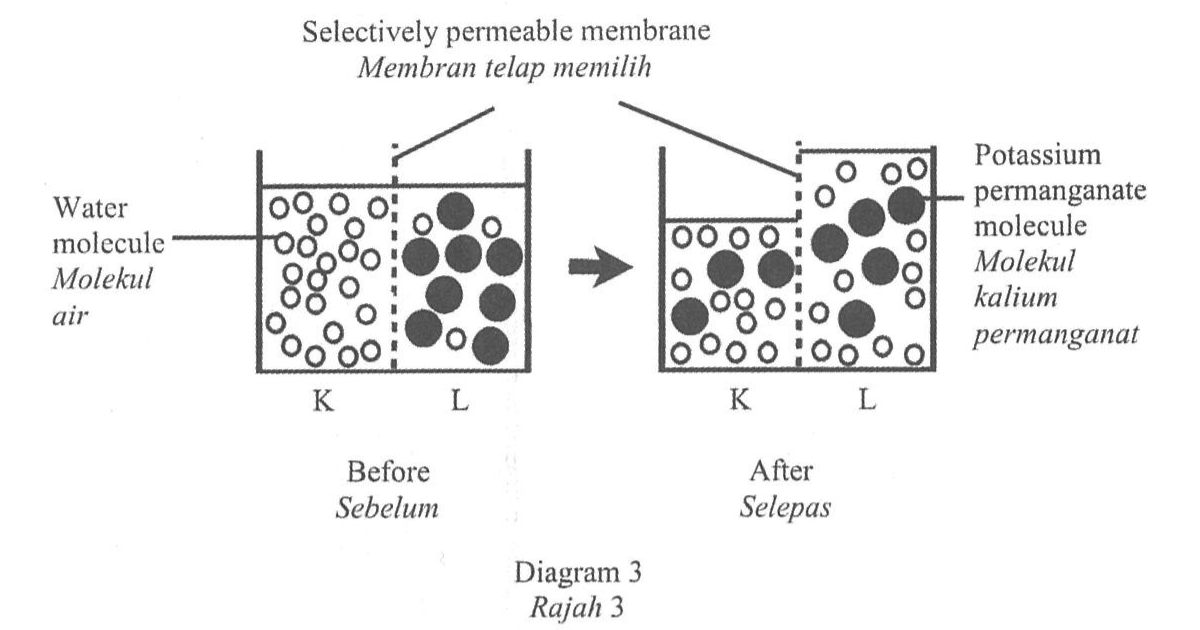
Diagram 3 shows an experiment to study osmosis. Which of the following statement is true about the process?
Medium
Which of the following are related to sodium-potassium pump? I Requires channel protein; II Transport hydrogen ions; III Requires energy from ATP molecules; IV Movement of ions are against concentration gradient
Medium
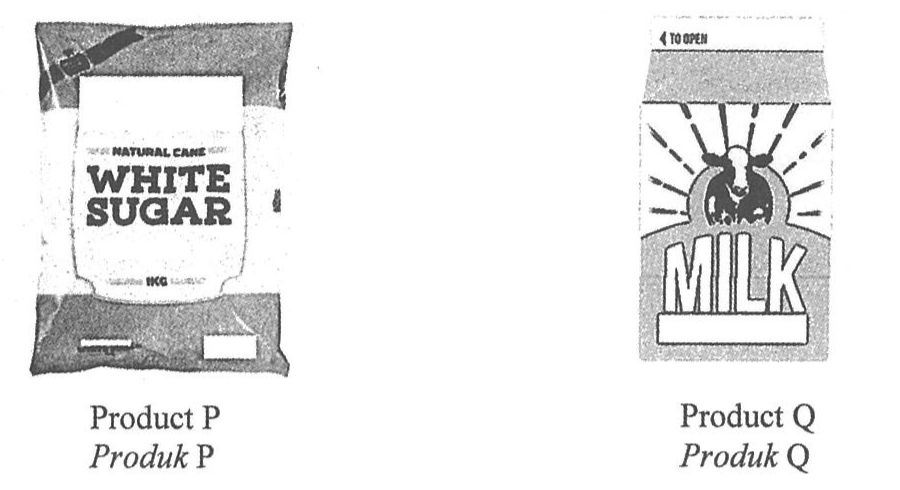
Diagram 4 shows two samples of food containing carbohydrates (Product P: white sugar; Product Q: milk). A student carried out a food test on the samples. Which of the following observation is true?
Medium
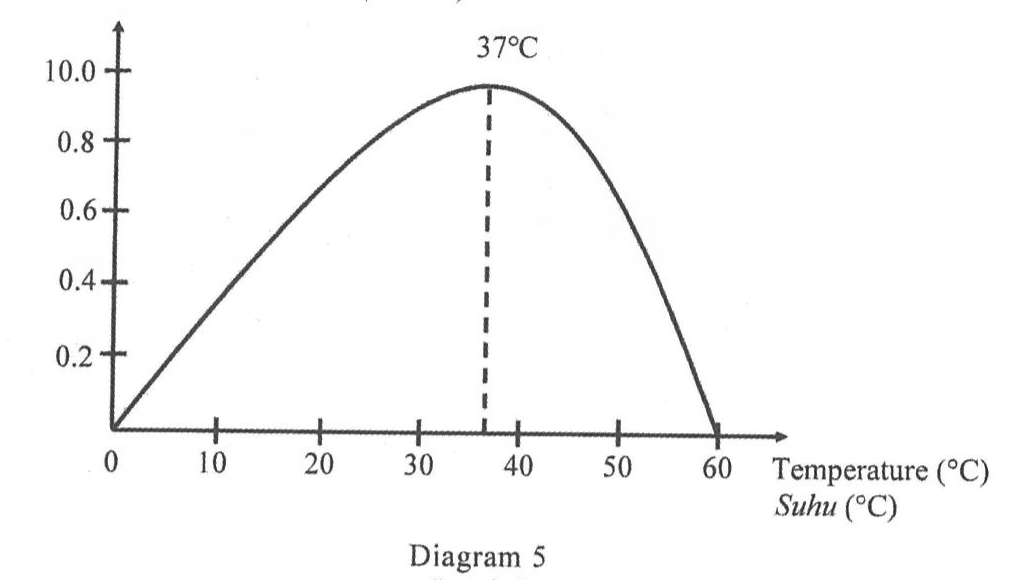
Diagram 5 shows the effect of temperature on the rate of enzyme reaction (rate in minute^-1 against temperature in °C; maximum at 37°C, falling to zero at 60°C). Which of the following shows the condition of enzyme when the temperature reaches 60°C?
Medium
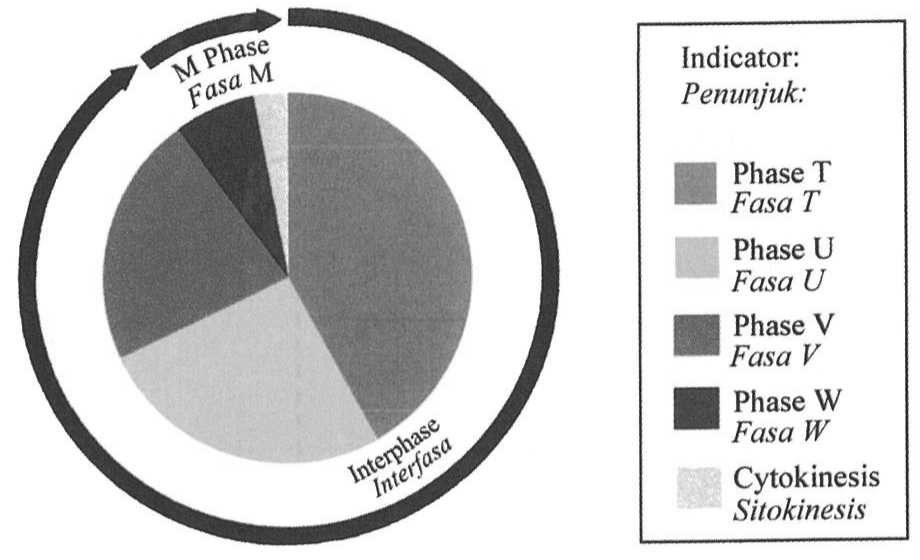
Diagram 6 shows a cell cycle (Interphase = phases T, U, V; M phase = phase W and cytokinesis). What happen in phase T, U, V and W?
Medium
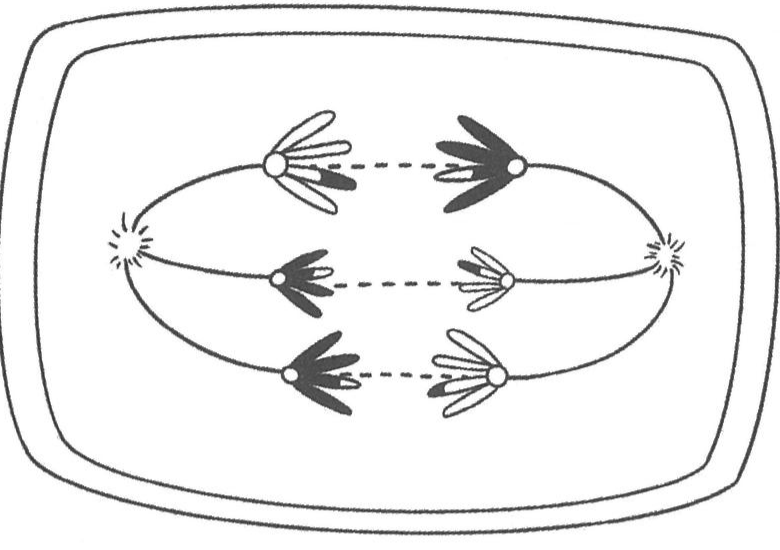
Diagram 7 shows a phase of a cell division. What is the number of chromosomes at the end of this process?
Medium
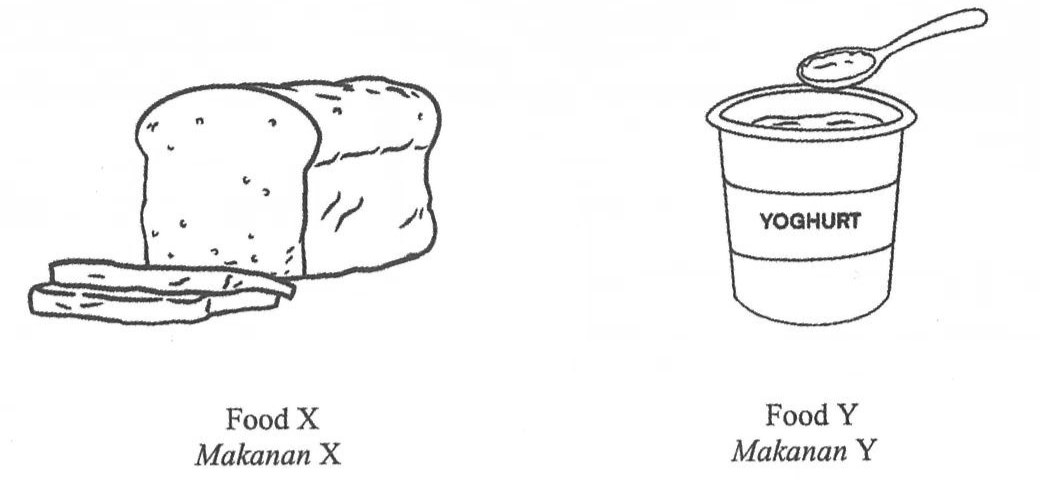
Diagram 8 shows two types of food manufactured using fermentation process (Food X: bread; Food Y: yoghurt). What are the fermentation products during the manufacturing of food X and Y?
Medium
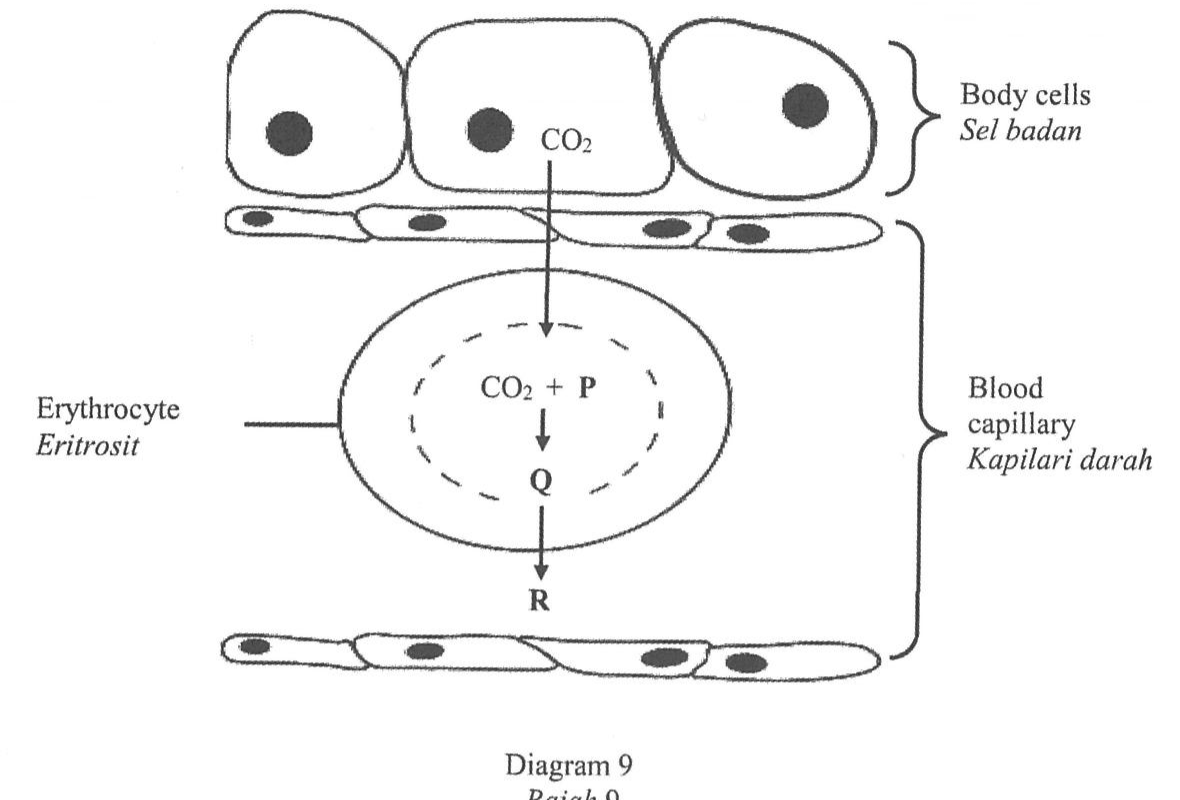
Diagram 9 shows the transportation of carbon dioxide from body cells to blood capillary (in the erythrocyte CO2 + P gives Q, which leaves as R). What are P, Q and R?
Medium
The following statement is about a health problem related to eating disorder. 'Eating disorder is an illness that causes serious disturbances to everyday diet. The person may eat a lot of food at once and then try to get rid of the food by vomiting, using laxatives, or over-exercising. People with this disorder possibly get the medical symptoms such as weakness, fatigue, dehydration, mouth and throat problems.' Which of the following is the health problem related?
Easy
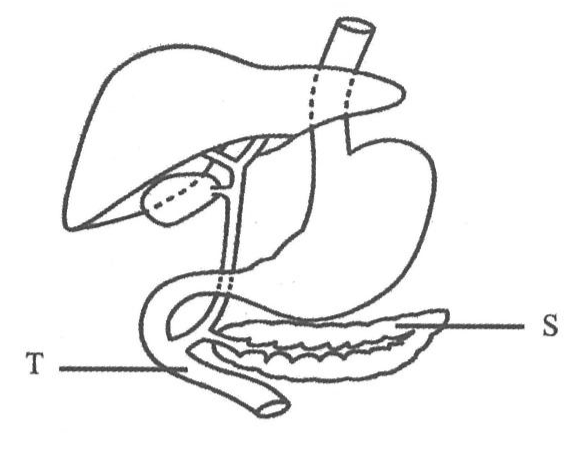
Diagram 10 shows a structure of the human digestive system. What is the function of the juice secreted by S into T?
Medium
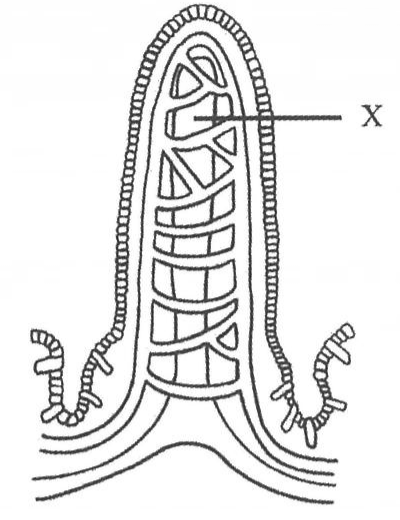
Diagram 11 shows a longitudinal section of a villus. Which of the following food source and substance absorbed are related to structure X?
Medium
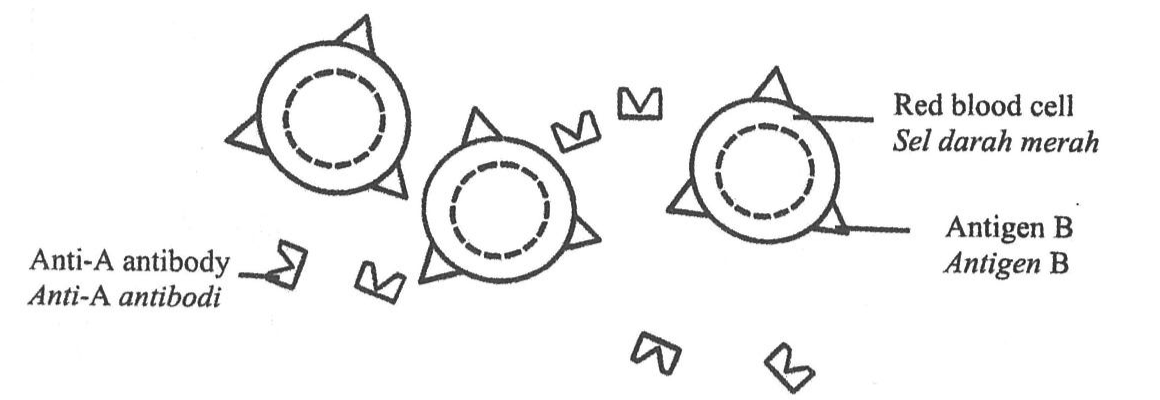
Diagram 12 shows the antigen and antibody in blood of individual N (red blood cells with antigen B; anti-A antibodies). Individual from which blood groups can receive blood from individual N?
Medium
The following information refers to stages in blood clotting mechanism. M - Platelets coagulate at the wound; N - Erythocytes are trapped; O - Thrombokinase converts prothrombin into thrombin; P - Thrombin converts fibrinogen into fibrin. Which of the following is the correct sequence?
Medium
Diagram 13 shows a longitudinal section of an organ in lymphatic system. These organs are mainly located in human head and neck region. What is the function of the organ?
Easy
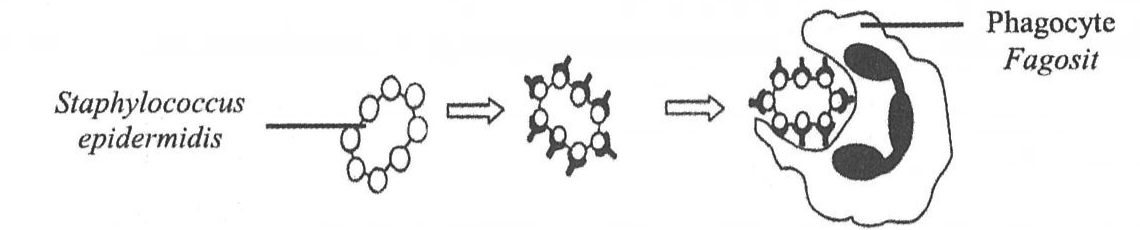
Diagram 14 shows action of antibodies in destroying Staphylococcus epidermidis bacterium. Which of the following is true about the action of antibodies?
Medium
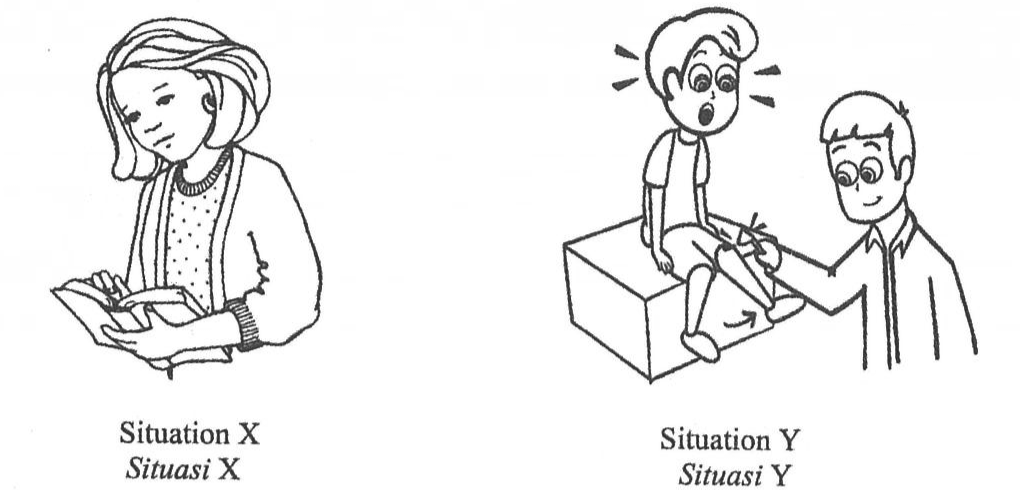
Diagram 15 shows two different responses in situation X and Y (X: a woman reading a book; Y: a doctor tapping a boy's knee, which jerks). Which of the following statements is correctly matched to both situations?
Medium
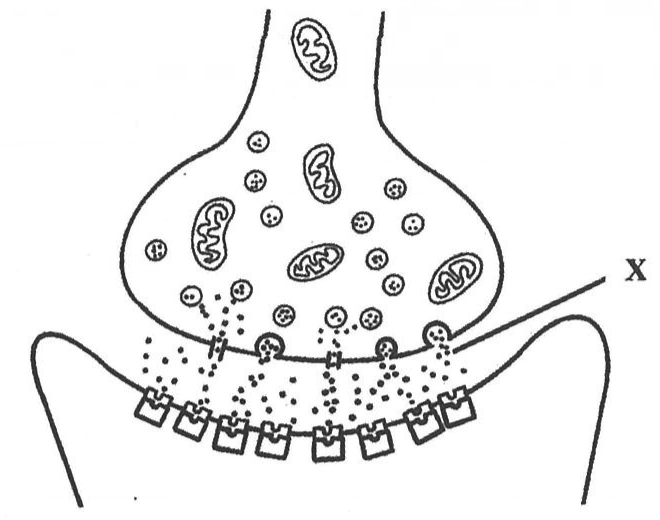
Diagram 16 shows transmission of nerve impulse across a synapse. Which of the following is substance X?
Easy
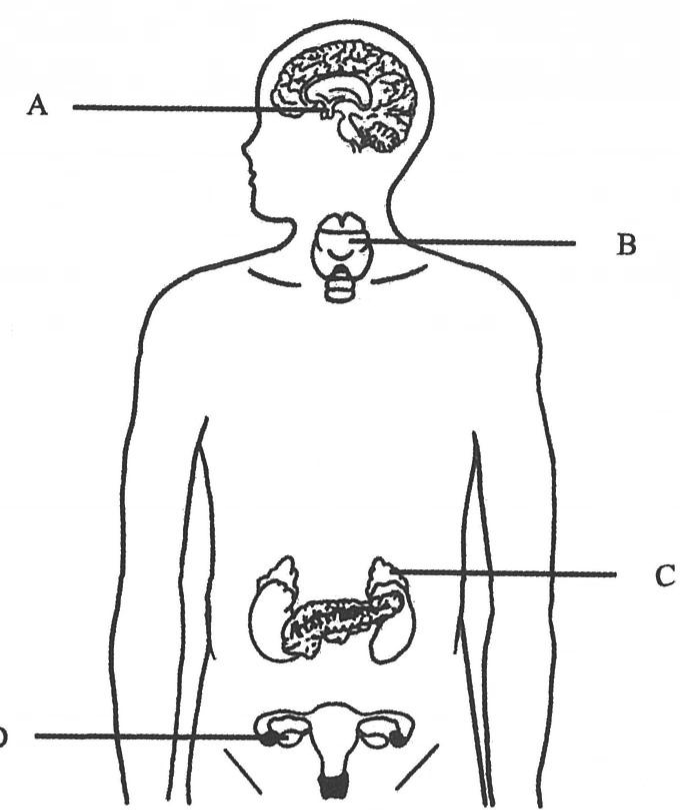
Diagram 17 shows endocrine glands in human. Which gland labelled A, B, C or D secretes thyroxine hormone?
Easy
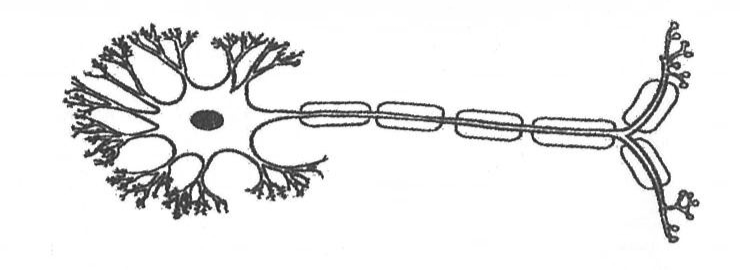
Diagram 18 shows a neurone. Which of the following is the type of this neurone?
Easy
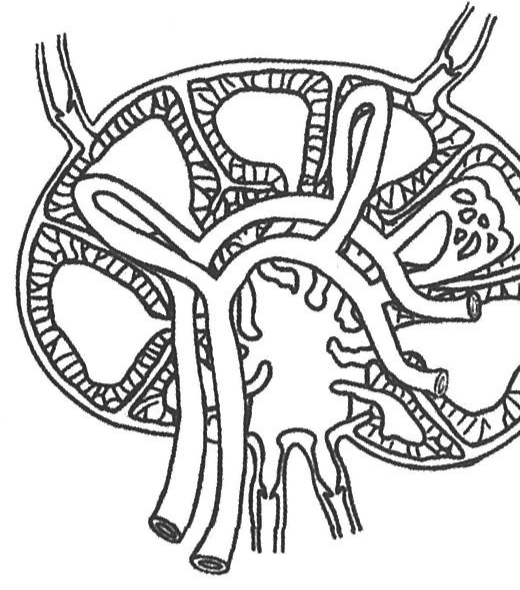
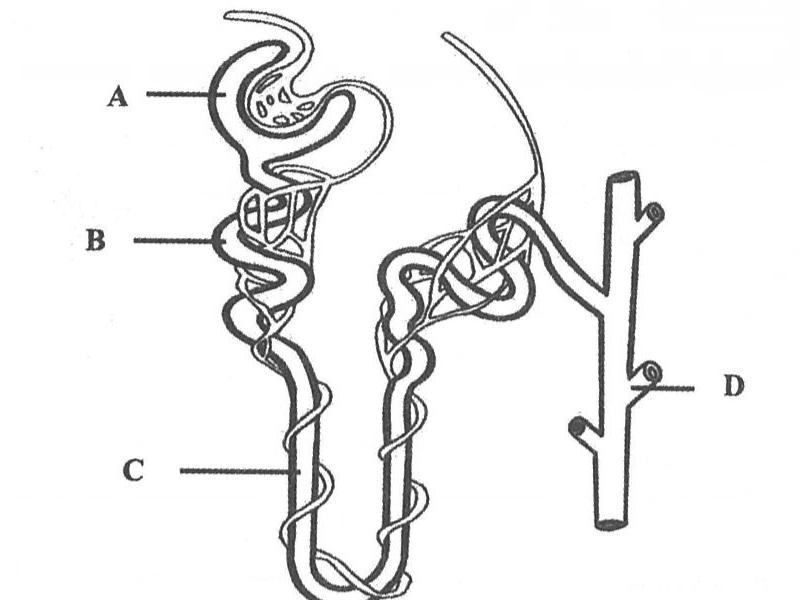
Diagram 19 shows a structure of nephron in the kidney. Which of the part labelled A, B, C and D does the reabsorption of amino acid occur?
Easy
The following are characteristics of an animal: streamlined body; has segmented blocks of muscles; the muscles are in the shape of W. Which of the following animal has the above characteristics?
Medium
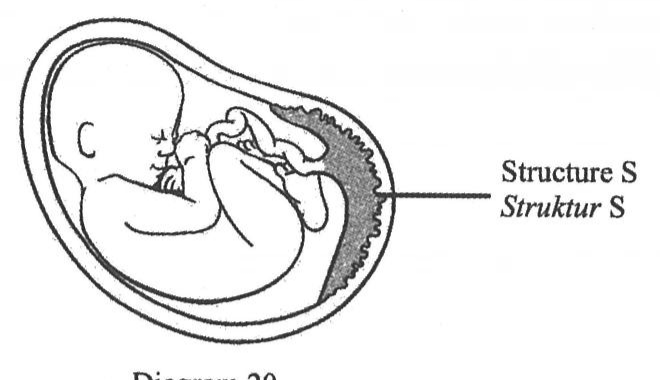
Diagram 20 shows a foetus in a mother's uterus. Which of the following are the correct functions of structure S? I To transport antibody from foetus to mother; II To secrete progesterone hormone during pregnancy; III To prevent certain substances such as alcohol and drug from being absorbed; IV To prevent foetal blood vessel from bursting due to the mother's high blood pressure
Medium
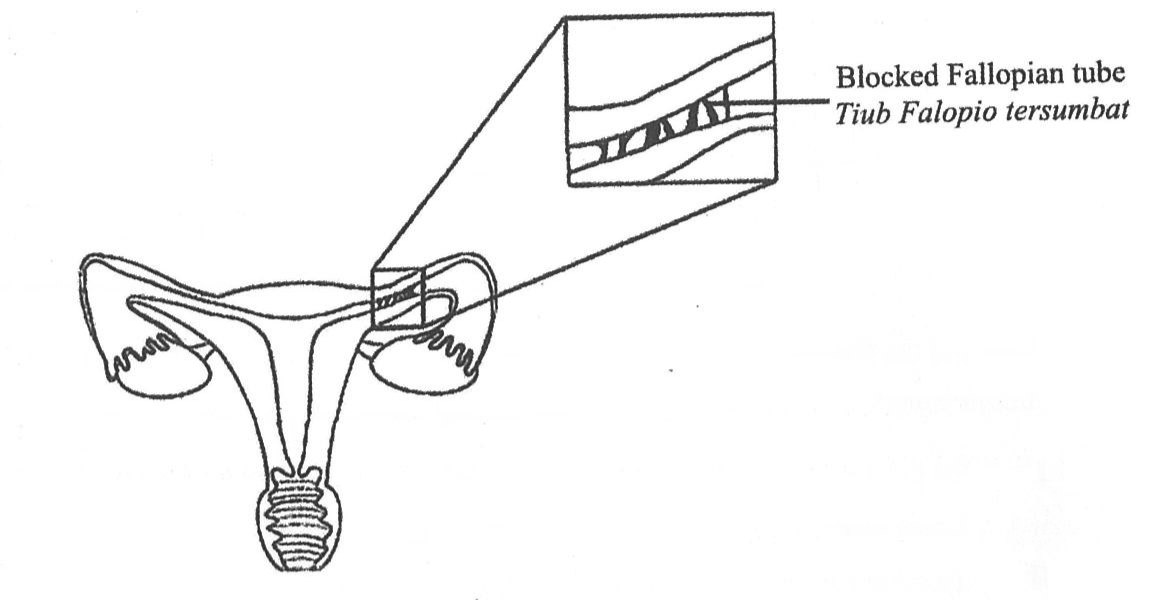
A childless couple consulted a doctor on their infertility problem. The doctor diagnosed that the wife has a complication in her Fallopian tube as shown in Diagram 21. Which of the following procedures can be suggested for the couple to conceive?
Medium
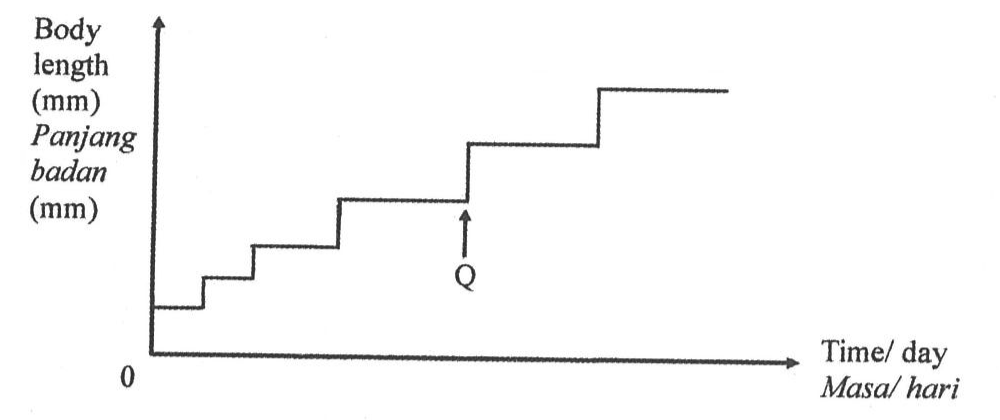
Diagram 22 shows the growth curve of an insect (stepwise curve). Which of the following are true about process that occurs at Q? I The process happens periodically; II The body volume of insect increase; III The process is controlled by hormones; IV The nymph undergoes moulting process at Q
Medium
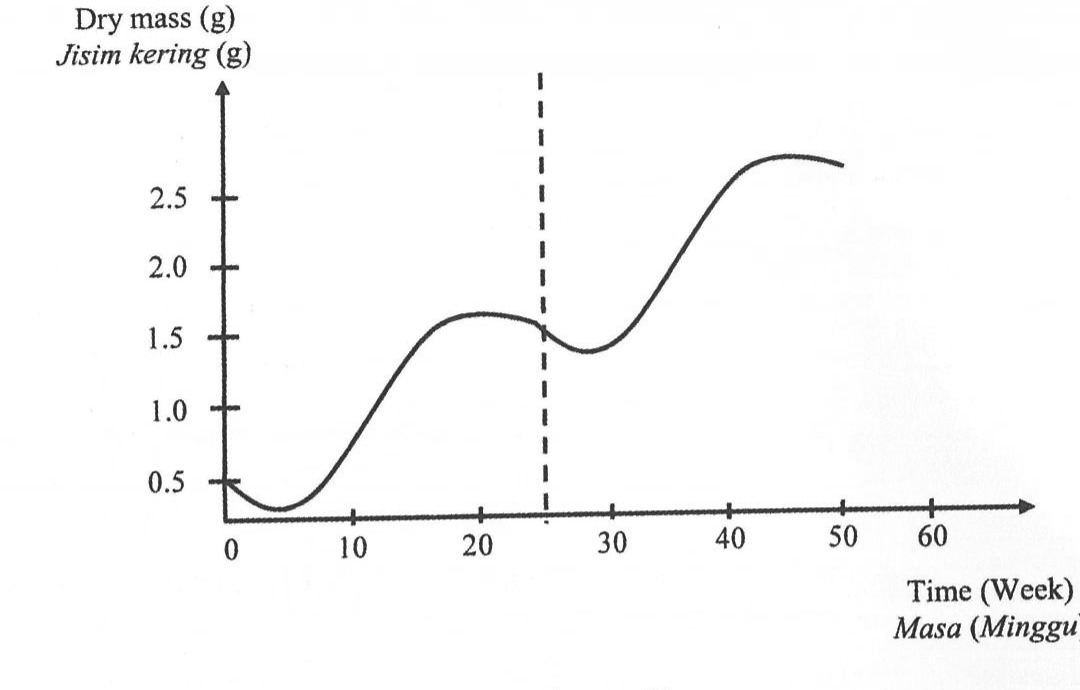
Diagram 23 shows the growth curve in a plant (dry mass in g against time in weeks, two growth cycles). Which of the following describes the growth curve?
Medium
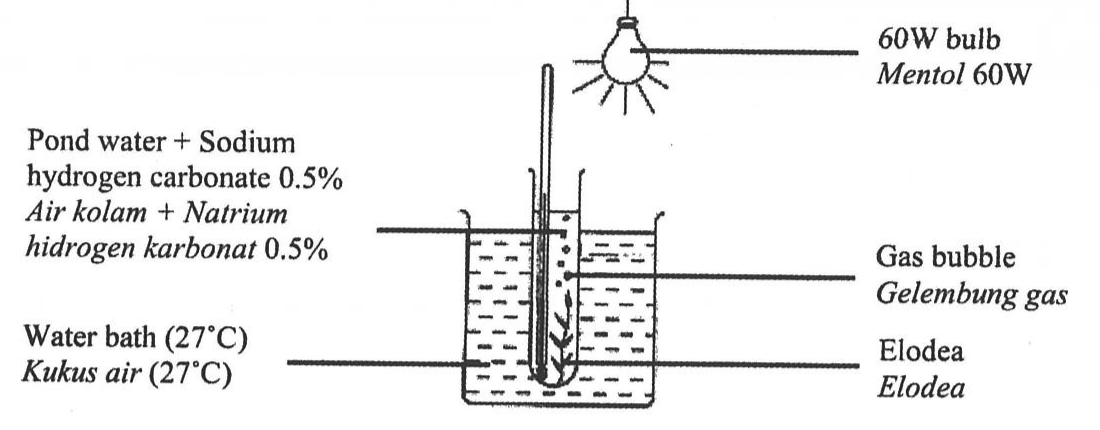
Diagram 24 shows an experiment to study photosynthesis (60W bulb; pond water + sodium hydrogen carbonate 0.5%; water bath 27°C; Elodea). Which of the following statements will increase the number of gas bubble released in the experiment? I Using an 80W bulb; II Using a water bath set at 15°C; III Reduce the number of leaves of Elodea plant; IV Using sodium hydrogen carbonate solution 1.0%
Medium
The following information shows the effects of macronutrient deficiency in plants: poor root growth; red or purple spots on old leaves; formation of dull dark green leaves. Based on the statement above, what nutrient is needed to ensure the healthy growth and development of the plants?
Medium
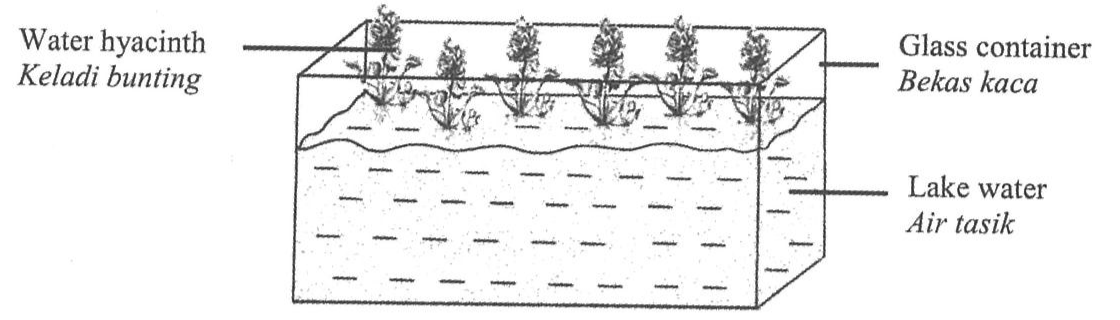
Diagram 25 shows an apparatus set up to study the effectiveness of phytoremediation plants in controlling water pollution. A test was conducted to determine the concentration of ammonia in the lake water. After seven days, the concentration of ammonia in the water sample has decreased. What is the best conclusion from the test?
Medium
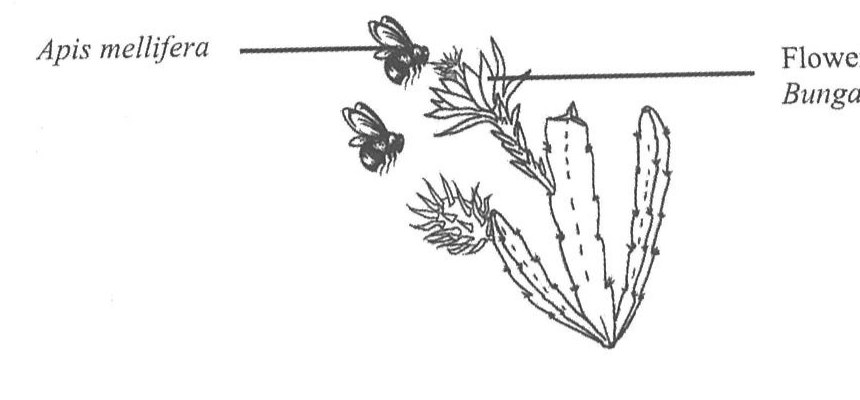
Diagram 26 shows Apis mellifera bees on a flower of dragon fruit plant. Due to a forest fire event, the population of bee vanished from the dragon fruit farm. Which of the following is the most suitable method to ensure the continuity of fruit production?
Medium
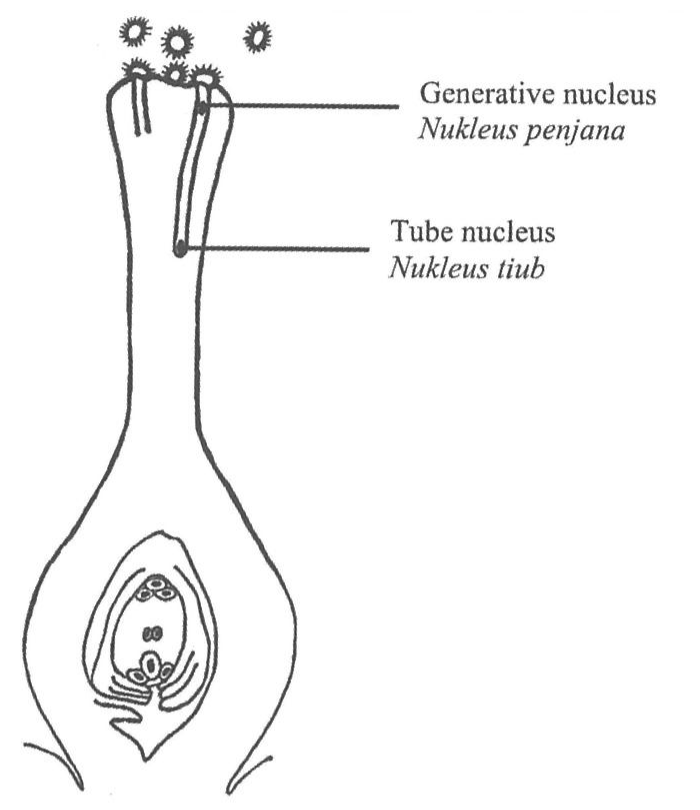
Diagram 27 shows a longitudinal section of an ovule shortly before double fertilization occurs. The generative nucleus will divide by mitosis in the pollen tube. Which of the following is the significance of the division by generative nucleus?
Medium
Hydrophytes are plants that have adapted to living either partially or fully submerged in water. Which of the following is the typical features of submerged hydrophytes? I Floating, large and thin leaves; II Little or no waxy cuticle; III Poorly developed xylem tissue; IV Stomata are present on upper epidermis
Medium
Which of the following can be done to prevent the spread of COVID-19? I Swim in a crowded pool; II Wash hands thoroughly after grocery shopping; III Stand at least one meter apart from other people while queuing; IV Touch nose immediately after withdrawing money from Automated Teller Machine
Easy
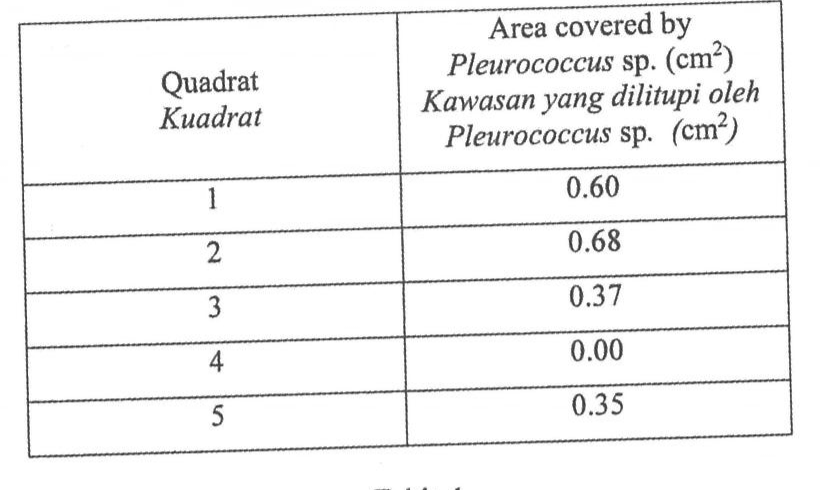
A quadrat measuring 10 cm² is used to study the percentage coverage of Pleurococcus sp. on the trunk of a tree. Table 1 shows the result obtained by the quadrat sampling technique (area covered in cm²: quadrat 1 = 0.60, 2 = 0.68, 3 = 0.37, 4 = 0.00, 5 = 0.35). What is the percentage coverage of Pleurococcus sp.?
Medium
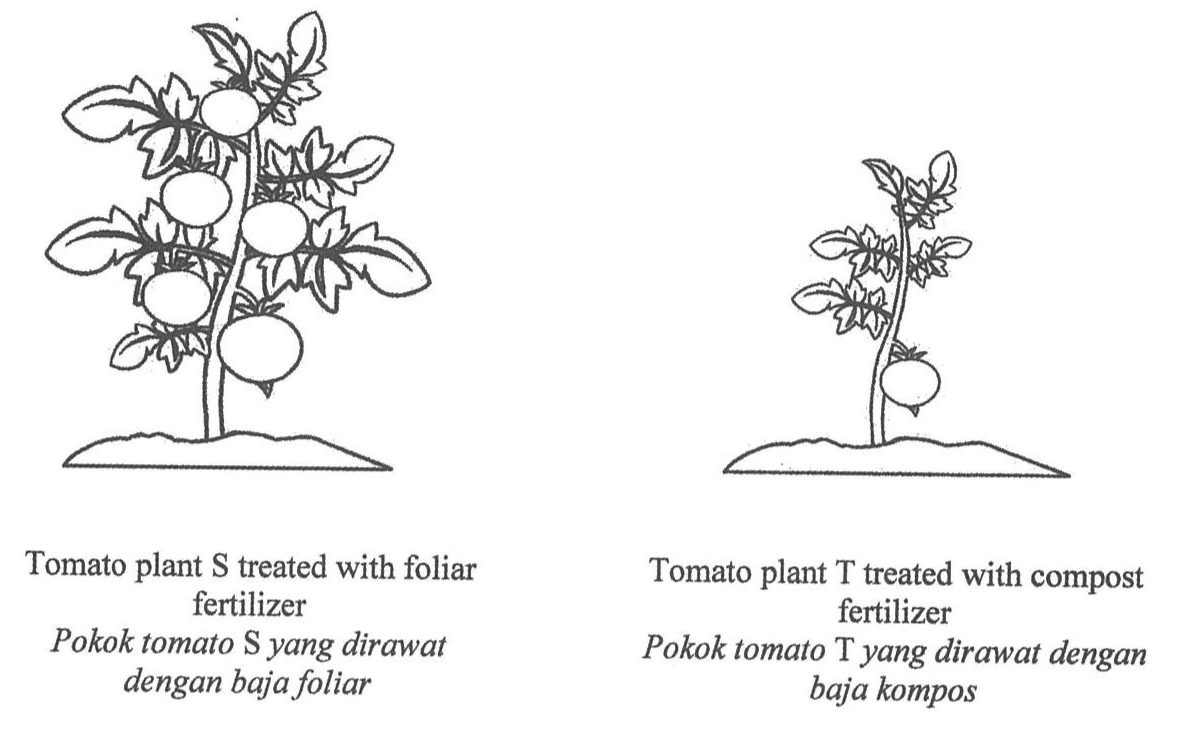
Diagram 28 shows tomato plant S and tomato plant T that have been treated with two different types of fertilizers for a month (S: foliar fertilizer; T: compost fertilizer). What is the best reason tomato plant S is taller than tomato plant T?
Medium
A pair of husband and wife inherit the heterozygous blood group A. What are the probabilities of them having children with blood group A and O?
Medium
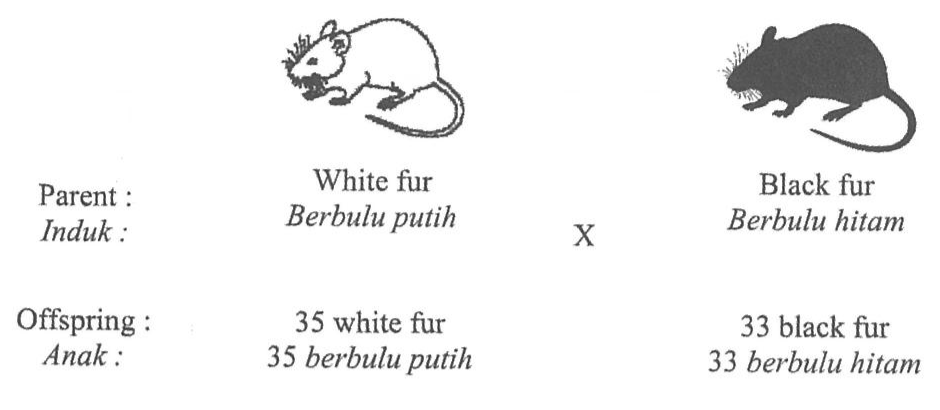
Diagram 29 shows a monohybrid cross between two mice (white fur x black fur; offspring: 35 white fur, 33 black fur). What are the possible genotypes of the parent?
Medium
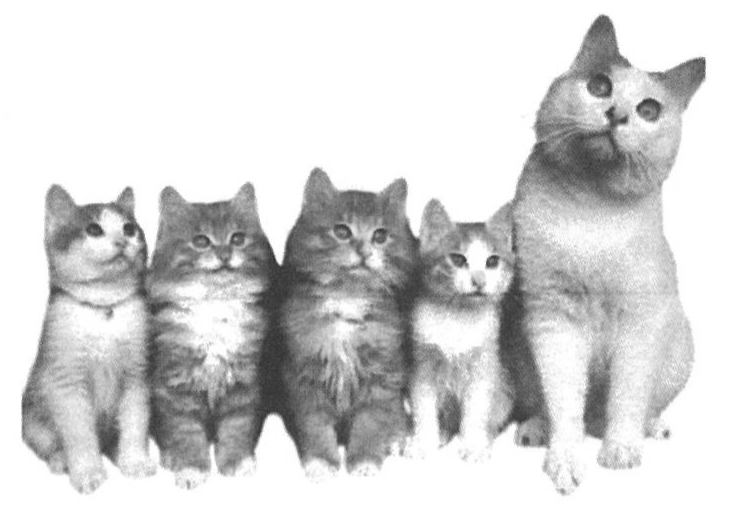
Diagram 30 shows a variation of fur colour for domestic cat. Which of these statements is true about the type variation shown?
Medium
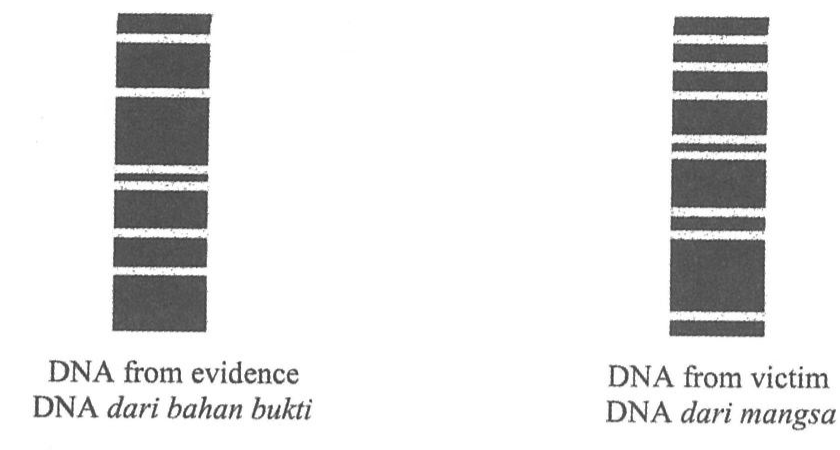
Diagram 31 shows two DNA profile from hair samples found at a crime scene (DNA from evidence and DNA from victim). Which of the following is the possible DNA profile of the criminal?