Write your answer on paper. Then open the answer to check it.
Section A
Diagram 1.1 shows sequence of the organisation of cell in human (Cell P to tissue/organ/system; Tissue Q to organ/system).
Medium6 marks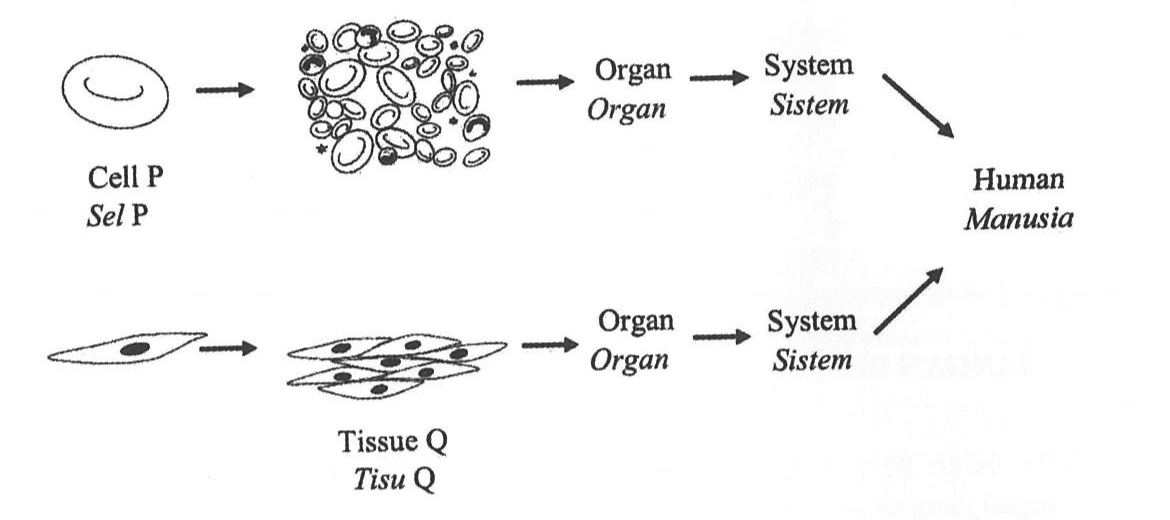
- (a)(i)
Name tissue Q.
[1] - (a)(ii)
Name one system which consist of tissue Q.
[1] - (b)
Diagram 1.2 shows cross section of arterial wall (tissue Q labelled). Explain how tissue Q in arterial wall can lower the blood flow to target organ.
[2]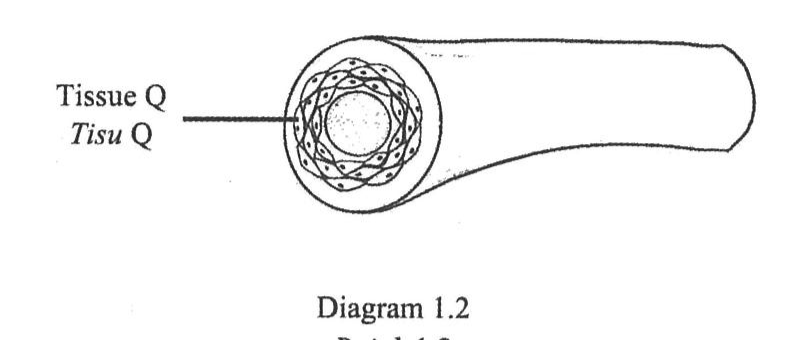
- (c)
A blood test shows that the number of cell P in an individual is below than normal. Explain the possible consequences of this condition on his health.
[2]
Diagram 2 shows a reaction of enzyme X on a substrate (enzyme X binds the substrate Y, giving glycerol and fatty acids, and enzyme X is released unchanged).
Medium6 marks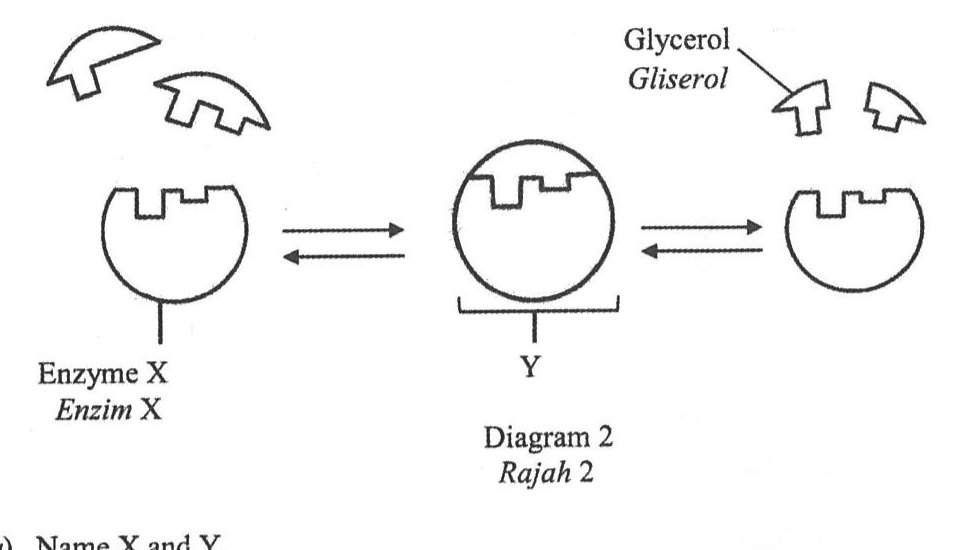
- (a)
Name X and Y.
[2] - (b)(i)
Based on Diagram 2, state two characteristics of enzyme.
[2] - (b)(ii)
The medium for enzyme X reaction is changed to pH 3. Explain what will happen to the active site of X.
[2]
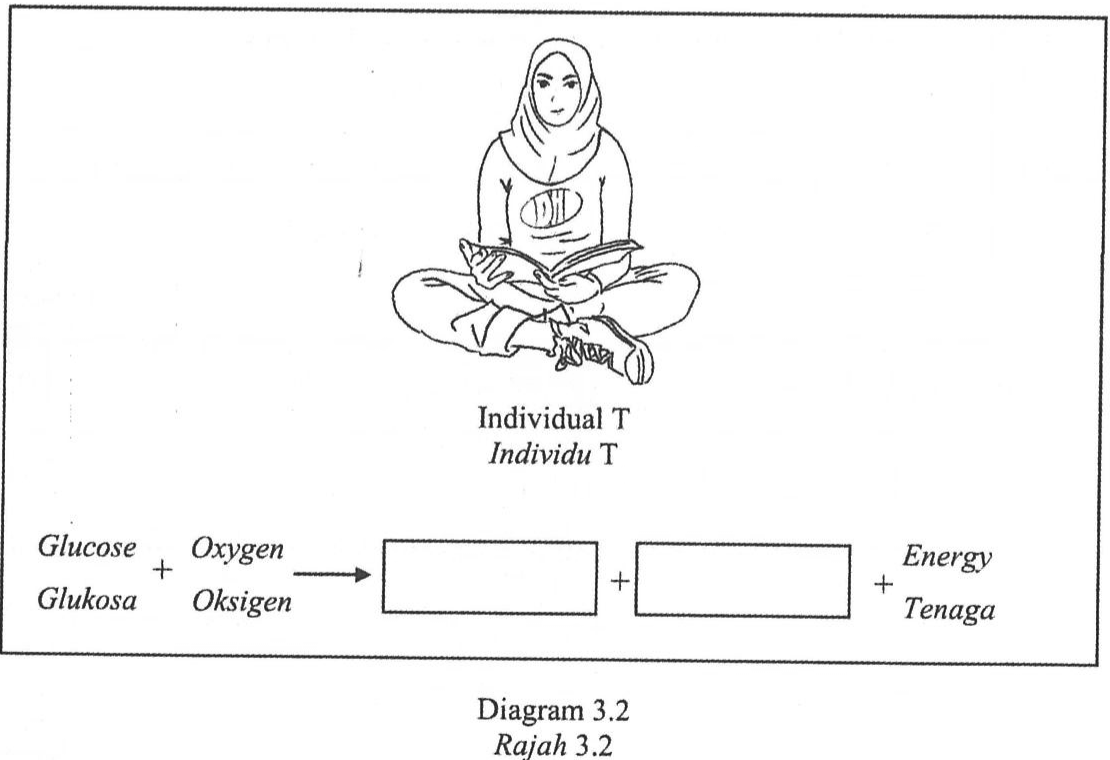
Diagram 3.1 and 3.2 show the activities of two individuals: S running (Glucose -> [ ] + Energy) and T reading (Glucose + Oxygen -> [ ] + [ ] + Energy).
Medium7 marks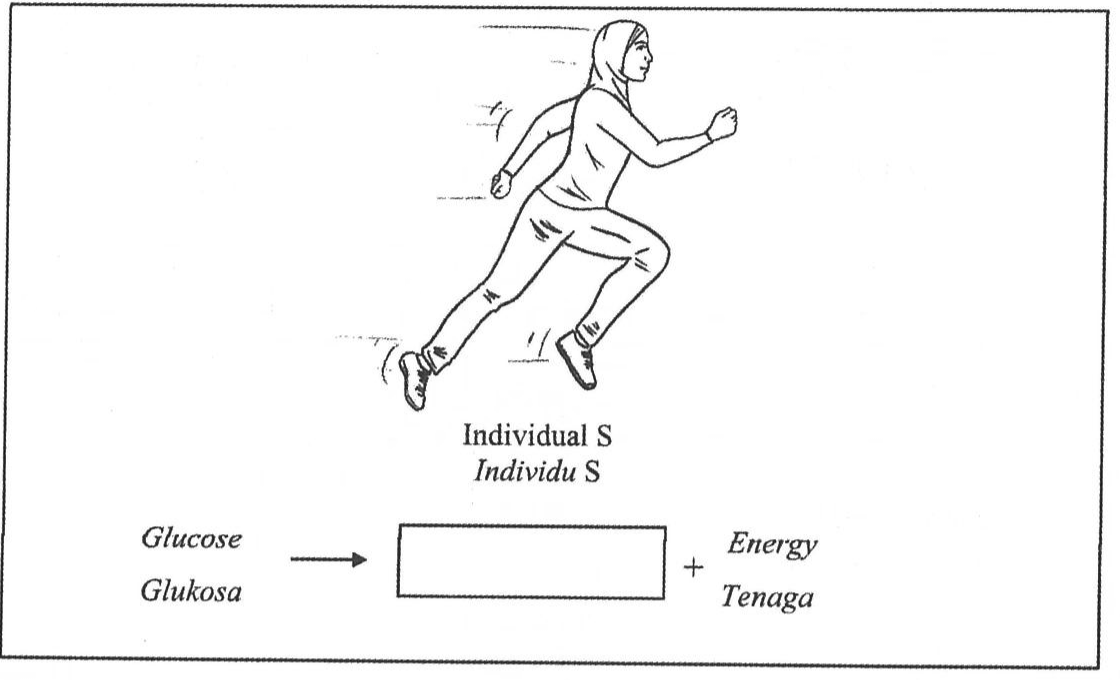
- (a)
State the type of cellular respiration that carry out by muscle cells of individual S and T.
[2] - (b)
Complete the word equation for the respiration process in Diagram 3.1 and Diagram 3.2.
[2] - (c)
Statement: 'To become a faster and stronger runner, it is important to stay consistent with the training schedule.' Based on the statement, explain why an individual S able to run faster after an intensive training.
[3]
Diagram 4 shows a synapse that separates the synaptic knob from the neurone dendrite that receive the impulses (J: structure inside synaptic knob; K: substance released into the synapse).
Medium7 marks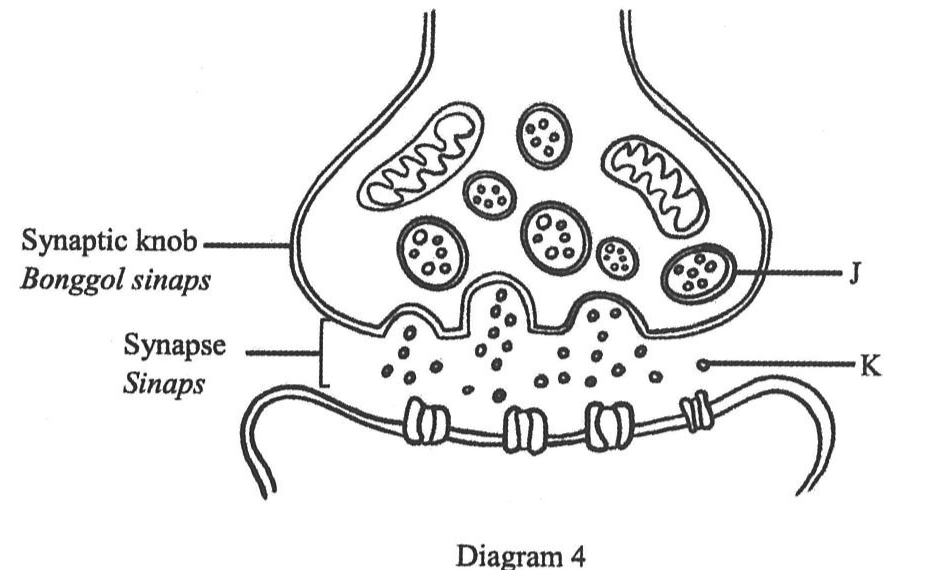
- (a)
What are J and K.
[2] - (b)
Parkinson's disease is an example of health issues related to the nervous system. Symptoms are due to a loss of neurones that produce a type of K in the brain. Name the type of K involved and state the symptoms of Parkinson's disease.
[3] - (c)
Explain the effect of painkiller on nerve impulse transmission across a synapse.
[2]
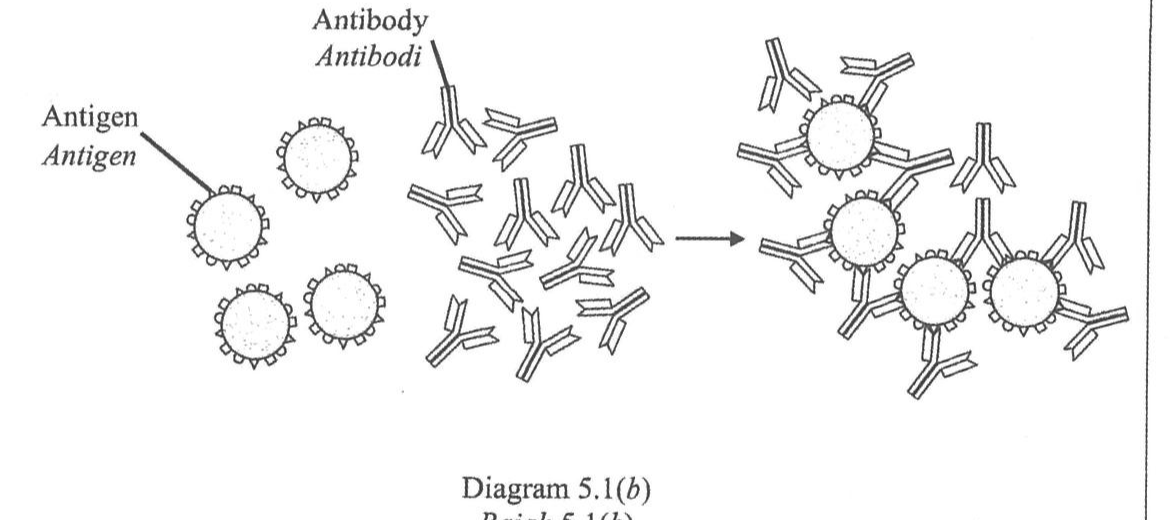
Diagram 5.1(a) and 5.1(b) show two actions of antibodies on antigens.
Medium8 marks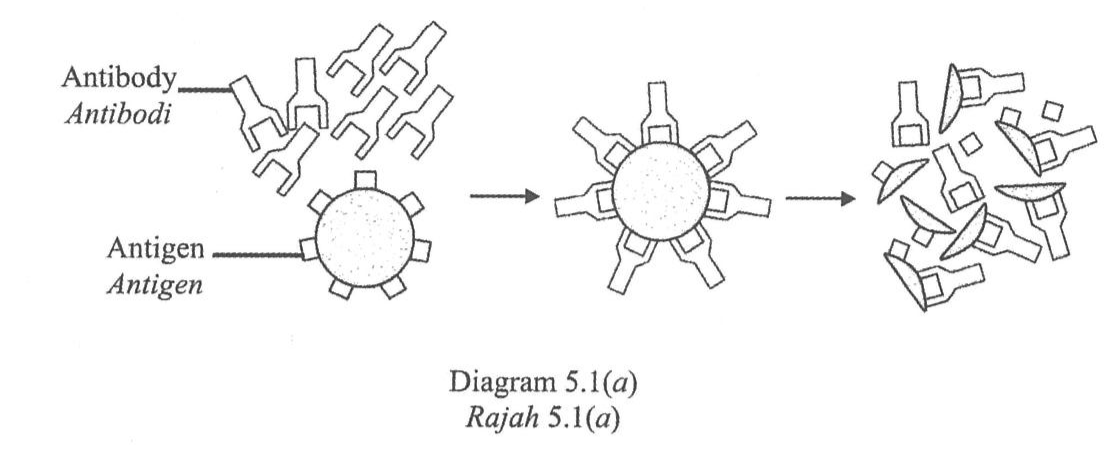
- (a)(i)
Name the cell in the body that produces antibody.
[1] - (a)(ii)
Name the action of antibody on antigen in Diagram 5.1(a) and Diagram 5.1(b).
[2] - (b)(i)
Diagram 5.2 shows the Pfizer-BioNTech vaccination process (Day 1: 1st dose; Day 12: start to build immunity; Day 21: 2nd dose; Day 28: full immunity). Name the type of immunity obtained by injecting vaccine into the body.
[1]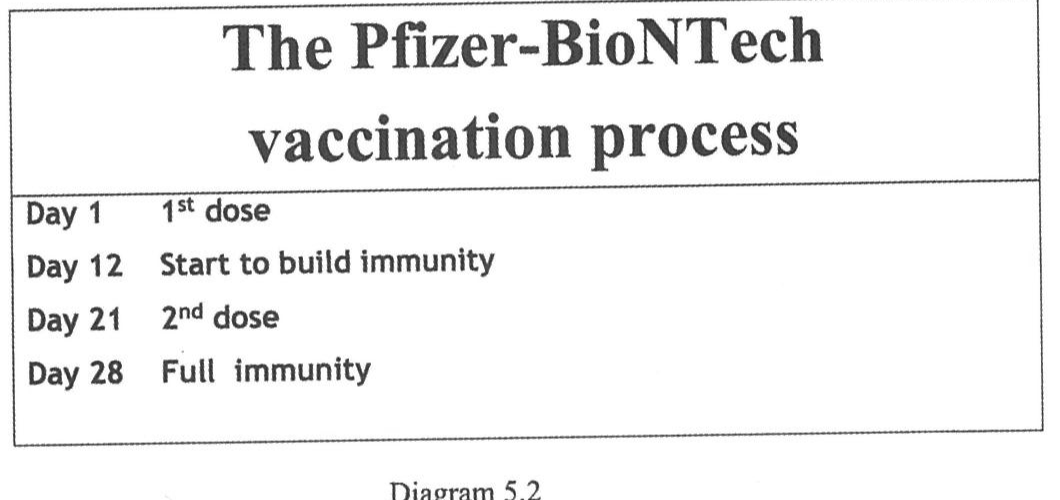
- (b)(ii)
Explain why an individual is required to take second dose of vaccine in order to complete immunisation.
[2] - (c)
Diagram 5.3 shows a human community which form herd immunity (mostly vaccinated people, a few unvaccinated, one COVID-19 infected person with close contacts). Explain how herd immunity stops the spreading of Covid-19.
[2]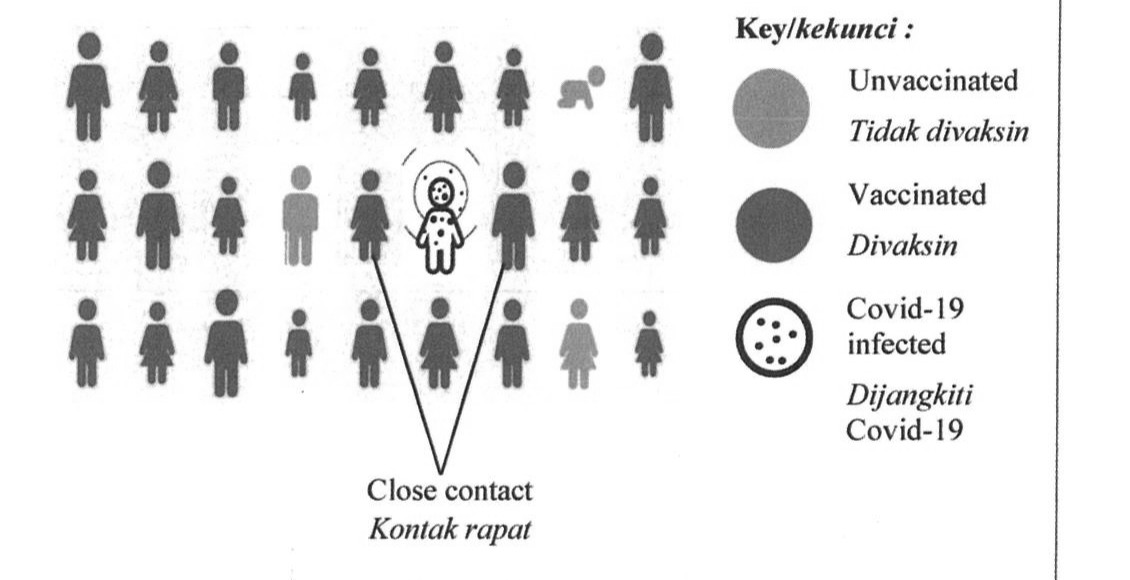
Diagram 6.1 shows a type of response in a plant (a potted plant bending towards a light bulb after one week).
Medium8 marks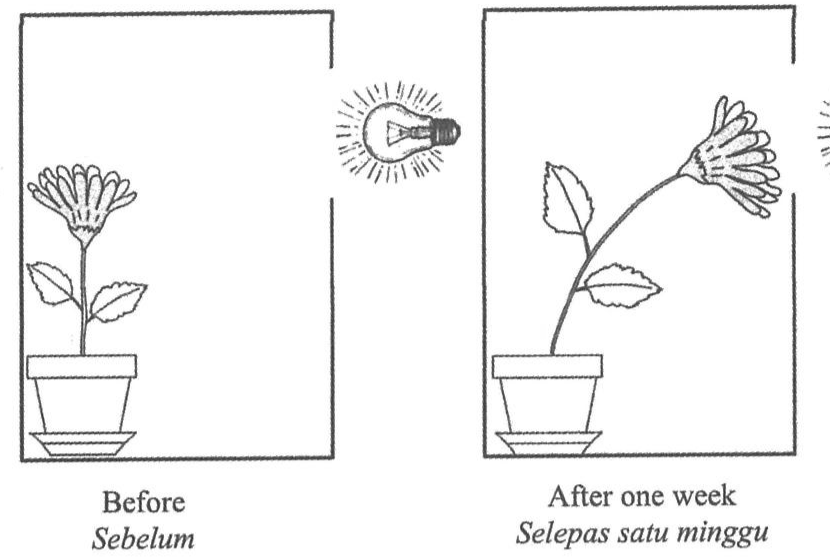
- (a)(i)
In Table 1, mark [√] one characteristic of response shown in Diagram 6.1. Table 1: The response is quicker and apparent. / The response is temporary and influenced by plant hormones. / The response direction depends on the direction of the stimulus.
[1]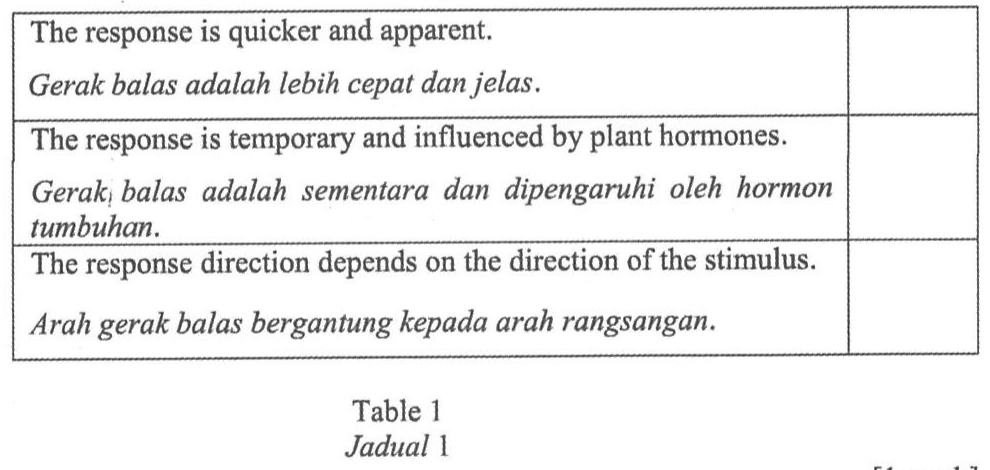
- (a)(ii)
Based on Diagram 6.1, explain the role of auxin in the response.
[2] - (b)
Plant leaves contain many types of photosynthetic pigments that absorb light. Diagram 6.2(a) and 6.2(b) show two methods of growing flowering plants in greenhouse (blue LED light; fluorescent light). Explain the difference on the rate of photosynthesis between plants in Diagram 6.2(a) and 6.2(b).
[2]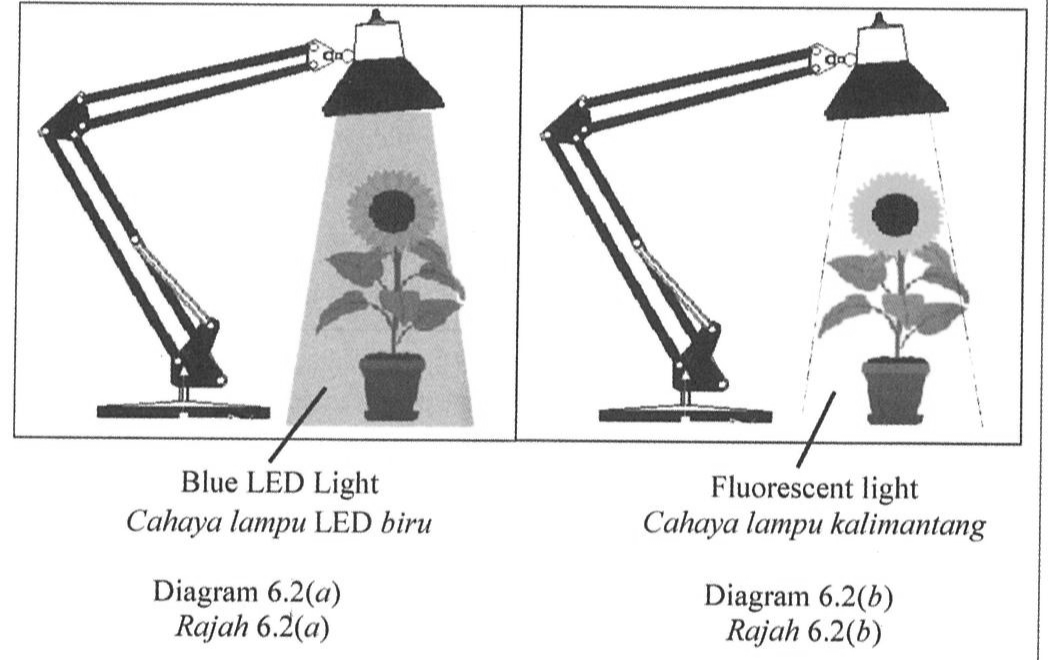
- (c)(i)
Diagram 6.3 shows the title of an article: 'Sunflowers to clean radioactive soil in Japan'. Based on Diagram 6.3, define phytoremediation.
[1]
- (c)(ii)
Explain one example of another plant used in phytoremediation.
[2]
Diagram 7 shows two plants, P (submerged aquatic plant) and Q (mangrove plant), in two different habitats.
Medium9 marks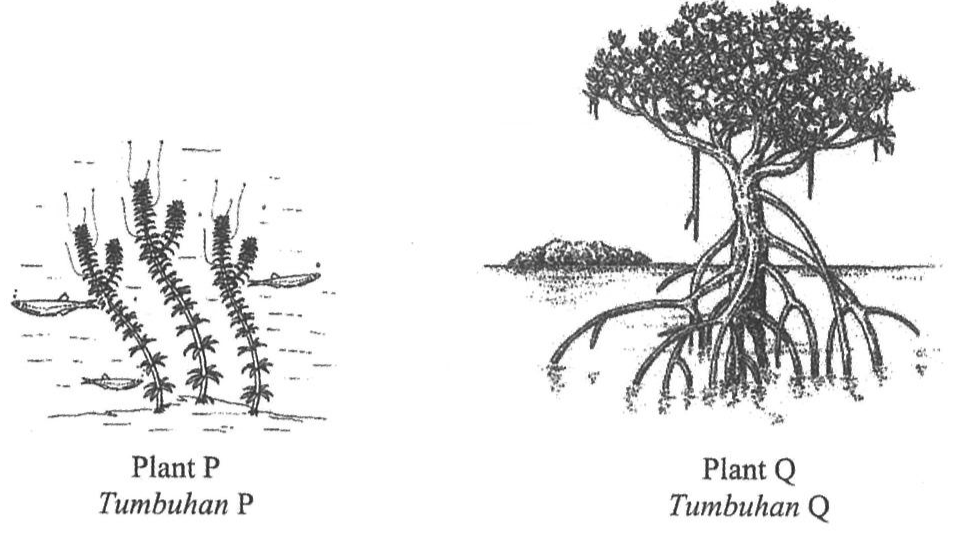
- (a)(i)
State the classification of plants P and Q, based on their habitats.
[2] - (a)(ii)
State one problem faced by plant P in its habitat.
[1] - (b)
Explain one adaptive feature of plant P to carry out photosynthesis efficiently.
[2] - (c)
Describe the importance of an ecosystem which is dominated by plant Q as a protection zone and fisheries resources.
[4]
Diagram 8.1 shows the production of insulin by genetic engineering technique (human insulin gene isolated, inserted into a bacterial plasmid, plasmid placed into bacterium, bacteria cultured to make insulin).
Medium9 marks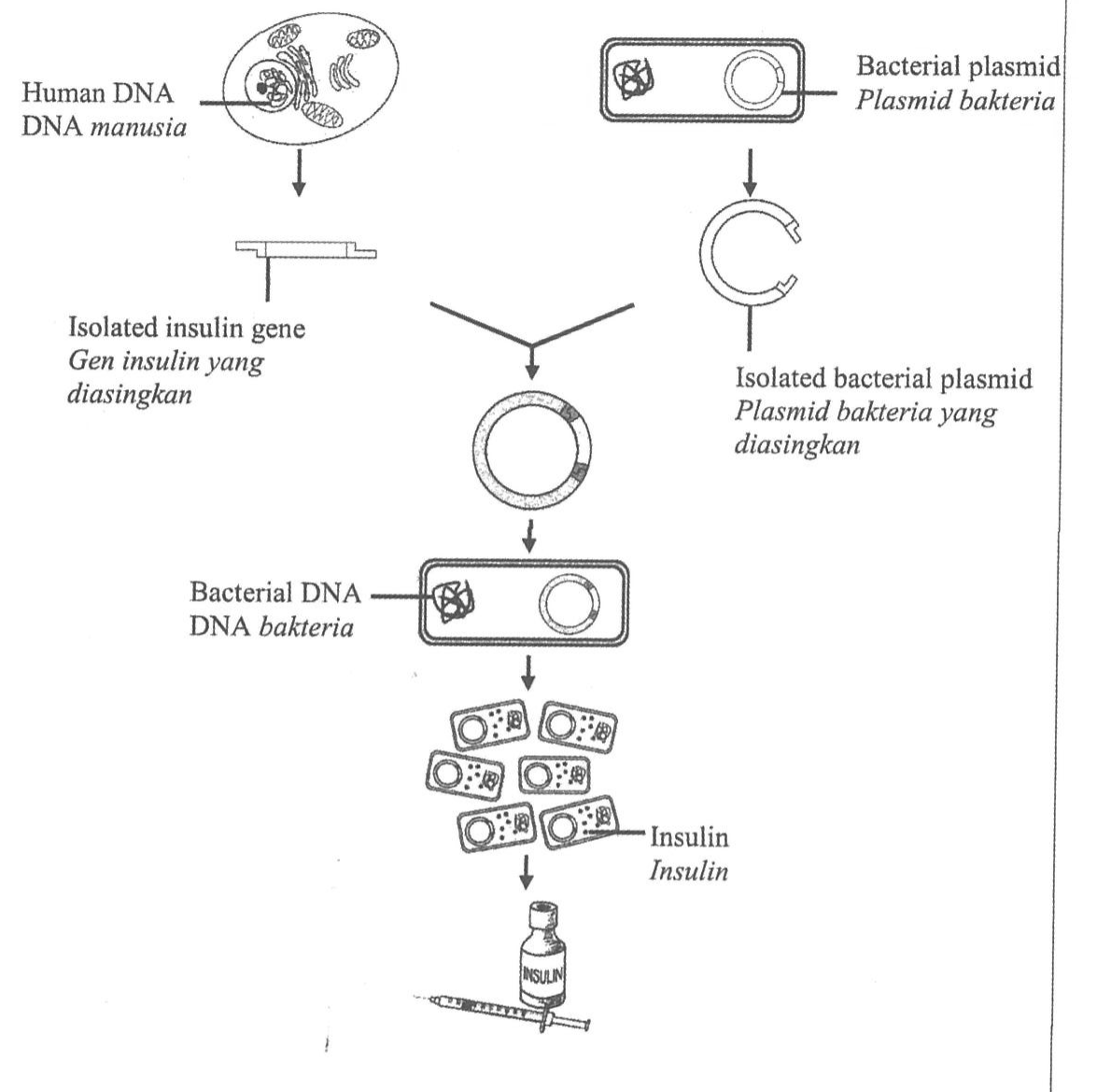
- (a)
Define genetic engineering.
[2] - (b)
Explain how the insulin gene is inserted into the plasmid.
[3] - (c)
Statement: 'Insulin gene from human is inserted into bacterial plasmid. This bacterium will then be cultured extensively to produce insulin.' Based on the statement, state the disease that can be treated by insulin. The use of bacteria has been suggested in genetic engineering techniques. Explain about that suggestion.
[4]
Section B
Section B (answer one of Q9 and Q10). Diagram 9.1 shows a reproduction process in flowering plant: bee transfers pollen from flower P to flower Q (process X); enlarged ovule shows pollen tube, embryo sac and labelled L (male gametes), M (polar nuclei) and N (egg cell).
Medium20 marks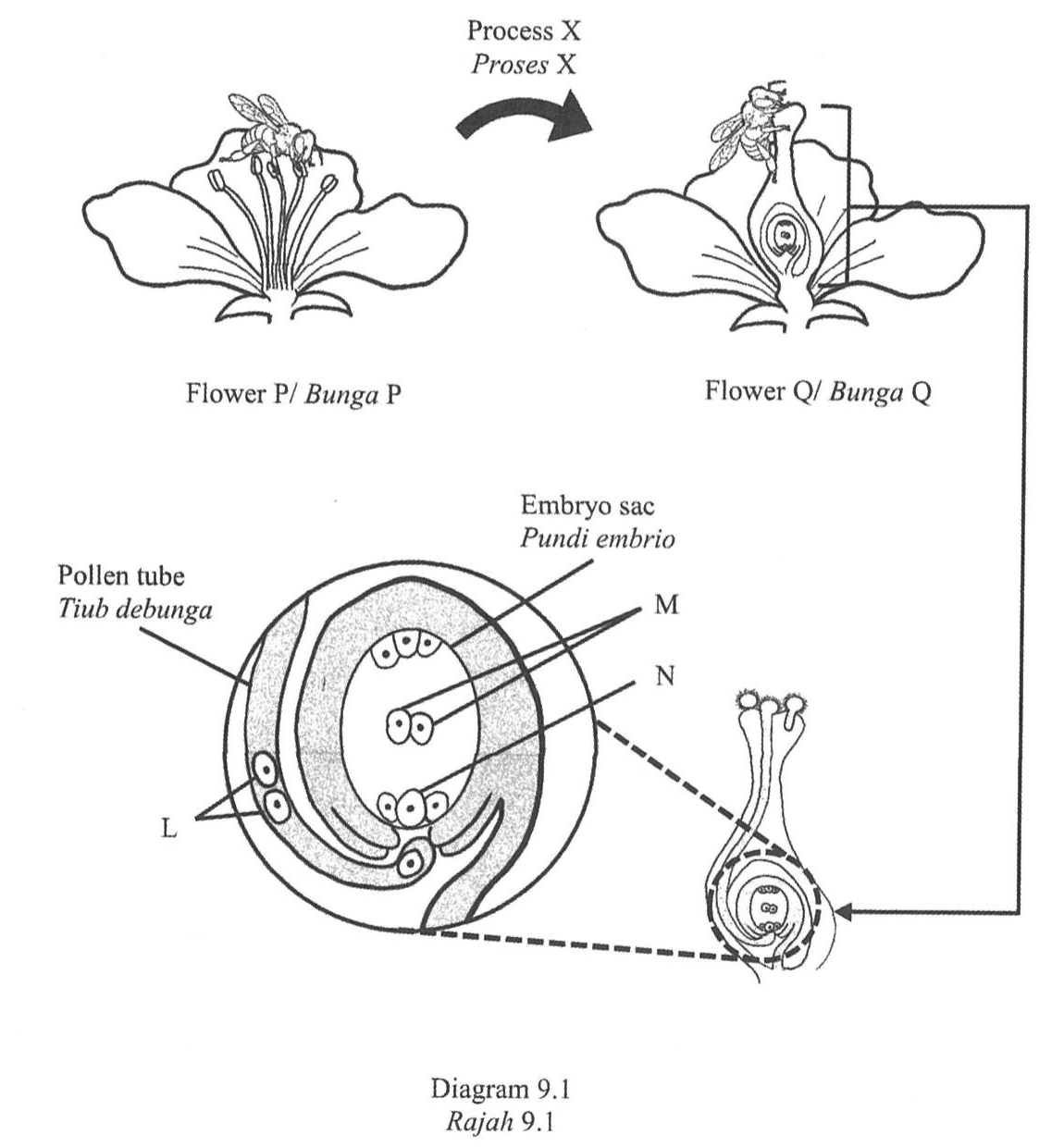
- (a)(i)
Based on Diagram 9.1, explain process X.
[2] - (a)(ii)
Compare the reproduction organs between flower P and flower Q.
[5] - (a)(iii)
Based on Diagram 9.1, explain the formation of seed after process X.
[8] - (b)
Mr. John planted watermelon plants in a greenhouse in a cold climate area (25°C). The plants bear very few fruits because pollination by insects rarely occurs in the greenhouse. The agricultural officer suggested one suitable technique to overcome the problem. Diagram 9.2 shows the seedless watermelon produced after he applied the technique. Explain the technique and its advantages.
[5]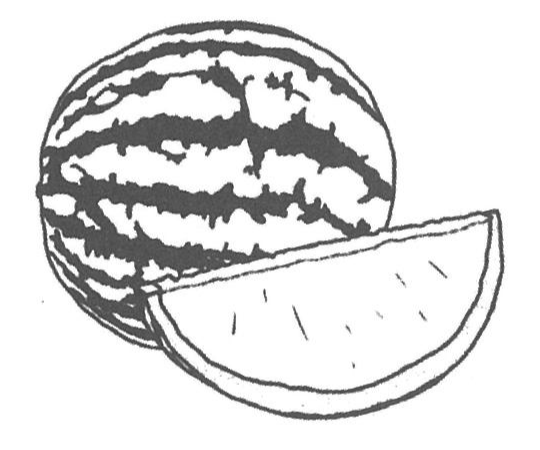
Section B (answer one of Q9 and Q10). Diagram 10.1 shows a human leg movement from position X (leg bent) to position Y (leg straight); labelled: joint T, muscles S and R, calf muscle and tibialis muscle.
Hard20 marks- (a)(i)
Explain the function of joint T.
[2]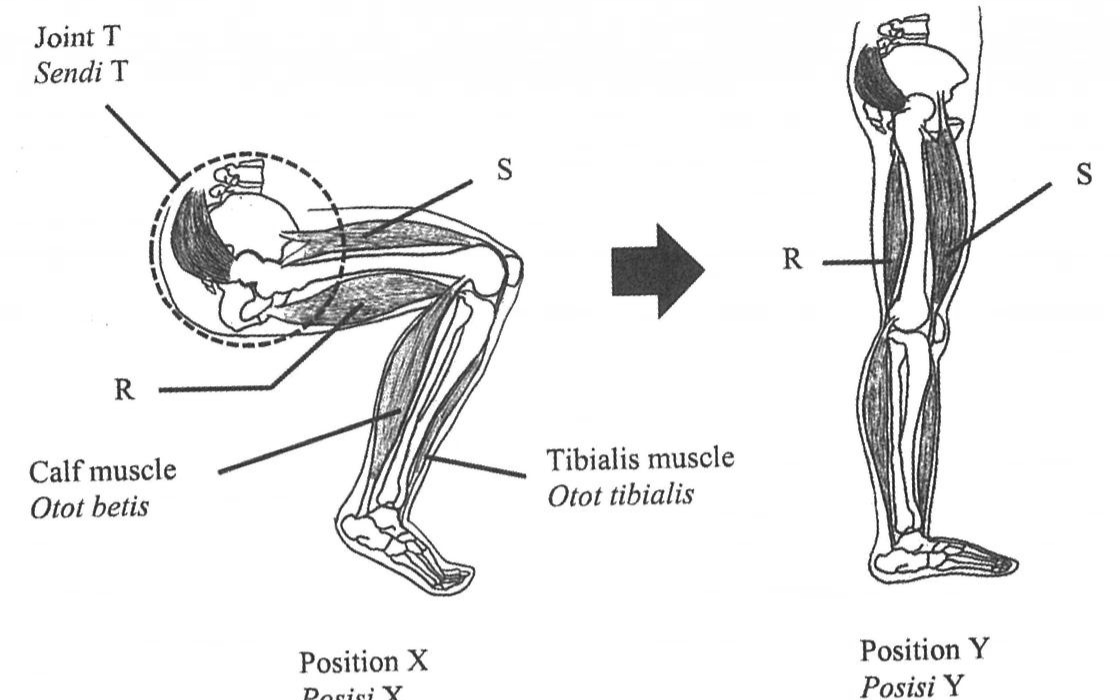
- (a)(ii)
Describe the action of the muscles, bones and tendons during Y position.
[4] - (b)
Diagram 10.2 shows the skeletal system of a pigeon nestling. Muscle Q in this nestling is not fully developed in the growth process. Identify muscle P and muscle Q. Explain how the abnormal condition shown affects its movement.
[4]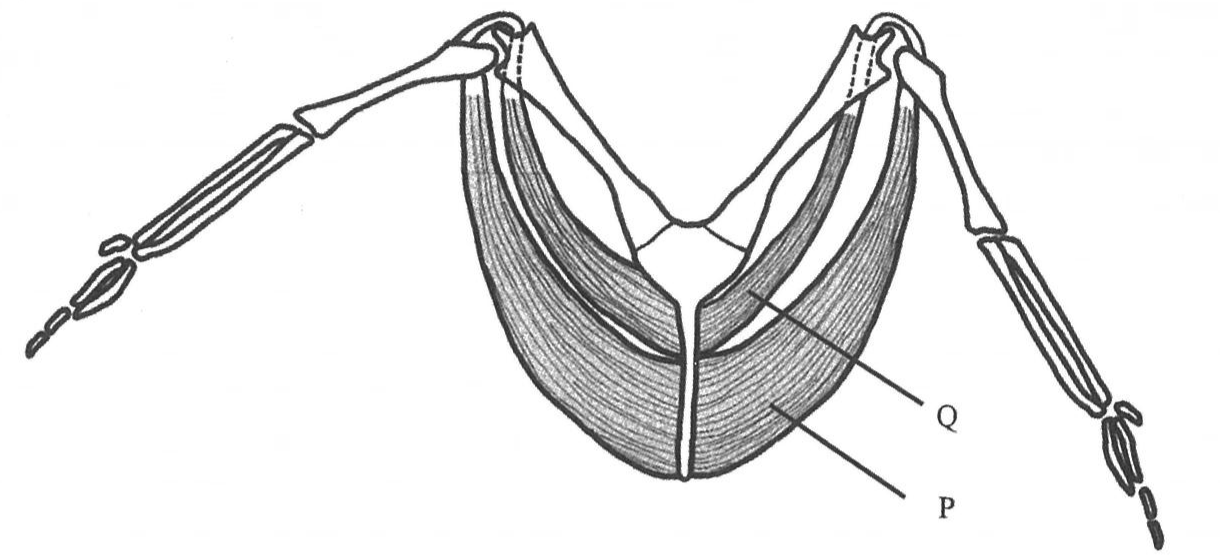
- (c)
Diagram 10.3 shows the movements of a grasshopper (exoskeleton, jumping) and an earthworm (chaetae, peristalsis wave). Explain one similarity and two differences between skeletal systems in both organisms.
[5]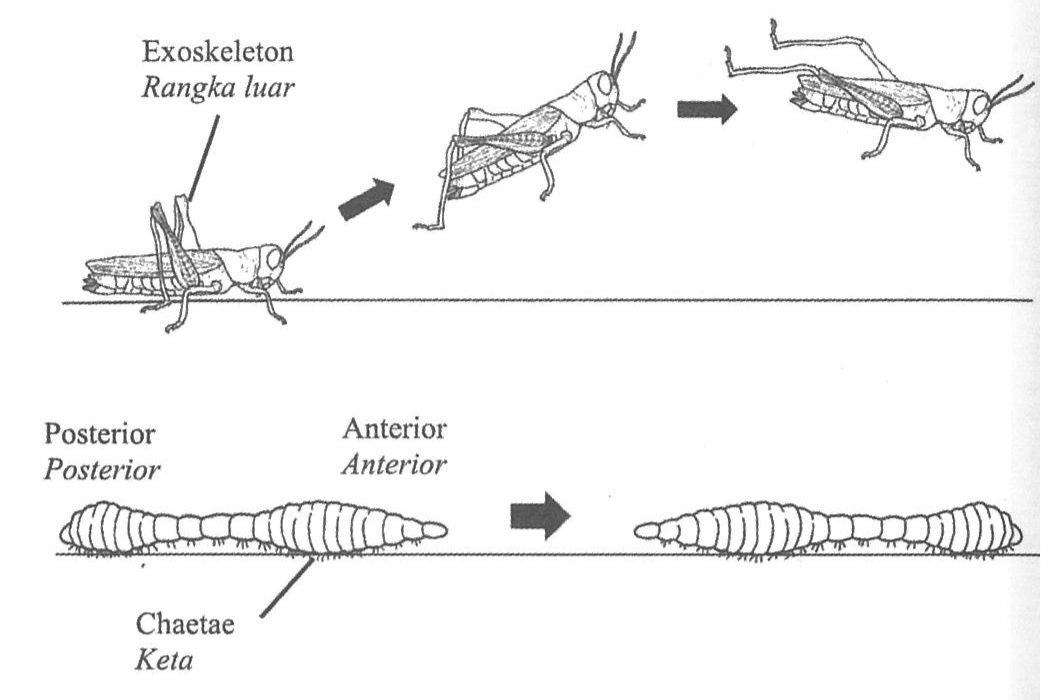
- (d)
A student's femur was fractured in a car accident. The orthopaedic specialist treated him by injecting a solution of carbon nanotubes (CNT) that serves as a scaffolding for bone tissue growth (Diagram 10.4). Discuss four advantages and one disadvantage of the technique.
[5]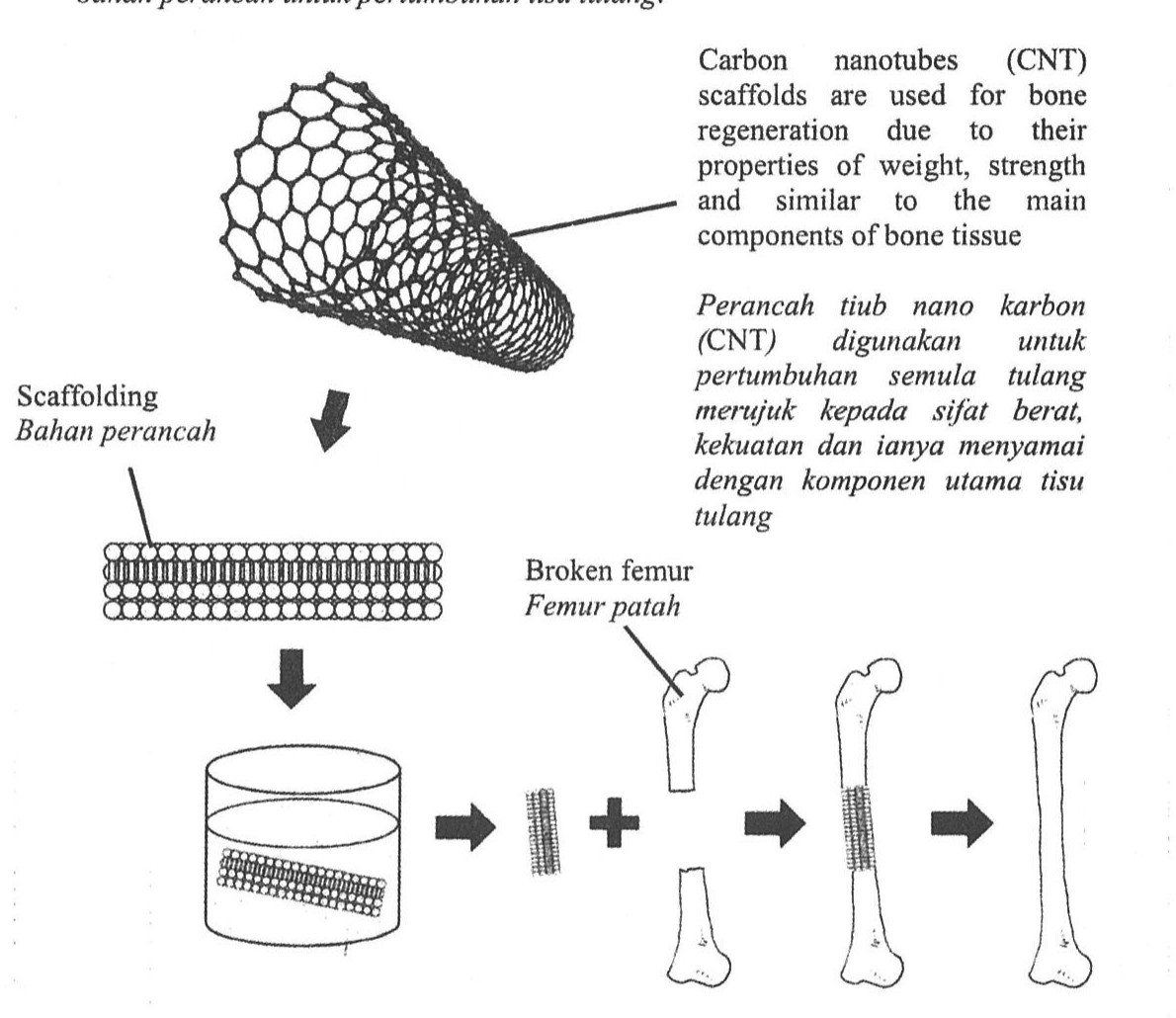
Section C
Section C (answer questions in this section). (a) Diagram 11.1 shows the Malaysian Healthy Plate menu with the 'Quarter Quarter Half' concept (chicken, rice, banana and salad).
Hard20 marks- (a)
Discuss how the menu in Diagram 11.1 can help a person stay healthy.
[5]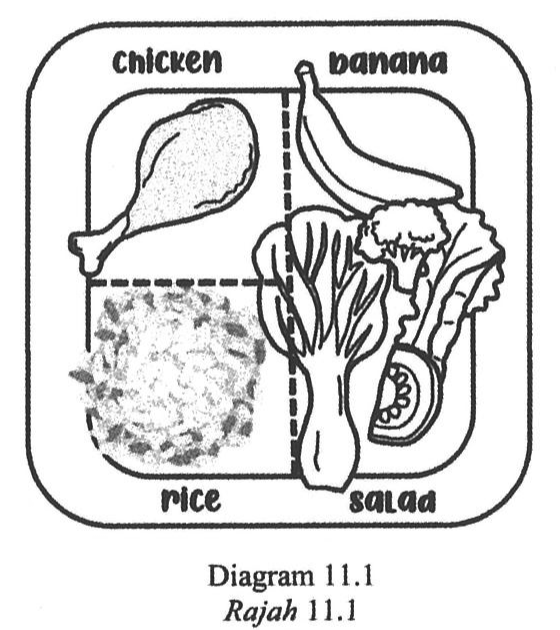
- (b)
Table 2 shows the menu with recommended daily energy requirement of a pregnant mother (total 14,120 kJ) and the daily energy intake by Aminah during pregnancy. Recommended (g / kJ): rice 700 / 2800; potato chips 320 / 645; chicken curry 265 / 510; boiled egg 500 / 2100; butter 125 / 4375; chocolate milk 450 / 540; curry puff 270 / 450; bread 450 / 2700. Aminah (g / kJ): rice 200 / 800; potato chips 310 / 640; chicken curry 278 / 525; boiled egg 150 / 630; butter 200 / 7000; chocolate milk 420 / 504; curry puff 300 / 500; bread 150 / 900. Based on Table 2, justify the menu taken by Aminah whether it meets her daily energy requirement or not. Explain your answer.
[5]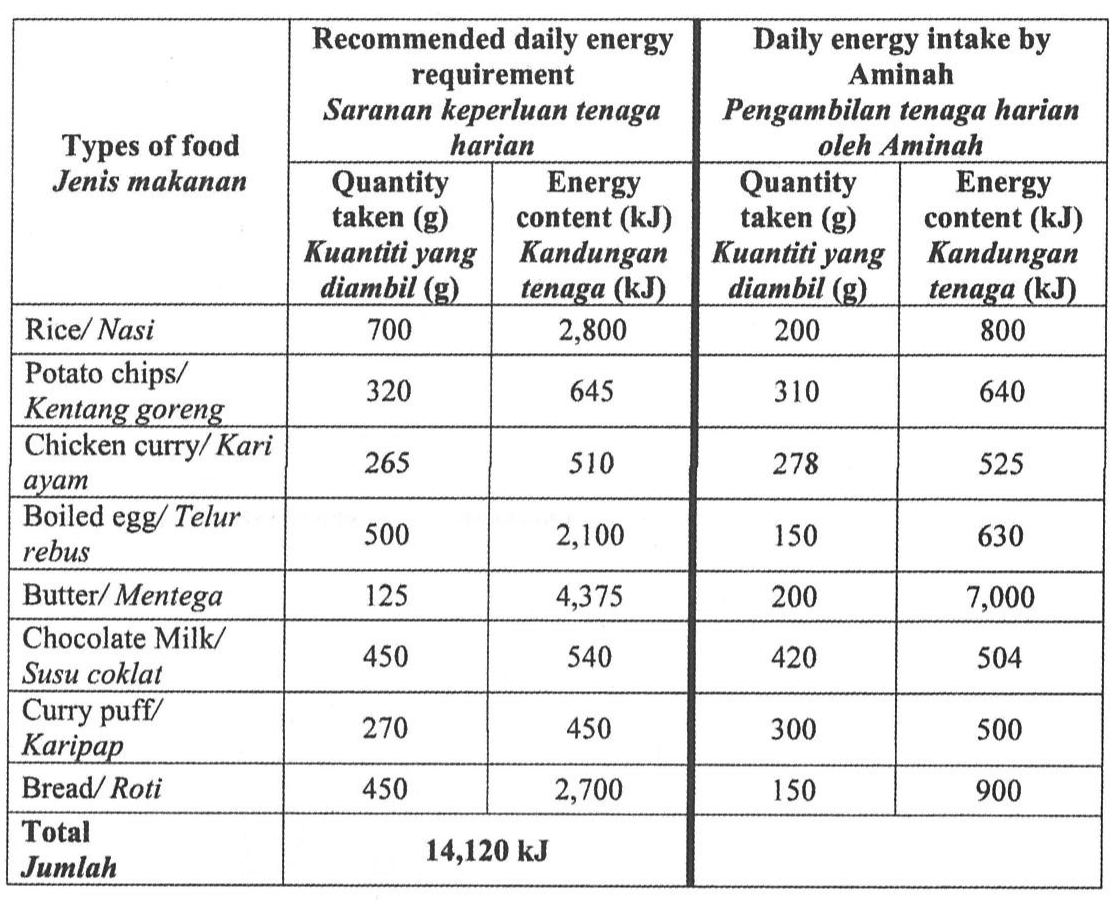
- (c)
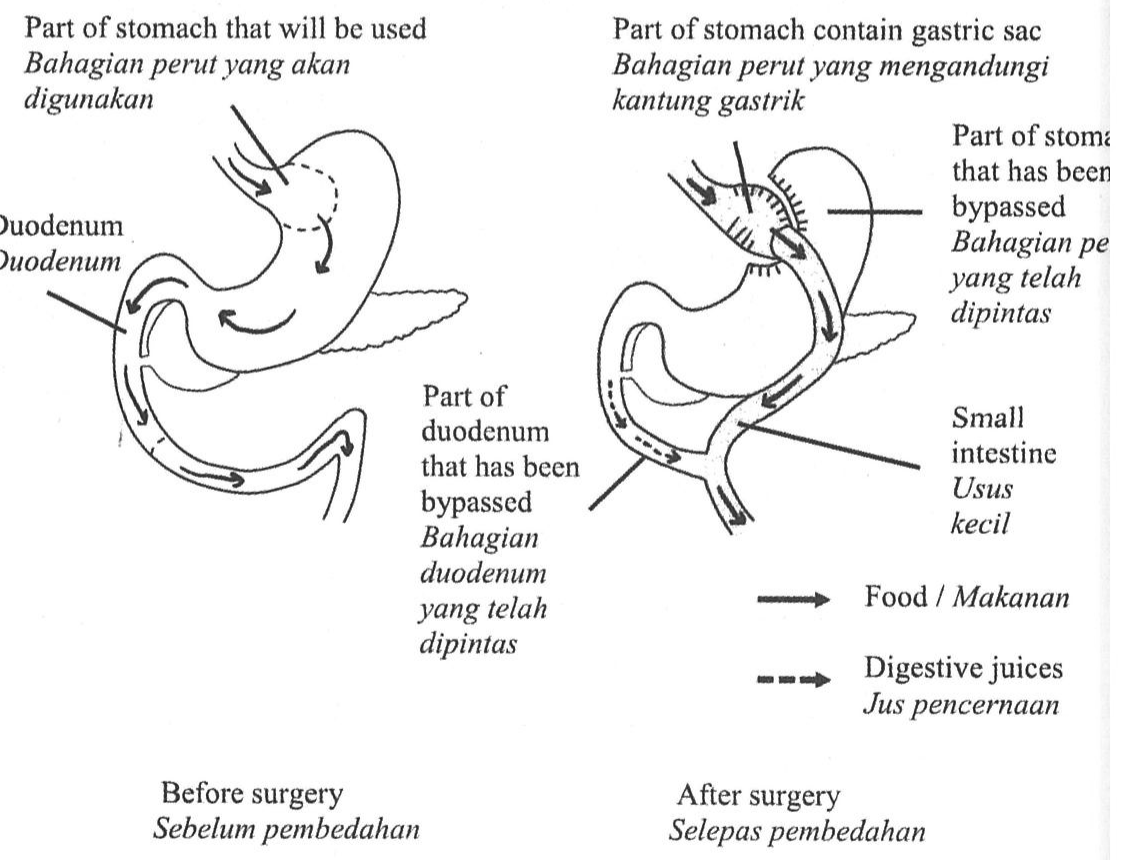
Diagram 11.2 shows a weight loss campaign to control obesity through gastric bypass procedure, known as bariatric surgery (stomach before and after surgery). Justify bariatric surgery in obese patients. Discuss the advantages and disadvantages of the surgical procedure.
[5]
- (d)
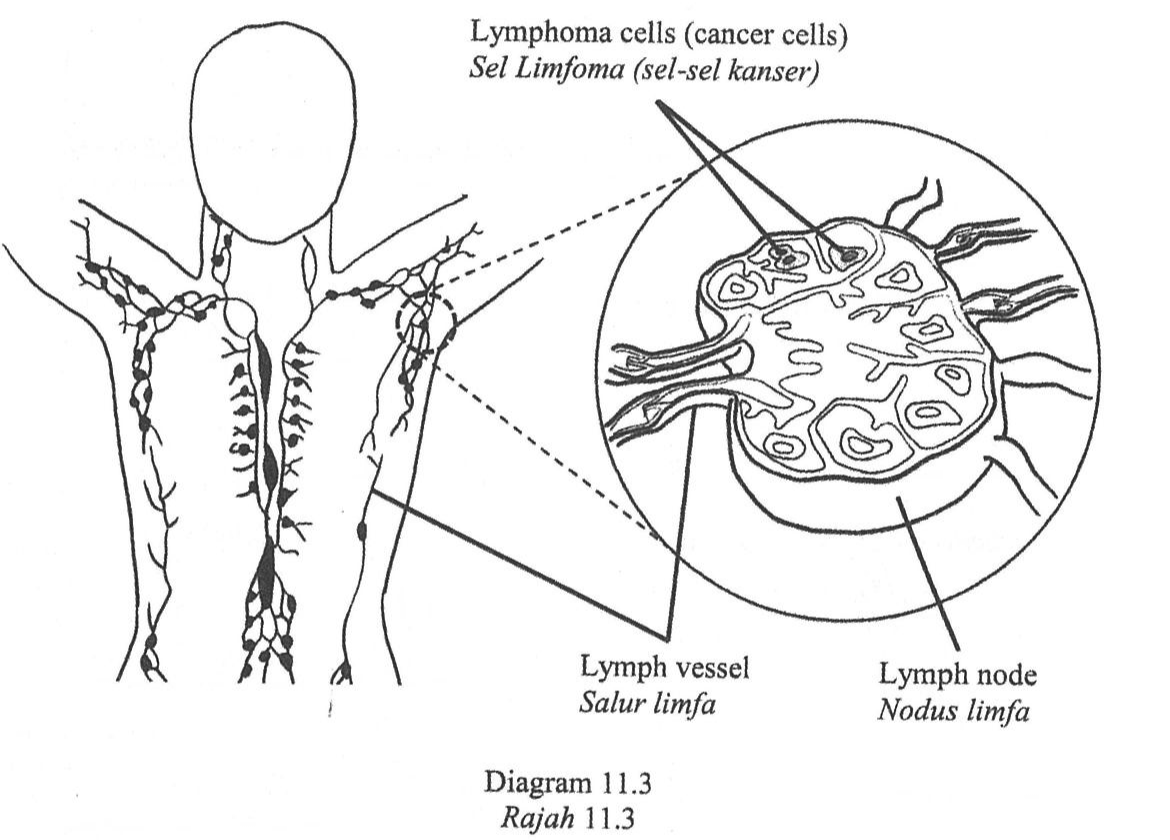
Diagram 11.3 shows lymphoma cells (cancer cells in a lymph node) of a patient. The type of food taken by the patient is important during the treatment of this disease. Suggest a suitable diet that should be taken by this patient continuously over a long period of time.
[5]