Which of the following cell component functions in the formation of spindle fibres during cell division in animals?
Easy
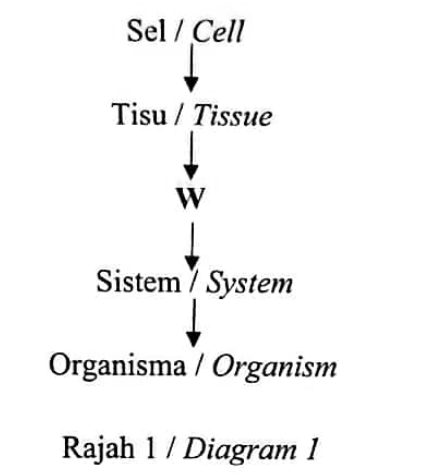
Diagram 1 shows the cell organisation in multicellular organisms: Cell → Tissue → W → System → Organism. What is an example for W?
Easy
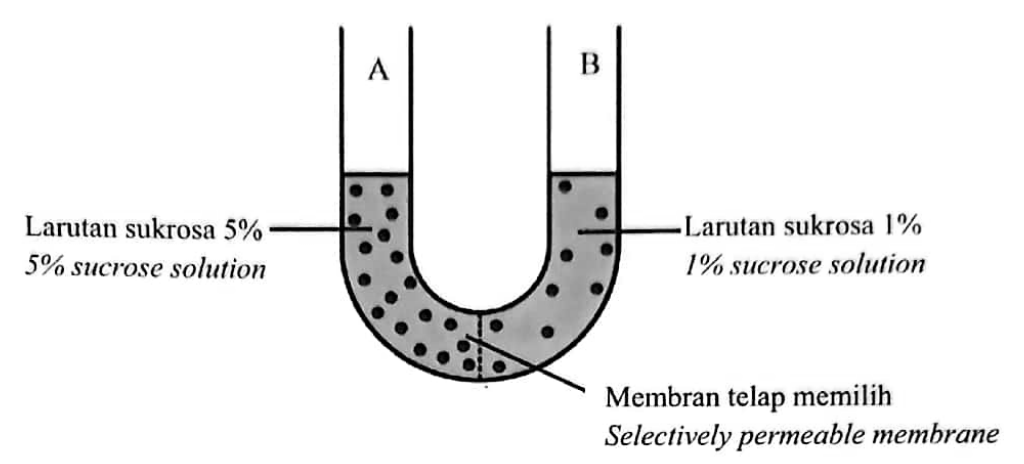
Diagram 2 shows two different concentrations of sucrose solutions (5% in arm A, 1% in arm B) in a U-tube separated by a selectively permeable membrane. Which of the following statements is true after dynamic equilibrium is achieved?
I The solute molecules diffuse from the 5% sucrose solution into the 1% sucrose solution
II Water molecules diffuse into both arms at the same rate
III The osmotic pressure of sucrose solution in arm A is higher than arm B
IV The level of sucrose solution in arm A is higher than the level of sucrose solution in arm B
Medium
Carbohydrates are organic compounds which consist of carbon, hydrogen and oxygen. What will happen if there is no carbohydrate in the cell?
Medium
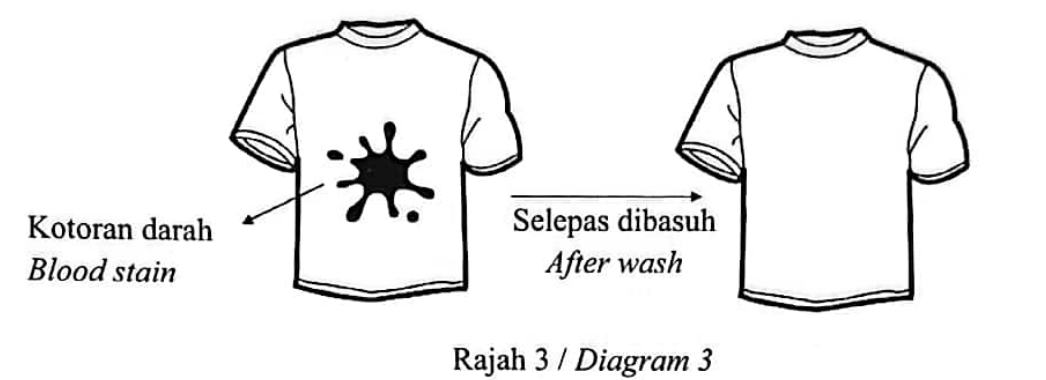
Diagram 3 shows a shirt with a blood stain before and after being washed with detergent containing enzyme. Which is the most suitable enzyme and temperature to give the result shown?
A Lipase, 20 °C
B Protease, 37 °C
C Lipase, 37 °C
D Protease, 20 °C
Medium
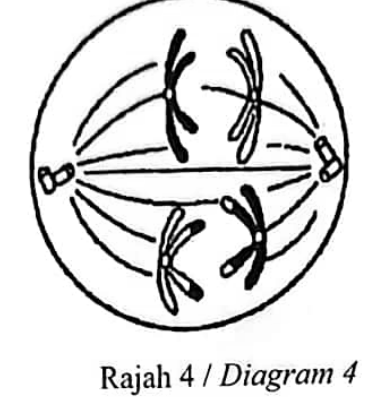
Diagram 4 shows a phase during meiosis. What is the significance of the phase shown?
Medium
Ahmad took part in a 100 m sprint event. The word equation shows the fermentation process that takes place in the muscle cells: Glucose → X + Energy. What is X?
Easy
Which of the following statements is correct about the human respiratory structure and its adaptations?
Medium
0.5 g of food sample X was burned in a calorimeter bomb. The heat energy released increases the temperature of 1000 cm³ water from 25.1 °C to 27.1 °C. The energy needed to increase the temperature of 1 cm³ of water by 1 °C is 4.20 J. What is the energy value for food sample X?
Medium
A balanced diet for an individual changes following the life style, health condition and specific nutrient requirement for each individual. The nutrient requirement can be based on Pinggan Sihat Malaysia. Which is the most suitable menu based on Pinggan Sihat Malaysia for an obese person?
Medium
Which of the following describes the difference between the arteries and the veins?
Medium
A Rh-positive male married a Rh-negative female. What are the conditions of the first and second baby born from this marriage?
Medium
A new born baby has to be vaccinated following the immunisation plans suggested by the World Health Organisation (WHO). What is the importance of the immunisation?
Easy
A doctor gave antibiotics to Ali to treat his disease. The doctor advised him to consume all the antibiotics given following the dose and the time frame suggested by him. What is the consequences for not consuming all the antibiotics as suggested by the doctor?
Medium
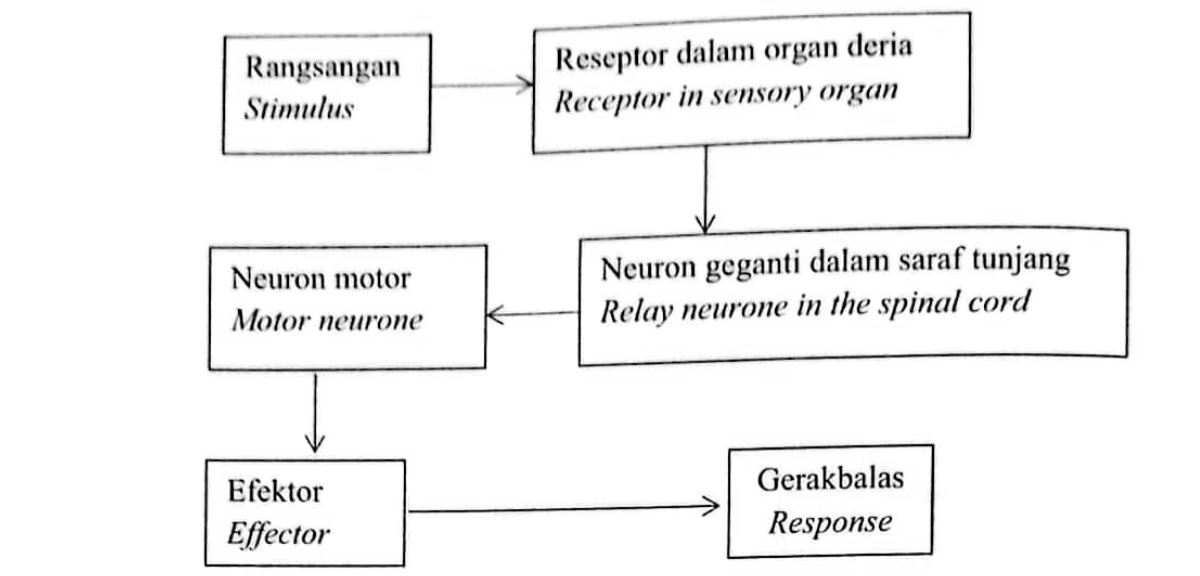
Diagram 5 shows a stimulus and response mechanism in human: Stimulus → Receptor in sensory organ → Relay neurone in the spinal cord → Motor neurone → Effector → Response. Which of the following best explains the mechanism of a stimulus and response based on Diagram 5?
Easy
The following are symptoms faced by Mr Y due to a health problem: urinates frequently; always feels thirsty; blurred vision; wound heals much slower. What is the health problem faced by Mr Y?
Easy
A medical check-up shows that the pancreas of a patient is damaged and has to be removed. Which of the following should be done by the patient to maintain a normal blood sugar level?
Medium
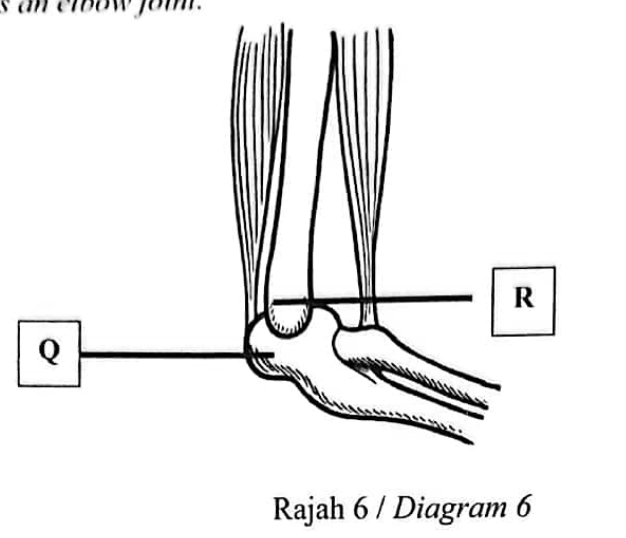
Diagram 6 shows an elbow joint. Which of the following tissues joins Q to R?
Easy
A medical check-up on a woman shows that there is blockage in both of her Fallopian tubes. Which treatment may help the woman to get pregnant?
Easy
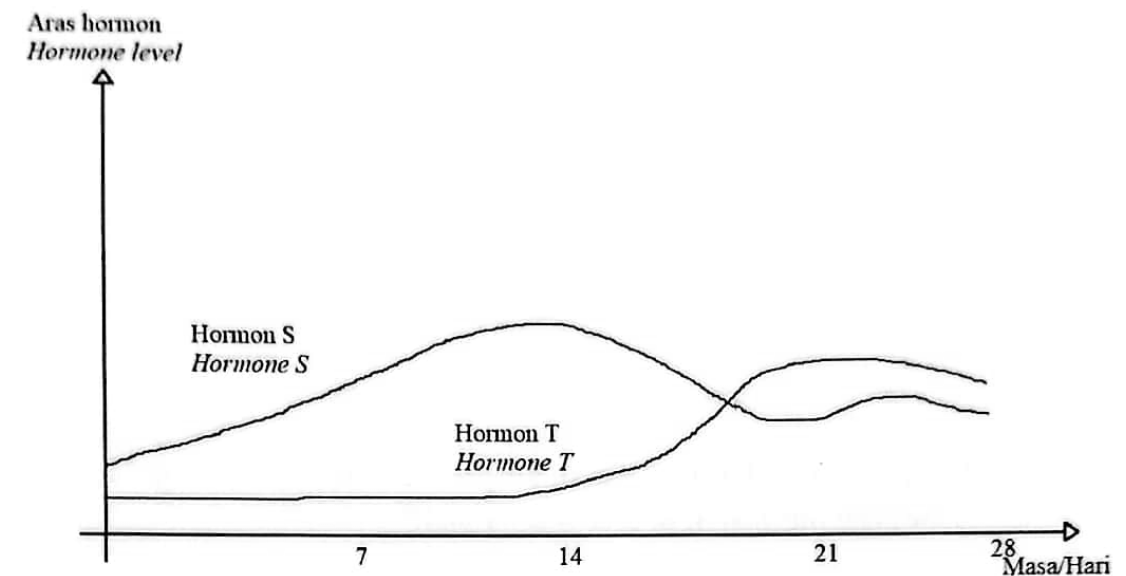
Diagram 7 is a graph showing the secretion of two types of hormones (hormone S and hormone T) during the female menstrual cycle over 28 days. Which of the following statements are correct?
I A rise in the level of hormone S heals and repairs the endometrium lining
II A drop in the level of hormone S induces a drop in the level of hormone T
III A drop in the level of hormone T stimulates menstruation
IV A rise in the level of hormone T stimulates ovulation
Medium
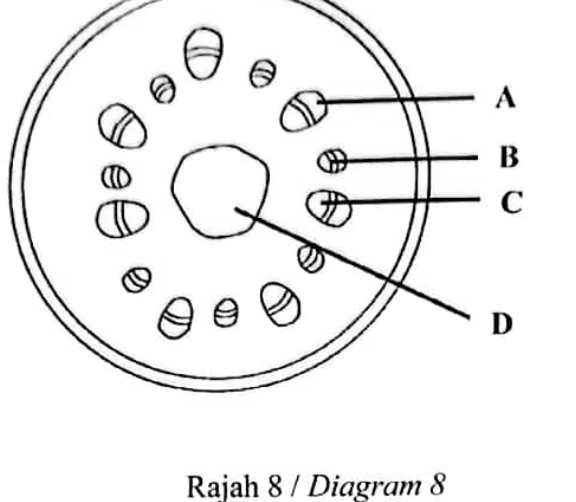
Diagram 8 shows a cross section of a stem of a dicot plant. Which of the parts labelled A, B, C or D is the pith?
Easy
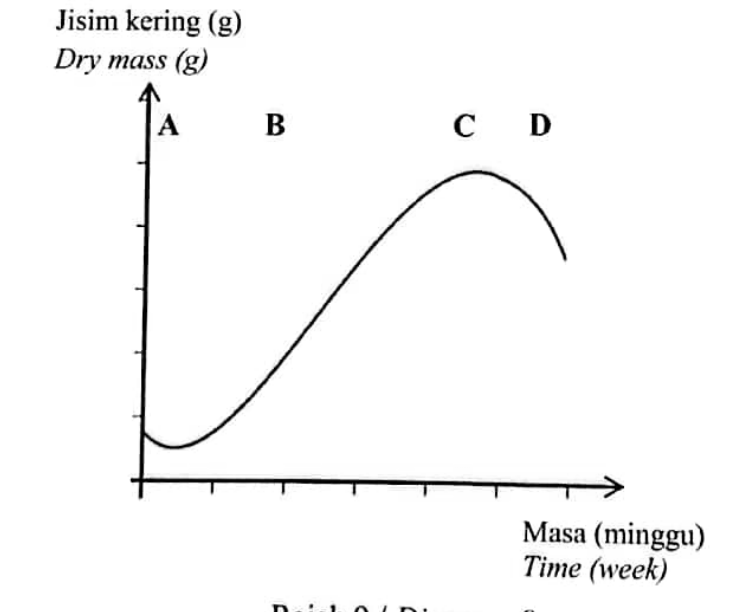
Diagram 9 shows the growth curve of annual plants (dry mass (g) against time (week)). Which of the stages A, B, C or D shows the plant has carried out photosynthesis?
Medium
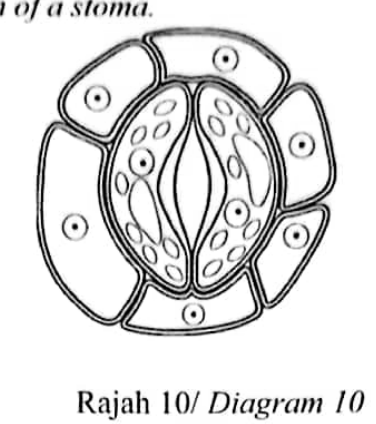
Diagram 10 shows a condition of a stoma. Which of the following factors cause the stoma to be in the condition as shown in Diagram 10?
I High intensity of light
II High air humidity
III High concentration of carbon dioxide in the atmosphere
IV High concentration of oxygen in the atmosphere
Medium
The following statements refer to the effects of micronutrient X deficiency in plants: leaf surfaces become spotted with chlorosis parts; stunted growth. What is X?
Medium
Which of the following is true about the differences between transpiration and guttation?
Medium
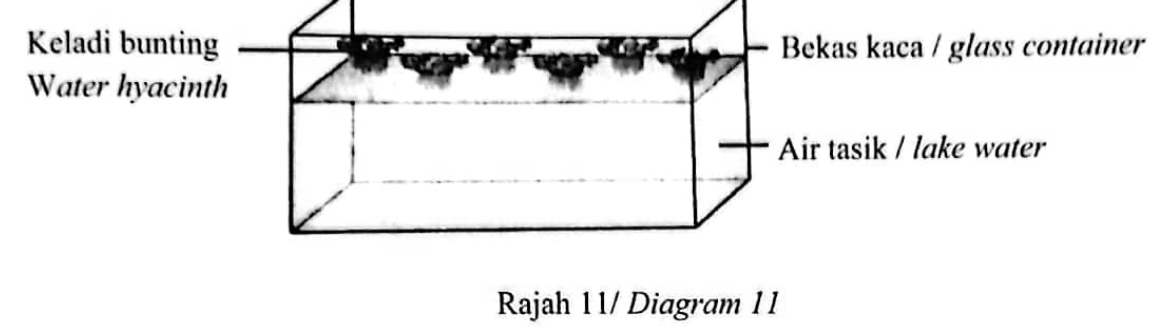
Diagram 11 shows an experiment to demonstrate phytoremediation by using water hyacinth in chromium-contaminated water. What conclusion can be made from the experiment after 2 weeks?
Medium
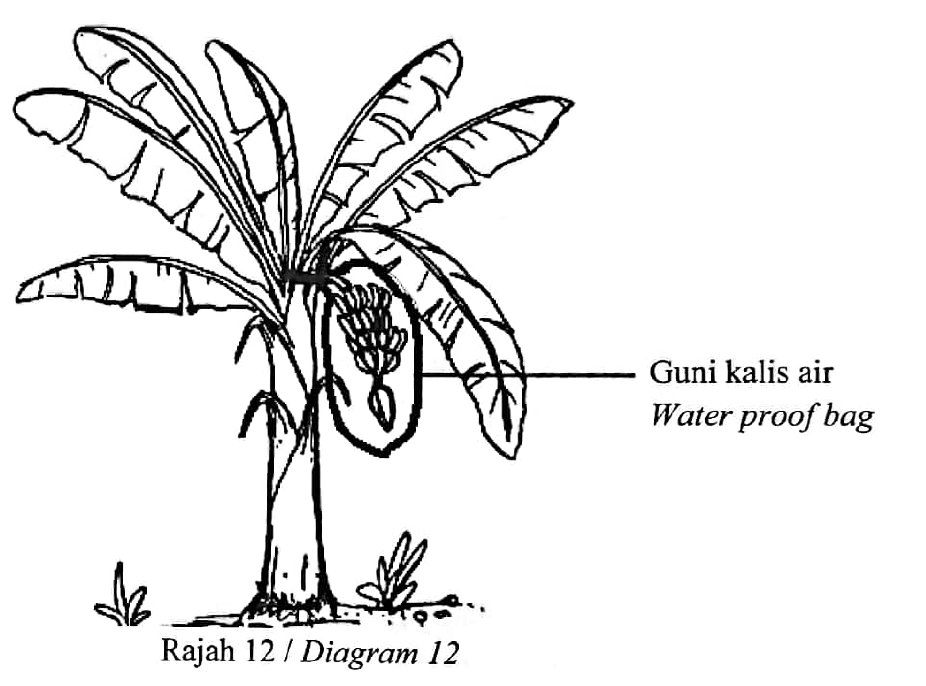
Diagram 12 shows a method to speed up the ripening of fruit. Phytohormone X is trapped in the water proof bag. What is phytohormone X?
Easy
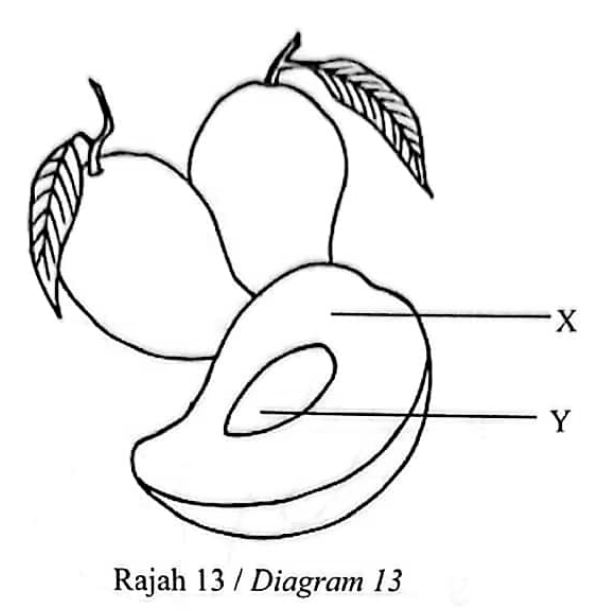
Diagram 13 shows a longitudinal section of a mango. Which part of the flower develop to form structures X and Y?
A X: Ovule, Y: Ovary
B X: Stigma, Y: Ovule
C X: Ovary, Y: Ovule
Medium
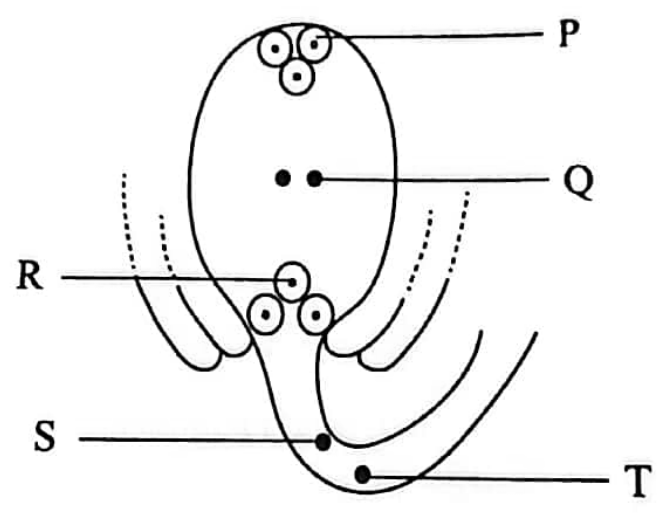
Diagram 14 shows the ovule of a flowering plant containing the nuclei involved in double fertilisation. Which of the following P, Q, R, S or T fuse to form diploid zygote and triploid endosperm?
Medium
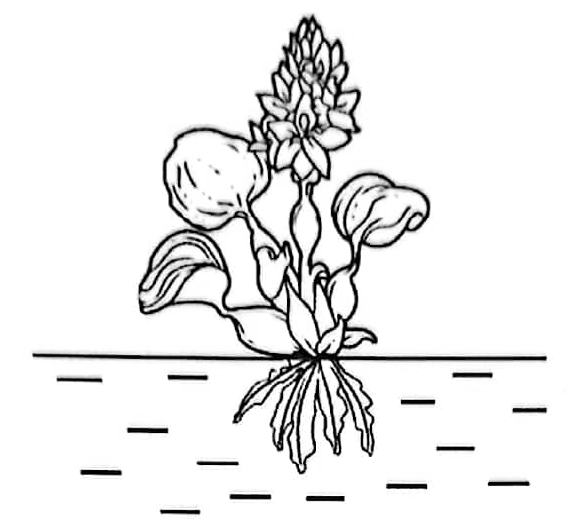
Diagram 15 shows a hydrophyte plant. Which of the following are adaptations of the plant?
I Most of the stomata are distributed on the upper epidermis layer of the leave
II Stomata only open during the night
III The stem of the plant consists of aerenchyma tissues
IV Small stem helps the plant float upright in the water
Medium
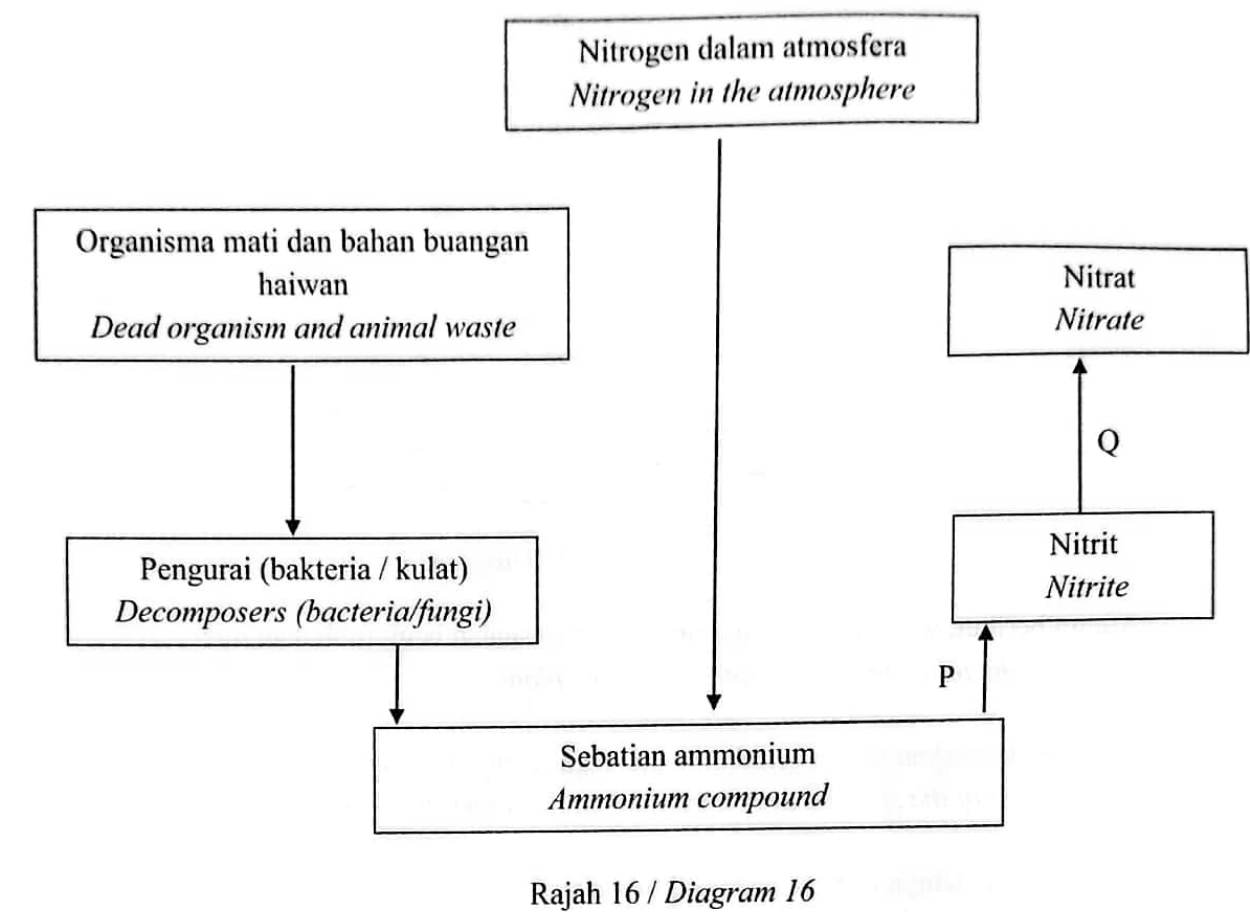
Diagram 16 shows part of the nitrogen cycle (ammonium compound → P → nitrite → Q → nitrate). Which of the following represent microorganisms P and Q?
Medium
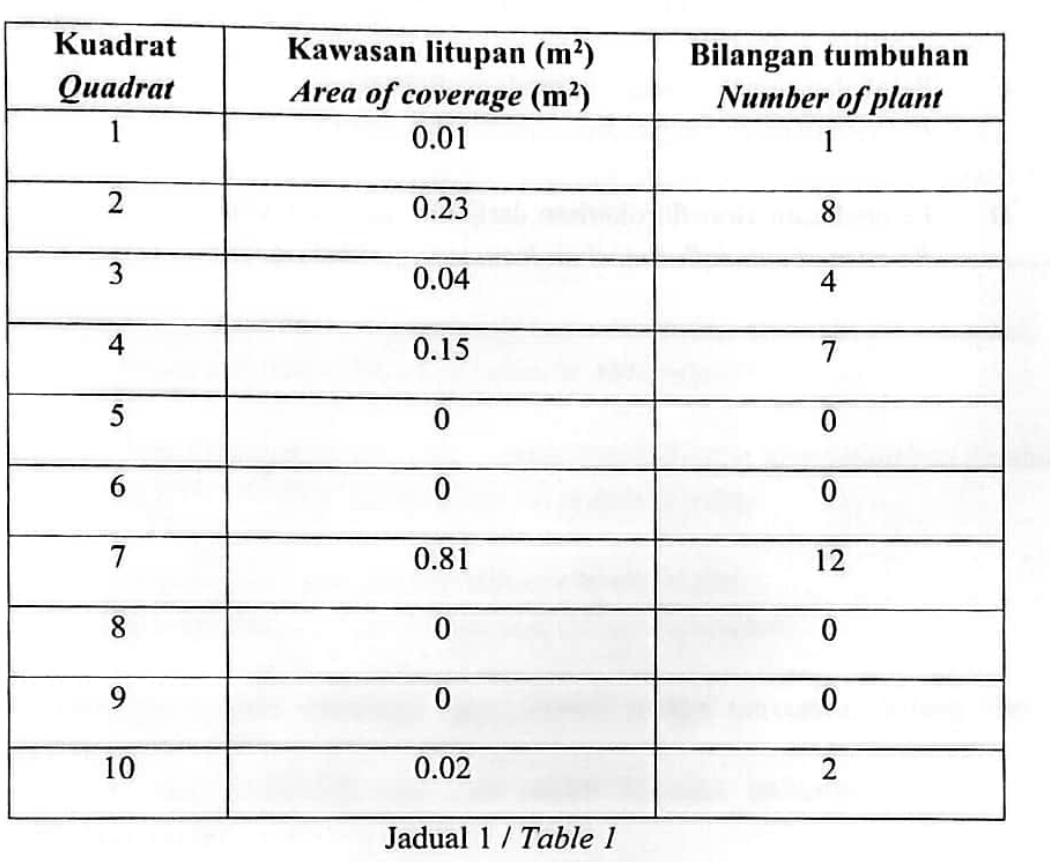
Table 1 shows the results of a study to determine the frequency of species X in the school field. The quadrat sampling technique was used. The area of each quadrat is 1 m². Quadrats 1 to 10, number of plants: 1, 8, 4, 7, 0, 0, 12, 0, 0, 2 (area of coverage in m²: 0.01, 0.23, 0.04, 0.15, 0, 0, 0.81, 0, 0, 0.02). What is the frequency of species X?
Medium
Which of the following activities cause acid rain?
Easy
The following information is related to global food security. In 2015, the food import bill alone almost reached RM45.4 billion while the country's exports were only RM27 billion leaving a deficit of more than RM18 billion. If this situation continues, Malaysia will not be able to provide a continuous supply of food to the people and will most likely face a food crisis in the future. Which of the following actions should be taken by Malaysians?
I Ensure sustainable food consumption by reducing waste
II Improving knowledge about the needs of urban agriculture
III Bridging the technology gap that arises between universities, farms and the industrial sector
IV Choosing imported food all the time to improve the national economy
Medium
A heterozygous pea plant for flower colour and height is crossed with a homozygous recessive pea plant for both characteristics. P is the dominant allele for purple flower and T is the dominant allele for tall. Which of the following phenotypes are produced from this crossing?
Medium
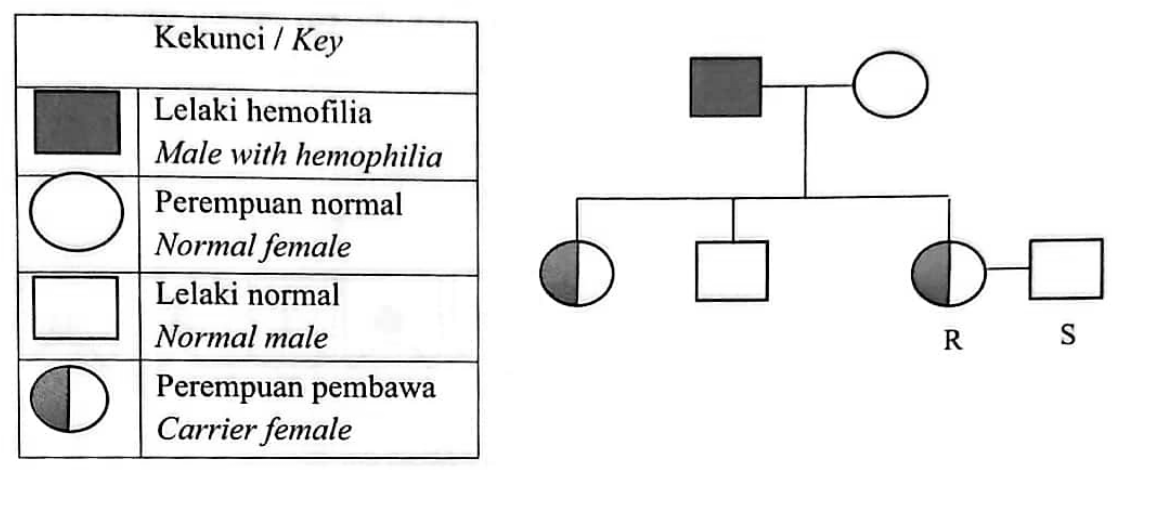
Diagram 17 shows a family pedigree of the inheritance of hemophilia in a family. Which of the following statement is correct?
Medium
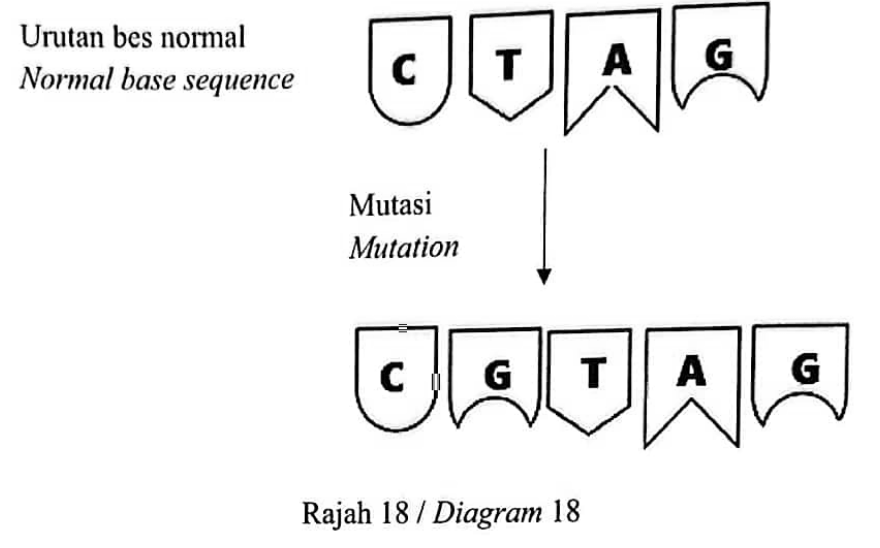
Diagram 18 shows a process which causes variation. Normal base sequence C T A G becomes C G T A G after mutation. What is the type of mutation?
Medium
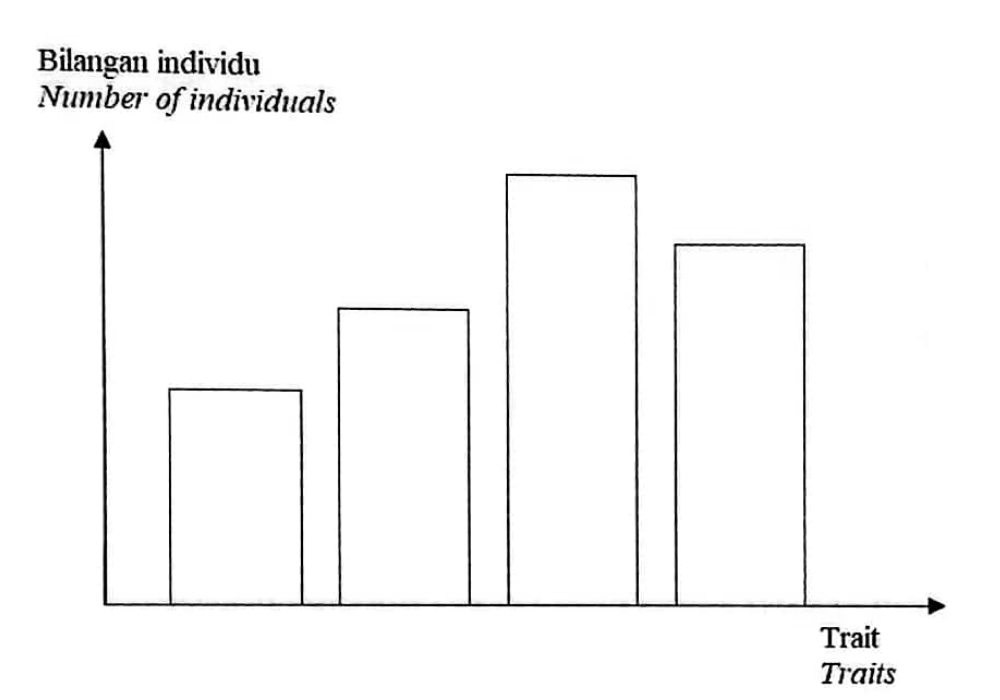
Diagram 19 is a graph (bar chart of number of individuals against traits) for a type of variation. Which of the following is correct?
I This variation is controlled by several genes with several pairs of alleles
II This variation is described as qualitative variation
III The graph is represented by a normal distribution curve
IV The examples of this variation are blood group and thumb print pattern
Medium
ADA-SCID disease is an inherited disease that disrupts the body's immune system. Which of the following fields of biotechnology is used to detect and treat this problem?
I Bioinformatics
II Bioremediation
III DNA profiling
IV Gene therapy
Medium
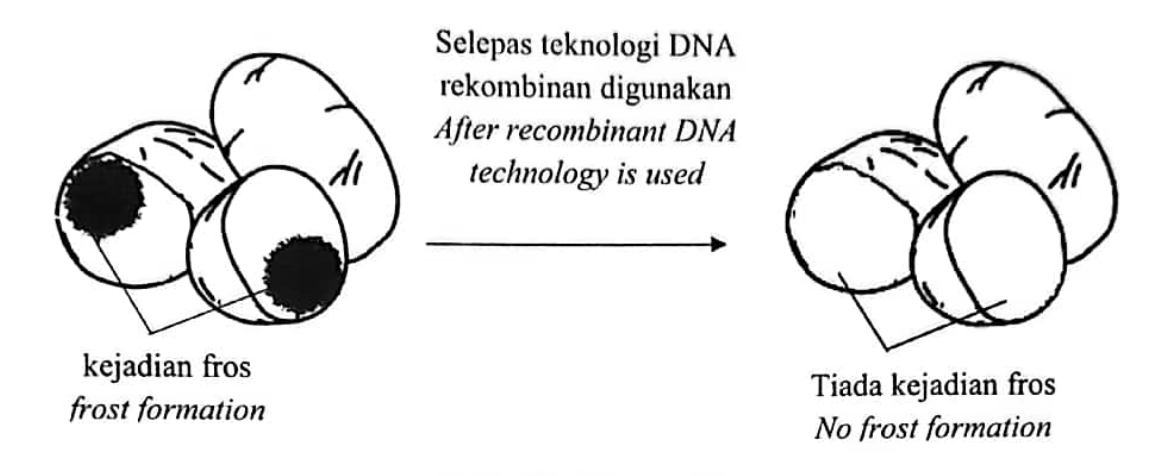
Diagram 20 shows the effect of recombinant DNA technology in producing potatoes that grow well in cold climates (frost formation before; no frost formation after). What is the advantage of this technology?