Write your answer on paper. Then open the answer to check it.
Section A
Diagram 1 shows the structure of an animal cell, with cell components P and Q labelled.
Medium6 marks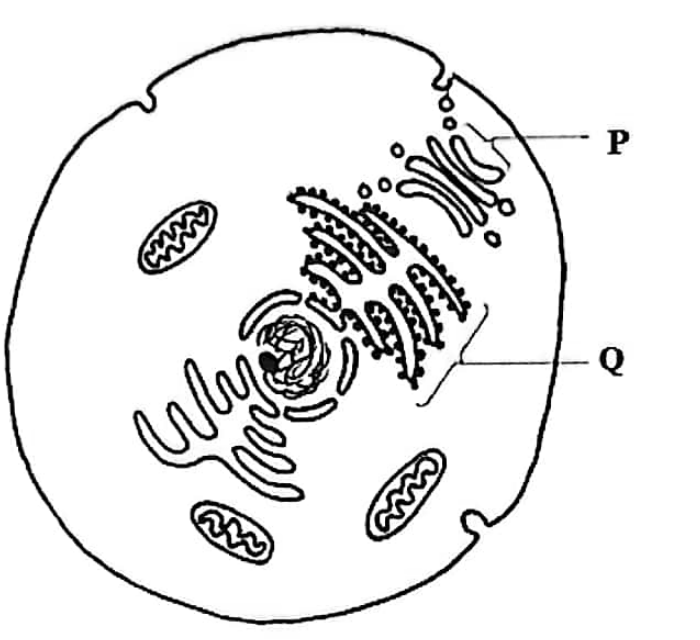
- (a)
Name cell components P and Q.
[2] - (b)
Give an example of a human cell that has a high density of cell component Q.
[1] - (c)
Describe the relationship between cell components P and Q in the production of extracellular enzymes.
[3]
Diagram 2 shows four types of organisms from different kingdoms, that is P (horse), Q (unicellular organism with flagella), R (mushroom) and S (flowering plant).
Medium6 marks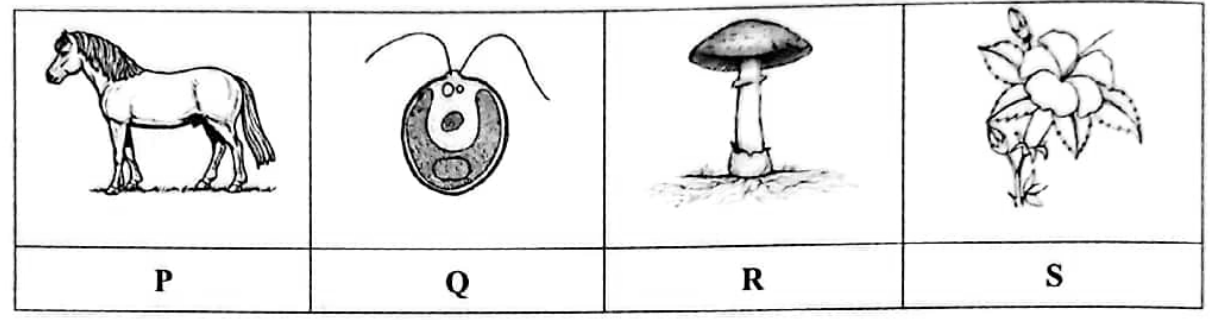
- (a)
Name kingdoms P, Q, R and S.
[2] - (b)
Based on Diagram 2, state one difference between the organisms shown in kingdom Q and R.
[1] - (c)
Explain what would happen to the ecosystem if kingdom R does not exist.
[3]
Diagram 3 shows the cross sections of stems for plant X (a pumpkin vine) and plant Y (a fruit tree).
Medium7 marks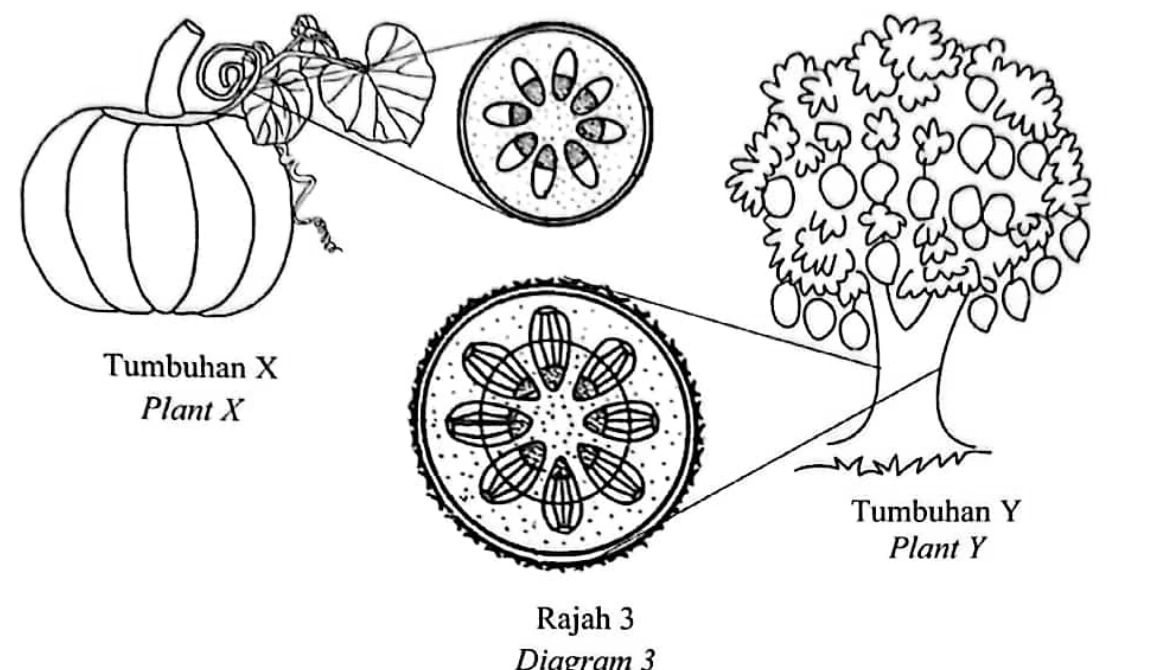
- (a)(i)
Name the type of plant X and plant Y based on its life cycle.
[2] - (a)(ii)
Which plant has a stronger mechanical support? Explain your answer.
[2] - (b)
Plants that undergo secondary growth have high economic value. Explain the above statement.
[3]
Diagram 4 shows the process of photosynthesis that occurs in cell component X, which is found in abundance in mesophyll palisade cells of the leaf. Stage P uses sunlight and water and releases oxygen gas + water in the thylakoid; stage Q uses carbon dioxide and produces glucose in the stroma.
Medium7 marks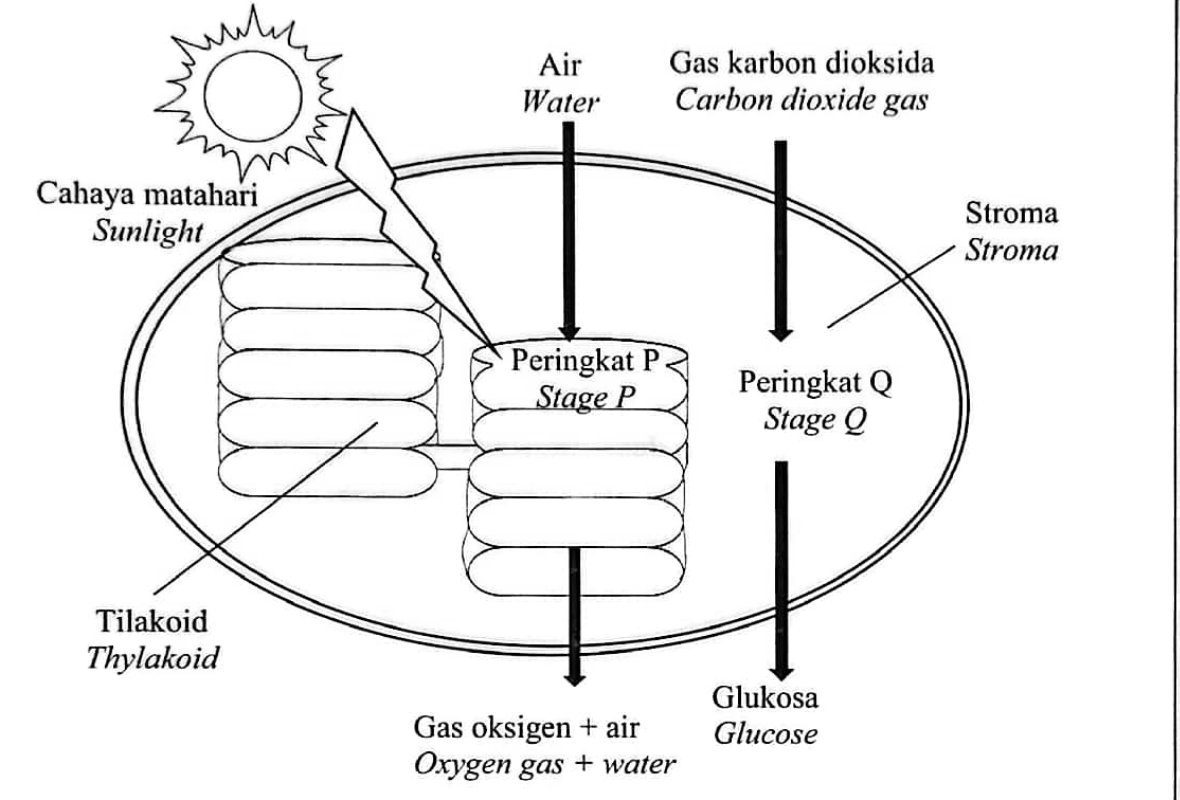
- (a)
Name cell component X.
[1] - (b)(i)
Stages P and Q are two stages in photosynthesis. Name stages P and Q.
[2] - (b)(ii)
Based on Diagram 4, state two differences between stage P and stage Q.
[2] - (c)
Around the month of June, Alaska will experience 24 hours of sunlight per day. Explain the effect to the rate of photosynthesis if the plant is exposed to light for 24 hours.
[2]
Diagram 5 shows a cell undergoing a cell division at stage X (homologous chromosomes paired, with spindle fibres forming).
Medium8 marks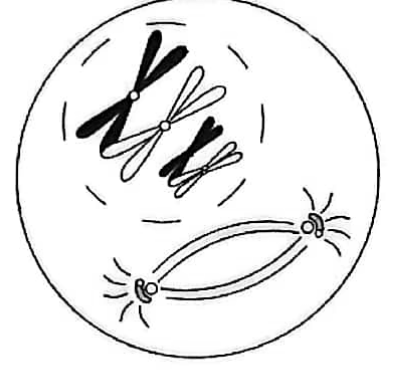
- (a)
Name stage X.
[1] - (b)
Explain the chromosomes behaviour in stage X.
[2] - (c)
State the importance of stage X to organisms.
[1] - (d)
Cigarette smoke contains more than 5000 chemical substances and at least 69 of them may cause cancer. In 2018, about 10.7% of lung cancer cases are reported in Malaysia. Describe how chemical substances found in cigarette smoke can lead to the formation of cancer.
[4]
Diagram 6 shows the process of gametogenesis in humans: primordial germ cell (2n) divides by mitosis; at phase P a 2n cell grows; process X (two divisions) gives cell Q (n) and four n cells that become sperms.
Medium8 marks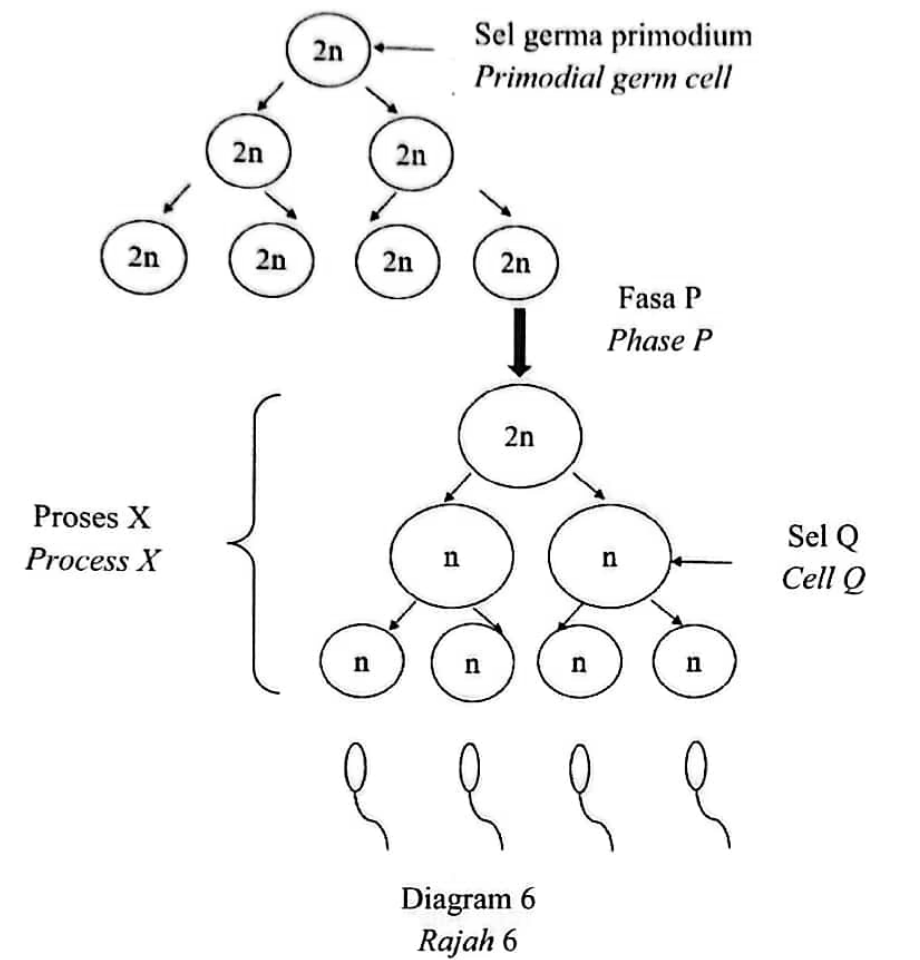
- (a)
Based on Diagram 6, state the organ involved in this process.
[1] - (b)(i)
State what happens at phase P.
[1] - (b)(ii)
Process X is a type of cell division. Name the type of cell division of process X and cell Q.
[2] - (b)(iii)
Explain the role of process X in maintaining the number of chromosomes from one generation to another.
[2] - (c)
A man is exposed to radioactive radiations without him being aware of it. This situation caused the production of sperms with abnormal numbers of chromosomes. Explain why.
[2]
Diagram 7.1 shows a pond ecosystem with kingfisher, mosquito larvae, tadpole, fish, shrimp and Elodea sp. under sunlight.
Medium9 marks- (a)
Based on Diagram 7.1, construct a food chain that consists of four trophic levels.
[1]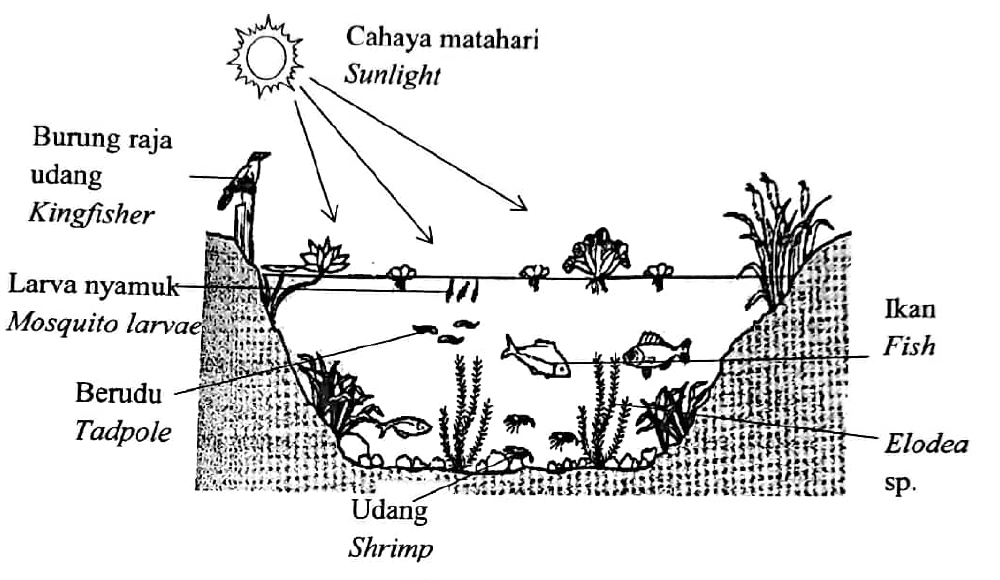
- (b)(i)
Give one example of biotic and abiotic components shown in Diagram 7.1.
[2] - (b)(ii)
Explain how light intensity affects the organisms in the pond.
[2] - (c)(i)
Diagram 7.2 shows an interaction between a kingfisher and a fish. Describe the type of interaction shown in Diagram 7.2.
[2]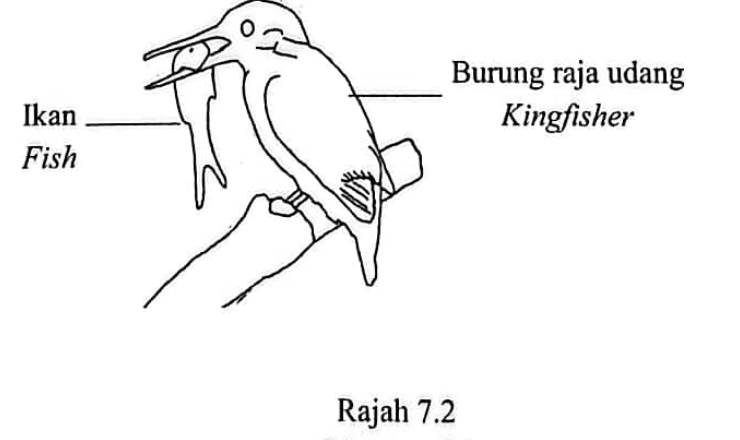
- (c)(ii)
The amount of energy in the fish eaten by the kingfisher is 3600 kJ. 310 kJ of energy is used by the kingfisher for its growth. Calculate the percentage of energy used by the kingfisher.
[1] - (c)(iii)
What happens to the energy that is not used in the formation of tissues of the kingfisher?
[1]
Diagram 8 shows the relationship between the blood circulatory system and the lymphatic system in humans (heart, artery, vein, capillary X, capillary Y, tissue fluid, lymph node).
Medium9 marks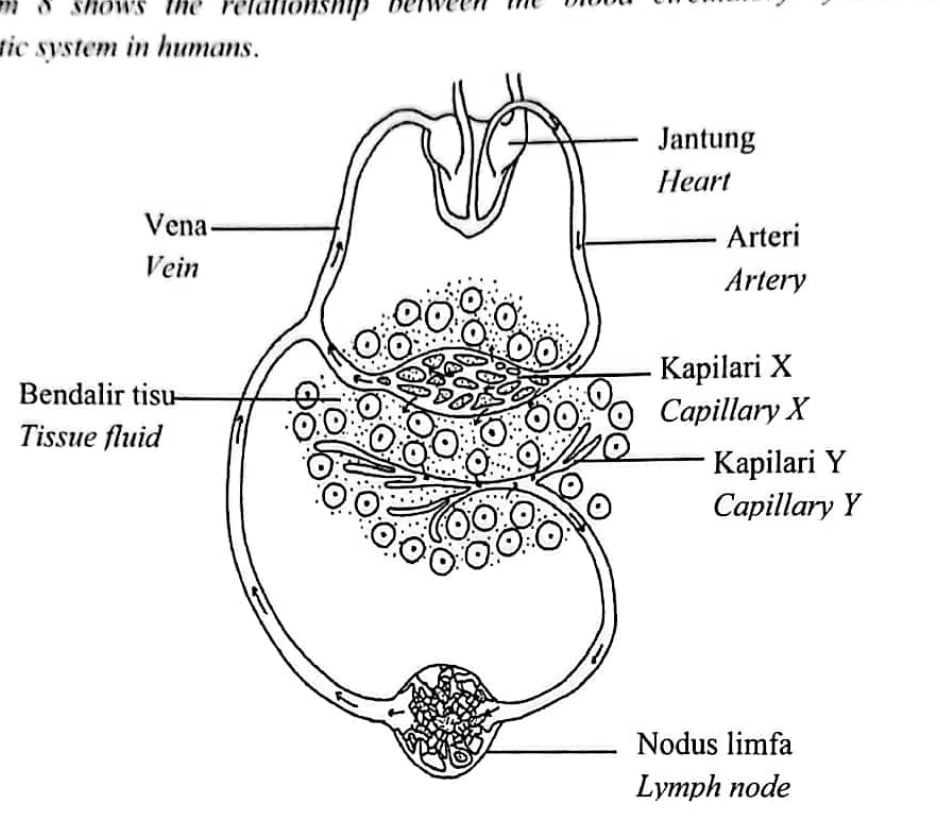
- (a)(i)
Name capillaries X and Y.
[2] - (a)(ii)
Give two differences between the fluid in capillaries X and Y.
[2] - (b)
The lymphatic system is said to complement the blood circulatory system. Explain this statement.
[2] - (c)
Give one cause that prevents the tissue fluid from being returned to the circulatory system and explain the effect to an individual.
[3]
Section B
Section B: answer any one question. Diagram 9.1 shows the absorption and transportation of nutrients from the ileum to the body cells (glucose, amino acids, fatty acids, glycerol, hepatic portal vein, lymphatic vessel, thoracic duct, liver).
Medium20 marks- (a)(i)
Based on Diagram 9.1, describe the absorption and transportation of glucose and lipid from the ileum.
[6]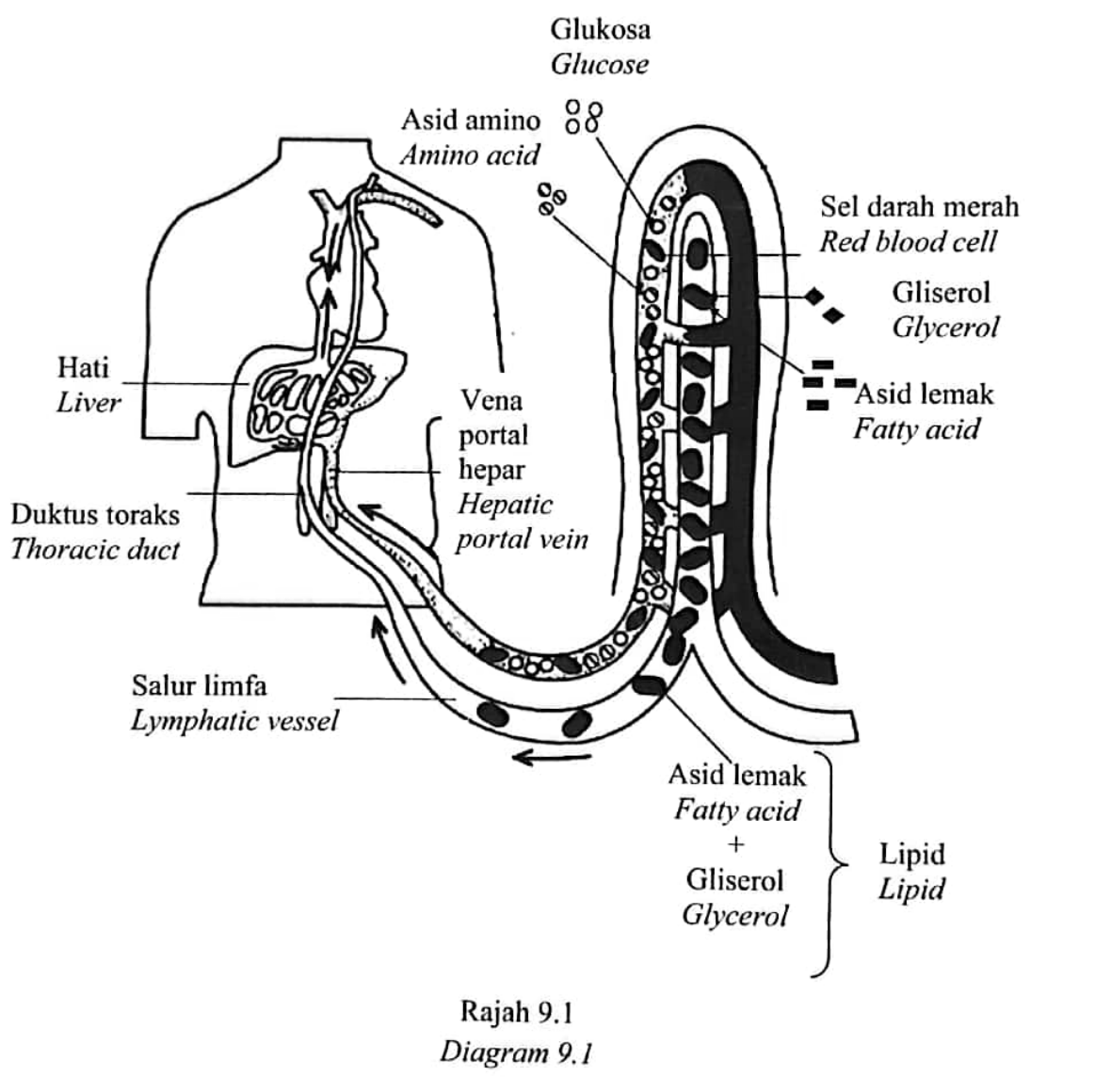
- (a)(ii)
Based on Diagram 9.1, describe the assimilation of glucose and lipid.
[4] - (b)
Diagrams 9.2 and 9.3 show two health issues related to two different systems in the human body (9.2: kidney with crystal X; 9.3: normal artery and narrowed artery). Discuss the health issues shown in Diagrams 9.2 and 9.3. Suggest ways to prevent the diseases.
[10]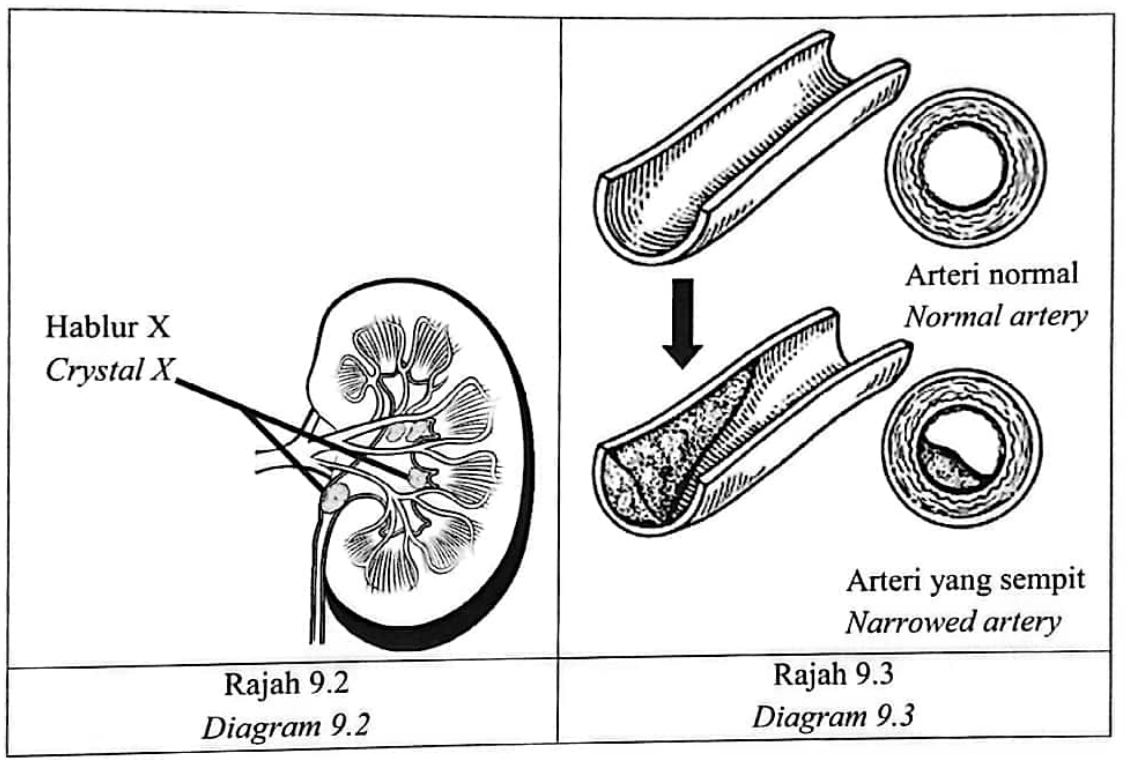
Section B: answer any one question. All living cells carry out cellular respiration to generate the energy needed for the cell's activities such as protein formation, which is the basic substance of the muscle tissues.
Medium20 marks- (a)
Describe the process of aerobic respiration in cells.
[4] - (b)
Diagram 10.1 shows the respiratory systems for two organisms, X (frog) and Y (human). Explain the similarities between the respiratory structures of organisms X and Y in order to function efficiently.
[6]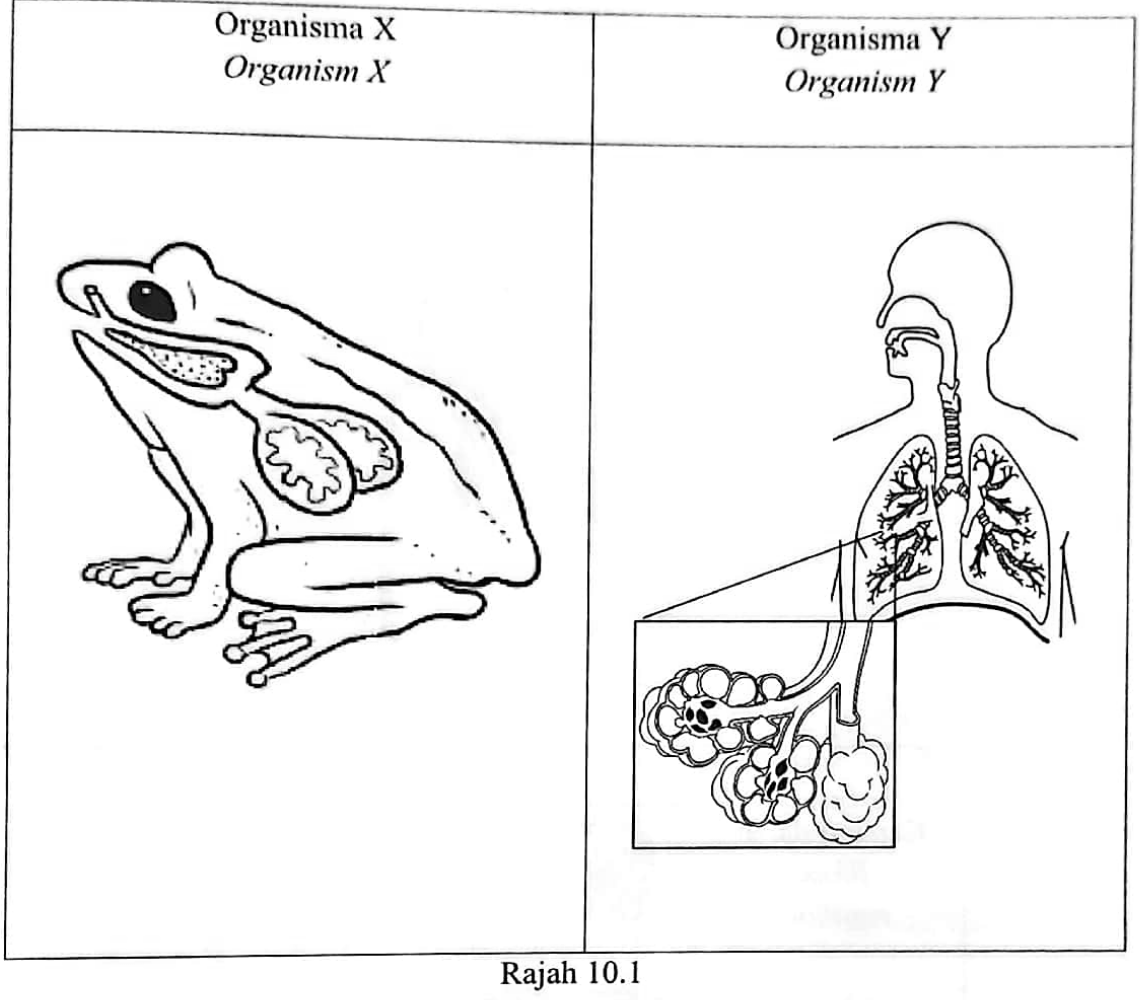
- (c)
Diagram 10.2 shows the exchange of respiratory gases between the blood capillary and the body cells. Explain the transport of carbon dioxide from the body cells to the alveolus.
[10]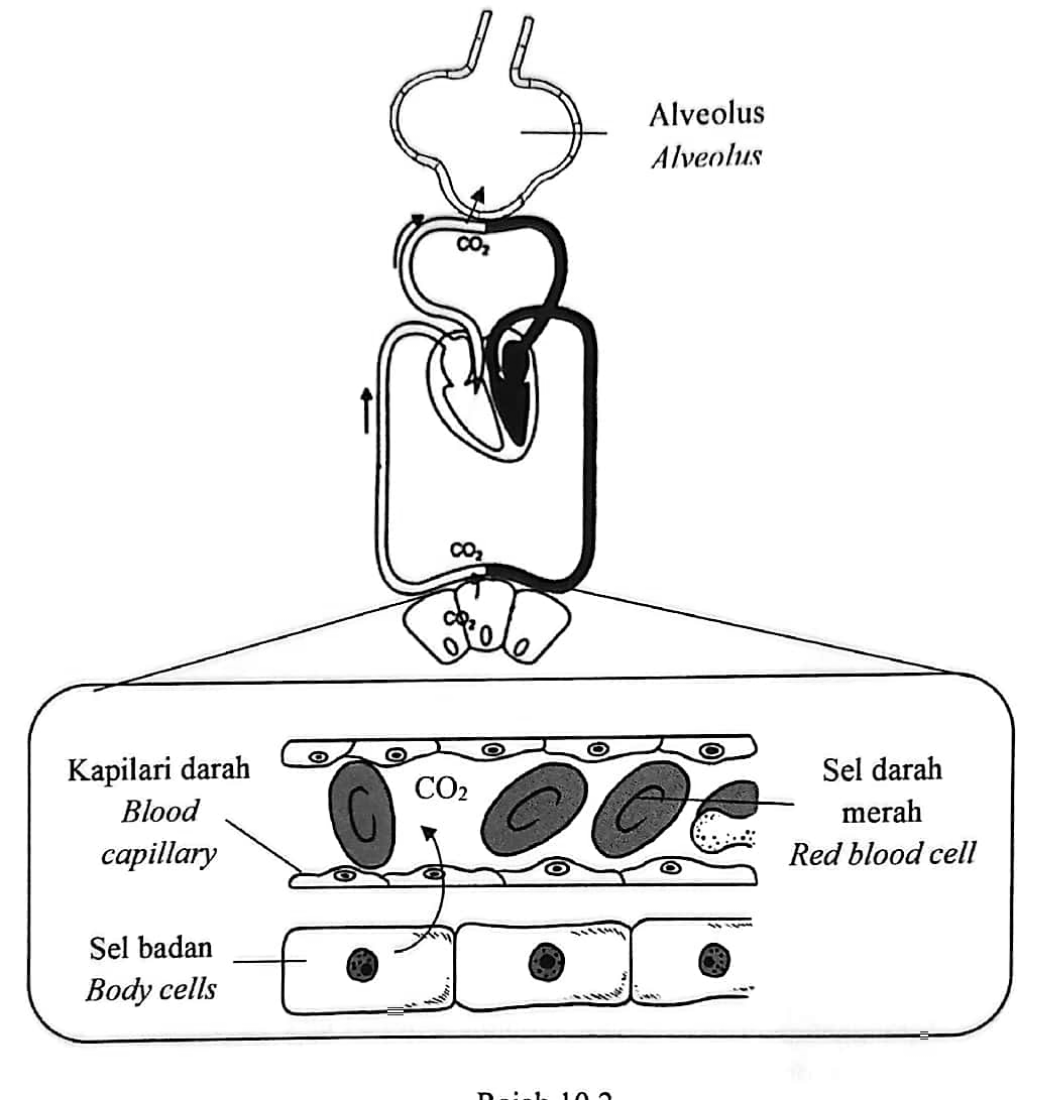
Section C
Section C: answer all questions. Environmental sustainability is the state of the environment that remains the same without experiencing the problem of shortage or decline of natural resources and the quality of the environment is guaranteed over a long period of time. Genetically modified organisms (GMO) are organisms that contain recombinant DNA, which is a combination of new genes in an organism.
Medium20 marks- (a)
As an environmental activist, discuss your contribution to preserve, conserve and restore the environment in order to remain sustainable.
[10] - (b)
Based on your biological knowledge, discuss the advantages and disadvantages of Genetically Modified Organism (GMO) to human.
[10]