When the conditions are suitable and there is plenty of food, Amoeba sp. and Paramecium sp. will reproduce via asexual reproduction. Name the asexual reproduction.
Easy
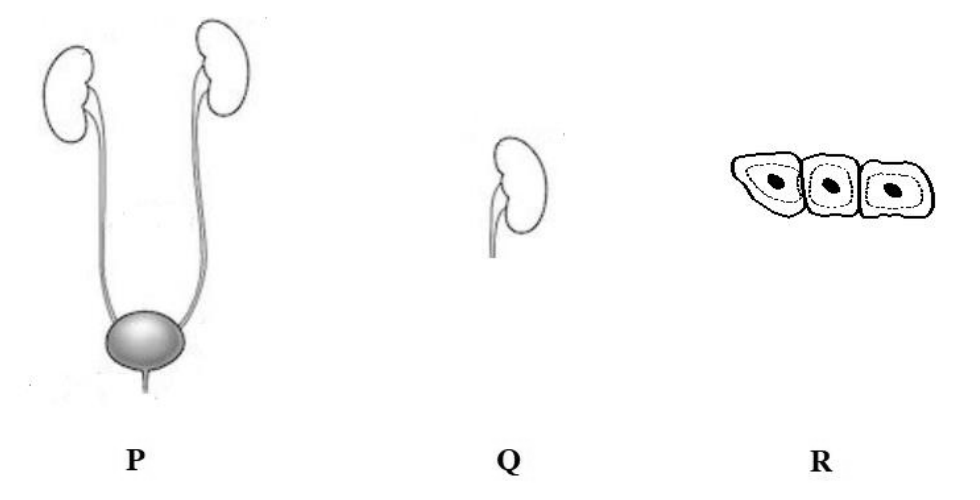
Diagram 1 shows the different structures P, Q and R in a cell organisation (P: urinary system - kidneys, ureters, bladder; Q: a single kidney (organ); R: a group of cells (tissue)). Which of the following is the correct level of cell organisation?
Medium
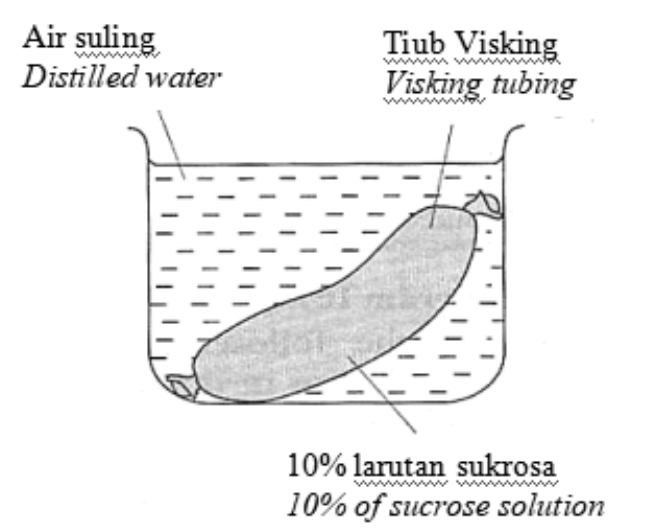
Diagram 2 shows the apparatus set up of an experiment: a Visking tubing containing 10% sucrose solution placed in a beaker of distilled water. Which graph represents the changes in the mass of the Visking tubing after 1 hour?
Medium
A dipeptide can be broken down into amino acids through
Easy
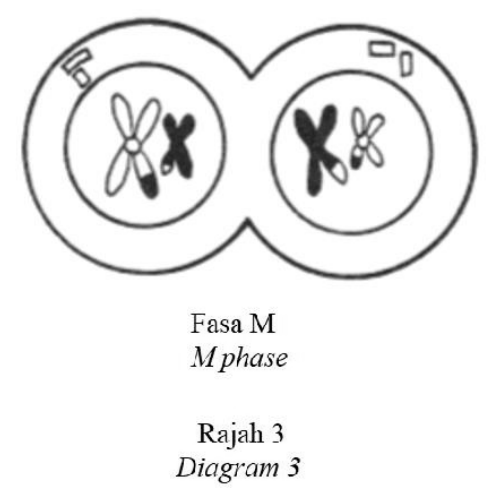
Diagram 3 shows M phase in cell division (two daughter cells, each with chromosomes still made of two chromatids). What is the phase before M phase?
Medium
The following information shows the characteristics of a child with a genetic disorder: slanted eyes; protruding tongue; mentally retarded; shortened limbs. What is the cause of this genetic disorder?
Medium
What is the main substrate of cellular respiration?
Easy
What would happen to our breathing if the alveoli were damaged and poorly functioning?
Medium
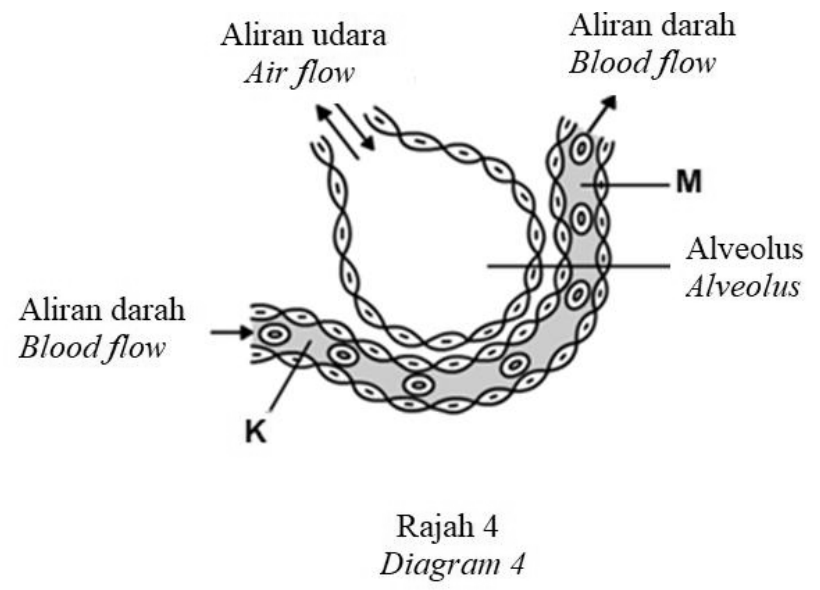
Diagram 4 shows the transport of respiratory gases from the alveolus to blood capillary (K: blood entering the capillary; M: blood leaving the capillary). What are the partial pressure of the oxygen gas and carbon dioxide gas at K and M?
Medium
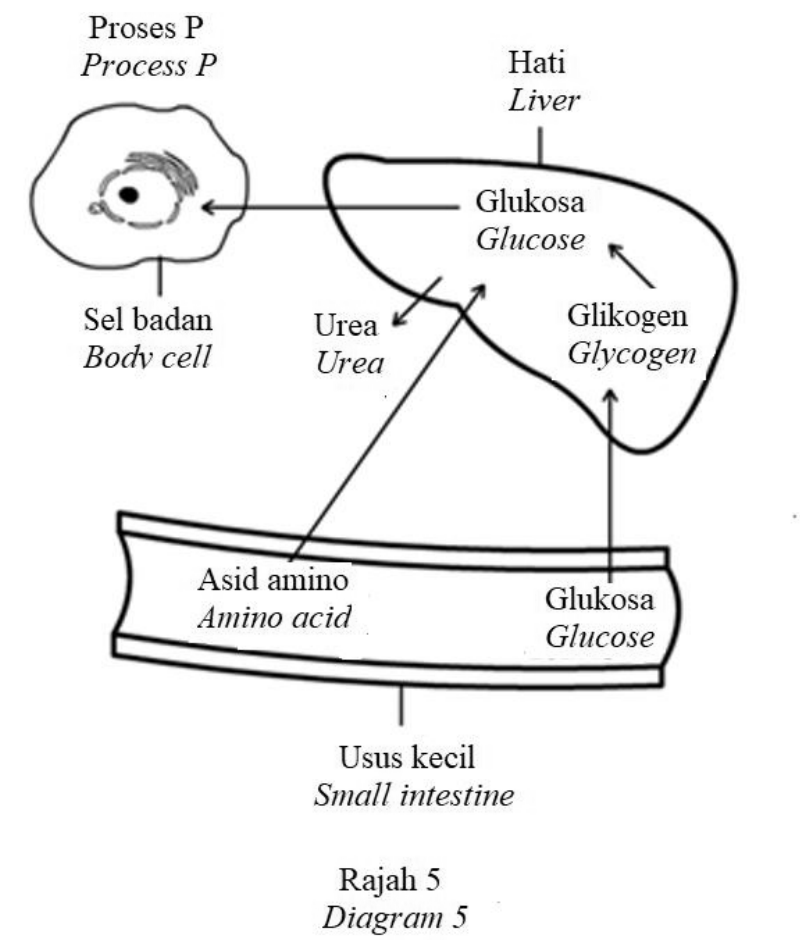
Diagram 5 shows the pathway of nutrients to body cell (glucose from the liver goes to the body cell by process P). Process P is
Easy
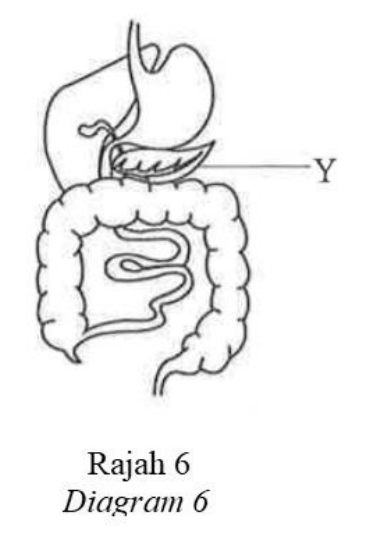
Diagram 6 shows organ Y in the human digestive system (Y is the pancreas). If the organ Y is damaged, an individual will have problems in digesting
Medium
A patient has undergone bile removal surgery. Which of the following menus is most suitable for the patient?
Medium
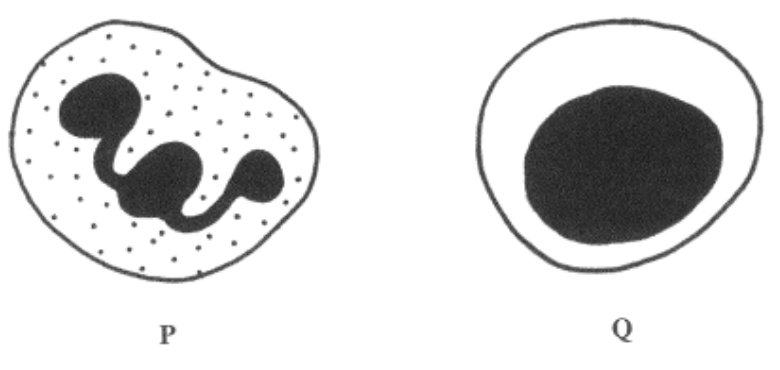
Diagram 7 shows two types of blood cells (P has a lobed nucleus and granular cytoplasm; Q has a large round nucleus). What are cell P and Q?
Medium
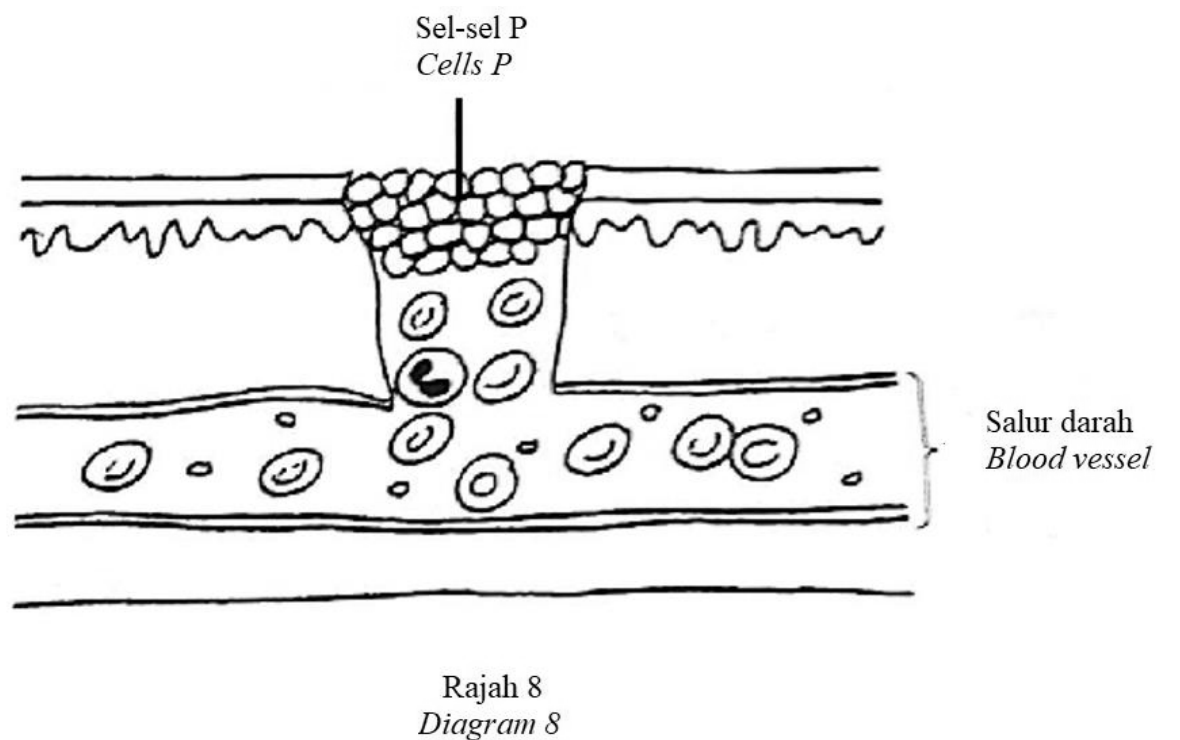
Diagram 8 shows a wound that causes a cut in blood vessel. Cell P clump together and release chemicals. What are cell P?
Easy
Which of the following blood cells involved in the second line of defence?
Easy
Diphtheria is a serious infection caused by Corynebacterium diphtheriae, which makes a toxin. A teenage boy who had diphtheria before has a Diphtheria Titer Blood Test and the result shows he is immune and does not need a vaccination. He is immune because his body has
Medium
Which of the following neurone transmit nerve impulses from the sensory neurone to the motor neurone?
Easy
A man experiences an excessive secretion of hormone X, which causes his blood glucose level to be too low. Symptoms include fatigue, difficulty sleeping at night, disordered thoughts, fear, emotional instability, fainting easily and headache. What is hormone X?
Medium
A student runs in a 100 metre race. After the race, he rested for 30 minutes and later entered an air-conditioned sport complex. What happens to his sweat glands and blood capillaries after 30 minutes?
Medium
The information is related to a type of musculoskeletal disease: bones become porous and decrease in mass; bones become brittle and fragile; caused by low absorption of calcium; usually occurs during old age. Based on the information, what is the disease?
Easy
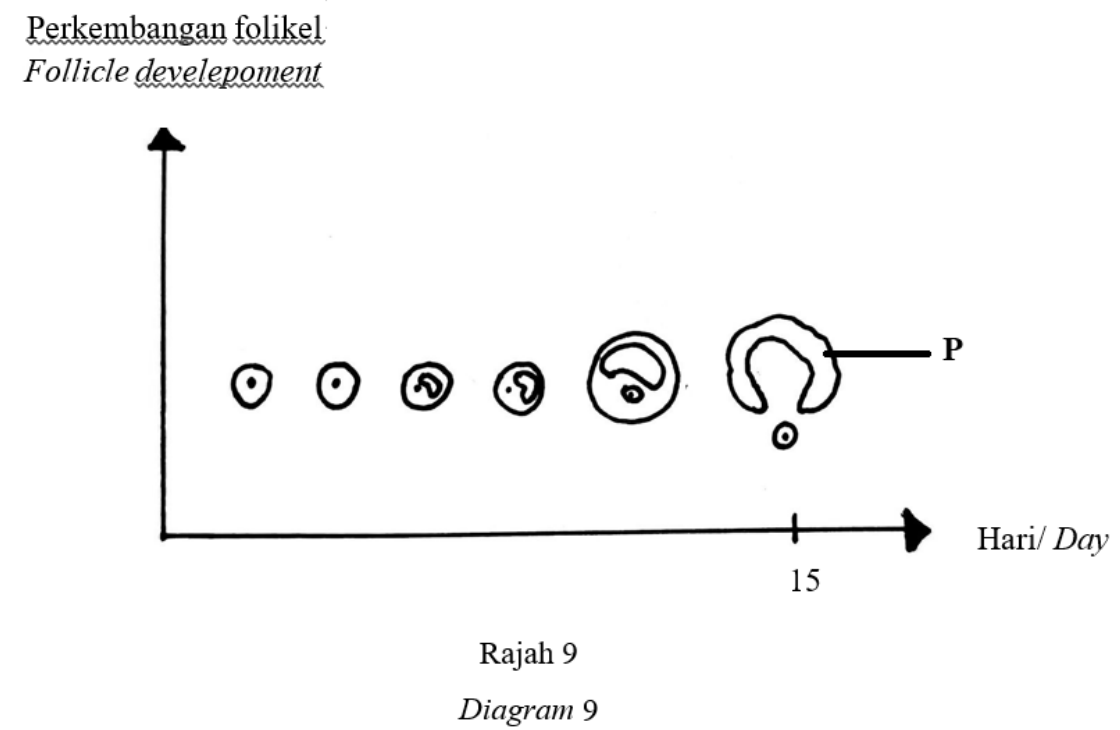
Diagram 9 shows the follicle development from day 1 to day 15. What would happen to structure P after day 15?
Medium
A childless couple consulted a doctor about their infertility problem. The doctor diagnosed that the wife had a problem of follicle cell development. Which of the following treatments can overcome the problem?
Medium
Which of the following tissues involved in photosynthesis?
Easy
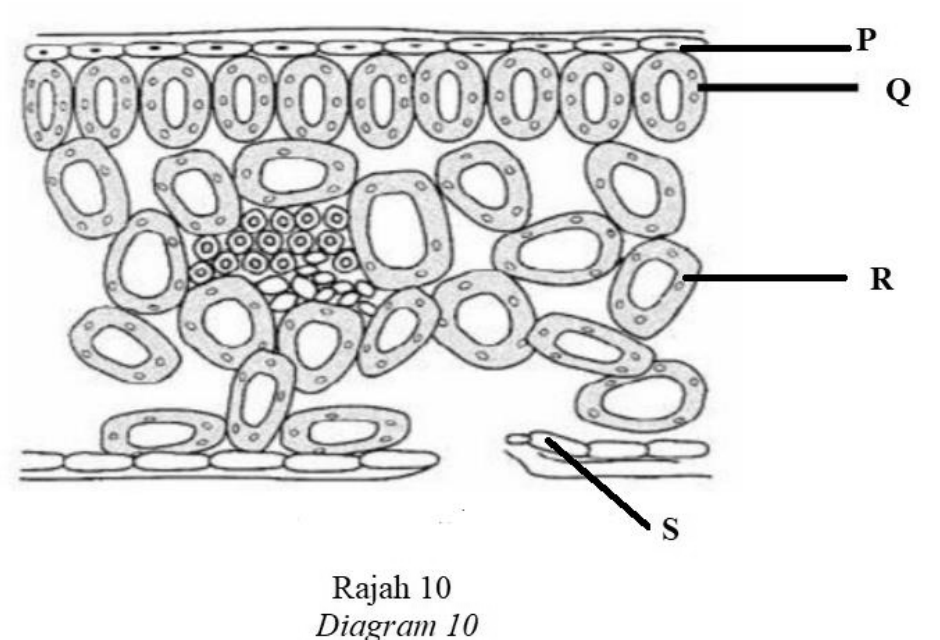
Diagram 10 shows a longitudinal section of a green leaf. Which cells contain a high density of chloroplast?
Medium
What is guttation?
Easy
A complete ring of bark is removed from the stem of a woody plant. The plant dies after a few months. Which statement explains the situation?
Medium
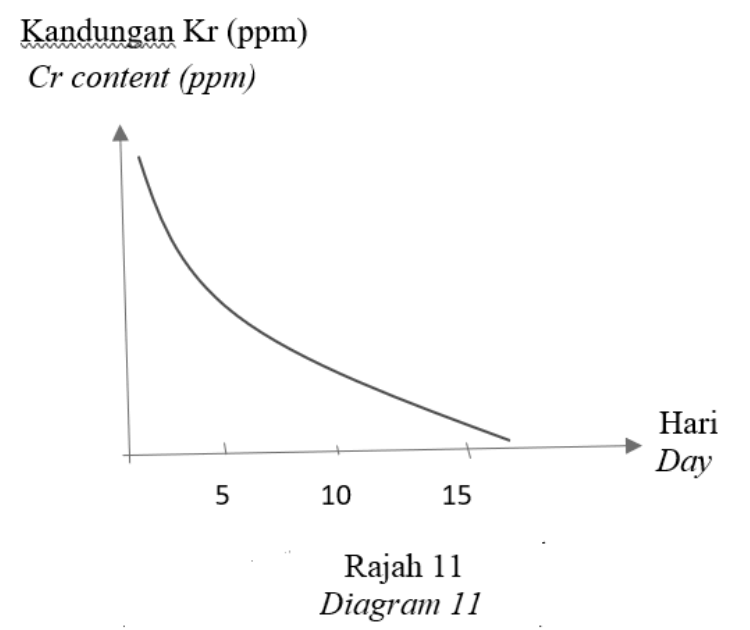
An experiment is carried out to demonstrate phytoremediation by growing water hyacinth in chromium-contaminated water. Diagram 11 shows the result obtained after two weeks (graph of Cr content in ppm against day: decreasing). What conclusion can be drawn from the experiment?
Medium
A farmer wants to stimulate the growth of adventitious roots from a stem cutting. Which hormone should he apply to the part of the stem where the stem is cut?
Easy
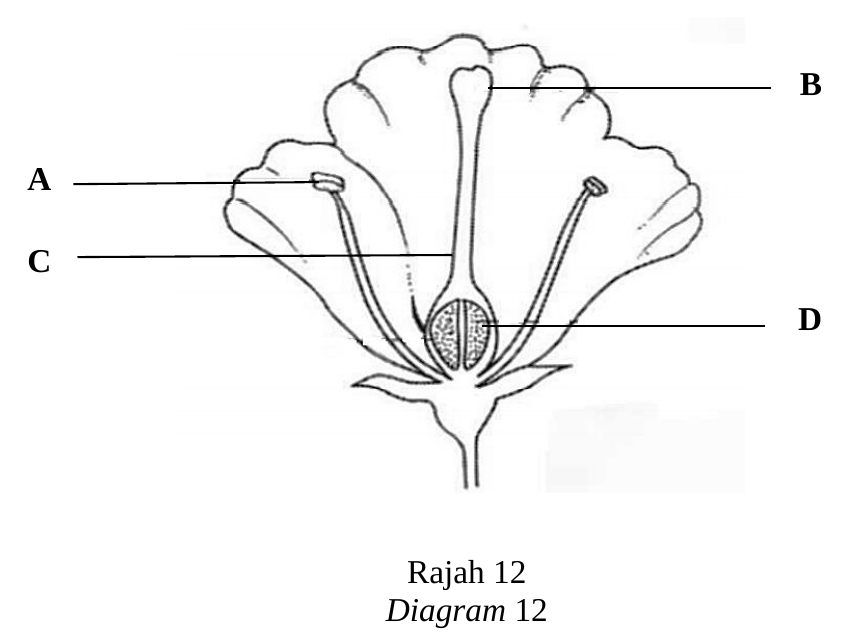
Diagram 12 shows a longitudinal section of a flower. At which part A, B, C or D does the double fertilisation take place?
Easy
Xerophytes live in conditions with limited water supply such as the desert. What is an adaptation of xerophytic plant?
Medium
Which group of individuals can breed with each other to produce new offspring?
Easy
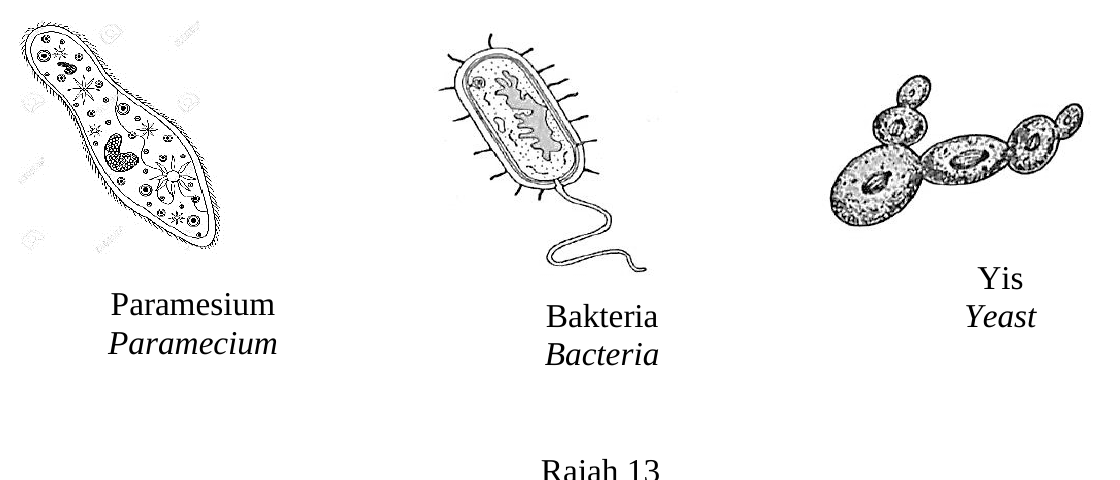
Diagram 13 shows a number of organisms (Paramecium, Bacteria, Yeast). Each organism is classified into the universal system of classification. Which of the following classification is correct?
Medium
Which statement refers to community?
Easy
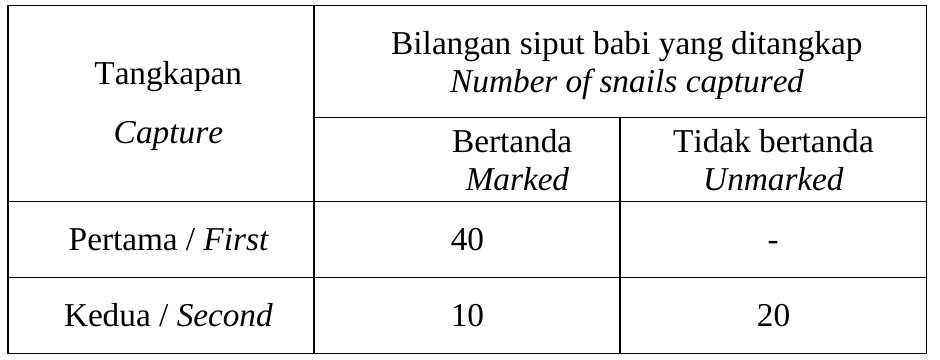
Table 1 shows the results of a study by Mr. A to estimate the population size of garden snails in his farm. First capture: 40 marked. Second capture: 10 marked, 20 unmarked. What is the estimated population of garden snails in the farm?
Medium
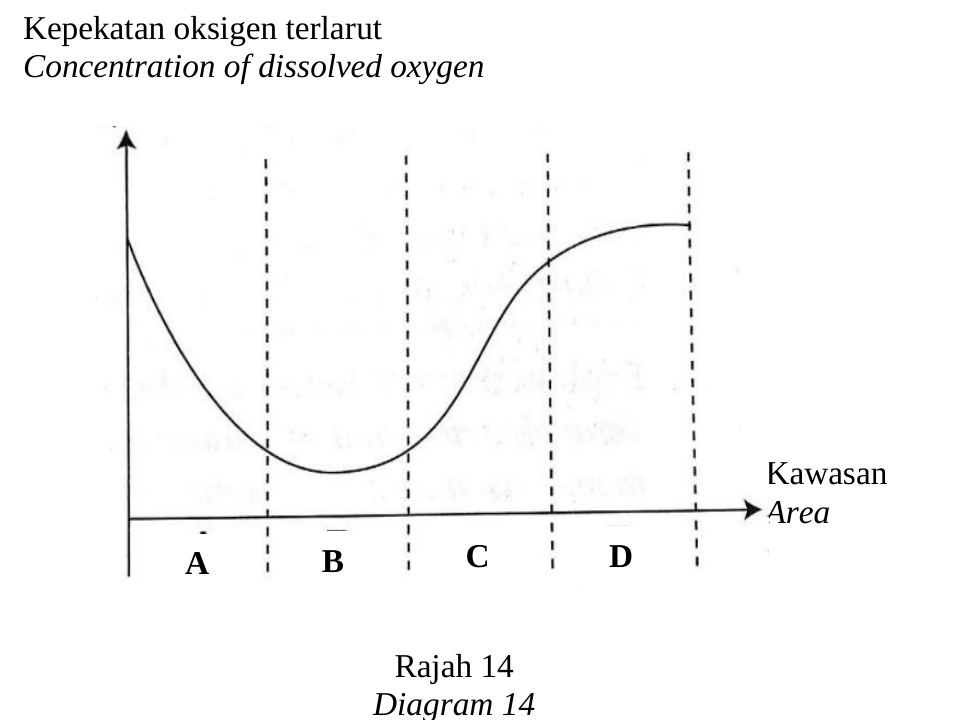
Diagram 14 shows the graph of concentration of dissolved oxygen in different areas A, B, C and D in a river. Which area A, B, C or D has the highest value of biochemical oxygen demand (BOD)?
Medium
What are the types of gametes that can be produced by a garden pea plant heterozygous (RrYy) for flower colour and flower position?
Medium
Diagram 15 shows a monohybrid cross between mango tree P (tall) and mango tree Q (dwarf). 50% of the offspring are tall (tree R) and 50% are dwarf (tree S). If mango tree R is crossed with mango tree S, what is the percentage of the trees produced that will be dwarf?
Medium
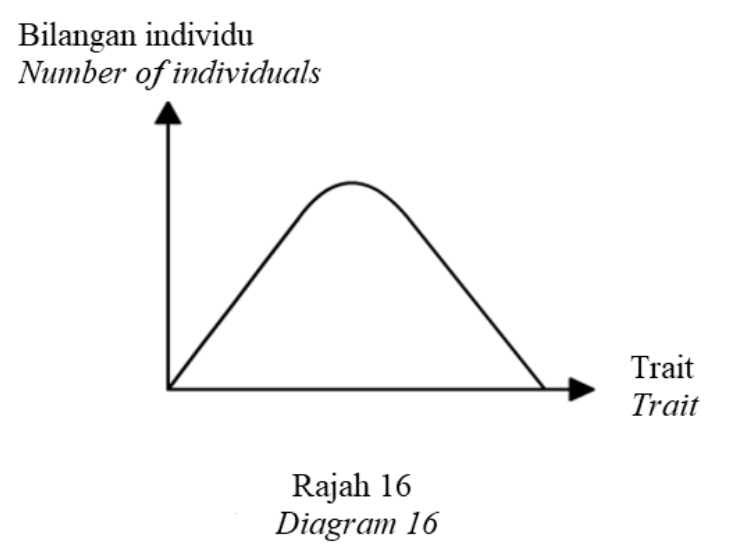
Diagram 16 is a graph which shows the distribution of a trait in human population (bell-shaped curve of number of individuals against trait). What is the trait represented by the graph?
Medium
Which organisms can be used to produce human insulin through genetic engineering?