Unsaturated fats can be converted to saturated fats through the X process. What is X?
Easy
Which diagram represents the molecules of hydrogen gas?
Easy
Who is the scientist who has compiled the elements based on the Octave Law?
Easy
Which of the following occurs in an oxidation reaction?
Medium
Which of the following chemical formulae is correct?
Medium
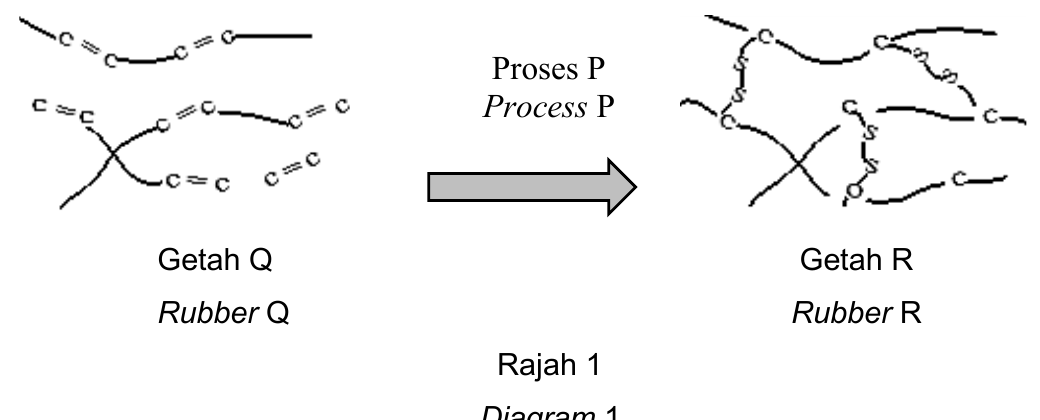
Diagram 1 shows the conversion of rubber Q to rubber R through Process P (rubber molecule chains joined by sulphur cross-links). Which of the following explains the purpose of Process P?
Medium
Among the particles in ammonia solution, what are the particles that cause the ammonia solution to be alkaline?
Medium
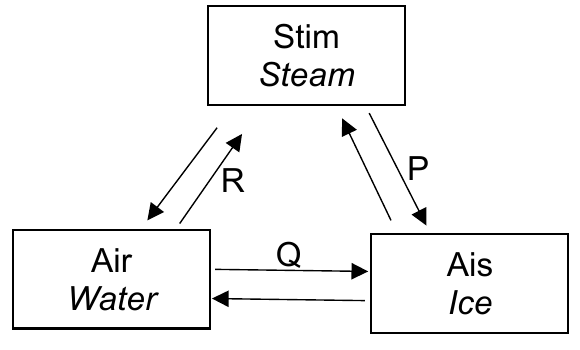
Diagram 2 shows the inter-conversion of the states of matter of a substance (steam, water, ice; arrows P between steam and ice, Q between water and ice, R between water and steam). Which process involves the absorption of heat energy?
Medium
Which of the following statements is true about elements in Period 3 from left to right in the Periodic Table of Elements?
Medium
Which of the following is a redox reaction?
Medium
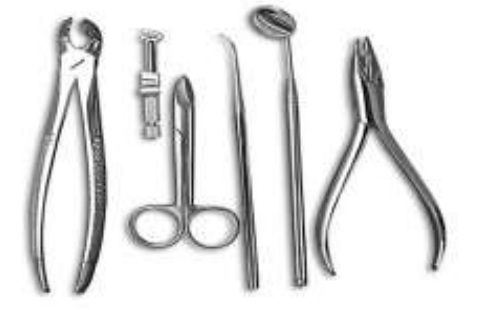
Diagram 3 shows surgical equipment, which is an alloy containing iron as the main component. Which of the following are the foreign atoms of the alloy?
Easy
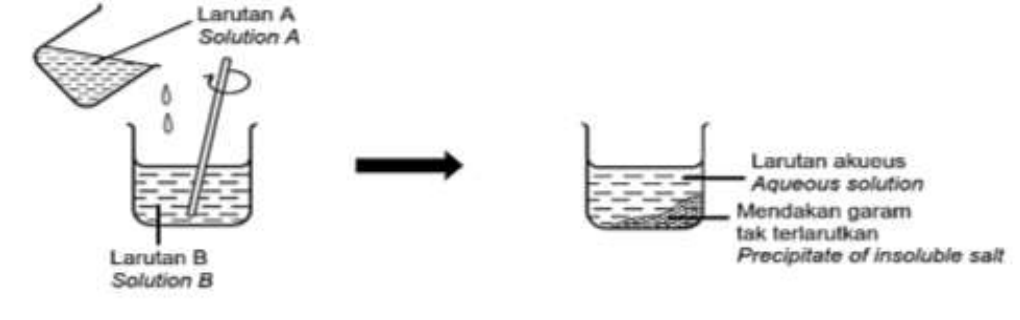
Insoluble salts are prepared by mixing two aqueous solutions through the double decomposition reaction. Diagram 4 shows how insoluble salts are produced in the laboratory (Solution A is added to Solution B; a precipitate of insoluble salt forms in an aqueous solution). Choose two substances that can produce an insoluble salt by the same method.
A: Solution A lead(II) oxide, Solution B sulphuric acid; B: barium nitrate, sodium sulphate; C: calcium chloride, magnesium nitrate; D: magnesium hydroxide, calcium nitrate.
Medium
Diagram 5 shows the preparation of detergent. Step 1 Sulphonation: long-chain alcohol + Substance P -> alkyl sulphonic acid + water. Step 2 Neutralisation: alkyl sulphonic acid + Substance Q -> sodium alkyl sulphate + water. What are substances P and Q?
Medium
Determine the pH value of a solution of barium hydroxide, Ba(OH)2 at a concentration of 0.05 mol dm-3.
Medium
Table 1 shows information about the isotopes in a sample of rubidium. Isotope 1: 37 protons, 48 neutrons, 72 %. Isotope 2: 37 protons, 50 neutrons, 28 %. Calculate the relative atomic mass of this sample of rubidium.
Medium
Element P and Q react to form a covalent compound with formula PQ2. Which of the following is true? (Electron arrangement of atom P; atom Q)
Medium
The following ionic equation shows the reaction between zinc and acid: Zn(s) + 2H+(aq) -> Zn2+(aq) + H2(g). What is the change in oxidation number of hydrogen?
Medium
Table 2 shows the volume of carbon dioxide gas collected in an experiment. Time (s): 0, 30, 60, 90, 120, 150, 180, 210, 240. Volume of CO2 (cm3): 0, 20.0, 30.0, 31.0, 32.0, 32.5, 33.0, 33.0, 33.0. What is the average rate of reaction?
Medium
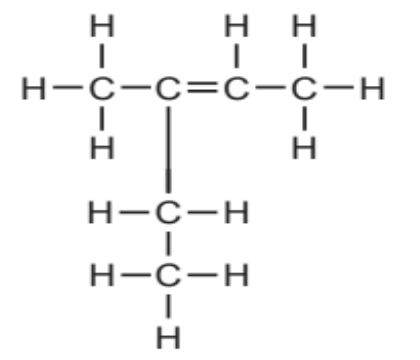
Diagram 6 shows the structural formula of an isomer of an alkene. Name the isomer according to the IUPAC nomenclature system.
Medium
Table 3 shows the melting point and boiling point of four substances. P: -17 C, 58 C; Q: 85 C, 192 C; R: -120 C, -10 C; S: 258 C, 302 C. Which substance is a liquid at room temperature?
Easy
A redox reaction can be represented by the following equation: X2(aq) + 2KBr(aq) -> 2KX(aq) + Br2(aq). Element X is in Group 17 in the Periodic Table of Elements. What can be observed if element X is replaced with iodine?
Medium
Ethene can be differentiated from ethane because ethene can:
Easy
Which process has the highest rate of reaction?
Easy
What is the yellow precipitate formed when sodium thiosulphate, Na2S2O3 solution reacts with sulphuric acid, H2SO4?
Easy
Compound P has the following characteristics: very soluble in water; can be prepared from an alkene. What is probably compound P?
Medium
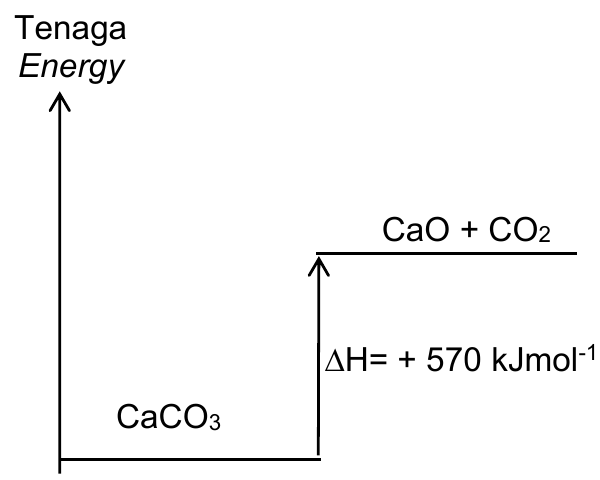
Diagram 7 shows an energy level diagram for the decomposition of calcium carbonate (CaCO3 at lower level, CaO + CO2 at higher level, ΔH = +570 kJ mol-1). Which statement can be deduced from Diagram 7?
Medium
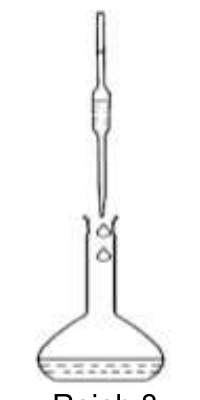
Diagram 8 shows the preparation of a standard solution of sodium carbonate, Na2CO3 by dissolving 10.6 g of sodium carbonate in distilled water and making the volume up to 100 cm3. What is the volume of standard solution prepared that should be used if a student wants to prepare 50 cm3 of 0.5 mol dm-3 sodium carbonate solution? [Relative formula mass: Na2CO3 = 106]
Medium
A Bunsen burner cartridge contains 2.75 kg butane gas, C4H10. What is the number of moles of the gas? [Relative atomic mass: H = 1, C = 12]
Medium
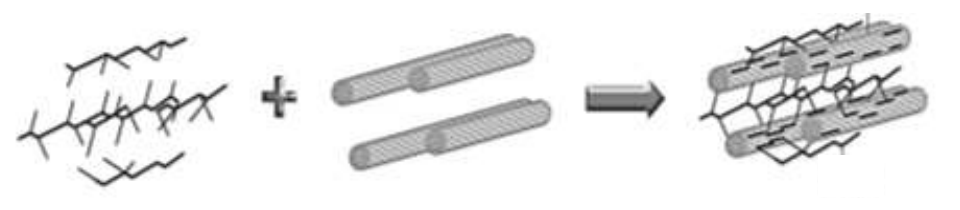
Diagram 9 shows the formation of a composite material from its original components. Based on Diagram 9, why is reinforced concrete used to build buildings and bridges compared to concrete?
Medium
The complete combustion of a hydrocarbon is represented by the equation: CH2x + xO2 -> CO2 + xH2O. What is the value of x?
Medium
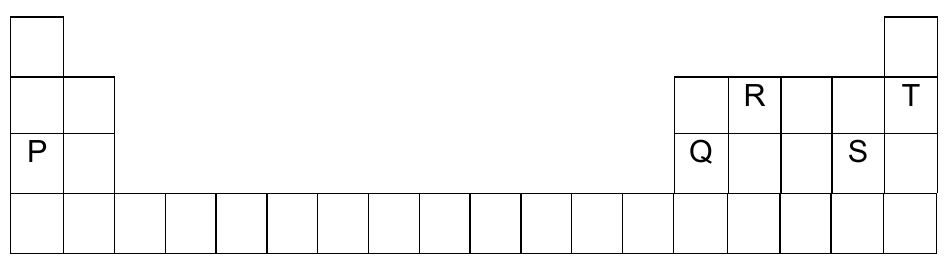
Diagram 10 shows the Periodic Table of Elements consisting of the elements P, Q, R, S and T. Arrange the elements P, Q, R, S and T based on the increase in atomic radius size.
Medium
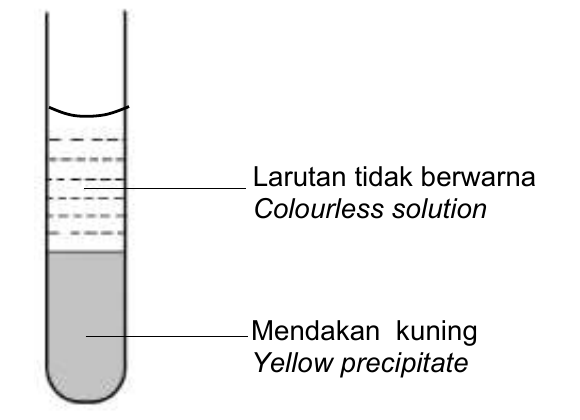
Diagram 11 shows the reaction between 8.0 cm3 of 1.0 mol dm-3 lead(II) nitrate solution and 5.0 cm3 of 1.0 mol dm-3 potassium chromate(VI) solution (colourless solution above a yellow precipitate). What are the ions present in the colourless solution above the precipitate?
Medium
Table 4 shows the heat of neutralisation of two different monoprotic acids, P and Q, with potassium hydroxide solution. Set I: 50 cm3 of 1.0 mol dm-3 monoprotic acid P + 50 cm3 of 1.0 mol dm-3 KOH; heat of neutralisation -57.0 kJ mol-1. Set II: 50 cm3 of 1.0 mol dm-3 monoprotic acid Q + 50 cm3 of 1.0 mol dm-3 KOH; heat of neutralisation -54.0 kJ mol-1. Based on Table 4, what are P and Q? (Set I; Set II)
Medium
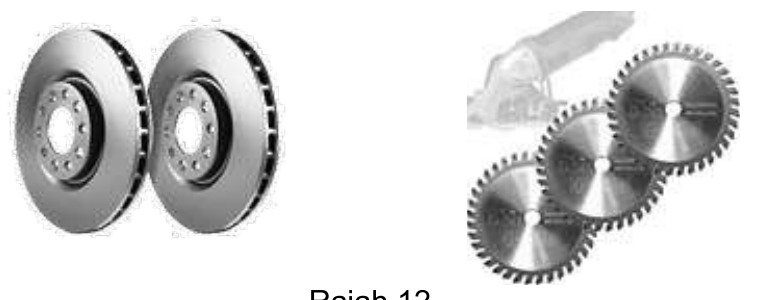
Diagram 12 shows a brake disc and a cutting disc made of advanced ceramic. Material X is used in the manufacture of brake discs and cutting discs due to its strong, hard, thermal shock resistance and high resistance to heat. What is X?
Easy
In addition to killing bacteria on the surface of the skin, disinfectant antiseptic liquids can also destroy pathogens found on floors and drainage systems. Which of the following is a disinfectant?
Easy
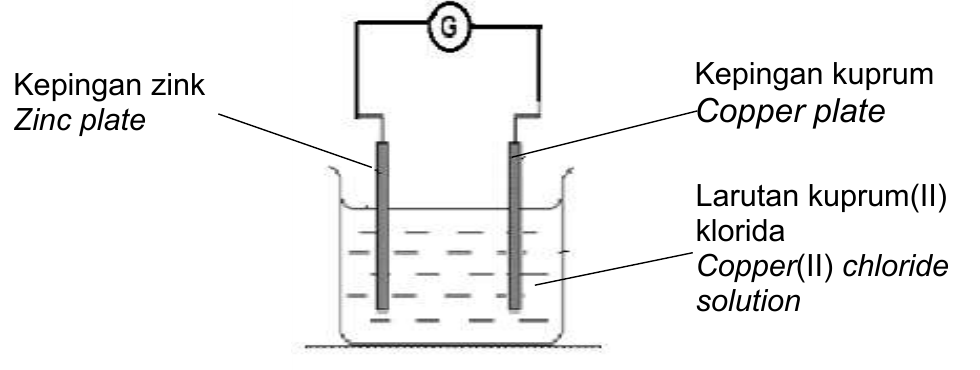
Diagram 13 shows a chemical cell (zinc plate and copper plate in copper(II) chloride solution). Which substances undergo oxidation and reduction? [E0: Zn2+ + 2e <=> Zn, E0 = -0.76 V; Cu2+ + 2e <=> Cu, E0 = +0.34 V]
Medium
In a reaction, 4.6 g of sodium is reacted with oxygen gas in a gas jar. The result is a white solid. Some of the solid is dissolved in 25 cm3 of distilled water to form a colourless solution of concentration 2 mol dm-3, which changes red litmus paper to blue. What is the mass of white solid that reacted with the distilled water to produce the colourless solution? [Relative atomic mass: Na = 23, O = 16]
Medium
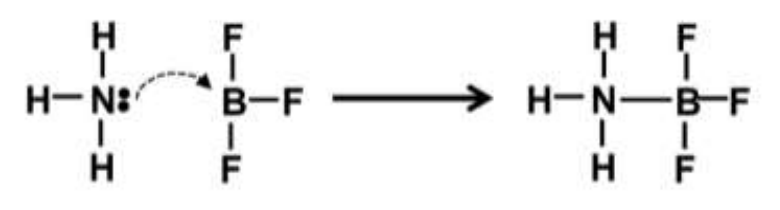
Diagram 14 shows the formation of ammonia boron trifluoride when ammonia NH3 reacts with boron trifluoride BF3. What is the chemical bond shown in Diagram 14?
Easy
Which of the following is an example of an elastomer polymer?
Easy
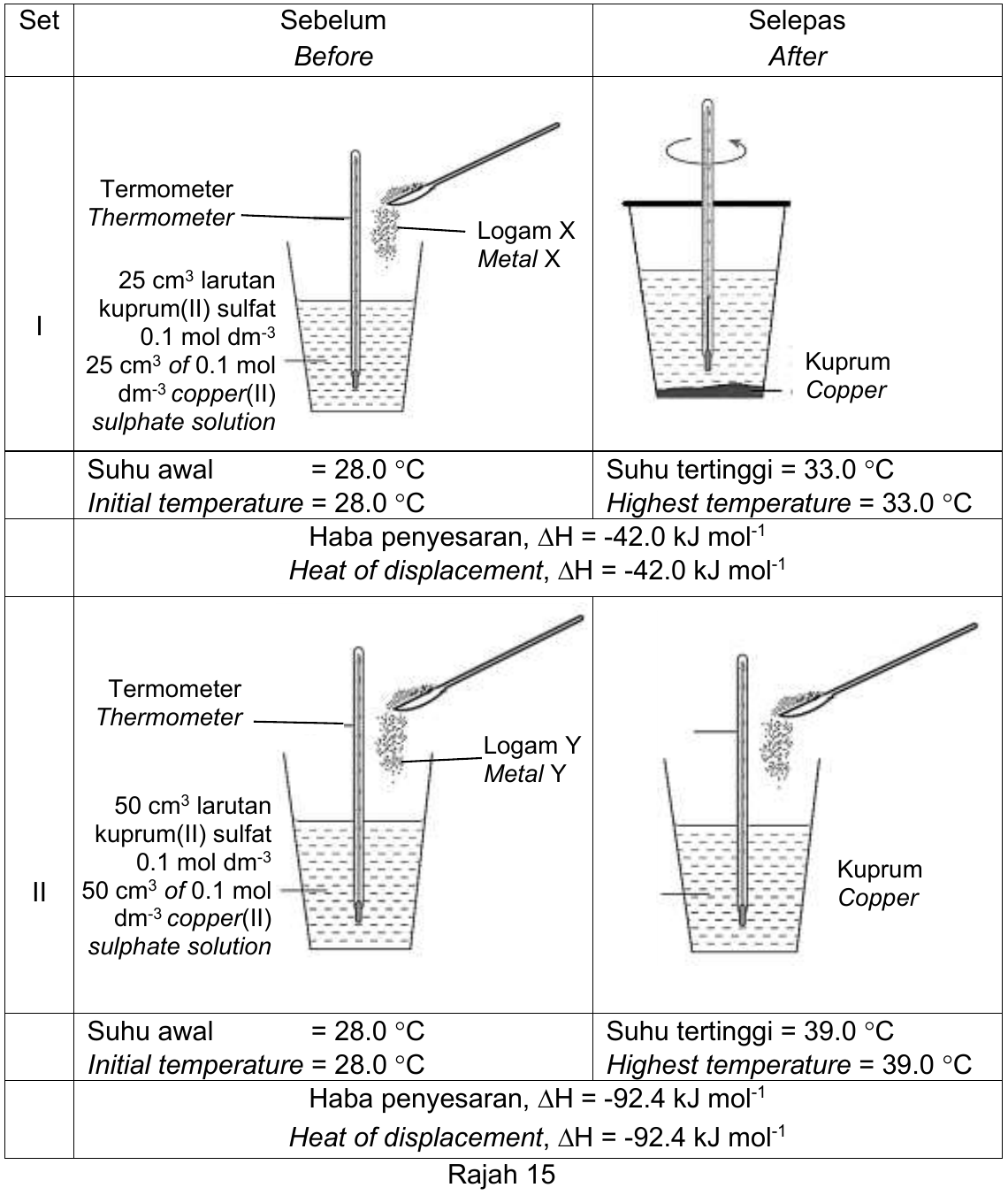
Diagram 15 shows two sets of experiments on copper(II) sulphate solution (Set I: 25 cm3 of 0.1 mol dm-3, metal X, 28.0 C to 33.0 C, ΔH = -42.0 kJ mol-1; Set II: 50 cm3 of 0.1 mol dm-3, metal Y, 28.0 C to 39.0 C, ΔH = -92.4 kJ mol-1). Magnesium powder is added in excess. Which statements describe the two sets of experiments correctly? I Total energy content of the products is more than that of the reactants for both sets. II Both sets absorb heat from the surroundings. III Heat change in Set II is higher than Set I. IV Y is more electropositive than X.