Where reactive metals such as lithium, sodium and potassium should be stored?
Easy
Which substance contains 6.02 × 10²³ atoms?
Medium
Which substance is a covalent compound?
Easy
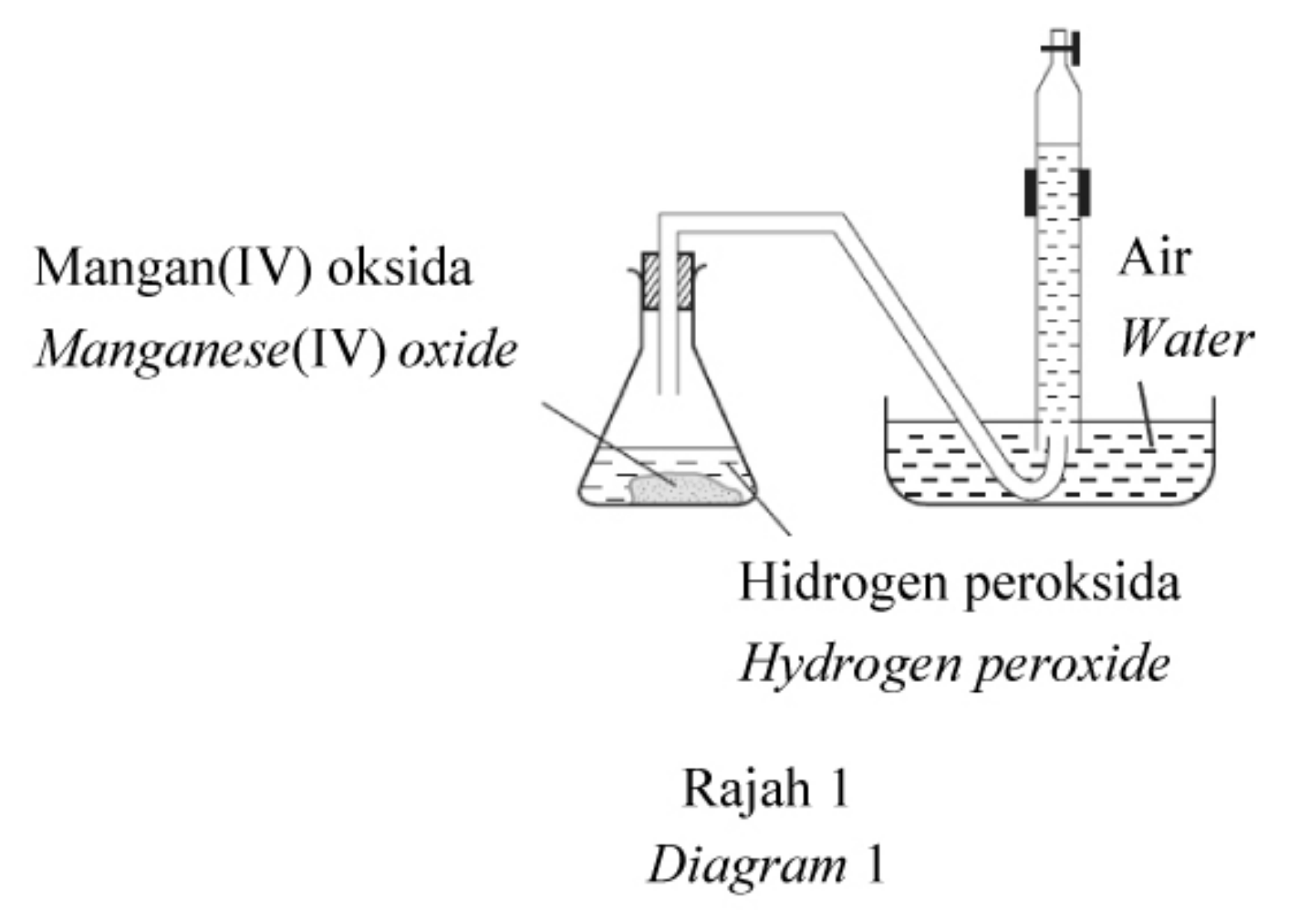
Diagram 1 shows decomposition of hydrogen peroxide to water and oxygen. What should be done to increase the rate of decomposition of hydrogen peroxide?
Medium
Which statement defines oxidation?
Easy
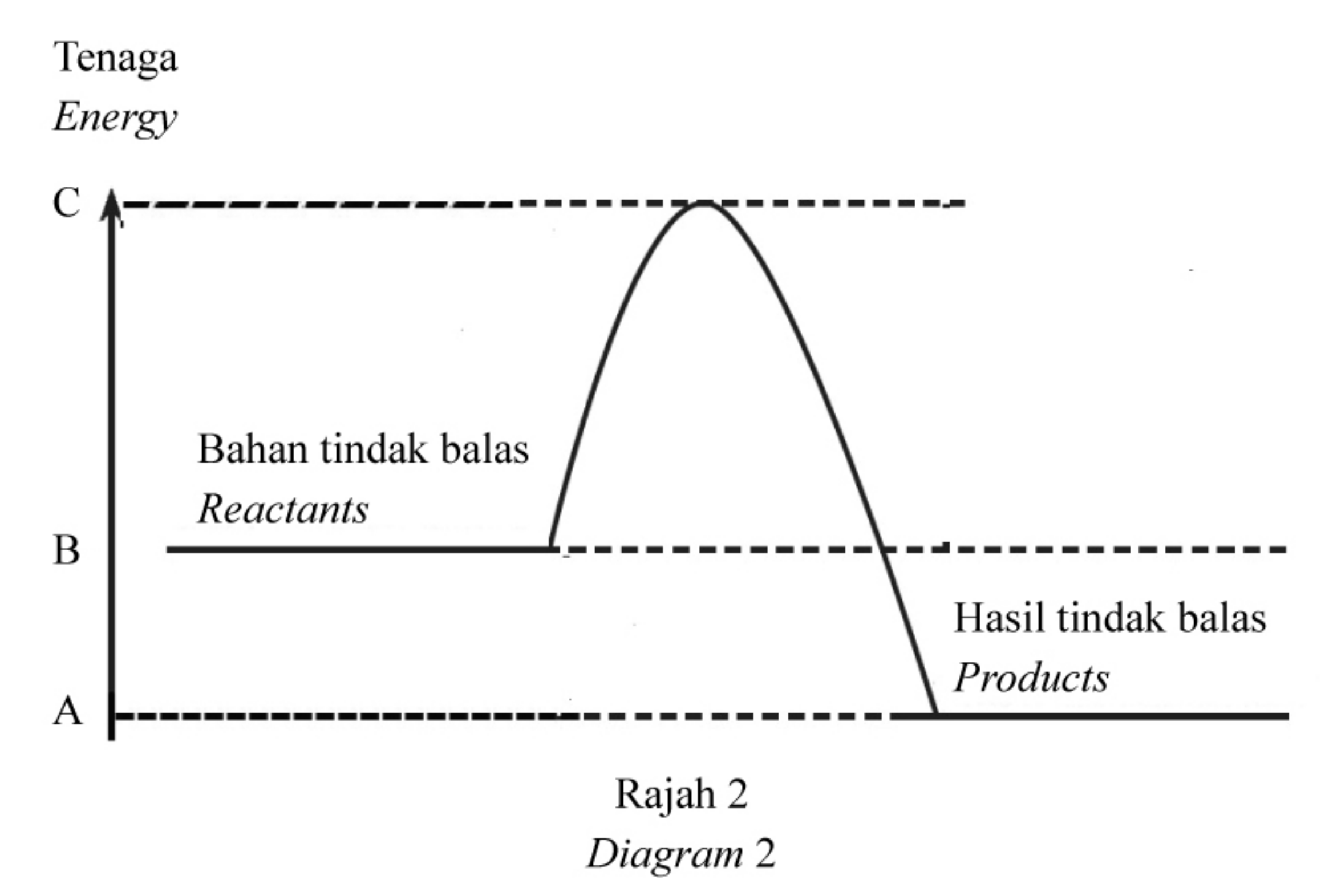
Diagram 2 shows an energy profile for a reaction. What is the activation energy for this reaction?
Medium
Why is sodium chloride used in the preparation of soap?
Medium
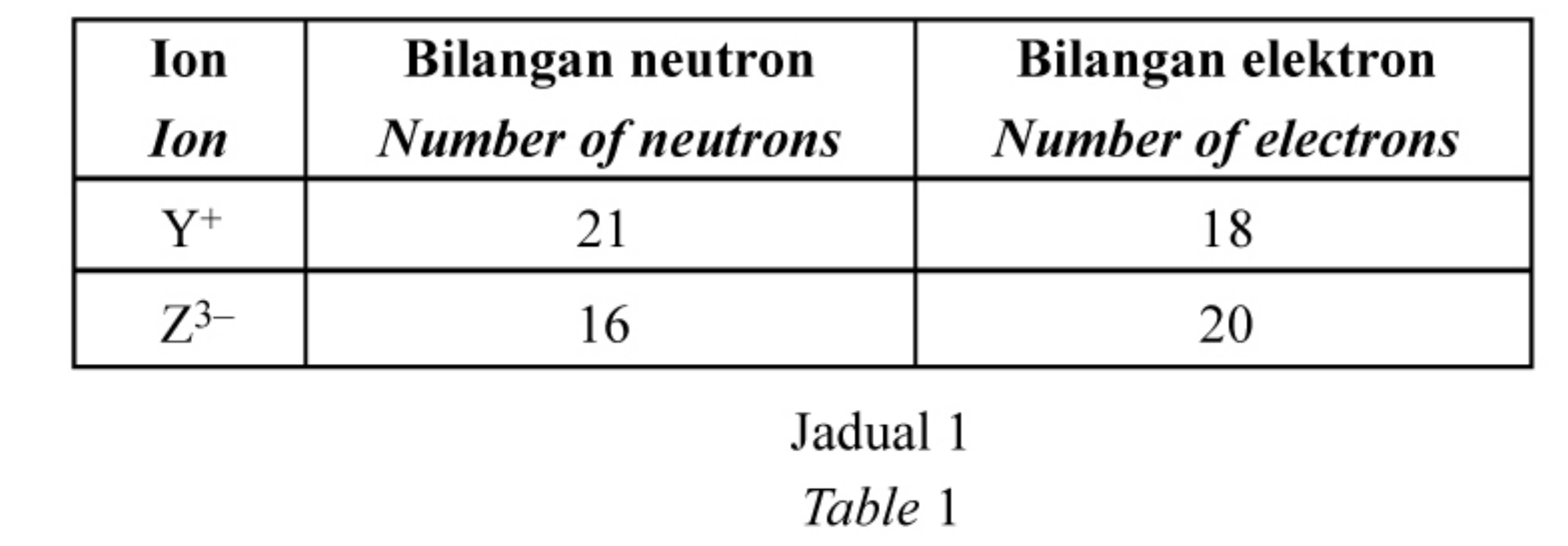
Table 1 shows the number of electrons and neutrons of ion Y⁺ and ion Z³⁻. Which of the following is the correct electron arrangement of atom Y and atom Z?
Table 1: Y⁺ — neutrons 21, electrons 18; Z³⁻ — neutrons 16, electrons 20.
Medium
The boiling point of bromine is higher than chlorine. Which statement exactly explains this phenomena?
Medium
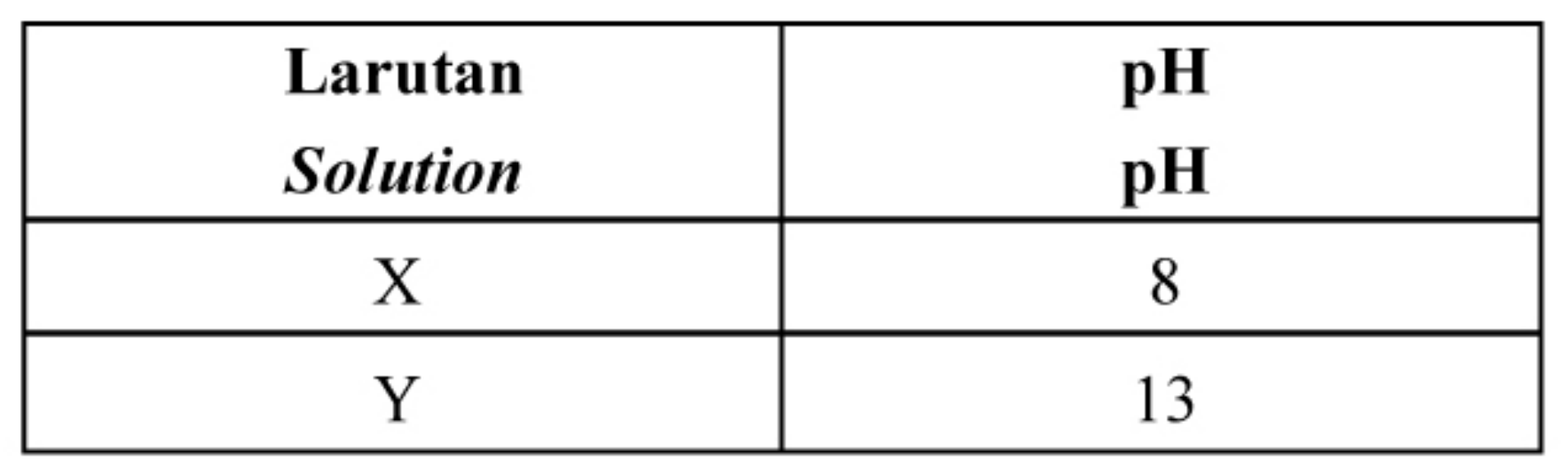
Table 2 shows the pH values of two solutions with the same concentration (X: pH 8; Y: pH 13). Which statement explains the differences in the pH values?
Medium
Bronze is harder than pure copper. Which statement exactly explains phenomena above?
Medium
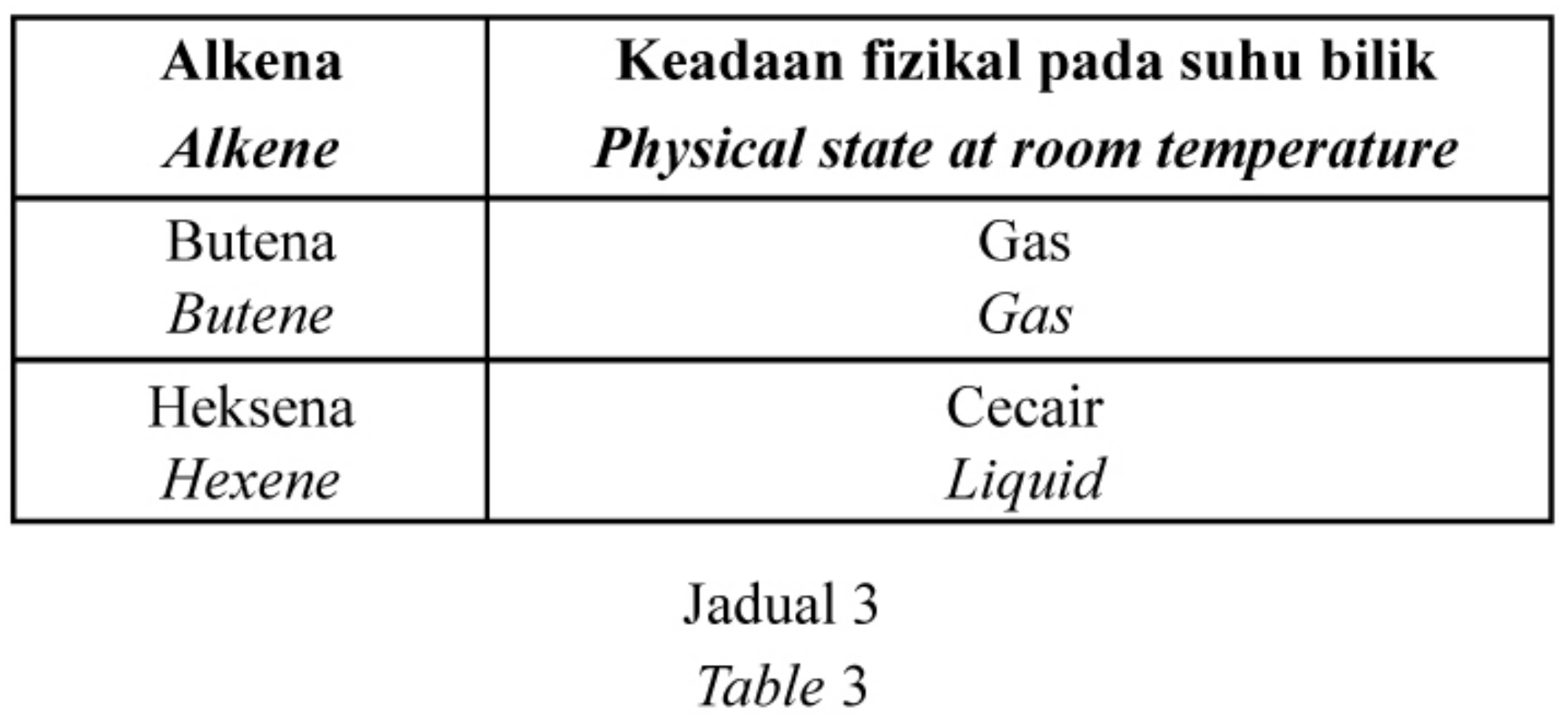
Table 3 shows the physical state of two alkenes (butene: gas; hexene: liquid at room temperature). Butene and hexene are members in the homologous series of alkenes. Which statement accurately describes the difference of physical states at room temperature?
Medium
A rubber tapper finds that latex coagulates after several hours. What should he do to prevent the latex from coagulating?
Easy
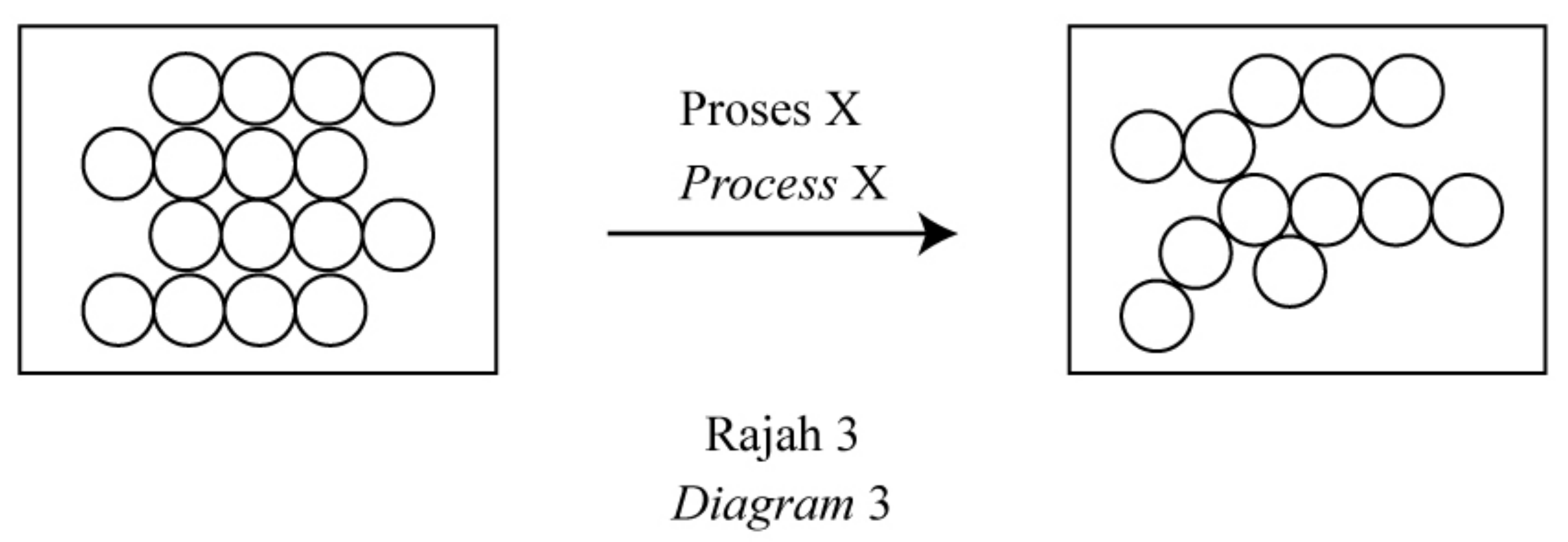
Diagram 3 shows the particles arrangement for the change of state of matter. Which of the following is process X?
Medium
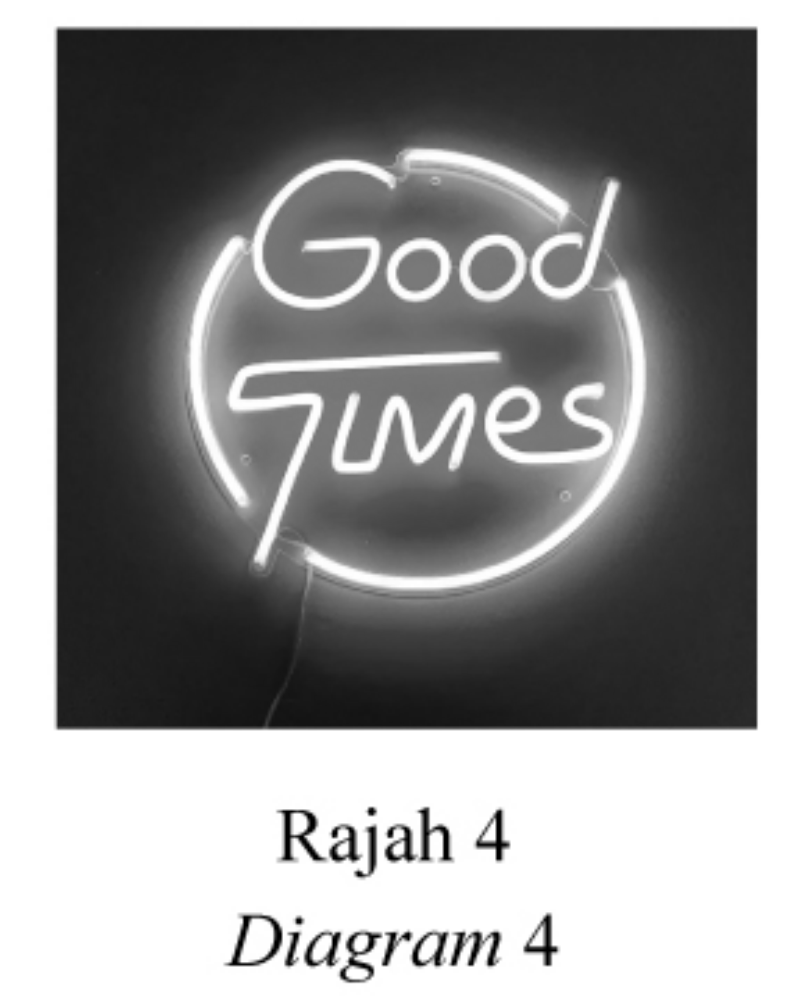
Diagram 4 shows advertisement light board which made of X. In which group is X located in the Periodic Table of Elements?
Easy
Which of the following is an insoluble salt?
Easy
Which glass is correctly matched to its uses?
Medium
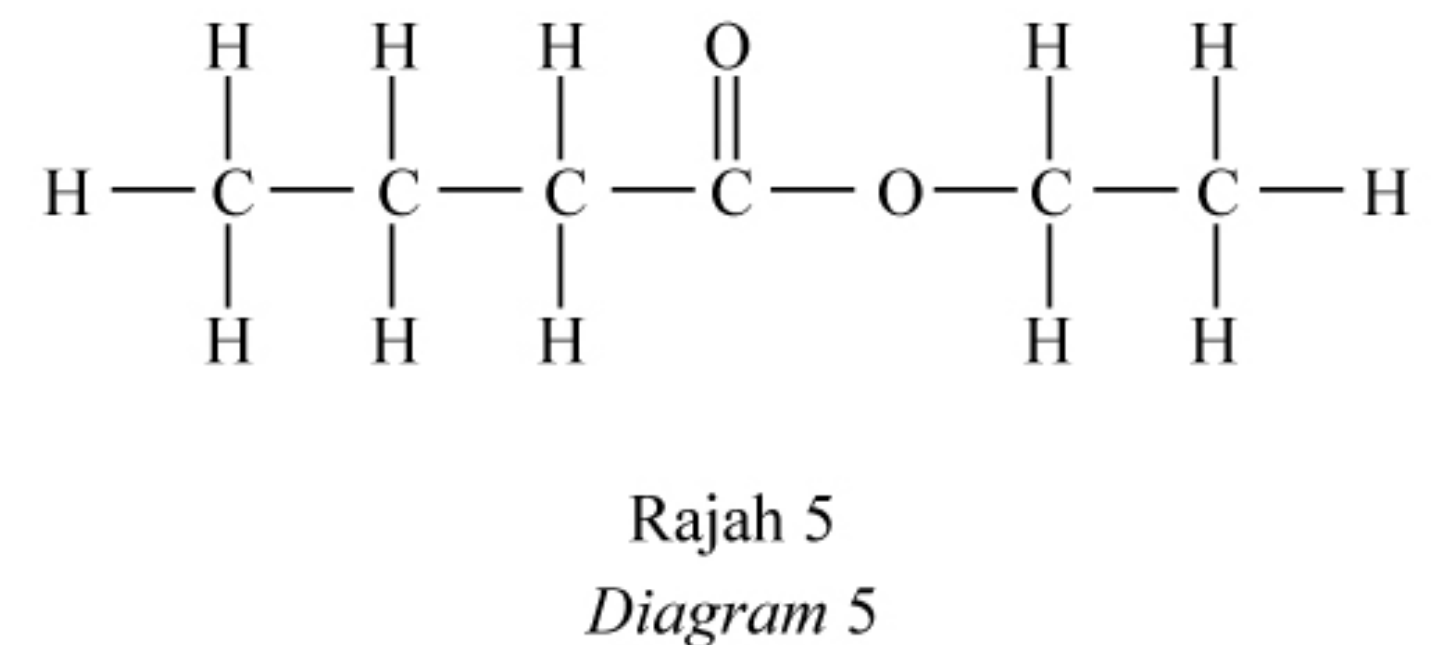
Diagram 5 shows a structural formula which represents a food flavouring substance. Which of the following can be used to make the flavouring?
Medium
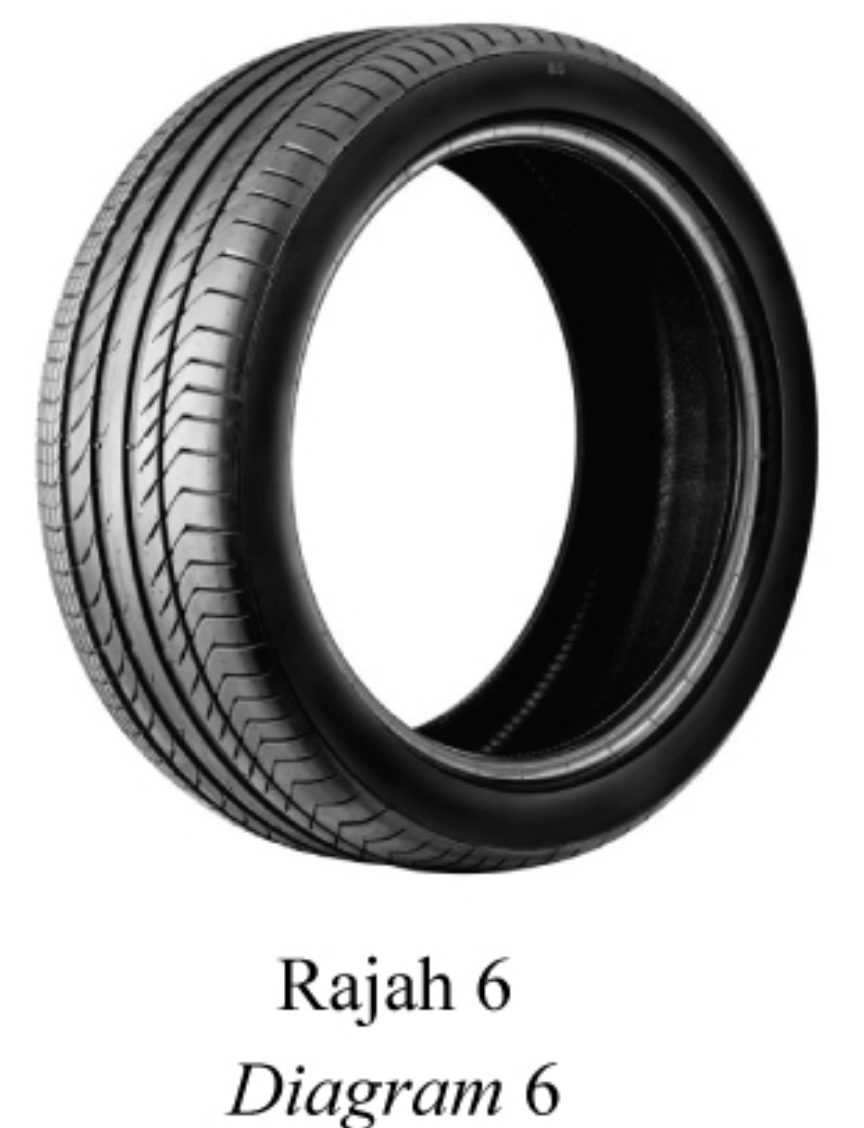
Diagram 6 shows a tyre. The material used to make tyres is vulcanised rubber, which is natural rubber added with sulphur. What happens when sulphur is added into natural rubber?
Medium
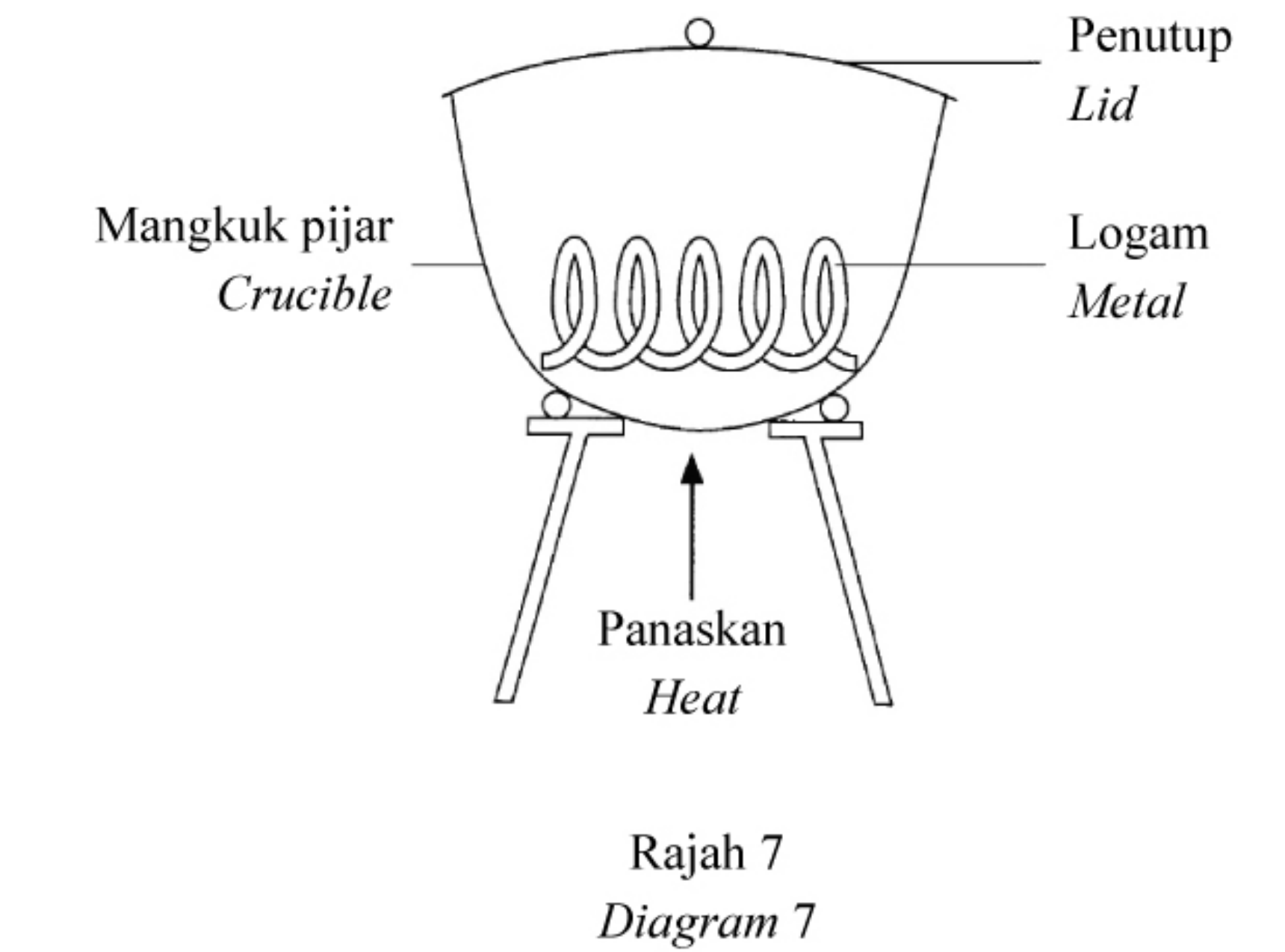
Diagram 7 shows the apparatus set-up to determine the empirical formula of metal oxide. Which statement explains why the crucible need to be covered by its lid when the metal starts to burn?
Medium
Ethanol dissolves in water. Which statement exactly explains why ethanol dissolves in water?
Medium
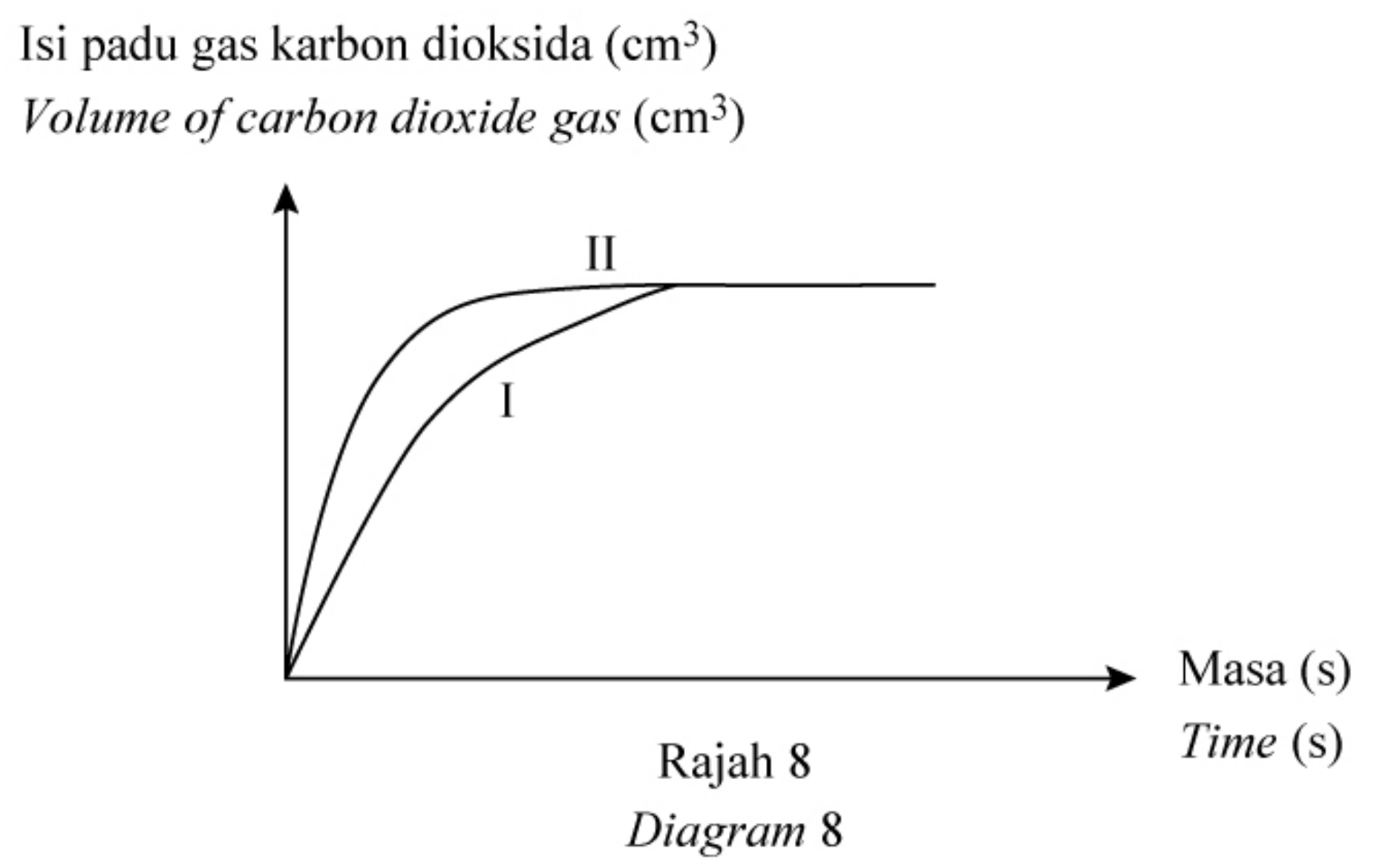
Diagram 8 shows curves which are obtained when calcium carbonate reacts with hydrochloric acid. Which conditions of reactants produce curve I and II?
Medium
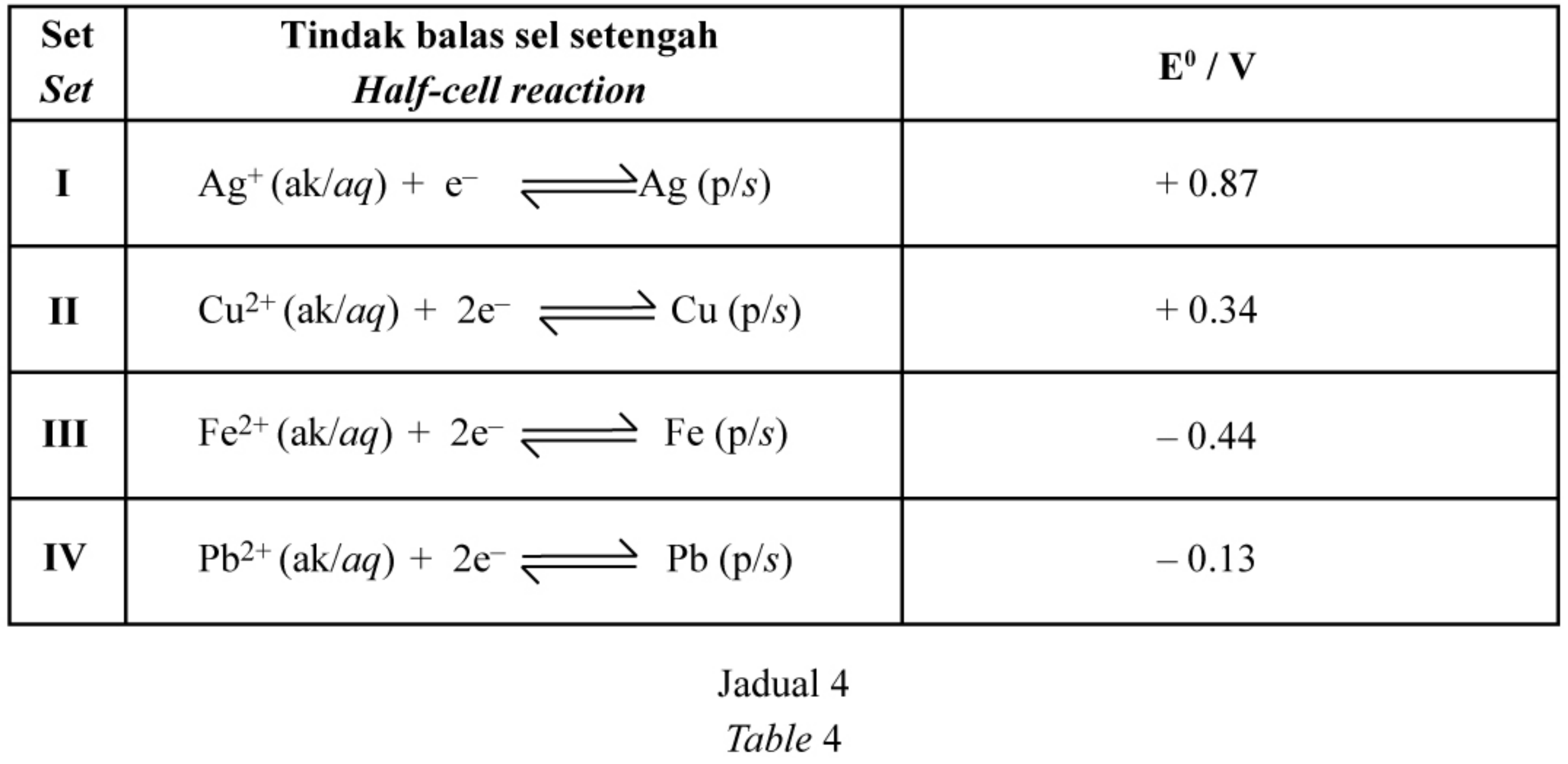
Table 4 shows standard electrode potential values, E° for silver, copper, iron and lead (I: Ag⁺/Ag +0.87 V; II: Cu²⁺/Cu +0.34 V; III: Fe²⁺/Fe −0.44 V; IV: Pb²⁺/Pb −0.13 V). Which pair of these standard electrode potential is used as a half-cell that produces the highest voltage?
Medium
57 kJ of heat is released when 1 mol of water is formed from the neutralisation between 1 mol of hydrochloric acid and 1 mol of sodium hydroxide. Which pair of acid and alkali produces higher heat of neutralisation than heat of neutralisation for hydrochloric acid and sodium hydroxide?
Medium
Which statement exactly explain why the patient must finish all the antibiotic prescribed by the doctor?
Easy
The following equation represents the reaction of metal X with sulphuric acid: 2X + H₂SO₄ → X₂SO₄ + H₂. What is the mass of metal X that required to react with 100 cm³ of 0.5 mol dm⁻³ sulphuric acid? [Relative atomic mass: X = 23]
Medium
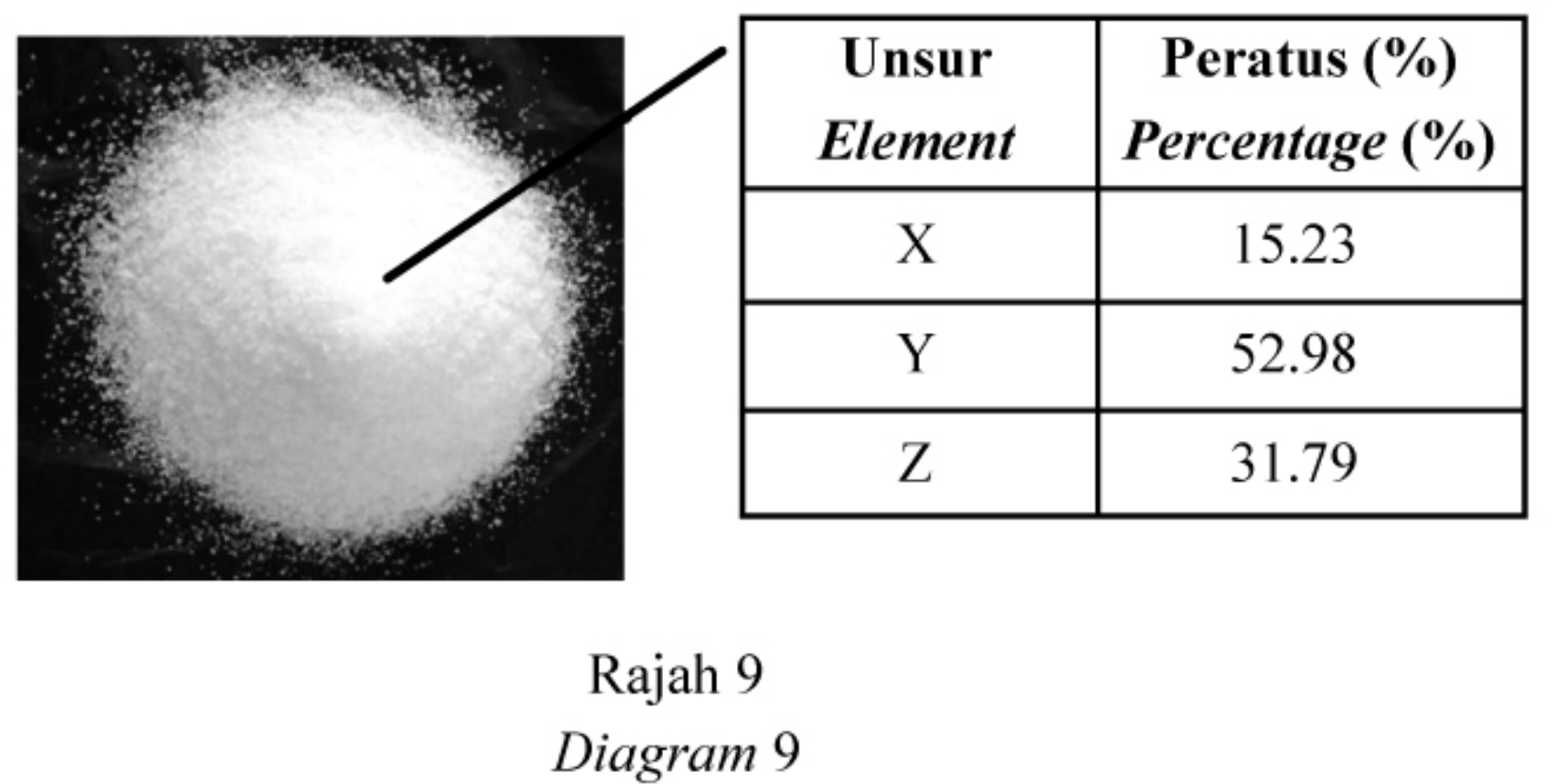
Diagram 9 shows the composition of a certain compound (X 15.23%; Y 52.98%; Z 31.79%). What is the empirical formula of the compound? [Relative atomic mass: X = 23; Y = 80; Z = 16]
Medium
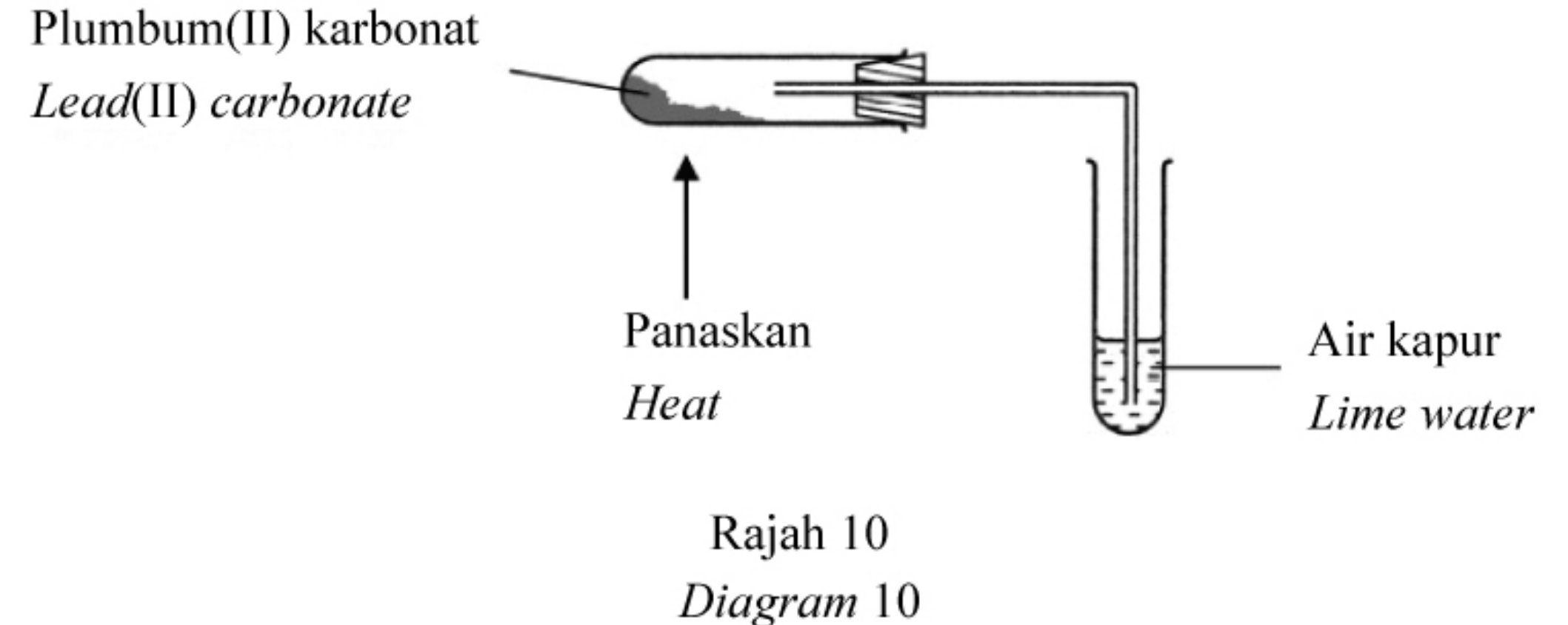
Diagram 10 shows the set-up of apparatus to study the effect of heat on salt. What is the volume of gas released when 24 g of lead(II) carbonate is used at room condition? [Relative atomic mass: Pb = 207; C = 12; O = 16; Molar volume of gas = 24 dm³ mol⁻¹ at room condition]
Medium
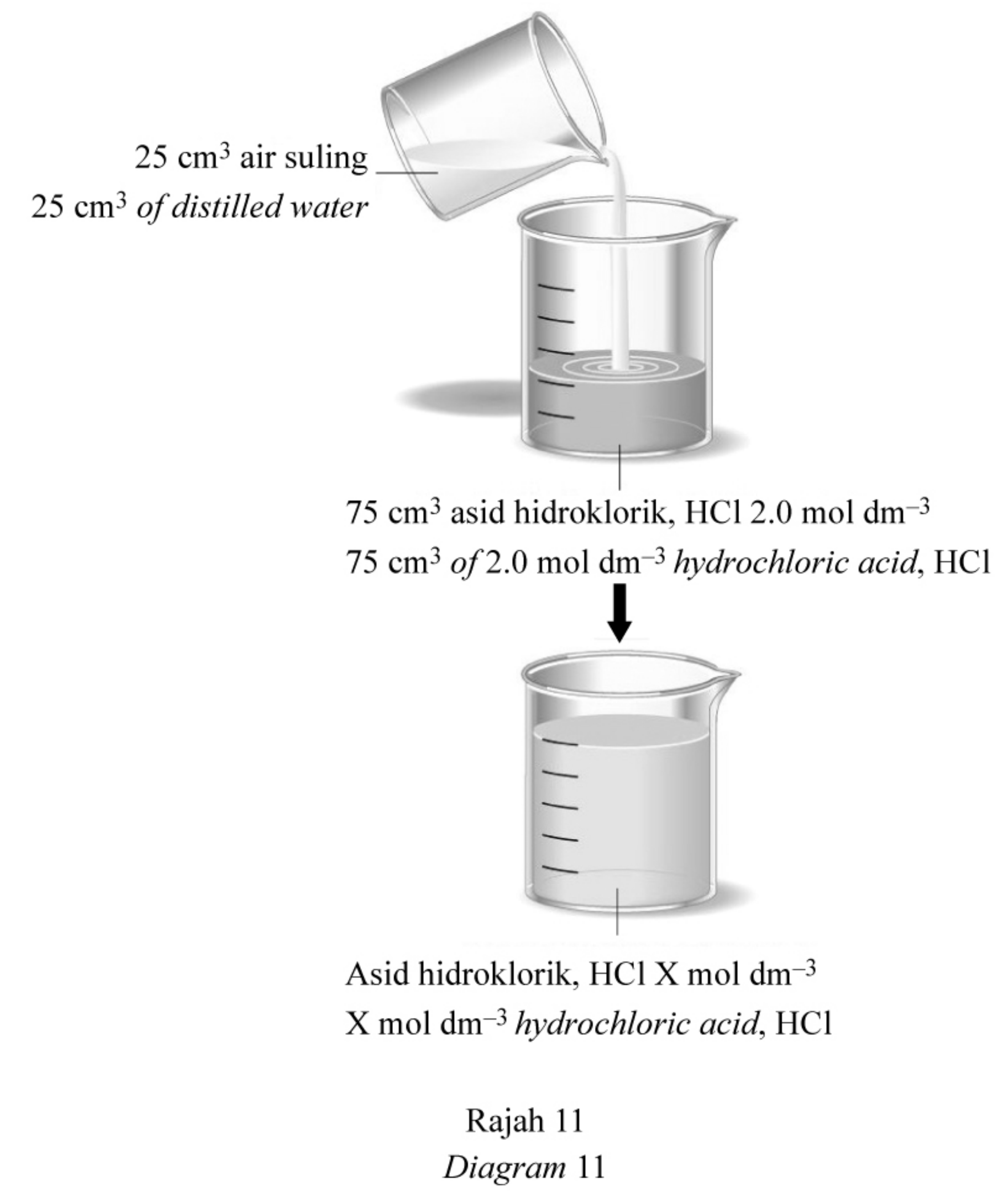
Diagram 11 shows 75 cm³ of 2.0 mol dm⁻³ hydrochloric acid that is diluted to X mol dm⁻³ when 25 cm³ of distilled water is added. What is the volume of the dilute hydrochloric acid that should be used to neutralise 25 cm³ of 3.0 mol dm⁻³ sodium hydroxide?
Medium
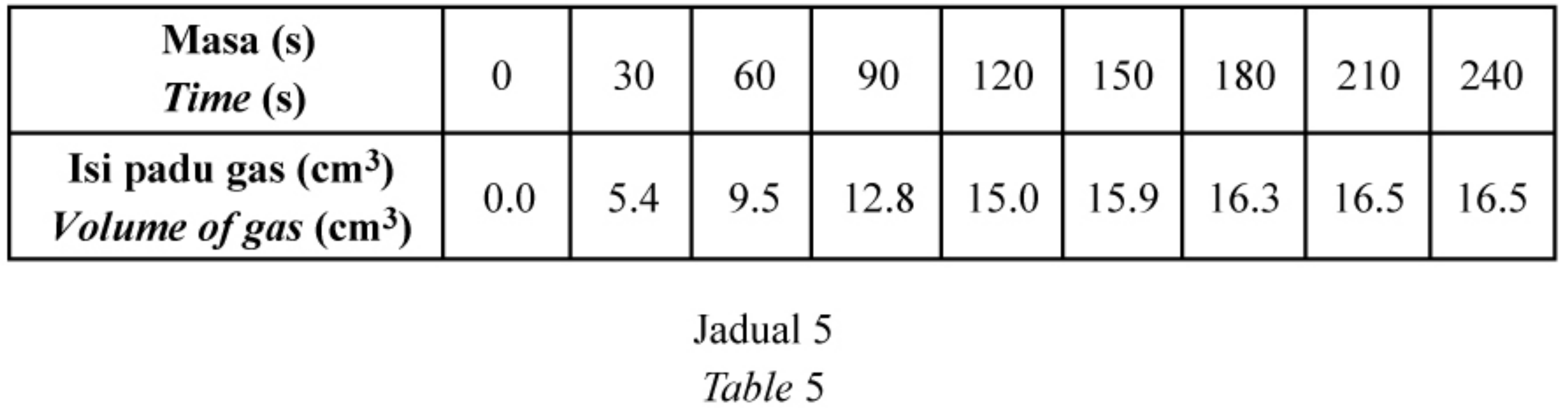
Table 5 shows the volume of carbon dioxide gas collected in an experiment. What is the overall average rate of reaction?
Table 5 — Time (s): 0, 30, 60, 90, 120, 150, 180, 210, 240; Volume of gas (cm³): 0.0, 5.4, 9.5, 12.8, 15.0, 15.9, 16.3, 16.5, 16.5.
Medium
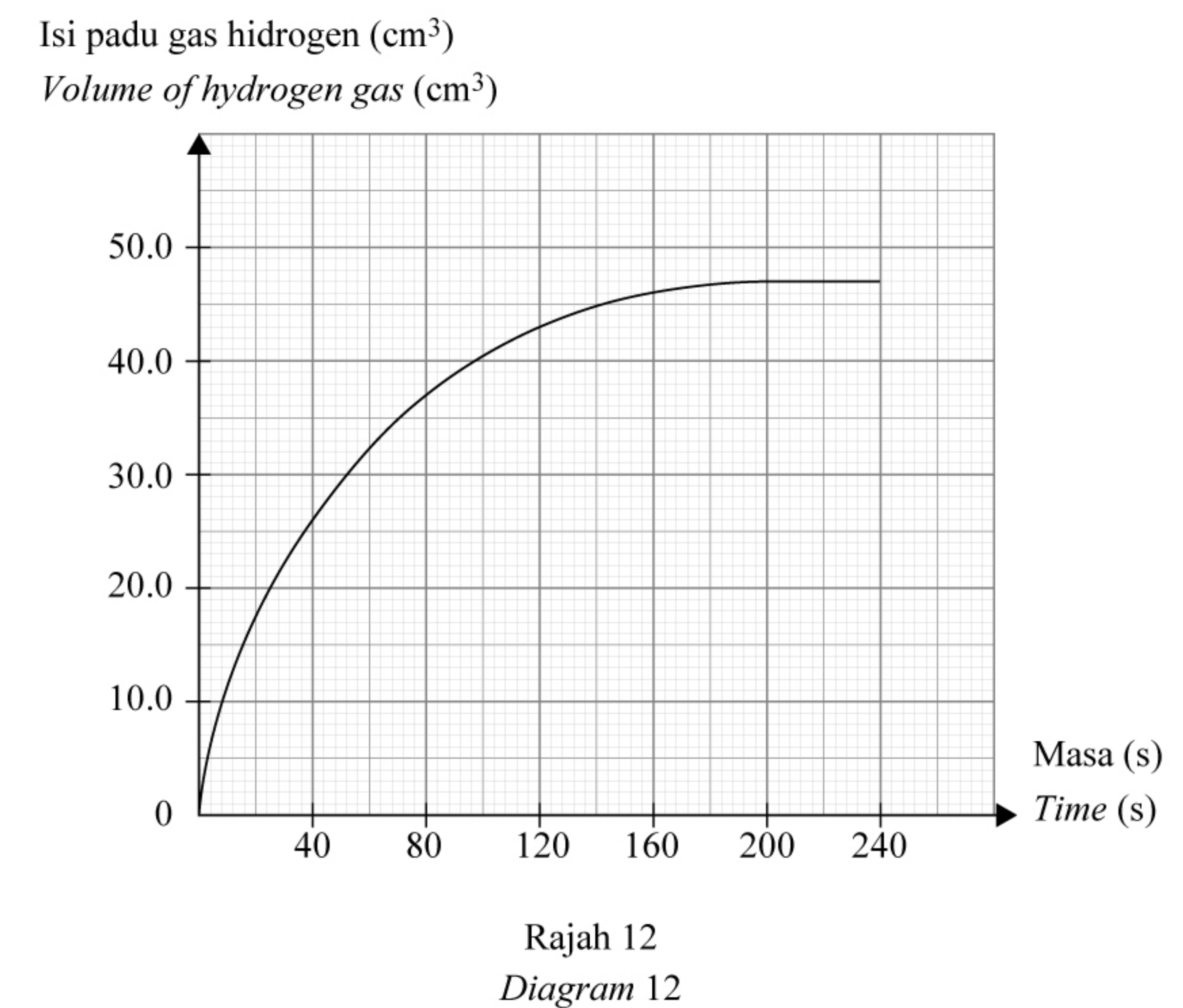
In an experiment, excess zinc granules react with dilute hydrochloric acid. The volume of hydrogen gas released is recorded at intervals of 40 seconds. The graph of volume of hydrogen gas against time is shown in Diagram 12. What is the rate of reaction at the 60th second?
Medium
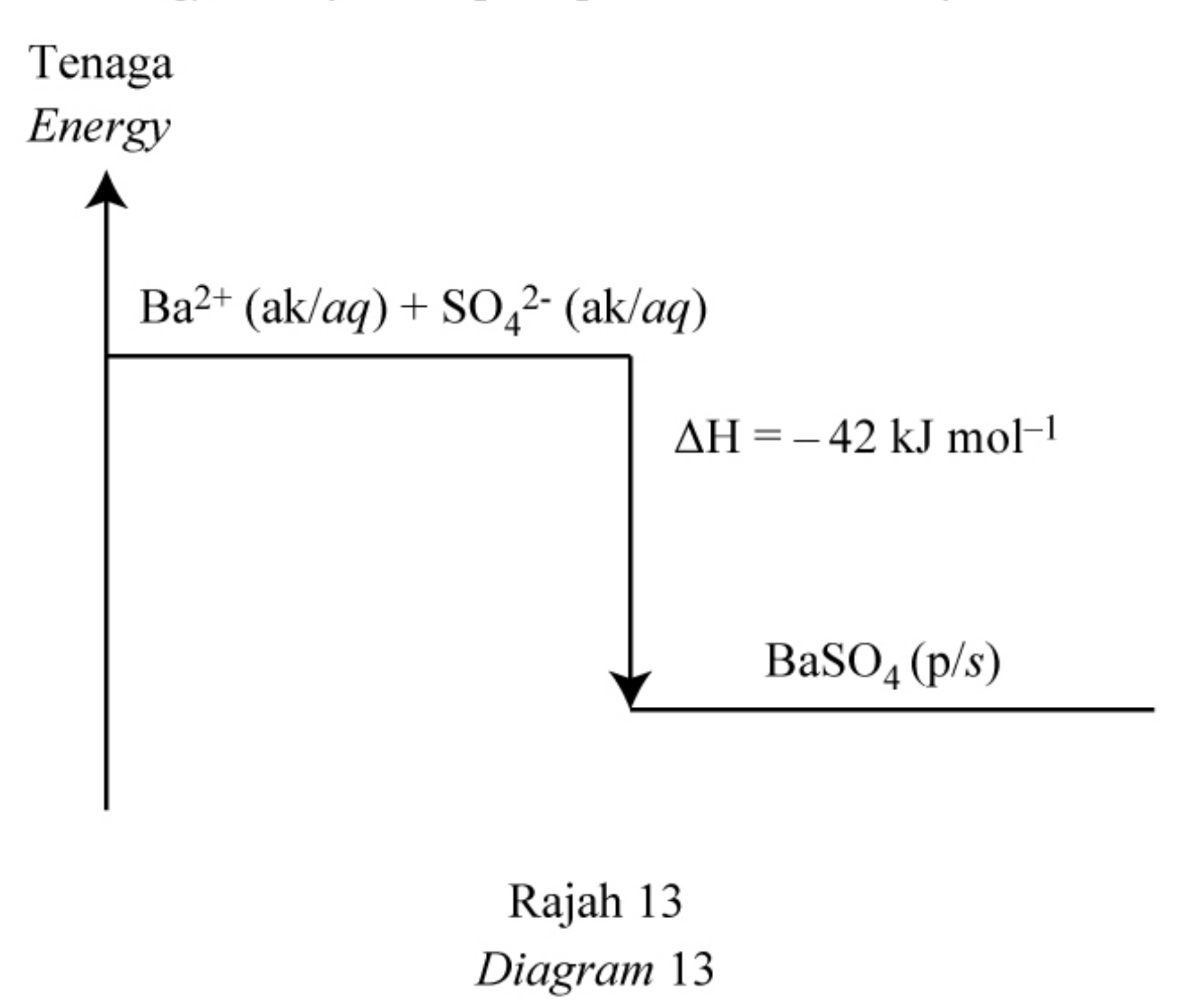
Diagram 13 shows energy level for the precipitation reaction of barium sulphate (ΔH = –42 kJ mol⁻¹). How much heat is released when 48 g of barium sulphate is formed? [Relative atomic mass: Ba = 137, S = 32, O = 16]
Medium
The following information is about organic compound P: has 3 carbon atoms; soluble in water; reacts with zinc to produce hydrogen gas. What is the name of the organic compound P?
Medium
Which monomer and polymer pair is correct?
Medium
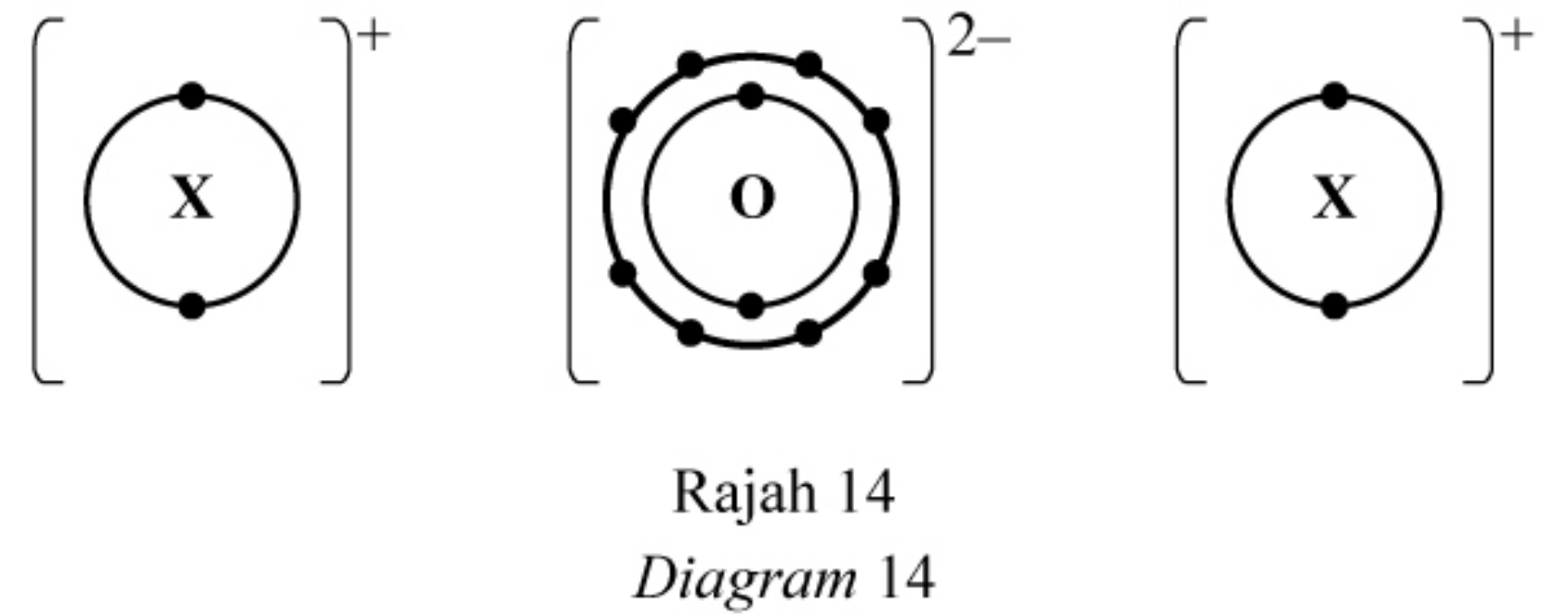
Diagram 14 shows the electron arrangement of a compound. What are the proton number of atoms X and O?
Medium
Which of the following are isomers of compound that has molecular formula of C₄H₉OH? I: 2-methylpropan-1-ol; II: Propan-2-ol; III: 2-methylpropan-2-ol; IV: 3-methylbutan-2-ol
Medium
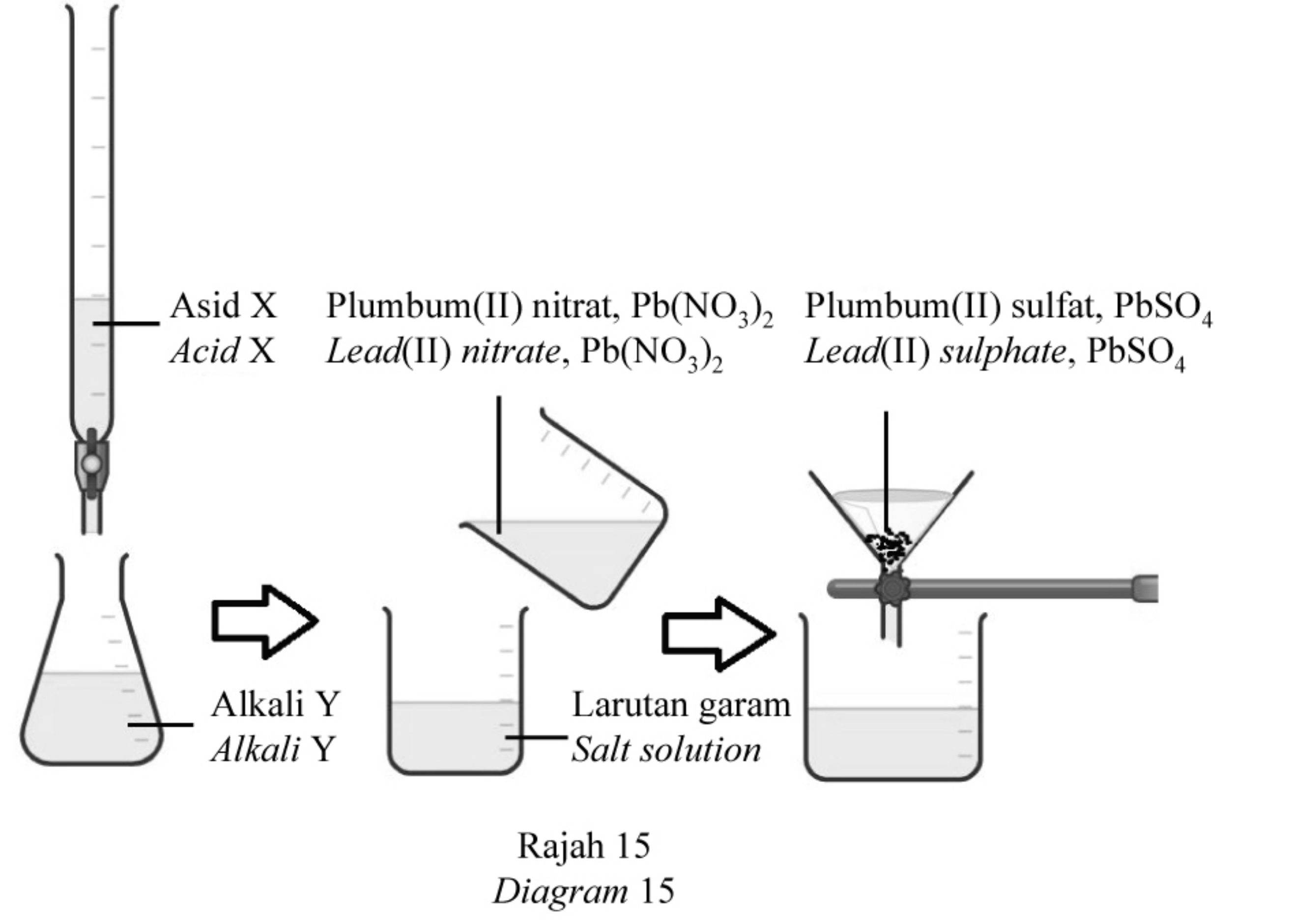
Diagram 15 shows the preparation steps of lead(II) sulphate salt. What are the acid and alkali that can be use to prepare the lead(II) sulphate salt?
Medium
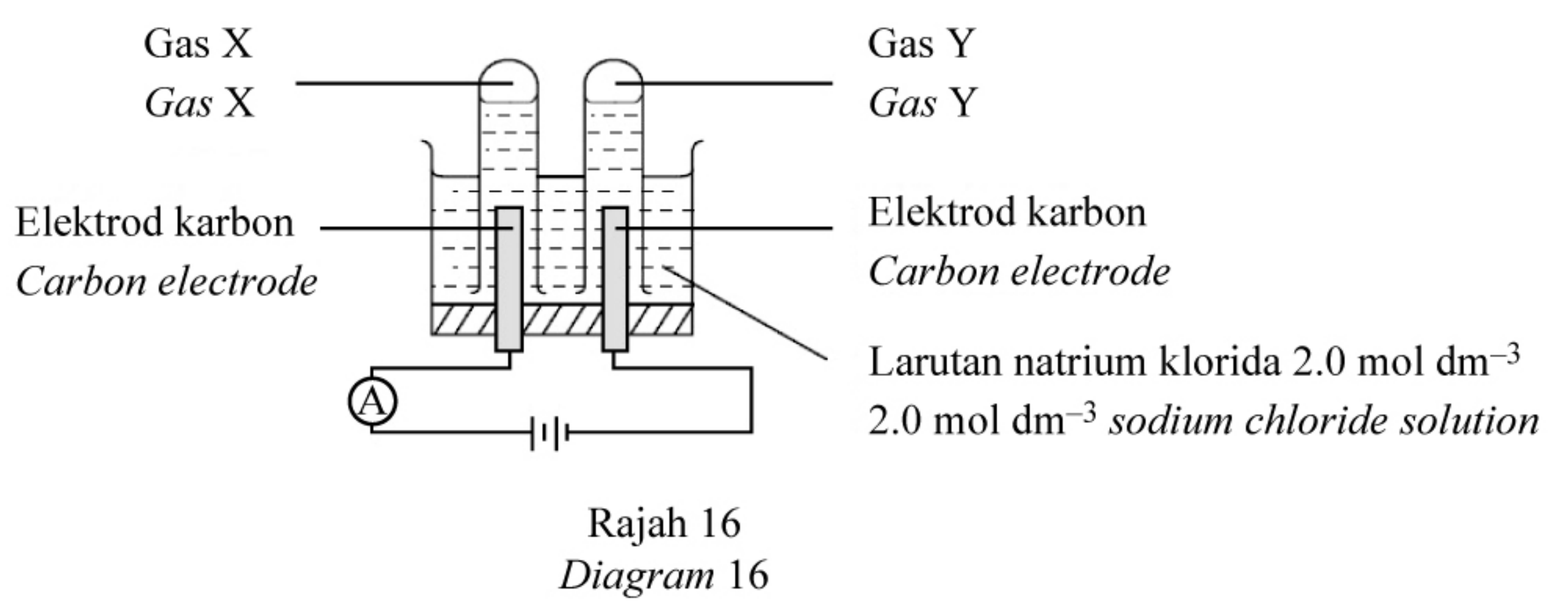
Diagram 16 shows the set-up of the apparatus to study the electrolysis of 2.0 mol dm⁻³ sodium chloride solution using carbon electrodes. Name the gas X and gas Y.
Medium
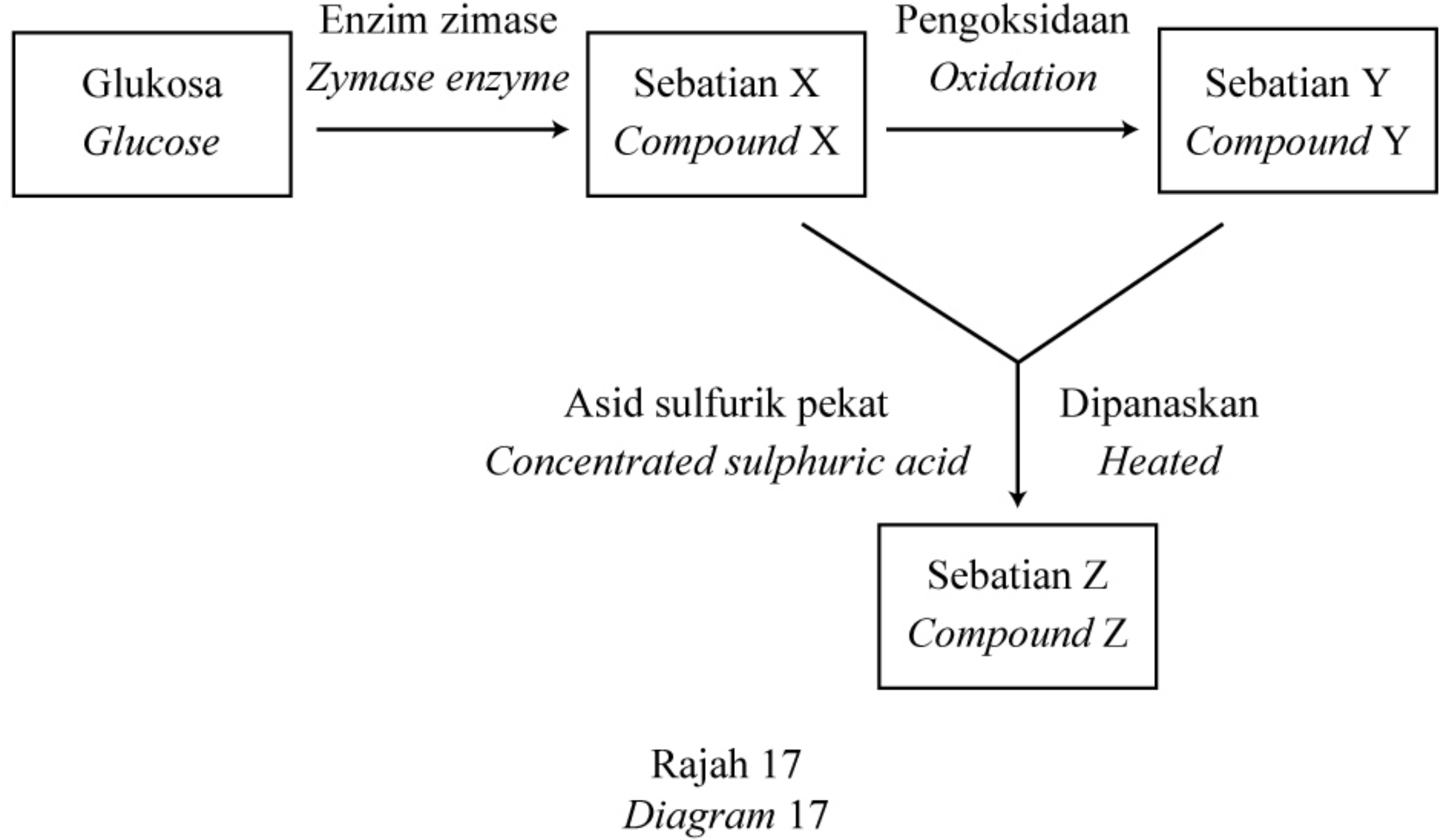
Diagram 17 shows the conversion of compound X into compound Y. Compound X is a colourless liquid, volatile easily and soluble in water. Reaction between compound X and compound Y to produce compound Z. What is compound Z?
Medium
1 376 kJ of heat is released when 1 mol of ethanol is completely burnt in excess oxygen. How much mass of ethanol need to be burned to produce heat that can heat up 200 g of water from 30 °C to 80 °C? [Specific heat capacity of water = 4.2 J g⁻¹ °C⁻¹, Density of water = 1 g cm⁻³, Molar mass of ethanol = 46 g mol⁻¹]