What is the types of particles and the state of matter of acetamide at room conditions?
Easy
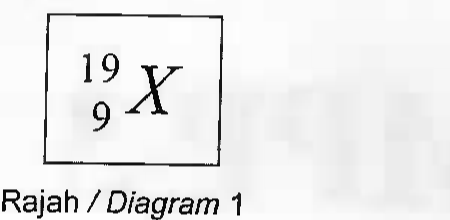
Diagram 1 shows the atomic symbol of element X (19 over 9, X). Which of the following represents 19?
Easy
The statement: "Elements classified according to certain group such as gases, non-metals, metals and metal oxides." Which scientist made the statement?
Easy
Which of the following is correct about covalent bond?
Easy
What is the meaning of the rate of reaction?
Easy
Alloy X is made by mixing iron with carbon, chromium and nickel. What is X?
Easy
Which of the following is a reducing agent?
Medium
Which of the following are the members of esters?
I ethyl methanoate
II Butanoic acid
III Propanoic acid
IV methyl pentanoate
Medium
Which reaction absorbs heat from the surrounding?
Easy
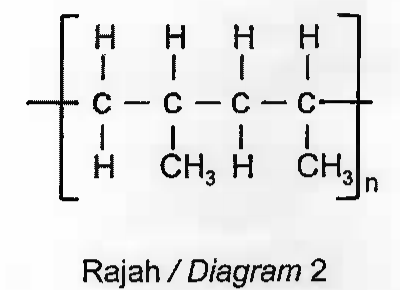
Diagram 2 shows molecular structure of a polymer (repeat unit: C(H)(H)-C(H)(CH3)-C(H)(H)-C(H)(CH3), repeated n times). What is the name of monomer for the polymer in the diagram?
Medium
Which of the following is a non physical properties for grafen?
Medium
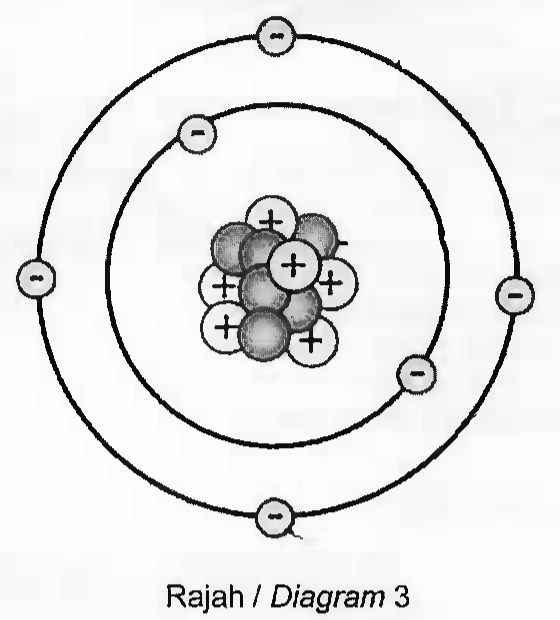
Diagram 3 shows structure of atom. Where is the position of proton in the structure of the atom?
Easy
The following equation represents the reaction between copper(II) oxide and nitric acid.
CuO + 2HNO3 → Cu(NO3)2 + H2O
What is the mass of copper(II) nitrate produced when 1.6 g of copper(II) oxide react completely with nitric acid?
[Relative atomic mass: Cu=64, N=14, O=16]
Medium
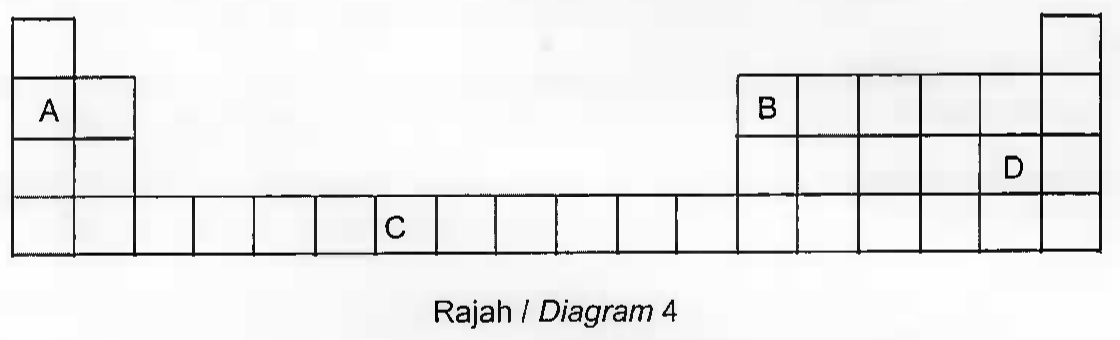
Diagram 4 shows part of the Periodic Table of Elements. Which of the following is a transition element? (A: Group 1 element; B: Group 13 element; C: in the transition element block; D: Group 16 element.)
Medium
Which of the following comparison is correct about ionic compounds and covalent compounds?
Medium
Which of the following will produce an insoluble salt?
Medium
The following equation represents the reaction between sodium thiosulphate, Na2S2O3 and sulphuric acid, H2SO4.
Na2S2O3 + H2SO4 → Na2SO4 + S + SO2 + H2O
Which method is most suitable to determine the rate of reaction?
Medium
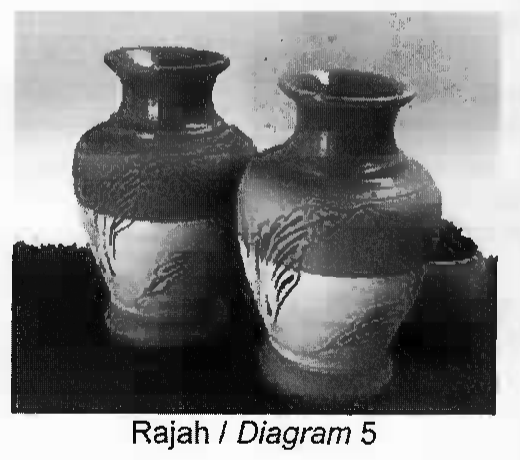
Diagram 5 shows a type of traditional ceramic material. What is the major component used in the making of this ceramic material?
Easy
The following shows an ionic equation.
P + Q2+ → P2+ + Q
Based on the equation, which of the following is true?
Medium
C4H8 is the molecular formula for isomer M and N. Which of the following statements is true about M and N?
Medium
Thermochemical equation below shows the complete combustion of ethanol, C2H5OH.
C2H5OH + 3O2 → 2CO2 + 3H2O ΔH = -1376 kJ mol⁻¹
Choose the correct statement for the thermochemical equation.
Medium
Railroad tracks should be made of hard and strong material to prevent unwanted accidents due to problems on the tracks. Which combination of materials is most suitable for making a railroad track?
Medium
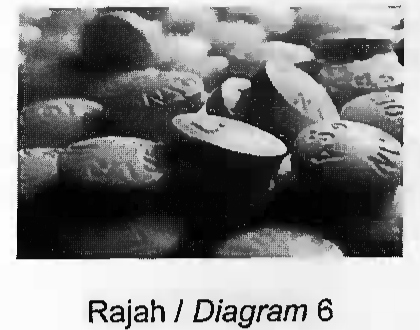
Diagram 6 shows a type of medicine taken to reduce pain. Which of the following is a side effect of this medicine?
I Visual disturbances and constipation if taken in high doses
II Causes liver damage if taken in excess of the dose
III Causes cramps and trembling
IV Causes stomach ulcers if eaten by children
Medium
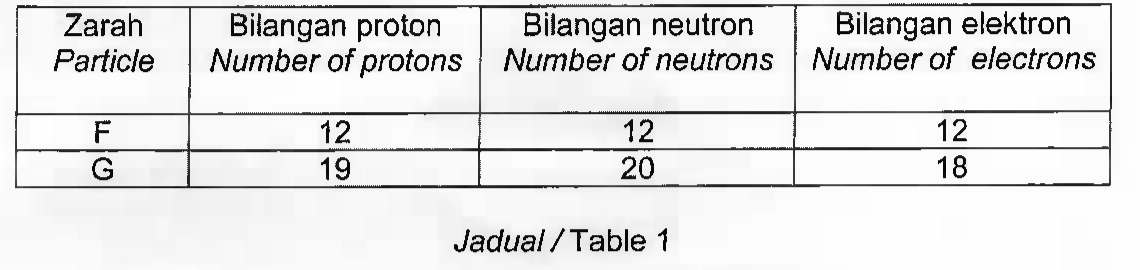
Table 1 shows the number of protons, neutrons and electrons for particles F and G.
F: protons 12, neutrons 12, electrons 12
G: protons 19, neutrons 20, electrons 18
Which of the following is true about particles F and G?
Medium
Determine the pH value of alkali Q solution that contains hydroxide ion, OH⁻ 0.5 mol dm⁻³?
Medium
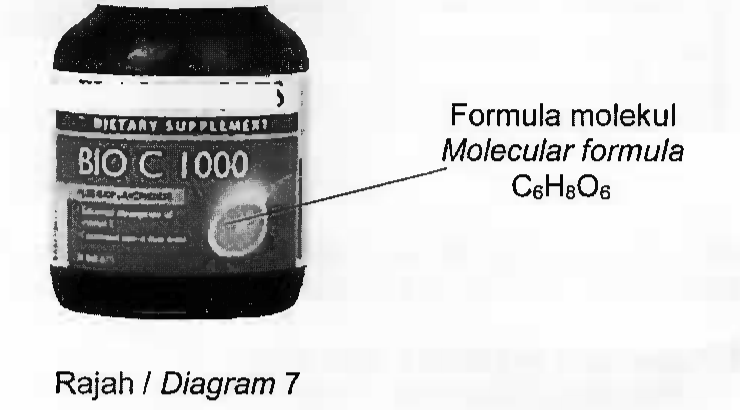
Diagram 7 shows one type of essential vitamin that is needed for our health (molecular formula C6H8O6). What is the relative molecular mass of the vitamin?
[Relative atomic mass: H=1, C=12, O=16]
Medium
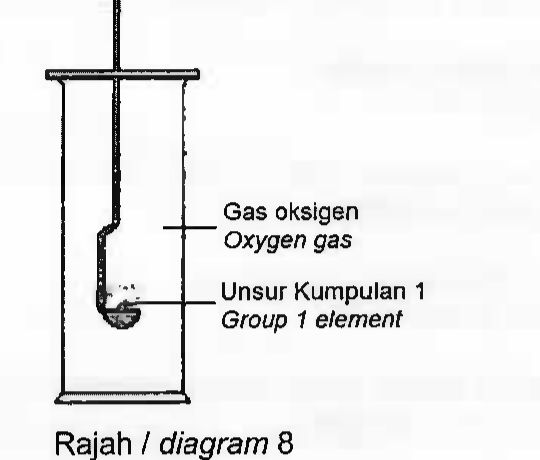
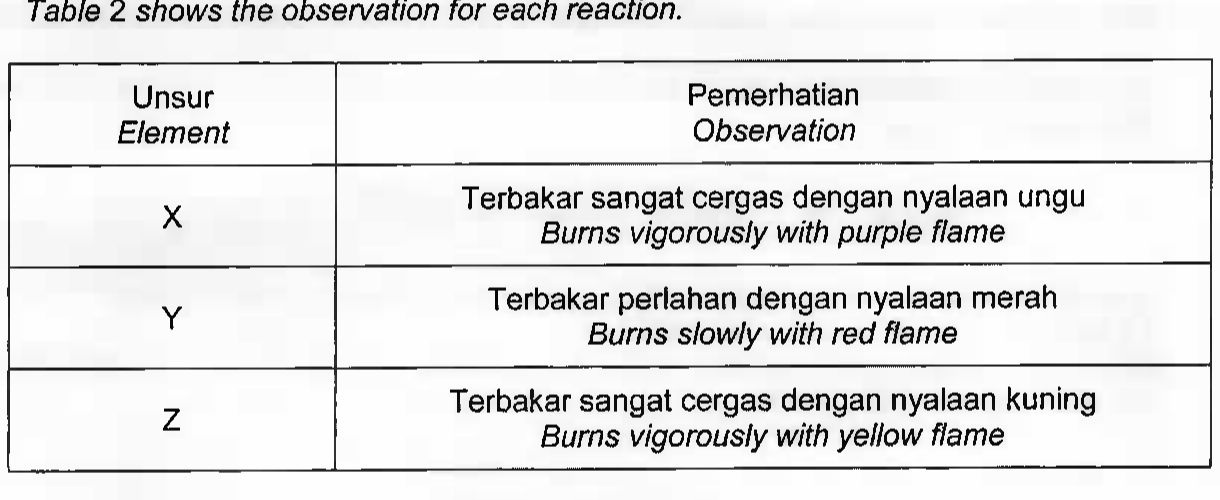
Diagram 8 shows the apparatus set-up to study the reactivity of Group 1 elements in reaction with oxygen. Table 2 shows the observation: X burns vigorously with purple flame; Y burns slowly with red flame; Z burns vigorously with yellow flame. Which is the correct descending order for the reactivity of this element with oxygen?
Medium
The number of protons of atom R is 19 while the number of protons of atom Q is 8. Atom R reacts with atom Q to form compound Z. Which of the following is a property of the compound Z?
Medium
H2SO4 + 2NaOH → Na2SO4 + 2H2O
What is the volume of 0.5 mol dm⁻³ sulphuric acid needed to neutralise 25.0 cm³ of 0.5 mol dm⁻³ sodium hydroxide?
Medium
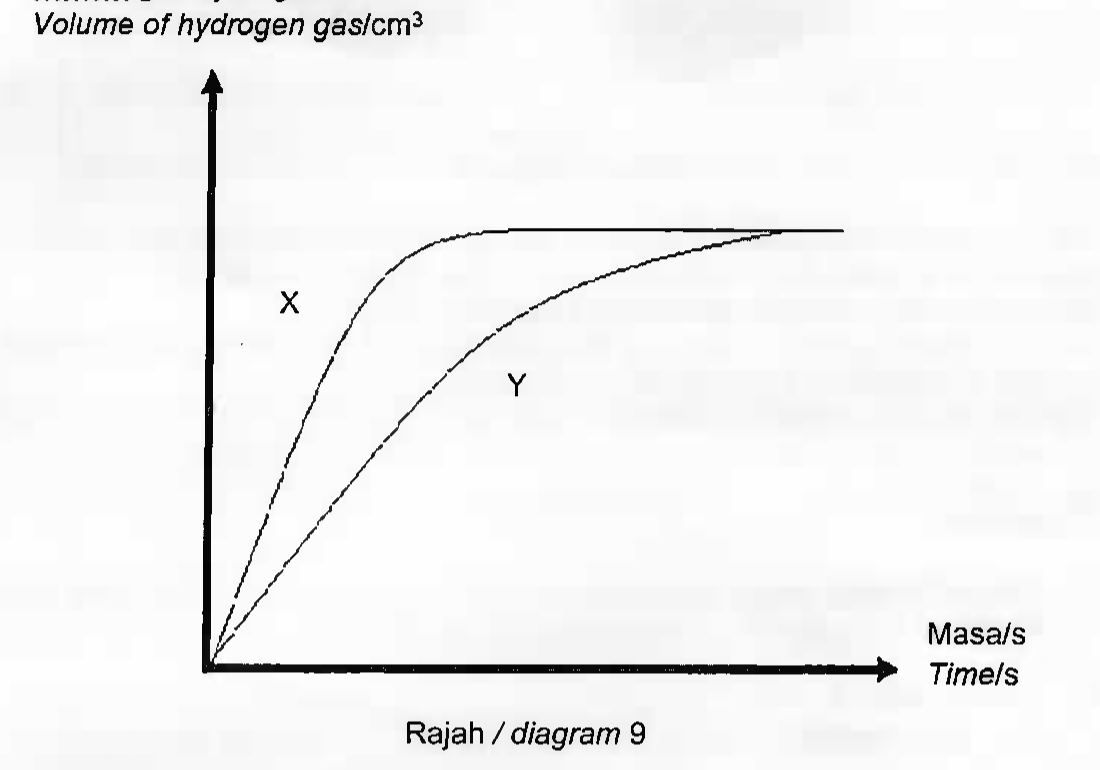
Diagram 9 shows curve Y obtained when 9 g of granulated zinc reacted with 50 cm³ 1.0 mol dm⁻³ hydrochloric acid (graph of volume of hydrogen gas/cm³ against time/s; curve X is steeper with the same final volume). Which of the following reactions produce curve X?
Medium
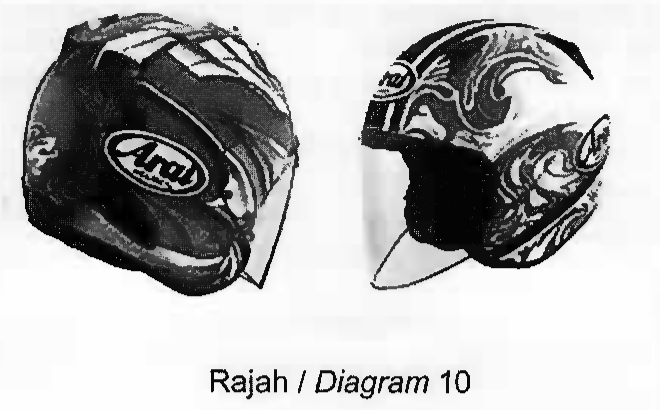
The material shown in Diagram 10 (helmets) is produced by a type of composite material that is matrix substance and strengthening substance. Why is this glass chosen to make that material?
Medium
Table 3 shows the apparatus and observations for a metal displacement experiment: lead strip in X(NO3)2 solution; the blue colour of the solution fades, the lead strip becomes thinner, brown solids are deposited at the base. Which of the following is the oxidation and reduction reaction that occurs?
A Oxidation: Pb²⁺ + 2e → Pb; Reduction: Cu²⁺ + 2e → Cu
B Oxidation: Cu → Cu²⁺ + 2e; Reduction: Pb²⁺ + 2e → Pb
C Oxidation: Pb → Pb²⁺ + 2e; Reduction: Cu²⁺ + 2e → Cu
D Oxidation: Cu²⁺ + 2e → Cu; Reduction: Pb → Pb²⁺ + 2e
Medium
When 9.2 g of ethanol burns completely in excess oxygen, carbon dioxide gas and water are produced. Calculate the volume of carbon dioxide gas released.
[Relative atomic mass: H=1, C=12, O=16; molar volume of gas = 24 dm³ mol⁻¹ at room condition]
Medium
The reaction between 25.0 cm³ of hydrochloric acid and 25.0 cm³ of sodium hydroxide solution releases the heat of 2100 J. What is the temperature change of the mixture?
[Specific heat capacity of solution = 4.2 J g⁻¹ °C⁻¹; density of solution = 1 g cm⁻³]
Medium
Green Eagle Farm is a rubber plantation that exports latex in liquid form abroad. What instructions must the farm manager give to the tappers to keep the latex in such condition?
Medium
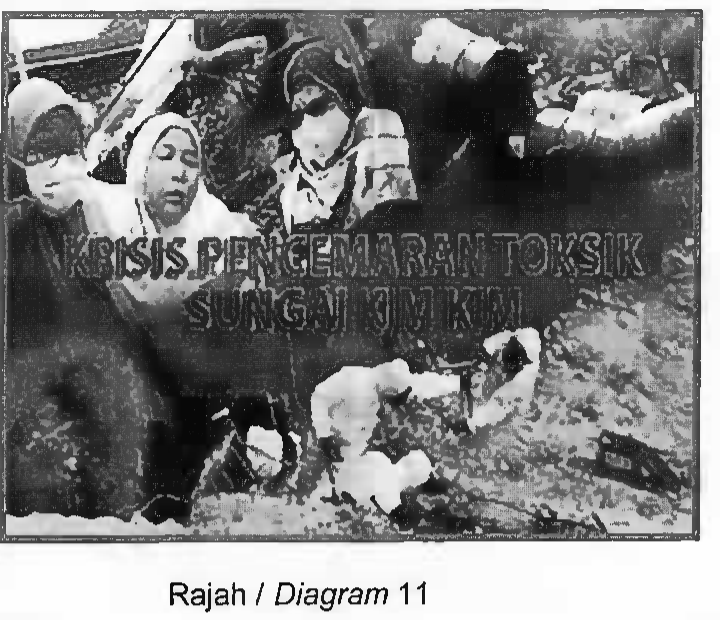
Diagram 11 shows a situation that happened in Johor in year 2019 (toxic pollution crisis of Sungai Kim Kim). As a biochemist involved in waste and wastewater management, what is the most suitable Green Technology method to use to overcome the situation from happening again?
Easy
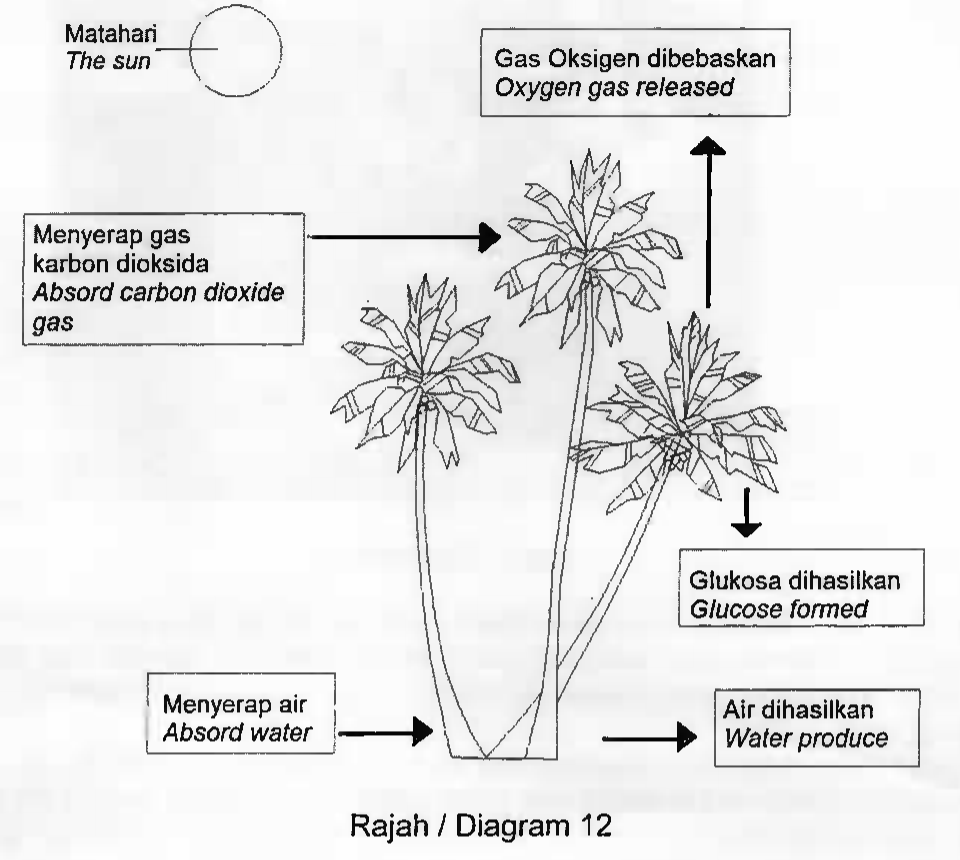
Diagram 12 shows the process of photosynthesis for a coconut tree (absorbs carbon dioxide gas and water; releases oxygen gas; glucose formed). What is the volume of oxygen gas produced if 1.3 dm³ of carbon dioxide gas is used?
[Molar volume of gas at room condition = 24 dm³ mol⁻¹]
Medium
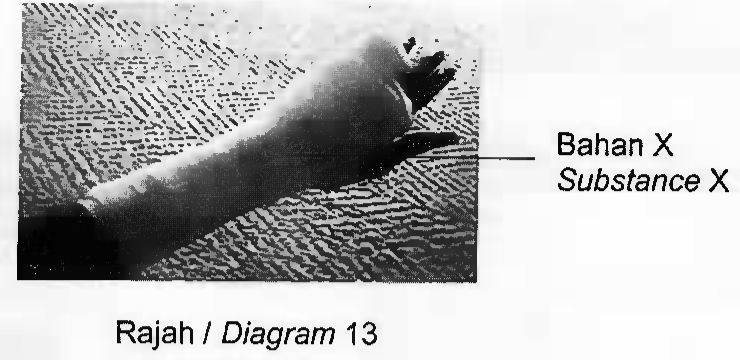
Diagram 13 shows the hand of Mr Zamri's son covered by substance X after treatment for an injury. Substance X is formed when calcium nitrate reacts with sodium sulphate. Calculate the mass of substance X when 25 cm³ of 0.5 mol dm⁻³ sodium sulphate reacts with calcium nitrate.
[Relative atomic mass: Ca=40, S=32, O=16]
Medium
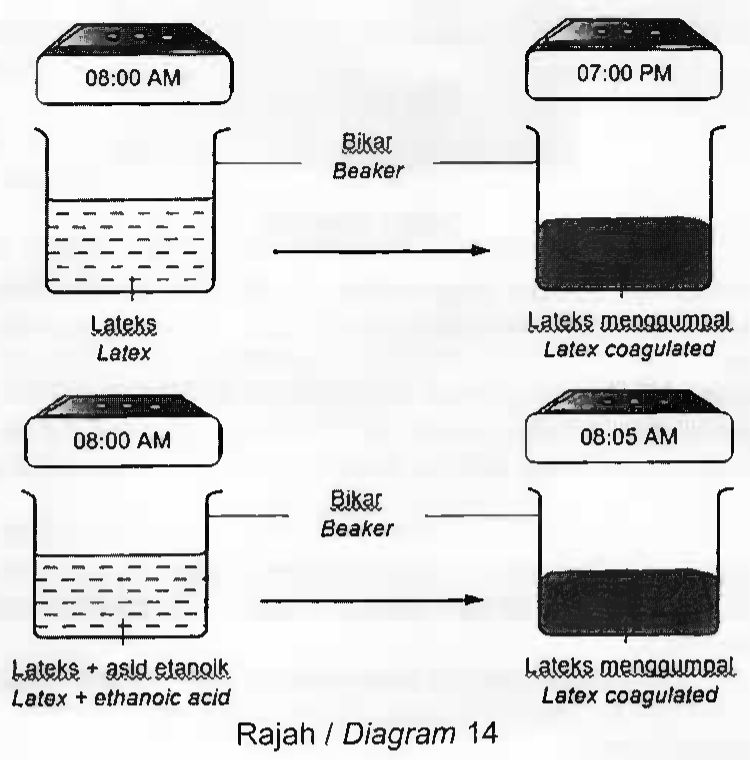
Diagram 14 shows the coagulation of latex: latex alone coagulates from 08:00 AM to 07:00 PM; latex with ethanoic acid coagulates from 08:00 AM to 08:05 AM. Based on the diagram, which reason explains the situation?
Medium
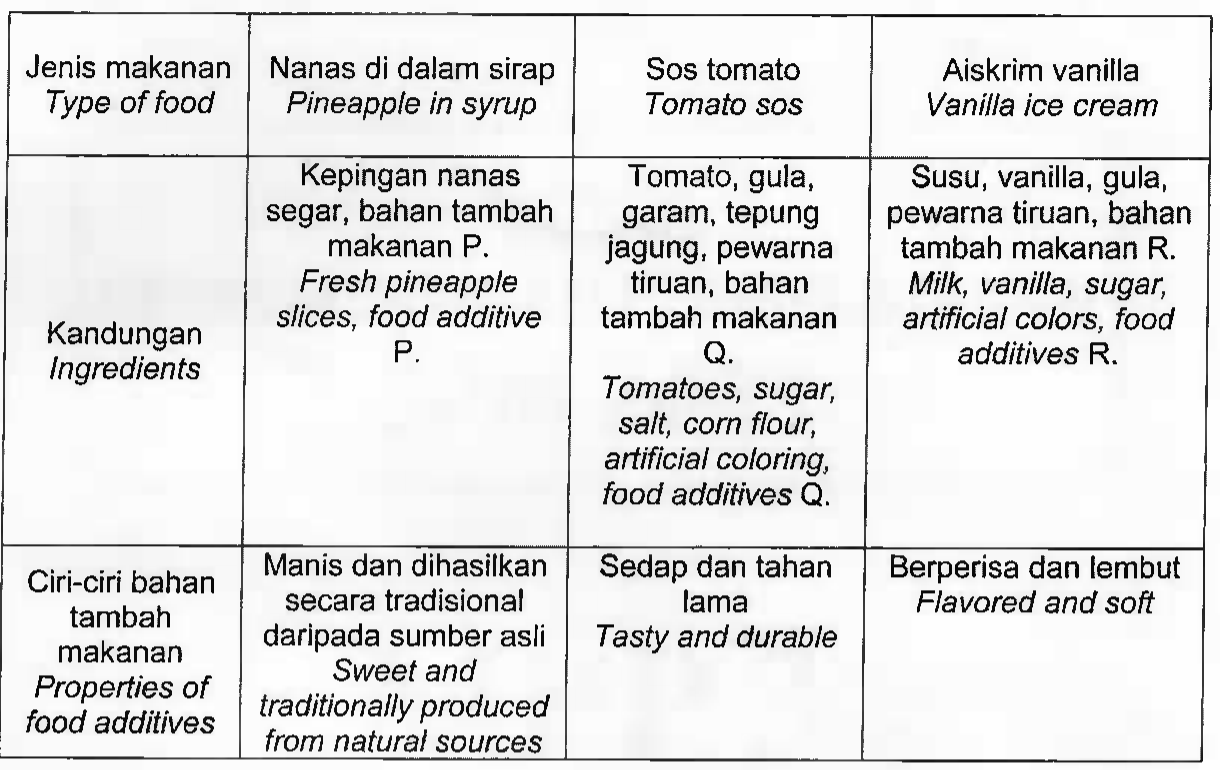
Table 4 shows the information on three types of food labels. P, Q and R are food additives. Pineapple in syrup: fresh pineapple slices, food additive P (sweet, traditionally produced from natural sources). Tomato sos: tomatoes, sugar, salt, corn flour, artificial colouring, food additive Q (tasty and durable). Vanilla ice cream: milk, vanilla, sugar, artificial colours, food additive R (flavoured and soft). State the names of food additives P, Q and R.
A P Aspartame, Q Sodium benzoate, R Starch
B P Sorbitol, Q Sodium nitrite, R Gelatin
C P Sugar, Q Benzoic acid, R Gam acacia
D P Stevia, Q Ascorbic acid, R Gam xantan