Which of the following pairs is matched correctly? (Field - Chemicals: A Food - Herbicide; B Agriculture - Stabilizer; C Medicine - Analgesic; D Industry - Preservative)
Easy
Which substance is a compound?
Easy
What are the other names for the elements in Group 1?
Easy
Hydrogen bond can be formed between hydrogen atom and atom of
Easy
Table 1 shows the pH values of P, Q, R and S solutions.
Solution: P pH 5; Q pH 6; R pH 7; S pH 9.
Which solution is alkaline?
Easy
Which of the following is an insoluble salt?
Easy
Which process has the highest rate of reaction?
Easy
Which of the following shows the arrangement of the atoms in an alloy?
Easy
Which of the following occurs in reduction reaction?
Easy
Which of the following is a saturated hydrocarbon?
Easy
Which statement is correct about endothermic reaction?
Easy
Glucose is the basic unit of polymer X. What is polymer X?
Easy
Which additive in detergent is used to remove protein stains from clothes?
Easy
In order to produce a glass that is more resistant to heat and chemicals, substance Y is added to soda lime glass in the manufacturing process. What is Y?
Easy
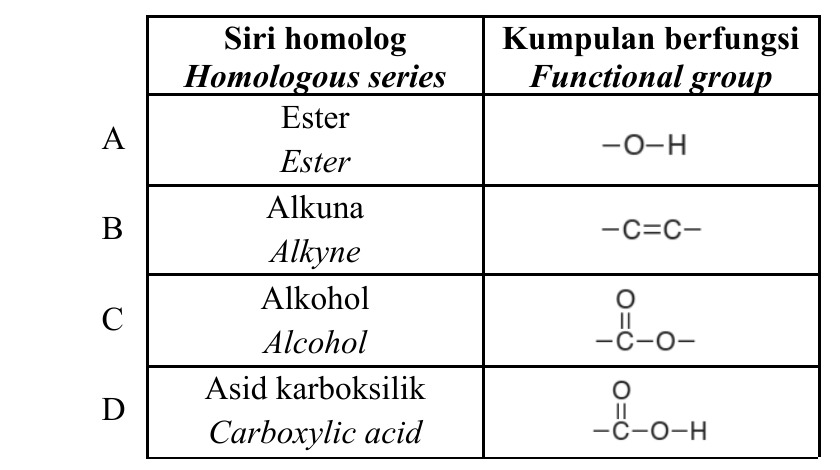
What is the correct functional group for the following homologous series? (A Ester: -O-H; B Alkyne: -C=C-; C Alcohol: -COO- (C(=O)-O); D Carboxylic acid: -COOH (C(=O)-O-H))
Medium
Table 2 shows the number of proton, neutron and electron for particles F and G.
F: 12 protons, 12 neutrons, 12 electrons. G: 19 protons, 20 neutrons, 18 electrons.
Which of the following statement is true about particles F and G?
Medium
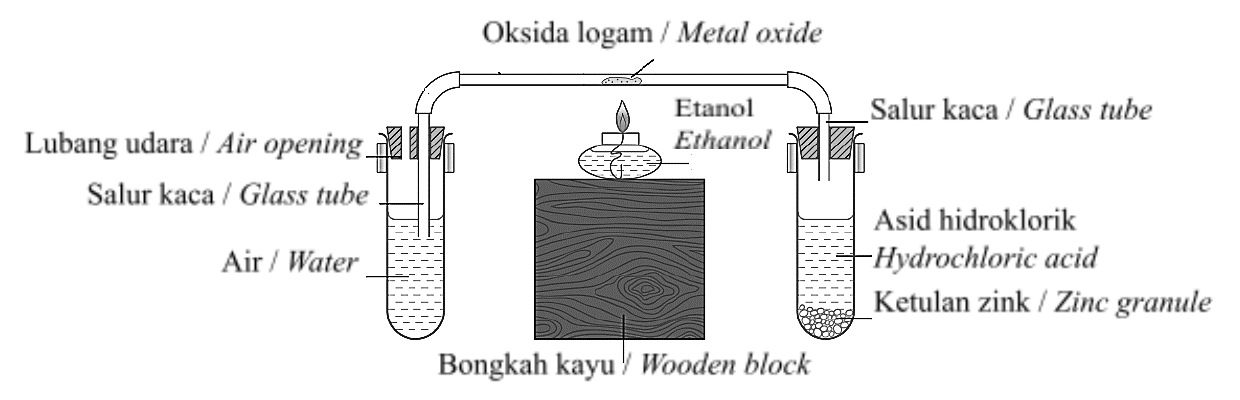
Diagram 1 shows the set-up of the apparatus used to determine the empirical formula of a metal oxide. Which one of the following metal oxides is suitable to be used in the experiment?
Medium
Which substance contains 6.02 x 10²³ atoms?
Medium
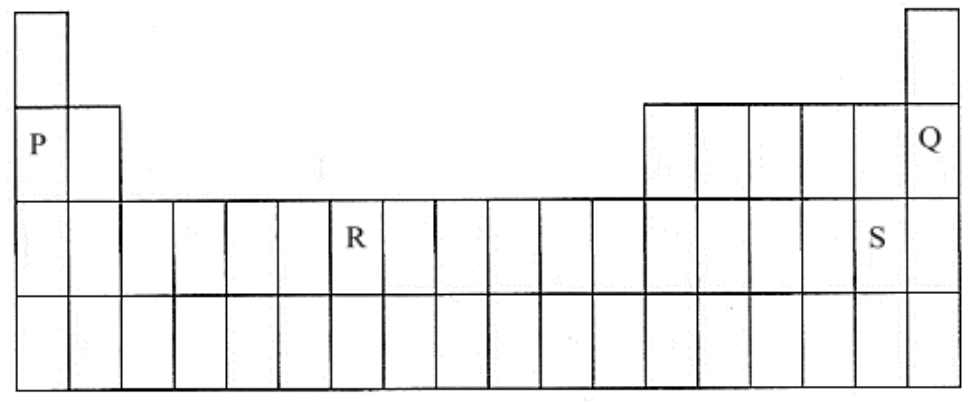
Diagram 2 shows a part of The Periodic Table of Elements. Which element has the highest tendency to accept electrons?
Medium
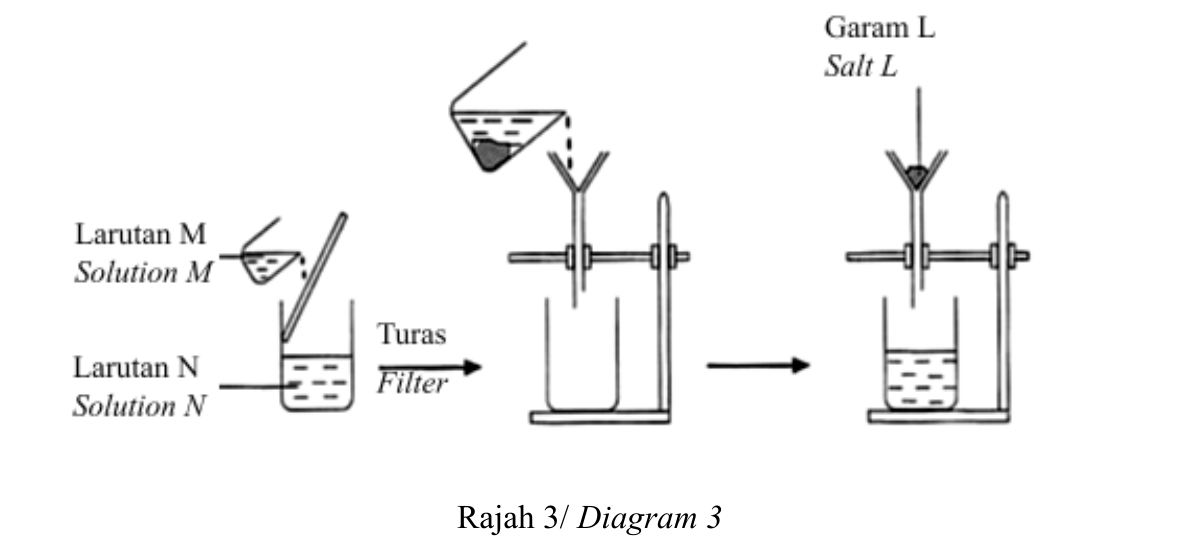
Diagram 3 shows the apparatus set-up to prepare a salt (solution M is added to solution N, the mixture is filtered, and salt L is the residue). What is solution M, solution N and salt L? (M, N, L: A magnesium nitrate, barium chloride, magnesium chloride; B lead(II) nitrate, silver chloride, lead(II) chloride; C barium nitrate, sodium chloride, barium chloride; D lead(II) nitrate, sodium chloride, lead(II) chloride)
Medium
Which of the following substances will produce the highest rate of reaction?
Medium
Which of the following metal can be extracted from its ores through the reduction process by carbon?
Easy
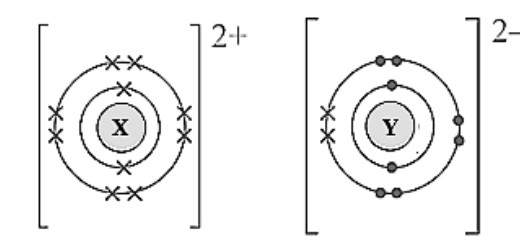
Diagram 4 shows the electron arrangement of a compound (X²⁺ ion and Y²⁻ ion). Which of the following is a property of the compound shown in Diagram 4?
Medium
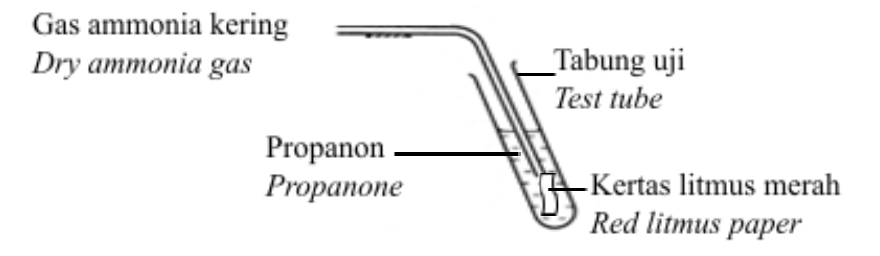
Diagram 5 shows dry ammonia gas being flowed into propanone. No change was observed on red litmus paper. What should be done to change the color of the litmus paper?
Medium
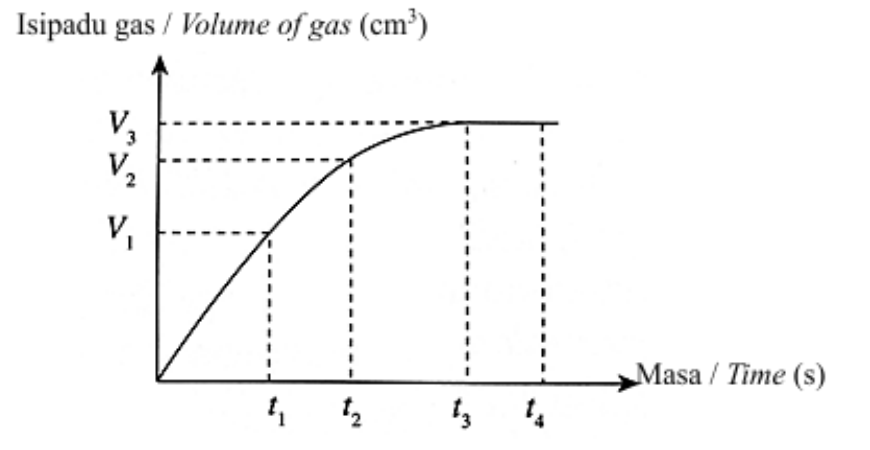
Diagram 6 shows a graph of volume of gas against time for the reaction between nitric acid and calcium carbonate. At what time does the reaction occur at the lowest rate?
Medium
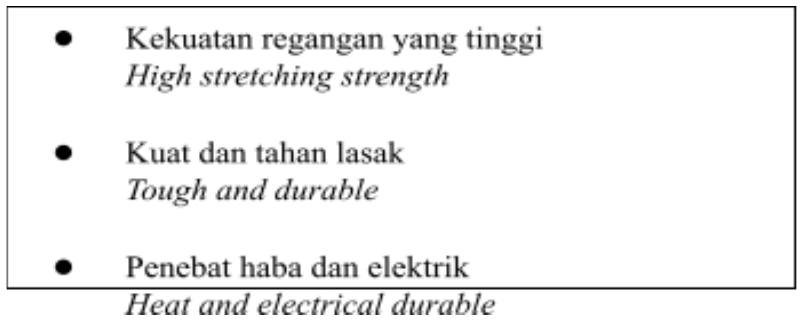
The following are the characteristics of a new product in industry: high stretching strength; tough and durable; heat and electrical insulator. What substance can be used to produce the new product?
Easy
Table 3 shows the relative atomic mass for element X and Y. X = 45; Y = 9. Which of the following is true about elements X and Y?
Medium
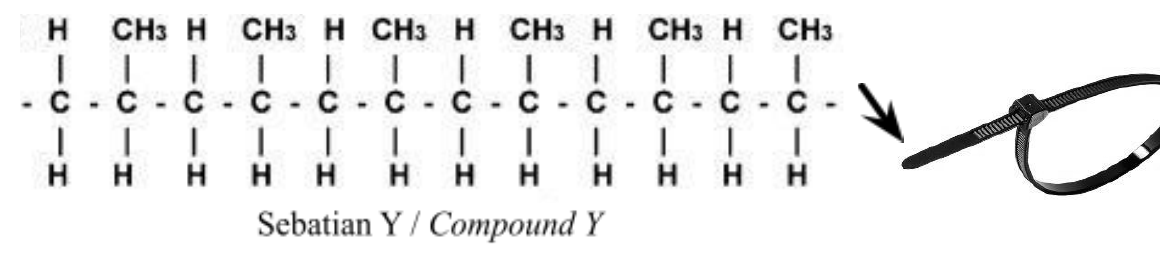
Diagram 7 shows the structural formula of compound Y which is used to make cable tie. Which of the following is the structural formula of the monomer of compound Y?
Medium
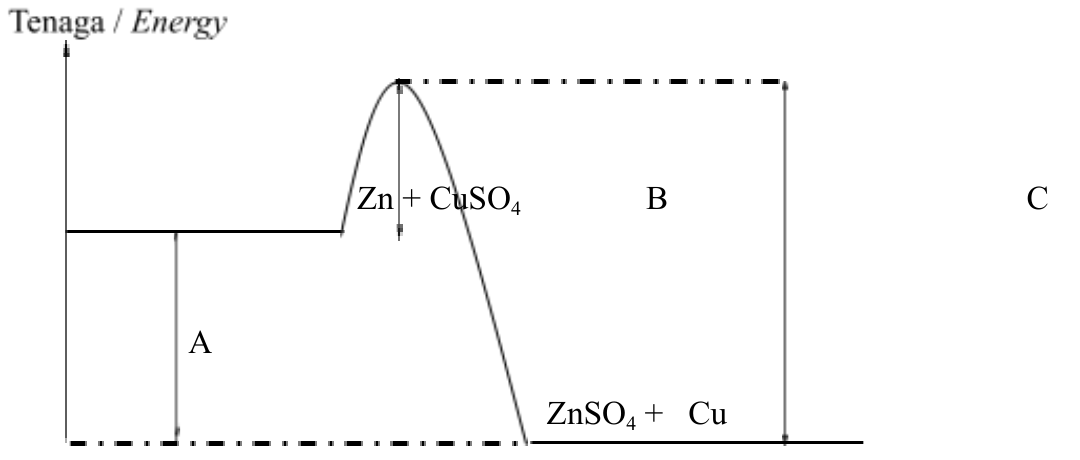
Diagram 8 shows the energy level diagram for the displacement reaction (Zn + CuSO4 -> ZnSO4 + Cu). Among A, B and C, which represents the value of heat of displacement for this reaction?
Medium
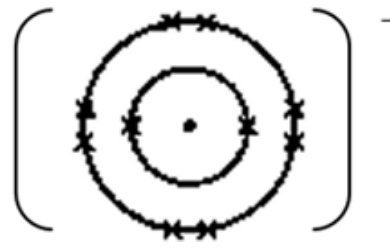
Diagram 9 shows the electron arrangement of Y⁻ ion. Which of the following statement is true about Y⁻ ion?
I. Y⁻ ion is cation
II. Electron arrangement of Y⁻ ion is 2.7
III. Y atom receives one electron to form Y⁻ ion
IV. Y⁻ ion can form an ionic compound with sodium ion
Medium
Toothpaste can be applied to treat ant bite. What is the name of the chemical that may be found in the ant bite?
Easy
What are the oxidation numbers of chromium in K2CrO4 and K2Cr2O7? (K2CrO4, K2Cr2O7: A +1, +1; B +1, +2; C +6, +6; D +4, +7)
Medium
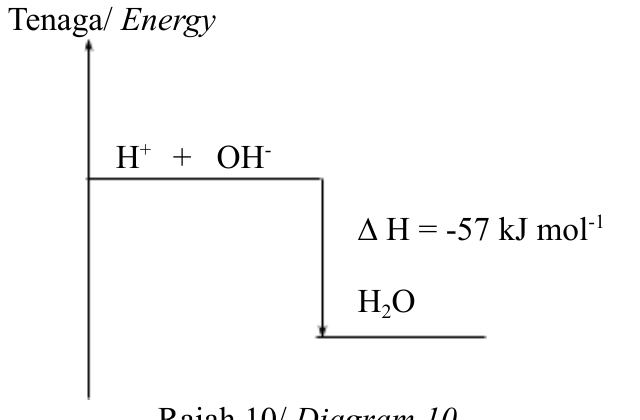
Diagram 10 shows energy level diagram for the reaction between nitric acid and sodium hydroxide solution (ΔH = -57 kJ mol⁻¹). Calculate the amount of heat released when 50 cm³ of 2 mol dm⁻³ nitric acid reacts with 50 cm³ of 2 mol dm⁻³ sodium hydroxide solution.
Medium
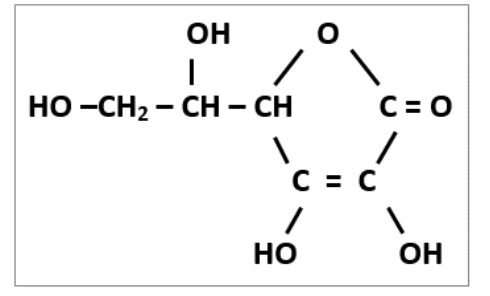
Diagram 11 shows structural formula of vitamin C. What is the mass of 0.25 mol vitamin C? [Relative atomic mass: H = 1; C = 12; O = 16]
Medium
Calculate the pH value of calcium hydroxide, Ca(OH)2 0.02 mol dm⁻³.
Medium
What is the number of moles for 200 cm³ of nitric acid with a concentration of 31.5 g dm⁻³? [Relative atomic mass: H = 1; N = 14; O = 16]
Medium
Which of the following half equation occur when zinc is in contact with copper metal?
Easy
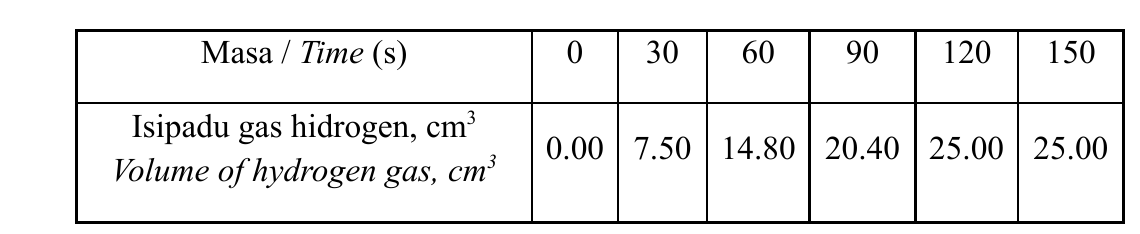
Table 4 shows the volume of hydrogen gas collected at a time interval of 30 seconds for the reaction between zinc granules and nitric acid. What is the average rate of reaction in the second minute?
Medium
Diagram 12 shows the conversion of compound X to two organic compounds through oxidation process (to C2H5COOH) and dehydration process (to C3H6). What is the general formula of compound X?
Medium
Table 5 shows the heat of combustion for four alcohols: W CH3OH -710; X C2H5OH -1370; Y C3H7OH -2020; Z C4H9OH -2670 kJ mol⁻¹. Which statement explains the difference in heat of combustion from alcohol W to alcohol Z?