Which of the following substances exists as atoms?
Medium
Geiger miller is an apparatus which is used to detect an isotope. The isotope is added into the fertilizer to study the metabolism rate of plant. What is the isotope?
Easy
Which chemical formulae are correct
Medium
Why does the size of element in Group 1 increase when going down the group in Periodic Table of Elements?
Medium
Which of the following elements can form acidic oxide when it reacts with oxygen?
Medium
Which of the following substances has the highest pH value?
Medium
Which of the following salts could be produced through neutralisation reaction?
Medium
Which of the following substances consists of covalent bond?
Medium
Which of the following are the properties of ceramics?
I Hard and strong
II Malleable
III Chemically inert
IV Good electrical conductor
Medium
The information about substance X is as follows.
- Made up of silica glass fibre and plastic
- Transmits information and data in the form of light
- Connects computers in Local Area Network (LAN)
What is substance X?
Easy
Which of the following underlined substances acts as a reducing agent?
Medium
Iron is extracted from haematite in the blast furnace. Which gas is produced as a waste product?
Medium
Which of the following is the monomer of natural rubber?
Easy
Diagram 1 shows the ingredients in strawberry jam (label: Strawberry, ascorbic acid, sugar, pectin, azo compounds). Which of the following functions to thicken the jam?
Easy
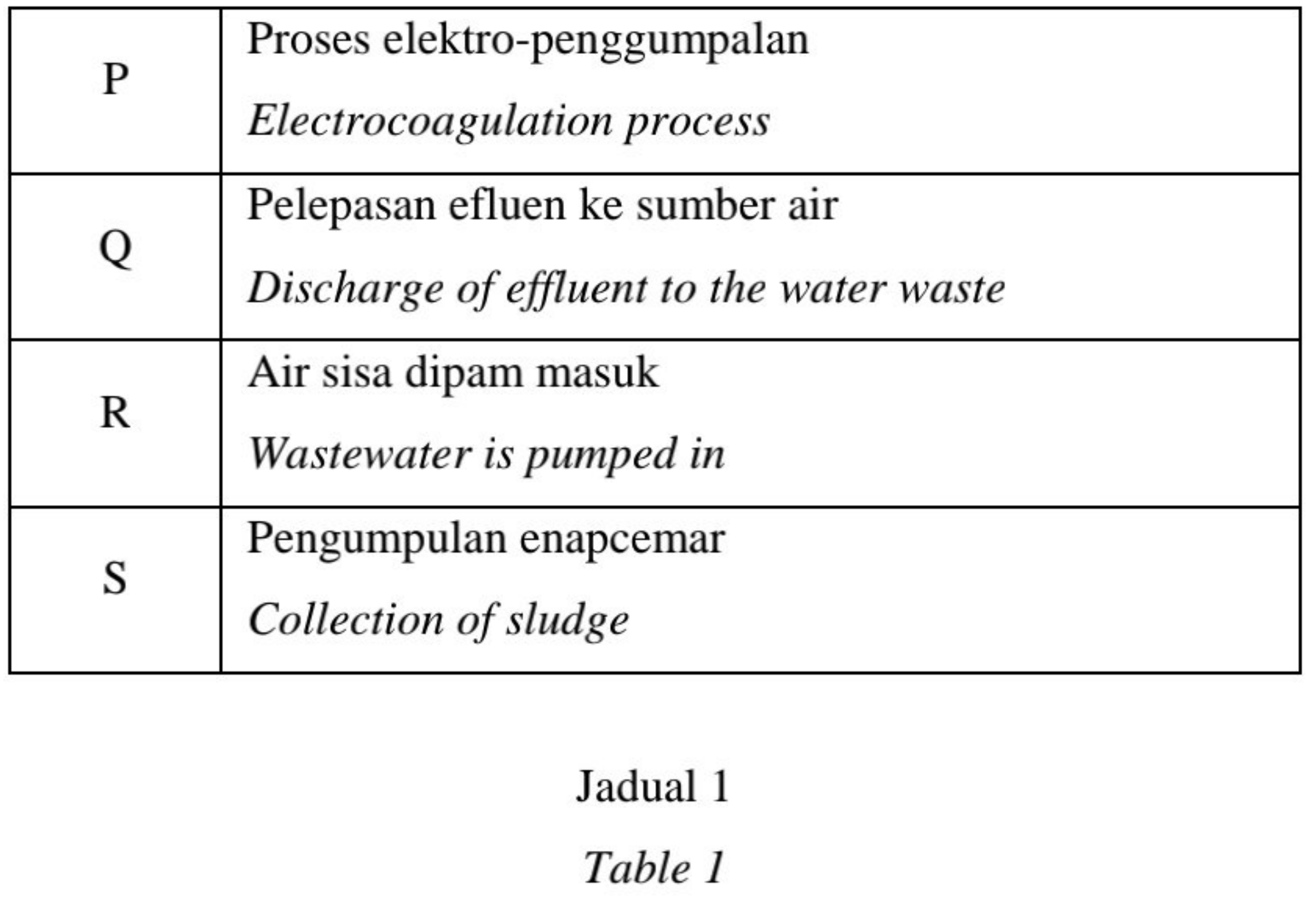
Table 1 shows some of the steps in wastewater treatment process.
P Electrocoagulation process
Q Discharge of effluent to the water waste
R Wastewater is pumped in
S Collection of sludge
Which of the following is the correct sequence of the process?
Medium
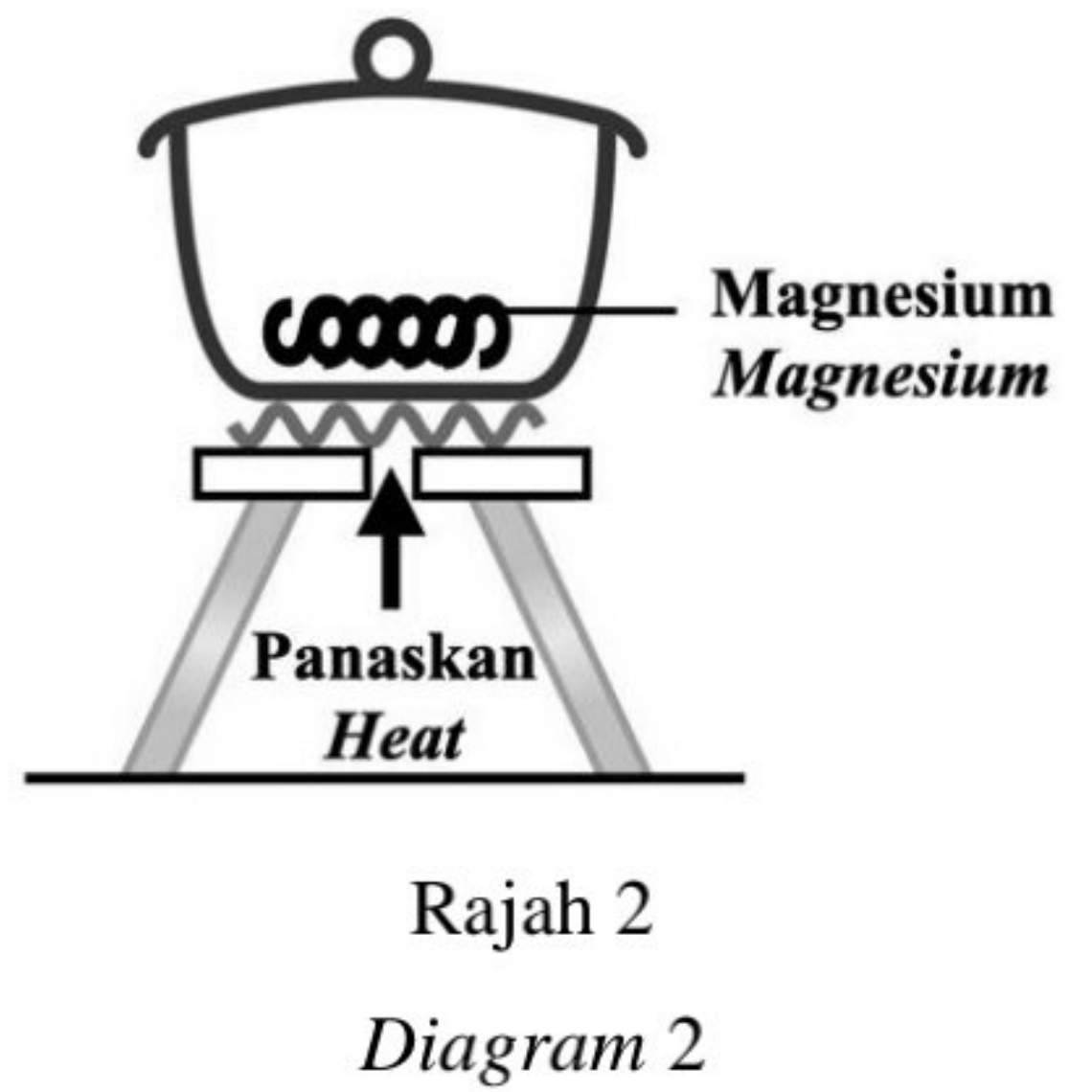
Diagram 2 shows the apparatus set-up to determine the empirical formula of magnesium oxide. Which of the following metals can replace magnesium?
Medium
The statements below show the properties of X.
- Used in Haber process
- Able to conduct heat and electricity
- Forms green and brown coloured ions
Which of the following is the location of X in the Periodic Table of Elements?
Medium
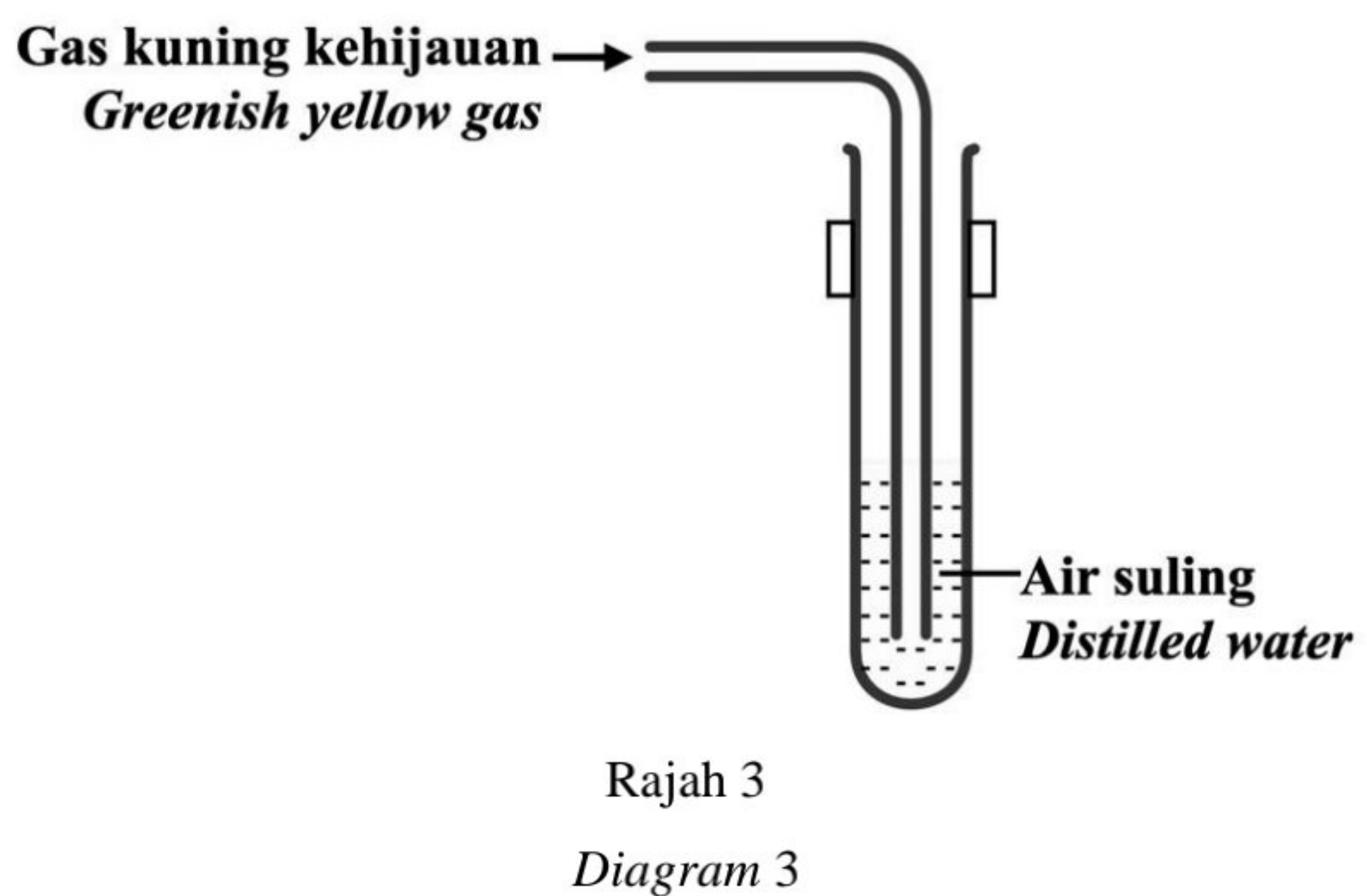
Diagram 3 shows the apparatus set-up when a gas (greenish yellow gas) is flowed into distilled water. Which of the following is the pH of the solution formed?
Medium
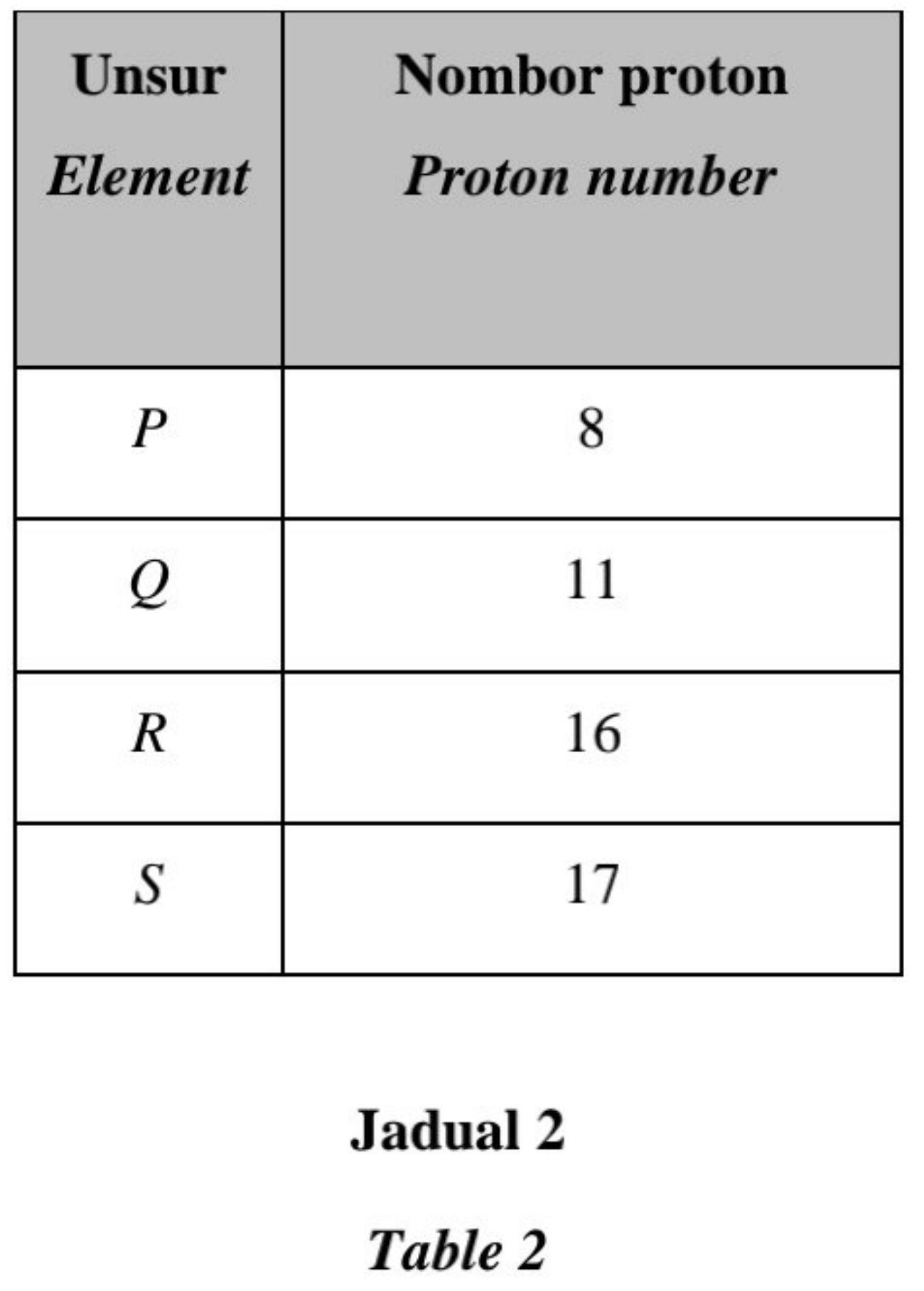
Table 2 shows the proton numbers of four elements P, Q, R and S (P = 8, Q = 11, R = 16, S = 17). Which of the following pairs of elements can combine to form an ionic compound?
Medium
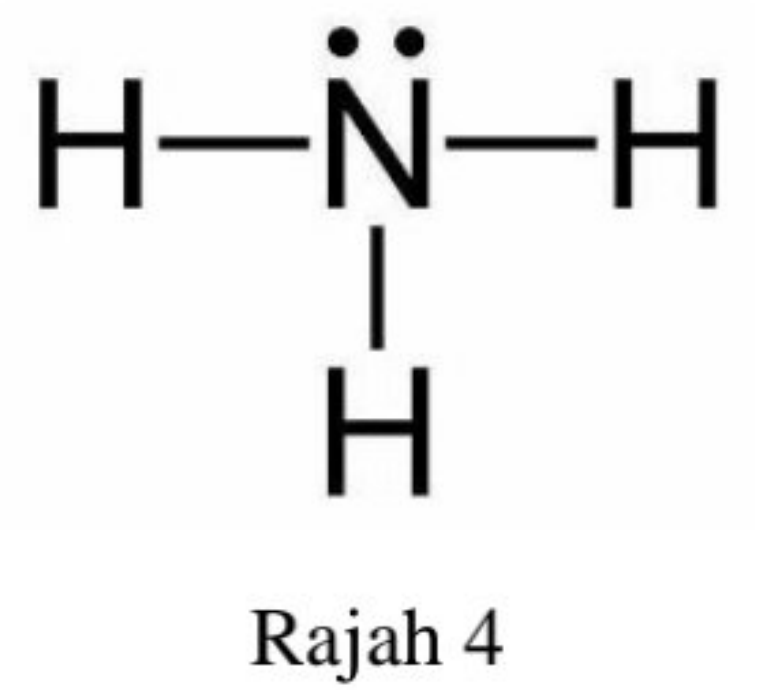
Diagram 4 shows the structure of ammonia molecule (N bonded to three H atoms, with one lone pair on N). What is the maximum number of hydrogen bonds that can be formed by water molecule? [sic: the printed English text says 'water molecule']
Medium
Which of the following is a property of potassium fluoride?
Medium
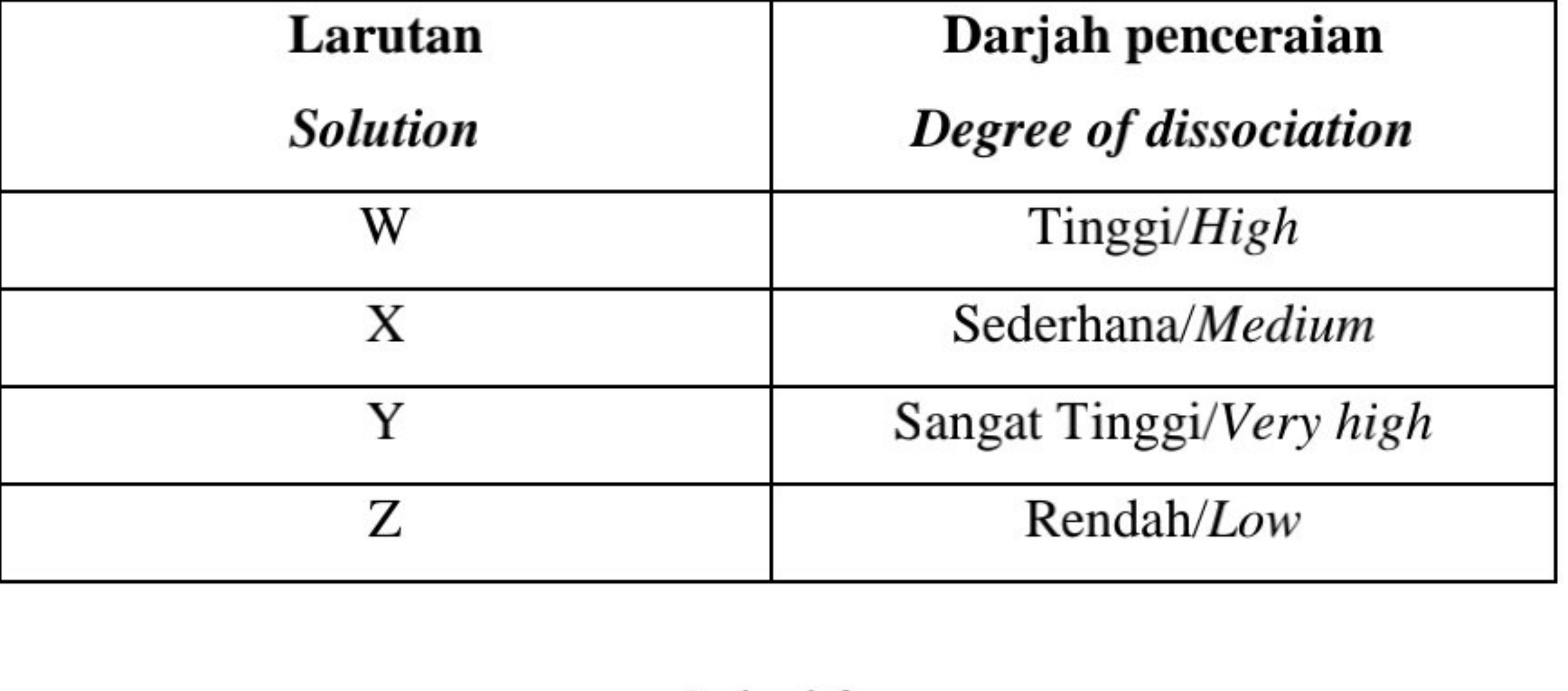
Table 3 shows the degree of dissociation of four solutions of alkalis which have the same concentration (W: High, X: Medium, Y: Very high, Z: Low). Which solution has the highest pH value?
Medium
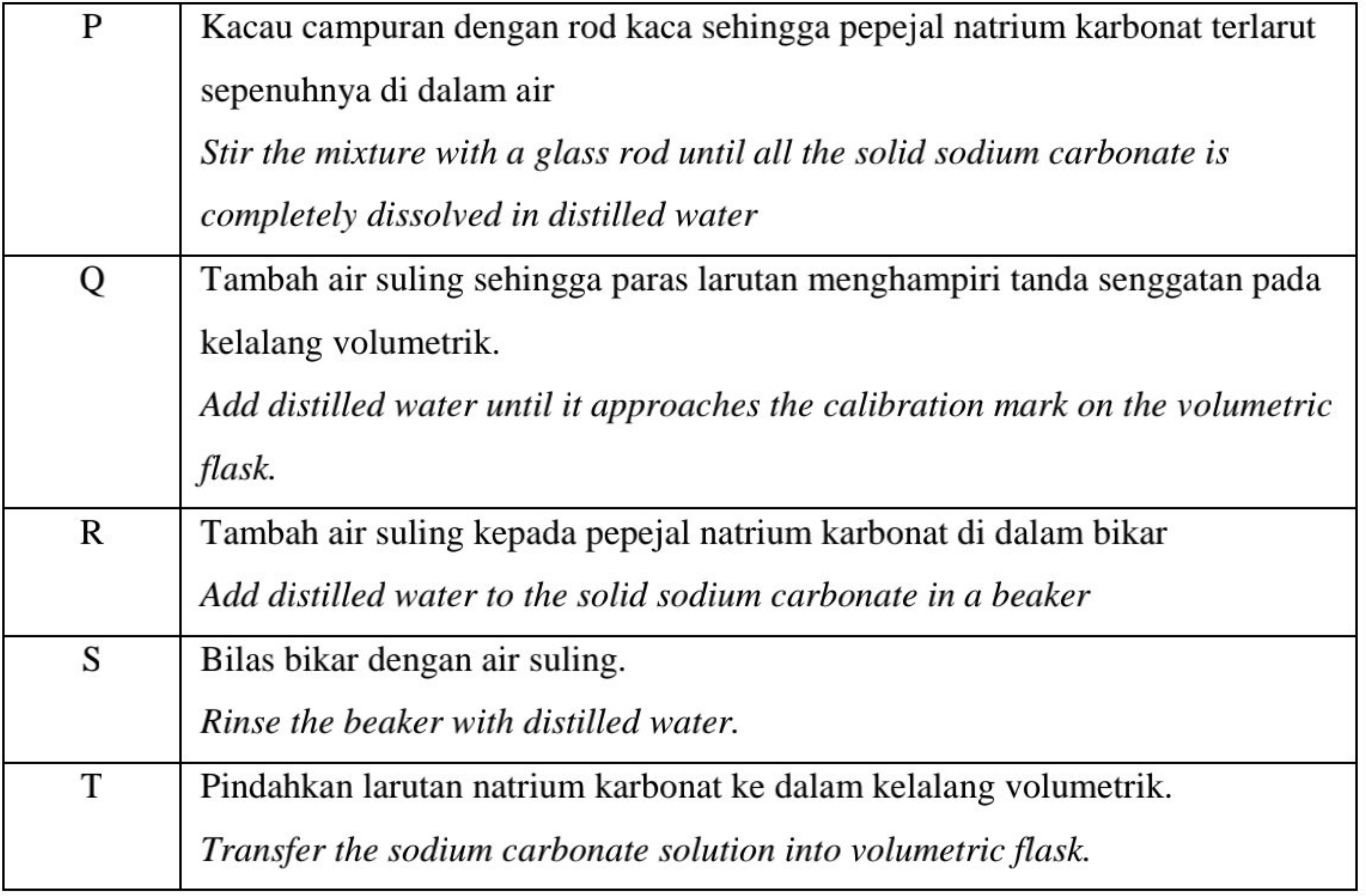
Table 4 shows part of the steps to prepare standard solution of sodium carbonate in laboratory.
P Stir the mixture with a glass rod until all the solid sodium carbonate is completely dissolved in distilled water
Q Add distilled water until it approaches the calibration mark on the volumetric flask
R Add distilled water to the solid sodium carbonate in a beaker
S Rinse the beaker with distilled water
T Transfer the sodium carbonate solution into volumetric flask
Choose the correct arrangement of steps to prepare the standard solution of sodium carbonate.
Medium
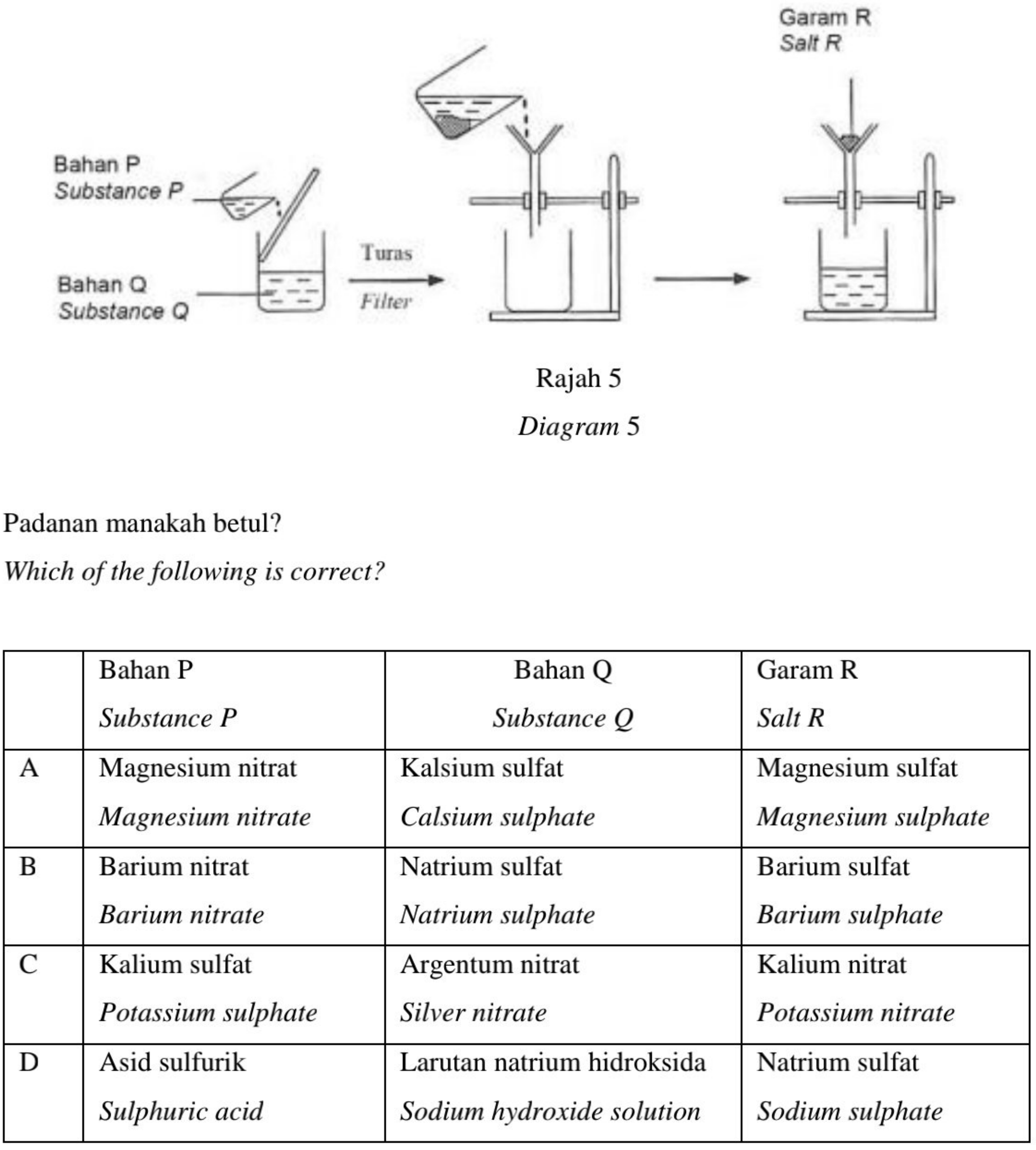
Diagram 5 shows the apparatus set-up to prepare a salt (Substance P is added to Substance Q, the mixture is filtered, and Salt R is obtained as residue on the filter paper). Which of the following is correct?
Medium
A chef wants to win in a cooking competition by preparing durian puff in the shortest time. In order to win, he had to make changes in the preparation of the food. Choose the correct changes to solve the problem.
Medium
In order to produce a glass that is more resistant to heat and chemicals, substance X is added to soda lime glass in the manufacturing process. What is X?
Easy
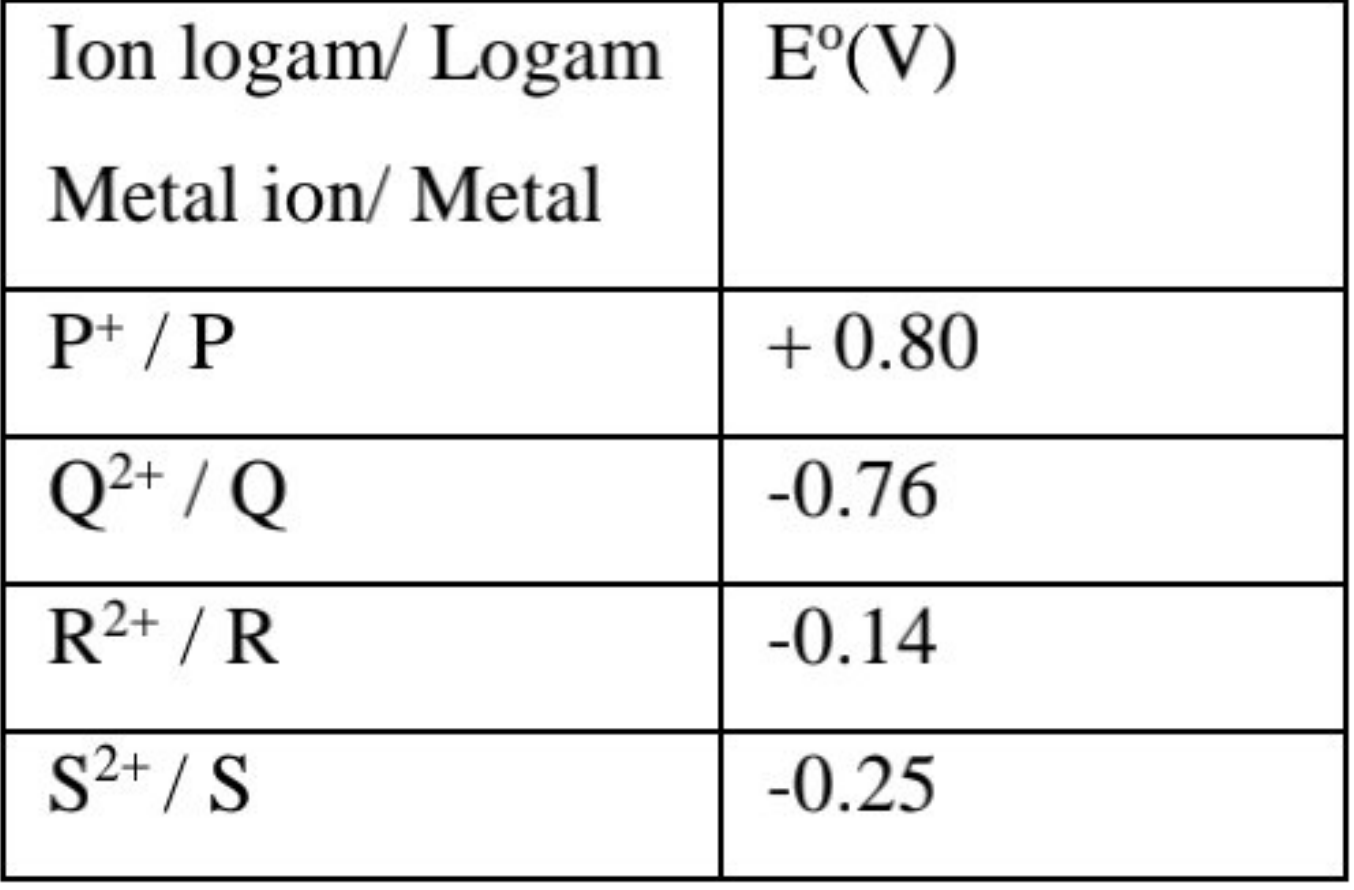
Table 5 shows the standard electrode potential of metal ions P, Q, R and S. P, Q, R and S are not the actual symbols of the elements.
P⁺/P: +0.80 V; Q²⁺/Q: −0.76 V; R²⁺/R: −0.14 V; S²⁺/S: −0.25 V
Based on the above information, which is the correct arrangement of the strength of oxidising agent in ascending order?
Medium
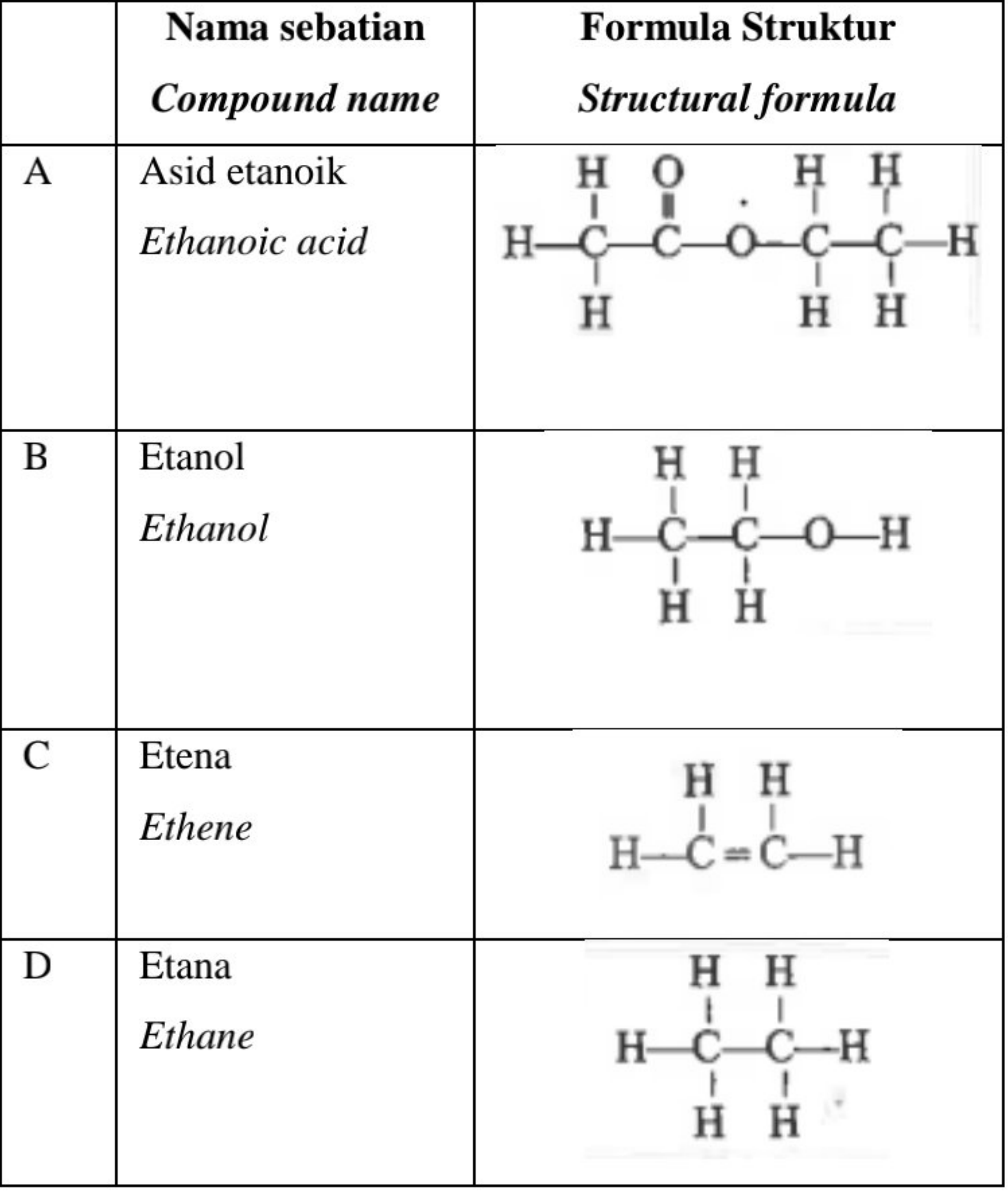
Which structural formula does not correspond to the named compound? (A: ethanoic acid, B: ethanol, C: ethene, D: ethane; structural formulae are shown in the table)
Medium
Which of the following food additives is added to thicken jam?
Easy
Which of the following is the side effect of mercury in the skin treatment product?
Easy
The following equation represents the reduction of iron(III) oxide by magnesium.
3Mg + Fe₂O₃ → 3MgO + 2Fe
What is the mass of magnesium needed to reduce 16.0 g of iron(III) oxide?
[Relative atomic mass: Fe = 56, Mg = 24, O = 16]
Medium
The following equation represents the decomposition reaction of zinc nitrate.
2Zn(NO₃)₂ → 2ZnO + 4NO₂ + O₂
What is the maximum volume of nitrogen dioxide gas released at standard temperature and pressure (STP) when 18.9 g of zinc nitrate was heated?
[Relative formula mass: Zn(NO₃)₂ = 189 g mol⁻¹; Molar volume of gas at STP = 22.4 dm³ mol⁻¹]
Medium
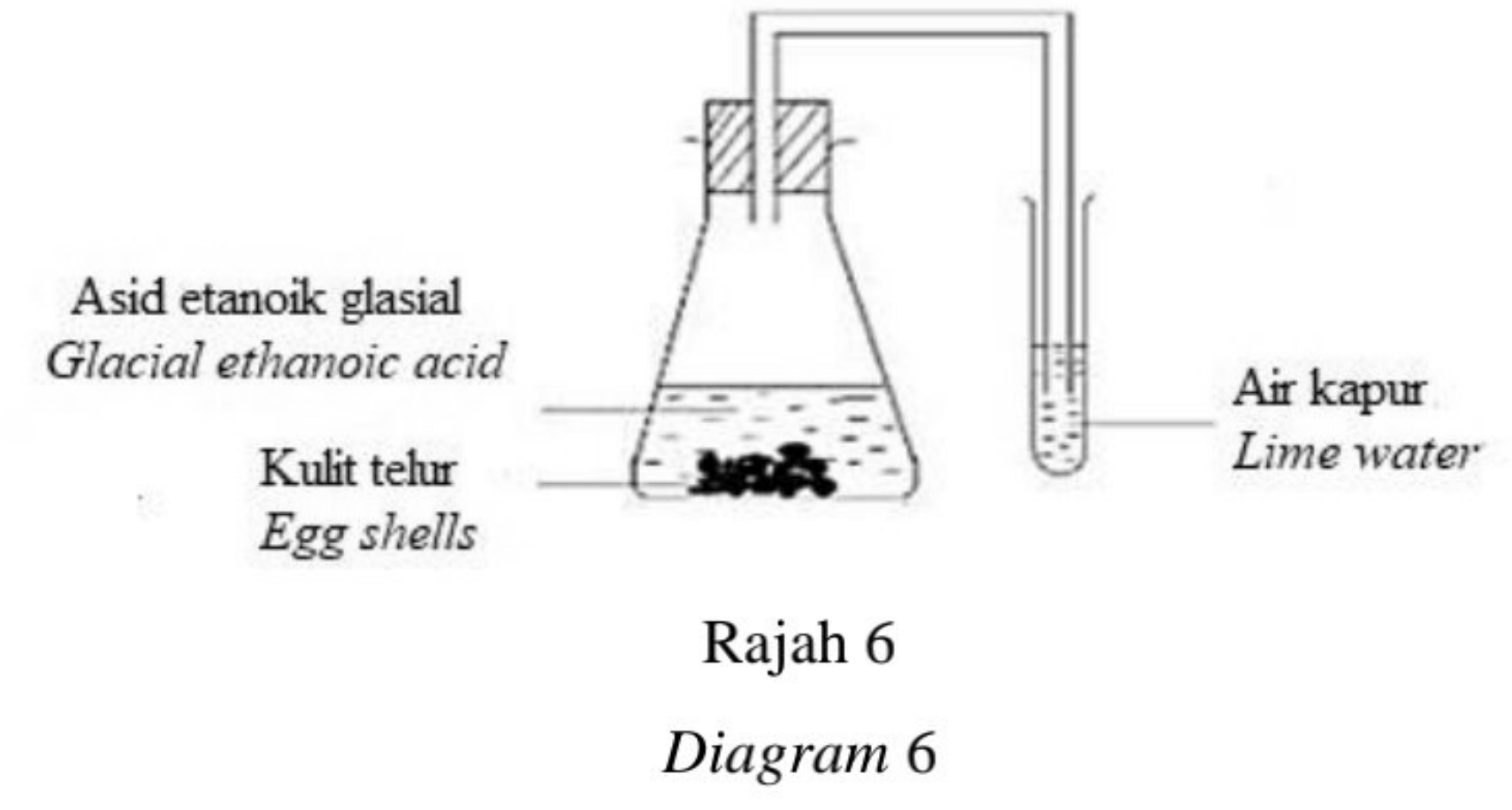
Diagram 6 shows the reaction between egg shells and glacial ethanoic acid (lime water in a test tube). No changes are observed. What should be done in order to turn the lime water cloudy?
Medium
The following equation represents the reaction between 50 cm³ of 1.0 mol dm⁻³ sulphuric acid with calcium carbonate chips.
CaCO₃ + H₂SO₄ → CaSO₄ + CO₂ + H₂O
What is the number of carbon dioxide molecules released? [sic: the BM version asks for atoms]
[Avogadro constant: 6.02 × 10²³ mol⁻¹]
Medium
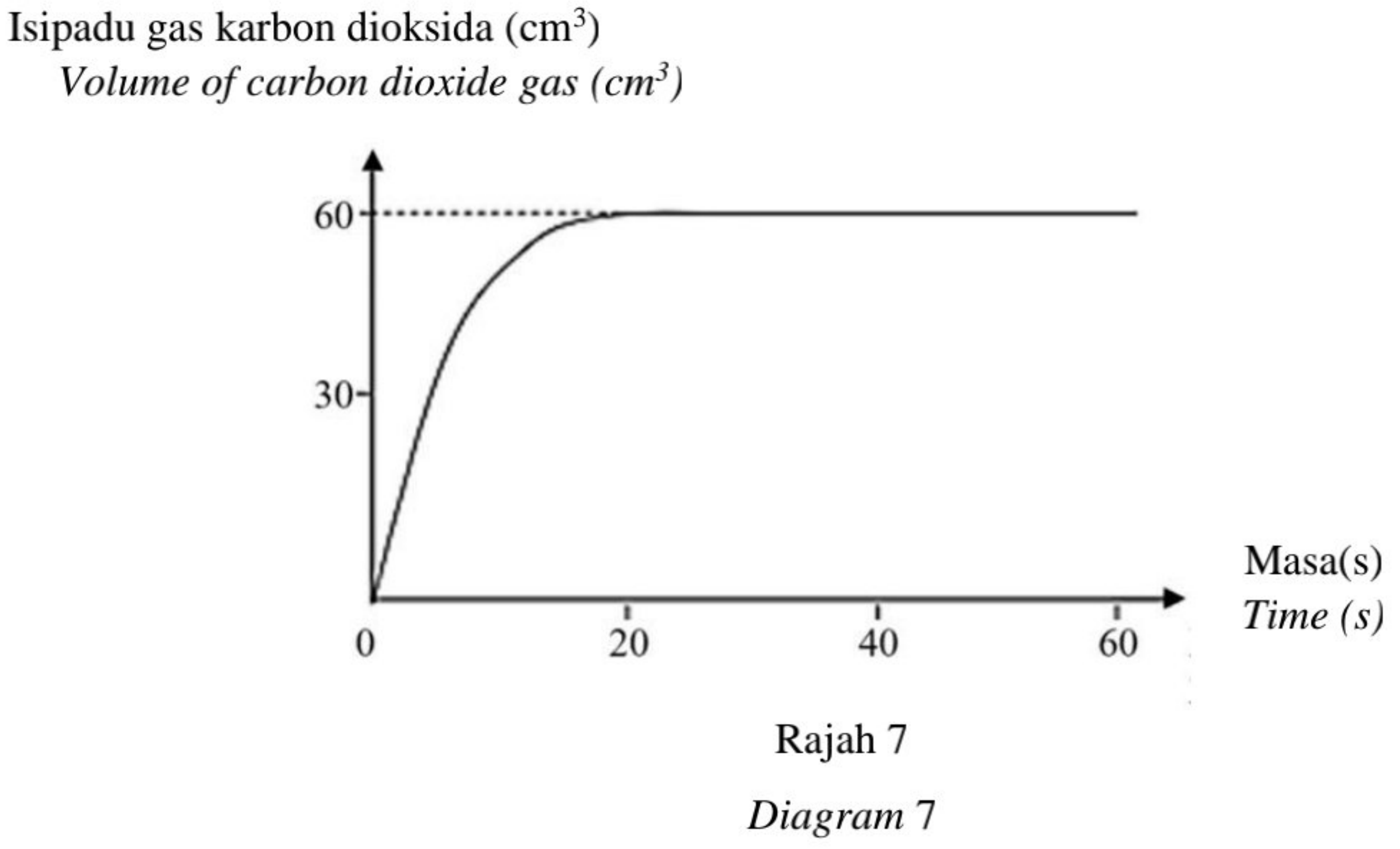
Diagram 7 shows a graph of the volume of gas released against time for the reaction between 1.0 mol dm⁻³ sulphuric acid with excess marble chips (maximum volume 60 cm³ at 20 s). What is the average rate of the reaction, if sulphuric acid is replaced by hydrochloric acid with the same concentration?
Medium
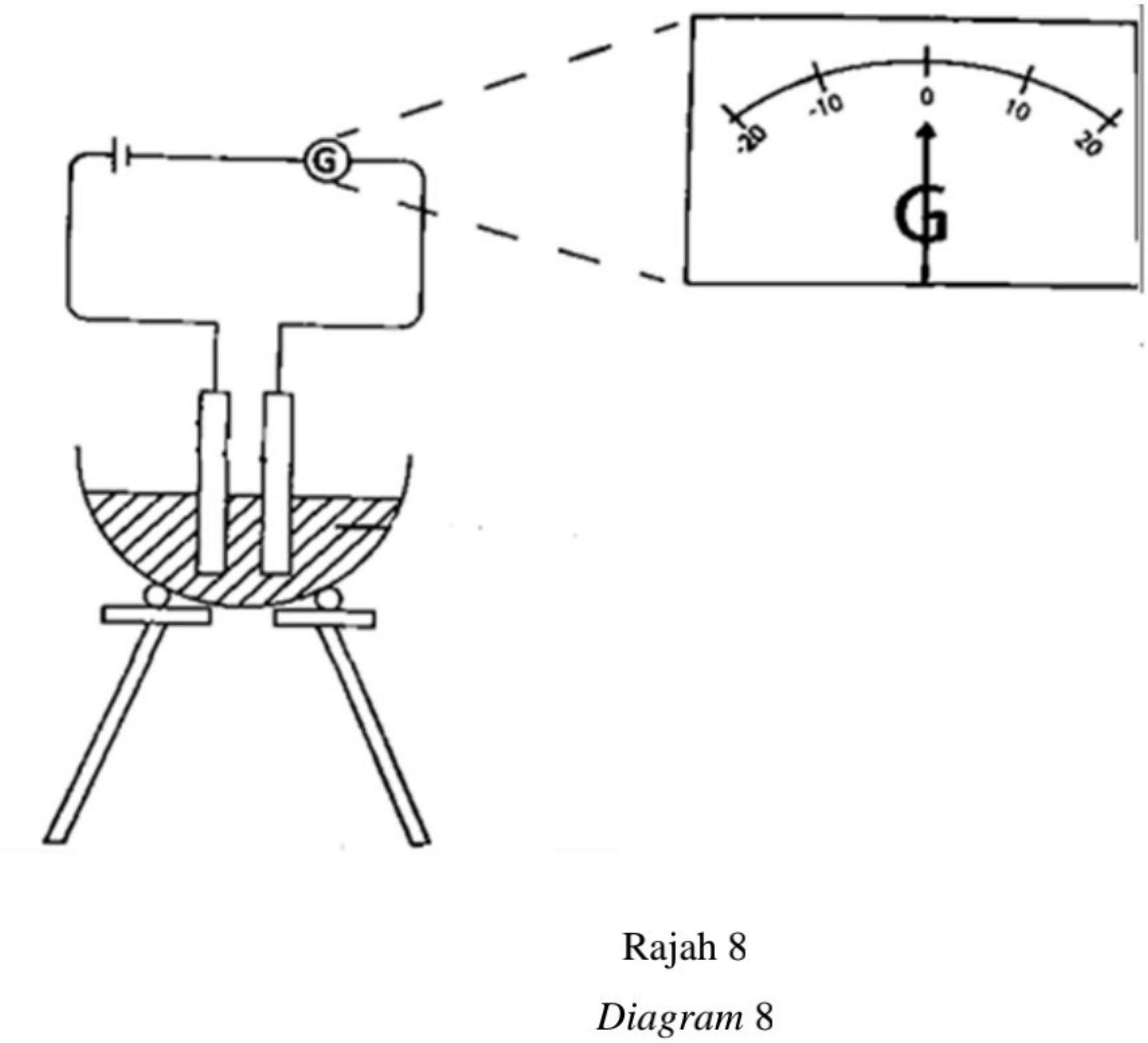
Diagram 8 shows the apparatus set-up for the electrolysis of solid Q (two carbon electrodes, dry cell and galvanometer). What should be done to deflect the needle of the galvanometer?
Medium
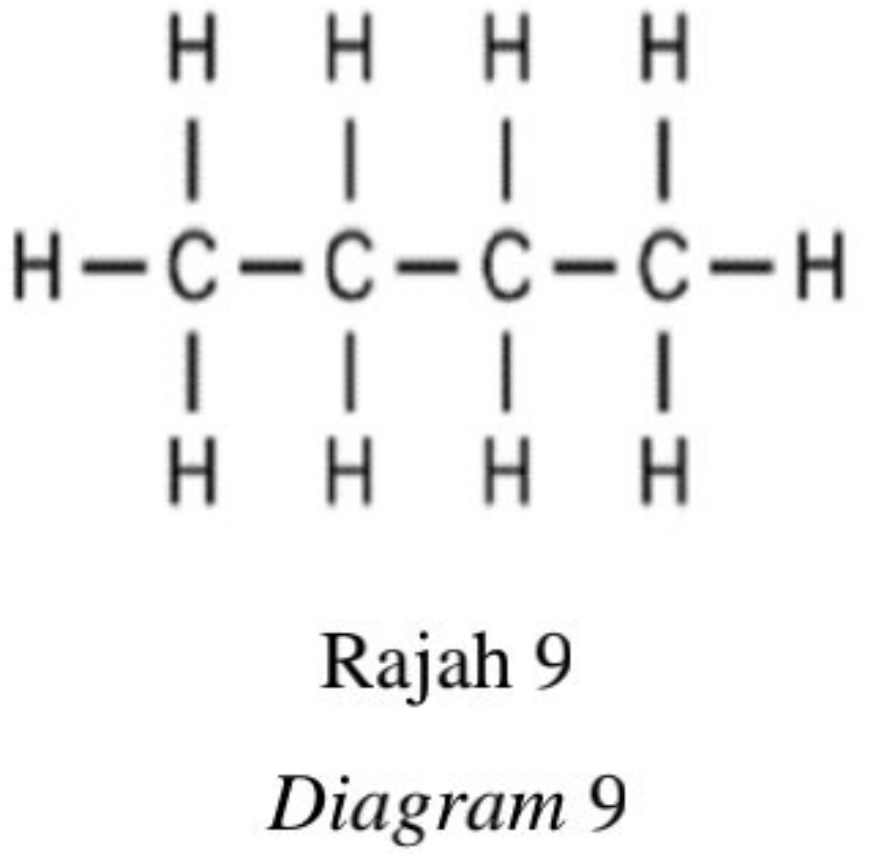
Diagram 9 shows the structural formula for a carbon compound (butane, CH₃CH₂CH₂CH₃, is shown in the diagram). Which of the following is the isomer for the above carbon compound?
Easy
When 50 cm³ of 2.0 mol dm⁻³ lead(II) nitrate was added to 50 cm³ of 1.5 mol dm⁻³ sodium sulphate, the temperature increased by 9.0 °C. What is the value of heat of precipitation?
[Specific heat capacity of solution = 4.2 J g⁻¹ °C⁻¹; Density of solution = 1.0 g cm⁻³]
Medium
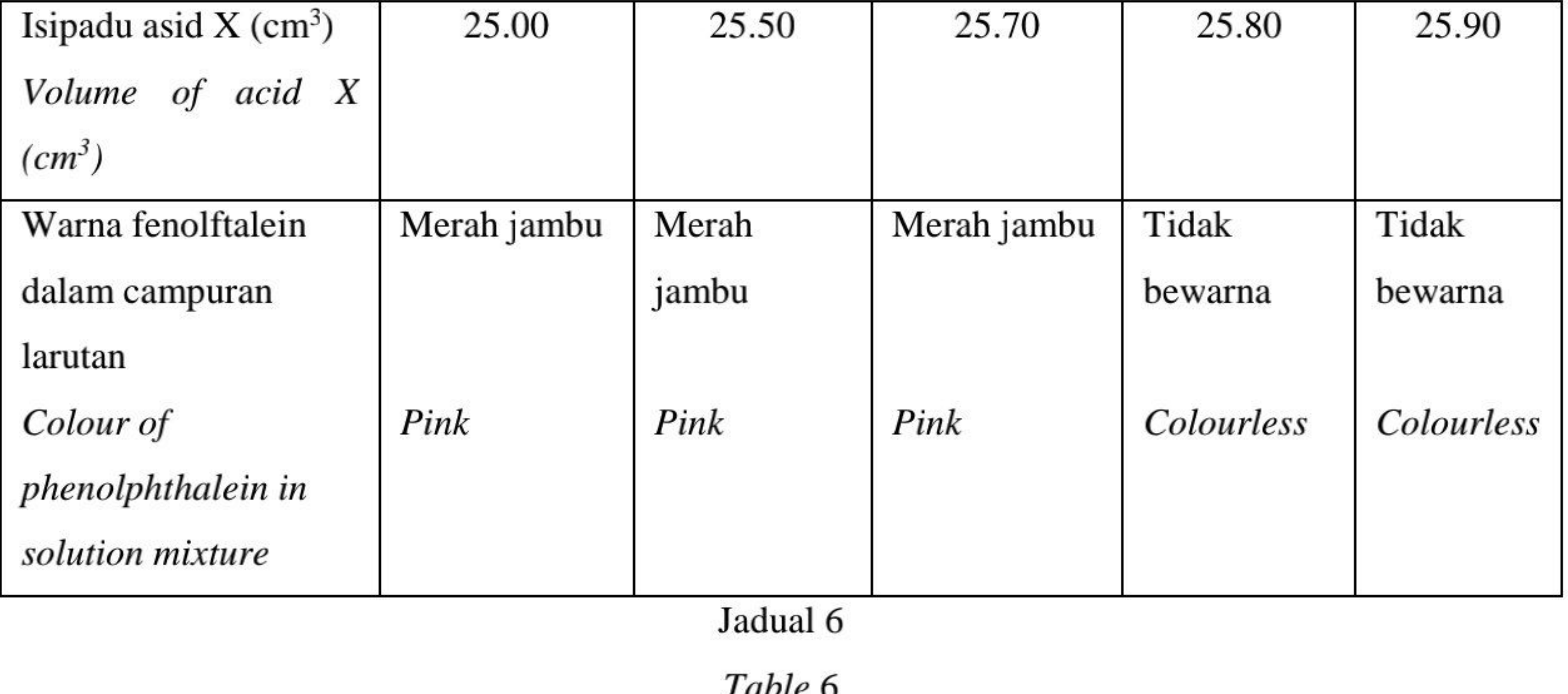
The crop production at a farm is decreasing due to soil problem. The soil sample is dissolved in distilled water and a few tests are carried out on the solution. It is found that the soil is polluted by diprotic acid X. The acid is titrated with 25 cm³ of 0.001 mol dm⁻³ of sodium hydroxide solution that is added with three drops of phenolphthalein. Table 6 shows the results: volume of acid X (cm³) 25.00, 25.50, 25.70 = pink; 25.80, 25.90 = colourless. What is the pH value of acid X?
Medium
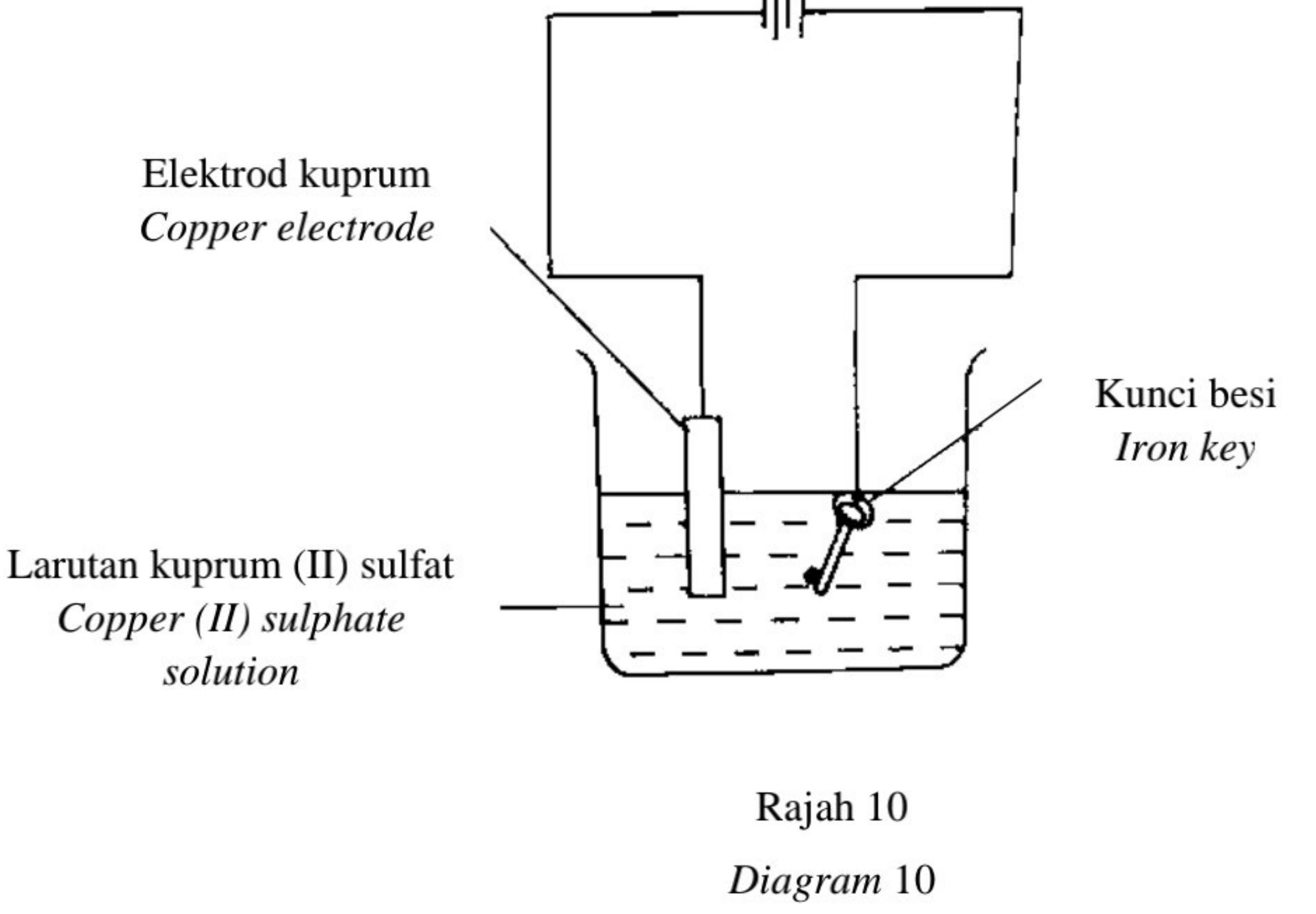
Diagram 10 shows the apparatus set-up for the electroplating of an iron key using 1.0 mol dm⁻³ copper(II) sulphate solution and copper metal as electrode. After 30 minutes, explain the observation in this experiment.