Write your answer on paper. Then open the answer to check it.
Section A
Table 1 shows the names of some chemical substances with their chemical formulae: iodine I2, copper(II) sulphate CuSO4, aluminium Al, tetrachloromethane CCl4.
Medium5 marks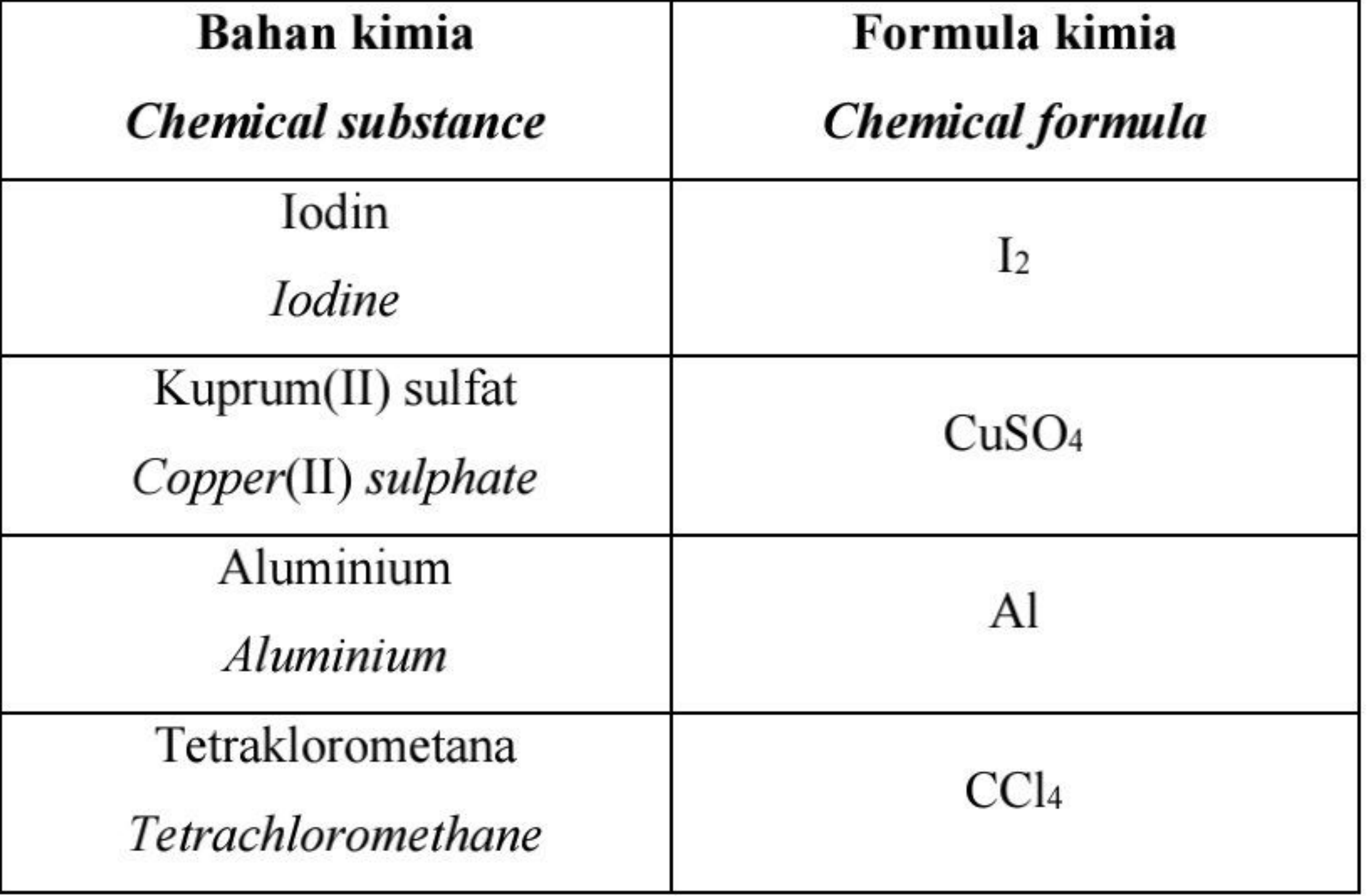
- (a)(i)
State the type of particles of tetrachloromethane.
[1] - (a)(ii)
Classify the substances in Table 1 into elements and compounds.
[2] - (b)(i)
Name the three subatomic particles in an atom.
[1] - (b)(ii)
Sodium atom has 12 neutrons and 11 protons. How many electrons are there in one sodium atom?
[1]
There are four types of glasses used in daily life. Diagram 1 shows an example of the use of composite material in bridge construction.
Medium5 marks- (a)(i)
Name the major component of glass.
[1] - (a)(ii)
Table 2 shows three types of glasses and their uses: 1. Borosilicate glass (cookware, laboratory glassware); 2. ______ (decorative lamp, prism); 3. ______ (bottle, mirror). Complete Table 2.
[2]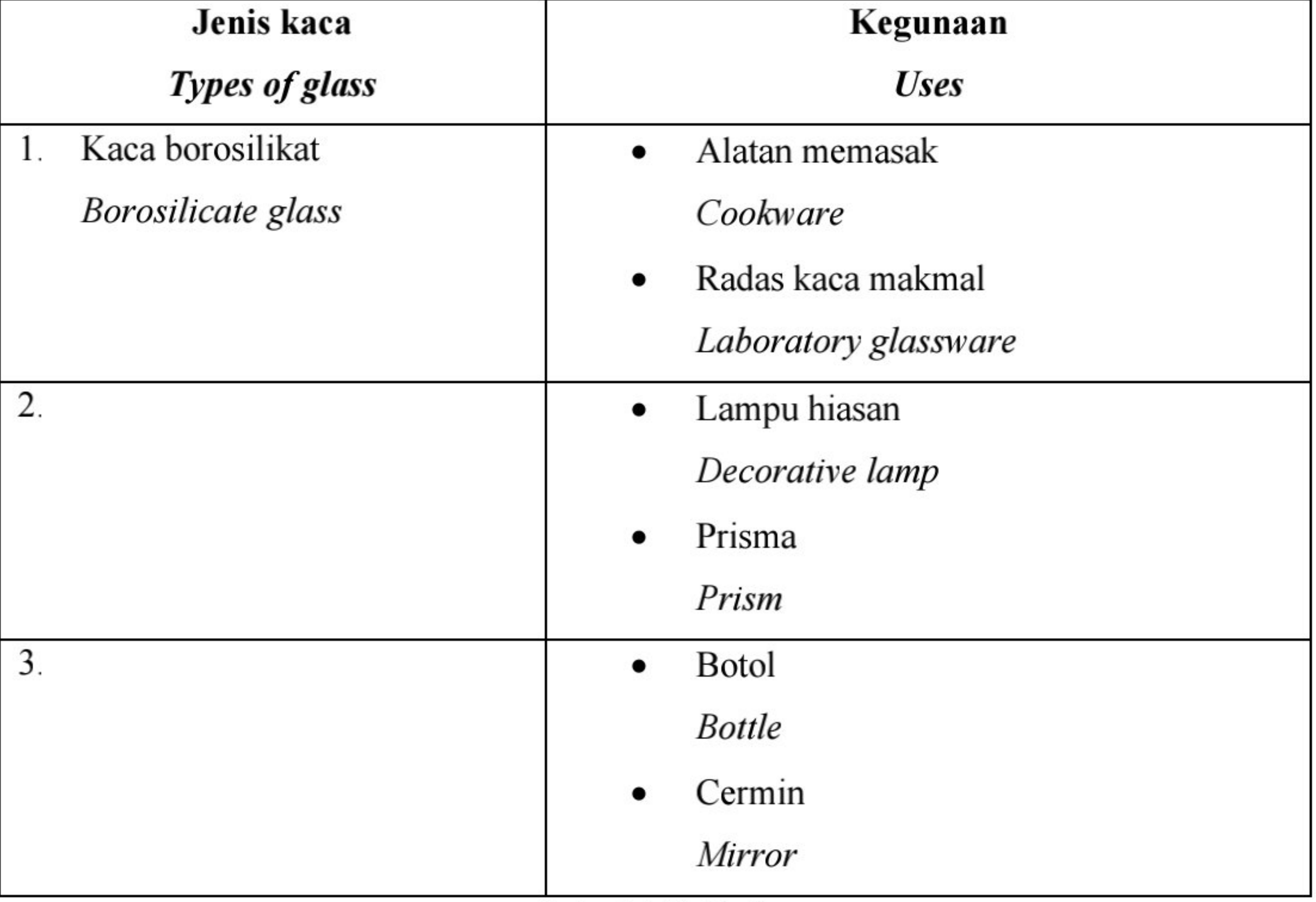
- (b)(i)
What is the meaning of composite material?
[1]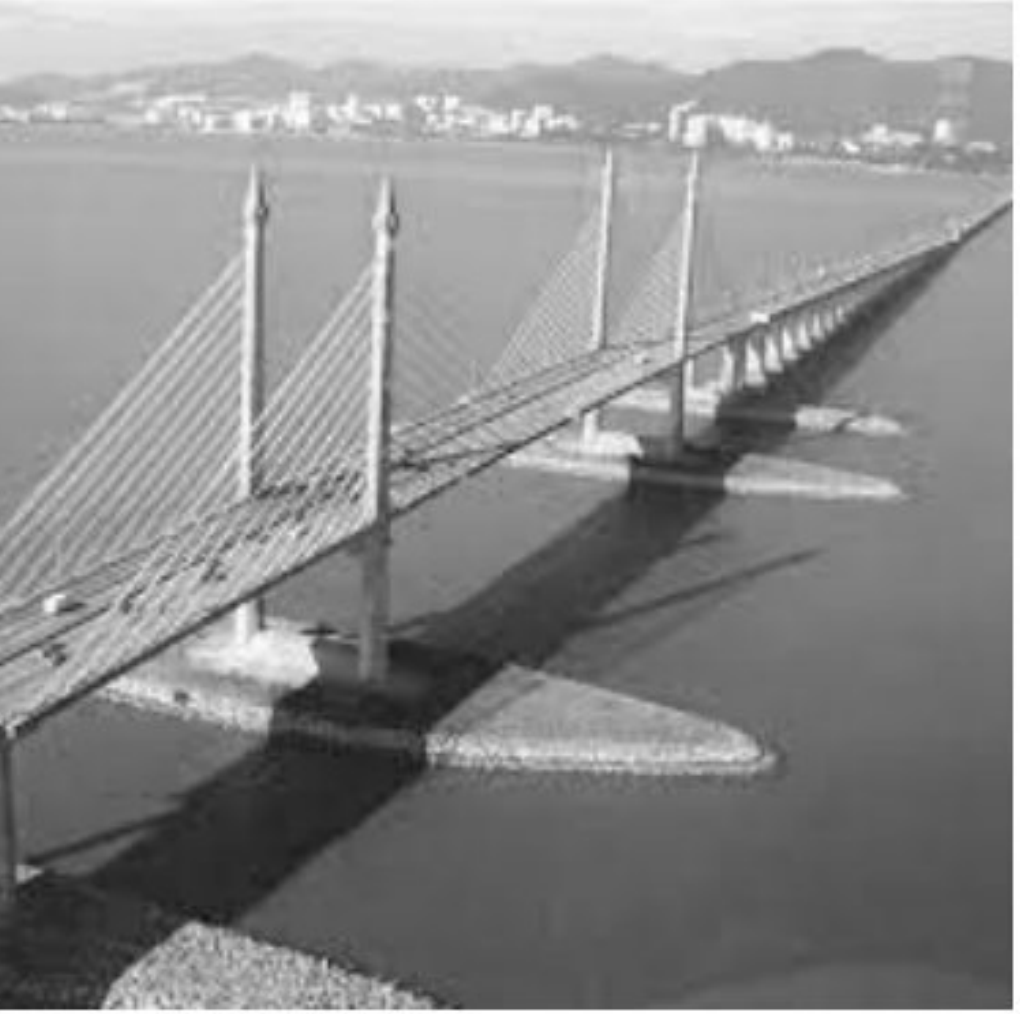
- (b)(ii)
Name the composite material used in Diagram 1.
[1]
Table 3.1 shows three ions formed from transition elements: tetraamminecopper(II) ion, hexaaquaferrate(II) ion, tetraammineplatinum(II) ion. Diagram 2 shows a bulb filled with gas Z.
Medium6 marks- (a)(i)
State the special characteristic of transition elements shown?
[1]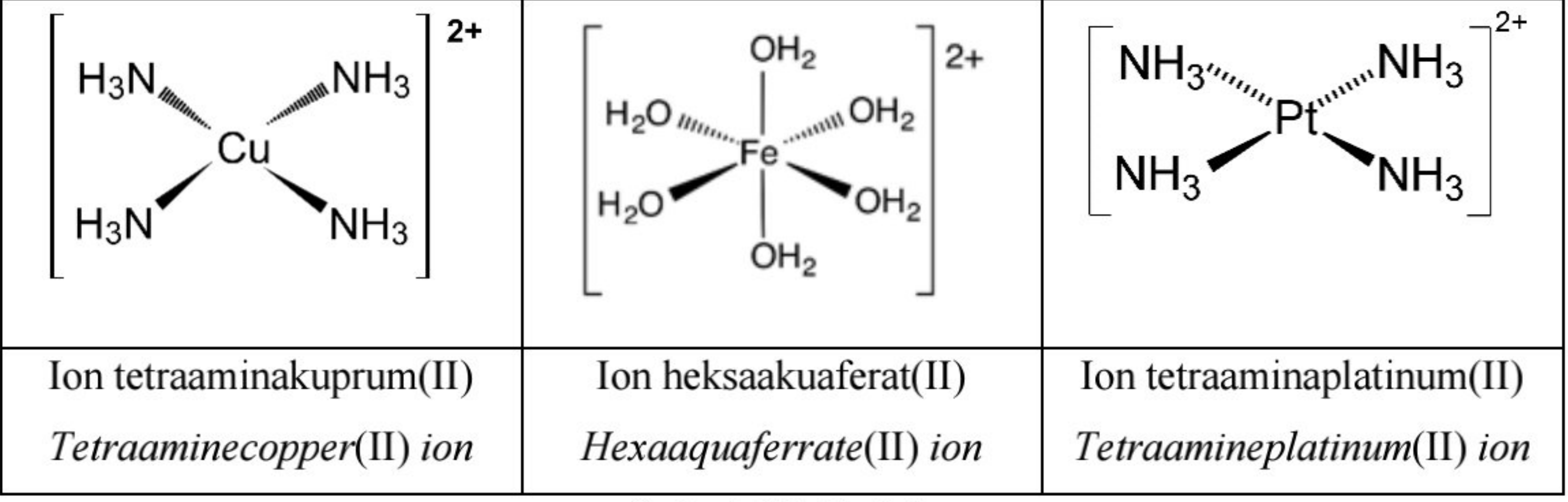
- (a)(ii)
State a transition element used in the hydrogenation process of vegetable oil to make margarine.
[1] - (a)(iii)
In the Haber process, nitrogen gas reacts with hydrogen gas to produce ammonia in the presence of iron as a catalyst. Write the chemical equation for the reaction.
[2] - (b)(i)
Suggest the name of gas Z.
[1]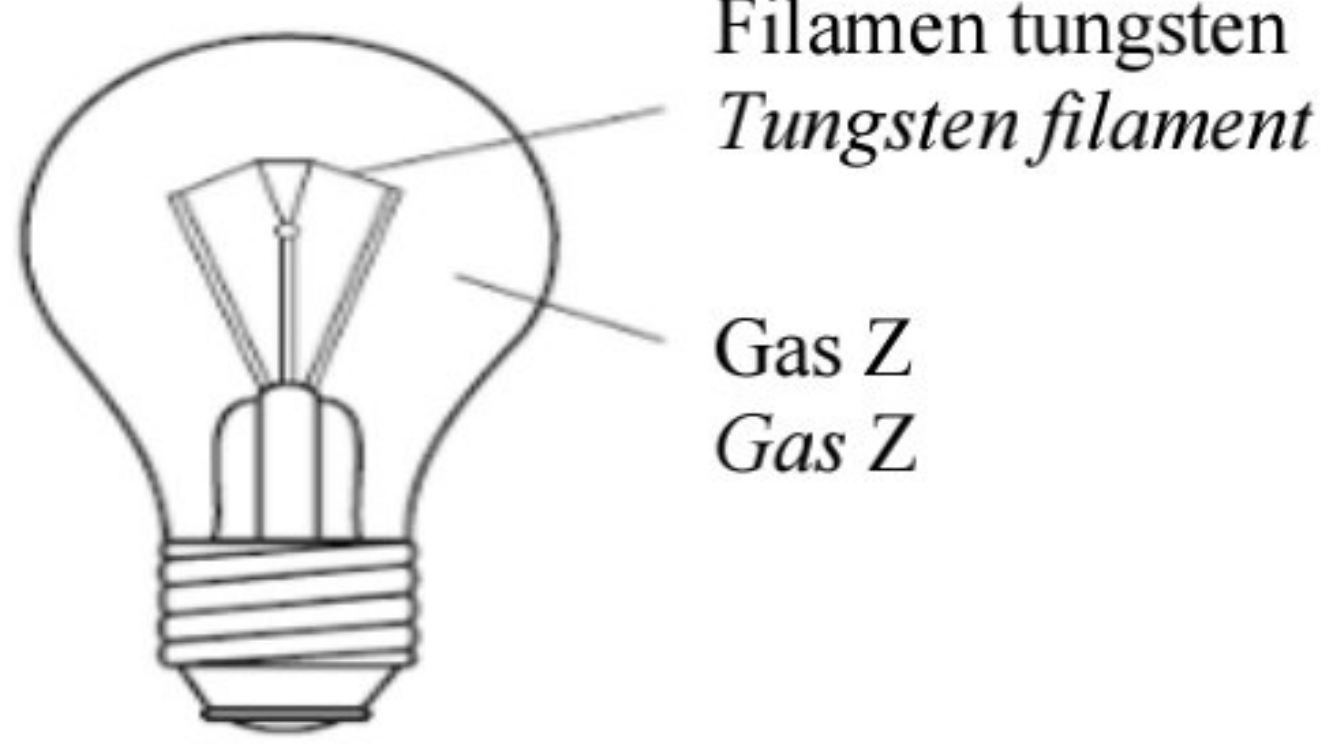
- (b)(ii)
Why is gas Z used to fill the bulb?
[1]
Table 4 shows the name and molecular formula of some compounds: sodium chloride NaCl, ammonia NH3, naphthalene C10H8. Diagram 3 shows two experiments conducted by a student to compare the properties of ionic and covalent substances. Experiment I: electrical conductivity of molten sodium chloride and naphthalene (bulb lights up only with sodium chloride). Experiment II: sodium chloride and naphthalene in test tubes heated in a water bath.
Medium7 marks- (a)(i)
State the ionic compound.
[1]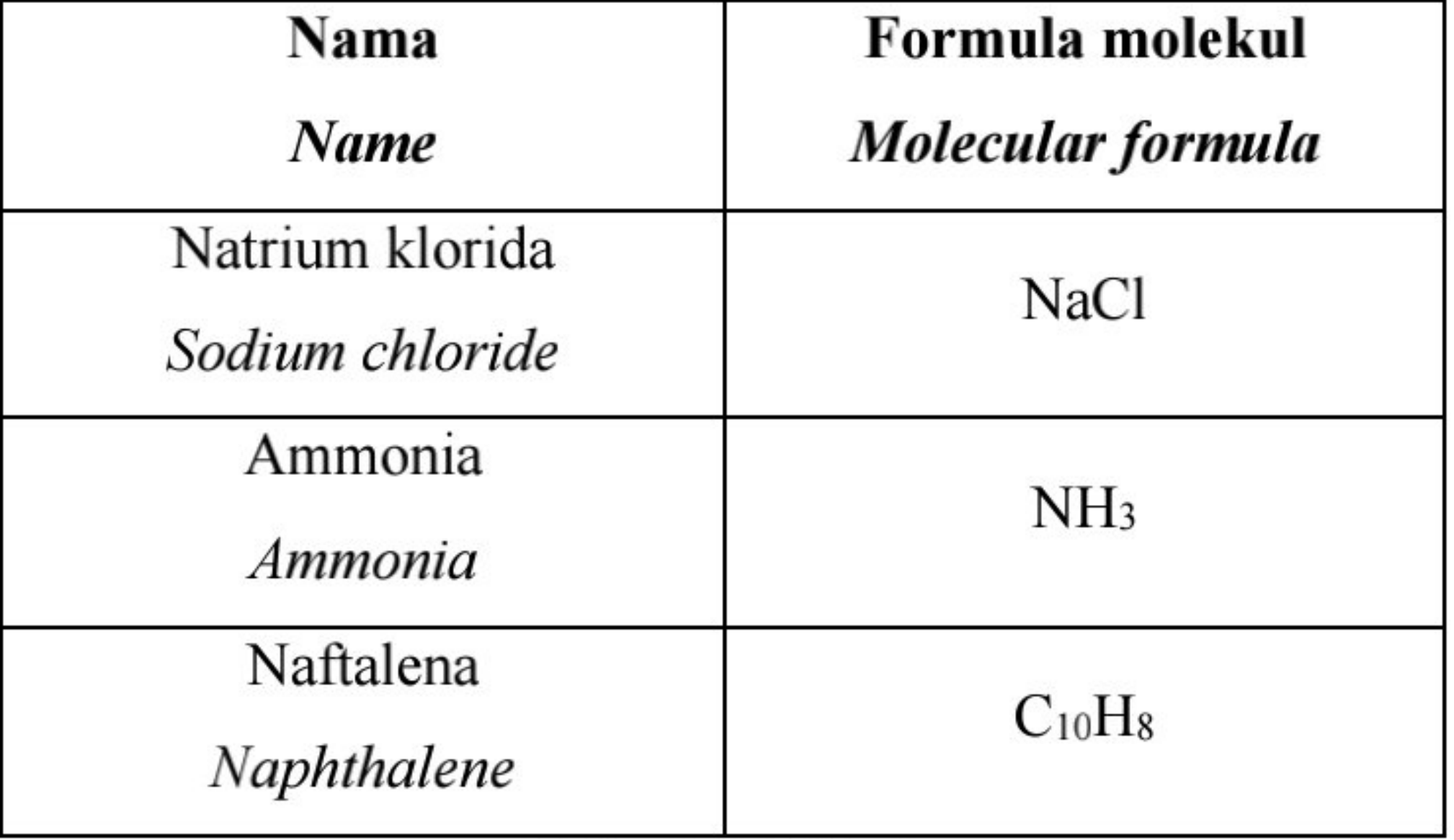
- (a)(ii)
Explain the solubility of ammonia in water.
[2] - (b)(i)
Based on Experiment I, compare the electrical conductivity of both compounds. Explain your answer.
[2]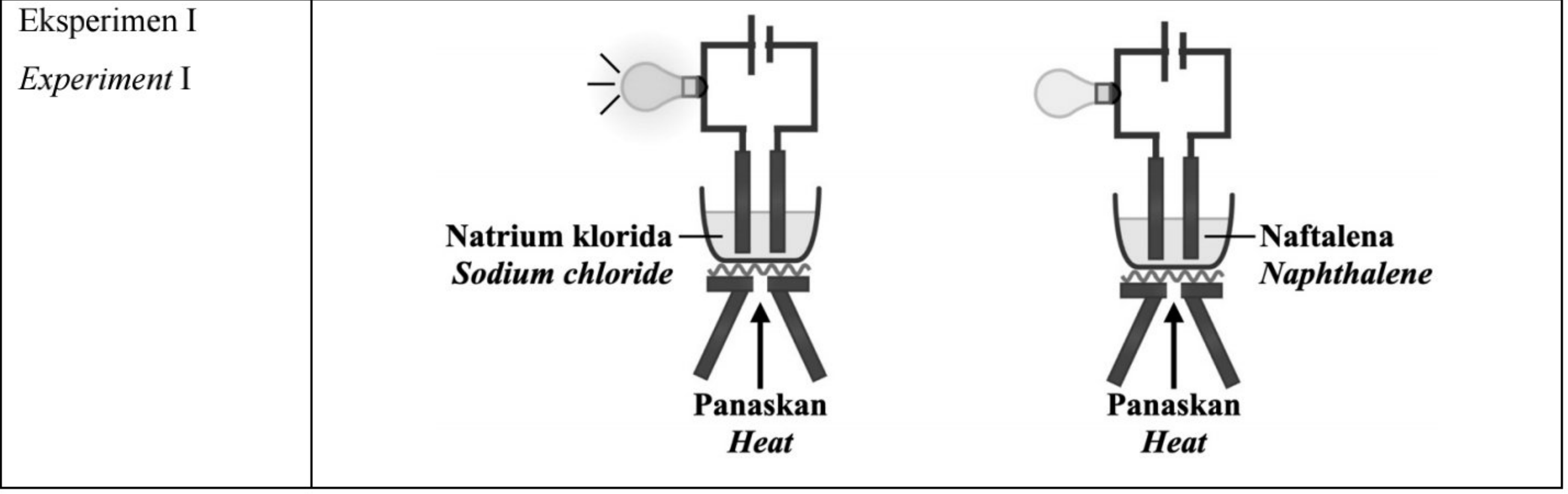
- (b)(ii)
In Experiment II, sodium chloride remained in solid state, while naphthalene melts after five minutes. Explain why this happened.
[2]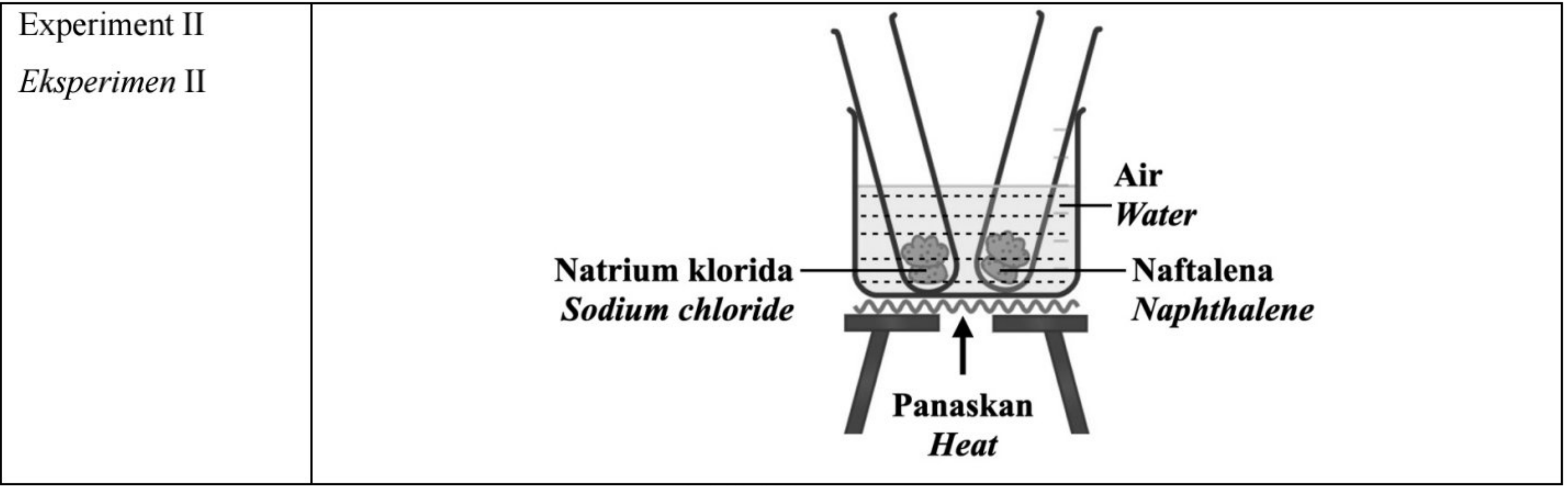
Diagram 4.1 shows the apparatus set up for the heating of zinc carbonate powder. The heating releases a gas that turned lime water chalky. Diagram 4.2 shows the word equation for the decomposition of salt P: salt P → metal oxide + gas Q + oxygen gas. Gas Q released is brown in colour.
Medium8 marks- (a)(i)
Write the chemical formula for zinc carbonate.
[1]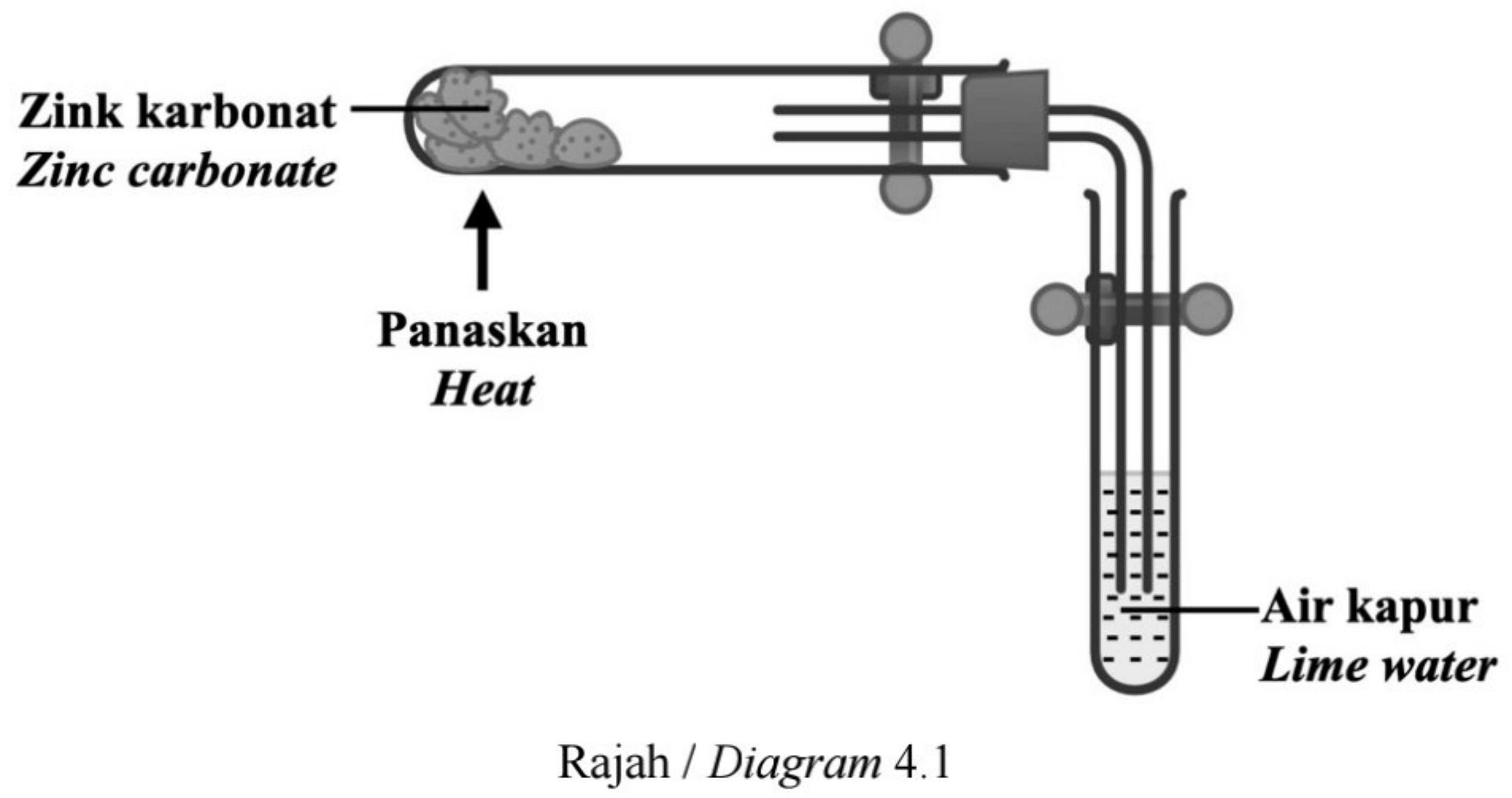
- (a)(ii)
Name the gas released in this experiment.
[1] - (a)(iii)
Write the balanced chemical equation for the reaction.
[1] - (a)(iv)
25.0 g zinc carbonate powder is heated in the experiment. Calculate the volume of gas released. [Relative atomic mass: Zn = 65; C = 12; O = 16; 1 mol of gas occupies 24 dm3 at room condition]
[3] - (b)(i)
State the observation when gas Q is tested with moist litmus paper.
[1]
- (b)(ii)
Salt P is also dissolved in water to form aqueous solution R. State the anion present in solution R.
[1]
Table 5 shows the observation when ethanoic acid in solvent A and in solvent B is tested with blue litmus paper: in solvent A blue litmus paper turns red; in solvent B no change. Diagram 5.1 shows how the acidification of the ocean occurs (carbon dioxide + water gives carbonic acid). Diagram 5.2 shows the titration curve of sodium hydroxide solution with 20 cm3 of 2.0 mol dm-3 hydrochloric acid using phenolphthalein indicator (end point at 20 cm3 NaOH).
Medium9 marks- (a)(i)
Based on Table 5, name the solvent A.
[1]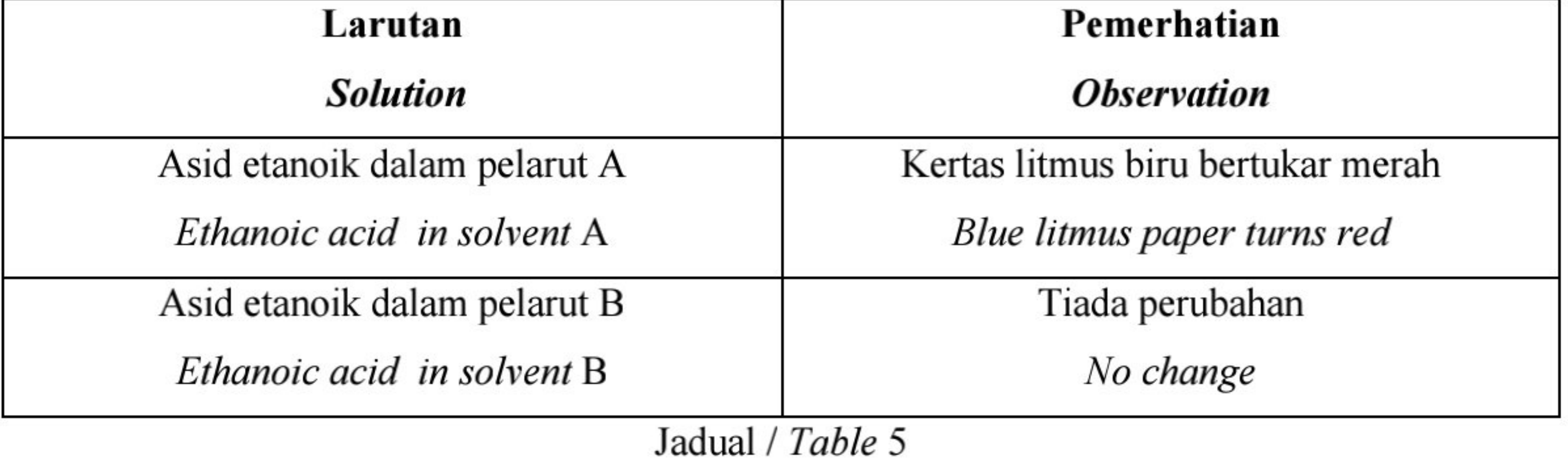
- (a)(ii)
Explain why in solution A there is a change in litmus paper.
[1] - (b)(i)
If the sea water is transferred into an aquarium, suggest one suitable method to increase its pH value.
[1]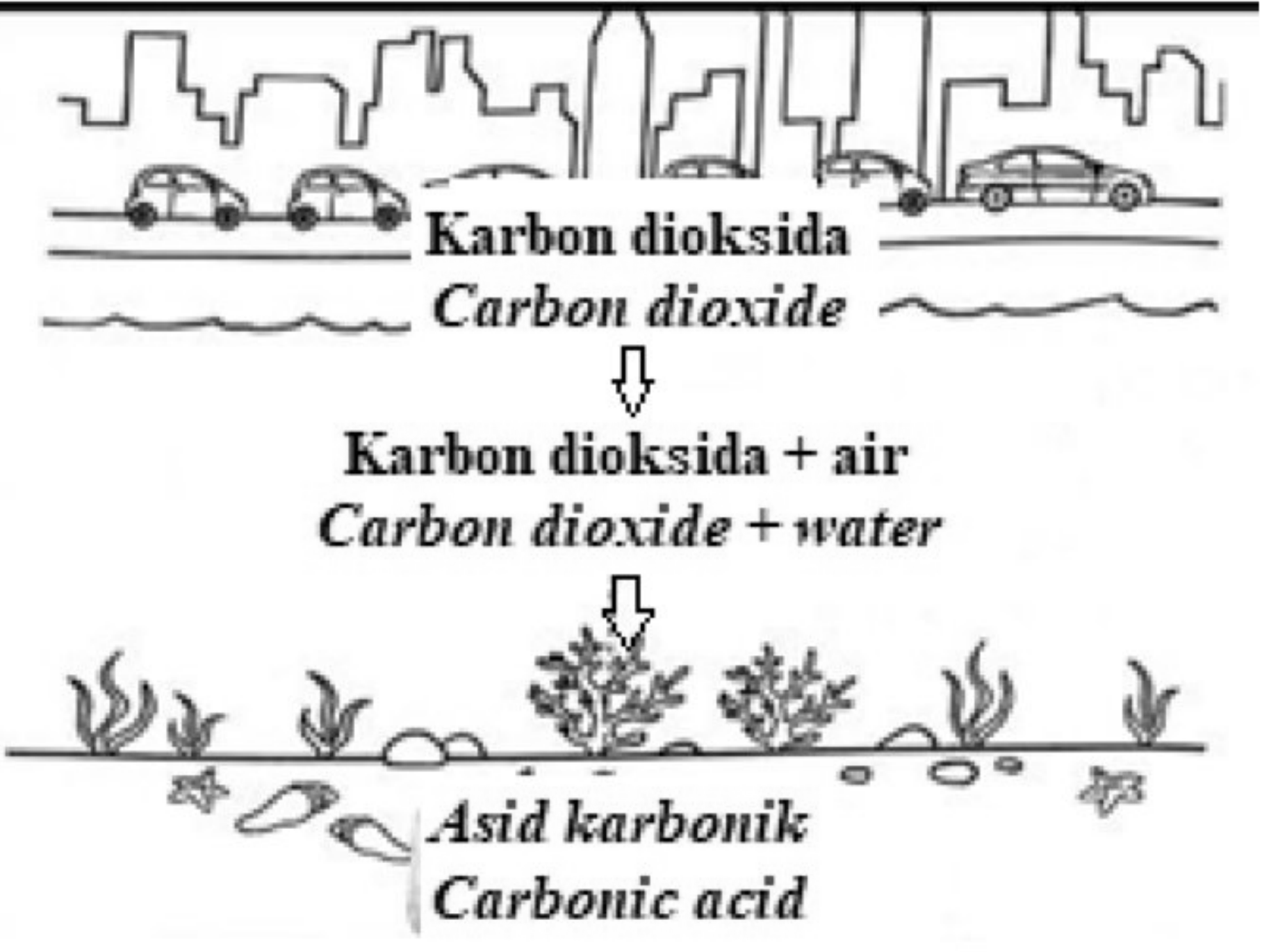
- (b)(ii)
Give one reason for your answer in 6(b)(i).
[1] - (b)(iii)
What is the relationship between the concentration of hydrogen ions, H+ and the pH value?
[1] - (c)(i)
Calculate the concentration of the sodium hydroxide solution used to neutralise 20 cm3 of the hydrochloric acid.
[2]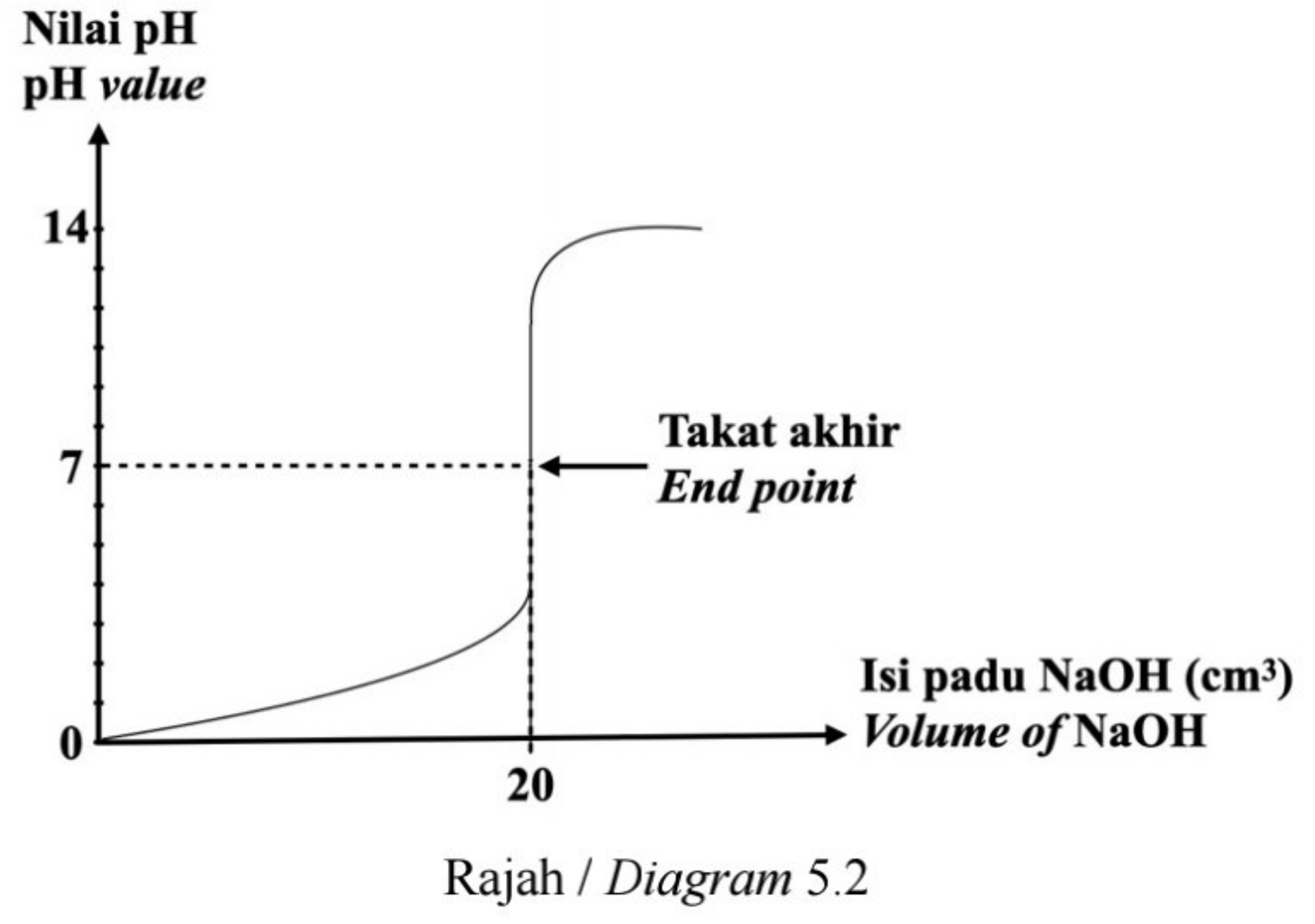
- (c)(ii)
The experiment is repeated by using 2.0 mol dm-3 sulphuric acid to replace the hydrochloric acid. Predict the volume of sodium hydroxide solution needed. Explain your answer.
[2]
Diagram 6.1 shows the effects of the cleansing action of cleaning agent X and cleaning agent Y on clothes with an oily stain (curry gravy), in sea water. Situation I: sea water + cleaning agent X, stain removed. Situation II: sea water + cleaning agent Y, stain remains. Diagram 6.2 shows the injured hand of a pupil.
Medium10 marks- (a)(i)
Based on Diagram 6.1, in which situation is the cleaning agent action less effective? Explain your answer.
[3]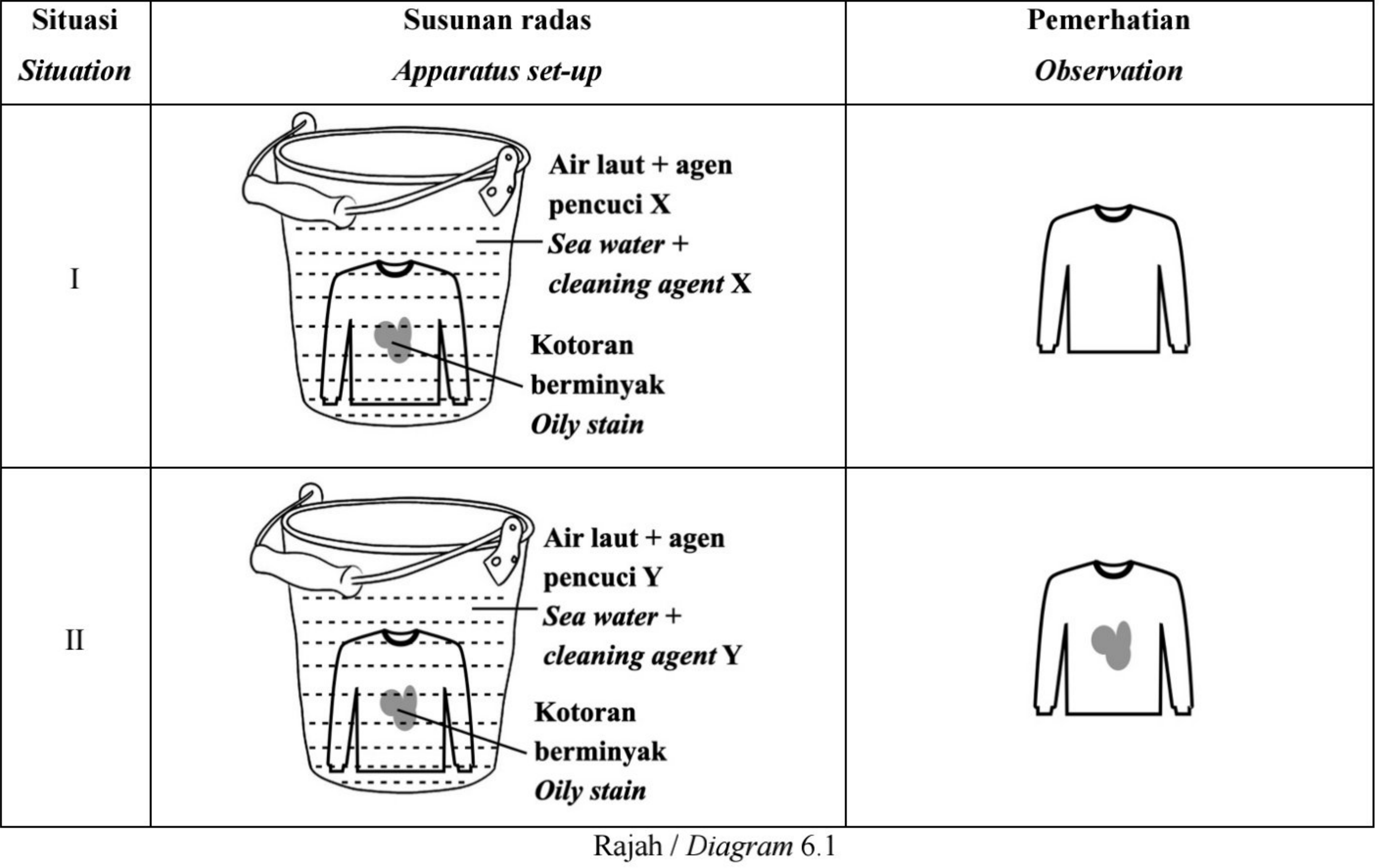
- (a)(ii)
Name the cleaning agent based on your answer in 7(a)(i).
[1] - (b)
The student wipes the wound with iodine. Name a type of traditional medicine that can be used as an alternative to iodine. Give two benefits of using the traditional medicine.
[3]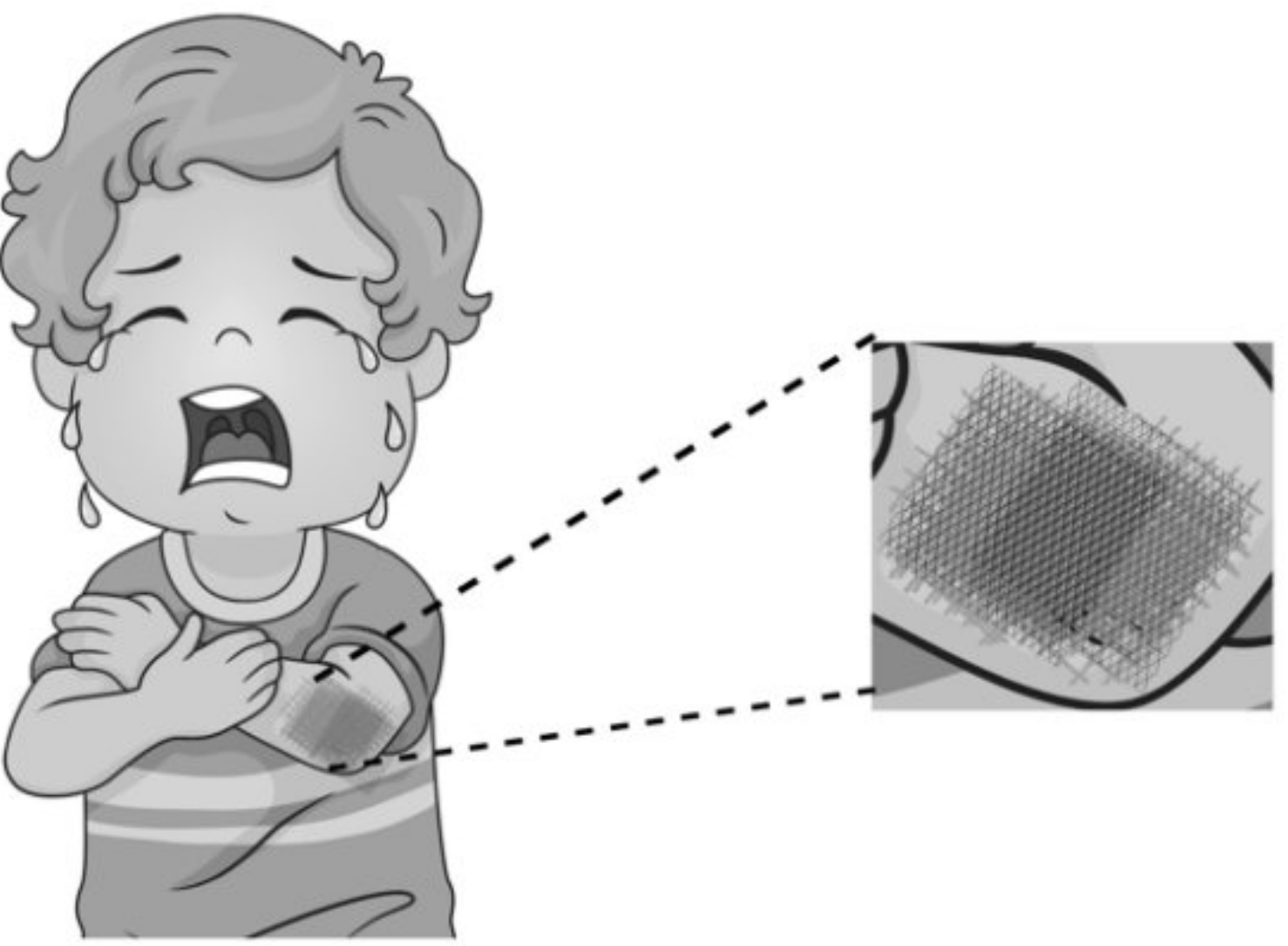
- (c)
Diagram 6.3 shows a relatively expensive electricity bill (RM 296.90) due to the usage of air conditioners in Syahmi's house. Based on your knowledge of green technology applications, explain how you can reduce the energy usage in Syahmi's house?
[3]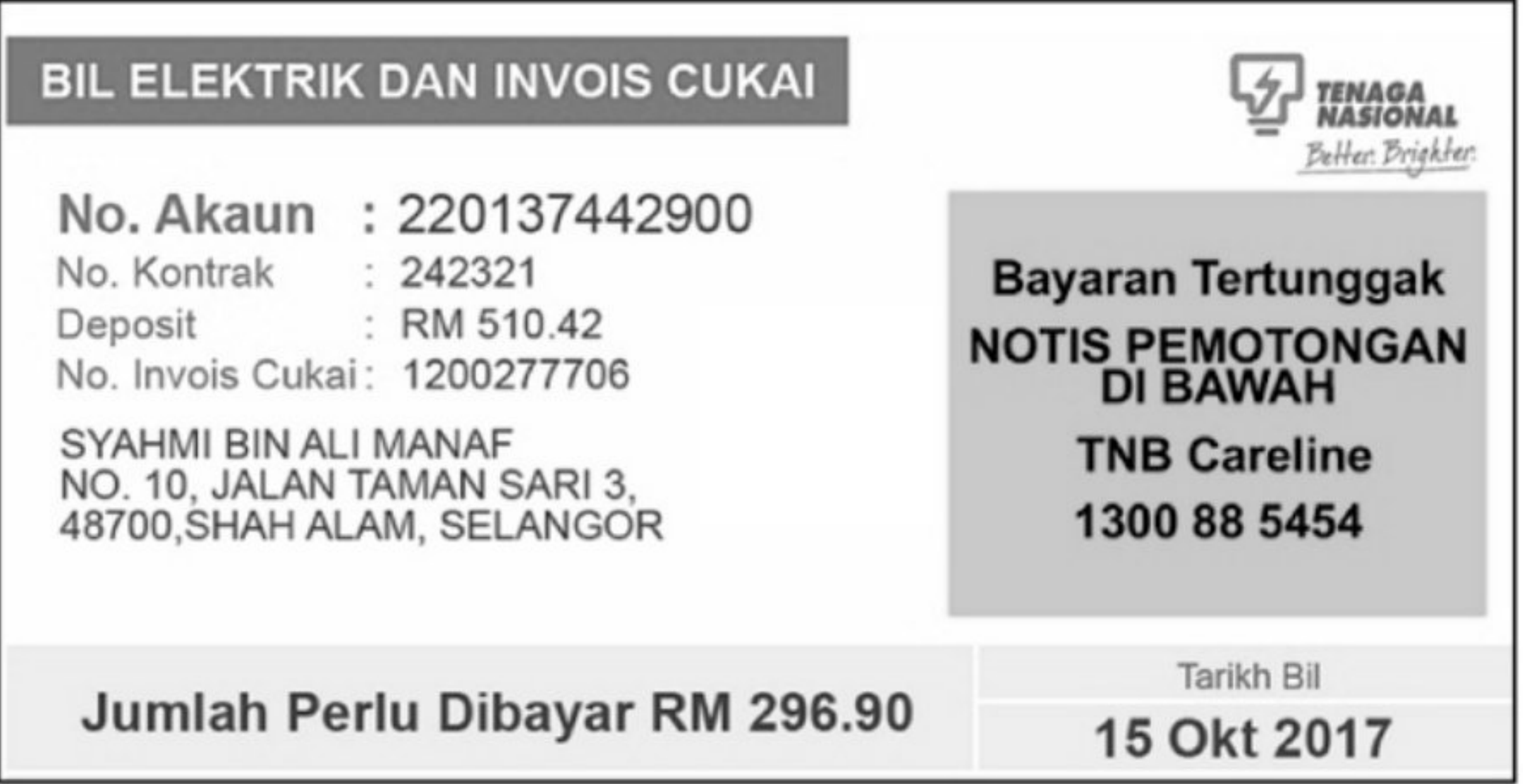
Three sets of experiment are carried out to investigate the factors that affect the rate of reaction. Table 6 shows the reactants and conditions. Set I: excess zinc powder + 25 cm3 of 0.1 mol dm-3 hydrochloric acid, 30.0 °C, 50 s to collect 50 cm3 of hydrogen. Set II: excess zinc powder + 25 cm3 of 0.1 mol dm-3 hydrochloric acid, 40.0 °C, 30 s. Set III: excess zinc granules + 25 cm3 of 0.1 mol dm-3 hydrochloric acid, 40.0 °C, 60 s.
Medium10 marks- (a)
Based on Table 6, state two factors that affect the rate of reaction.
[2]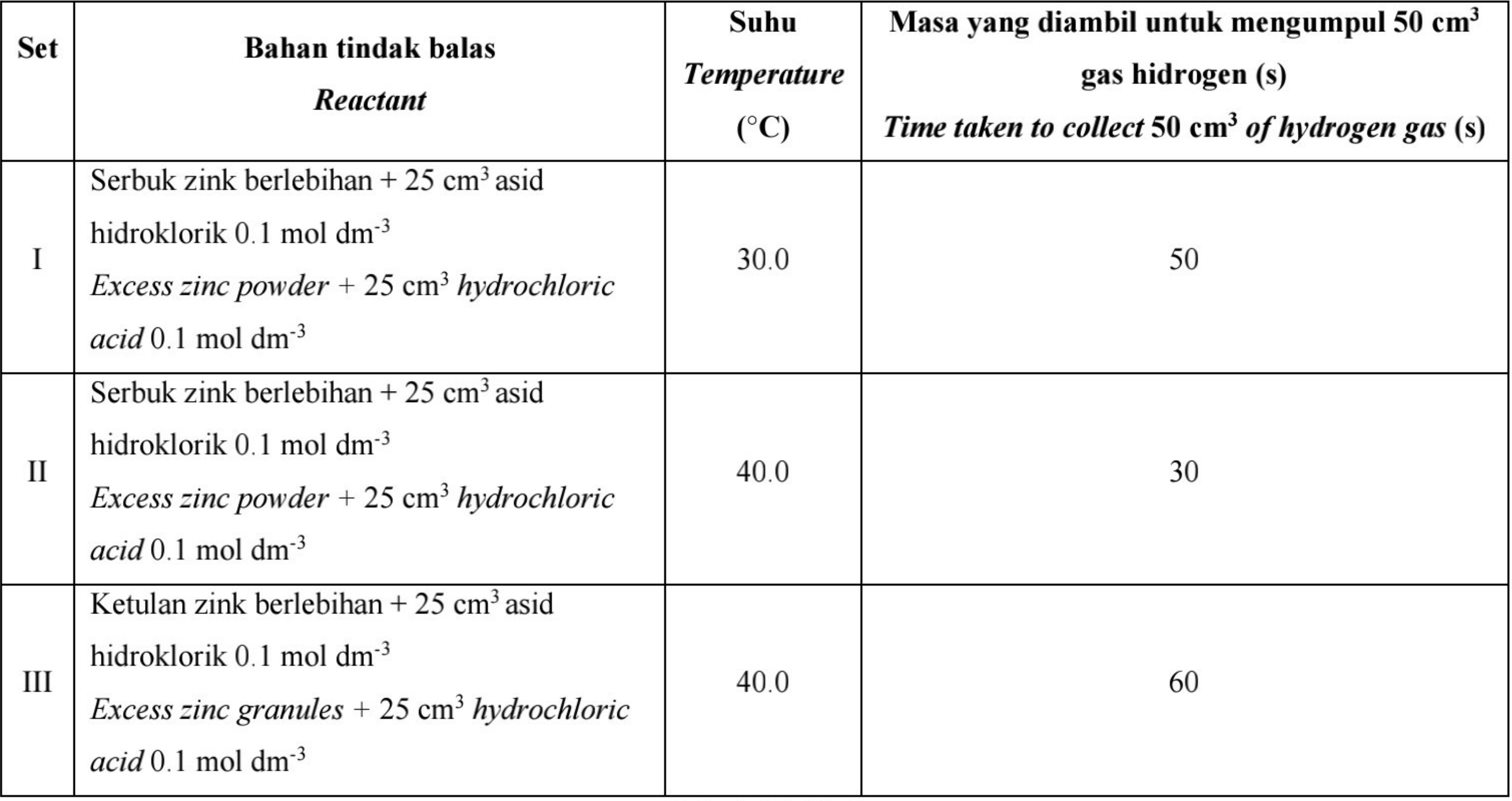
- (b)
State one observable change in this experiment that can be used to determine the rate of reaction.
[1] - (c)
Write the chemical equation for the reaction between zinc and hydrochloric acid.
[1] - (d)
Calculate the average rate of reaction in Set I and Set II.
[1] - (e)(i)
Compare the rate of reaction between Set I and Set II.
[1] - (e)(ii)
Explain your answer in 8(e)(i) based on collision theory.
[2] - (f)
A student wishes to increase the rate of reaction for Set I by replacing the hydrochloric acid with ethanoic acid of the same concentration. In your opinion, do you think he made a correct decision? Explain your answer.
[2]
Section B
Diagram 8 shows a flow chart for the conversion of iron(II) sulphate through redox reactions: iron(II) sulphate solution + metal X (Reaction I) gives iron; iron(II) sulphate solution + halogen Y (Reaction II) gives a brown colour solution.
Medium20 marks- (a)(i)
State the definition of redox reaction and the colour of iron(II) sulphate.
[2]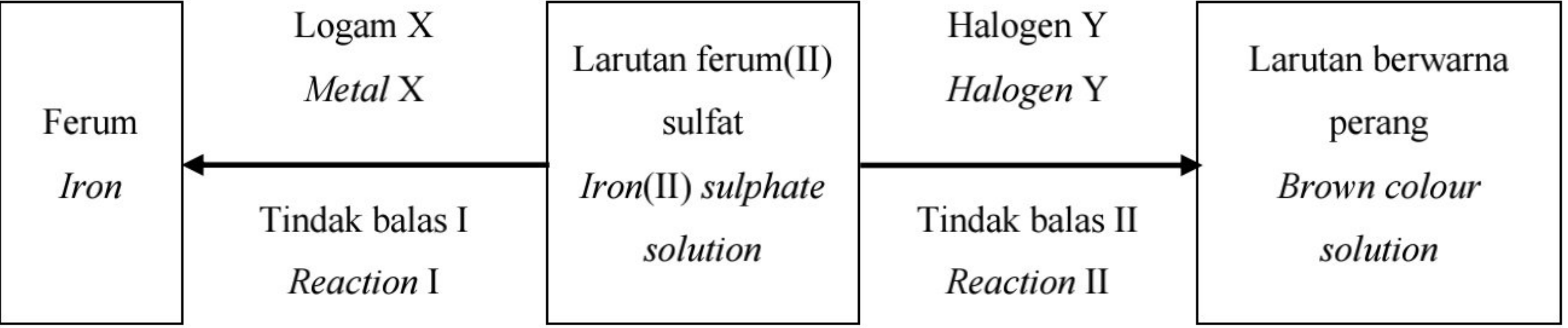
- (a)(ii)
Based on Reaction II, identify halogen Y and the cation present in the brown solution. Explain why the reaction is a redox reaction in terms of electron transfer or change in oxidation number.
[6] - (a)(iii)
Identify metal X and write the chemical equation for Reaction I. If 50 cm3 of 2.0 mol dm-3 iron(II) sulphate solution and excess metal X are used, calculate the mass of iron produced. [Relative atomic mass: Fe = 56]
[5] - (b)
A student carried out an experiment to investigate the electrolysis of 1.0 mol dm-3 hydrochloric acid in a chemistry lab. After 10 minutes, the student felt dizzy and had difficulty breathing, as a result of inhaling the greenish yellow gas W produced at the anode during electrolysis. Identify gas W. Explain how gas W is produced at the anode and write the half equation for the reaction.
[4] - (c)
Table 6 shows the observation for the experiment of the effects of other metals on the rusting of iron nail: Set I iron nail coiled with metal P + potassium hexacyanoferrate(III) solution + agar gives dark blue colour; Set II iron nail coiled with metal Q + potassium hexacyanoferrate(III) solution + agar gives no change. Based on the information in Table 6, explain why there is a difference in the observation of Set I and Set II.
[3]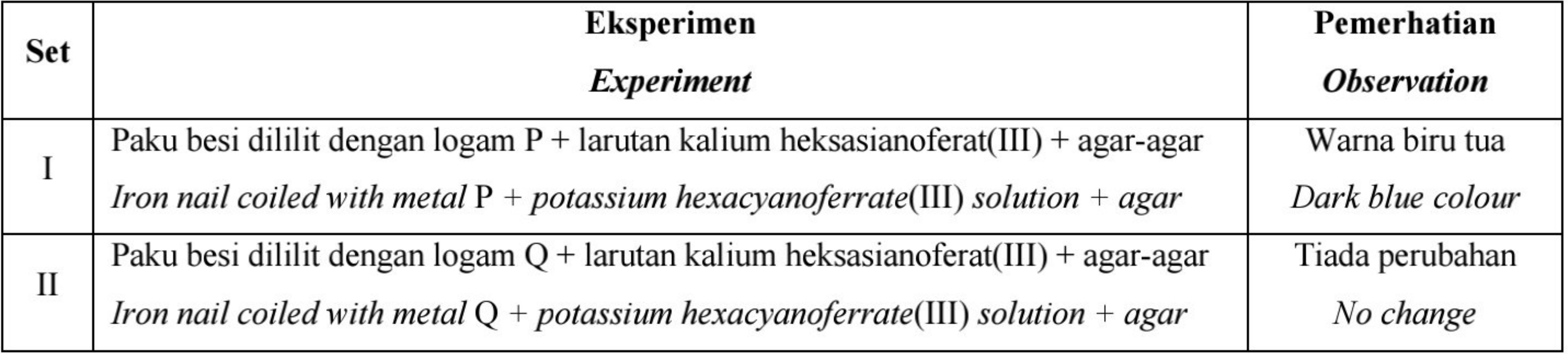
Diagram 9 shows two energy level diagrams for different reactions: A (reactants above products, ΔH = -x kJ mol-1) and B (reactants below products, ΔH = -y kJ mol-1 as printed). An experiment studies the heat of neutralisation between 50 cm3 of 1.0 mol dm-3 sodium hydroxide solution and 50 cm3 of 1.0 mol dm-3 hydrochloric acid. The temperature of the mixture increases from 29.0 °C to 35.5 °C. [Specific heat capacity of solution = 4.2 J g-1 °C-1, density of solution = 1 g cm-3]
Hard20 marks- (a)
Based on Diagram 9, state the type of reaction that occurs in energy level diagrams A and B. Compare the type of reactions for A and B in terms of the change in temperature, difference in energy content of reactants and products, energy changes during bond breaking and bond formation and give one example for each reaction.
[7]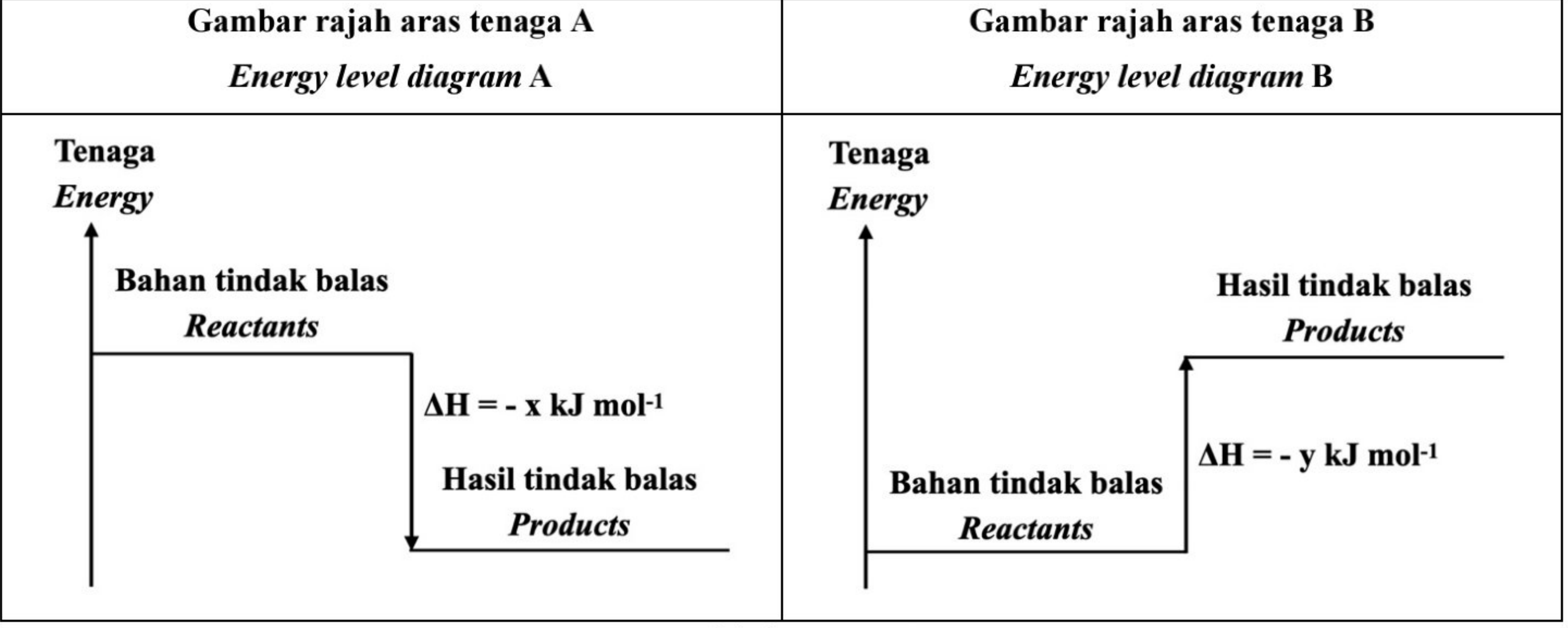
- (b)(i)
State the definition of heat of neutralisation.
[1] - (b)(ii)
Calculate the heat of neutralisation.
[6] - (b)(iii)
The heat of neutralisation obtained in laboratory is less than its theoretical value. Give a reason why this happened.
[1] - (b)(iv)
Construct an energy level diagram for the reaction.
[2] - (b)(v)
Predict the heat of neutralisation when sodium hydroxide solution is replaced by ammonia solution. Explain your answer.
[3]
Section C
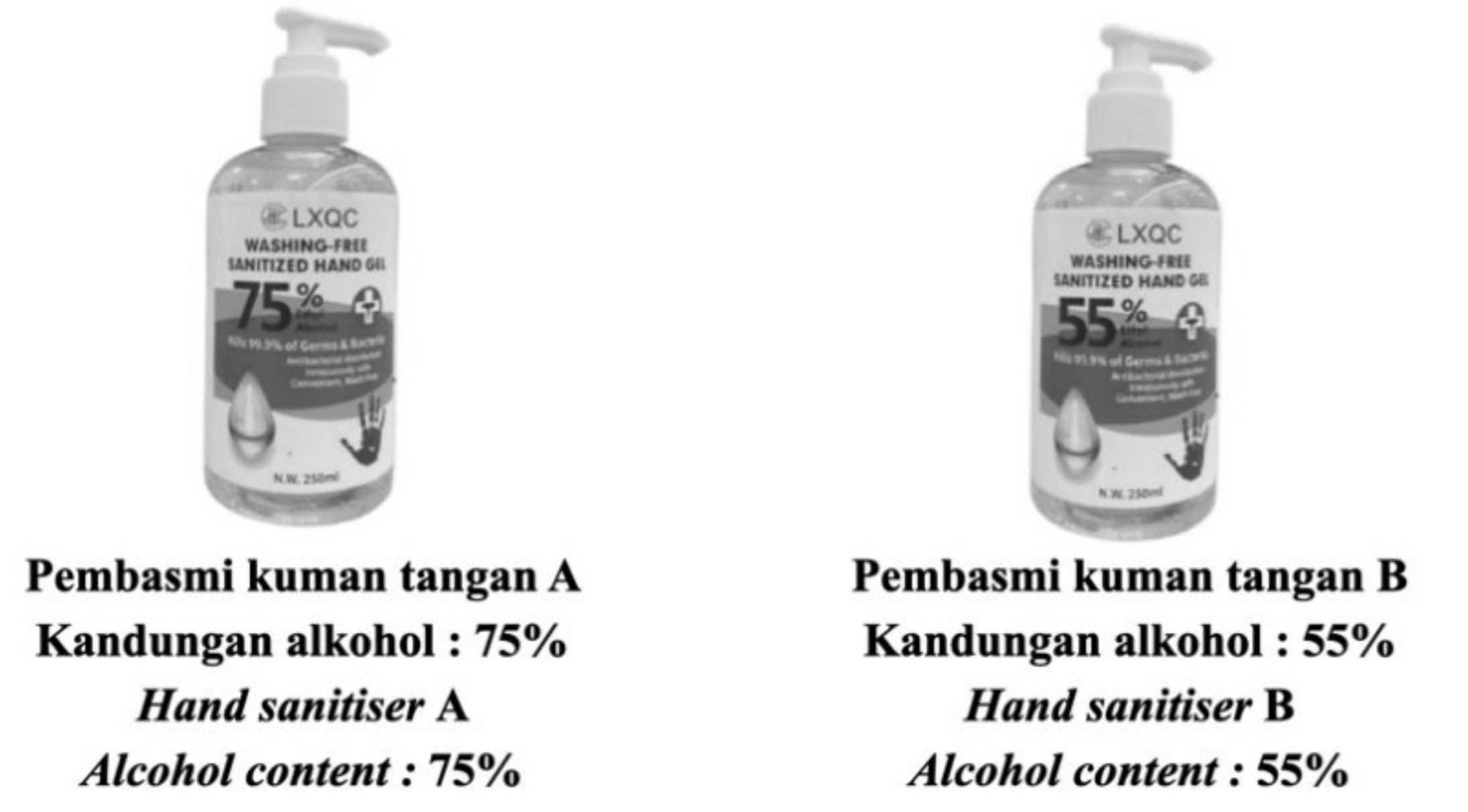
Diagram 10.1 shows the conversion of an organic compound from one homologous series to another: alkene Q (hydration) gives compound W; compound W (oxidation) gives compound X; compounds W and X (esterification) give ester A. Diagram 10.2 shows the structural formula of artificial banana flavour (ethanoate ester of a five-carbon alcohol: CH3COOC5H11). Diagram 10.3 shows two hand sanitisers: A (alcohol content 75%) and B (alcohol content 55%).
Hard20 marks- (a)(i)
What is the meaning of homologous series?
[1]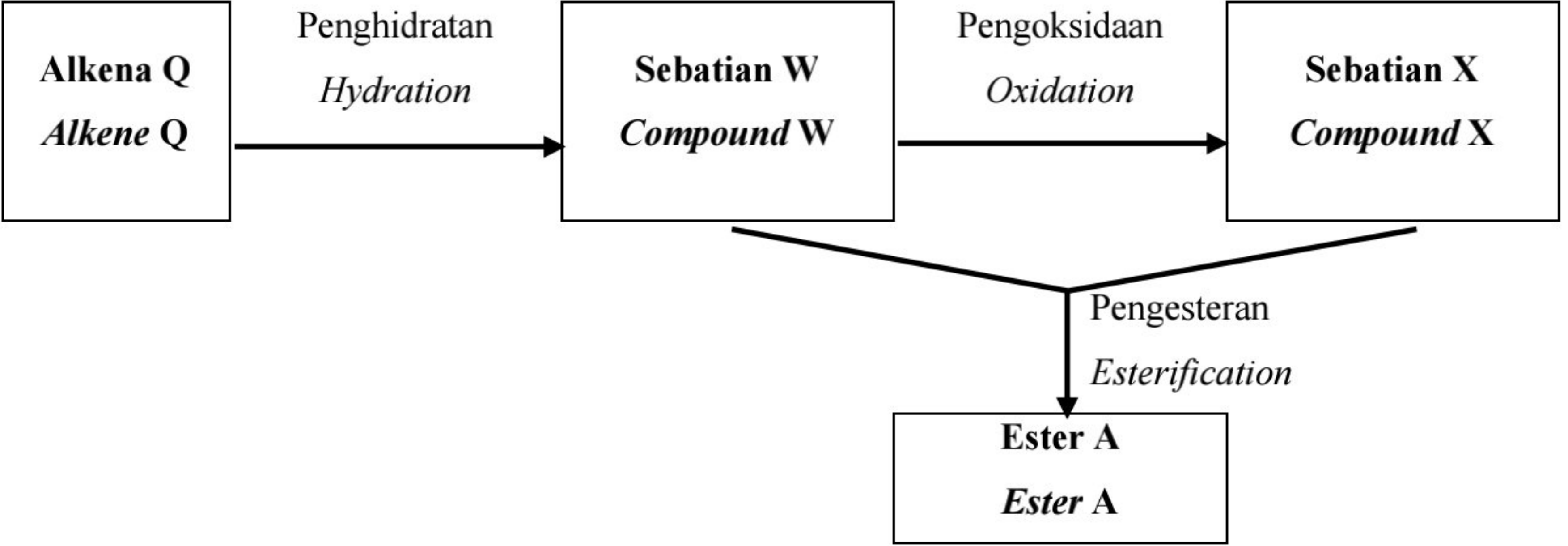
- (a)(ii)
The possible relative molecular masses of alkene Q are 28, 42 or 56. By choosing any one of the relative molecular masses, determine the molecular formula for the alkene and state the name of the alkene. [Relative atomic mass: H = 1, C = 12]
[3] - (a)(iii)
Based on Diagram 10.1 and the answer from 11(a)(ii), state the names and draw the structural formulae of compound W and compound X. Write the chemical equation to show the conversion of compound W to compound X.
[6] - (b)
Diagram 10.2 shows the structural formula of artificial banana flavour. By using suitable substances, explain briefly how you can prepare the banana flavour in the laboratory. Your answer should include the chemical equation involved.
[7]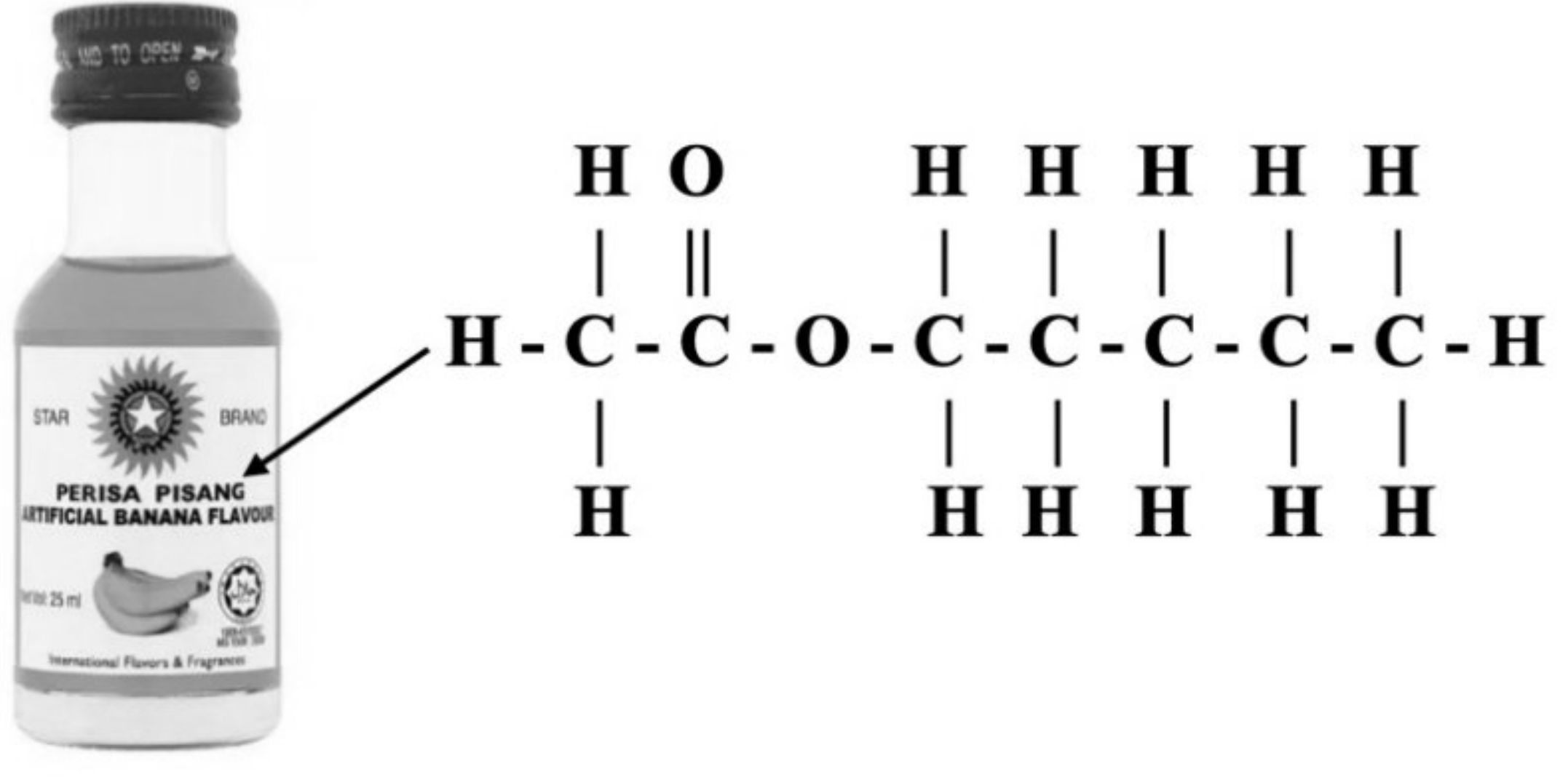
- (c)
Based on Diagram 10.3, choose the hand sanitiser that you will use. Justify your choice.
[3]