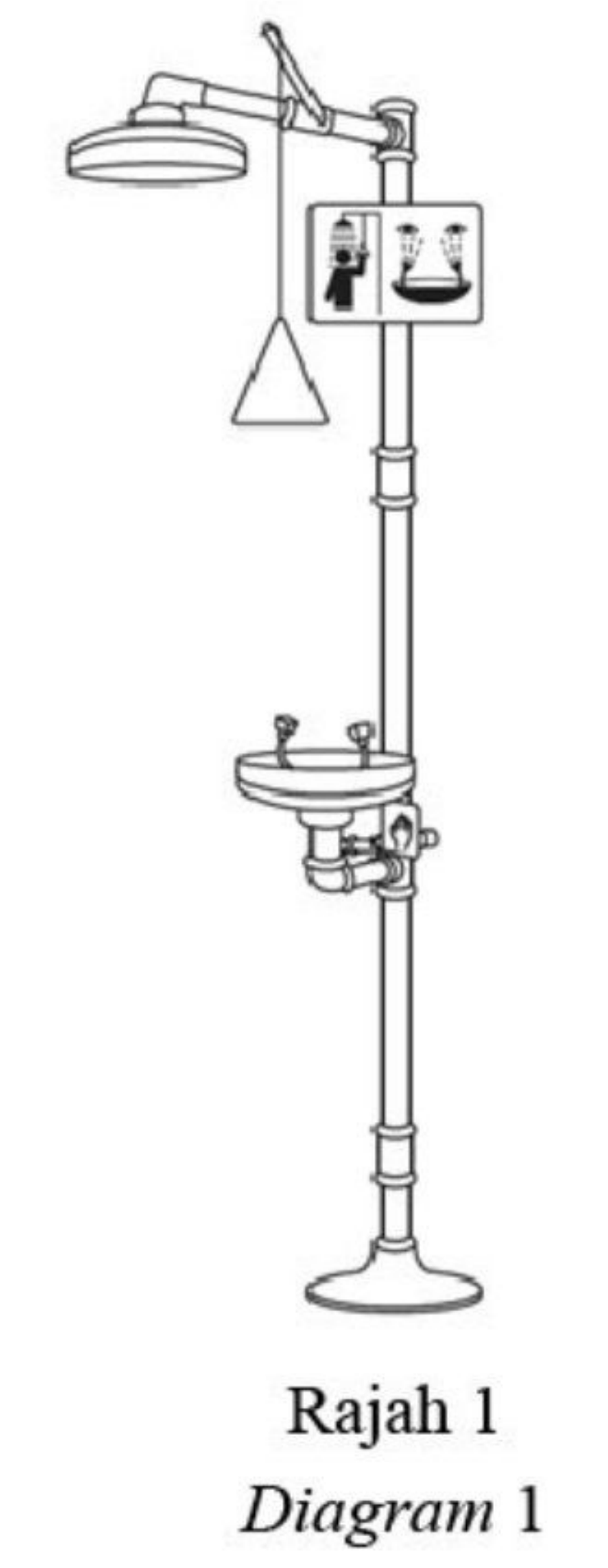
Diagram 1 shows a safety equipment in the laboratory. What is the function of this equipment?
Easy
Chemists use the concept of relative atomic mass by comparing the mass of atom of an element to the mass of atom of another element that is chosen as the standard. In 1961, chemists across the world agreed to use one of the isotopic atoms of carbon as the standard atom. Which of the following isotopic atom of carbon chosen as standard atom?
Easy
Which of the following is the property of covalent compound?
Medium
Which statement exactly explains the meaning of rate of reaction?
Medium
Which of the following is true about an oxidation reaction?
Medium
Which statement exactly explains the meaning of the heat of neutralisation?
Easy
Which statement explains the effectiveness of the cleansing action of soap?
Medium
A calcium atom has 20 protons and its nucleon number is 40. A calcium ion, Ca²⁺ is formed when a calcium atom donates 2 electrons. How many neutrons in a calcium ion, Ca²⁺?
Medium
Noble gases are chemically unreactive due to: I noble gases exist as monoatoms; II noble gases have valence shells that are fully filled with electrons; III noble gases have achieved a stable duplet or octet electron arrangement; IV atoms of noble gases do not donate, accept or share electrons with the atoms of other elements
Medium
Which substance has high degree of ionisation when ionises in water?
Medium
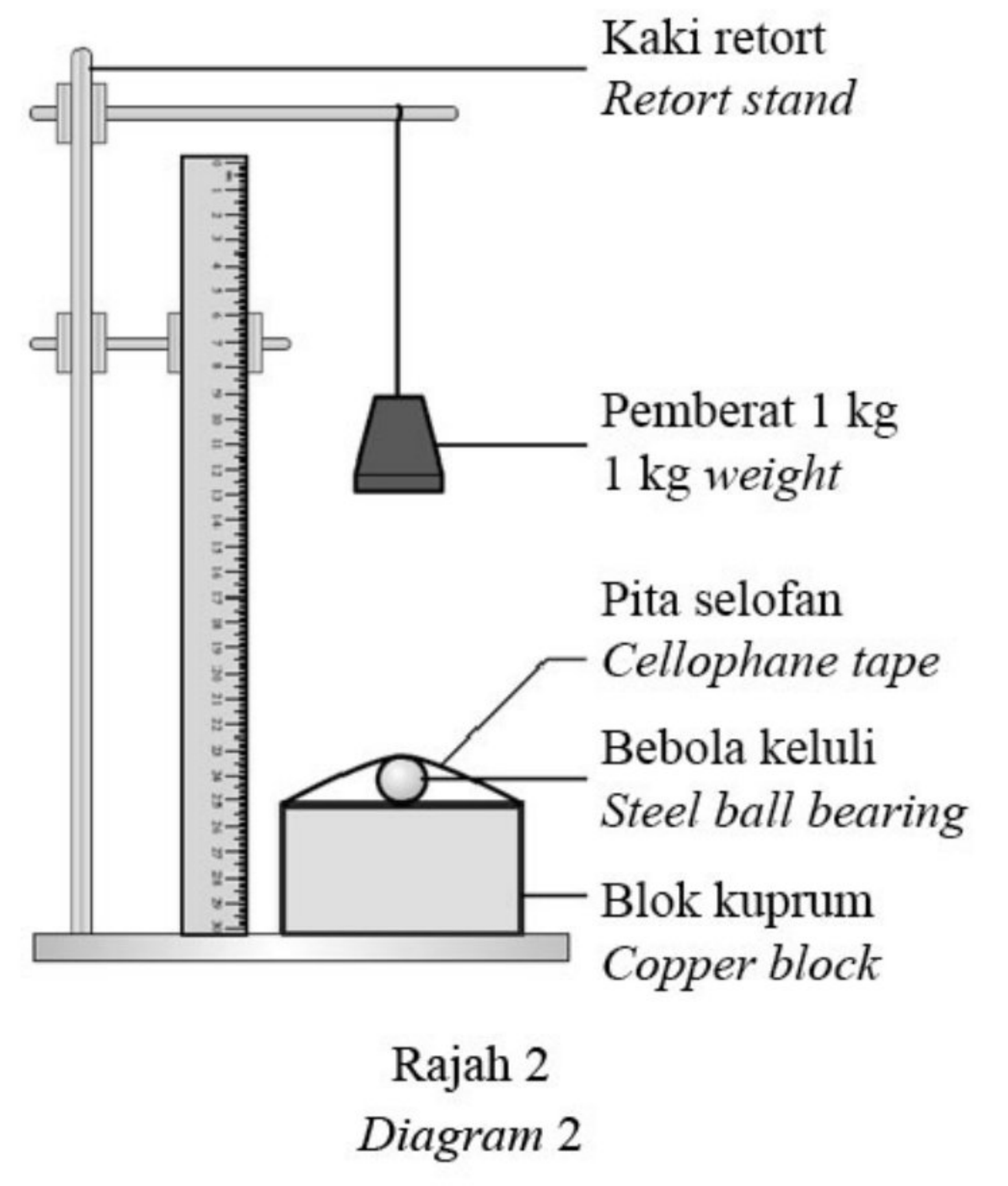
Diagram 2 shows a steel ball bearing on the surface of the copper block using a cellophane tape, next, a weight of 1 kg is released onto the steel ball bearing. Diameter of the dent formed on the surface is recorded. Which of the following block will form a less deep dent as compared of the copper block?
Medium
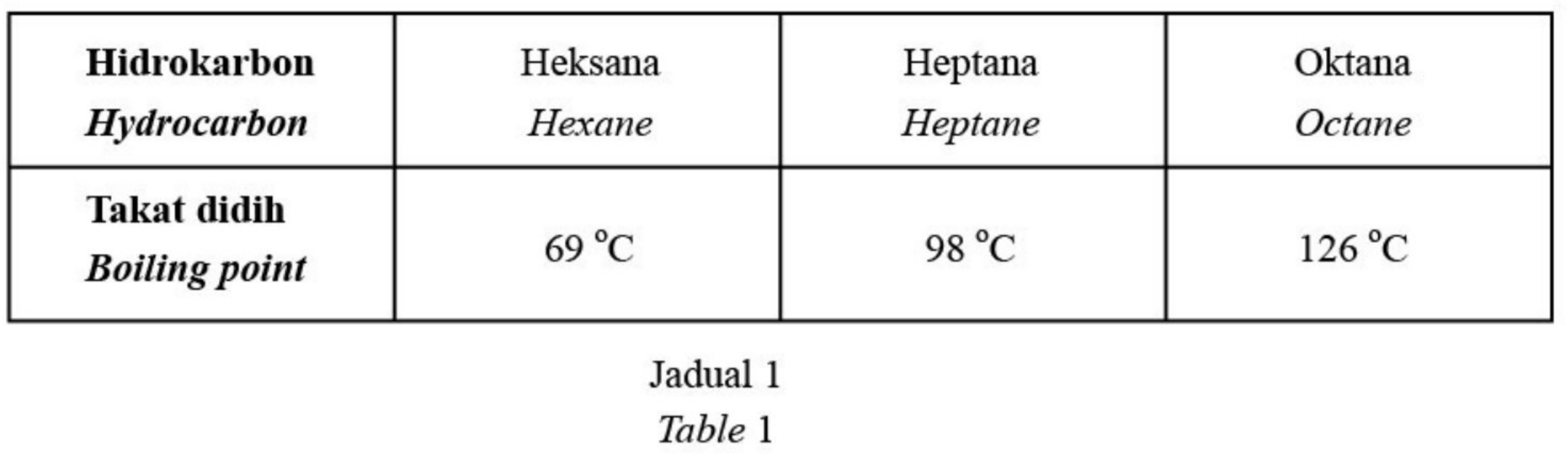
Table 1 shows boiling points for 3 alkanes: Hexane 69 °C; Heptane 98 °C; Octane 126 °C. The boiling point of hexane is the lowest. Which statement exactly explains this phenomenon?
Medium
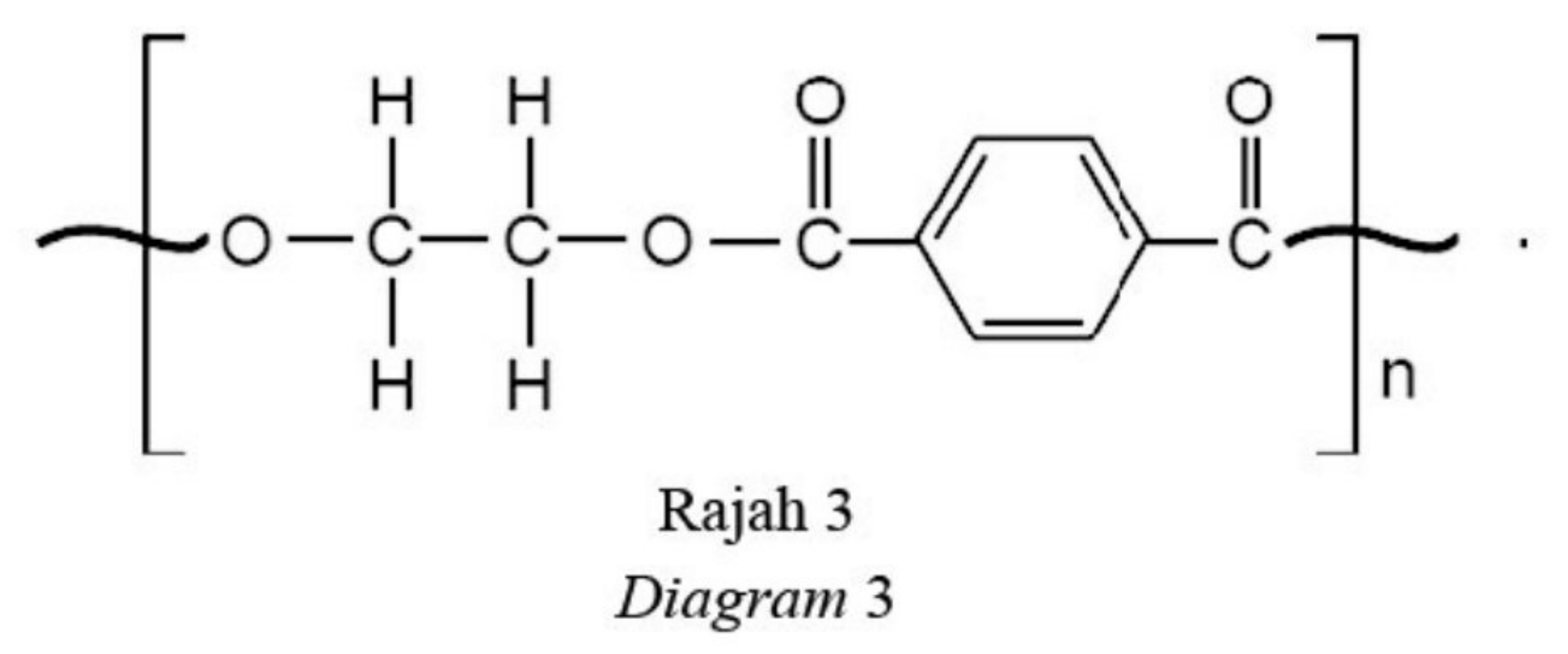
Diagram 3 shows the structural of terylene. How many types of monomers are needed to produce this polymer?
Medium
Discovered neutral particles, that are neutrons in the nucleus. Neutrons contribute almost half of the mass of an atom. The statements above show the information of an atomic structure model. Who are the scientists who identify this?
Easy
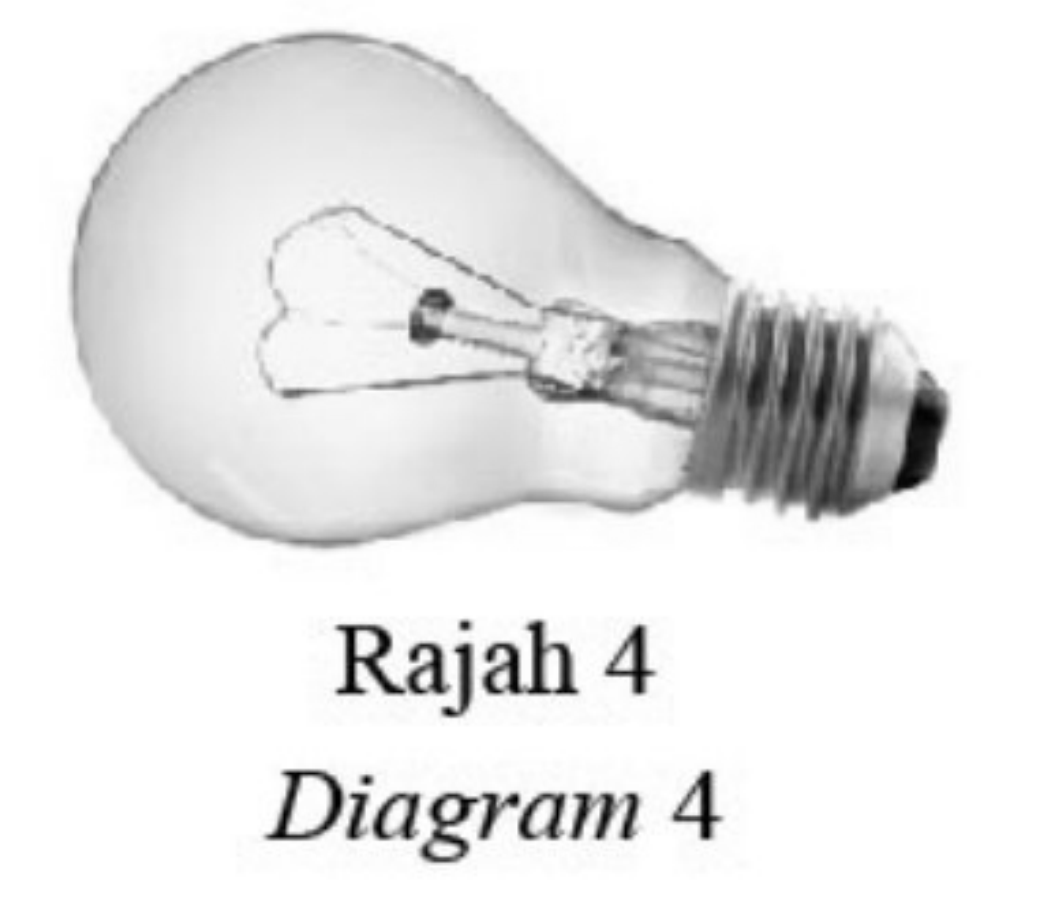
Diagram 4 shows electric bulb which is filled with one of the elements in Group 18. What is the element?
Easy
Which of the following reagent is used to test the presence of cations in the salt?
Easy
An alloy is a mixture of two or more elements where the main element is a metal. Scientists change the elemental composition to produce alloys with different properties. Which of the following elements are found in duralumin?
Easy
Which of the following is the molecular formula for propanoic acid?
Medium
Which of the following is the illustration of vulcanised rubber?
Medium
Chemical equation can be interpreted qualitatively and quantitatively. Which of the following is the balanced chemical equation for the following reactions? Sodium metal reacts with water to produce aqueous solution of sodium hydroxide and hydrogen gas.
Medium
Ethanol, C₂H₅OH is soluble in water. Which of the following statement explains the solubility of ethanol in water correctly?
Medium
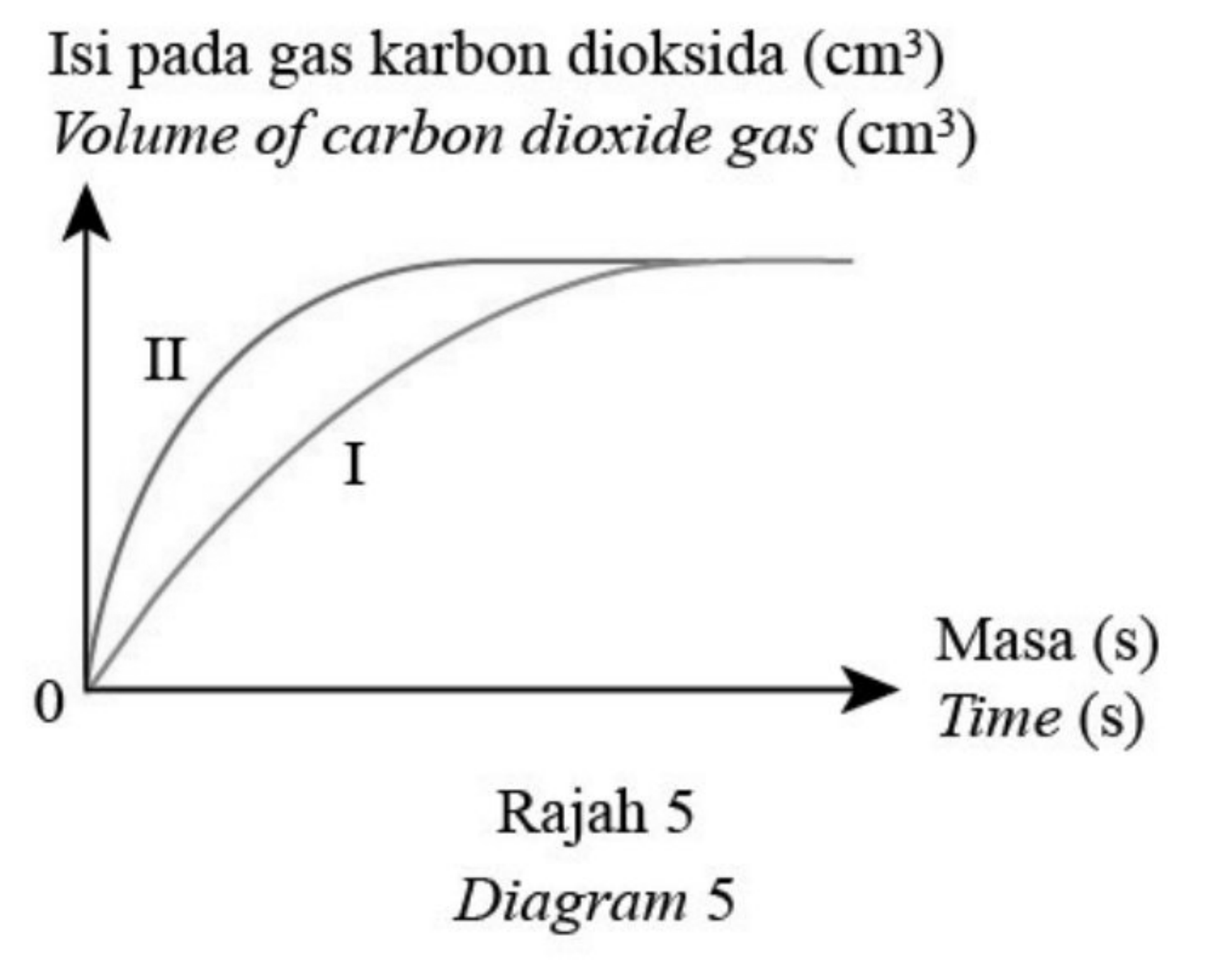
Diagram 5 shows the graph of volume of carbon dioxide gas against time for the two set experiments, I and II. Which of the following statement explains the graph in the Diagram 5 correctly?
Medium
Which statement exactly explains the following redox reaction? Cu(s) + 2AgNO₃(aq) → Cu(NO₃)₂(aq) + 2Ag(s)
Medium
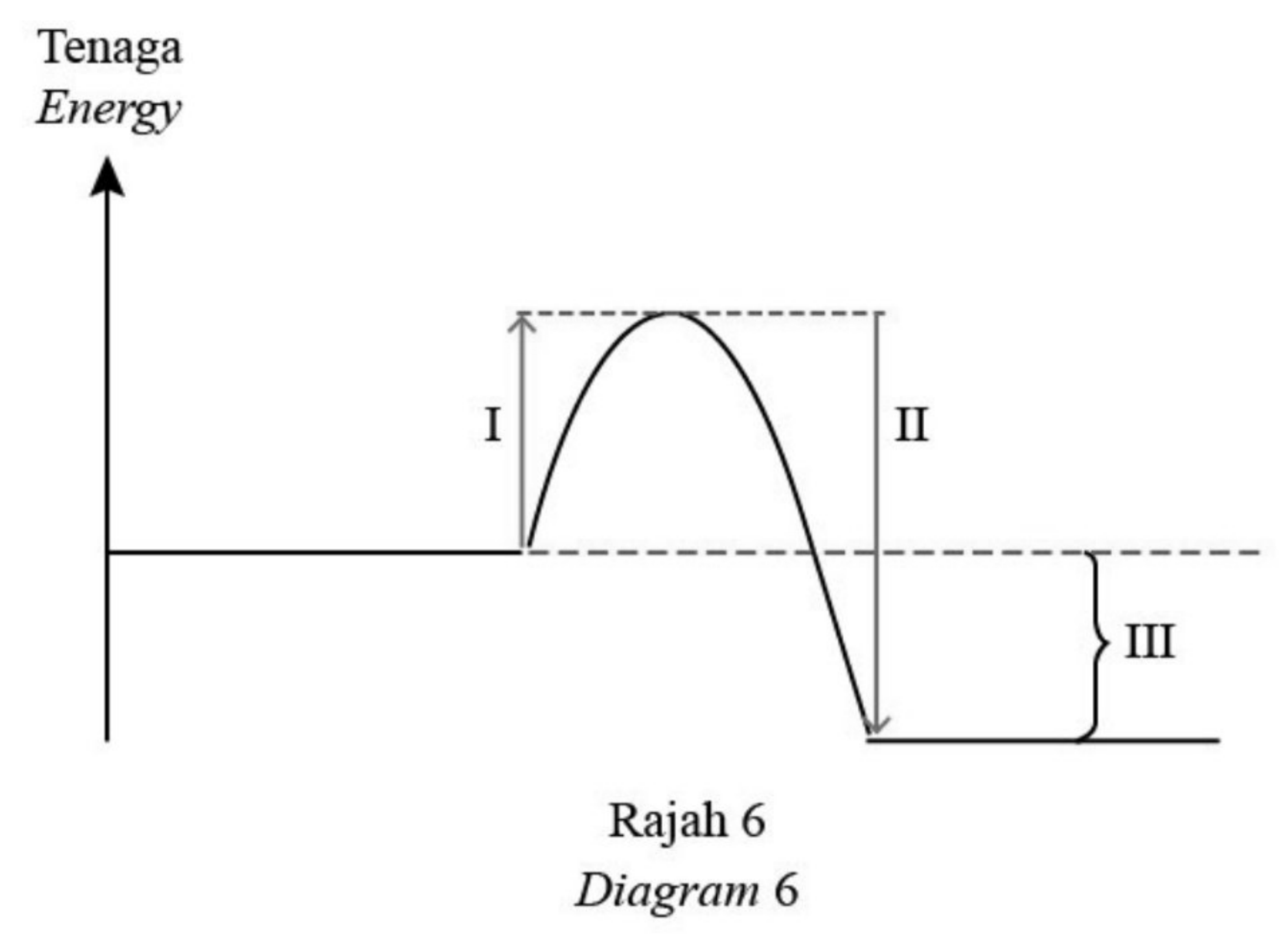
Diagram 6 shows the energy profile for a reaction. Which of the following explains the energy profile in Diagram 6?
Medium
Green Technology is a technology or application developed to minimise the negative effects of harmful human activities. Green Technology is utilised in waste and wastewater management. Which of the following statement explains the reason of the treatment of leachate in solid waste disposal process?
Medium
What is the number of atoms in 0.5 mol of carbon dioxide gas? [Avogadro constant = 6.02 × 10²³ mol⁻¹]
Medium
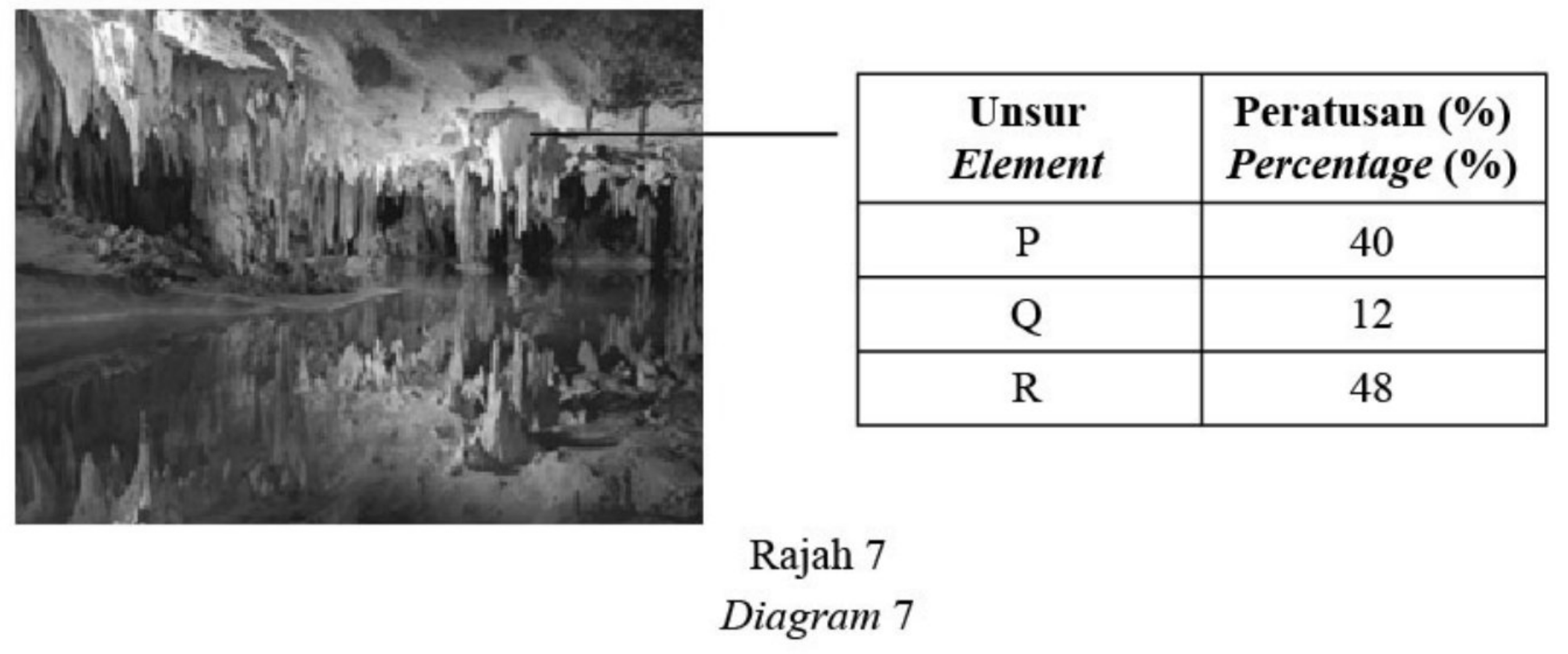
Diagram 7 shows stalactites and stalagmites formed in a limestone cave. Limestone caves consist of a certain compound. The percentages of each element in the compound are recorded in the following table: P 40%; Q 12%; R 48%. Assume that 100 g of the limestone cave sample is used. What is the empirical formula of the compound? [Relative atomic mass: P = 40; Q = 12; R = 16]
Medium
Which acid contains the highest number of hydrogen ions?
Medium
Lead(II) nitrate decomposes when heated. What is the volume of nitrogen dioxide gas is produced when 10 g of lead(II) nitrate is heated at room temperature? [Relative atomic mass: Pb = 207; N = 14; O = 16; Molar volume of gas = 24 dm³ mol⁻¹ at room condition]
Medium
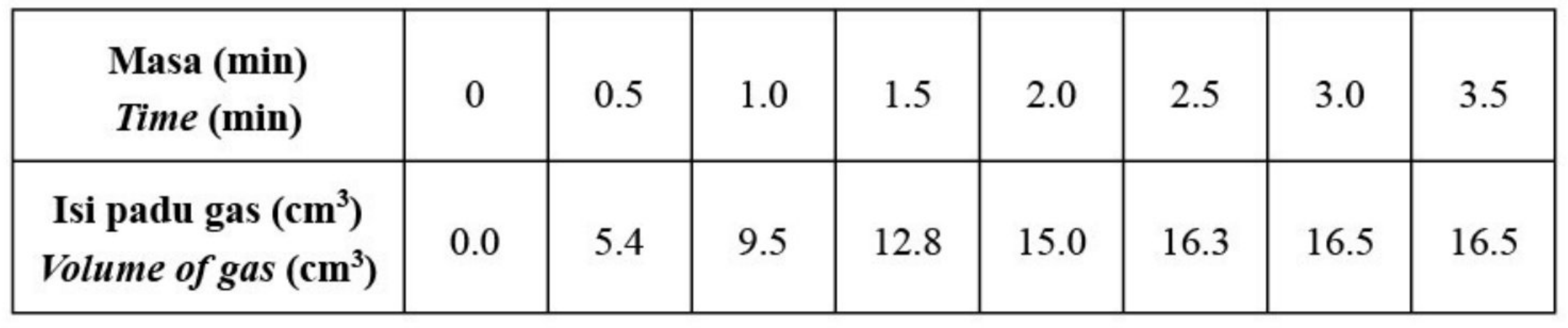
In the presence of manganese(IV) oxide, MnO₂, hydrogen peroxide, H₂O₂ decomposes to be water and oxygen. The oxygen gas released is collected in a syringe and the volume of gas recorded at intervals of 0.5 minute, the data collected is shown in Table 2: Time (min) 0, 0.5, 1.0, 1.5, 2.0, 2.5, 3.0, 3.5; Volume of gas (cm³) 0.0, 5.4, 9.5, 12.8, 15.0, 16.3, 16.5, 16.5. Calculate the overall rate of reaction.
Medium
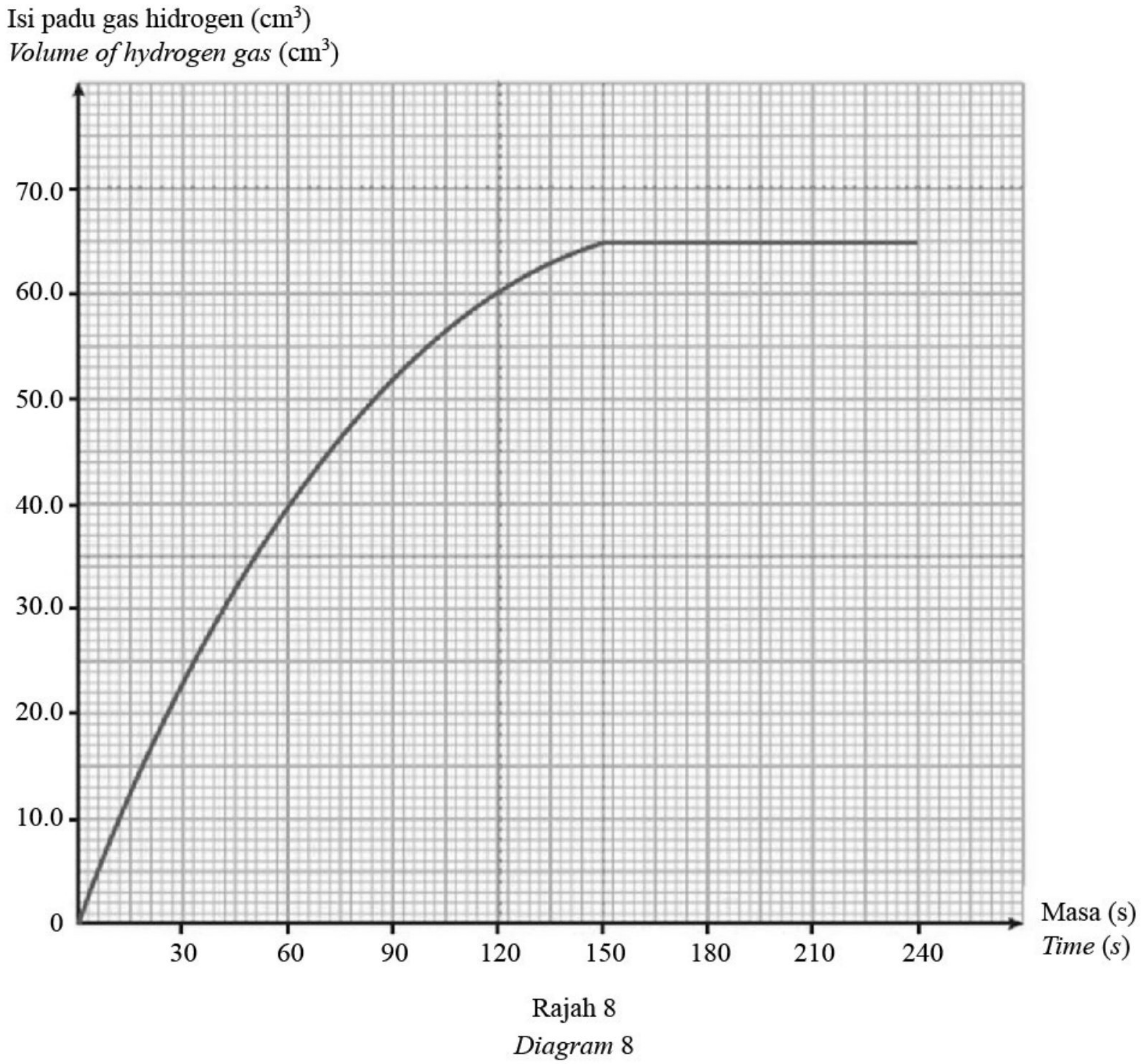
Hydrogen gas is released when excess zinc granules are added into dilute nitric acid. The volume of hydrogen gas released is recorded at intervals of 30 seconds. The graph of volume of hydrogen gas against time is shown in Diagram 8. Calculate the rate of reaction at the 60 s?
Medium
The following thermochemical equation represents a metal displacement reaction. Fe(s) + CuSO₄(aq) → FeSO₄(aq) + Cu(s) ΔH = −250 kJ mol⁻¹. Calculate the heat released when excess iron powder is added to 100 cm³ of 2 mol dm⁻³ copper(II) sulphate solution?
Medium
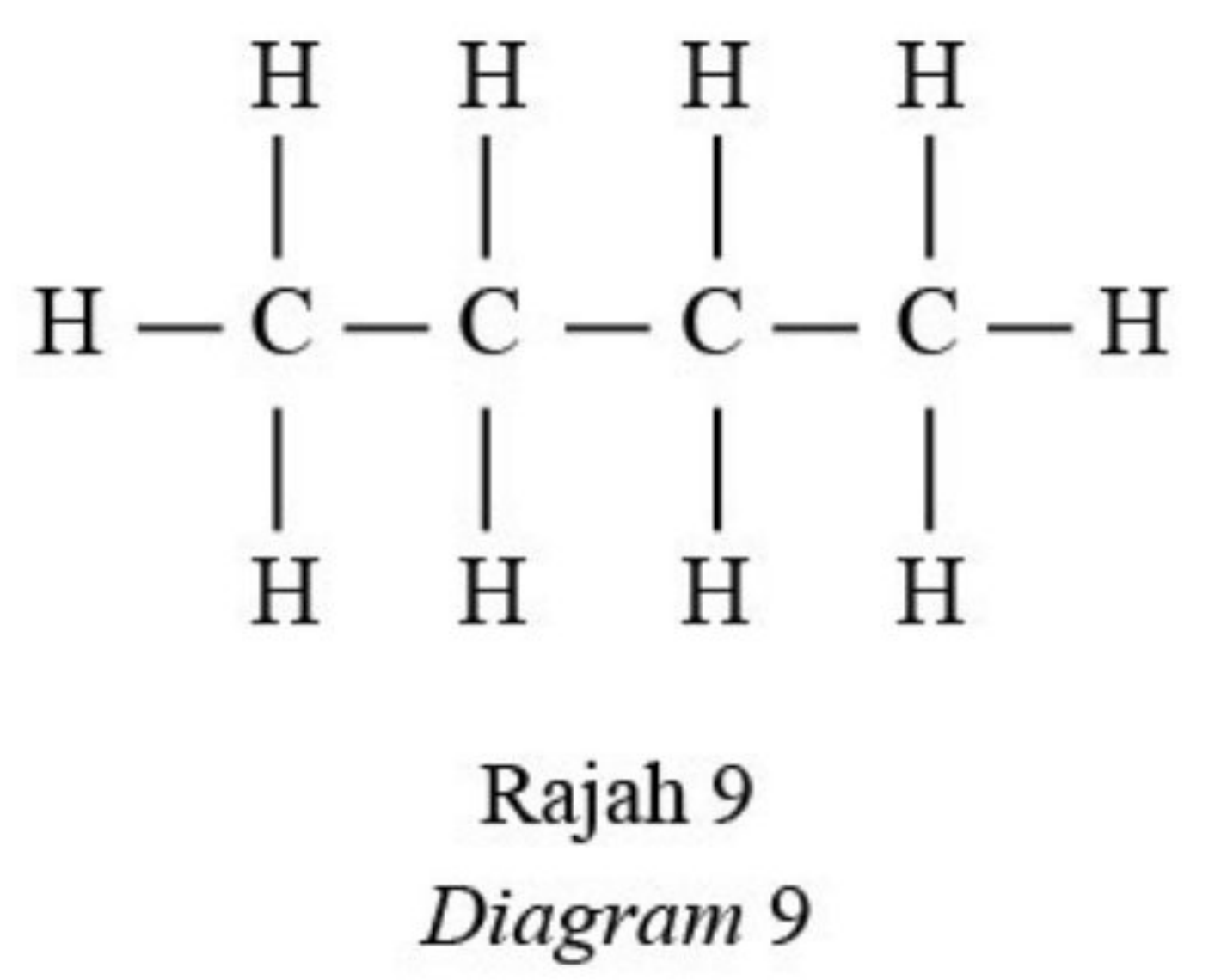
Diagram 9 shows the structural formulae of a hydrocarbon (four carbon atoms joined by single bonds, each carbon bonded to hydrogen atoms). What is the name for the hydrocarbon?
Easy
Which pair of monomer and polymer is correct?
Easy
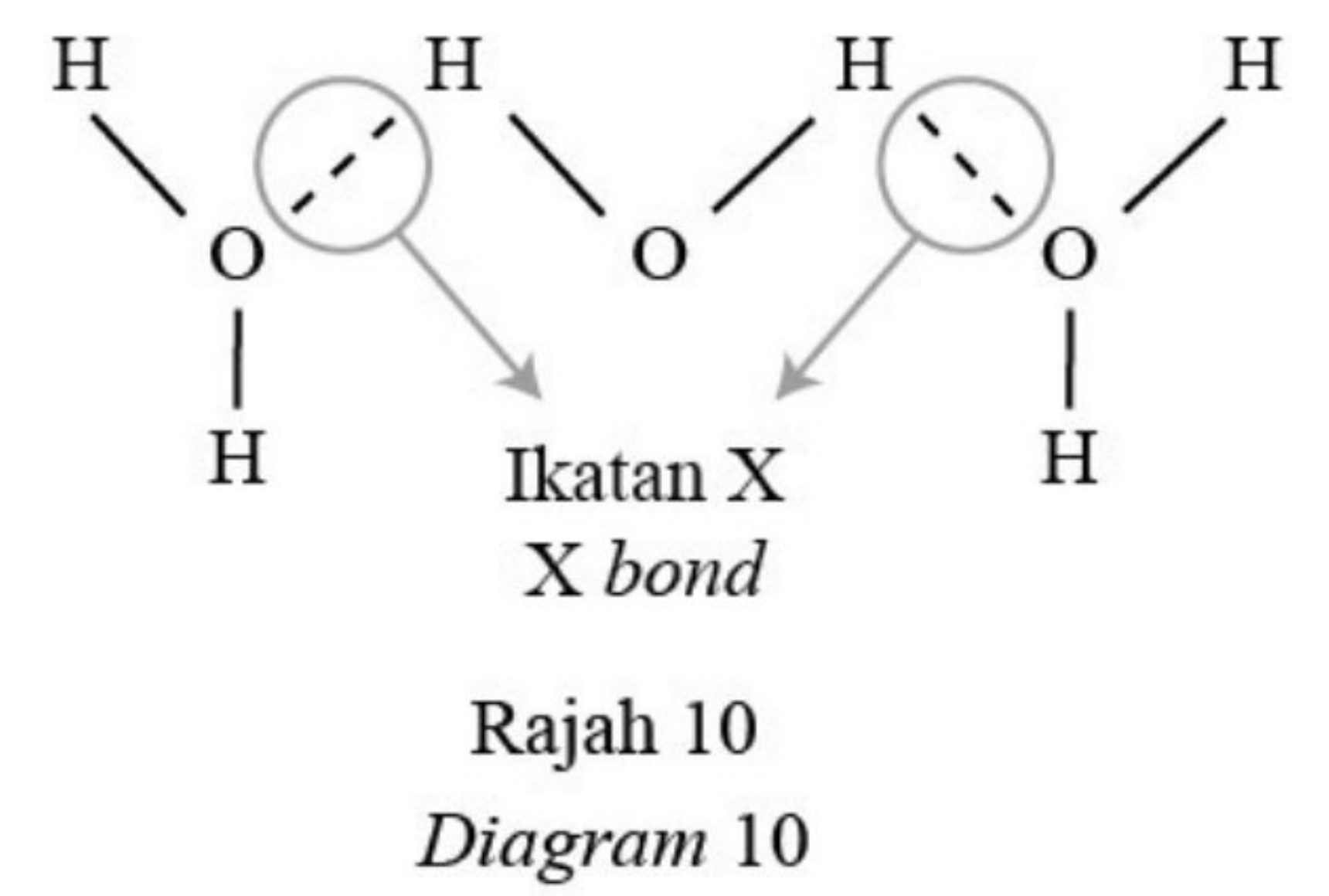
Diagram 10 shows the bond formed in and between water molecules. What is bond X?
Easy
Which of the following tests are suitable to use to differentiate between alkane and alkene? I Reaction with bromine water under sunlight; II Reaction with acidified potassium manganate(VII) solution; III Reaction with acidified potassium dichromate(VI) solution; IV Sootiness of flame
Medium
Most chemical reactions involve reactants in aqueous solution. In that case, the preparation of aqueous solution with specific concentrations is very important. Standard solution is a solution with known concentration. However, sodium hydroxide is not suitable to be used for the preparation of a standard solution. Which of the following statement exactly explains this phenomenon?
Medium
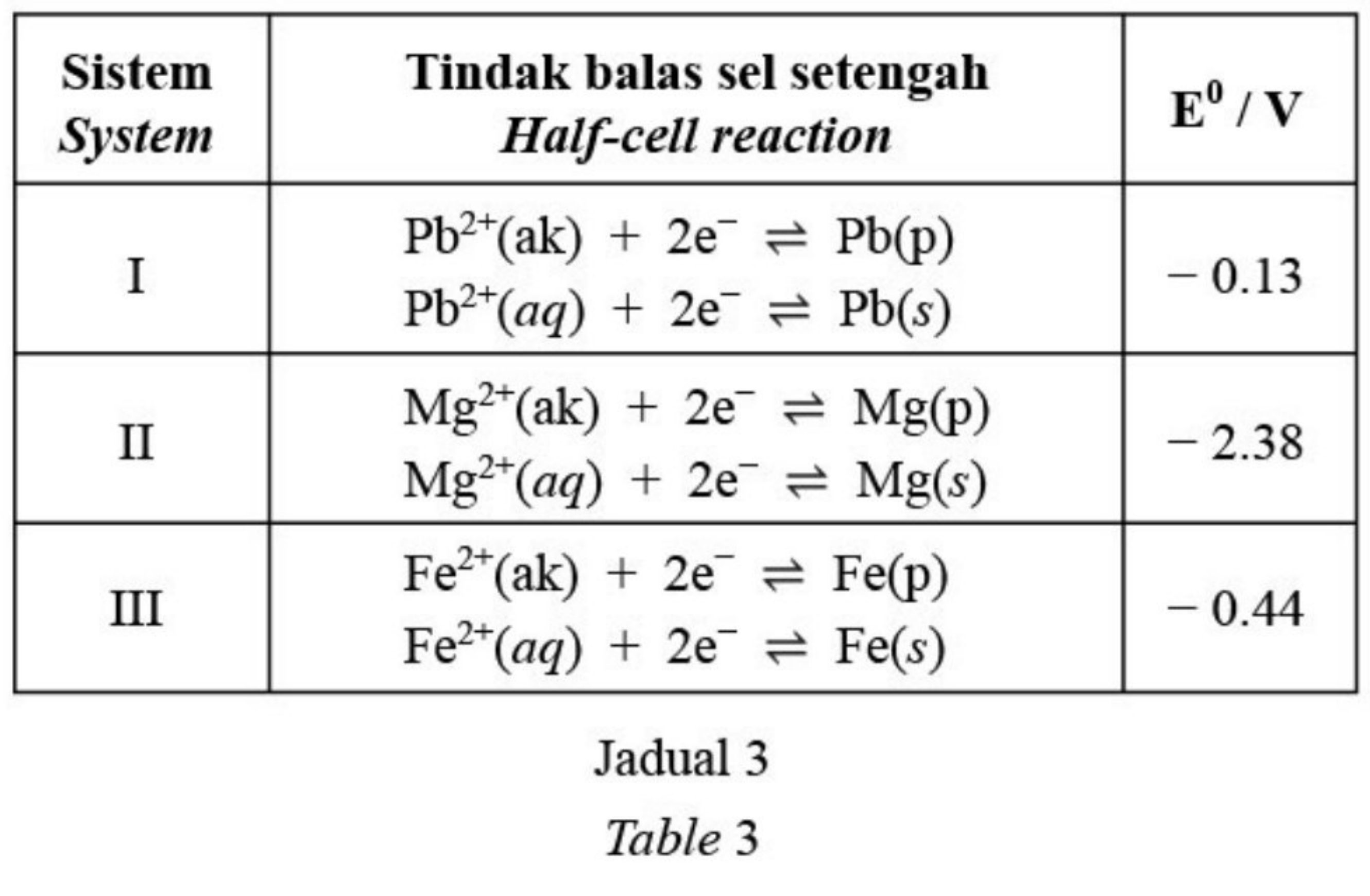
Table 3 shows standard electrode potential, E⁰ for lead, magnesium and iron: I Pb²⁺(aq) + 2e⁻ ⇌ Pb(s) −0.13 V; II Mg²⁺(aq) + 2e⁻ ⇌ Mg(s) −2.38 V; III Fe²⁺(aq) + 2e⁻ ⇌ Fe(s) −0.44 V. Which of the following cell notation represents the voltaic cell that produces the highest voltage?
Medium
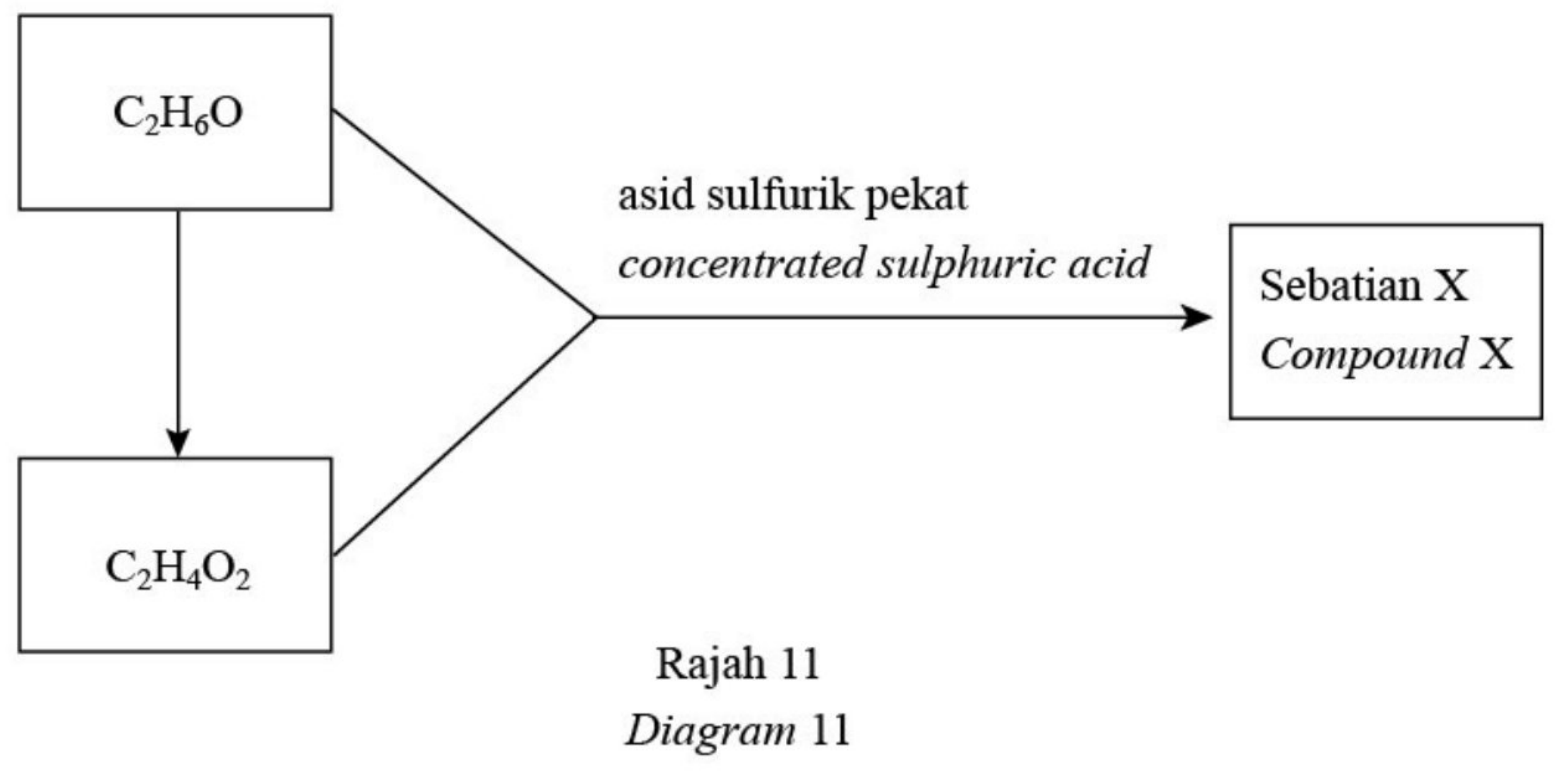
Diagram 11 shows the conversion of compound C₂H₆O into compound C₂H₄O₂. Compound C₂H₆O is a colourless liquid, easy volatile and soluble in water. Reaction between compound C₂H₆O and compound C₂H₄O₂ (with concentrated sulphuric acid) produces compound X. What is compound X?
Medium
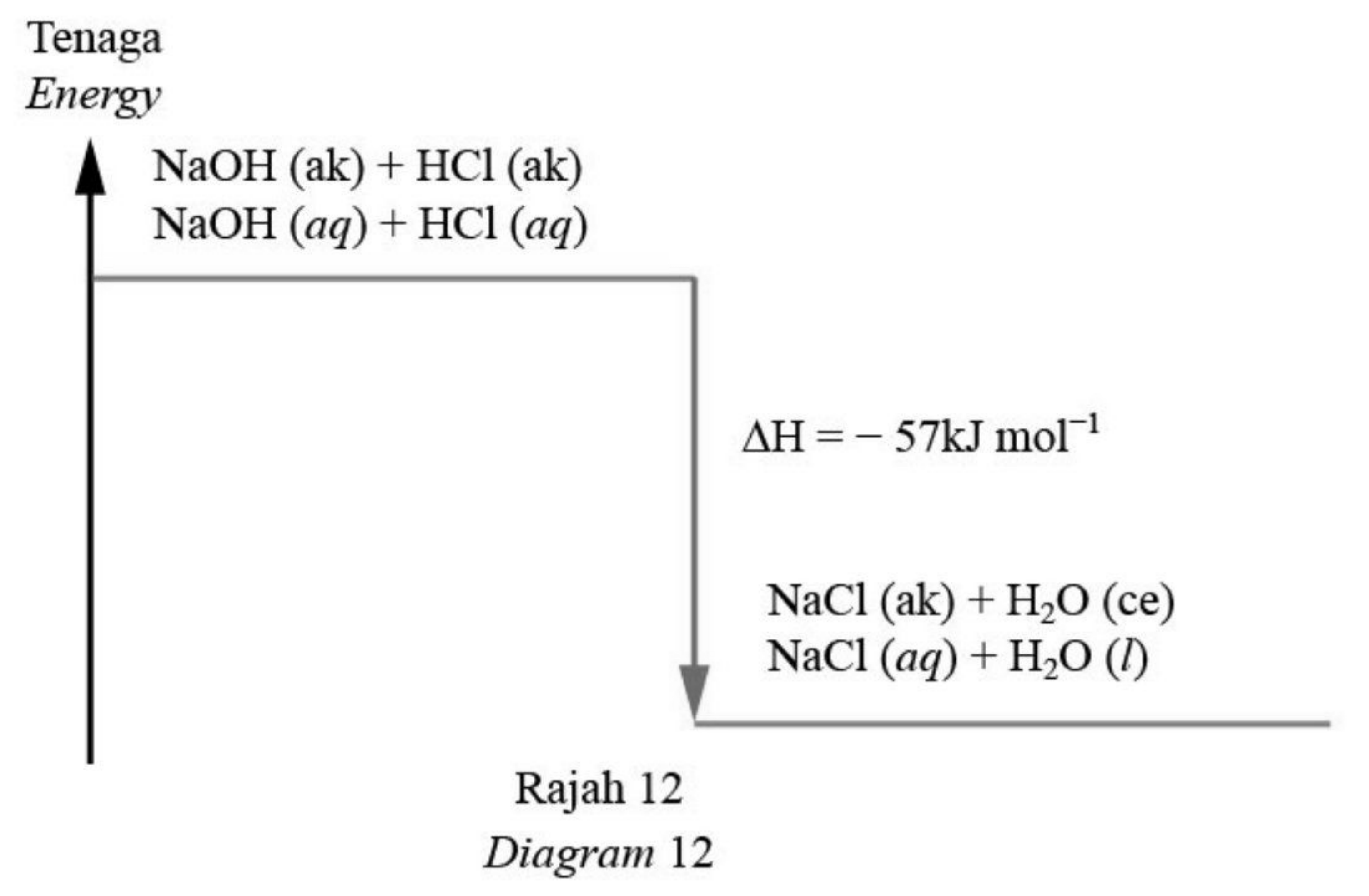
Diagram 12 shows energy level for the neutralisation reaction between sodium hydroxide and hydrochloric acid: NaOH(aq) + HCl(aq) → NaCl(aq) + H₂O(l), ΔH = −57 kJ mol⁻¹. How much heat is released when 50 cm³ of 0.1 mol dm⁻³ sodium hydroxide solution is reacted with 50 cm³ of 0.2 mol dm⁻³ hydrochloric acid?