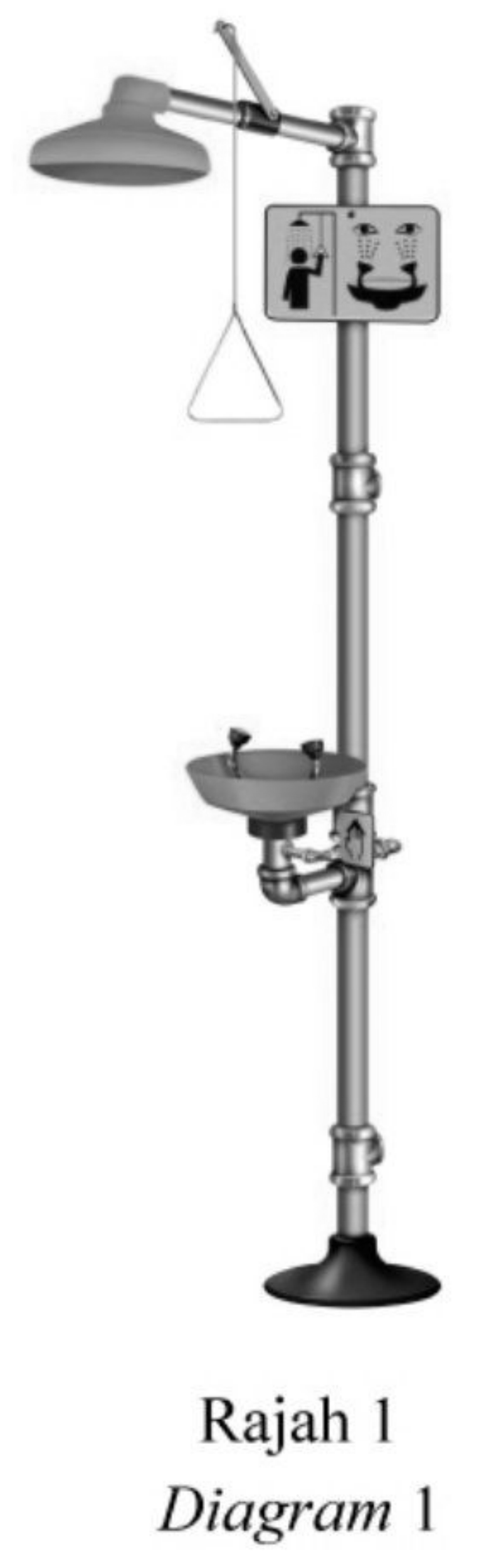
Diagram 1 shows a safety equipment found in a laboratory. What is the name of the equipment?
Easy
Which of the following statements is true about 1 mole of substance?
Medium
Which statement is best explains the formation of a covalent bond?
Easy
Which of the following has the highest rate of reaction?
Easy
Which of the following is true about the reduction reaction?
Easy
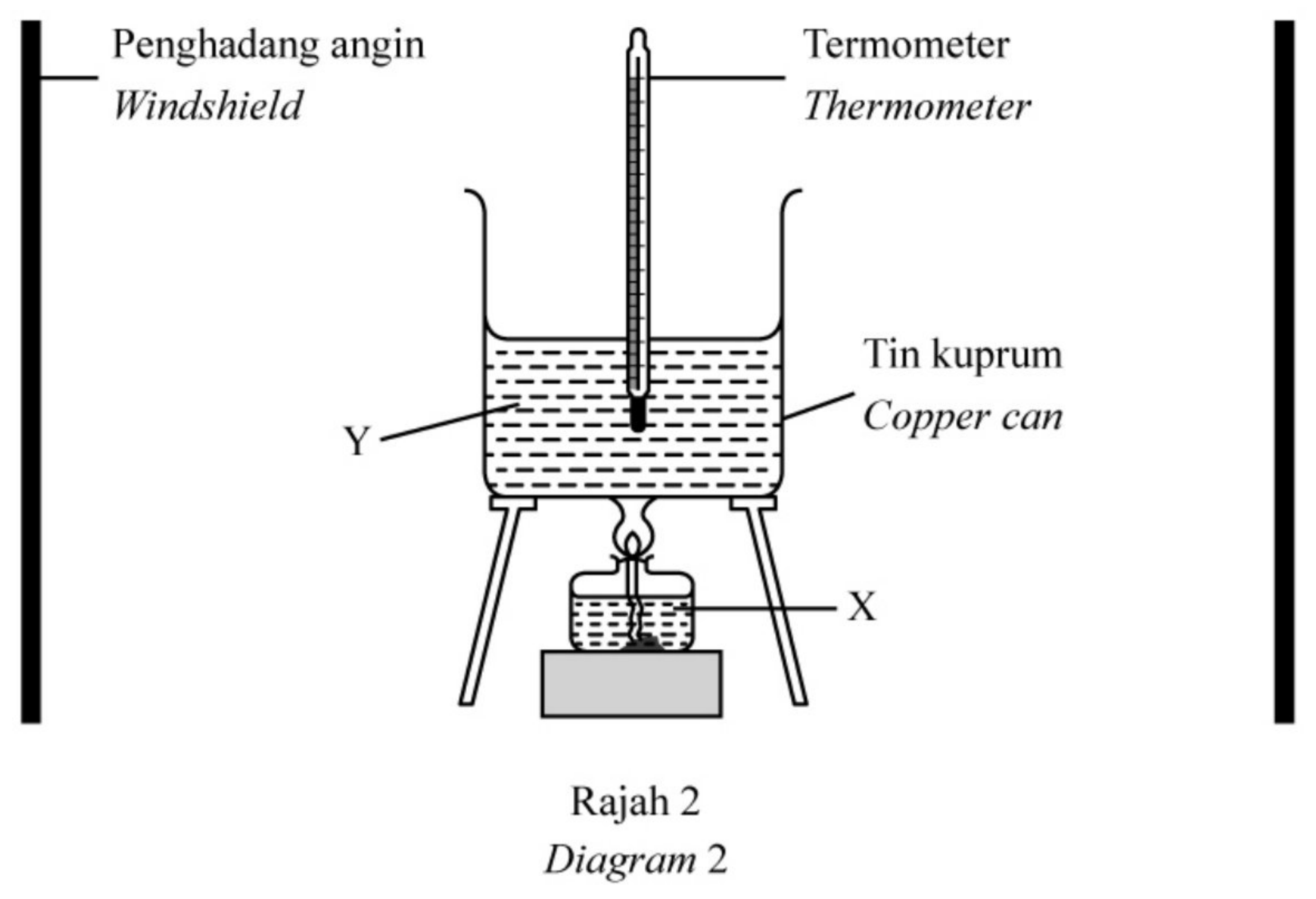
Diagram 2 shows the apparatus set-up to determine the heat of combustion of ethanol, C₂H₅OH (labels: windshield, thermometer, copper can, Y = liquid in copper can, X = liquid in lamp). What are X and Y? A: X Ethanol, Y Water; B: X Water, Y Ethanol; C: X Naphthalene, Y Water; D: X Water, Y Naphthalene.
Medium
What is the main source in the production of soap?
Easy
Which of the following is an example of matter?
Easy
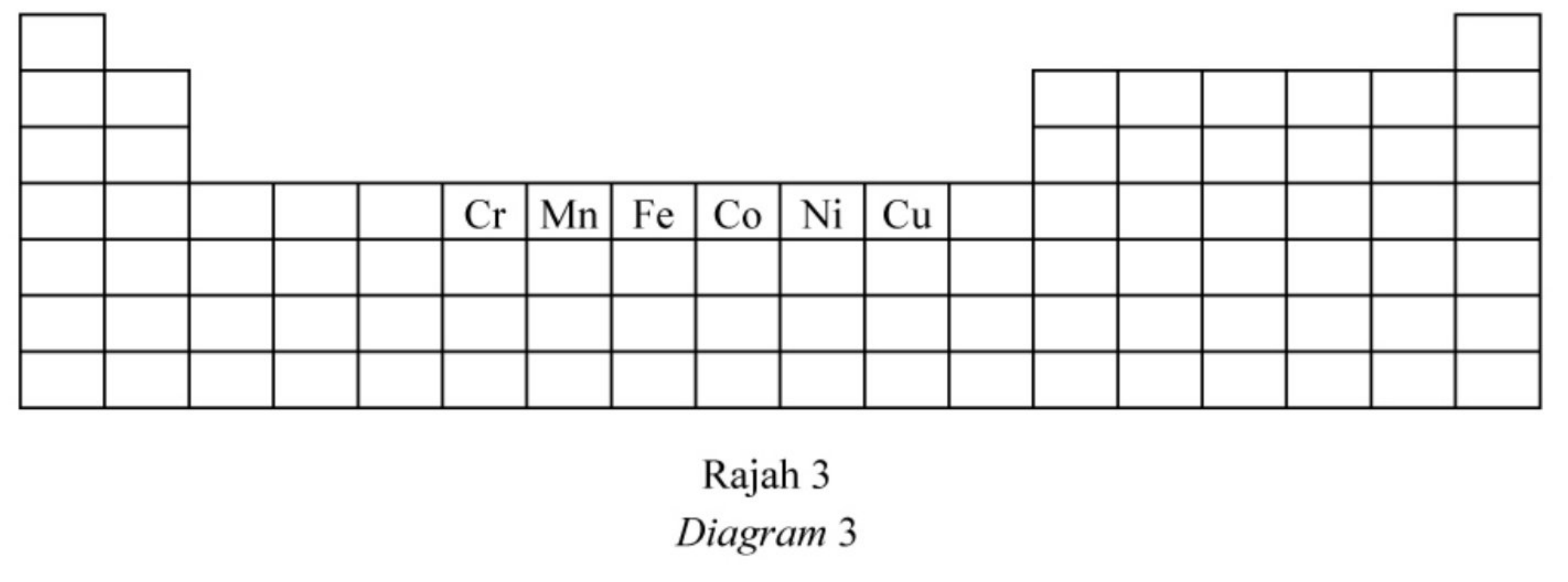
Diagram 3 shows six elements of Period 4 in the Periodic Table of Elements (Cr, Mn, Fe, Co, Ni, Cu). Which of the following is true about the elements? I Have a low melting point; II Able to form coloured compounds; III Do not conduct heat; IV Able to show different oxidation numbers in their compounds.
Medium
Metal oxide X is yellow when hot and white when cold. What is X?
Easy
When glass X is heated to high temperature and quickly put into cold water, X does not crack. What is the possible glass that represent X?
Easy
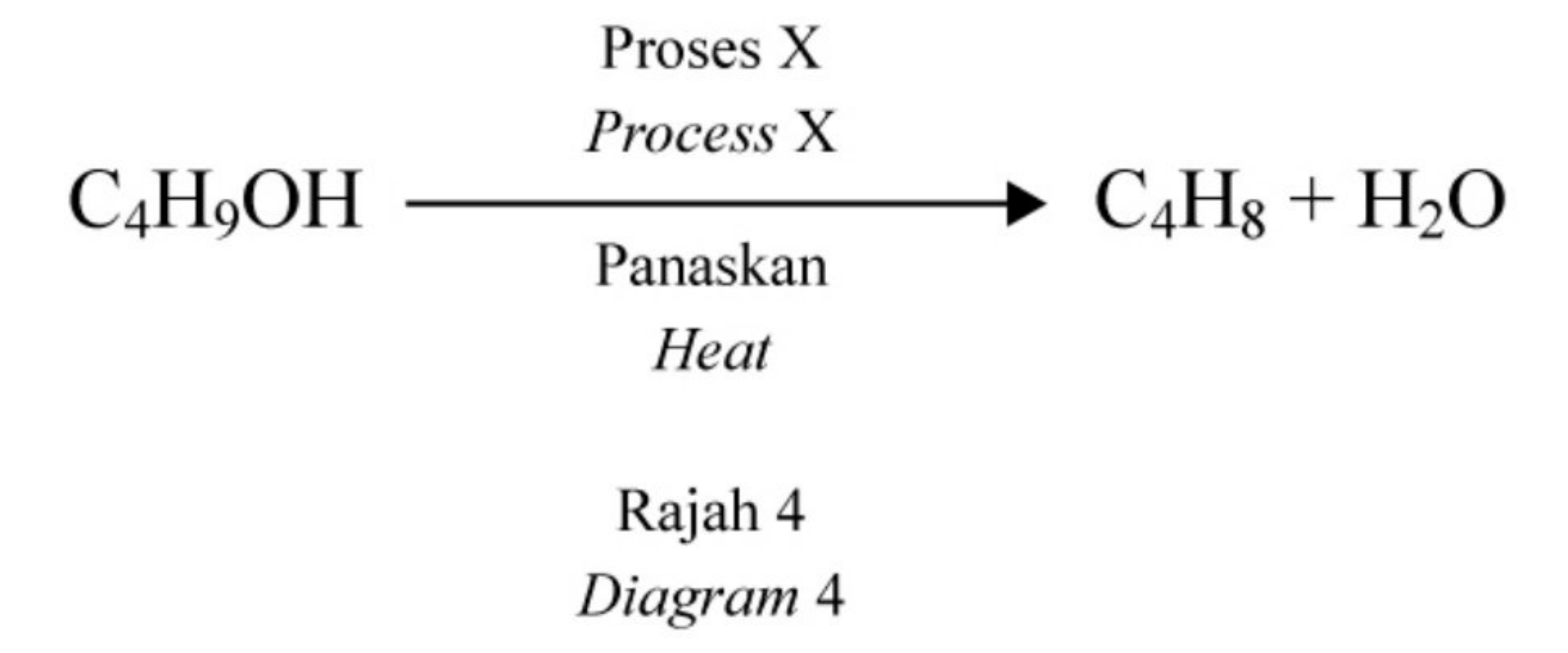
Diagram 4 shows the chemical equation of the conversion of butanol to butene: C₄H₉OH → C₄H₈ + H₂O (Process X, Heat). What is process X?
Easy
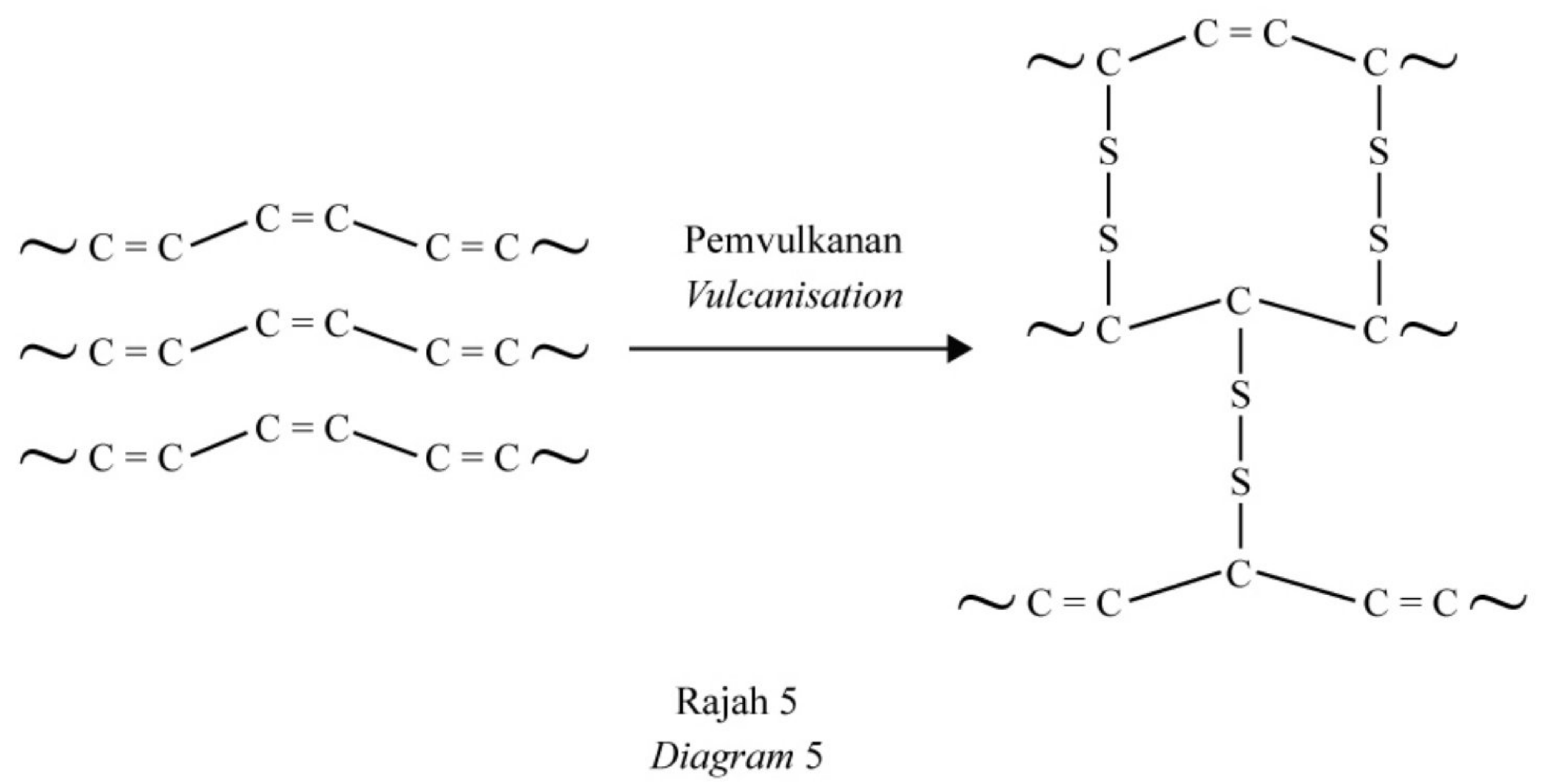
Diagram 5 shows the vulcanisation process of rubber (polymer chains joined by sulphur cross-links). Which of the following are true about vulcanised rubber?
Medium
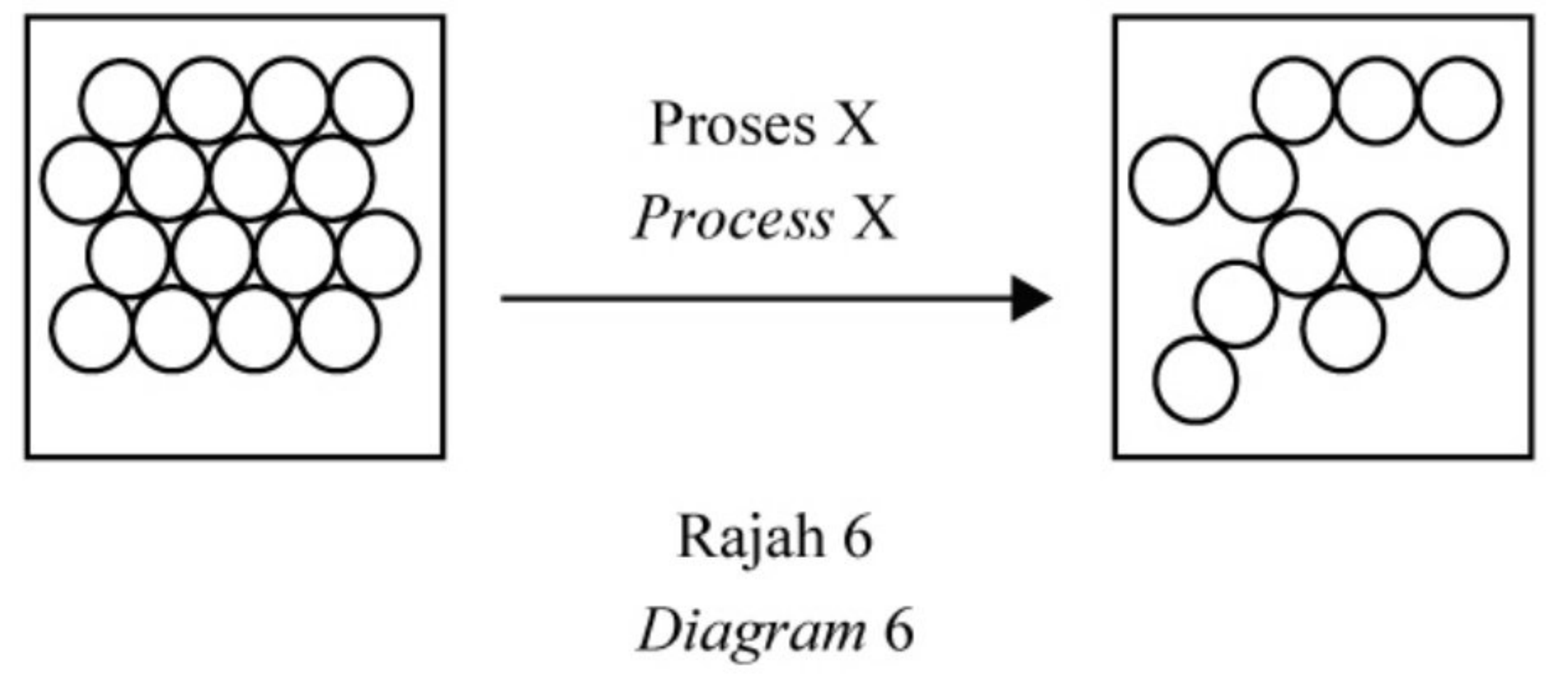
Diagram 6 shows the particles arrangement for the change of state of matter (closely packed regular arrangement changes to particles further apart, still touching, irregular). Which of the following is process X?
Easy
Element X is located in Group 18 in the Periodic Table of Element. X is not the actual symbol of the element. Element X is use in the advertising board lights. What is X?
Easy
Which of the following shows the acidic properties of sulphuric acid?
Easy
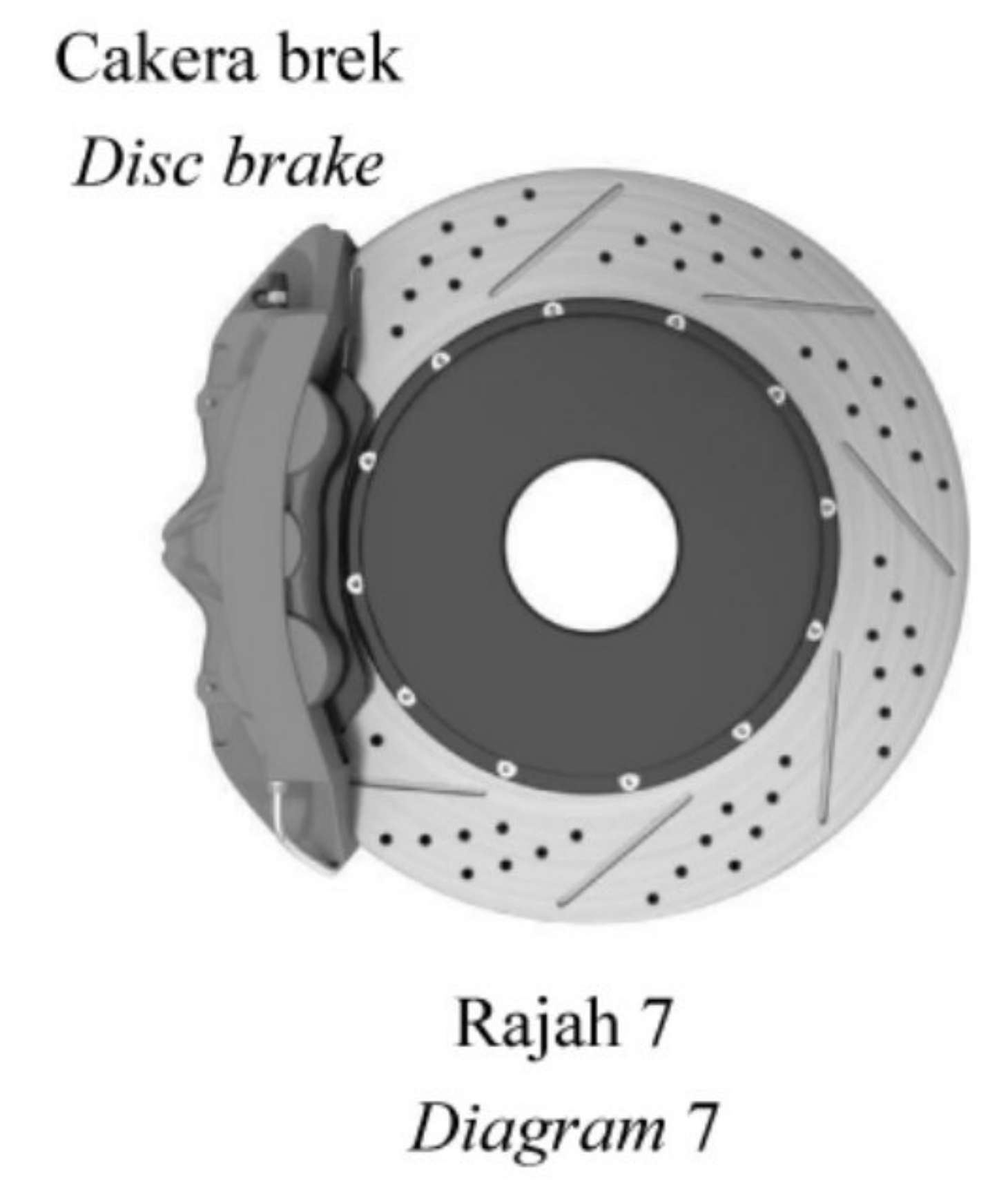
Diagram 7 shows a type of product produced from advanced ceramic technology (a disc brake). State the name of the substance used to form the ceramic.
Medium
Which of the following are the members of esters? I Ethyl methanoate; II Butanoic acid; III Propanoic acid; IV Methyl pentanoate
Medium
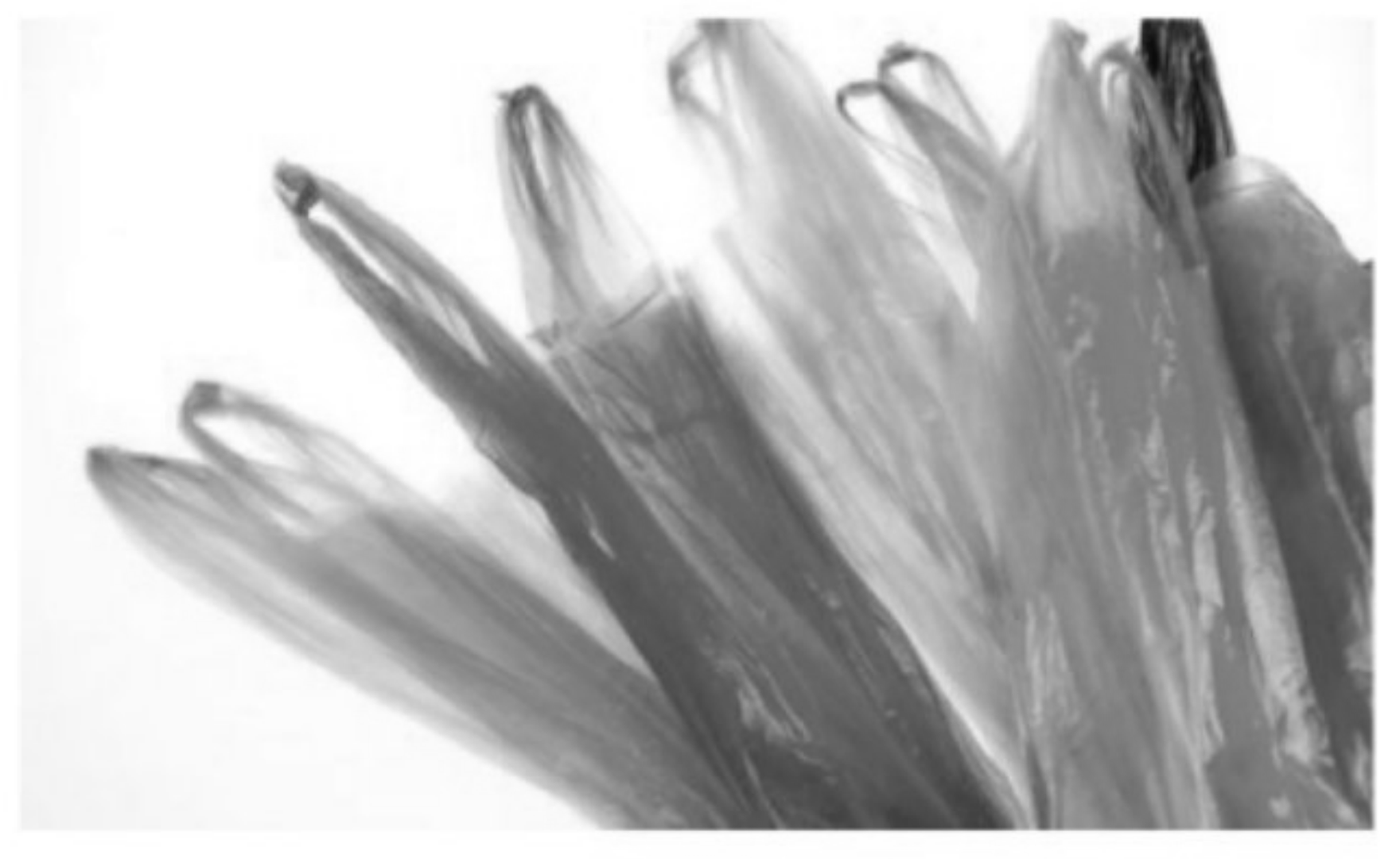
Diagram 8 shows an example of food packaging (plastic bags). Which of the following explains why the packaging pollutes the environment? I Easily biodegradable; II Releases poisonous gases when heated; III Causes the formation of algae; IV Causes blockage of drainage system and flash flood
Easy
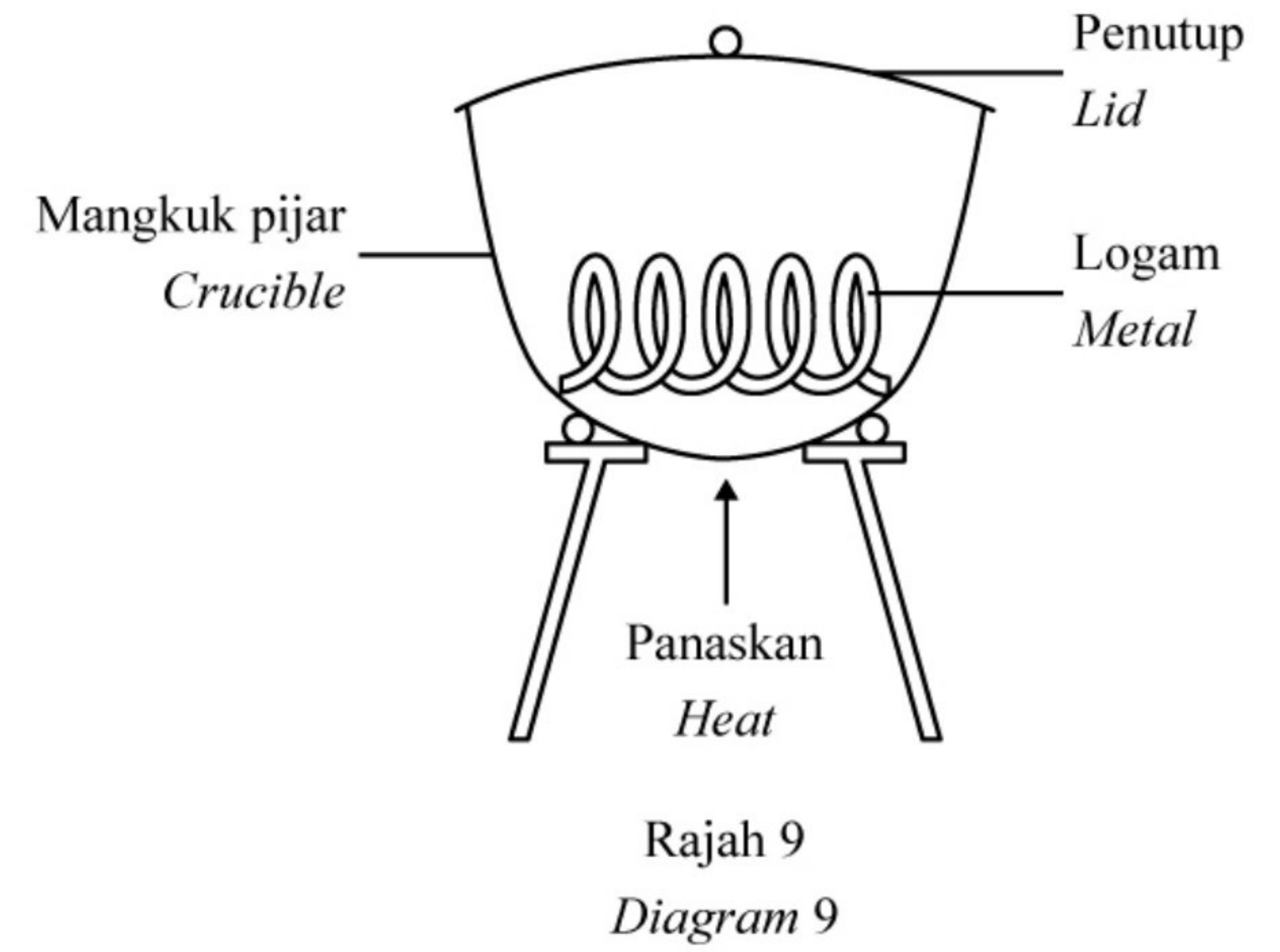
Diagram 9 shows the apparatus set-up to determine the empirical formula of metal oxide (crucible with lid, metal, heat). Which statement explains why the crucible need to be covered by its lid when the metal starts to burn?
Medium
Element Q reacts with oxygen to form a compound with formula QO₂. What is the correct electron arrangement of Q? [Proton number: O = 8]
Medium
The following equation represents a reaction: 2HCl + CaCO₃ → CaCl₂ + H₂O + CO₂. Which of the following methods is the most suitable to increase the rate of reaction?
Medium
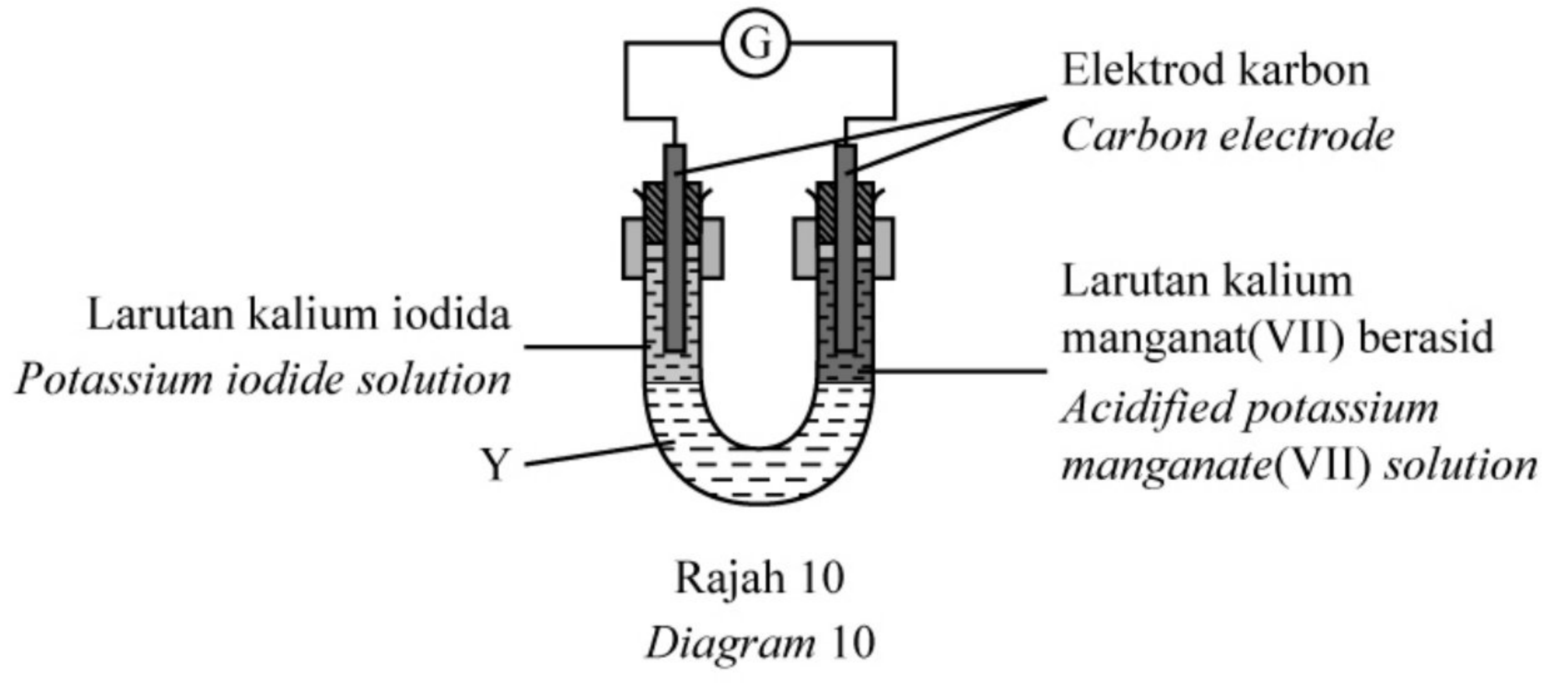
Diagram 10 shows the apparatus set-up for the transfer of electrons at a distance in U-tube (potassium iodide solution and acidified potassium manganate(VII) solution, carbon electrodes, galvanometer G; Y is the liquid at the bottom of the U-tube). State the function of Y.
Medium
Which reaction absorbs heat from the surrounding?
Medium
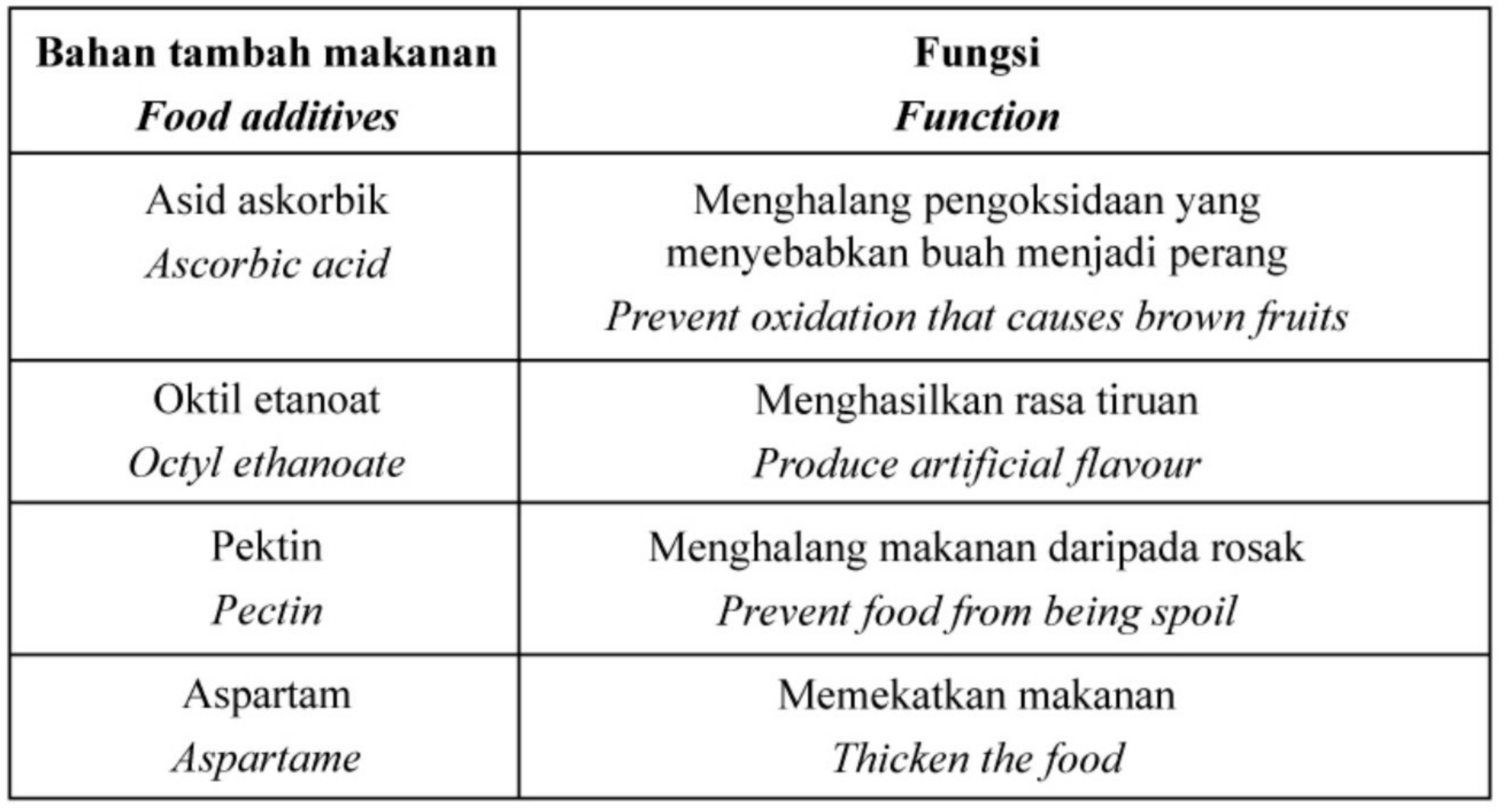
Which food additives is matched correctly? I Ascorbic acid - Prevent oxidation that causes brown fruits; II Octyl ethanoate - Produce artificial flavour; III Pectin - Prevent food from being spoil; IV Aspartame - Thicken the food
Medium
What is the number of atoms in 0.5 mol of ammonia gas? [Avogadro constant = 6.02 × 10²³ mol⁻¹]
Medium
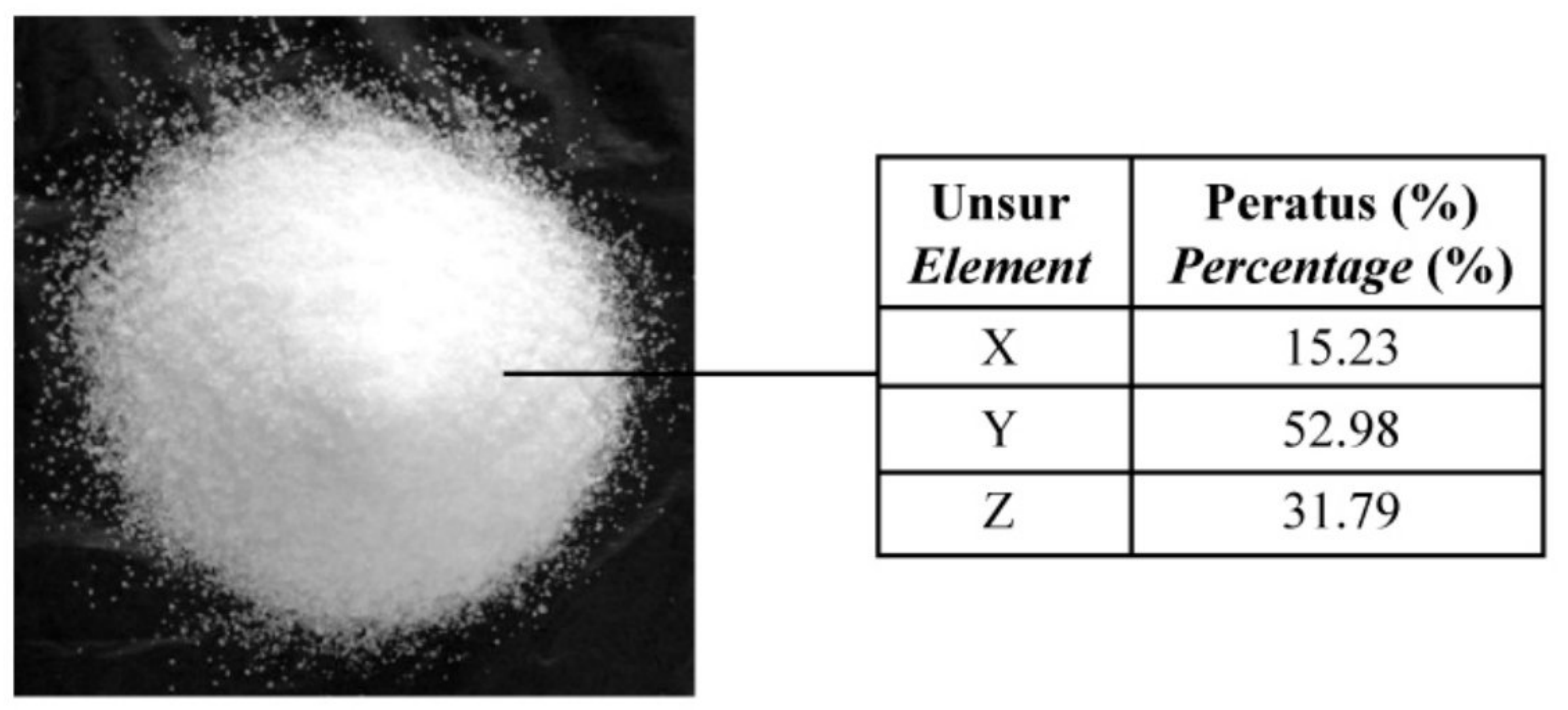
Diagram 11 shows the composition of a certain compound: X 15.23%, Y 52.98%, Z 31.79%. What is the empirical formula of the compound? [Relative atomic mass: X = 23; Y = 80; Z = 16]
Medium
The relative formula mass of salt, M₂(SO₄)₃ is 342. What is the relative atomic mass of element M? [Relative atomic mass: O = 16, S = 32]
Medium
Amin wants to prepare 250 cm³ of 0.3 mol dm⁻³ sodium hydroxide solution. What is the mass of sodium hydroxide does Amin need to produce the solution? [Relative atomic mass: Na = 23, O = 16, H = 1]
Medium
0.2 mol of magnesium powder reacts with excess dilute hydrochloric acid. After 50 seconds, 0.05 mol of magnesium remains as residue. What is the average rate of reaction?
Medium
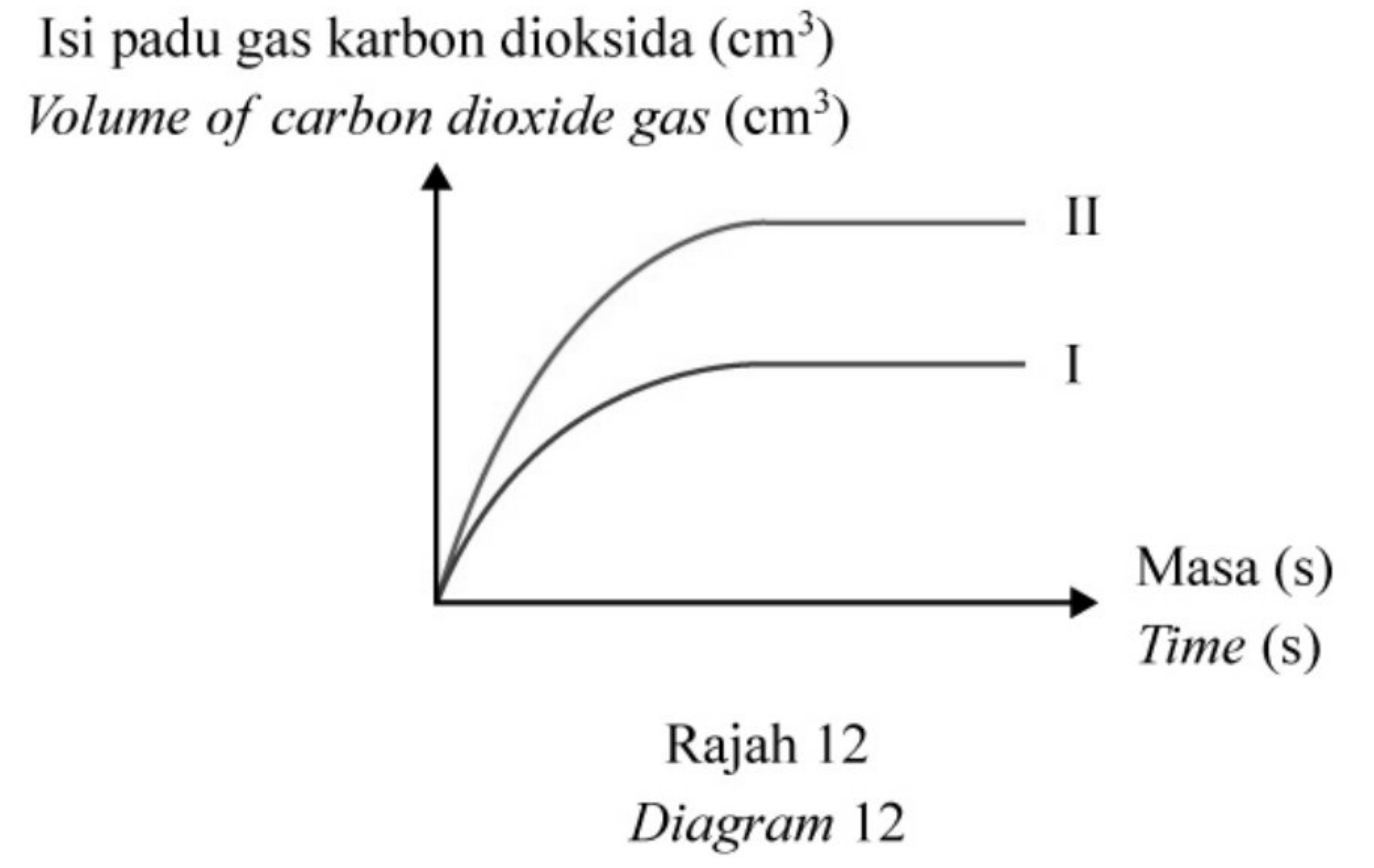
Diagram 12 shows curve II (volume of carbon dioxide gas against time) when excess marble reacted with 50 cm³ of 2.0 mol dm⁻³ hydrochloric acid to produce carbon dioxide gas. Curve I is lower than curve II, with a lower final volume and lower initial rate. If the experiment repeated using another solution, which solution will produce curve I in Diagram 12?
Medium
The heat of combustion of ethanol is –1 371 kJ mol⁻¹. If 3 g of ethanol is burnt to heat up 300 cm³ of water, calculate the temperature change. [Relative atomic mass: H = 1, C = 12, O = 16; Specific heat capacity of water = 4.2 J g⁻¹ °C⁻¹]
Medium
Which compound is unsaturated hydrocarbon?
Easy
Latex can be kept in liquid state by adding ……….
Easy
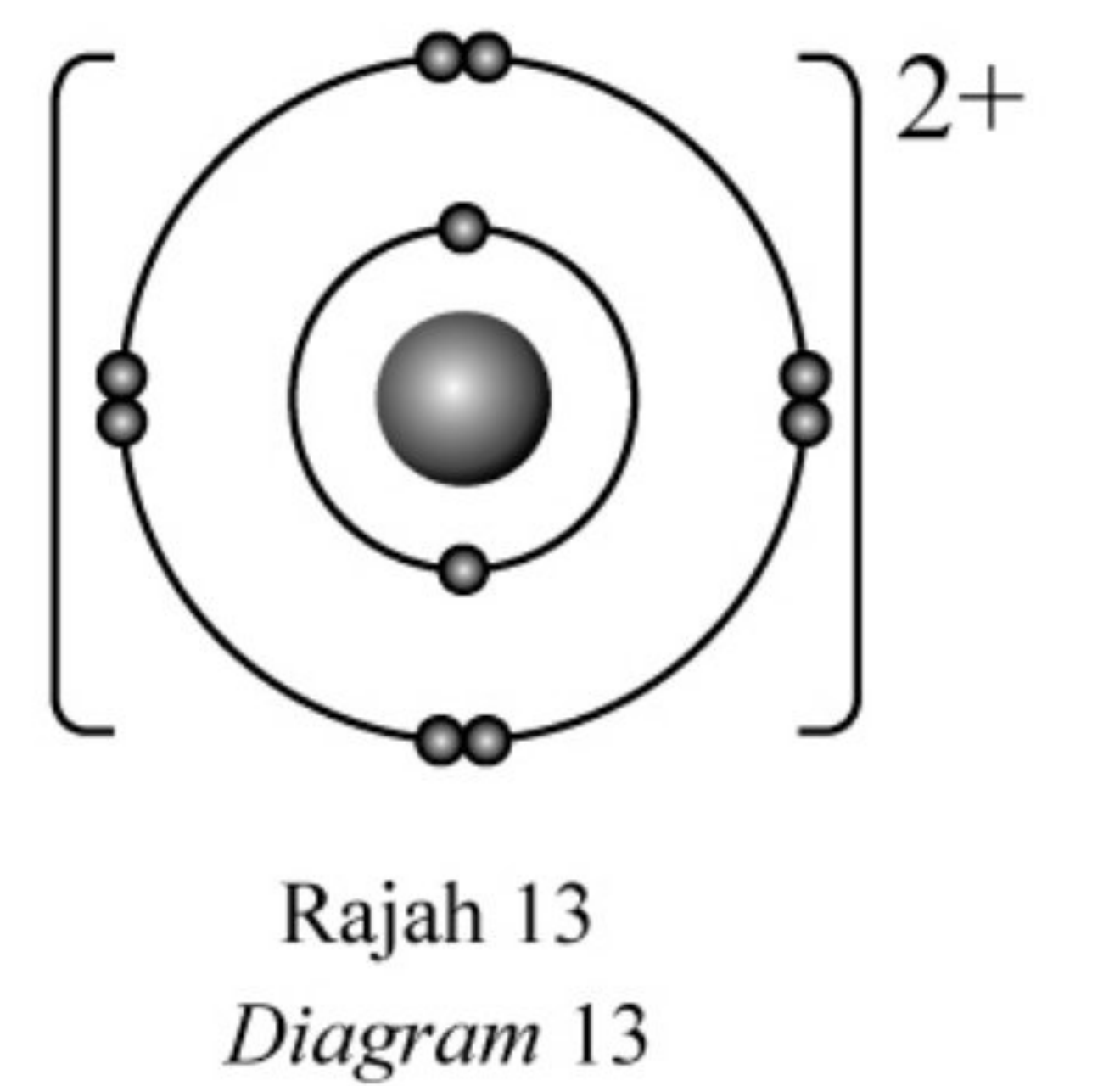
Diagram 13 shows electron arrangement of the Y ion (Y²⁺, with 2 electrons in the first shell and 8 in the second shell). What is the number of valence electron for atom Y?
Medium
Which of the following compounds will react with zinc to release hydrogen gas?
Easy
A boy was stung by a bee while in his father's garden. Which of the following substance is suitable to reduce the boy's pain?
Easy
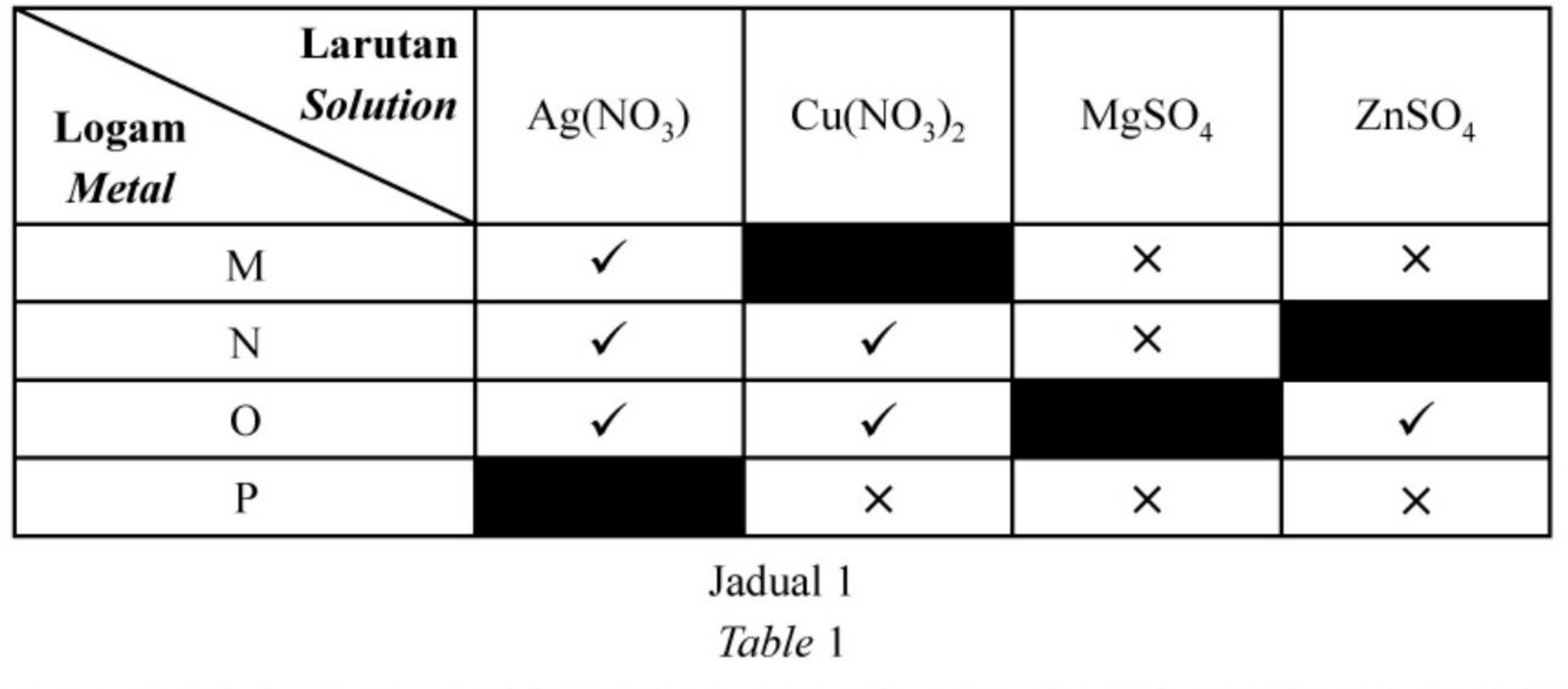
Table 1 shows results of displacement reaction for metal M, N, O and P (with solutions of Ag(NO₃), Cu(NO₃)₂, MgSO₄, ZnSO₄). Which metal has the highest tendency to donate electrons to form an ion?
Medium
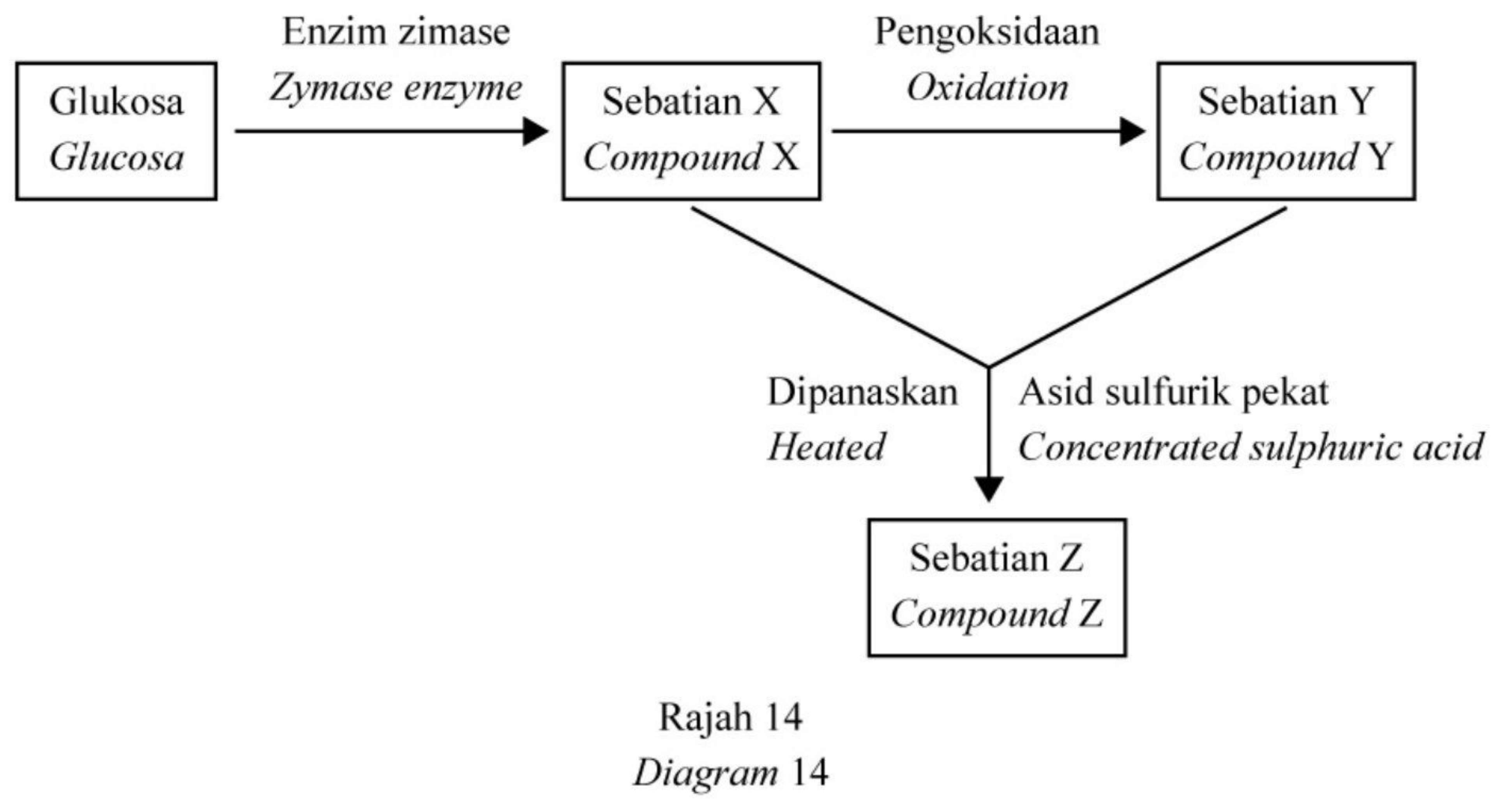
Diagram 14 shows the conversion of compound X into compound Y (glucose → compound X by zymase enzyme; X → Y by oxidation; X + Y heated with concentrated sulphuric acid → compound Z). Compound X is a colourless liquid, volatile easily and soluble in water. Reaction between compound X and compound Y will produce compound Z. What is compound Z?
Medium
The following thermochemical equation represents a precipitation reaction: Na₂CO₃(aq) + Ca(NO₃)₂(aq) → CaCO₃(s) + 2NaNO₃(aq), ΔH = +30 kJ mol⁻¹. 100 cm³ of 1.0 mol dm⁻³ sodium carbonate solution is added to 100 cm³ of 1.0 mol dm⁻³ calcium nitrate solution. What is the temperature change of the mixture? [Specific heat capacity of the solution = 4.2 J g⁻¹ °C⁻¹; Density of the solution = 1 g cm⁻³]