Write your answer on paper. Then open the answer to check it.
Section A
Diagram 1 shows the National Monument (Tugu Negara), built in 1966 using an alloy. The purity of gold alloys is measured in carat (K). 24K gold is pure gold while 18K gold is 18 parts of gold with 6 parts of other metals such as copper by mass.
Medium5 marks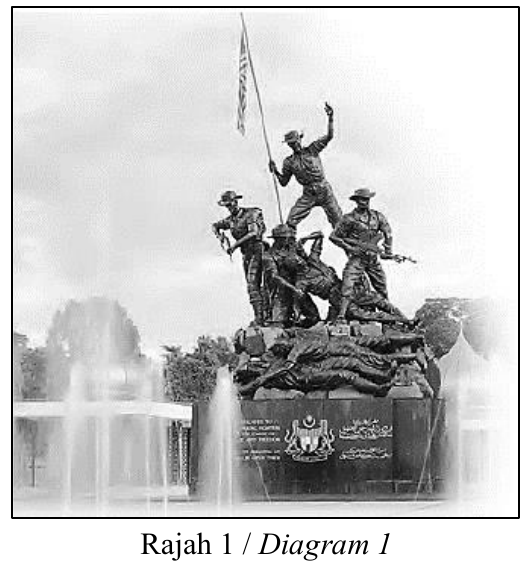
- (a)(i)
What is the meaning of alloy?
[1] - (a)(ii)
What is the alloy used to build the National Monument?
[1] - (a)(iii)
What is the main composition of the alloy in 1(a)(ii)?
[1] - (b)(i)
Which gold is not an alloy?
[1] - (b)(ii)
What is the purpose of mixing copper in 18K gold?
[1]
Diagram 2 shows the atomic structure of a carbon-12 atom (electron arrangement 2.4).
Medium5 marks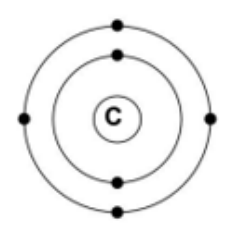
- (a)(i)
Name the positively charged subatomic particle in the atom.
[1] - (a)(ii)
State the number of neutrons found in the nucleus of carbon-12.
[1] - (a)(iii)
Another isotope of carbon is carbon-14. What is the difference between carbon-14 and carbon-12 atoms?
[1] - (b)(i)
Atom Z has 4 protons and 5 neutrons. Write the standard representation of atom Z.
[1] - (b)(ii)
Atom Z can form an ion. Write the electron arrangement of the Z ion.
[1]
Diagram 3.1 shows a bowl of ice cream served at a birthday party. Ingredient X is added to mix fat and water in ice cream. Diagram 3.2 shows a nano-emulsion food additive and Diagram 3.3 shows a sheet of graphene (carbon allotrope, 0.1 nm).
Medium6 marks- (a)(i)
Ingredient X is added to mix fat and water in ice cream. Suggest the food additive suitable for X.
[1]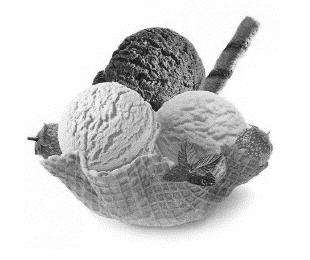
- (a)(ii)
State a material X.
[1] - (a)(iii)
State another example of food additive in ice cream.
[1] - (b)(i)
What is the meaning of nanotechnology?
[1]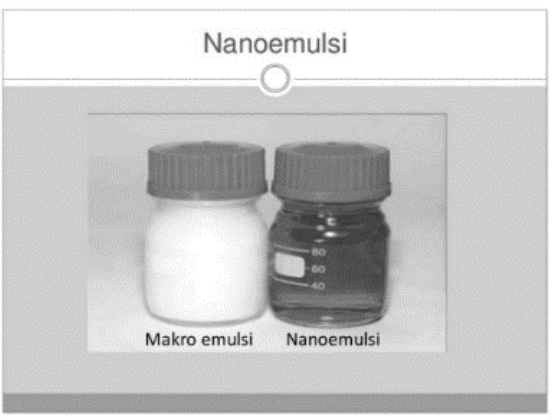
- (b)(ii)
"Graphene is suitable for desalination of seawater to form water suitable for drinking." Explain this statement.
[2]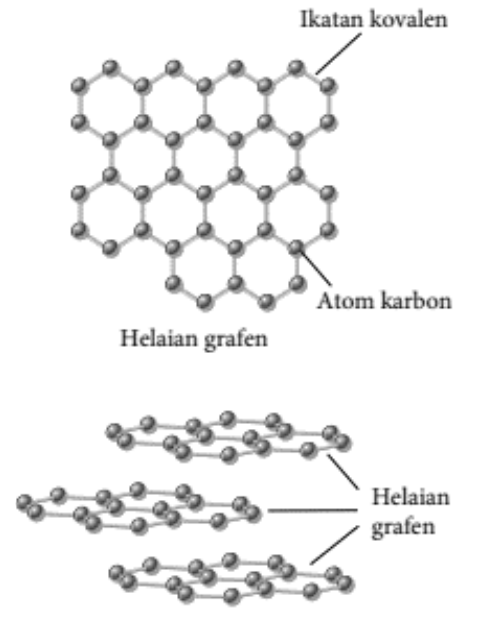
Diagram 4 shows the set-up of apparatus to determine the empirical formula of copper(II) oxide (hydrogen from zinc granules and 1.0 mol dm⁻³ hydrochloric acid is passed over heated copper(II) oxide).
Medium7 marks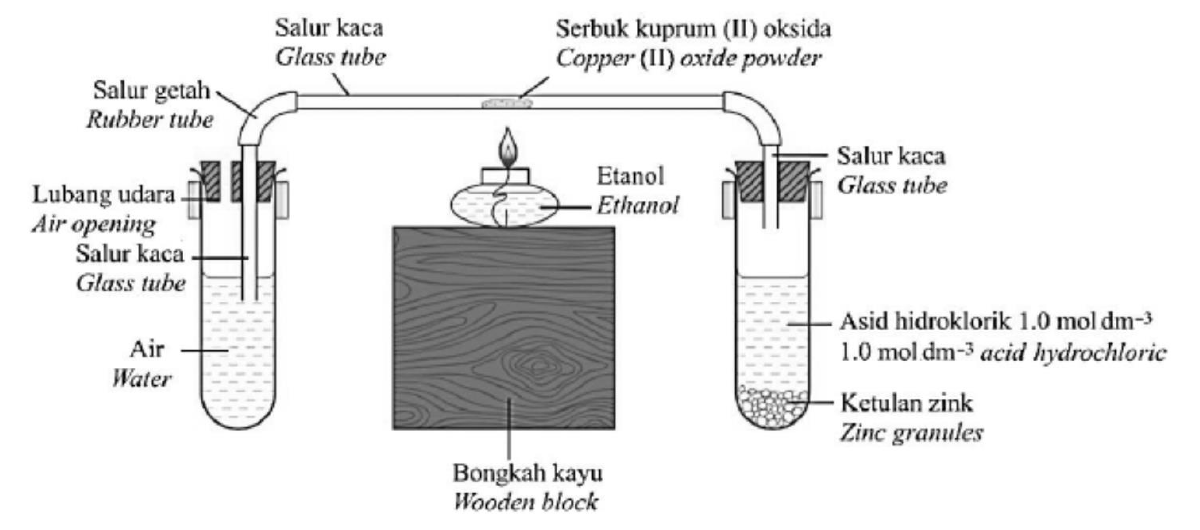
- (a)
What is the meaning of empirical formula?
[1] - (b)
What is the role of zinc granules and hydrochloric acid in this experiment?
[1] - (c)
Name another metal oxide whose empirical formula can be determined by the same method.
[1] - (d)(i)
Table 4: mass of glass tube 24.60 g; glass tube + copper oxide 27.00 g; glass tube + copper 26.52 g. Calculate the empirical formula of the oxide of copper. [Relative atomic mass: Cu = 64, O = 16]
[4]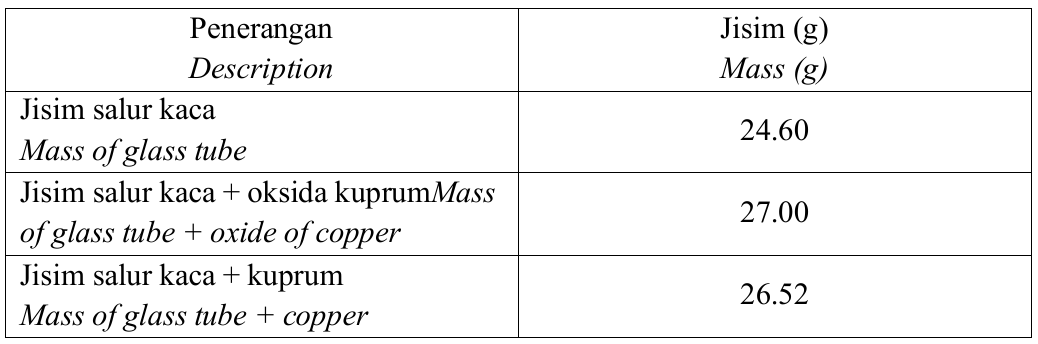
A list of apparatus and chemicals (stock solution: 2.0 mol dm⁻³ sulphuric acid; pipette; volumetric flask; distilled water) is used to prepare sulphuric acid by dilution. Diagram 5 shows a series of reactions involving salt P: heating P gives solid Q (yellow when hot, white when cold) and colourless gas Y; P + nitric acid gives aqueous solution R, colourless gas Y and water.
Medium8 marks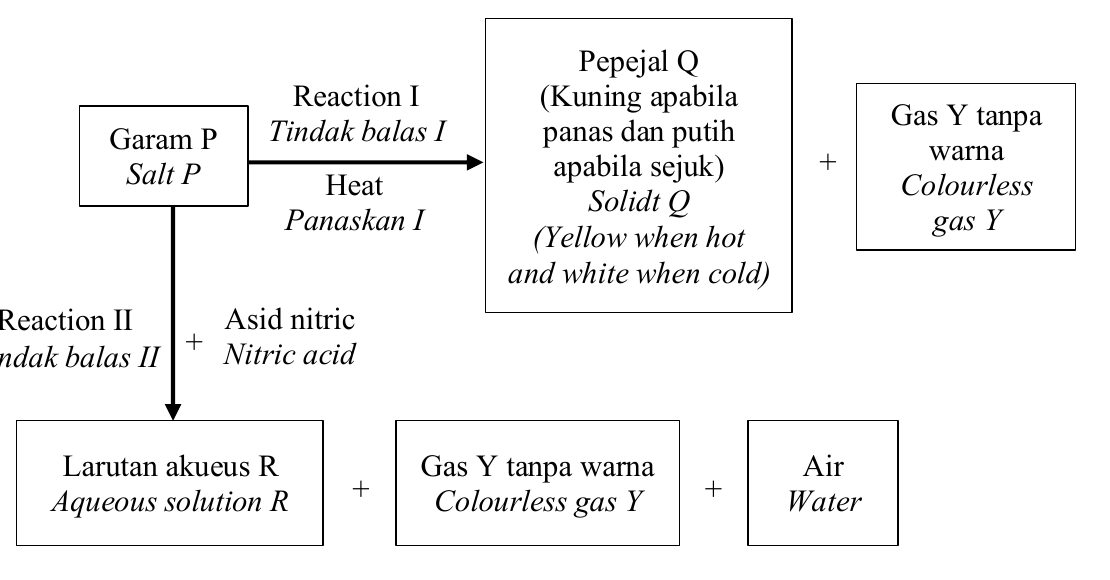
- (a)(i)
What is the meaning of acid?
[1] - (a)(ii)
Calculate the volume of the stock solution needed to prepare 250 cm³ of 0.2 mol dm⁻³ sulphuric acid.
[2] - (a)(iii)
Describe briefly the steps to prepare the solution in 5(a)(ii) using the apparatus listed.
[3] - (b)(i)
State the name of gas Y.
[1] - (b)(ii)
Determine solid Q.
[1]
Table 6 shows the structural formulae of compounds A (propene, C₃H₆), B (propan-1-ol, C₃H₇OH) and C (propanoic acid, C₂H₅COOH). Diagram 6 shows compound S and ethanoic acid as members of different homologous series (S → ethanoic acid by Q; S → ethyl propanoate by R; ethanoic acid + magnesium → compound X).
Medium9 marks- (a)
State a general formula for compound C.
[1]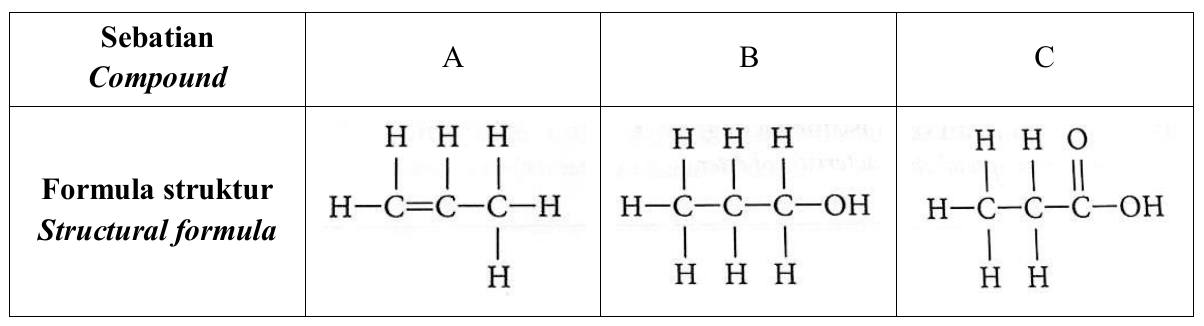
- (c)(i)
6.0 dm³ of compound A undergoes complete combustion at room conditions to form carbon dioxide and water. Write a balanced equation for the reaction.
[2] - (c)(ii)
Calculate the number of moles of carbon dioxide gas released. [Molar volume at room conditions = 24 dm³ mol⁻¹]
[2] - (d)(i)
Name the functional group of compound S.
[1]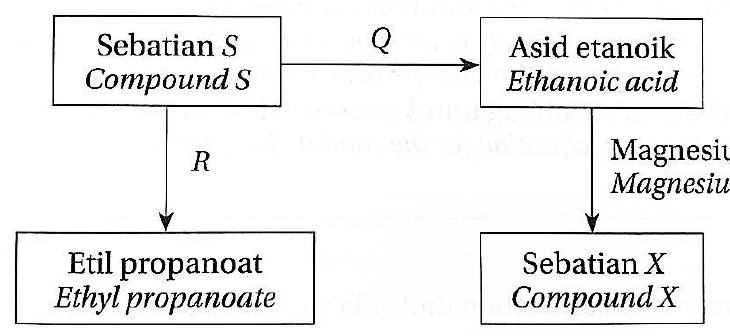
- (d)(iii)
Describe a chemical test to differentiate between compound S and ethanoic acid.
[3]
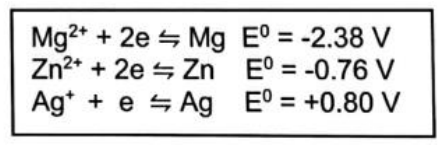
Diagram 7.1 shows a silver plate in silver nitrate solution connected to a zinc plate in zinc nitrate solution through a voltmeter. Table 7.2 gives E°: Mg²⁺ + 2e⁻ ⇌ Mg -2.38 V; Zn²⁺ + 2e⁻ ⇌ Zn -0.76 V; Ag⁺ + e⁻ ⇌ Ag +0.80 V. Diagram 7.3 shows electrolysis of 1.0 mol dm⁻³ sodium chloride solution using carbon electrodes X and Y; a colourless gas forms at X and a greenish yellow gas at Y.
Medium10 marks- (a)(i)
What is meant by redox reaction?
[1]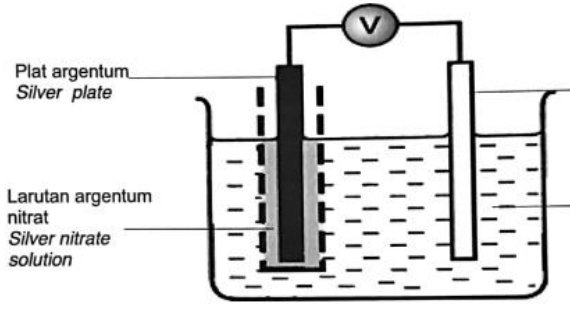
- (a)(ii)
State the type of reaction at the zinc plate.
[1] - (a)(iii)
Based on Table 7.2, write the cell notation of the cell above and calculate the voltage produced.
[3] - (b)(i)
State the ion that is selectively discharged at electrode Y.
[1]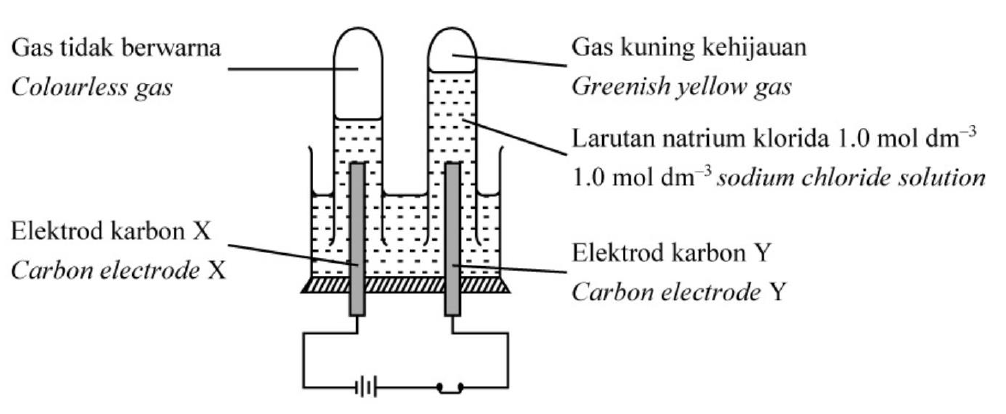
- (b)(ii)
State the reason the ion is selectively discharged at electrode Y and the product formed.
[2] - (c)
You are asked to electroplate a spoon with a brown layer. Draw a labelled diagram of the apparatus set-up, changing suitable apparatus and materials from Diagram 7.1. A spoon and a dry cell are also supplied.
[2]
Table 8 shows the mixtures and time taken to collect 25 cm³ of hydrogen gas in three experiments: I = 40.0 cm³ hydrochloric acid + 2.0 g zinc, 50.0 s; II = 20.0 cm³ of 1.0 mol dm⁻³ hydrochloric acid + 2.0 g zinc, 32.0 s; III = 20.0 cm³ of 1.0 mol dm⁻³ sulphuric acid + 2.0 g zinc, 25.0 s. Diagram 8 shows two pupils discussing hand sanitiser: 70% to 75% alcohol is most effective against Covid-19, but cheap sanitisers with below 60% alcohol are sold.
Medium10 marks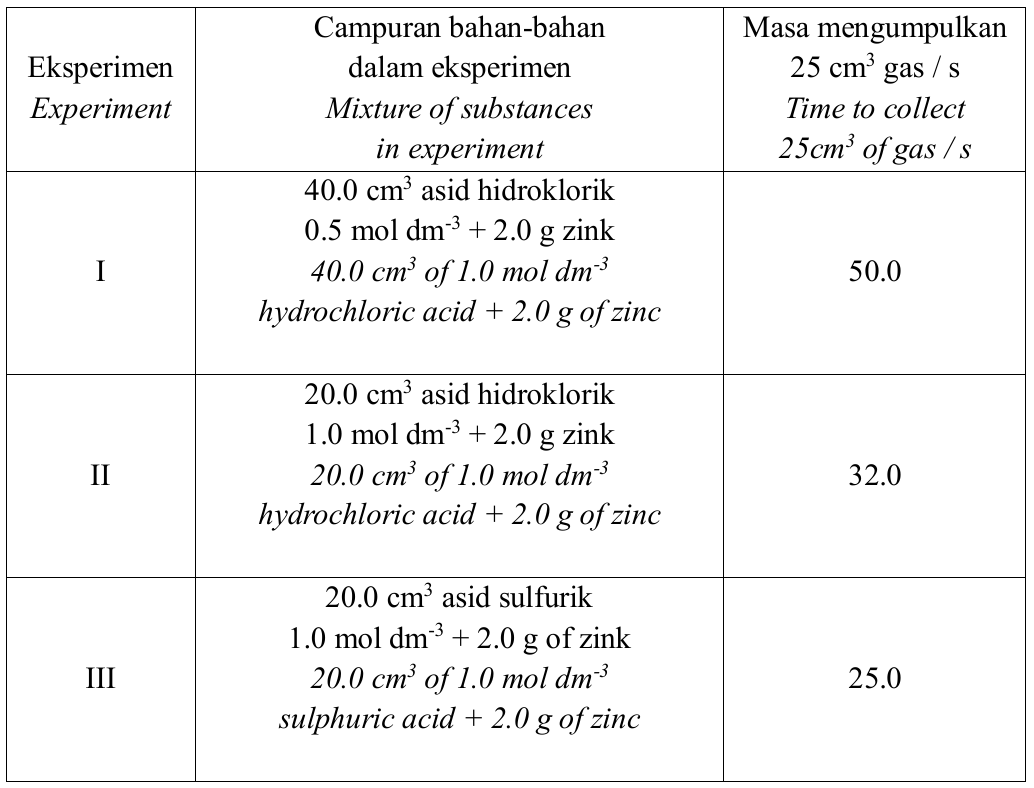
- (a)(i)
Give the meaning of rate of reaction in this experiment.
[1] - (a)(ii)
Find the average rate of reaction of experiment I in the first 50 s.
[1] - (a)(iii)
Explain using collision theory why the time taken for experiment III is shorter than experiment II.
[3] - (a)(iv)
Sketch a graph of volume of gas liberated against time for experiments I, II and III on the same axes.
[2] - (b)
Based on the conversation in Diagram 8, justify the use of hand sanitisers with different alcohol percentages.
[3]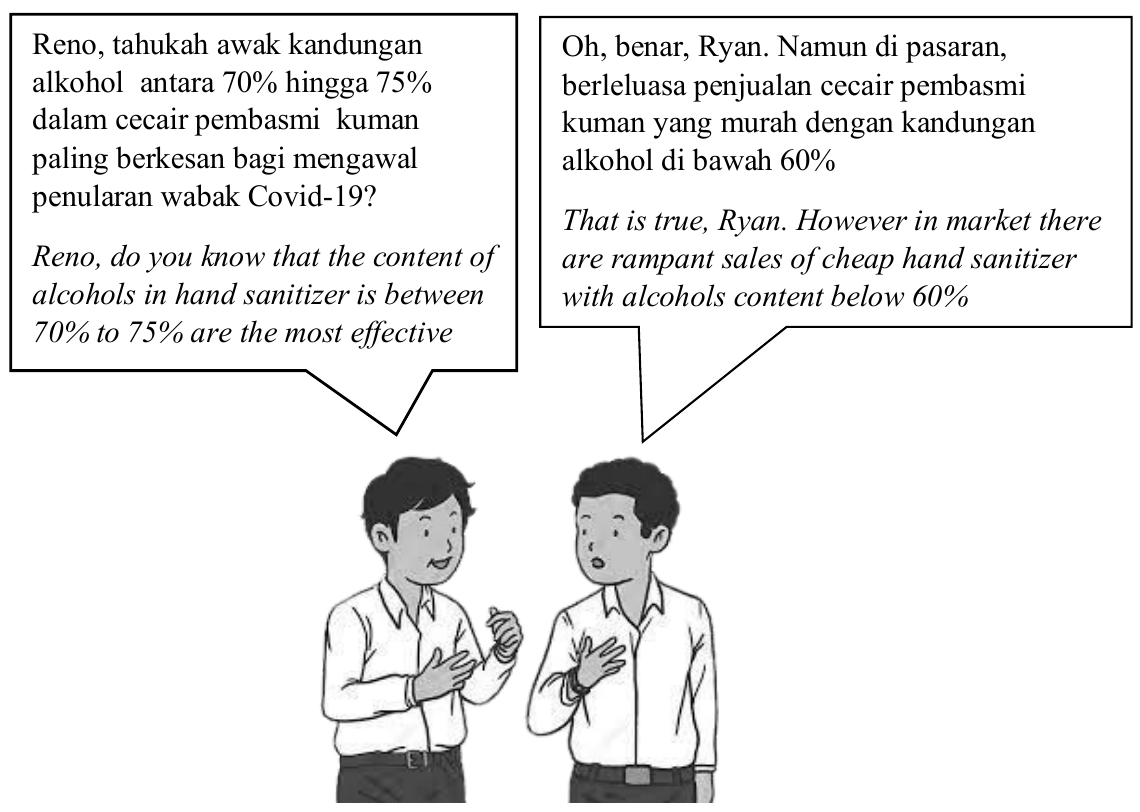
Section B
Diagram 9.1: 50 cm³ of 0.5 mol dm⁻³ potassium carbonate (28.0 °C) is mixed with 50 cm³ of 0.5 mol dm⁻³ magnesium nitrate (29.0 °C); a precipitate forms and the final temperature is 27.0 °C. Diagram 9.2: pH of 0.1 mol dm⁻³ acid HX = 1 and acid HY = 4. 25 cm³ of HX or HY is added to 25 cm³ of 0.1 mol dm⁻³ NaOH: HX + NaOH → NaX + H₂O, ΔH = -57.0 kJ mol⁻¹; HY + NaOH → NaY + H₂O, ΔH = -p kJ mol⁻¹.
Hard20 marks- (a)(i)
State the solubility of magnesium carbonate and the type of reaction that occurs.
[2]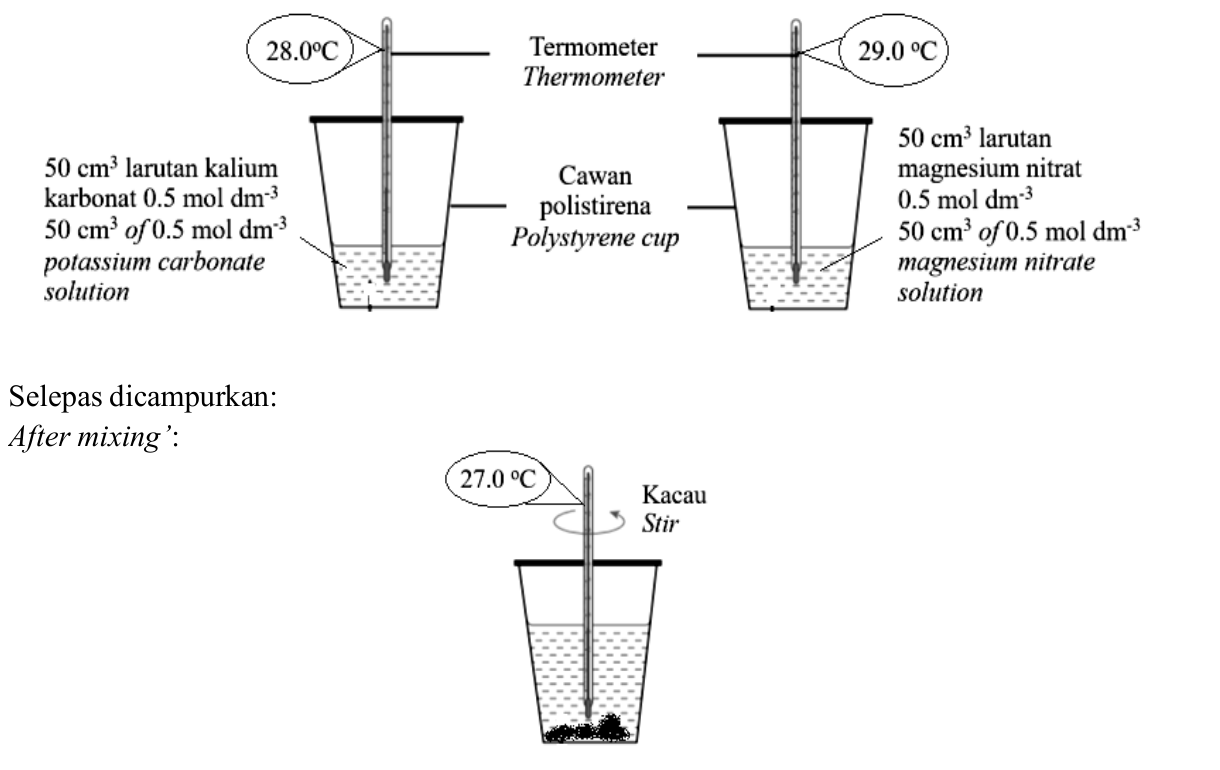
- (a)(ii)
Write a chemical equation for the reaction.
[2] - (a)(iii)
Calculate the temperature change of the reaction and then determine the heat of precipitation of magnesium carbonate. [Specific heat capacity of solution, c = 4.2 J g⁻¹ °C⁻¹; density of solution = 1 g cm⁻³]
[5] - (b)(i)
State the meaning of heat of neutralisation and suggest the identity of acid HX and acid HY.
[3]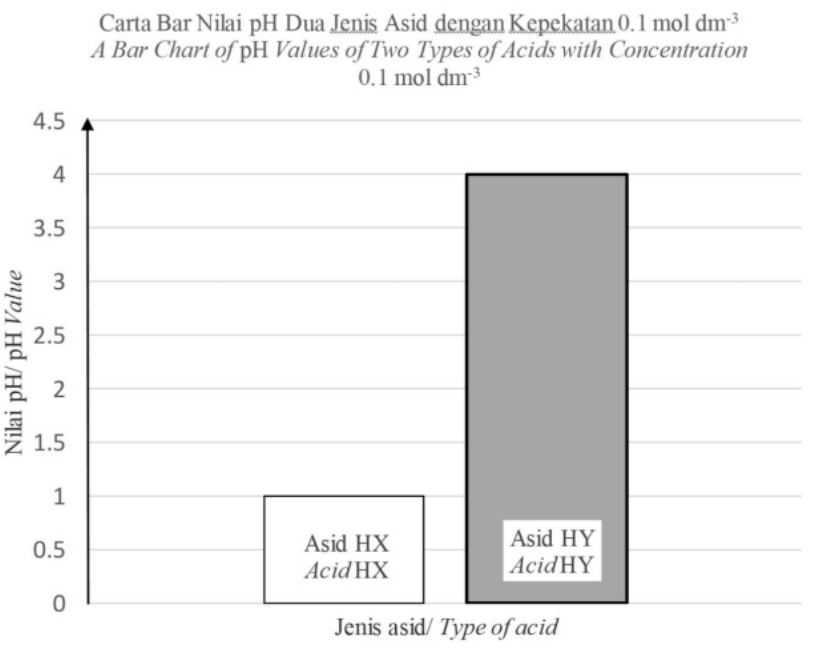
- (b)(ii)
Determine the value of p and draw an energy level diagram for the reaction between acid HY and sodium hydroxide solution.
[3] - (b)(iii)
Compare and contrast the two neutralisation reactions in terms of type of reaction, value of heat of neutralisation and explanation of the difference in heat of neutralisation.
[5]
Diagram 10.1 shows part of the Periodic Table (K, transition elements, Al, F, Cl, Br marked). Diagram 10.2 shows a shirt with oil paint stains. Diagram 10.3 shows aluminium foil and magnesium chloride.
Medium20 marks- (a)(i)
State 2 special characteristics of transition elements.
[2]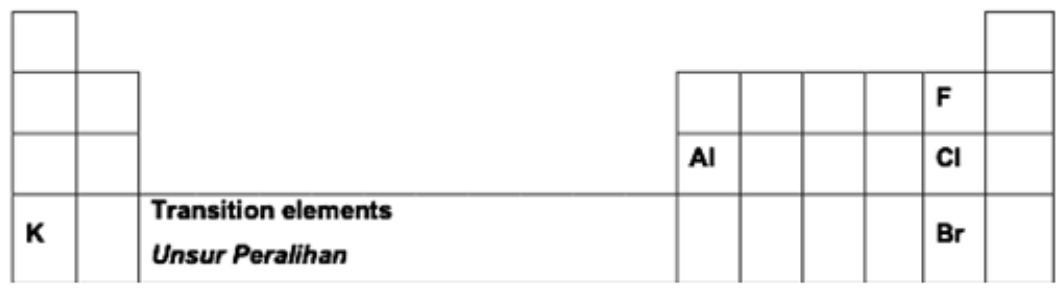
- (a)(ii)
Indicate the position of chlorine in the Periodic Table and explain.
[3] - (b)
Oil paint stains on a shirt cannot be removed using water. Explain. Suggest a way to clean the stain from the shirt and explain your answer.
[5]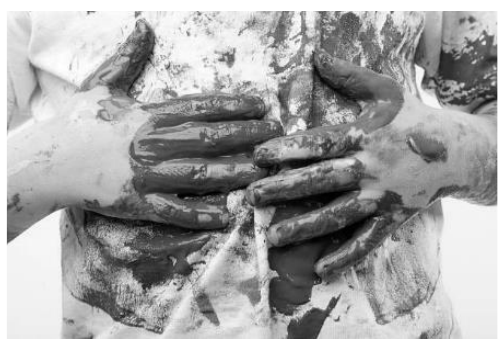
- (c)
Diagram 10.3 shows two chemicals in the laboratory: aluminium foil and magnesium chloride. Name the type of bond in both chemicals and explain the formation of the bond.
[10]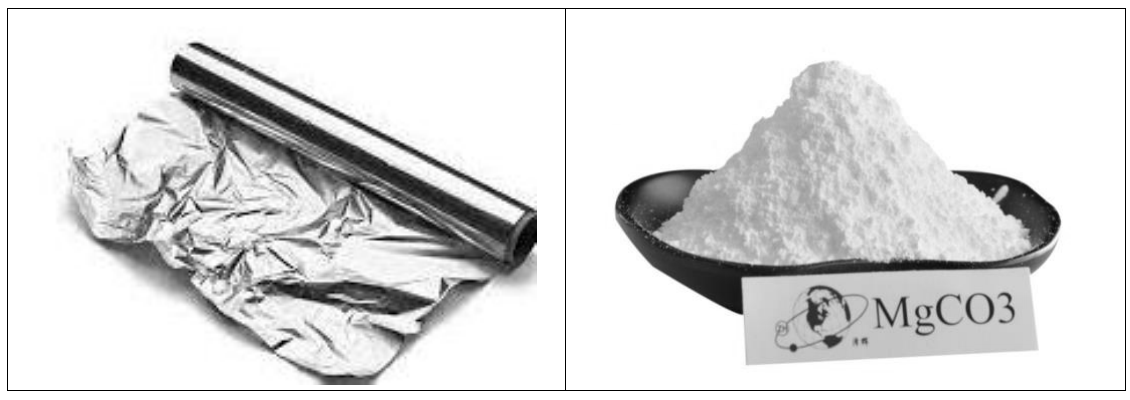
Section C
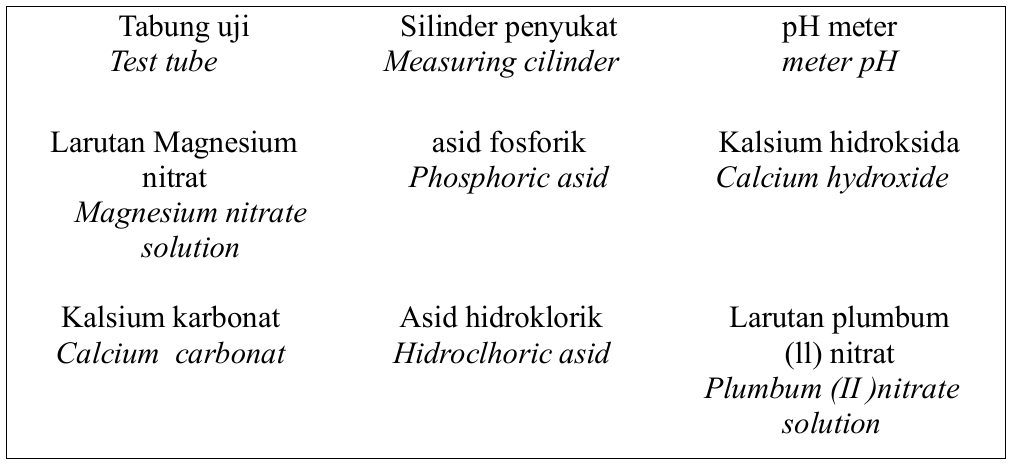
Diagram 11.1 shows latex tapped from a rubber tree that coagulates after a day. Diagram 11.2 shows titration: sulphuric acid in the burette and 50.0 cm³ of 2.0 mol dm⁻³ sodium hydroxide with phenolphthalein in the conical flask. Diagram 11.3 shows a water treatment plant and a list of apparatus and chemicals: test tube, measuring cylinder, pH meter, magnesium nitrate solution, phosphoric acid, calcium hydroxide, calcium carbonate, hydrochloric acid, lead(II) nitrate solution.
Hard20 marks- (a)(i)
Name the monomer of natural rubber.
[1]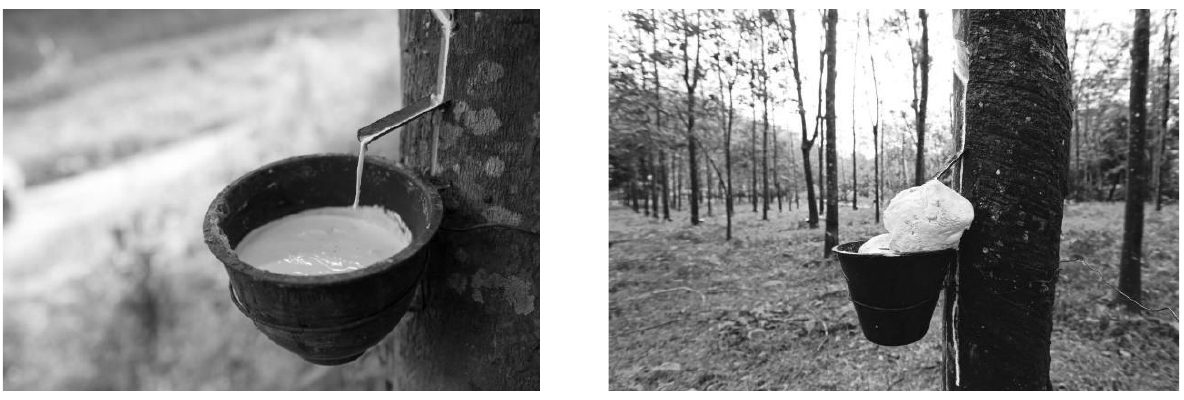
- (a)(ii)
Latex can coagulate naturally or by adding substance X, which makes it coagulate very fast. Suggest substance X and describe briefly how it causes the latex to coagulate.
[6] - (b)(i)
Write a balanced chemical equation for the reaction between sulphuric acid and potassium hydroxide.
[2]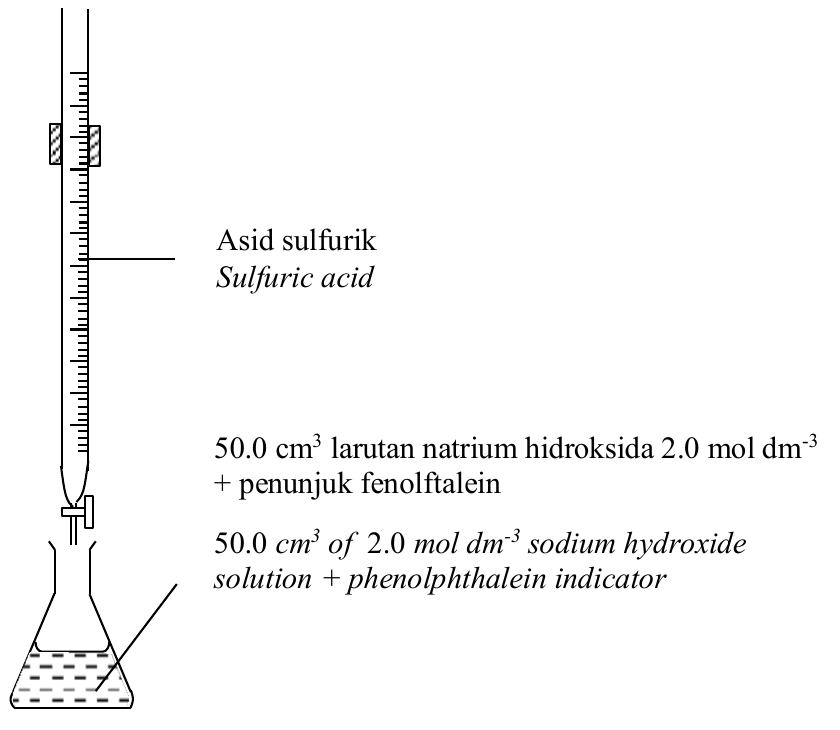
- (b)(ii)
Given that the concentration of hydroxide ions is 0.01 mol dm⁻³, calculate the pH of the sodium hydroxide solution.
[2] - (b)(iii)
State the colour change of the solution in the conical flask at the end point.
[1] - (c)(i)
Diagram 11.3 shows a water treatment plant and a list of apparatus and chemicals. Choosing from the list, describe an experiment to determine the pH value of water at the water treatment plant. Include steps on how to neutralise acidic and alkaline water.
[8]