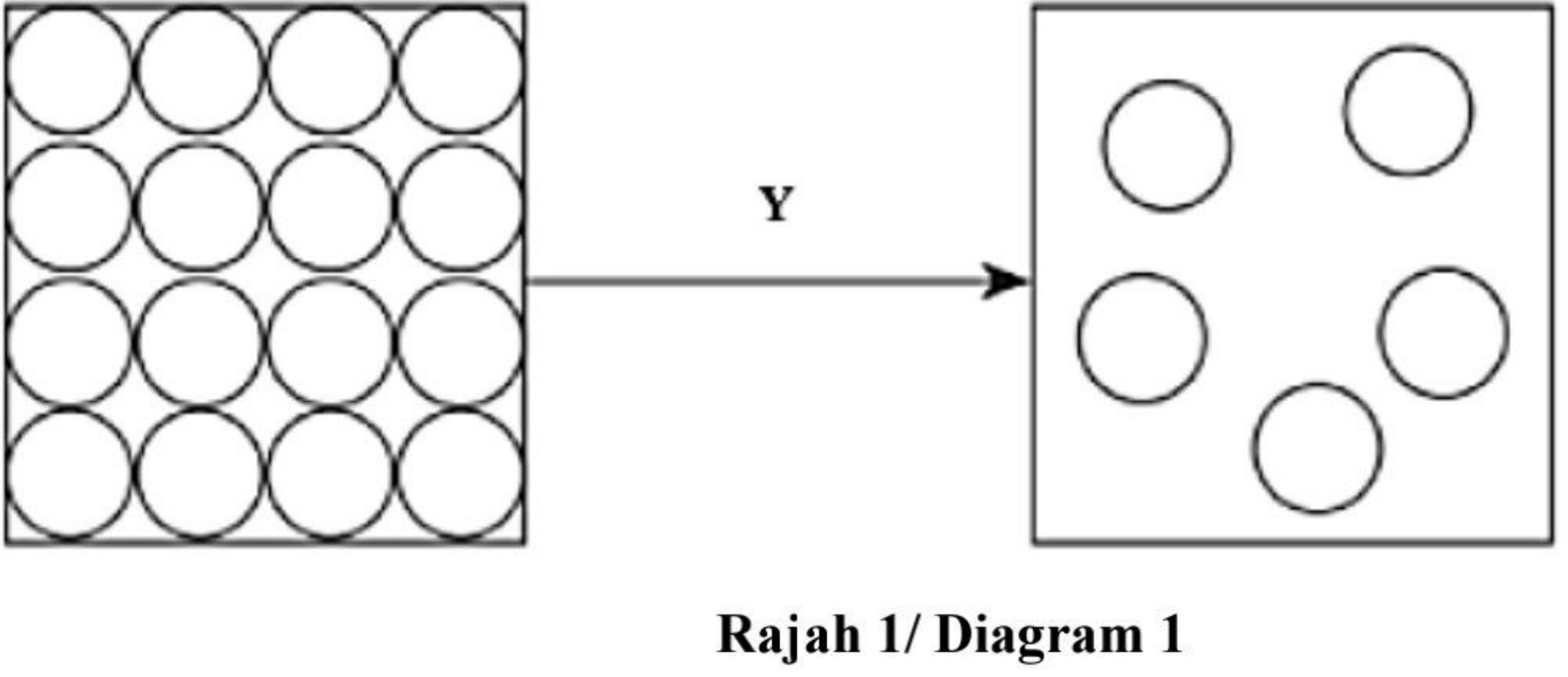
Diagram 1 shows the arrangement of particles of a substance that undergoes a change in physical state when going through process Y at room temperature (solid with particles closely packed in a regular arrangement changes to gas with particles far apart). Which of the following substances undergo process Y?
Easy
Which of the following is an example of matter?
Easy
Which of the following isotopes is used to detect leaks in underground pipes?
Easy
Which of the following is the step that should be taken to ensure that all magnesium are reacted with oxygen and burnt completely during the experiment to determine the empirical formulae of magnesium oxide?
I Open and close the lid quickly occasionally during heating
II Heat the magnesium ribbon strongly in the crucible without its lid
III Observe the white solid produced
IV Repeat heating, cooling and weighing until a constant mass is obtained
Medium
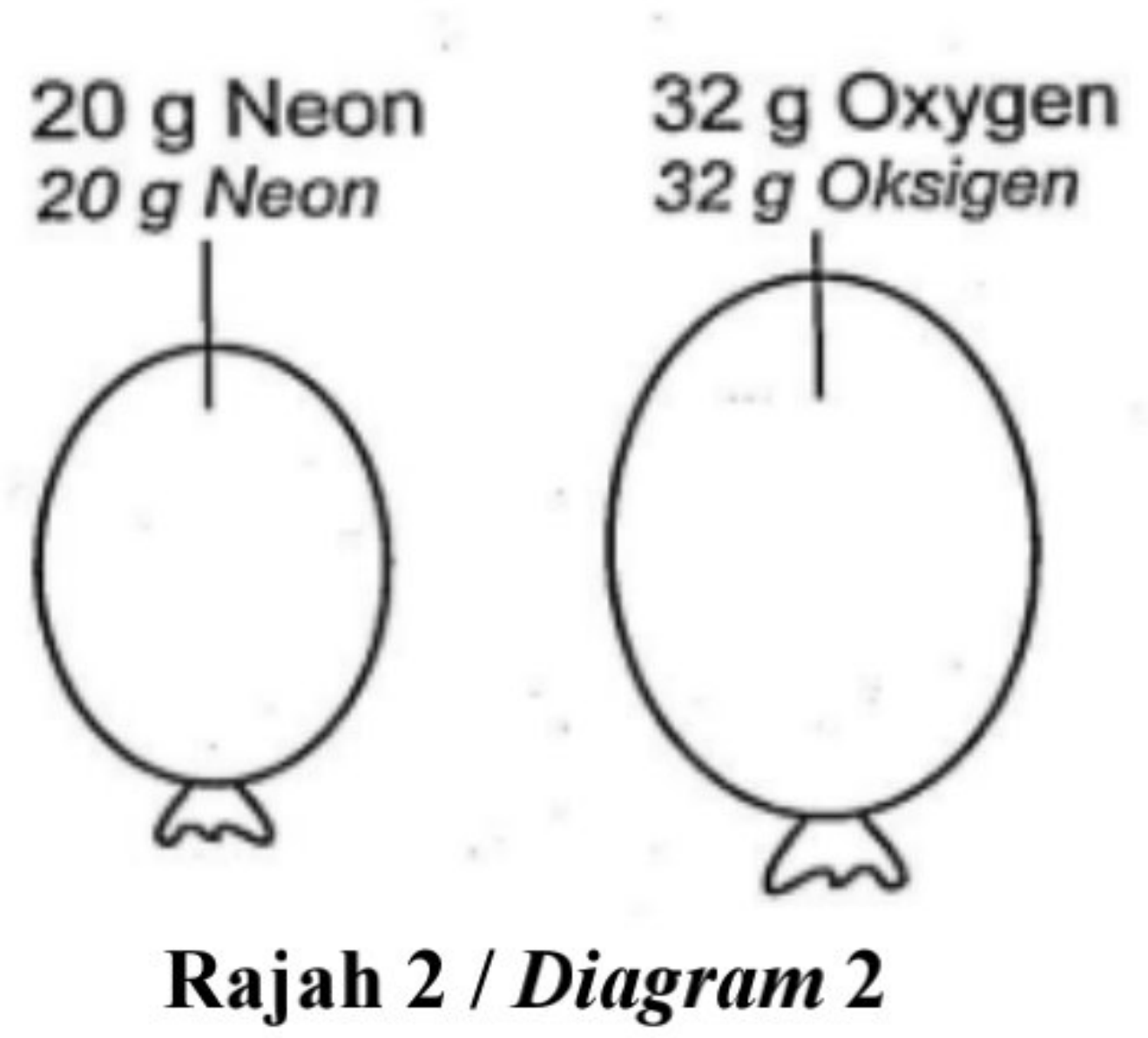
Diagram 2 shows two balloons: one filled with 20 g Neon and one filled with 32 g Oxygen. Which statement is correct about the number of atoms of neon gas? [Relative atomic mass: Ne = 20; O = 16]
Medium
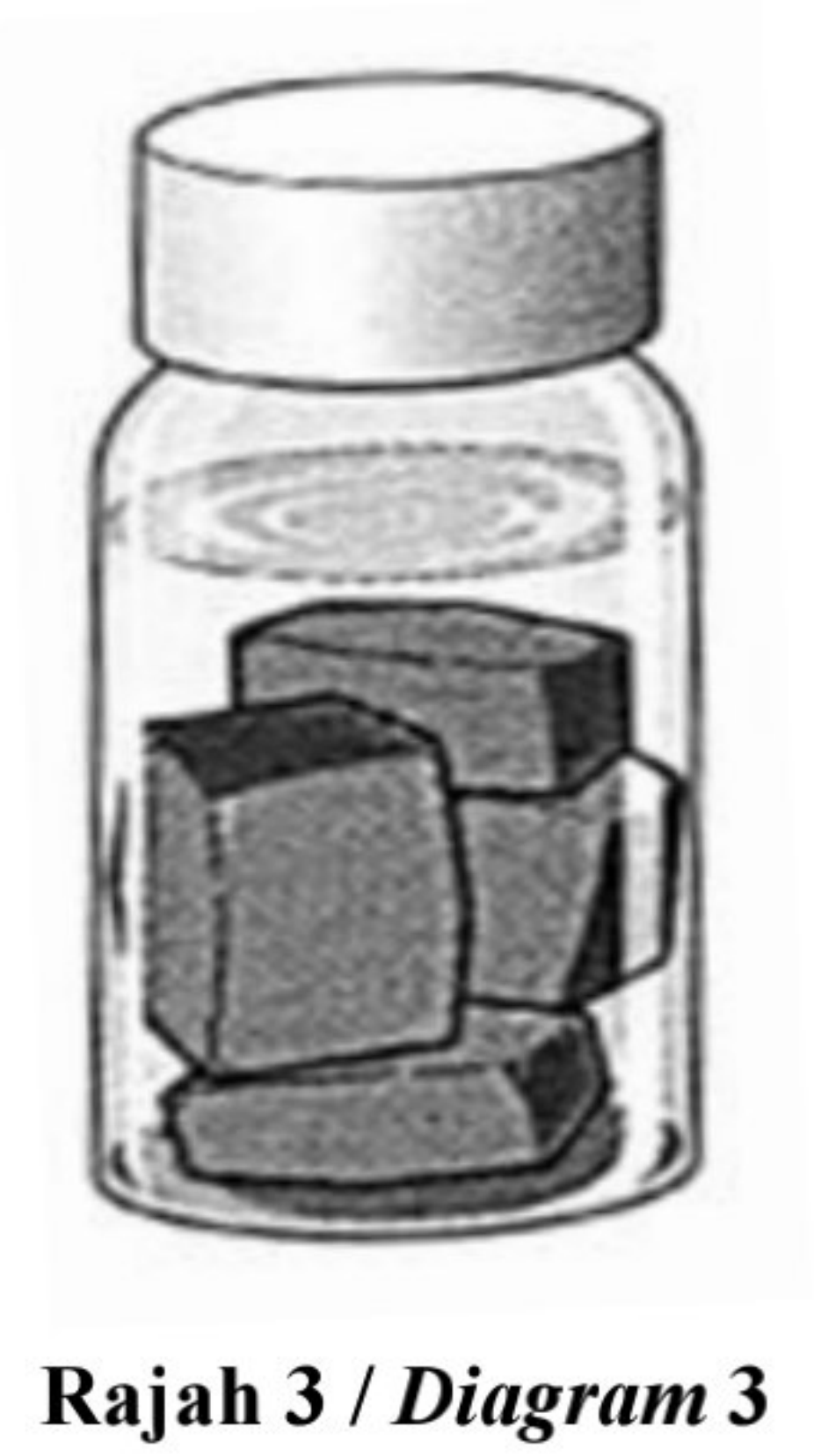
Diagram 3 shows substance X stored in paraffin oil. What is substance X?
Easy
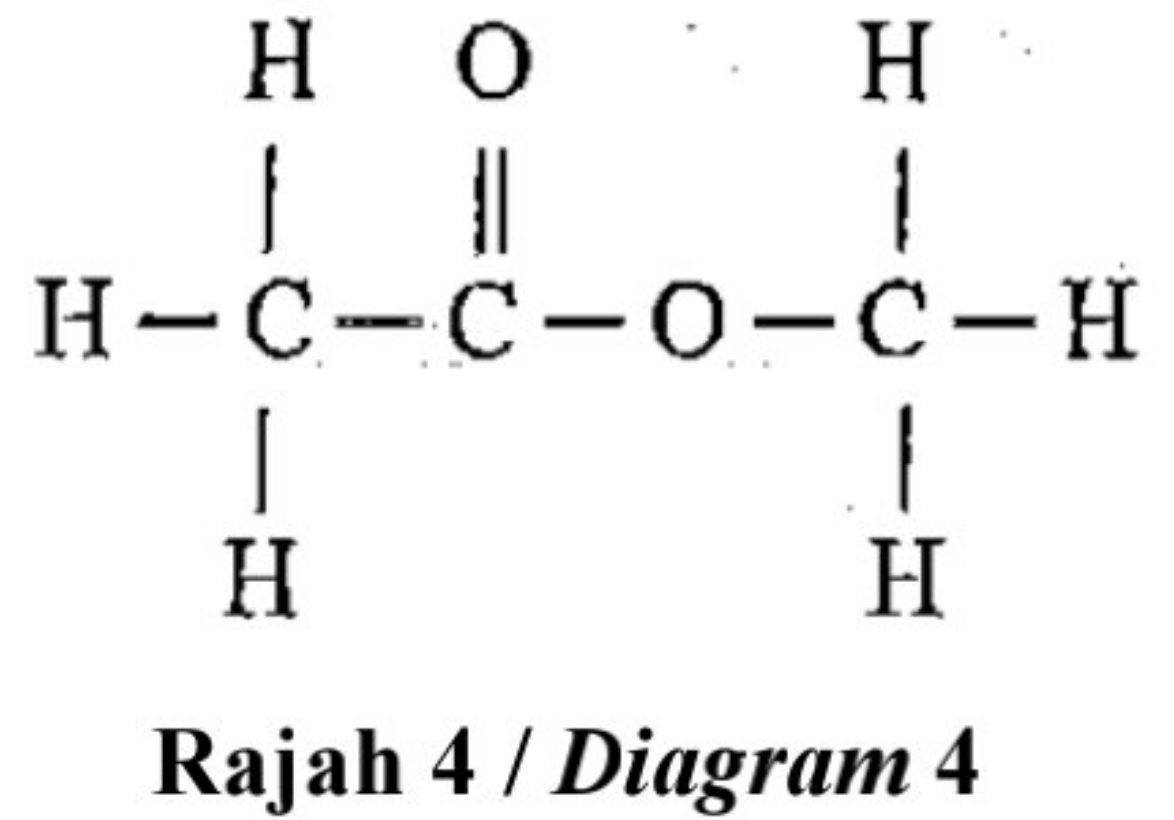
Diagram 4 shows the structural formulae of a compound (CH3-CO-O-CH3, i.e. H3C-C(=O)-O-CH3). What is the empirical formulae of that compound?
Medium
Element X reacts with element Z to form a covalent compound with a formula XZ₄. What is the physical properties of this covalent compound?
Medium
Which of the following is the property of ionic compound?
Easy
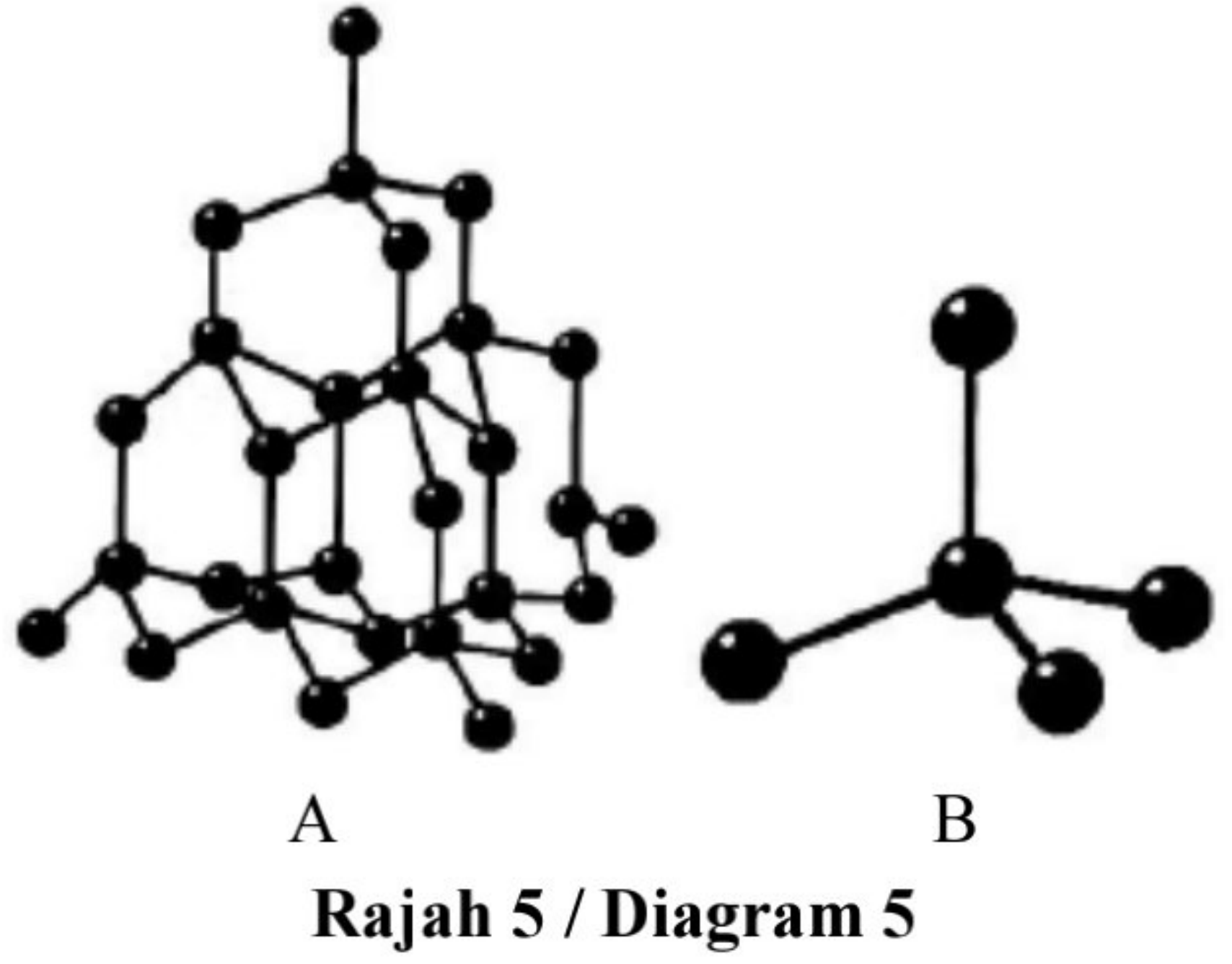
Diagram 5 shows the molecular structure for covalent compound A (giant lattice structure) and B (small molecule). Which of the following statements is incorrect about both compounds above?
Medium
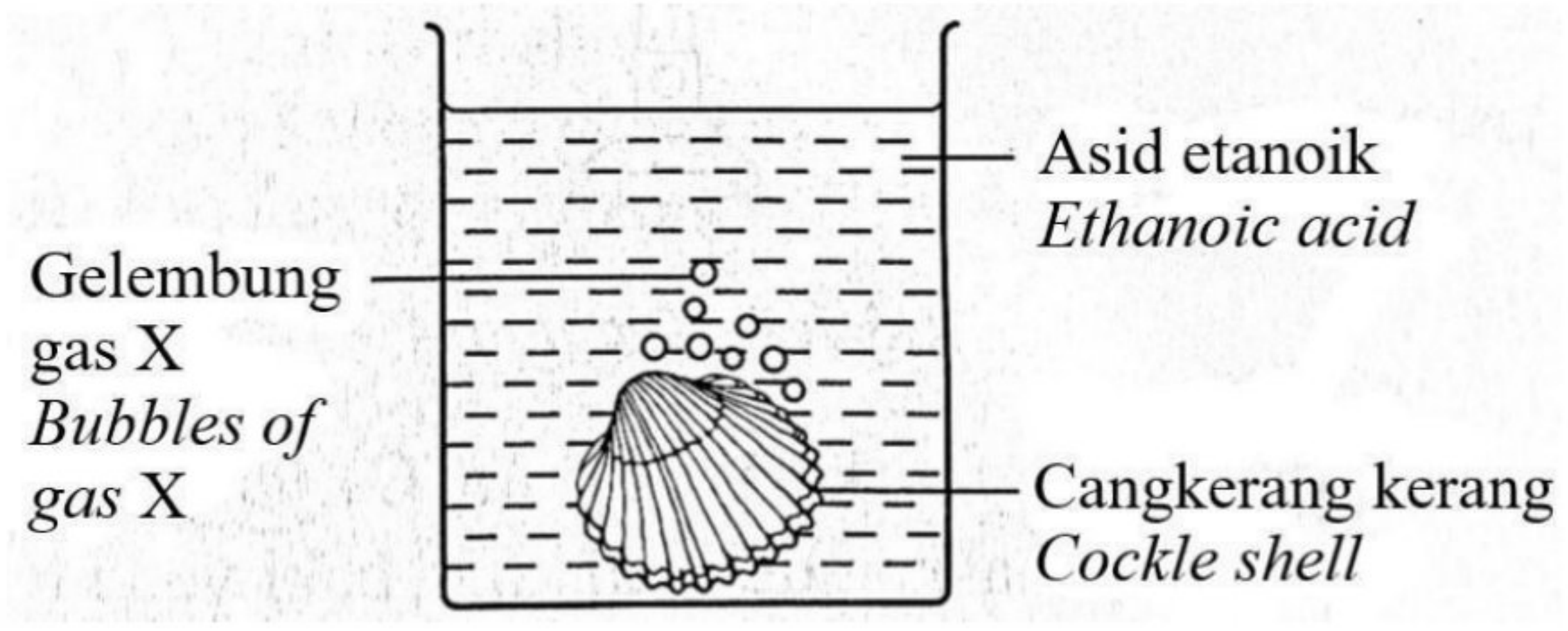
Diagram 6 shows an observation when a cockle shell is put into a beaker containing vinegar (ethanoic acid); bubbles of gas X are released. What is X?
Easy
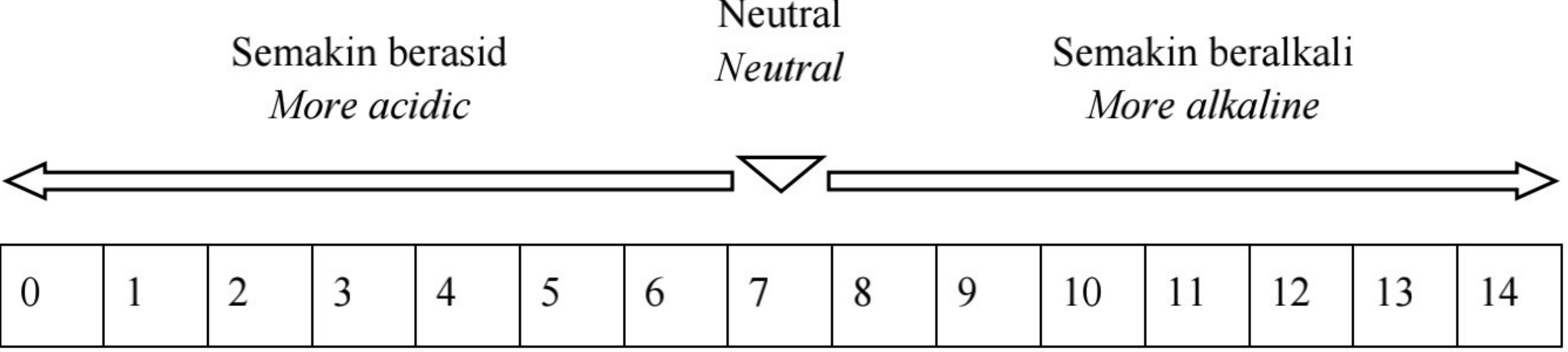
Diagram 2 shows the pH scale (0 to 14, acidic below 7, neutral 7, alkaline above 7). Which of the following substances are arranged in the order of increasing pH values?
Medium
Table 1 shows the results of an experiment to study the properties of hydrogen chloride gas in different solvents. Solvent A: no change on blue litmus paper. Solvent B: blue changes to red. What are solvents A and B?
Medium
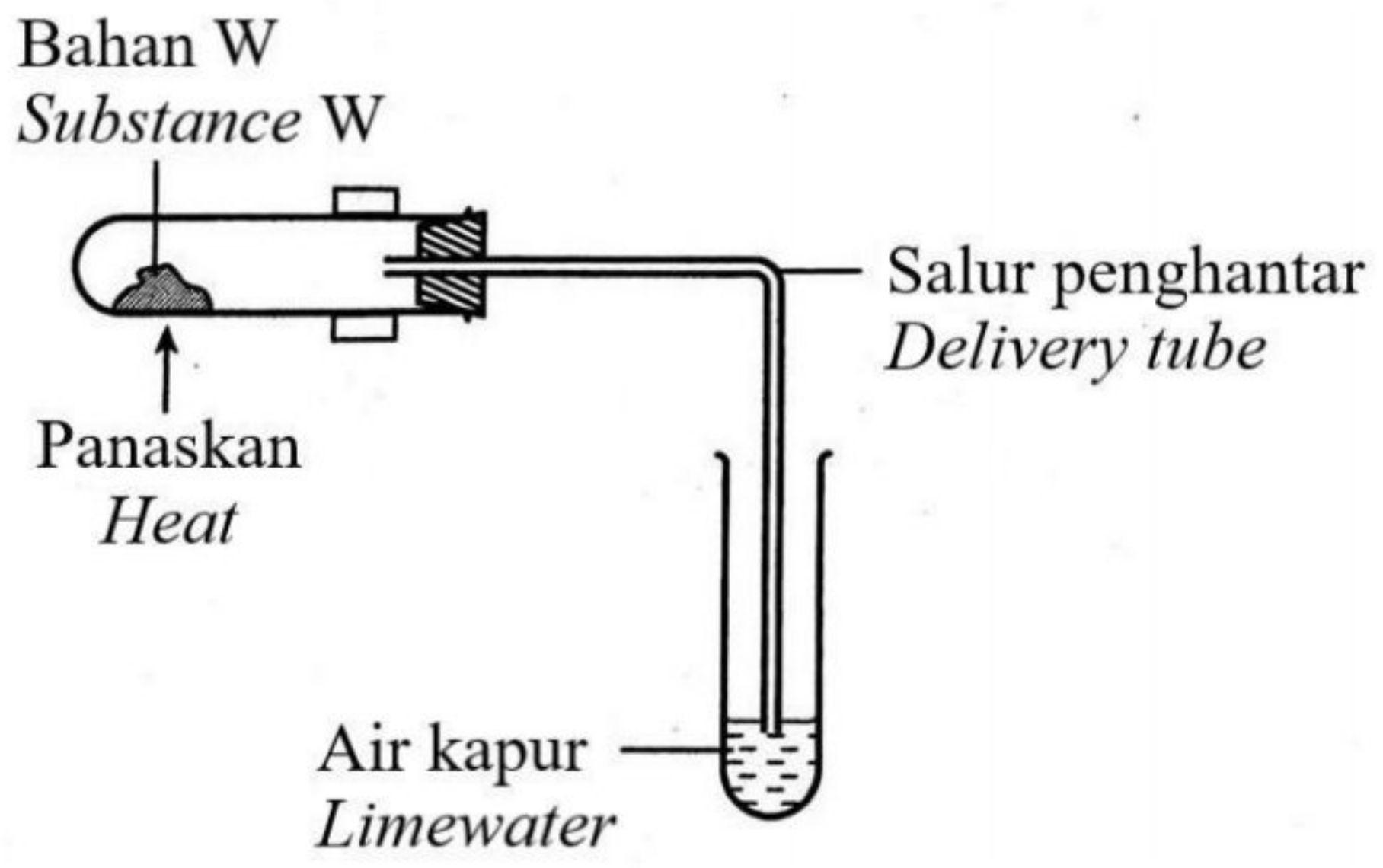
Diagram 8 shows the apparatus set-up for the effect of heat on substance W. Substance W is white in colour. After heating for a few minutes, the limewater turns cloudy. The residue formed is brown when hot and turns yellow when cold. Which of the following salts could be substance W?
Medium
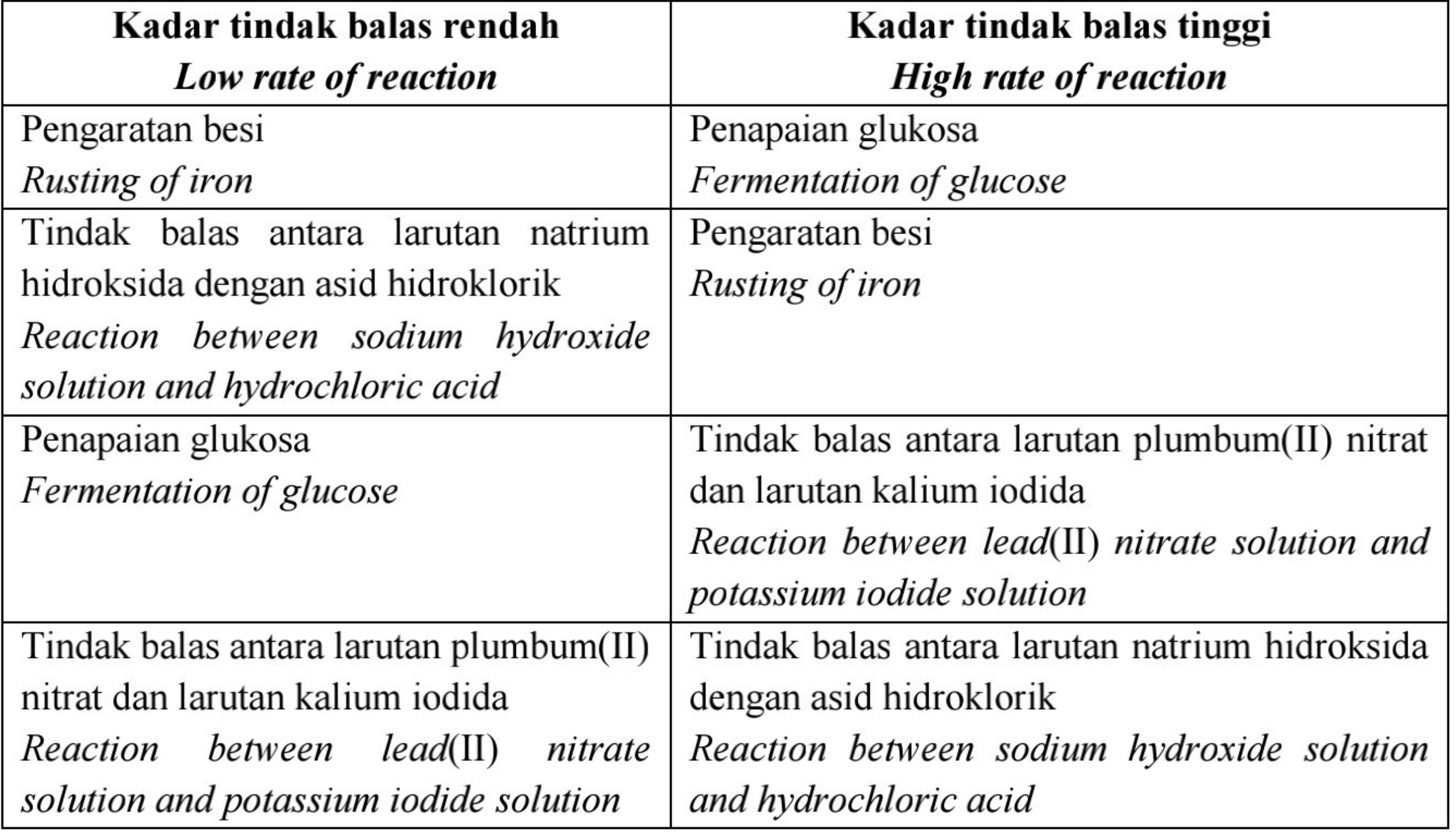
Which of the following is the correct match for a low rate of reaction and a high rate of reaction?
Medium
The following chemical equation represents the reaction between hydrochloric acid and calcium carbonate.
2HCl + CaCO₃ → CaCl₂ + CO₂ + H₂O
Which of the following factors increases the rate of reaction?
Easy
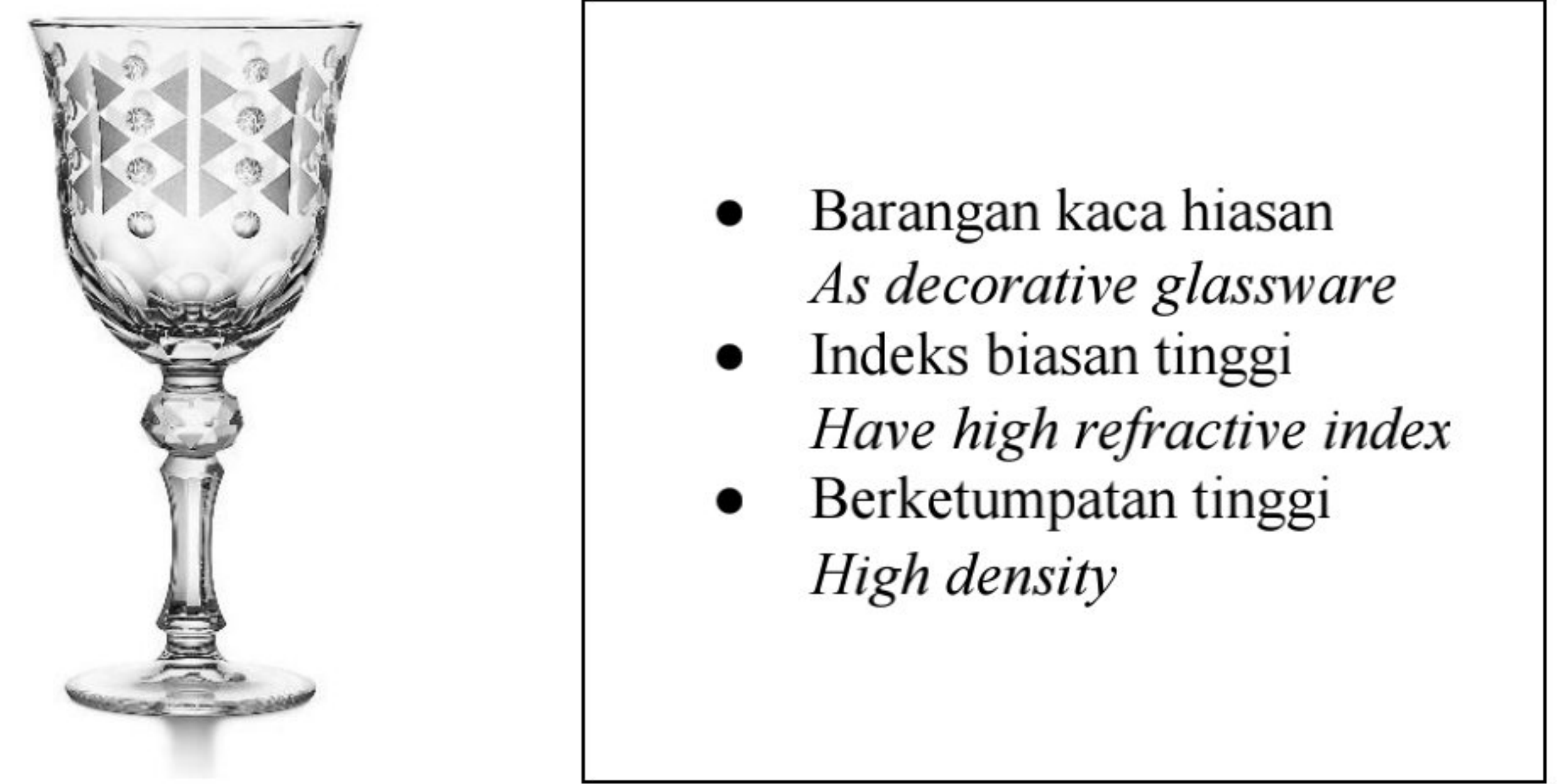
Puan Mazlin shows a glass and explains its properties as shown in Diagram 9 to her students. Properties: as decorative glassware; has high refractive index; high density. What is glass X?
Medium
Which of the following is an oxidation process?
Medium
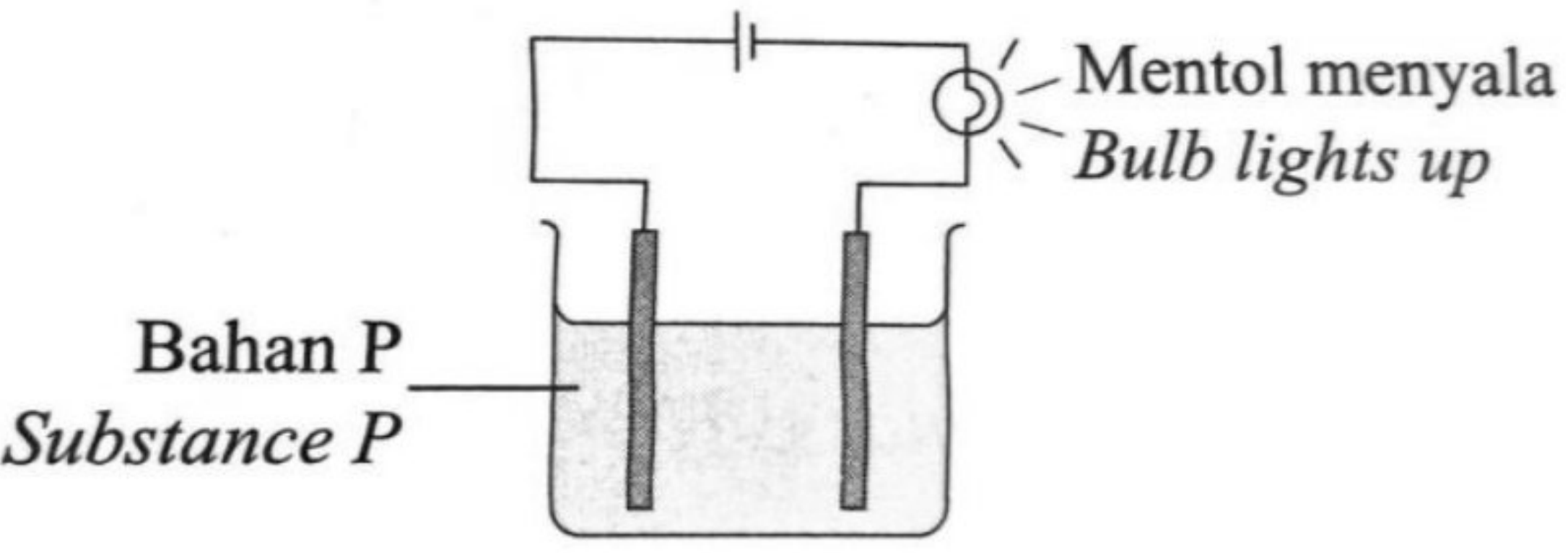
Diagram 10 shows an electrolytic cell. The bulb lights up. Which of the following is substance P?
Medium
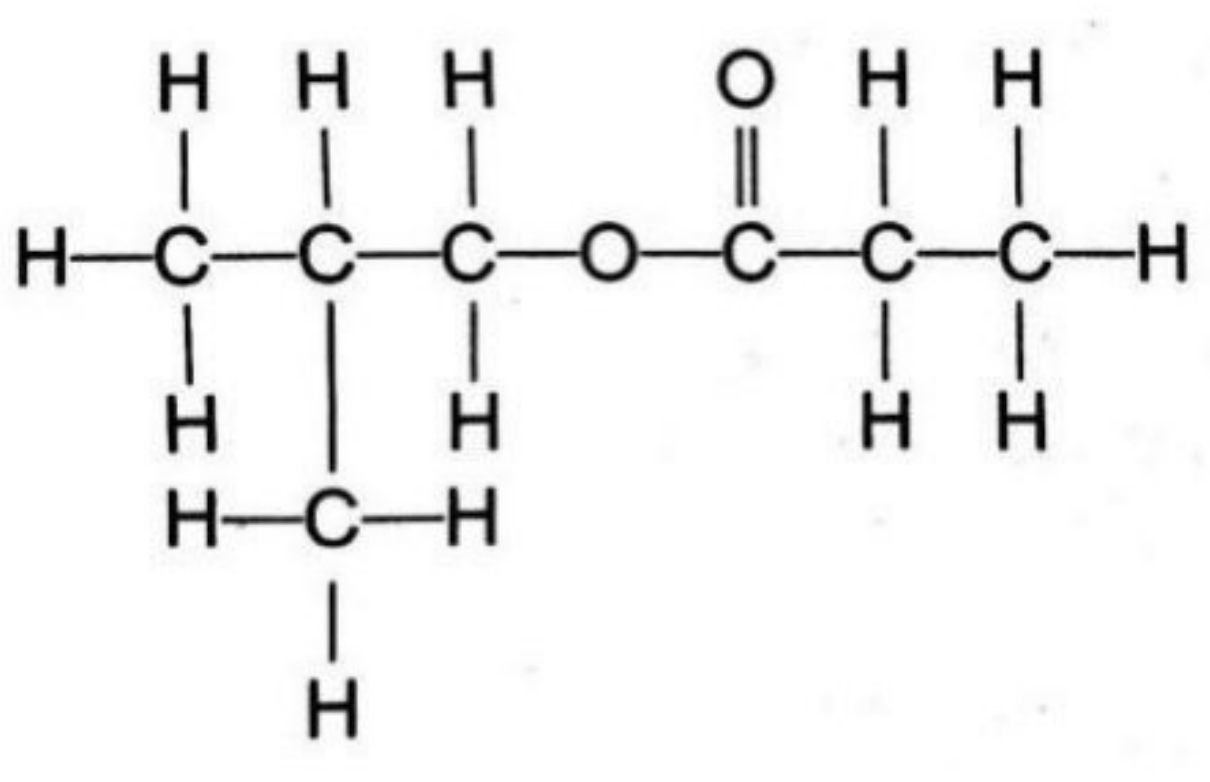
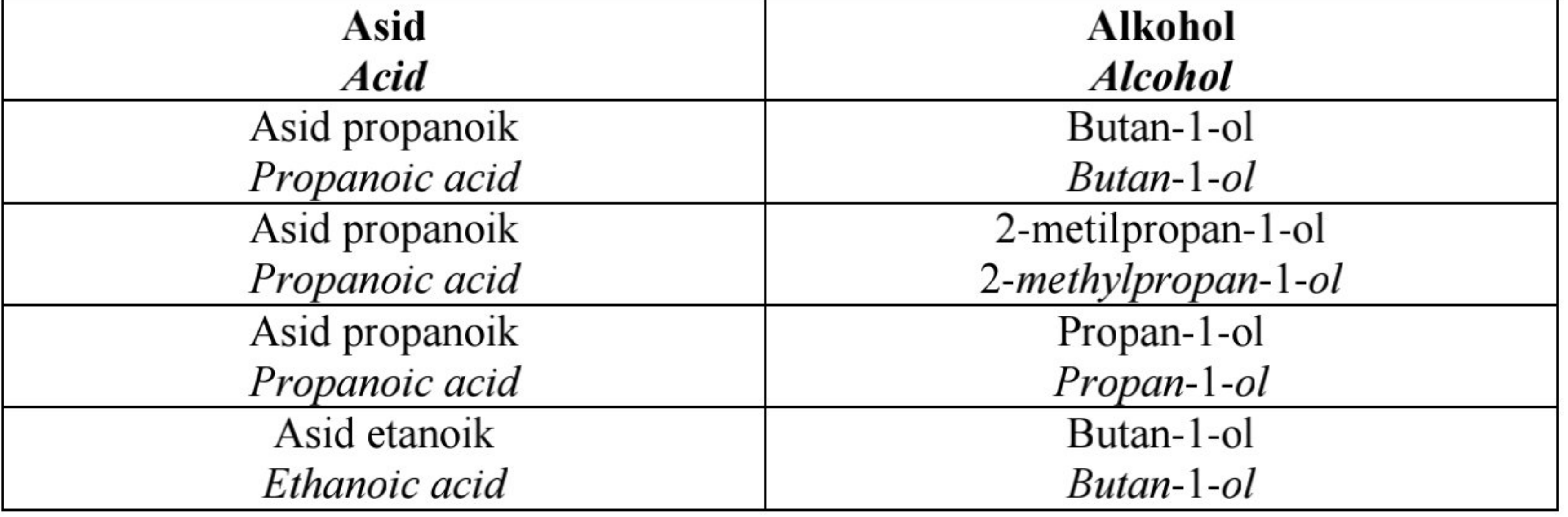
Diagram 11 shows the structural formula of hydrocarbon compound P (CH3-CH(CH3)-CH2-O-C(=O)-CH2-CH3, i.e. 2-methylpropyl propanoate). Which of the following pairs of acid and alcohol will produce substance P through reflux?
Medium
Which of the following is the structural formula of 2-methylbut-2-ene?
Medium
Which of the following structural formula is a saturated hydrocarbon?
Medium
What is the name of process of preparation of ethyl ethanoate?
Easy
Petroleum consists of hydrocarbons. How are these hydrocarbons refined?
Easy
Which of the following are the assumptions made in the calculation of heat of reaction?
I Small amount of heat energy is absorbed by the apparatus
II Density of the aqueous solution is 1 g cm⁻³
III Some of the heat energy is lost to the surrounding
IV Specific heat capacity of the solution is the same as specific heat capacity of water
Medium
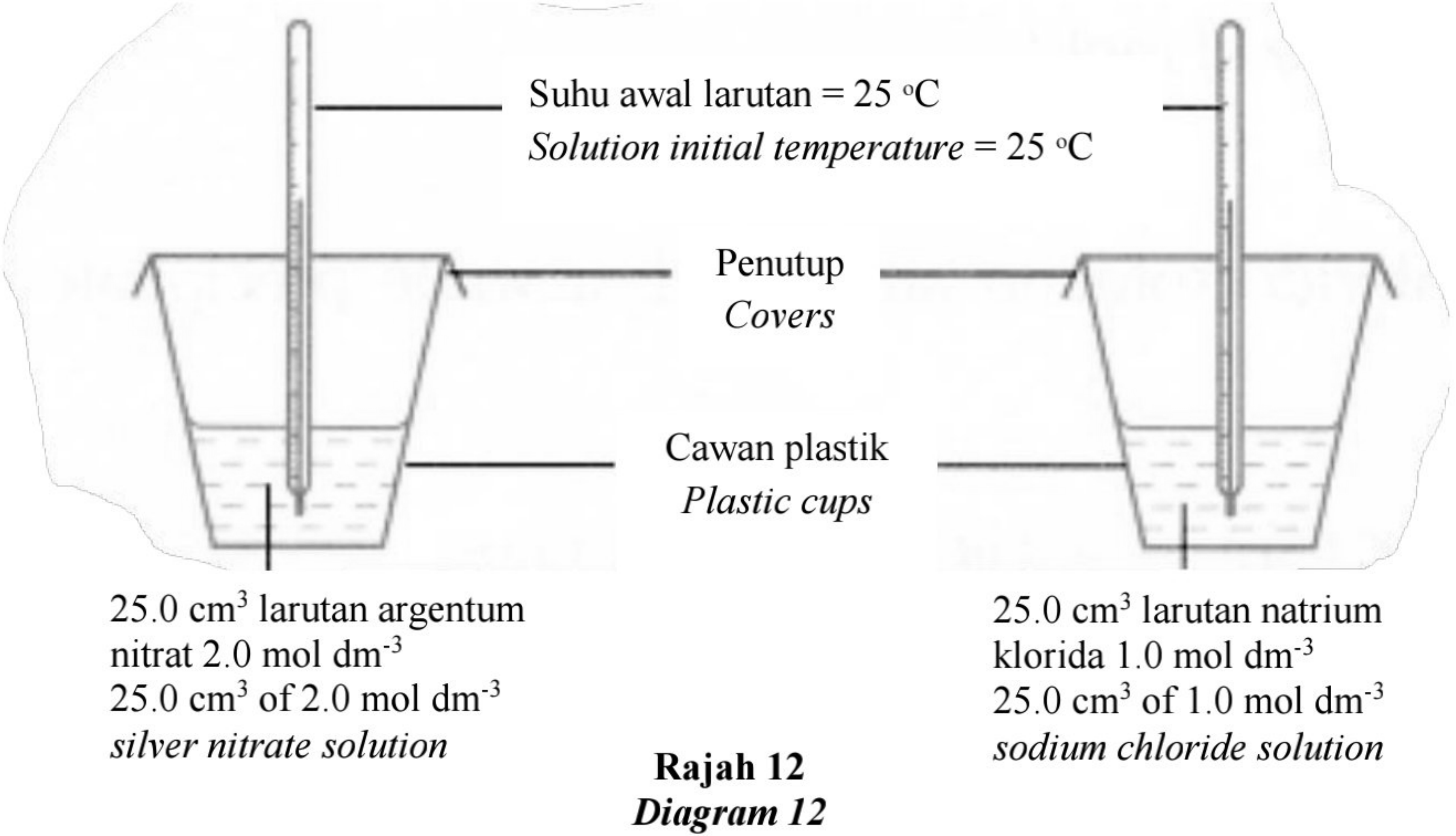
Diagram 12 shows the apparatus set-up to investigate the heat of precipitation of silver chloride: 25.0 cm³ of 2.0 mol dm⁻³ silver nitrate solution and 25.0 cm³ of 1.0 mol dm⁻³ sodium chloride solution, each at an initial temperature of 25 °C, in plastic cups with covers. What is the final temperature of the mixture if the heat of precipitation of silver chloride is 65.5 kJ mol⁻¹? [Specific heat capacity of solution = 4.2 J g⁻¹ °C⁻¹, density of solution = 1.0 g cm⁻³]
Hard
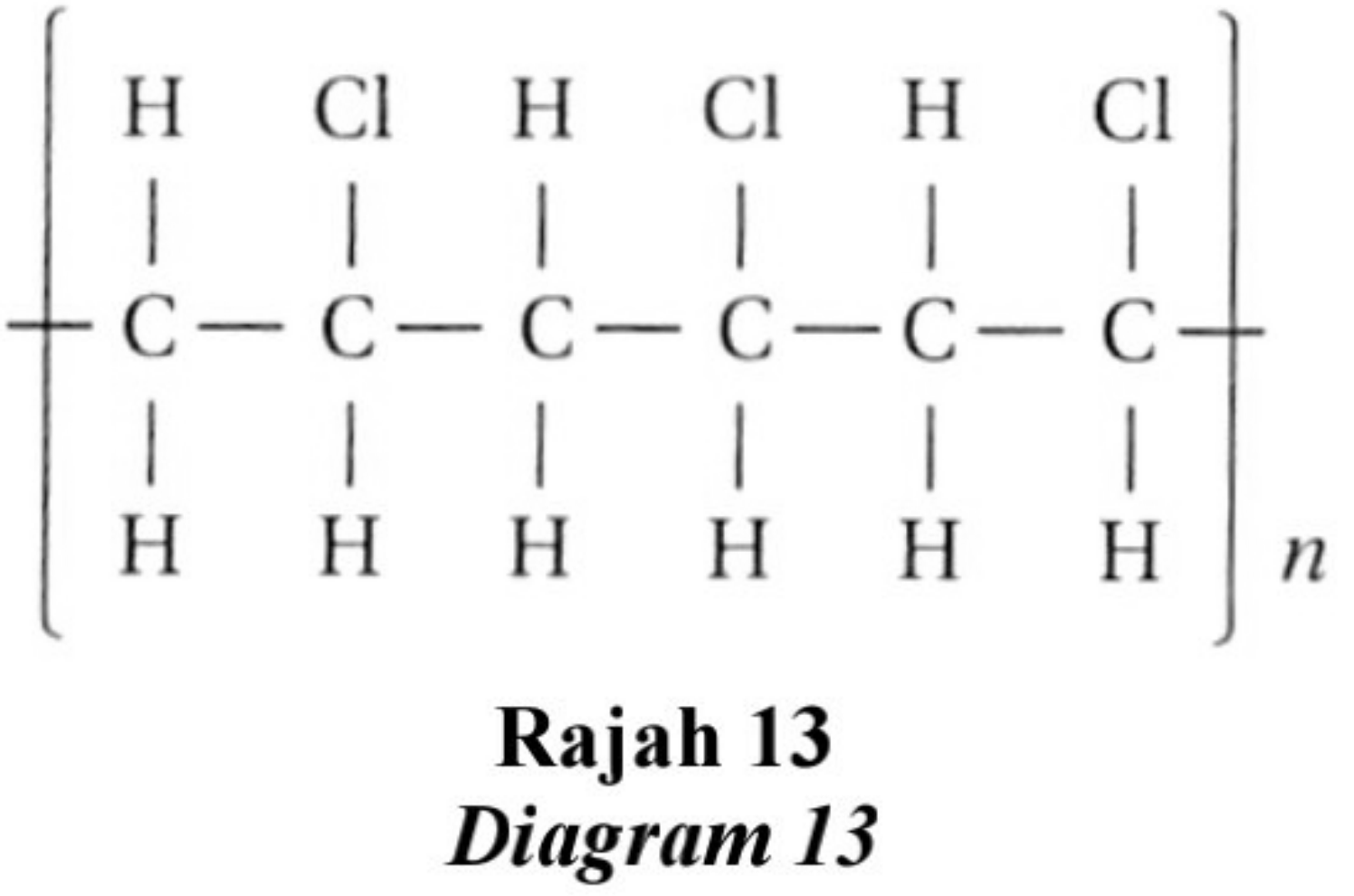
Diagram 13 shows the structural formula of a polymer (repeating unit with alternating CHCl and CH2 groups: -[CH2-CHCl]-n). Which of the following is the monomer of the polymer?
Medium
A rubber tapper wants to prevent the latex from coagulating. Which substance can be added to latex?
Easy
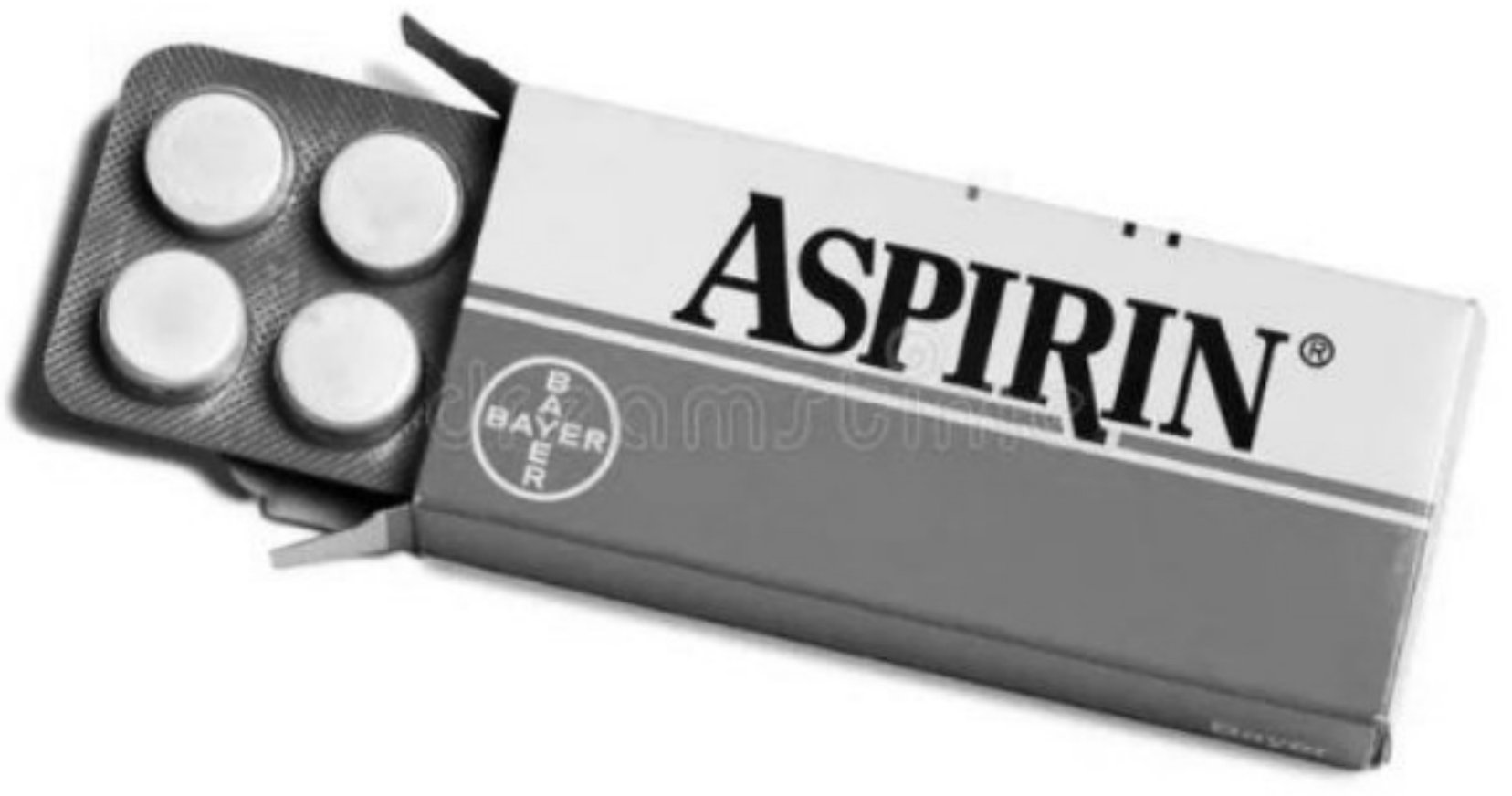
Diagram 14 shows the analgesic medicine aspirin. Which of the following statements is correct about aspirin?
Easy
Mercury in skin creams inhibits the formation of melanin, thus makes skin lighter. However, dangerous levels of mercury added into cosmetic product will give side effects to the user. What are the effects?
I Diarrhoea
II Toxic to lungs and kidneys
III Runny nose
IV Skin irritation
Medium
Ammonium sulphate, (NH₄)₂SO₄ is used as a fertiliser for plants. What is the percentage by mass of nitrogen in ammonium sulphate? [Relative atomic mass: H = 1; N = 14; O = 16; S = 32]
Medium
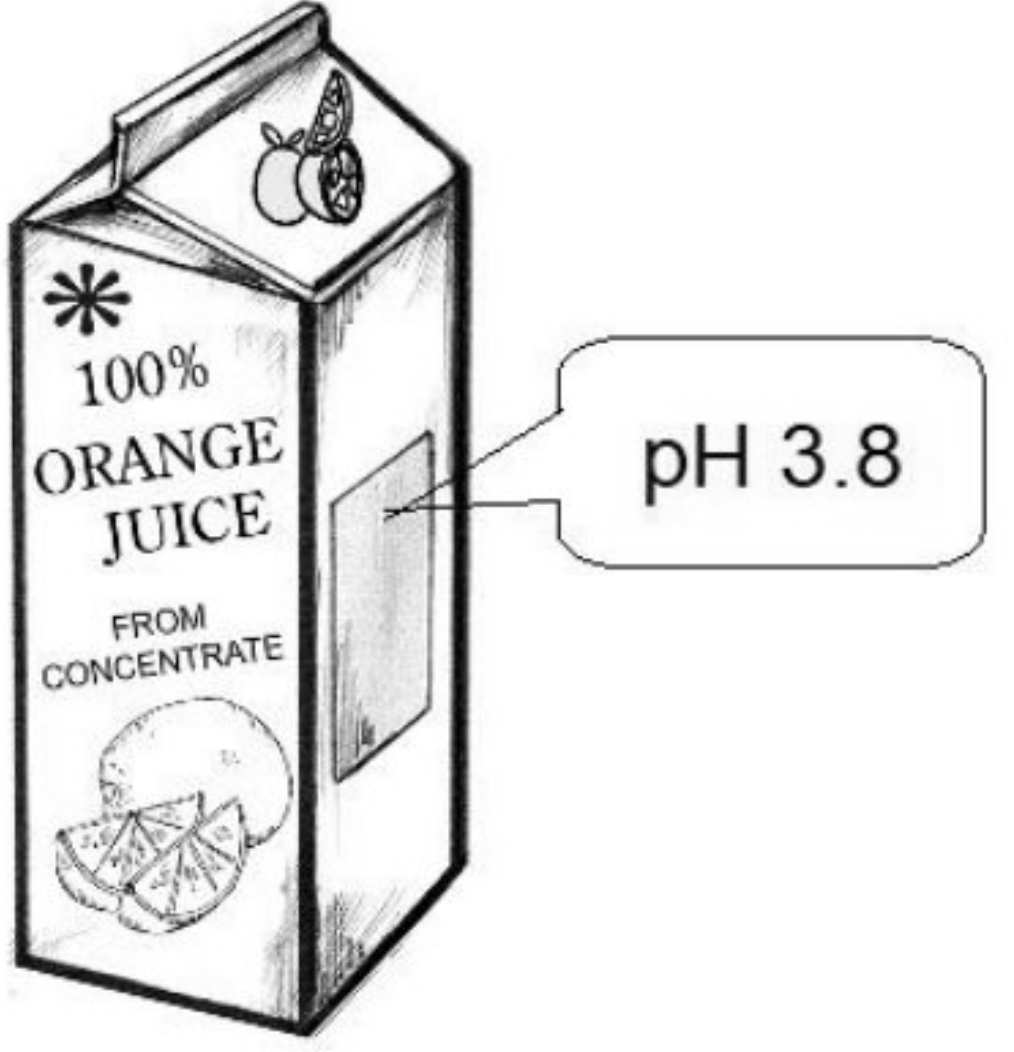
Diagram 15 shows a sample of orange juice with pH 3.8. What is the concentration of the orange juice? (Concentration of hydrogen ions in mol dm⁻³.)
Medium
Table 2 shows the total volume of oxygen accumulated in the decomposition of hydrogen peroxide catalysed by manganese(IV) oxide. Time (min): 0, 1, 2, 3, 4, 5. Volume of gas (cm³): 0.00, 10.00, 23.60, 35.80, 38.80, 38.80. What is the average rate of reaction for the decomposition of hydrogen peroxide above?
Medium
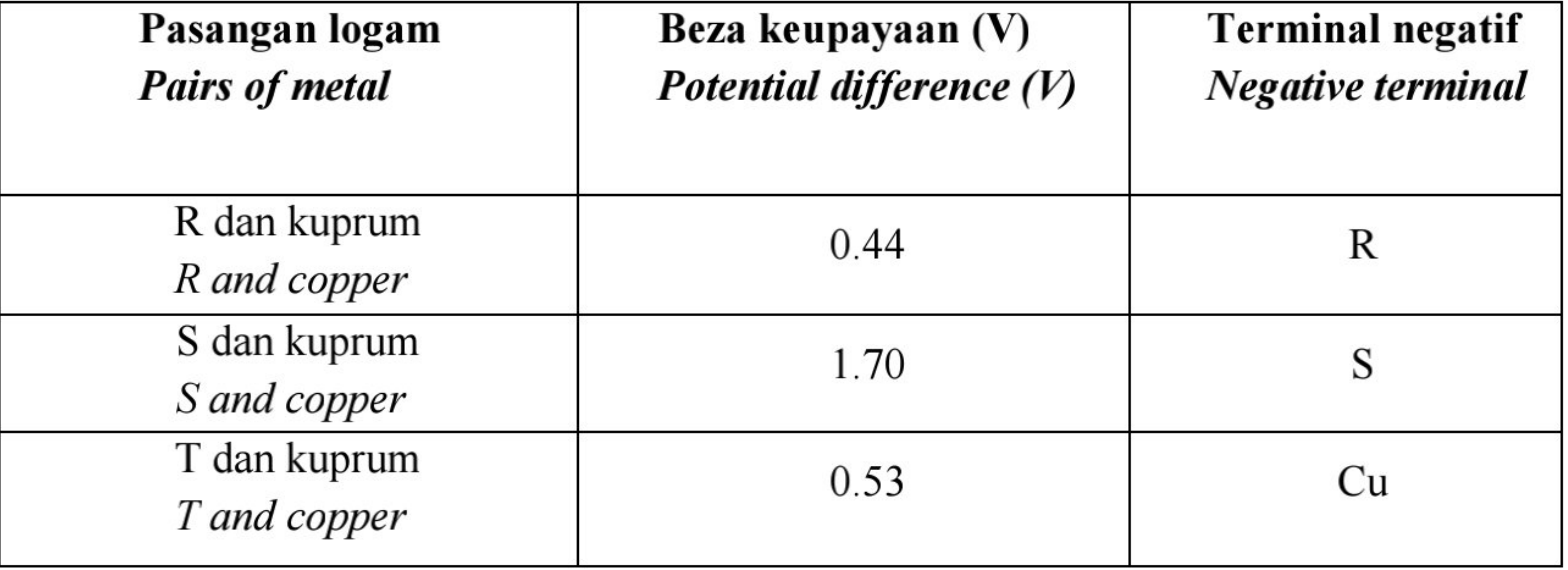
Table 3 shows information about three voltaic cells.
Pairs of metal | Potential difference (V) | Negative terminal
R and copper | 0.44 | R
S and copper | 1.70 | S
T and copper | 0.53 | Cu
What is the potential difference for the pair of metal S and T?
Medium
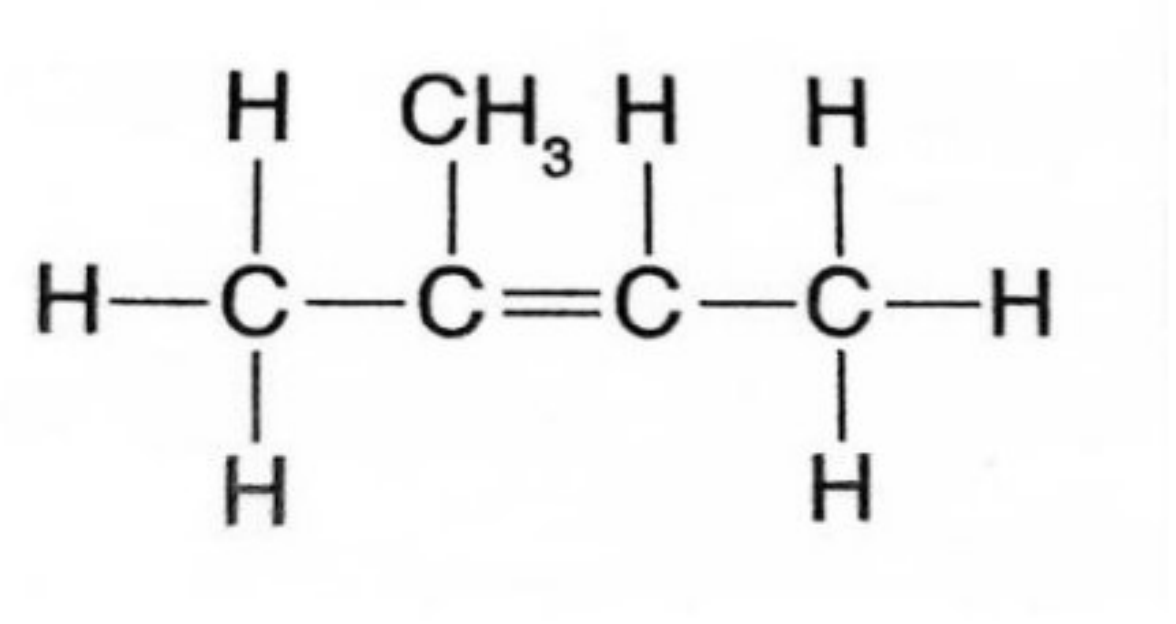
Diagram 16 shows the structural formula of an organic compound (CH3-C(CH3)=CH-CH3). What is the IUPAC name of this compound?
Medium
The chemical equation represents the decomposition reaction of copper(II) nitrate when heated.
2Cu(NO₃)₂ → 2CuO + 4NO₂ + O₂
Which of the following is produced when 37.6 g copper(II) nitrate is decomposed completely at room conditions? [Relative atomic mass: Cu = 64, N = 14, O = 16; Molar volume: 24 dm³ mol⁻¹ at room conditions; Avogadro constant, N_A: 6.02 × 10²³ mol⁻¹]
Medium
The reaction between 50.0 cm³ hydrochloric acid and 50.0 cm³ of sodium hydroxide solution releases heat of 3360 J. What is the temperature change of mixture? [Specific heat capacity of solution = 4.2 J g⁻¹ °C⁻¹; density of solution = 1.0 g cm⁻³]
Medium
The following chemical equation represents the combustion of propane gas.
C₃H₈ + 5O₂ → 3CO₂ + 4H₂O
Calculate the volume of oxygen gas needed to react completely with 22 g of propane gas at room condition. [Molar volume of gas = 24 dm³ mol⁻¹ at room condition; Relative atomic mass: C = 12, H = 1, O = 16]
Medium
50 cm³ of 1.0 mol dm⁻³ potassium chloride solution is mixed into a polystyrene cup which containing 50 cm³ of 1.0 mol dm⁻³ silver nitrate solution. The heat of precipitation for the reaction is -51 kJ mol⁻¹. What is the maximum temperature of the mixture if the average of initial temperature of the solution is 29.0 °C? [Specific heat capacity of solutions = 4.2 J g⁻¹ °C⁻¹]
Medium
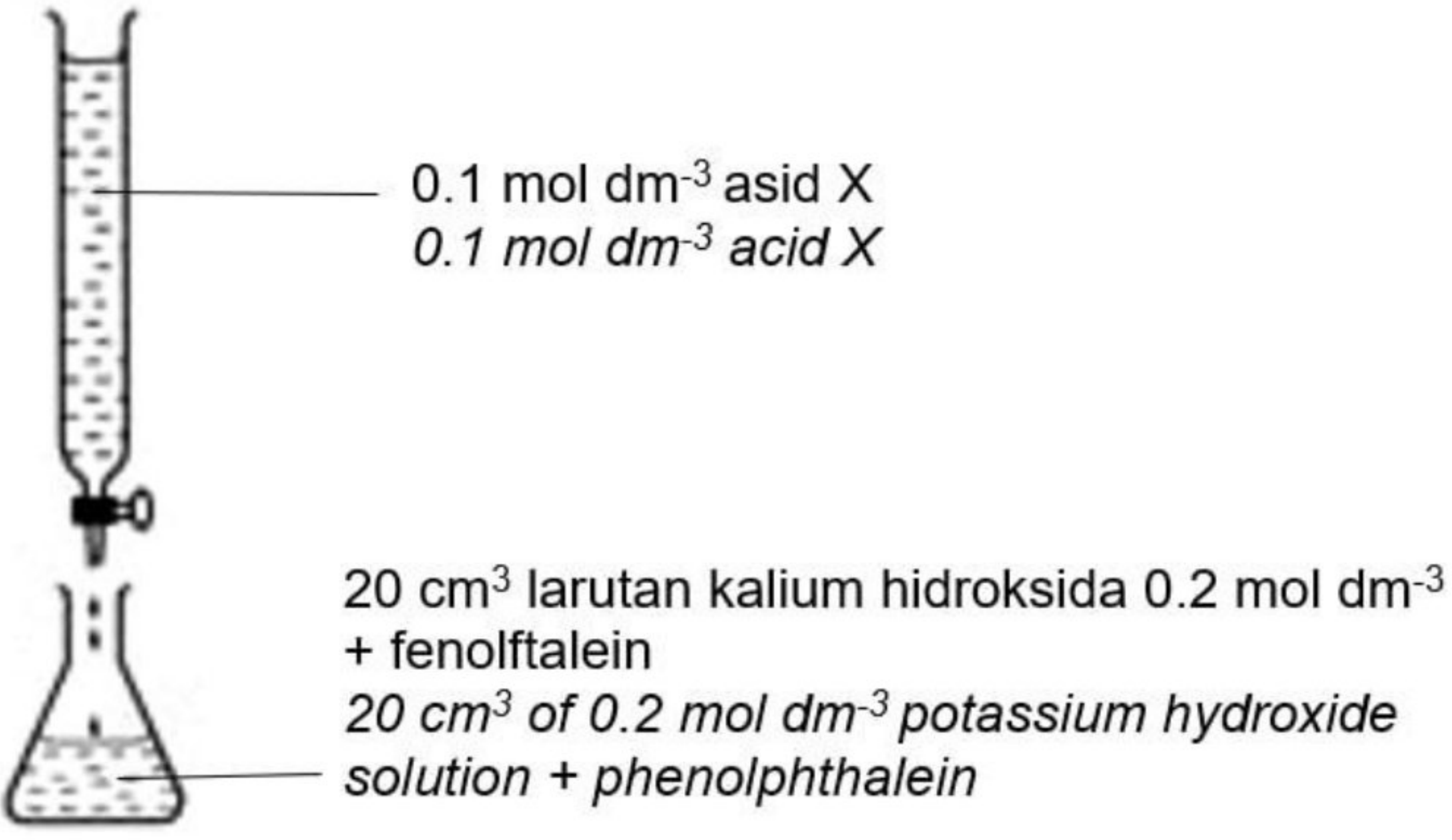
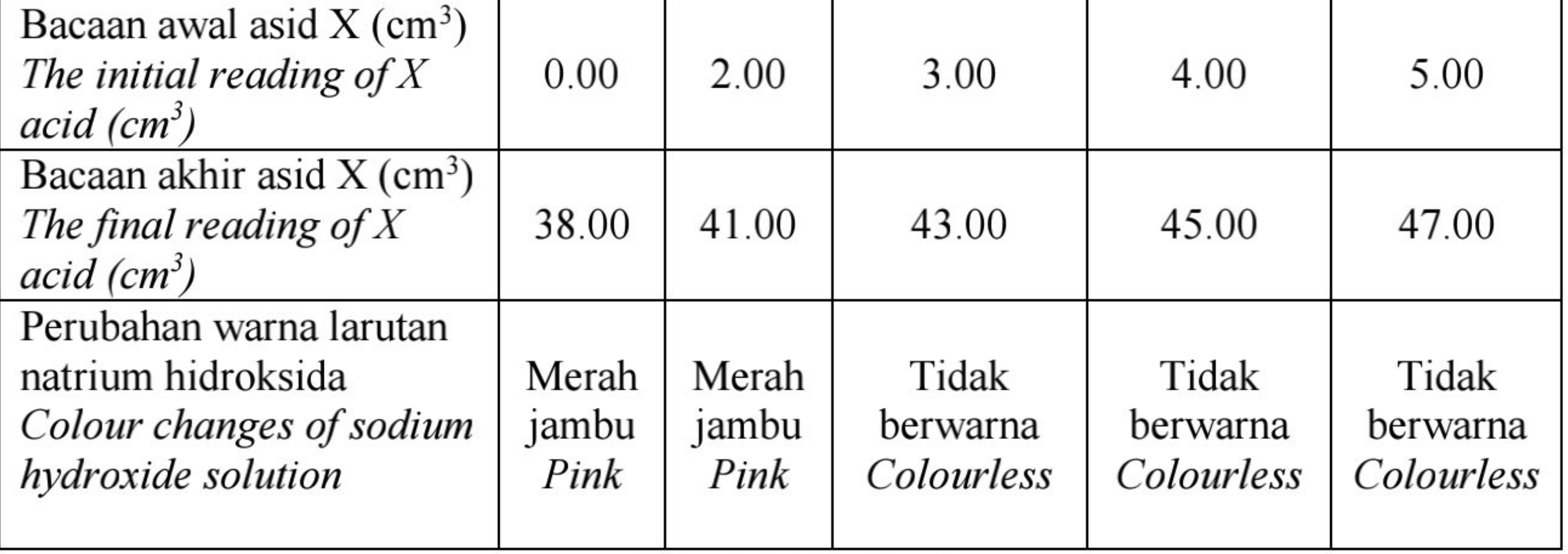
Diagram 17 shows apparatus set-up of an experiment: burette containing 0.1 mol dm⁻³ acid X added to 20 cm³ of 0.2 mol dm⁻³ potassium hydroxide solution + phenolphthalein. Table 4 shows the results. Initial reading of X acid (cm³): 0.00, 2.00, 3.00, 4.00, 5.00. Final reading of X acid (cm³): 38.00, 41.00, 43.00, 45.00, 47.00. Colour changes of the solution: Pink, Pink, Colourless, Colourless, Colourless. Which of the following represents X acid?