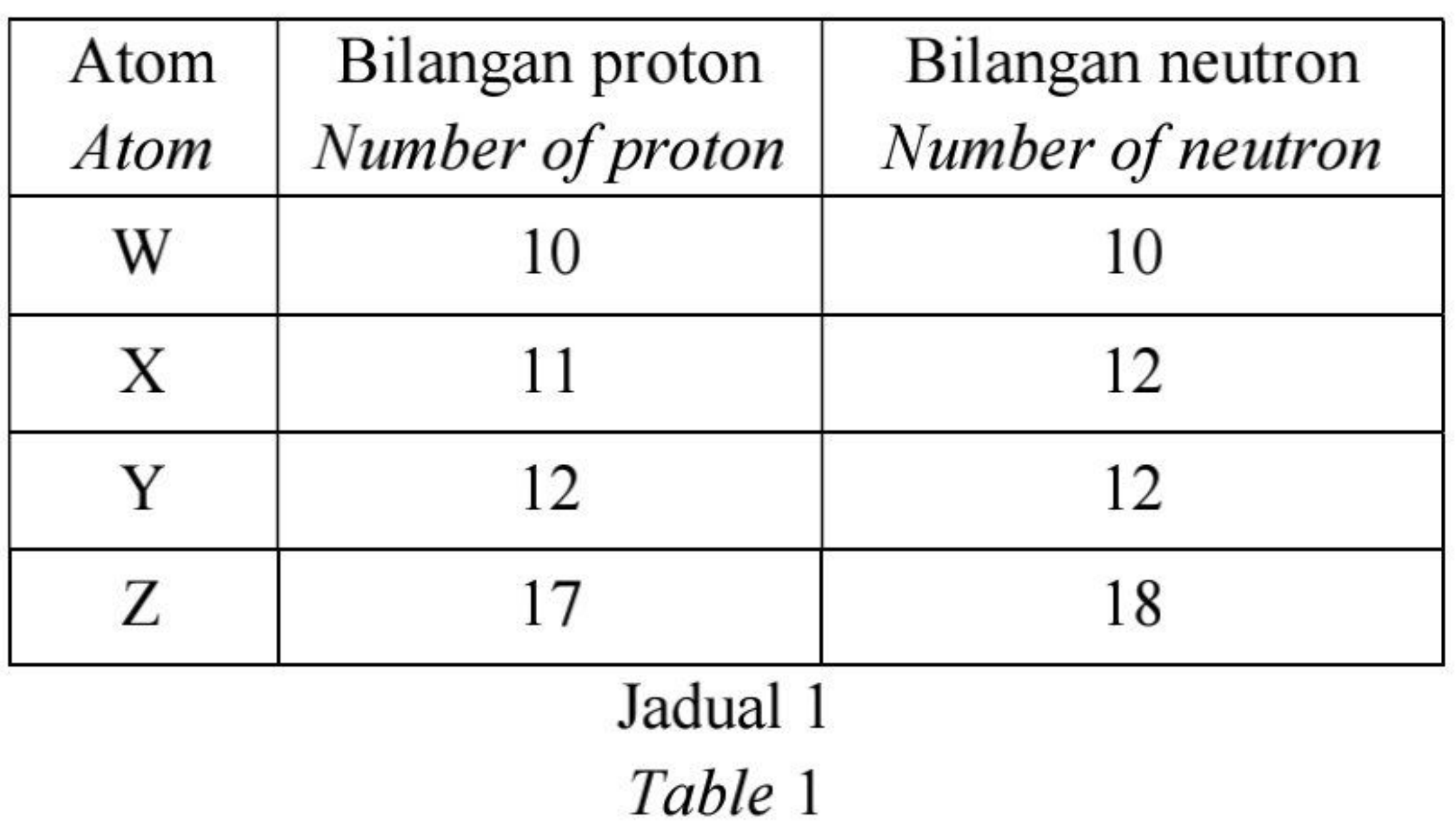
Table 1 shows the number of protons and number of neutrons for atoms W, X, Y and Z: W 10 protons, 10 neutrons; X 11, 12; Y 12, 12; Z 17, 18. Based on Table 1, which atom can form a negative ion?
Medium
Two atoms of element X have a mass equal to one copper atom. What is the relative atomic mass of X? [Relative atomic mass: Cu = 64]
Medium
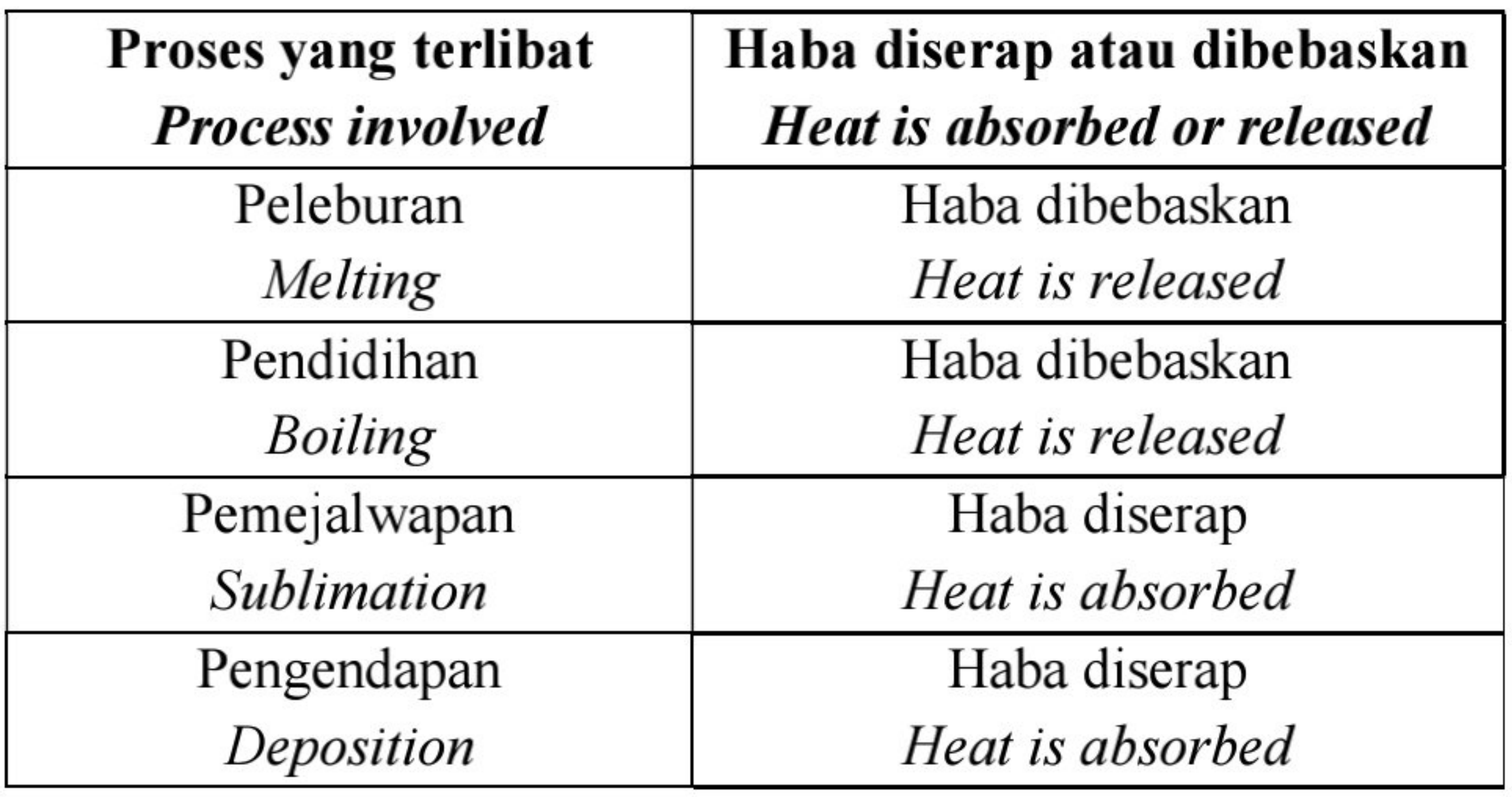
Heat is absorbed or released during conversion of state. Which pair is correctly matched? (Process / heat): A Melting / heat is released; B Boiling / heat is released; C Sublimation / heat is absorbed; D Deposition / heat is absorbed.
Medium
Which quantities are the same for one mole of ammonia (NH3) and one mole of methane (CH4) gases? I Number of molecules; II Number of atoms; III Volume; IV Mass. [Relative atomic mass: H=1, C=12, N=14]
Medium
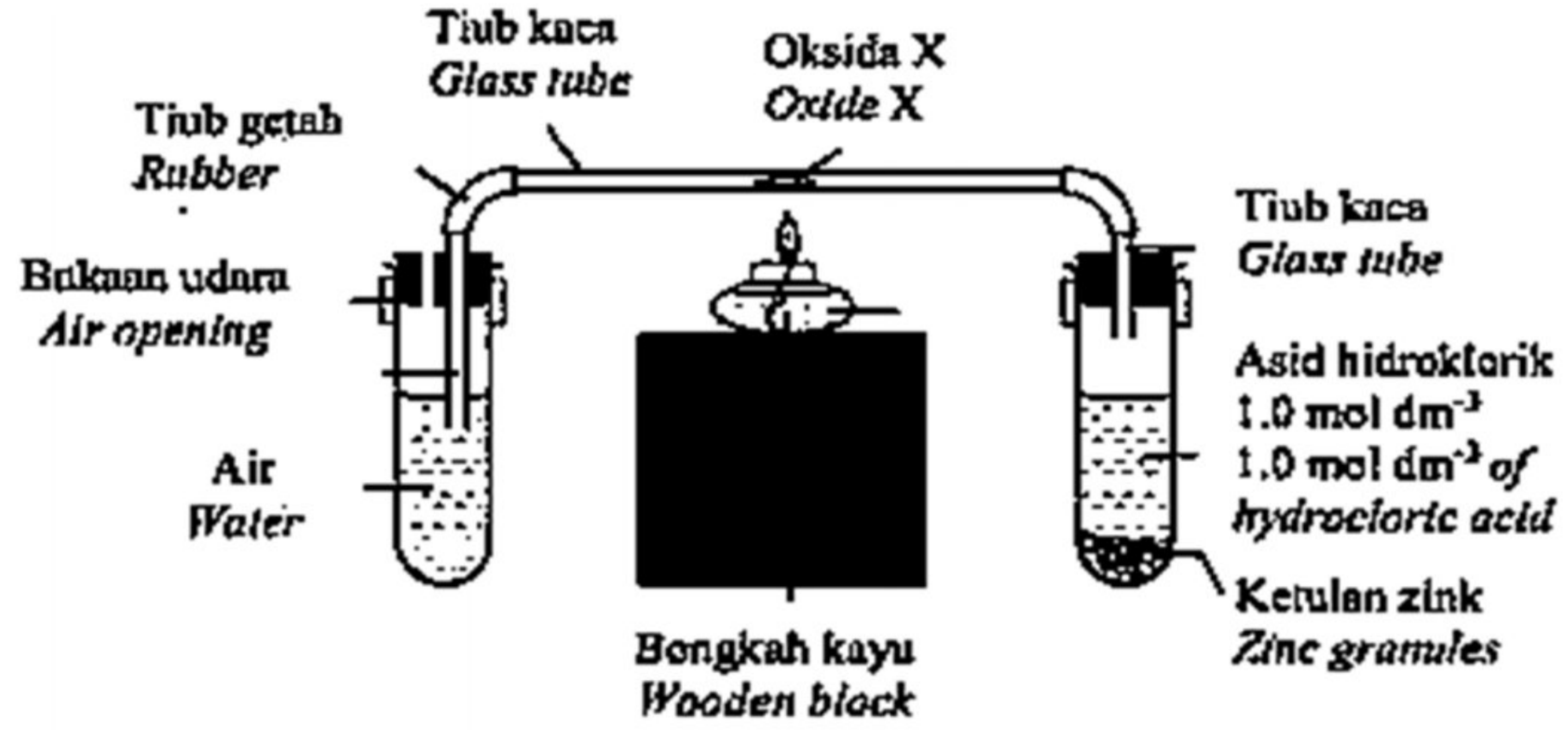
Diagram 1 shows the set-up of the apparatus used to determine the empirical formula of a metal oxide (oxide X heated in a combustion tube; hydrogen from zinc granules and 1.0 mol dm⁻³ hydrochloric acid passes over it). Which metal oxide is suitable to be used in the experiment?
Medium
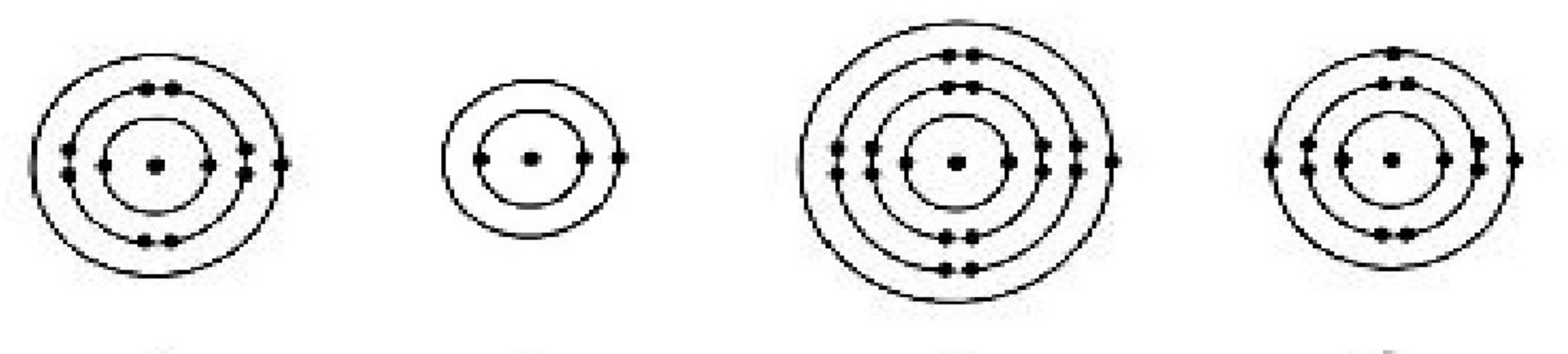
Diagram 2 shows the electron arrangement of four atoms P, Q, R and S. Which of the following sequence will the atoms be arranged in the Periodic Table?
Medium
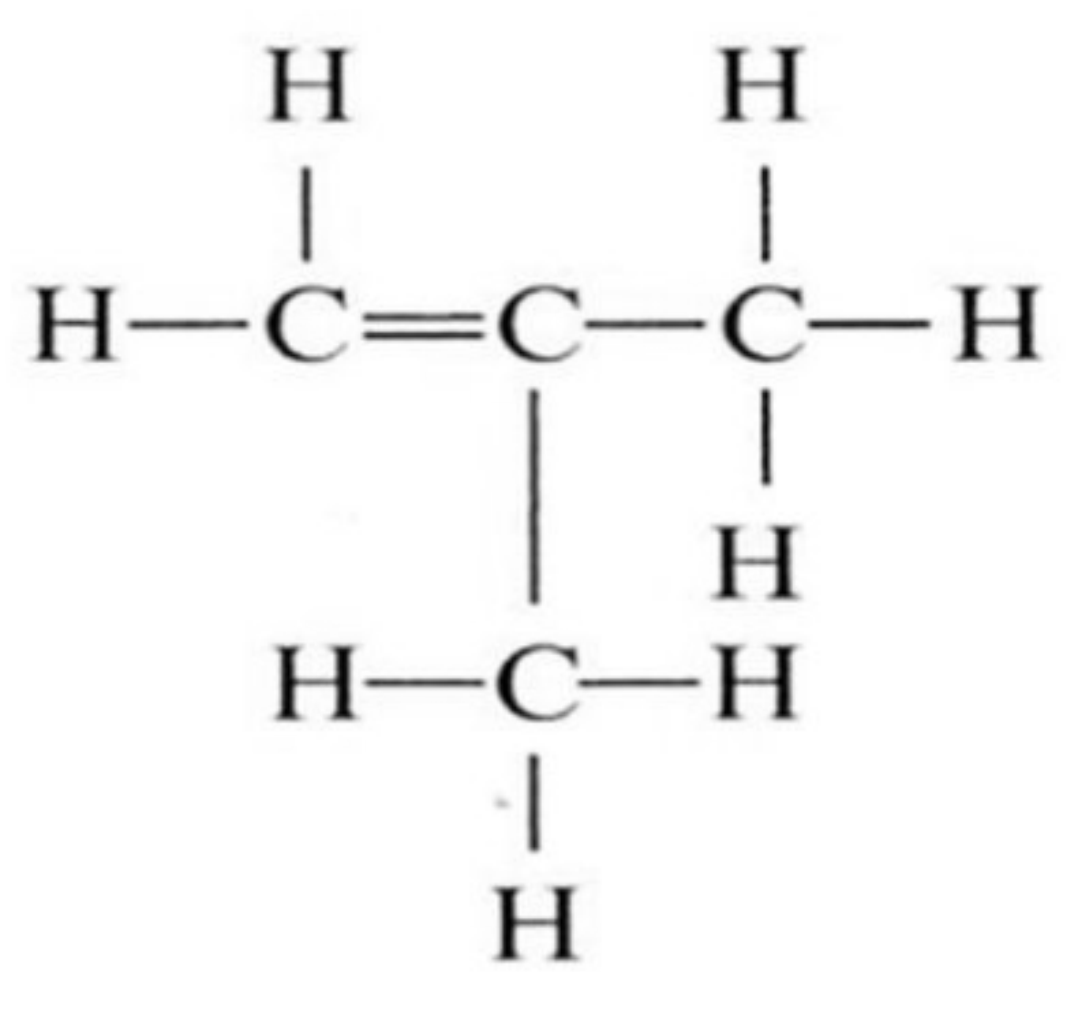
Diagram 3 shows the structural formula of compound T (CH2=C(CH3)–CH3, four carbon atoms and eight hydrogen atoms). What is the percentage of carbon by mass in compound T? [Relative atomic mass: H = 1; C = 12]
Medium
Which of the following statements is true for hydrogen bond?
Medium
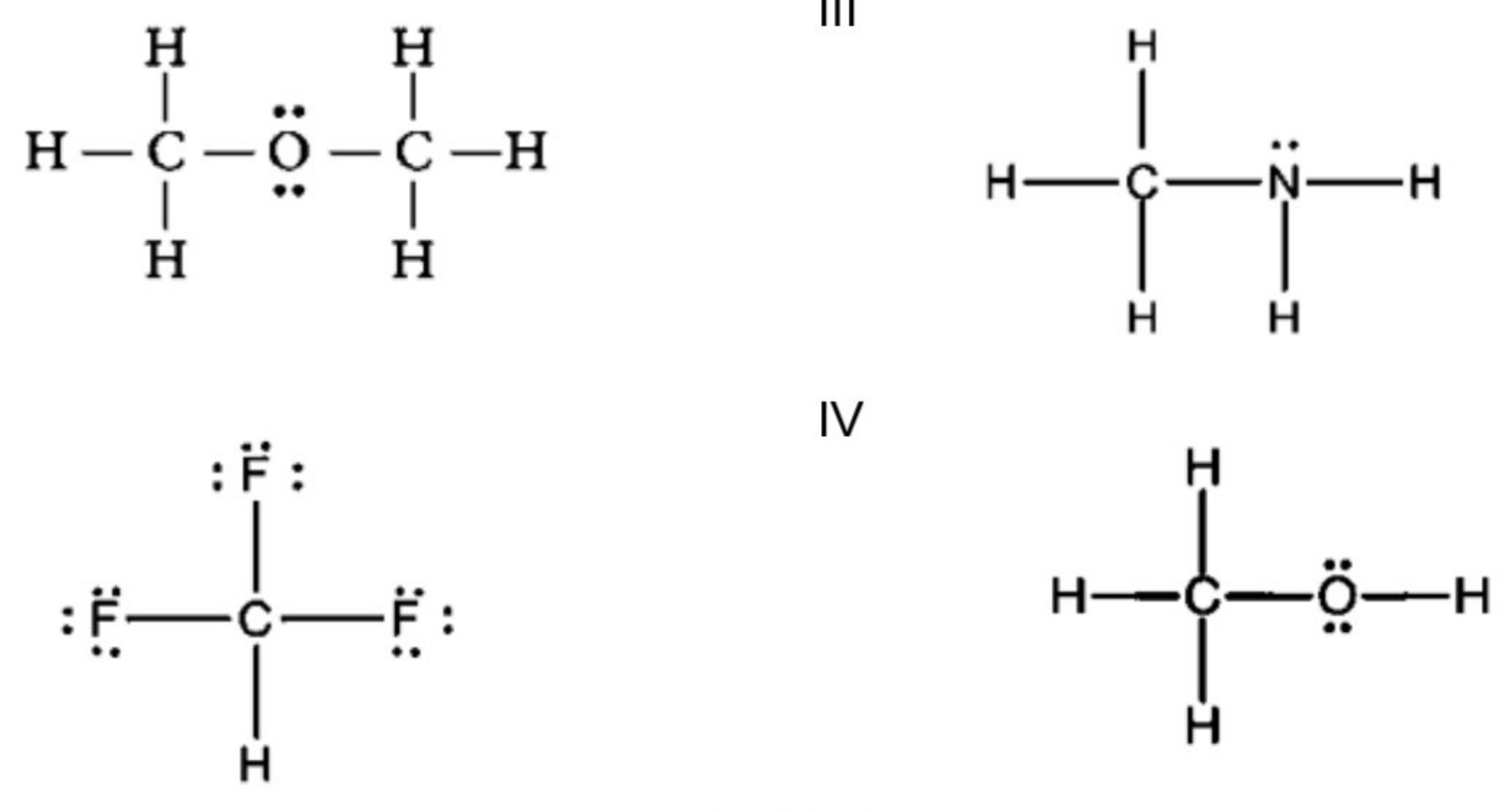
Diagram 4 shows some types of compounds: I CH3–O–CH3 (dimethyl ether), II CHF3, III CH3–NH2, IV CH3–OH. Which compounds are soluble in water?
Medium
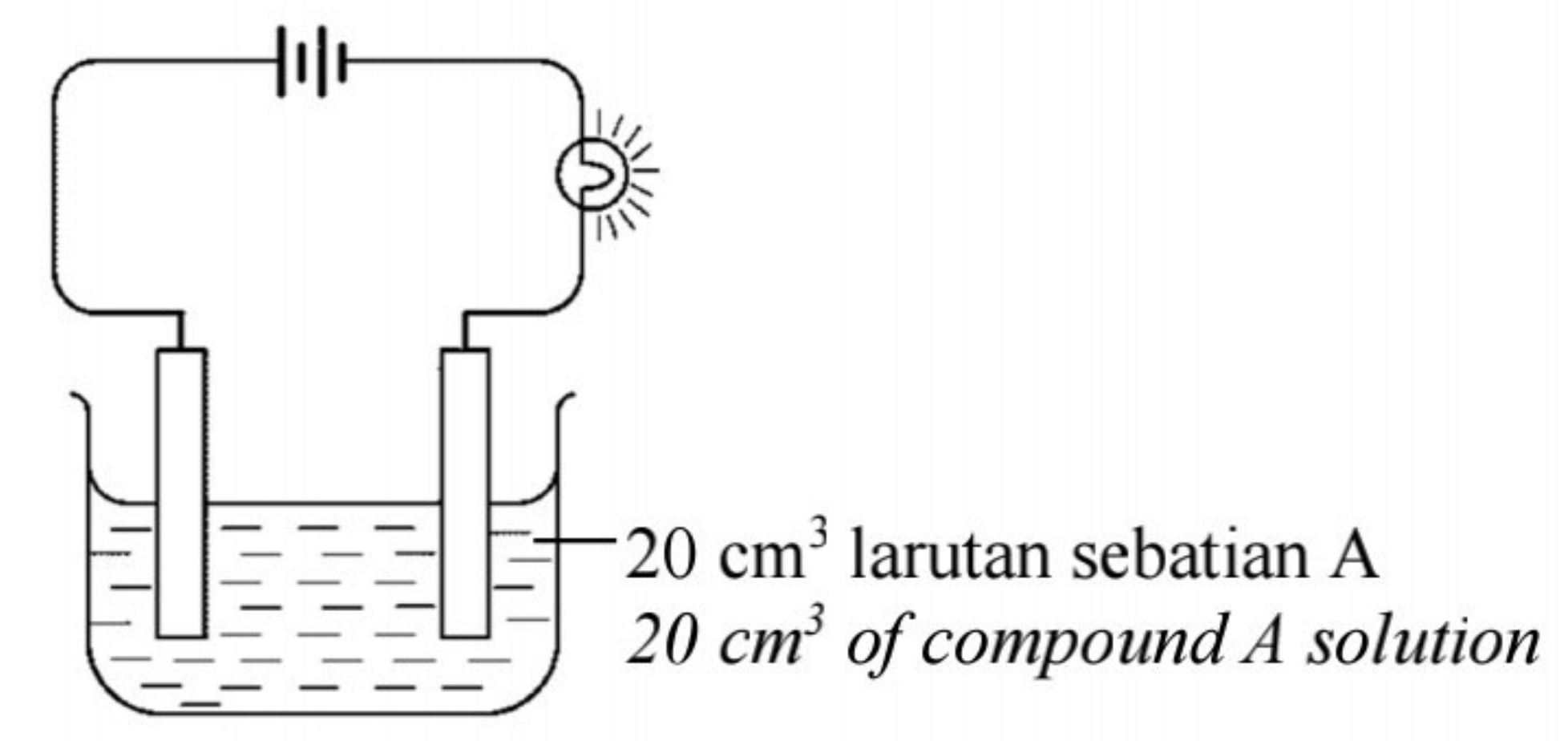
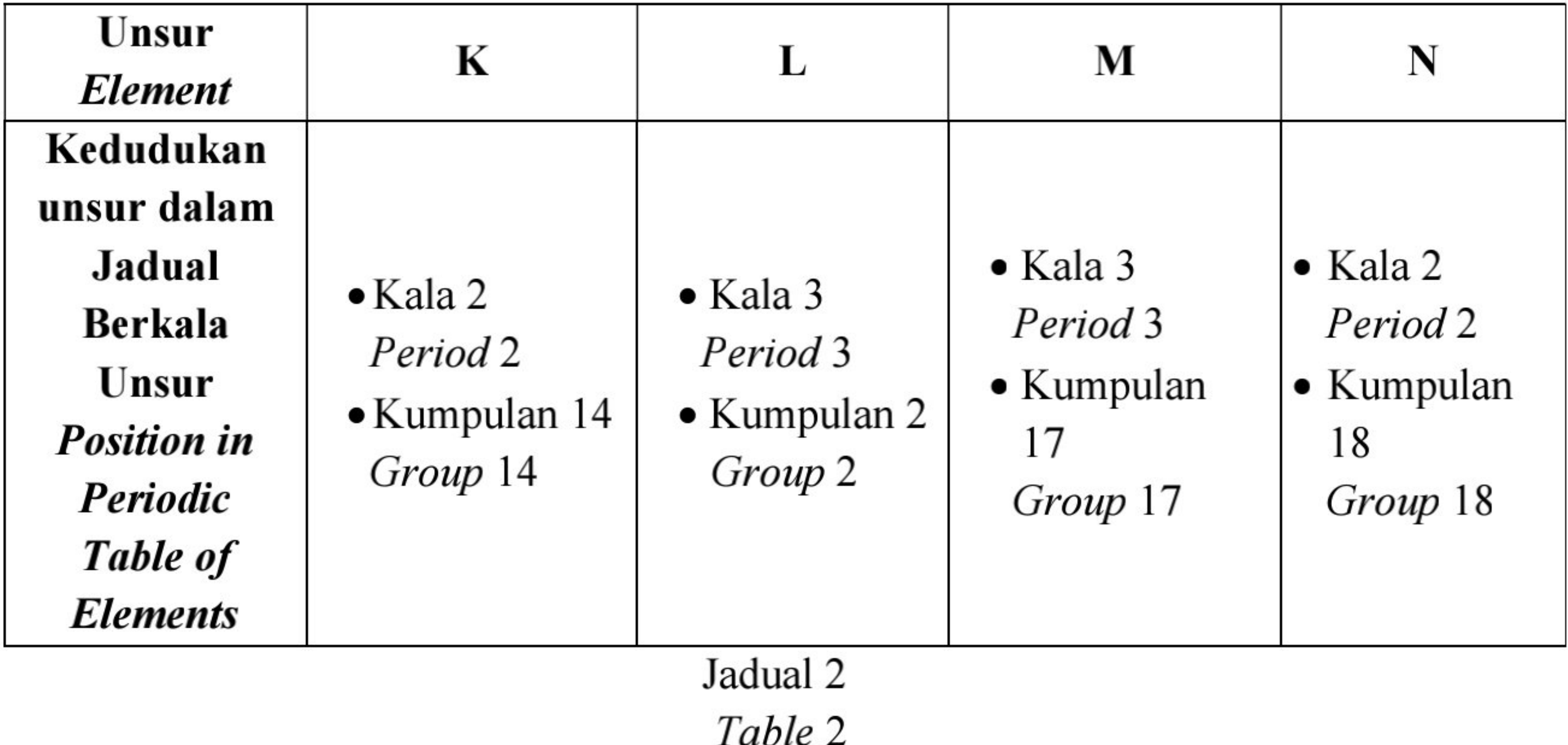
Diagram 5 shows the apparatus set-up and observation for the electrical conductivity of compound A (the bulb lights up in 20 cm³ of compound A solution). Table 2 shows the position in the Periodic Table: K Period 2 Group 14; L Period 3 Group 2; M Period 3 Group 17; N Period 2 Group 18. Based on Diagram 5 and Table 2, choose the elements that can react to form compound A.
Medium
Solid Q is heated strongly. The colour of the residue is brown when hot and yellow when cold. What is solid Q?
Medium
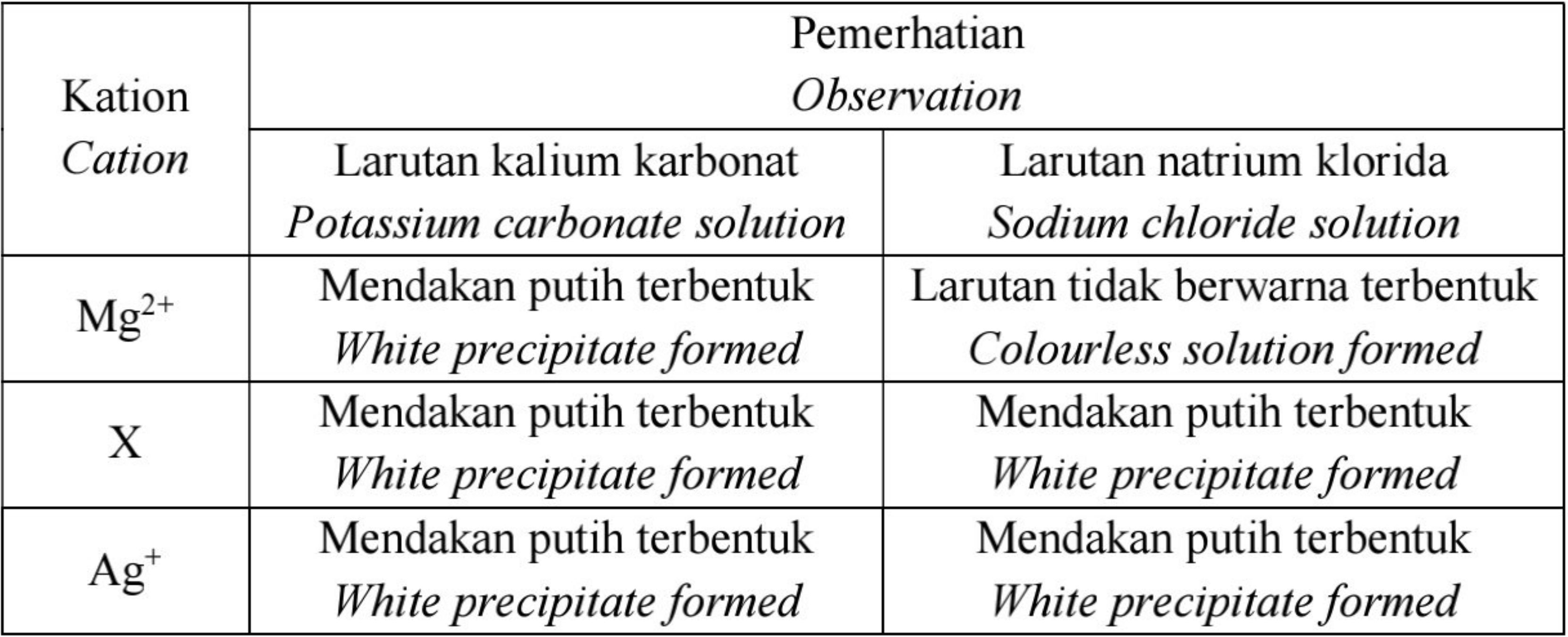
Table 3 shows the observations when three cation solutions are added to potassium carbonate solution and sodium chloride solution respectively: Mg²⁺ – white precipitate with K₂CO₃, colourless solution with NaCl; X – white precipitate with both; Ag⁺ – white precipitate with both. What is X?
Medium
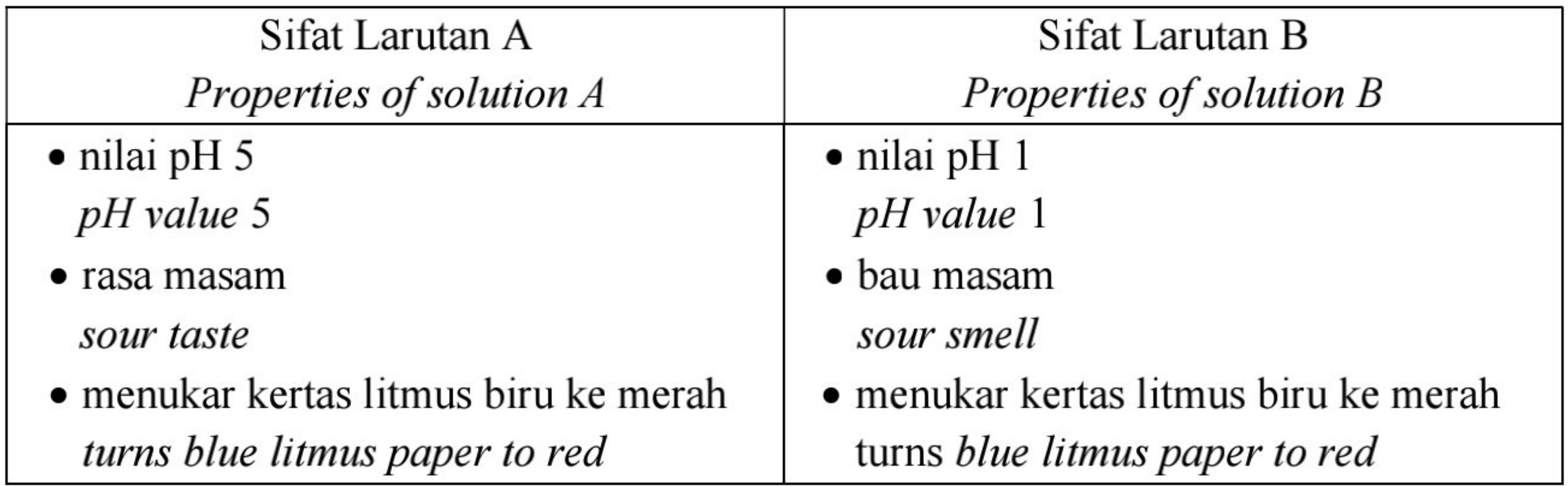
Alif studied two solutions. Solution A is often used in the kitchen; solution B is found in a car battery. Solution A: pH 5, sour taste, turns blue litmus paper red. Solution B: pH 1, sour smell, turns blue litmus paper red. Why is there a difference in pH value of the solutions while other properties are the same?
Medium
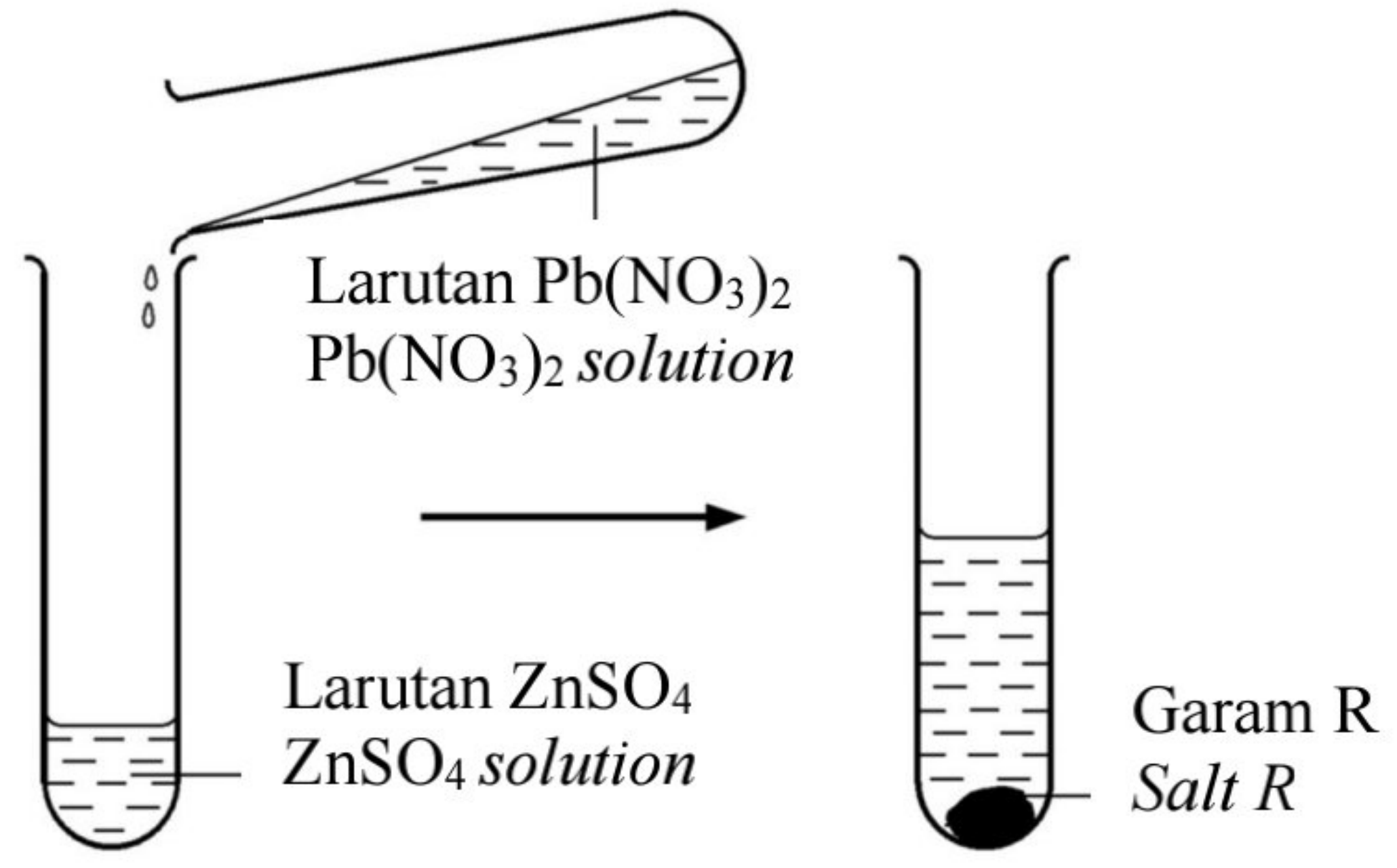
Diagram 6 shows the apparatus set-up to produce salt R: Pb(NO₃)₂ solution is poured into ZnSO₄ solution and salt R (a precipitate) forms. What salt solution can be used to replace Pb(NO₃)₂ solution to produce a salt that has the same solubility as salt R?
Medium
The reaction between zinc and hydrochloric acid occurs when the particles of the reactants collide with each other. Only effective collisions produce products. Which of the following conditions is needed for an effective collision to occur?
Medium
In which of the chemical reactions can the rate be determined by measuring the change in the gas volume?
Medium
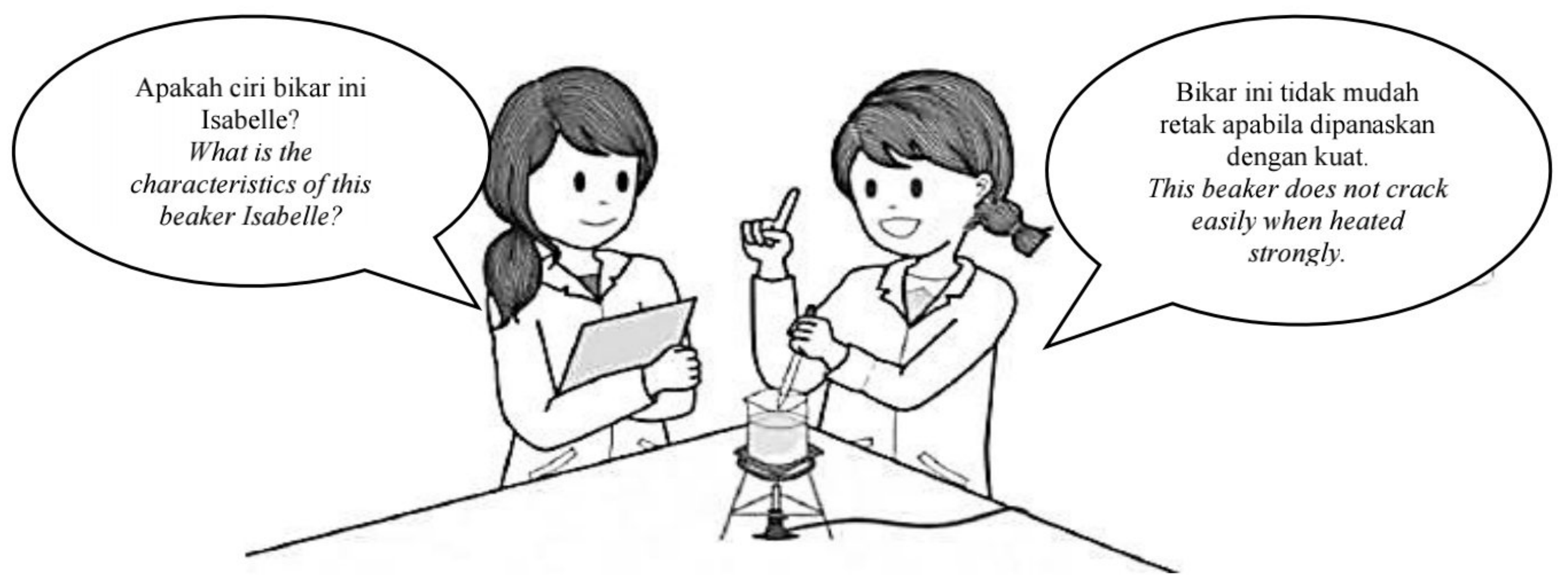
Diagram 7 shows a conversation between Isabelle and her teacher. Teacher: What are the characteristics of this beaker, Isabelle? Isabelle: This beaker does not crack easily when heated strongly. What type of glass is the beaker?
Easy
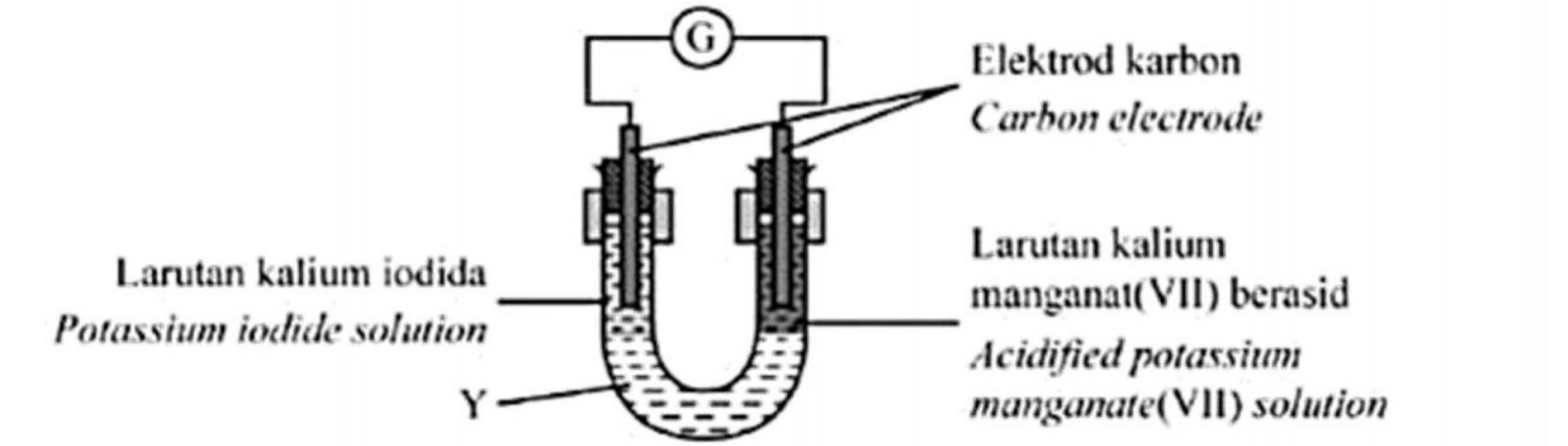
Diagram 8 shows the apparatus set-up for the transfer of electrons at a distance in a U-tube (potassium iodide solution on one side, acidified potassium manganate(VII) solution on the other, carbon electrodes connected to a galvanometer G; Y is the substance in the bottom of the U-tube). What is the function of Y?
Medium
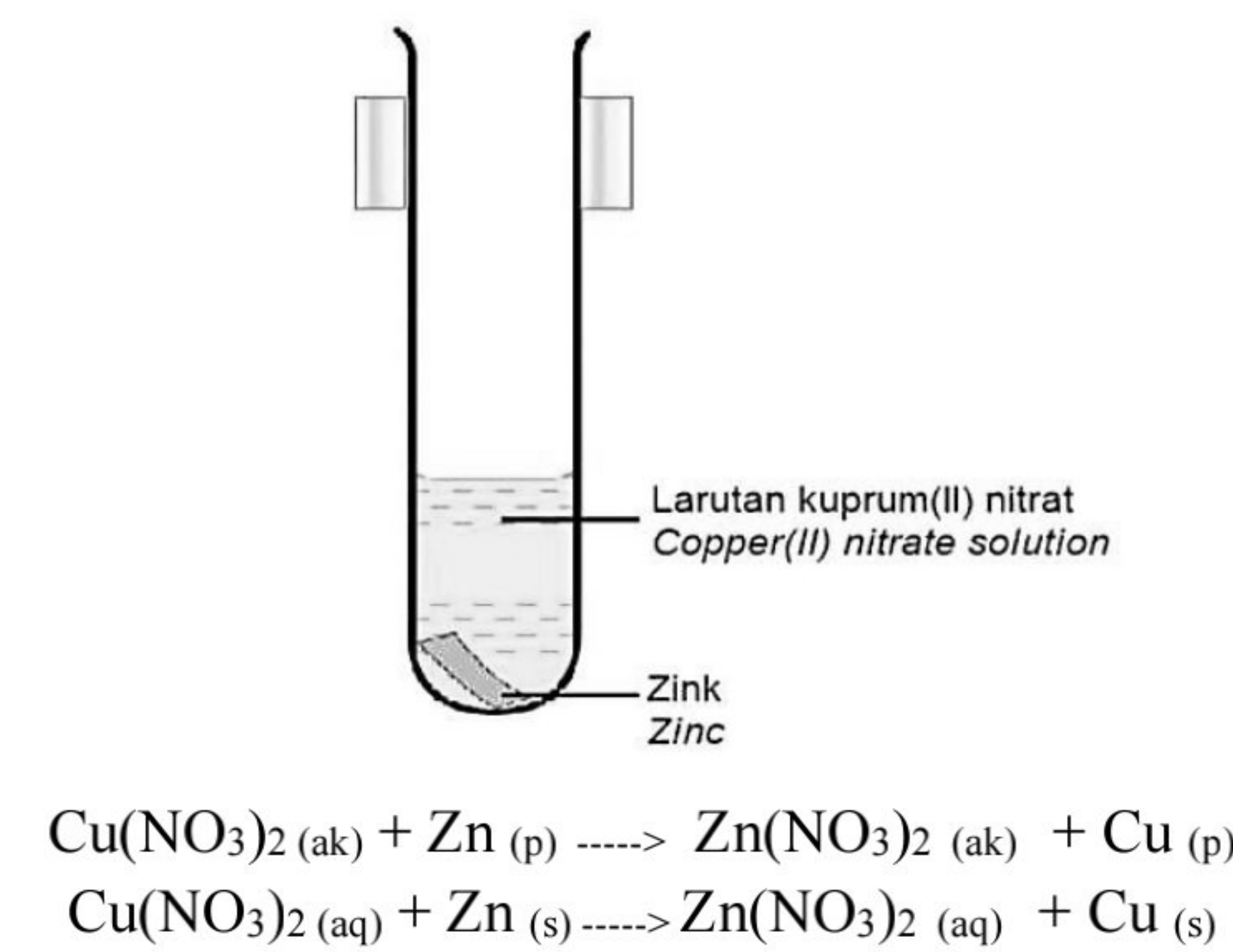
Diagram 9 shows a piece of zinc plate added into a test tube containing copper(II) nitrate solution: Cu(NO₃)₂(aq) + Zn(s) → Zn(NO₃)₂(aq) + Cu(s). Which of the following changes in oxidation number is correct for copper?
Easy
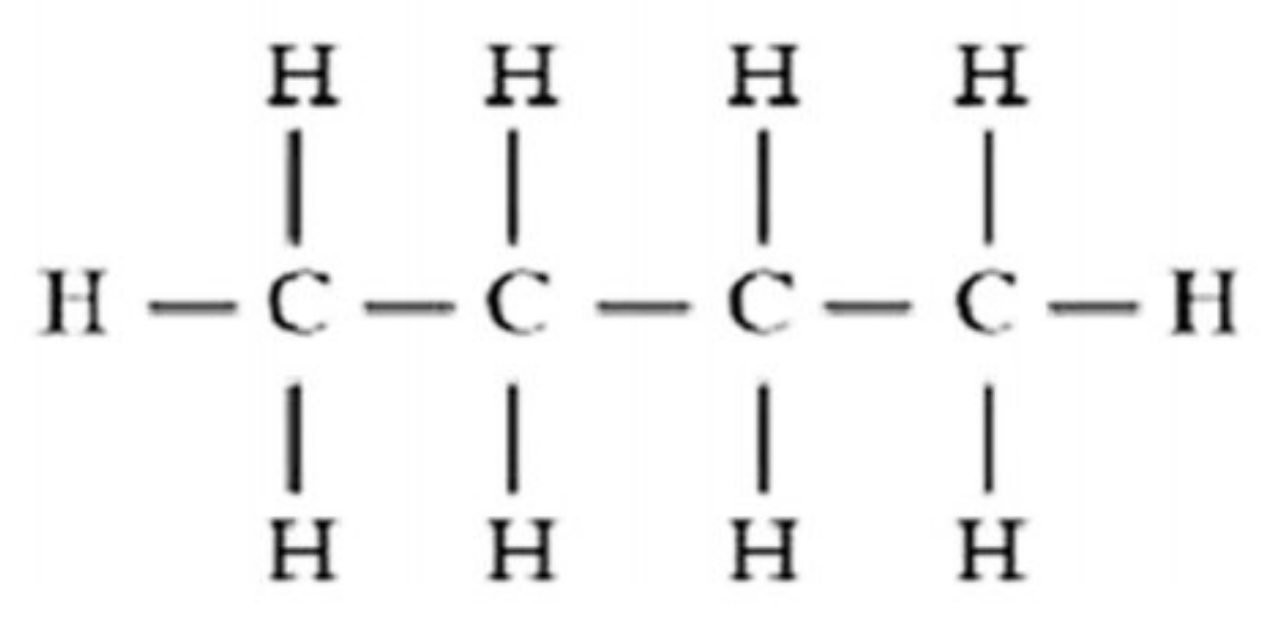
Diagram 10 shows the structural formula of a hydrocarbon (butane, CH₃CH₂CH₂CH₃). The hydrocarbon in Diagram 10 can be obtained when hydrocarbon X and hydrogen are passed over a nickel catalyst at 180 °C. What is the name of hydrocarbon X?
Medium
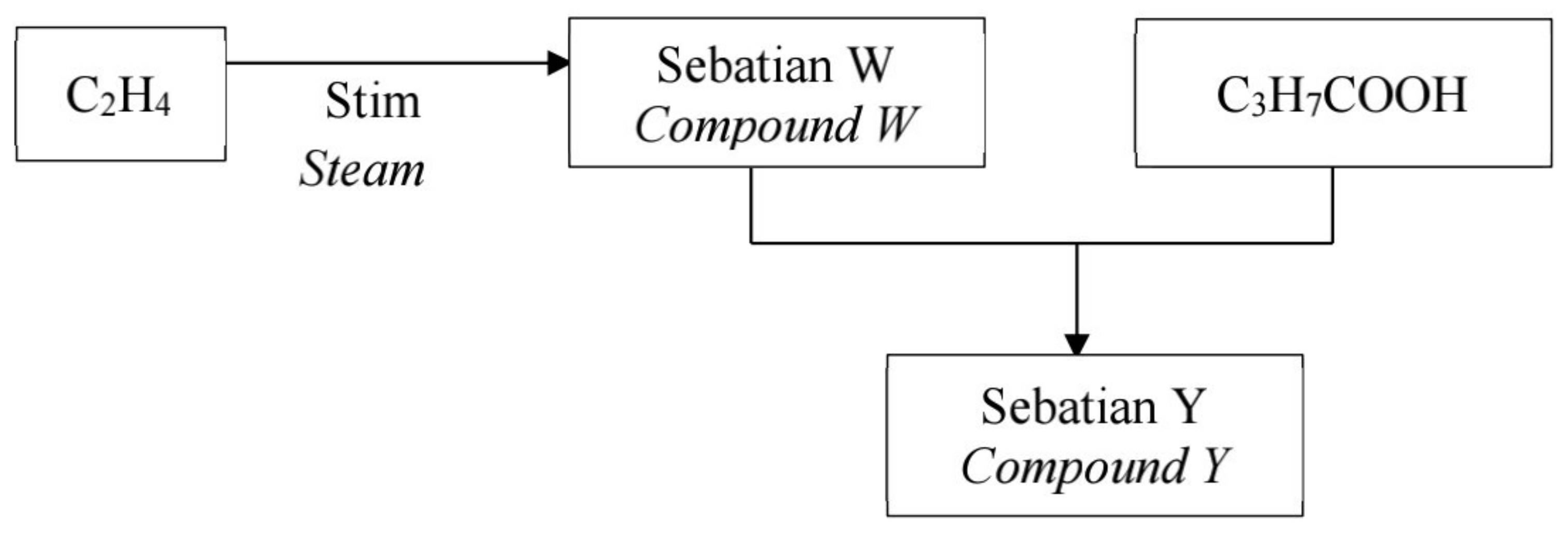
Diagram 11 shows the flow chart in producing compound Y: C₂H₄ reacts with steam to form compound W; compound W reacts with C₃H₇COOH to form compound Y. What is Y?
Medium
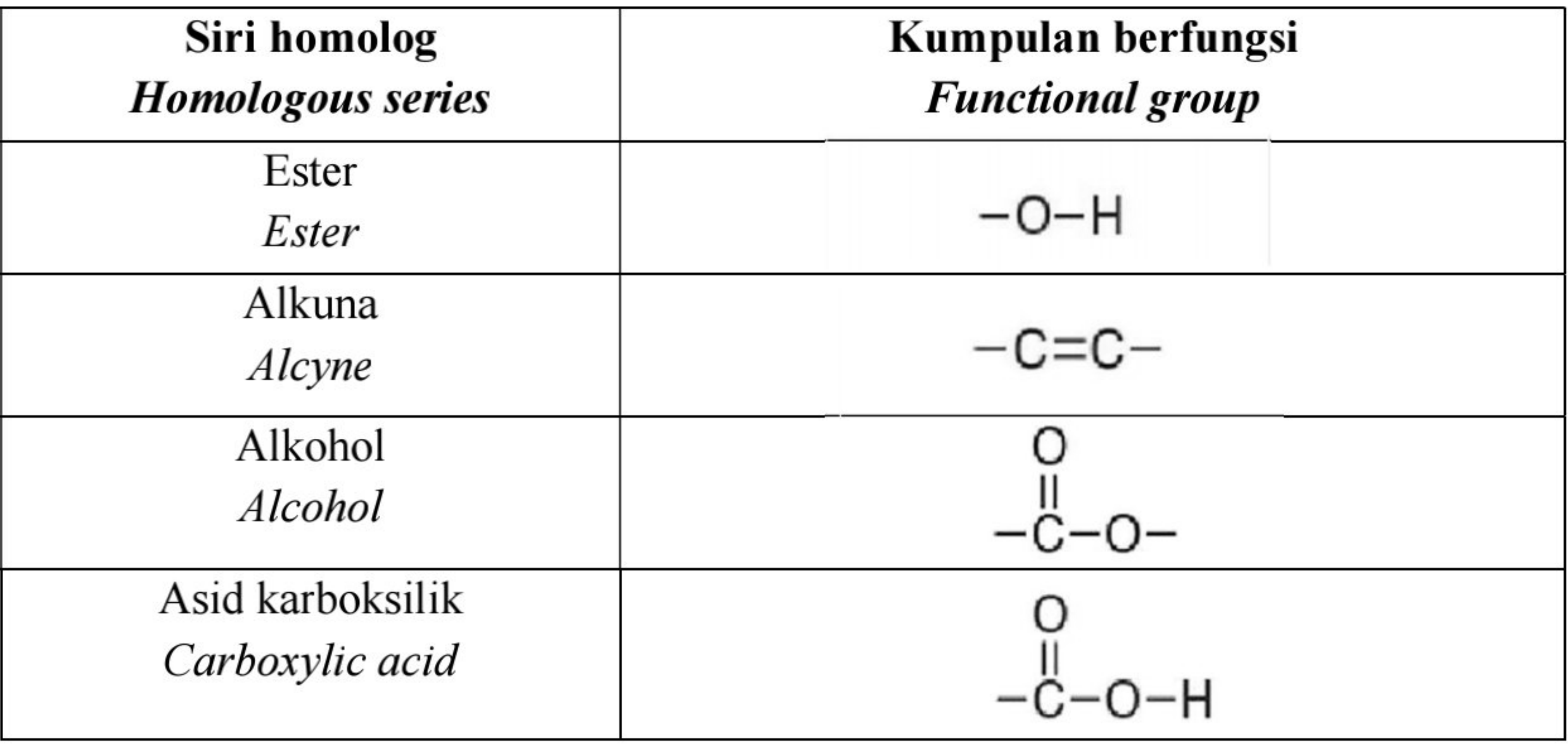
What is the correct functional group for the following homologous series? A Ester: –O–H; B Alkyne: –C=C–; C Alcohol: –COO– (ester linkage); D Carboxylic acid: –COOH.
Medium
Which of the following substances undergoes dehydration reaction?
Medium
Which compound is an unsaturated hydrocarbon?
Medium
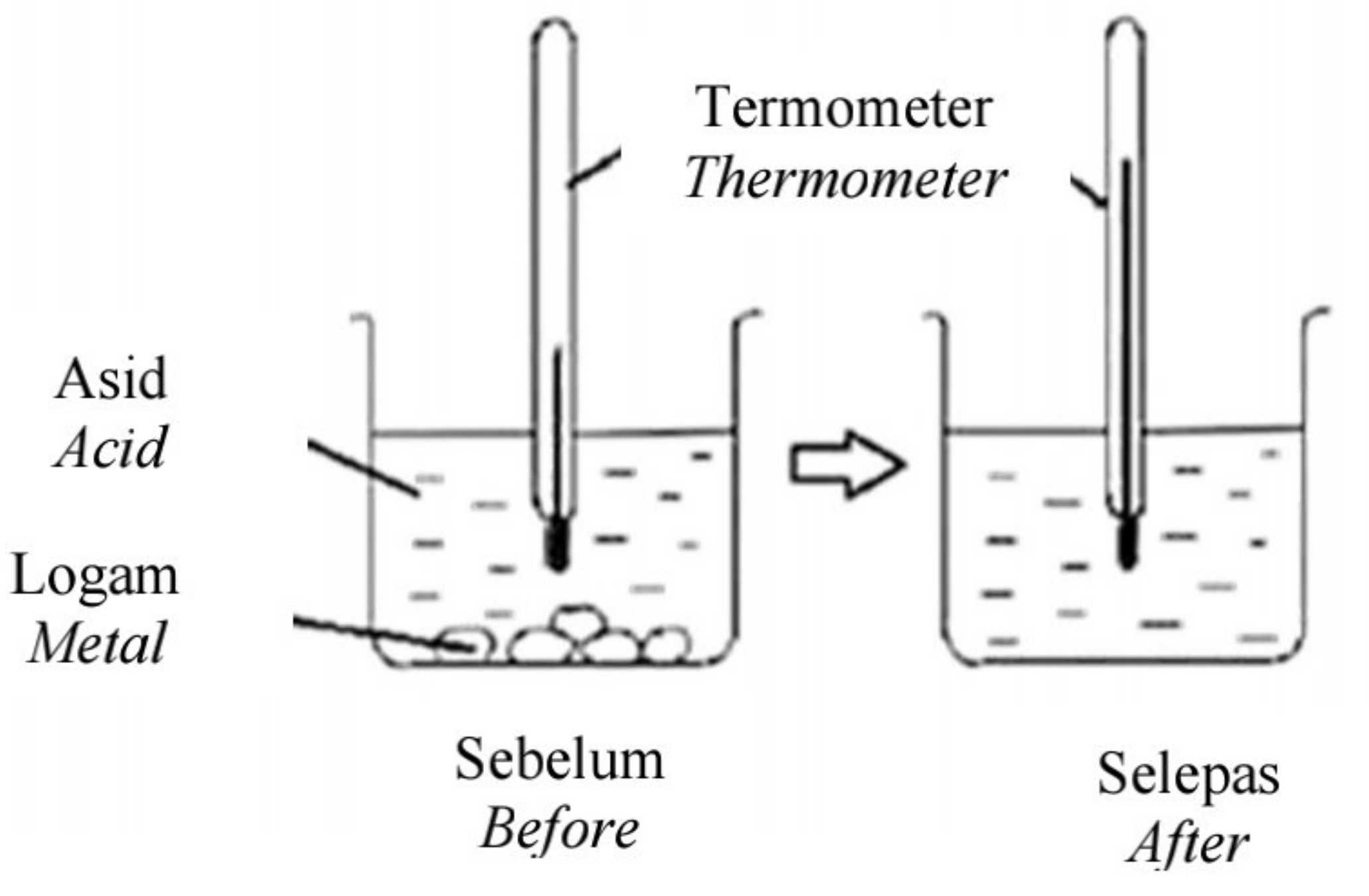
Diagram 12 shows the observation of a reaction between an acid and a metal in a beaker with a thermometer (before and after; the thermometer reading rises). Which of the following information is correct about the reaction? I Container becomes cold. II Heat is absorbed from surrounding. III The value of ΔH in the reaction is negative. IV The total energy content of the reactants is higher than the energy content of the products.
Medium
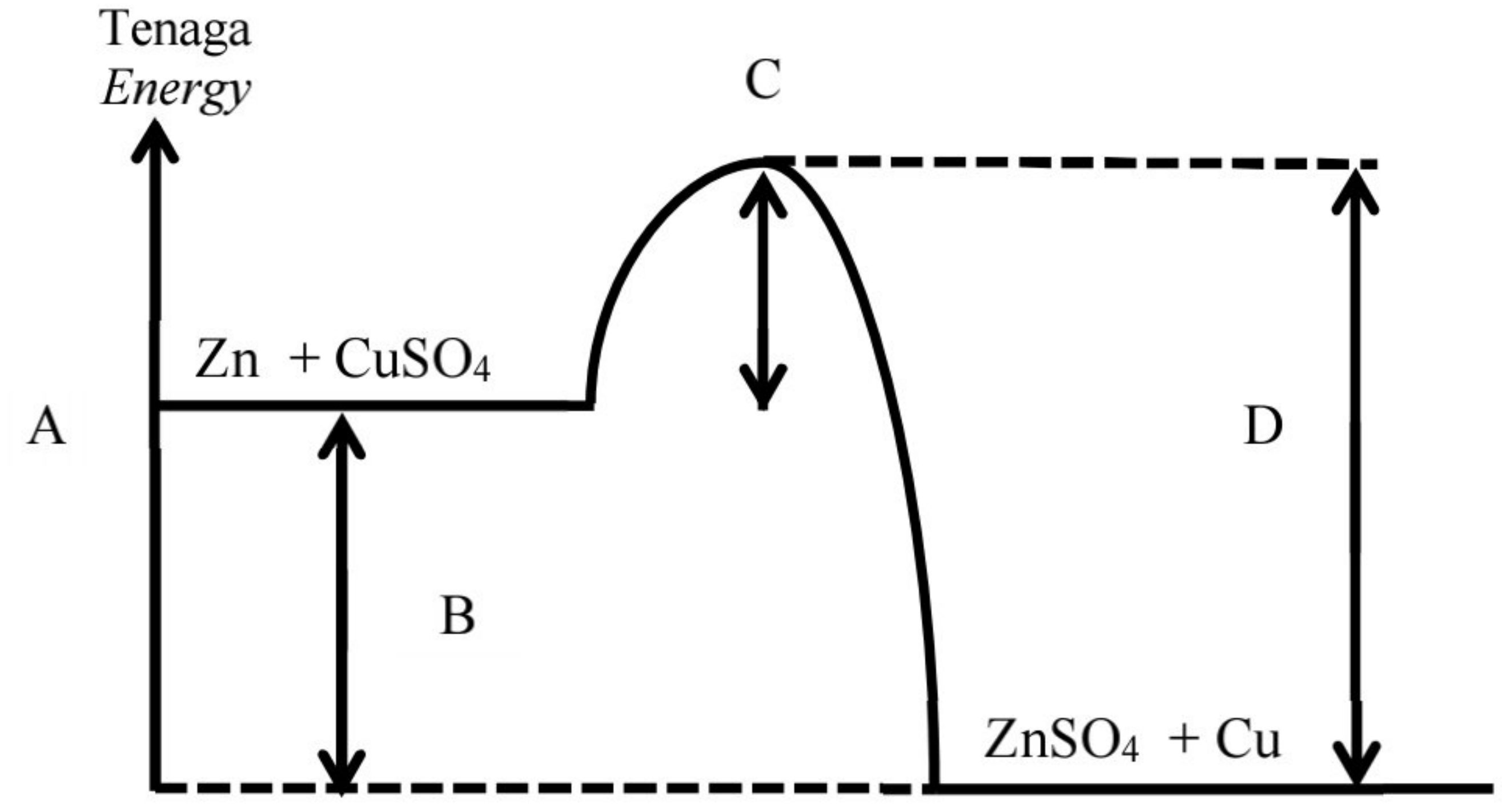
Diagram 13 is an energy level diagram for the reaction Zn + CuSO₄ → ZnSO₄ + Cu. Among A, B, C and D, which represents the value of heat of displacement for this reaction? (A: energy axis; B: arrow between the energy level of Zn + CuSO₄ and the lower level of ZnSO₄ + Cu; C: arrow from the reactant level up to the peak; D: arrow from the product level up to the peak.)
Medium
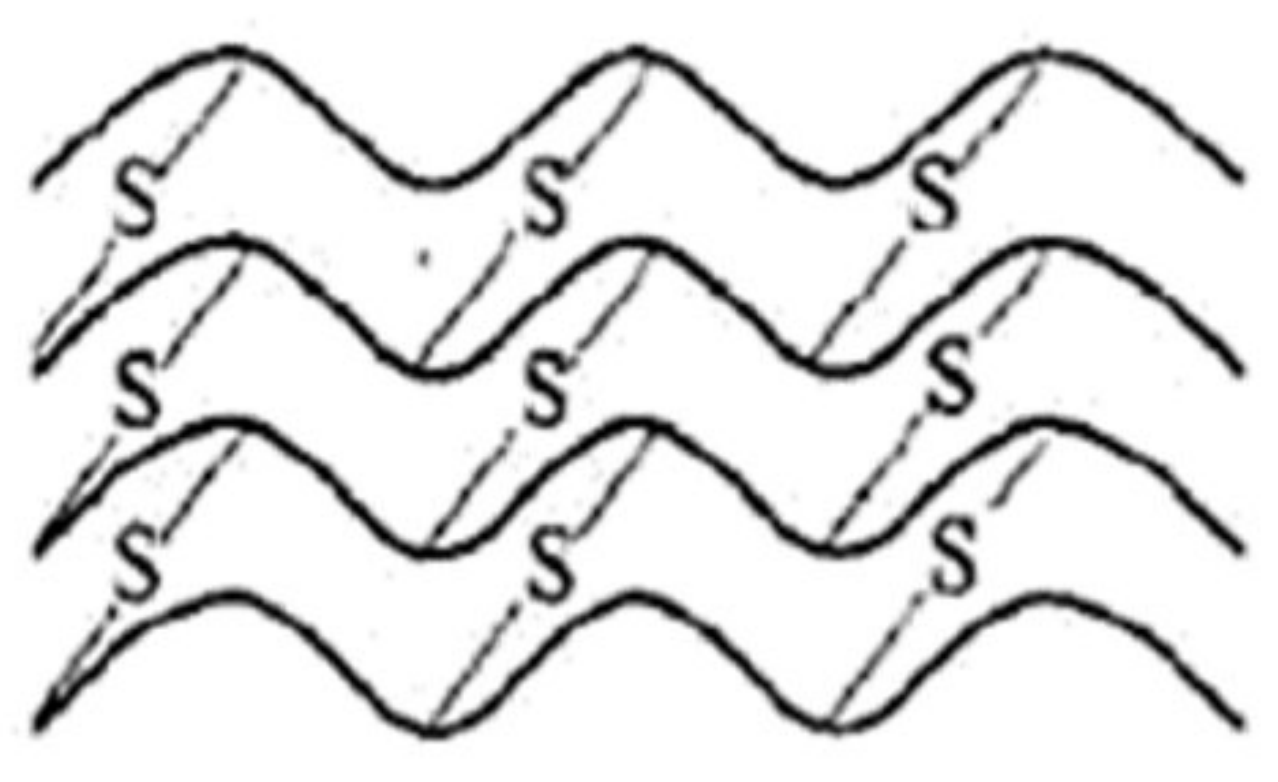
Diagram 14 shows the structure of rubber T (polymer chains linked by sulphur atoms, S). Which of the following is the property of rubber T?
Medium
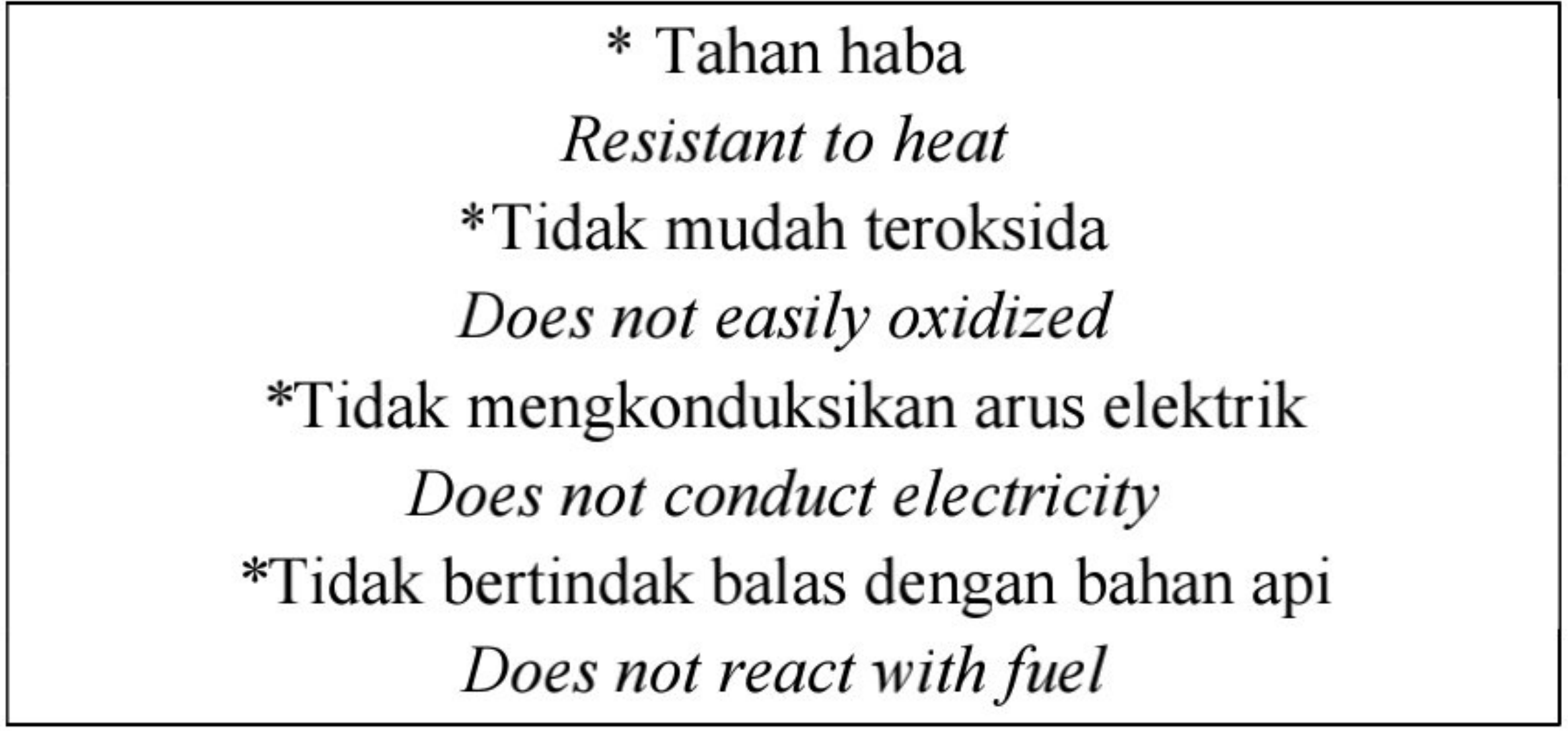
The following information shows the characteristics of rubber Q: resistant to heat; does not easily oxidise; does not conduct electricity; does not react with fuel. What is rubber Q?
Medium
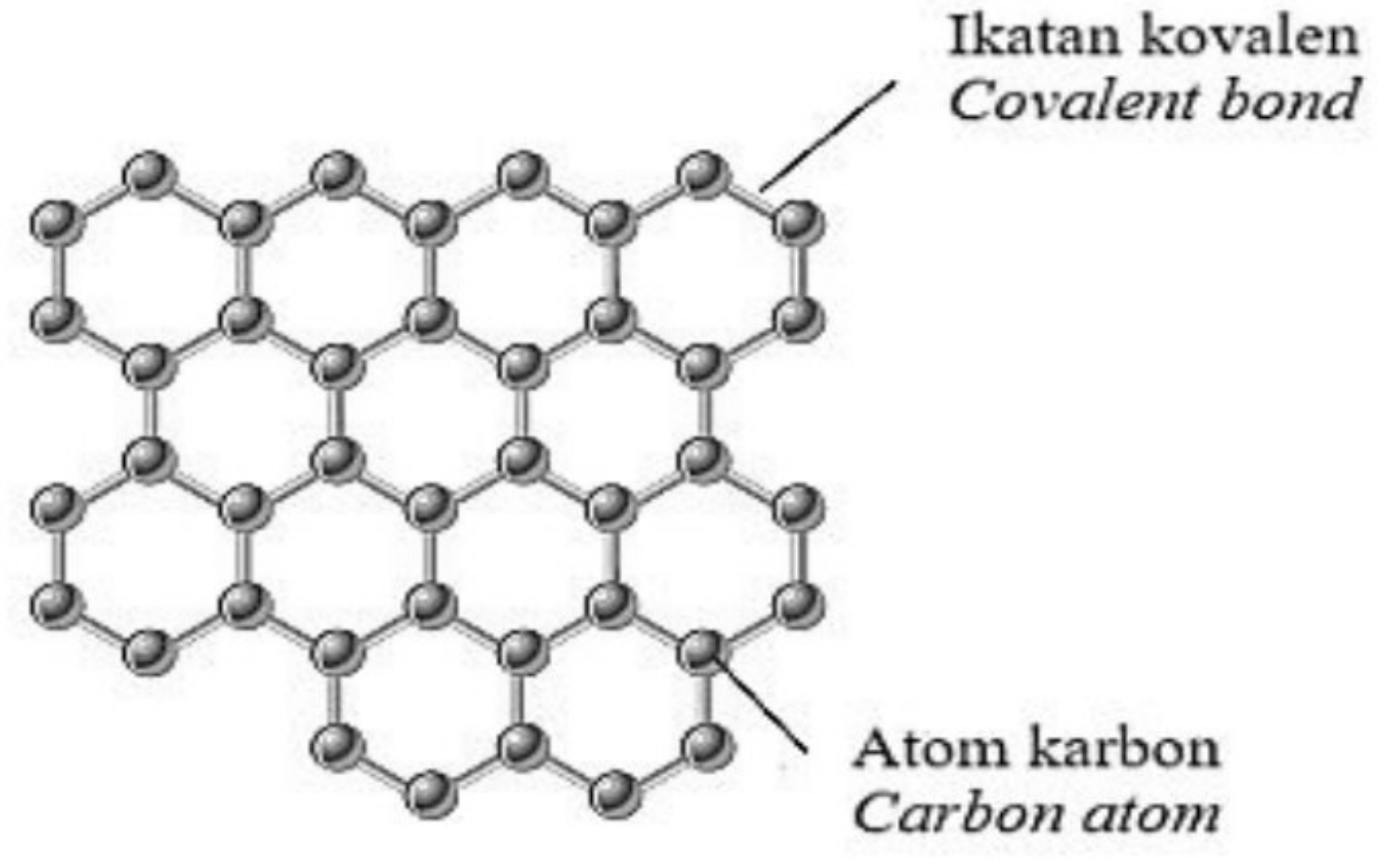
Diagram 15 shows Sheet X (a single layer of carbon atoms joined by covalent bonds in a hexagonal pattern). Its very small size makes it a very important material in the field of nanotechnology. Which of the following is true about X?
Medium
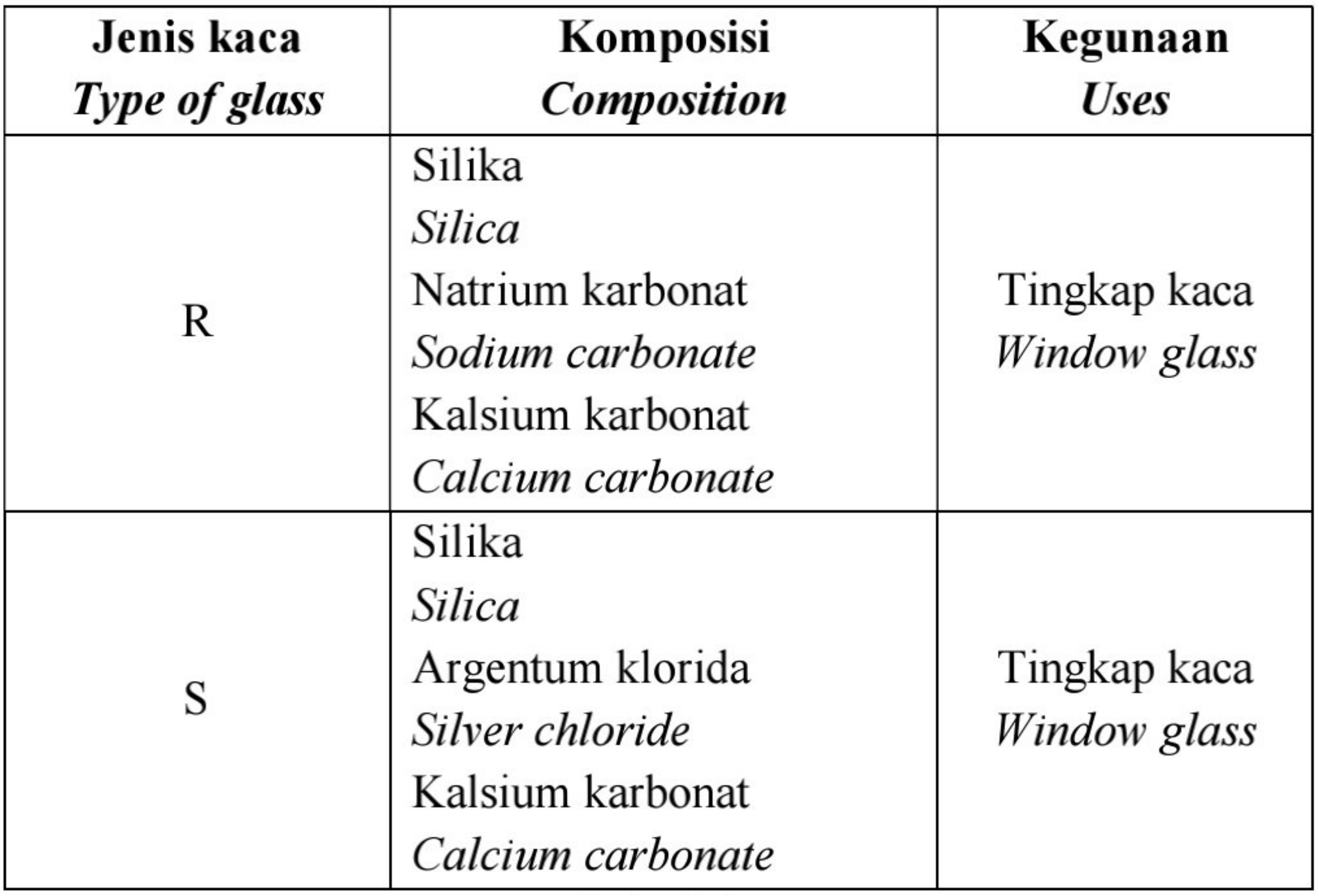
Table 4 shows information about two types of glass: R – silica, sodium carbonate, calcium carbonate (window glass); S – silica, silver chloride, calcium carbonate (window glass). State two similarities of the properties of glass R and glass S. I Heat insulator; II Transparent; III Hard but fragile; IV Low expansion coefficient.
Medium
When the green substance R is heated, it turns black and a gas which turns lime water milky is released. What is R?
Medium
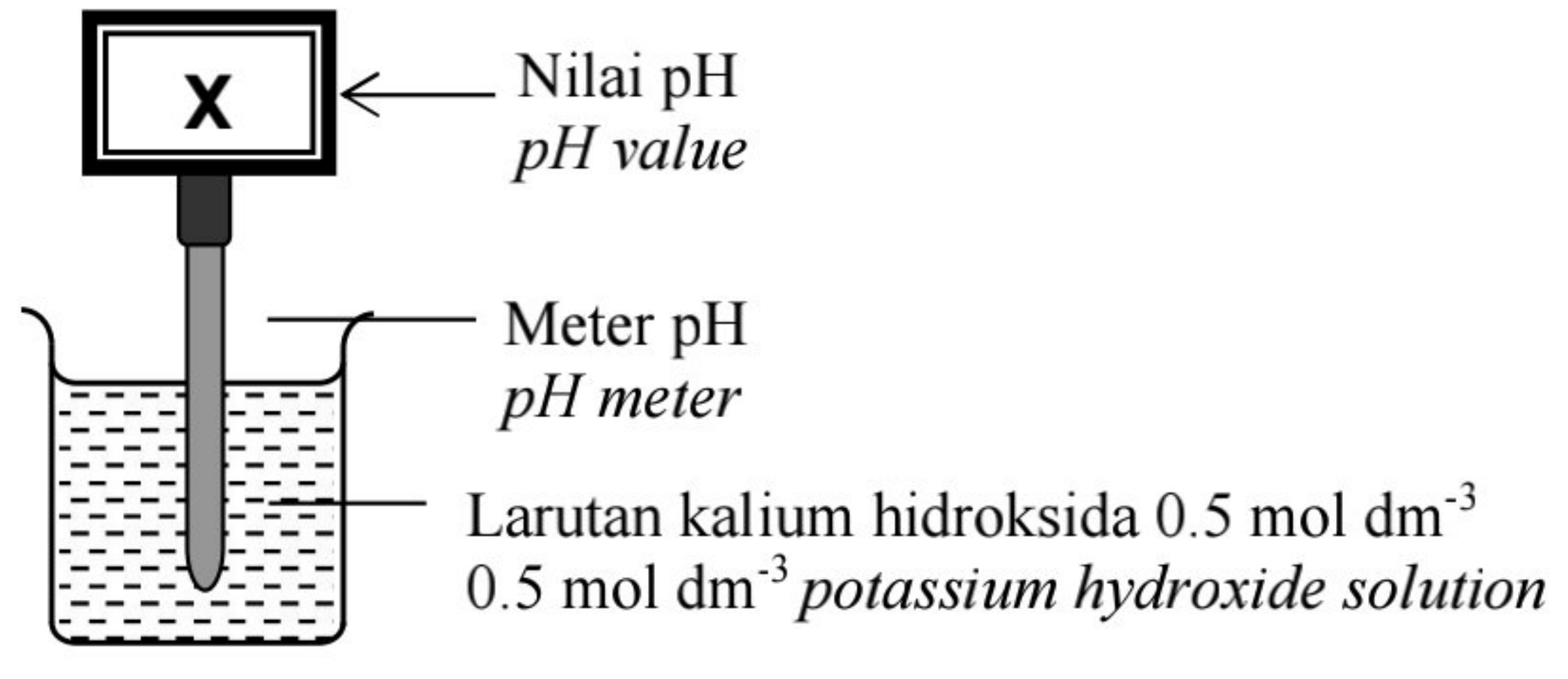
Diagram 16 shows a pH meter in 0.5 mol dm⁻³ potassium hydroxide solution, displaying value X. What is the value of X?
Medium
A student wants to prepare hydrogen gas in the laboratory through the reaction between magnesium ribbon and hydrochloric acid. Which steps must be taken to shorten the time to collect the gas? I Adding water to hydrochloric acid; II Using a large conical flask for the solution; III Replacing magnesium ribbon with magnesium powder; IV Adding a few drops of copper(II) sulphate solution to the mixture of the reactants.
Medium
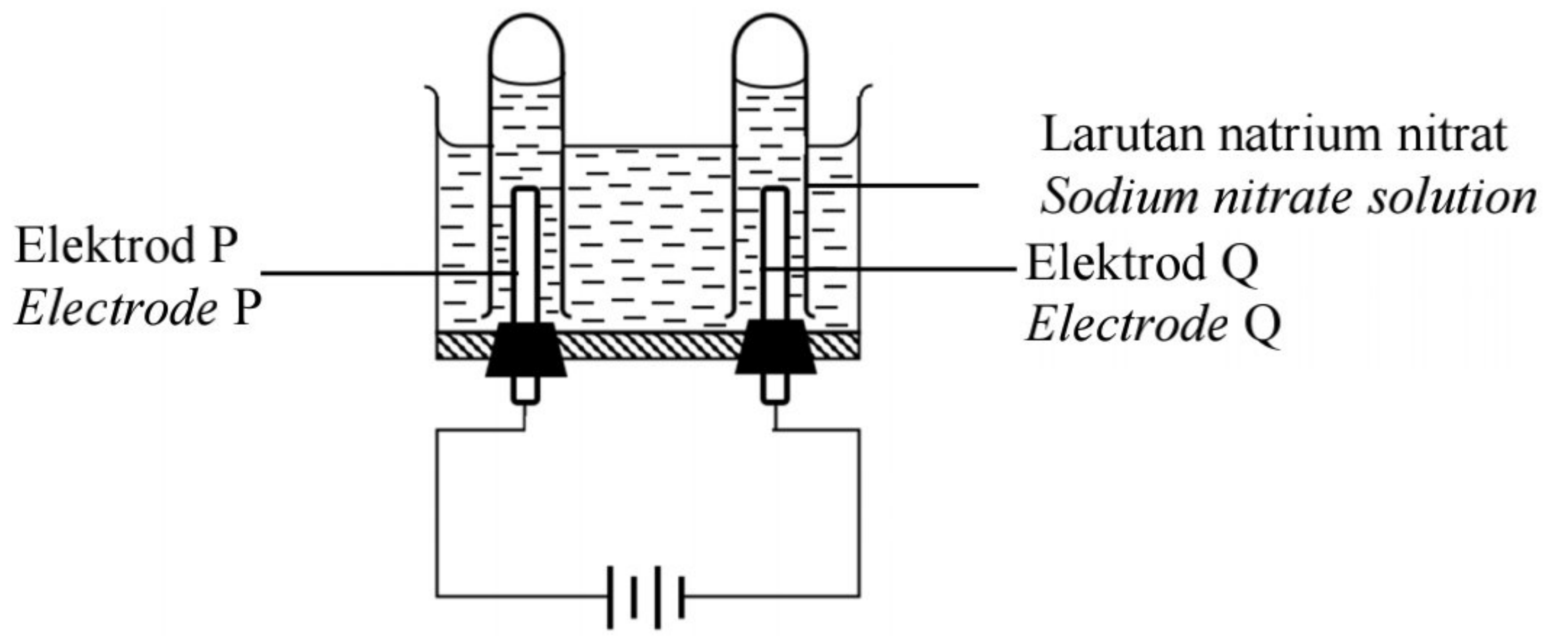
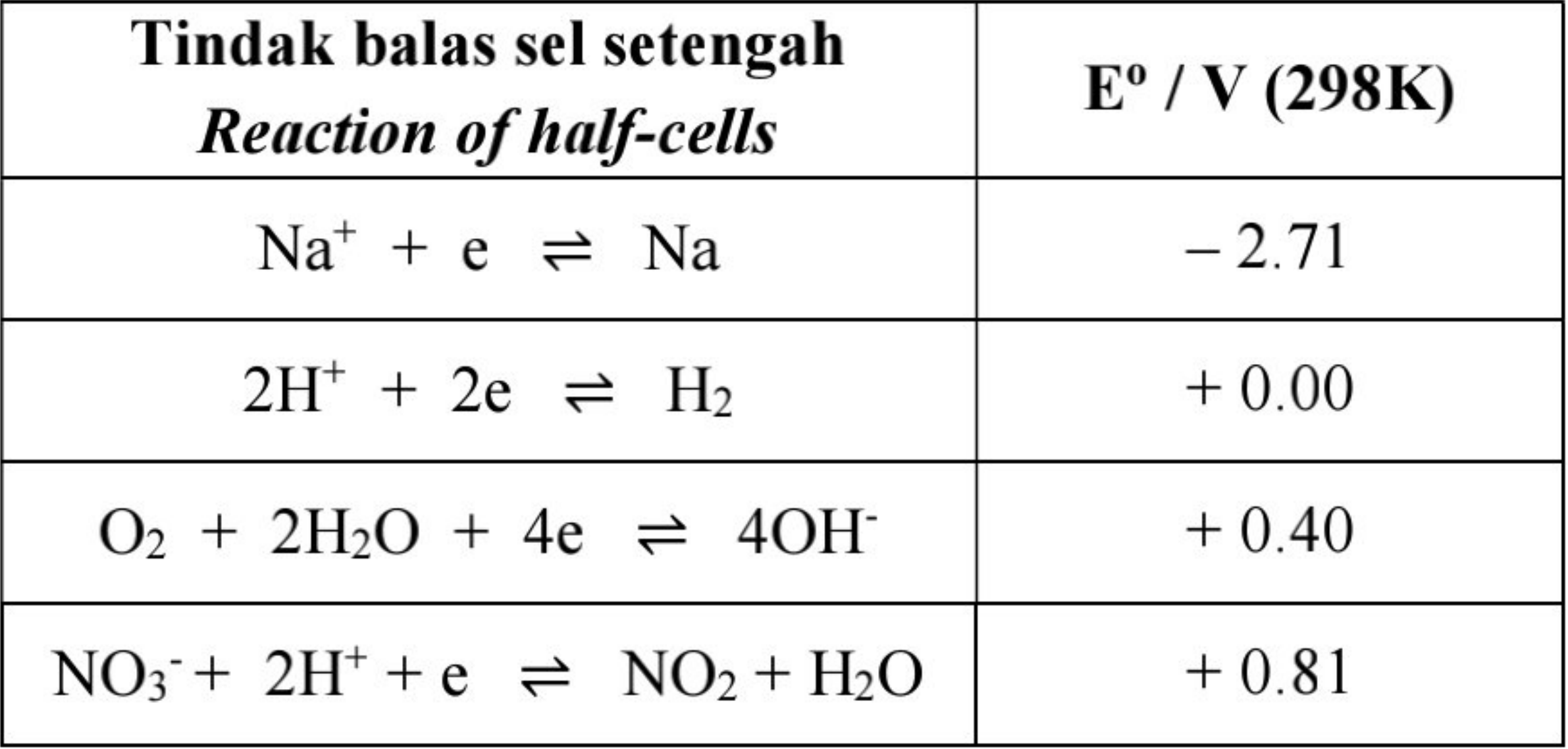
Diagram 17 shows the apparatus set up for the electrolysis of sodium nitrate solution using carbon electrodes (electrode P and electrode Q). Table 5 shows standard electrode potentials: Na⁺ + e ⇌ Na −2.71 V; 2H⁺ + 2e ⇌ H₂ 0.00 V; O₂ + 2H₂O + 4e ⇌ 4OH⁻ +0.40 V; NO₃⁻ + 2H⁺ + e ⇌ NO₂ + H₂O +0.81 V. Based on Diagram 17 and Table 5, what are the products formed at both electrodes? (Electrode P / electrode Q)
Medium
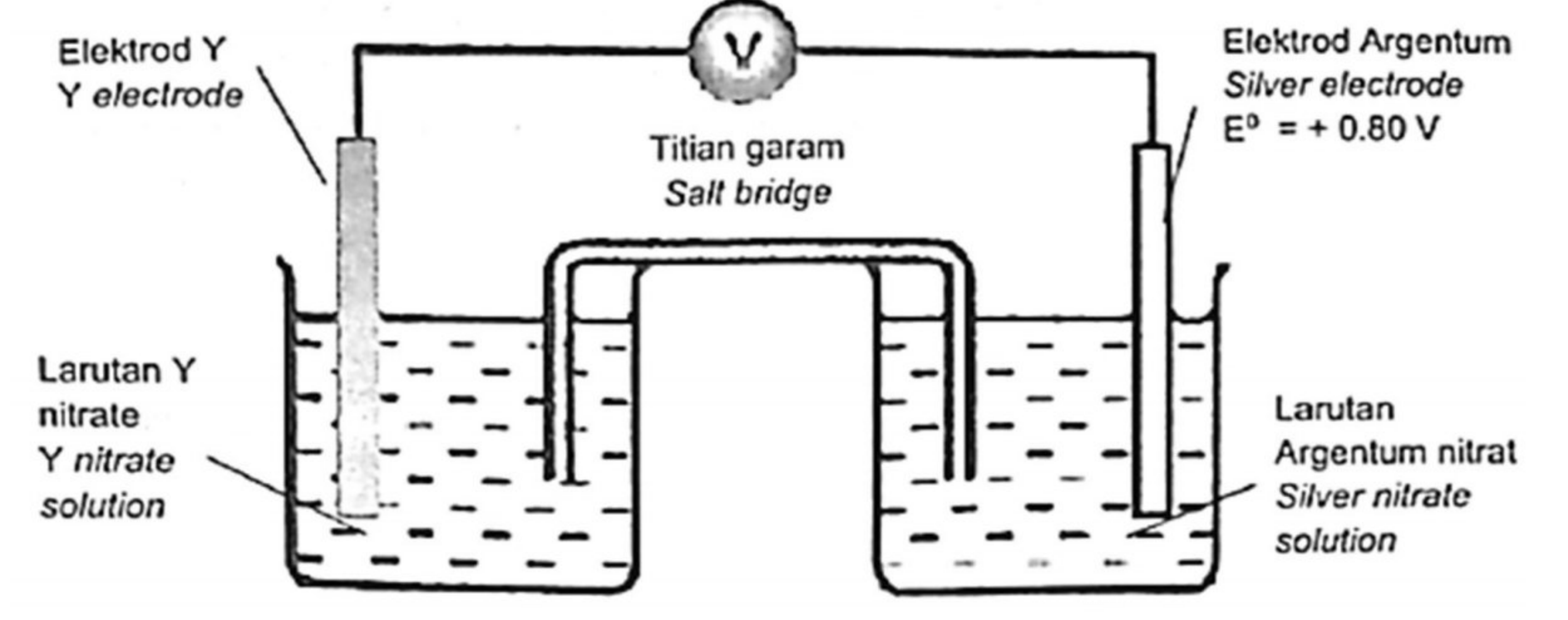
Diagram 18 shows the apparatus set-up of a voltaic cell: electrode Y in Y nitrate solution and a silver electrode (E° = +0.80 V) in silver nitrate solution, joined by a salt bridge and a voltmeter. Electrons flow from Y electrode to silver electrode through the connecting wire. If the voltage reading for the voltaic cell is +0.93 V, what is the E° value for Y electrode?
Medium
Which of the following has the same number of molecules as 17.6 g carbon dioxide gas? [Relative atomic mass: C=12, O=16, S=32, I=127]
Medium
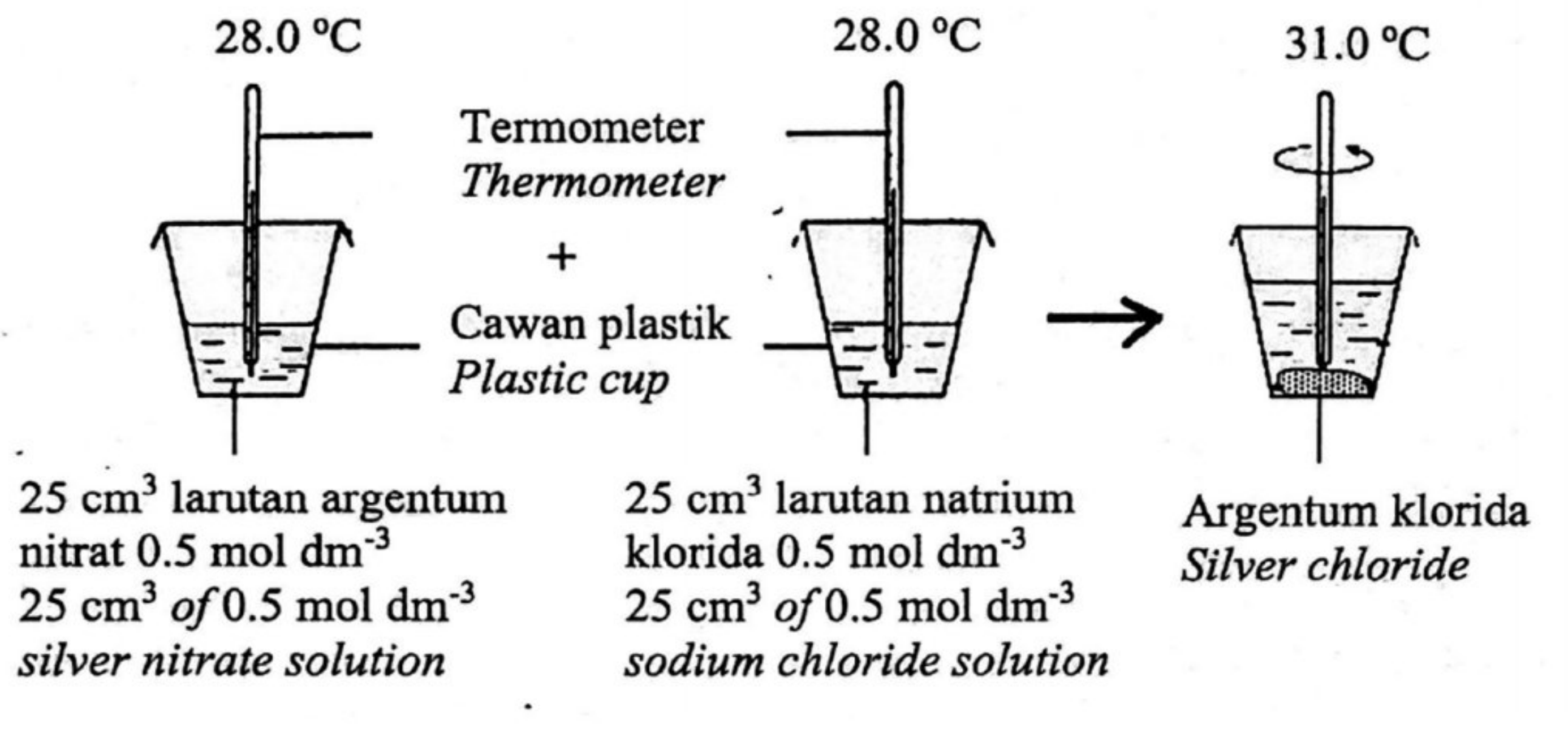
Diagram 19 shows the apparatus set-up to determine the heat of precipitation of silver chloride: 25 cm³ of 0.5 mol dm⁻³ silver nitrate solution (28.0 °C) is mixed with 25 cm³ of 0.5 mol dm⁻³ sodium chloride solution (28.0 °C); the highest temperature is 31.0 °C. What is the heat of precipitation of silver chloride? [Specific heat capacity of solution = 4.2 J g⁻¹ °C⁻¹, density of solution = 1 g cm⁻³]
Medium
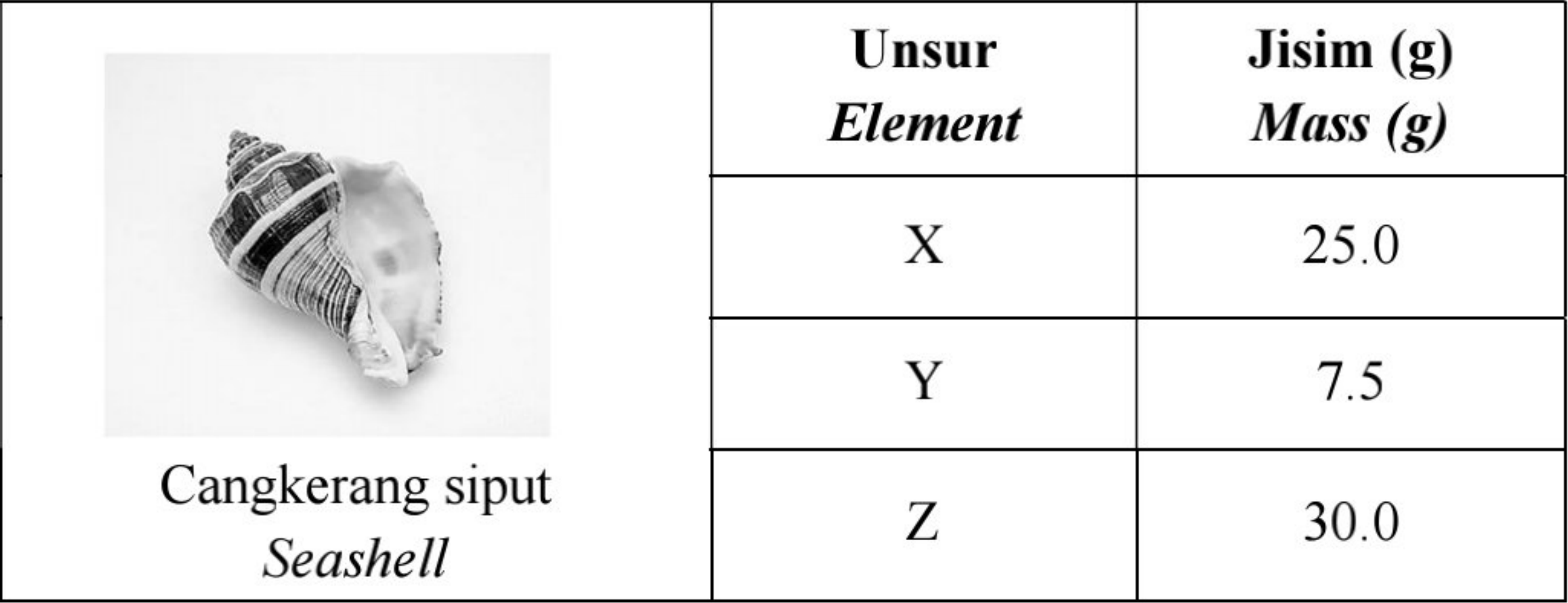
Diagram 20 shows the composition of elements in a seashell: X 25.0 g, Y 7.5 g, Z 30.0 g. What is the empirical formula of the compound in the seashell? [Relative atomic mass: X=40; Y=12; Z=16]
Medium
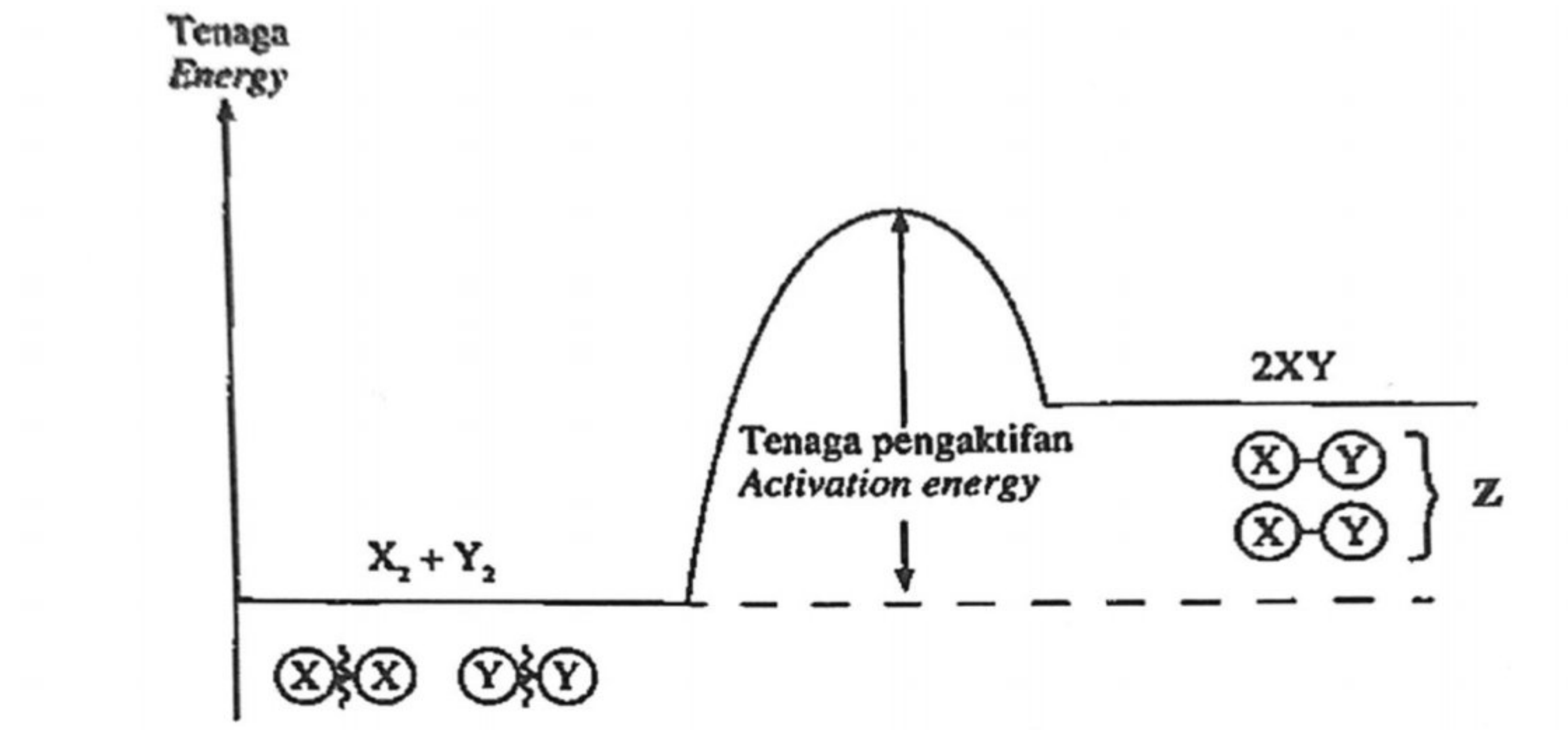
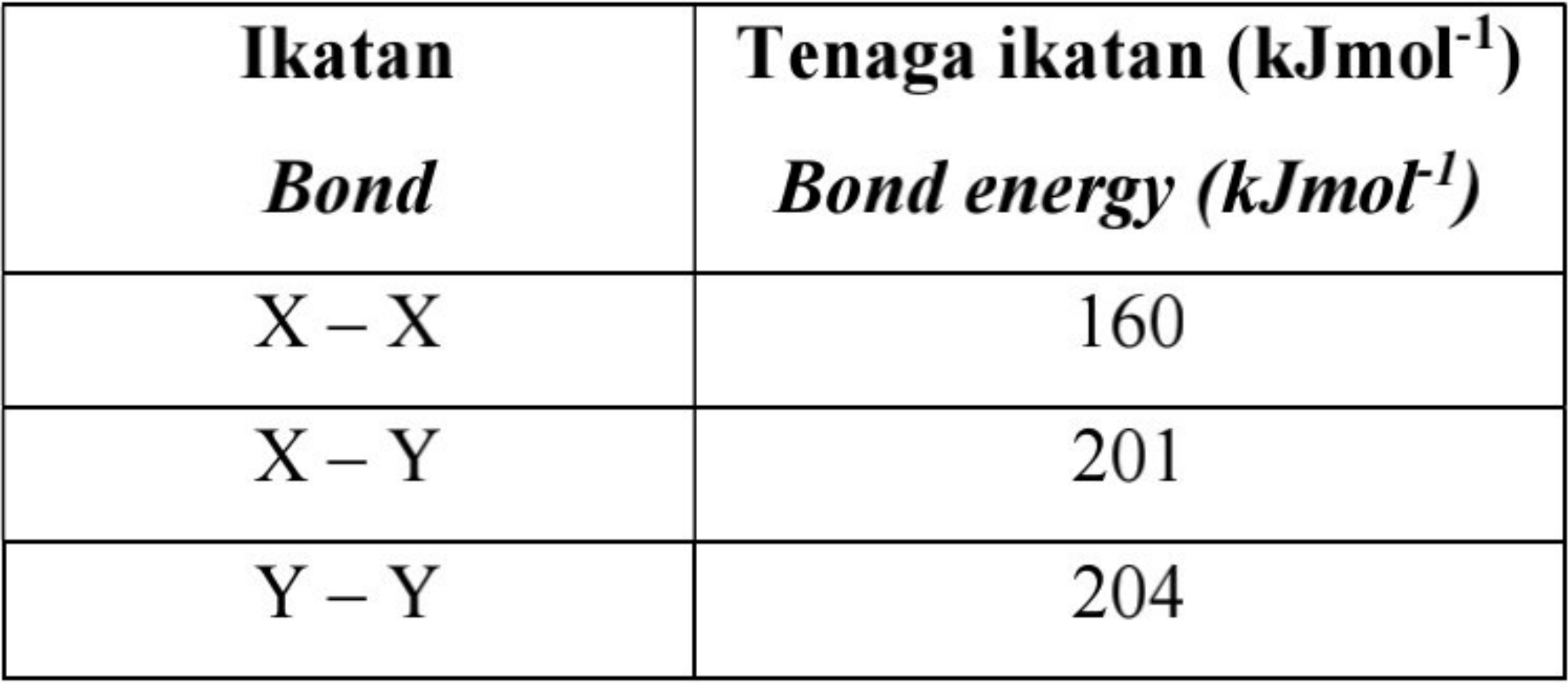
Diagram 21 shows the energy profile of X₂ + Y₂ → 2XY (bond breaking in X–X and Y–Y, bond formation in two X–Y; the energy of 2XY is drawn higher than X₂ + Y₂; Z labels the two X–Y bonds). Table 6 shows bond energies: X–X 160 kJ mol⁻¹; X–Y 201 kJ mol⁻¹; Y–Y 204 kJ mol⁻¹. Based on Diagram 21 and Table 6, what is the value of Z?
Medium
Dhia received a wedding invitation letter that is white without any writing. A note says: the ink used was Solution X. To read this letter, spray a phenolphthalein solution that will produce pink writing. Which solution should be sprayed to enable Dhia to read the letter?