Which of the following is the definition of an isotope?
Easy
Which chemical formula is correctly named according to the IUPAC nomenclature system?
Chemical formula | Name
A SO2 | Sulphur oxide
B CCl3 | Carbon tetrachloride
C Al(NO3)3 | Aluminium nitrate
D Fe2O3 | Iron (II) oxide
Medium
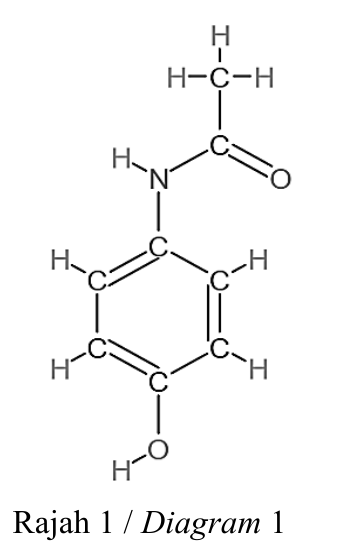
Diagram 1 shows the structural formula for a substance found in a medicine that works to relieve pain. What is the relative molecular mass for the substance? [Relative atomic mass: H = 1, C = 12, N = 14, O = 16]
Medium
Which of the following transition elements is used in the process of making margarine and the Ostwald process?
Easy
Which substance is an ionic compound?
Medium
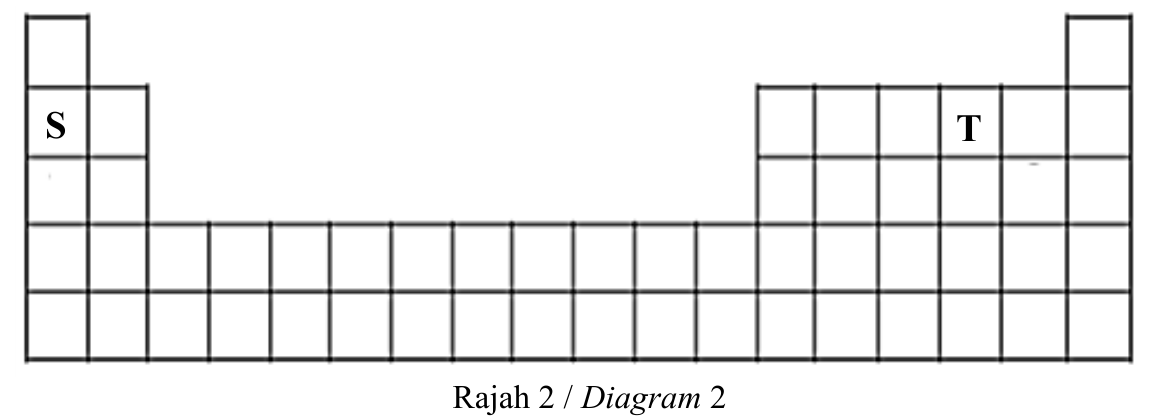
Diagram 2 shows the position of elements S and T in the Periodic Table of Elements. Which of the following is true in terms of the chemical formula and the type of bond formed between S and T?
Formula | Type of bond
A S2T | Ionic
B ST2 | Covalent
C S2T3 | Ionic
D S2T3 | Covalent
Medium
A student has added 25 cm3 of distilled water into a beaker containing 50 cm3 of 0.5 mol dm-3 copper (II) chloride solution, CuCl2. Calculate the molarity of the new copper (II) chloride solution.
Medium
Which of the following substances are insoluble salts?
I Barium sulphate
II Magnesium chloride
III Silver chloride
IV Zinc sulphate
Medium
The following statement is an observation for the confirmatory test of cation of salt X: White precipitate dissolves when ammonia solution is added into the salt solution of X in excess. What is cation of salt X?
Medium
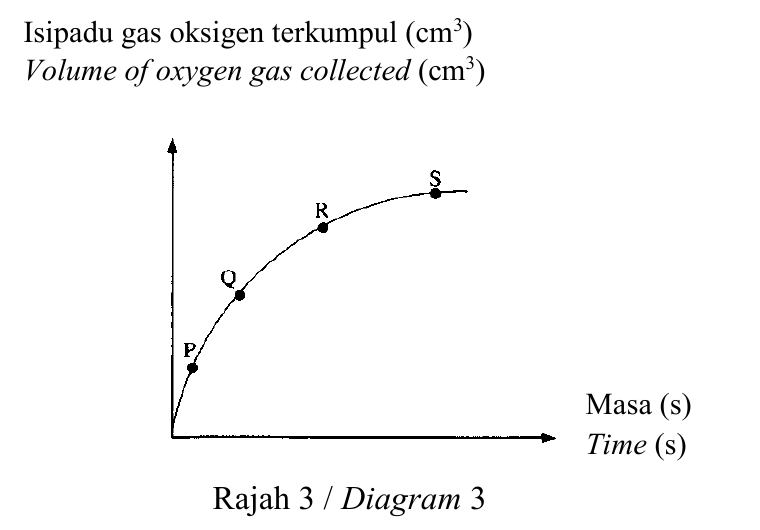
Diagram 3 shows a graph of volume of oxygen gas collected against time in the decomposition reaction of hydrogen peroxide when using catalyst manganese (IV) oxide. Which point shows the highest rate of reaction?
Medium
Which of the following is the application of advanced ceramics?
Easy
Which of the following are the uses of oil and fat in daily life?
I Source of nutrition
II Bio fuel
III Clothes
IV Fertilisers
Medium
Which of the following reactions is an oxidation reaction?
Medium
The content of the antiseptic liquid contains homologous series Z. This homologous series is also used as a solvent in cough medicine. What is homologous series of Z?
Medium
Which of the following is non hydrocarbon?
Easy
Which of the following factors will increase the heat of combustion for alcohol?
Medium
Atom Q has the number of protons 11 and the number of neutrons 12. Where is the position of atom Q in the Periodic Table of Elements?
Group | Period
A 2 | 3
B 1 | 3
C 13 | 2
D 15 | 4
Medium
Which of the following is true about the properties of oxide of elements in period 3?
Medium
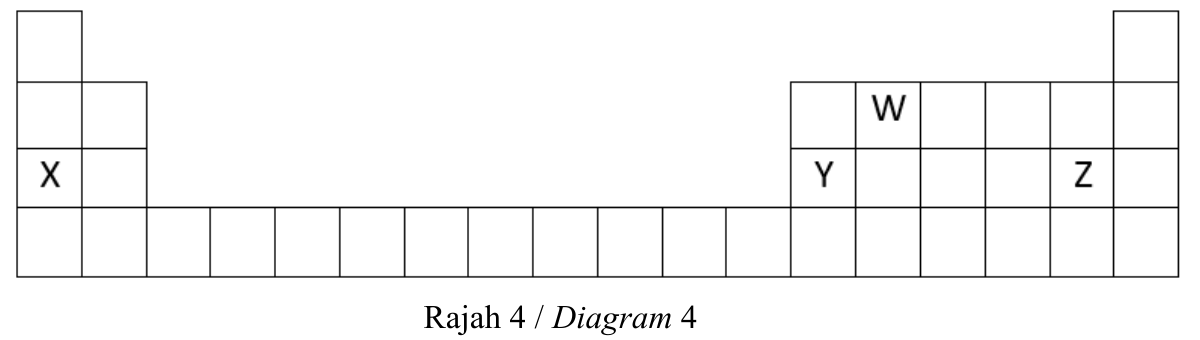
Diagram 4 shows the Periodic Table of Elements consisting of elements W, X, Y and Z. Which of the following elements forms a compound that can be used as an electrolyte in an electrolytic cell?
Medium
Which of the following will produce precipitate when mixed?
Medium
Table 1 shows the volume of carbon dioxide gas produced in the reaction between granule of calcium carbonate and hydrochloric acid.
Time (s): 0, 60, 120, 180, 240, 300, 360
Volume of gas (cm3): 0.00, 25.90, 33.00, 37.00, x, 42.00, 42.00
If the average rate of reaction in the fourth minute is 0.0625 cm3 s-1. Calculate the value of x.
Medium
What is the oxidation number of sulphur in sulphuric acid, H2SO4?
Medium
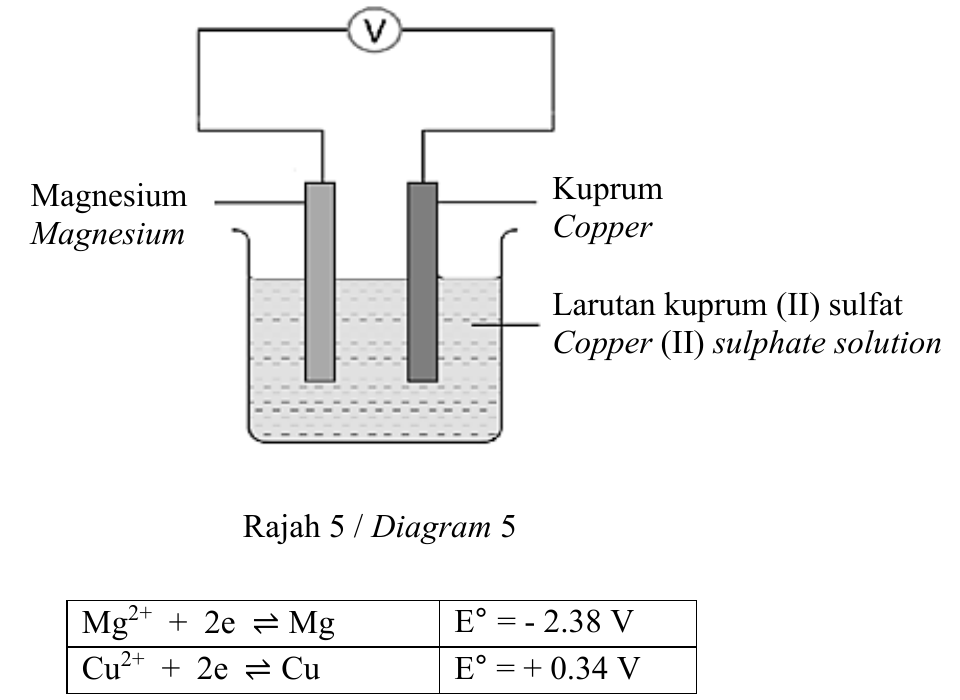
Diagram 5 shows the set-up of apparatus of a chemical cell (magnesium and copper electrodes in copper (II) sulphate solution). Mg2+ + 2e ⇌ Mg, E° = -2.38 V; Cu2+ + 2e ⇌ Cu, E° = +0.34 V. Which of the following statements are correct about the cell?
I Magnesium electrode acts as negative terminal
II Copper electrode acts as negative terminal
III Copper (II) ion undergoes oxidation reaction
IV Copper (II) ion undergoes reduction reaction
Medium
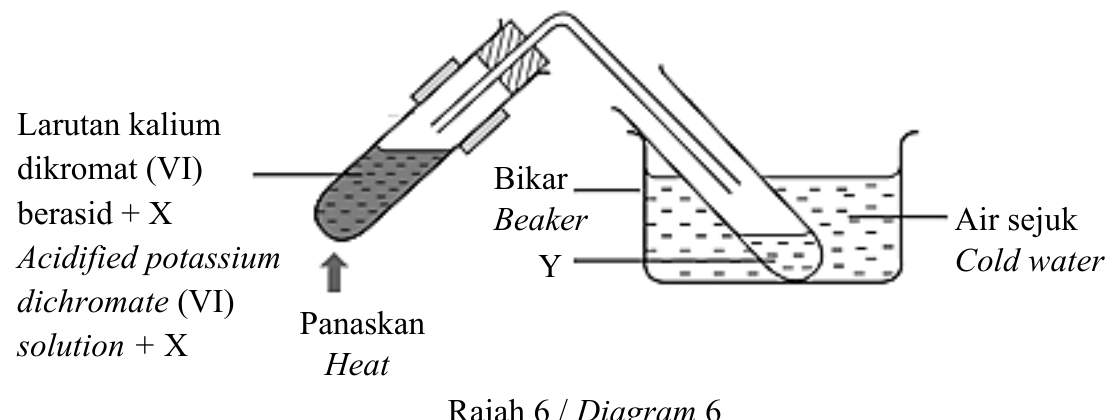
Diagram 6 shows an apparatus set-up to study chemical properties of X carried out by a group of students in a laboratory (acidified potassium dichromate (VI) solution + X is heated; product Y collects in a tube in a beaker of cold water). Which of the following is correct matches for X and Y?
X | Y
A Ethanol | Ethanoic acid
B Ethanol | Ethene
C Ethene | Ethanol
D Ethene | Ethanoic acid
Medium
S is a carboxylic acid that has three carbon atoms per molecule. What is the relative molecular mass of S? [Relative atomic mass: H = 1, C = 12, O = 16]
Medium
When ethanol is reacted with heptanoic acid, an ester with grape-like aroma is produced. Which of the following shows the structural formula for the ester?
Medium
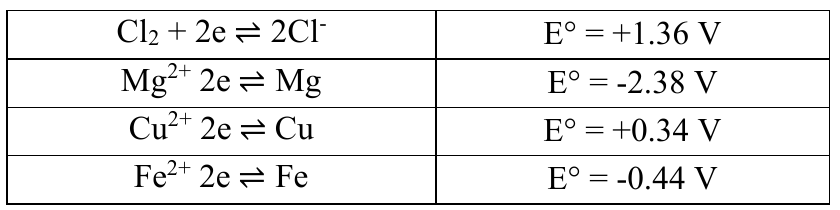
Table 2 shows a part of the standard electrode potential series of half-cells for several chemicals.
Cl2 + 2e ⇌ 2Cl-, E° = +1.36 V
Mg2+ + 2e ⇌ Mg, E° = -2.38 V
Cu2+ + 2e ⇌ Cu, E° = +0.34 V
Fe2+ + 2e ⇌ Fe, E° = -0.44 V
Which is the strongest oxidising agent?
Medium
The following chemical equation represents the displacement reaction of copper from its salt solution: Zn + Cu(NO3)2 → Zn(NO3)2 + Cu. When excess zinc powder is added into 50 cm3 of 0.1 mol dm-3 copper (II) nitrate solution, the temperature of the mixture increases from 28.0°C to 40.0°C. What is the heat of displacement of copper? [Specific heat capacity of solution = 4.2 J g-1 °C-1, density of solution = 1 g cm-3]
Medium
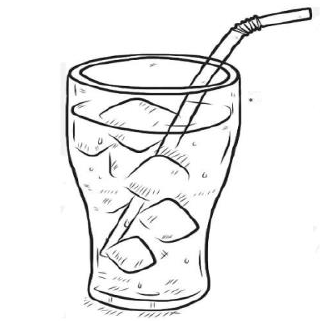
Diagram 7 shows the formation of water droplets on the outer wall of the glass containing a cold drink. Which of the following statements is correct about observation in Diagram 7?
Medium
Which substance contains 6.02 x 10^23 atoms?
Medium
4.34 g of calcium carbonate reacts with 0.025 mol of sulphuric acid to form calcium sulphate as one of the reaction products. Determine the mass of calcium carbonate remaining after the reaction. [Relative atomic mass: H = 1, C = 12, O = 16, S = 32, Ca = 40]
Medium
The following information is about P atom and Q atom.
- Element P is a metal.
- The proton number of the Q atom is 12.
- Element P is above element Q in the same group in the Periodic Table of Elements.
Which of the following shows the electron arrangement of the P atom?
Medium
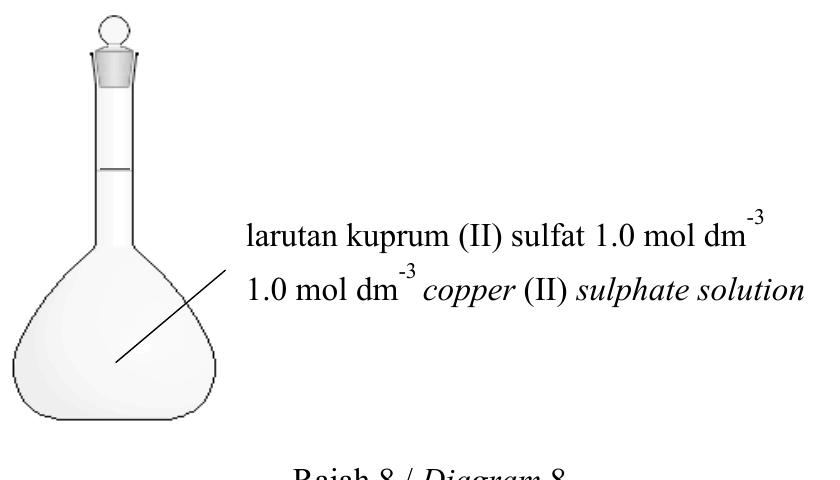
Diagram 8 shows a stock solution of copper(II) sulphate (1.0 mol dm-3). If Amsyar wants to prepare 250 cm3 of 0.5 mol dm-3 copper (II) sulphate solution from a stock solution, what is the volume of stock solution needed?
Medium
A group of construction workers use concrete to build a building. They found that the wall of the building easily broke when high tensile forces were exerted. Which of the following is the suitable method to increase the ability of the concrete to withstand the force?
Medium
Which of the following statements are true?
I Half-cells that have a positive E° value more easily undergo oxidation
II Half-cells with a negative E° value more easily undergo reduction
III Half-cells with a positive E° value more easily undergo reduction
IV Half-cells that have a negative E° value more easily undergo oxidation
Medium
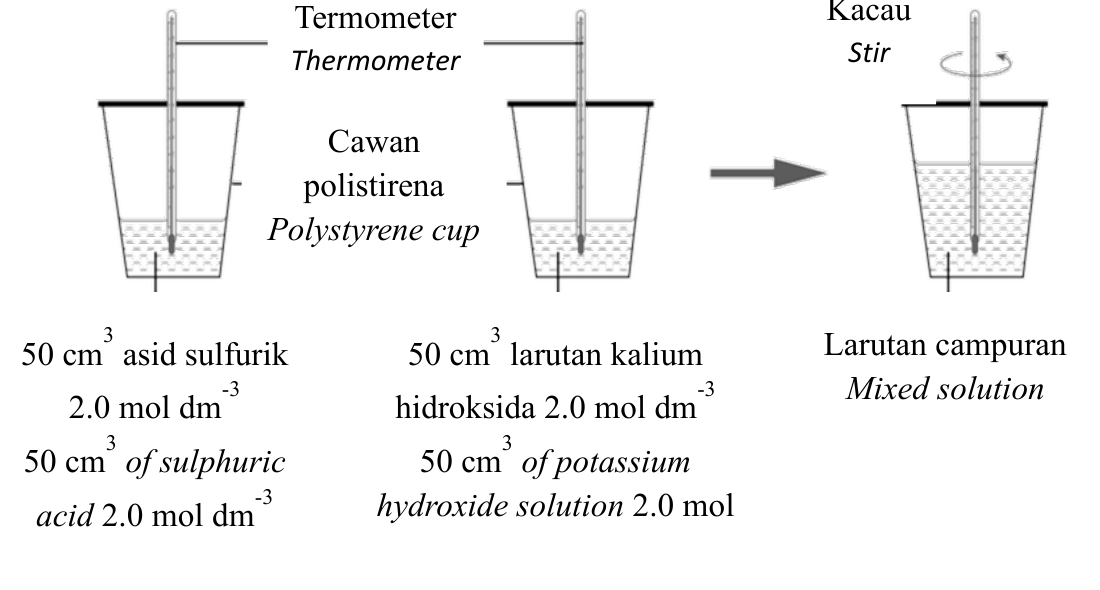
Diagram 9 shows the neutralisation reaction between 50 cm3 of 2.0 mol dm-3 sulphuric acid and 50 cm3 of 2.0 mol dm-3 potassium hydroxide solution. The heat of neutralisation for the reaction is -57 kJ mol-1. Calculate the highest temperature of the mixture if the average initial temperature of the mixture is 29.0 °C.
Medium
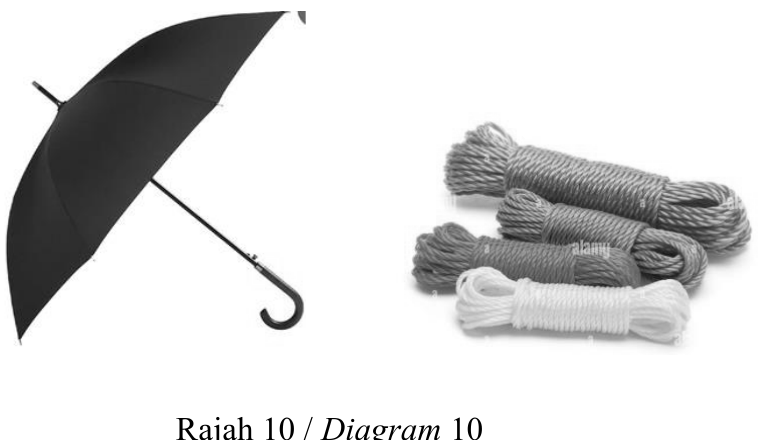
Diagram 10 shows the uses of a type of polymer produced through polymerisation reaction (an umbrella and ropes). Which of the following statements is true about the polymerisation?
Medium
Salt solution X reacts with zinc nitrate, Zn(NO3)2 solution to produce a white solid. Which of the following is correct to test the presence of anion for salt X?
Medium
Diagram 11 shows a situation that requires the use of modern medicine. Which of the following medicine is suitable to use in that situation?
Easy
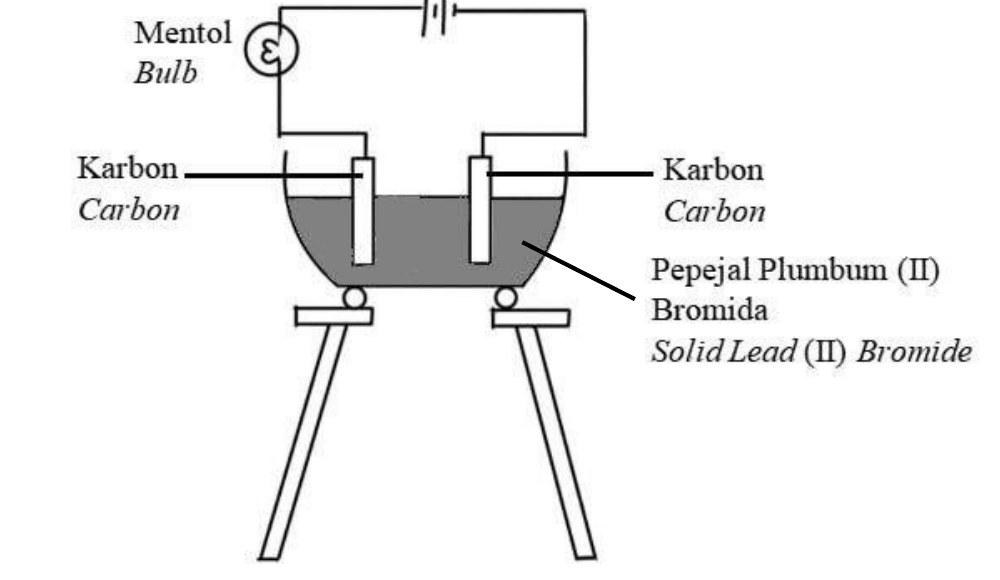
Diagram 12 shows an apparatus set-up carried out by a group of students in laboratory. After 5 minutes, it was found that the bulb still did not light up. What step should be taken by the students to overcome the problem?