Which of the following is not the component of soda lime glass?
Easy
Which of the following is not additive in detergent?
Easy
Which substance consists of ions?
Easy
Which of the following is the special characteristic of transition metals?
Easy
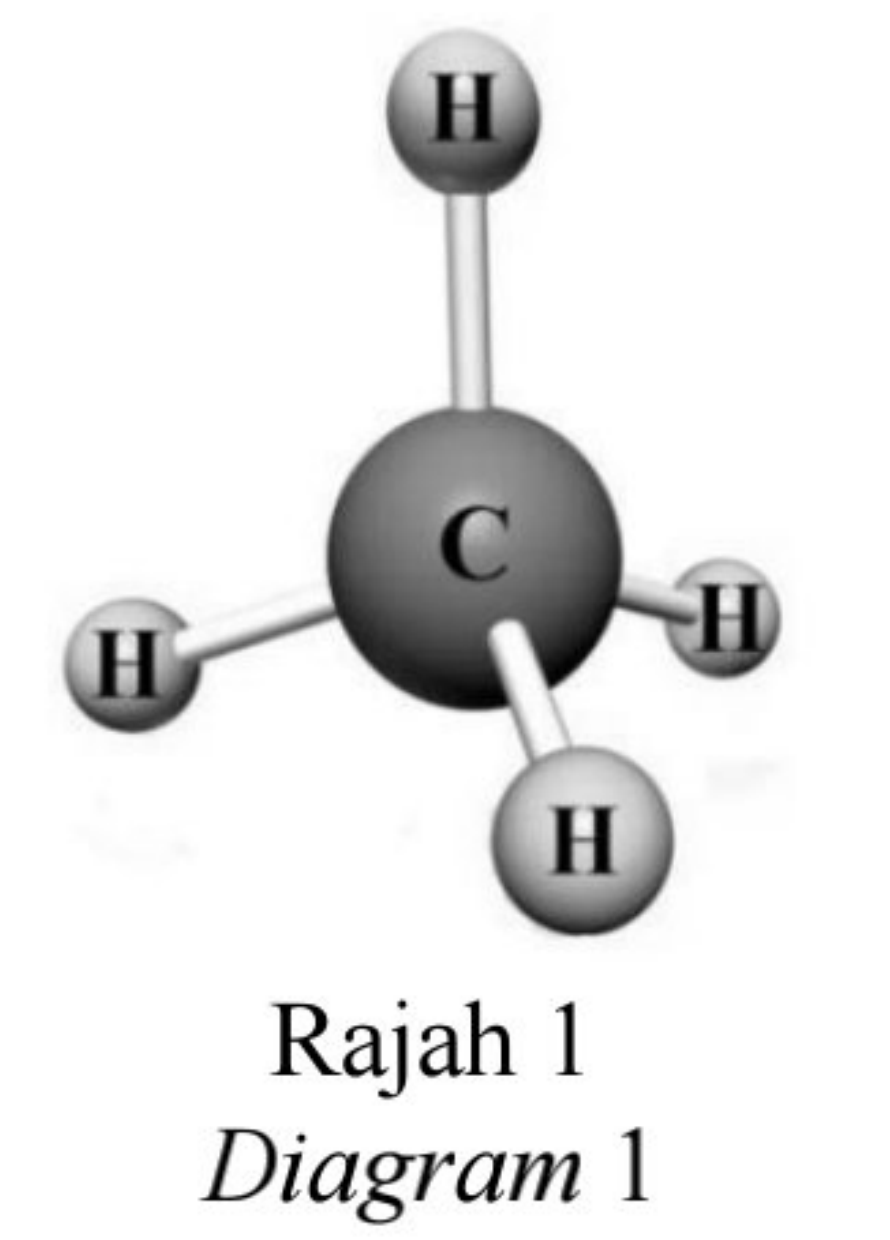
Diagram 1 shows the atom model of a compound. Which of the following is the property of the compound?
Medium
Which of the following is not strong acid?
Easy
The following are the properties of a manufactured substance: Hard but brittle; Transparent; Inert towards chemicals; Sensitive towards light intensity. Which substance has the above properties?
Medium
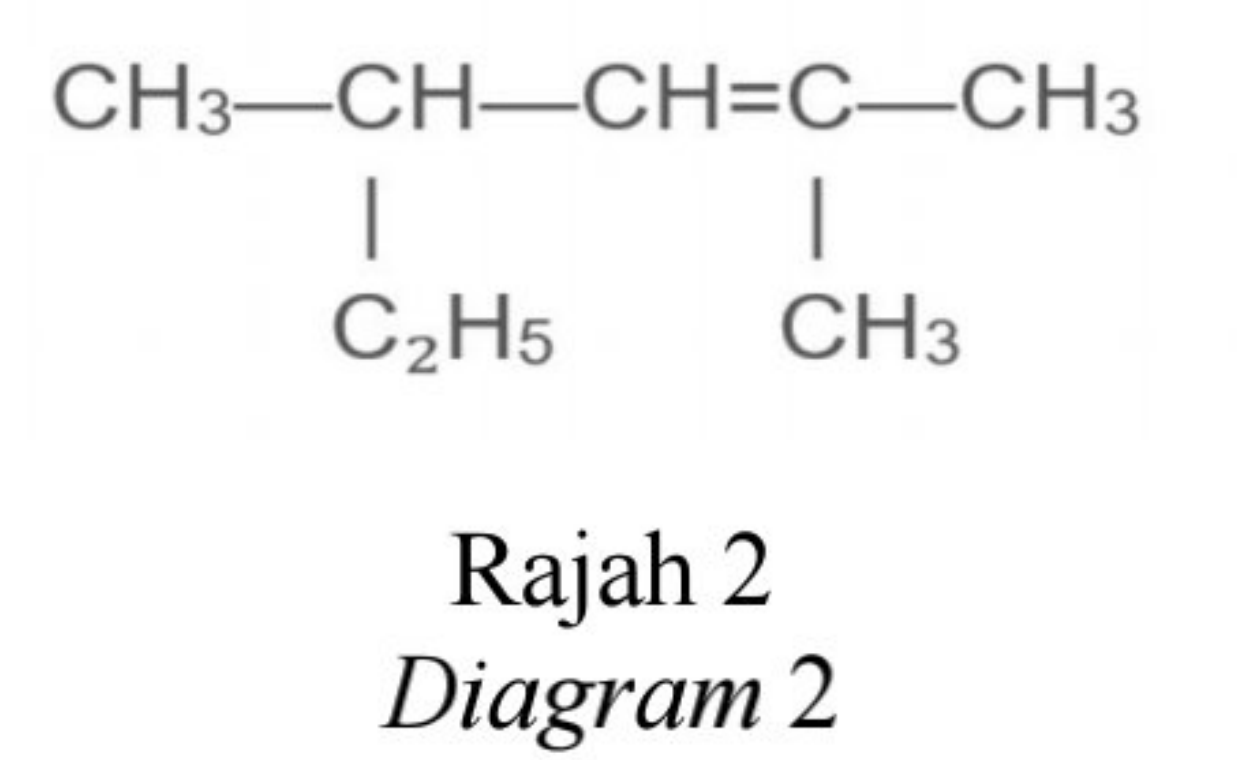
Diagram 2 shows the structural formula of an organic compound CH3-CH-CH=C-CH3 with C2H5 on the second carbon and CH3 on the fourth carbon. What is the homologous series for the organic compound?
Medium
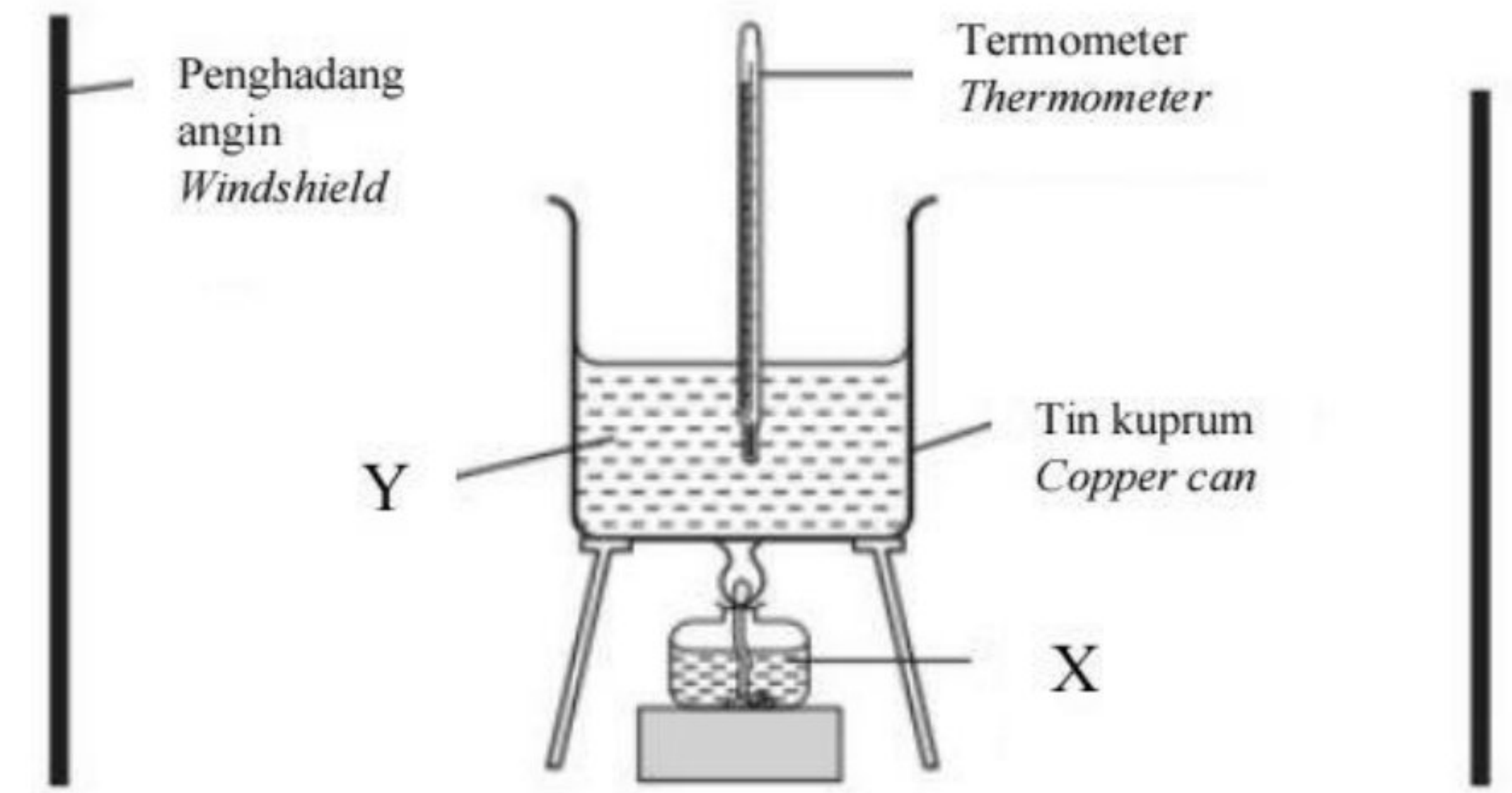
Diagram 3 shows the experimental set-up to determine the heat of combustion of ethanol, C2H5OH (a copper can containing a liquid Y heated by a spirit lamp X). What is appropriate for X and Y?
Medium
Which of the following is not a natural polymer?
Easy
What are the chemical substances added to prevent food from becoming rancid?
Easy
Who discovered neutrons?
Easy
Which of the following is the number for Avogadro's constant, N_A?
Easy
What is the basic principle used in the arrangement of elements in the Periodic Table of Elements?
Easy
Which compound is covalent compound? I Magnesium oxide, MgO; II Lithium chloride, LiCl; III Butane, C4H10; IV Tetrachloromethane, CCl4
Medium
Acid which has a basicity value of 2 is
Easy
Marble chips react with hydrochloric acid to produce carbon dioxide. The equation for the reaction is: CaCO3 + 2HCl → CaCl2 + H2O + CO2. Which of the following will lower the rate of the reaction?
Easy
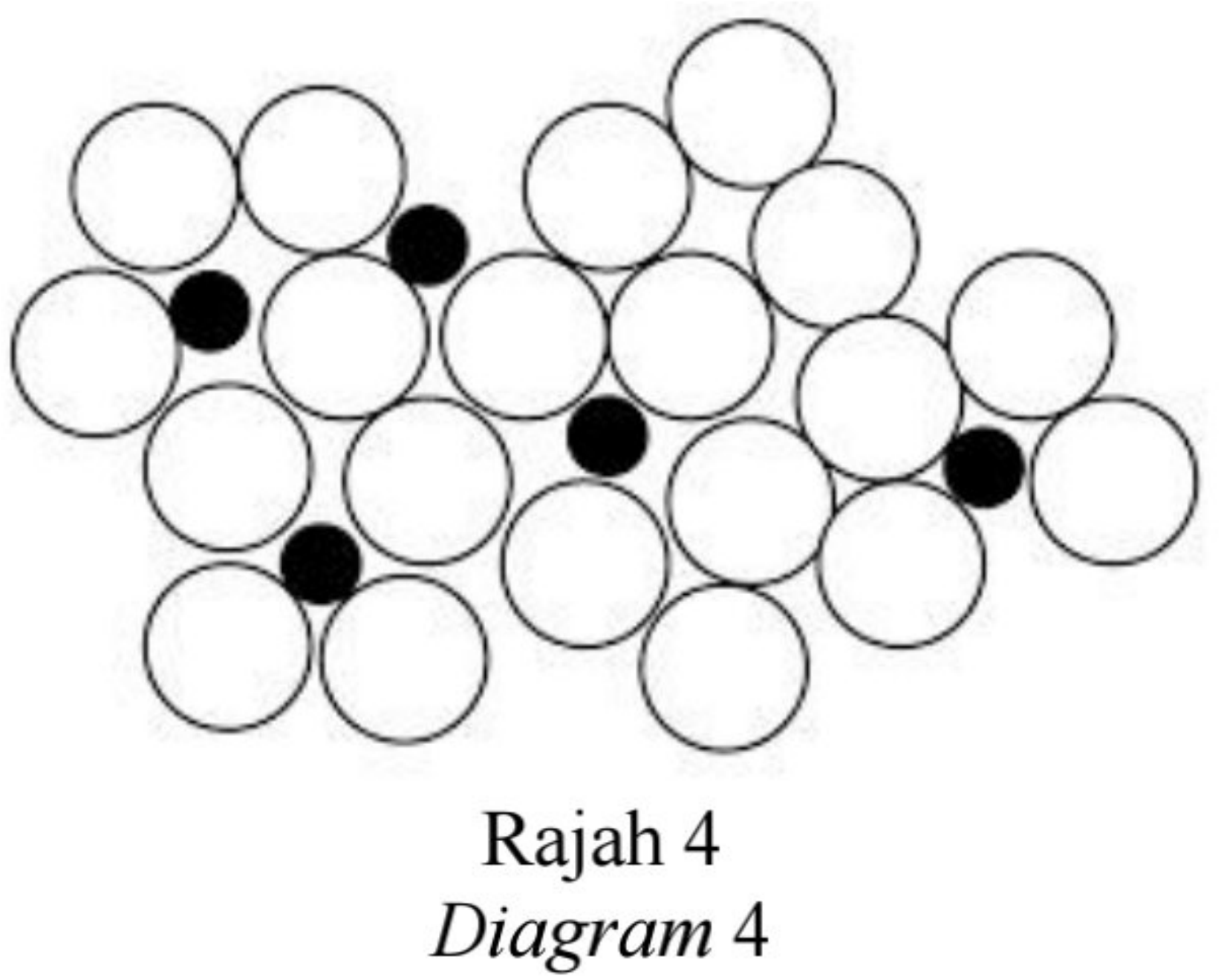
Diagram 4 shows the composition of an alloy (large white atoms with a few small black atoms in between). Which of the following represents the alloy?
Medium
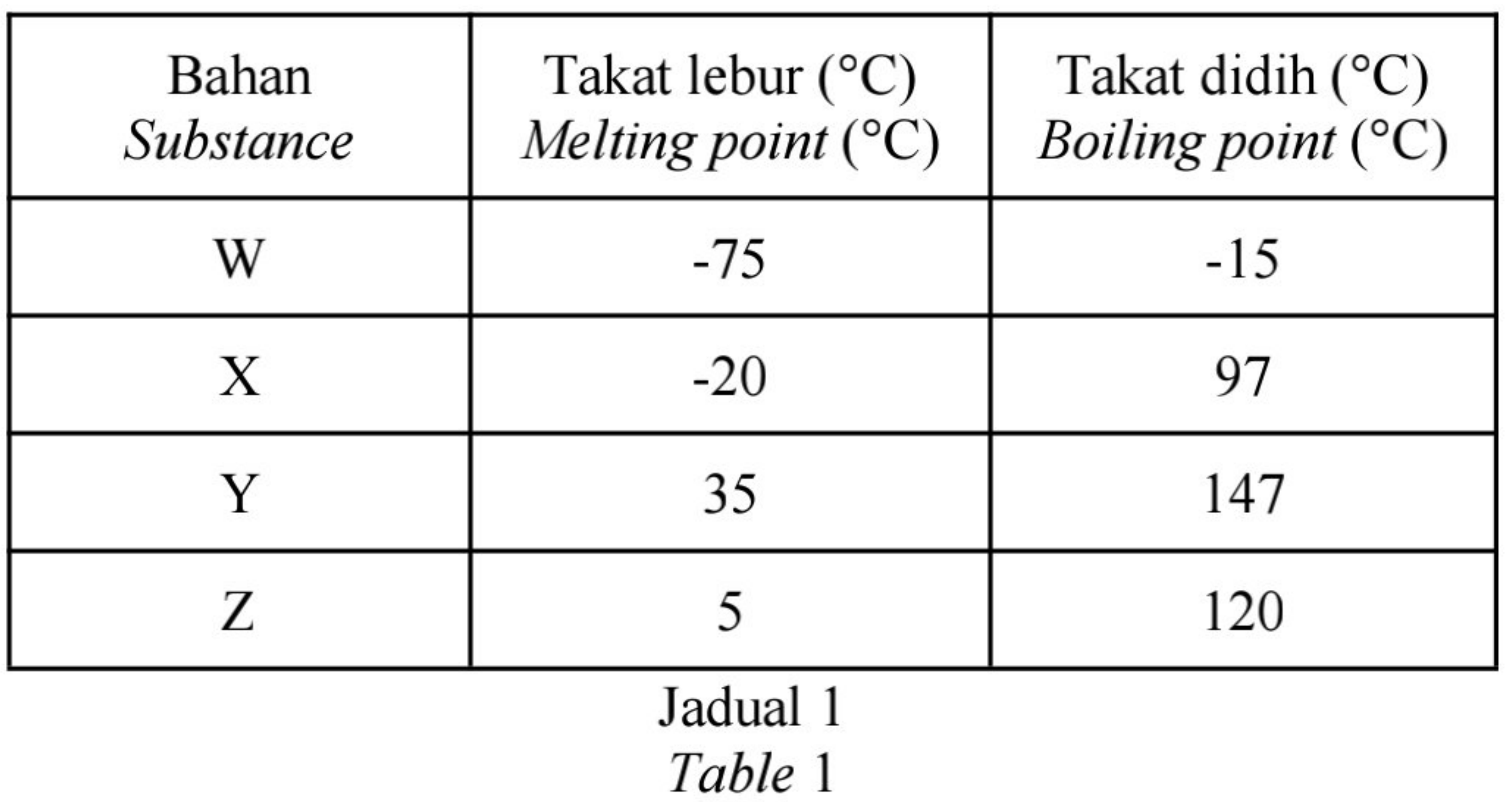
Table 1 shows the melting and boiling points of substances W, X, Y and Z: W -75 °C, -15 °C; X -20 °C, 97 °C; Y 35 °C, 147 °C; Z 5 °C, 120 °C (melting point, boiling point). Which substance is a liquid at room temperature?
Medium
Which of the following chemical equations is not a redox reaction?
Medium
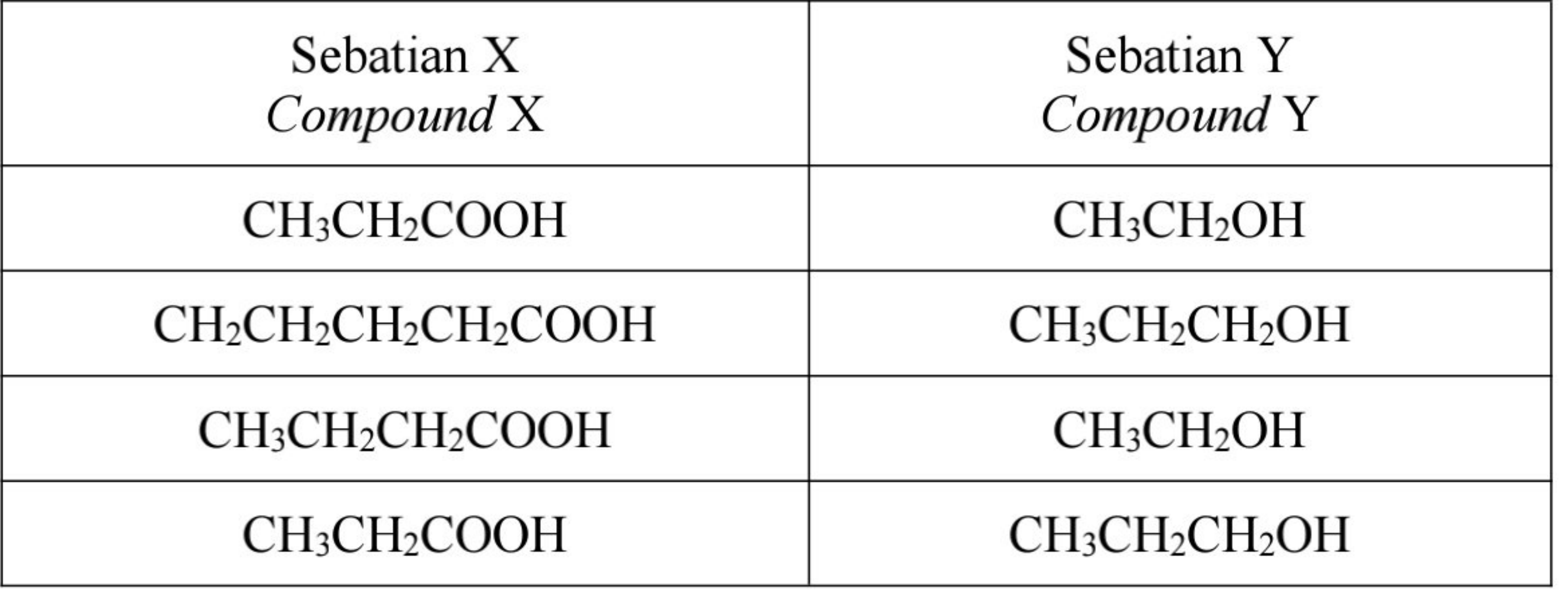
The following molecular formula represents a carbon compound formed from the reaction between compounds X and Y: C2H5COOC3H7. What are compounds X and Y? (X = carboxylic acid, Y = alcohol)
Medium
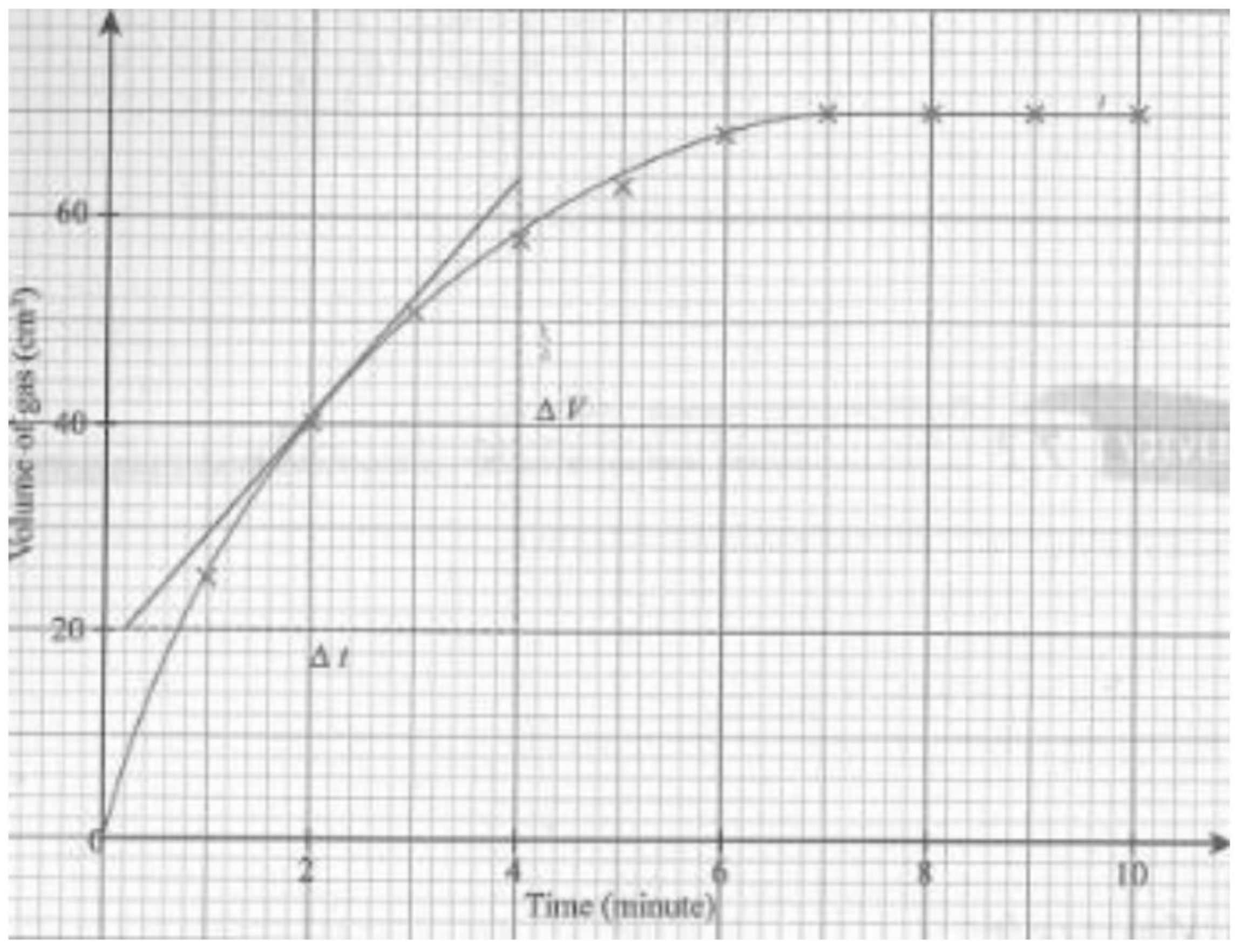
Graph 1 shows the volume of gas (cm³) against time (minute). Based on the graph 1, calculate the average rate of reaction for this reaction.
Medium
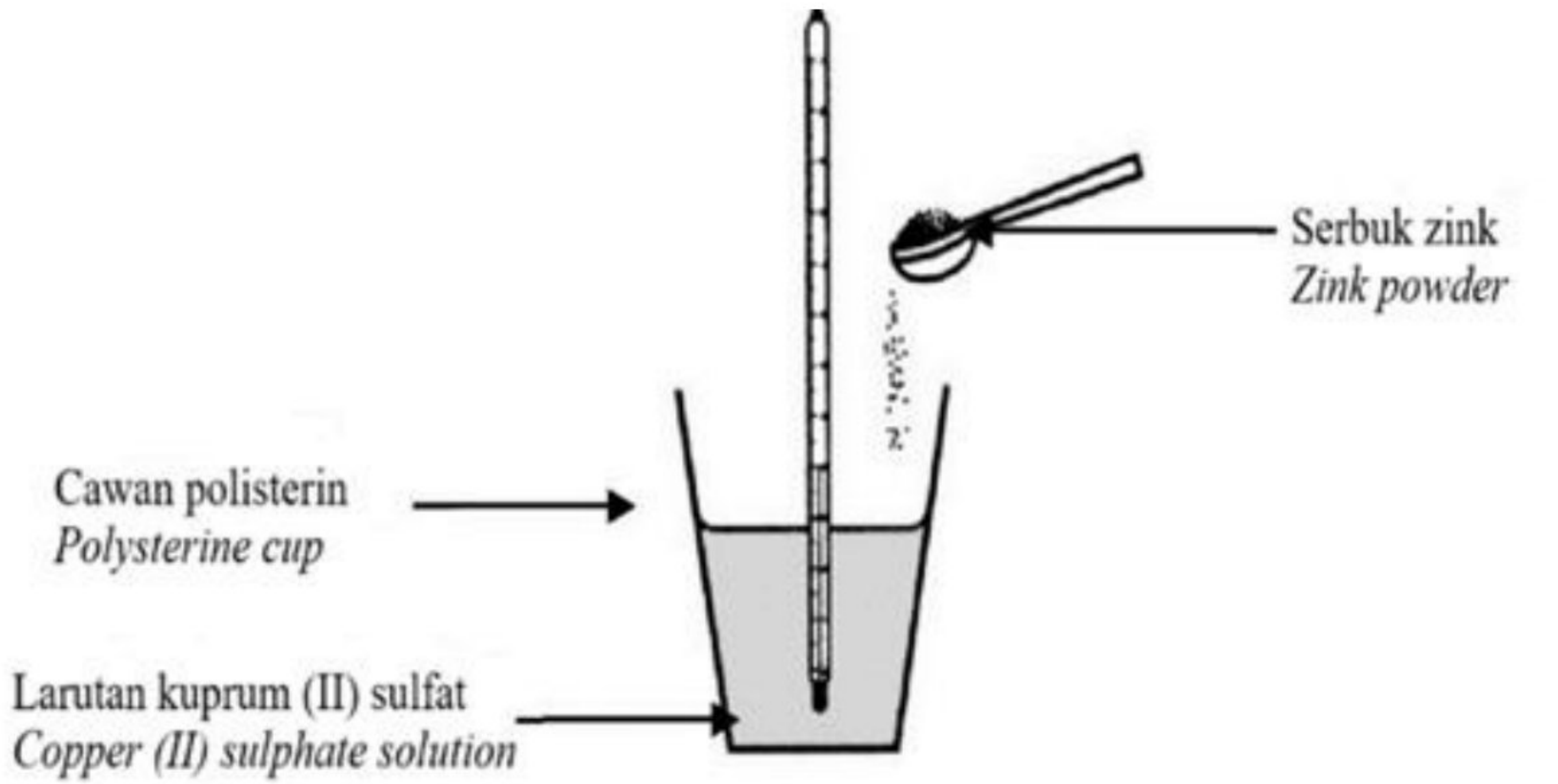
Diagram 5 shows reaction between zinc powder and copper(II) sulphate solution in a polystyrene cup with a thermometer. Which of the following explained about the reaction?
Medium
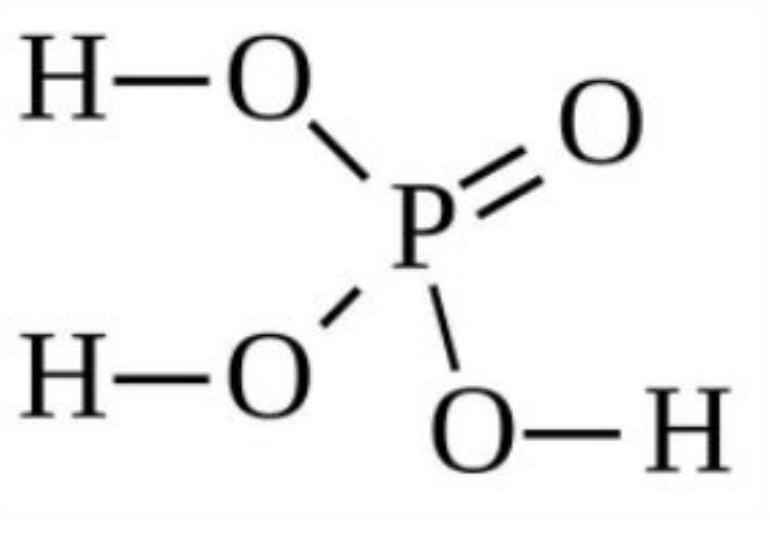
Diagram 6 shows a phosphoric acid molecule (H3PO4: three H-O groups bonded to P, plus P=O). How many electrons are involved in the formation of all covalent bonds in the phosphoric acid molecule?
Medium
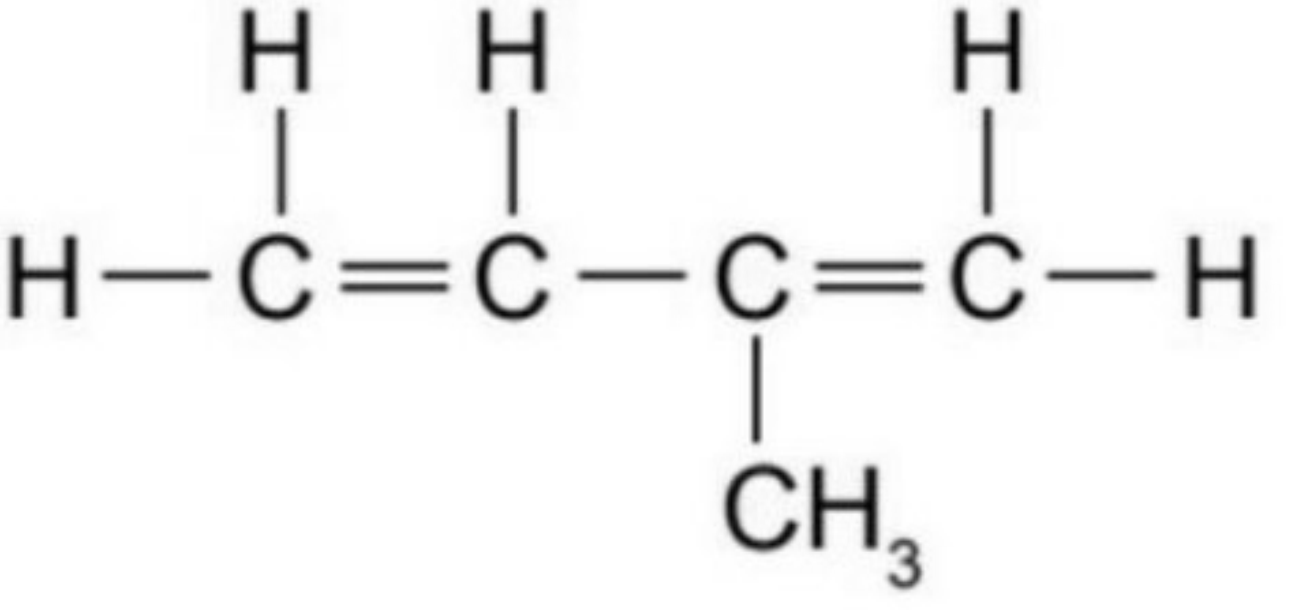
Diagram 7 shows the structural formula of rubber monomer (CH2=CH-C(CH3)=CH2... drawn as H2C=CH-C(CH3)=CH-H). What is the name of the compound based on the IUPAC nomenclature?
Medium
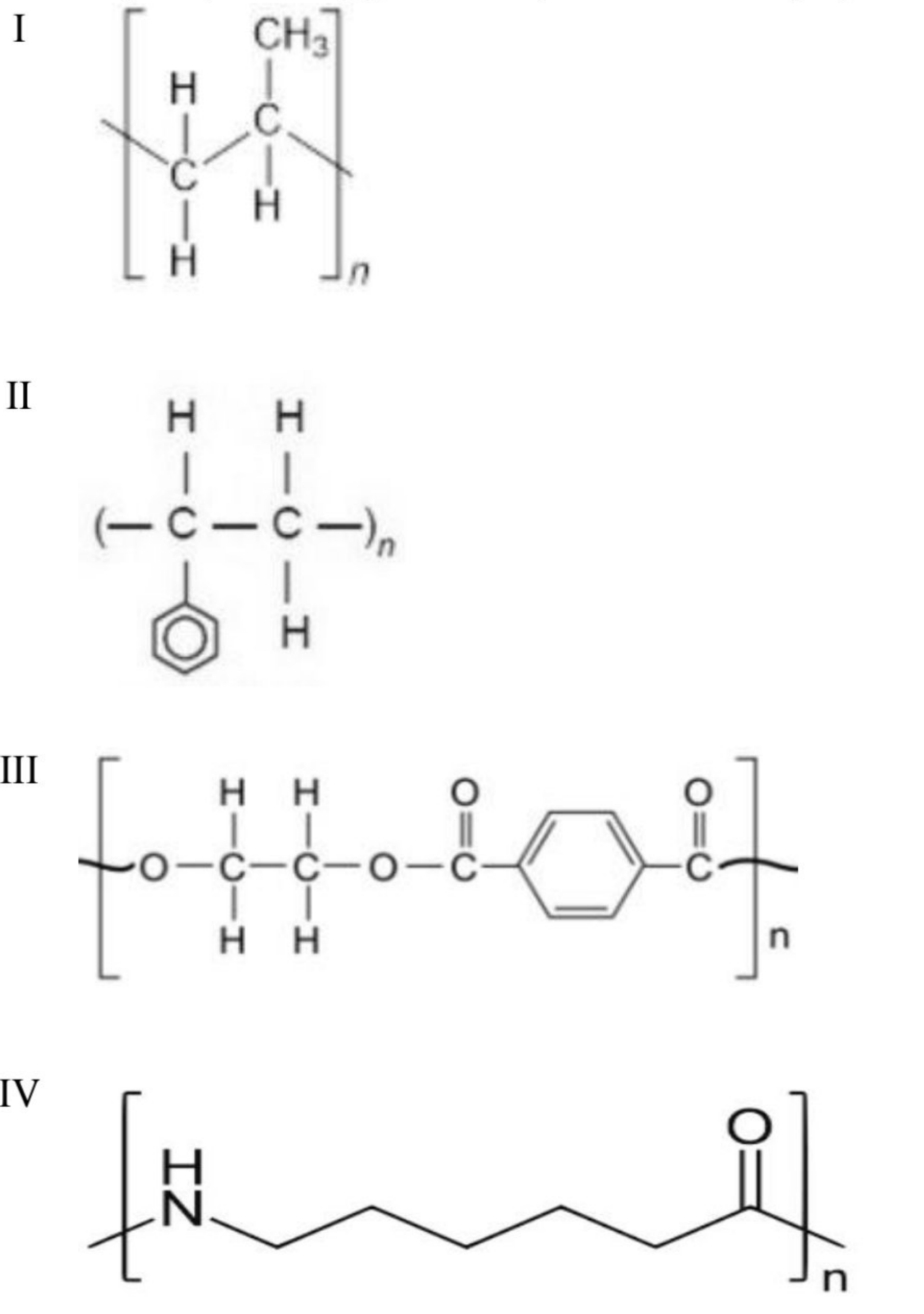
Which of the following products of condensation polymerisation? I poly(propene); II polystyrene; III polyester (from ethane-1,2-diol and benzene-1,4-dicarboxylic acid); IV polyamide (nylon).
Medium
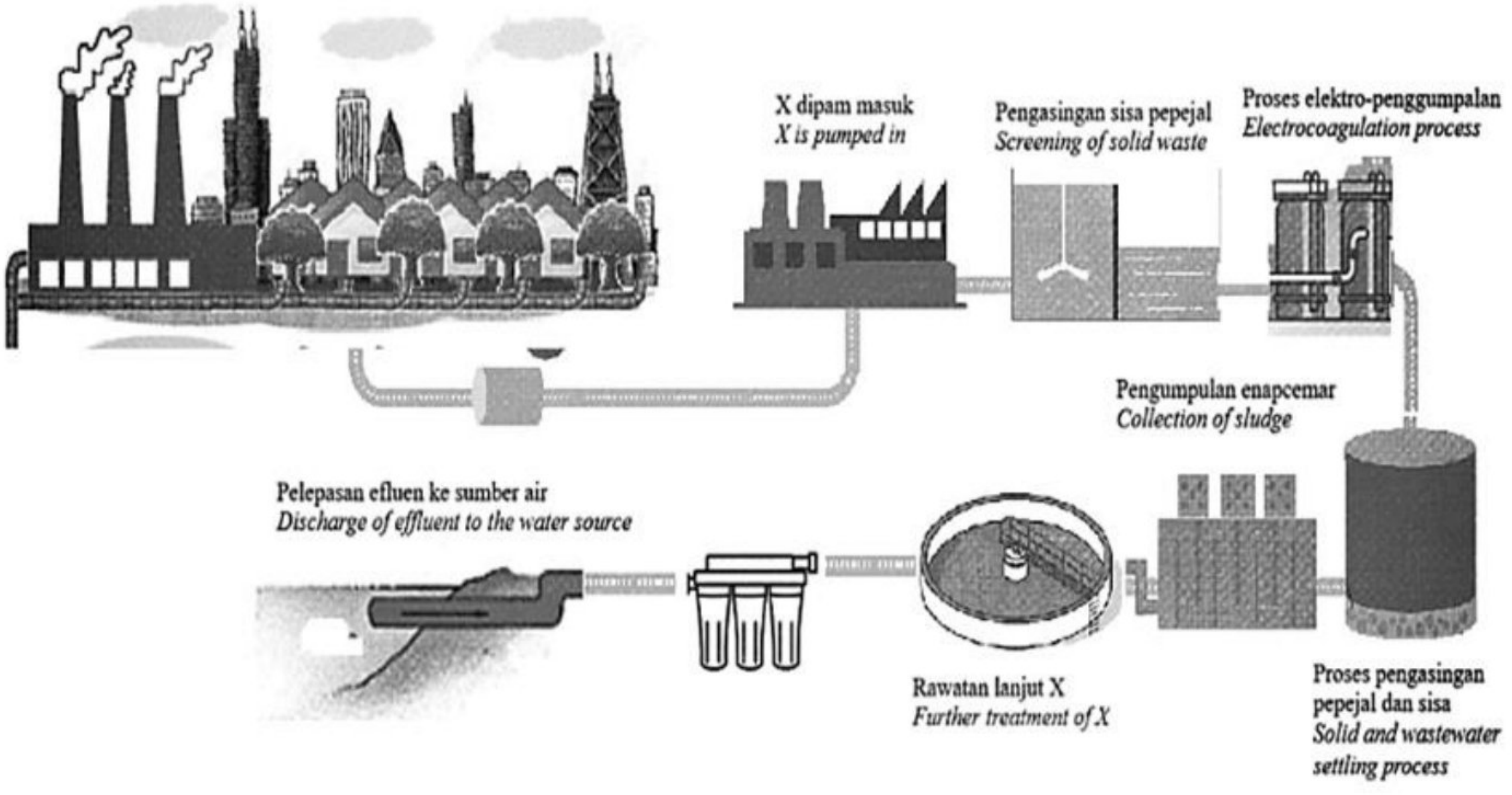
Diagram 8 shows X treatment process (X pumped in, screening of solid waste, electrocoagulation process, collection of sludge, solid and wastewater settling process, further treatment of X, discharge of effluent to the water source). Choose the correct statement to explain the product of X?
Medium
Which of the following is the correct change in the property of elements across the period in the Periodic Table of Elements?
Medium
Which of the following is the characteristic of hydrogen chloride gas that enables its acidic properties to be shown?
Medium
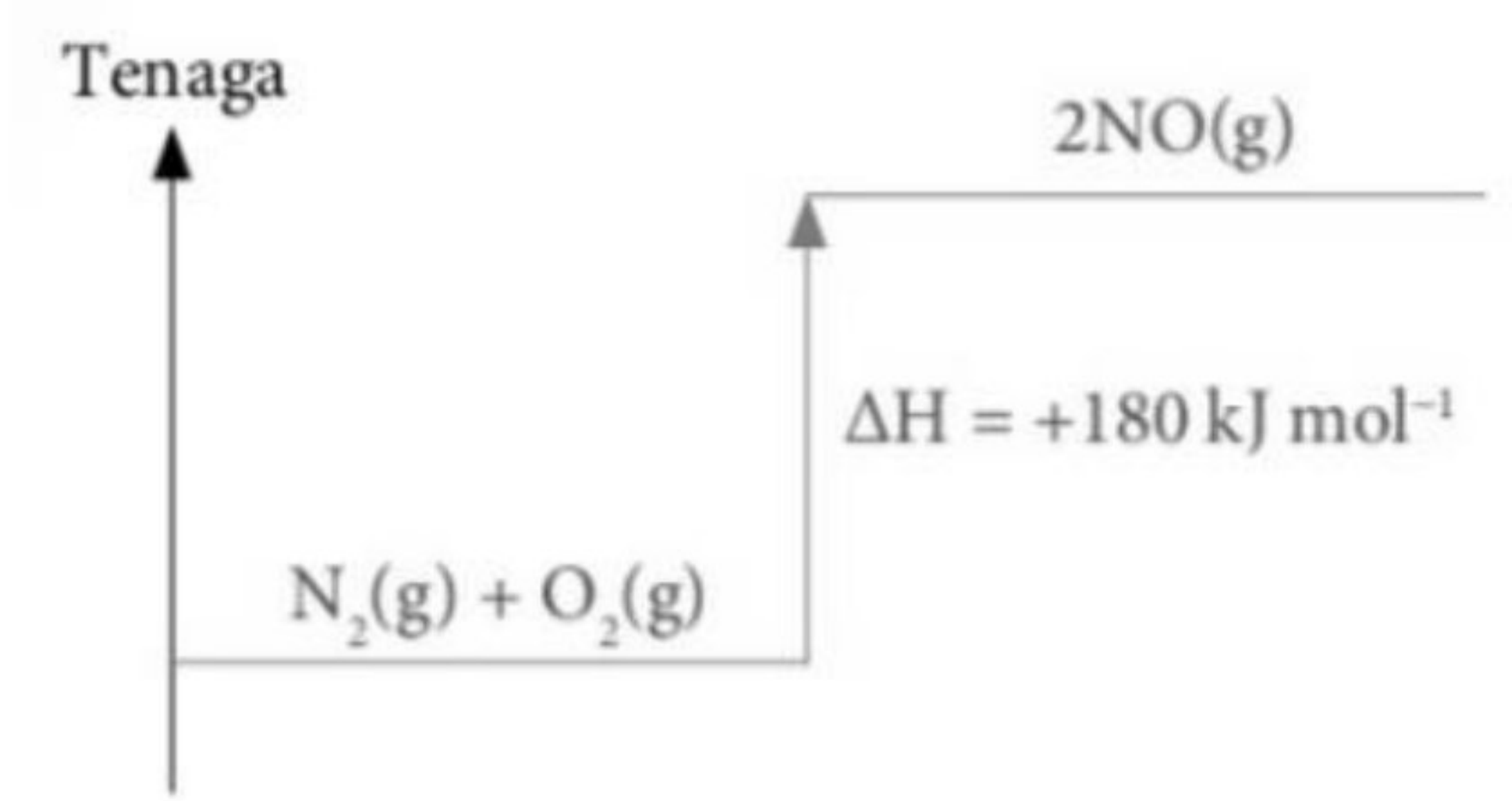
Diagram 9 shows an energy level diagram: N₂(g) + O₂(g) at a lower level, 2NO(g) at a higher level, ΔH = +180 kJ mol⁻¹. Which of the following does not explain the reaction in Diagram 9?
Medium
Decomposition of potassium chlorate(V), KClO₃ by heat is often used to produce oxygen gas: 2KClO₃(s) → 2KCl(s) + 3O₂(g). What is the mass of KClO₃ needed to produce 20 dm³ of oxygen gas? [Relative atomic mass: O = 16, Cl = 35.5, K = 39; molar volume: 24 dm³ mol⁻¹ at room conditions]
Medium
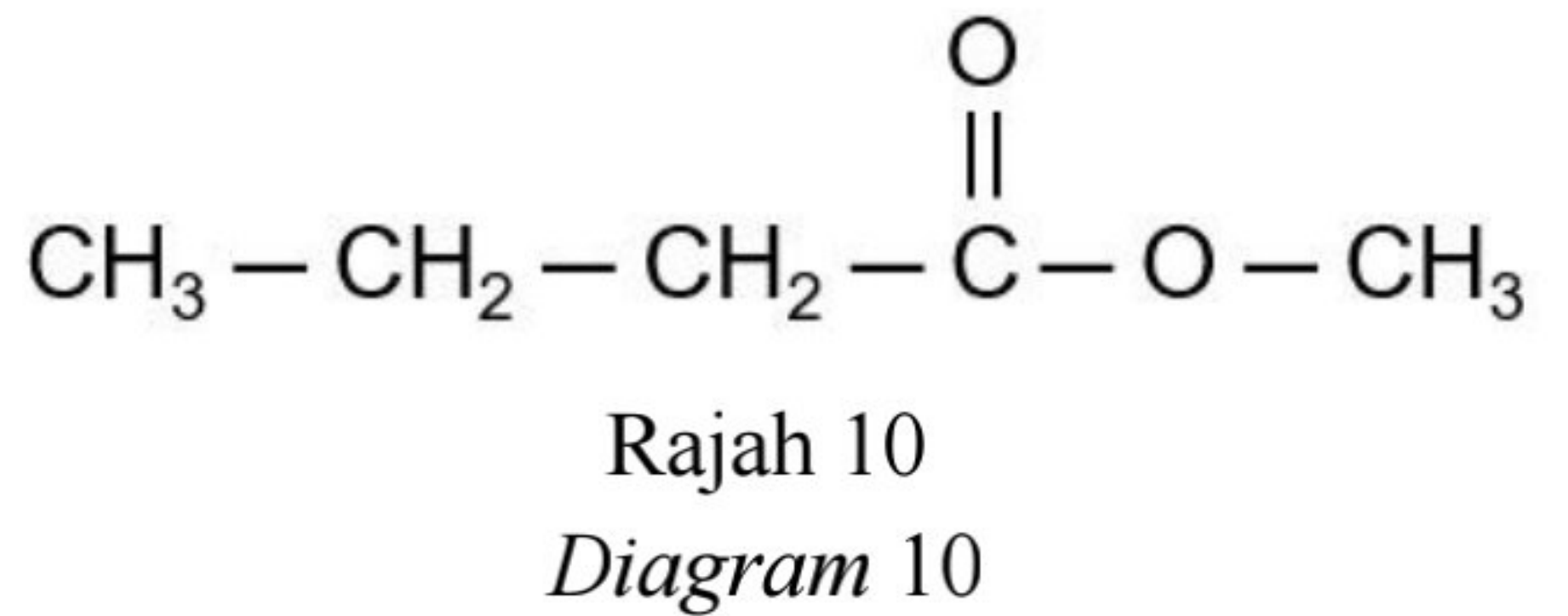
Diagram 10 shows the structural formula of a compound: CH3-CH2-CH2-C(=O)-O-CH3. What is the name of the compound?
Medium
4.16 g of element W reacts with 1.92 g of oxygen to form metal oxide W. The empirical formula for this metal oxide is W₂O₃. What is the relative atomic mass of W? [Relative atomic mass: O = 16]
Medium
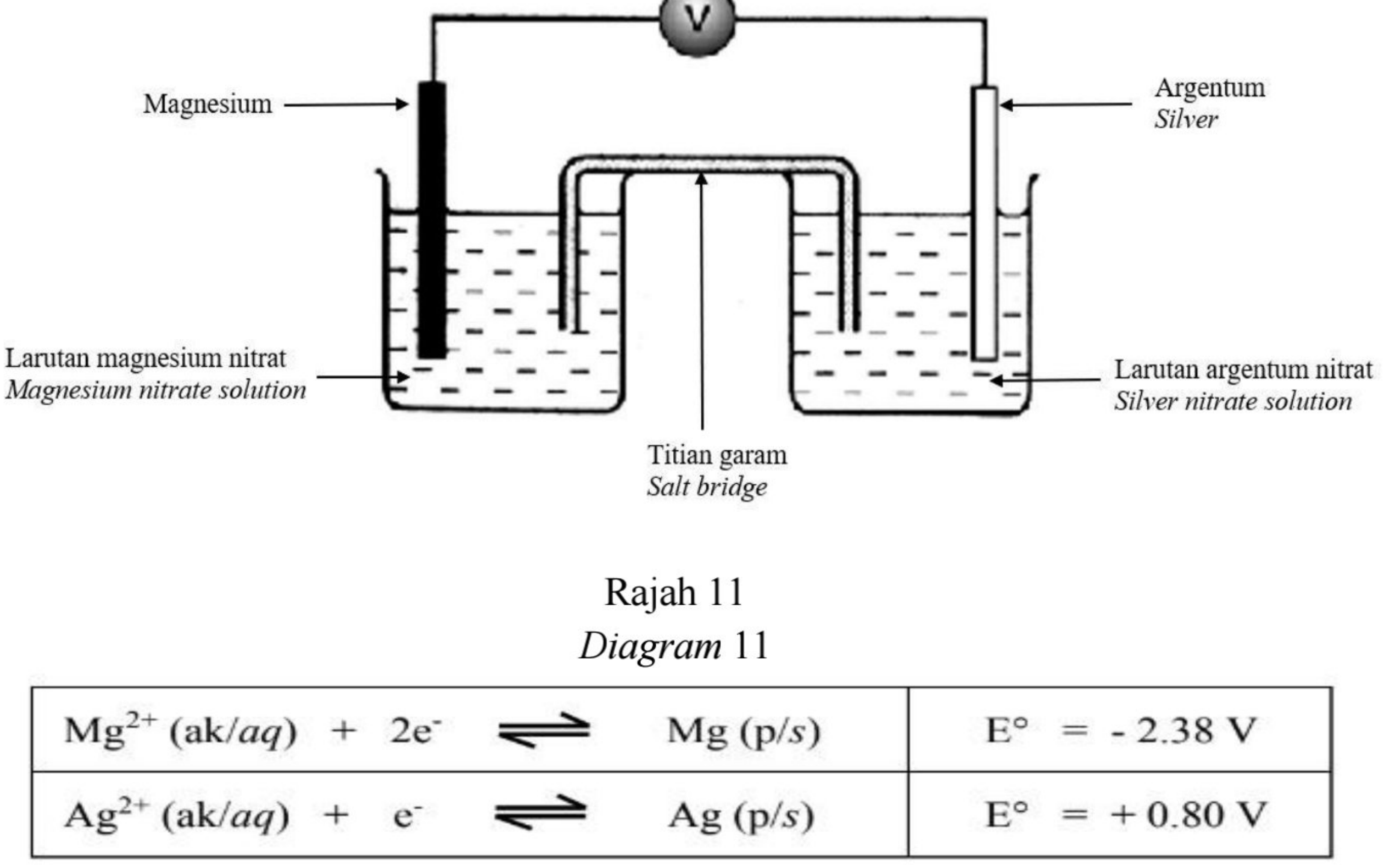
Diagram 11 shows the apparatus arrangement of a chemical cell in a redox reaction (Mg in magnesium nitrate solution, Ag in silver nitrate solution, salt bridge). Standard electrode potentials: Mg²⁺ + 2e⁻ ⇌ Mg, E° = -2.38 V; Ag²⁺ + e⁻ ⇌ Ag, E° = +0.80 V (as printed). What is the voltmeter reading in Diagram 11?
Medium
0.2 mol of magnesium carbonate crystals react with excess sulphuric acid. After 1.0 minute, 0.05 mol of magnesium carbonate remains as residue. What is the average rate of reaction? [Relative atomic mass: Mg = 24, C = 12, O = 16]
Medium
The chemical equation represents the preparation of zinc sulphate: Zn(s) + H₂SO₄(aq) → ZnSO₄(aq) + H₂(g). 3.5 g of zinc powder is added to 50 cm³ of 0.60 mol dm⁻³ sulphuric acid. What is the mass of unreacted zinc powder? [Relative atomic mass: Zn = 65]
Medium
25 cm³ nitric acid and 25 cm³ potassium hydroxide solution of the same molarity react: HNO₃(aq) + KOH(aq) → KNO₃(aq) + H₂O(l), ΔH = -57.3 kJ mol⁻¹. The temperature of the mixture increased by 7 °C. [Specific heat capacity of the solution = 4.2 J g⁻¹ °C⁻¹, density of the solution = 1 g cm⁻³] What is the molarity of both solutions?
Medium
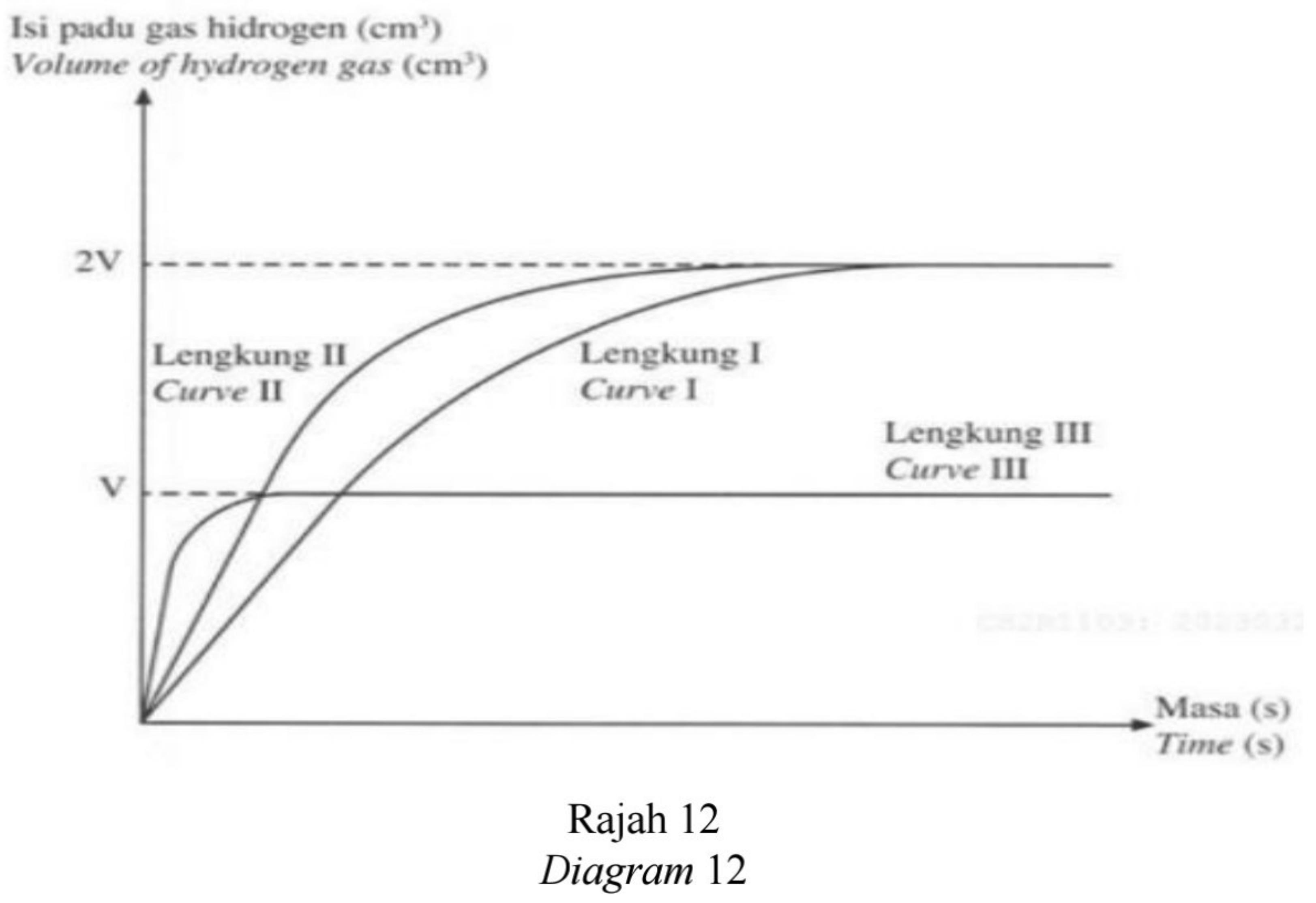
Ekhwan carried out an experiment of rate of reaction using granules of zinc (excess) and 50 cm³ hydrochloric acid 1.0 mol dm⁻³. Volume of hydrogen gas plots as shown as curve I in Diagram 12 (curve II is faster to the same final volume 2V; curve III is faster to final volume V). Suggest substances can be replaced to obtain curve II and III.
Medium
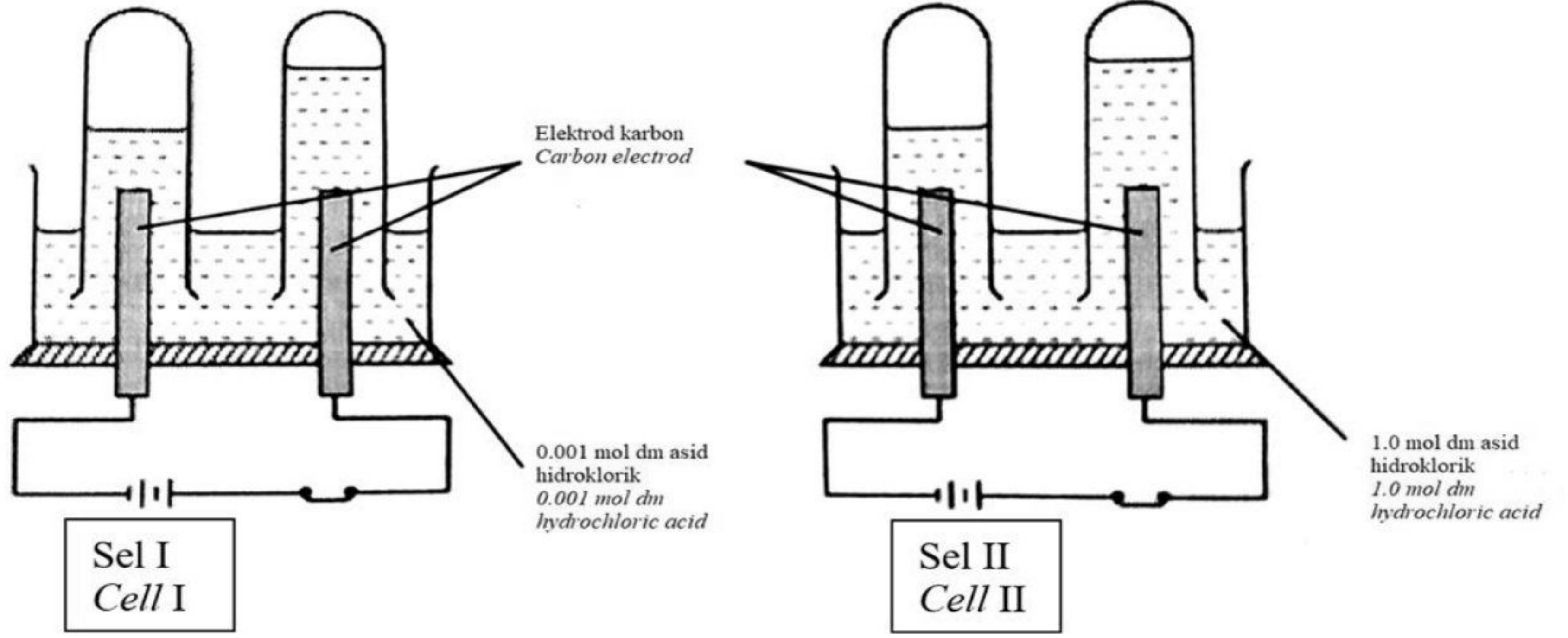
Diagram 13 shows the electrolysis of hydrochloric acid with different concentrations (Cell I: 0.001 mol dm⁻³; Cell II: 1.0 mol dm⁻³; carbon electrodes). Which of the following statements is true about Cell I and Cell II?