Write your answer on paper. Then open the answer to check it.
Section A
Aluminium is used in food packaging. The number of protons and neutrons of an aluminium atom are 13 and 14 respectively.
Medium5 marks- (a)
State the physical state of aluminium at room temperature.
[1] - (b)
Write the symbol of aluminium.
[1] - (c)(i)
What is the term used for 'the total number of proton and neutron in a nucleus of an atom'?
[1] - (c)(ii)
Draw the electron arrangement of aluminium ion.
[2]
Element X is located in Group 1 and Period 3 in the Periodic Table of Elements. Diagram 2 shows the apparatus set-up for an experiment to study the reaction between element X with chlorine gas. Solid X burns brightly with yellow flame in chlorine gas.
Medium5 marks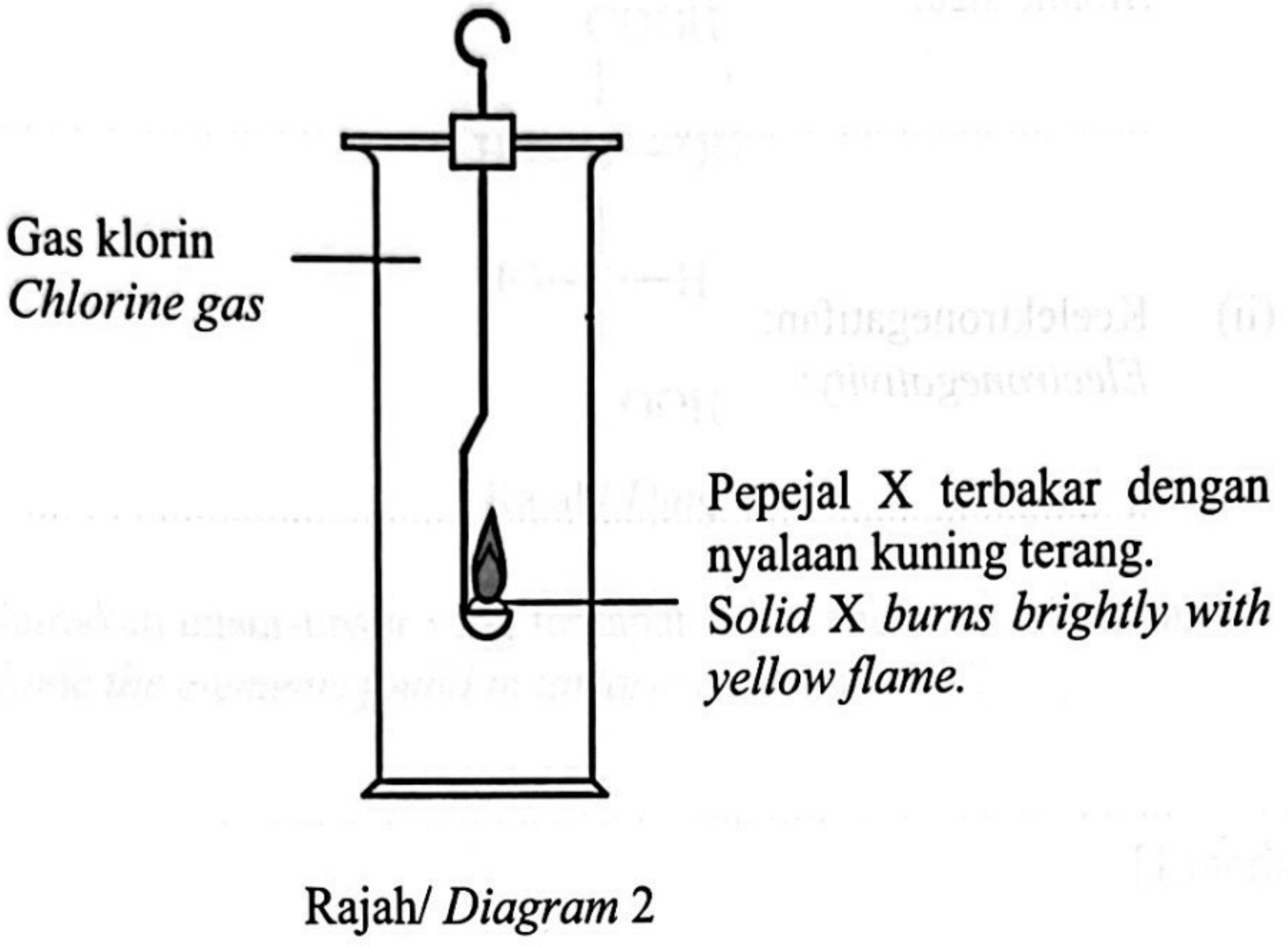
- (a)(i)
What is meant by group?
[1] - (a)(ii)
State the colour of chlorine gas.
[1] - (a)(iii)
When the reaction is complete, a white solid is formed. Name the white solid.
[1] - (b)(i)
State the change in atomic size of the elements in Period 3 when across the period from left to right.
[1] - (b)(ii)
State the change in electronegativity of the elements in Period 3 when across the period from left to right.
[1]
(a) Tartaric acid and baking powder are raising agents in cakes. Diagram 3 shows the structural formula of tartaric acid (HOOC-CH(OH)-CH(OH)-COOH). (b) When the cake batter is heated, baking powder, NaHCO3 decomposes to form sodium carbonate, carbon dioxide gas and water. [Relative atomic mass: H = 1, C = 12, O = 16, Na = 23]
Medium6 marks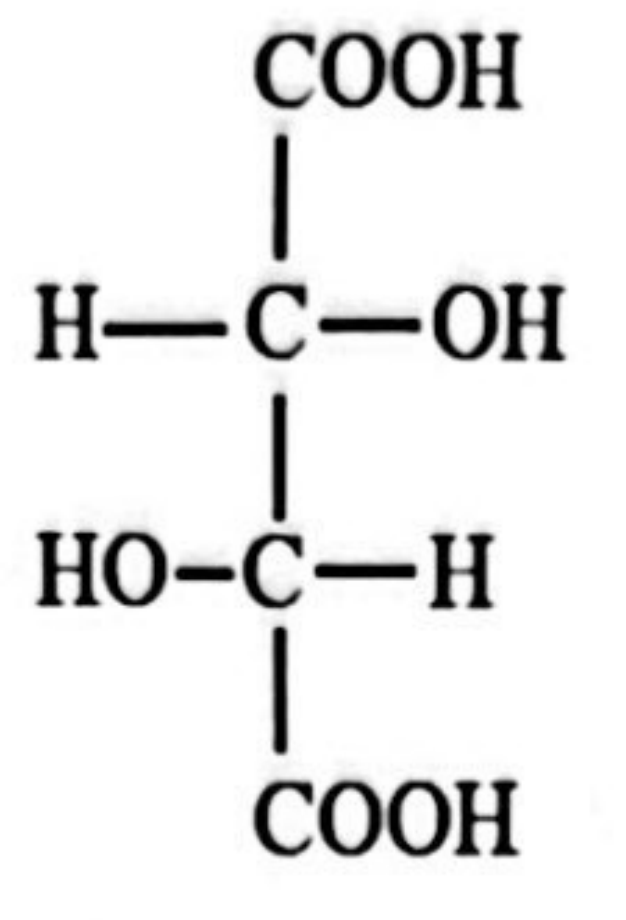
- (a)(i)
Name the elements found in tartaric acid molecule.
[1] - (a)(ii)
Write the molecular formula of tartaric acid.
[1] - (b)(i)
Write the chemical equation for the reaction.
[2] - (b)(ii)
Calculate the mass of baking powder required to produce 0.03 mol of carbon dioxide gas at room conditions to rise the batter.
[2]
A student carried out an experiment to determine the value of x for the reaction between 50 cm3 of 0.2 mol dm-3 copper(II) sulphate solution with zinc powder. Diagram 4 shows the energy level diagram for the reaction (Zn + CuSO4 → Cu + ZnSO4, ΔH = -x kJ mol-1).
Medium7 marks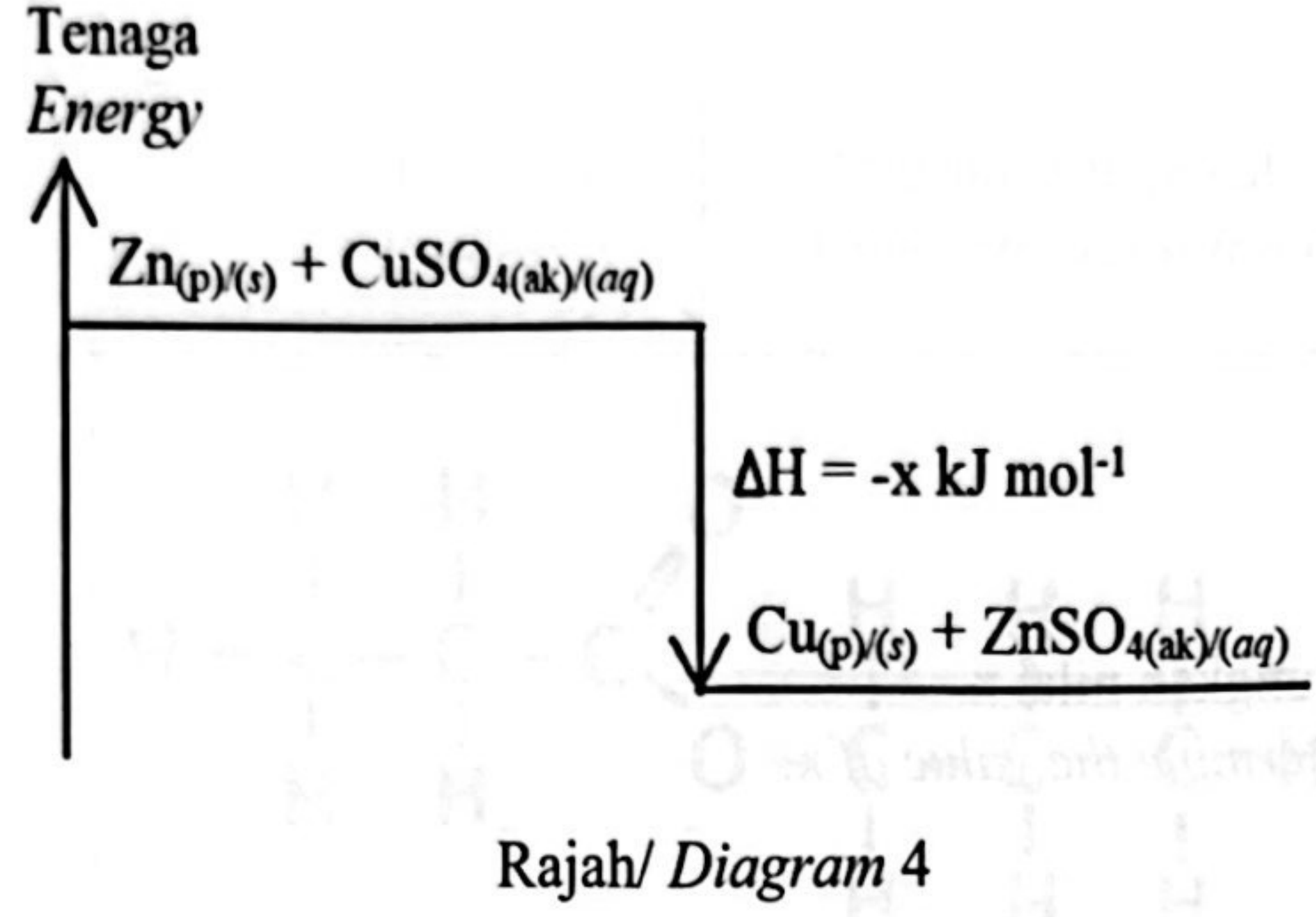
- (a)
What is represented by the symbol of ΔH?
[1] - (b)
Based on Diagram 4, state the type of reaction occur.
[1] - (c)(i)
Table 4: initial temperature of copper(II) sulphate solution 28.0 °C; highest temperature of the mixture 38.0 °C. Calculate the heat change for the reaction. [c = 4.2 J g-1 °C-1; density of solution = 1 g cm-3]
[1]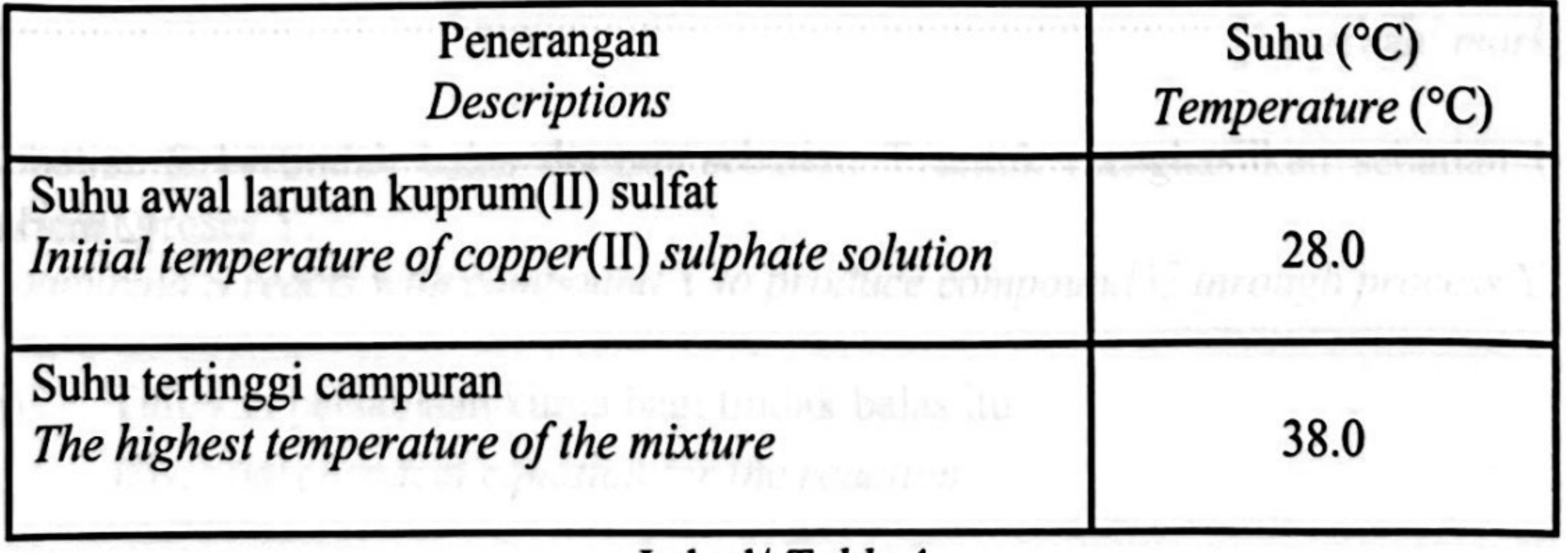
- (c)(ii)
Determine the value of x.
[2] - (c)(iii)
Predict the value of x if the volume of copper(II) sulphate solution increases to 100 cm3 while other materials and quantity are remained. Give reason.
[2]
Diagram 5 shows a chemical reaction between carbon compound S (carboxylic acid) and T (alcohol). Process X converts alcohol T to carboxylic acid S. Process Y: S + T with concentrated sulphuric acid forms compound U, an ester [structure in Diagram 5: CH3CH2COOCH2CH2CH3]. [Relative atomic mass: H = 1, C = 12, O = 16]
Medium8 marks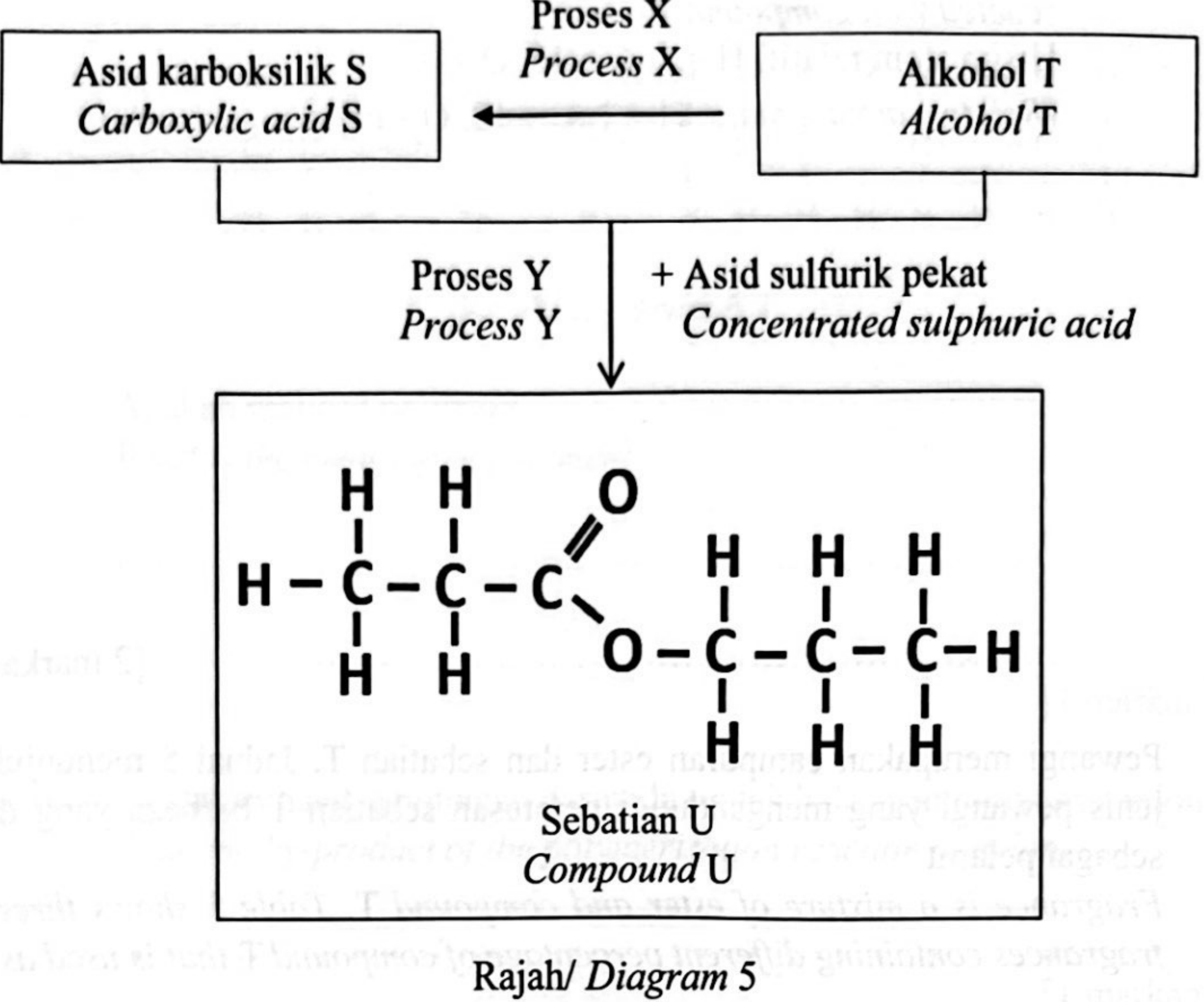
- (a)
State the functional group for alcohol T.
[1] - (b)
Name the reagent used in Process X.
[1] - (c)(i)
Compound S reacts with compound T to produce compound U through process Y. Write the chemical equation for the reaction.
[2] - (c)(ii)
Calculate the mass of compound U produced when 0.02 mol of compound S reacted with compound T.
[2] - (d)
Fragrance is a mixture of ester and compound T. Table 5: Eau de Perfume (EDP) 75% compound T; Eau de Toilette (EDT) 88%; Eau de Cologne (EDC) 95%. Based on Table 5, which fragrance can last the longest? Give one reason.
[2]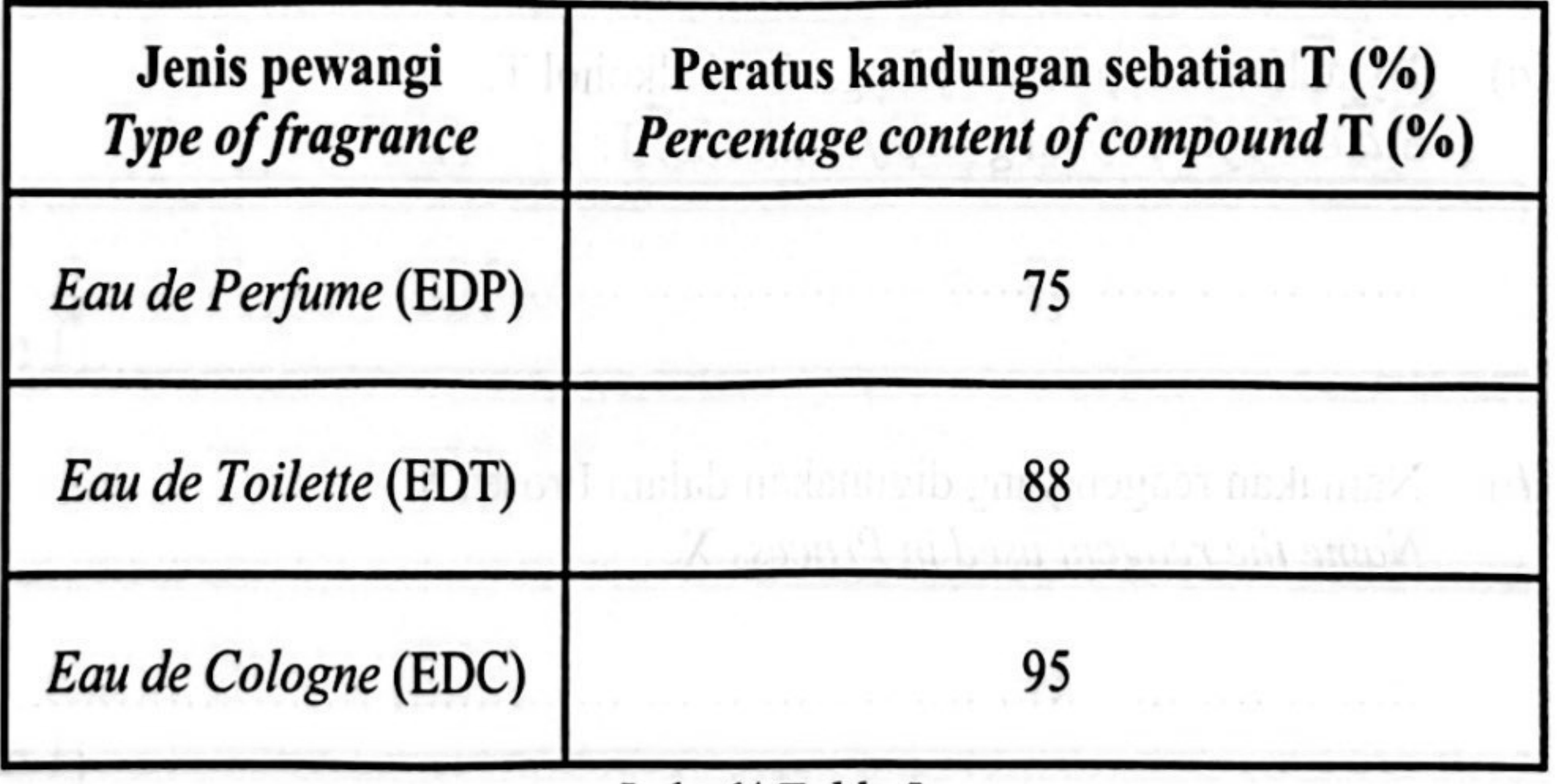
Diagram 6.1 shows the structural formula of the monomers (H2N-(CH2)6-NH2 and ClOC-(CH2)8-COCl) involved in the condensation polymerisation reaction to produce nylon.
Medium9 marks
- (a)(i)
What is the meaning of polymer?
[1] - (a)(ii)
State the by-product of the polymerisation reaction of nylon.
[1] - (b)(i)
Diagram 6.2 shows the polymer produced from addition polymerisation reaction: [-CH2-CHCl-]n. Write the polymerisation equation for the formation of the polymer in Diagram 6.2.
[2]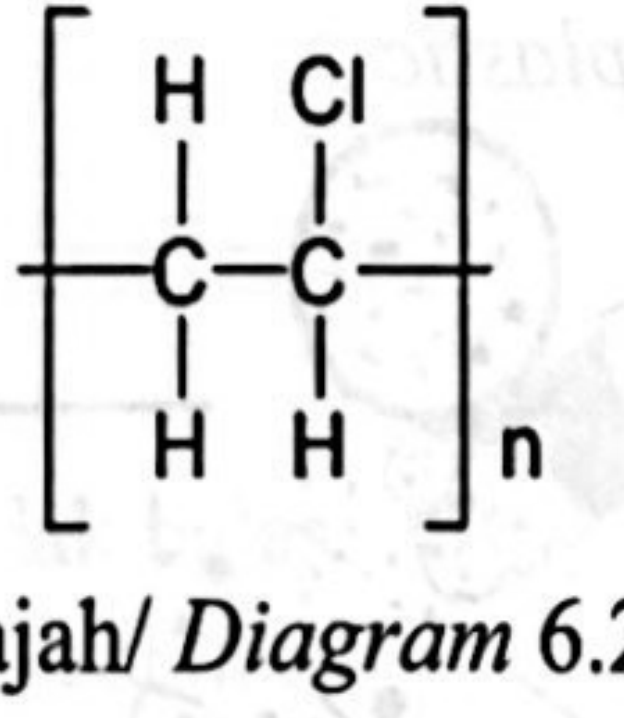
- (b)(ii)
Compare and contrast the polymerisation reaction for the production of the polymer in Diagram 6.2 and nylon.
[3] - (c)
A study found that pollution in the ocean is caused by disposal of plastic waste. Diagram 6.3 shows plastic materials degrade into microplastic which enter the food chain. Suggest two ways to make sure this issue will not happen again in the future.
[2]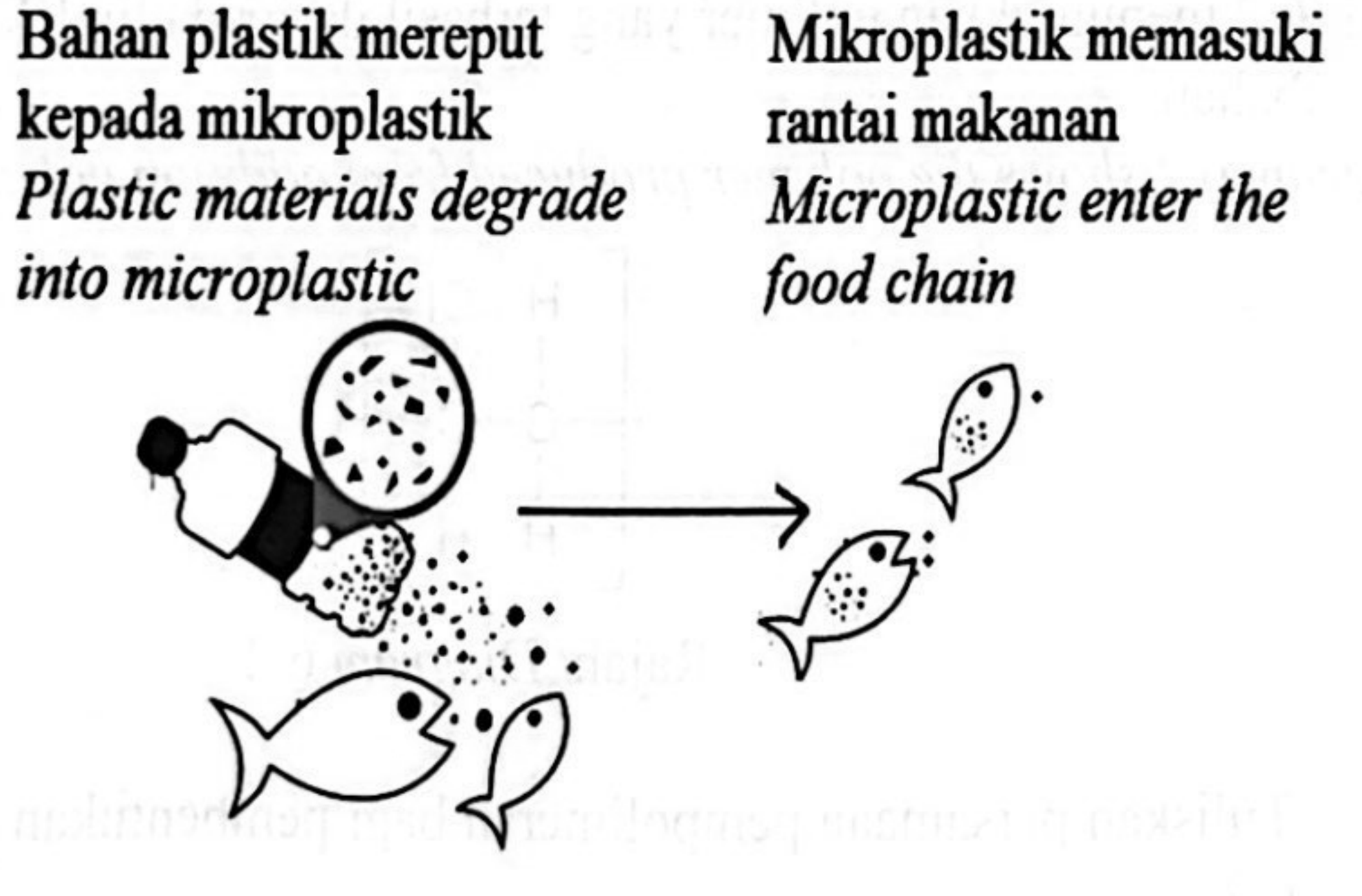
Diagram 7 shows the apparatus set-up for two sets of experiments to investigate a factor that affects the rate of reaction. Set I: 50 cm3 of 1.0 mol dm-3 ethanoic acid + 4 g calcium carbonate granules; balance reading 146.49 g falls to 145.39 g after 6 minutes. Set II: 50 cm3 of 1.0 mol dm-3 ethanoic acid + 4.0 g calcium carbonate powder; balance reading 146.49 g falls to 145.39 g after 3 minutes.
Medium10 marks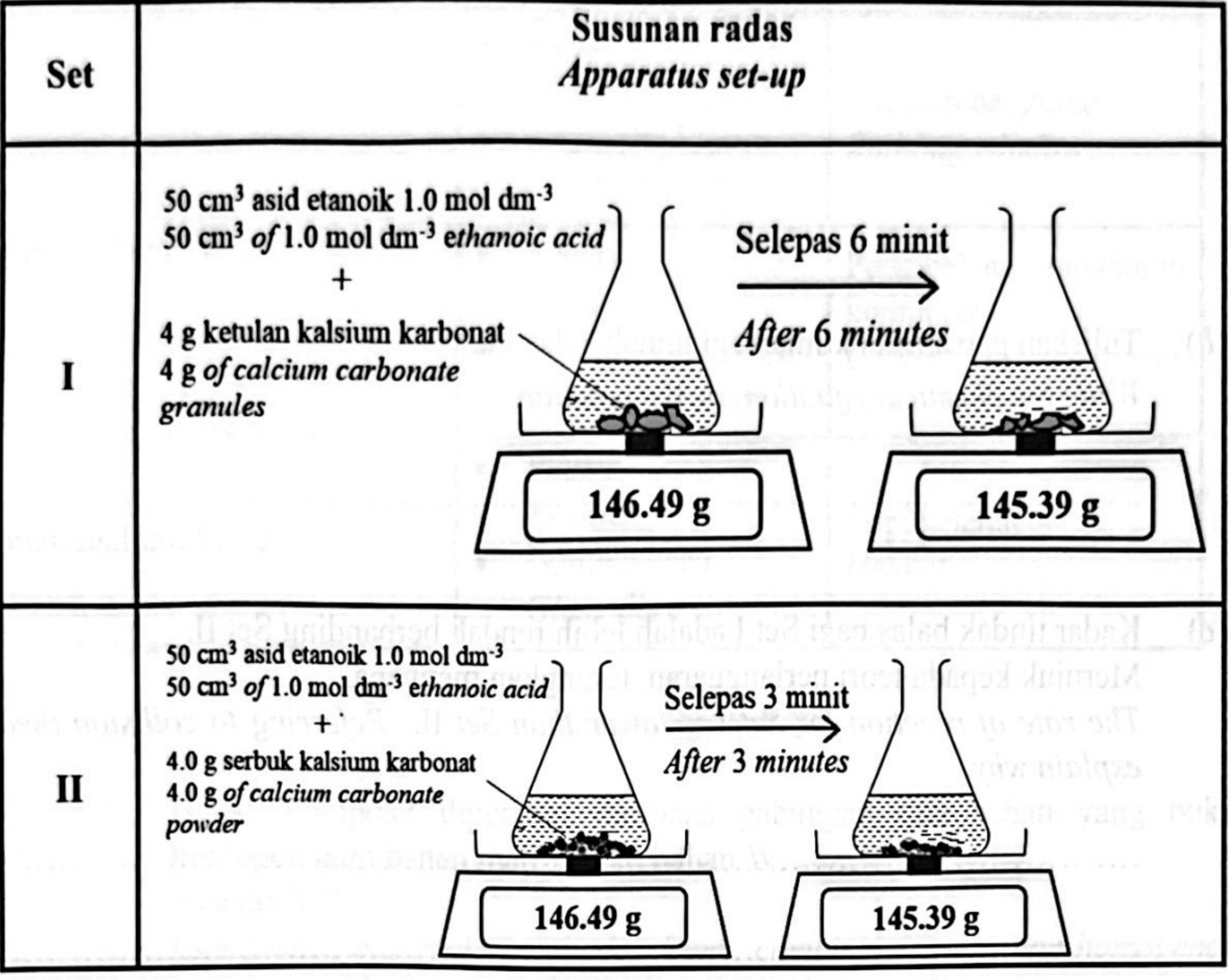
- (a)(i)
State the meaning of rate of reaction.
[1] - (a)(ii)
State the factor that affects the rate of reaction in this experiment.
[1] - (a)(iii)
Calculate the average rate of reaction for Set I.
[1] - (b)
Write the chemical equation for the reaction.
[2] - (c)
The rate of reaction for Set I is lower than Set II. Referring to collision theory, explain why.
[3] - (d)
A student wants to increase the rate of reaction for Set I by replacing ethanoic acid with hydrochloric acid of the same concentration. In your opinion, does the student made the right decision? Give a reason.
[2]
Table 8 shows information about three types of composite materials X (glass + silver chloride; building window), Y (plastic + silica glass fibre; cables in computer network) and Z (plastic + glass fibre; helmet). Diagram 8.1 is a bar chart of the composition ratio of gold to copper for 24K, 22K and 18K gold. Diagram 8.2 is the flowchart of part of a wastewater treatment process.
Medium10 marks- (a)(i)
Composite material is made from combining two non-homogenous substances which is matrix substance and substance W. What is W?
[1]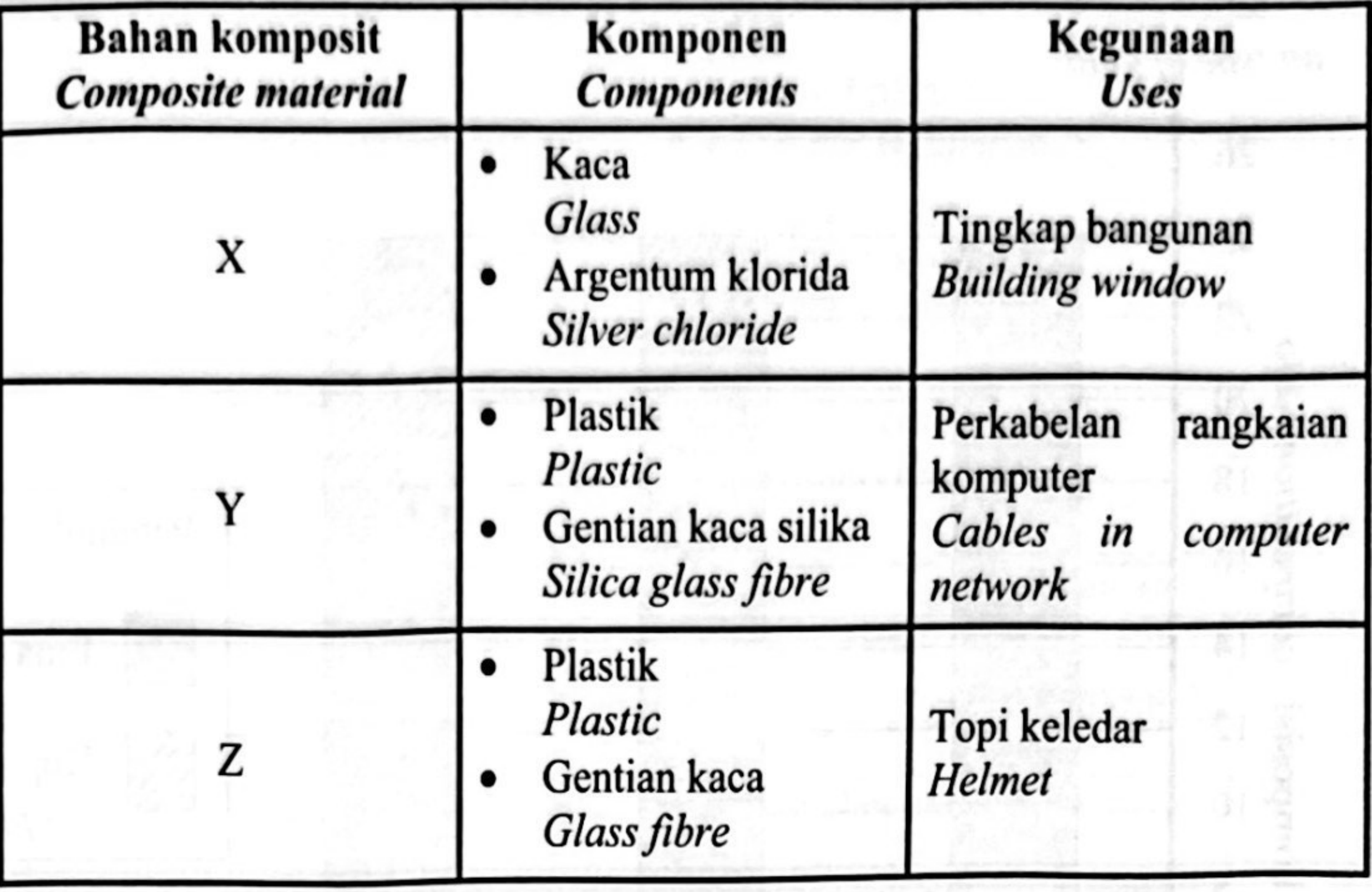
- (a)(ii)
Based on Table 8, state the composite material X and Y.
[2] - (a)(iii)
State one property of material Z.
[1] - (b)(i)
Calculate the percentage of y in 18 K gold (Diagram 8.1: 18K bar shows gold = y = 18 of 24 parts, copper = x).
[1]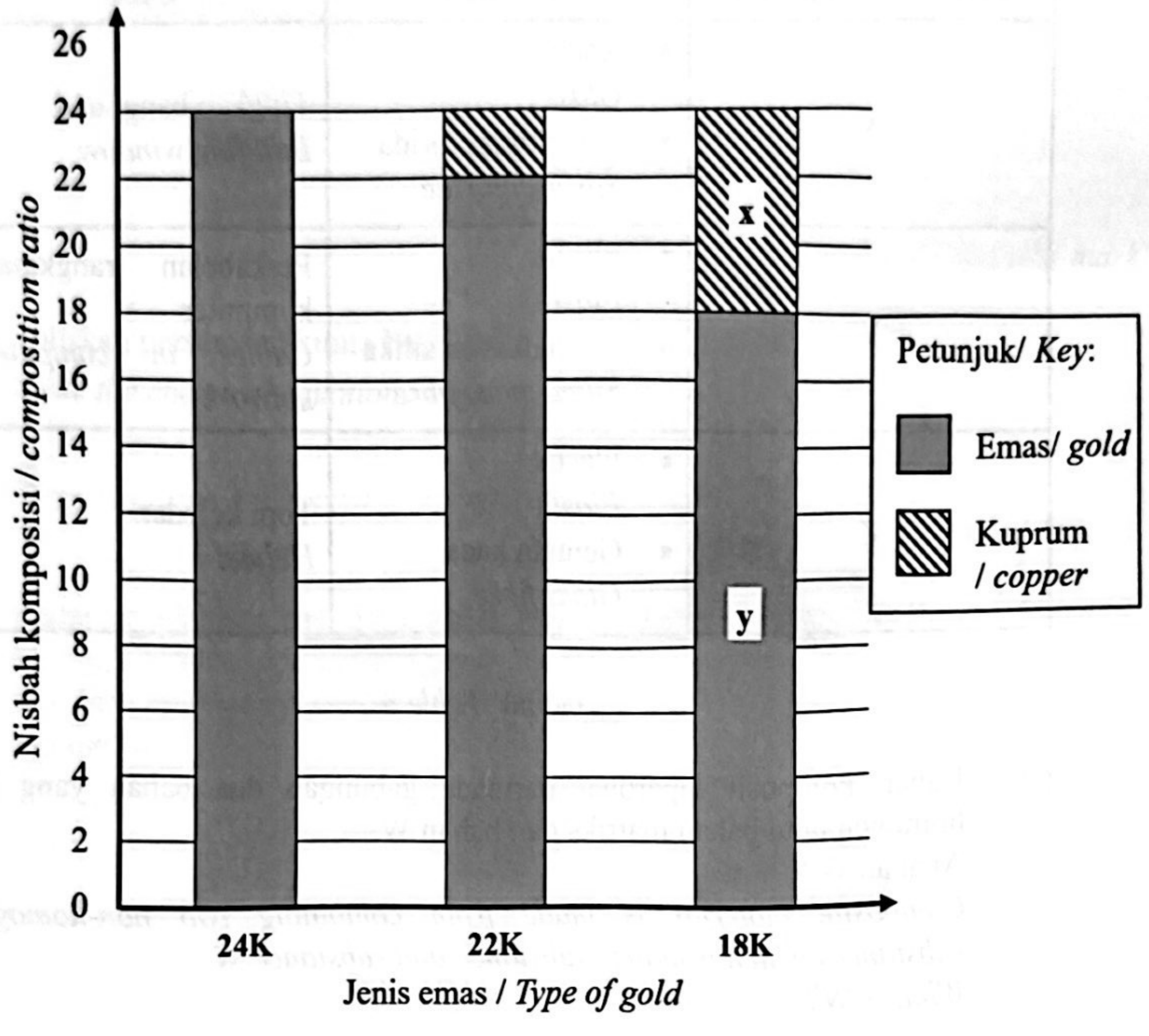
- (b)(ii)
Which gold is the most easily dented when force is exerted on it? Give one reason.
[2] - (c)(i)
Based on Diagram 8.2, which step involving 'Landfill Leachate Treatment Method'?
[1]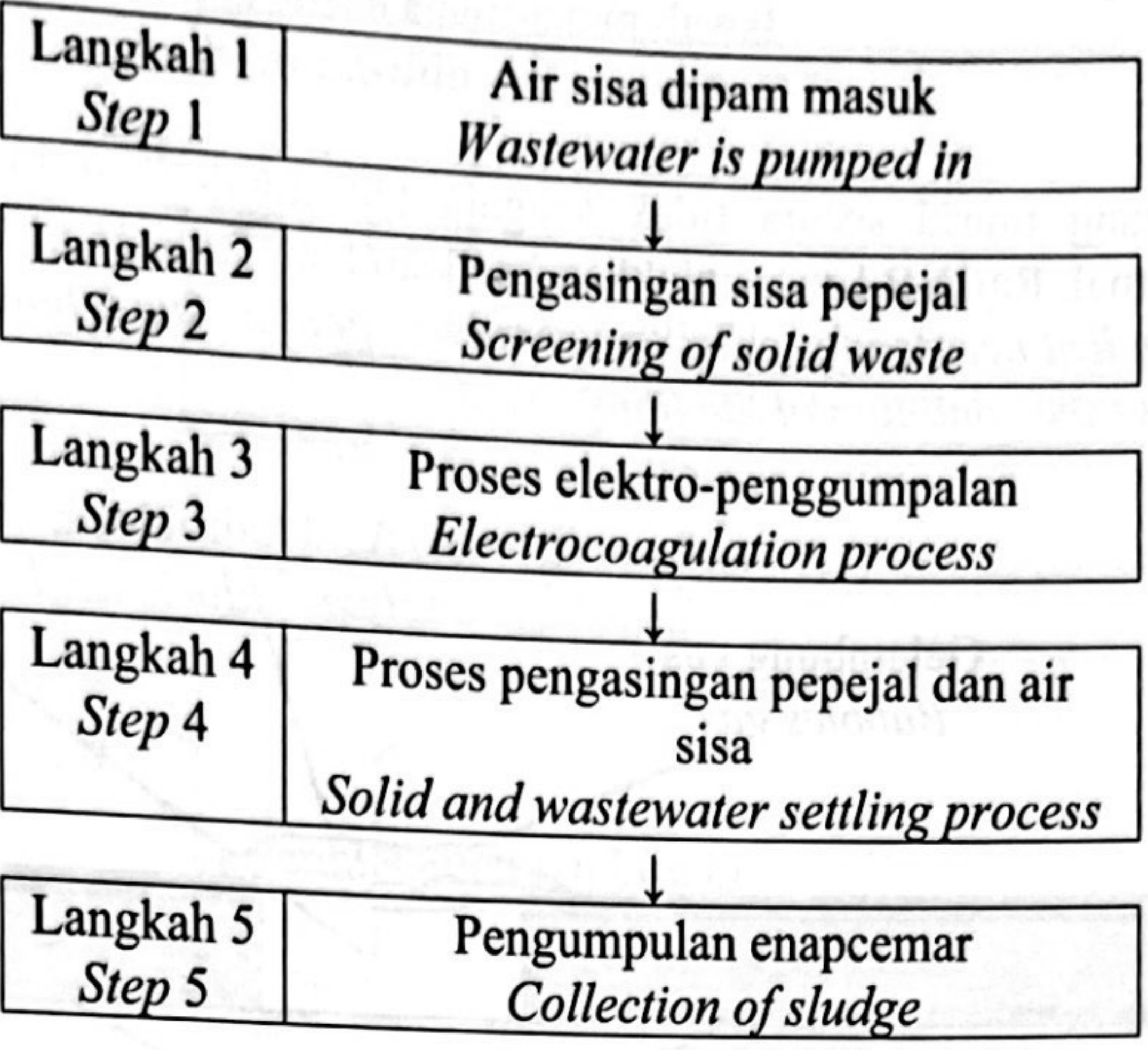
- (c)(ii)
Draw apparatus set-up to treat the wastewater for the step mentioned in 8(c)(i) if the process is carried out in laboratory.
[2]
Section B
Answer any one question from Section B (Question 9 or 10).
Hard20 marks- (a)
A student accidentally spilled hydrochloric acid on the laboratory floor. Diagram 9.1 shows the condition of the floor (bubbles of gas form where the acid meets the limestone filler between the floor tiles). State the type of acid for hydrochloric acid. Based on Diagram 9.1, explain the observation obtained.
[3]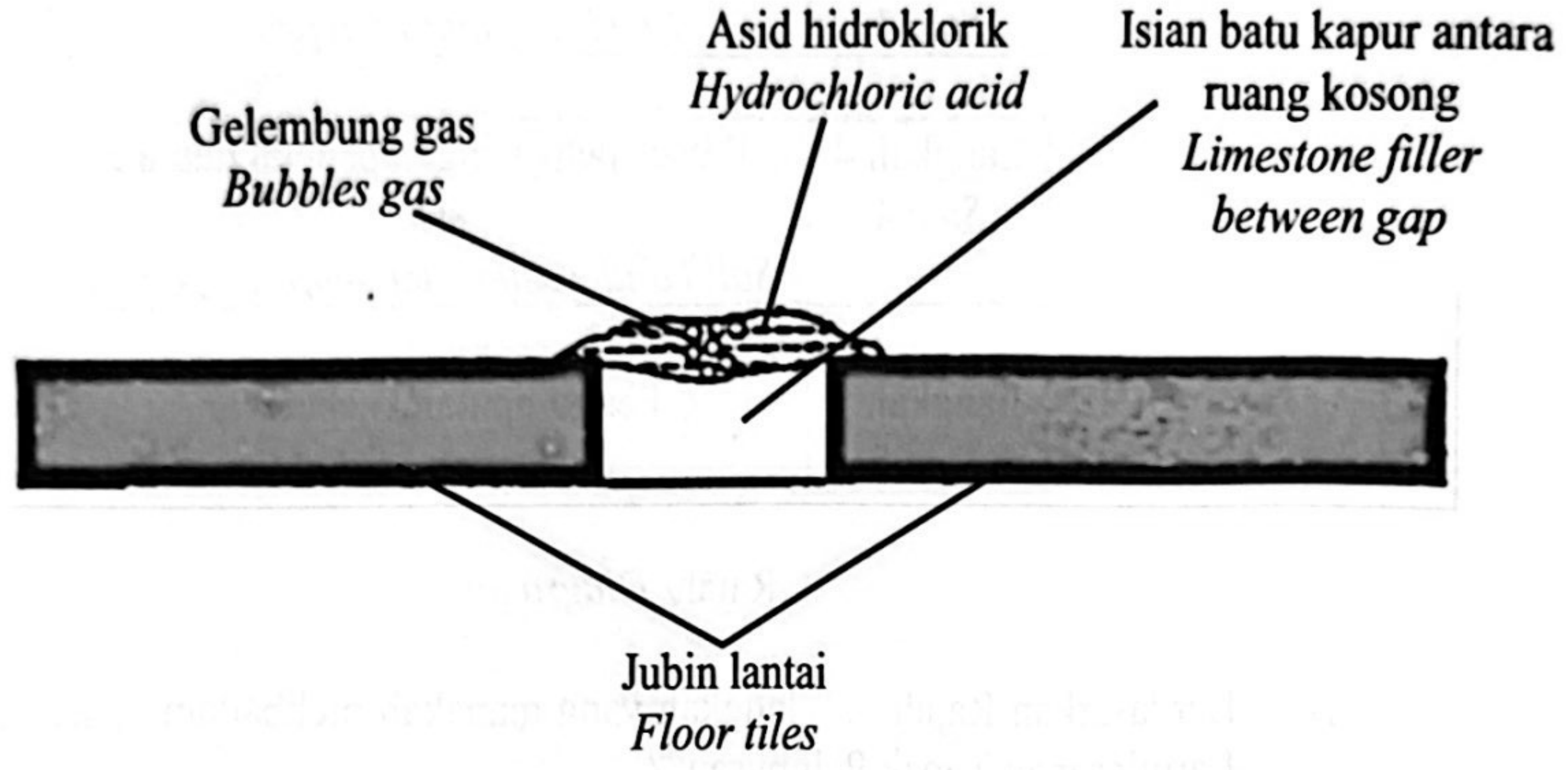
- (b)
In another experiment, 25 cm3 of diprotic acid, H2X reacts with 50 cm3 of 0.01 mol dm-3 potassium hydroxide solution. Write a chemical equation for the reaction and determine the concentration and pH value of the acid used.
[7] - (c)
Diagram 9.2 shows a flow of reactions that occur on oxide of metal P (P + dilute HCl, filter to give blue solution Q containing cation R and anion S; Reaction I: + lead(II) nitrate solution gives white precipitate T + blue solution U). Based on Diagram 9.2, identify name of reaction I, oxide metal P, white precipitate T and blue solution U. Describe a chemical test to verify the anion S and cation R.
[10]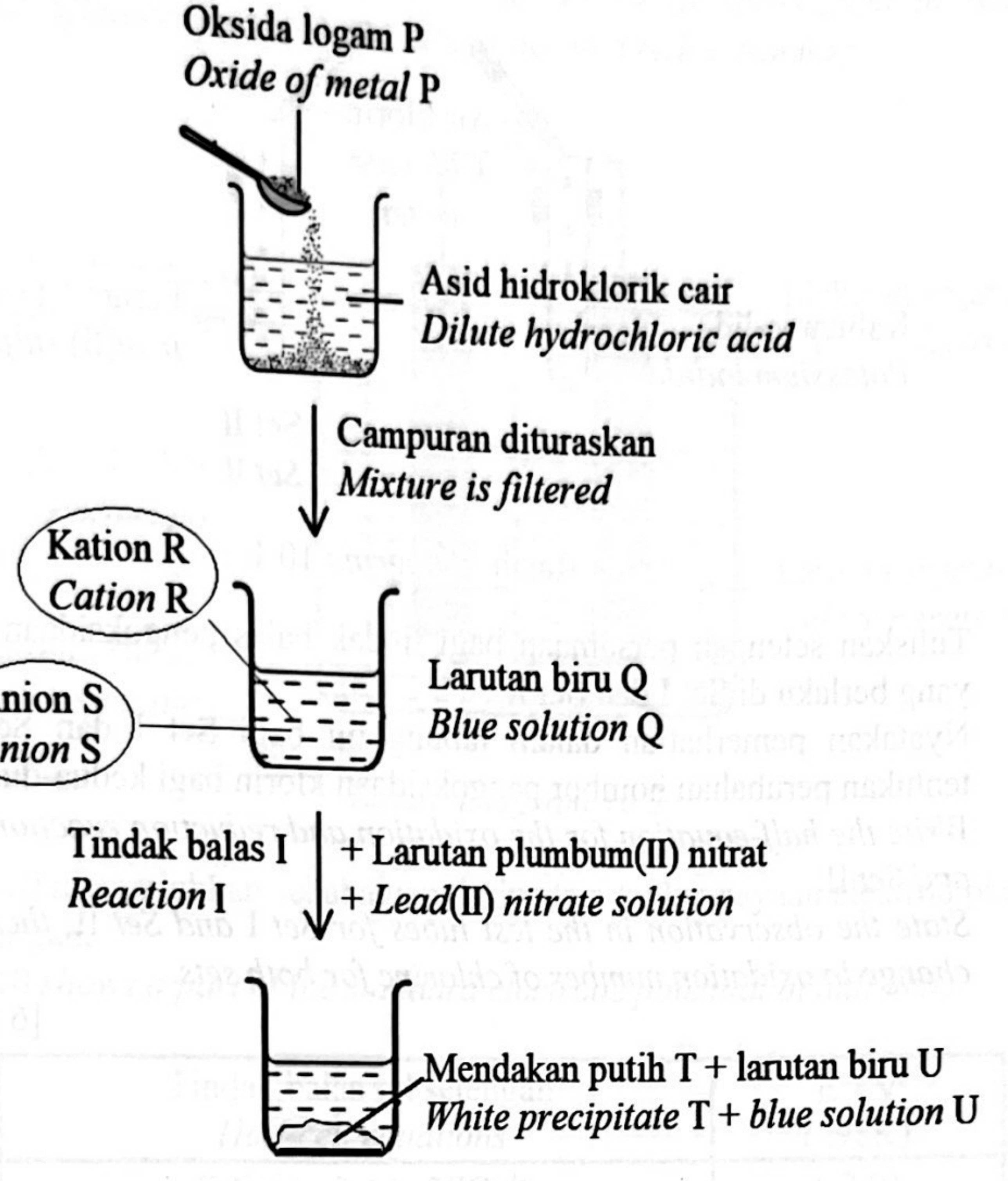
Answer any one question from Section B (Question 9 or 10). Diagram 10.1 shows the apparatus set-up to study the redox reaction: chlorine water is added to potassium iodide (Set I) and to iron(II) sulphate (Set II).
Hard20 marks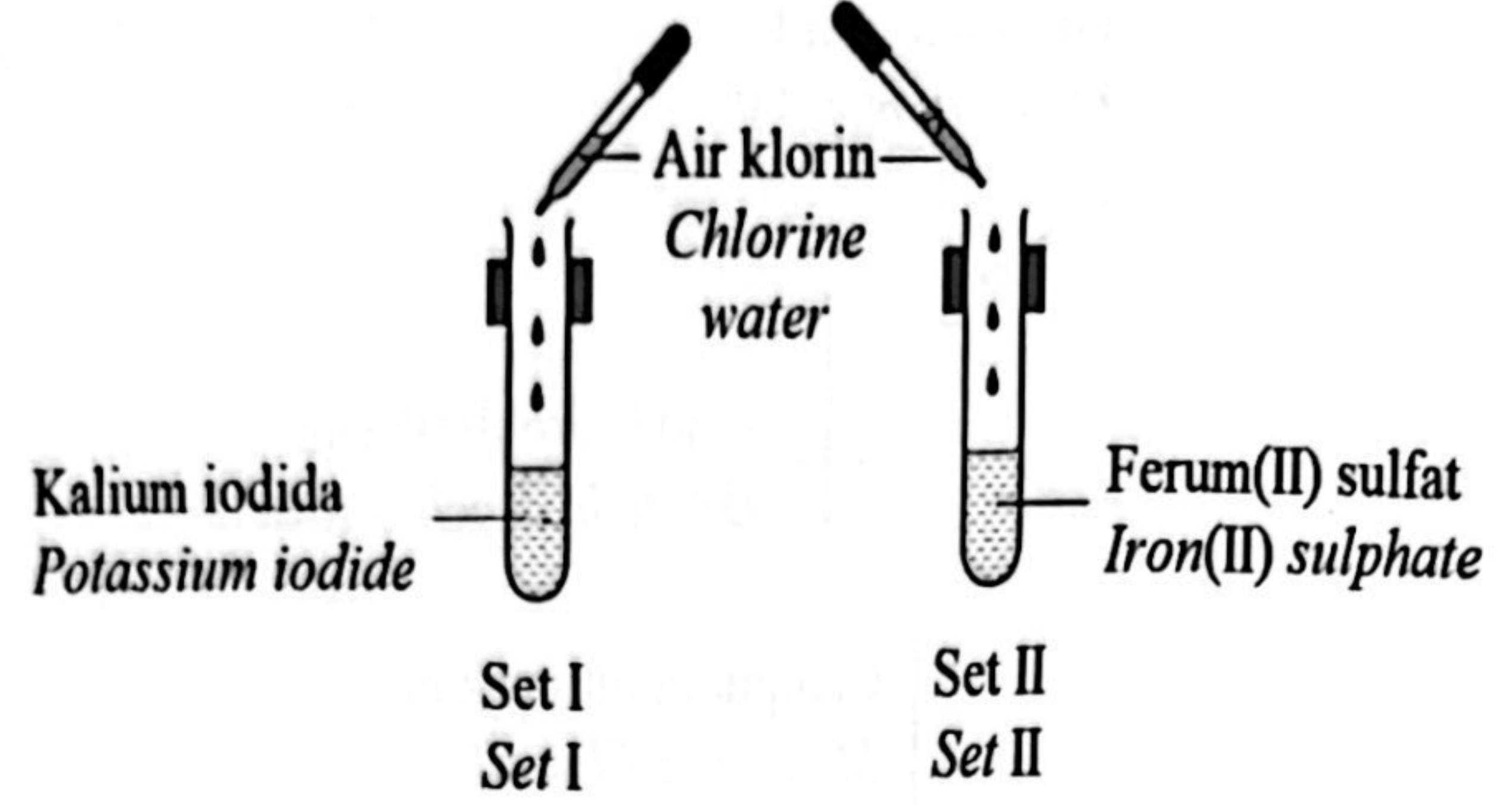
- (a)
Write the half-equation for the oxidation and reduction reactions occur in Set I and Set II. State the observation in the test tubes for Set I and Set II, then determine the change in oxidation number of chlorine for both sets.
[6] - (b)(i)
Diagram 10.2 shows the apparatus set-up (magnesium electrode in magnesium sulphate solution and silver electrode in silver nitrate solution, separated by a porous pot, connected to a voltmeter). Table 10.1 gives E° values: S2O8 2- +2e- ⇌ 2SO4 2- +2.01 V; NO3- +2H+ +2e- ⇌ NO2- +H2O +0.42 V; O2 +2H2O +4e- ⇌ 4OH- +0.40 V; 2H+ +2e- ⇌ H2 0.00 V; Ag+ + e- ⇌ Ag +0.80 V; Mg2+ +2e- ⇌ Mg -2.38 V. Identify the electrode which act as anode. Give your reason.
[2]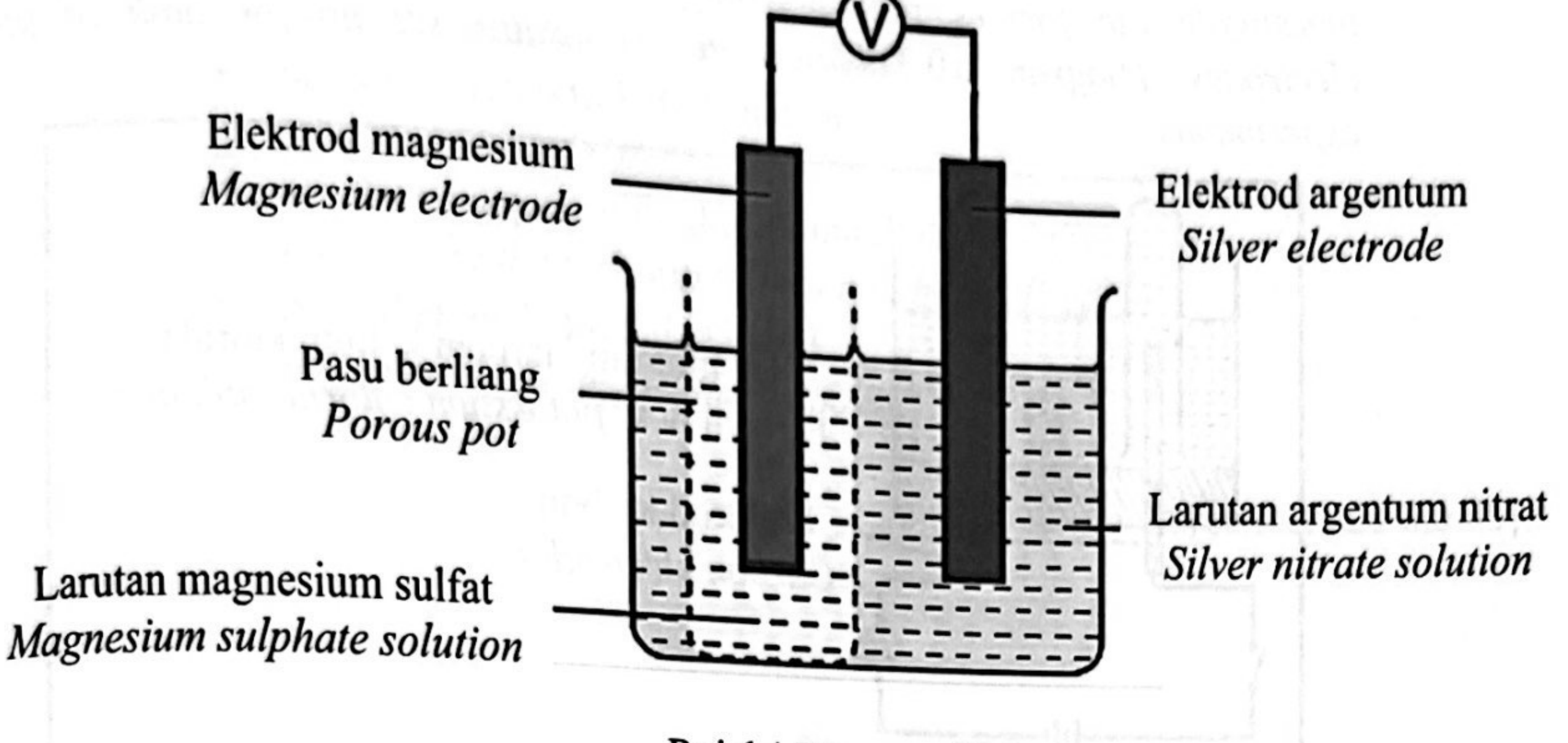
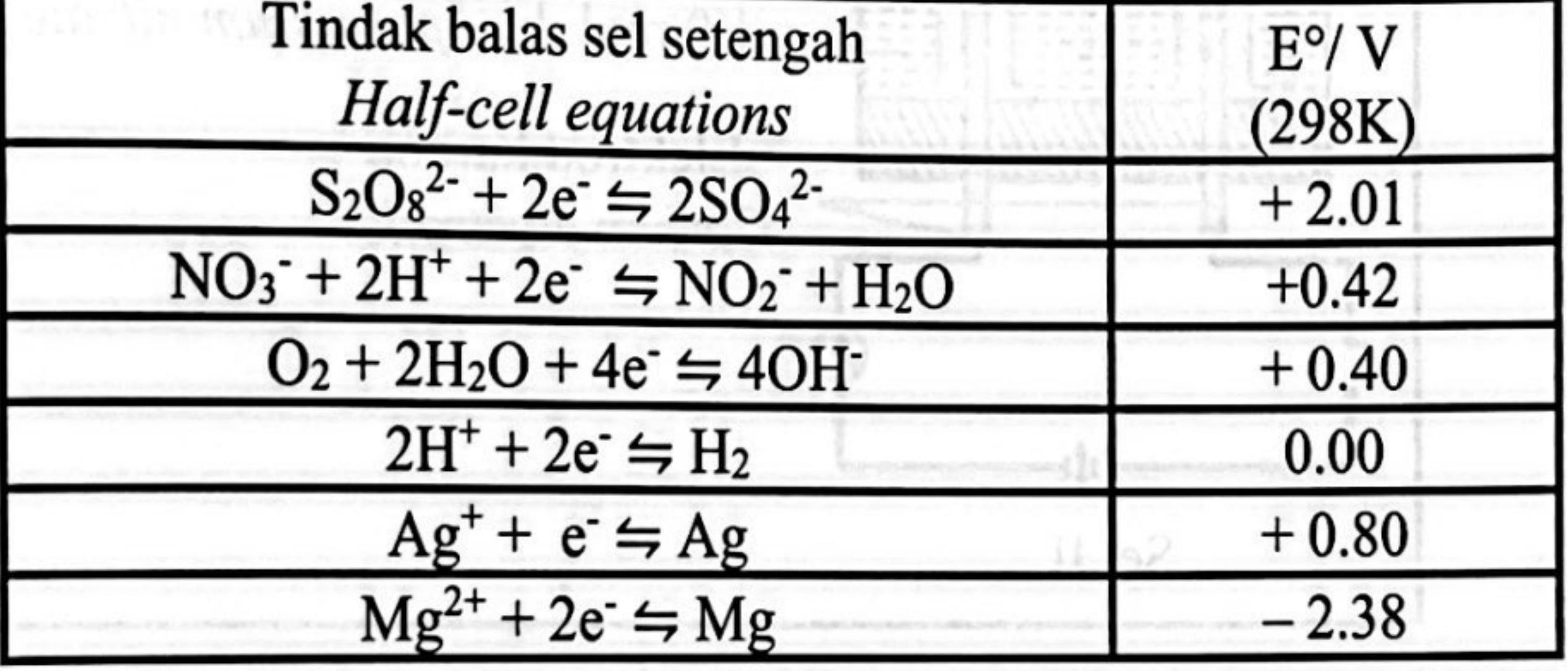
- (b)(ii)
Write the cell notation for the reaction.
[2] - (c)
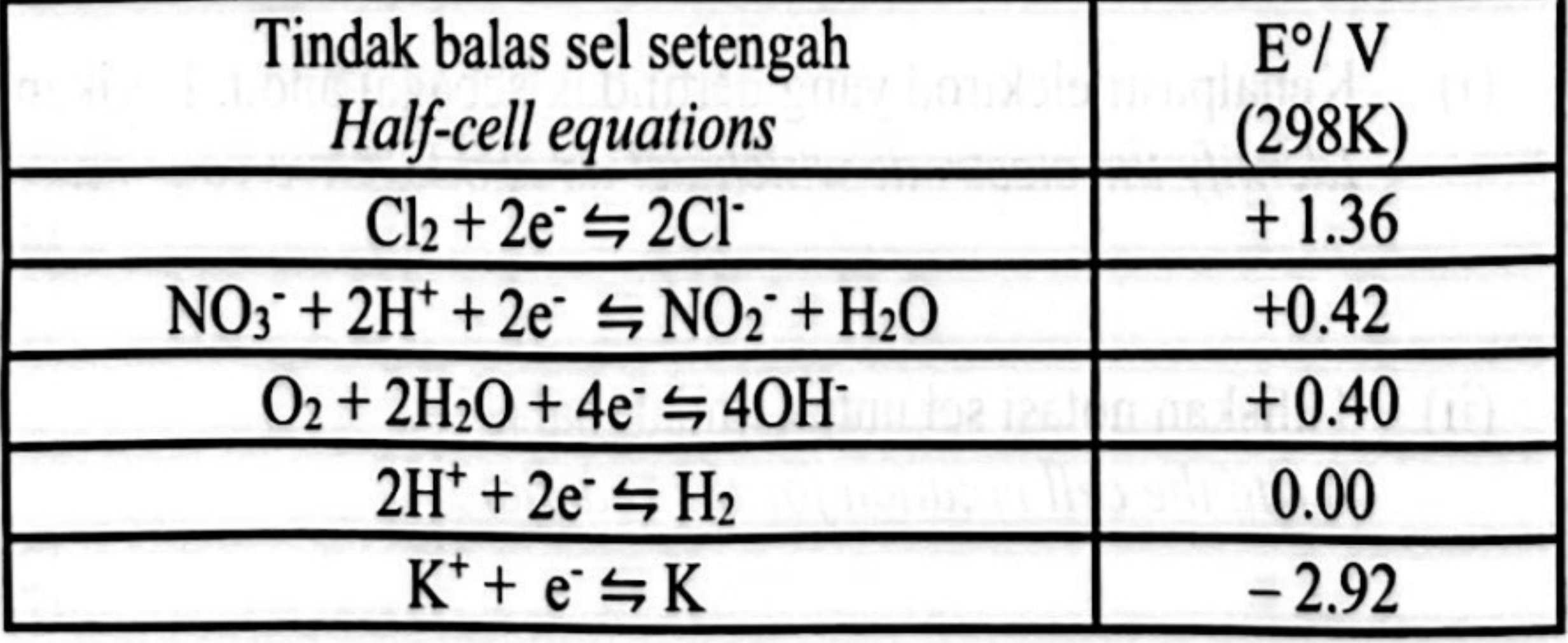
In another experiment, a student investigates the factors that affect the discharge of ions at different electrodes. Diagram 10.3: Set I uses 1.0 mol dm-3 potassium chloride solution; Set II uses 1.0 mol dm-3 potassium nitrate solution; both with carbon electrodes. Table 10.2: Cl2 + 2e- ⇌ 2Cl- +1.36 V; NO3- +2H+ +2e- ⇌ NO2- +H2O +0.42 V; O2 +2H2O +4e- ⇌ 4OH- +0.40 V; 2H+ +2e- ⇌ H2 0.00 V; K+ + e- ⇌ K -2.92 V. Compare and contrast Set I and Set II based on: ions attracted to anode and cathode; choice of ion to be oxidised; reason why the ions were chosen to be oxidised; observations at anode and cathode.
[10]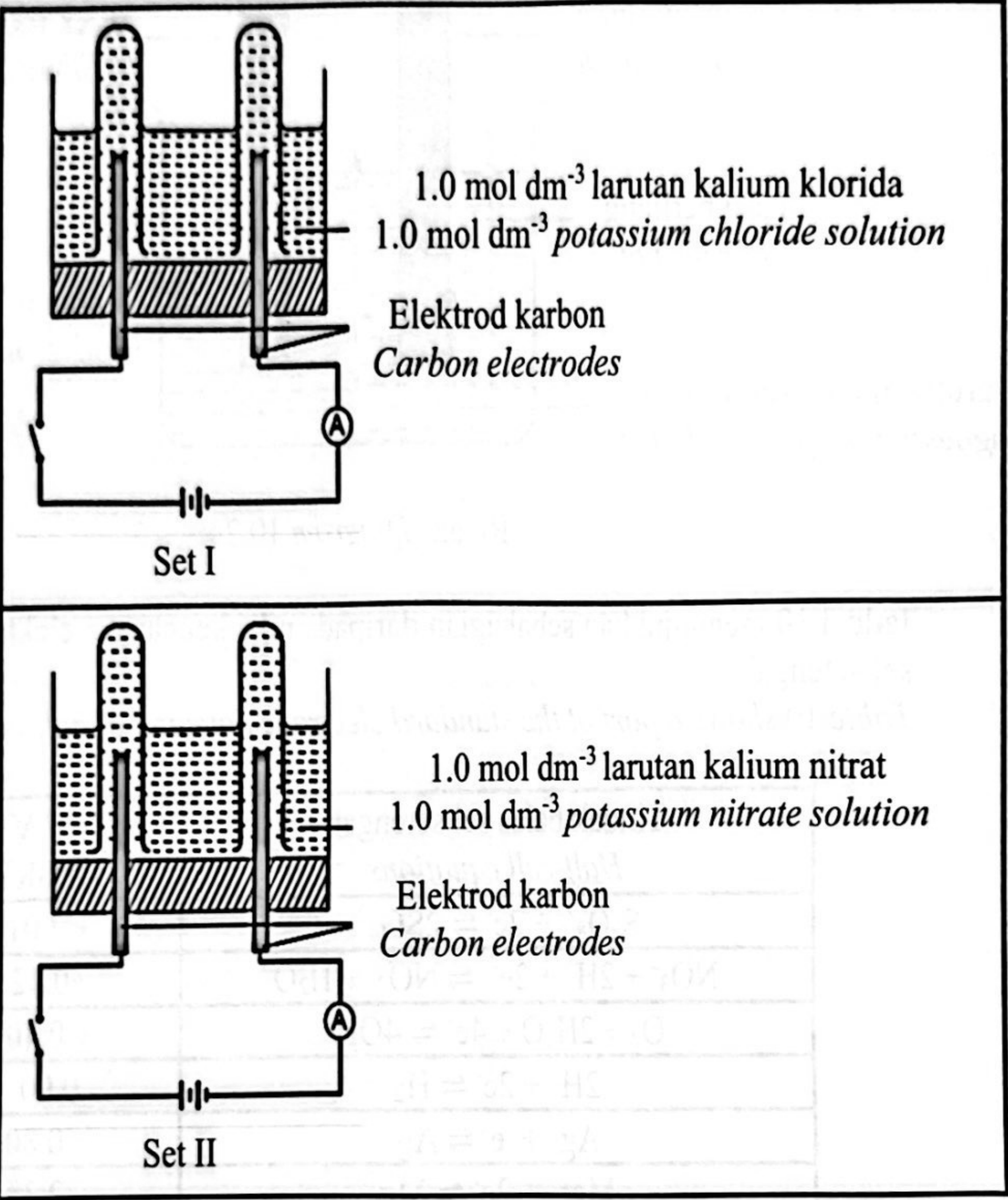
Section C
A compound is formed through chemical bond. Table 11 shows the result of an experiment to investigate the properties of compound X and Y. Solid of compound X and Y are added into water and propanone separately. X: insoluble in water, dissolves in propanone to form colourless solution. Y: dissolves in water to form colourless solution, insoluble in propanone.
Medium20 marks- (a)(i)
What is the purpose of chemical bond formation? Based on Table 11, state the type of bond in compound X and Y.
[3]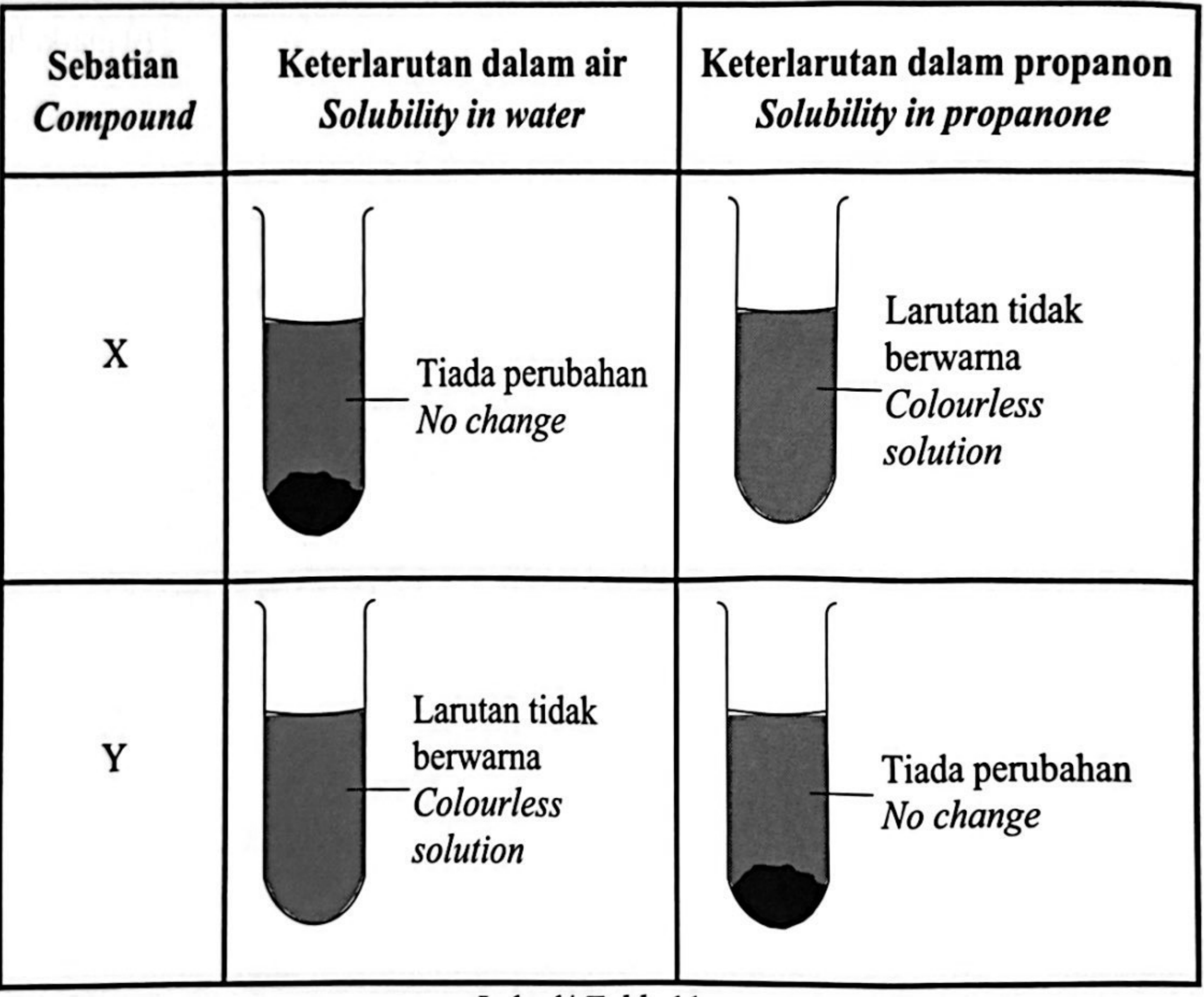
- (a)(ii)
[Corrected by erratum] Suggest two different elements that can form bond such as compound X and compound Y. Draw the electron arrangement of the bond such as compound X that has been suggested. For the bond such as compound Y that has been suggested, describe the formation of the bond and then write a balanced chemical equation.
[11] - (b)
You are supplied with the following compounds: sodium oxide powder, Na2O; glucose powder, C6H12O6; solid oxalic acid, C2H2O4. Describe an experiment to investigate the electrical conductivity in aqueous state for all the substances supplied.
[6]