Write your answer on paper. Then open the answer to check it.
Section A
Diagram 1 shows the ingredients of a cake: wheat flour, saturated fat, citric acid, corn syrup, caramel, lecithin, egg, margarine.
Medium5 marks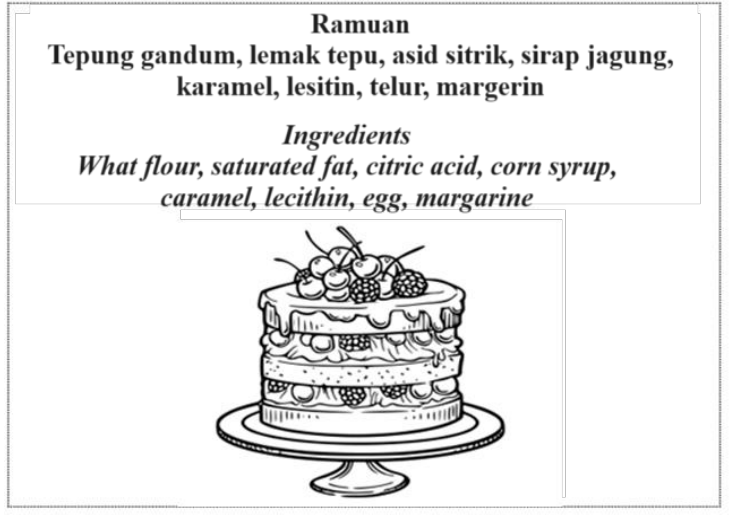
- (a)
Fat is an ingredient found in cake. State the physical state of saturated fat at room temperature.
[1] - (b)
Margarine is produced from an unsaturated fat that is converted into saturated fat through a reaction. Name the reaction.
[1] - (c)
State the type of food additive for lecithin and its function.
[2] - (d)
To ensure that the cake is more delicious, a food additive is included in the cake. Write the name of the food additive.
[1]
Diagram 2 shows part of the Periodic Table of Elements. P, Q, R, S, T and U are not the actual symbols of the elements.
Medium5 marks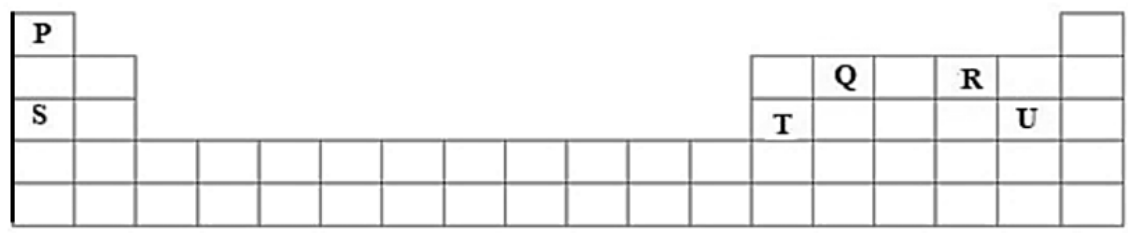
- (a)
What is the basic principle used in arranging the elements in the Periodic Table of Elements?
[1] - (b)
State the position of element R in the Periodic Table of Elements.
[1] - (c)
Arrange the atomic size of elements in Diagram 2 in descending order.
[1] - (d)
Draw the electron arrangement of ion U.
[2]
Methanol with the formula CH3OH is an organic compound with melting point of -97°C and boiling point of 65°C.
Medium6 marks- (a)
State the type of particle of methanol.
[1] - (b)
State the movement of methanol particles at 100°C.
[1] - (c)
Sketch the graph of temperature against time when methanol is heated from room temperature to 100°C.
[2]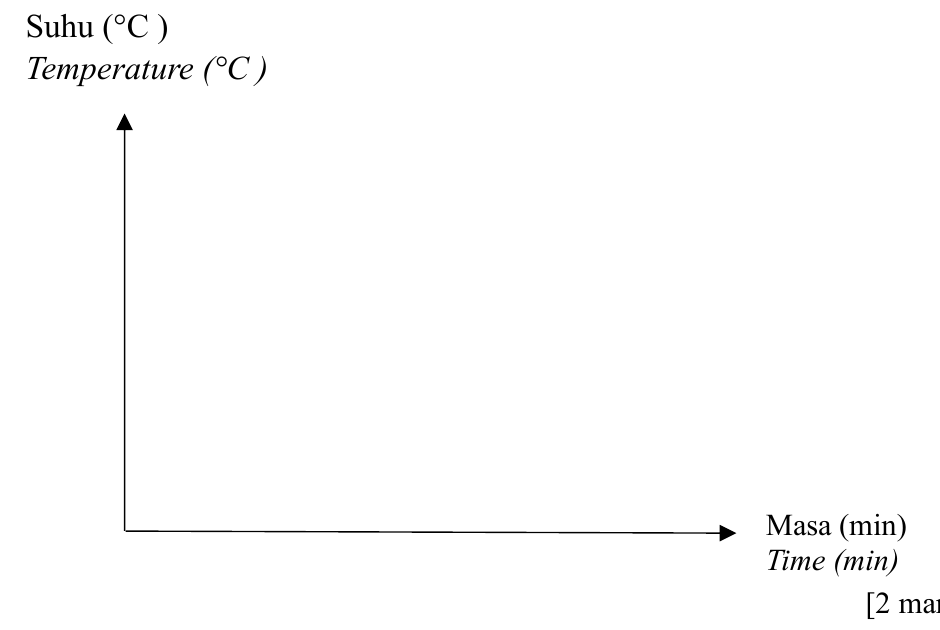
- (d)(i)
The boiling point and melting point of iodine are 184°C and 114°C. Nadia cools iodine from 200°C to room temperature. Name the process involved.
[1] - (d)(ii)
Draw the arrangement of iodine particles at a temperature of 200°C.
[1]
Nylon is a type of synthetic polymer. Diagram 4.1 shows threads and ropes that are made from nylon.
Medium7 marks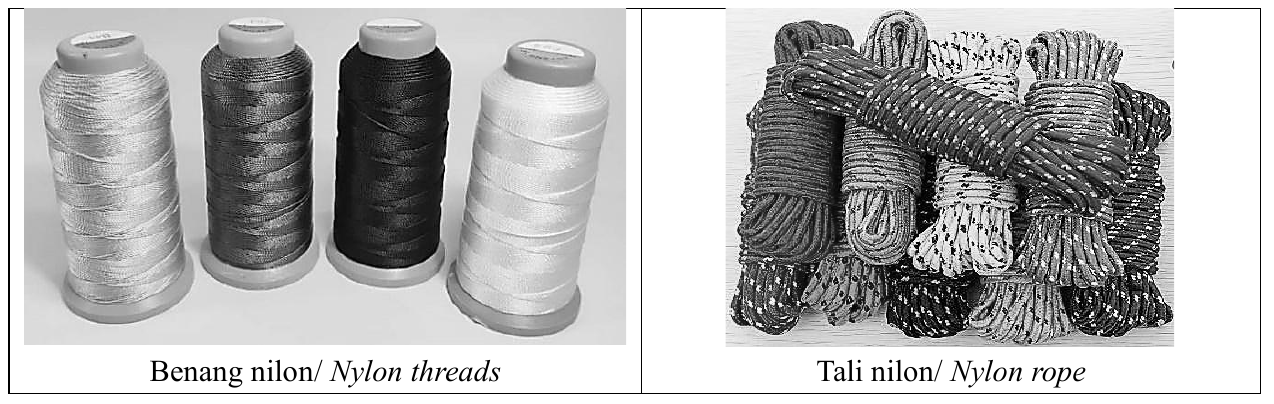
- (a)
What is meant by polymer?
[1] - (b)(i)
Diagram 4.2 shows the polymerisation of 1,6-hexanediamine and decanedioyl dichloride to produce nylon (plus n HCl). Draw the structural formula of nylon in the box provided.
[1]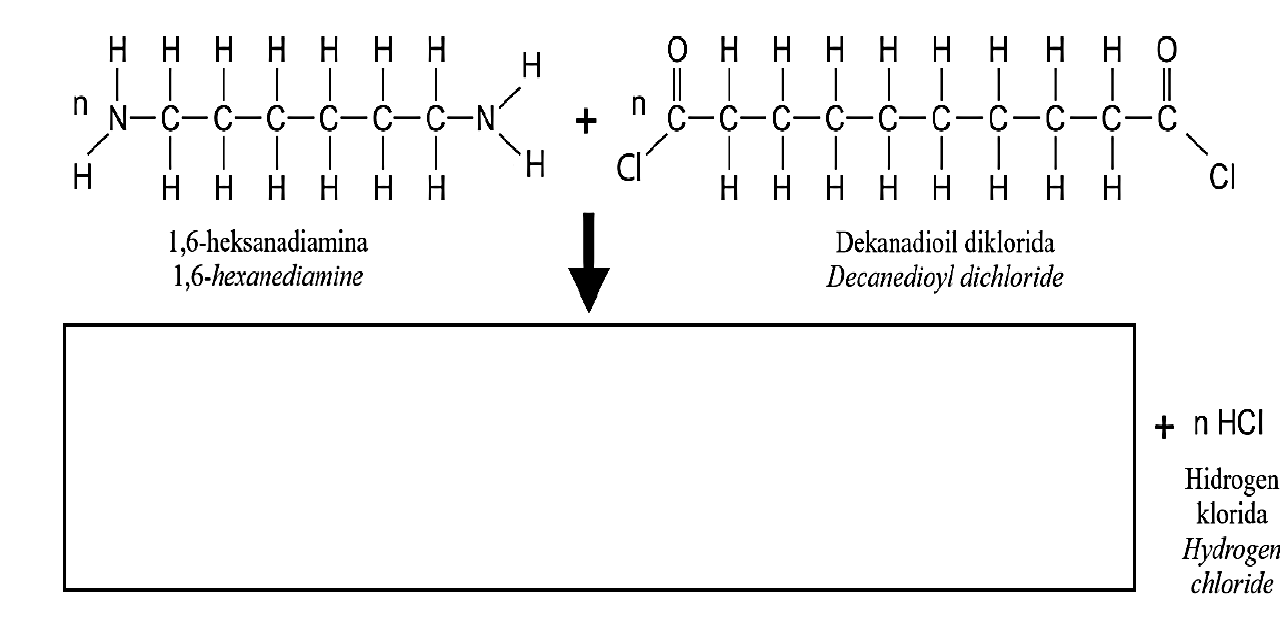
- (b)(ii)
State one property of nylon that makes it suitable to be used to make ropes and threads.
[1] - (c)
Table 1: rubber M is less elastic and easily oxidised; rubber N is more elastic and does not oxidise easily. Diagram 4.3 shows the structural formula of rubber M and rubber N. State two reasons why rubber M is easily oxidised compared to rubber N.
[2]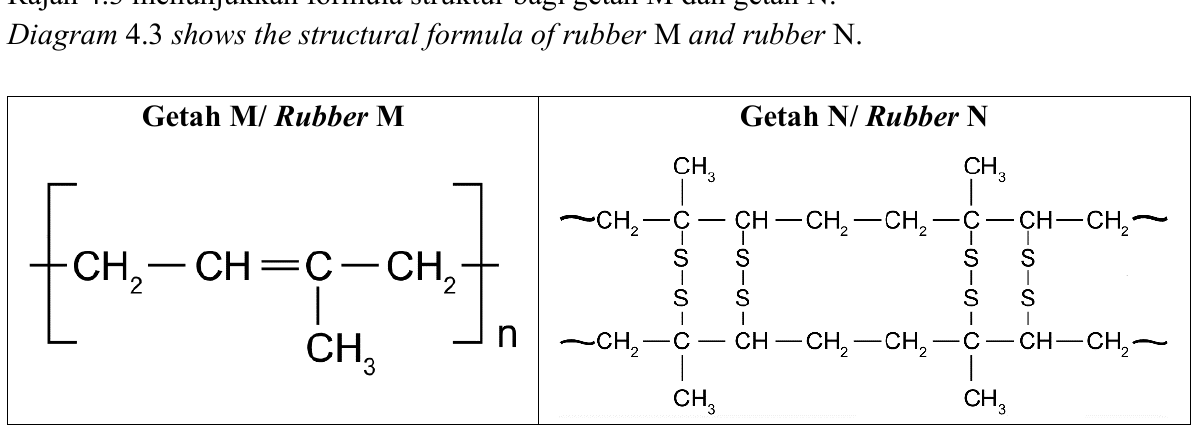
- (d)
The unsustainable use and disposal of plastic products has caused pollution to the environment as shown in Diagram 4.4. State one method and explain how the method can reduce the problem.
[2]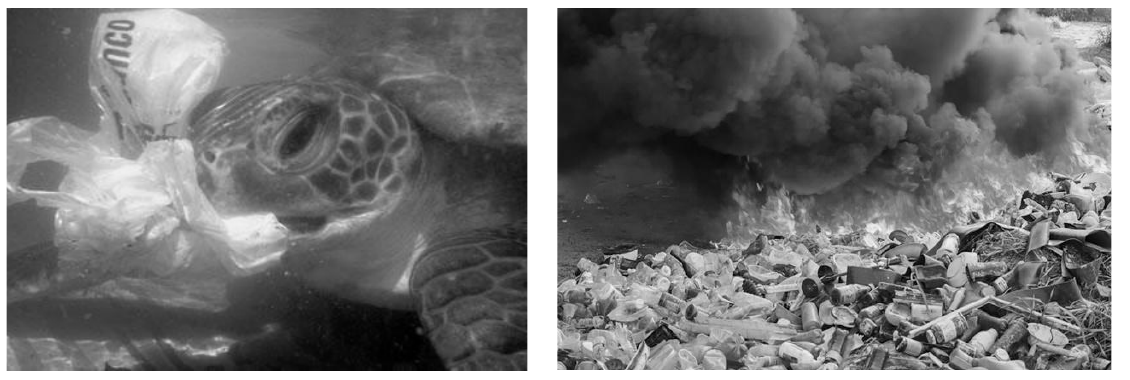
Table 2 shows the manufactured substances in industry: Glass - X - silica; Advanced ceramics - cutting disc - silicon carbide; Composite materials - optical fibre - plastic, glass fibre.
Medium8 marks- (a)
Name the type of glass X.
[1]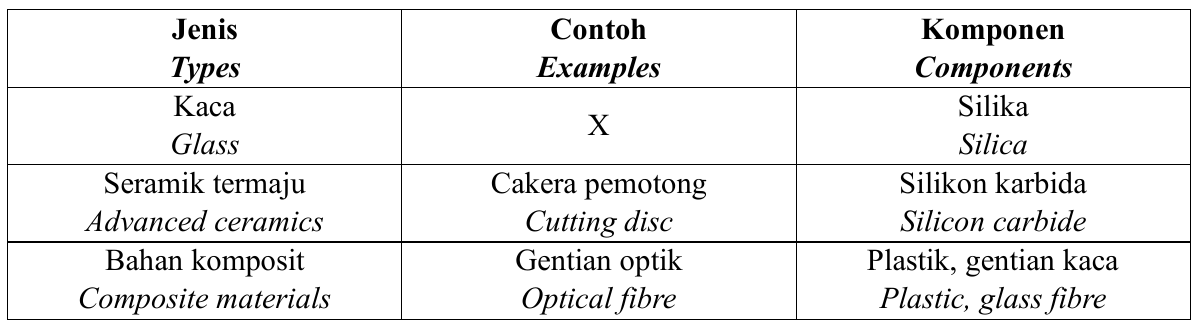
- (b)
State two properties of advanced ceramics.
[2] - (c)(i)
Optical fibre has replaced copper wire in the transmission of information and data. How does optical fibre transmit information and data?
[1] - (c)(ii)
Compare the usage of optical fibres and copper wires in a high definition cable TV network.
[2] - (d)
The purity of gold is measured in carats (K). 24 K gold is pure gold; 18 K gold is a mixture of 18 units by mass of gold with 6 units by mass of copper. Calculate the composition percentage by mass in 24 g of 18 K gold.
[2]
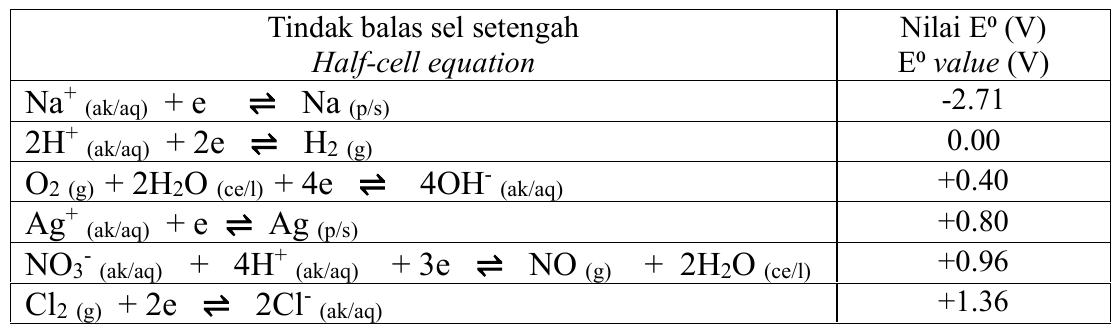
Table 3.1 shows the apparatus set-up (two Ag electrodes in an electrolyte) and observation for an electrolysis process: anode - electrode becomes thinner; cathode - shiny grey solid is deposited. Table 3.2 shows E° values: Na⁺/Na -2.71 V; 2H⁺/H2 0.00 V; O2 + 2H2O/4OH⁻ +0.40 V; Ag⁺/Ag +0.80 V; NO3⁻ + 4H⁺/NO + 2H2O +0.96 V; Cl2/2Cl⁻ +1.36 V.
Medium9 marks- (a)(i)
The value of standard electrode potential, E° of an electrode can be measured by pairing up the electrode to the standard hydrogen electrode under standard conditions. State one of the conditions.
[1]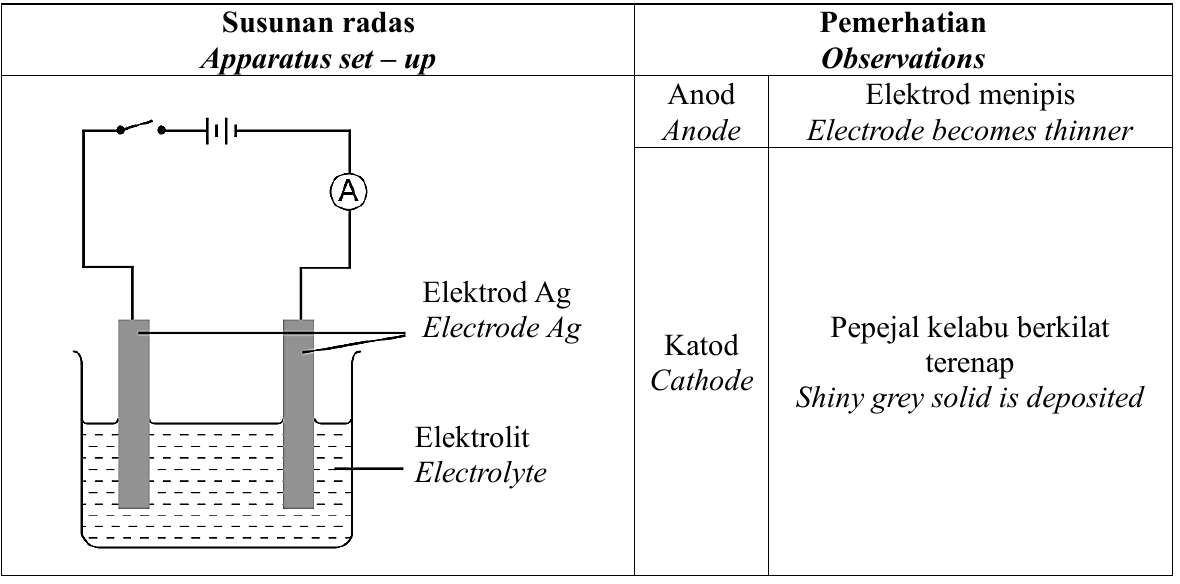
- (a)(ii)
Based on the observation in Table 3.1 and E° value given in Table 3.2, what is the electrolyte used?
[1] - (a)(iii)
The experiment in Table 3.1 is repeated by modifying the apparatus set-up and the gas collected at anode is tested as shown in Diagram 6.1 (colourless gas relights a glowing wooden splinter). What modification has been done to the apparatus set-up in Table 3.1? Explain why the gas is produced.
[2]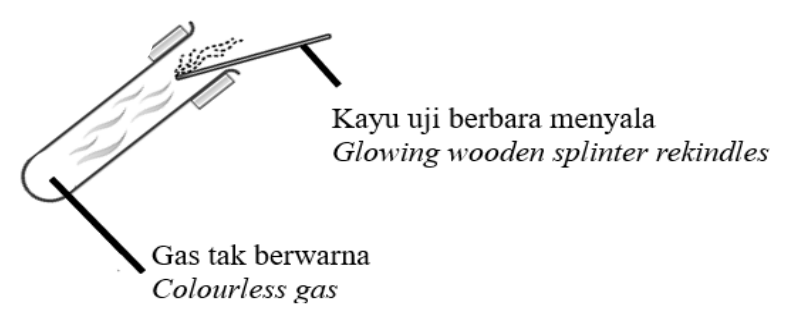
- (b)
Diagram 6.2 shows the extraction process of aluminium from aluminium oxide. Is the extraction process suitable to be run in industry? Justify.
[2]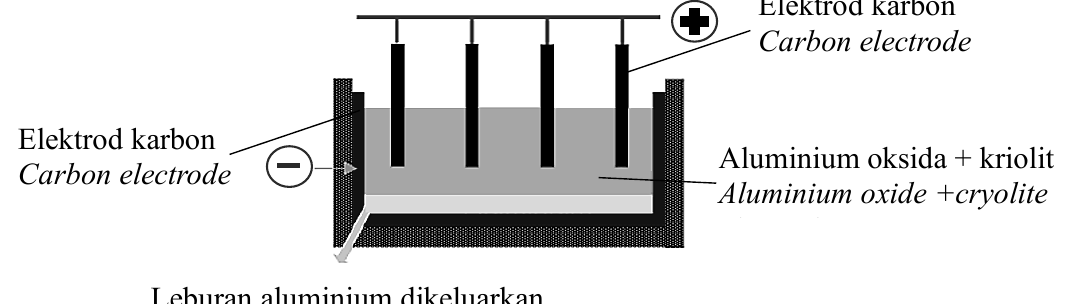
- (c)(i)
Hilmi found that his iron key rusted. By using the knowledge of electrolysis, suggest the name of the process to make the iron key look more attractive and resistant to corrosion.
[1] - (c)(ii)
Draw a suitable apparatus set-up to help Hilmi carry out the process in the lab.
[2]
Diagram 7 shows a flow chart of changes of some homologous series: butene, C4H8, with Process I (Ni, 180°C) gives compound X; with Process II (H3PO4, 300°C, 60 atm) gives compound Y.
Medium10 marks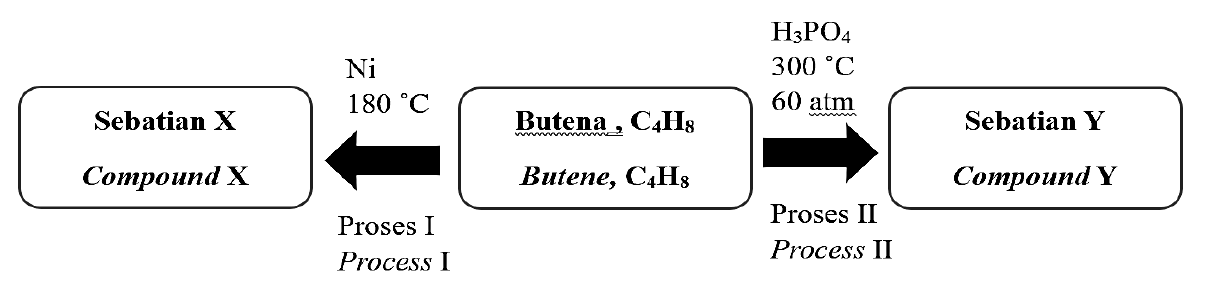
- (a)(i)
What is the functional group of butene?
[1] - (a)(ii)
Draw structural formula for one isomer of butene.
[1] - (a)(iii)
Process I produced saturated hydrocarbon from butene. State the general formula of compound X.
[1] - (b)(i)
Compound Y reacts with ethanoic acid to form a compound that has a sweet smell similar to banana or apple. State the name of compound Y.
[1] - (b)(ii)
Draw the structural formula and name the sweet smell compound formed.
[2] - (c)
Butene and compound X are completely burnt in oxygen and produce carbon dioxide gas and water. The sootiness of each combustion is different because of the different percentage of carbon per molecule. Calculate the percentage of carbon per molecule for butene and compound X and state which substance is sootier.
[3] - (d)
Diagram 7.2 shows a healthy liver and a liver with cirrhosis due to alcohol abuse. State another effect of alcohol abuse.
[1]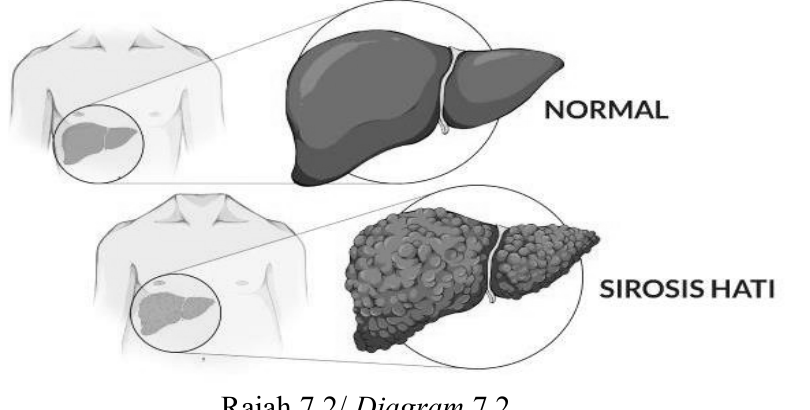
Diagram 8 shows the energy level diagram for the precipitation of barium sulphate, BaSO4: X + K2SO4 at the higher level; BaSO4 + Y at the lower level; ΔH = -1473.2 kJ mol⁻¹.
Medium10 marks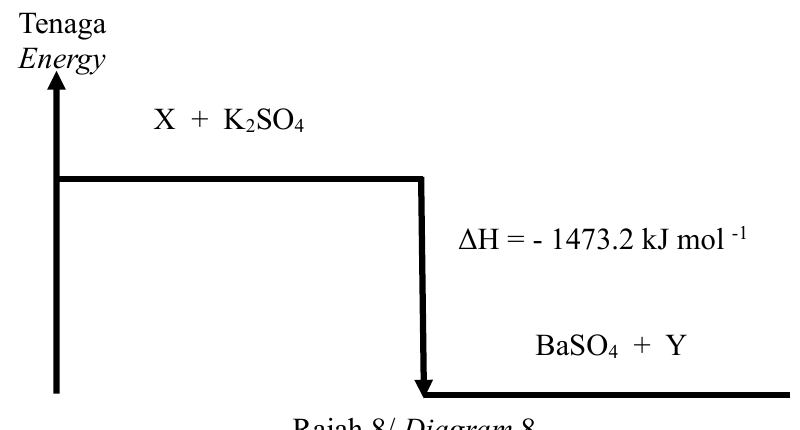
- (a)(i)
What is the meaning of heat of precipitation?
[1] - (a)(ii)
State one information that can be obtained from the energy level diagram shown in Diagram 8.
[1] - (a)(iii)
Suggest the name of solution X.
[1] - (a)(iv)
Based on your answer in 8(a)(iii), write the ionic equation for this reaction.
[1] - (b)(i)
The thermochemical equation Pb(NO3)2 + Na2SO4 → PbSO4 + 2NaNO3, ΔH = -50.4 kJ mol⁻¹ represents the reaction between lead(II) nitrate and sodium sulphate solutions. Calculate the increase in temperature when 25 cm³ of 1 mol dm⁻³ lead(II) nitrate solution is added to 25 cm³ of 1 mol dm⁻³ sodium sulphate solution. [Specific heat capacity of solution = 4.2 J g⁻¹ °C⁻¹, density of solution = 1 g cm⁻³]
[3] - (b)(ii)
The experiment is repeated using the same volume of solution as in 8(b)(i) and the temperature change, θ, obtained is reduced by half. Suggest how you can obtain the new temperature change, θ.
[1] - (c)
Table 4 shows the fuel value of methane and octane. Which fuel would you choose for cooking and justify your choice.
[2]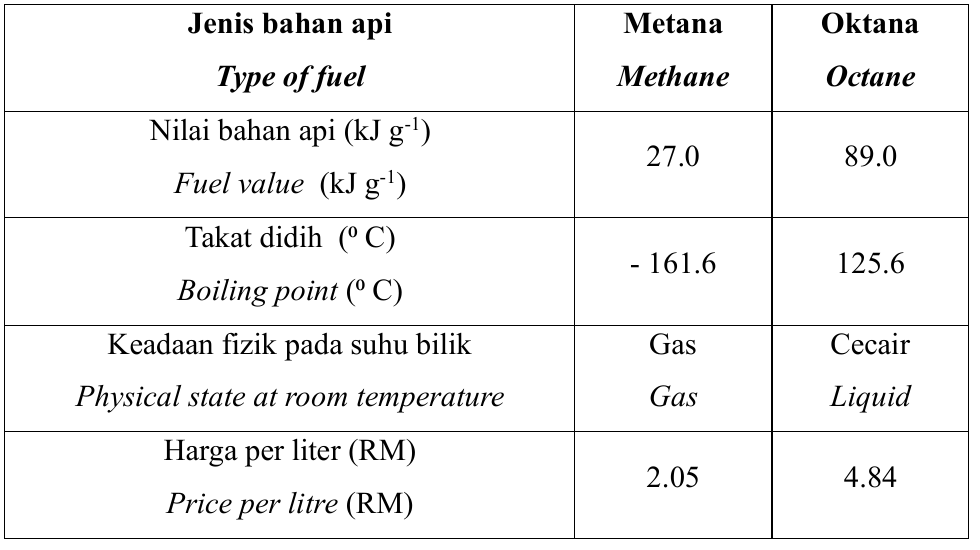
Section B
Answer any one question from Section B. The atomic symbols for elements X (¹⁶₈X), Y (²³₁₁Y) and Z (³⁵₁₇Z) are shown in Diagram 9.
Medium20 marks- (a)
What is the meaning of metal bonds?
[1] - (b)(i)
Write the electron arrangement of (a) atom X (b) ion Z.
[2]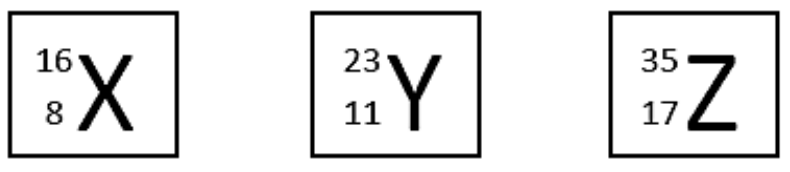
- (b)(ii)
Y and X can form a compound. Describe how the compound is formed and draw the electron arrangement for the compound formed.
[7] - (c)
Zamani and his friends conducted an experiment to study the properties of ionic and covalent compounds. Table 5 shows the results: lead(II) bromide solid - bulb does not light up, molten - bulb lights up, melting point 373°C; naphthalene solid - bulb does not light up, molten - bulb does not light up, melting point 80°C. Based on the above information, describe the differences in the results of the experiment.
[10]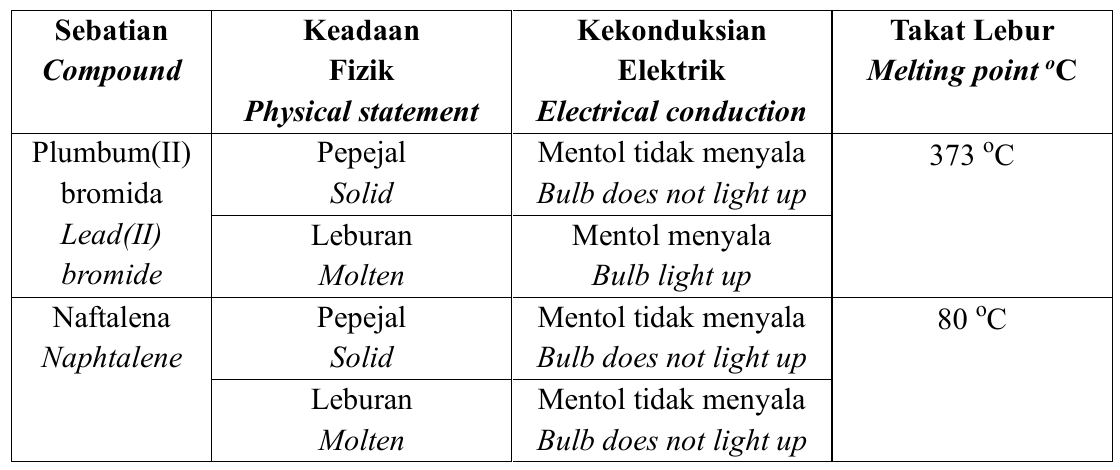
Answer any one question from Section B. Aiman studies the decomposition of hydrogen peroxide and the reaction of marble chips with hydrochloric acid.
Hard20 marks- (a)
Aiman conducted an experiment to study the decomposition of hydrogen peroxide. He records the volume of oxygen gas released. At the 5th minute, he adds one spatula full of black powder into the hydrogen peroxide solution. The black powder increases the rate of decomposition of hydrogen peroxide. Identify the black powder and state the function of the black powder used.
[2] - (b)
Diagram 10 shows a graph of volume of gas against time for the reaction between excess magnesium carbonate and hydrochloric acid. Compare the rate of reaction at t1 and t2. Based on the graph, explain your answer.
[3]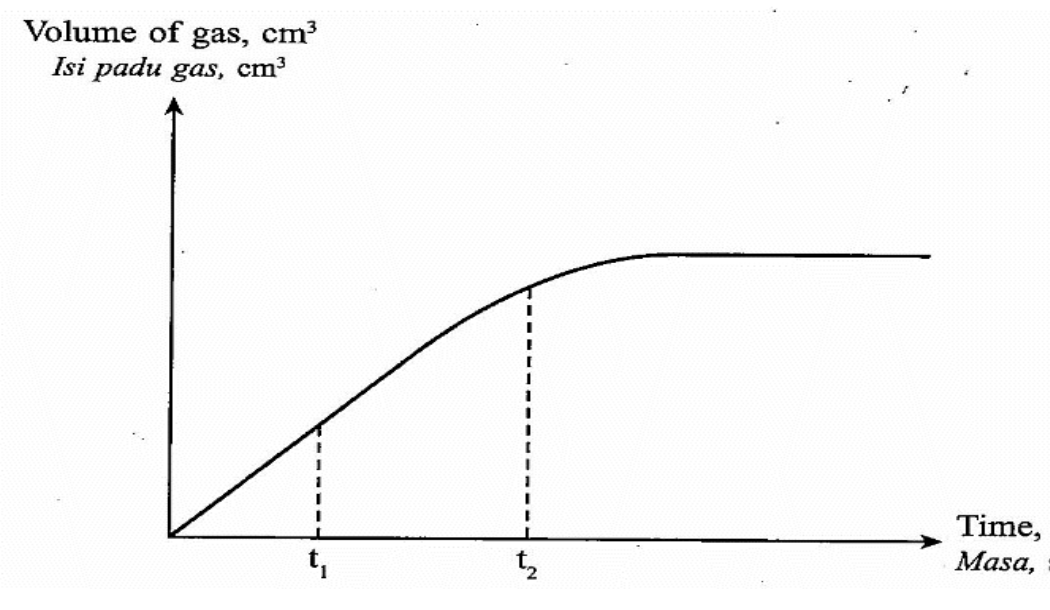
- (c)(i)
Table 6: three experiments - I: excess marble chips + 100 cm³ of 0.5 mol dm⁻³ HCl at 30°C; II: excess marble chips + 100 cm³ of 1.0 mol dm⁻³ HCl at 30°C; III: excess marble chips + 100 cm³ of 0.5 mol dm⁻³ HCl at 50°C. Write a balanced chemical equation for the reaction in Experiment I. Calculate the volume of the gas released. [Molar volume of gas at room conditions = 24.0 dm³ mol⁻¹]
[5]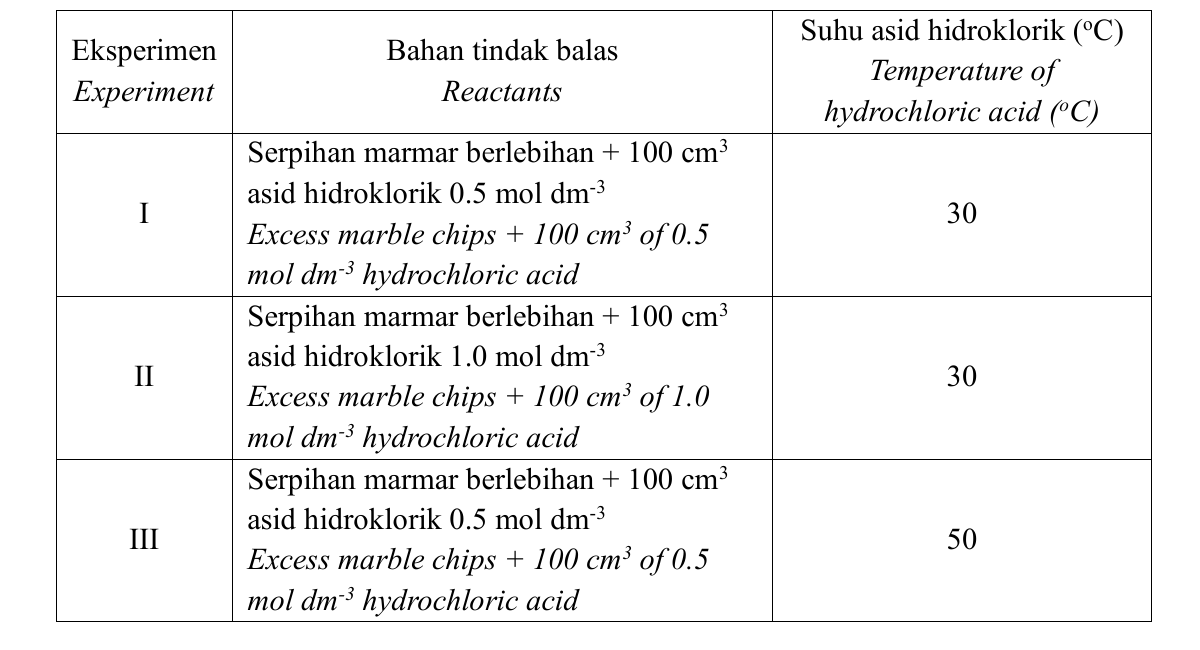
- (c)(ii)
Compare the rate of reaction between Experiment I and II, and between Experiment I and III. Explain your answer by using Collision Theory.
[10]
Section C
Section C: answer all questions. Diagram 11.1 shows the structural formula of ethanoic acid, CH3COOH.
Medium20 marks- (a)(i)
State the basicity of ethanoic acid and explain.
[2]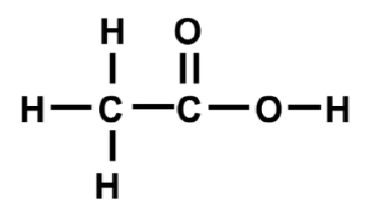
- (a)(ii)
Based on Diagram 11.2, explain the differences in the observation between Experiment I (glacial ethanoic acid + calcium carbonate) and Experiment II (ethanoic acid solution + calcium carbonate).
[3]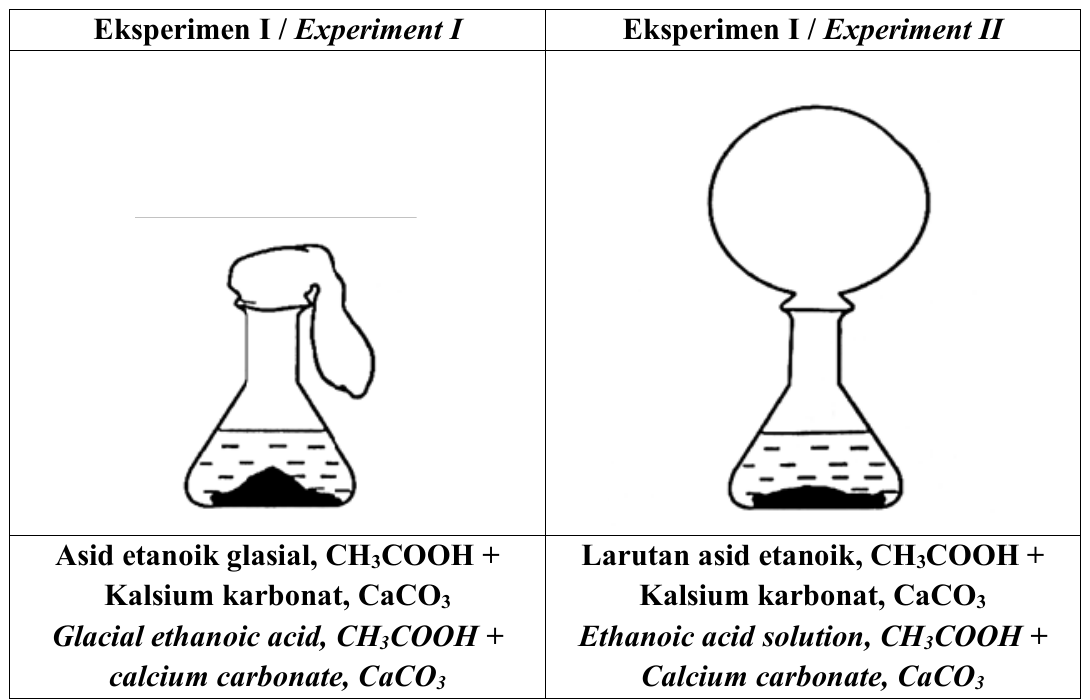
- (b)(i)
Diagram 11.3 shows a flow chart of reactions of salt X: salt X, on heating, gives black solid Y + brown gas Z + O2 gas; salt X can be prepared from black solid Y and substance P. Identify salt X, black solid Y, brown gas Z and name the substance P.
[4]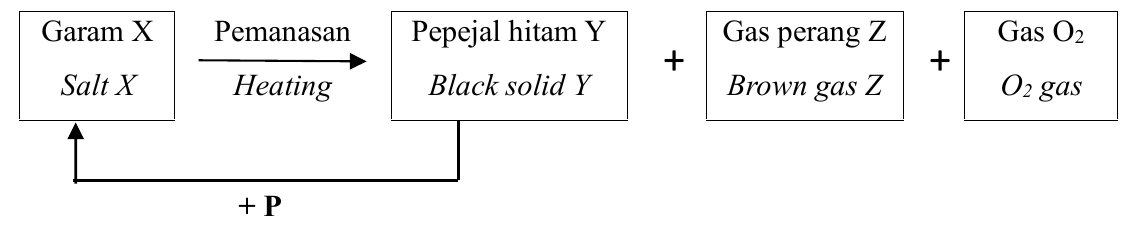
- (b)(ii)
9.4 g of salt X is heated and produces substance Y, gas Z and oxygen gas. Write the chemical equation for the reaction and calculate the volume of gas Z produced at room conditions. [Molar mass of X = 188 g mol⁻¹; 1 mol of gas occupies 24 dm³ at room conditions]
[5] - (c)
Diagram 11.4 shows an article: in metal mining, hydrochloric acid is used to leach copper(II) oxide minerals; copper is extracted from copper(II) chloride; excess hydrochloric acid needs to be treated before it is discharged as waste water. By using your knowledge on chemical properties of acid, suggest a chemical substance used to treat the waste and name the reaction involved. Include an ionic equation to represent the reaction and describe a chemical test to verify the absence of acid in the waste water.
[6]