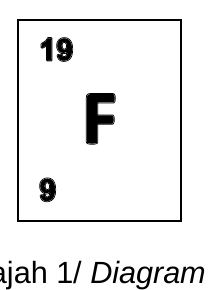
Diagram 1 shows the standard representation of the fluorine atom (nucleon number 19, proton number 9). What is the number of electrons for the atom?
Easy
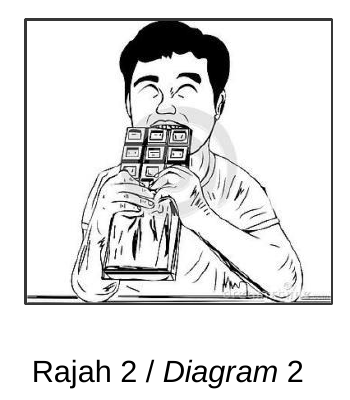
Diagram 2 shows a child eating his favourite food (a chocolate bar). What food additive is added to the food?
Easy
The relative molecular mass of XSO4 is 160. What is the relative atomic mass of X? [Relative atomic mass: S = 32, O = 16]
Medium
Table 1 shows isotopes and their uses: Hydrogen-3 - detect leakage in underground pipes; Lead-210 - determine the age of sand and earth layers up to 80 years; Sodium-24 - detector to study sewage and liquid wastes; Phosphorus-32 - used in radiotherapy to kill cancer cells. Which isotope is correct in terms of its use?
Easy
Which of the following are correct for Group 17 elements? I Molecular size becomes smaller when going down the group; II Low melting and boiling points when going down the group; III Valence shell has seven electrons; IV Atoms form negatively charged ions.
Medium
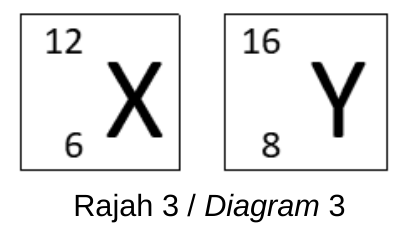
Diagram 3 shows the standard representation of atoms of elements X (nucleon number 12, proton number 6) and Y (nucleon number 16, proton number 8). Which of the following correctly describe the formation of a compound between the two elements? I 1 atom X and 2 atoms Y share electrons; II Atom X releases 2 electrons and atom Y receives 2 electrons; III 1 X atom and 2 Y atoms are required in the formation of the compound; IV 1 X atom and 1 Y atom are required in the formation of the compound.
Medium
The reaction of 0.05 mol of copper(II) oxide, CuO with hydrogen gas forms a brown solid, Y. What mass of Y is formed from the reaction? [Relative atomic mass: Cu = 64, O = 16]
Medium
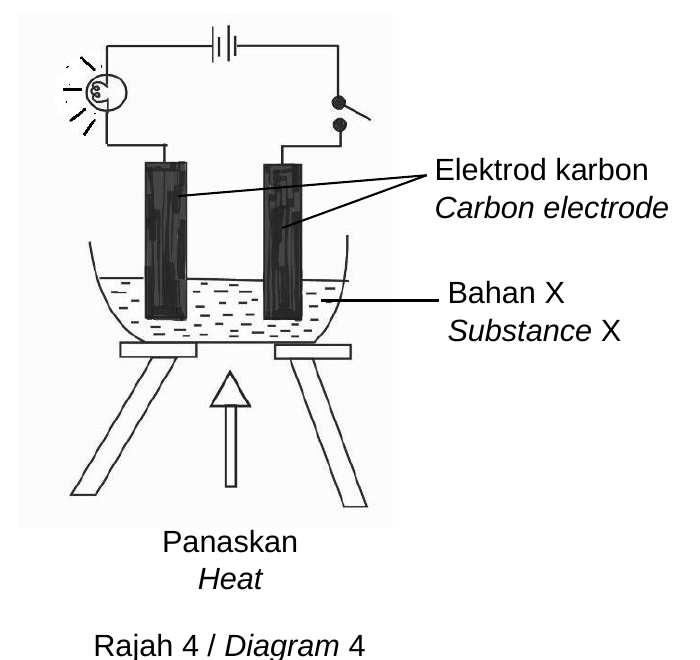
Diagram 4 shows the apparatus set-up to study physical properties of substance X (carbon electrodes in substance X, heated, with a bulb in the circuit). State the physical properties of substance X other than shown in Diagram 4. I Soluble in organic solvent; II Soluble in water; III Low melting and boiling points; IV High melting and boiling points.
Medium
Table 2 shows elements of Period 3: Na, Mg, Al, Si, P, S, Cl, Ar. Which of the following is correct about the change in the physical properties of elements across the period?
Medium
The equation 3Mg + Fe2O3 → 3MgO + 2Fe represents the reduction of iron(III) oxide by magnesium. What is the mass of iron produced from 16.0 g of iron(III) oxide? [Relative atomic mass: Fe = 56, Mg = 24, O = 16]
Medium
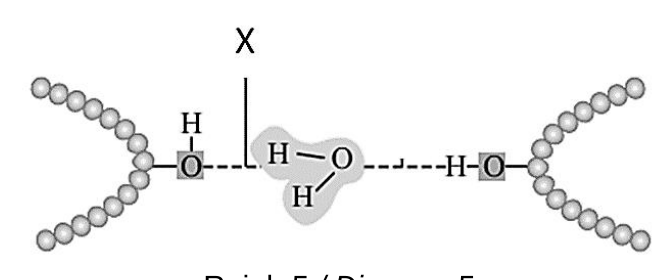
Diagram 5 shows the formation of the X bond (dashed line between a hydrogen atom of one water molecule and an oxygen atom of another molecule). Which of the following statements explains the formation of X bond?
Medium
Which of the elements in Group 18 is correct in terms of its use? A Ne - used in anaesthetics; B He - used in divers' oxygen tank; C Ar - used in billboard lighting; D Xe - filled into an electrical bulb.
Medium
Which of the following types of particles is correctly classified? (Atom / Molecule / Ion)
Medium
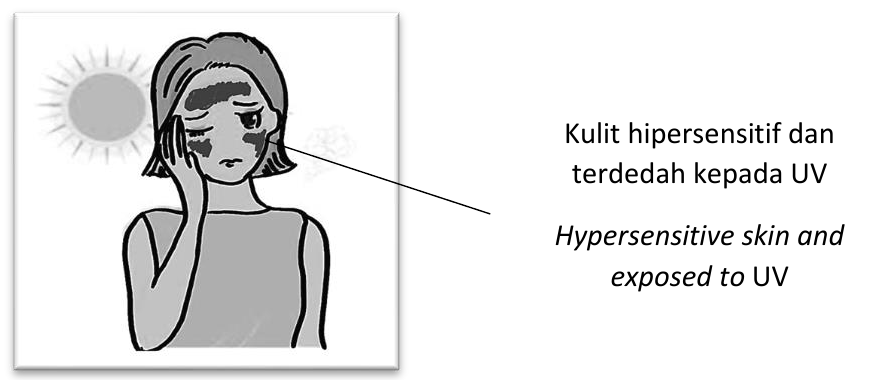
Diagram 6 shows a woman outside the house during the day, with hypersensitive skin exposed to UV. What is the possible harmful chemical in the cosmetics used by the woman that caused her side effects?
Medium
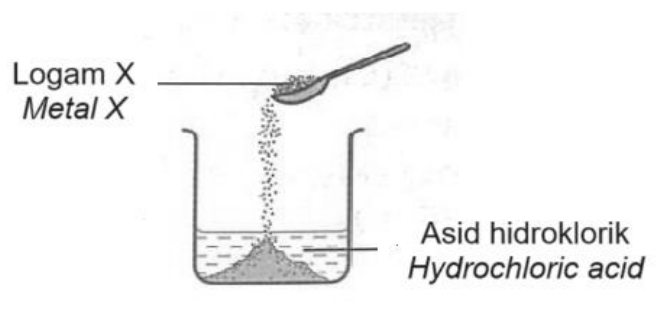
Diagram 7 shows the apparatus set-up for the preparation of a salt (metal X added to hydrochloric acid). Which salt will be produced through the reaction?
Medium
Tyres are produced from natural rubber through a chemical process. What is the chemical substance added in the process and the characteristic of the rubber produced?
Easy
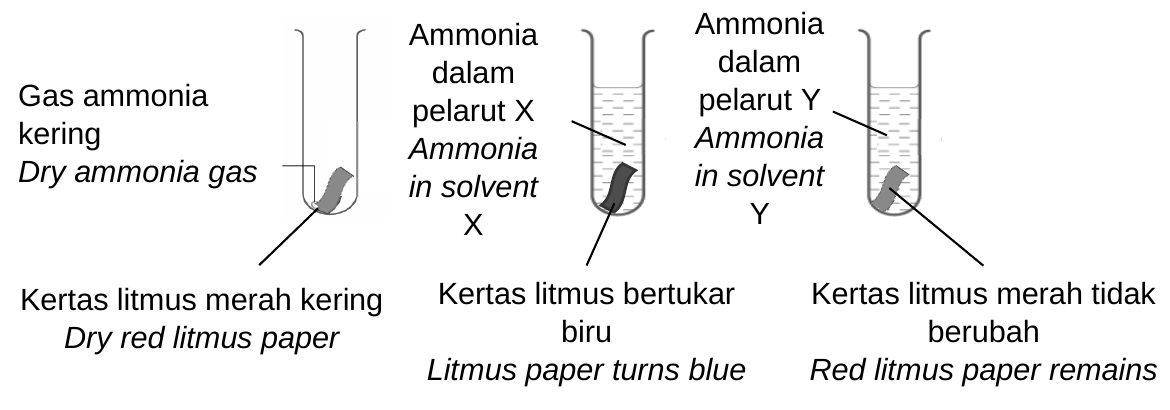
Diagram 8 shows the reaction to determine the alkaline properties of ammonia: dry ammonia gas does not change dry red litmus paper; ammonia in solvent X turns litmus paper blue; ammonia in solvent Y leaves red litmus paper unchanged. What are solvents X and Y?
Medium
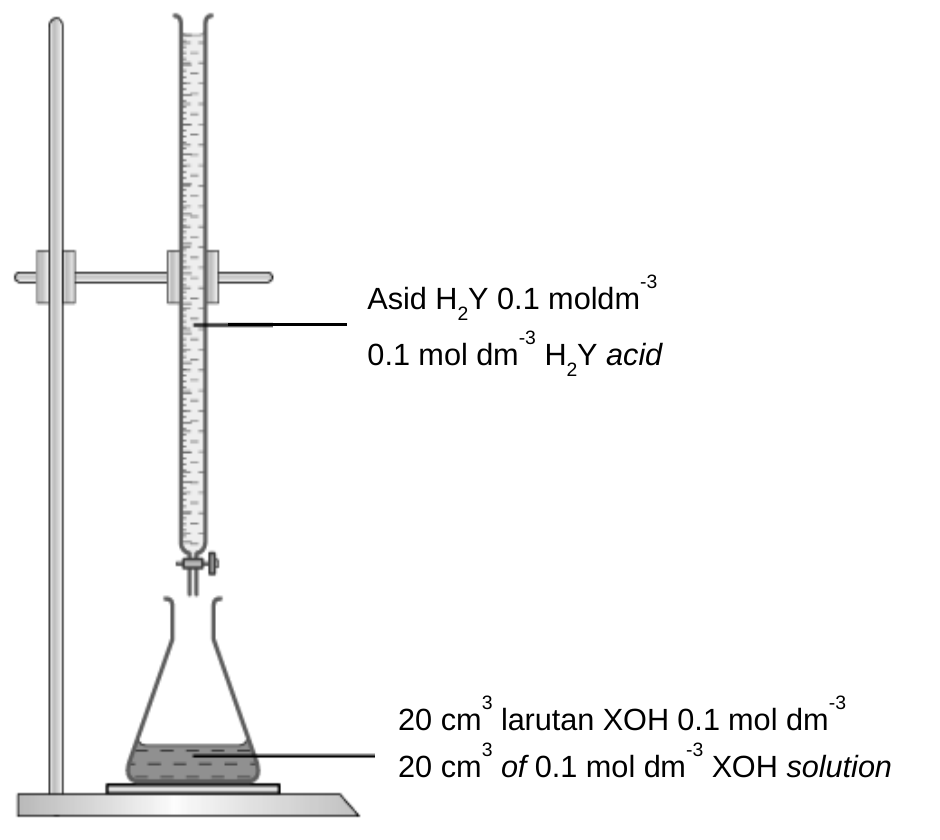
Diagram 9 shows the titration of 20 cm3 of 0.1 mol dm-3 XOH solution with 0.1 mol dm-3 H2Y acid. What is the volume of H2Y acid needed to neutralise the XOH solution?
Medium
Table 3: Experiment I uses excess calcium carbonate powder + 50 cm3 of 0.1 mol dm-3 hydrochloric acid. Experiment II uses excess calcium carbonate powder + X cm3 of Y mol dm-3 hydrochloric acid. The rate of reaction for experiment II was higher and the carbon dioxide produced was double that of experiment I. What are the values of X and Y?
Medium
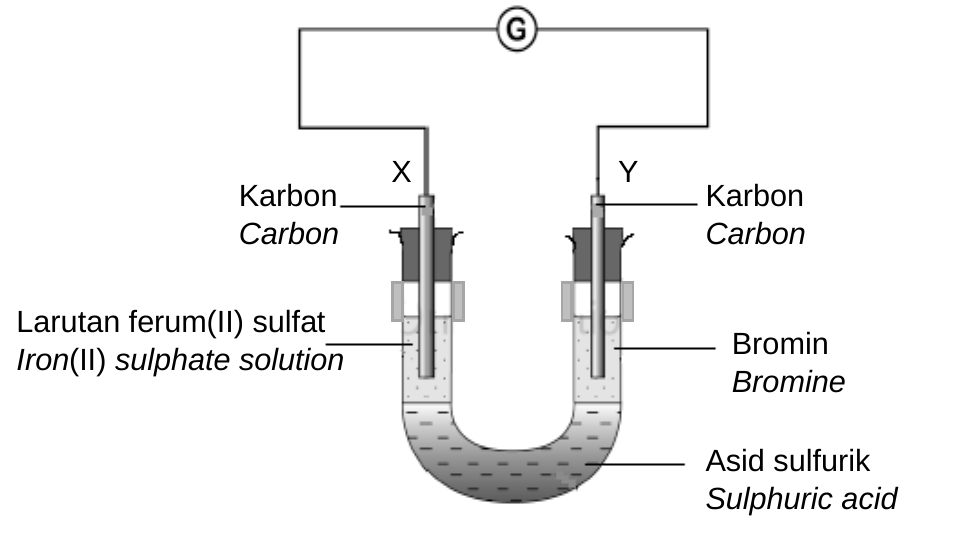
Diagram 10 shows the apparatus set-up to study the transfer of electrons at a distance: carbon electrodes X (in iron(II) sulphate solution) and Y (in bromine) in a U-tube of sulphuric acid, connected by wires through a galvanometer. Which of the following is correct based on Diagram 10?
Medium
Lead crystal glass is used to produce
Easy
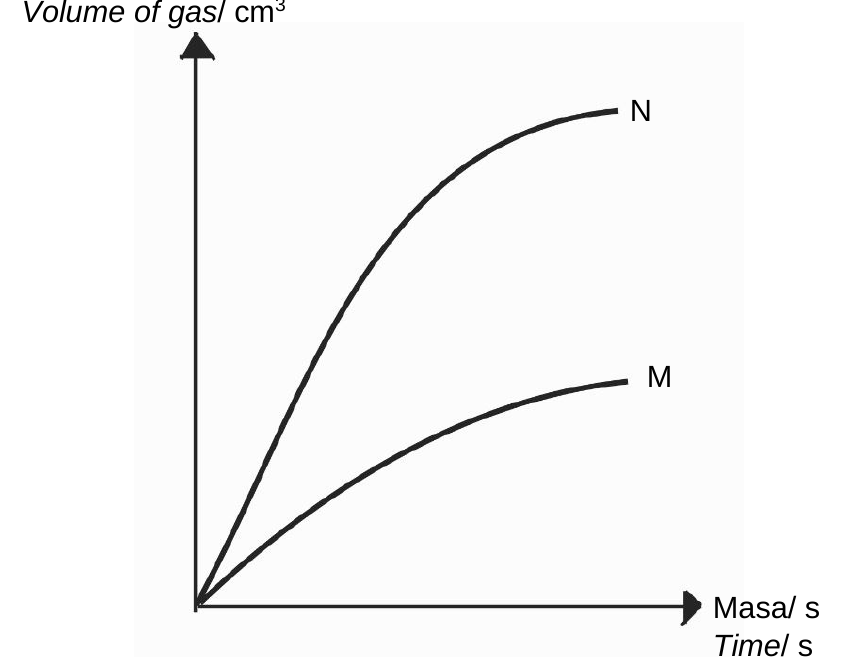
Diagram 11 shows curve M obtained when excess granulated zinc reacts with 50 cm3 of 1.0 mol dm-3 hydrochloric acid (volume of gas against time). Curve N is steeper and reaches a higher final volume. Which reaction produces curve N?
Medium
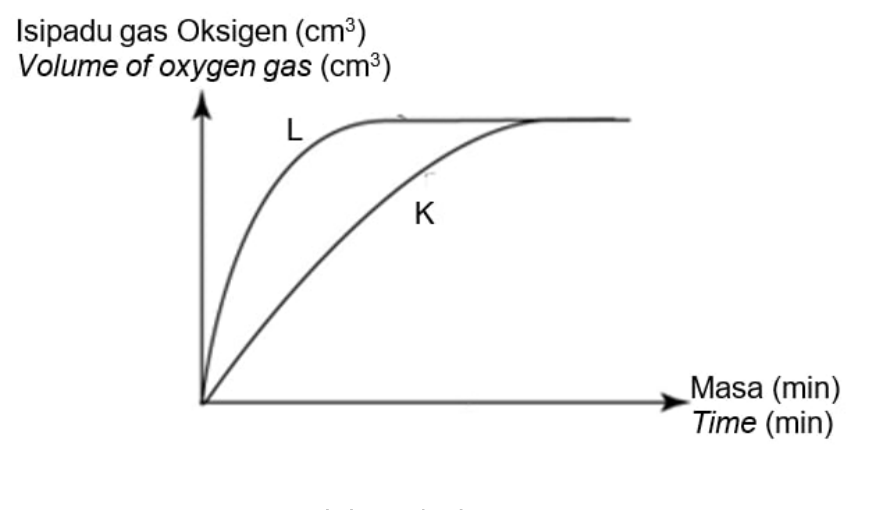
Diagram 12 shows curves K and L for the decomposition of hydrogen peroxide solution in the presence of a catalyst (volume of oxygen gas against time). Curve L is steeper than K and reaches the same final volume. Curve K is obtained using 50 cm3 of 1.0 mol dm-3 H2O2 at 25 °C. Which of the following would obtain curve L? (Volume of H2O2 / concentration / temperature)
Medium
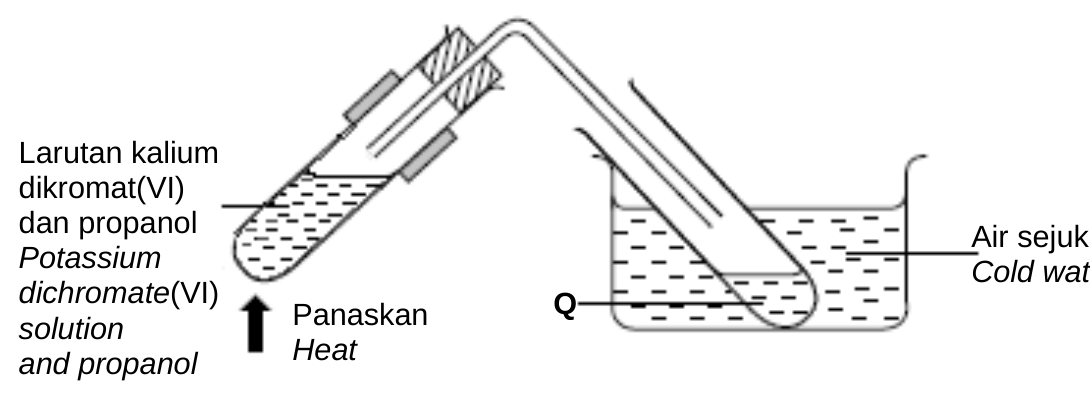
Diagram 13 shows the apparatus set-up for the reaction between propanol and acidified potassium dichromate(VI) to produce substance Q. Substance Q reacts with propanol to form an ester. Which is the molecular formula for the ester formed?
Medium
There are four solutions with different pH values. Which solution has the highest degree of dissociation in water?
Medium
Table 4 shows tests for the cation and anion in salt K solution. Test 1: add a few drops of ammonia solution then excess - the precipitate dissolves and gives a colourless solution. Test 2: add excess nitric acid followed by silver nitrate solution - white precipitate formed. What is salt K?
Medium
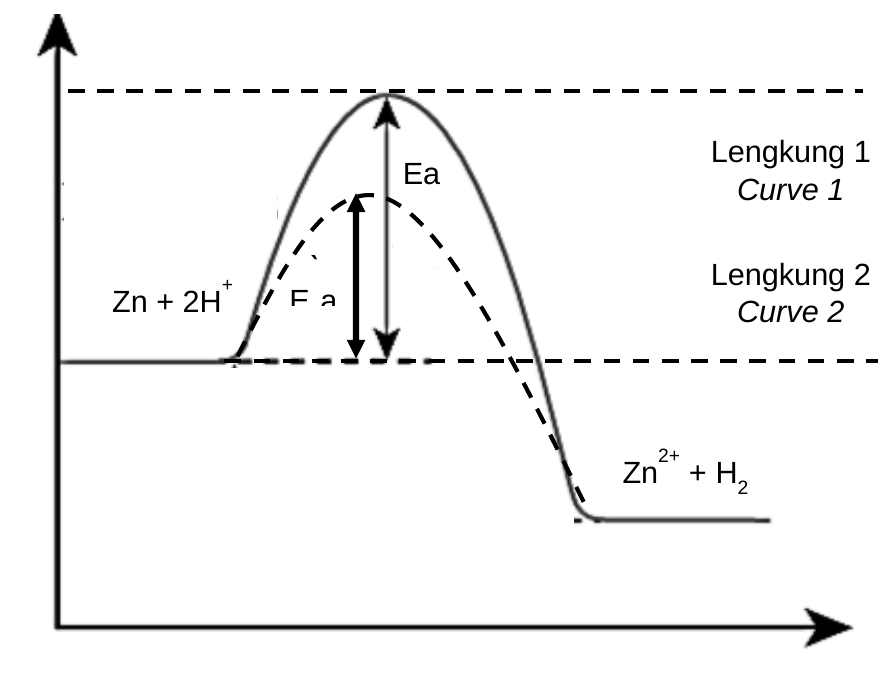
Diagram 14 shows the energy profile diagram for the reaction Zn + 2H+ → Zn2+ + H2. Curve 2 has a lower activation energy, Ea, than curve 1. Which statement correctly describes the energy profile diagram?
Medium
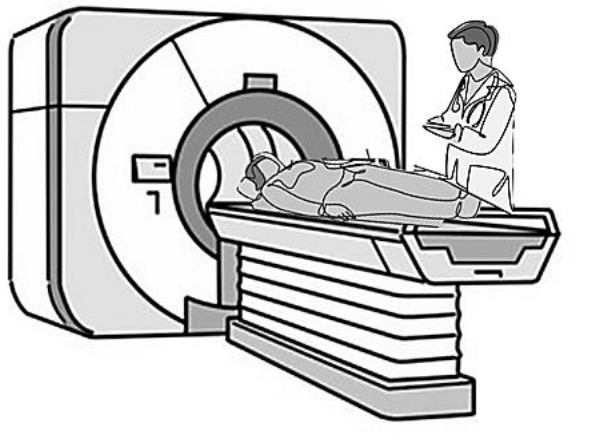
Diagram 15 shows a machine widely used in hospitals, for example to detect tumours. The machine uses an electromagnet. State the electromagnetic property that allows the machine to detect diseases more accurately.
Medium
Diagram 16 shows the structure of a polymer (repeating unit: -CH2-CH(CH3)-). Which of the following is the monomer for this polymer?
Medium
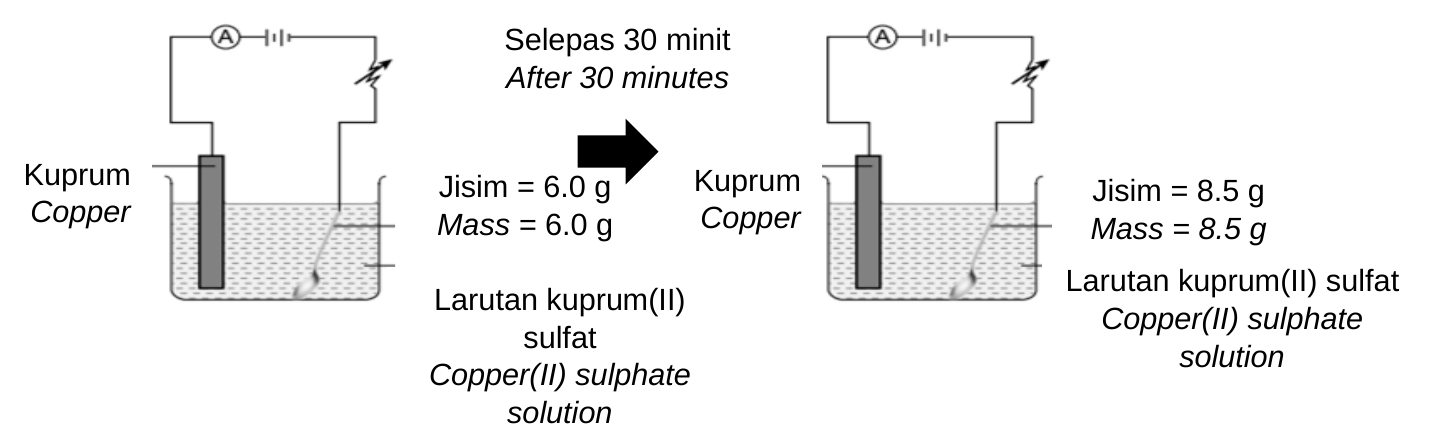
Diagram 17 shows the results of an electrolytic cell experiment: the mass of the copper electrode (cathode) is 6.0 g before and 8.5 g after 30 minutes in copper(II) sulphate solution. What is the number of copper atoms produced at the iron spoon after the experiment is done? [Relative atomic mass Cu = 64; Avogadro constant = 6.02 × 10^23 mol-1]
Medium
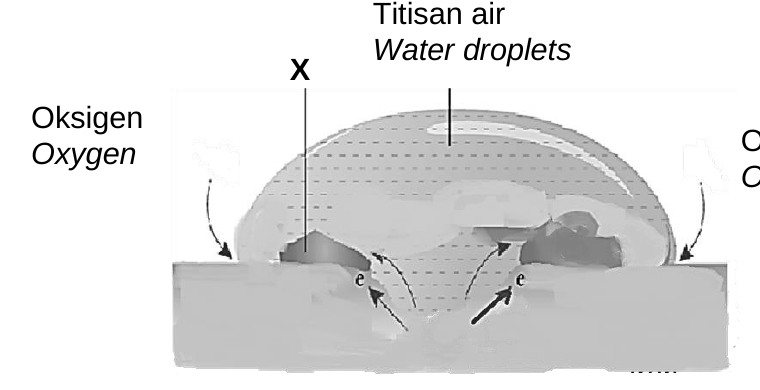
Diagram 18 shows the mechanism of formation of X (a water droplet on iron with oxygen, and electron flow). Which equations are involved in the formation of X? I Fe → Fe2+ + 2e; II Fe3+ → Fe2+ + e; III Fe3+ + OH- → Fe(OH)3; IV O2 + 2H2O + 4e → 4OH-
Medium
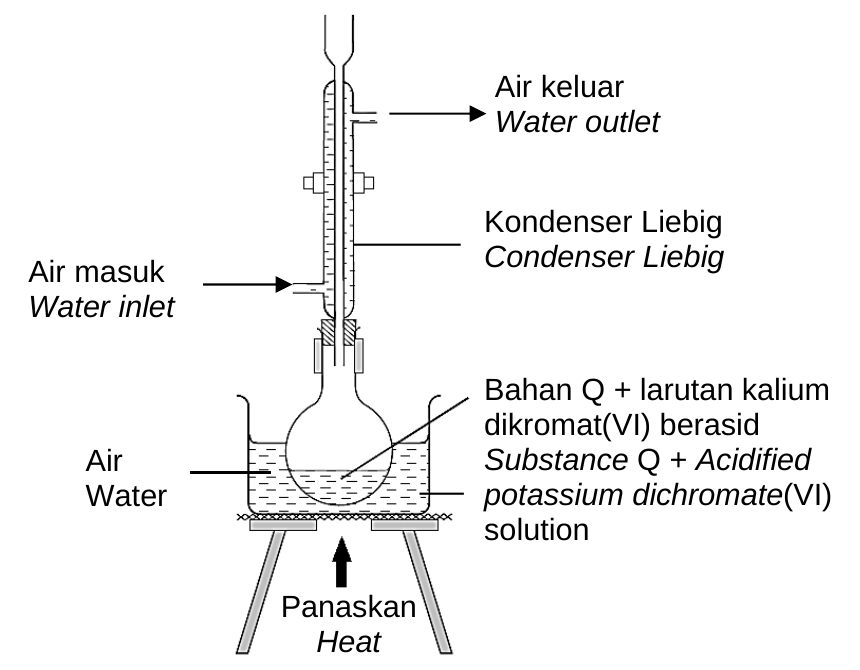
Diagram 19 shows the apparatus set up (reflux with Liebig condenser) for conversion of carbon compound Q to compound R using acidified potassium dichromate(VI) solution. State the molecular formula for compound R.
Medium
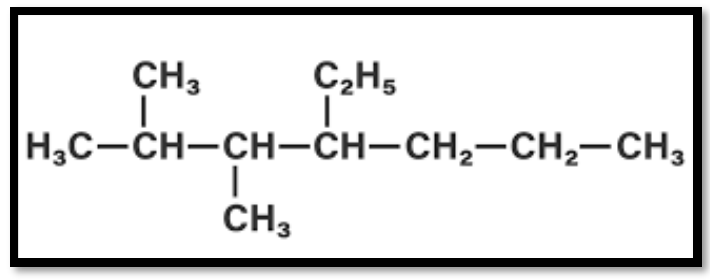
Diagram 20 shows the structural formula of a carbon compound: H3C-CH(CH3)-CH(CH3)-CH(C2H5)-CH2-CH2-CH3. State the name of the compound based on IUPAC nomenclature.
Medium
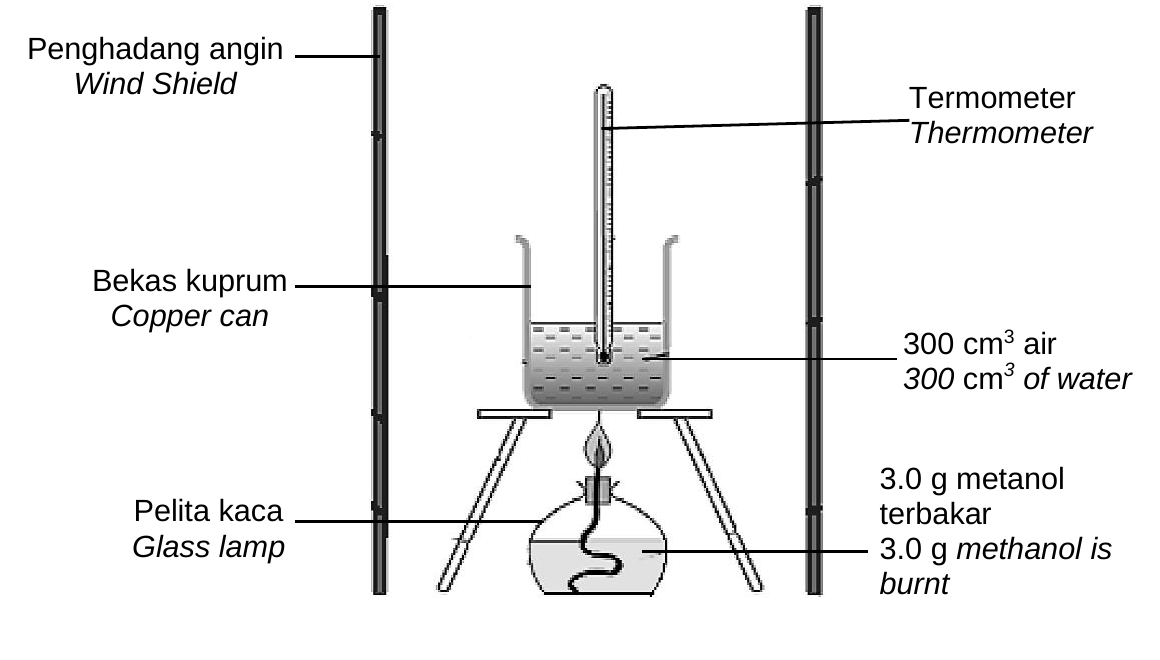
Diagram 21 shows the apparatus set up to determine the heat of combustion of methanol: 3.0 g of methanol is burnt to heat 300 cm3 of water in a copper can. The heat of combustion of methanol obtained is -938.29 kJ mol-1. Calculate the temperature change in the reaction. [Relative atomic mass: H = 1, C = 12, O = 16; specific heat capacity of water = 4.2 J g-1 °C-1]
Medium
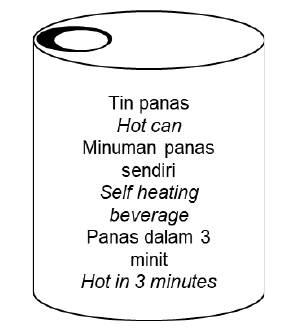
Diagram 22 shows an application of a reaction in daily life (a self-heating beverage can, hot in 3 minutes). Which of the following equations represents the same type of reaction as that reaction?
Medium
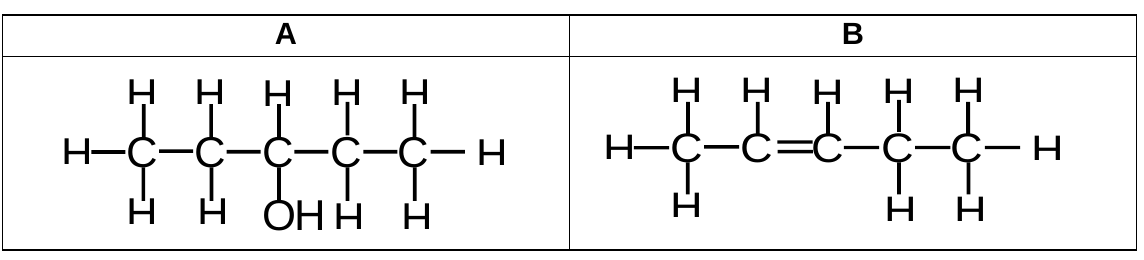
Diagram 23 shows the structural formula of homologous series A (an alcohol, pentan-3-ol) and B (an alkene, pent-2-ene). Which of the following is correct related to A and B?
Medium
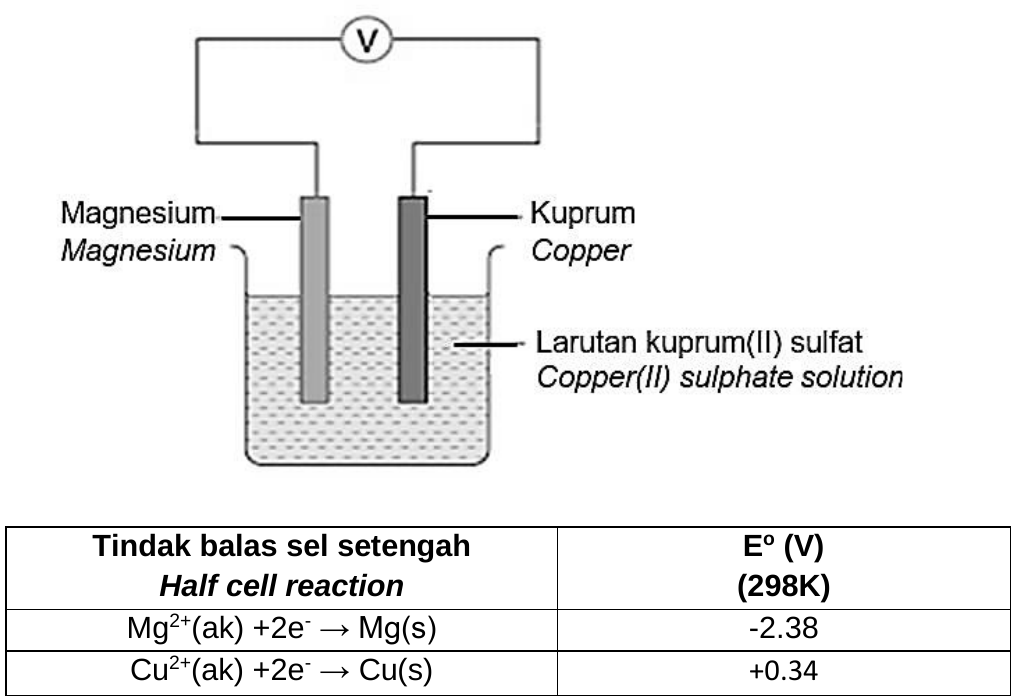
Diagram 24 shows a chemical cell (magnesium and copper electrodes in copper(II) sulphate solution) and standard electrode potential values: Mg2+ + 2e- → Mg, E° = -2.38 V; Cu2+ + 2e- → Cu, E° = +0.34 V. Calculate the cell voltage produced.
Medium
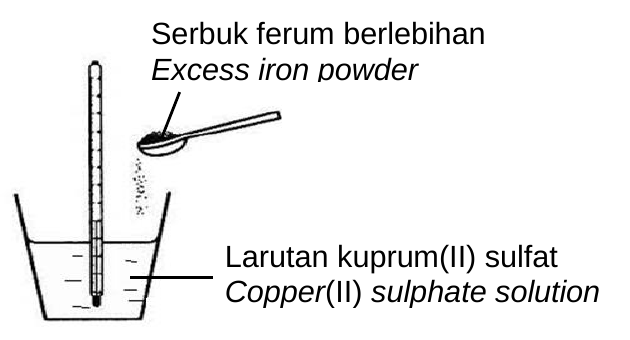
Diagram 25 shows excess iron powder added to copper(II) sulphate solution. The heat of displacement for this reaction is -150 kJ mol-1. What is the heat change when 3.2 g of copper is formed? [Relative atomic mass: Cu = 64]
Medium
The thermochemical equation CaCO3 → CaO + CO2, ΔH = +540 kJ mol-1 represents the decomposition of calcium carbonate. Which statement correctly describes the equation?
Medium
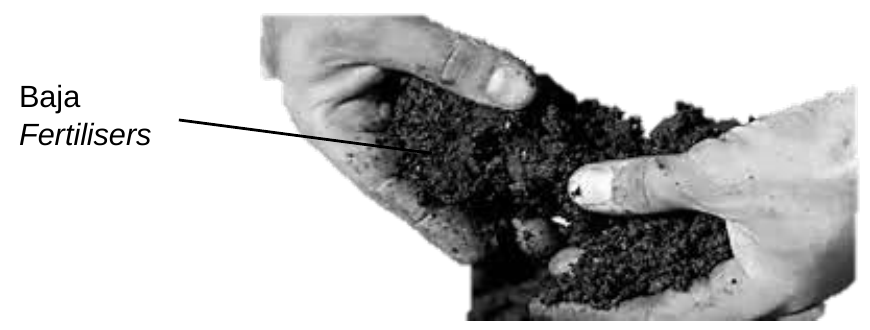
Diagram 26 shows the substance used in agriculture (fertiliser) that is produced from the wastewater treatment process. Which level of waste management is the level for the production of the substance?