Smoking is strictly prohibited in laboratories. Why is smoking not allowed in science laboratories?
Easy
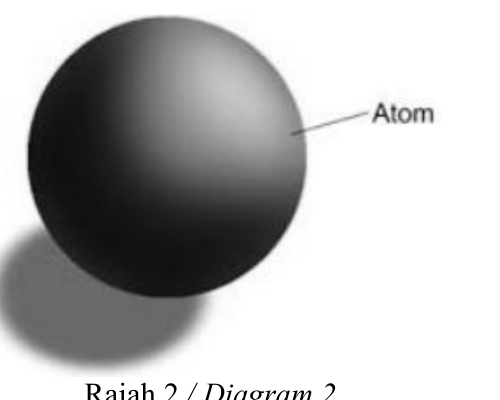
Based on Diagram 2, which scientist proposed that atoms are small spherical bodies, which cannot be created, destroyed or further divided? (Diagram 2 shows a blue sphere labelled Atom.)
Easy
What is the main reason carbon-12 atom was chosen as the standard for determining relative atomic mass?
Medium
Which of the following are characteristics of Group 18 elements? I Chemically inert; II Colourless and odourless gas; III Has two valence electrons; IV Exists as solid at room temperature
Medium
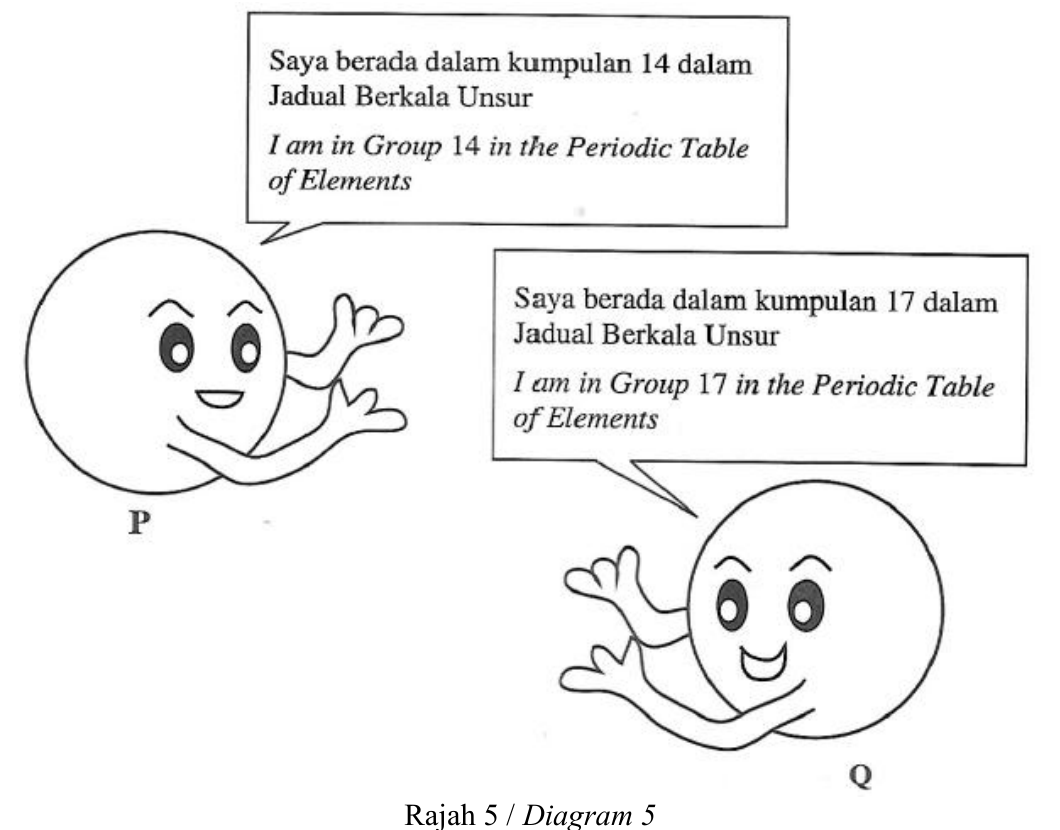
Diagram 5 shows an illustration of conversation between atom P and atom Q. P says: I am in Group 14 in the Periodic Table of Elements. Q says: I am in Group 17 in the Periodic Table of Elements. What is the type of chemical bond that will be formed between atom P and atom Q?
Medium
Table 6 shows the pH values of solutions P, Q, R, and S: P = 5, Q = 6, R = 7, S = 9. Which solution is alkaline?
Easy
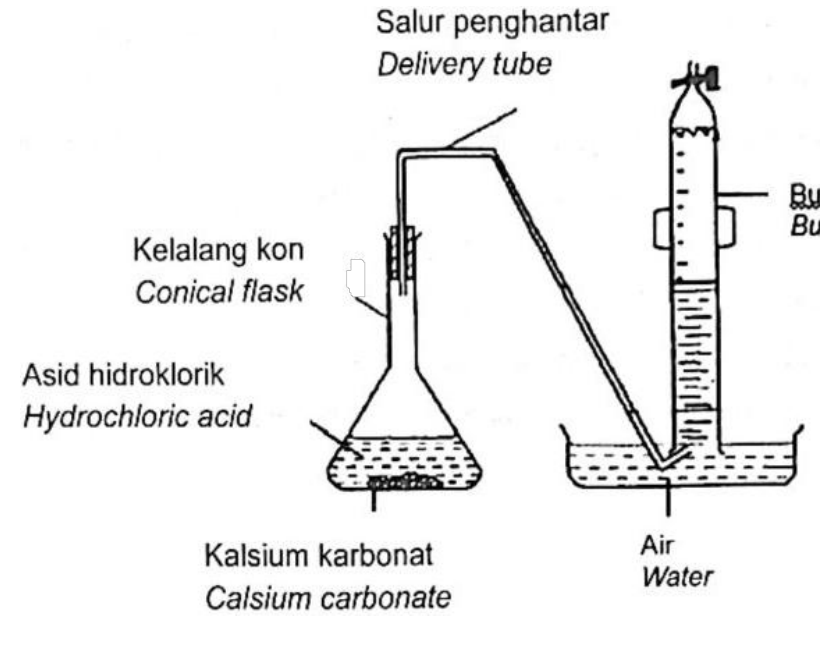
Diagram 7 shows the apparatus set-up for experiment to determine the rate of reaction between calcium carbonate and hydrochloric acid (gas collected in an inverted burette over water). Which of the following units is suitable for measuring the rate of reaction in this experiment?
Medium
What is the main component in bronze?
Easy
Iron(II) nitrate can act as a reducing agent. What changes occur when iron(II) nitrate reacts with bromine water?
Medium
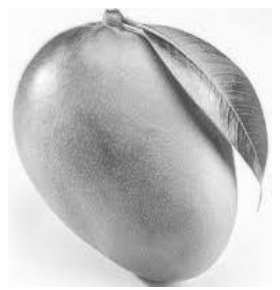
Diagram 10 shows a fruit (mango) that contains compound R which has fruity smell. What is the functional group of compound R?
Medium
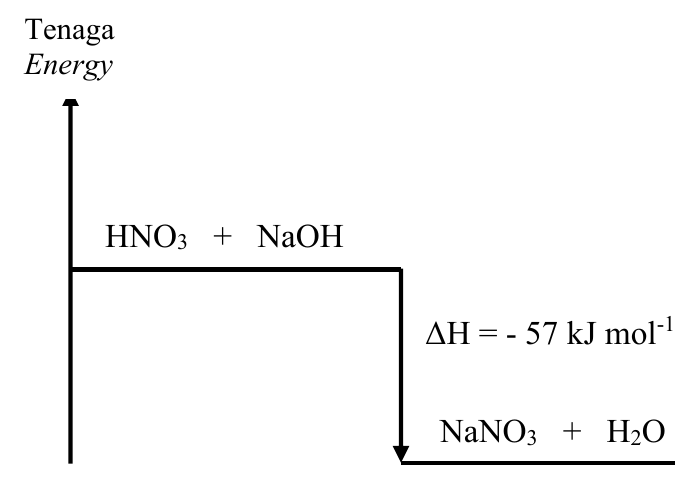
Diagram 11 shows the energy level diagram of a reaction: HNO3 + NaOH → NaNO3 + H2O, ΔH = -57 kJ mol⁻¹. Which of the following acids is suitable to replace nitric acid, HNO3 to obtain the same ΔH value?
Medium
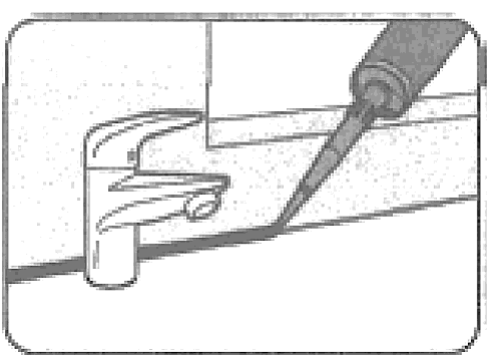
Diagram 12 shows one of the uses of synthetic rubber (sealant applied around a tap). Which of the following is true about synthetic rubber?
Medium
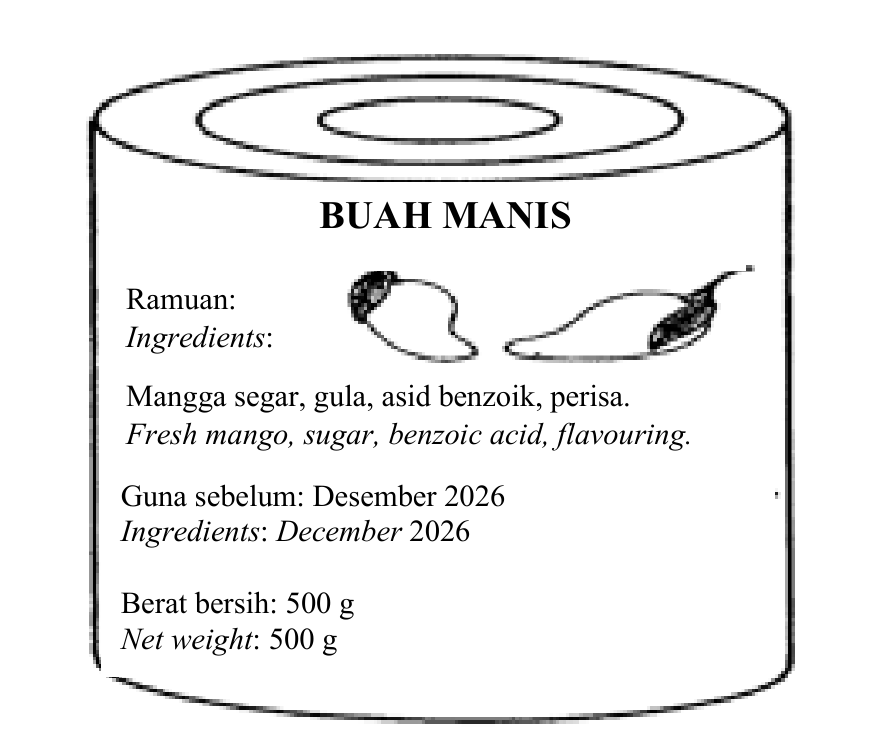
Diagram 13 shows the ingredients of pickled mango: fresh mango, sugar, benzoic acid, flavouring. What are the types of food additives for benzoic acid?
Medium
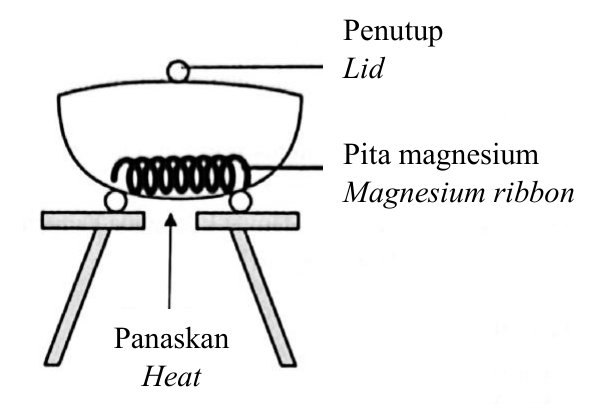
Diagram 14 shows the apparatus set-up to determine the empirical formula of magnesium oxide (crucible with lid, magnesium ribbon, heating). Which of the following steps is the correct to ensure that the magnesium ribbon is burnt completely?
Medium
Which of the following statements best describes the condition required for a reaction to occur?
Medium
What type of chemical bond is formed through the transfer of electrons between metal atoms and non-metal atoms?
Easy
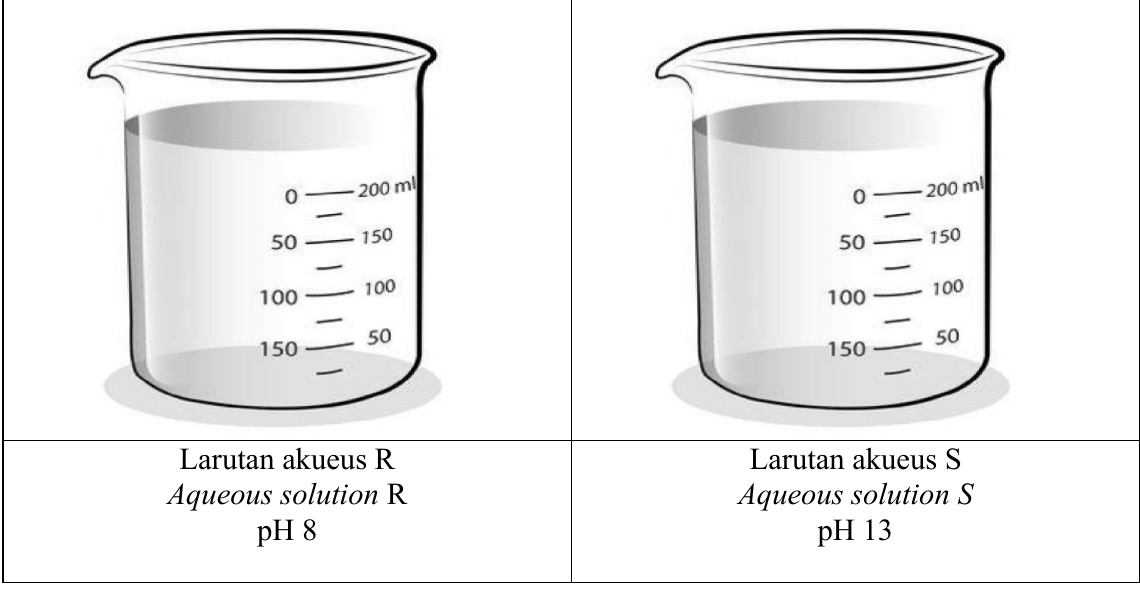
Diagram 17 shows two solutions of the same concentration and their pH values: aqueous solution R pH 8, aqueous solution S pH 13. The difference in the pH because
Medium
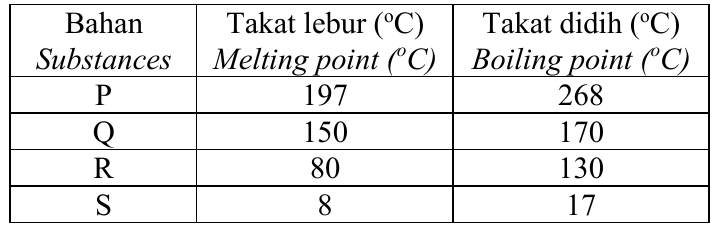
Table 18 shows the melting point and boiling point of substances P, Q, R and S: P 197 °C / 268 °C; Q 150 °C / 170 °C; R 80 °C / 130 °C; S 8 °C / 17 °C (melting point / boiling point). Which substance melts when put into a boiling water?
Medium
Compound Q has the following properties: cannot conduct electricity; insoluble in water; decolourises acidified potassium manganate(VII). What is compound Q?
Medium
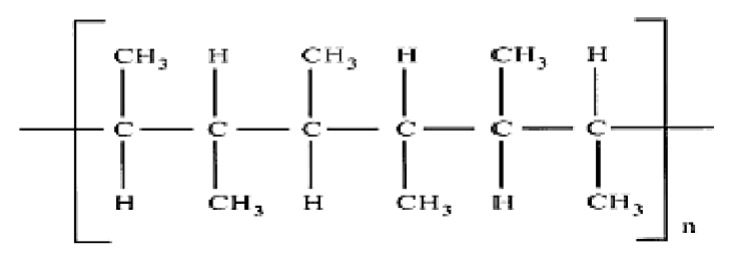
Diagram 20 shows the structural formula of a polymer: repeating unit -[CH3-CH-CH-CH3]- (each carbon in the chain carries H and CH3 groups alternately, i.e. poly(but-2-ene)). What is the structural formula of its monomer?
Medium
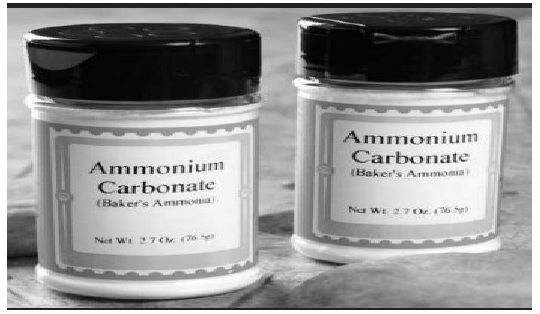
Diagram 21 shows ammonium carbonate powder that is stored in a bottle. Which of the following is the physical properties of ammonium carbonate?
Medium
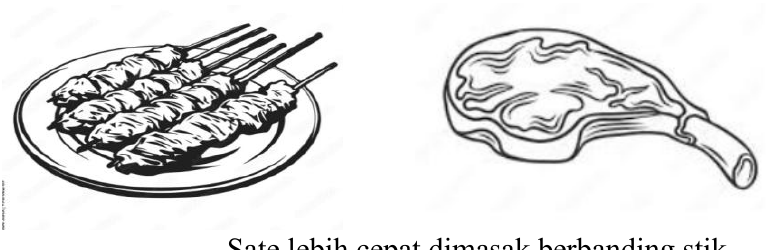
Diagram 22 shows satay and steak: 'Satay cook faster than steak'. State the factor that affect the rate of reaction, for the statement in Diagram 22.
Easy
What is the special characteristic of photochromic glass?
Easy
When going across the period from left to right the Periodic Table of Element, the atomic size is decreasing because of:
Medium
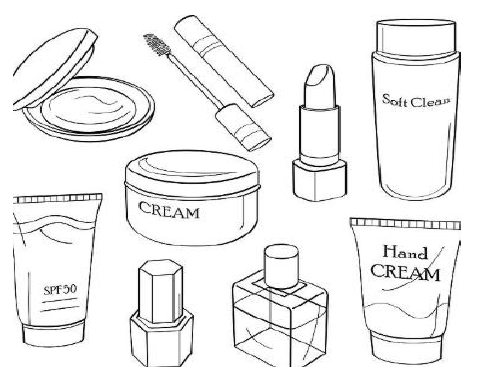
Diagram 25 shows the cosmetic products widely used by women. The basic cosmetic ingredients consist of: I Preservative; II Moisturiser; III Anti oxidant; IV Antiallergic
Medium
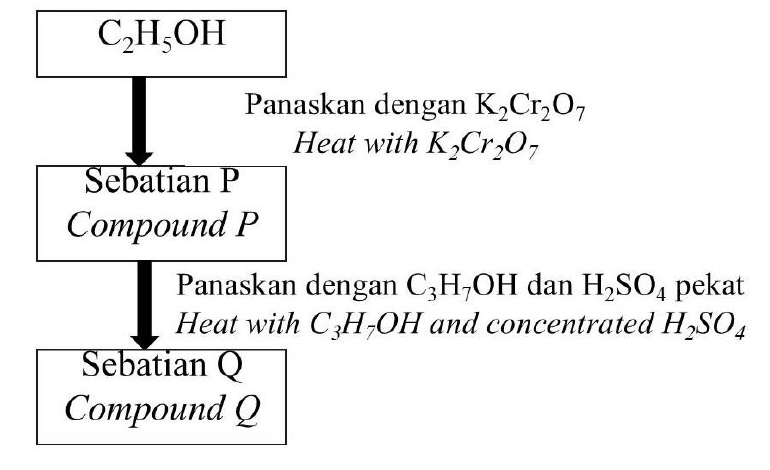
Diagram 26: C2H5OH heated with K2Cr2O7 gives compound P; compound P heated with C3H7OH and concentrated H2SO4 gives compound Q. What is compound Q?
Medium
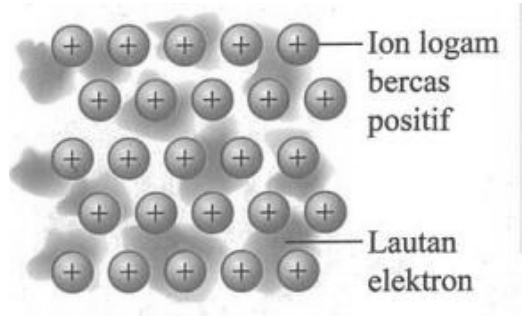
Diagram 27 shows positively charged metal ions in a sea of electrons. Which bond is suitable to explain the formation of bond in diagram 27?
Easy
Ceramic has a unique property and is used to produce a spark plug. Which properties of ceramic is suitable to produce a spark plug?
Medium
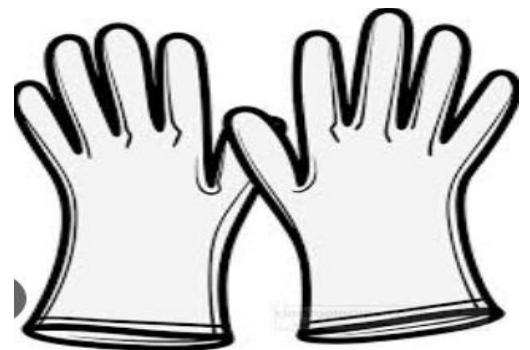
Diagram 29 shows a pair of gloves made of latex. What is the type of polymer for the above gloves?
Easy
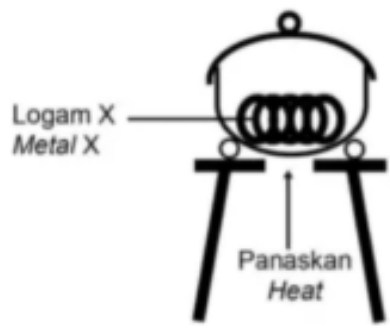
Diagram 30 shows the set up apparatus to study the empirical formula for metal X (metal heated in a crucible with lid). What are the possible of metal X? I Potassium; II Copper; III Magnesium; IV Aluminium
Medium
Vinegar contains mixture of water and ethanoic acid, CH3COOH. What is the molarity of vinegar with a concentration of 40 g dm⁻³? [Molar mass of ethanoic acid, CH3COOH = 60 g mol⁻¹]
Medium
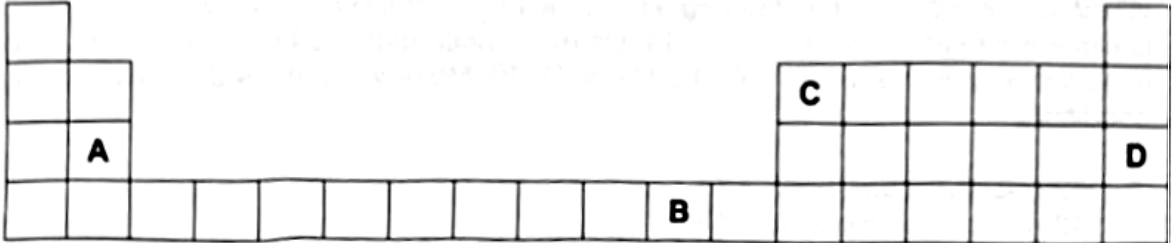
Diagram 32 shows the process of producing margarine (unsaturated triglyceride + X, with Y over the arrow, gives saturated triglyceride). Where would you place the element Y in the Periodic Table of Elements? (Options A, B, C, D are marked positions on a periodic table outline: A in the s-block, B in the transition elements block, C and D in the p-block.)
Medium
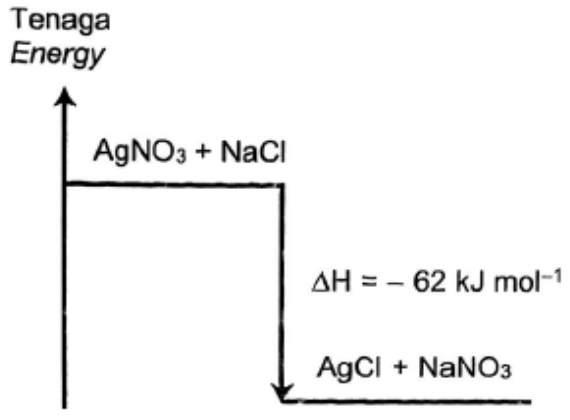
Diagram 33 shows the energy level diagram to determine the heat of precipitation of silver chloride: AgNO3 + NaCl → AgCl + NaNO3, ΔH = -62 kJ mol⁻¹. What is the heat energy released and the change in temperature of the mixture when 250 cm³ of 1 mol dm⁻³ silver nitrate solution is added into 250 cm³ of 1 mol dm⁻³ sodium chloride solution in polystyrene cup? [Specific heat capacity of water = 4.2 J g⁻¹ °C⁻¹; density of water = 1.0 g cm⁻³]
Medium
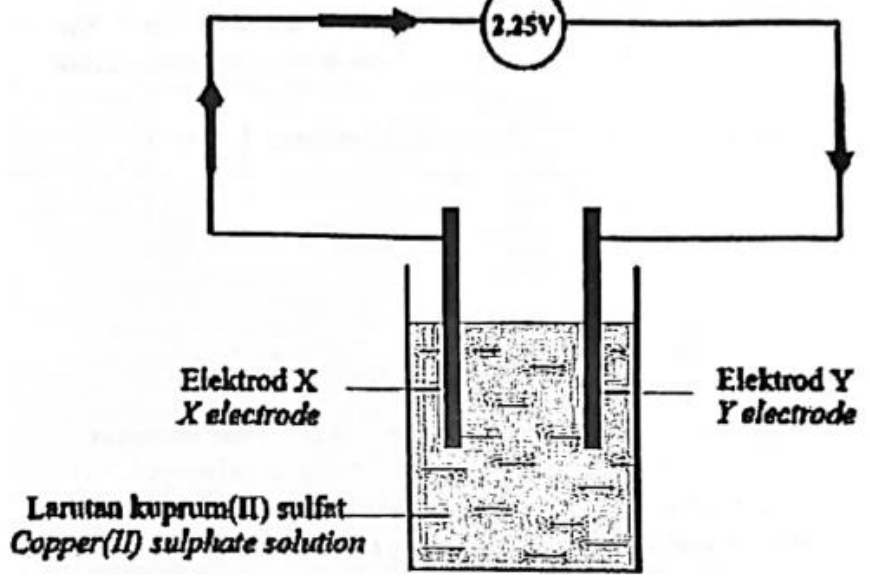
Diagram 34 shows a simple voltaic cell using metal P and metal Q as electrode (electrode X and electrode Y in copper(II) sulphate solution, voltmeter reading 2.25 V). Standard electrode potential: X²⁺ + 2e → X, E° = -2.38 V; Y²⁺ + 2e → Y, E° = p V; Cu²⁺ + 2e → Cu, E° = +0.34 V. What is the standard electrode potential value for metal Y?
Medium
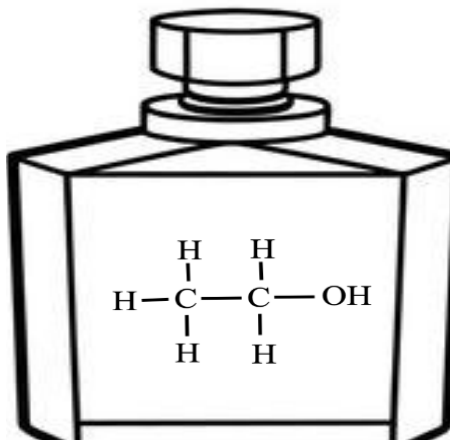
Diagram 35 shows a structural formula (ethanol, C2H5OH) of an organic compound contains in a bottle of perfume. Why is the organic compound used in the perfume?
Medium
When 15 g of carbon burns completely in air, the heat produced raises the temperature of 500 cm³ of water by 25.0 °C. What is the heat of combustion of carbon? [Relative atomic mass: C = 12; Specific heat capacity of water, c = 4.2 J g⁻¹ °C⁻¹; Density of water = 1 g cm⁻³]
Medium
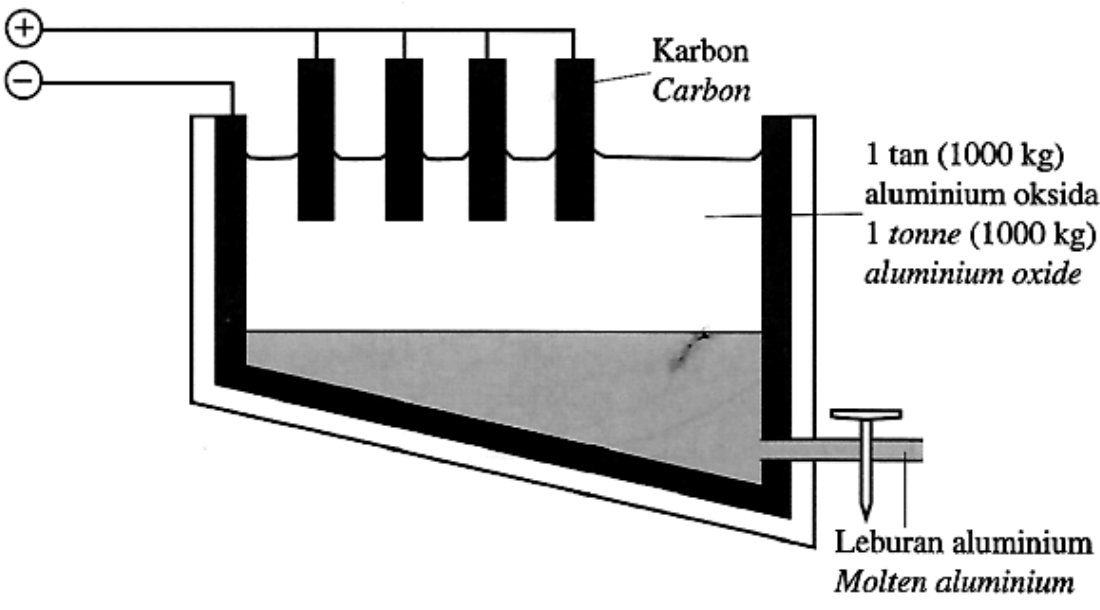
Diagram 37 shows the electrolytic tank used to extract aluminium from its ore, aluminium oxide (1 tonne (1000 kg) of aluminium oxide, carbon electrodes, molten aluminium). The following equation represents the reaction in the tank: 2Al2O3 → 4Al + 3O2. What is the mass of aluminium extracted? [Relative atomic mass: O = 16, Al = 27]
Medium
The following situation shows results of an analysis of solution X. Add sodium hydroxide solution in excess: white precipitate formed and dissolves in excess sodium hydroxide. Add ammonia solution in excess: white precipitate formed and does not dissolve in excess ammonia solution. Add sodium sulphate solution: white precipitate formed. From the observation, we can conclude that the cation present in solution X is
Medium
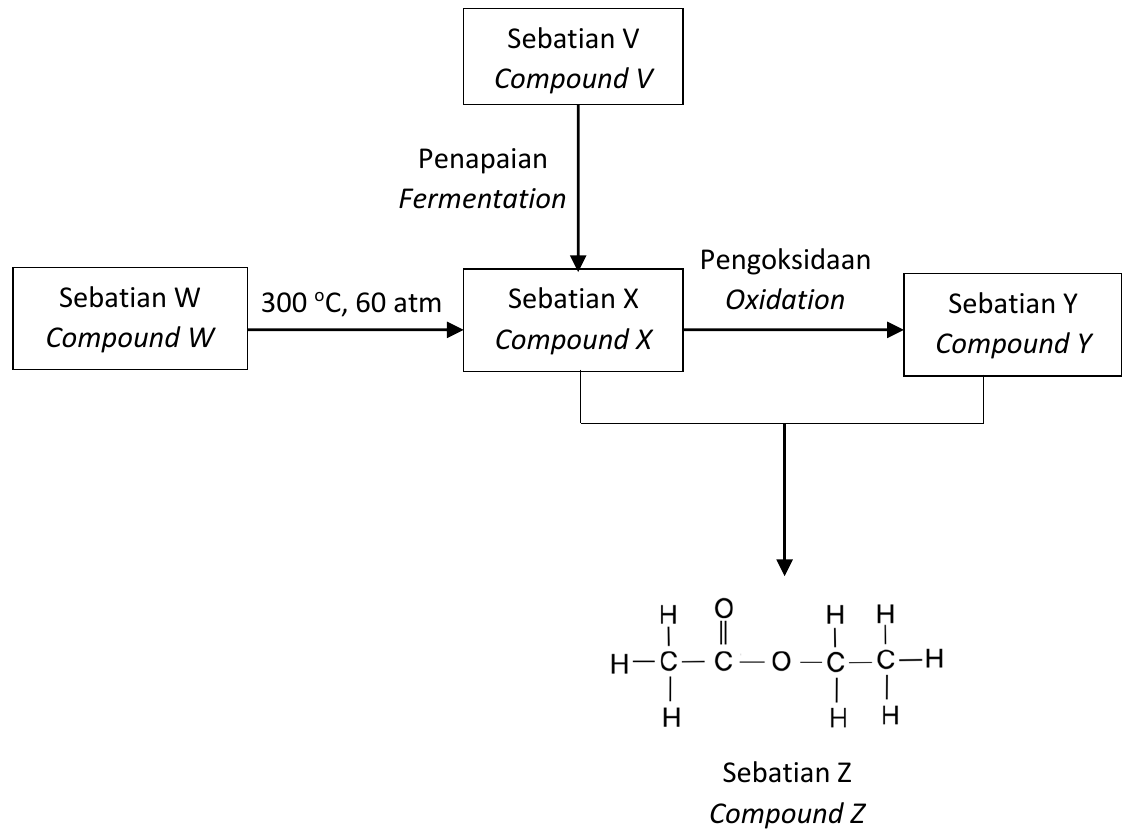
Diagram 39 shows a series of chemical reaction of compound Z. Compound V undergoes fermentation to give compound X; compound W at 300 °C, 60 atm gives compound X; compound X is oxidised to compound Y; X and Y react to give compound Z (ethyl ethanoate). Which of the following refer to compound V and compound W?
Medium
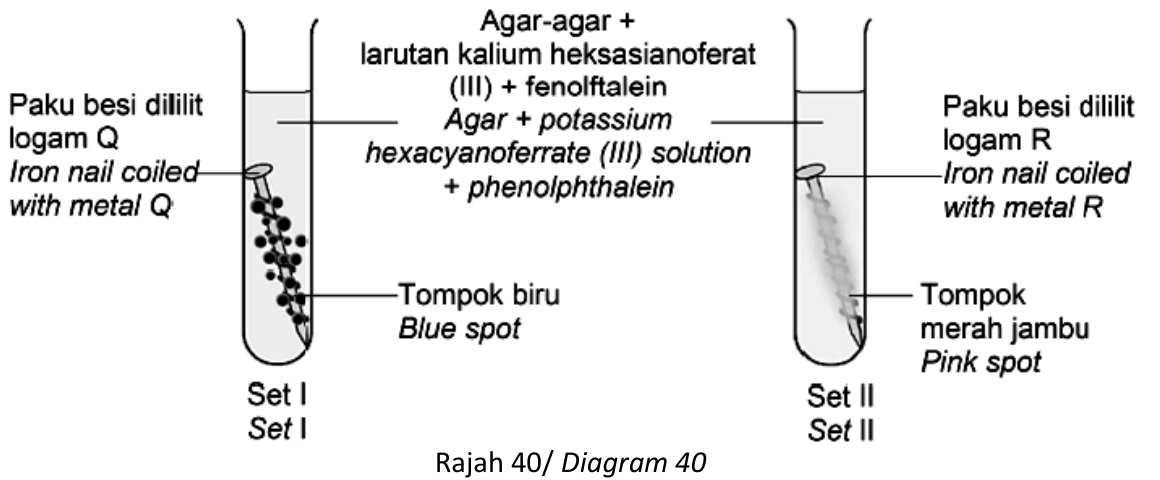
Diagram 40 shows the observation of an experiment to study the effect of metal Q and metal R on the corrosion of iron. Set I: iron nail coiled with metal Q gives a blue spot. Set II: iron nail coiled with metal R gives a pink spot. (Agar-agar + potassium hexacyanoferrate(III) solution + phenolphthalein.) What are Q metals and R metals?