Which substance is an element and exist as molecule?
Medium
Ahmad uses colorful lights to attract customers to his restaurant. What is the suitable material to fill in the light?
Easy
How covalent bond is formed?
Easy
Fast reaction example is
Easy
What is the composition of fused silica glass?
Easy
Which of the following substance undergoes oxidation?
Medium
Which of the following is the example of endothermic reaction?
Medium
What is the characteristic of synthetic polymer?
Easy
What is the chemical substance added to prevent cosmetic products from spoiling?
Easy
Which of the following is an ionic compound?
Easy
The relative atomic mass of an element is the number of times the mass of one...
Easy
Diagram 1 shows the value of the standard electrode potential, E°: Zn²⁺ + 2e⁻ ⇌ Zn, -0.76 V; Cu²⁺ + 2e⁻ ⇌ Cu, +0.34 V. Based on Diagram 1, which is a stronger oxidising agent?
Medium
Which of the following process involves only non-hydrocarbon compound?
Medium
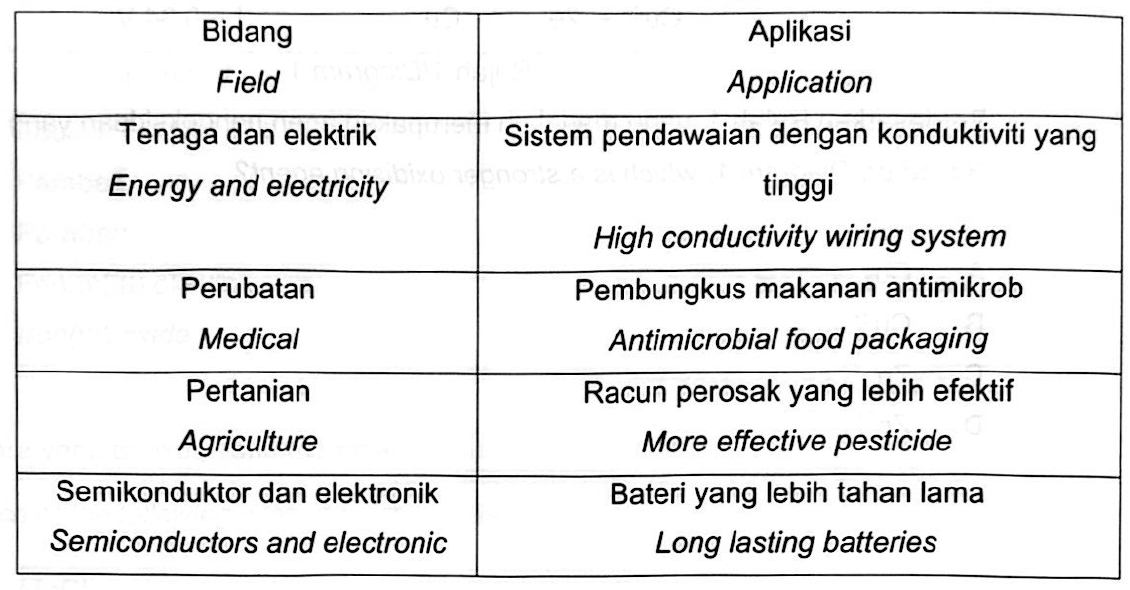
Which application of nanotechnology is correctly matched? (Field / Application) A Energy and electricity: High conductivity wiring system; B Medical: Antimicrobial food packaging; C Agriculture: More effective pesticide; D Semiconductors and electronic: Long lasting batteries
Medium
Krypton is used in laser for eye retina treatment. What is the state of matter of krypton?
Easy
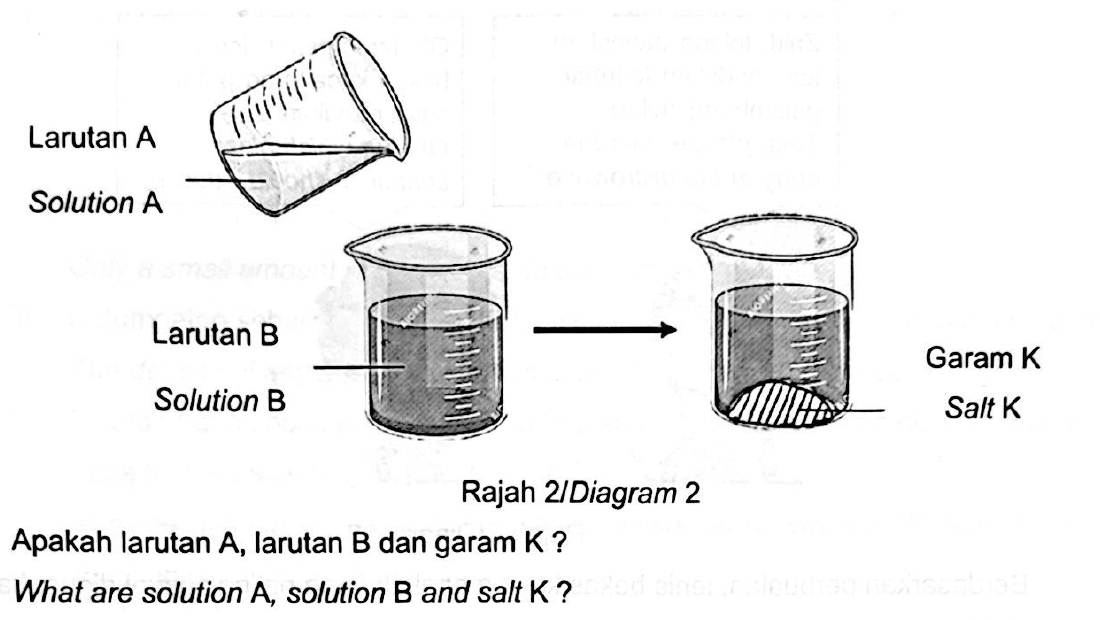
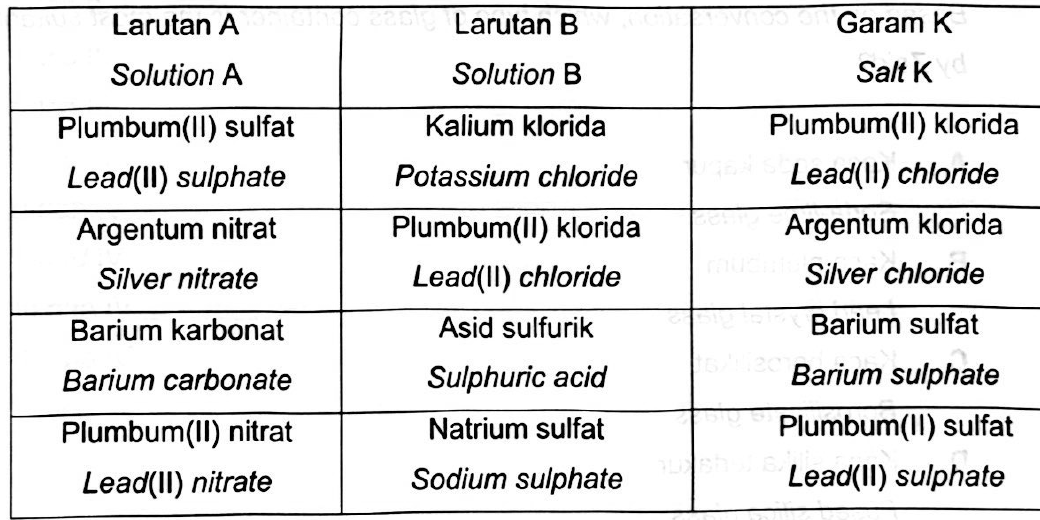
Diagram 2 shows the arrangement of the apparatus for preparing K salt (solution A is poured into solution B, salt K precipitates). What are solution A, solution B and salt K?
Medium
Diagram 3 shows a conversation between two students. Zaid, please heat the curry in the microwave. Ok, but which glass container should I use? Based on the conversation, which type of glass container is the most suitable to be used by Zaid?
Medium
Which of the following chemical formulae is correct?
Medium
Which assumptions need to be made in determining the heat of reaction? I No heat is absorbed by the apparatus; II Only a small amount of heat is lost to surrounding; III The density of any aqueous solution is equal to the density of water, 1 g cm⁻³; IV The specific heat capacity of any aqueous solution is equal to the specific heat capacity of water, 4.2 kJ g⁻¹ °C⁻¹
Medium
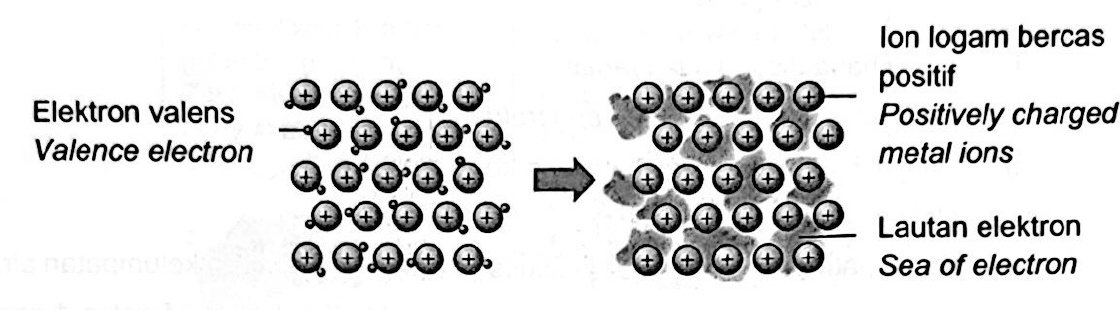
Diagram 4 shows formation of a bond in a substance (valence electrons delocalised into a sea of electrons around positively charged metal ions). Which statement explains the formation of bonds in Diagram 4?
Medium
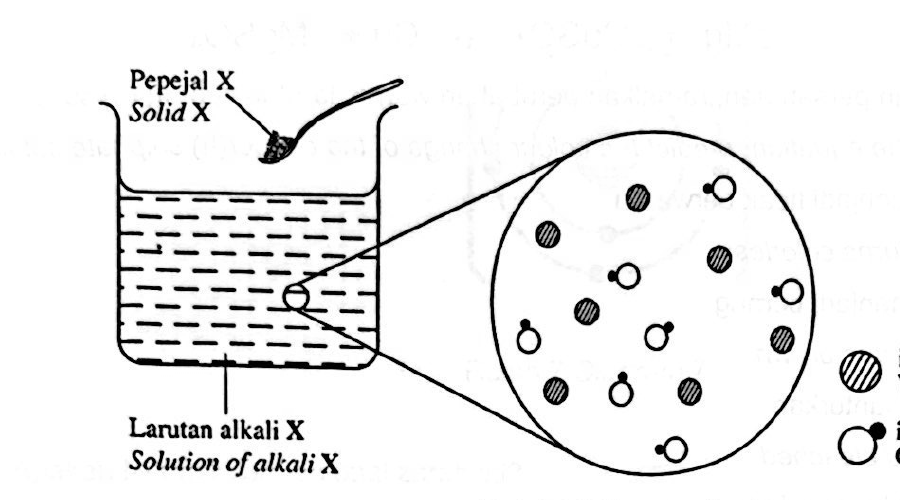
Diagram 5 shows the ionization of solid X in water (solution of alkali X contains W ions and OH⁻ ions only). Which of the following statement is true about the alkaline solution X?
Medium
Alloys are usually harder than their pure metal. What is the factor explains this situation?
Medium
Equation below shows a redox reaction: Mg + CuSO₄ → Cu + MgSO₄. Based on the equation, predict the colour change of the copper(II) sulphate solution.
Medium
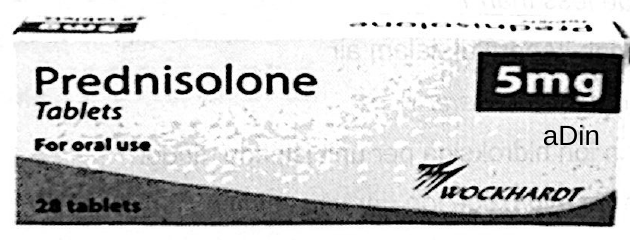
Diagram 6 shows the medicine prescription by the doctor to Mr. Kamal (a pack of Prednisolone 5 mg tablets). Based on Diagram 6, what is the function of the medicine?
Easy
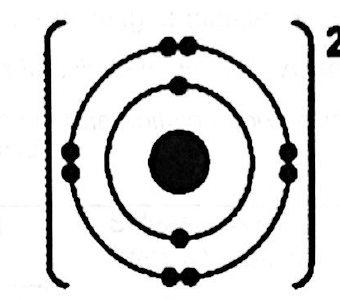
Diagram 7 shows electron arrangement of particle X (an ion with charge 2-). What is the number of protons of this particle?
Medium
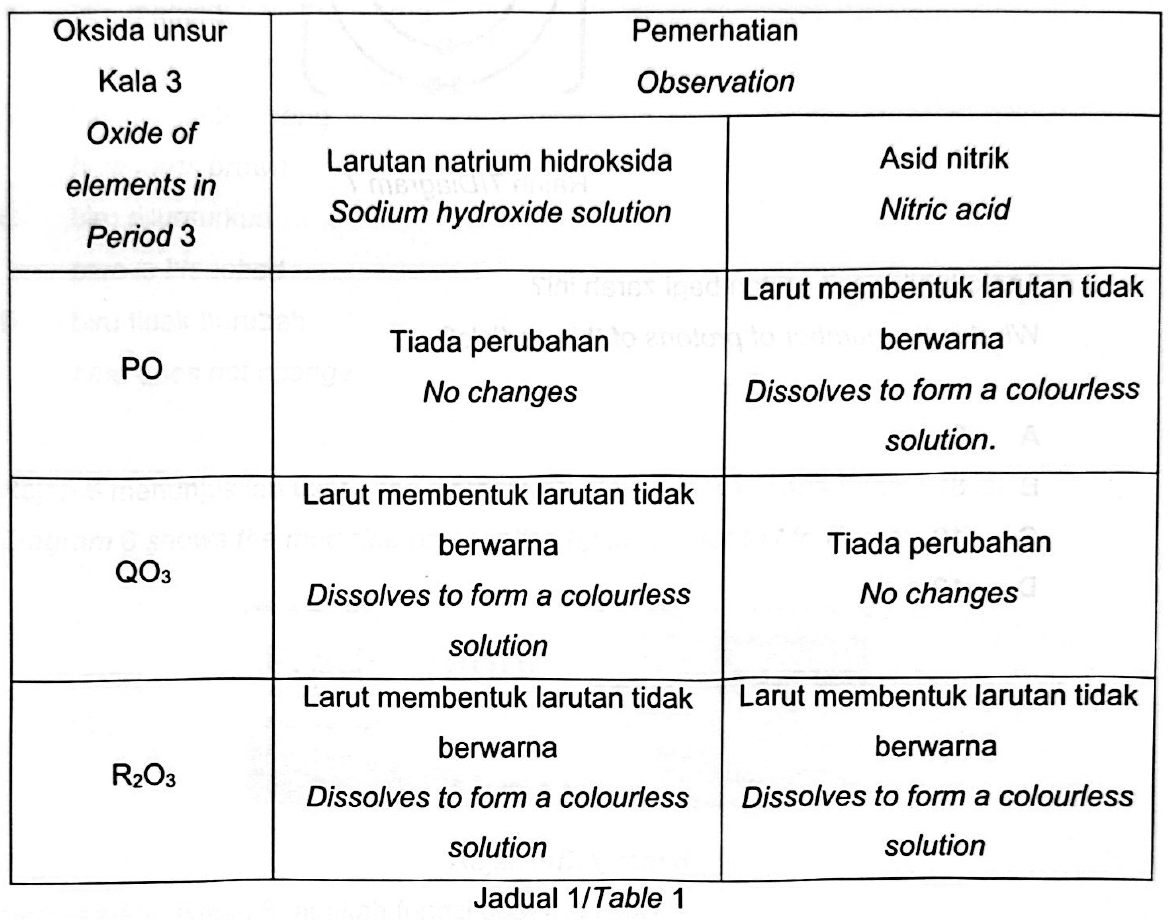
Table 1 shows the observation when oxides of elements in Period 3 are added to sodium hydroxide solution and nitric acid. P, Q and R are not actual symbols of the elements. PO: no change with NaOH, dissolves in HNO₃ to form colourless solution; QO₃: dissolves in NaOH to form colourless solution, no change with HNO₃; R₂O₃: dissolves in both to form colourless solutions. Arrange the three elements based on the descending order of proton number.
Medium
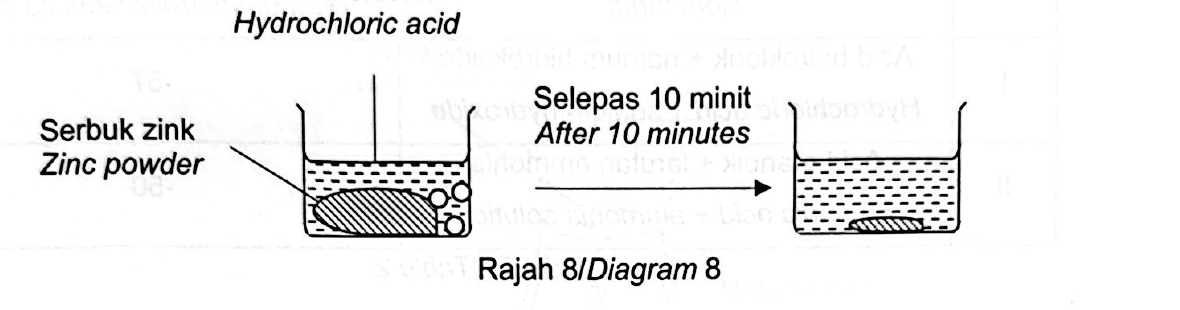
Diagram 8 shows an experiment conducted by a student in the laboratory (zinc powder in hydrochloric acid; after 10 minutes little zinc remains). Which graph best represent the above reaction?
Medium
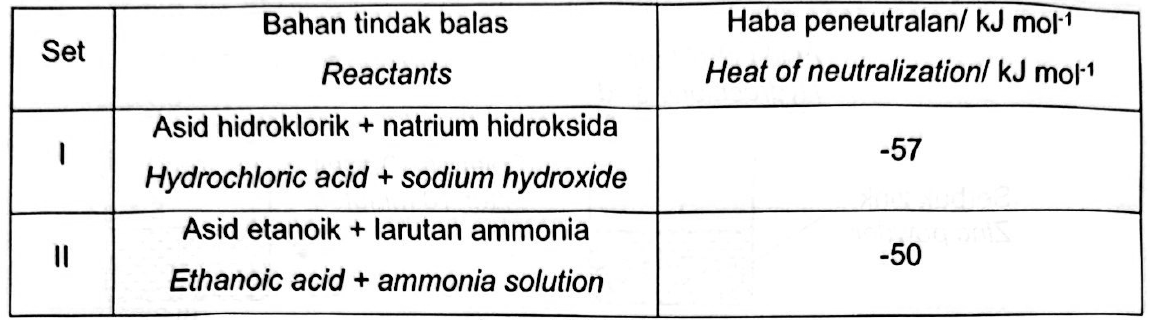
Table 2 shows heat of neutralisation, ΔH for a few types of acid and alkali. Set I: hydrochloric acid + sodium hydroxide, -57 kJ mol⁻¹. Set II: ethanoic acid + ammonia solution, -50 kJ mol⁻¹. What is the reason for this situation?
Medium
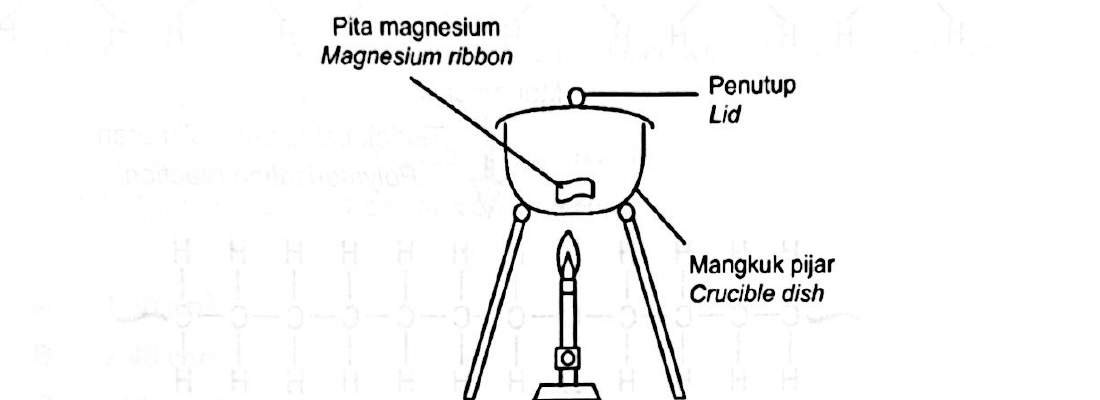
Diagram 9 shows the set-up of apparatus to determine the empirical formula of magnesium oxide. What is the purpose of lifting and closing the lid quickly time to time during heating?
Medium
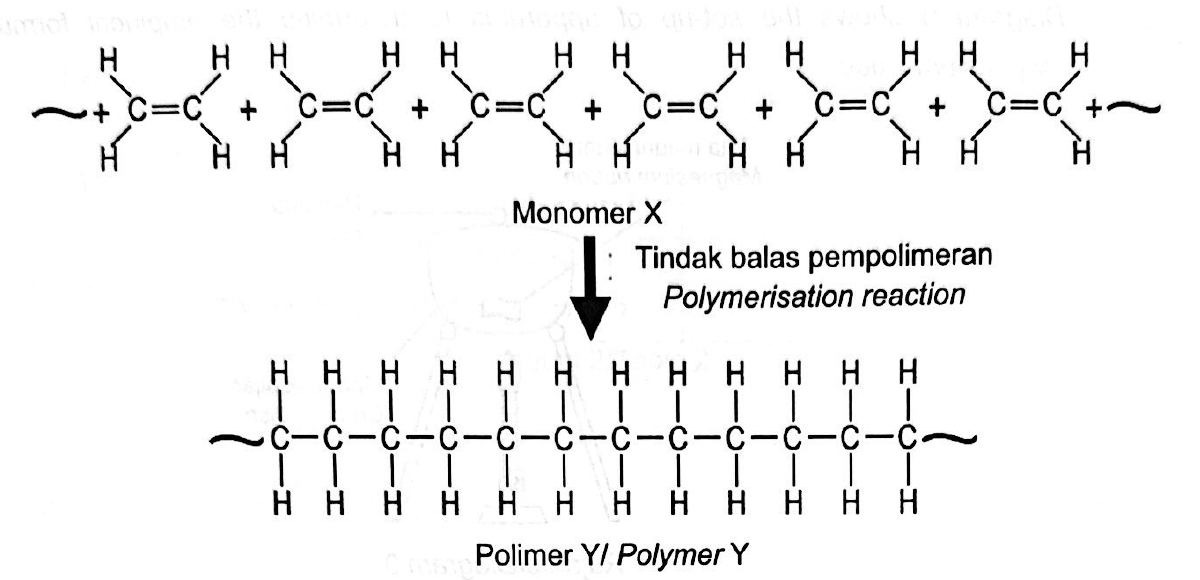
Diagram 10 shows the reaction for a polymerisation of monomer X (ethene) to polymer Y (poly(ethene)). Which polymer is not produced through the polymerisation reaction as shown in Diagram 10?
Medium
Equation shows the reaction when ethane burnt in oxygen: C₂H₆ + 7/2 O₂ → 2CO₂ + 3H₂O. What is the volume of carbon dioxide gas produced when 1200 cm³ of ethane gas is burnt completely in air? [1 mol of gas occupied 24 dm³ at room condition]
Medium
Diagram 11 shows a conversation between two students. This volumetric flask contains 25 cm³ of hydrochloric acid, 1.5 mol dm⁻³. I want to add 125 cm³ of distilled water into a volumetric flask. Calculate the new molarity of hydrochloric acid.
Medium
The usage of synthetic plastic such as polyethene is increasing in the packaging industry. However, these plastic are difficult to decompose and cause pollution. What is the best solution to reduce this negative impact on the environment?
Easy
Metal P is a Group 1 element in Periodic Table of Elements that can react with oxygen to form oxide of P. What is the mass of metal P that react with 2.4 dm³ oxygen gas at room conditions? [Relative atomic mass: P=7; O=16, Molar volume of gas = 24 dm³ mol⁻¹ at room condition]
Medium
The headman of Kampung Cendana wants to build a memorial monument made of bronze to commemorate the tragedy of the massive fire that occurred in the village 3 years ago. His proposal was not accepted by the villagers who wanted the monument to be built of iron to save costs. Which statement is the most accurate supporting headman proposal?
Medium
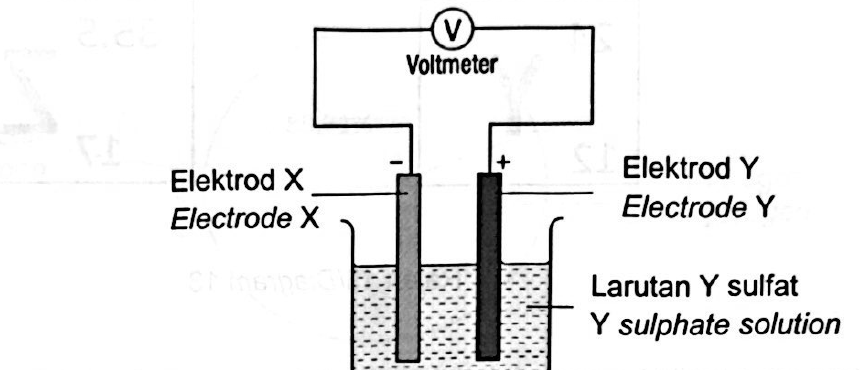
Diagram 12 shows the arrangement of the apparatus of a chemical cell (electrode X negative terminal, electrode Y positive terminal, Y sulphate solution). The voltage reading, E° for the above chemical cell is +1.24 V. By referring to the standard electrode potential, E° of the half-cell of metal X, calculate the value of the standard electrode potential of the half-cell of metal Y. X²⁺(aq) + 2e ⇌ X(s), E° = -0.44 V
Medium
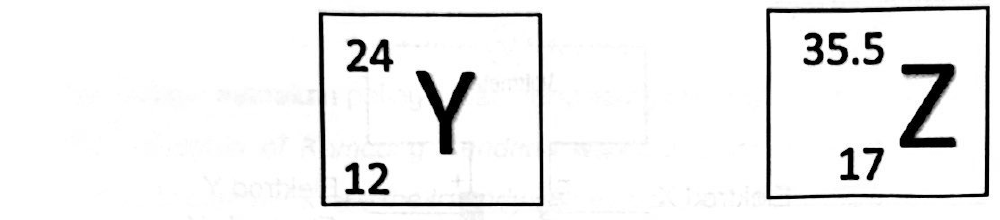
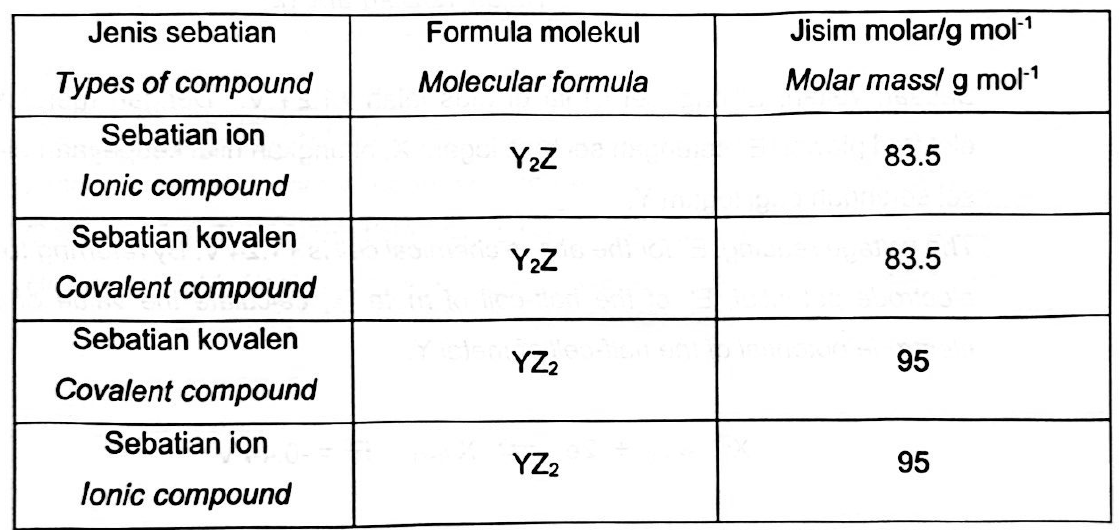
Diagram 13 shows the standard representation of atoms Y (nucleon number 24, proton number 12) and Z (nucleon number 35.5, proton number 17). Which of the following is correct for the compound formed? (Type of compound / Molecular formula / Molar mass g mol⁻¹)
Medium
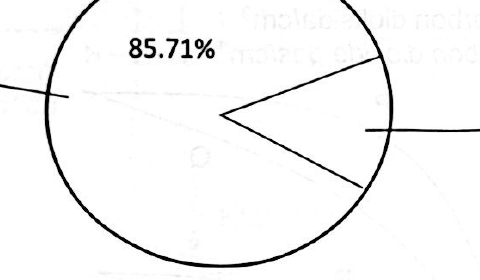
Diagram 14 shows composition percentage of a hydrocarbon Z in 16.8 g sample (carbon 85.71%, rest hydrogen). Hydrocarbon Z burnt completely in excess oxygen to produce carbon dioxide gas and water. What is the volume of carbon dioxide gas released? [Relative atomic mass: C=12; H=1; Molar mass Z=56 g mol⁻¹; 1 mol of gas occupies 24 dm³ at room condition]
Medium
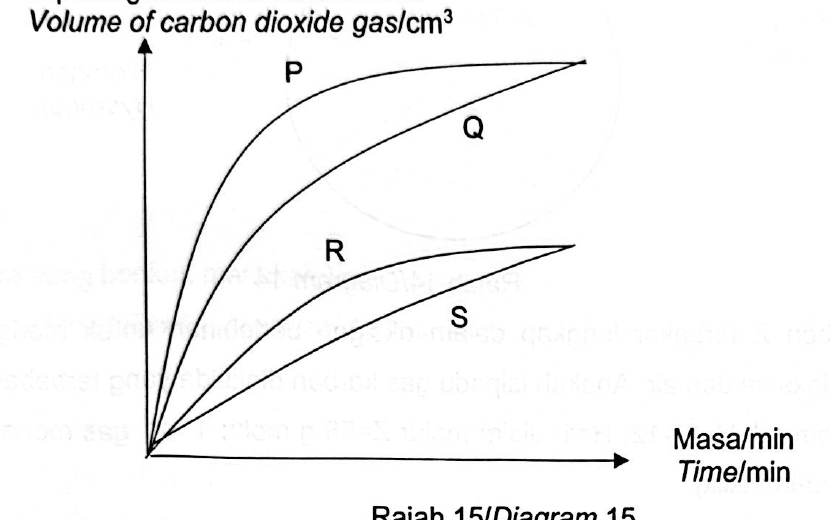
Diagram 15 shows four experiments P, Q, R and S of reaction between hydrochloric acid and marble chips. Volume of carbon dioxide gas formed is recorded. Which statement is correct if volume of acid used in all experiment are the same? I Concentration of acid used in experiment R is lower than P; II Temperature in experiment S is higher than R; III Concentration of acid in experiment Q is higher than R; IV The temperature of the acid is the same in experiments P and Q
Medium
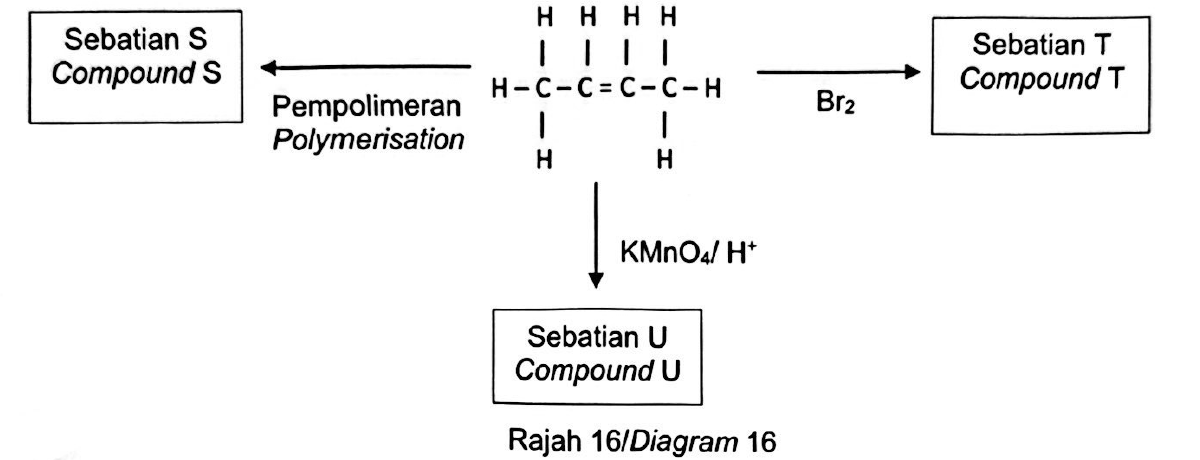
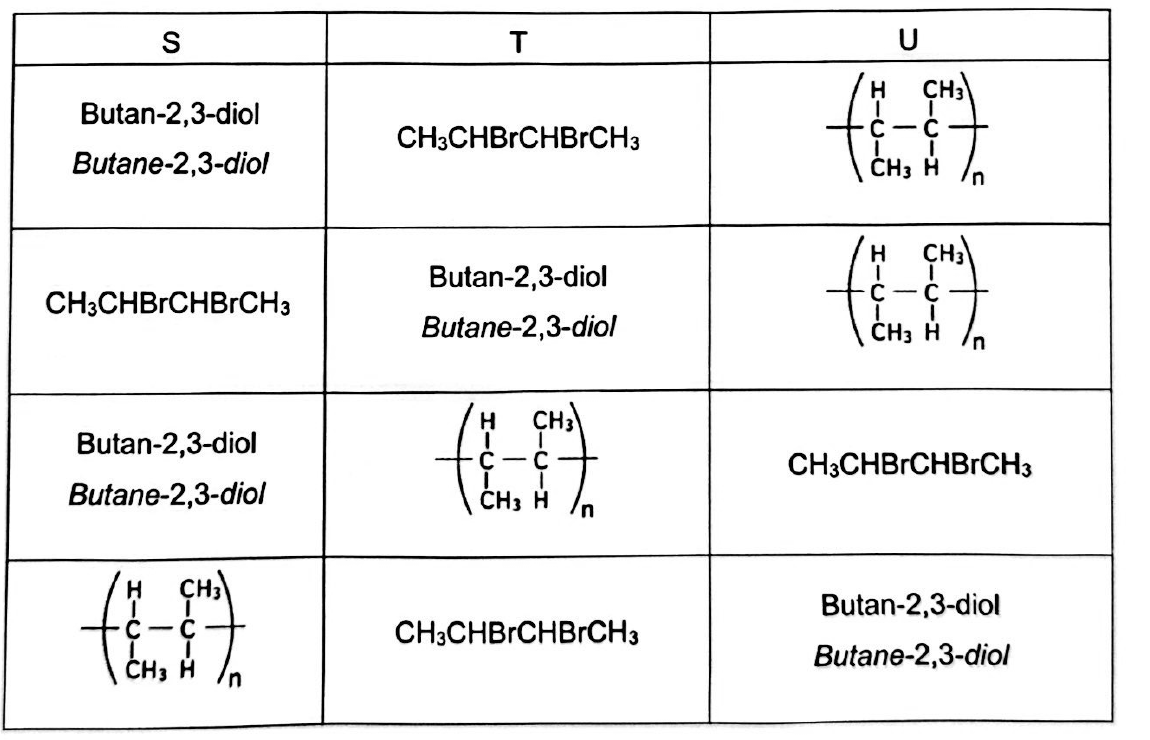
Diagram 16 shows a series of reactions of butene isomer (but-2-ene): polymerisation gives compound S; Br₂ gives compound T; KMnO₄/H⁺ gives compound U. Based on Diagram 16, identify S, T and U.