Amy has a cold and an itchy nose. Amy's toes are also swollen and red. What kind of medicine can the doctor recommend to overcome this problem?
Medium
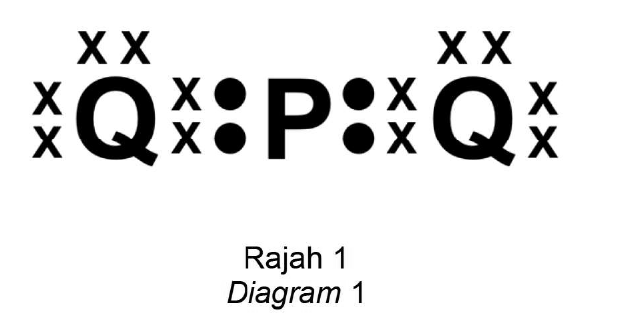
Diagram 1 shows the Lewis structure of compound X. Which of the following is the correct proton number for the pair of atoms that make up compound X? (Table of Atom P and Atom Q proton numbers in options)
Medium
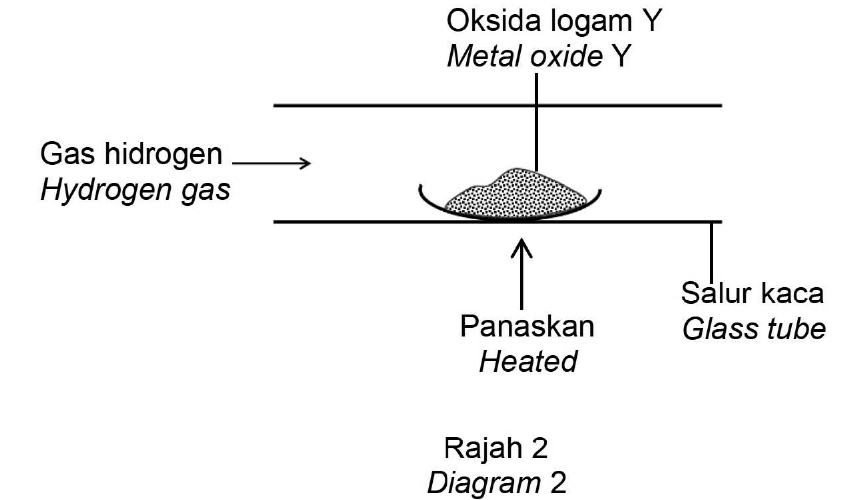
Diagram 2 shows a part of the arrangement of the apparatus used to determine the empirical formula of metal oxide Y. The product of the reaction is copper and water. Which of the following is true about the reaction shown?
Medium
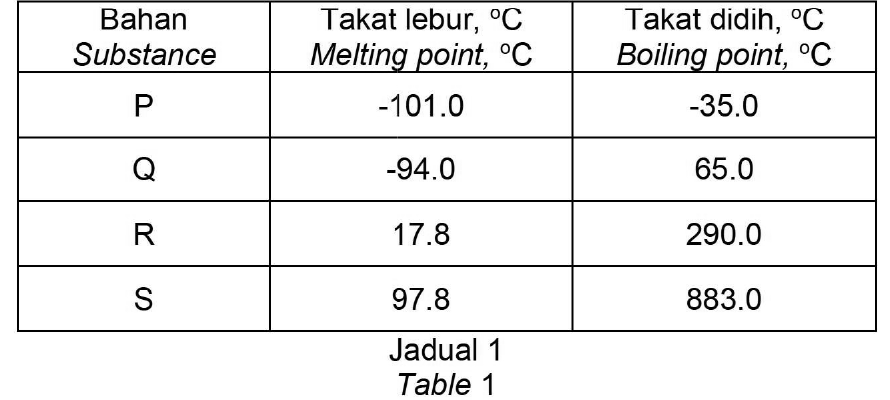
Table 1 shows the information of melting point and boiling point for four substances: P (melting point -101.0 °C, boiling point -35.0 °C); Q (-94.0, 65.0); R (17.8, 290.0); S (97.8, 883.0). What is the physical state of each substance at 30 °C?
Medium
J is a Group 1 element. What is the chemical formula formed when J reacts with element M? [Proton number M: 16]
Medium
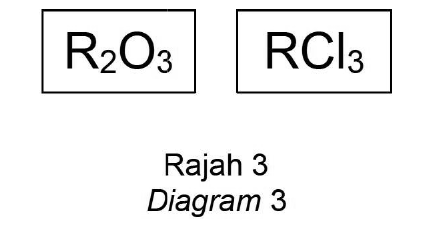
Diagram 3 shows the chemical formula formed when element R reacts with a different element (R₂O₃ and RCl₃). Which of the following is a special characteristic of the element R? I. Can form coloured ions; II. Has a shiny surface; III. Can act as a catalyst; IV. Exists as a solid at room temperature
Medium
Which of the following has the highest number of hydrogen ions per unit volume?
Medium
What mass of zinc nitrate salt is required to prepare 250 cm³ of a 0.5 mol dm⁻³ zinc nitrate solution? [Relative atomic mass: N=14, O=16, Zn=65]
Medium
The following is the chemical equation for a metal displacement reaction: Mg + CuSO₄ → MgSO₄ + Cu. Which of the following is true about the chemical equation? I. The oxidation number of Mg changes from 0 to +2. II. Magnesium undergoes a reduction reaction. III. Copper (II) ion accepts 2 electrons. IV. Copper (II) ions are reducing agents.
Medium
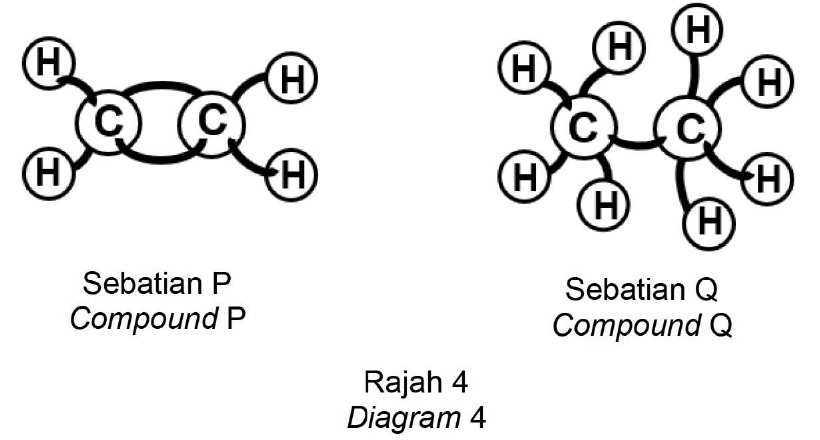
Diagram 4 shows the structural formulas of two carbon compounds (Compound P: unsaturated, C=C; Compound Q: saturated, all single bonds). Which of the following properties is correct for compound P and compound Q?
Medium
Which of the following factors will cause a reaction to occur and shape the outcome of the reaction? I. Reactant particles at high temperatures; II. Collisions between particles occur at the correct orientation; III. Provides an alternative pathway with low activation energy; IV. The energy of the reactant particles must equal or exceed the activation energy.
Medium
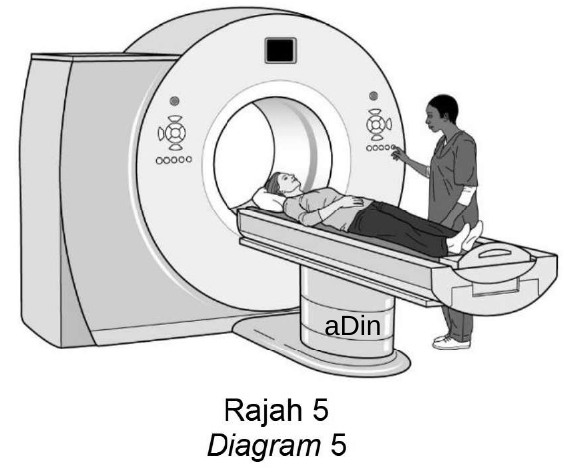
Diagram 5 shows a magnetic resonance imaging machine, MRI that is widely used in the medical industry. Ceramic yttrium barium copper oxide, YBCO is used as one of the materials to ensure that the machine works well. What are the characteristics that make ceramic yttrium barium copper oxide, YBCO suitable to be used as an important material in the construction of the machine?
Medium
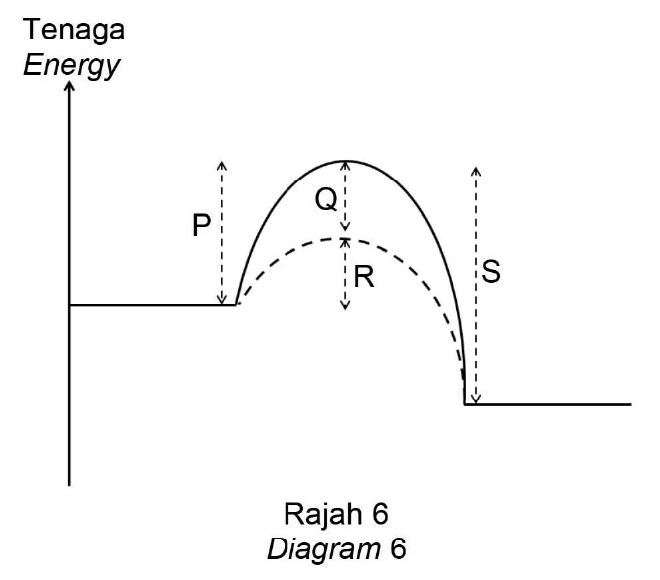
Diagram 6 shows the energy profile of a chemical reaction. Which of the following is the heat of reaction for the reaction?
Medium
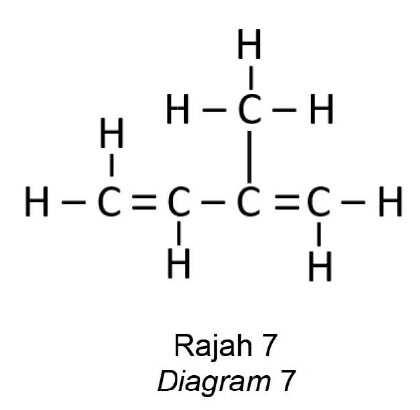
Diagram 7 shows the monomer structural formula of a natural polymer. What is the name of the monomer according to IUPAC nomenclature?
Medium
Who introduced the Octaves Law in arranging elements in the Periodic Table of Elements?
Easy
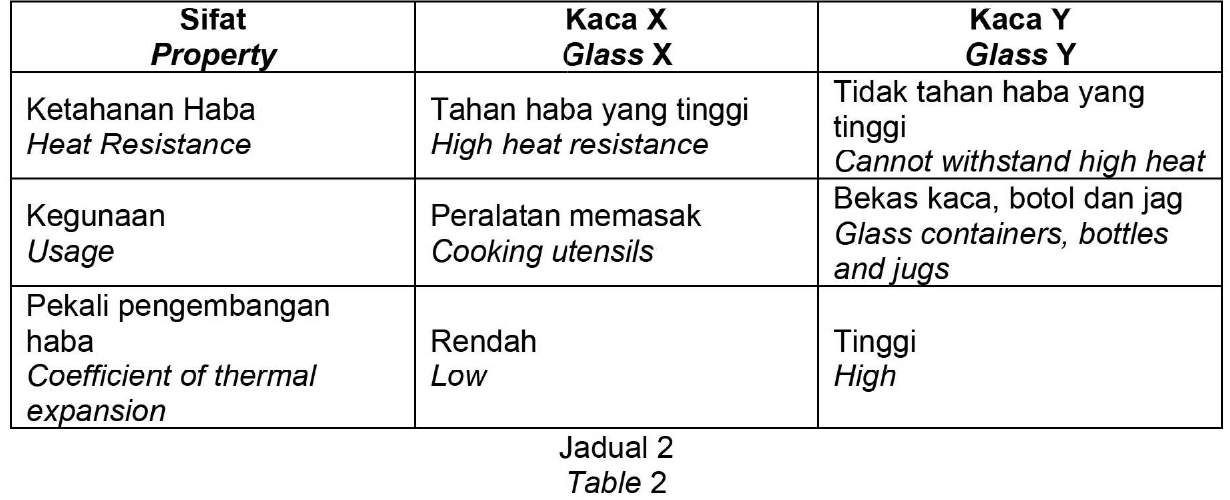
Table 2 shows information about glass X and glass Y. Heat resistance: X high heat resistance, Y cannot withstand high heat. Usage: X cooking utensils, Y glass containers, bottles and jugs. Coefficient of thermal expansion: X low, Y high. What is glass X and glass Y?
Medium
What is the product formed when hydrogen gas and propene are passed over a nickel catalyst at temperature 180 °C?
Medium
Which substance forms yellow precipitate when added to lead (II) nitrate solution?
Medium
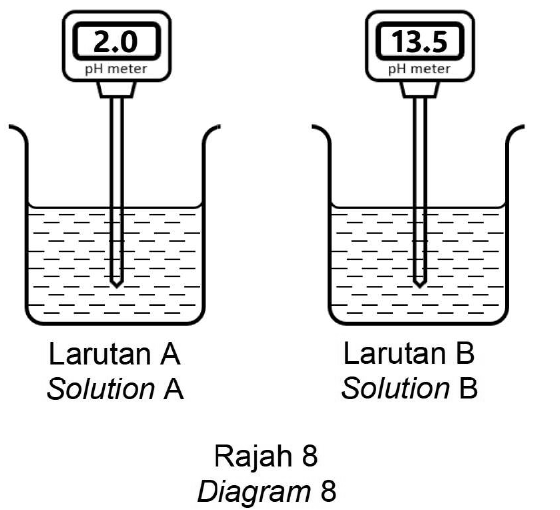
Diagram 8 shows the pH readings of two different solutions (Solution A pH 2.0; Solution B pH 13.5). Which of the following is true about solutions A and B?
Medium
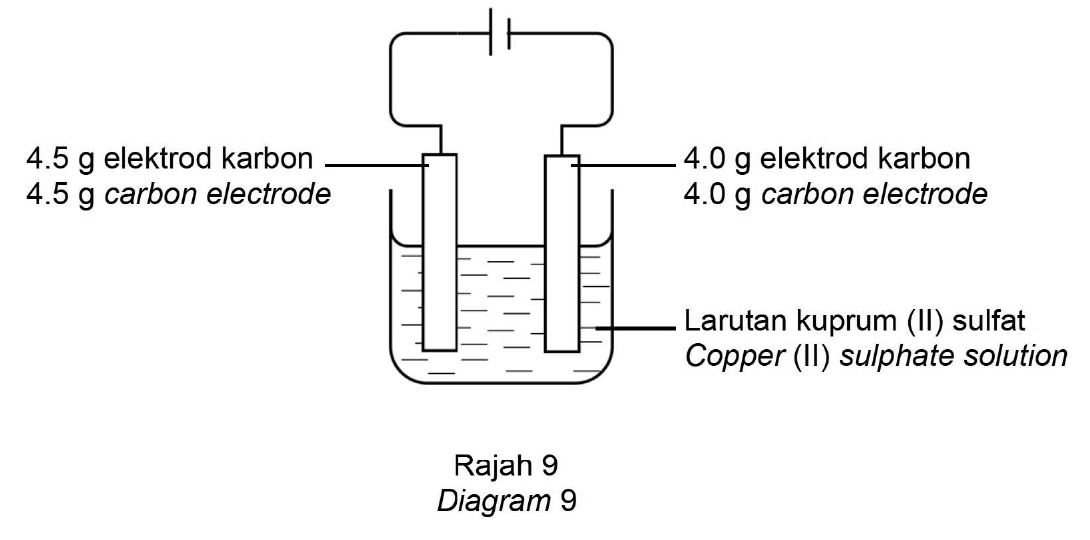
Diagram 9 shows the apparatus set up for the electrolysis of 25 cm³ of 1.0 mol dm⁻³ copper (II) sulphate solution using carbon electrodes (before: 4.5 g and 4.0 g). After the reaction is complete, the blue colour of the copper (II) sulphate solution turns colorless and there is a brown solid deposit on the carbon electrode. What is the mass of the carbon electrode after the reaction? [Relative atomic mass: C=12, O=16, S=32, Cu=64]
Medium
When excess zinc powder is added to 25 cm³ of a 0.2 mol dm⁻³ copper (II) sulphate solution, the temperature of the mixture increases from 30 °C to 40 °C. What is the heat of displacement for copper? [Specific heat capacity of the solution = 4.2 J g⁻¹ °C⁻¹; Density of solution = 1 g cm⁻³]
Medium
Which of the following can react with 50 cm³ of 1.0 mol dm⁻³ potassium hydroxide solution until the final point of neutralization is reached without excess?
Medium
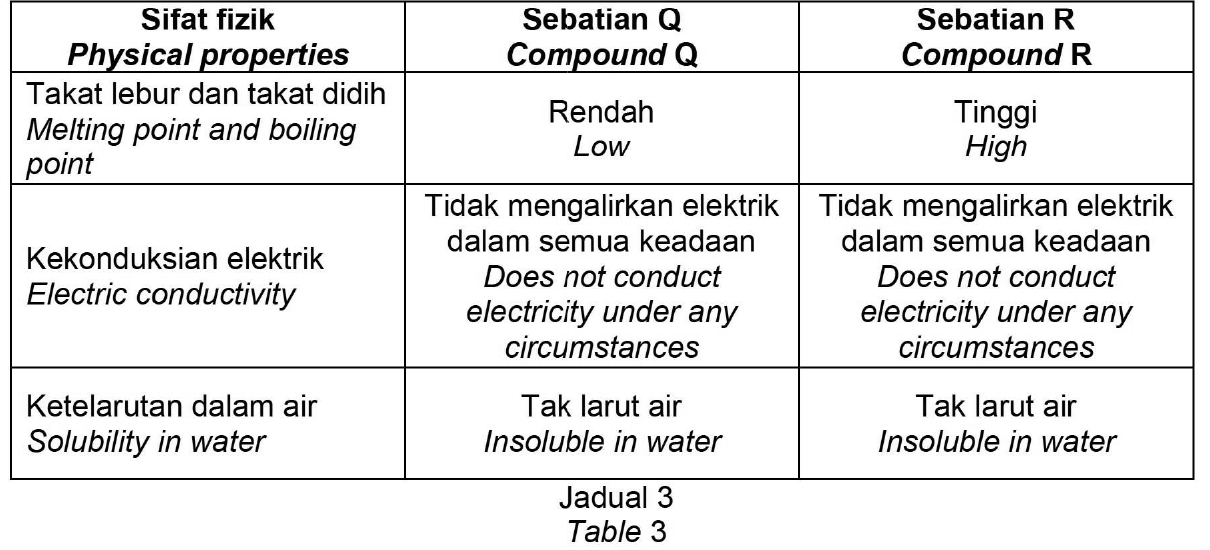
Table 3 shows a comparison of the physical properties of compound Q and compound R. Melting and boiling point: Q low, R high. Electric conductivity: both do not conduct electricity under any circumstances. Solubility in water: both insoluble in water. Which of the following is a possible compound of Q and R?
Medium
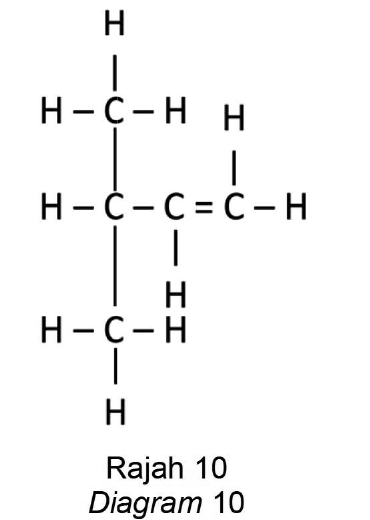
Diagram 10 shows the structural formula of a carbon compound. What is the name of the compound?
Medium
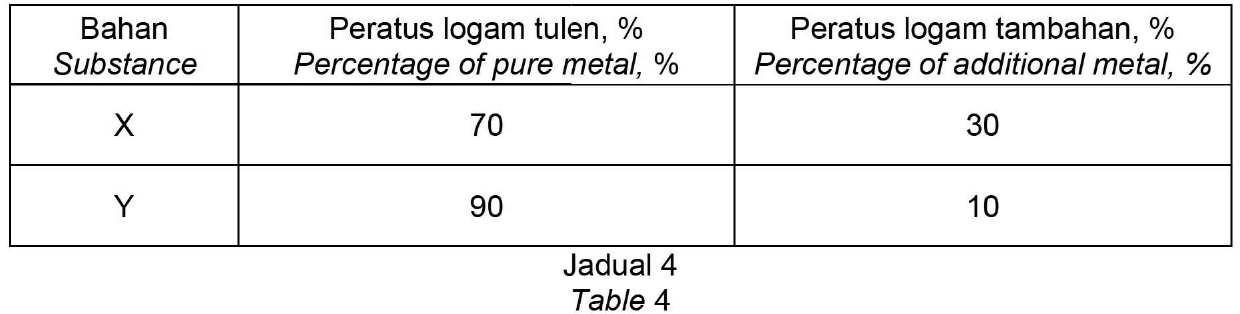
Table 4 shows the composition of materials modified from pure metals to form a new material (X: 70% pure metal, 30% additional metal; Y: 90% pure metal, 10% additional metal). What is the purpose of the modification? I. Helps prevent metal corrosion; II. Metal is more ductile and easier to pull; III. Increases the hardness of metals; IV. Metals are easily malleable and can be formed into specific shapes.
Medium
Which of the following should be done to produce a high volume of hydrogen gas in a short time when excess zinc is added to 25 cm³ of 1.0 mol dm⁻³ nitric acid? I. Increase the volume of acid to 50 cm³; II. Add a few drops of copper (II) sulfate solution; III. Increase the mass of zinc used; IV. Heat the reaction mixture to a higher temperature.
Medium
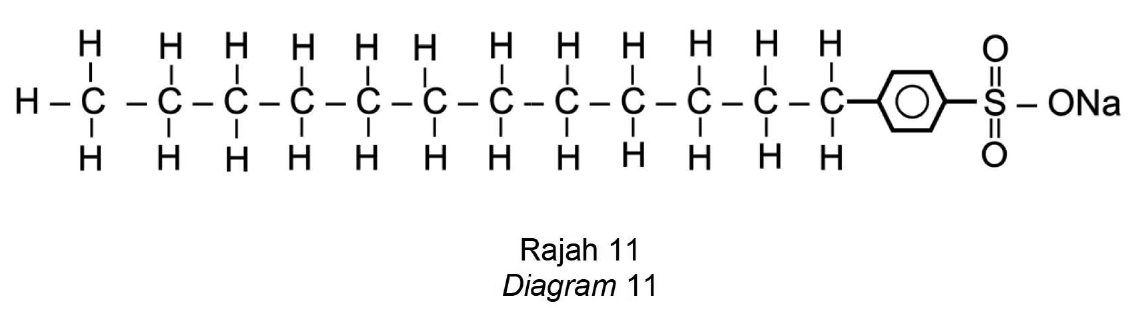
Diagram 11 shows the structural formula of a commonly used type of detergent (a long hydrocarbon chain joined to a benzene ring with a sulphonate group, –SO₃Na). Which of the following is true about the detergent in Diagram 11?
Medium
Which of the following has the largest atomic radius? [Proton number: Mg=12, Al=13, Cl=17, Ar=18]
Medium
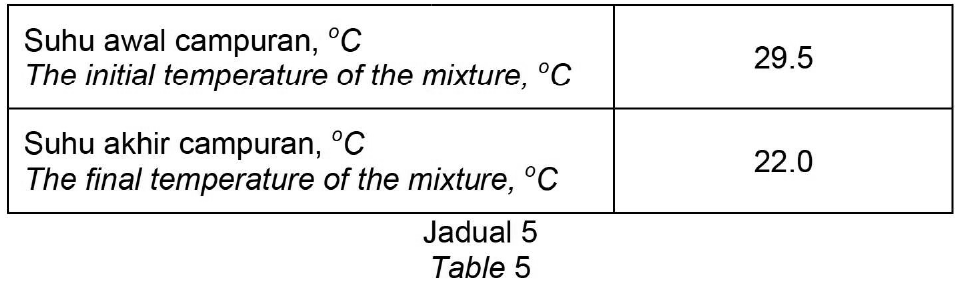
Table 5 shows the thermometer readings when two substances are mixed together to react: the initial temperature of the mixture is 29.5 °C and the final temperature of the mixture is 22.0 °C. What are those two substance?
Medium
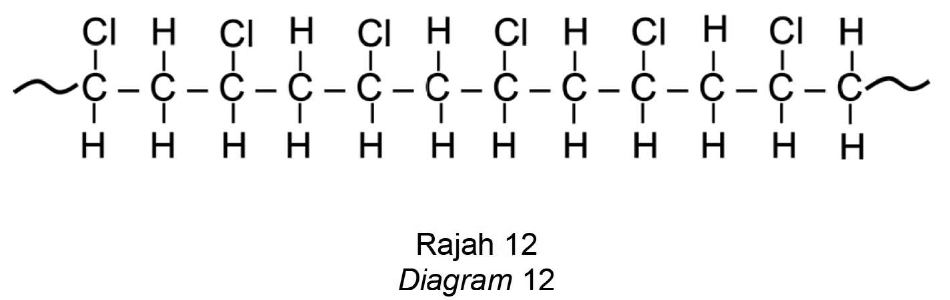
Diagram 12 shows part of the structural formula of polymers used to make water pipes (repeating unit –CH₂–CHCl–). What is the percentage of carbon atoms per molecule of the monomers that make up the polymer? [Relative atomic mass: H=1, C=12, Cl=35.5]
Medium
5.6 g of element M has undergone oxidation by receiving 2.4 g of oxygen and forming the oxide compound M with the formula M₂O₃. What is the relative atomic mass of the M? [Relative atomic mass: O=16]
Medium
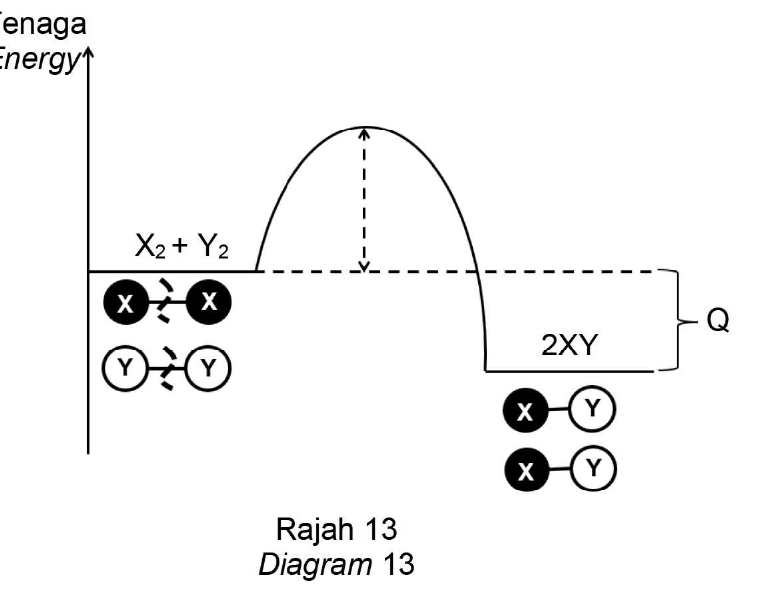
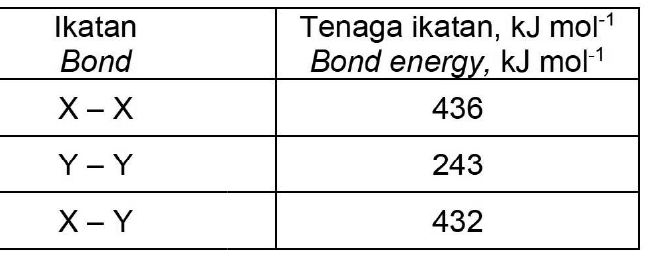
Diagram 13 shows a diagram of bond breaking and formation in a chemical reaction (X₂ + Y₂ → 2XY). The table shows the energies of the chemical bonds in X, Y and XY: X–X 436 kJ mol⁻¹, Y–Y 243 kJ mol⁻¹, X–Y 432 kJ mol⁻¹. What is the value of Q?
Medium
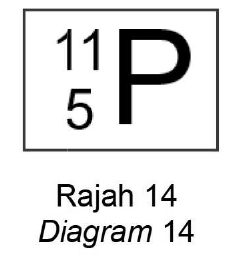
Diagram 14 shows a standard representation of atom of element P (¹¹₅P). Which of the following atomic structure represents ion P?
Medium
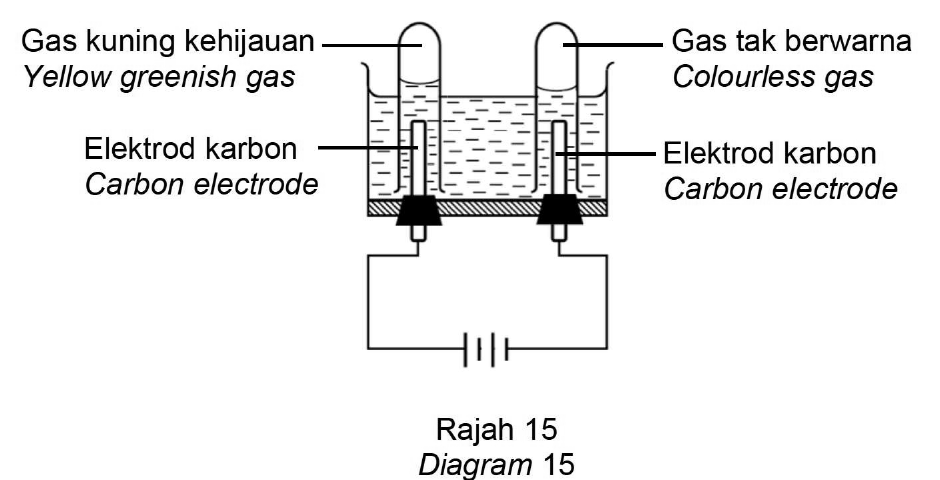
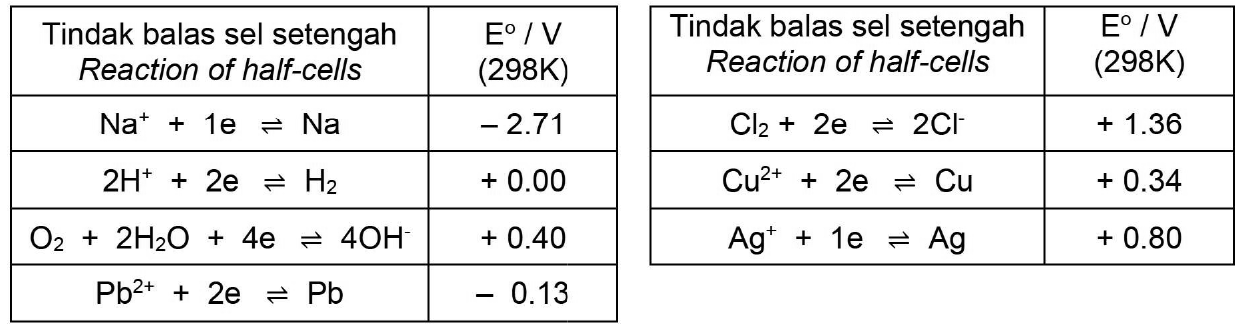
Diagram 15 shows the observation for an electrolysis cell carried out using solution X (yellowish green gas at one electrode, colourless gas at the other; carbon electrodes). Given as part of the Standard Electrode Potential Series: Na⁺ + e ⇌ Na -2.71 V; 2H⁺ + 2e ⇌ H₂ 0.00 V; O₂ + 2H₂O + 4e ⇌ 4OH⁻ +0.40 V; Pb²⁺ + 2e ⇌ Pb -0.13 V; Cl₂ + 2e ⇌ 2Cl⁻ +1.36 V; Cu²⁺ + 2e ⇌ Cu +0.34 V; Ag⁺ + e ⇌ Ag +0.80 V. Solution X is maybe
Medium
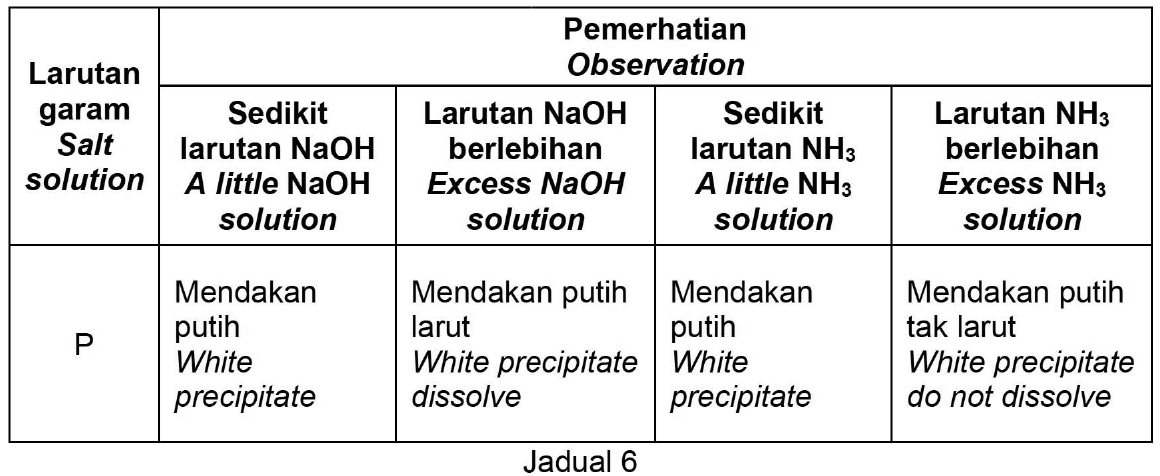
Sodium hydroxide and ammonia solutions are used as reagents for a test to confirm the cations present in a salt. Table 6 shows the observations recorded when the test was carried out on a salt P: a little NaOH – white precipitate; excess NaOH – white precipitate dissolves; a little NH₃ – white precipitate; excess NH₃ – white precipitate does not dissolve. What cations might exist in a solution of a P salt? I. Al³⁺; II. Zn²⁺; III. Pb²⁺; IV. Mg²⁺
Medium
The following is the chemical equation for the decomposition of copper (II) nitrate when heated strongly: 2Cu(NO₃)₂ → 2CuO + 4NO₂ + O₂. Which of the following is true if 1.0 mol of copper (II) nitrate decomposes when heated? [Relative atomic mass: N=14, O=16, Cu=64; Molar volume of gas at room condition = 24 dm³]
Medium
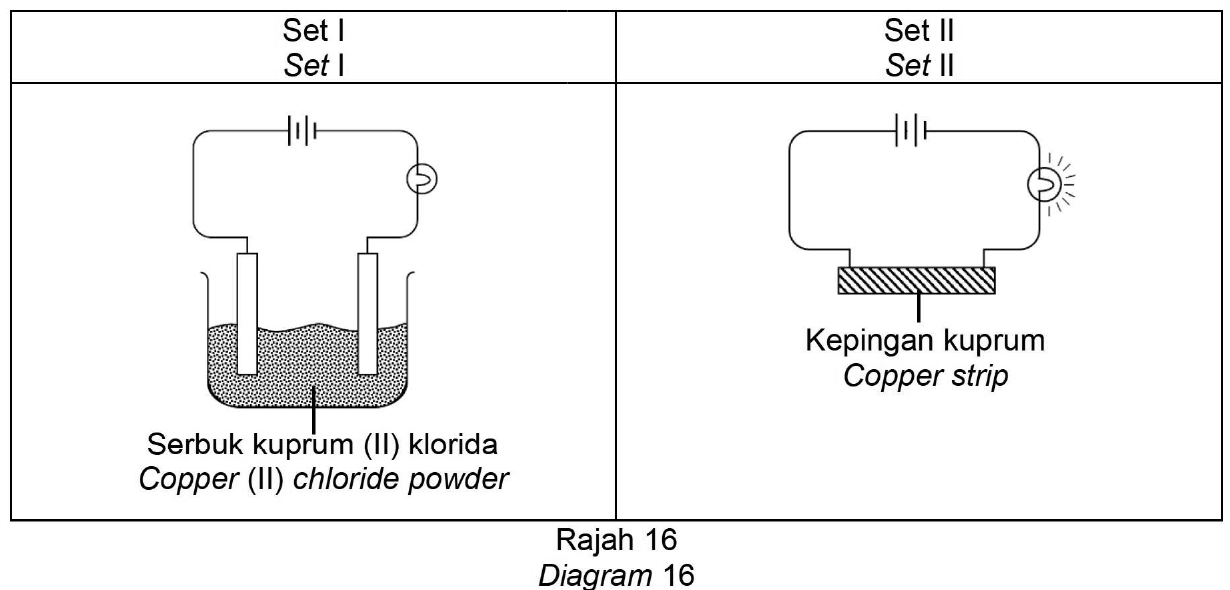
Diagram 16 shows a comparison of the electrical conductivity of two materials in the solid state (Set I: copper (II) chloride powder – bulb does not light; Set II: copper strip – bulb lights). Which of the following is the best explanation for the observation shown in Diagram 16?
Medium
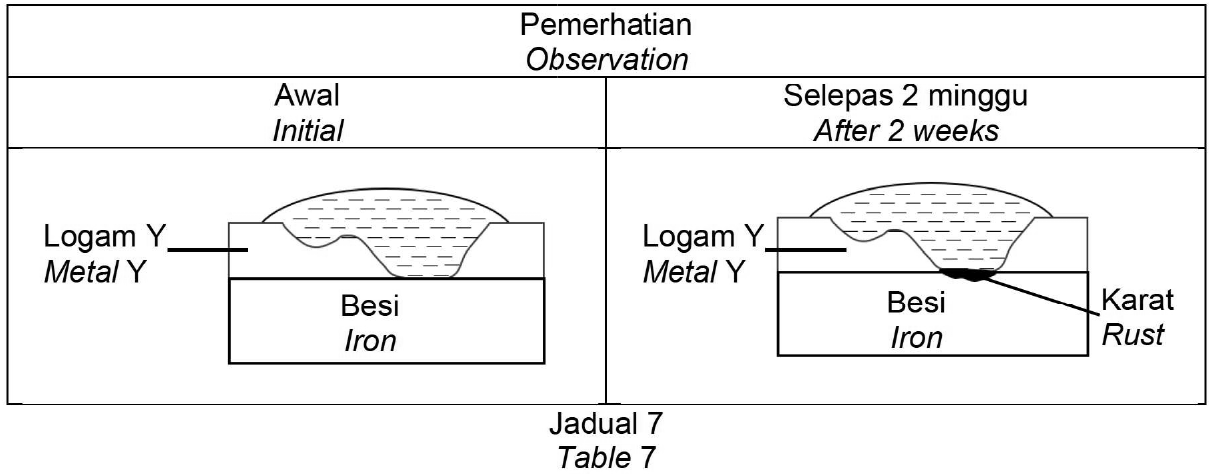
Table 7 shows observations on iron plated with metal Y. Observations were recorded when the plated surface was scratched and the iron was exposed to the environment: initially, no rust; after 2 weeks, rust forms on the exposed iron. Metal Y maybe… I. Magnesium; II. Aluminium; III. Copper; IV. Stanum
Medium
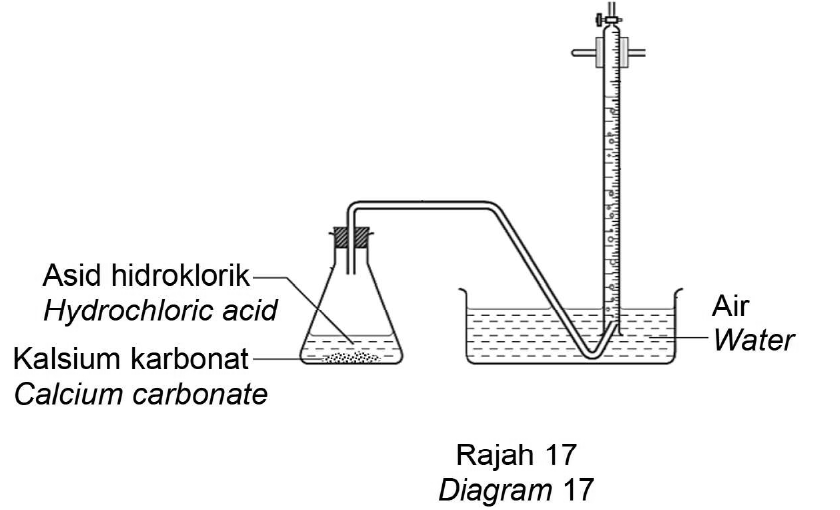
Diagram 17 shows the apparatus set up of an experiment to study the effect of size of reactant on the rate of reaction (hydrochloric acid with calcium carbonate, gas collected over water in an inverted burette). State the observable and measurable in this experiment.