Write your answer on paper. Then open the answer to check it.
Section A
Diagram 1 shows a gas leak detector circuit installed at home to detect gas leaks. The sensor used in the circuit is built using nano technology. (Diagram labels: gas leakage sensor; graphene sheet with Atom X and Bond P between the atoms.)
Medium5 marks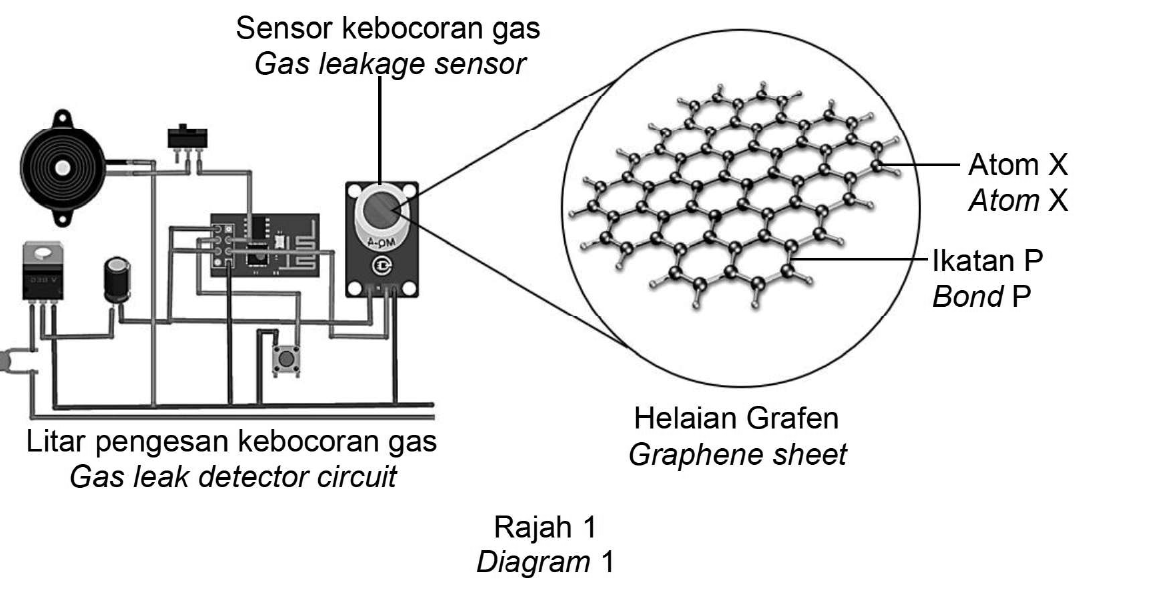
- (a)
What is meant by nanotechnology
[1] - (b)
Name the atom X and the bond P that connects the atoms X.
[2] - (c)
Explain why graphene is very suitable for use as a sensor to detect gas leaks?
[2]
The surface of the pan is coated with Teflon to prevent food from sticking to the surface of the pan. Diagram 2 shows part of the Teflon structural formula (a long chain of carbon atoms each bonded to two fluorine atoms) used to coat the inner surface of the pan.
Medium5 marks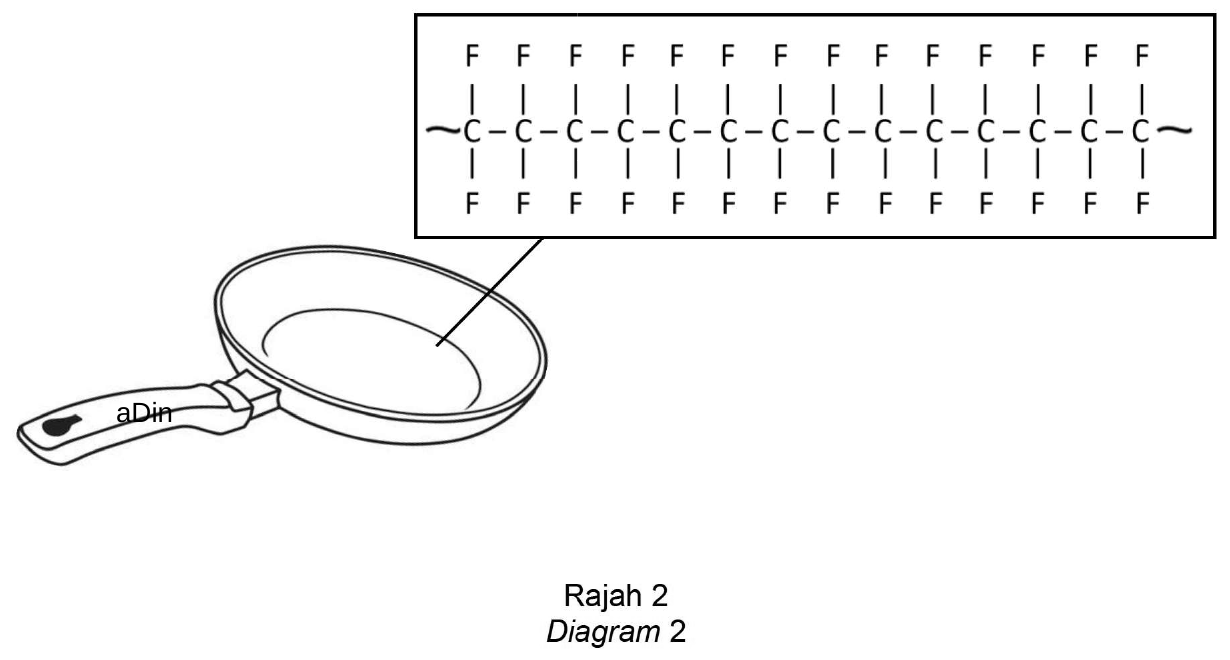
- (a)(i)
What is meant by polymer?
[1] - (a)(ii)
Draw the structural formula for the basic unit of Teflon.
[1] - (b)(i)
What type of polymerization reaction is involved in the formation of the polymer shown in Diagram 2?
[1] - (b)(ii)
Explain how the polymer is formed through the type of reaction stated in (b)(i)
[2]
Caffeine is a stimulant commonly found in coffee or tea. Figure 3 (Diagram 3) shows the structural formula for caffeine (a ring structure containing C, N, O with CH₃ groups and one CH).
Medium6 marks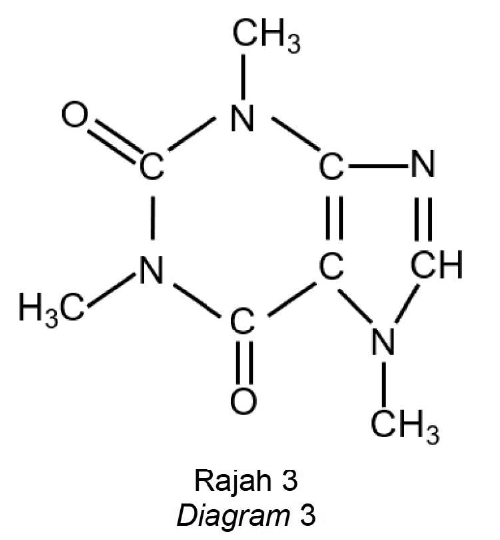
- (a)
Name the element represented by the letter 'N'
[1] - (b)
Write the empirical formula and molecular formula for caffeine.
[2] - (c)
What types of particles are found in caffeine?
[1] - (d)
Calculate the percentage of carbon atoms present in the caffeine. [Relative atomic mass: H=1, C=12, N=14, O=16]
[2]
Diagram 4 shows how white fumes, ammonium chloride, are formed when ammonia gas reacts with hydrogen chloride gas. (Cotton soaked in concentrated ammonia solution at one end and cotton soaked in concentrated hydrochloric acid at the other end of a glass tube; white fumes form in the tube.)
Medium7 marks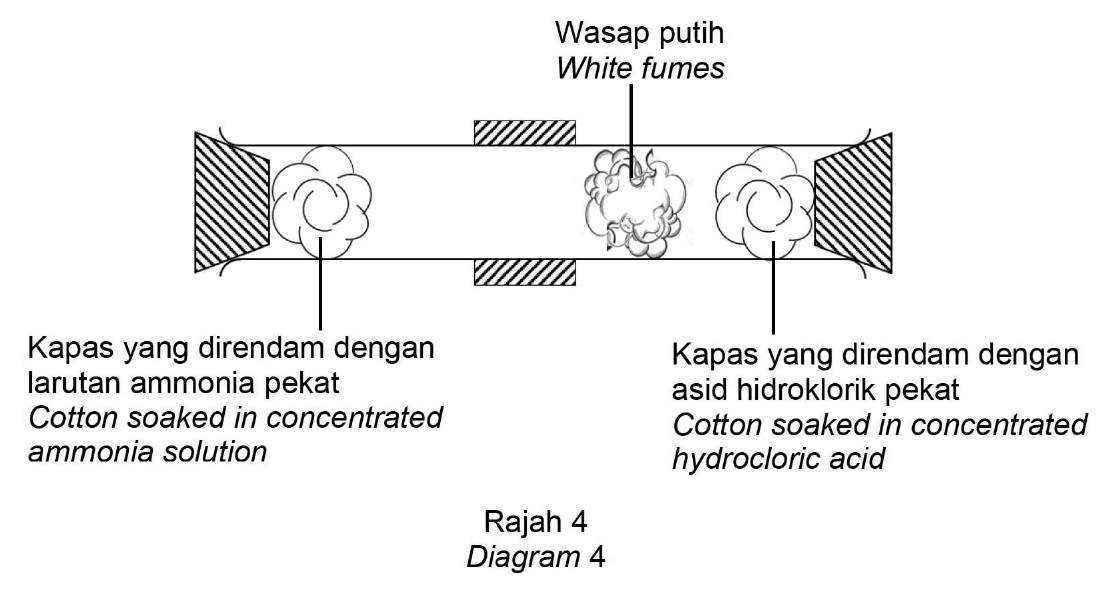
- (a)(i)
Name the chemical bonds that form the ammonia compound.
[1] - (a)(ii)
State one physical property of ammonia
[1] - (b)(i)
The chemical equation for the reaction in Diagram 4 is: NH₃(g) + HCl(g) → NH₄Cl(s). State two pieces of information that can be deduced from the chemical equation shown above.
[2] - (b)(ii)
Ammonium ions are formed through dative bonds. Using a suitable drawing, show how ammonium ions are formed and label the bonds involved.
[3]
The ethanol produced from the fermentation process is mixed with water. The ethanol needs to be separated from the water to obtain pure ethanol. Diagram 5.1 shows the arrangement of the apparatus used to obtain pure ethanol. The fermentation product is heated to a temperature of 85 °C and ethanol boils at a temperature of 76 °C.
Medium8 marks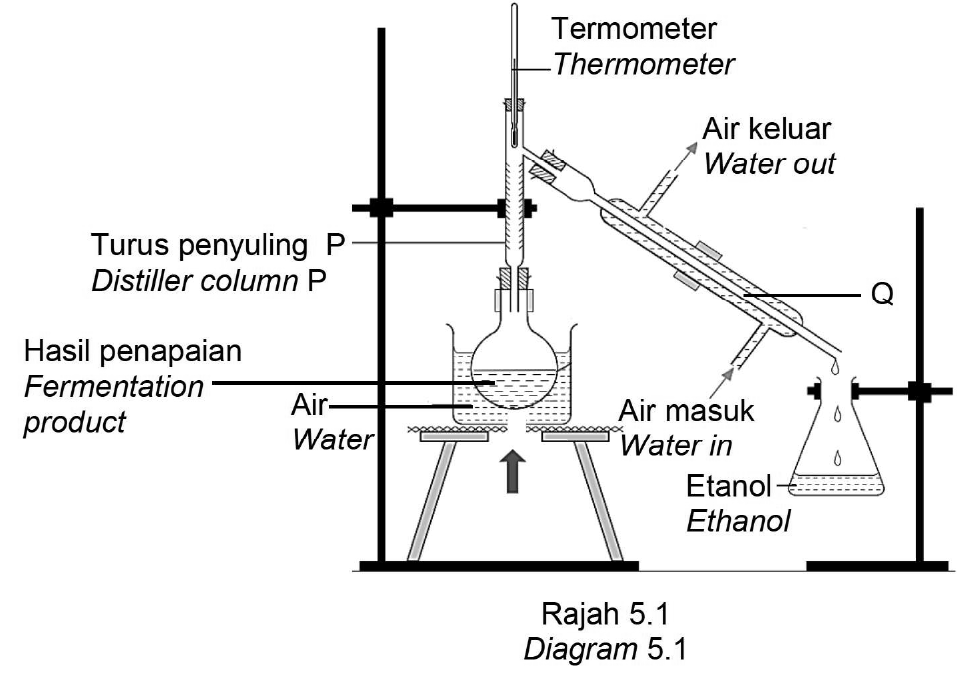
- (a)
What does boiling point meant?
[1] - (b)(i)
Name the process that occurs in the Q apparatus.
[1] - (b)(ii)
Sketch a heating graph for ethanol starting from room temperature until the temperature reaches 85 °C and show the boiling point of ethanol on the graph.
[2] - (c)(i)
Draw the arrangement of ethanol particles while in the distiller column P
[1] - (c)(ii)
Compare the kinetic energy possessed by the ethanol particles while they are in the distiller column P and at Q.
[1] - (d)
Diagram 5.2 shows a doctor cleaning his patient's arm with ethanol before injecting his patient. After being wiped with ethanol, the patient's skin felt cold. Explain why this situation occurs.
[2]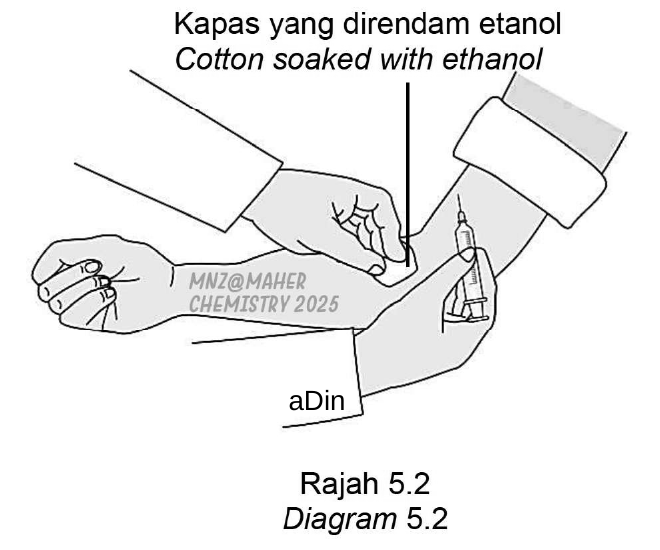
Table 6 shows a comparison of information for the reactions of element X and element Y with oxygen gas and chlorine gas. Element X and element Y are in different groups in the Periodic Table of Elements. X: with oxygen forms XO and, if oxidation continues, a brown solid X₂O₃; with chlorine burns brightly to form a brown solid XCl₃. Y: with oxygen forms white solid Y₂O that dissolves in water to form an alkaline solution; with chlorine burns brightly in excess chlorine gas to form white solid YCl.
Medium8 marks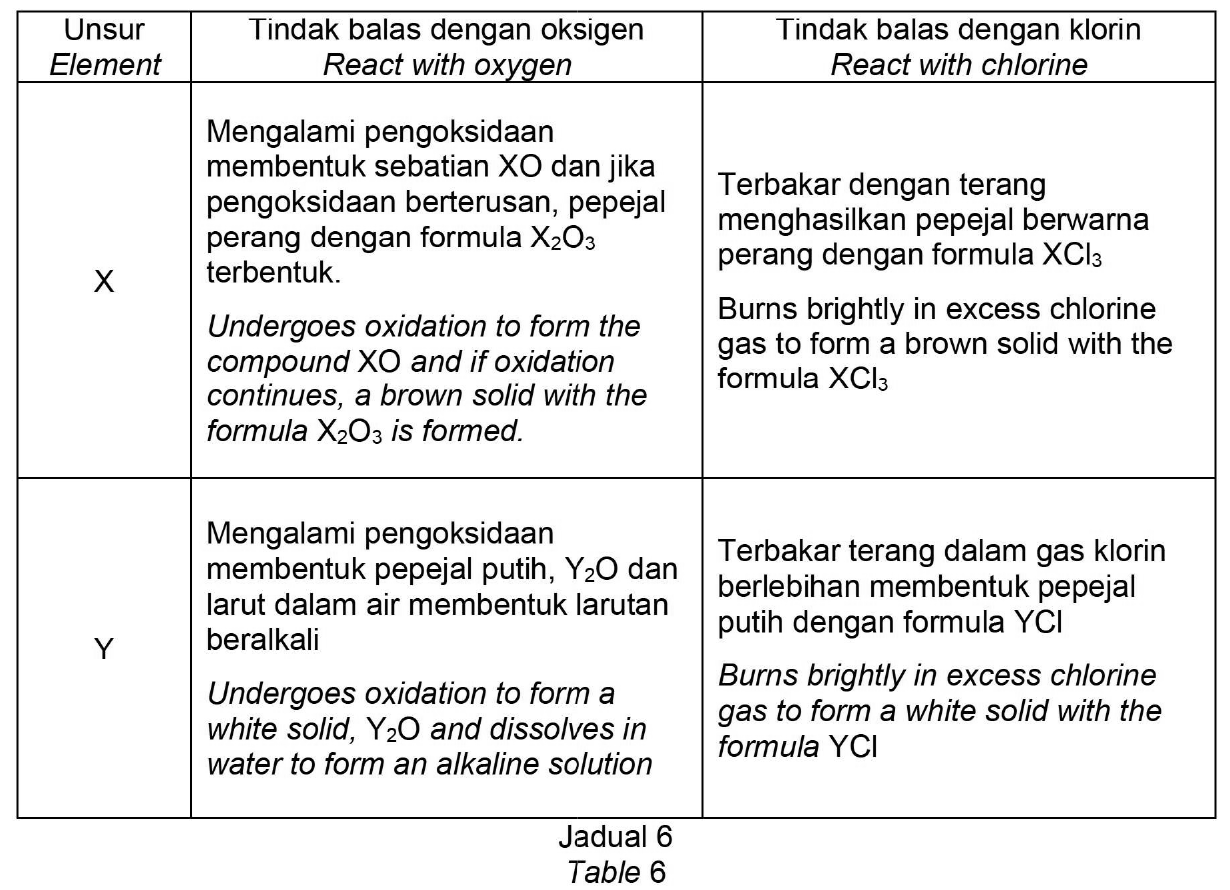
- (a)
How are the elements in the Periodic Table of Elements arranged?
[1] - (b)(i)
State in which group element X and element Y are placed in the Periodic Table of Elements.
[2] - (b)(ii)
What is the oxidation number carried by X in X oxide and X chloride?
[2] - (c)
In the reaction to produce YCl, element Y is burned in excess chlorine gas to produce 14.63 g of compound YCl. Calculate the actual volume of element Y used in the reaction. [Relative atomic mass: Y=23, Cl=35.5; Molar volume of gas at room temperature = 24 dm³ mol⁻¹]
[3]
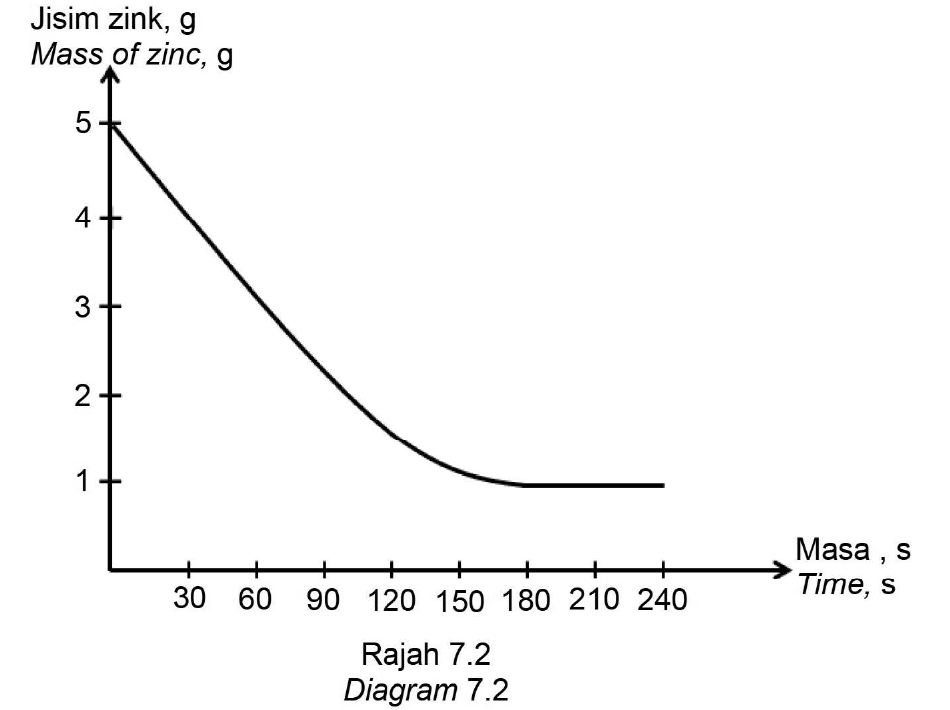
Diagram 7.1 shows the arrangement of the apparatus used to study the rate of reaction between zinc and hydrochloric acid (conical flask with 50 cm³ hydrochloric acid and zinc on a weighing scale reading 5.00 g). Diagram 7.2 shows a sketch of the graph obtained from the experiment (mass of zinc, g against time, s: 5.00 g at 0 s, decreasing to 1.00 g at about 180 s then constant until 240 s).
Medium10 marks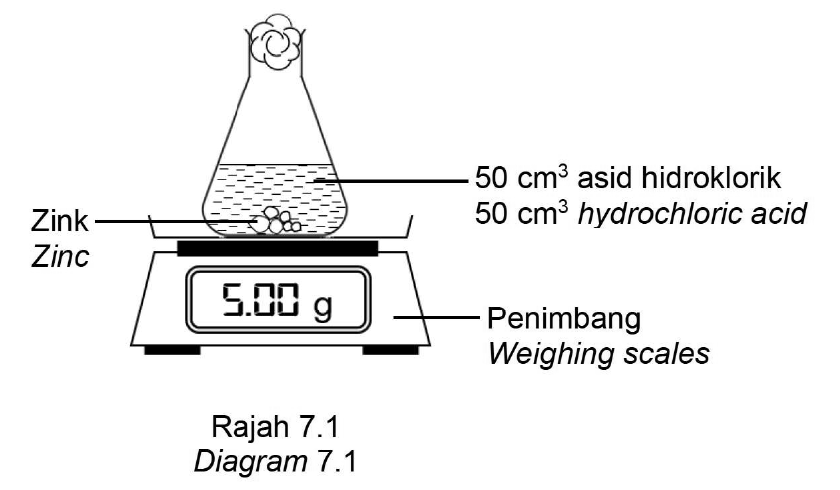
- (a)(i)
State the meaning of rate of reaction
[1] - (a)(ii)
Determine the average reaction rate of the entire reaction.
[1] - (a)(iii)
Write a chemical equation to represent the reaction that occurred.
[2] - (a)(iv)
Calculate the concentration of acid used. [Relative atomic mass: H=1, Cl=35.5, Zn=64]
[3] - (a)(v)
The experiment is repeated by adding 2 cm³ of copper (II) sulphate solution to the reactants. What will happen to the time taken for the reaction to occur?
[1] - (b)
Ammonia is produced by a direct reaction between nitrogen gas and hydrogen gas at high temperature and pressure. The ammonia production company is looking for the most optimal production method so that the production rate can be increased. Table 7.3 shows the recommended temperature and production rate suggested by the company's engineers. Both reactions are carried out at a pressure of 450 atm. (Set I: nitrogen gas + hydrogen gas, 500 °C, 30% ammonia; Set II: nitrogen gas + hydrogen gas + iron powder, 350 °C, 70% ammonia.) The company chose Set II as the method that should be used by the company. Using the concept of rate of reaction, justify the choice made by the company.
[2]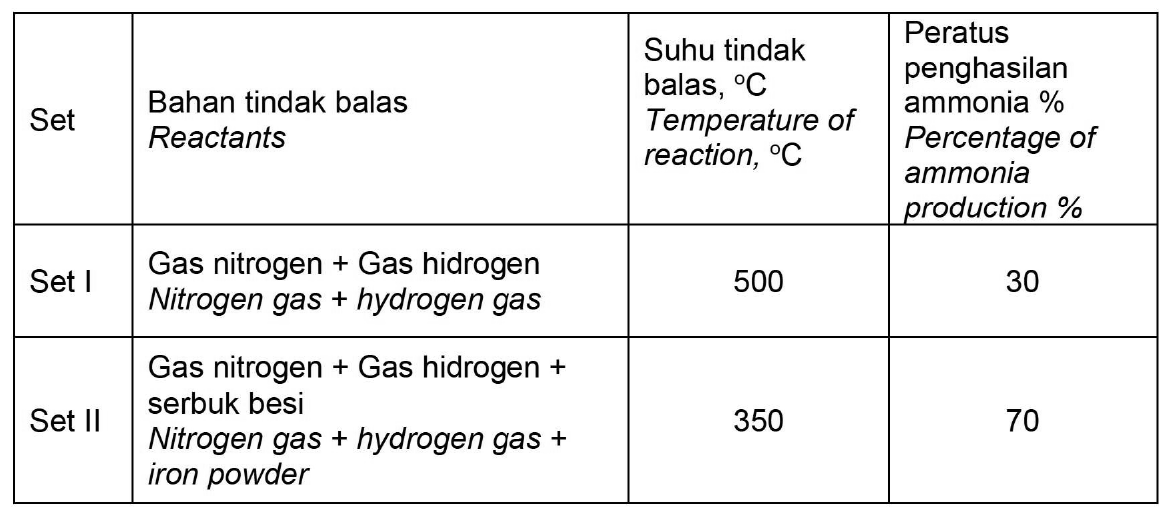
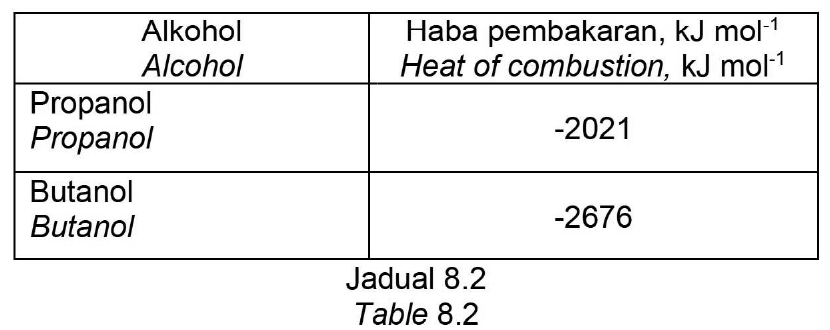
Diagram 8.1 shows the arrangement of the apparatus used to determine the heat of combustion of two different alcohols (alcohol lamp heating 200 cm³ of water in a glass beaker with a thermometer and wind shield). Table 8.2 shows the information obtained from the experiment: heat of combustion of propanol = −2021 kJ mol⁻¹; butanol = −2676 kJ mol⁻¹.
Medium10 marks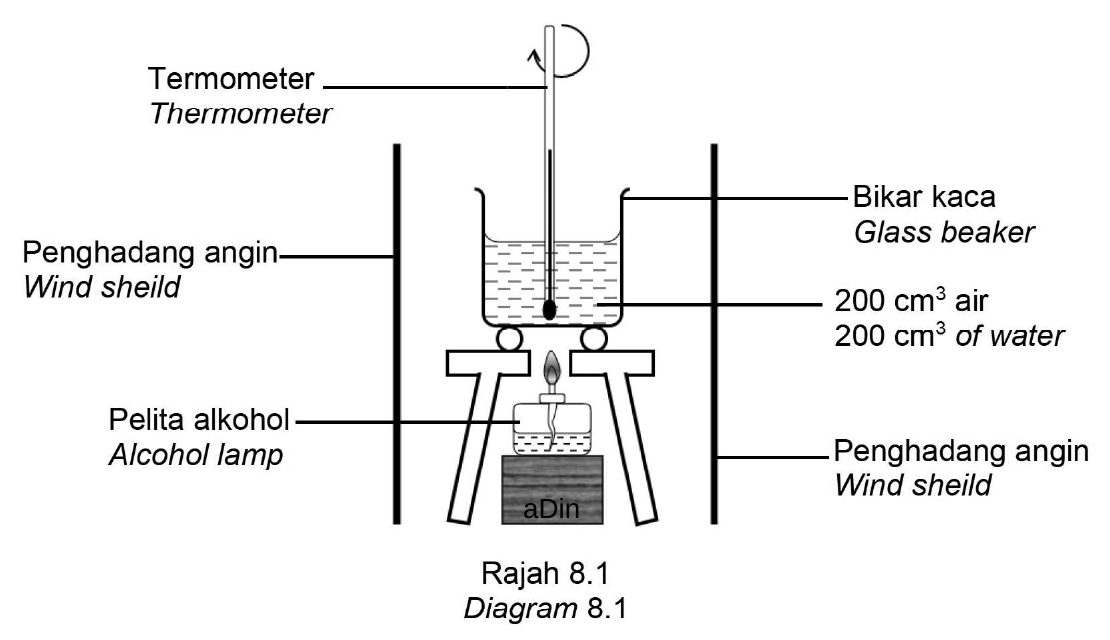
- (a)
What is meant by heat of combustion?
[1] - (b)
Suggest improvements that need to be made to the arrangement of the apparatus used so that the experimental results obtained are more accurate.
[1] - (c)
Explain why the heat of combustion values of the two alcohols are different.
[2] - (d)
Based on Figure 8.1 and Table 8.2, determine the temperature increase of the water in the beaker if 1.5 g of alcohol P has burned completely. [Relative atomic mass: H=1, C=12, O=16; Specific heat capacity of water = 4.2 J g⁻¹ °C⁻¹]
[3] - (e)
HYDROGEN-POWERED TRAM: In an effort to reduce greenhouse gas emissions, transportation companies have created trams that use hydrogen gas as fuel. For every 1 mole of hydrogen burned, 282 kJ of energy is released. Based on the quote above, is hydrogen gas suitable for use as a fuel in vehicles compared to traditional fuels? Justify your answer.
[3]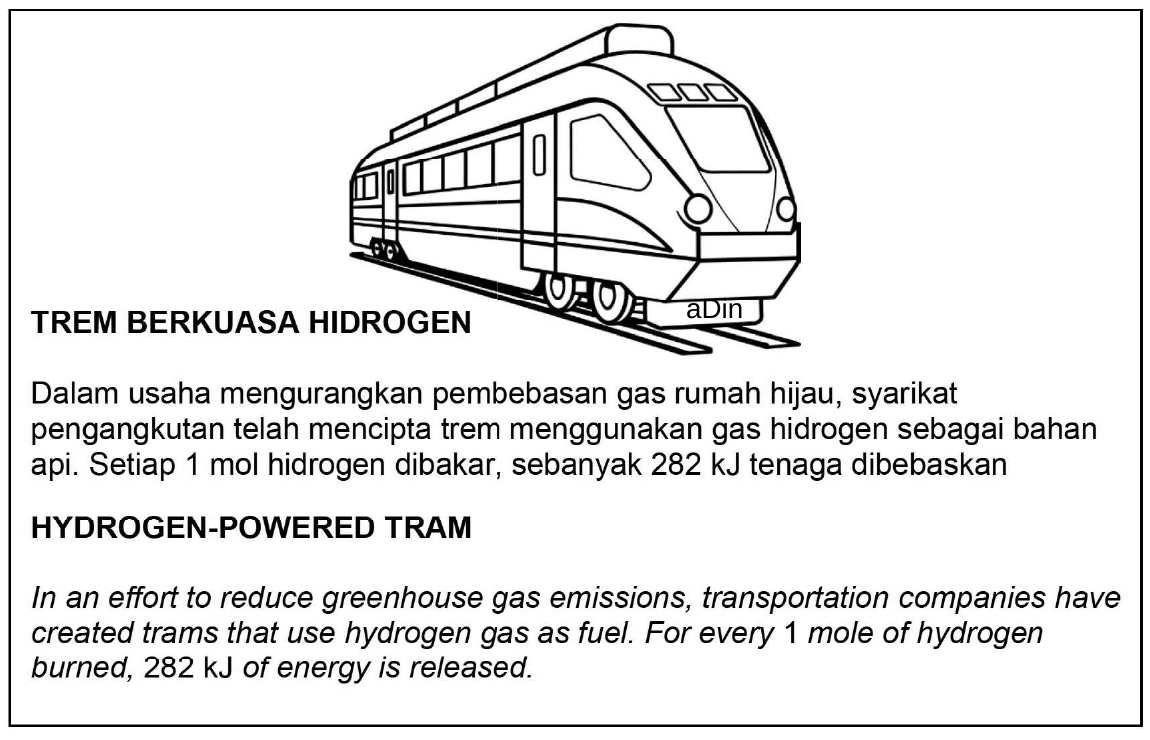
Section B
Diagram 9.1 shows the pH readings of two water samples taken from two different sources (Beaker A: pH 7.10; Beaker B: pH 2.00).
Medium20 marks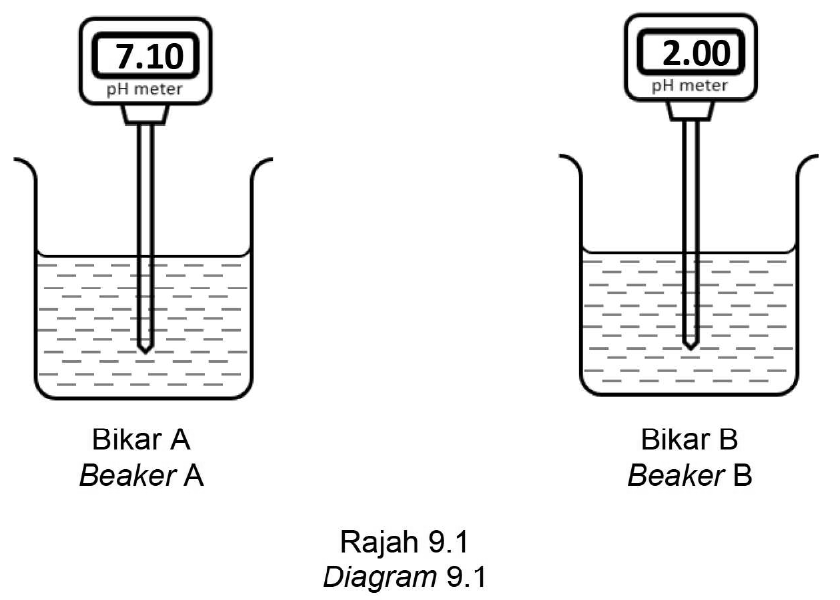
- (a)(i)
What is the range of the pH scale?
[1] - (a)(ii)
Calculate the concentrations of the two solutions in Diagram 9.1 and determine which solution has the higher hydrogen ion concentration. Suggest how you can reduce the hydrogen ion concentration in a solution.
[5] - (a)(iii)
The water in beaker A and beaker B are used to test the effectiveness of soap in the greasy stain cleaning reaction. Compare the effectiveness of soap in the two waters and explain your answer.
[4] - (b)(i)
Table 9.2 shows observations when cation tests using sodium hydroxide solution, NaOH, and ammonia solution, NH₃, were performed on several different types of salts. (Salt P: white precipitate with a little NaOH, dissolves in excess NaOH, white precipitate with a little NH₃, dissolves in excess NH₃. Salt Q: blue precipitate with NaOH, insoluble in excess; blue precipitate with a little NH₃, dissolves into a dark blue solution in excess. Salt R: white precipitate with NaOH, insoluble in excess; no changes with NH₃.) If all the salts tested are nitrate salts, name salt P, salt Q and salt R and describe a special test to confirm the presence of nitrate ions in the salt.
[7]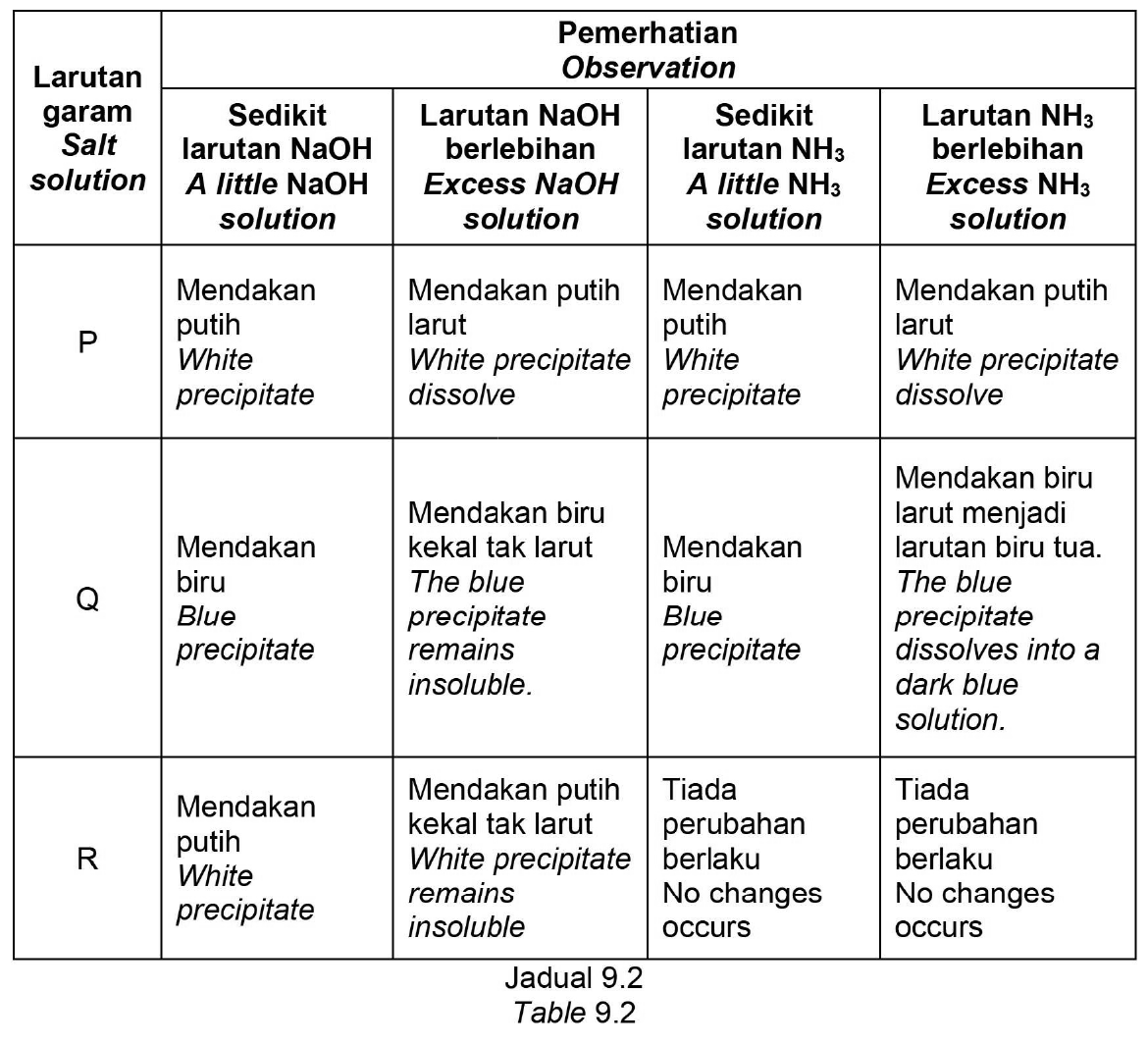
- (b)(ii)
Write the chemical equation for heating solid salt P and what is the colour of the solid residue left after heating.
[3]
Two sets of experiments were conducted to study the effect of other metals on the rusting of iron. Iron nails were wrapped with different types of metals and placed in hot agar containing a few drops of potassium hexacyanoferrate (III) solution and also phenolphthalein. The experimental observations are shown in Table 10.1: Set I (iron nail with metal P): pink spots form; Set II (iron nail with metal Q): dark blue spots form.
Medium20 marks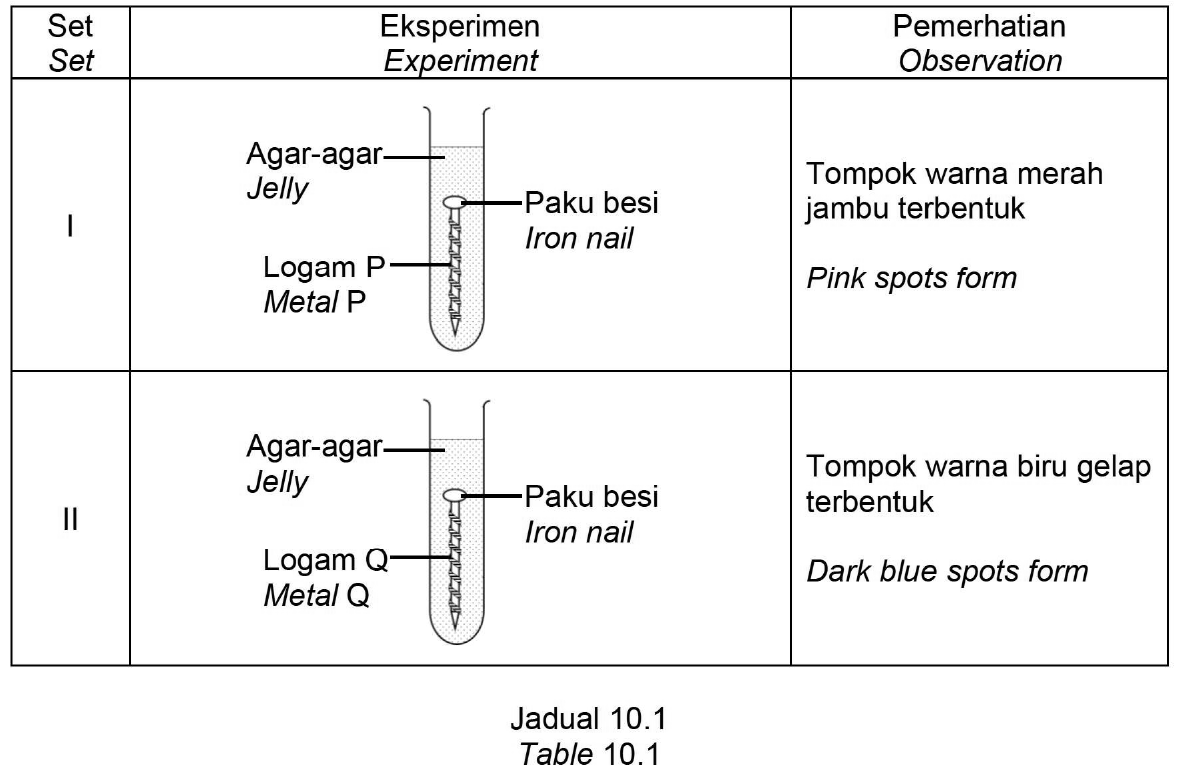
- (a)(i)
What is the function of potassium hexacyanoferrate (III) solution? Suggest names for metal P and metal Q.
[3] - (a)(ii)
Explain the differences in observations shown in Table 10.1 and state the metal that undergoes oxidation and write the half-equation of oxidation that occurs for each set of experiments.
[8] - (b)(i)
Diagram 10.2 shows the arrangement of the apparatus used to study electron transfer at a distance between chlorine water and potassium iodide solution (the figure labels potassium bromide solution; carbon electrodes S and R; chlorine water; sulphuric acid in a U-tube with galvanometer G). After 20 minutes of completing the circuit, state the changes that occur at each electrode, name the substance that undergoes oxidation and the substance that undergoes reduction. Describe a chemical test to confirm the results formed around electrode S.
[6]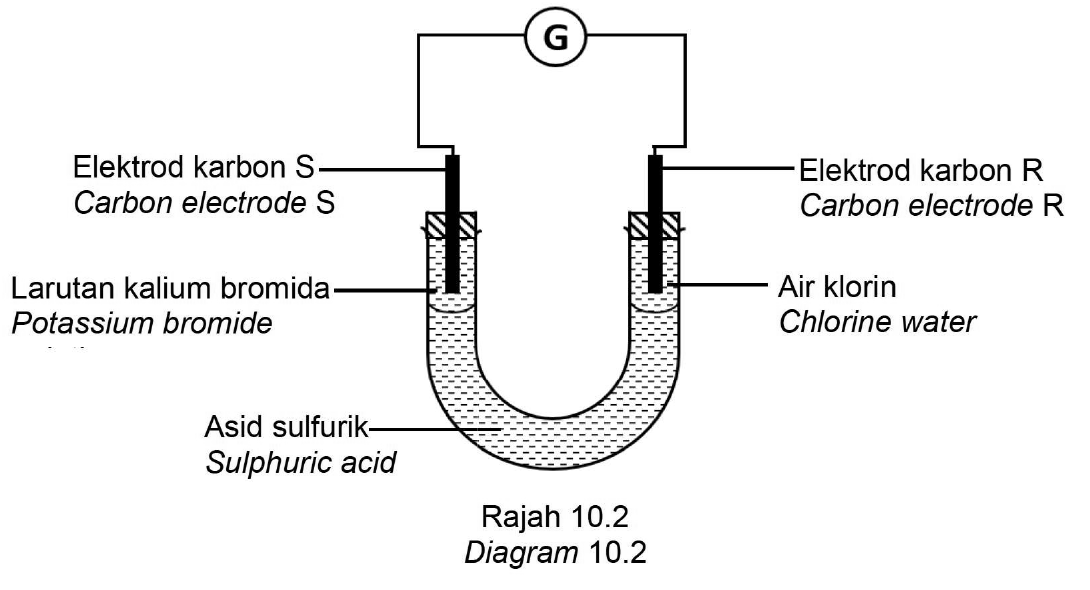
- (b)(ii)
The experiment is repeated by replacing the chlorine water with iodine water. What observations are expected to occur and explain your answer.
[3]
Section C
Diagram 11.1 shows the percentage of element content by mass for an organic acid, P that has a molar mass of 60 g mol⁻¹ (pie chart: Oxygen 53.33%, Carbon 40%, Hydrogen 6.67%).
Hard20 marks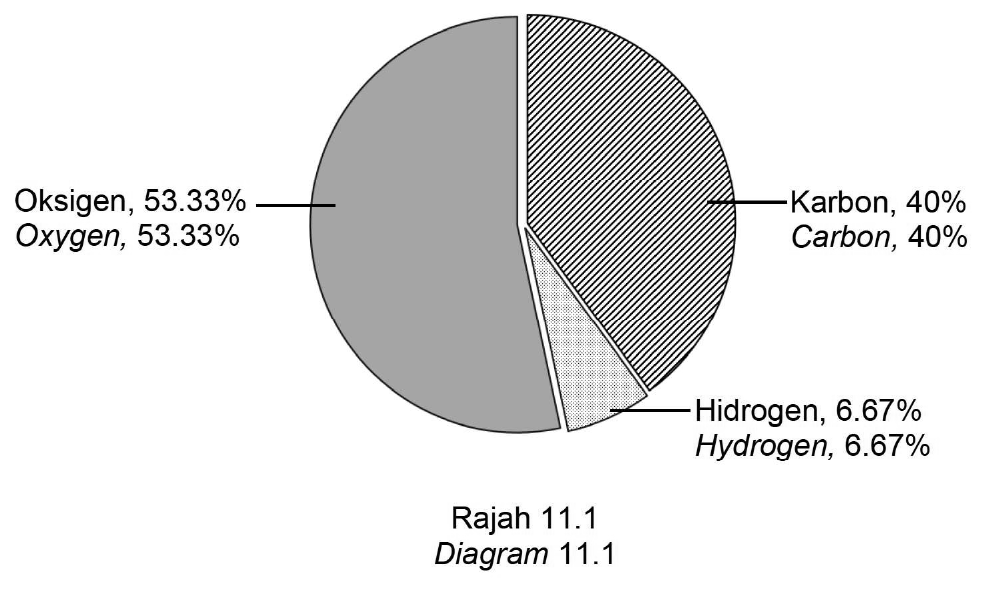
- (a)(i)
What is the term used to name compounds that contain carbon as a constituent element?
[1] - (a)(ii)
Based on Diagram 11.1, determine the empirical formula and molecular formula for the organic acid P. [Relative atomic mass: H=1, C=12, O=16]
[5] - (a)(iii)
Table 11.2 shows observations for two sets of experiments involving the organic acid P (Set I: acid P with ethanol and sulphuric acid, heated; Set II: acid P with sodium hydroxide solution). Based on Table 11.2, name the type of reaction shown in both sets of experiments and write the chemical equations for both reactions. Name the products of the reaction in Set I and draw the structural formula for the products formed in the reaction.
[6]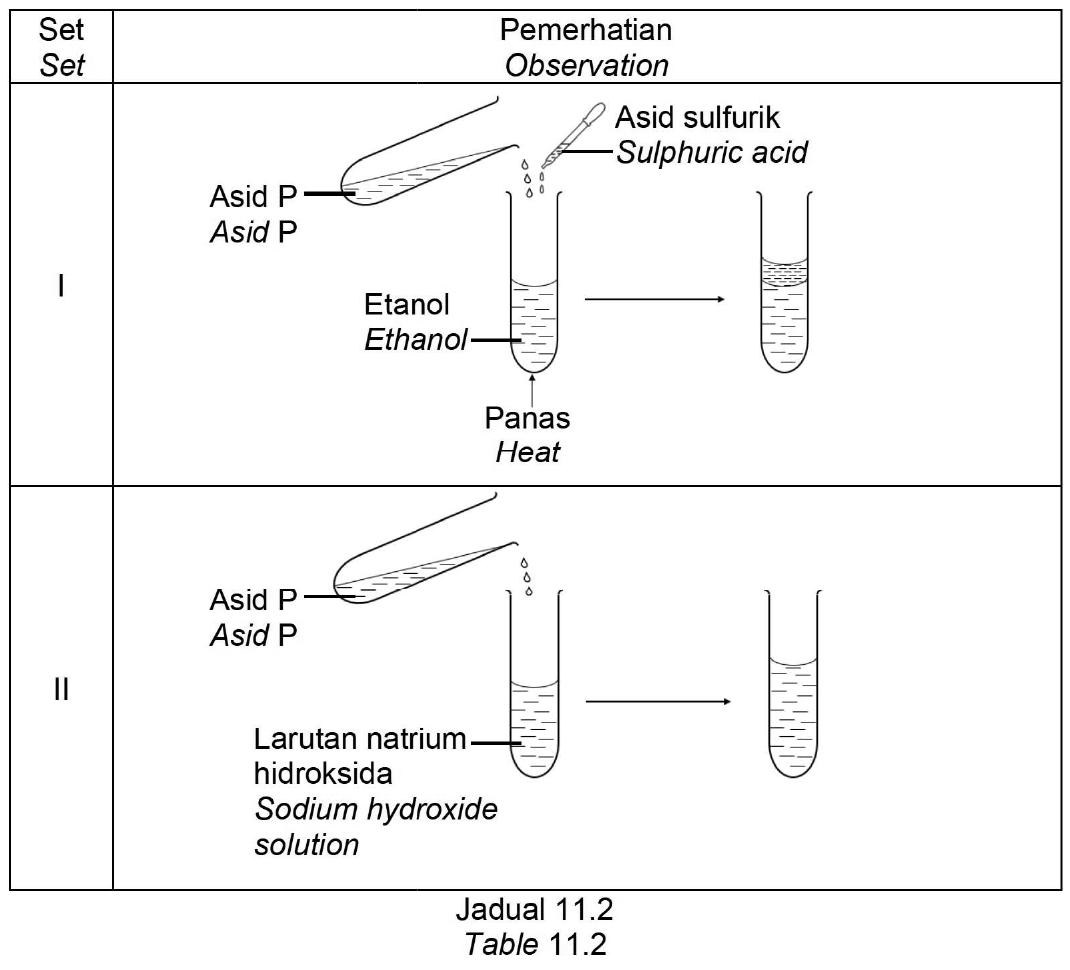
- (b)
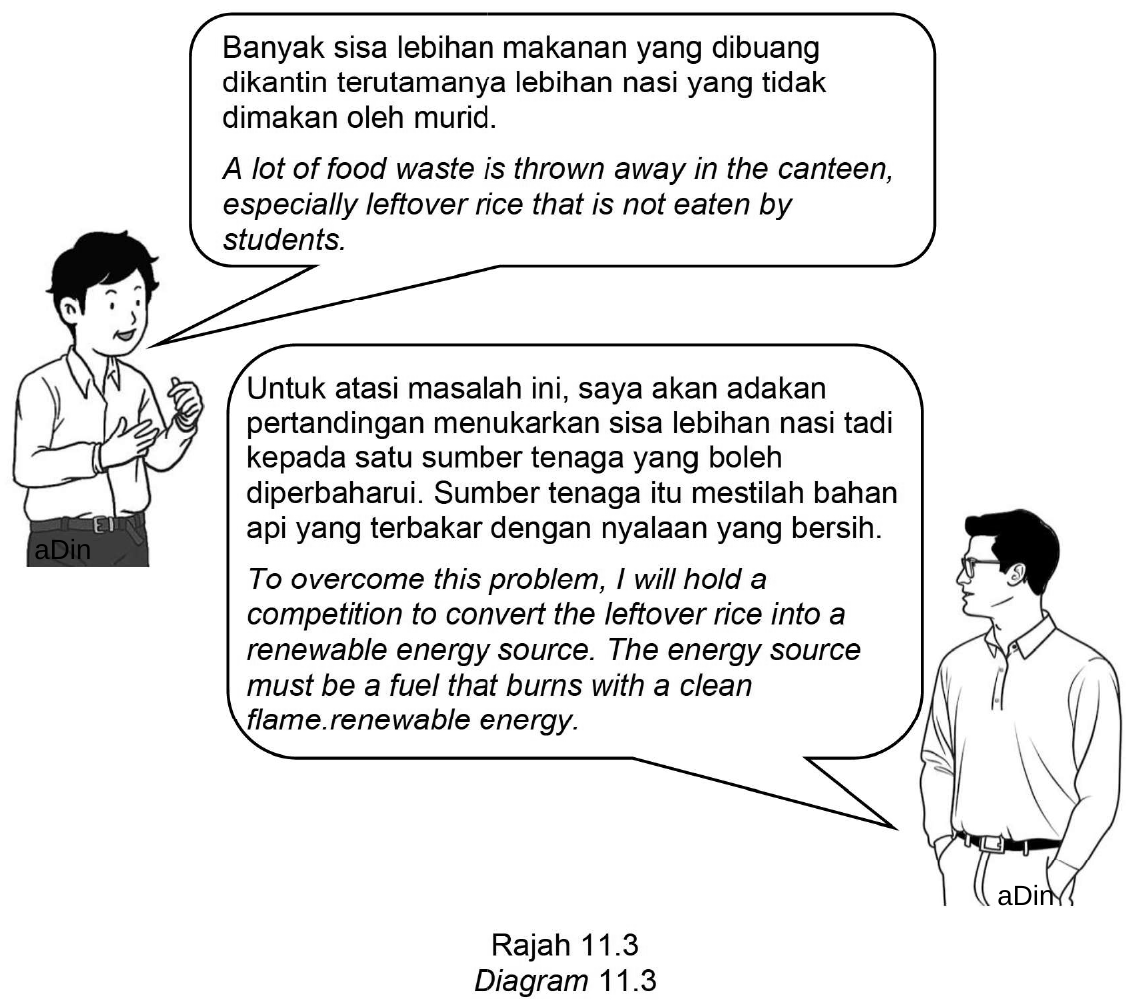
Diagram 11.3 shows a conversation between a teacher and his students regarding the problem of excess food in the school canteen being thrown away by the students. Student: A lot of food waste is thrown away in the canteen, especially leftover rice that is not eaten by students. Teacher: To overcome this problem, I will hold a competition to convert the leftover rice into a renewable energy source. The energy source must be a fuel that burns with a clean flame. Based on the conversation in Diagram 11.3, describe how you could provide the energy source stated. Write the chemical equation for the reaction that occurred during the preparation.
[8]