Write your answer on paper. Then open the answer to check it.
Section A
Diagram 1 shows an irregular polygon with two right angles and marked angles y°, 150° and 70°. (a) Name the polygon. (b) Find the value of y.
Medium3 marks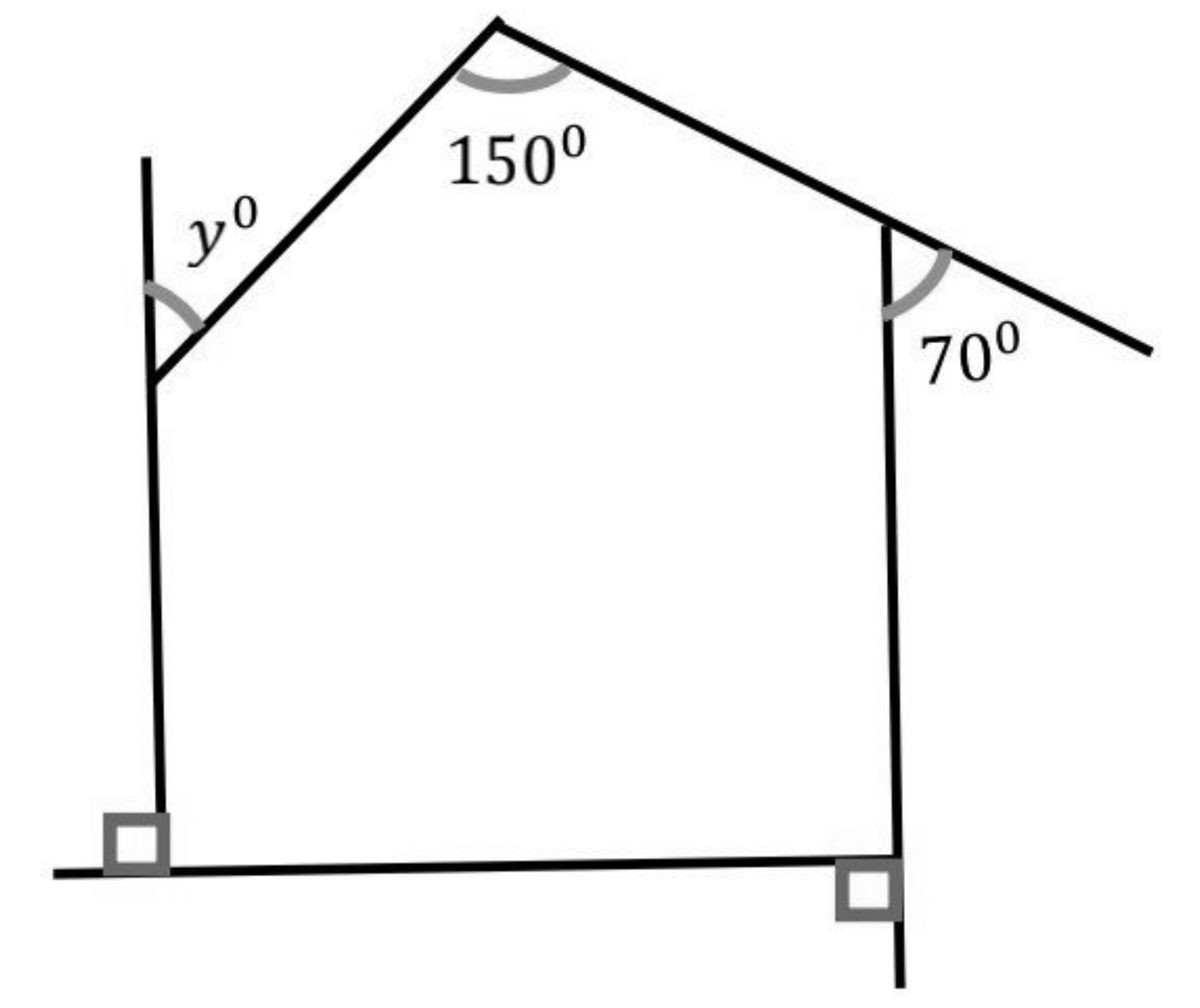
- (a)
Name the polygon in Diagram 1.
[1] - (b)
Find the value of y.
[2]
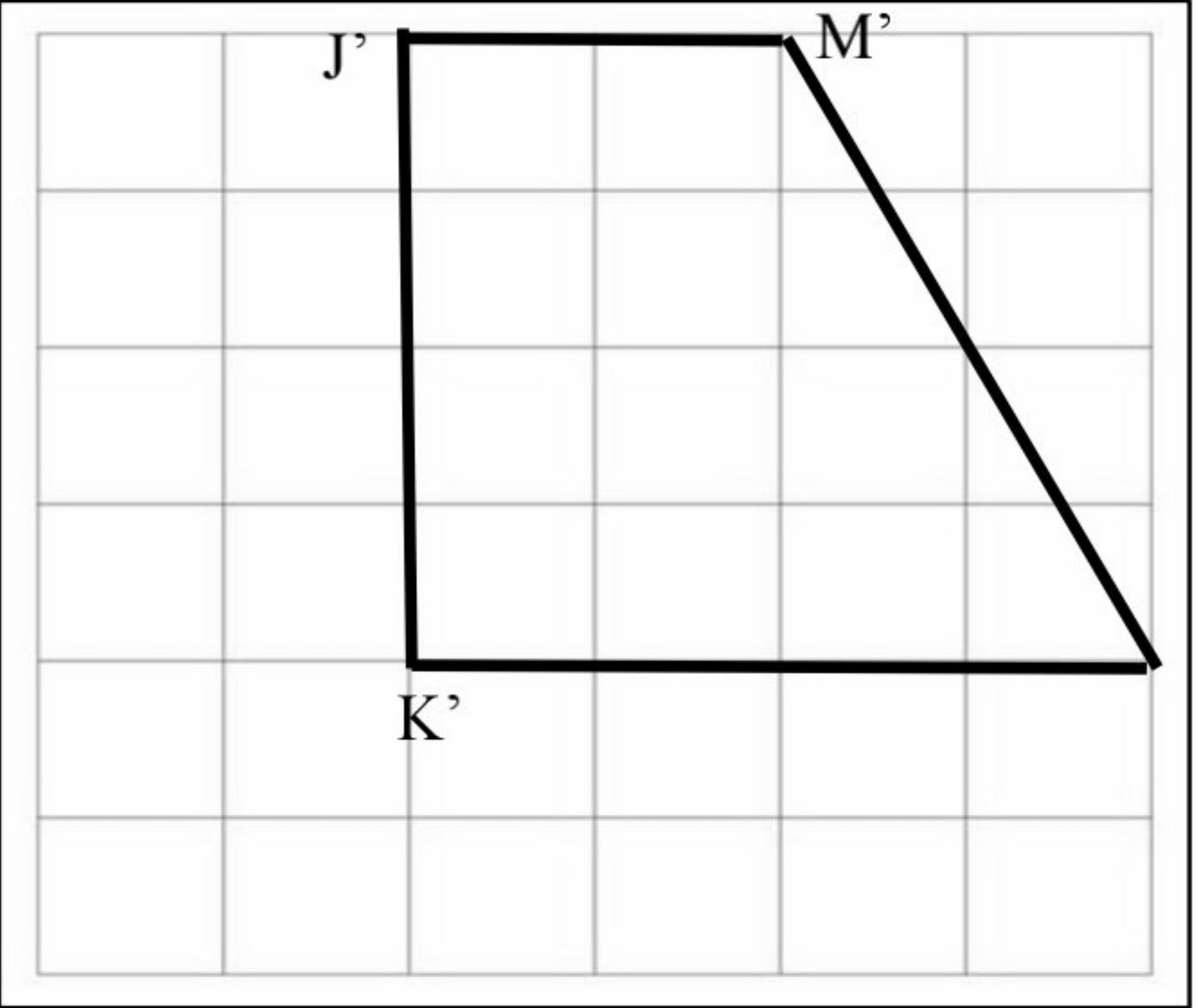
(a) Diagram 2.1 shows object ABCDEF (AF = 4.5 cm, FE = 9 cm) and A'B'C'D'E'F' (A'F' = 3 cm, F'E' = 6 cm), its scale drawing. Determine the scale used. (b) Diagram 2.2 shows object JKLM on a square grid. Draw a scale drawing of JKLM on the square grid provided in the answer space with scale 1 : 1/2.
Medium3 marks- (a)
Determine the scale used.
[1]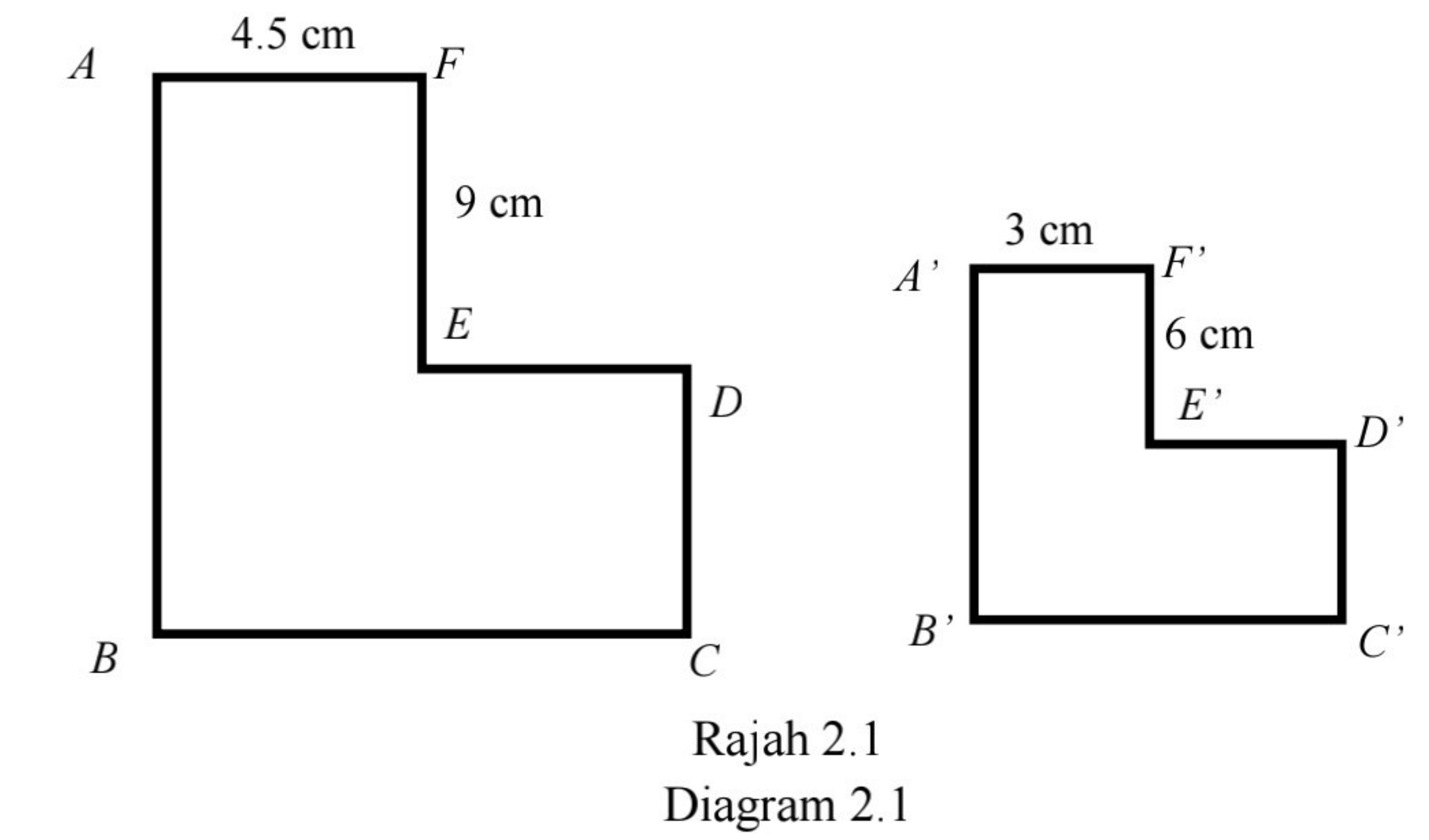
- (b)
Draw a scale drawing of JKLM on the square grid with scale 1 : 1/2.
[2]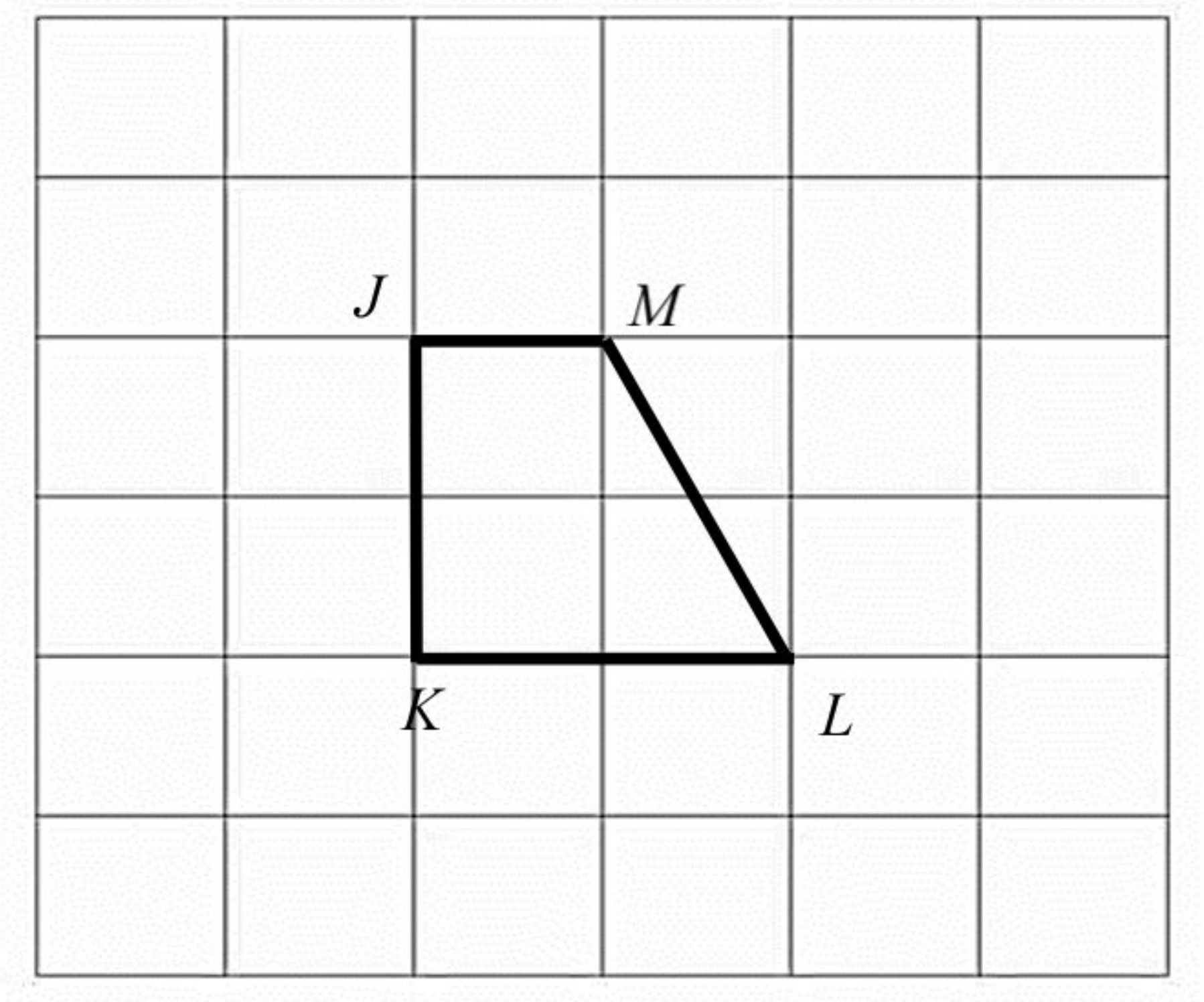
It is given that a quadratic function is f(x) = x² − 7x + 10. (a) Sketch the graph of the function. (b) Determine the axis of symmetry of the graph.
Medium3 marks- (a)
Sketch the graph of the function.
[2]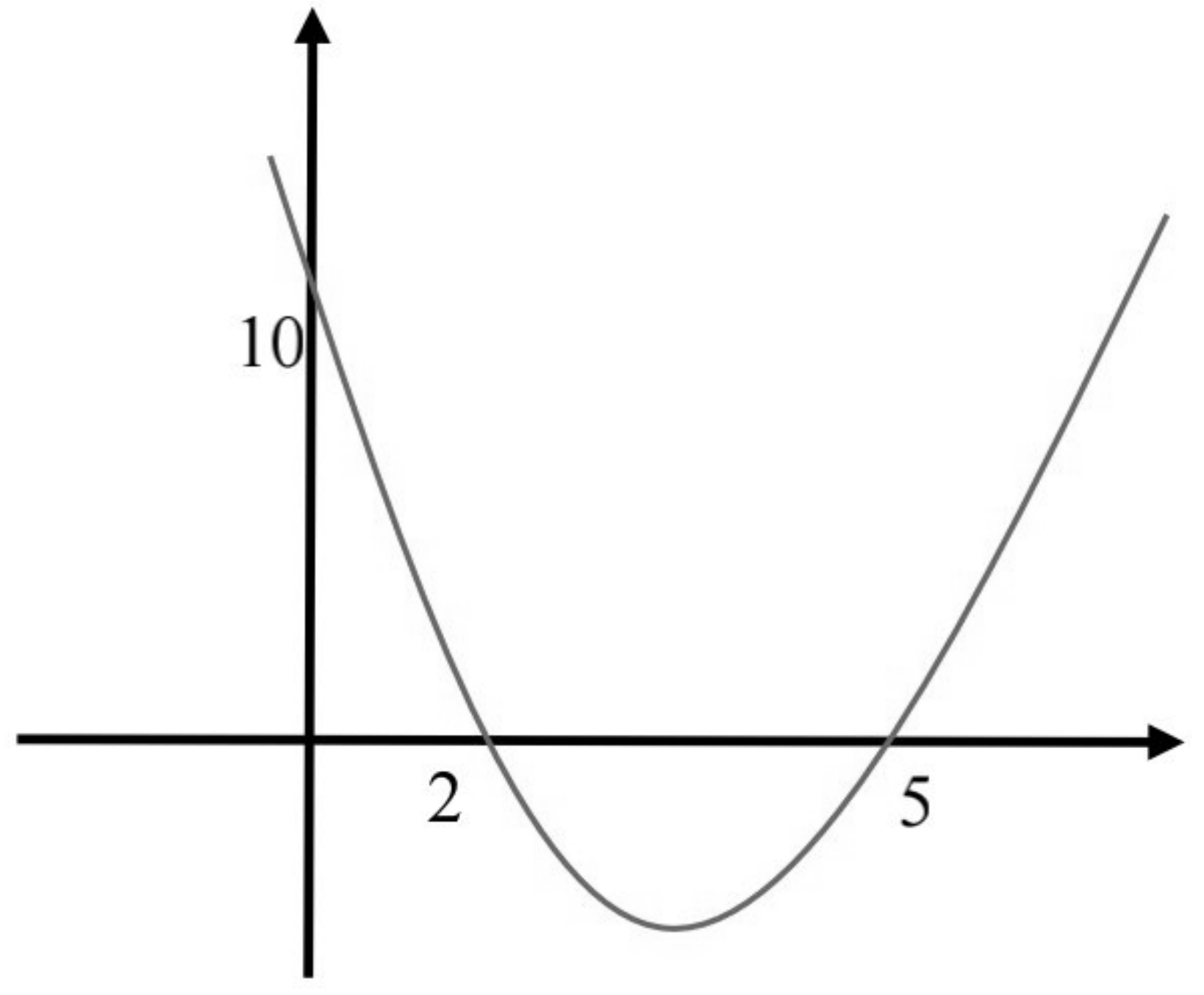
- (b)
Determine the axis of symmetry of the graph.
[1]
(a) Diagram 3 shows two receipts received by Madam Farah: Hotel Mesra (Family Room RM250, tax X 6% RM15, total RM265.00) and Restoran Sedap (subtotal RM21.80, tax Y (6%) RM1.31, total RM23.11). Name the type of tax that included tax X and tax Y. (b) Table 1: accommodation rate RM220, service tax 6%. Mr Rafi stayed at the hotel for 3 days 2 nights. Calculate the accommodation cost for the hotel.
Medium4 marks- (a)
Name the type of tax that included tax X and tax Y.
[1]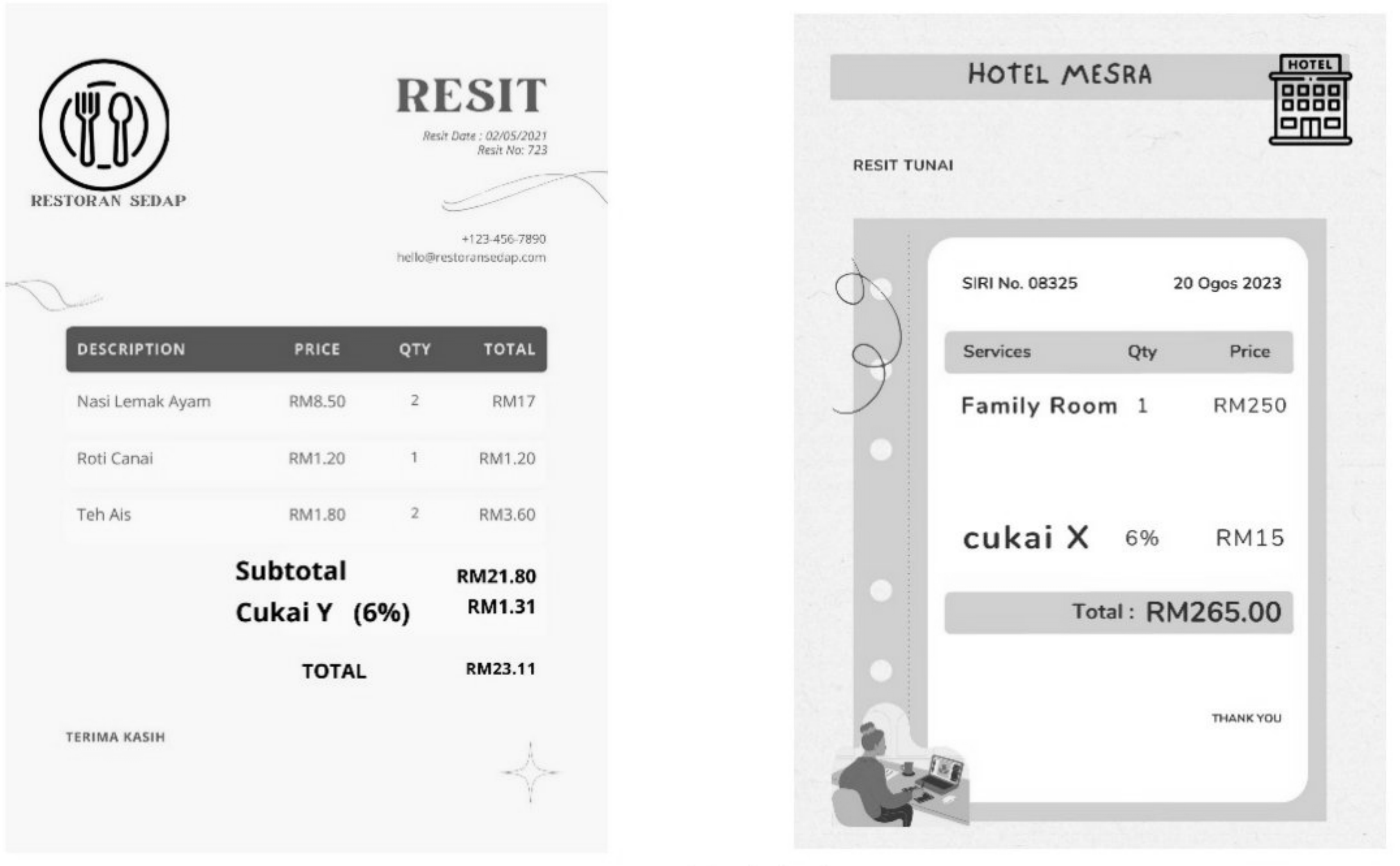
- (b)
Mr Rafi stayed 3 days 2 nights. Accommodation rate RM220, service tax 6%. Calculate the accommodation cost.
[3]
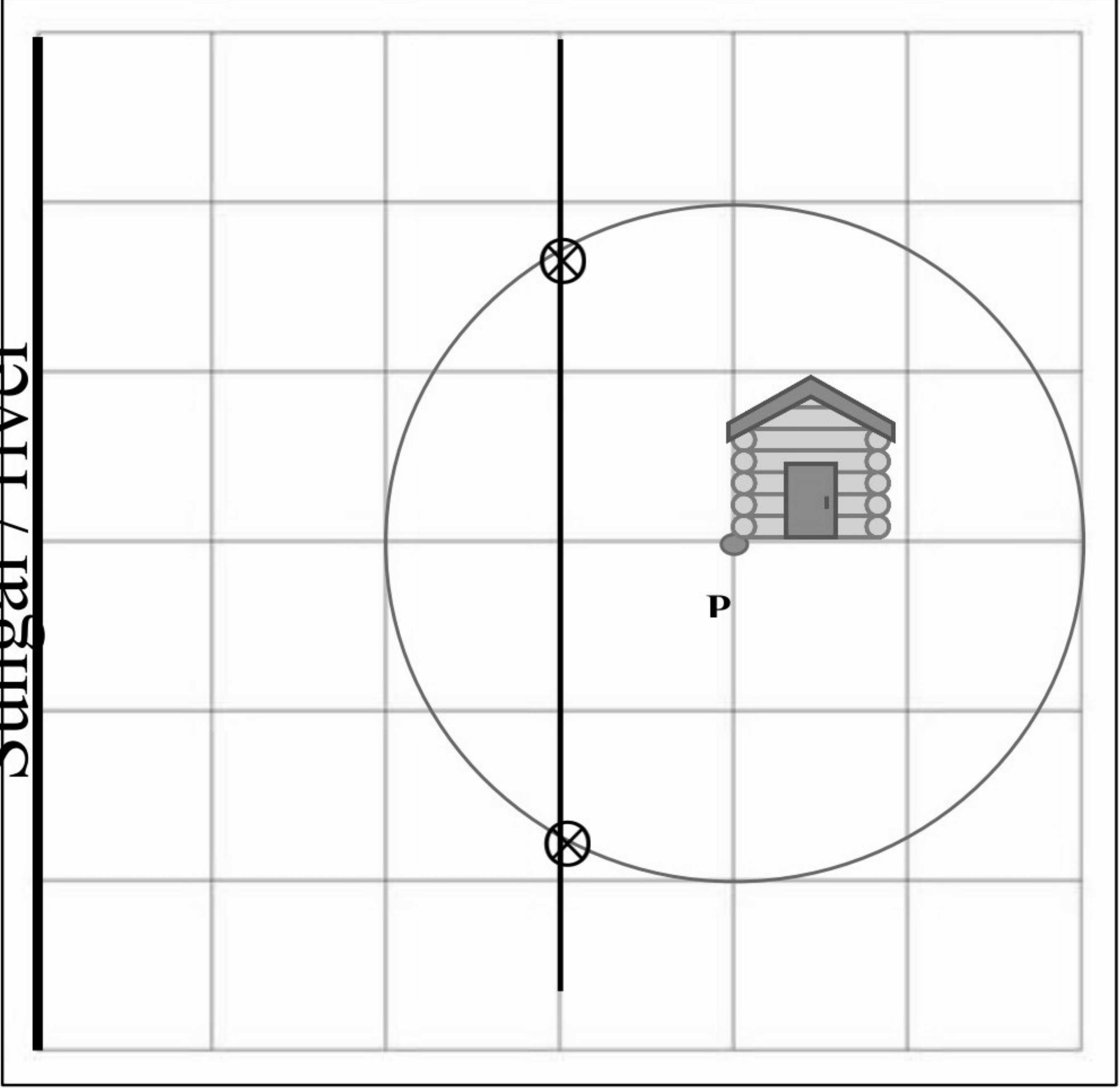
(a) Diagram 4 shows point M on the minute hand of a clock, with RM = 7 cm. Describe the locus of point M. (b) Fikri wants to make an emergency call in a forest, but phone coverage is poor. The best phone coverages are located at: (1) 2 m from a wooden hut P. (2) 3 m from the river. On the square grid with scale 1 unit to 1 m in the answer space, draw both loci. Hence mark the possible locations of the best phone coverage with the symbol ⊗.
Medium4 marks- (a)
Describe the locus of point M.
[1]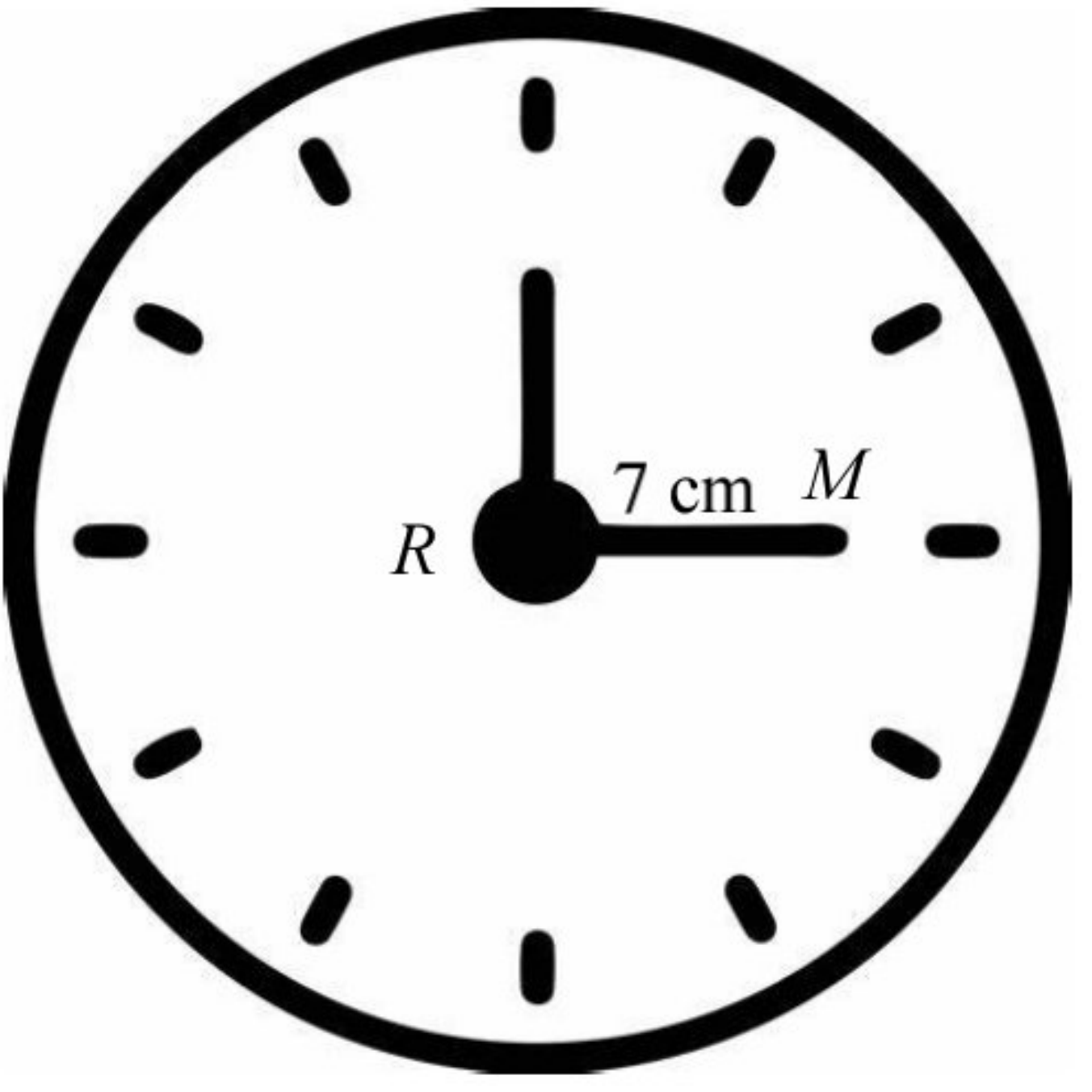
- (b)
Draw both loci on the grid (scale 1 unit : 1 m) and mark the possible locations with ⊗.
[3]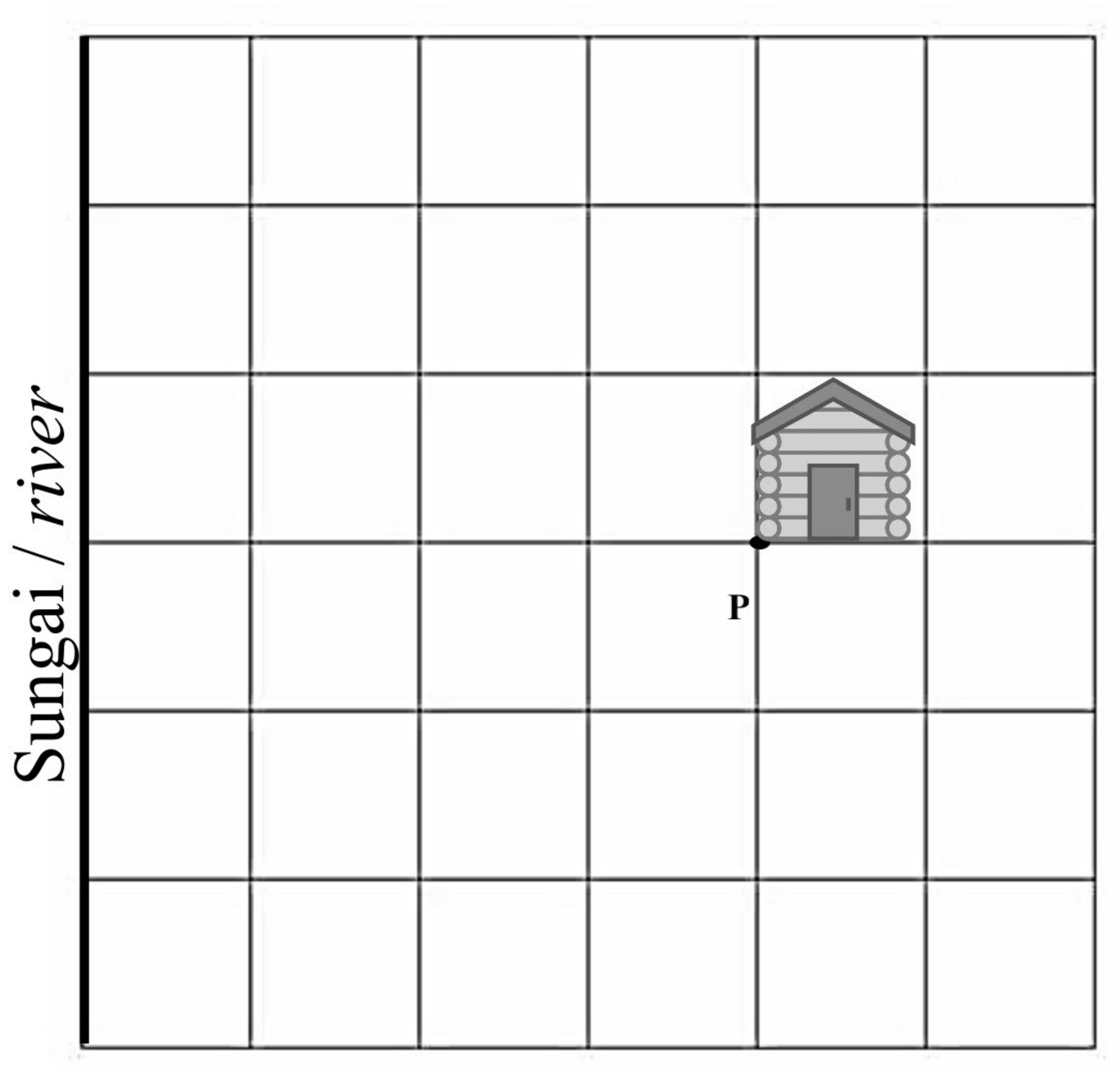
(a) State one factor that affects the gross premium payment for a motor insurance. (b) Table 2 shows the premium rates under the Motor Tariff for policies issued in Sabah and Sarawak (comprehensive policy / third party policy by engine capacity: 1 400 cc RM196.20 / RM67.50; 1 650 cc RM220.00 / RM75.60; 2 200 cc RM243.90 / RM85.20). Asri lives in Kuching and wants to buy an insurance policy for his car with engine capacity 1 850 cc. The value of the car to be insured is RM140 000 and he is eligible to transfer NCD of 55% from his old car. Calculate the gross premium for the comprehensive policy for his new car.
Medium4 marks- (a)
State one factor that affects the gross premium payment for a motor insurance.
[1] - (b)
Calculate the gross premium for the comprehensive policy (1 850 cc, value RM140 000, NCD 55%).
[3]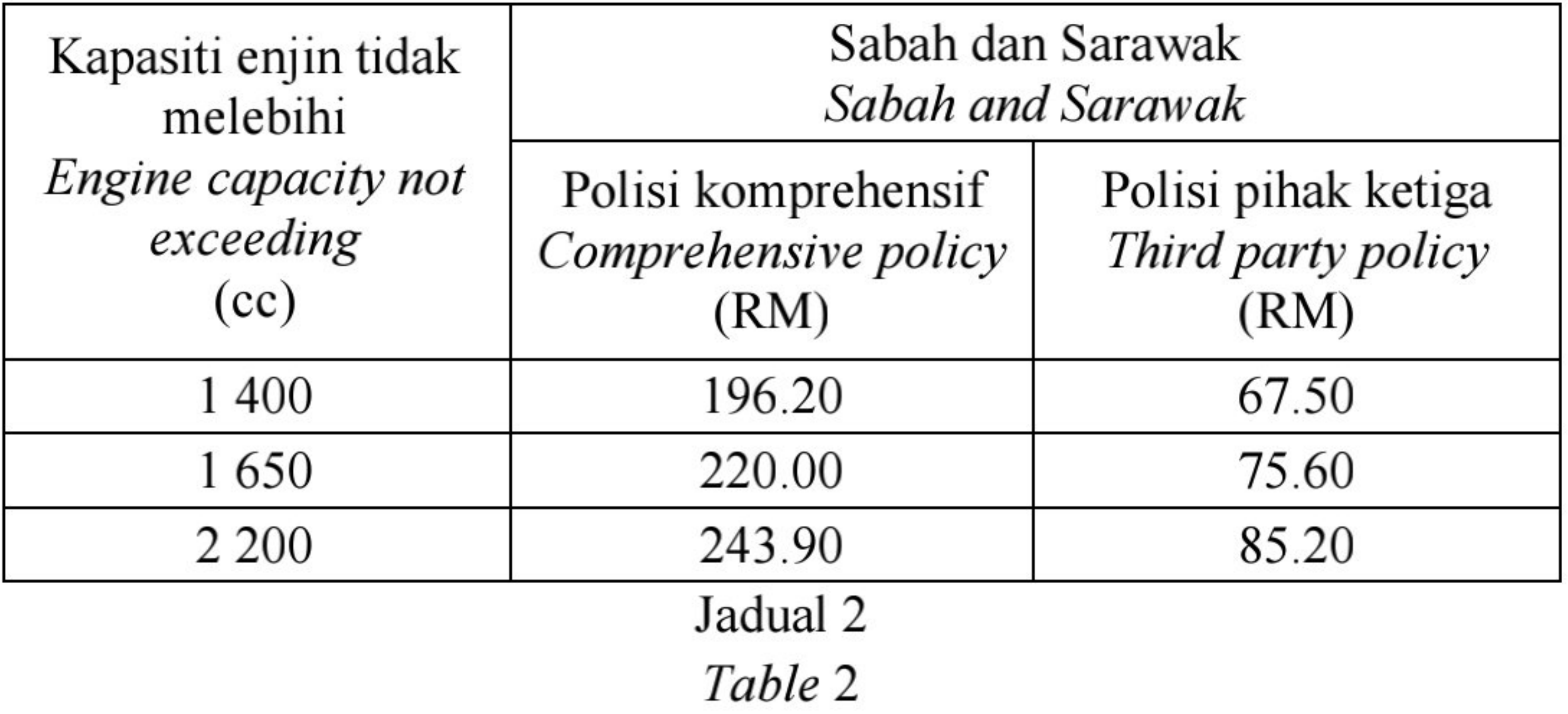
Diagram 5 shows parallelogram OPQR drawn on a Cartesian plane. P(−4, 6), Q(2, 6), O is the origin and R is on the x-axis. Find (a) the equation of the straight line PQ, (b) the equation of the straight line QR.
Medium4 marks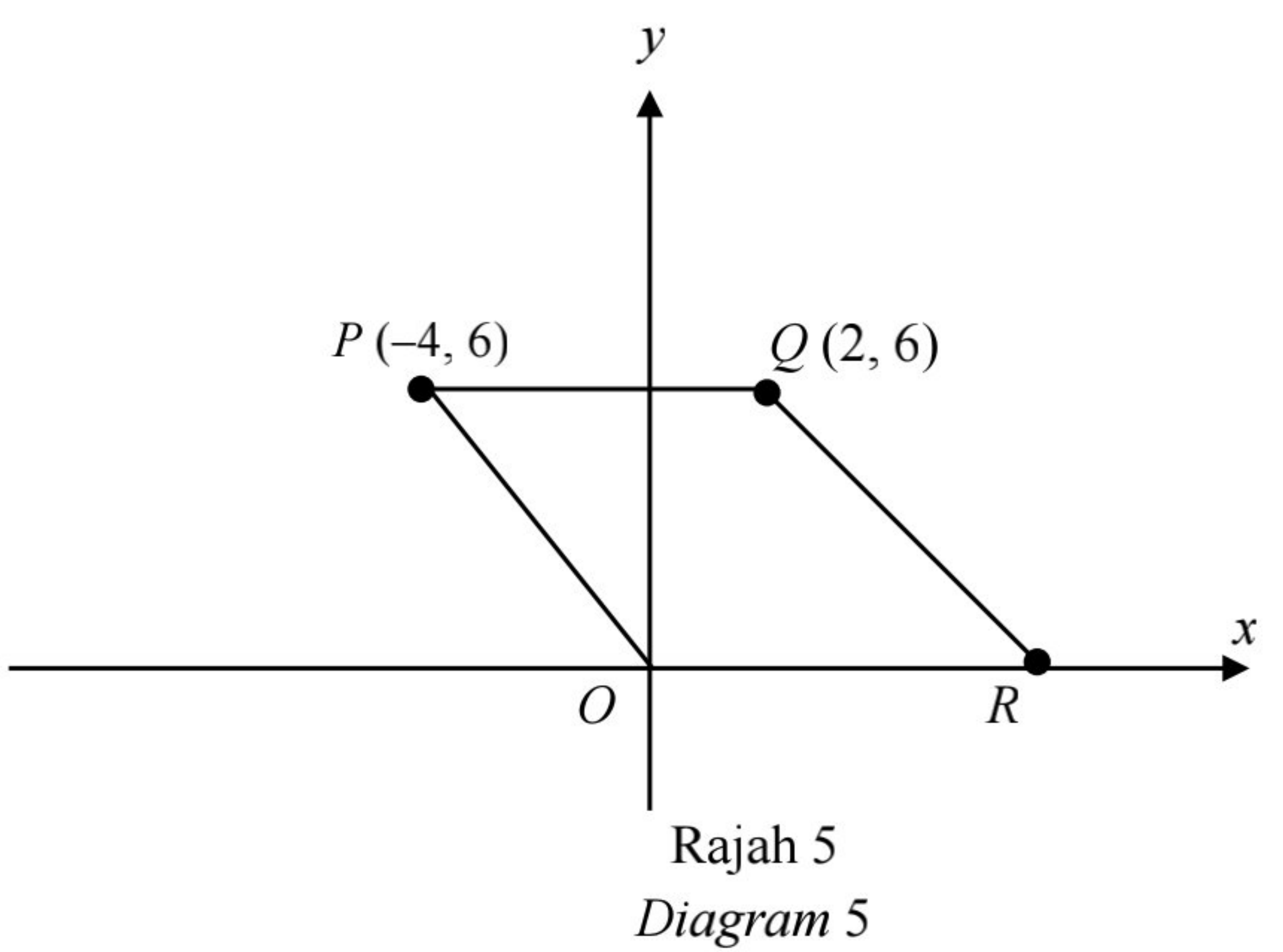
- (a)
The equation of the straight line PQ.
[1] - (b)
The equation of the straight line QR.
[3]
Diagram 6 shows numbered cards in two boxes: Box M has cards 9, 16, 22, 25; Box N has cards A, B, E. Two cards are randomly selected, one from box M followed by box N. (a) List the sample space. (b) By listing all the possible outcomes, calculate the probability that the first card is labelled with a perfect square number and the second card is labelled with a vowel.
Medium4 marks- (a)
List the sample space.
[2]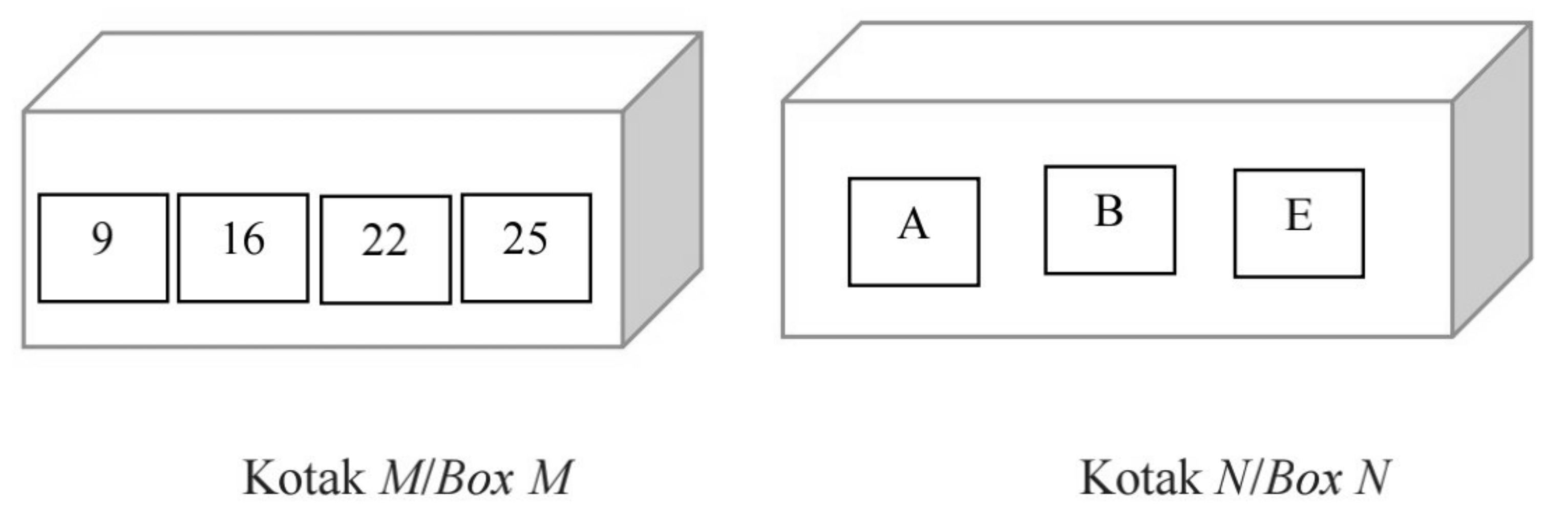
- (b)
Probability that the first card is a perfect square number and the second is a vowel.
[2]
(a) Puan Sakura would like to buy a laptop worth RM5 000 as a gift for her son's birthday. She has planned to save RM500 a month for ten months. State two of the SMART approaches in financial management for the situation. (b) Table 3 shows Cik Sara's financial planning (net income 4100, passive income 400, total monthly income 4500; minus fixed monthly savings 0; minus savings for emergency fund 200; income balance T; monthly fixed expenses: housing loan 1500, car instalment 750, total 2250; monthly variable expenses: groceries 1000, utility bills 550, travel savings 600, total U; surplus of income V). (i) Calculate the value of T, U and V. (ii) Cik Sara plans to buy a plot of land at a price of RM36 000 within 5 years. Is she able to achieve her goal? Give your justification.
Medium6 marks- (a)
State two SMART approaches for the situation.
[2] - (b)(i)
Calculate the value of T, U and V.
[2]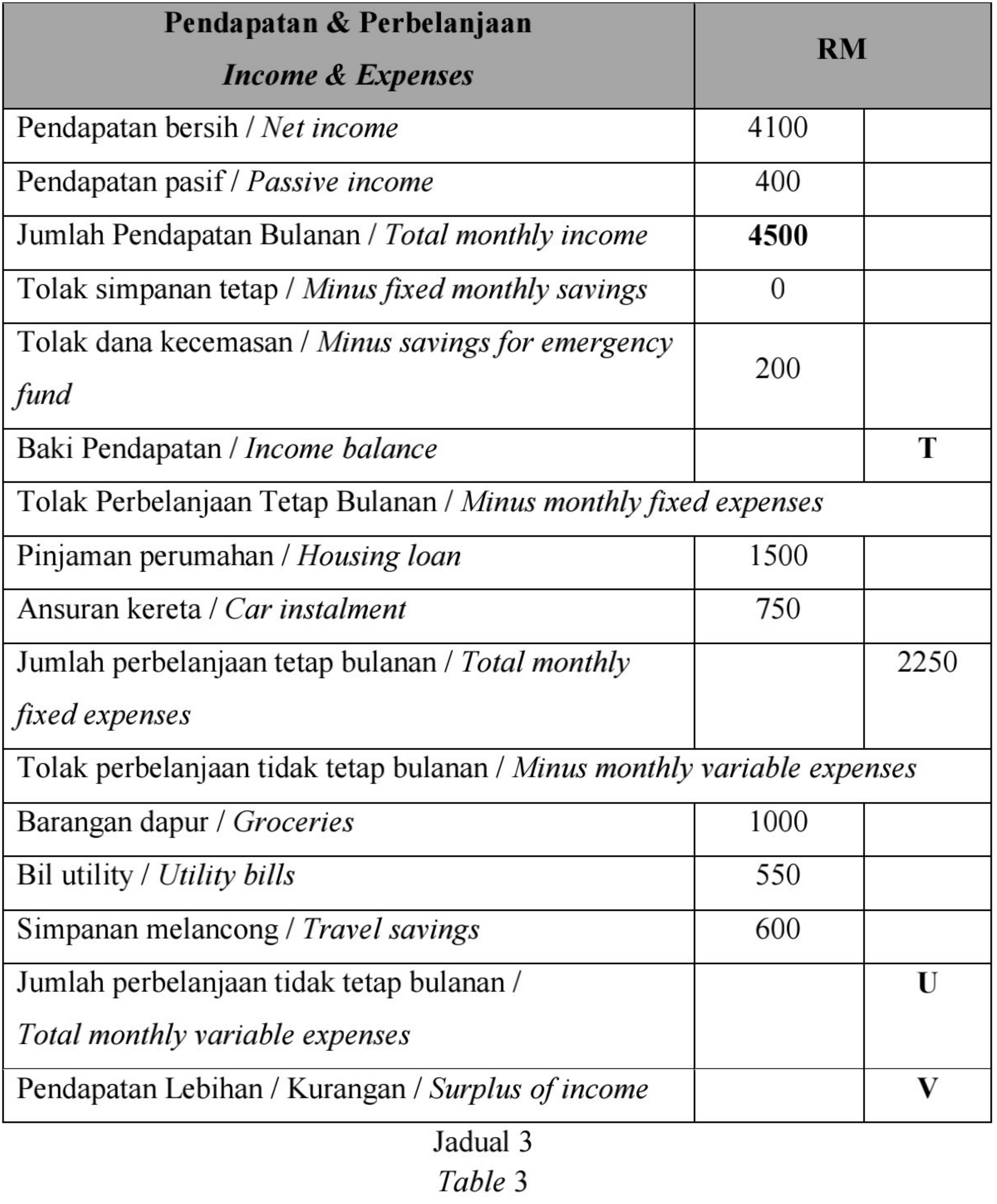
- (b)(ii)
Is Cik Sara able to buy the land (RM36 000 within 5 years)? Justify.
[2]
(a) Determine the value of tan 171.8° based on its corresponding reference angle. (b)(i) State the graph of the trigonometric function in Diagram 7 (a curve with maximum 2 at x = 0°, zero at 90° and 270°, minimum −2 at 180°, back to 2 at 360°; the diagram's axis labels are as printed). (ii) In the answer space, draw the graph of the function y = 2 sin x for 0° ≤ x ≤ 360°.
Medium5 marks- (a)
Determine the value of tan 171.8° using its reference angle.
[2] - (b)(i)
State the graph of the trigonometric function in Diagram 7.
[1]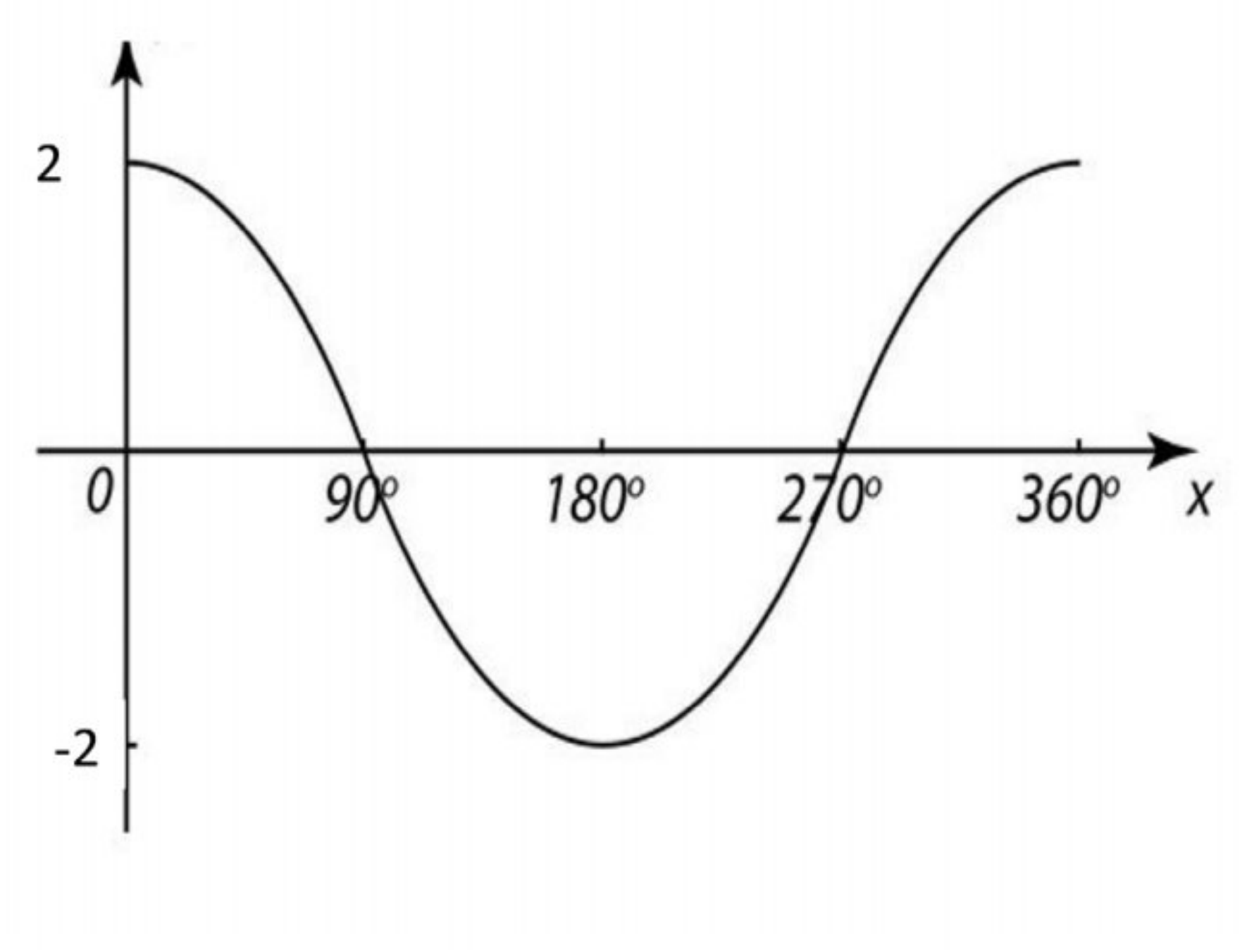
- (b)(ii)
Draw the graph of y = 2 sin x for 0° ≤ x ≤ 360°.
[2]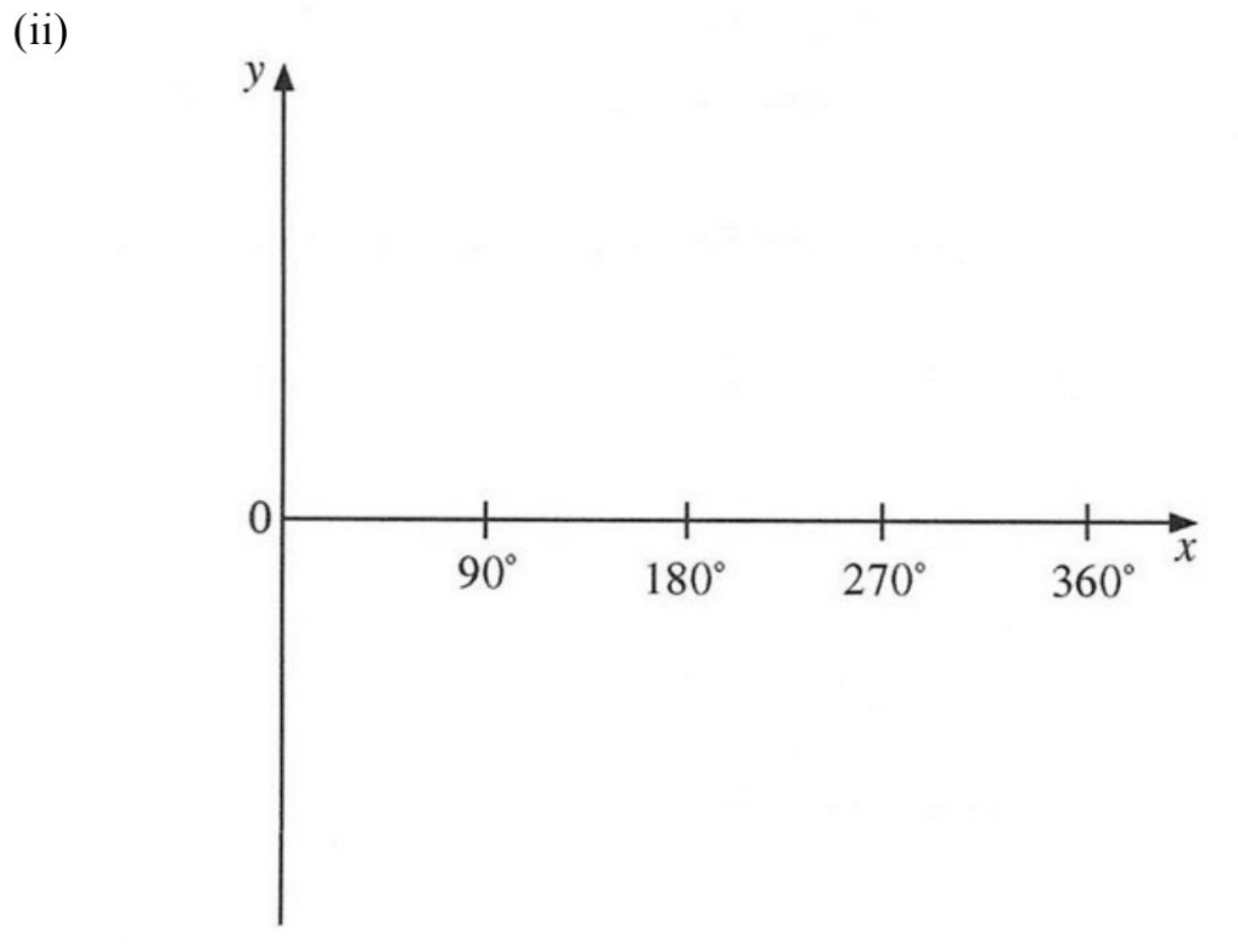
Section B
(a)(i) Diagram 8 shows point Q(4, −3) on a Cartesian plane. Transformation T is a translation (−7, 6) (column vector). State the coordinates of the image of Q under T. (ii) Determine whether the pair of triangles in Diagram 9 satisfies the triangle congruency property. Justify your answer. (Triangle 1: sides 12 cm, 5 cm, 13 cm, angles 22.62°, 67.38°, 90°. Triangle 2: sides 24 cm, 10 cm, 26 cm, same angles.) (b) Diagram 10 shows polygons ABCD, TUVW and PQRS on a Cartesian plane. PQRS is the image of ABCD under the combined transformation EF. Describe in full the transformation (i) F, (ii) E.
Medium8 marks- (a)(i)
State the coordinates of the image of Q under the translation T.
[1]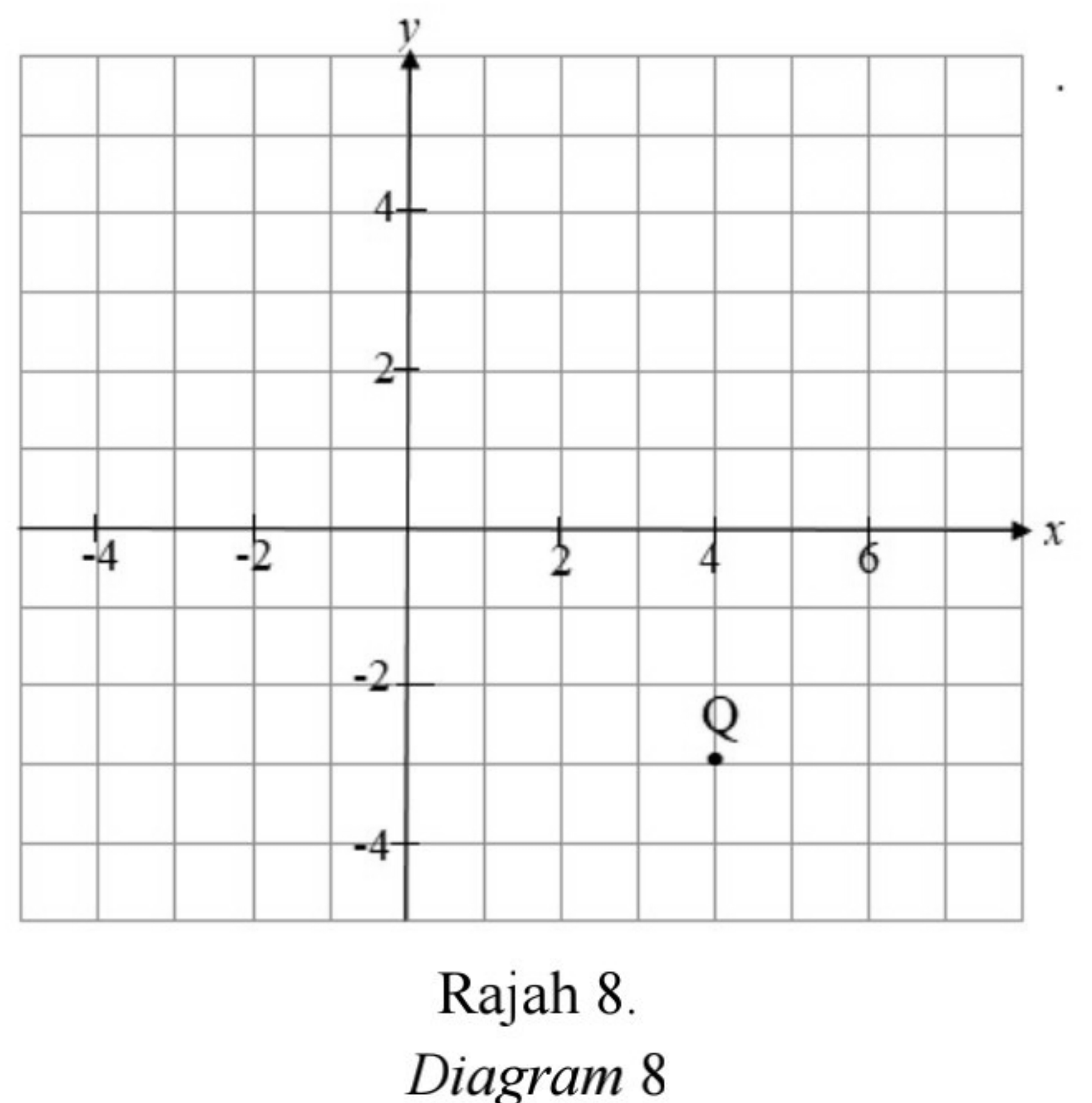
- (a)(ii)
Determine whether the pair of triangles satisfies the congruency property. Justify.
[2]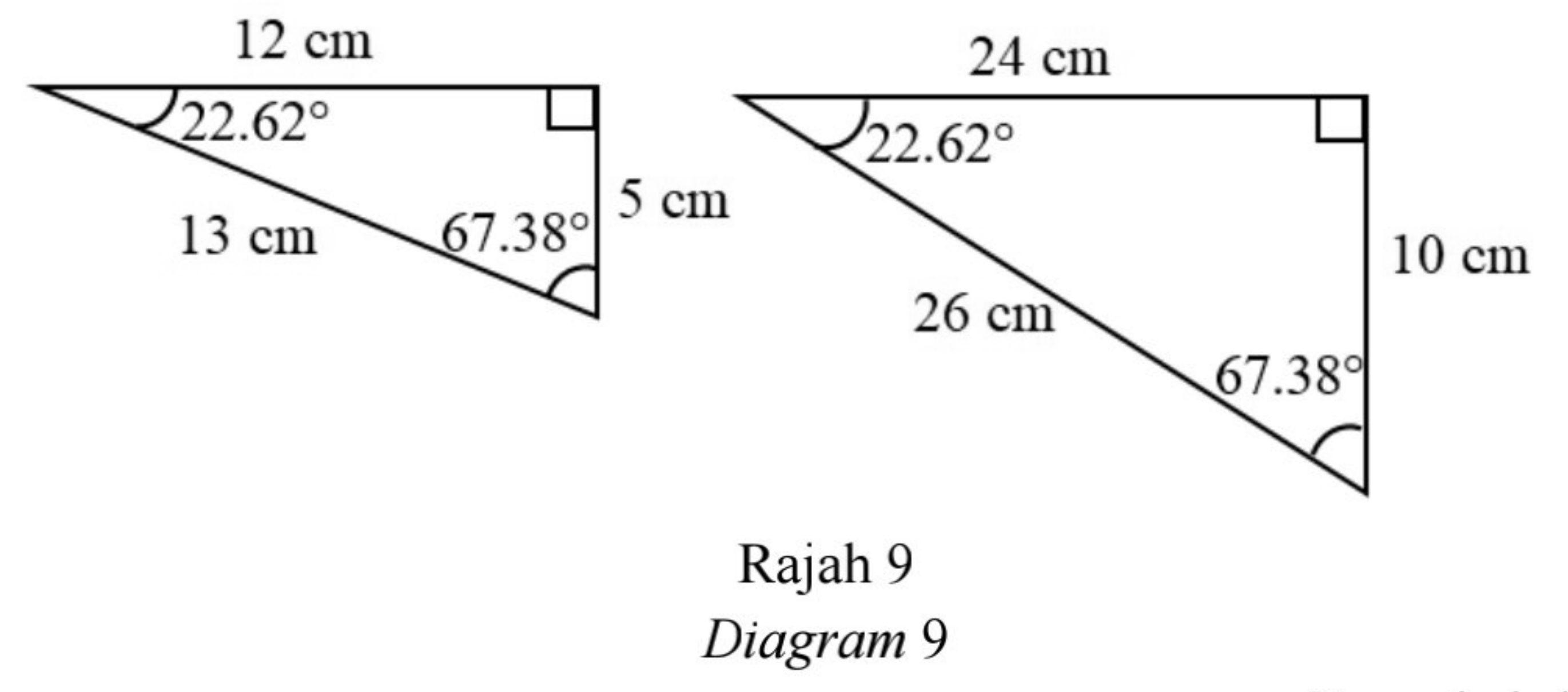
- (b)(i)
Describe in full the transformation F.
[2]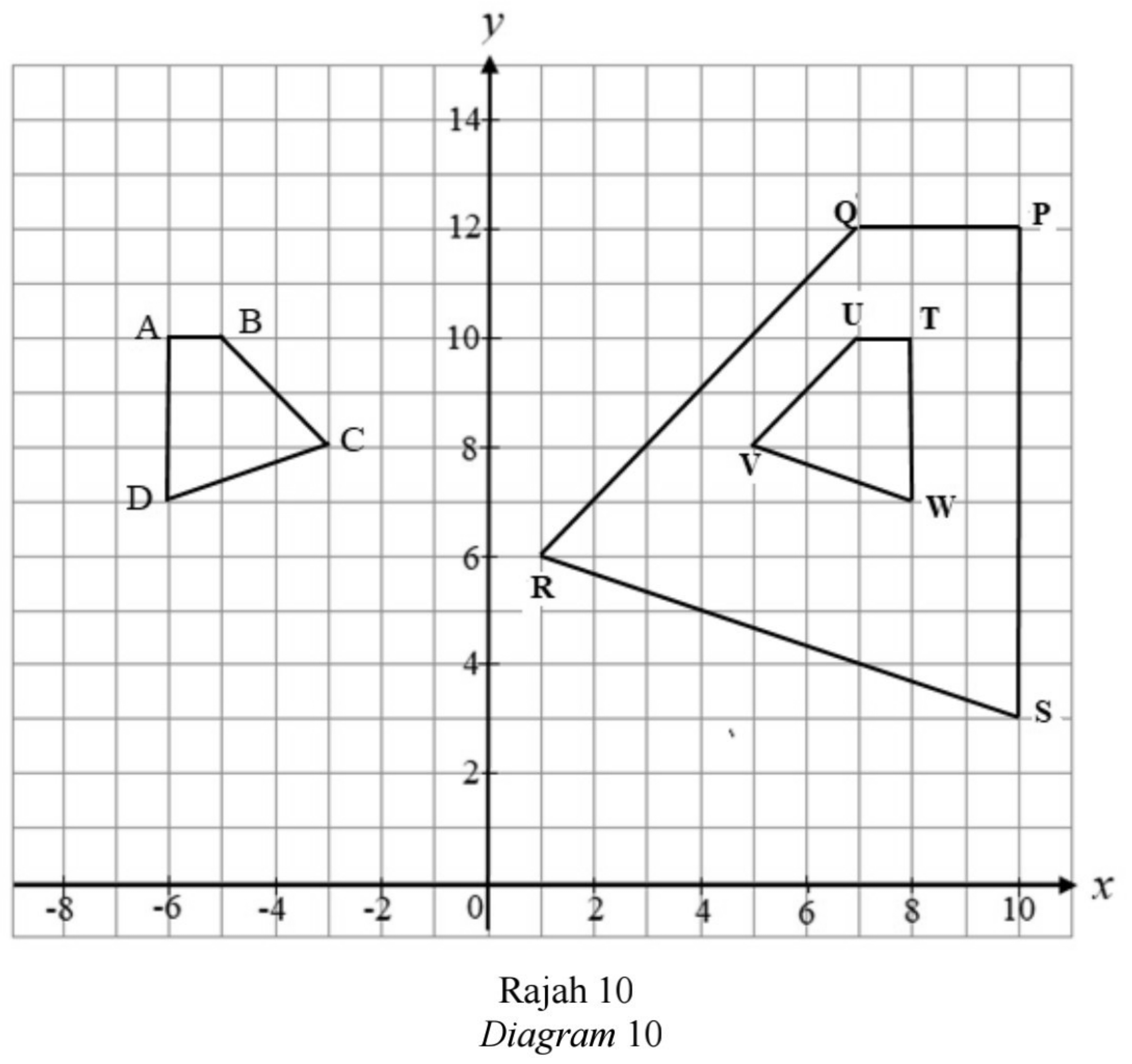
- (b)(ii)
Describe in full the transformation E.
[3]
(a)(i) Given [[e, 5], [2, 3]] × [[4], [f]] = [[31], [29]], calculate the value of e and of f. (ii) Given 1/p × [[−3, −2], [q, 7]] × [[7, 2], [−5, −3]] = [[1, 0], [0, 1]], calculate the value of p and of q. (b) Batrisya has RM100. She goes to TT Mart to buy 23 packets of sugar and flour to make biscuits for sale. The price of a packet of sugar is RM4.00 and a packet of flour is RM3.50. After buying the sugar and flour, the remaining money is RM15. (i) Form two linear equations from the information. (ii) Hence, using the matrix method, calculate the number of packets of sugar and flour.
Medium10 marks- (a)(i)
Calculate e and f.
[2] - (a)(ii)
Calculate p and q.
[2] - (b)(i)
Form two linear equations.
[2] - (b)(ii)
Using the matrix method, calculate the number of packets of sugar and flour.
[4]
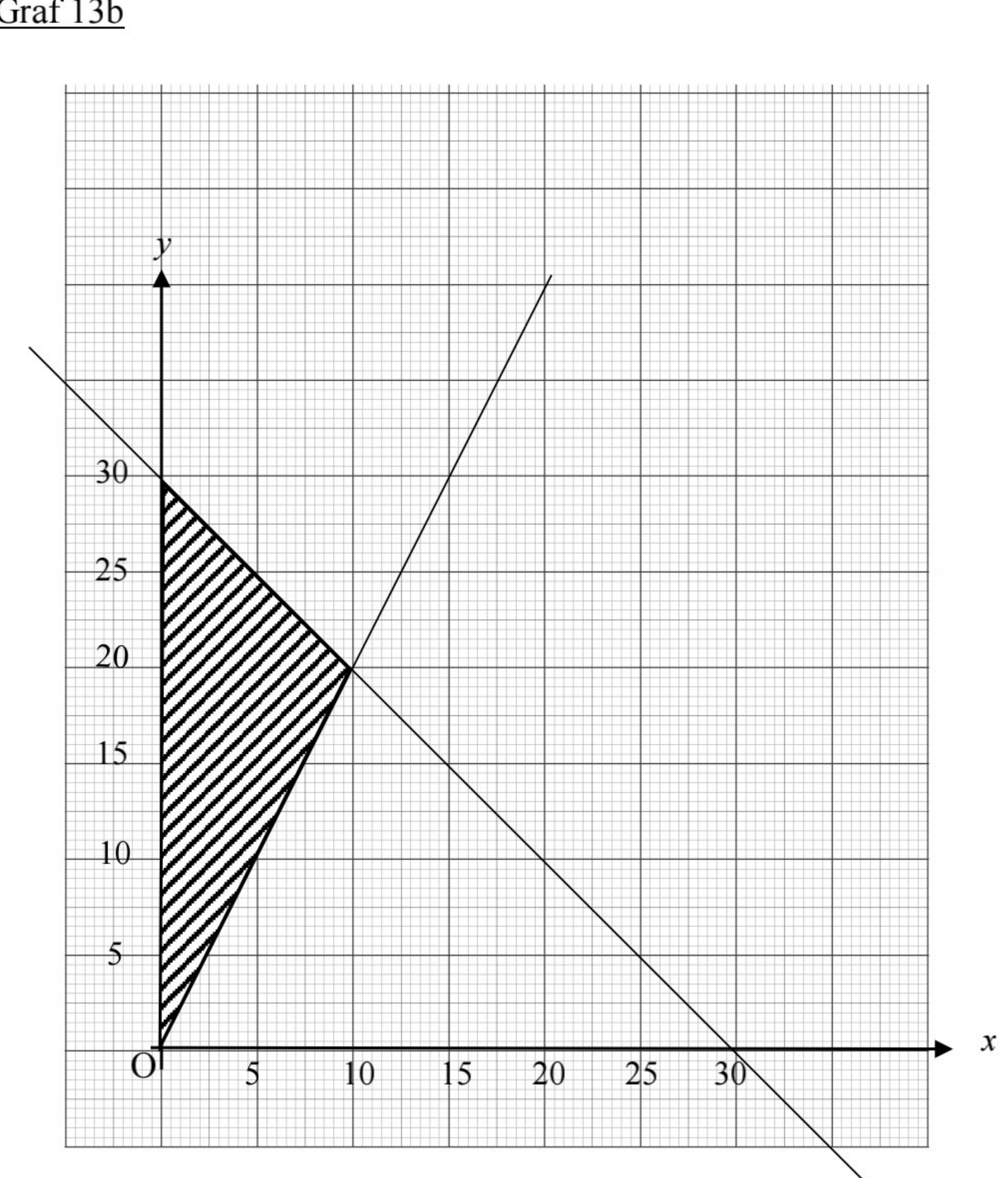
Puan Shira needs to choose a maximum of 30 students for a choral speaking competition involving male and female students. The number of female students selected is at least twice the number of male students. (a) Using x to represent the number of male students and y the number of female students, write two linear inequalities other than x ≥ 0 and y ≥ 0 to represent the situation. (b) Draw and shade the common region that satisfies the system of linear inequalities on the square grid provided (Graph for Question 13). (c) From the graph in 13(b), (i) determine the minimum and maximum number of female students when the number of male students selected is nine, (ii) determine whether the selection conditions are fulfilled if 12 male students want to participate. Give your justification.
Medium9 marks- (a)
Write two linear inequalities (other than x ≥ 0, y ≥ 0).
[2] - (b)
Draw and shade the common region on the graph paper.
[4]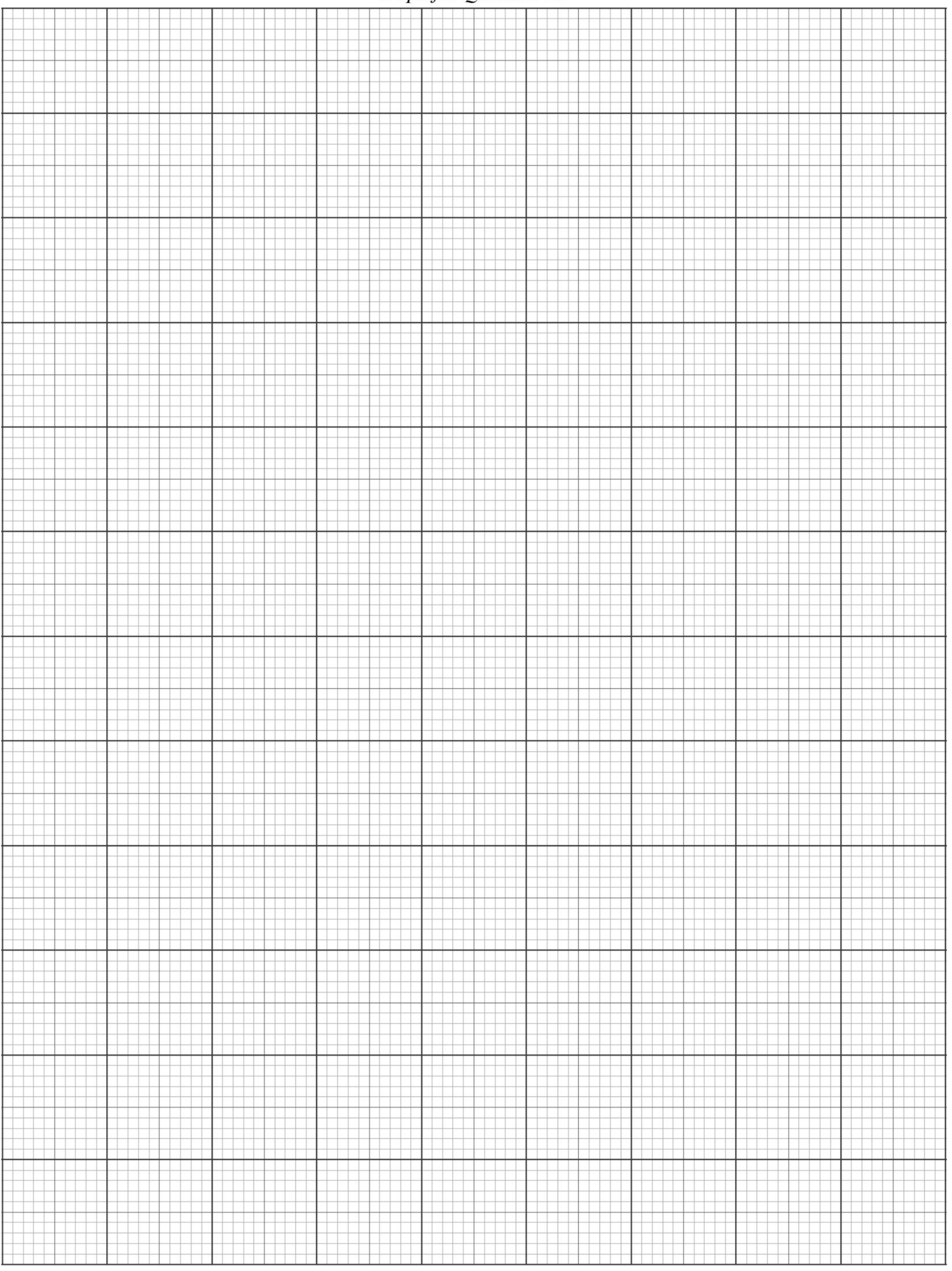
- (c)(i)
Minimum and maximum number of female students when 9 male students are selected.
[2] - (c)(ii)
Are the selection conditions fulfilled if 12 male students participate? Justify.
[1]
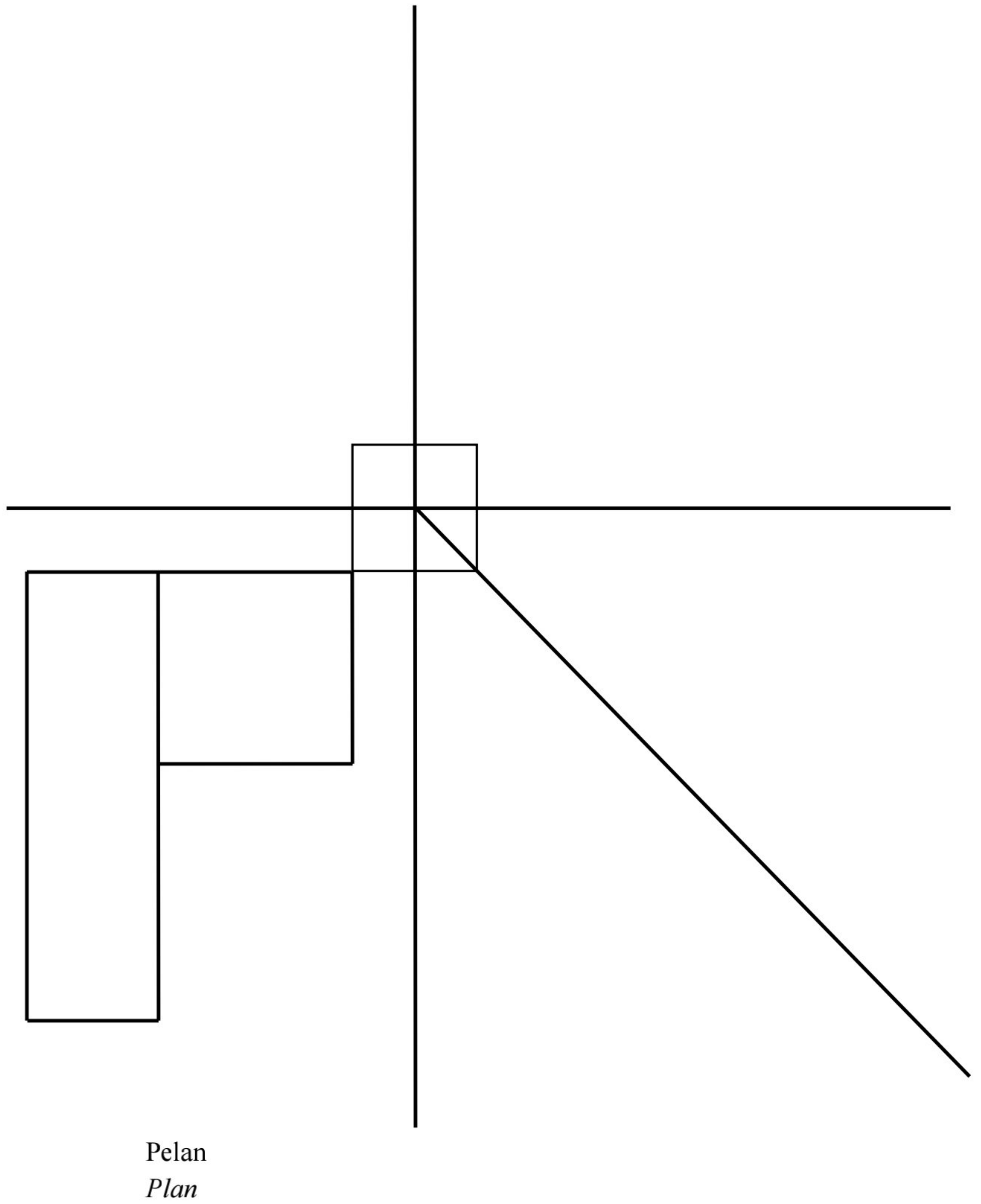
Diagram 11 shows a solid cuboid with square base AEFG (AE = 3 cm, height 4 cm) combined to a right prism at the vertical plane AEKJ. The base ABCDEFG lies on a horizontal plane (BC = 2 cm, EB = 4 cm). M and N are vertically above A and D. Rectangle BCNM is an inclined plane. Given JM = EF. Draw to full scale: (a) the elevation of the combined solid on a vertical plane parallel to BAG as viewed from X, (b) the elevation of the combined solid on a vertical plane parallel to BC as viewed from Y.
Medium9 marks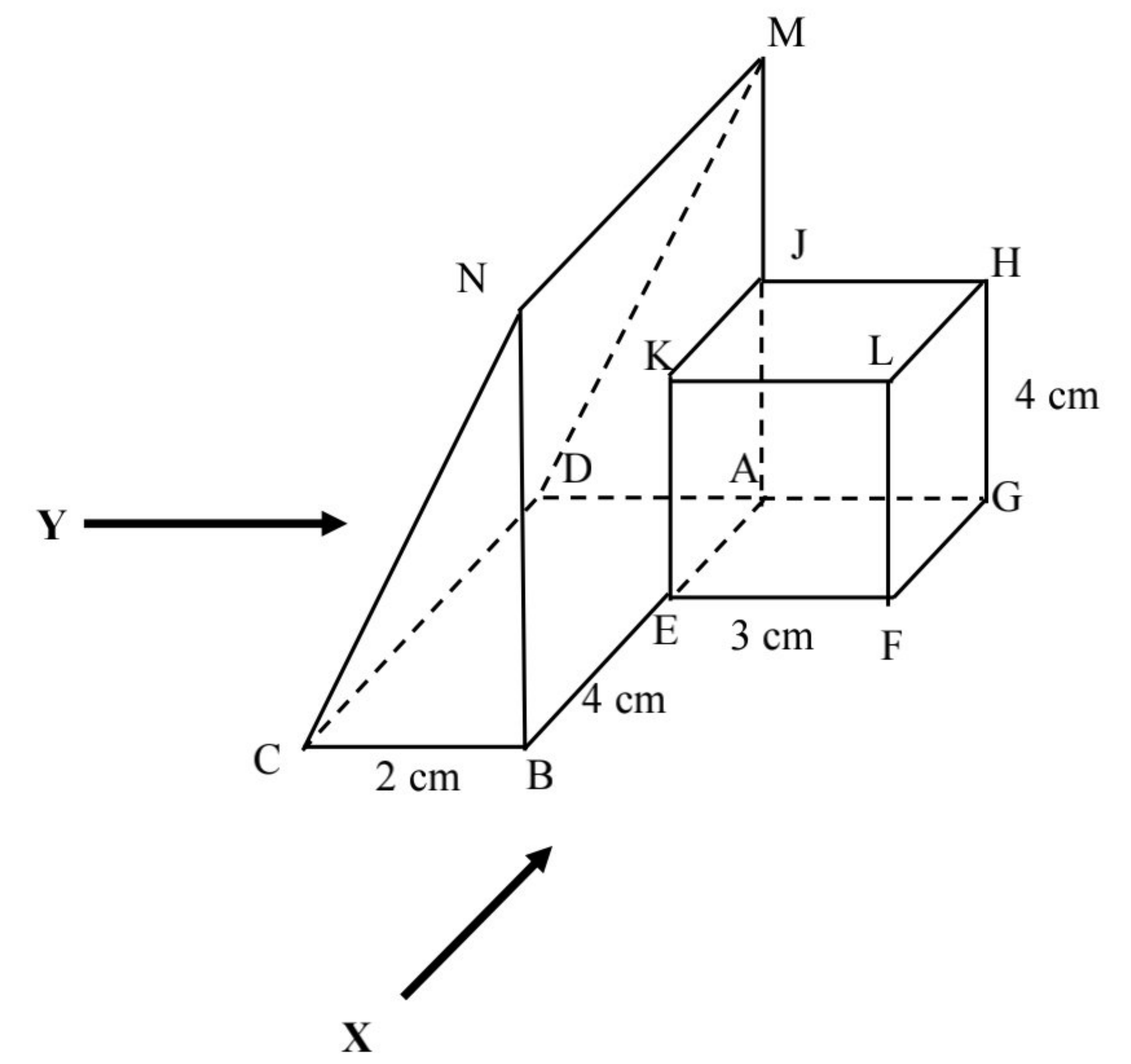
- (a)
Draw the elevation of the combined solid on a vertical plane parallel to BAG as viewed from X.
[4]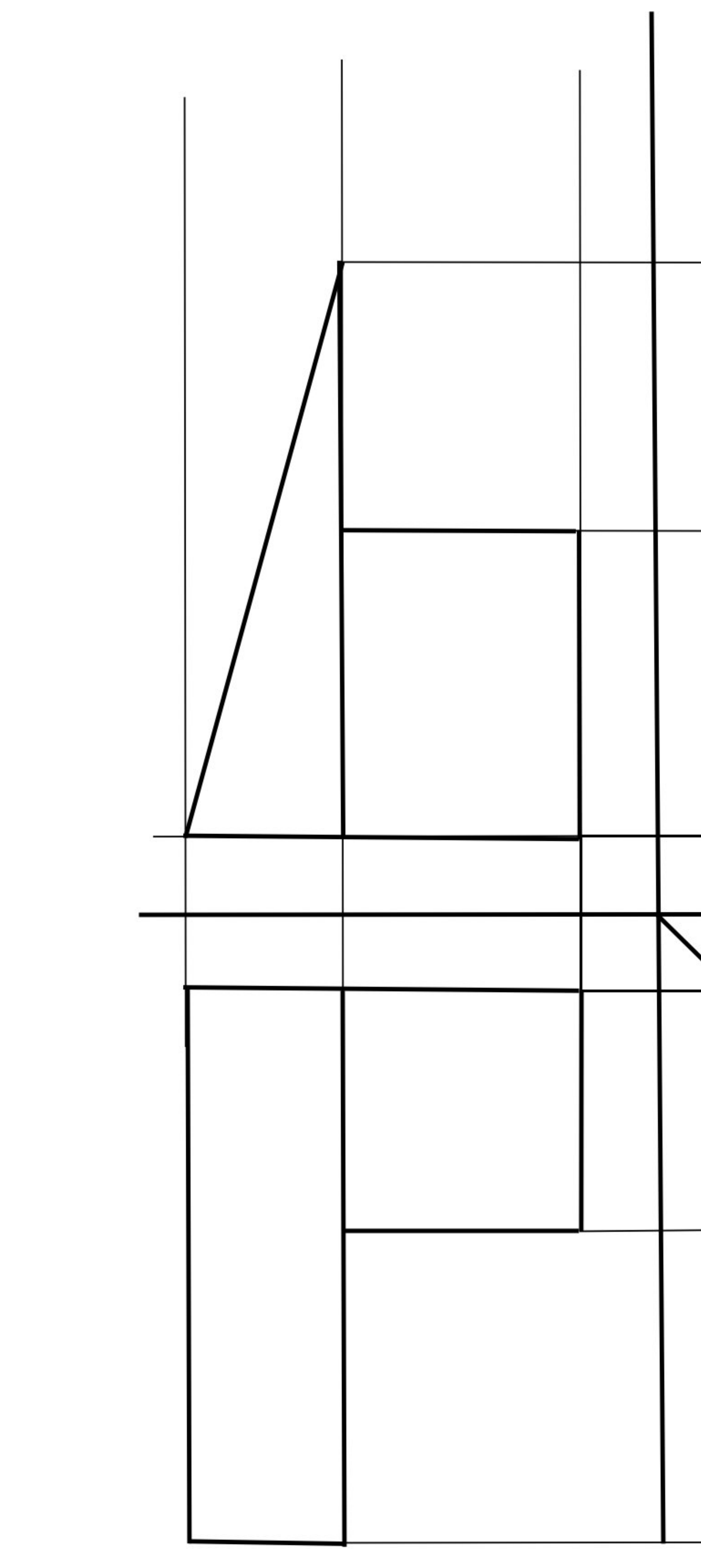
- (b)
Draw the elevation of the combined solid on a vertical plane parallel to BC as viewed from Y.
[5]
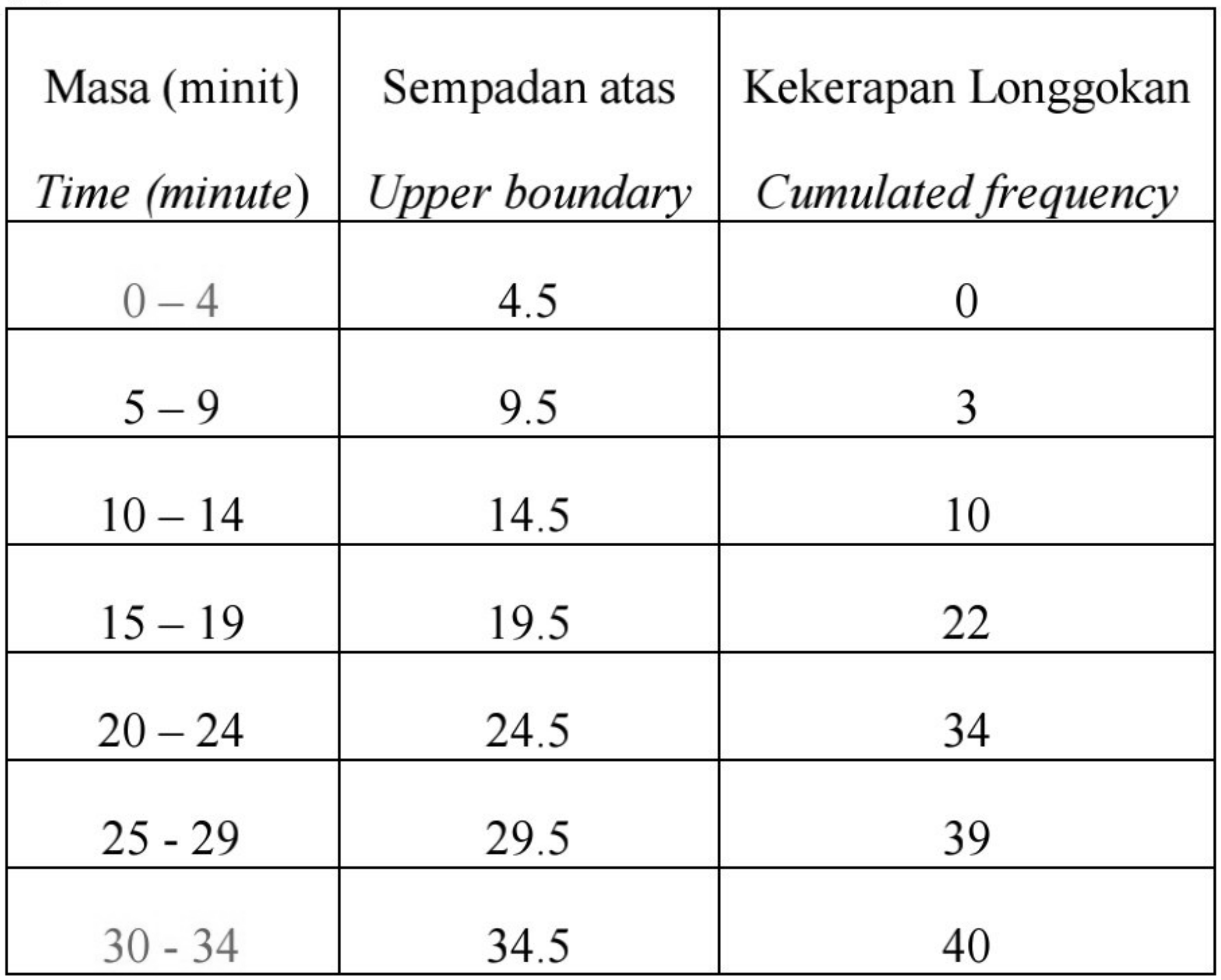
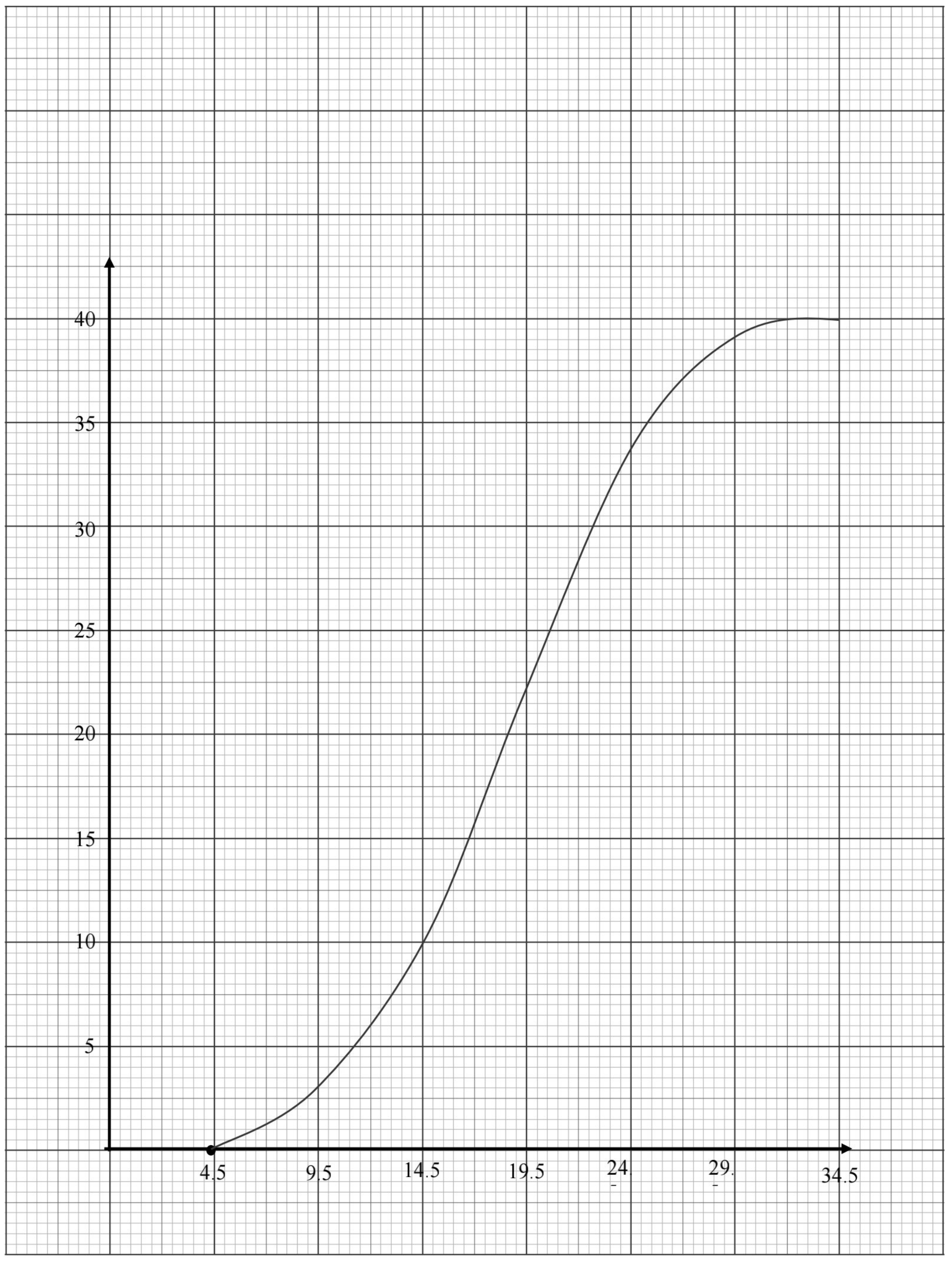
(a) Diagram 12 shows a stem-and-leaf plot of the marks obtained by students of 5 Afdal and 5 Antik in a test (Key: 1 | 4 | 2 means 41 marks for 5 Afdal and 42 marks for 5 Antik). Calculate the range of marks obtained by students of 5 Afdal and 5 Antik. (b) Table 4 shows the time taken by 40 pupils to arrive at school from their house (frequencies 0, 3, 7, 12, 12, 5, 1 for classes 0–4 to 30–34). Complete the cumulative frequency table. (c) Using a scale of 2 cm to 5 units on the x-axis and y-axis, draw an ogive based on the completed Table 4.
Medium9 marks- (a)
Calculate the range of marks of 5 Afdal and of 5 Antik.
[2]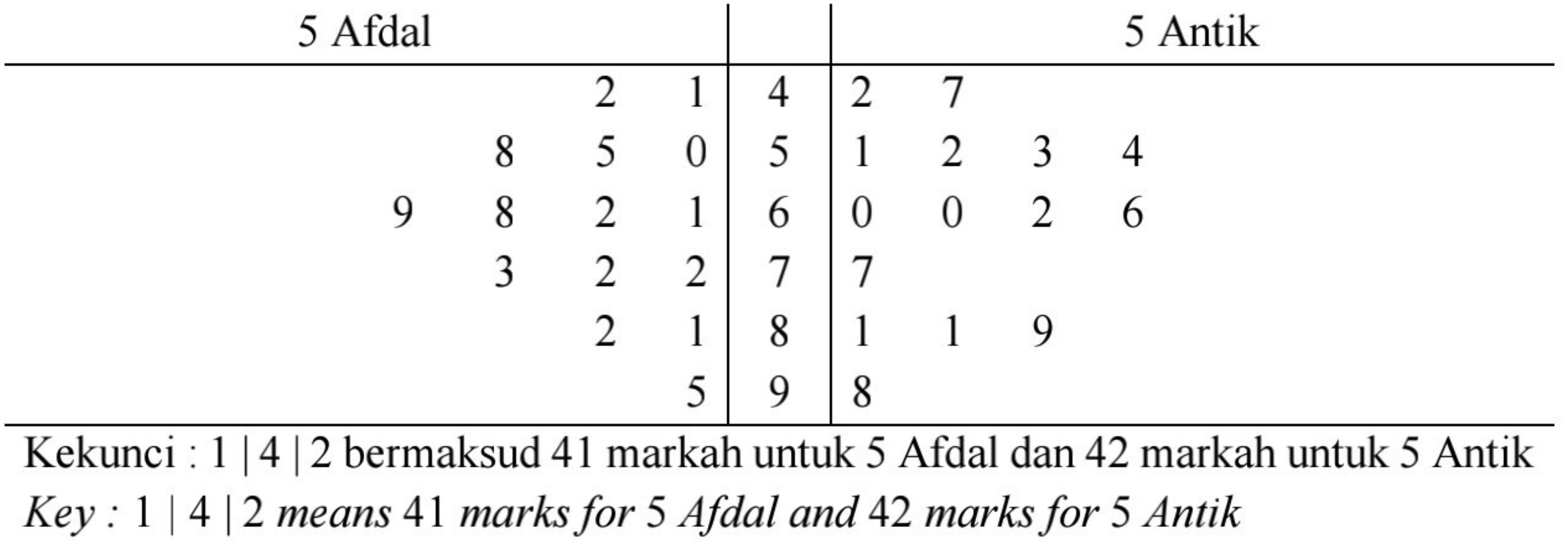
- (b)
Complete the cumulative frequency table (Table 4).
[3]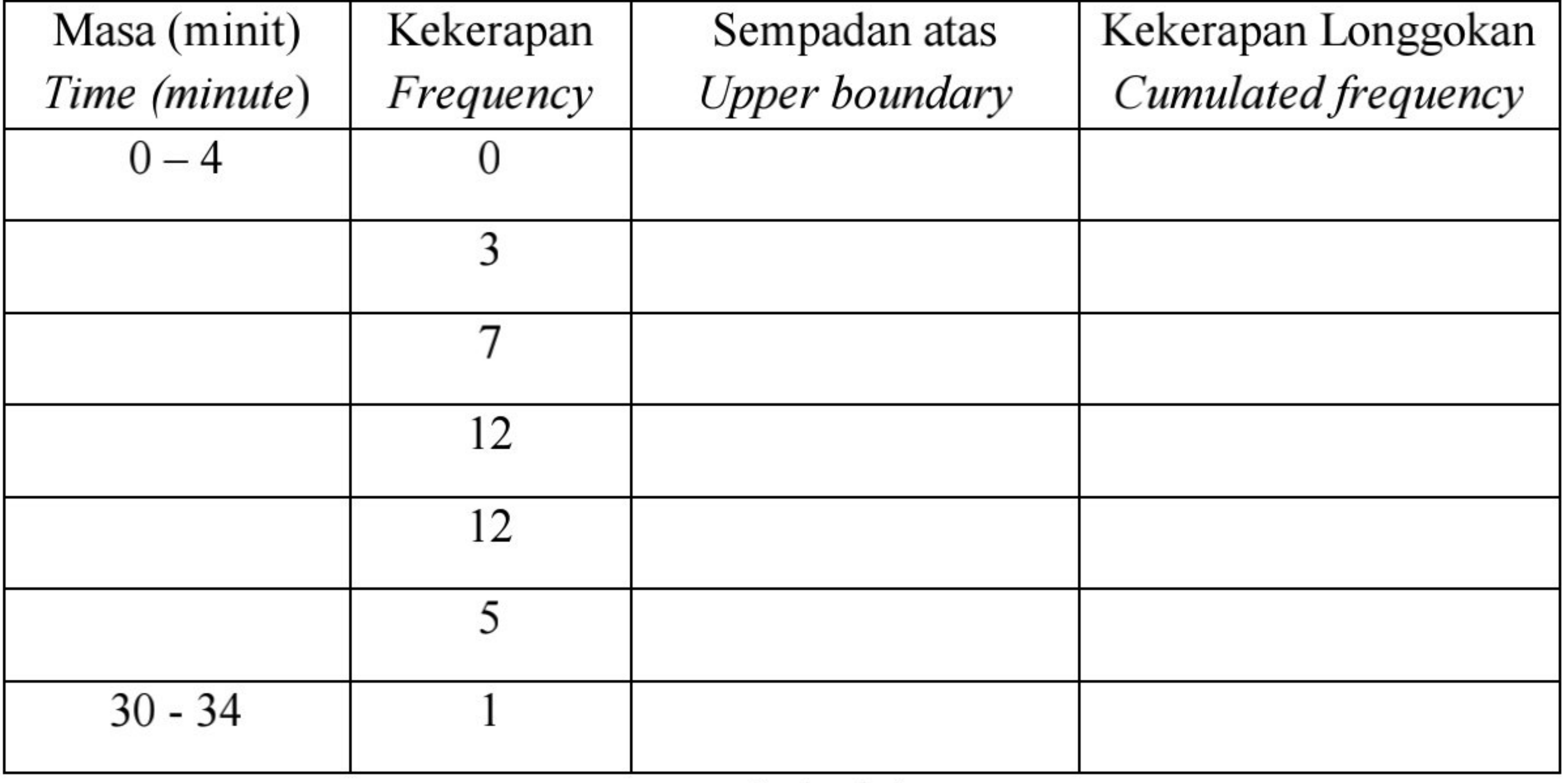
- (c)
Draw an ogive (scale 2 cm to 5 units on both axes).
[4]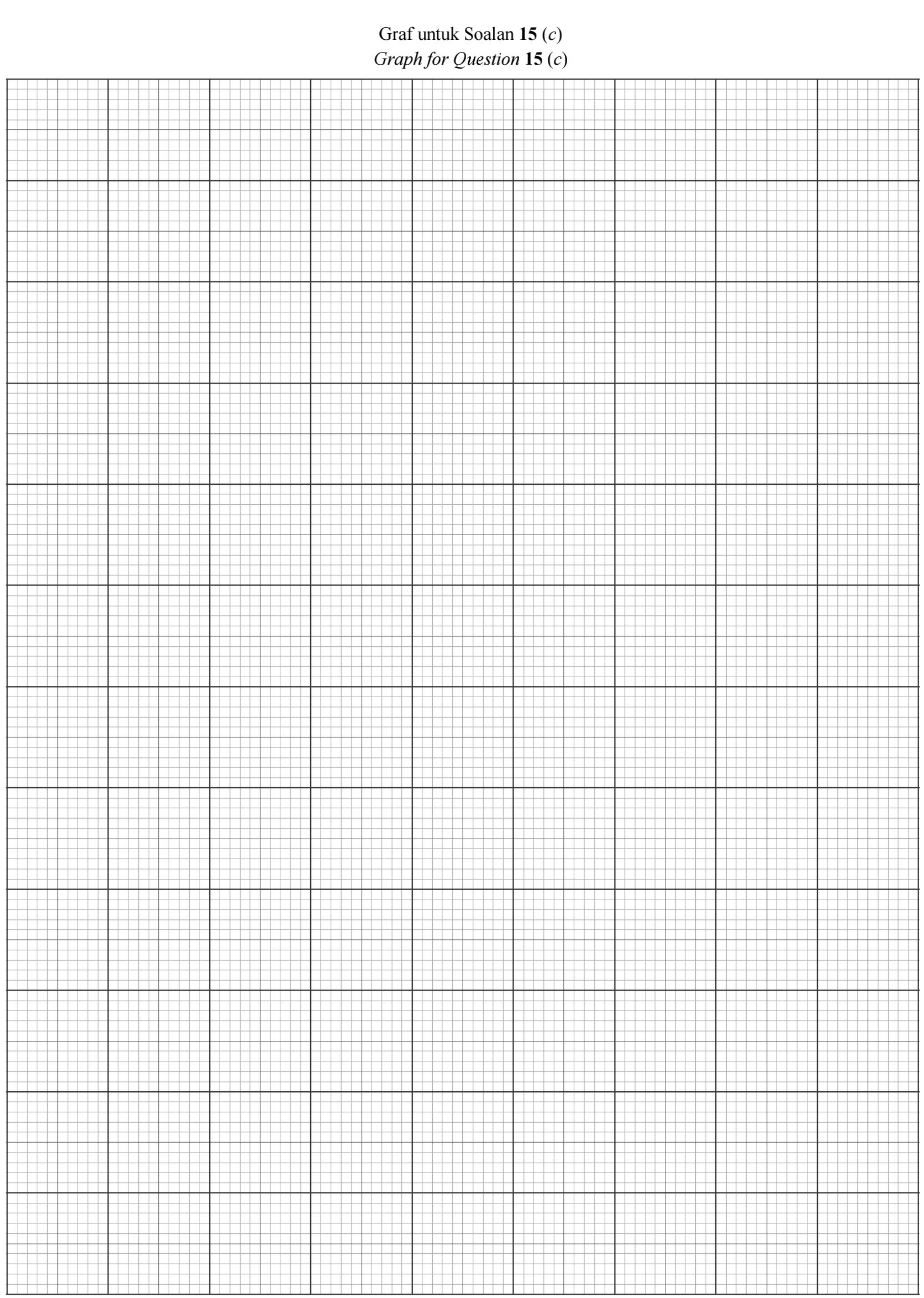
Section C
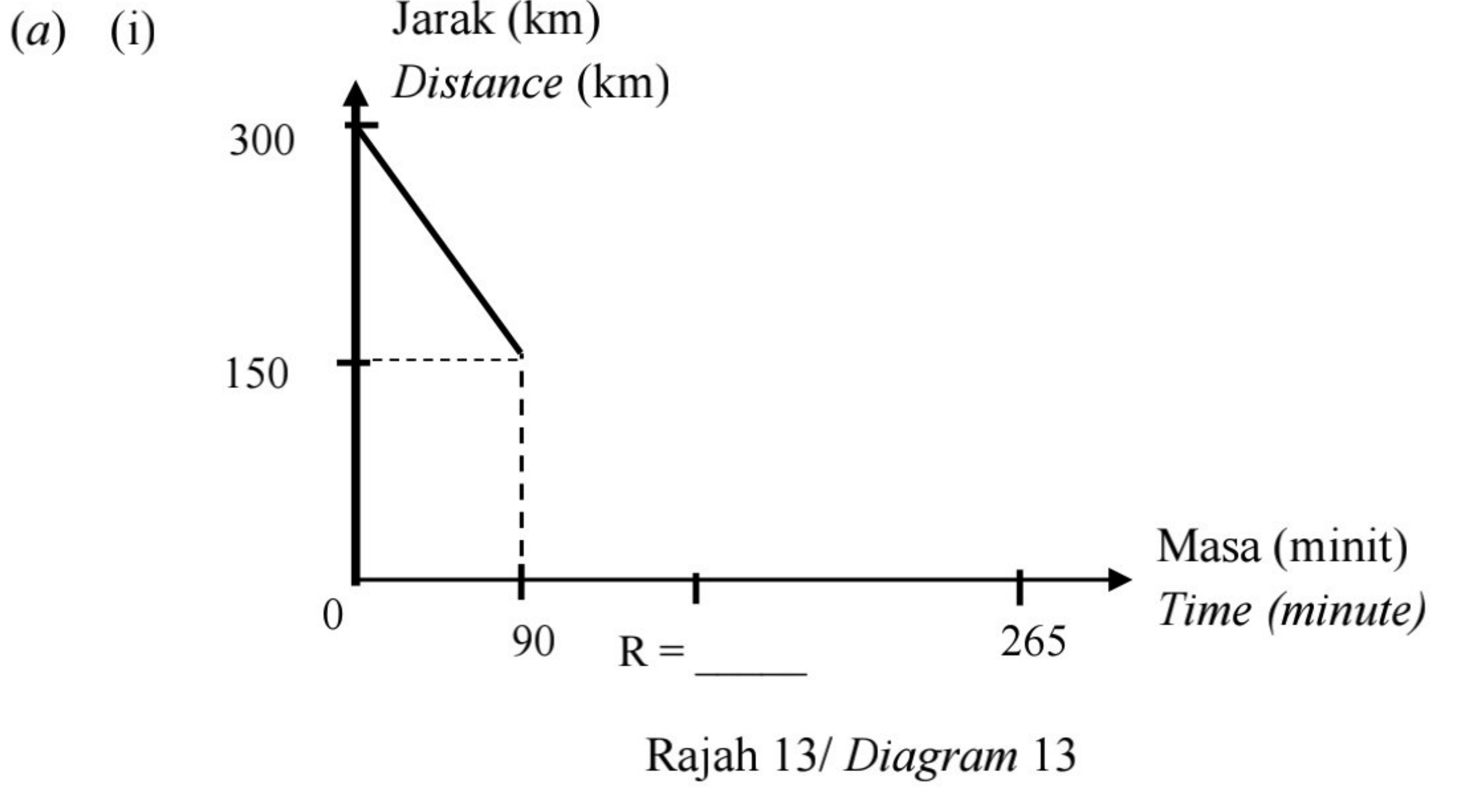
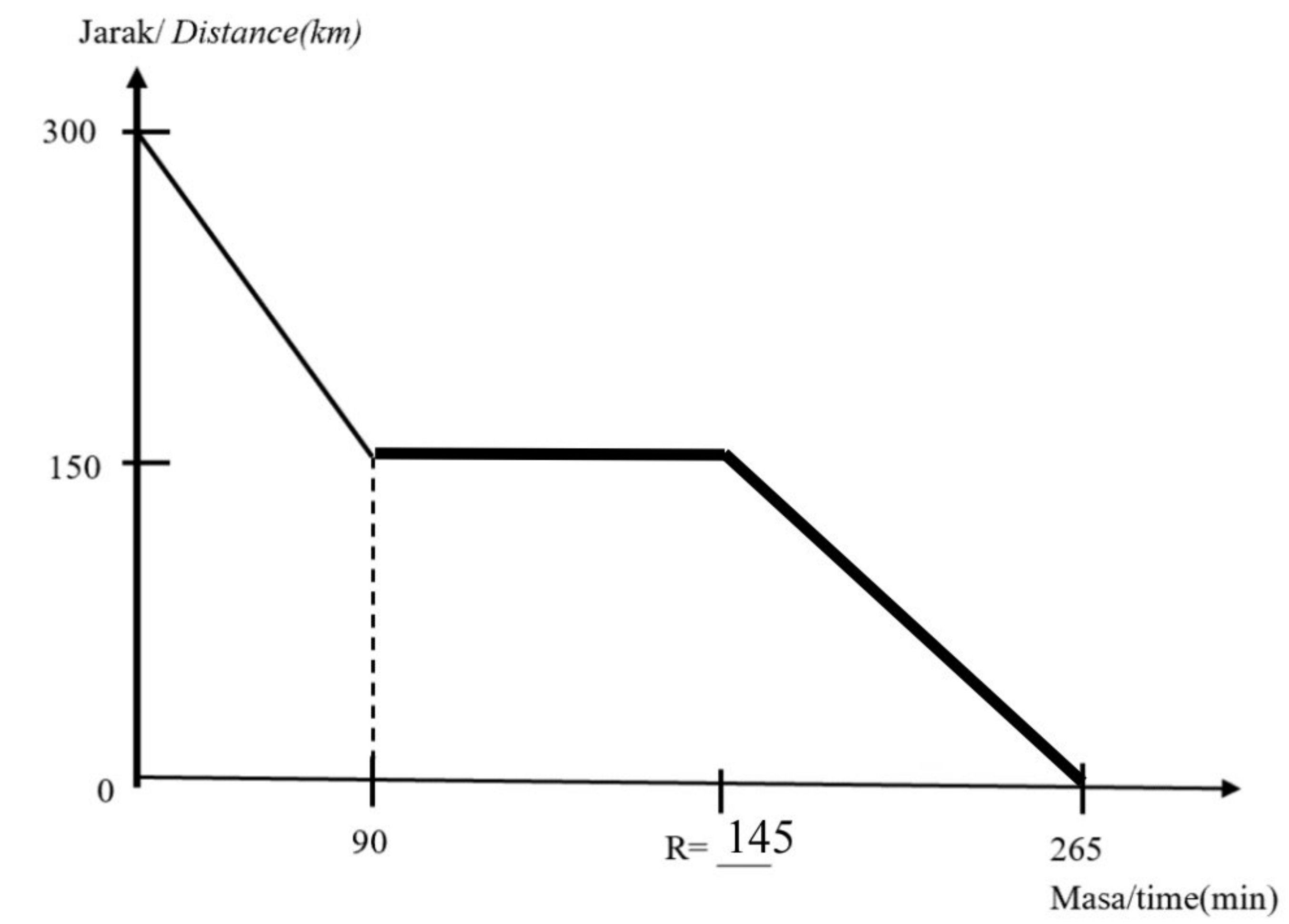
Section C (answer one question; Q16 and Q17 are both printed). Encik Lim is a farmer in Tanah Rata, Cameron Highlands. Every week he delivers vegetables to a market in Selayang Baru, Kuala Lumpur. (a)(i) Mr Lim drove his lorry 300 km from Tanah Rata to Kuala Lumpur. Table 5: 7.45 a.m. journey starts; 9.15 a.m. stop at Rest and Recreation after driving 150 km; 10.10 a.m. continue journey; 12.10 a.m. arrive in Kuala Lumpur. Complete the distance-time graph in Diagram 13 for the whole journey and find the value of R. (ii) After reaching Market A, Mr Lim inspects 150 packages of tomatoes and 100 packages of carrots. Some tomato packages are damaged. Find the probability of a tomato package that is still good, if 7 of the packages are damaged. (b) Diagram 14 shows route choices from R (friend's house in Selayang Baru) to W (Wholesale Market A) through S (petrol pump), T (MRT and LRT stations), U (Metro Prima), V (Multipurpose Hall), with distances in km. (i) Determine the shortest route from R to W if all routes are travelled once only. (ii) What is the shortest distance, in km? (c) Mr Lim sells tomatoes at RMx a pack and carrots at RMy a pack. Table 6: first month 150 tomato packs, 180 carrot packs; second month 200 and 250. Sales were RM930 in the first month and RM1275 in the second. (i) Write two linear equations in x and y. (ii) Table 7 shows choy lengths of hybrid P and Q (60 samples). Given the mean and standard deviation of hybrid P are 1.53 and 0.63, determine the hybrid that produces a longer and more consistent choy. (d) Mr Lim saves RM30 000 in a fixed deposit account for 3 years at 7.5% per annum. What is the difference between the interest earned if compound interest (compounded once every 4 months) is given compared to simple interest?
Hard15 marks- (a)(i)
Complete the distance-time graph (Diagram 13) and find R.
[2]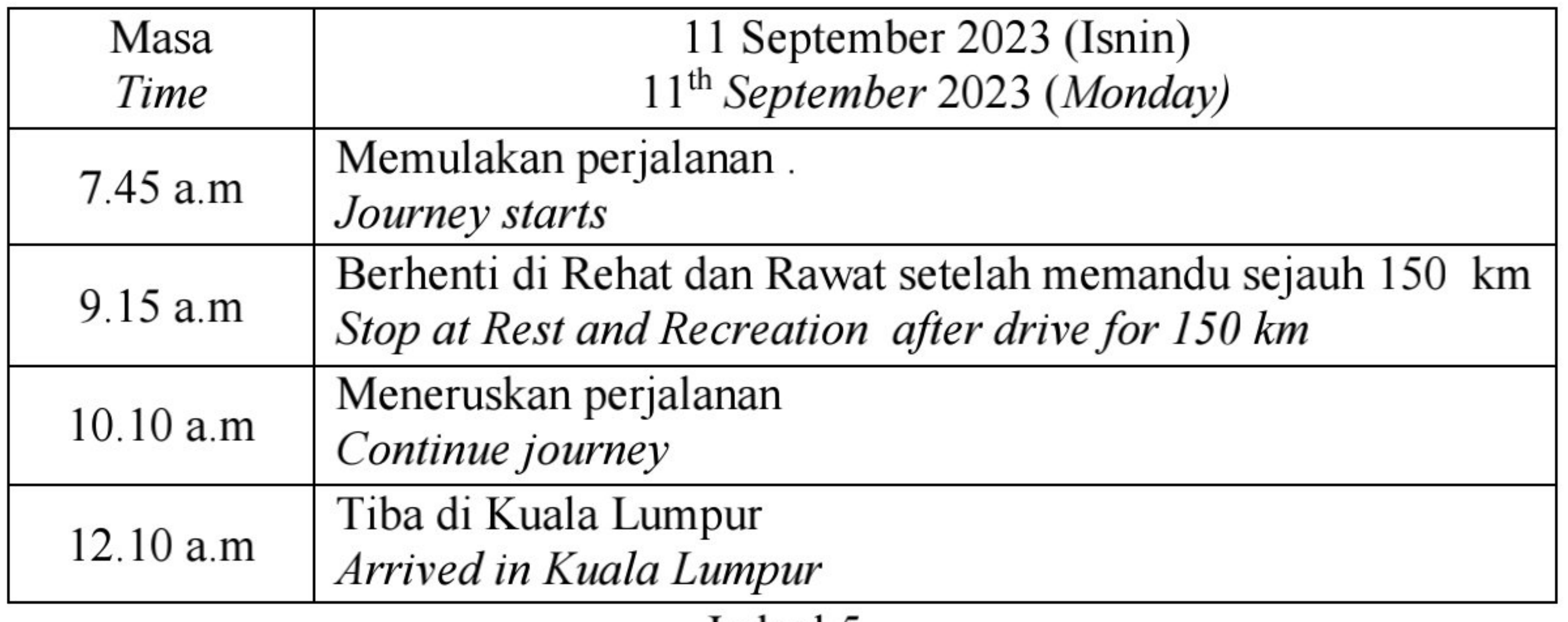
- (a)(ii)
Probability of a tomato package that is still good (7 damaged).
[1] - (b)
(i) Shortest route from R to W (all routes travelled once). (ii) Shortest distance in km.
[3]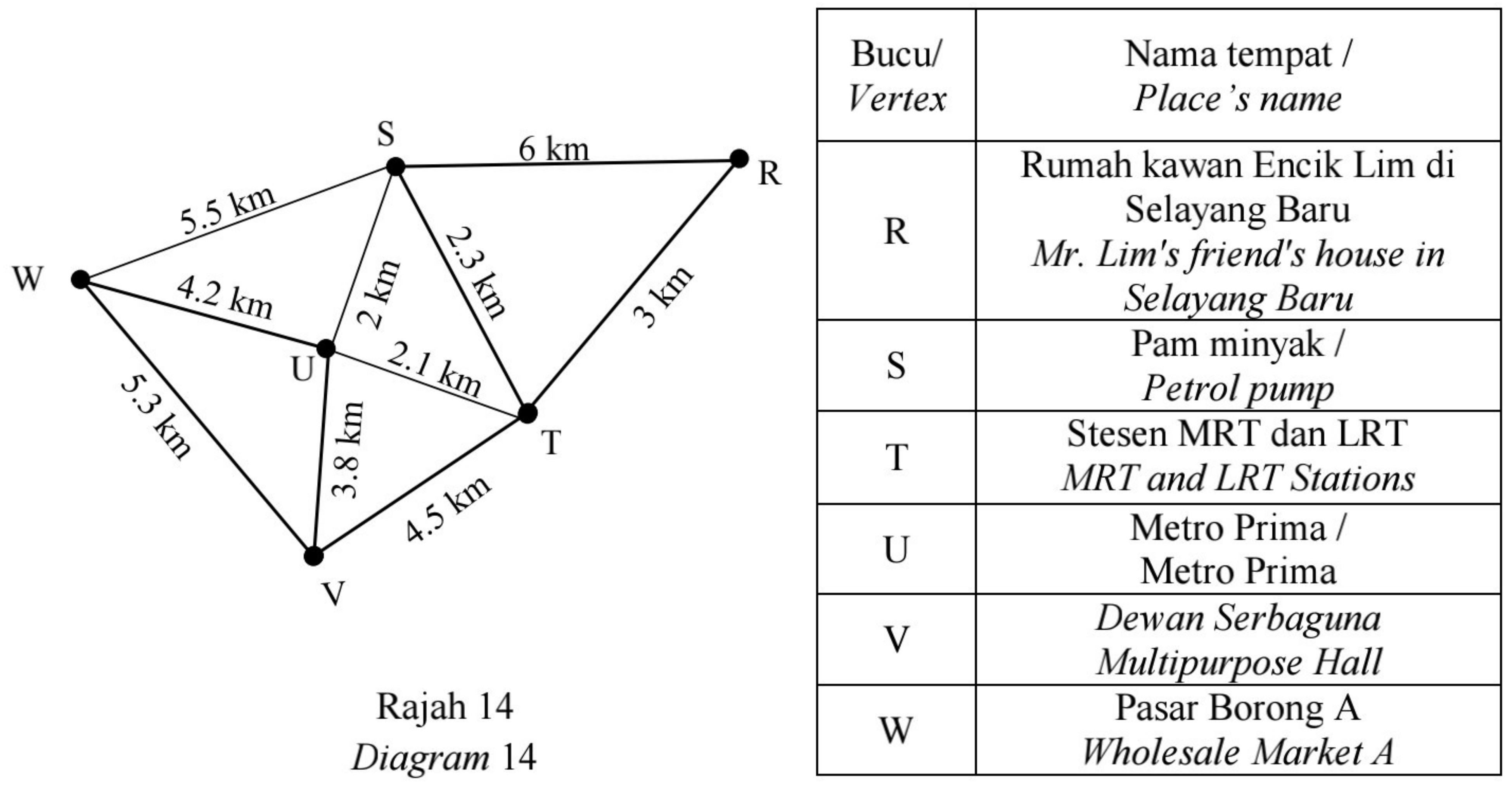
- (c)(i)
Write two linear equations in x and y.
[2]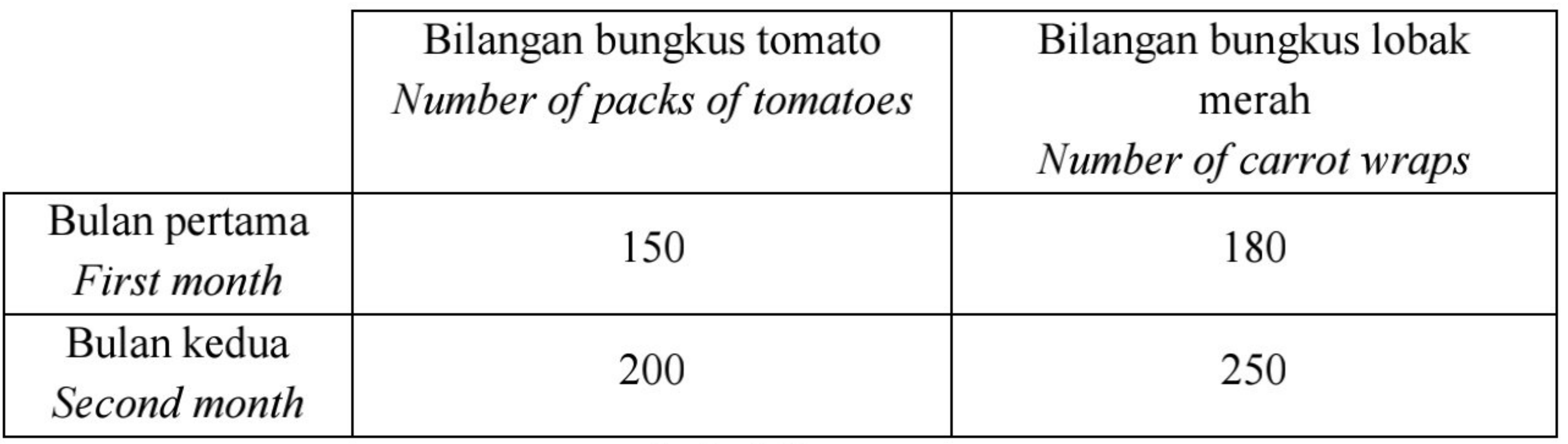
- (c)(ii)
Hybrid that produces a longer and more consistent choy (Table 7; P: mean 1.53, SD 0.63).
[3]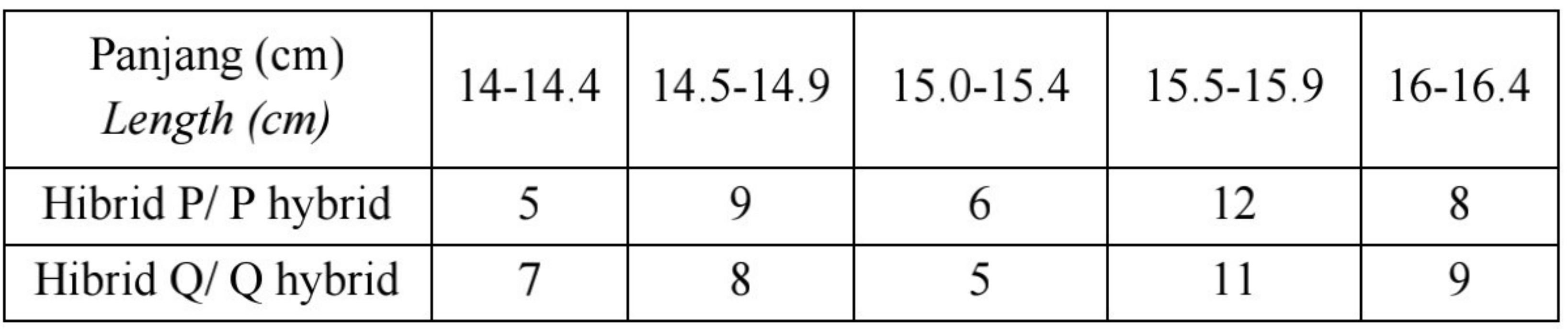
- (d)
Difference between compound interest (compounded every 4 months) and simple interest on RM30 000 for 3 years at 7.5%.
[4]
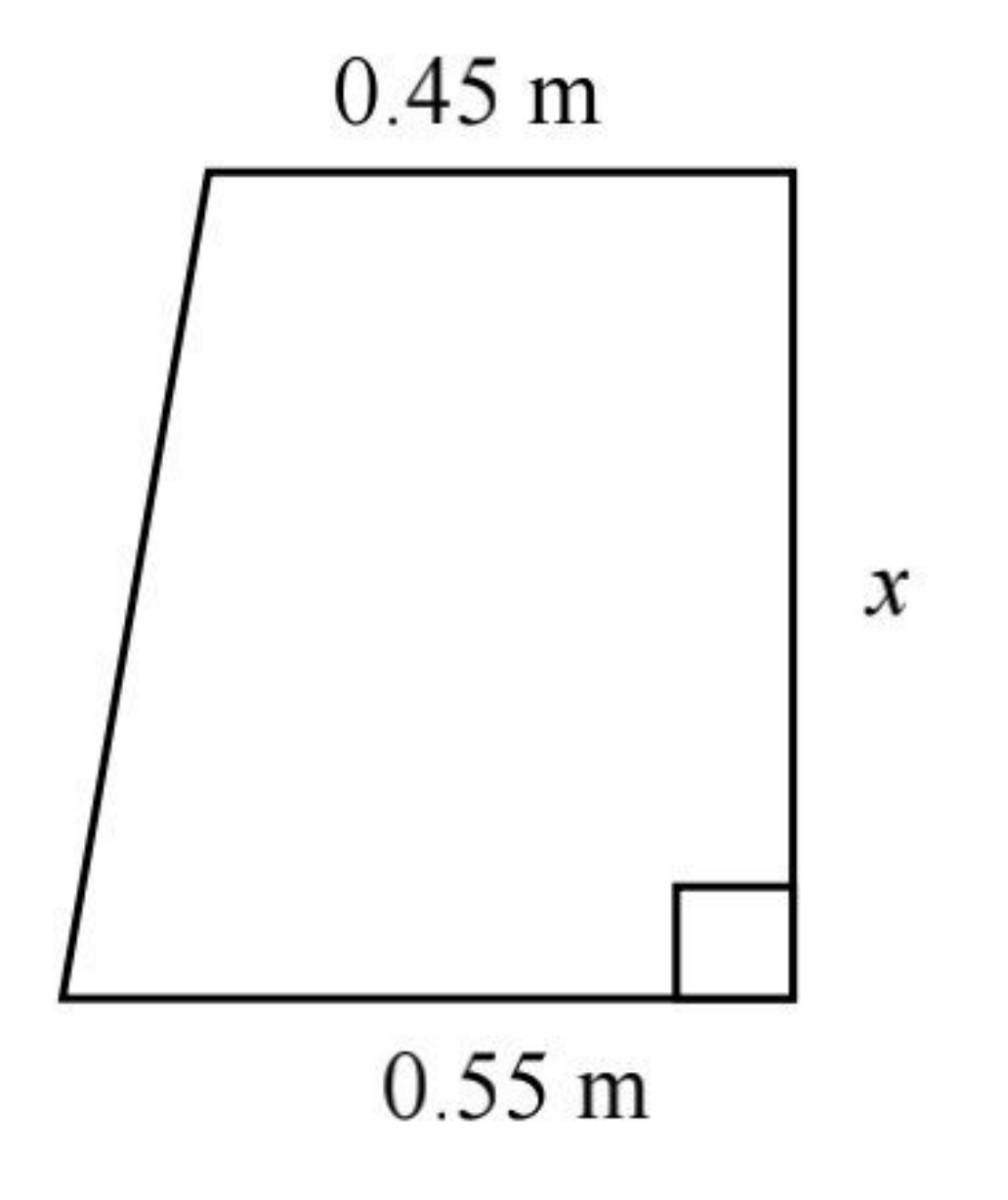
Table 8: car price RM146 900, interest charge 2.75%, down payment 10%, loan repayment period 7 years. (a) Encik Harith plans to buy a car on credit. Based on Table 8, calculate (i) the total loan repayment, (ii) the monthly instalment. (b)(i) Mr Harith wants a car registration plate with his favourite numbers 6, 5 and 2. List the three-digit numbers that can be selected, in descending order, using set notation. (ii) A study of 100 adults: 68 own a national car N, 52 own an imported car M, 27 own both. Complete the Venn diagram in the answer space. Hence state the number of people who own the national car only. (c) Diagram 15 is a speed-time graph (speed in km/h against time in 24-hour system: 0 km/h at 1830, 100 km/h at 2140, constant 100 km/h until 2330, 120 km/h at 0515) for the journey from Pasir Gudang to Kemaman. Calculate (i) the time period in minutes of the car moving at a uniform speed, (ii) the rate of change of speed against time in km/h for the first 30 minutes [as printed]. (d)(i) The time taken to reach Kemaman, t, varies directly with the distance, d, and inversely with the speed, v. The distance travelled to reach Mersing is 150 km at a uniform speed of 100 km/h and takes 2 hours 15 minutes. Calculate the distance travelled if Mr Harith takes 4 hours 15 minutes at a speed of 110 km/h. (ii) A car carpet is cut in the shape of a trapezium (Diagram 16: parallel sides 0.45 m and 0.55 m, perpendicular height x). Given the area is 3 250 cm², calculate the length x in metres.
Hard15 marks- (a)(i)
Calculate the total loan repayment.
[2]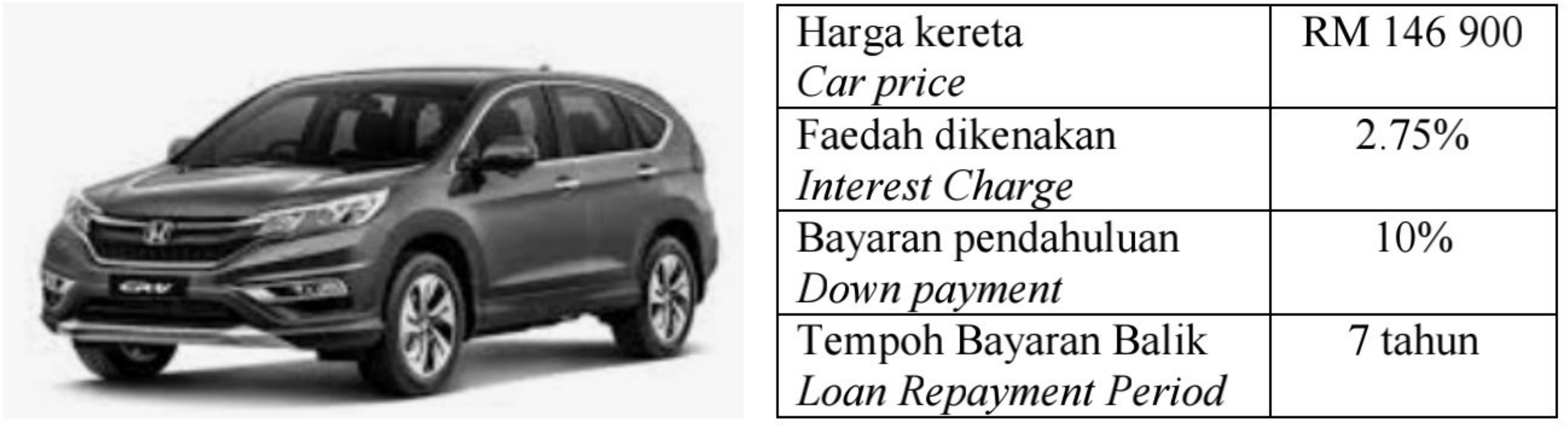
- (a)(ii)
Calculate the monthly instalment.
[2] - (b)(i)
List the three-digit numbers in descending order using set notation.
[1] - (b)(ii)
Complete the Venn diagram and state the number who own the national car only.
[3]
- (c)(i)
Time in minutes the car moves at uniform speed.
[1]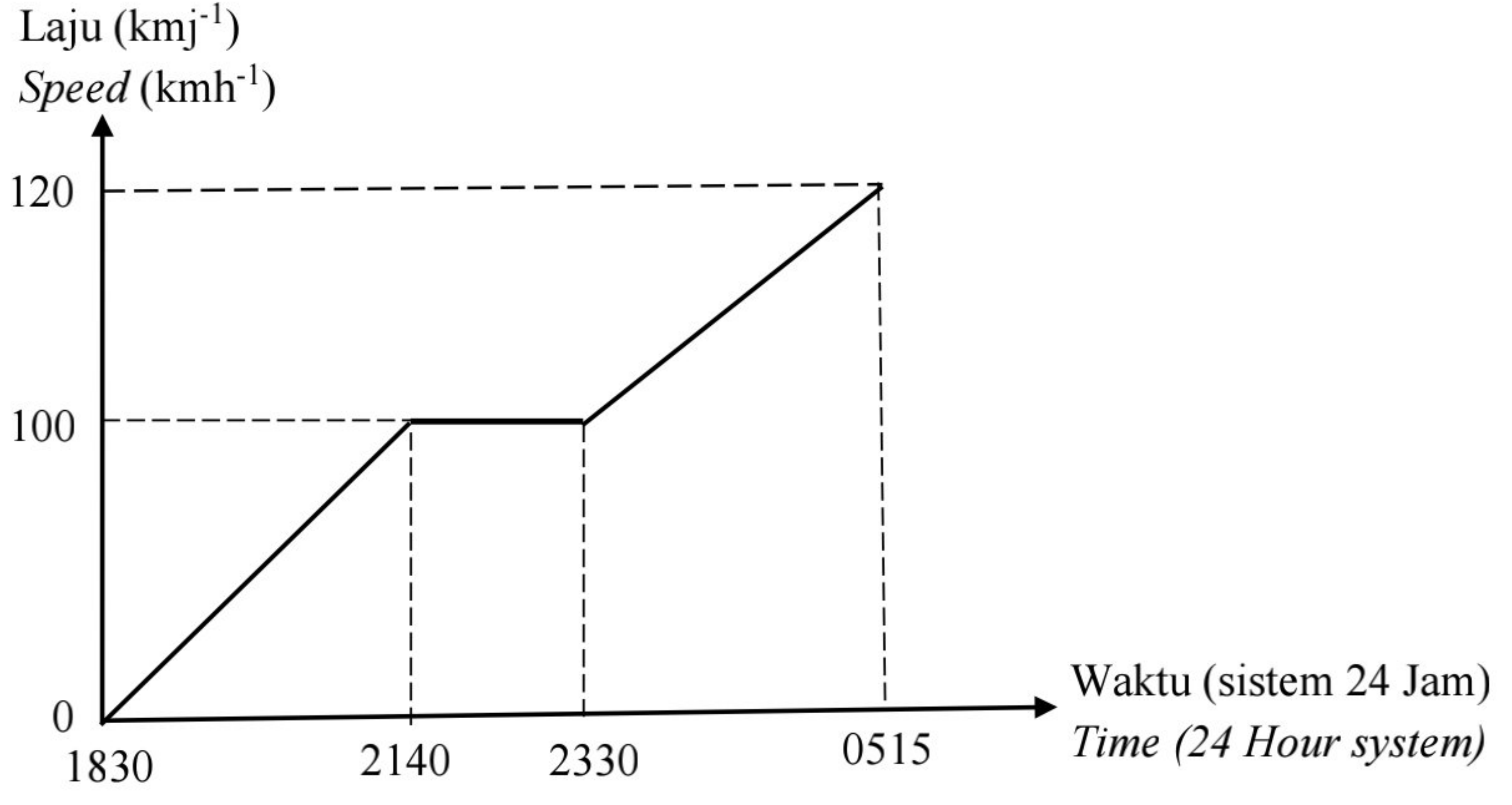
- (c)(ii)
Rate of change of speed against time for the first 30 minutes (as printed).
[2] - (d)(i)
Calculate the distance travelled in 4 h 15 min at 110 km/h.
[2] - (d)(ii)
Calculate the length x of the car carpet in metres (area 3 250 cm²).
[2]