Write your answer on paper. Then open the answer to check it.
Section A
(a) Diagram 1 shows an irregular polygon. Name the polygon. (b) Diagram 2 shows the exterior angles of a polygon (50°, 95°, 45°, 50°, 80° and y). Calculate the value of y.
Medium3 marks- (a)
Name the polygon in Diagram 1.
[1]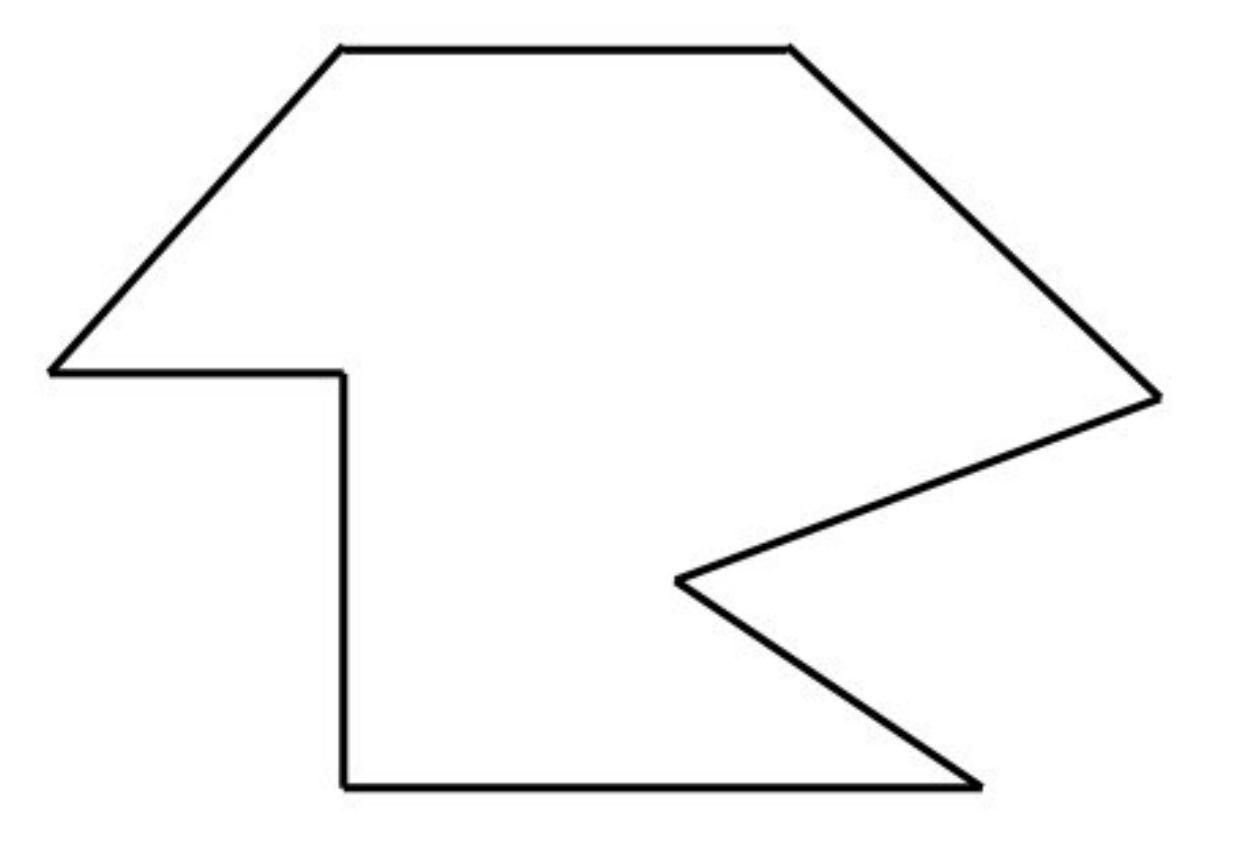
- (b)
Calculate the value of y.
[2]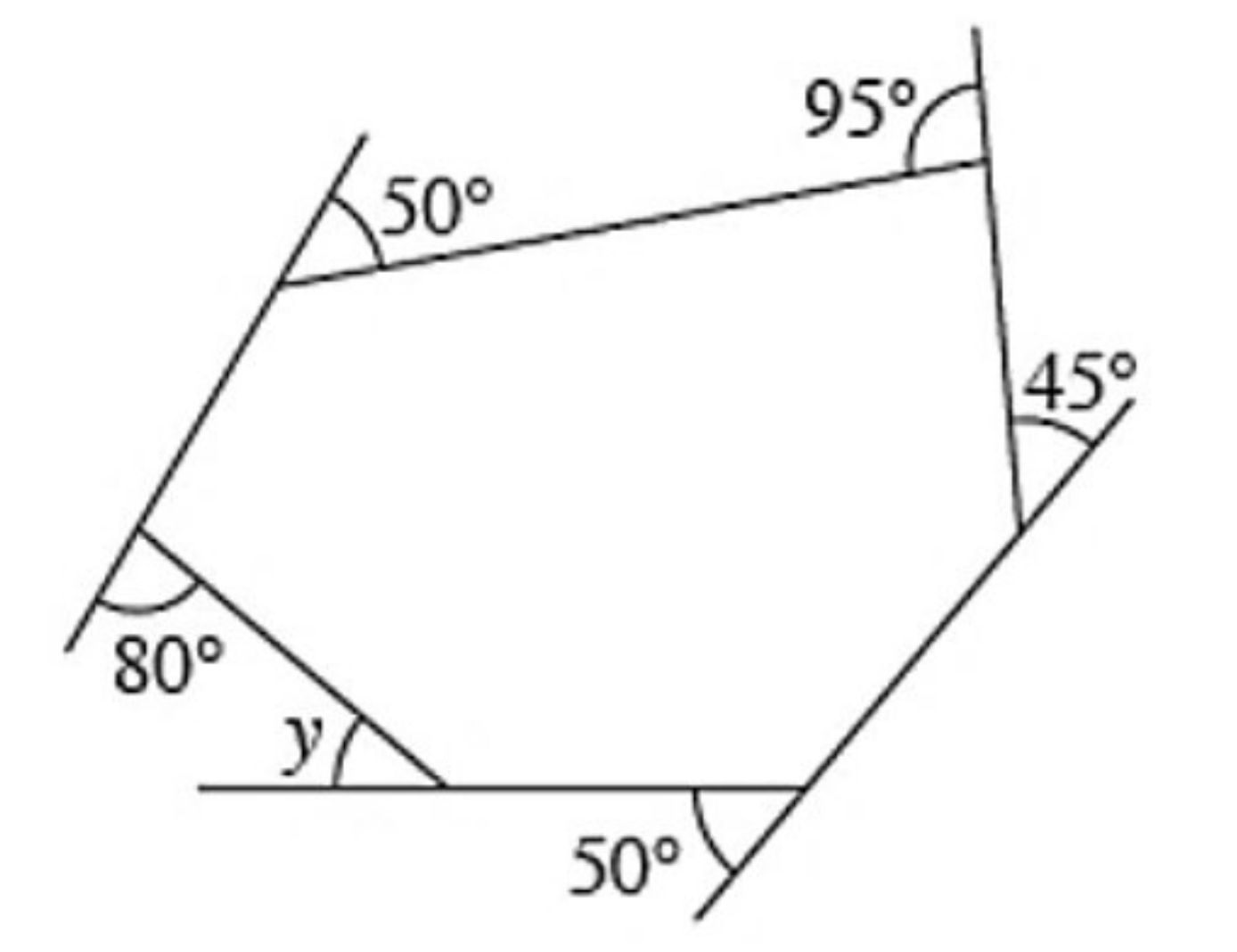
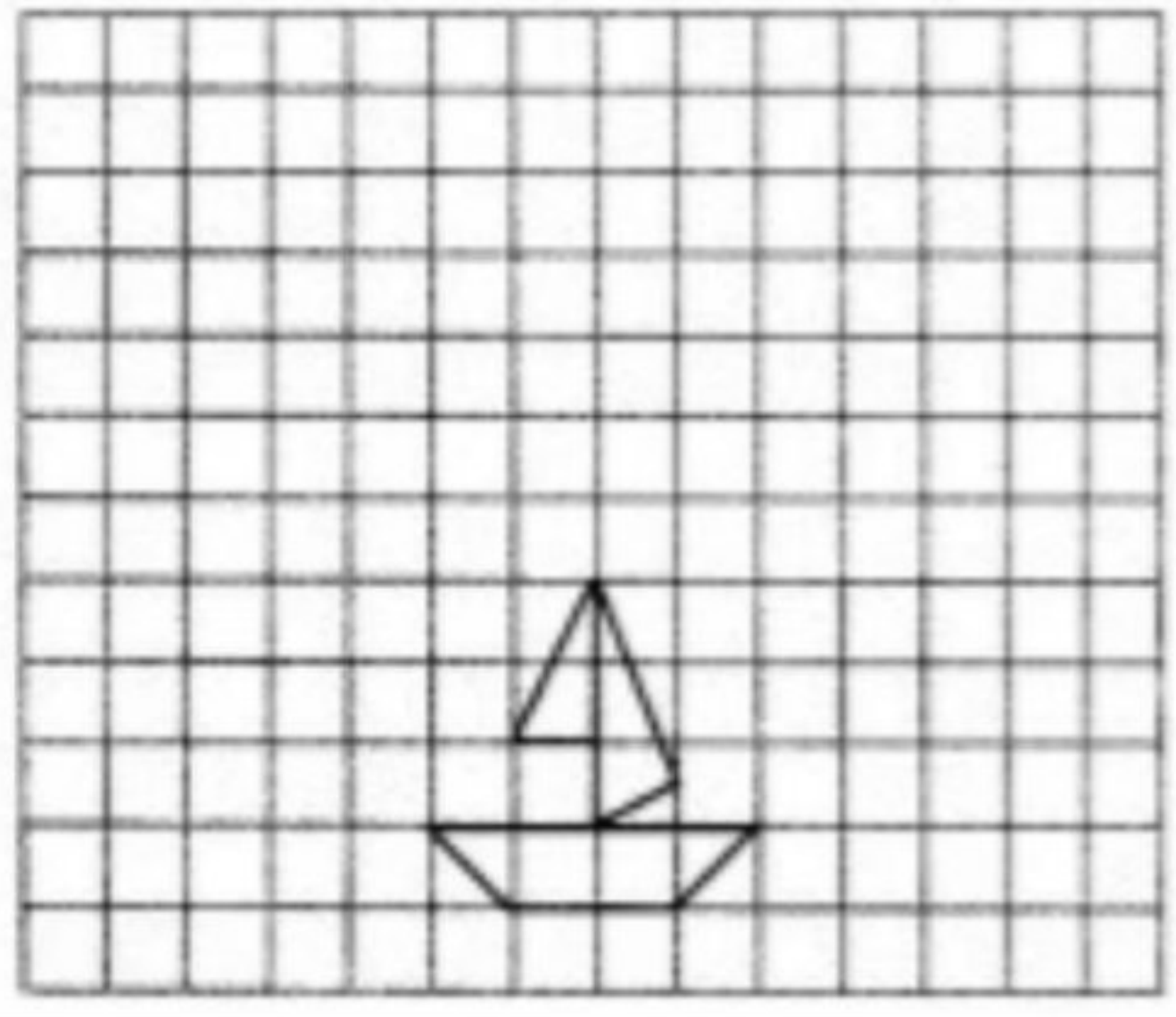
(a) In Diagram 3, TU (9 cm) is the scale drawing of RS (3 cm). State the scale used. (b) Diagram 4 shows a scaled drawing on a square grid at scale 1 : 2. Draw the real object on the grid provided.
Medium3 marks- (a)
State the scale used.
[1]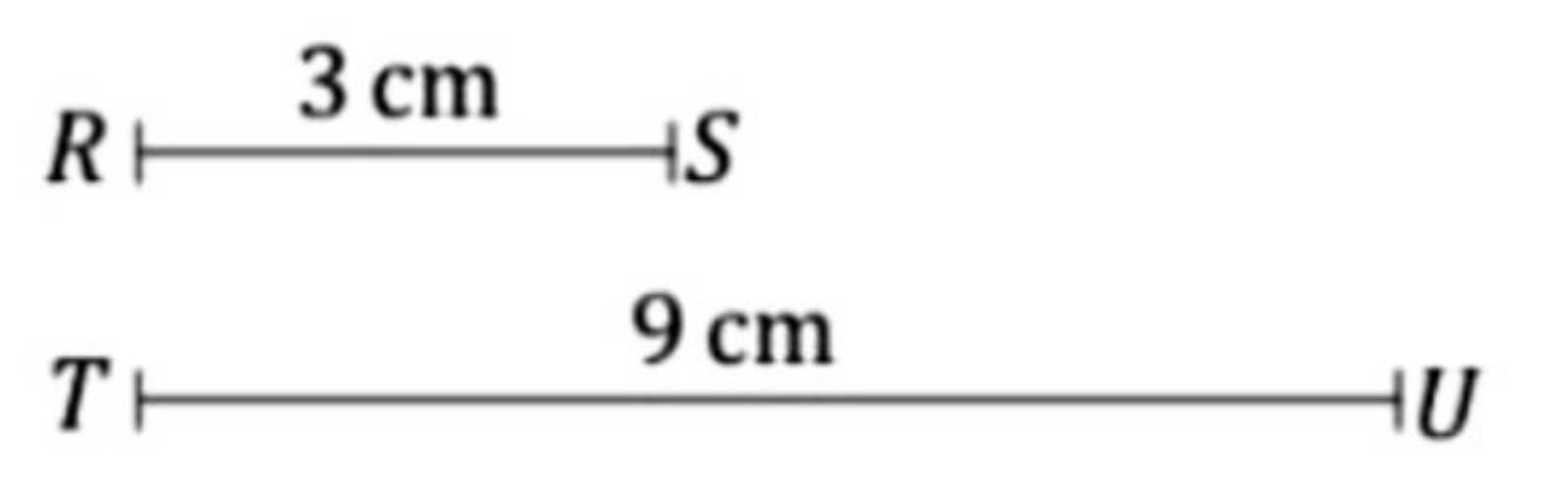
- (b)
Draw the real object (scale 1 : 2) on the grid.
[2]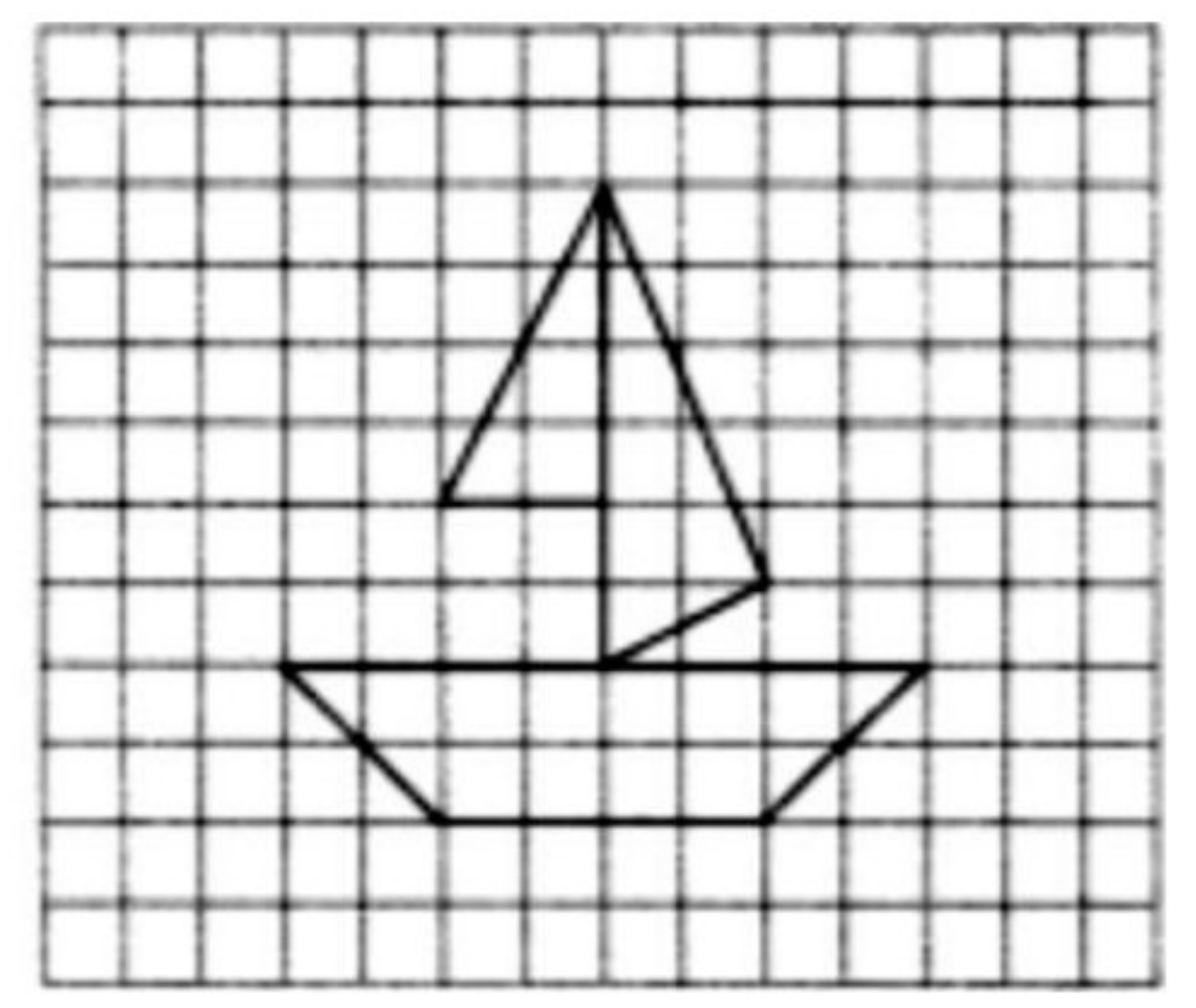

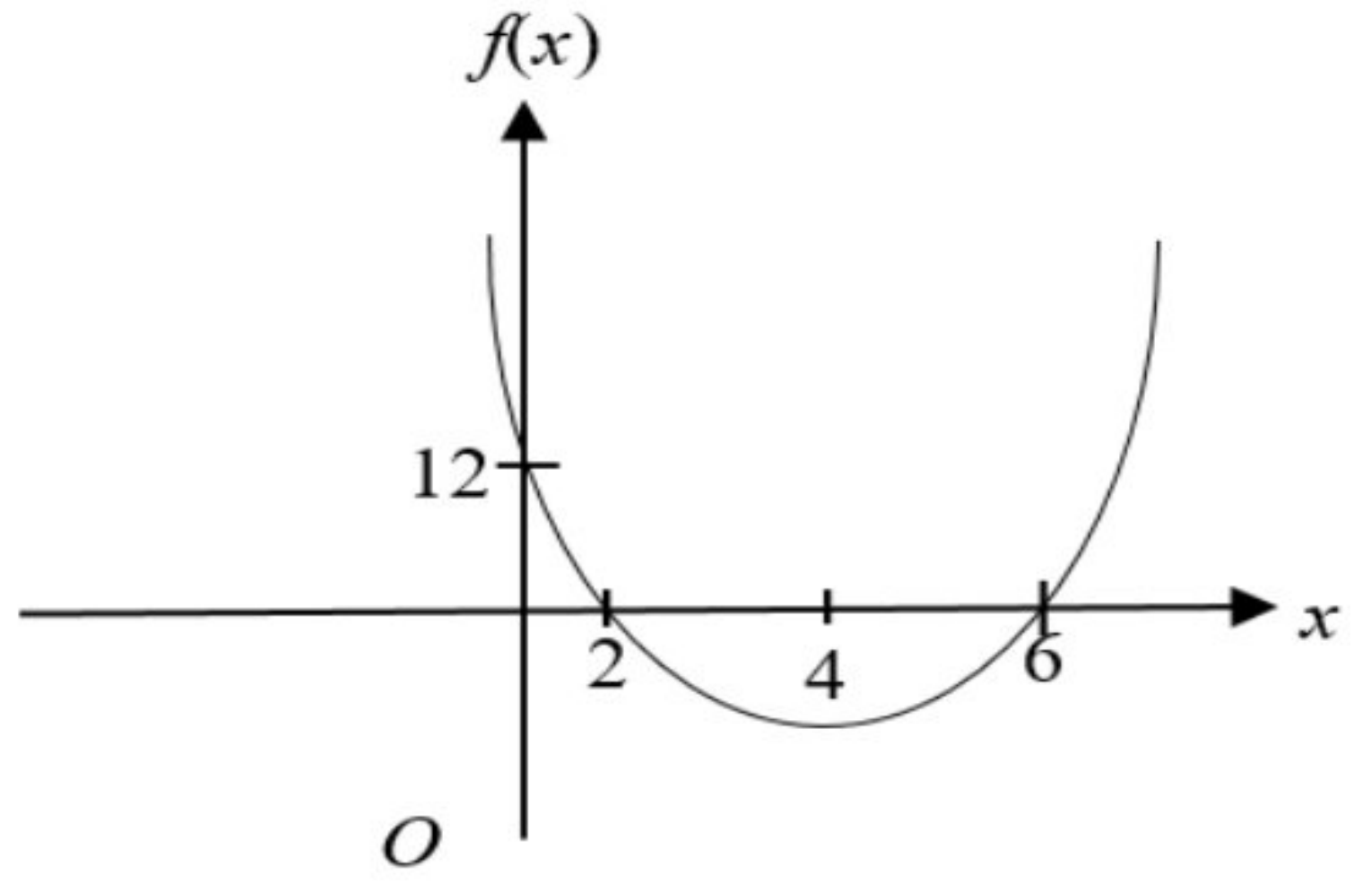
(a) Sketch the graph of the quadratic function f(x) = (x − 2)(x − 6) in the answer space (the y-intercept 12 is marked). (b) Hence, state the equation of the axis of symmetry.
Medium3 marks- (a)
Sketch the graph of f(x) = (x − 2)(x − 6).
[2]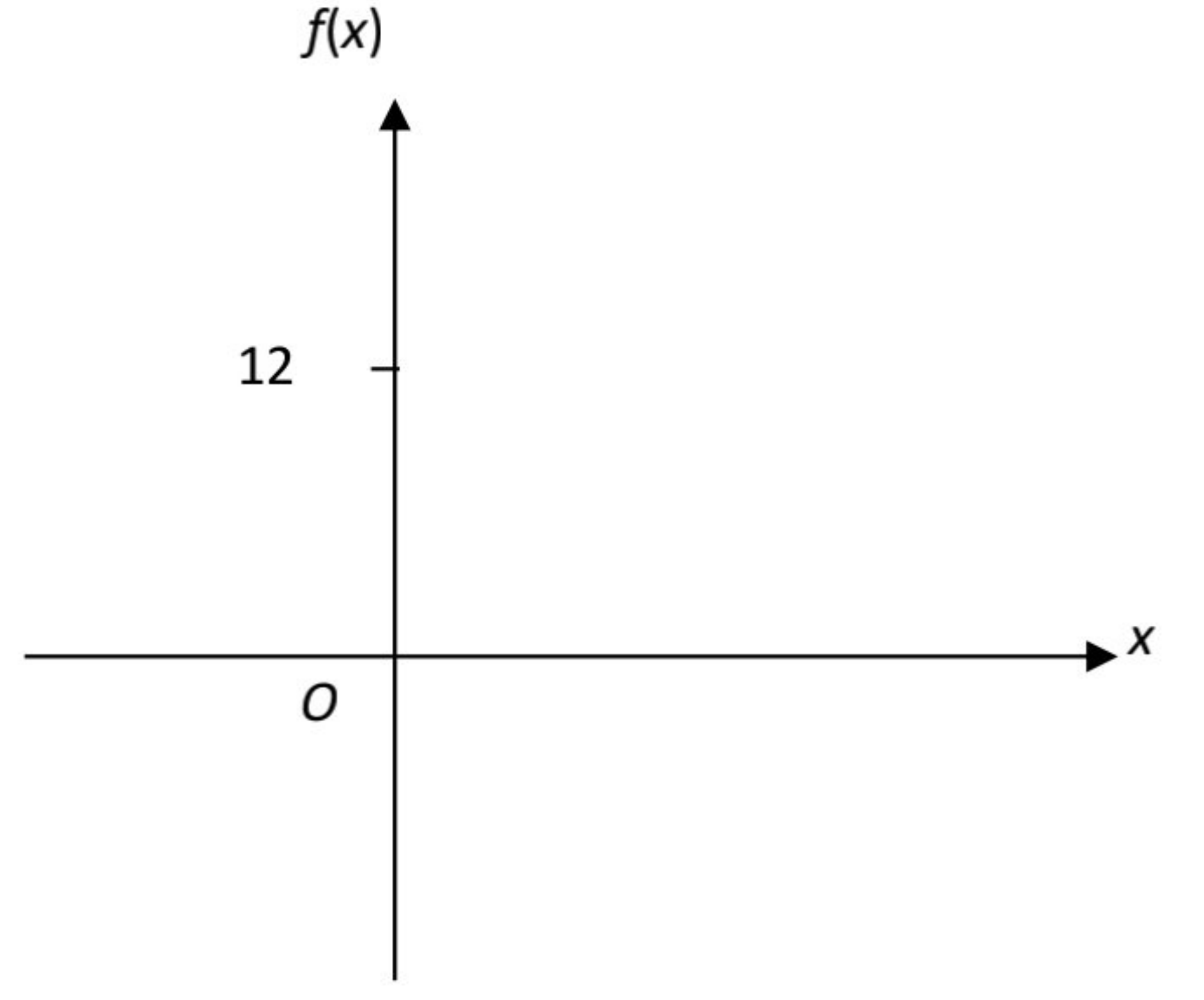
- (b)
State the equation of the axis of symmetry.
[1]
(a) Puan Syarifah has two credit cards. What type of tax does she have to pay? (b) Table 1: sandwich RM5.80, cake RM7.20, coffee RM4.50 (1 each). 6% service tax is included in the bill. Calculate Miss Leong's bill.
Medium4 marks- (a)
What type of tax must Puan Syarifah pay?
[1] - (b)
Calculate Miss Leong's bill.
[3]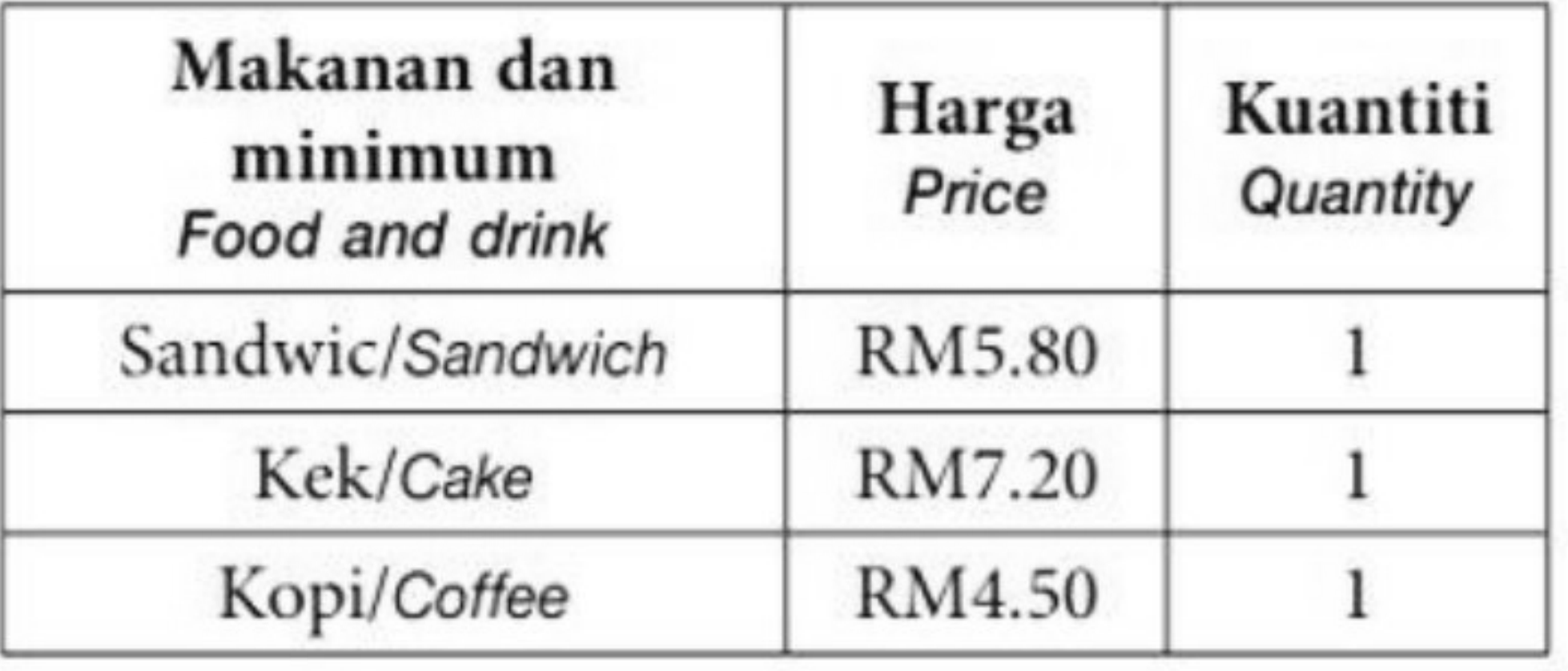
Diagram 5 shows a regular hexagon PQRSTU. (a) Using the letters in the diagram, state the locus of X which moves such that it is always equidistant from lines PQ and TS. (b)(i) Draw the locus of Y such that UT = TY. (ii) Draw the locus of Z that is always equidistant from lines PU and RS. (iii) Mark with ⊗ the intersection of locus Y and locus Z.
Medium4 marks- (a)
State the locus of X.
[1] - (b)
(i) Draw locus Y (UT = TY). (ii) Draw locus Z. (iii) Mark the intersection with ⊗.
[3]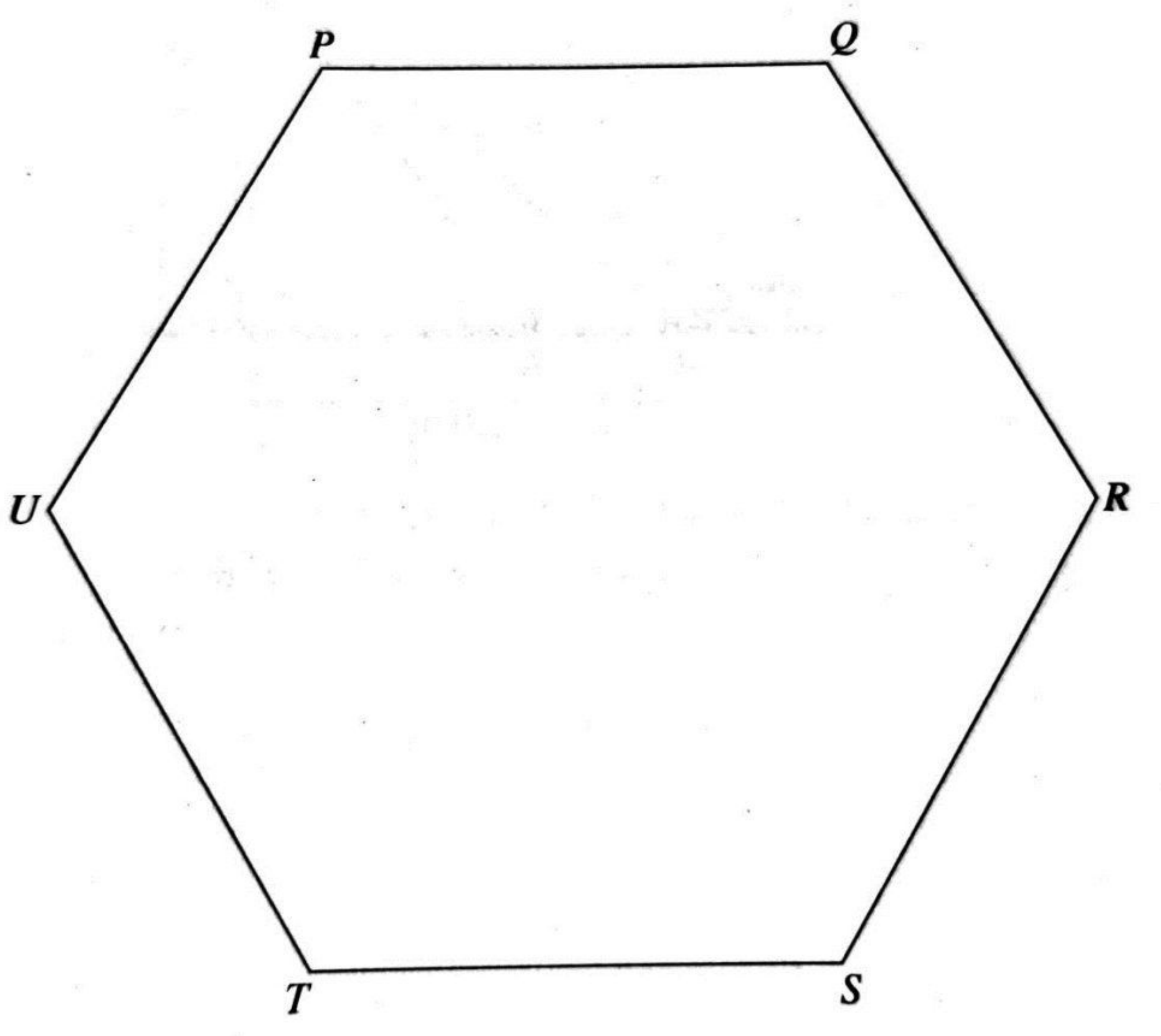
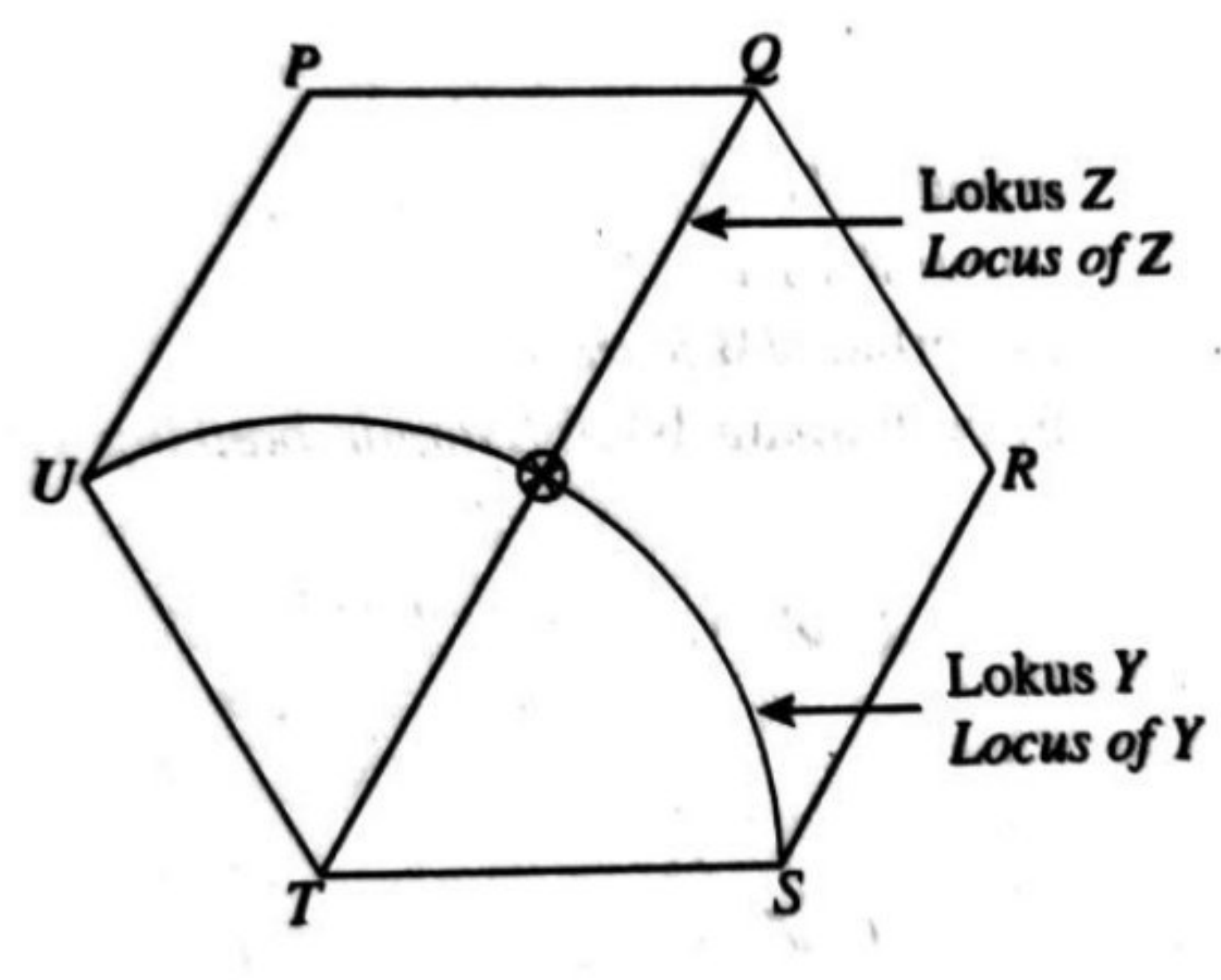
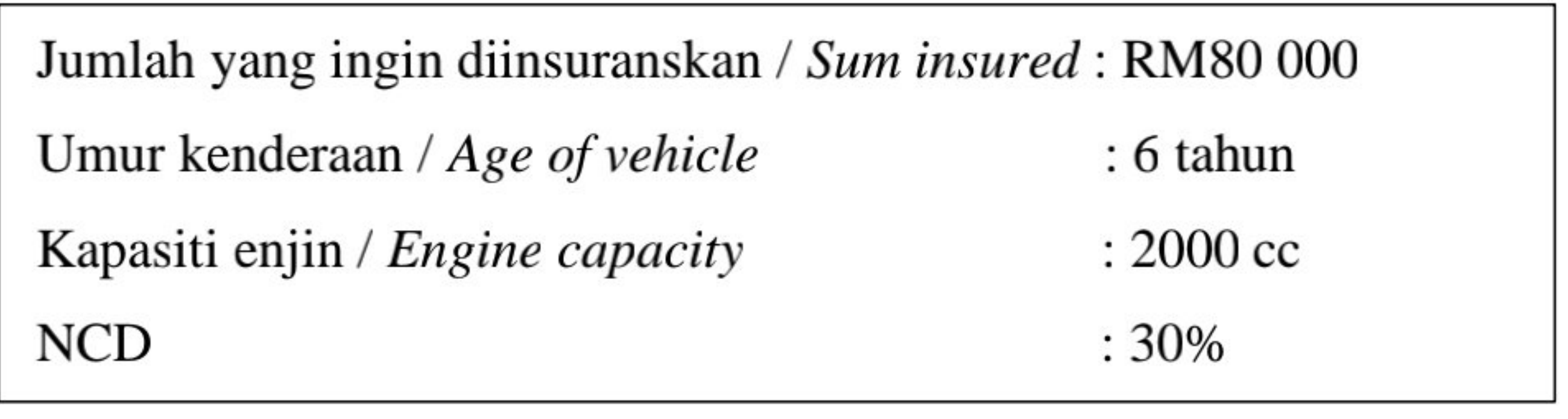
Table 2 shows premium rates under the Motor Tariff. (a) Ismail Izzani stays in Sabah and wants a motor insurance policy. State one factor affecting his gross motor insurance payment. (b) Sum insured RM80 000, age of vehicle 6 years, engine capacity 2000 cc, NCD 30%. Calculate the gross premium under the comprehensive policy, based on Table 2.
Medium4 marks- (a)
State one factor affecting the gross payment.
[1] - (b)
Calculate the gross premium (comprehensive).
[3]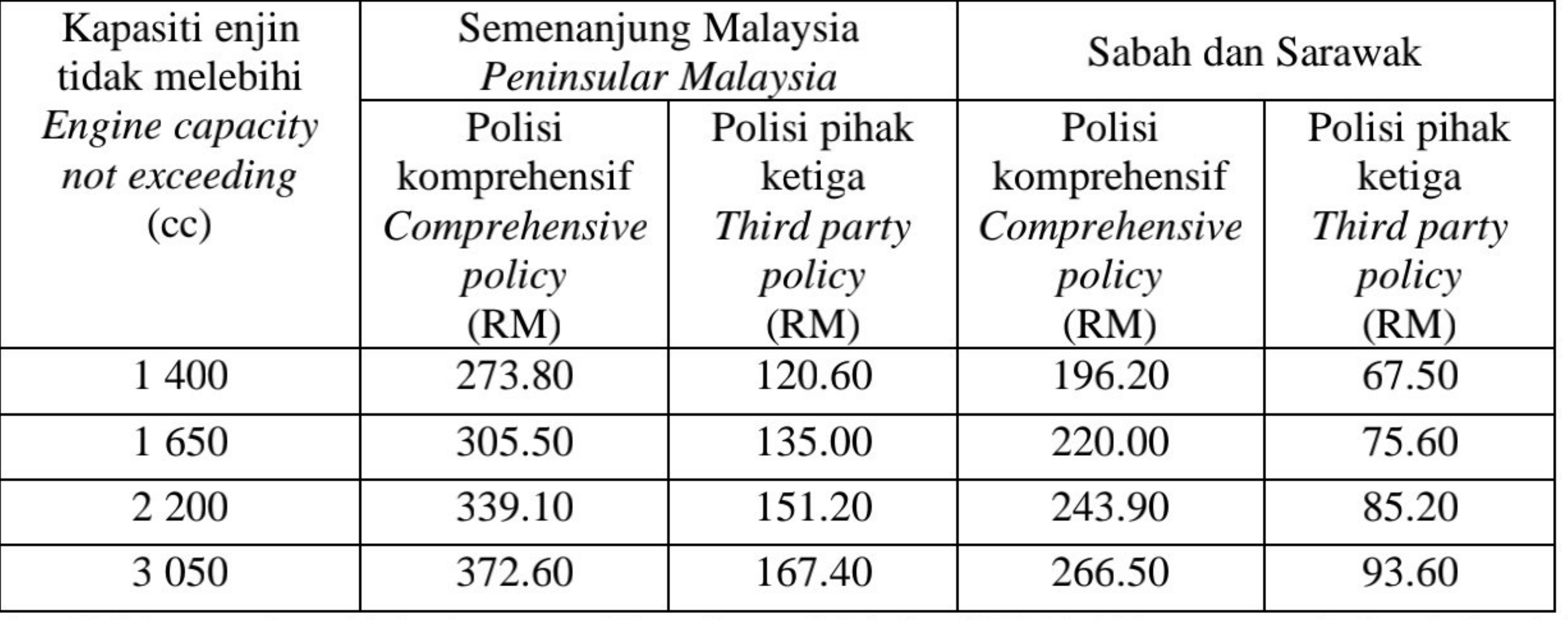
In Diagram 6, straight line PS is parallel to QR. The equation of QR is y = 2x − 7. P(−2, 5), Q(6, 5), S(−6, −3). (a) State the equation of PQ. (b) Find the equation of PS.
Medium4 marks- (a)
State the equation of PQ.
[1] - (b)
Find the equation of PS.
[3]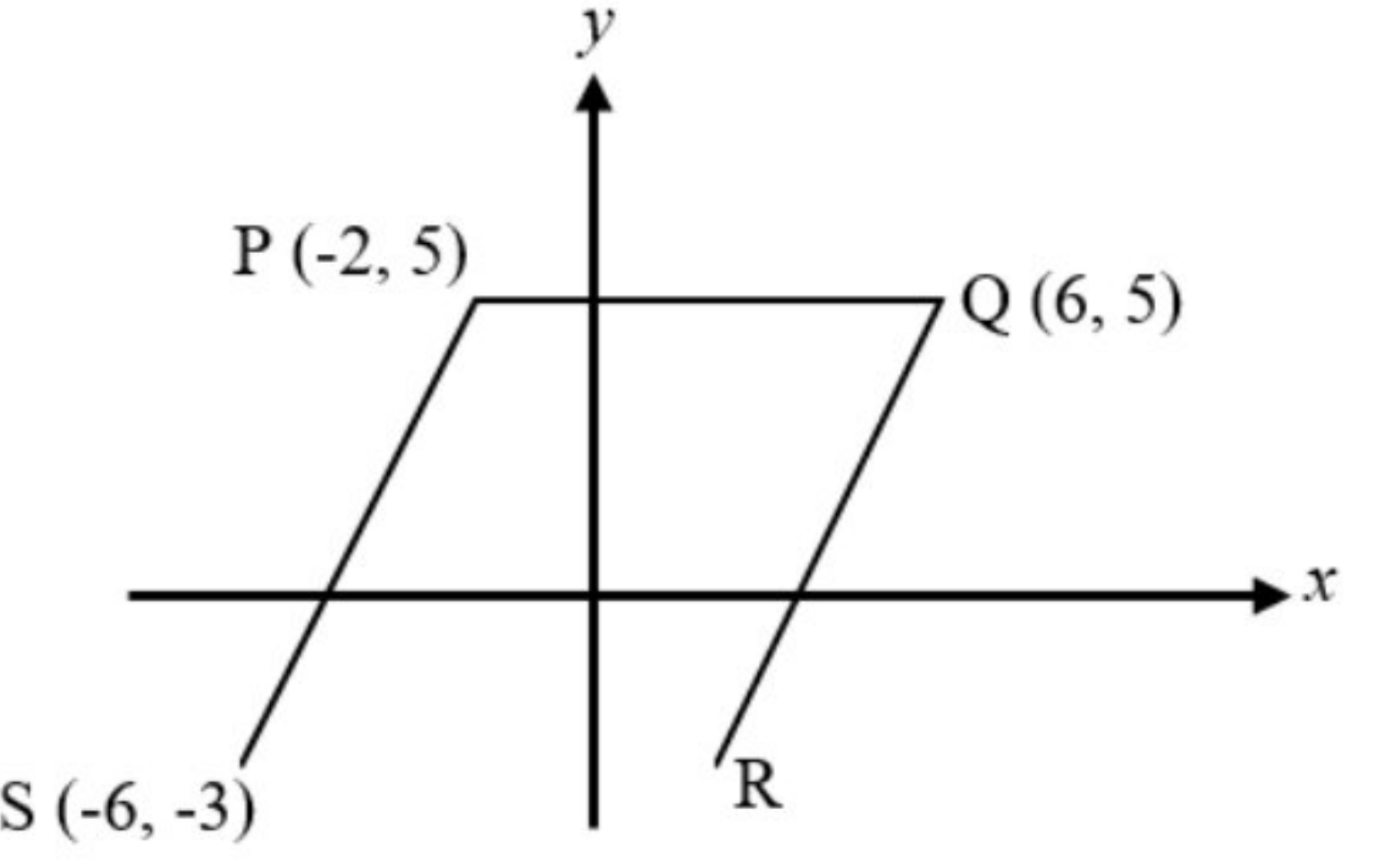
Diagram 7 shows two cards labelled S and T and four cards labelled 5, 7, 2, 9 in a box. Two cards are drawn one after another without replacement. (a) List the sample space for the combined events. (b) By listing all the possible outcomes, calculate the probability of getting the first card with a prime number or letter T.
Medium4 marks- (a)
List the sample space.
[2]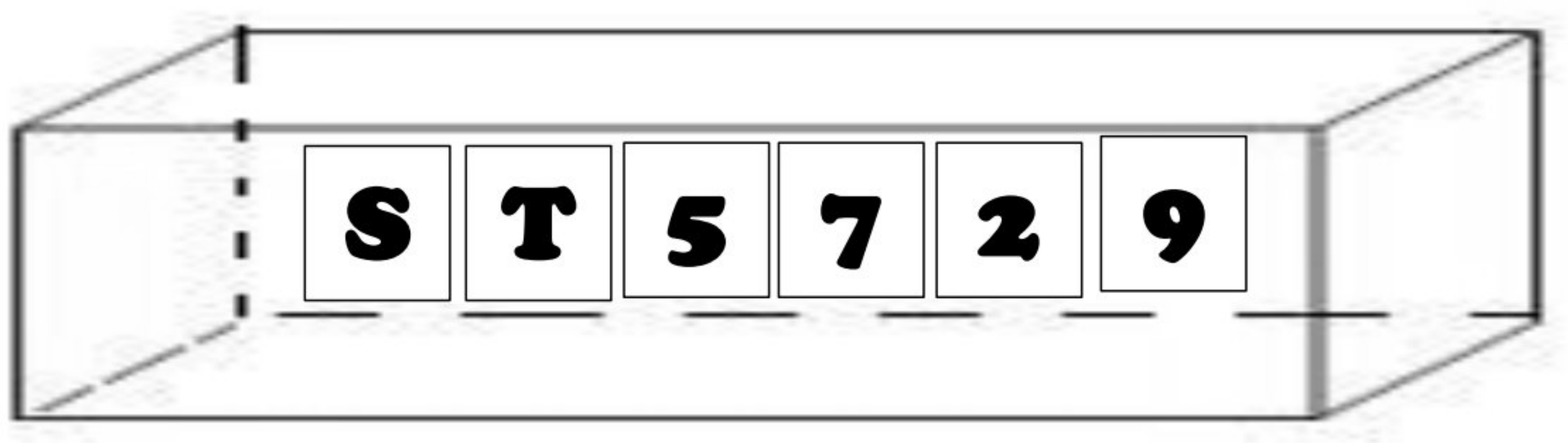
- (b)
Probability that the first card is a prime number or T.
[2]
Mr Anuar will go on holiday in Malacca in 5 months, costing RM1 000. He saves RM200 per month from an income of RM5 000. Table 3 gives his financial plan (salary 5 000; home expenses 1 500; car 800; rent 1 000; utilities 250; petrol 400; others 800; savings 200; surplus/deficit X). (a) State two SMART approaches in the financial management. (b)(i) Calculate X and determine whether the cash flow is positive or negative. (ii) Can Mr Anuar achieve the financial goal? Explain.
Medium6 marks- (a)
State two SMART approaches.
[2]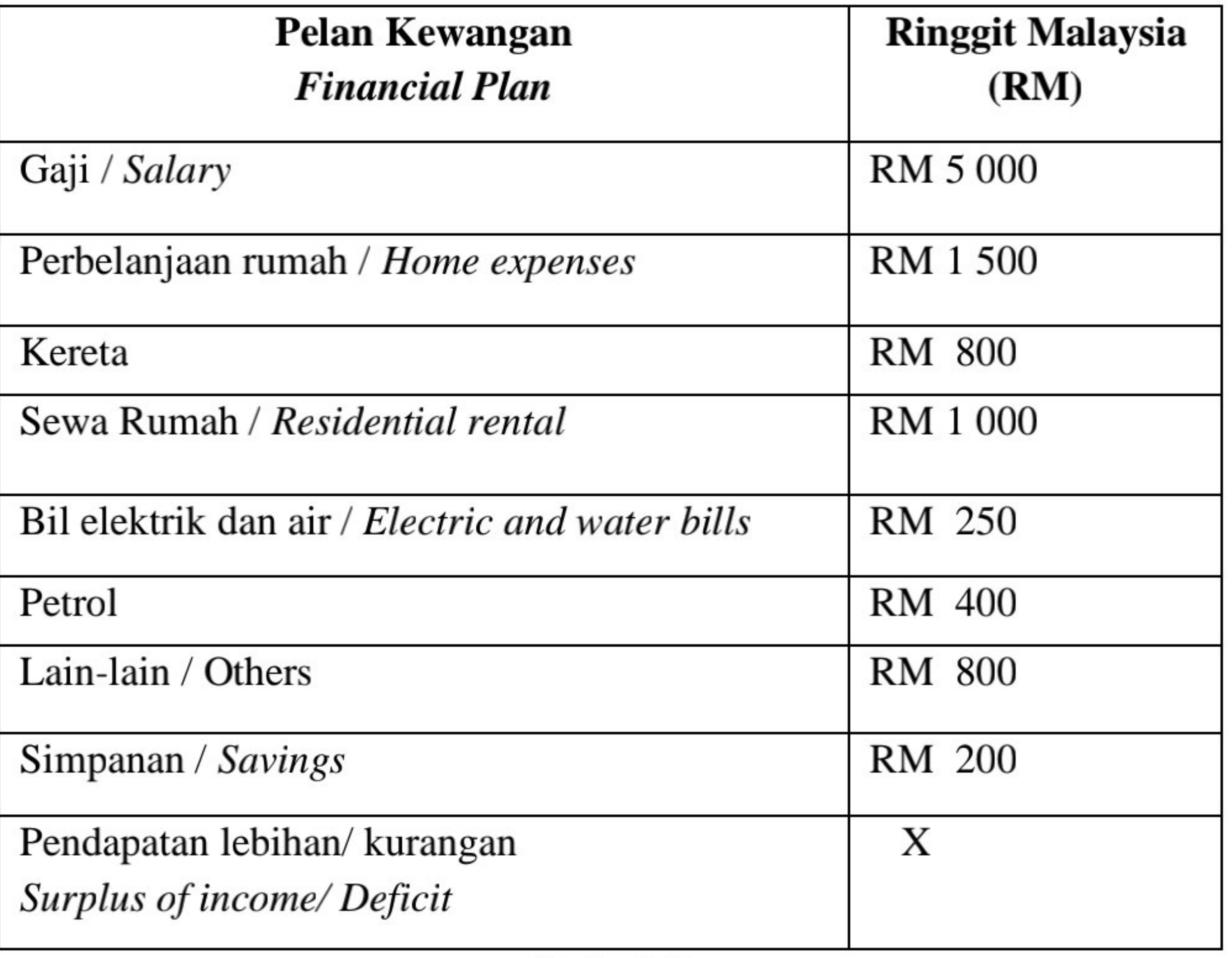
- (b)(i)
Calculate X; positive or negative cash flow?
[2] - (b)(ii)
Can Mr Anuar achieve the goal? Explain.
[2]
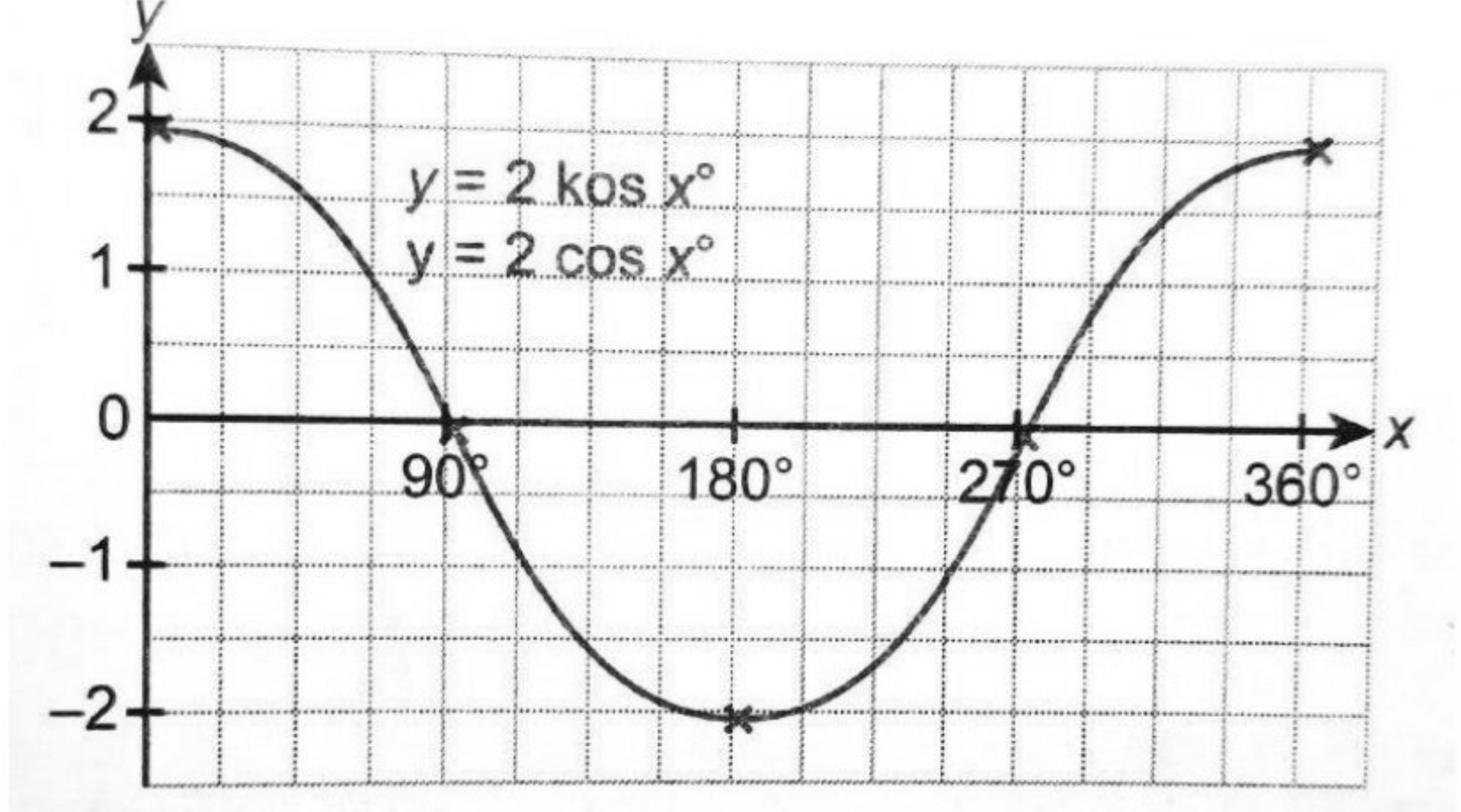
(a) If cos x = −cos 58° and 180° ≤ x ≤ 360°, find x. (b)(i) Diagram 8 shows the graph of a trigonometric function for 0° ≤ x ≤ 180° (starts at 1, crosses 90°, reaches −1). Write its equation. (ii) On the square grid provided, sketch the graph of y = 2 cos x for 0° ≤ x ≤ 360°.
Medium5 marks- (a)
Find x.
[2] - (b)(i)
Write the equation of the graph.
[1]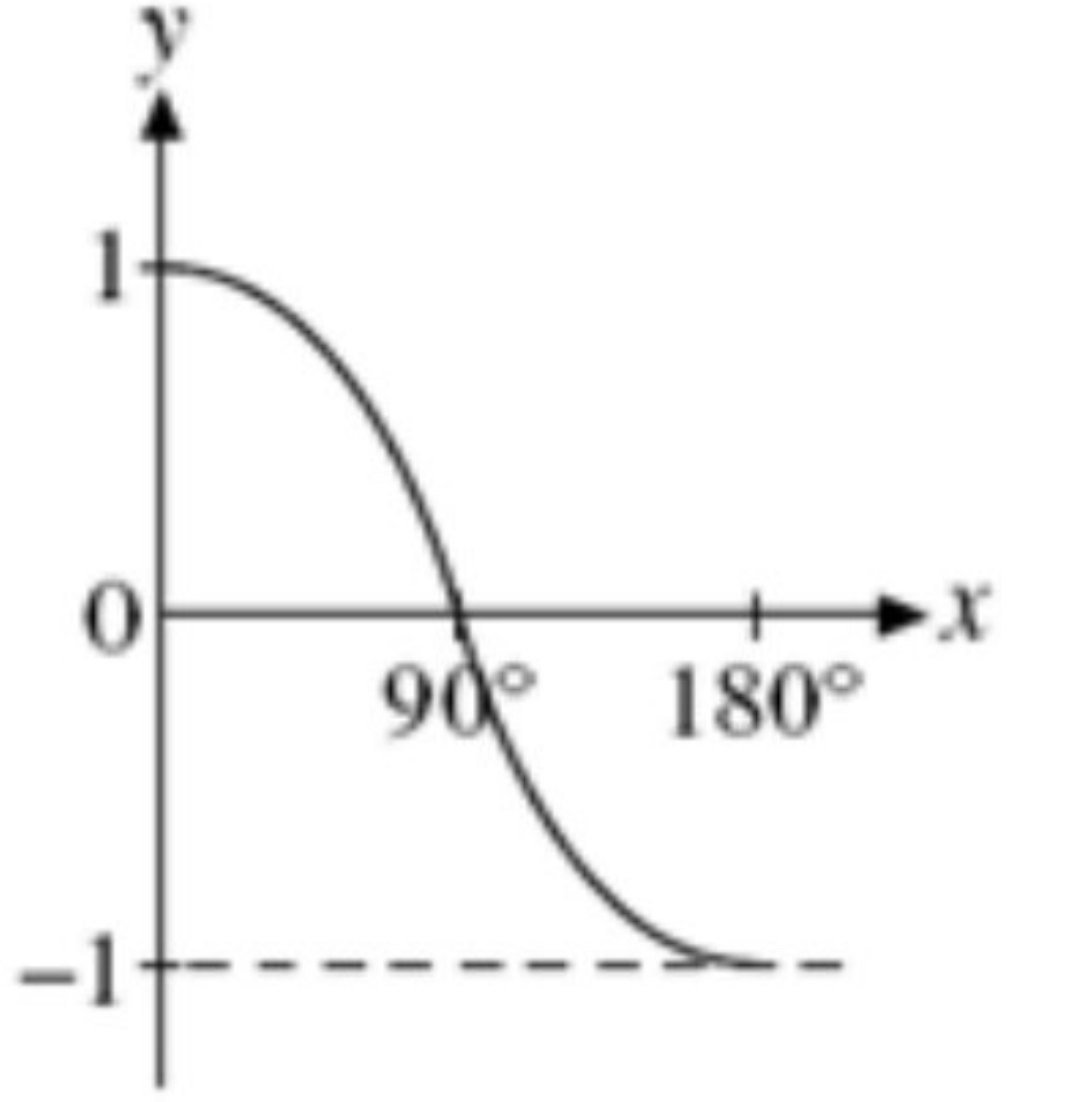
- (b)(ii)
Sketch y = 2 cos x, 0° ≤ x ≤ 360°.
[2]
Section B
(a) Diagram 9(a): (i) Determine the coordinates of the image of A(3, 6) under translation (−4, −3) [column vector]. (ii) Determine whether triangles P and Q are congruent. Give your justification. (b) Diagram 9(b): quadrilateral EFGH is the image of ABCD under combined transformation VU. Describe in full the transformations (i) U (ii) V.
Medium8 marks- (a)(i)
Image of A under translation (−4, −3).
[1]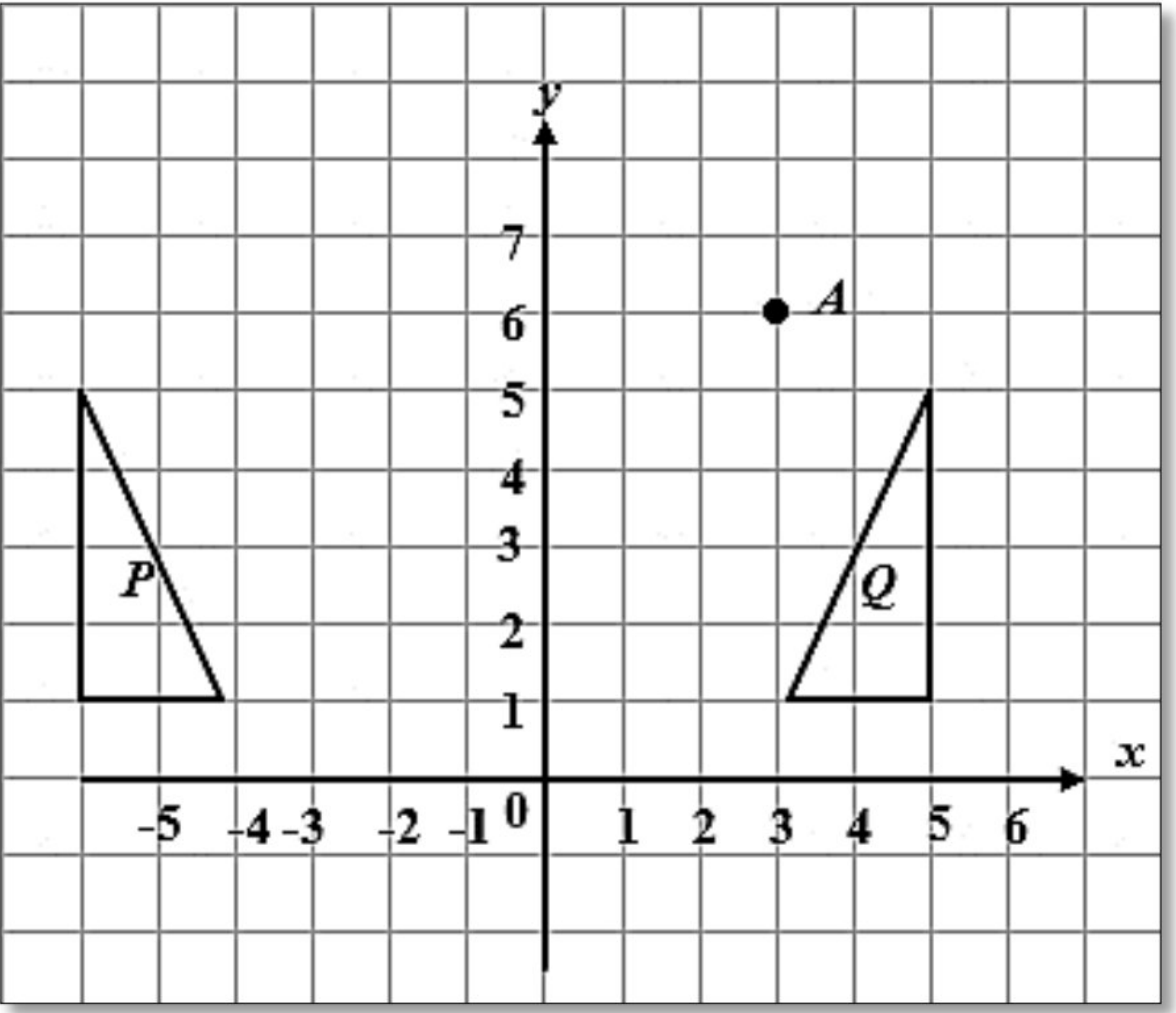
- (a)(ii)
Are P and Q congruent? Justify.
[2] - (b)(i)
Describe in full the transformation U.
[2]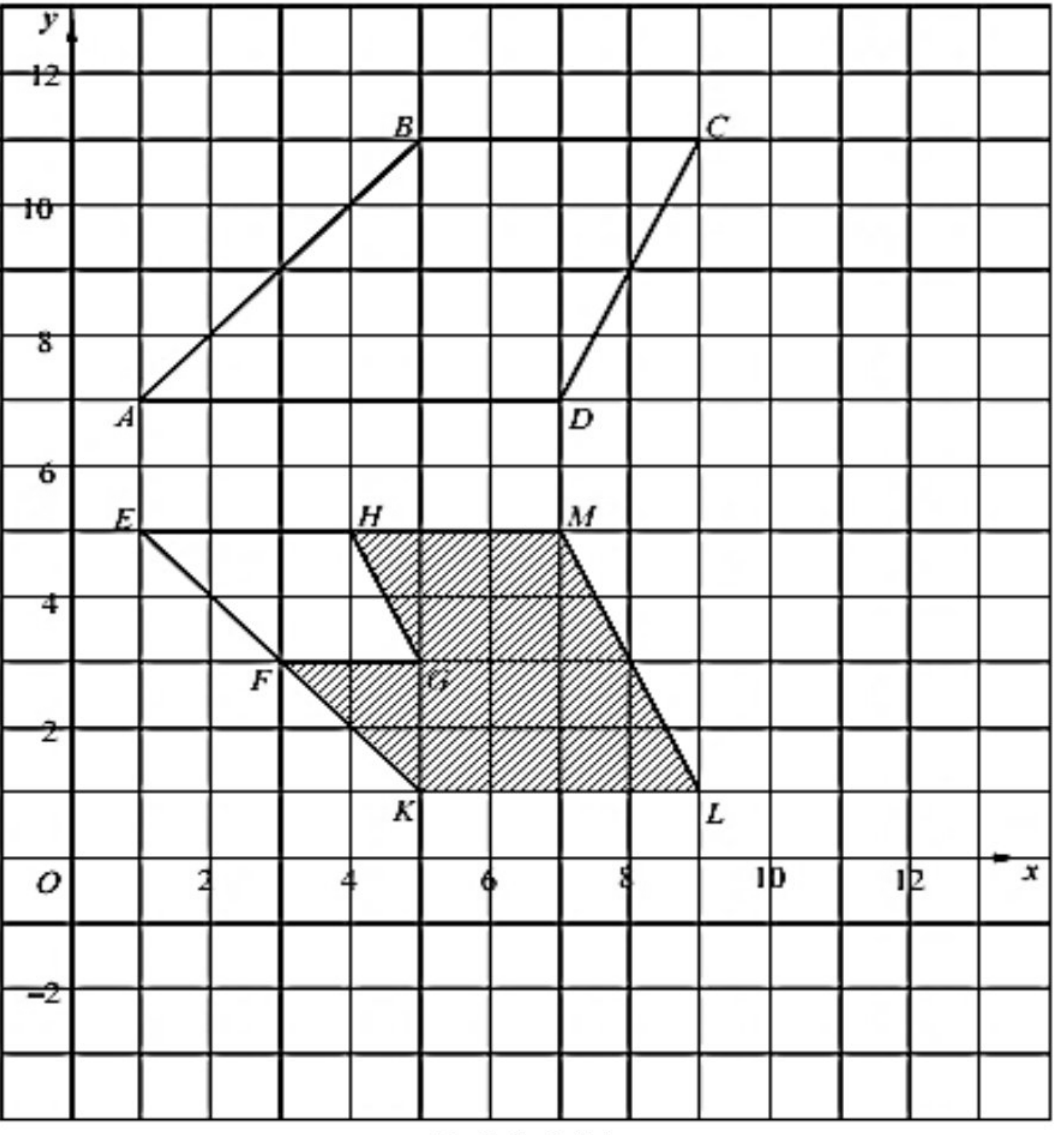
- (b)(ii)
Describe in full the transformation V.
[3]
(a)(i) Given [[4, x], [1, −2]] × [[7], [−3]] = [[22], [13]], find x. (ii) Given (1/m) × [[−3, 2], [−5, 0]] × [[n, −2], [5, −3]] = [[1, 0], [0, 1]], find m and n. (b) A cinema charges RM12 per adult ticket and RM9 per child ticket. A group of 210 people paid RM2 415. (i) Using x for adults and y for children, form two linear equations. (ii) Using the matrix method, find the number of adults and children.
Medium10 marks- (a)(i)
Find x.
[2] - (a)(ii)
Find m and n.
[2] - (b)(i)
Form two linear equations.
[2] - (b)(ii)
Find adults and children by the matrix method.
[4]
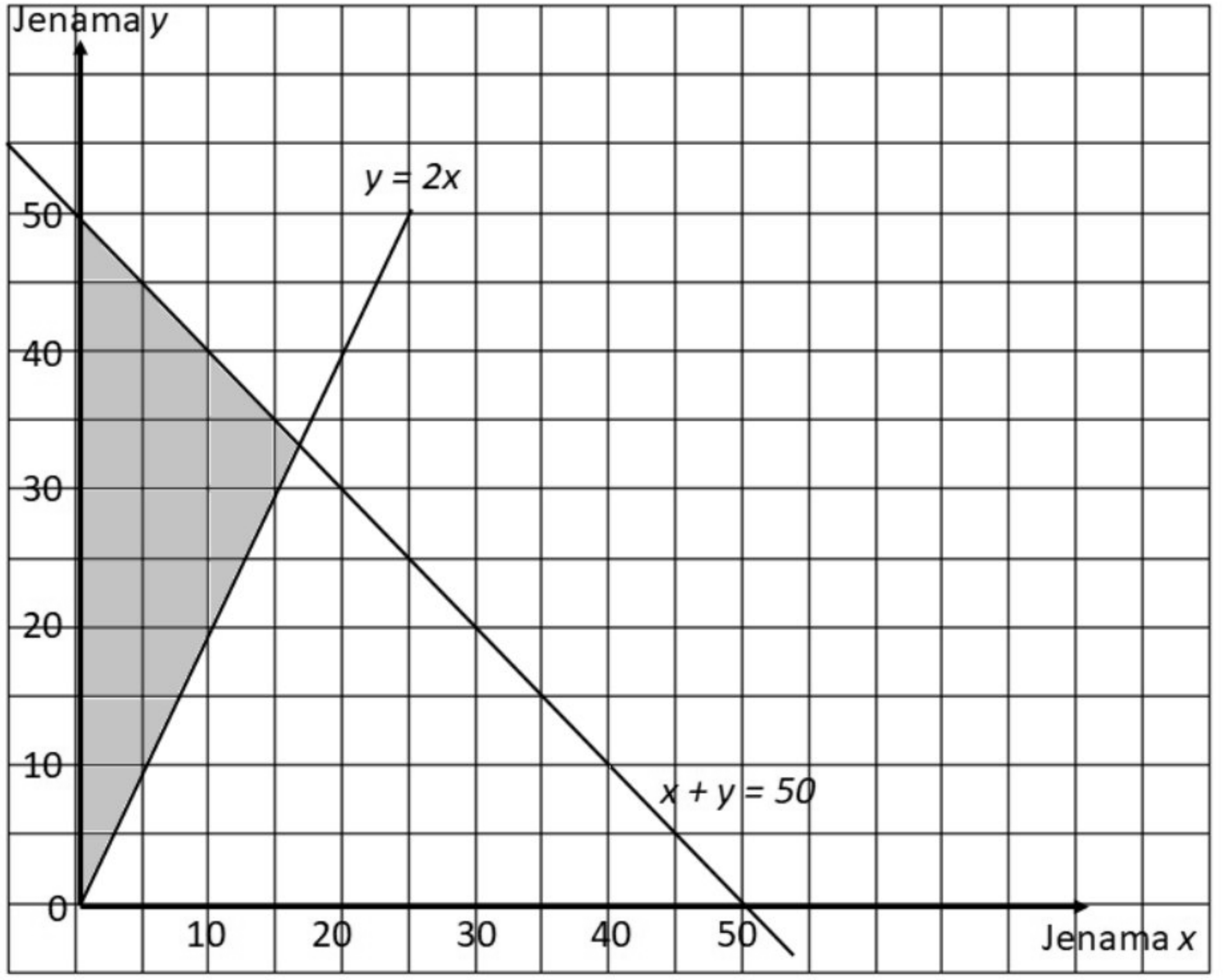
Mr Tan bought at least 30 black (x) and blue (y) pens for class 5 Bestari. Two times the number of black pens is not more than the number of blue pens. (a)(i) Write two linear inequalities other than x ≥ 0 and y ≥ 0. (ii) Draw and shade the region that satisfies the system. (b) From the graph: (i) determine the minimum and maximum numbers of blue pens when the number of black pens is 5; (ii) Mr Tan wants to buy 25 black and 25 blue pens. Does the purchase satisfy the system?
Medium9 marks- (a)(i)
Write two linear inequalities.
[2] - (a)(ii)
Draw and shade the region.
[4]
- (b)(i)
Minimum and maximum blue pens when black pens = 5.
[2] - (b)(ii)
Does 25 black and 25 blue pens satisfy the system?
[1]
Diagram 10 shows two solid right prisms combined, with rectangular bases BCIH and ABGH; surface CIJRMN and right-angled triangle ABF are the uniform cross-sections. BLF, CM, IJ and HLK are vertical. MN = PQ = 3 cm, KL = 2 cm, AB = 3 cm, BC = 3 cm, CI = 5 cm, IJ = 6 cm. Draw to full scale: (a) the elevation of the composite solid on a vertical plane parallel to ABC as viewed from X; (b) the elevation on a vertical plane parallel to AG as viewed from Y.
Medium9 marks- (a)
Draw the elevation viewed from X.
[4]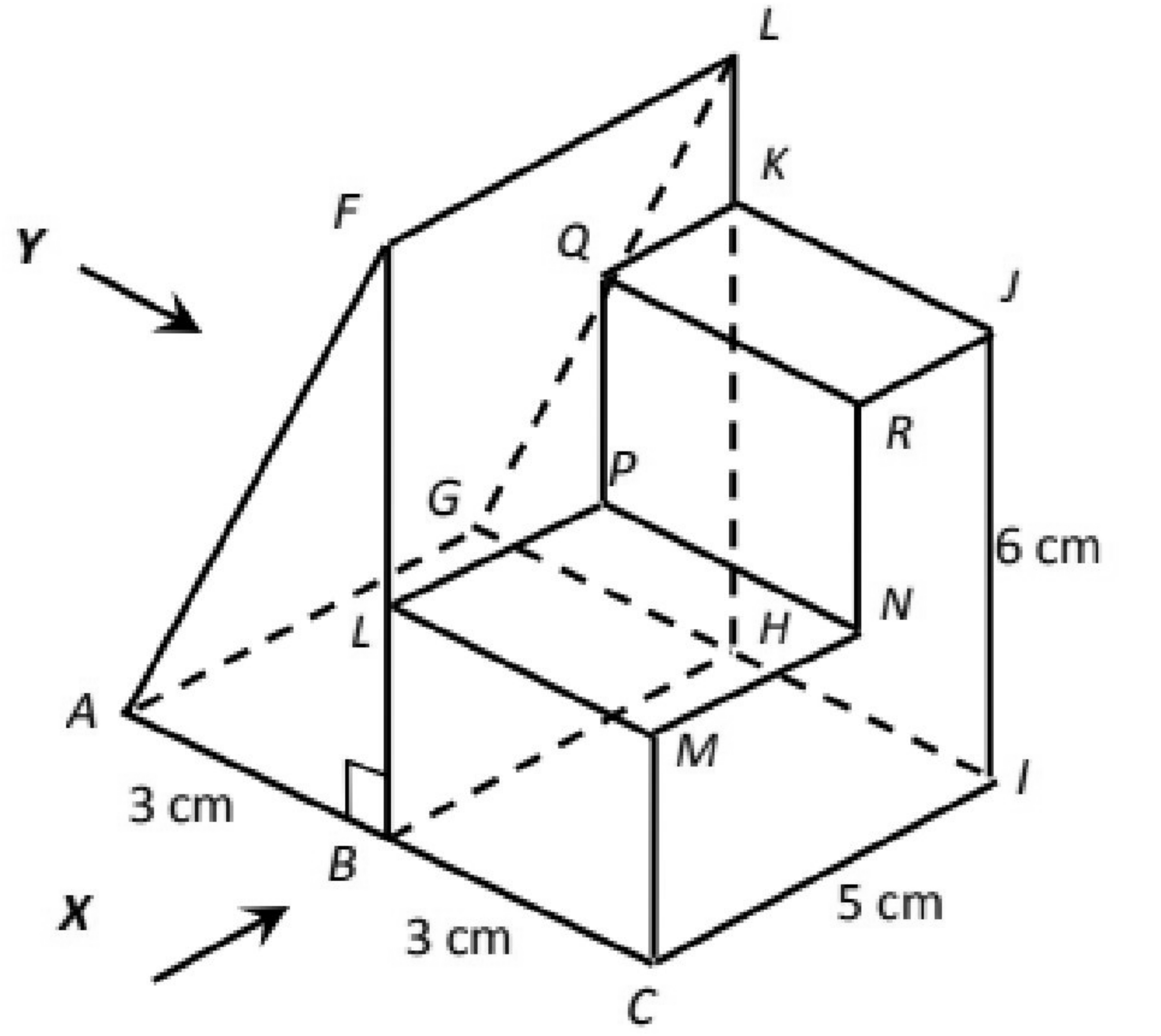
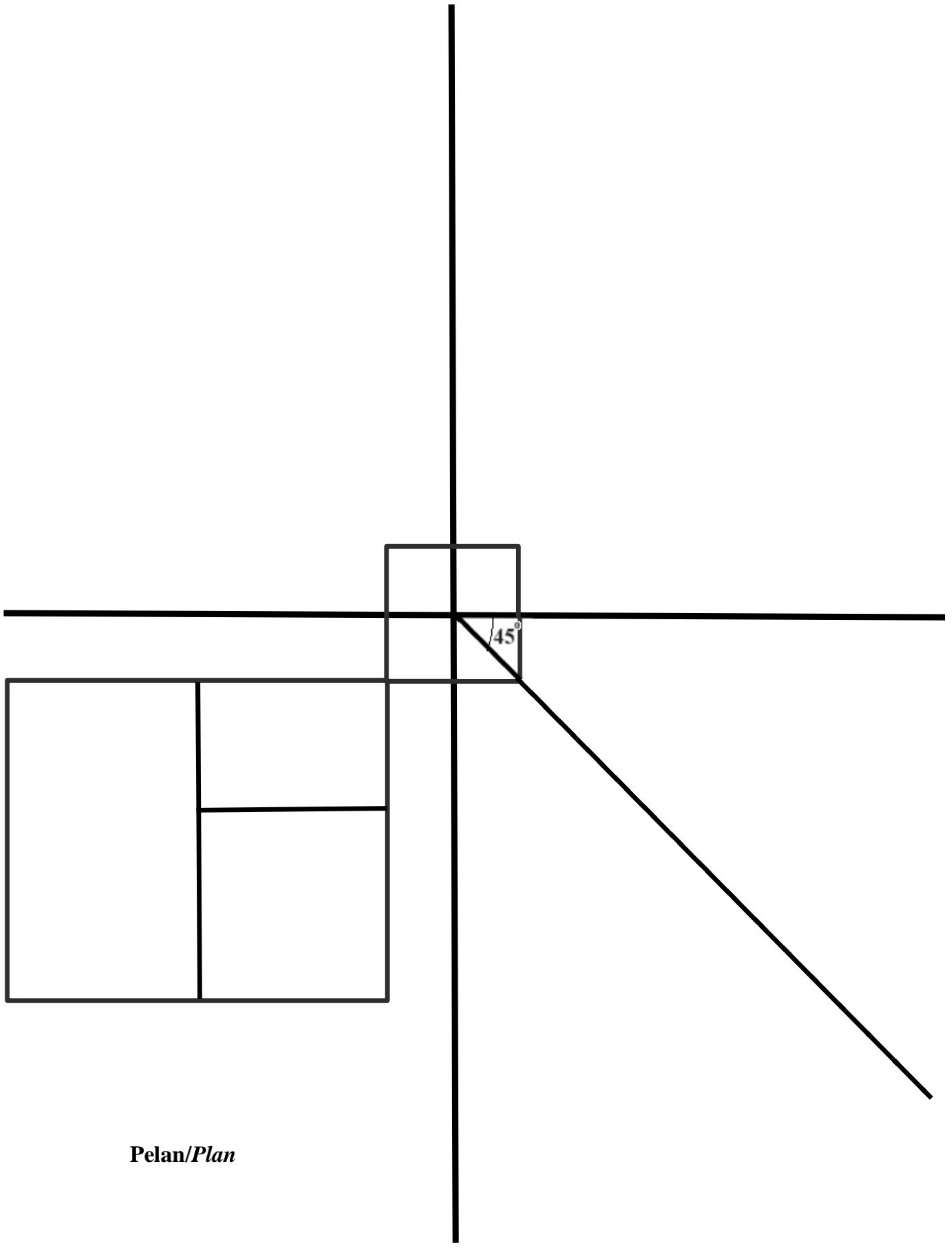
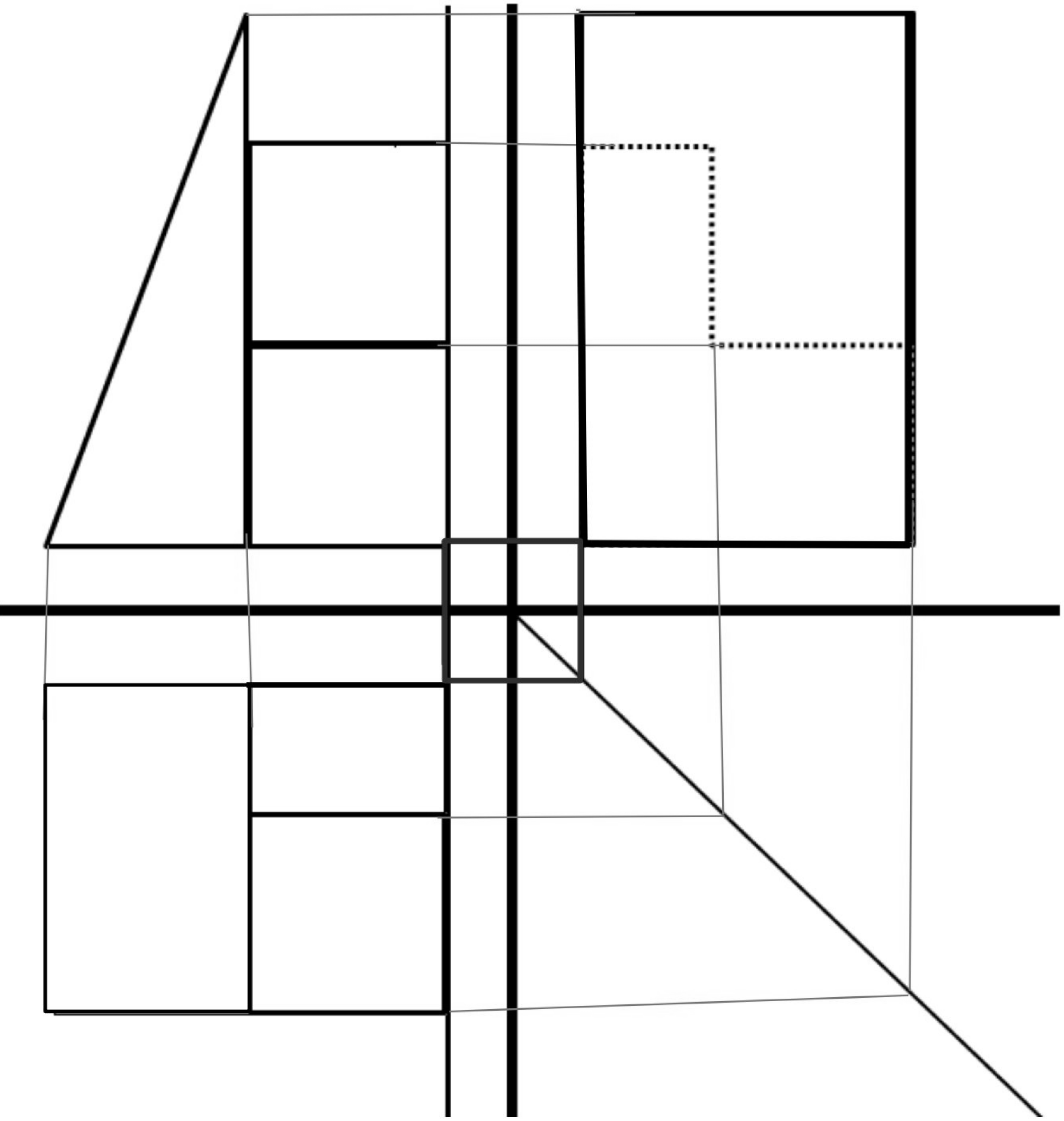
- (b)
Draw the elevation viewed from Y.
[5]
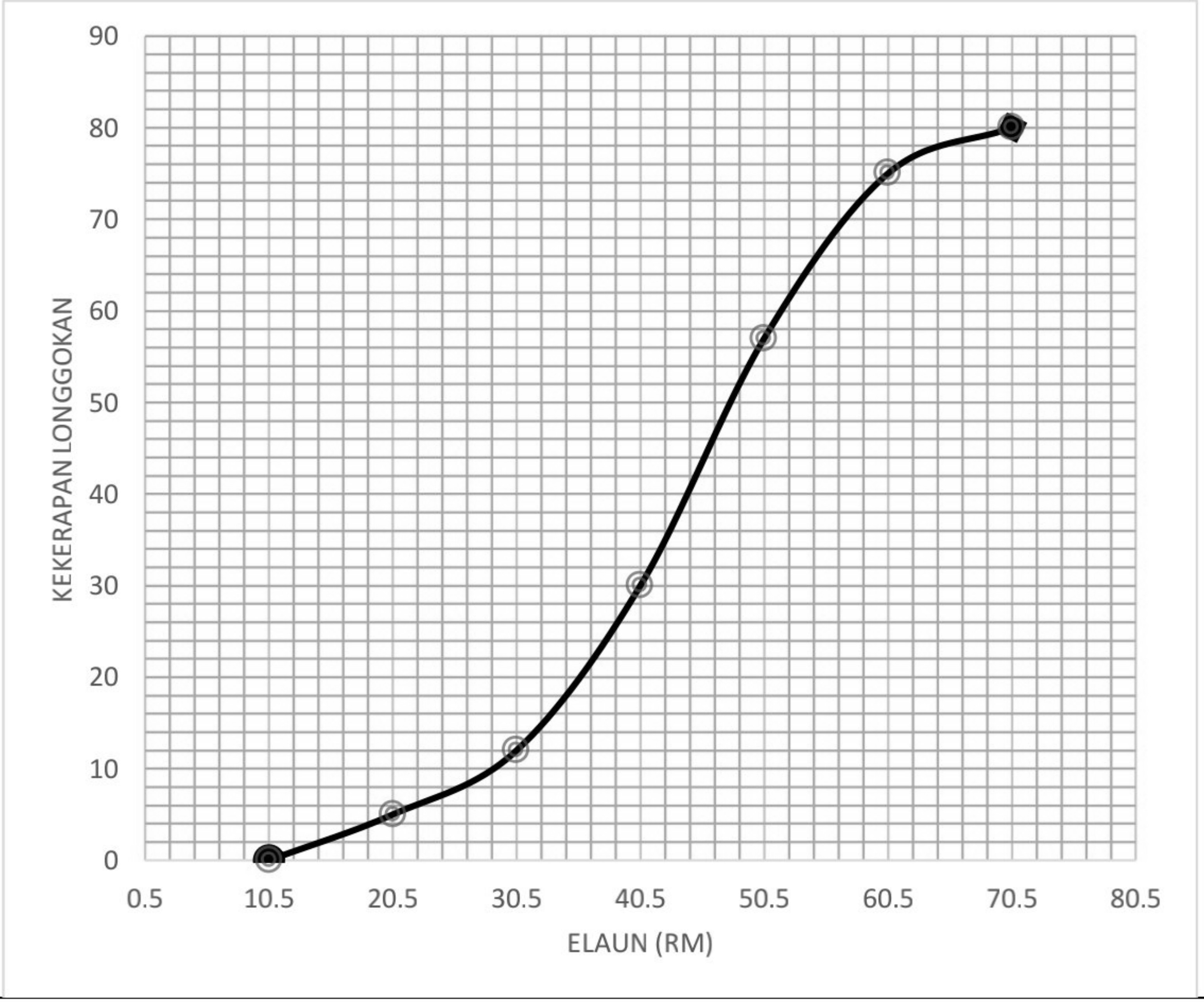
(a) Diagram 11 shows a stem-and-leaf plot of pulse rates per minute (key 4|2 means 42 beats per minute). Calculate the range. (b) Table 4 shows the telephone allowance (RM) offered by 80 companies. (i) Complete the table (cumulative frequency, upper boundary). (ii) Using a scale of 2 cm to RM10 on the horizontal axis and 2 cm to 10 companies on the vertical axis, draw an ogive.
Medium9 marks- (a)
Calculate the range of the pulse rates.
[2]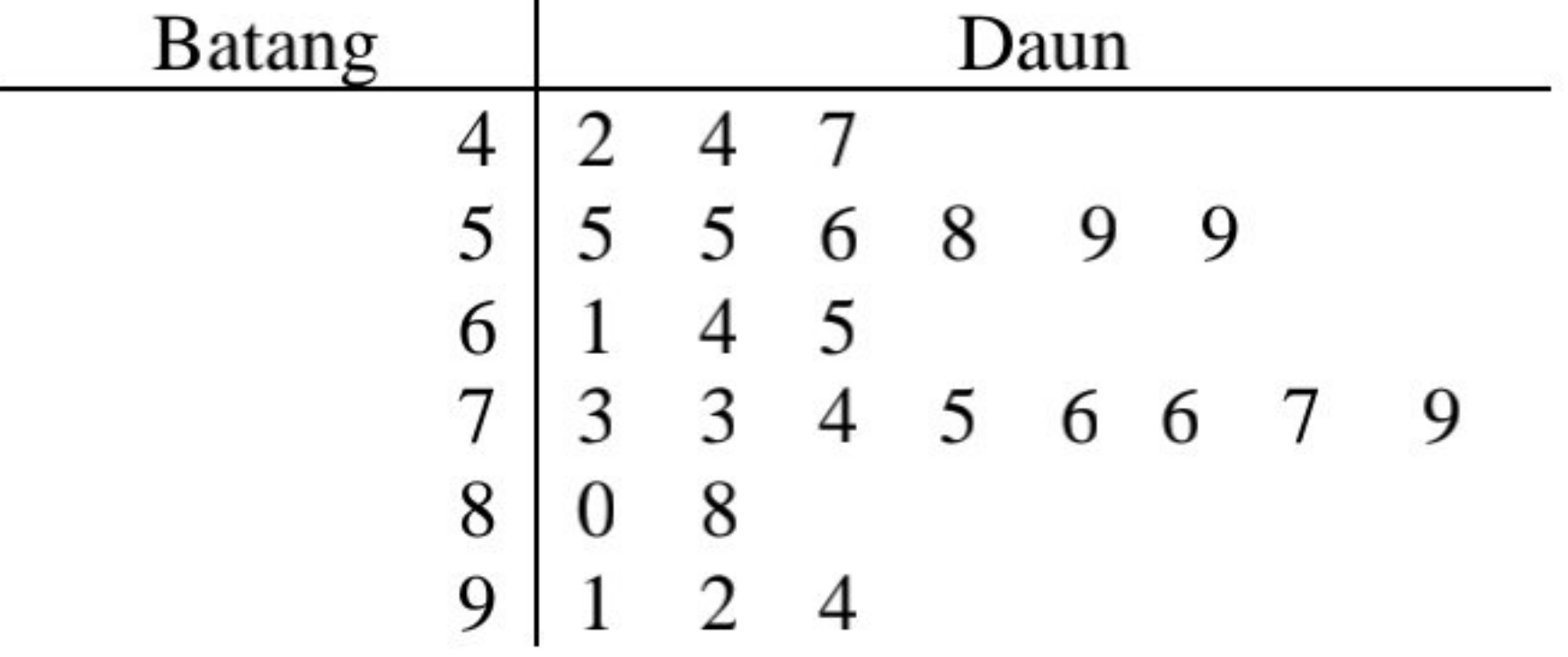
- (b)(i)
Complete Table 4.
[3]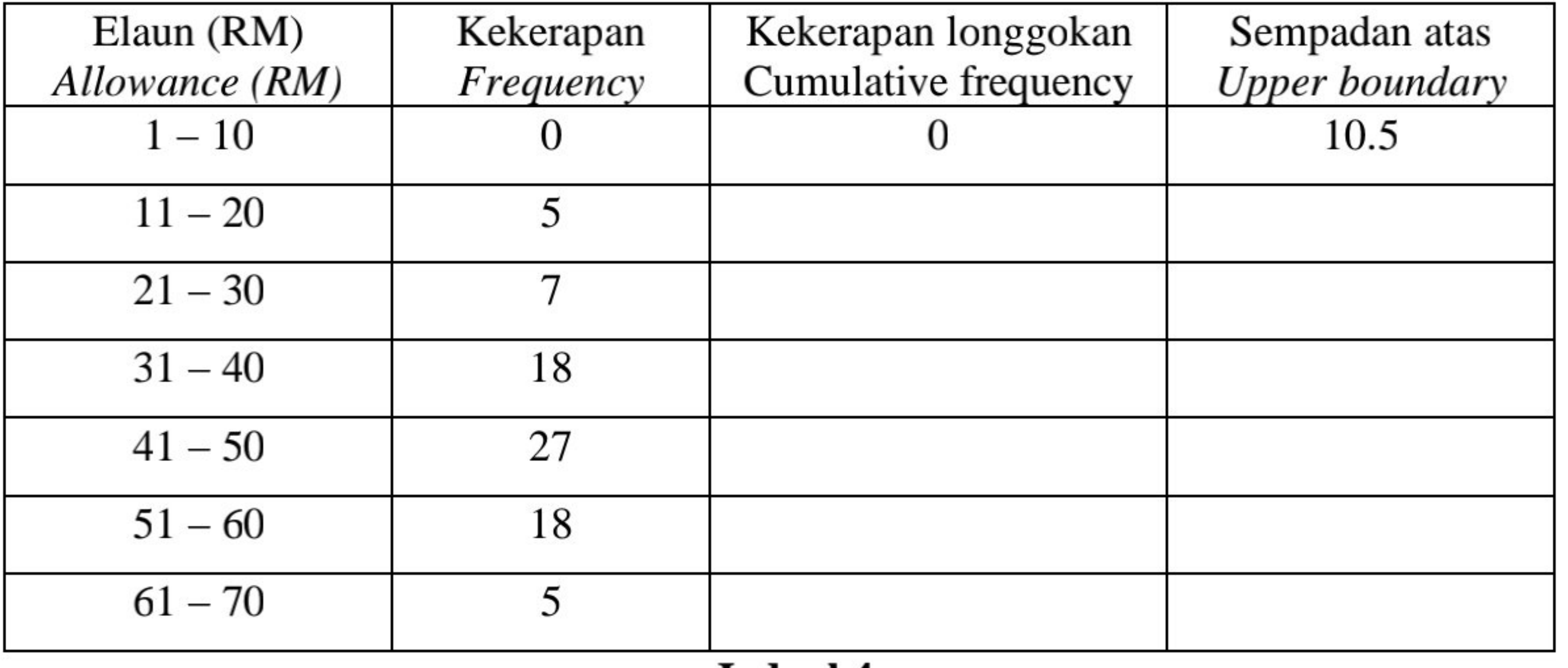
- (b)(ii)
Draw the ogive.
[4]
Section C
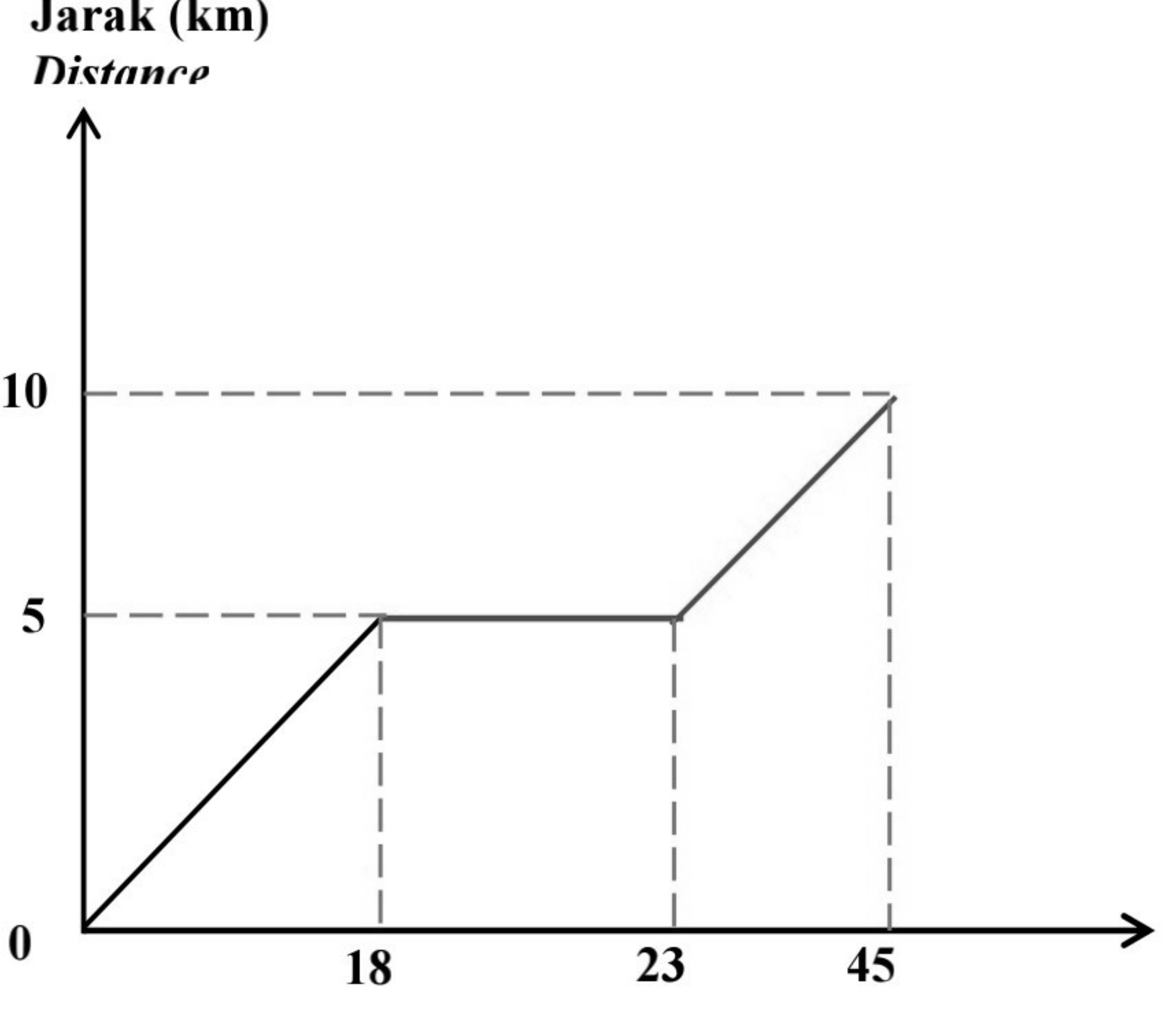
Malaysiaku Sejahtera run. (a) Table 5(a): Zaini's family (2 adults, 3 children) pays RM150; Ali's family (3 adults, 1 child) pays RM130. (i) Form two linear equations. (ii) Sofia finished the 10 km run in 45 minutes and rested 5 minutes at checkpoint 3. Complete her distance-time graph in Diagram 13. (b)(i) There were 700 participants, 300 female. Probability a participant is male. (ii) Table 5(b): times of 50 participants. Male mean 28.6, female mean 33.6. Calculate the standard deviation for each category; which is more consistent? (c) Diagram 12 shows a weighted graph of Zaini's route home. Draw a graph with the shortest distance from running place A to house E, then calculate the distance in km. (d) Mr Ali won RM6 000 and keeps it for 2 years. Package A: simple interest 6% per year. Package B: 6% per year compounded 4 times a year. Which package is more profitable? Justify.
Hard15 marks- (a)(i)
Form two linear equations (x = adult fee, y = child fee).
[2]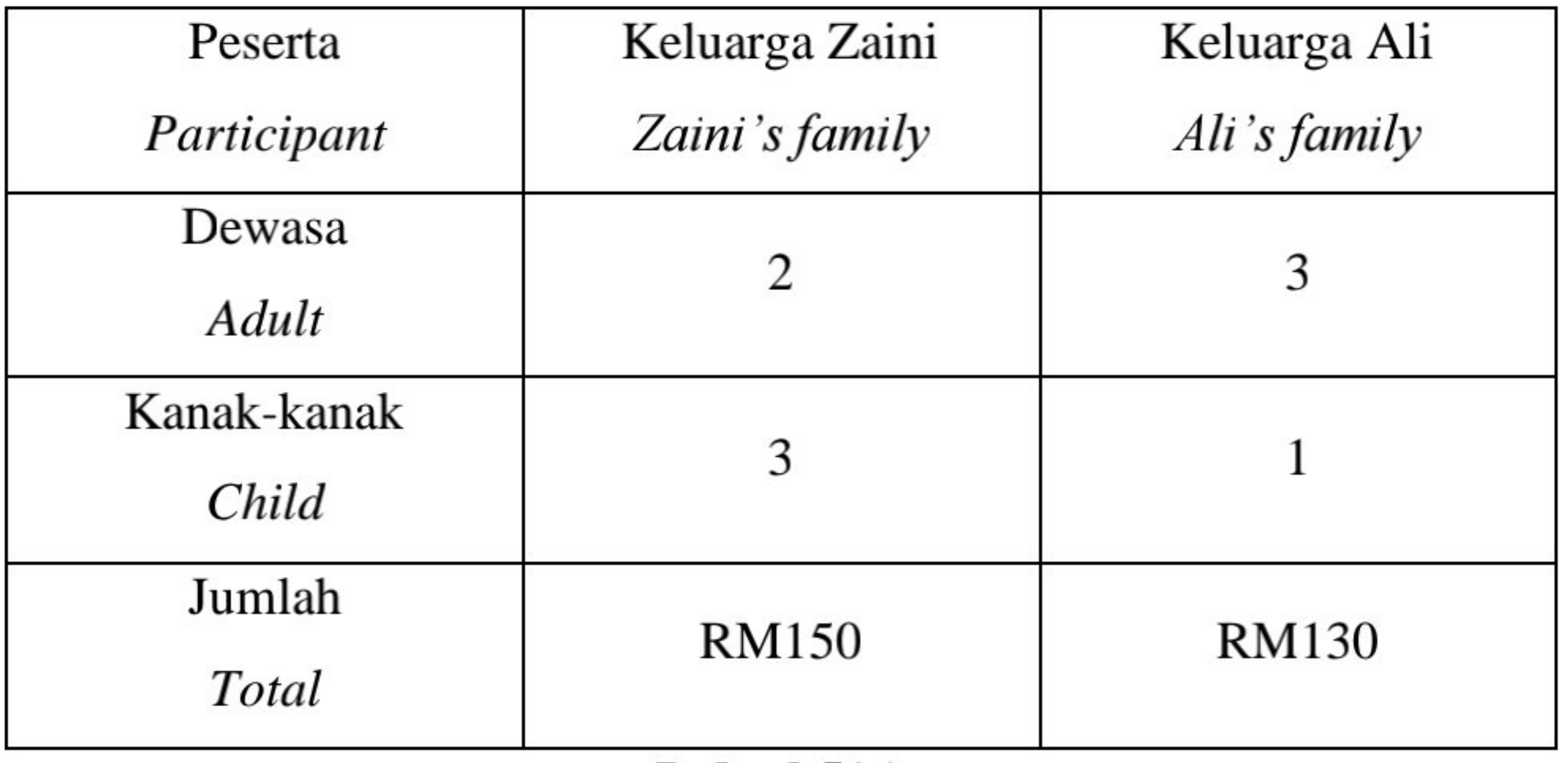
- (a)(ii)
Complete the distance-time graph in Diagram 13.
[2]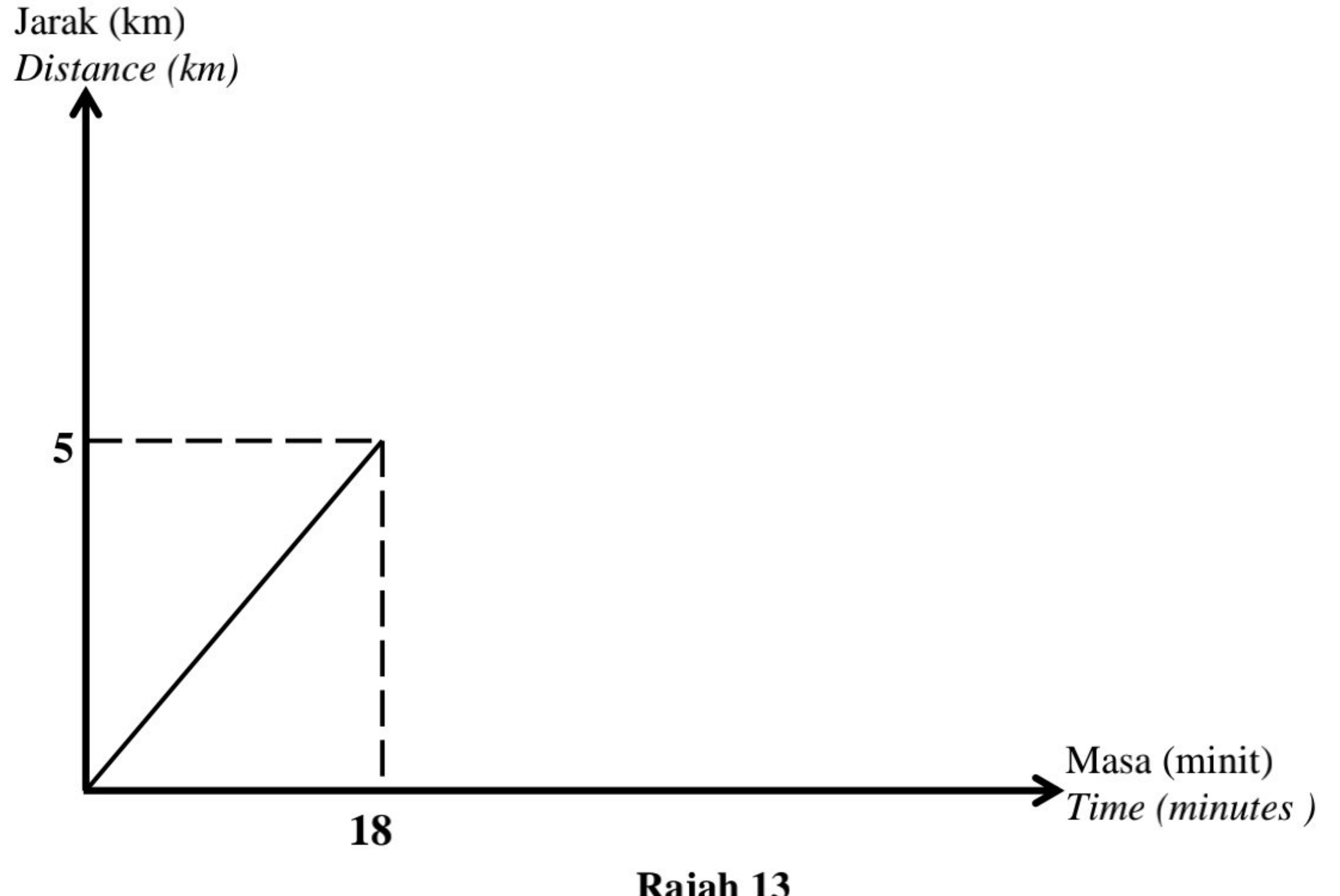
- (b)(i)
Probability a participant is male.
[1] - (b)(ii)
Standard deviation of each category; more consistent?
[3]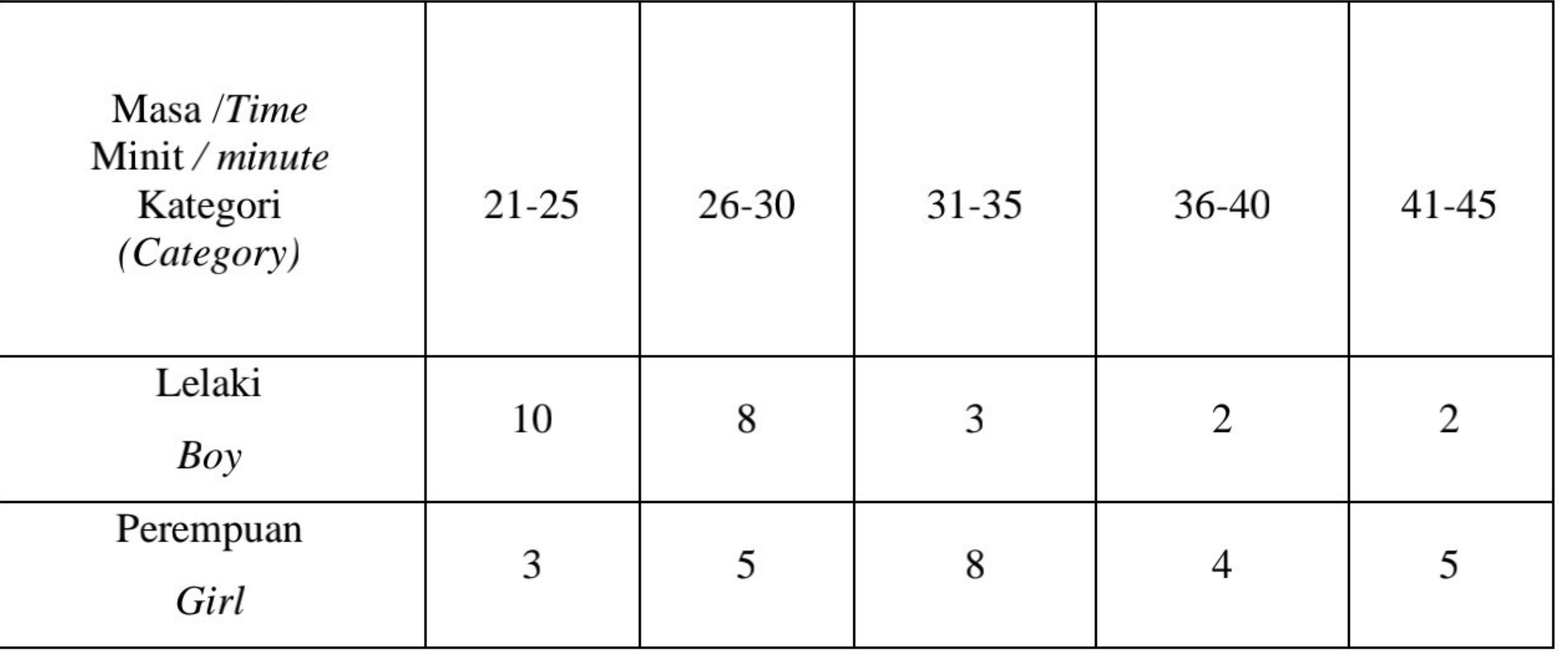
- (c)
Draw the shortest-distance graph and calculate the distance in km.
[3]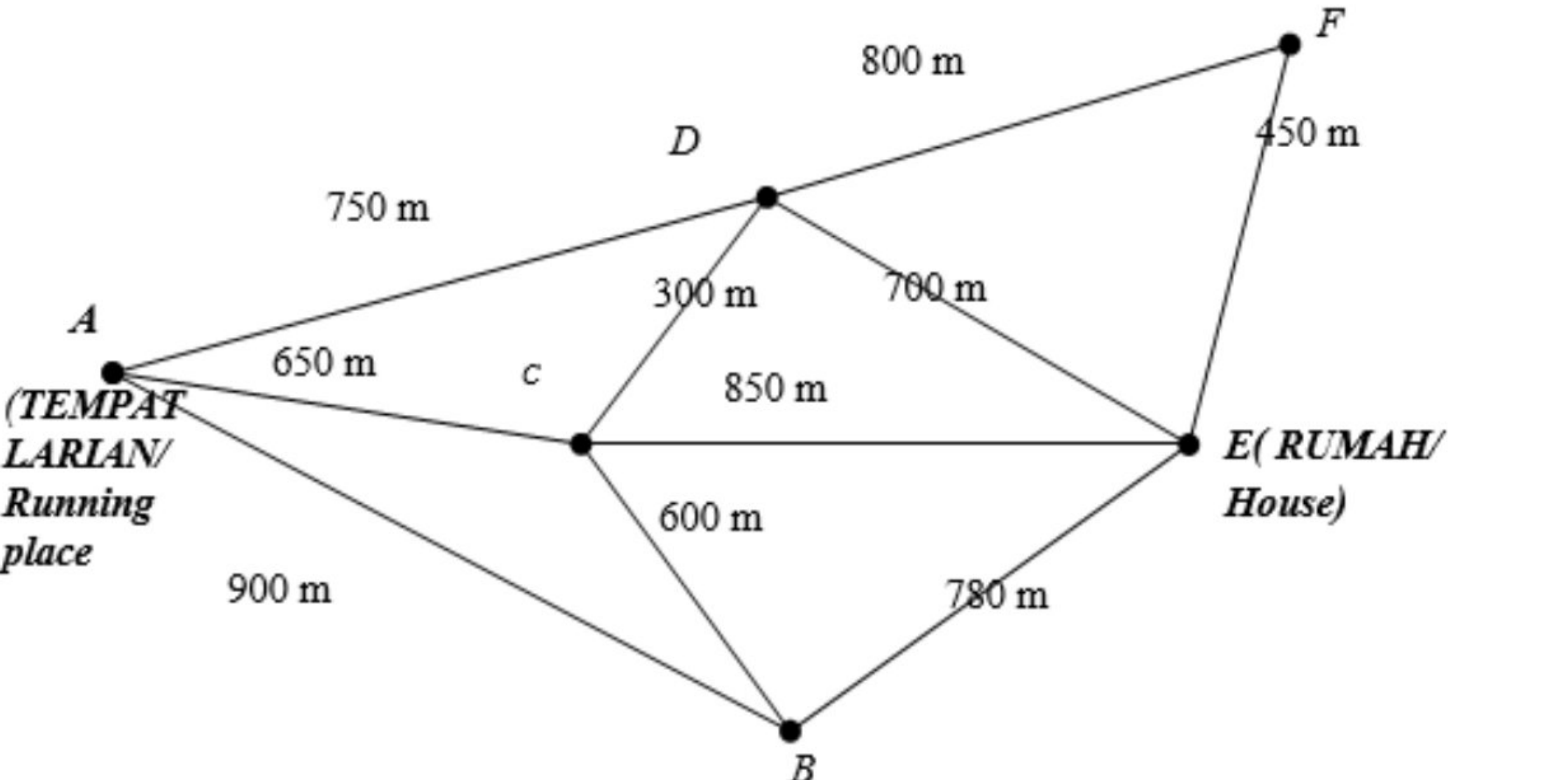
- (d)
Which package is more profitable? Justify.
[4]
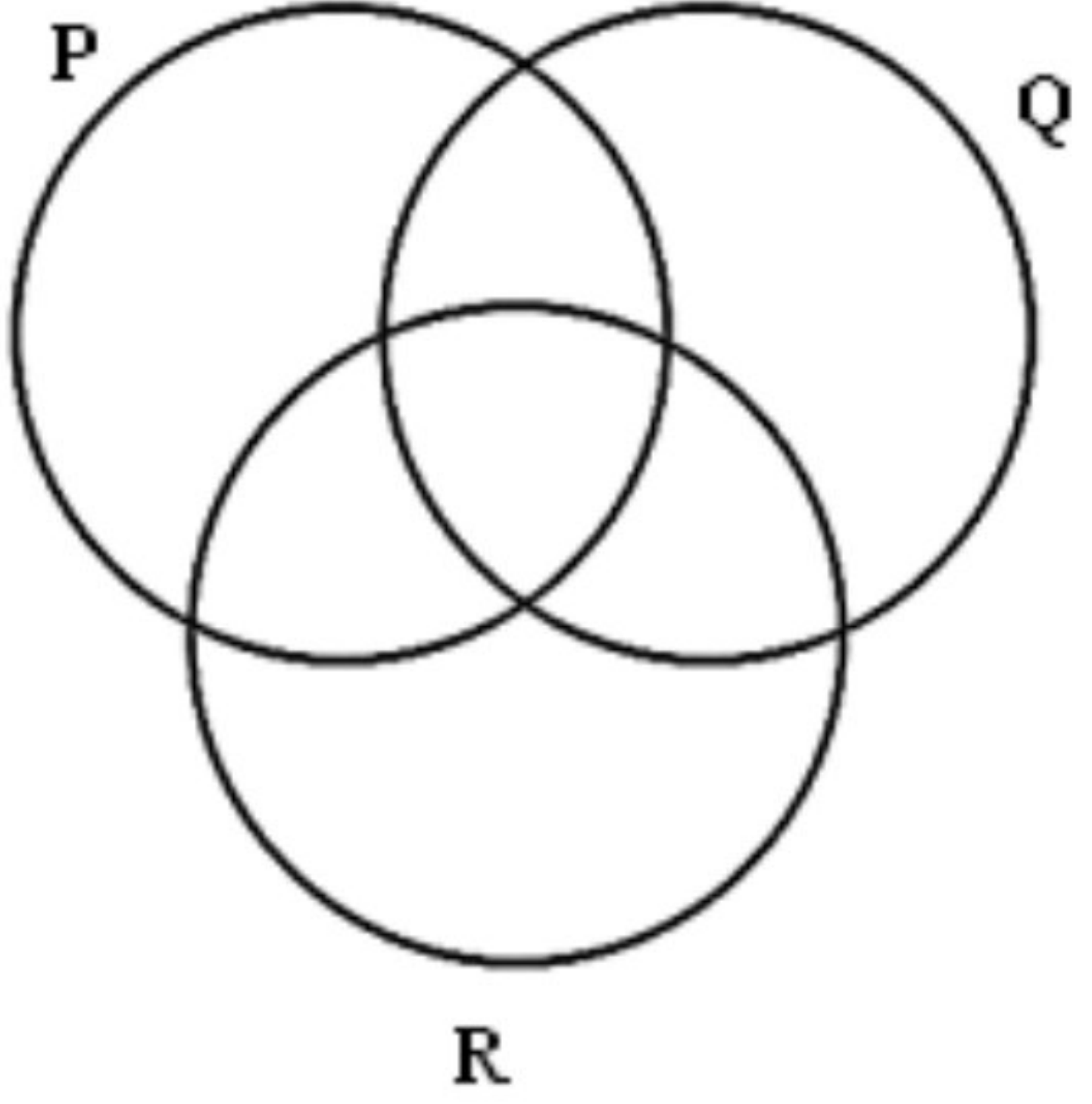
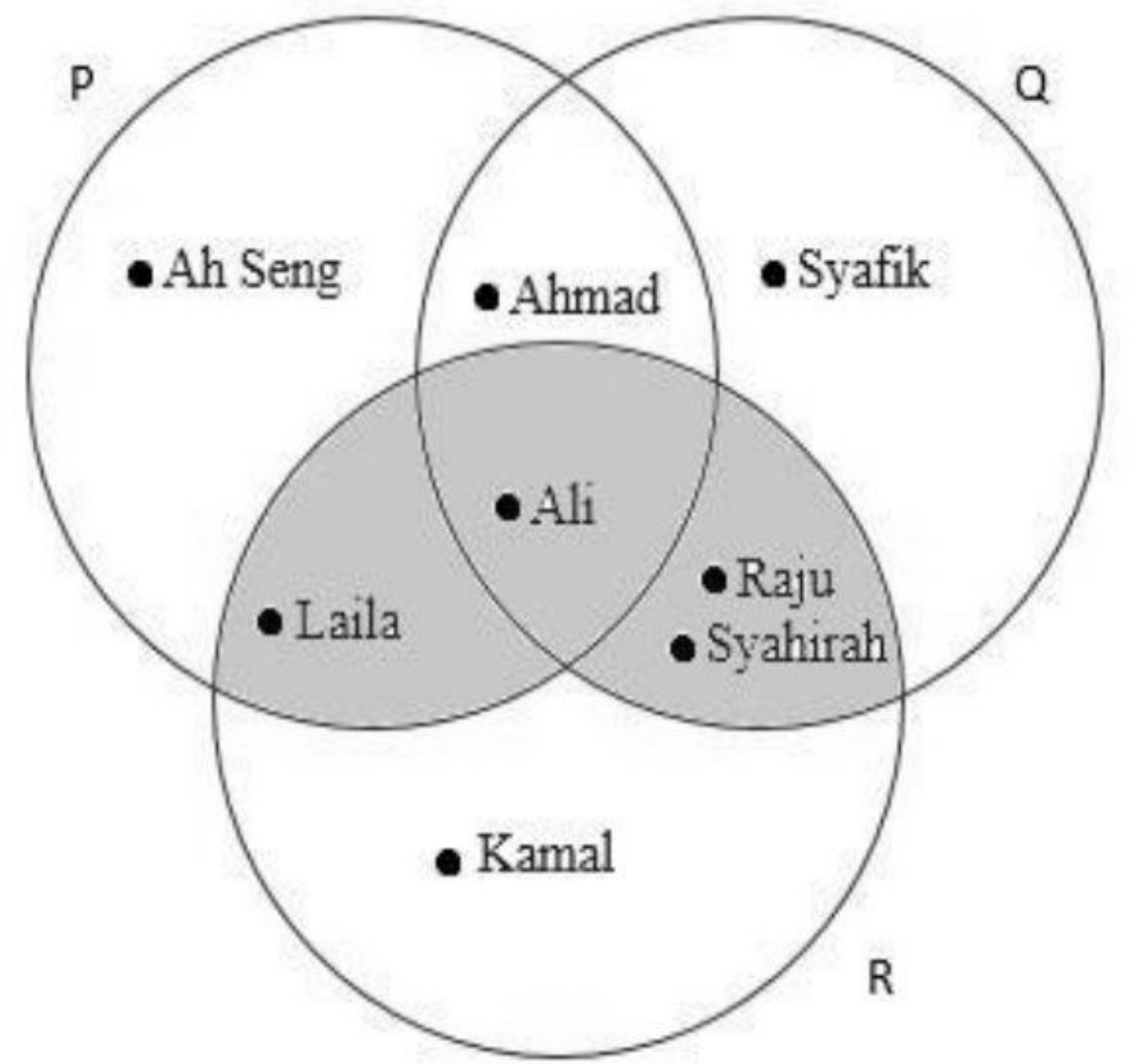
Annual Sports Day 2023. (a)(i) The speed-time graph in Diagram 14 shows Ahmad's 100 m race (speed 0 to 8 m s⁻¹ in 5 s, constant at 8 until 10 s, then to 16 m s⁻¹ at 18 s). (a) State the uniform speed period, in seconds. (b) Calculate the rate of change of speed, in m s⁻², for the last 8 seconds. (ii) t minutes to arrange chairs varies directly with c chairs and inversely with p prefects: t ∝ c/p. 5 prefects take 30 minutes to arrange 50 chairs. Express t in terms of c and p. (b) P = {Ali, Ahmad, Ah Seng, Laila}, Q = {Raju, Syafik, Ali, Ahmad, Syahirah}, R = {Ali, Raju, Syahirah, Kamal, Laila}, ξ = P ∪ Q ∪ R. (i) List the participants in one event only. (ii) Complete the Venn diagram, then state the elements of P ∪ Q ∩ R. (c) The flag (Diagram 15, trapezium, parallel sides 1.5 m and 2 m) has area 2.1 m². Calculate its height in metres. (d) A new freezer costs RM5 000 on hire purchase, with 10% down payment, balance by instalments for 6 months at flat rate 6%. (i) Down payment. (ii) Total repayment. (iii) Monthly instalment.
Hard15 marks- (a)(i)(a)
State the uniform speed period.
[1]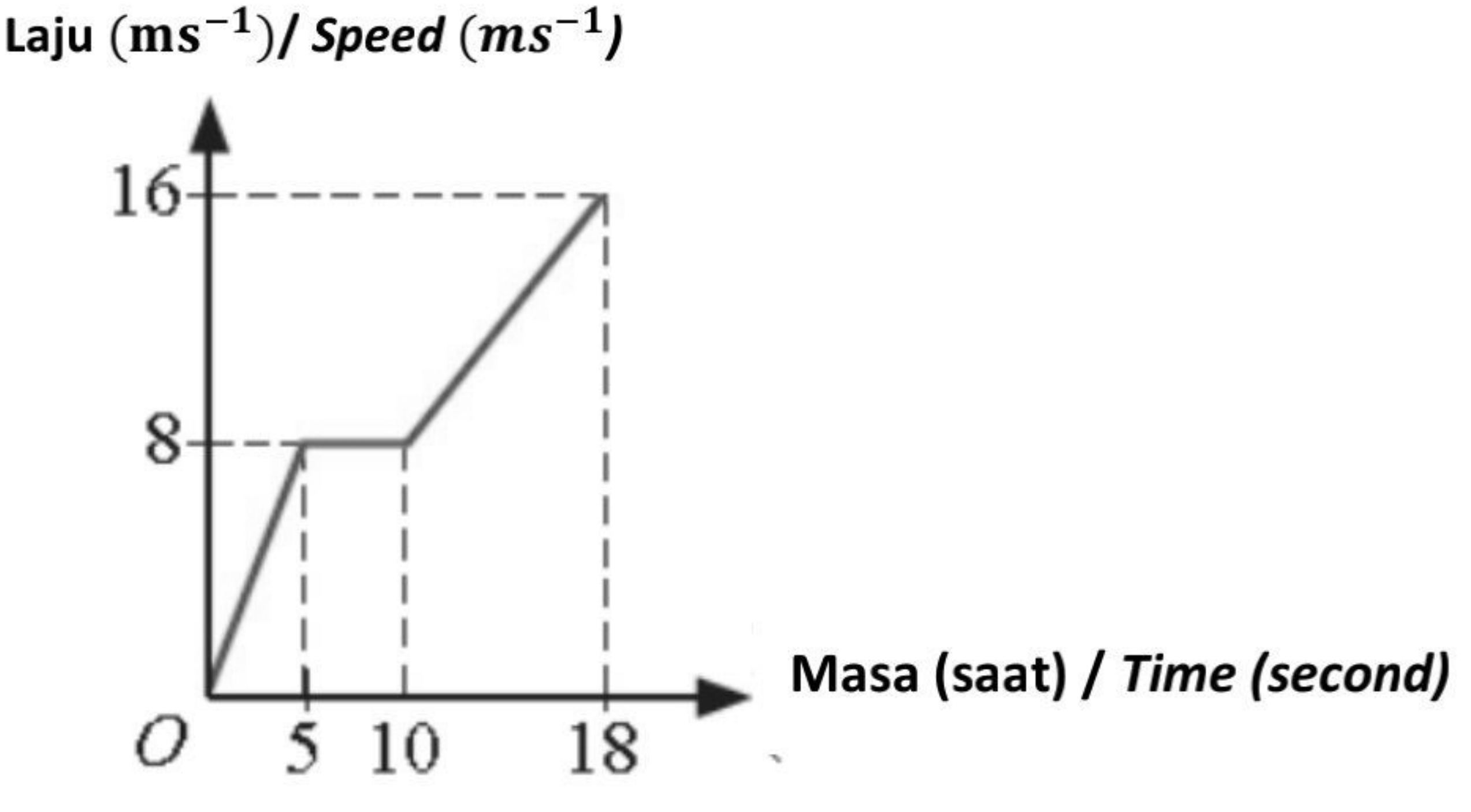
- (a)(i)(b)
Rate of change of speed for the last 8 s.
[2] - (a)(ii)
Express t in terms of c and p.
[2] - (b)(i)
List participants in one event only.
[1] - (b)(ii)
Complete the Venn diagram; elements of P ∪ Q ∩ R.
[3]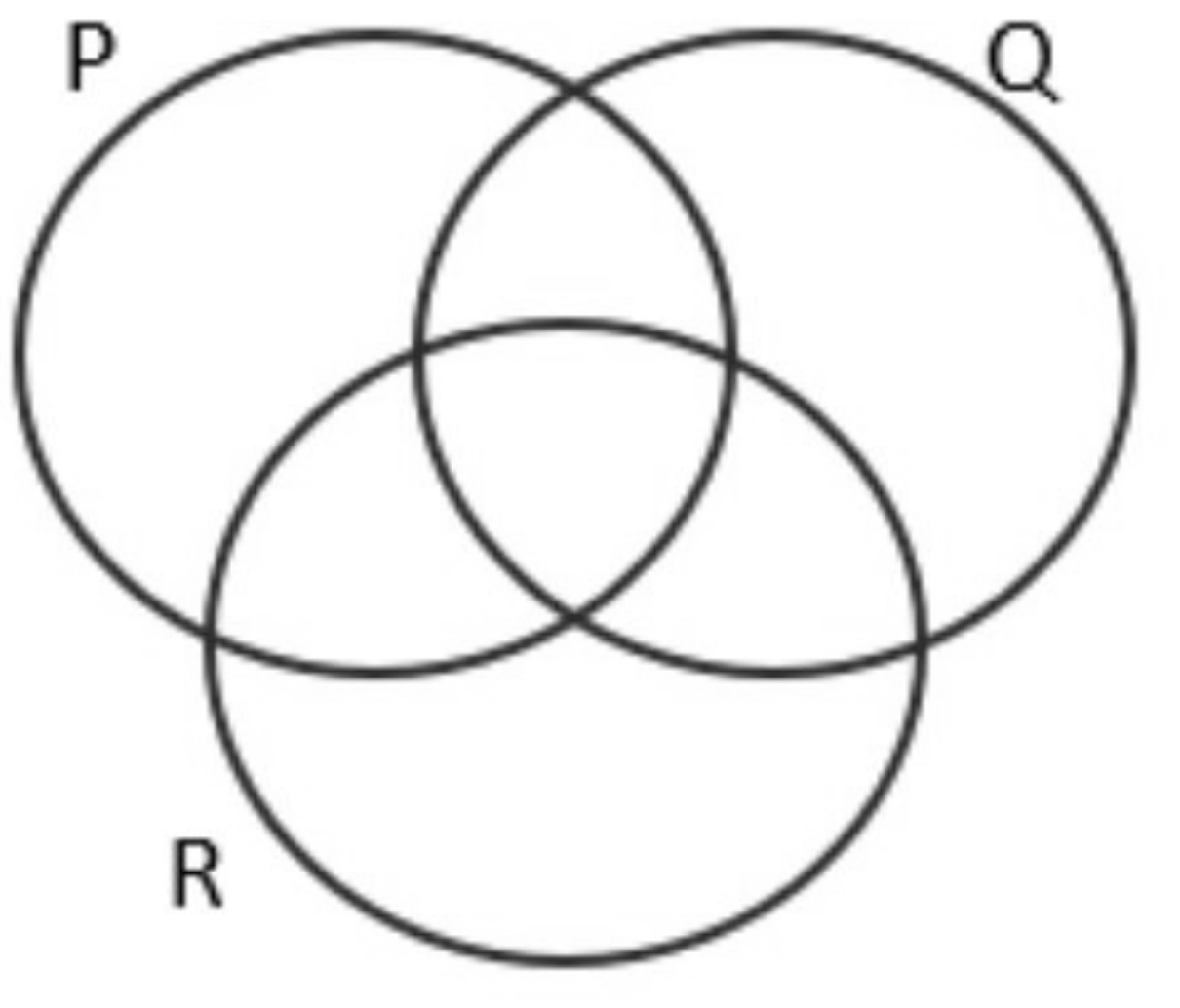
- (c)
Calculate the height of the flag.
[2]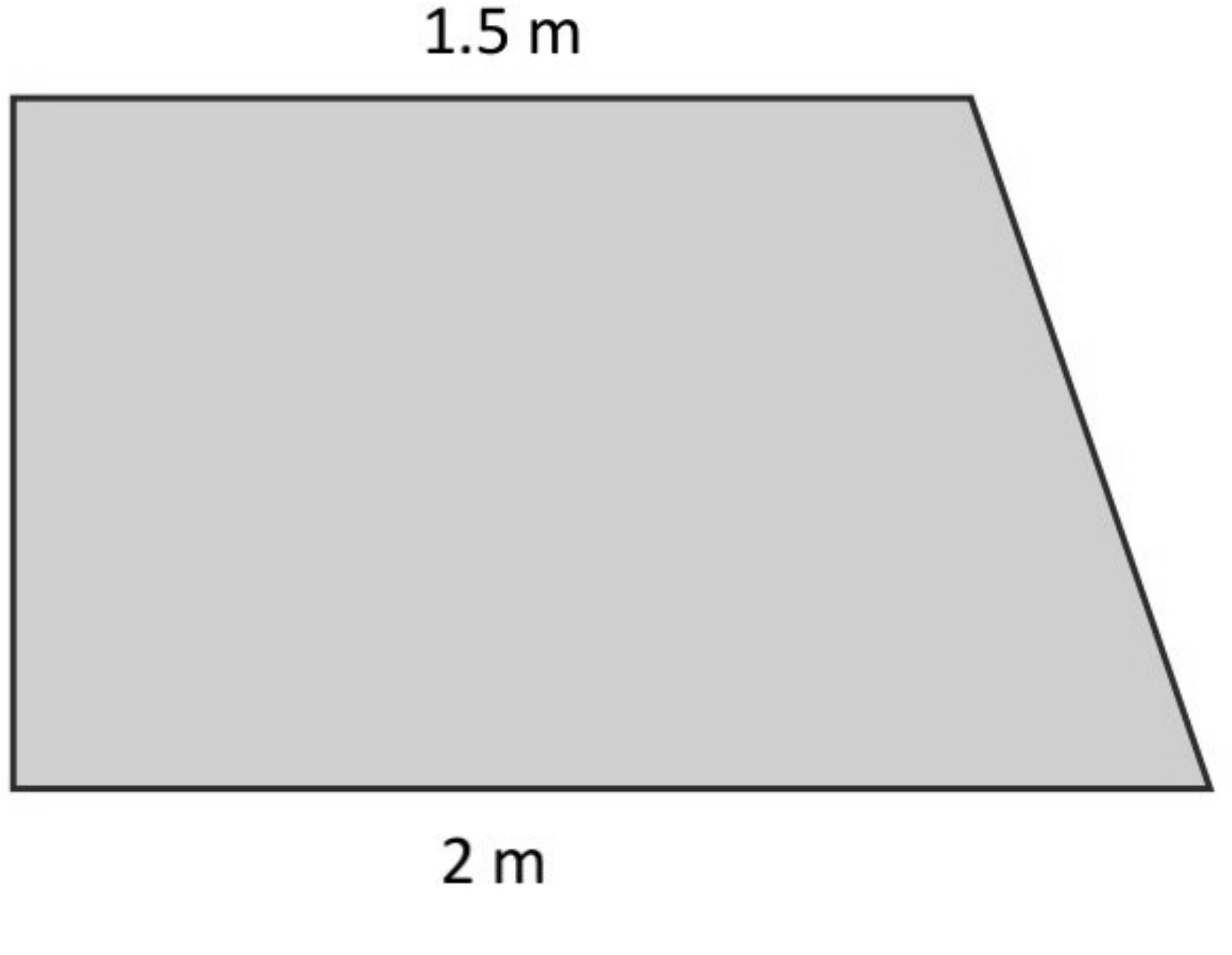
- (d)(i)
Down payment.
[1] - (d)(ii)
Total repayment.
[2] - (d)(iii)
Monthly instalment.
[1]