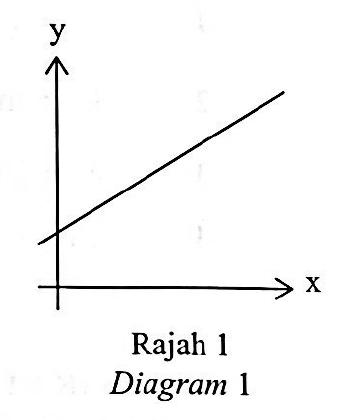
Diagram 1 shows a graph of y against x. State the relationship between x and y based on the graph in Diagram 1. (Straight line with positive gradient that does not pass through the origin.)
Medium
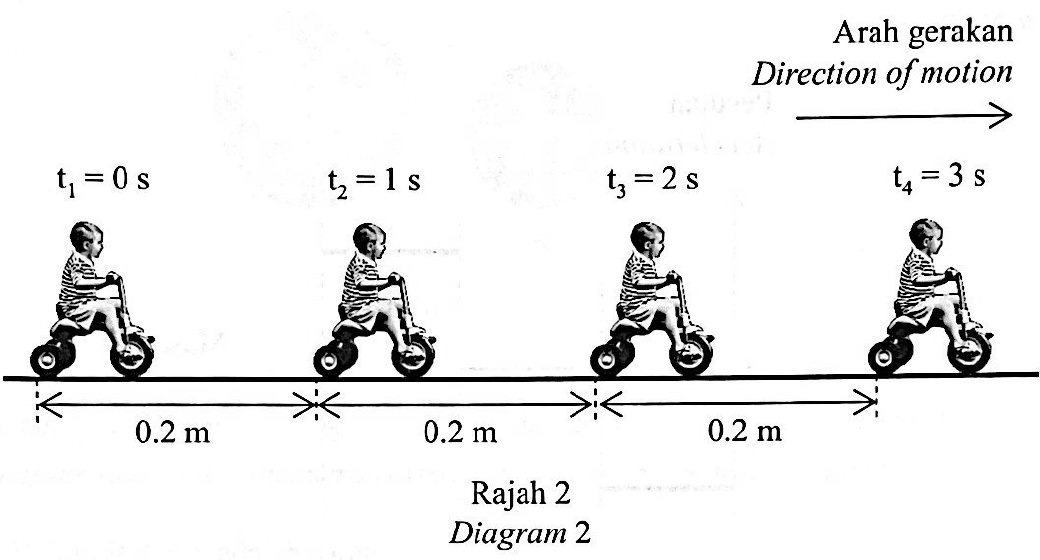
Diagram 2 shows the motion of a bicycle at t = 0 s, 1 s, 2 s and 3 s; the displacement between successive positions is 0.2 m each time. What is the type of motion?
Medium
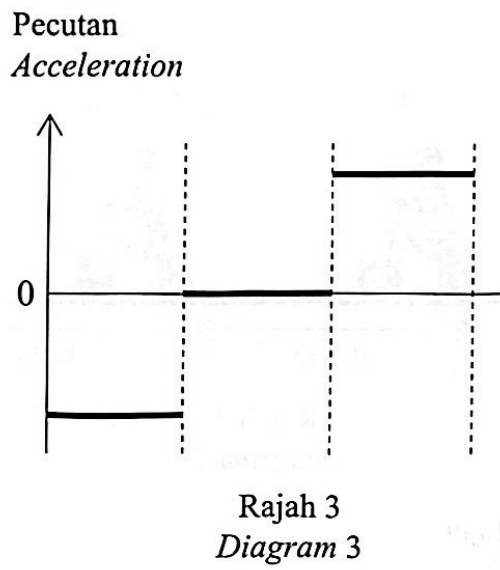
Diagram 3 shows the acceleration-time graph of the motion of a car that is kept moving along a highway (negative acceleration, then zero, then positive acceleration). Which velocity-time graph represents the motion of the car?
Medium
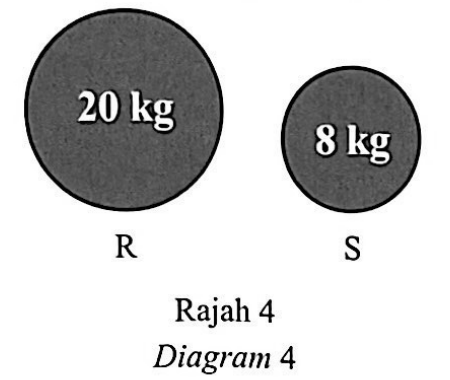
Diagram 4 shows two metal spheres, R (20 kg) and S (8 kg). Which of the following statements is true when R and S are free falling?
Medium
What happens to a ball in motion if there is no external force applied on it?
Easy
Which of the following vehicles has the highest momentum when moving at a velocity of 30 km h⁻¹? (A bicycle, B motorcycle, C car, D lorry)
Easy
A male runner with a mass of 50 kg runs with a force of 100 N. Calculate his acceleration.
Medium
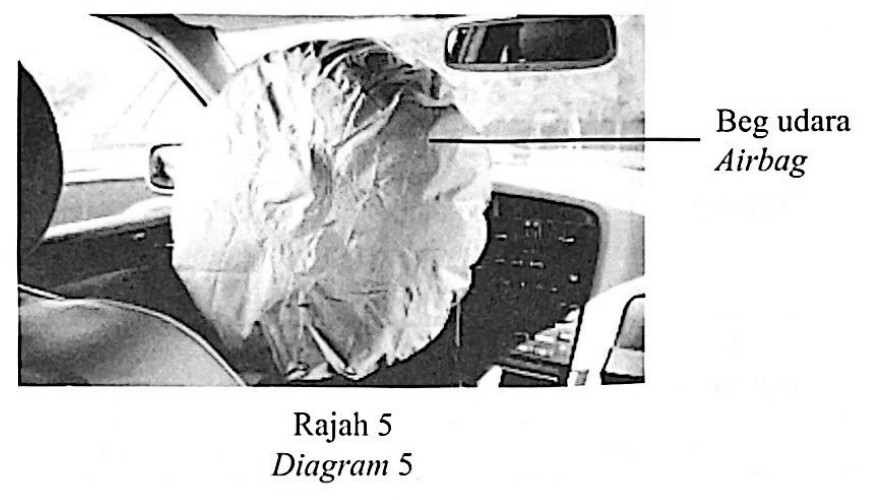
Diagram 5 shows an airbag as a safety feature in a car. What is the purpose of the airbag?
Easy
A marble of mass 0.2 kg is free fall from a certain height. Which of the following statements is correct?
Medium
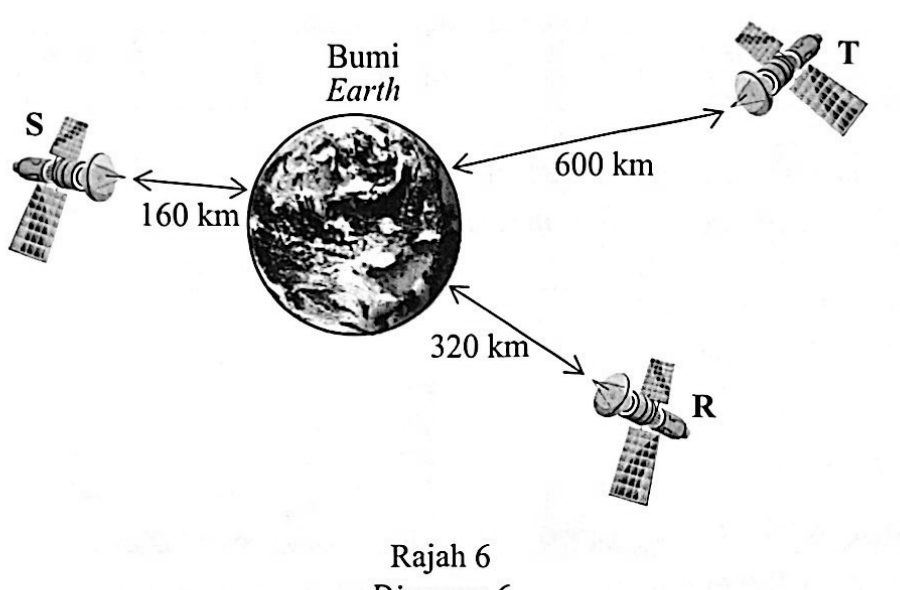
Diagram 6 shows 3 identical satellites, R, S and T located at different heights from the Earth's surface: S at 160 km, R at 320 km, T at 600 km. Which of the following shows the correct comparison of gravitational force and gravitational acceleration?
Medium
The following information is a statement of a Physics law: "All planets move in elliptical orbits with the Sun at one focus." Name the Physics law described by the statement.
Easy
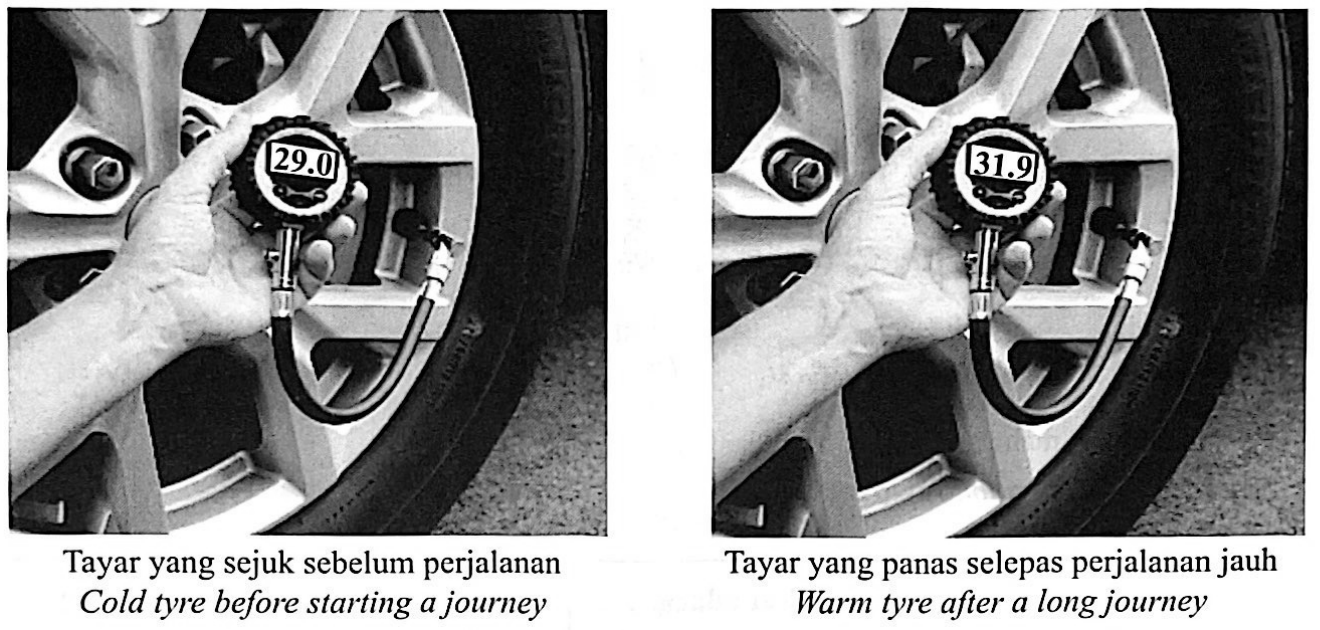
Diagram 7 shows the pressure gauge reading used to measure the air pressure in a tyre of a car: 29.0 for the cold tyre before starting a journey and 31.9 for the warm tyre after a long journey. Which of the following explains this situation? (Temperature / volume / pressure of air in the tyre)
Medium
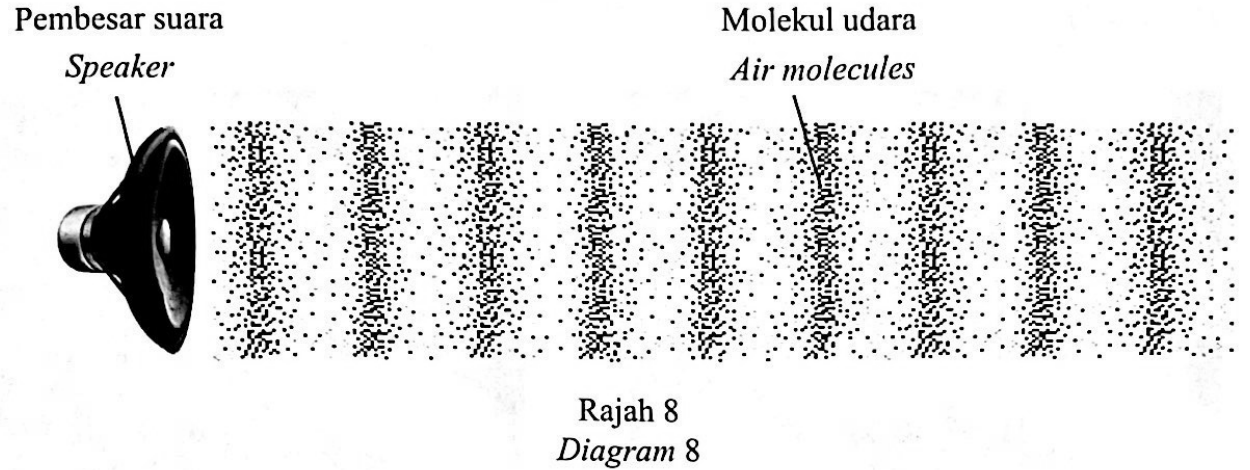
Diagram 8 shows the sound waves emitted by a speaker (compressions and rarefactions moving away from the speaker, to the right). Which combination is correct for the direction of vibration of an air molecule and the direction of wave propagation?
Medium
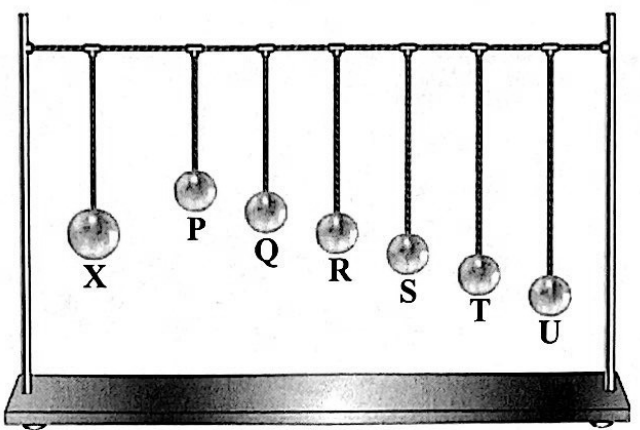
Diagram 9 shows a Barton's pendulum. Pendulum X is pushed to oscillate. It is found that pendulum R oscillates with maximum amplitude. Name the phenomenon involved.
Easy
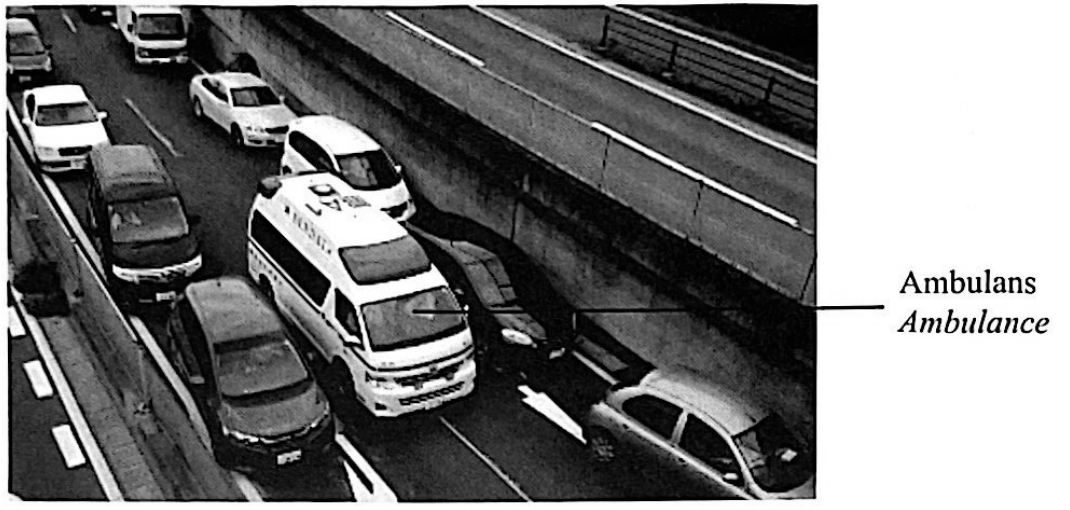
Diagram 10 shows an ambulance activating its siren to warn nearby vehicles to give way. Why does the effect of wave diffraction become more significant if the siren sound emitted has a low frequency?
Medium
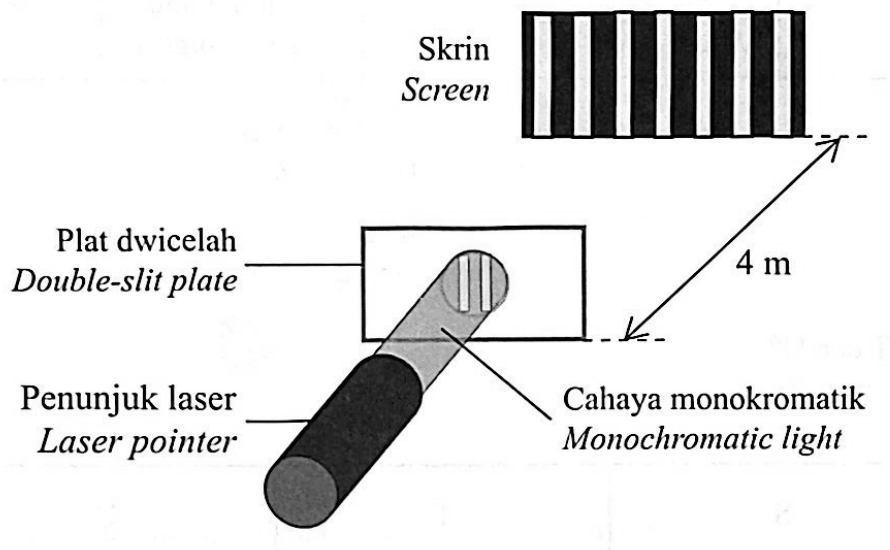
Diagram 11 shows the apparatus set-up of Young's double-slit experiment. The wavelength of the monochromatic light is 6.5 × 10⁻⁷ m, while the distance between the double-slits is 0.5 mm. The screen is 4 m from the double-slit plate. It was found that a pattern of bright fringes and dark fringes formed on the screen. What is the distance between two consecutive bright fringes?
Medium
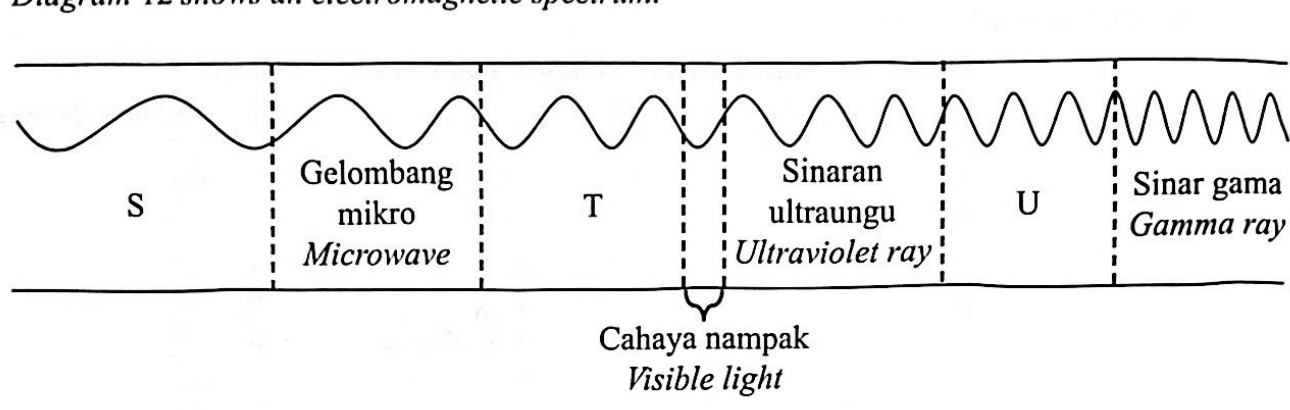
Diagram 12 shows an electromagnetic spectrum (S, microwave, T, visible light, ultraviolet ray, U, gamma ray). What are S, T and U?
Easy
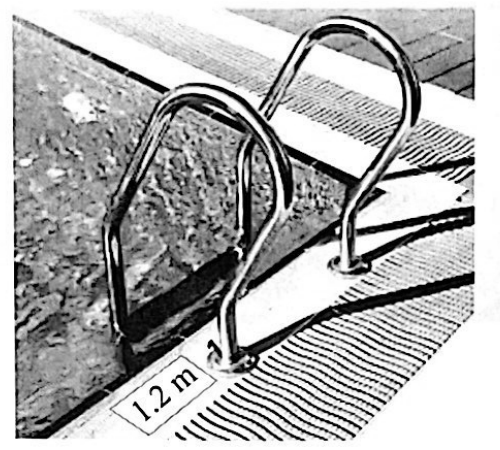
Diagram 13 shows a water depth marker attached to the side of a swimming pool (real depth 1.2 m). The bottom of the pool appears shallow due to refraction. Given the apparent depth of the bottom of the pool seen is 0.9 m, determine the speed of light in water.
Medium
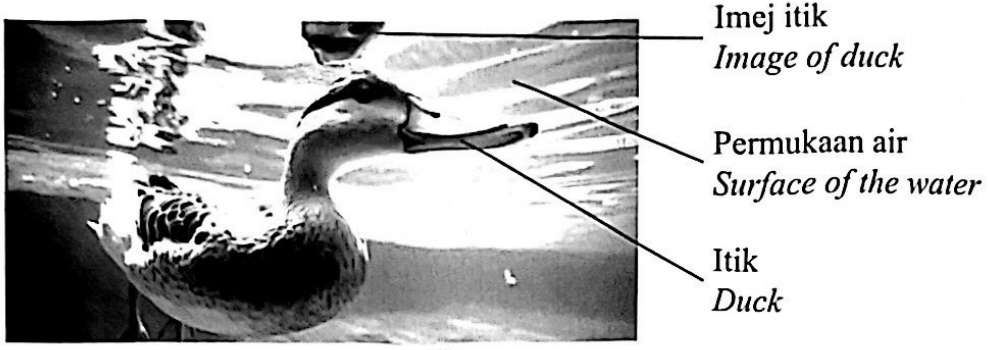
Diagram 14 shows a duck swimming in water. It was found that the image of the duck was formed in the inner part of the surface of water. Which light phenomenon forms the image?
Medium
An object is placed 15.0 cm in front of a convex lens with a focal length of 10.0 cm. Determine the image distance.
Medium
Two convex lenses are required to construct the optical instrument Q. What is the optical instrument Q?
Easy
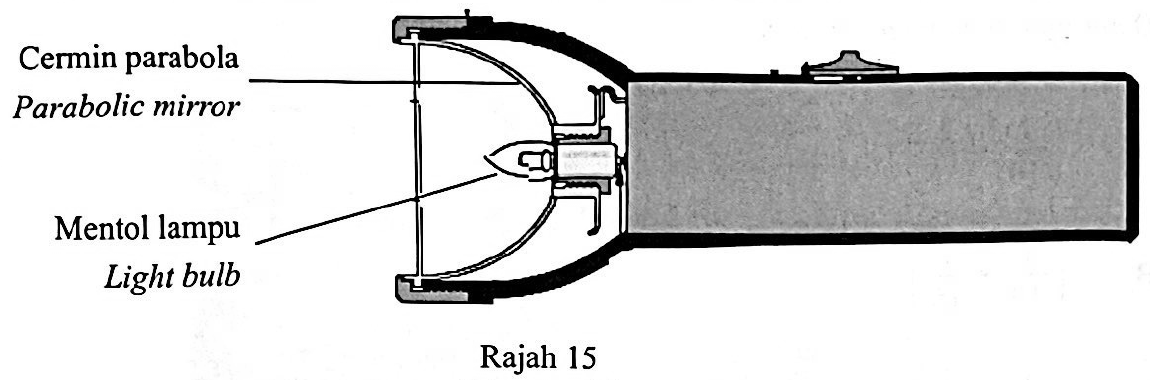
Diagram 15 shows a parabolic mirror in a torchlight. The light bulb in the torchlight is positioned at the focal point of the parabolic mirror so that light
Easy
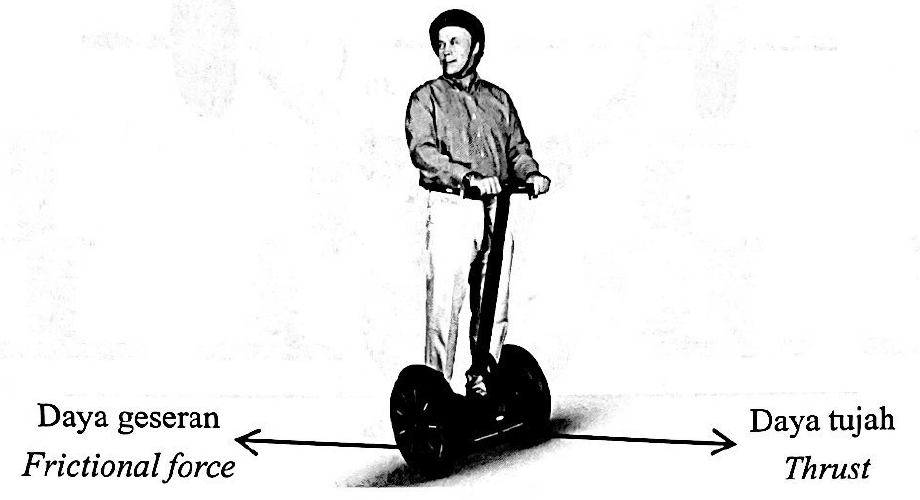
Diagram 16 shows a man is moving by using a personal transporter with an acceleration (thrust forward, frictional force backward). Which statement is true?
Medium
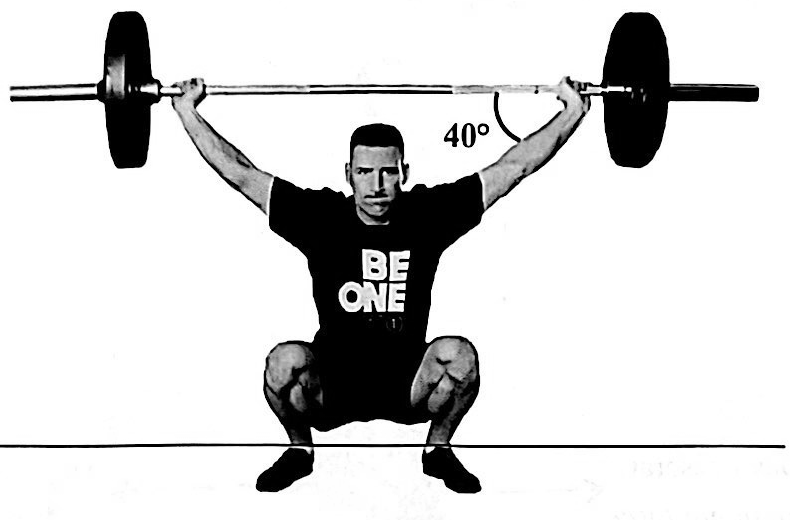
Diagram 17 shows a man lifting a weight, W. R is the pushing force exerted by the man's hands at an angle of 40° with the iron rod. Which diagram correctly represents forces R and W that act on the man?
Medium
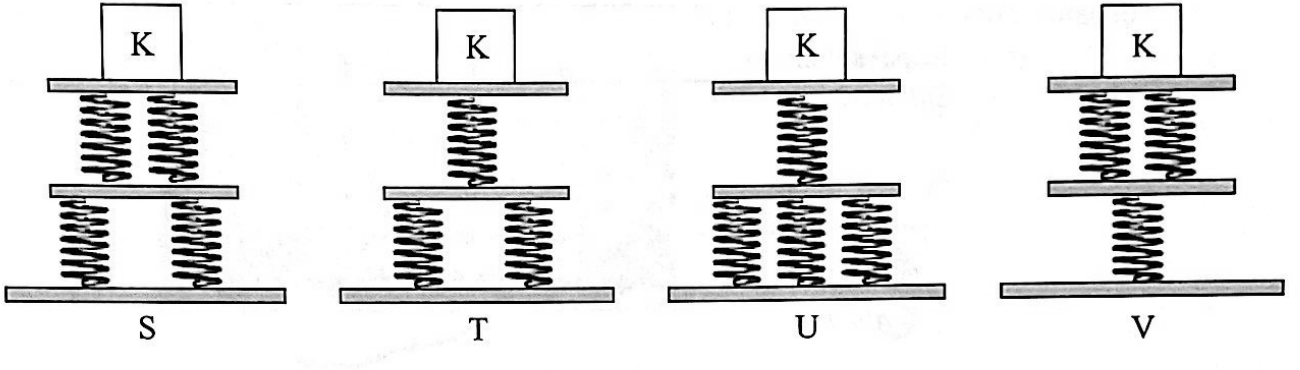
Diagram 18 shows a load K placed on the spring arrays S, T, U and V. All the springs are identical. Which spring experience the smallest compression?
Medium
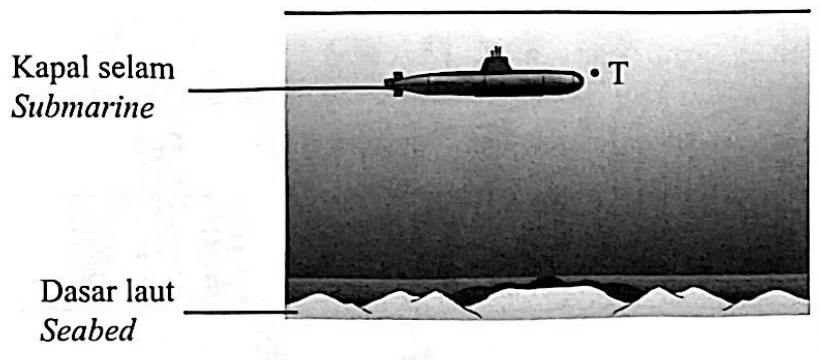
Diagram 19 shows a submarine experiencing a sea water pressure of 4.94 × 10⁶ Pa at position T. The pressure at seabed is 11 500 kPa. The maximum pressure that can be accommodated by the submarine is 7.90 × 10⁶ Pa. Calculate the distance from T to the seabed and the remaining safest diving distance that can still be carried out by the submarine. [Density of sea water, ρ = 1 060 kg m⁻³, atmospheric pressure, P_atm = 100 kPa]
Medium
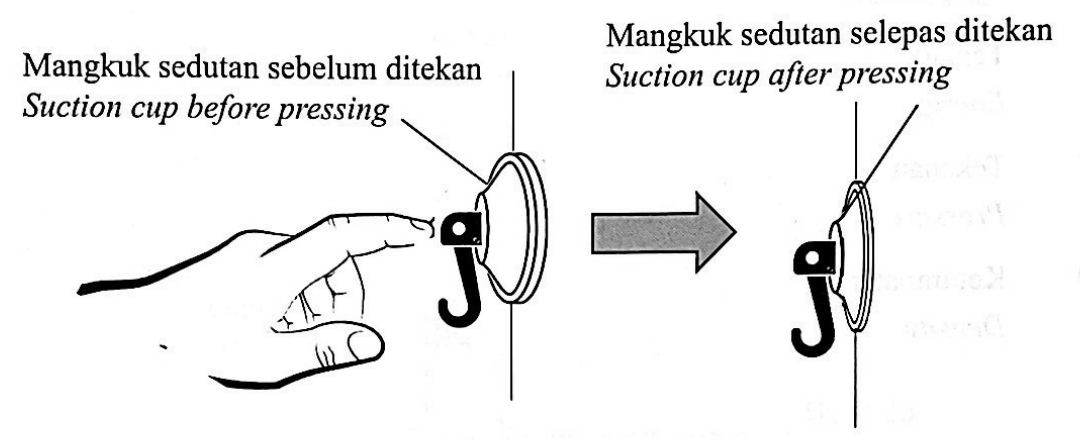
Diagram 20 shows suction cup being pressed against a smooth wall. The suction cup sticks to the wall when released. Which is the following explanation is correct about the situation?
Medium
What is the physical quantity measured by a manometer?
Easy
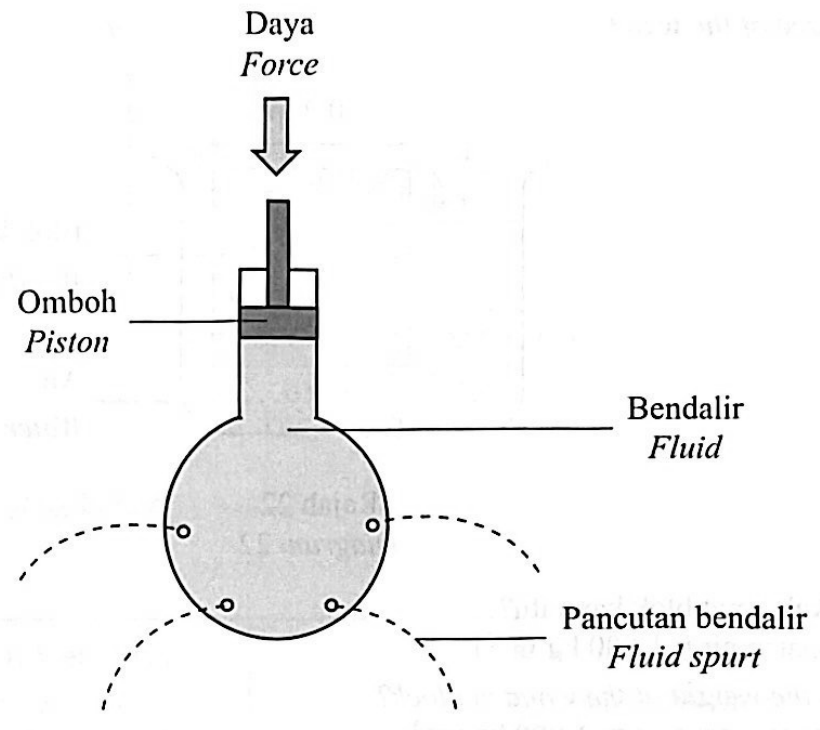
Diagram 21 shows round bottom flask with several holes used to demonstrate a physics principle (a piston pushes down on the fluid and fluid spurts out of all holes). State the principle involved.
Easy
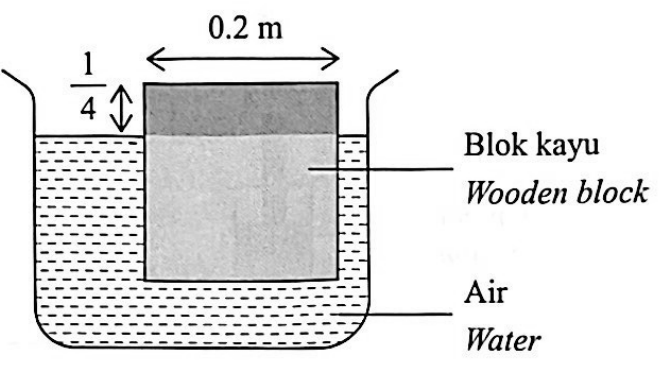
Diagram 22 shows a cube-shaped wooden block floating in water with 1/4 of its height above the surface of the water. The side of the cube is 0.2 m. What is the weight of the wooden block? [The density of water = 1 000 kg m⁻³]
Medium
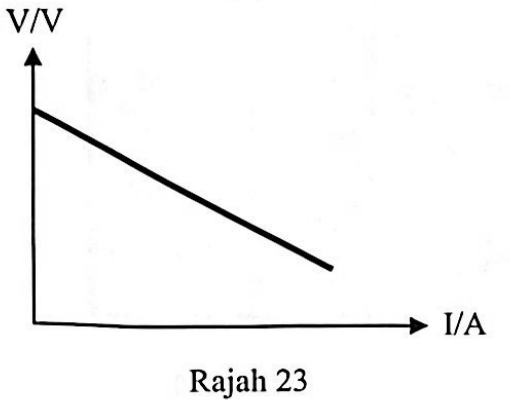
Diagram 23 shows a graph of potential difference, V against current, I to determine the electromotive force and the internal resistance of a dry cell. Which pair is true?
Medium
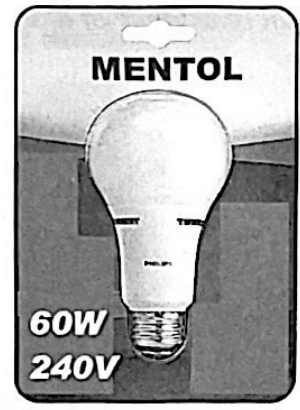
Diagram 24 shows a packet of bulb (60 W, 240 V). Determine the electrical energy consumed when the bulb is light up for an hour in the unit of kWh.
Medium
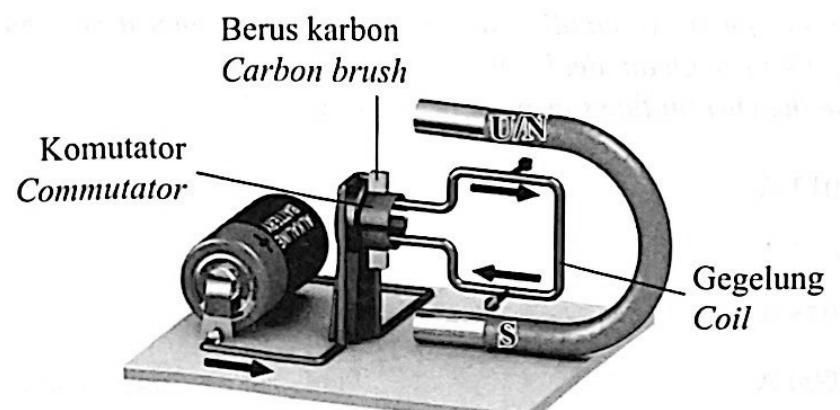
Diagram 25 shows a simple direct current motor. The speed of coil rotation increases when I amount of current increased; II the pole of magnet is reversed; III number of turns of coil is increased; IV thickness of coil wire decreased.
Medium
A 3 V mobile phone is supplied with 6 W of power when it is connected to a 240 V of a.c. power supply through an ideal transformer. Determine the current flows through primary coil.
Medium
Which combination correctly explains the effect of electric fields and magnetic fields on cathode rays? (Type of cathode ray; direction of motion between a + plate on top and a - plate at bottom; speed of cathode ray)
Medium
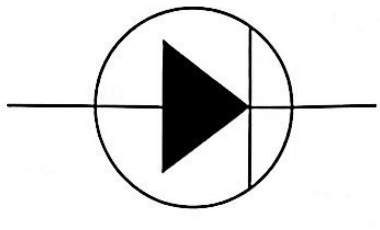
Diagram 26 shows an electronic symbol that represents an electronic component (a diode symbol: triangle with bar, inside a circle). What is the function of the electronic component?
Easy
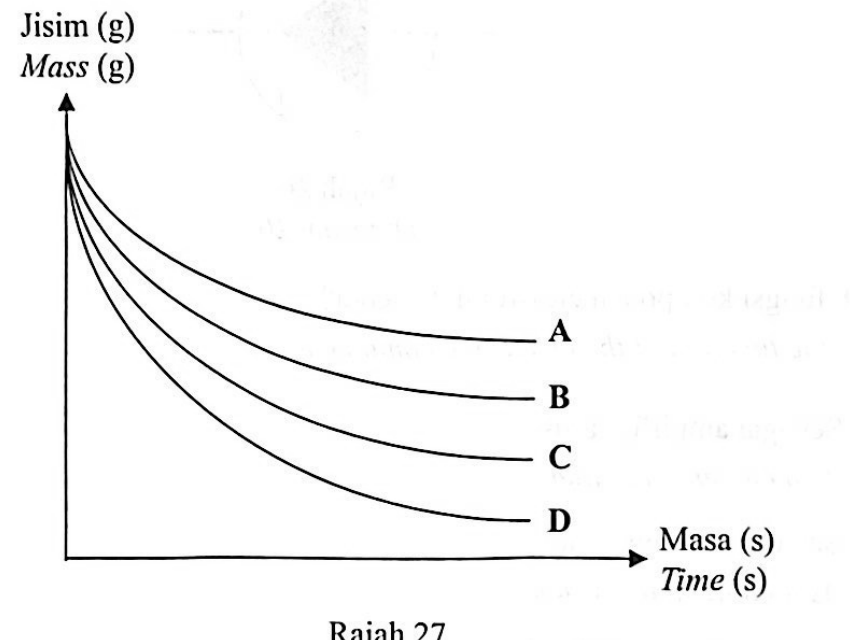
Diagram 27 shows the decay curve (mass in g against time in s) of radioisotopes A, B, C and D. Which radioisotope has the longest half-life?
Medium
What is the factor that affect the photon energy?
Easy
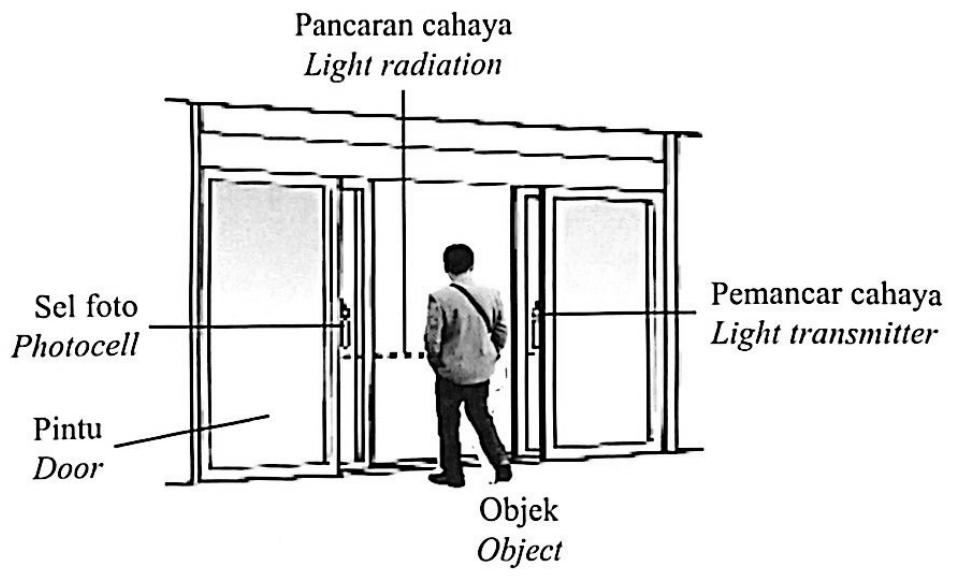
Diagram 28 shows an automatic gate system that operates when light is directed by a light transmitter onto the cathode metal in a photocell. What causes automatic door to open?