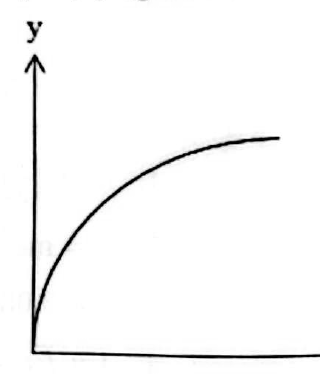
Diagram 1 shows a graph of y against x (a curve starting at the origin with positive, decreasing gradient, flattening out). Which of the following statements shows correct interpretation of the above graph? I The graph gradient is positive; II The graph gradient is negative; III y increases with x; IV y decreases with x.
Medium
Which of the following statement is correct about distance?
Easy
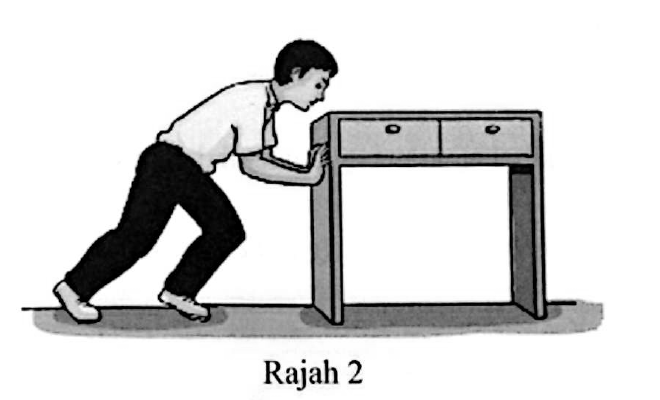
Diagram 2 shows Ali applied 50 N of force to move a table with mass 10 kg at a constant velocity. What is the frictional force acting on the table?
Medium
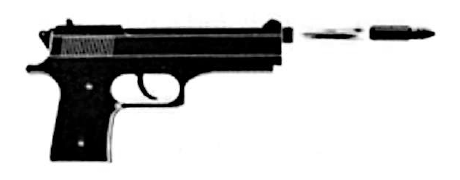
Diagram 3 shows a bullet being fired from a pistol. The bullet moves forward and the pistol moves in the opposite direction. Which of the following statements is correct?
Medium
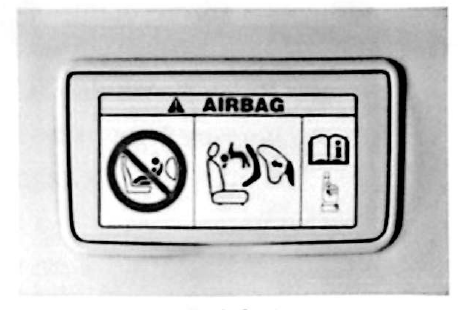
Diagram 4 shows an air bag warning sign in a car. What is the function of the air bag?
Medium
The gravitational field strength at a point is defined as
Easy
A satellite is in a circular orbit around the Earth. If the radius of the orbit increases, what will happen to its orbital speed?
Medium
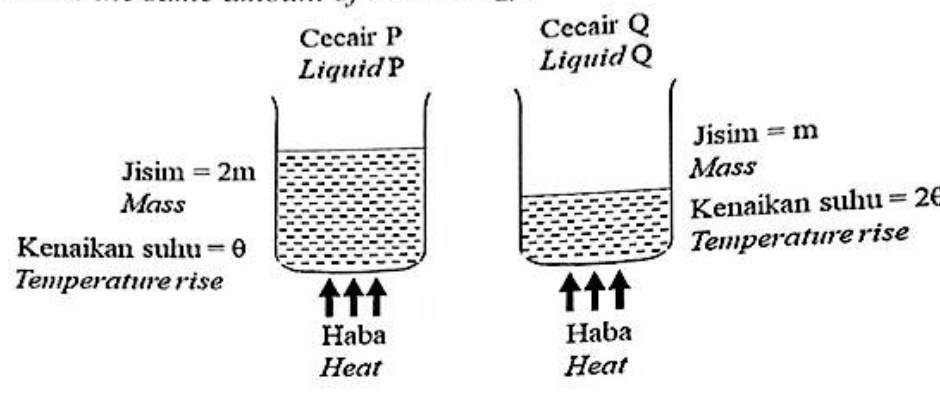
Diagram 5 shows two beakers containing liquid P and liquid Q respectively. Each liquid receives the same amount of heat energy. Liquid P: mass = 2m, temperature rise = θ. Liquid Q: mass = m, temperature rise = 2θ. Which statement is correct about liquid P and liquid Q?
Medium
How much heat must be supplied to change a 400 g block of ice at 0 °C into water at 80 °C? [Specific heat capacity of water = 4.2×10³ J kg⁻¹ °C⁻¹] [Specific latent heat of fusion of ice = 3.34×10⁵ J kg⁻¹]
Medium
Why does the volume of a gas with a fixed mass increase when it is heated at constant pressure?
Medium
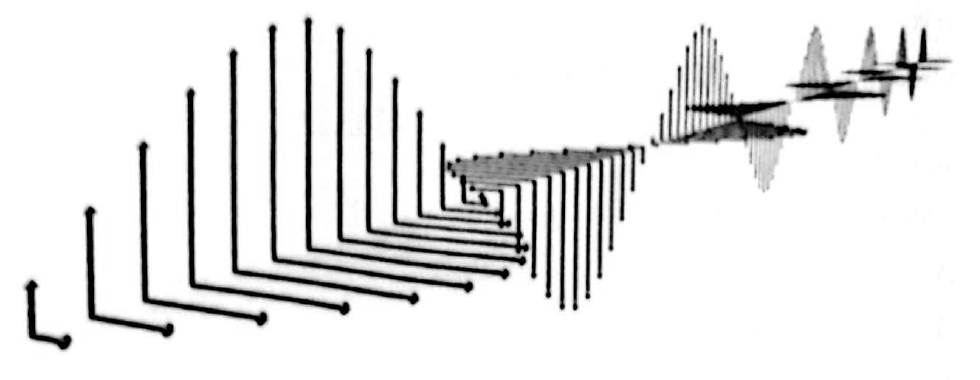
Diagram 6 shows electromagnetic waves. Which of the following is not the characteristic of electromagnetic waves?
Easy
Water waves propagate from a deep region to a shallow region. The wave frequency is 4 Hz and the wavelength is 0.6 m in the deep region. If the depth of the shallow region becomes 0.3 m, what is the ratio of the wave speed between deep region and shallow region?
Medium
Why does sonar use the reflection of sound waves instead of light waves to detect objects underwater?
Medium
What happens when light travels from air to glass?
Easy
What phenomenon is involved when light propagates through optical fibre?
Easy
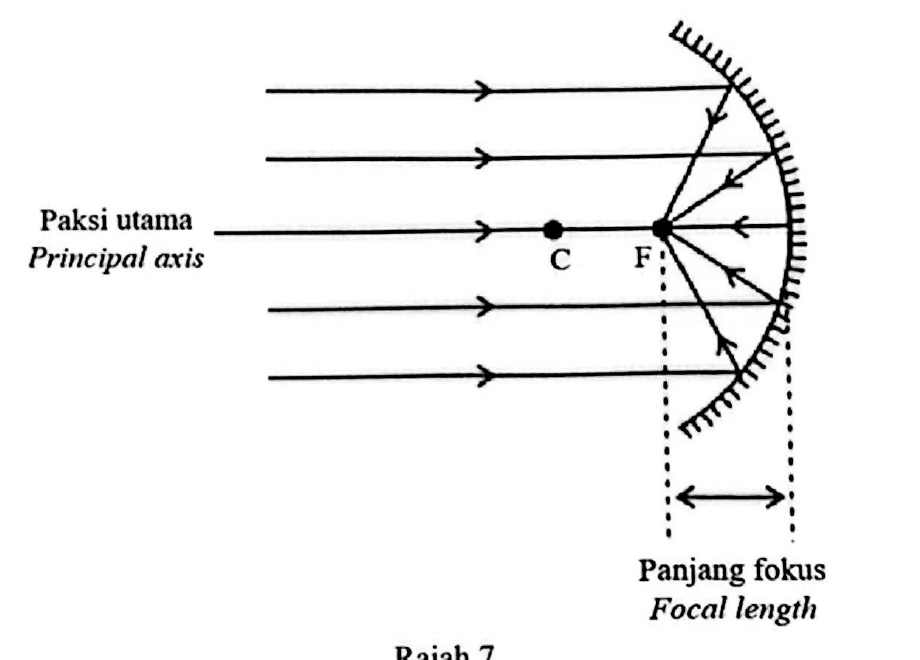
Diagram 7 shows reflected ray of a concave mirror. A concave mirror can form a magnified and inverted image when the object distance
Medium
Which of the following devices usually uses a convex lens?
Medium
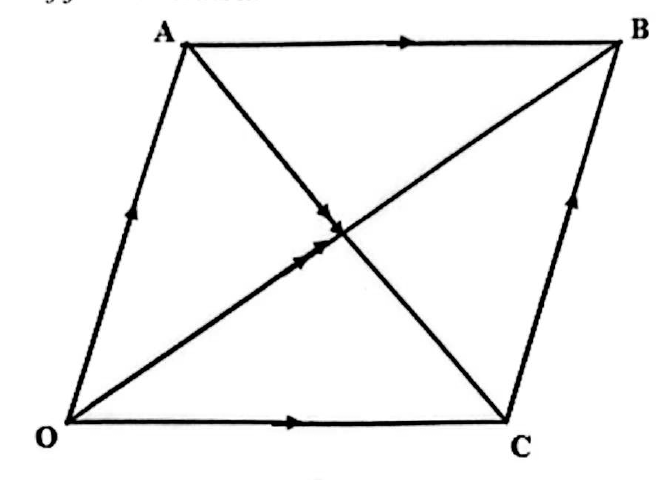
Diagram 8 shows a method of determining the resultant of two forces by using the parallelogram of forces method (parallelogram OABC, forces along OA and OC, diagonals OB and AC). Which of the followings represents the resultant force?
Medium
Which of the following diagrams shows three forces in equilibrium?
Medium
Four arrangements A, B, C and D are made of identical springs. Each spring extends by 4 cm when 200 g load is hung at their end. Which arrangement produces the largest extension?
Medium
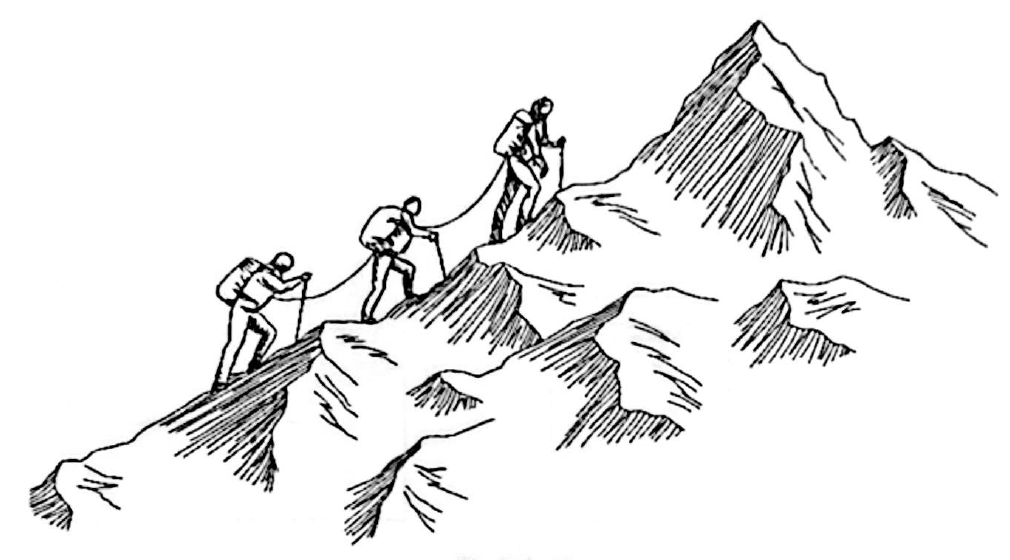
Diagram 9 shows a group of climbers climbing a mountain. They were found to have difficulty breathing at high altitudes. This happens because of
Easy
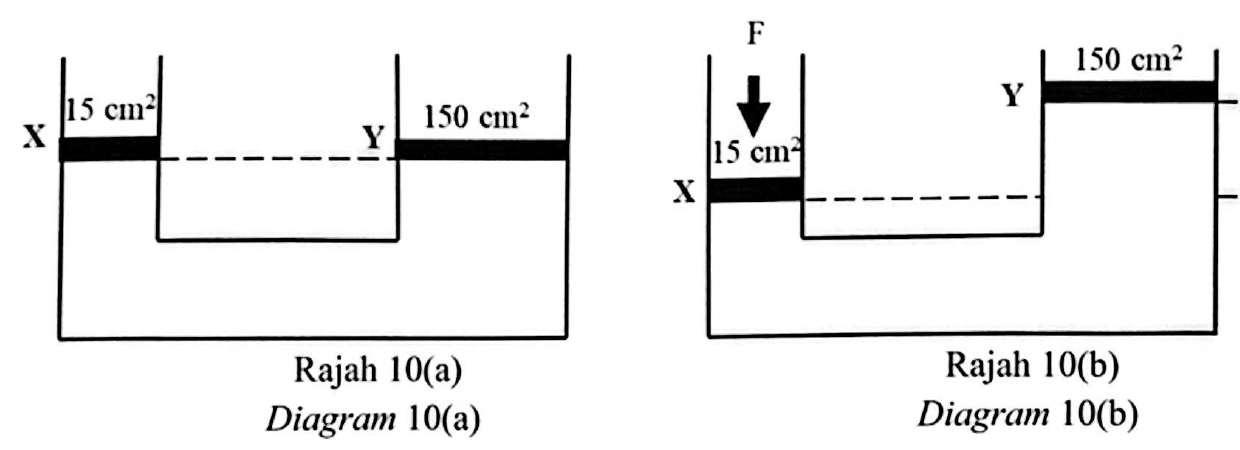
Diagram 10(a) shows a simple hydraulic system where the areas of pistons X and Y are 15 cm² and 150 cm² respectively. Diagram 10(b) shows when a force, F is applied to X, Y will move upwards by h. If the area of Y is increased to 300 cm² and the same force, F, is applied to X, what is the new position of Y?
Medium
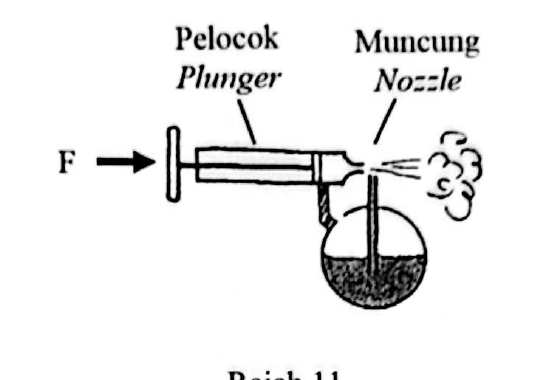
Diagram 11 shows that when a force, F is applied to the plunger, air flows at a high velocity through the nozzle and produces a spray of small droplets. Which equipment works using the same principle as the situation above?
Medium
What usually happens to the resistance of a metal wire as its temperature increases?
Easy
If the resistivity of a copper wire which is 5 m long and has a cross-sectional area of 1×10⁻⁶ m² is 1.7×10⁻⁸ Ω m, what is the resistance of the wire?
Medium
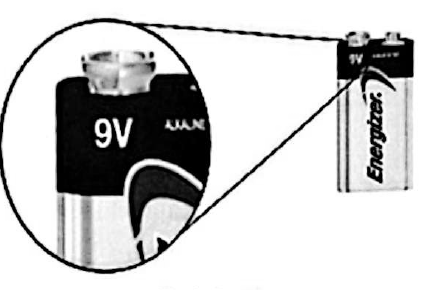
Diagram 12 shows a dry cell (marked 9 V). What is represented by the quantity shown in the circle?
Medium
Which of the following describes a superconductor?
Easy
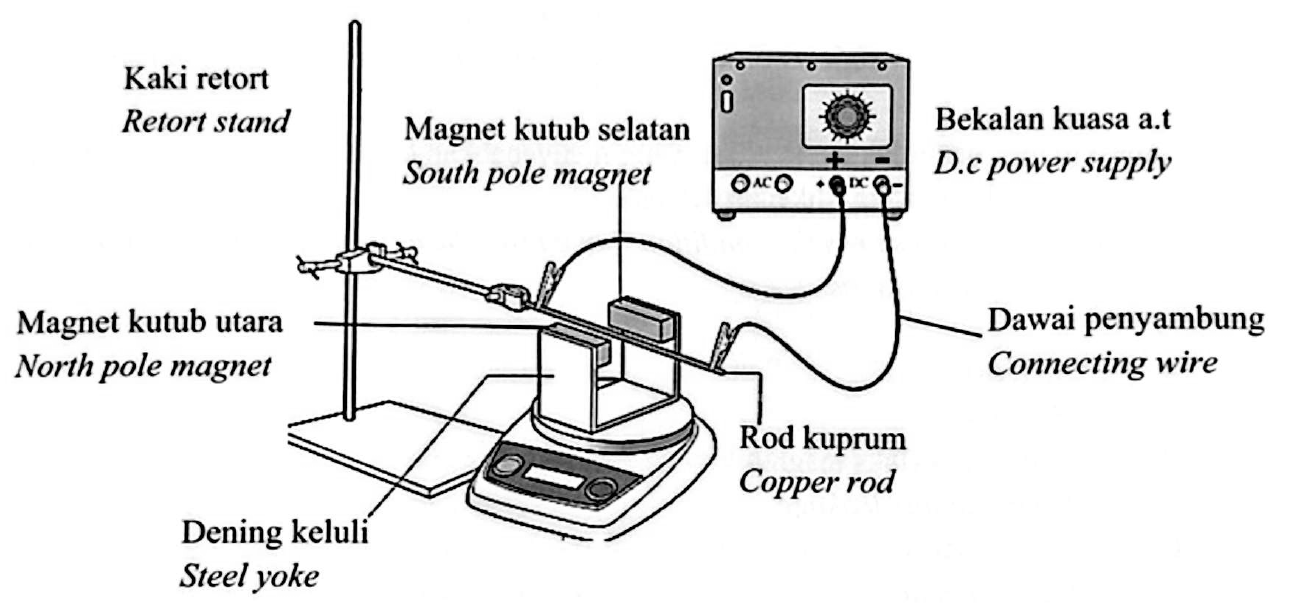
Diagram 13 shows the interaction between the magnetic field of a current-carrying copper wire and the magnetic field from the Magnadur magnet that produce a resultant magnetic field. State what happens to the reading of the electronic balance when the current reading is increased?
Medium
“The iron core is magnetised and demagnetised continuously by a changing magnetic field. The energy supplied for magnetisation is not fully recovered during demagnetisation. This difference in energy is transferred to the iron core to heat it.” The above situation shows the condition that causes the efficiency of a transformer to decrease, this is known as
Medium
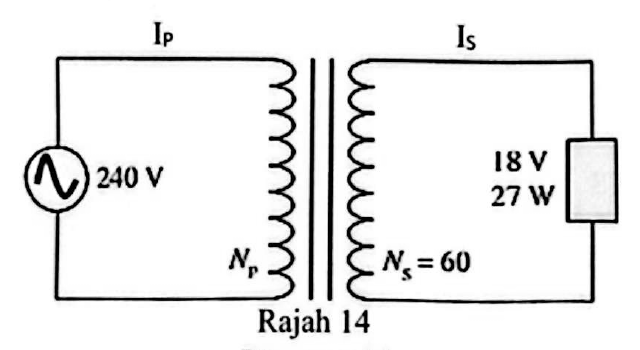
Diagram 14 shows a transformer (primary 240 V; secondary N_s = 60, load 18 V, 27 W). Calculate the efficiency of the transformer if the power supplied is 40 J s⁻¹.
Medium
The Electrical Energy Transmission and Distribution System involves three stages, namely Electricity Generation, Electricity Transmission and Electricity Distribution. Which of the following pairs is correct for the type of transformer and the stages involved? (columns: Distribution Level / Delivery Level)
Medium
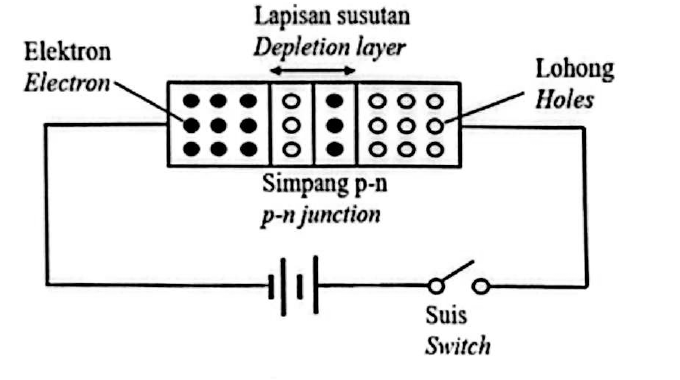
Diagram 15 shows the depletion layer of a p-n junction of a diode. When the switch is turned on, the depletion layer becomes thinner. Which statement explains this situation?
Medium
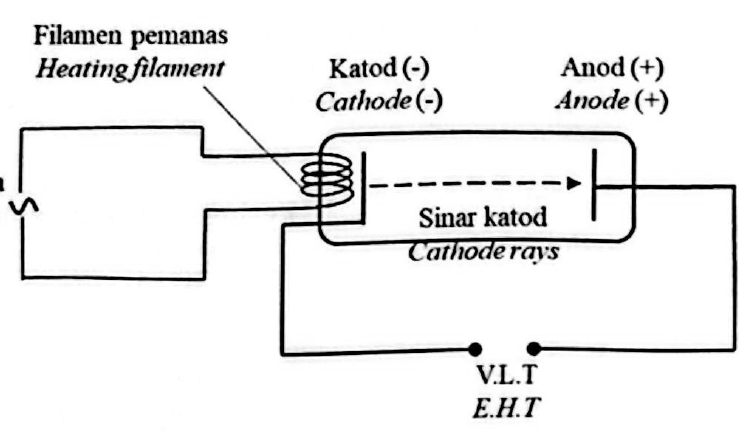
Diagram 16 shows a vacuum tube used to investigate a thermionic emission. What is the function of anode?
Medium
This electronic component is a type of resistor. Its resistance value changes according to the ambient temperature. Which of the following is this component?
Easy
In a nuclear decay process, the following reaction occurs in the nucleus of an atom which a neutron decomposes into one proton and one electron: ¹₀n → ¹₁p + ⁰₋₁e. Name the type of decay involves
Medium
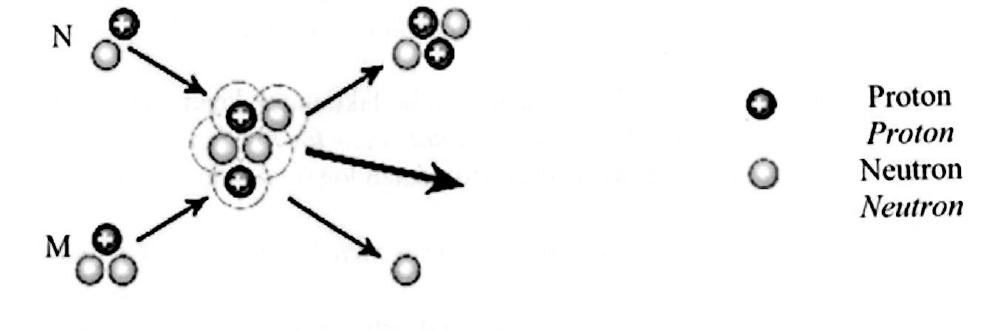
Diagram 17 shows a nuclear reaction where two light nuclei fuse to form a heavy nucleus by releasing a lot of energy. Names isotopes M and N that are involved in this nuclear reaction. (M: 1 proton + 2 neutrons; N: 1 proton + 1 neutron)
Medium
The ratio of the number of Nitrogen-14 to Carbon-14 nuclei in a sample of animal bone is 7 : 1. While the animal is still alive, there is no Nitrogen element trapped in it. If Carbon-14 decays into Nitrogen-14 with a half-life of 5730 years, estimate age of the bone.
Medium
Which of the following is true about the photoelectric effect? I The emission of electrons will not occur for low light intensity; II The emission of electrons from a metal surface by a photoelectric effect is instantaneous; III The photoelectric effect is the release of electrons from the metal surface when irradiated with light with certain frequency; IV The kinetic energy of a photoelectron depends on the intensity of light
Medium
Which of the following metals does not emit electrons when a photon with a frequency 1.304 × 10¹⁴ Hz is irradiated onto its surface? Threshold frequency f₀: A Platinum, Pt 13.6 × 10¹³ Hz; B Iridium, Ir 0.12 × 10¹⁵ Hz; C Tantalum, Ta 1.03 × 10¹⁴ Hz; D Molybdenum, Mo 1.11 × 10¹⁴ Hz