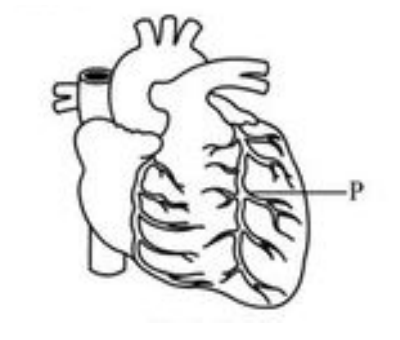
Diagram 5 shows the structure of a human heart. P is
Easy
J, K, L and M are the stages in blood clotting mechanisme.
J : Platelets clump at the wound
K : Erythrocytes are trapped
L : Thrombokinase converts prothrombin into thrombin
M : Thrombin converts fibrinogen into fibrin
Which is the correct sequence?
Medium
Ali with a blood type which contain antibodies A and antibodies B met with an accident. Which blood group is suitable to be donated to Ali?
Medium
Which of the following causes an excess amount of interstitial fluid in a patient's body who is bed ridden for a long time?
Medium
Which of the following leucocytes contains heparin?
Easy
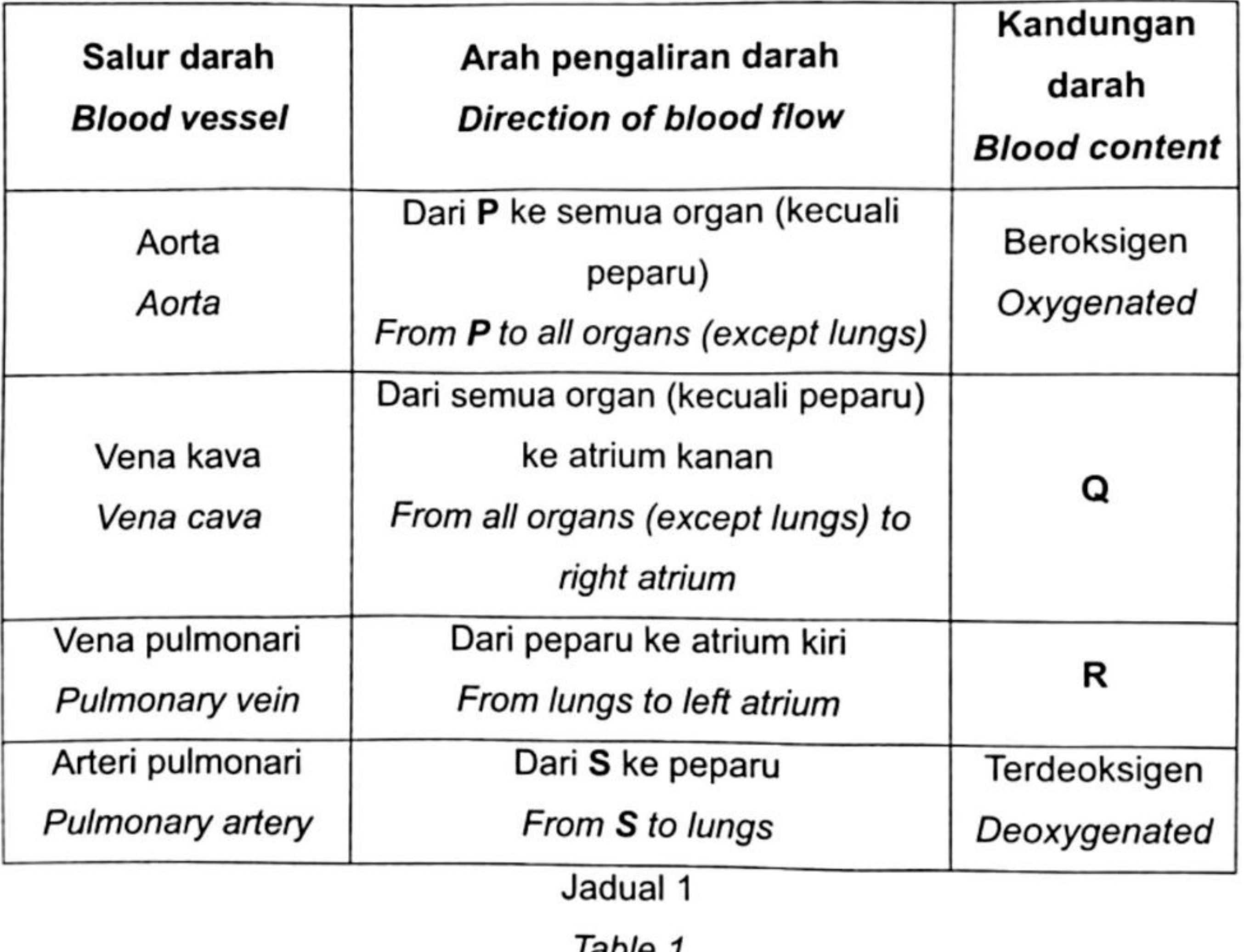
Table 1 shows blood vessels found in human body. Aorta: direction of blood flow from P to all organs (except lungs); blood content oxygenated. Vena cava: from all organs (except lungs) to right atrium; blood content Q. Pulmonary vein: from lungs to left atrium; blood content R. Pulmonary artery: from S to lungs; blood content deoxygenated. What is P, Q, R and S?
Medium
A person involves in an accident and needs blood transfusion. After check-up, he has antibody of anti-A and anti-B in his blood plasma. Which blood group is most suitable to transfer for him?
Medium
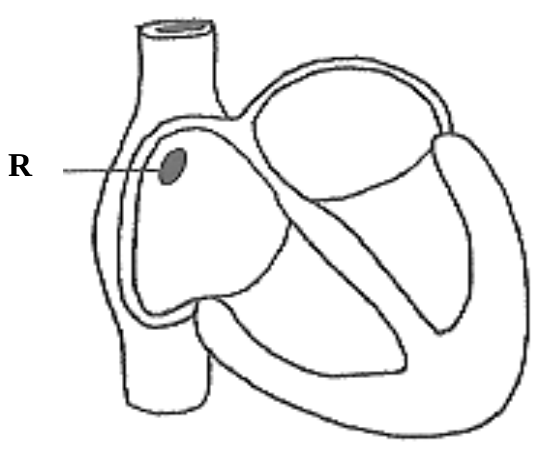
Diagram 8 shows a longitudinal section of human heart. Structure R is a pacemaker. What is the function of R?
Easy
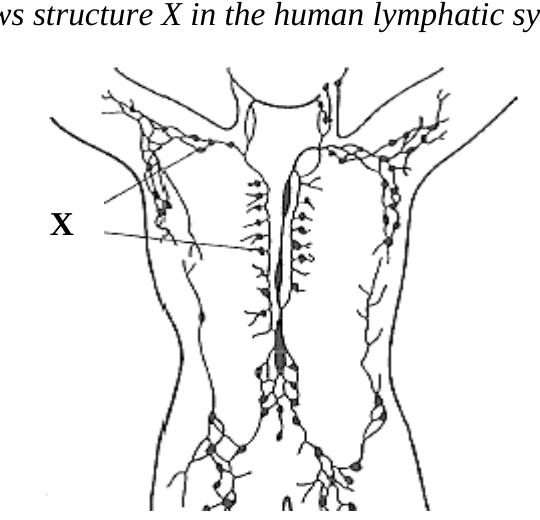
Diagram 9 shows structure X in the human lymphatic system. Which of the following is the function of structure X?
Easy
A married couple has a different rhesus Rh factor. Their first child is Rh+. All the subsequent pregnancies end with miscarriage. Determine the rhesus factors for the parents and the miscarriage foetus.
Medium
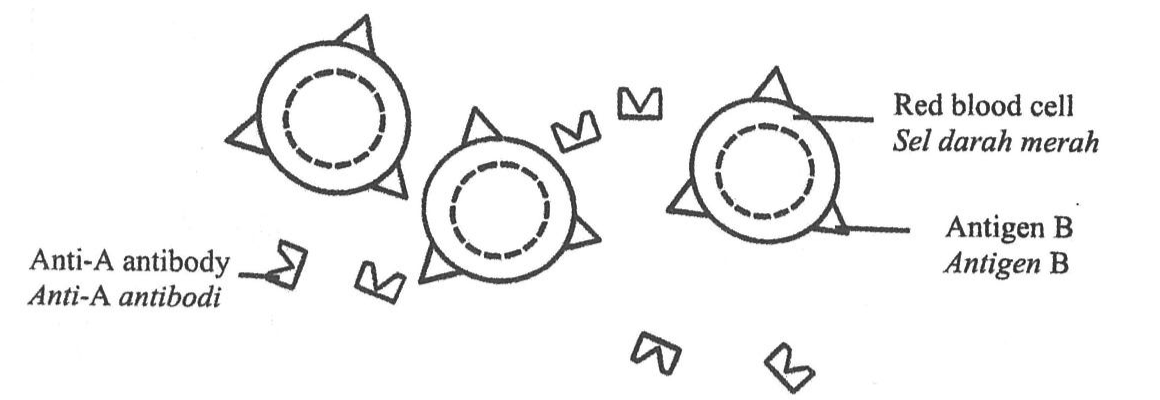
Diagram 12 shows the antigen and antibody in blood of individual N (red blood cells with antigen B; anti-A antibodies). Individual from which blood groups can receive blood from individual N?
Medium
The following information refers to stages in blood clotting mechanism. M - Platelets coagulate at the wound; N - Erythocytes are trapped; O - Thrombokinase converts prothrombin into thrombin; P - Thrombin converts fibrinogen into fibrin. Which of the following is the correct sequence?
Medium
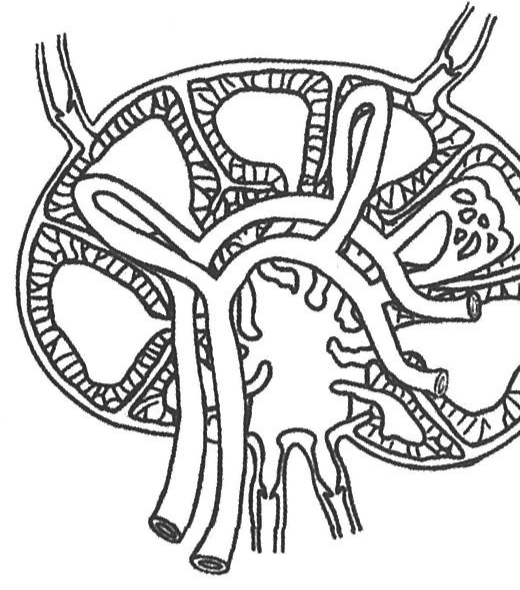
Diagram 13 shows a longitudinal section of an organ in lymphatic system. These organs are mainly located in human head and neck region. What is the function of the organ?
Easy
Which of the following describes the difference between the arteries and the veins?
Medium
A Rh-positive male married a Rh-negative female. What are the conditions of the first and second baby born from this marriage?
Medium
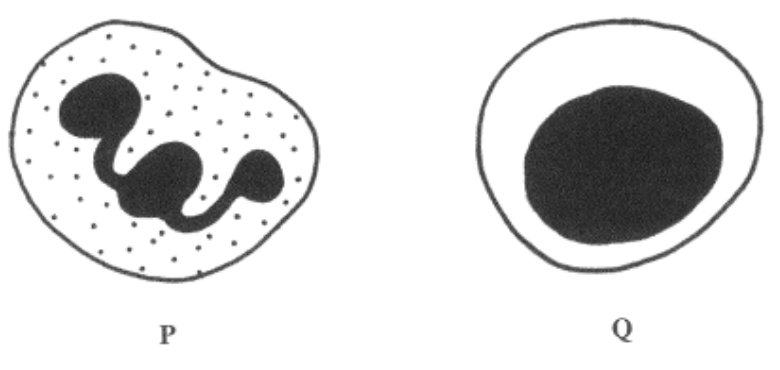
Diagram 7 shows two types of blood cells (P has a lobed nucleus and granular cytoplasm; Q has a large round nucleus). What are cell P and Q?
Medium
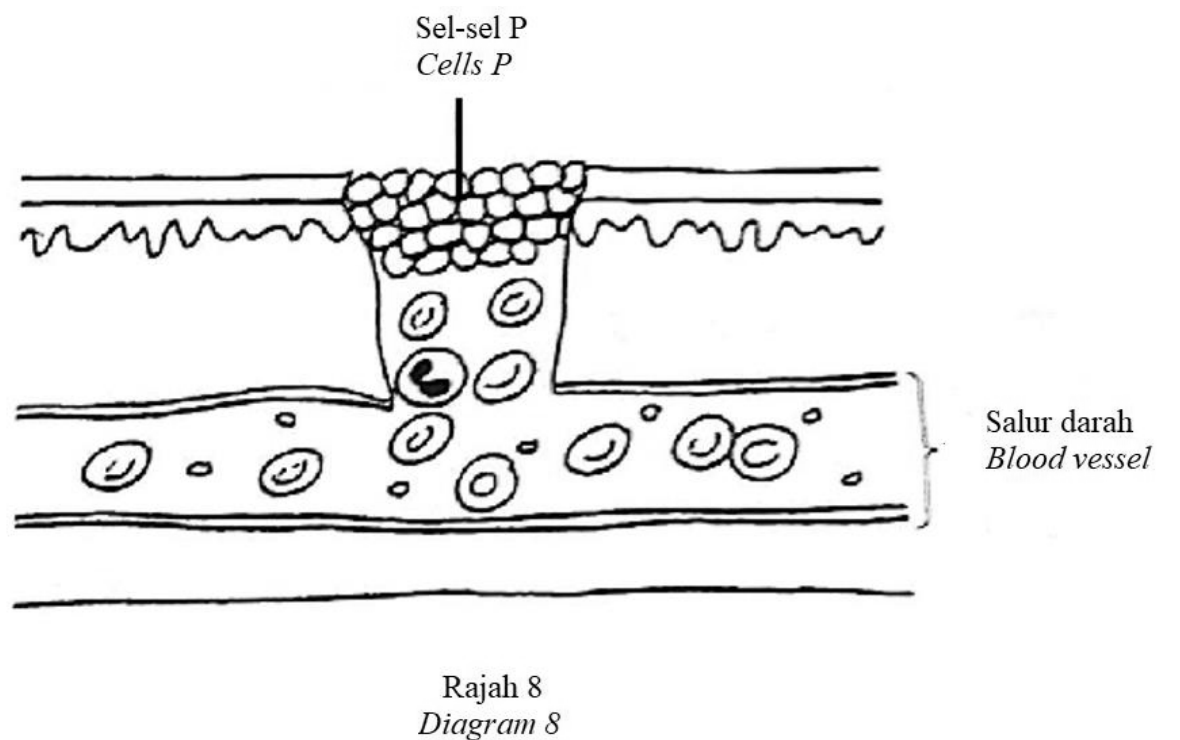
Diagram 8 shows a wound that causes a cut in blood vessel. Cell P clump together and release chemicals. What are cell P?
Easy
Which of the following cells is the most abundant in a drop of human blood?
Easy
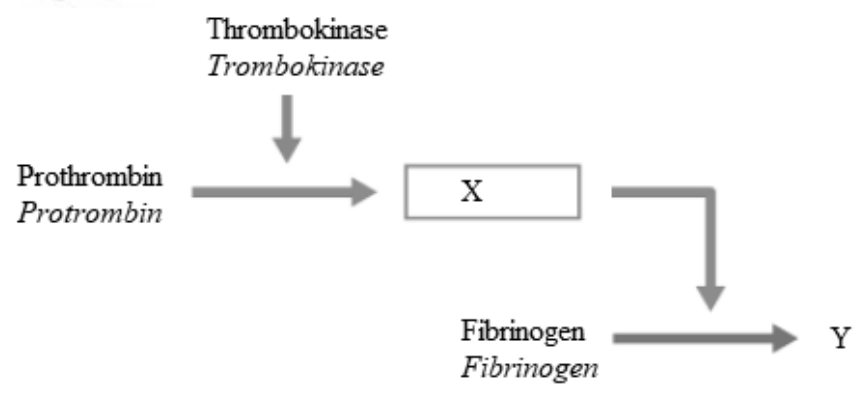
Diagram 9 shows the mechanism of blood clotting: Prothrombin → (thrombokinase) → X; X acts on fibrinogen → Y. What are X and Y?
Medium
Dean has blood group A and his brother Phillip has blood group O. Which of the following is true? (Antigen on Dean's red blood cell; antibody in Phillip's blood serum)
Medium
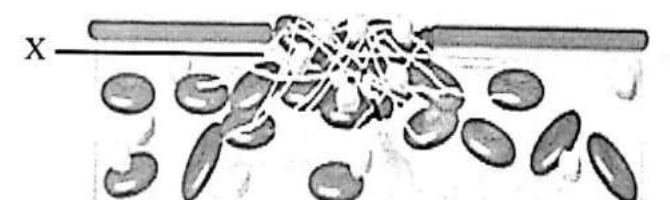
Diagram 8 shows structure X, which formed during blood clotting process. What is structure X?
Easy
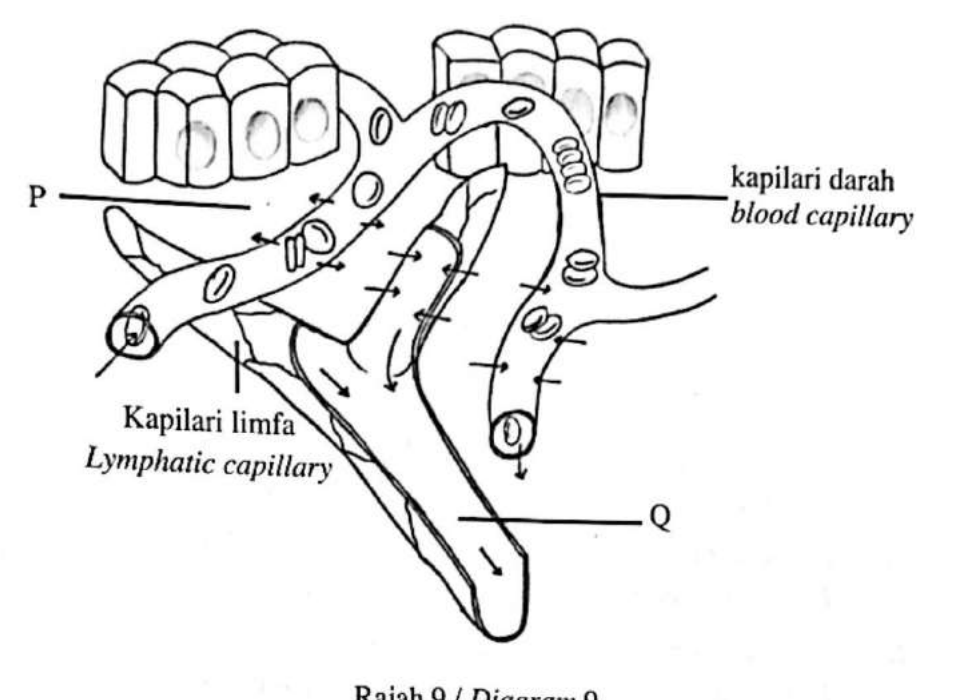
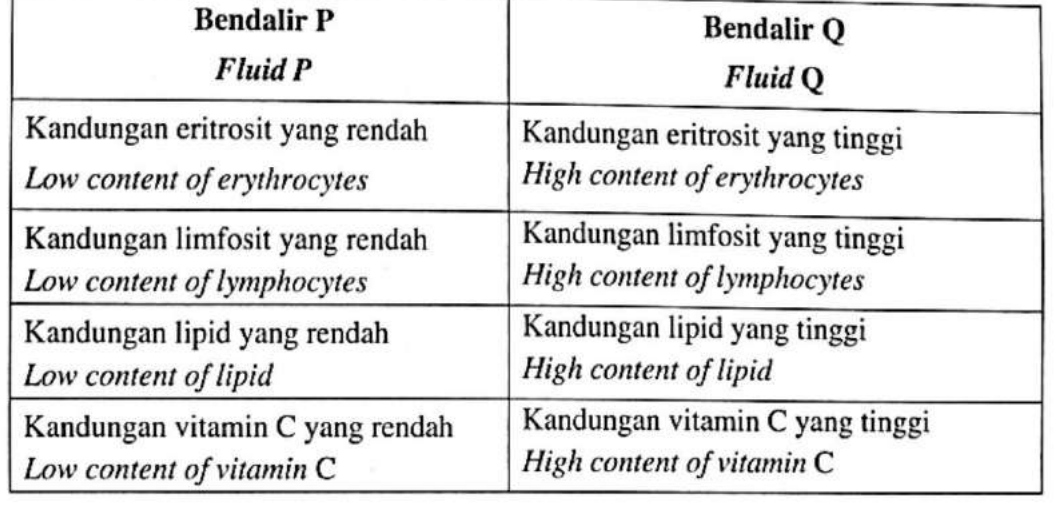
Diagram 9 shows the formation of fluid P which diffused into the lymphatic capillary to form fluid Q. Which is the difference in composition between fluid P and fluid Q? I Fluid P low content of erythrocytes, fluid Q high content of erythrocytes. II P low lymphocytes, Q high lymphocytes. III P low lipid, Q high lipid. IV P low vitamin C, Q high vitamin C.
Medium
Thrombin, fibrin, prothrombin and fibrinogen are four types of protein. Which of the following sequences is correct for the involvement of these proteins during blood clotting?
Medium
A married couple has different rhesus (Rh) factors. Their first child is Rh-positive. A subsequent pregnancy ended in a miscarriage. Determine the rhesus factor of the parents and the aborted foetus.
Medium
The statements below show the characteristics of the blood in blood vessel X in humans.
- High pressure
- Low oxygen concentration
- High carbon dioxide concentration
What is blood vessel X?