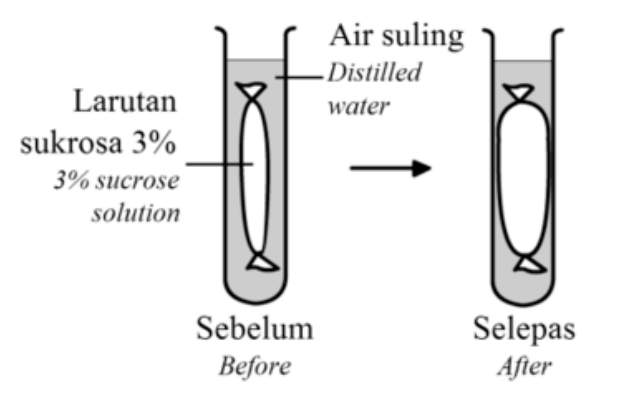
Diagram 1 shows an experiment to investigate the movement of substances across a visking tube. What is the process that takes place in this experiment?
Medium
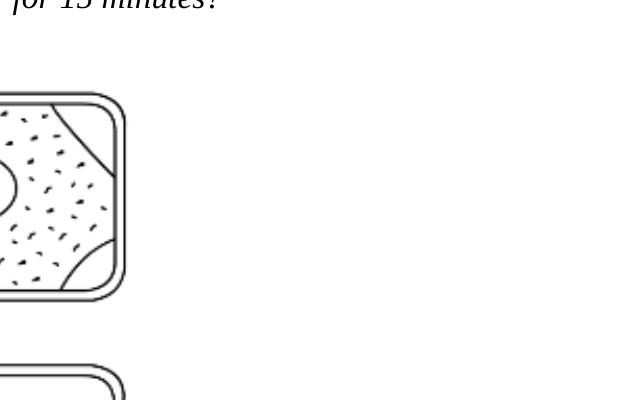
A plant cell is immersed in distilled water for 15 minutes. After that, the cell taken out and immersed in 30% sucrose solution. What is the condition of the plant cell if it is put back into the distilled water for 15 minutes?
Medium
Diagram 1 shows an experiment to investigate the changes of the concentration of sucrose solution in a visking tube. Which of the following graphs represents the changes?
Medium
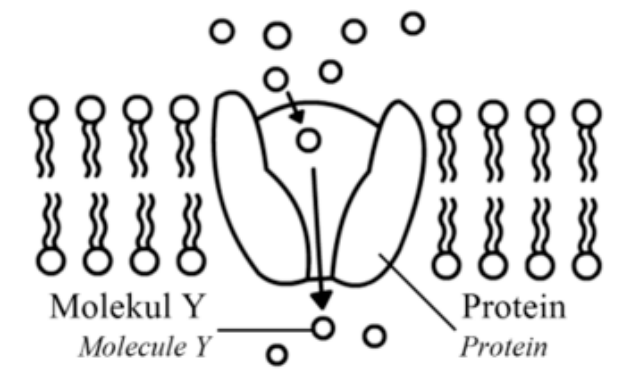
Diagram 2 shows the movement of molecules Y across the plasma membrane. What is the conclusion?
Medium
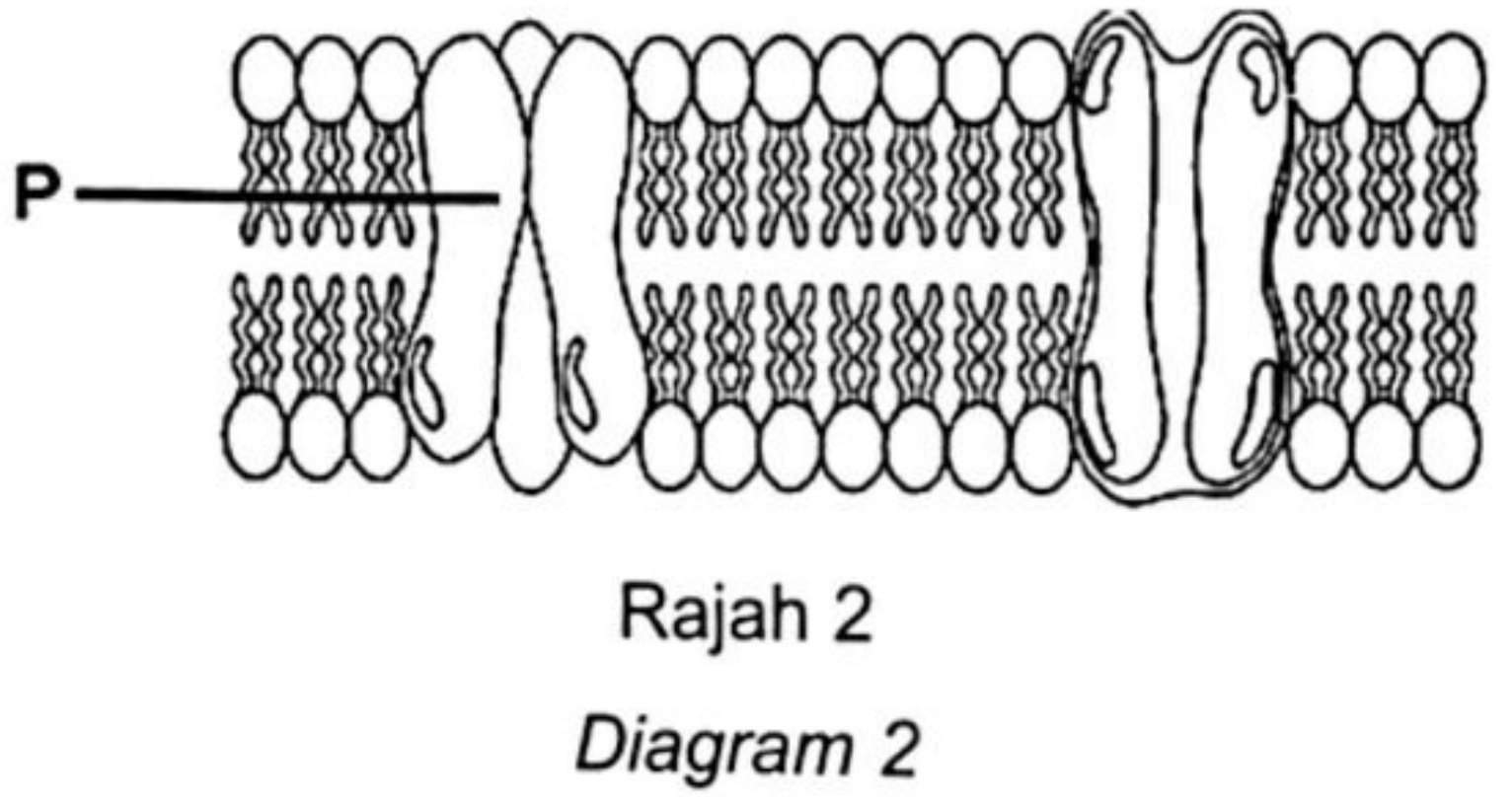
Diagram 2 shows the structure of plasma membrane found in cells of all organisms. What is P?
Easy
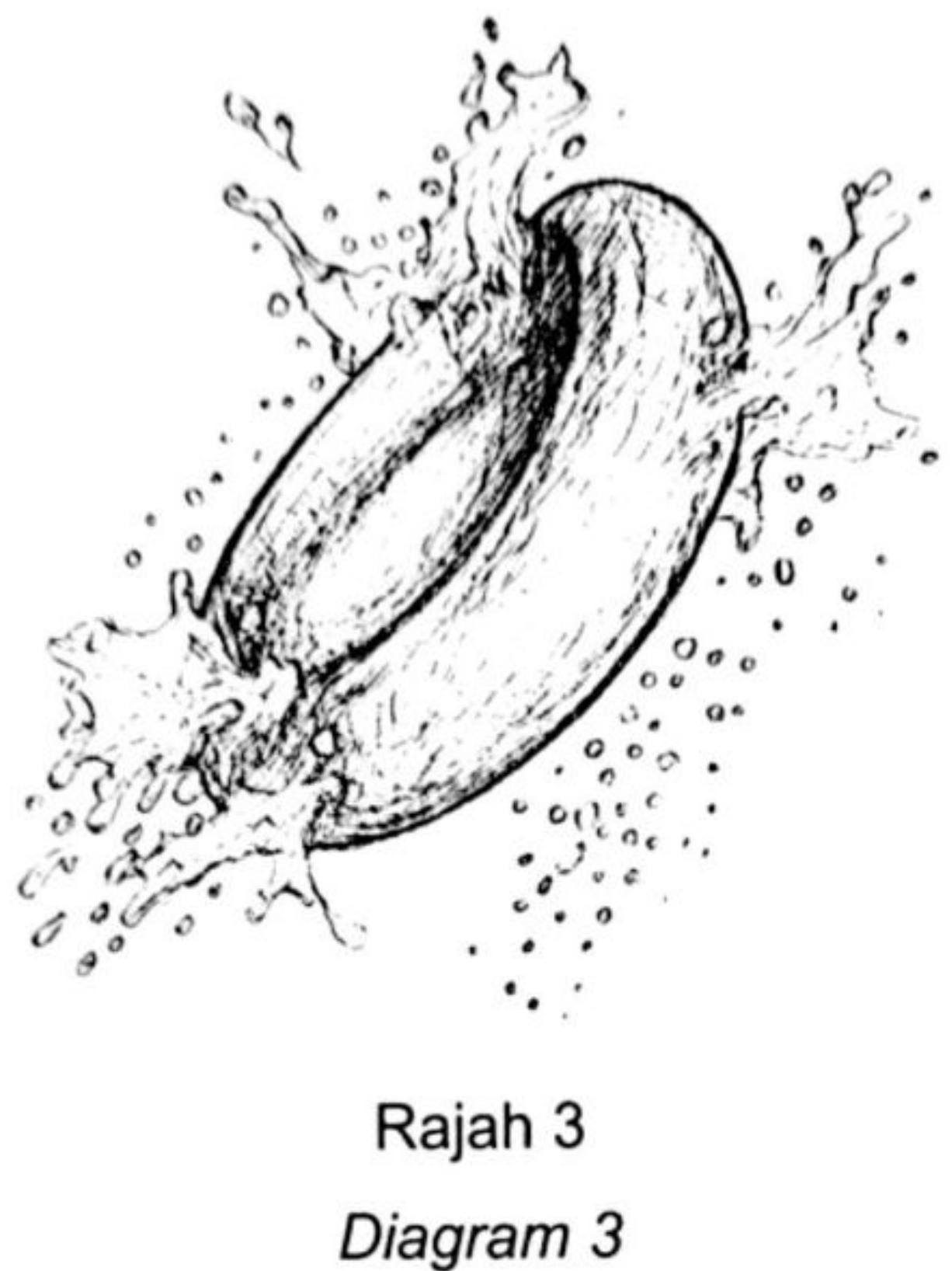
Diagram 3 is a condition of erythrocyte after being immersed in salt solution. Which of the following statements is correct about the condition of erythrocyte?
Medium
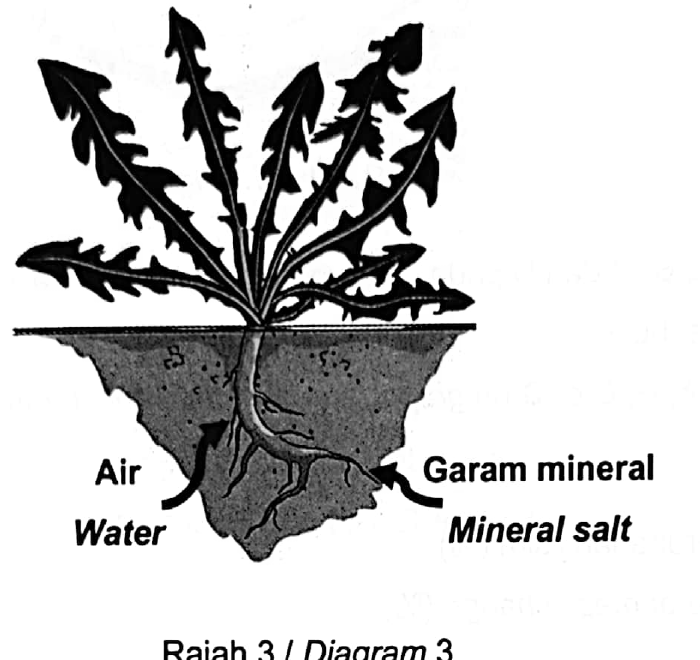
Diagram 3 shows the process of transporting substances (water and mineral salt) into plant root. What are the processes involved? (Options give process for Water / Mineral salts.)
Medium
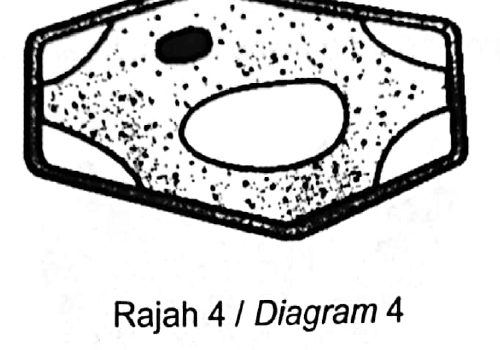
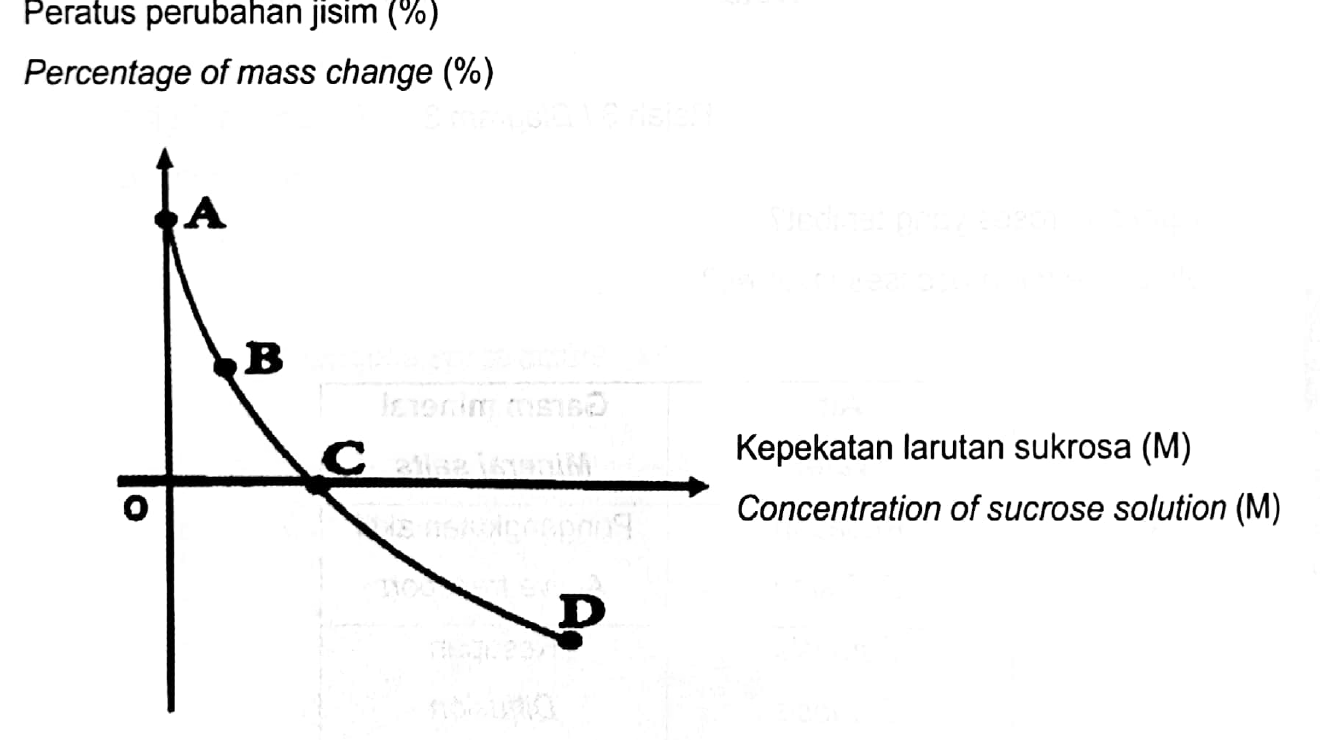
Diagram 4 shows a cell that has been immersed in some concentration of sucrose solution (the cell is plasmolysed). The graph shows percentage of mass change (%) against concentration of sucrose solution (M). Which point A, B, C or D on graph represent the concentration of sucrose solution for the cell?
Medium
In an experiment conducted on the sap content of a seaweed's vacuole, it was found that the calcium ion concentration in the vacuole was 330 mg dm⁻³, while the calcium ion concentration in sea water was 13 mg dm⁻³. What is the process contributing to the changes in the calcium ion content of the seaweed's vacuole?
Medium
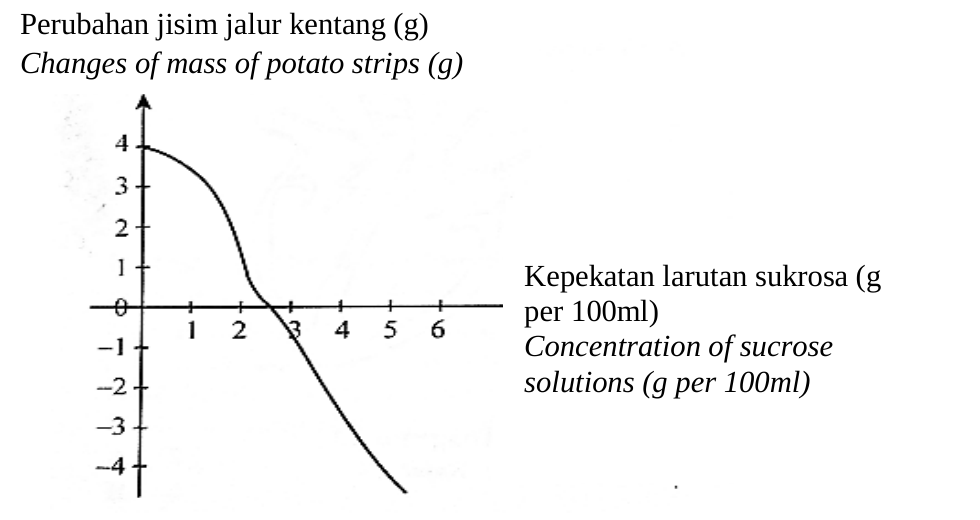
The graph in Diagram 2 shows the changes in the mass of potato strips when it is immersed in different concentrations of sucrose solution. Based on the graph, which of the following concentrations of sucrose solution should be used so that a flaccid potato strip regains its turgidity?
Medium
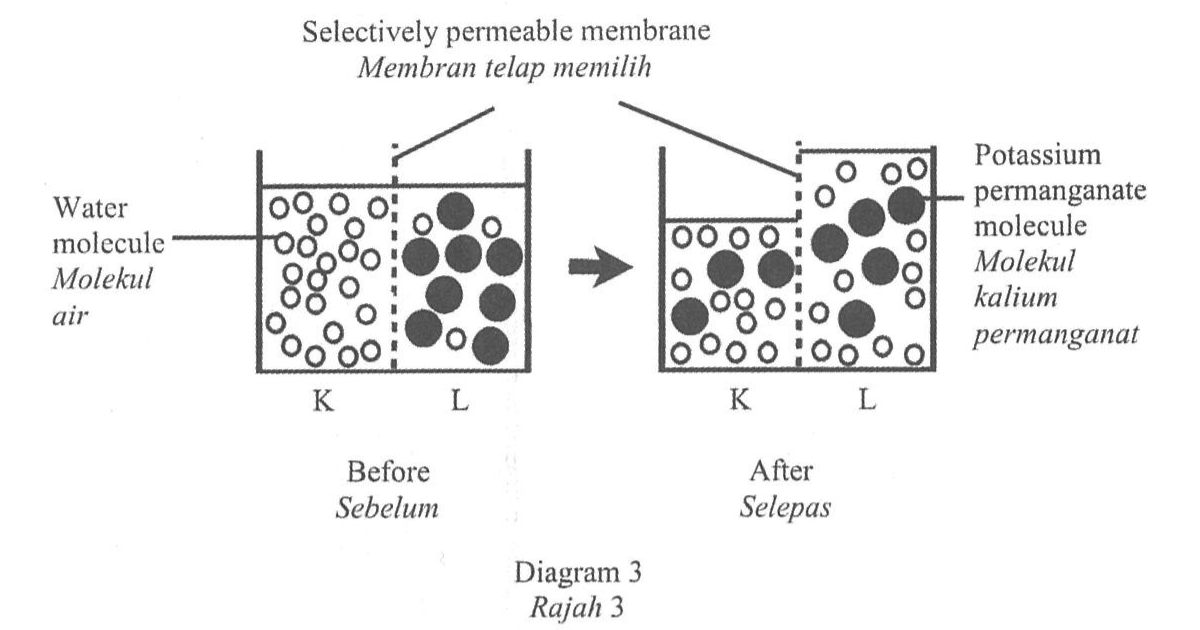
Diagram 3 shows an experiment to study osmosis. Which of the following statement is true about the process?
Medium
Which of the following are related to sodium-potassium pump? I Requires channel protein; II Transport hydrogen ions; III Requires energy from ATP molecules; IV Movement of ions are against concentration gradient
Medium
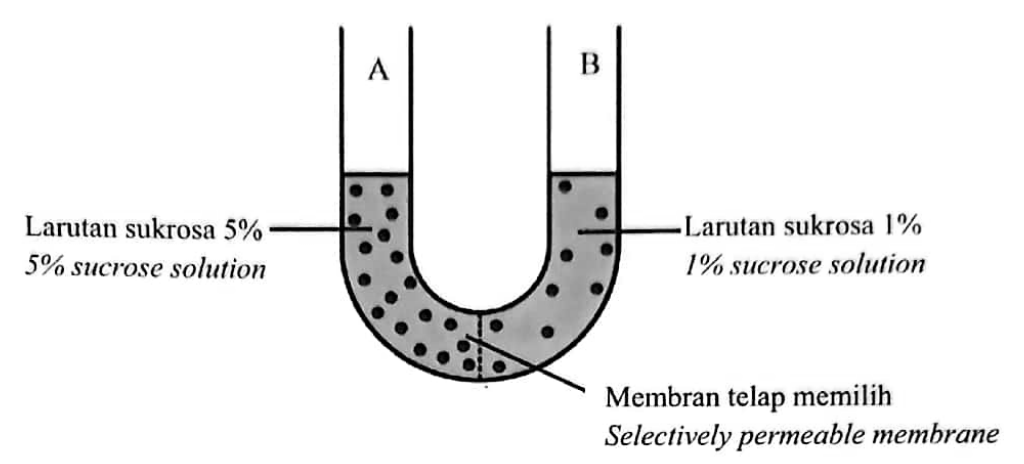
Diagram 2 shows two different concentrations of sucrose solutions (5% in arm A, 1% in arm B) in a U-tube separated by a selectively permeable membrane. Which of the following statements is true after dynamic equilibrium is achieved?
I The solute molecules diffuse from the 5% sucrose solution into the 1% sucrose solution
II Water molecules diffuse into both arms at the same rate
III The osmotic pressure of sucrose solution in arm A is higher than arm B
IV The level of sucrose solution in arm A is higher than the level of sucrose solution in arm B
Medium
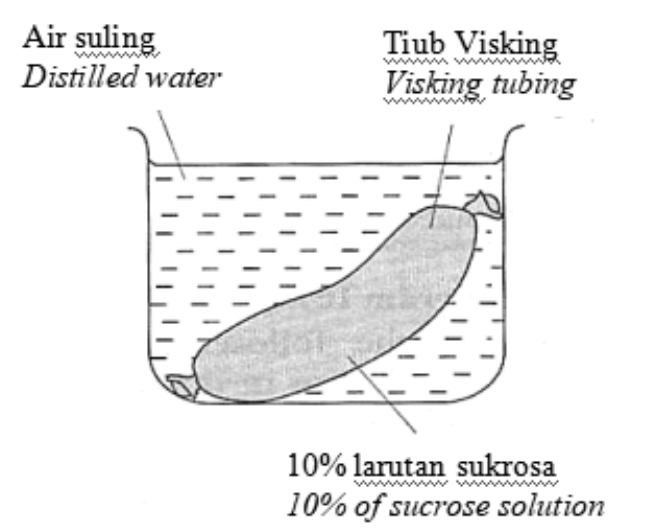
Diagram 2 shows the apparatus set up of an experiment: a Visking tubing containing 10% sucrose solution placed in a beaker of distilled water. Which graph represents the changes in the mass of the Visking tubing after 1 hour?
Medium
Which of the following solutions has the highest osmotic pressure?
Medium
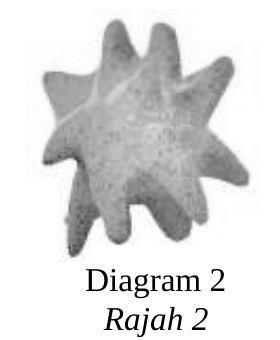
Diagram 2 shows the condition of red blood cell (shrunken, spiky/crenated) when placed in a type of solution X. Which of the following explains the condition of the red blood cell?
I The red blood cell is haemolysed
II The solution X is hypertonic to the red blood cell
III Solution X is isotonic to the red blood cell
IV The red blood cell is hypotonic to the solution X
Medium
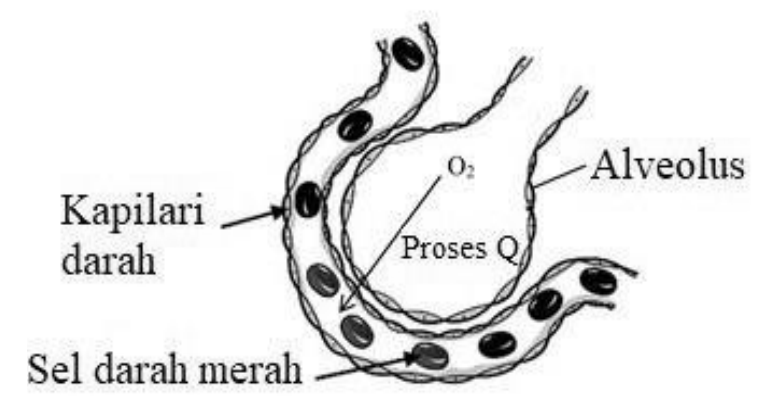
Diagram 1 shows the movement of oxygen from the alveolus into the blood capillary. What is process Q?
Easy
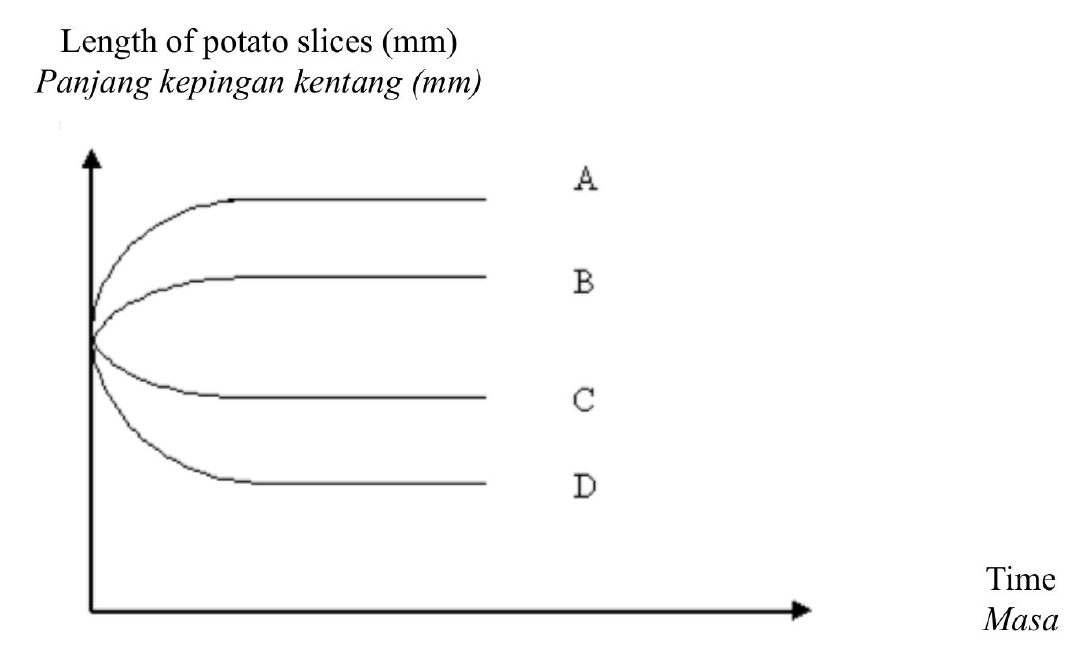
Four potato slices, each 50 mm long, are put into four solutions: distilled water, 0.2 M sucrose solution, 0.4 M sucrose solution and 0.6 M sucrose solution. The length of each slice is measured at fixed time intervals and the results are plotted on a graph as in Diagram 2. Which graph line A, B, C or D shows the potato slice immersed in 0.6 M sucrose solution?
Medium
The main components of the plasma membrane of an onion epidermal cell are