In what forms are carbon dioxide being transported in the blood?
I Carbonic acid
II Carbonate ion
III Carbaminohemoglobin
IV Dissolved carbon dioxide
Medium
Which of the following shows the correct sequnece of inhalation mechanism in a fish?
P - When the mouth opens, the floor of the buccal cavity is lowered.
Q - Water from the outside which contains oxygen enters the mouth.
R - The pressure in the buccal cavity decreases.
S - The opercular cavity is enlarged and the operculum opening is closed.
Medium
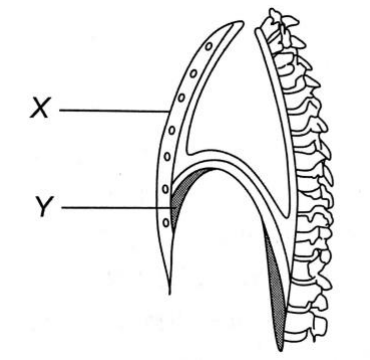
Diagram 6 shows some parts of the human thorax. What happens to structure X and Y during inhalation?
Medium
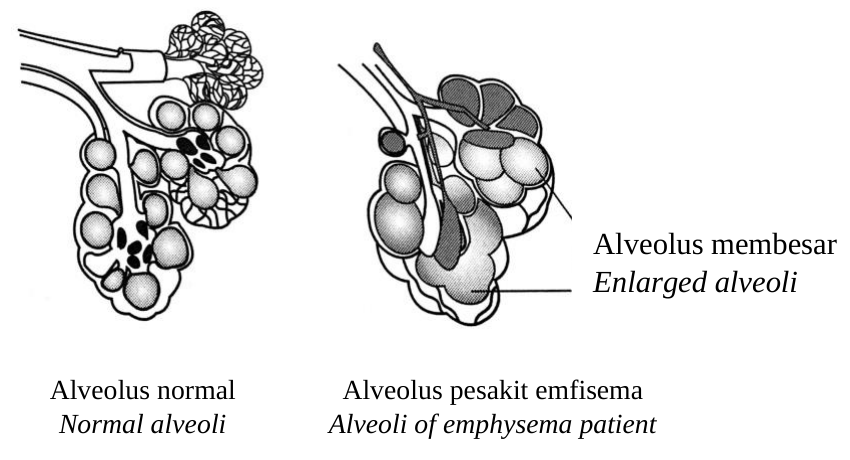
Diagram 7 shows the comparison between the structures of the normal alveoli and the alveoli of an emphysema patient. Why does the gaseous exchange become less efficient for an emphysema patient?
Medium
Alveolus is the human respiratory structure for gaseous exchange. Which of the following characteristics allows the transportation of respiratory gases occurs rapidly?
Medium
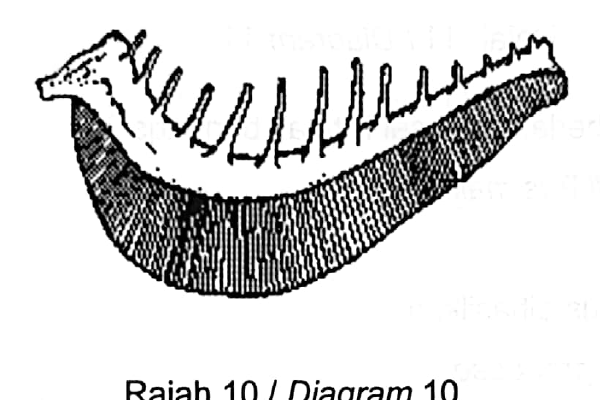
Diagram 10 shows part of fish respiratory organ. Which of the following characteristic refers to the respiratory structure?
Medium
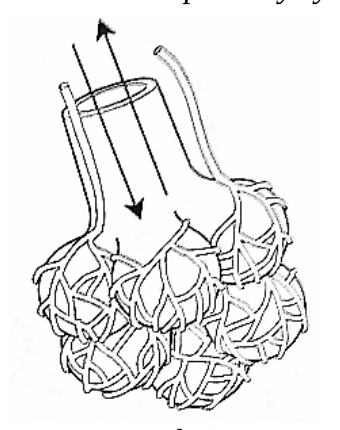
Diagram 6 shows a part of the human respiratory system. Which of the following are the adaptations of the structure for gaseous exchange? I Has a small surface area; II Has a thin wall; III Has a moist surface; IV Covered with many blood capillaries.
Medium
Which of the following occurs during exhalation process in a fish?
Medium
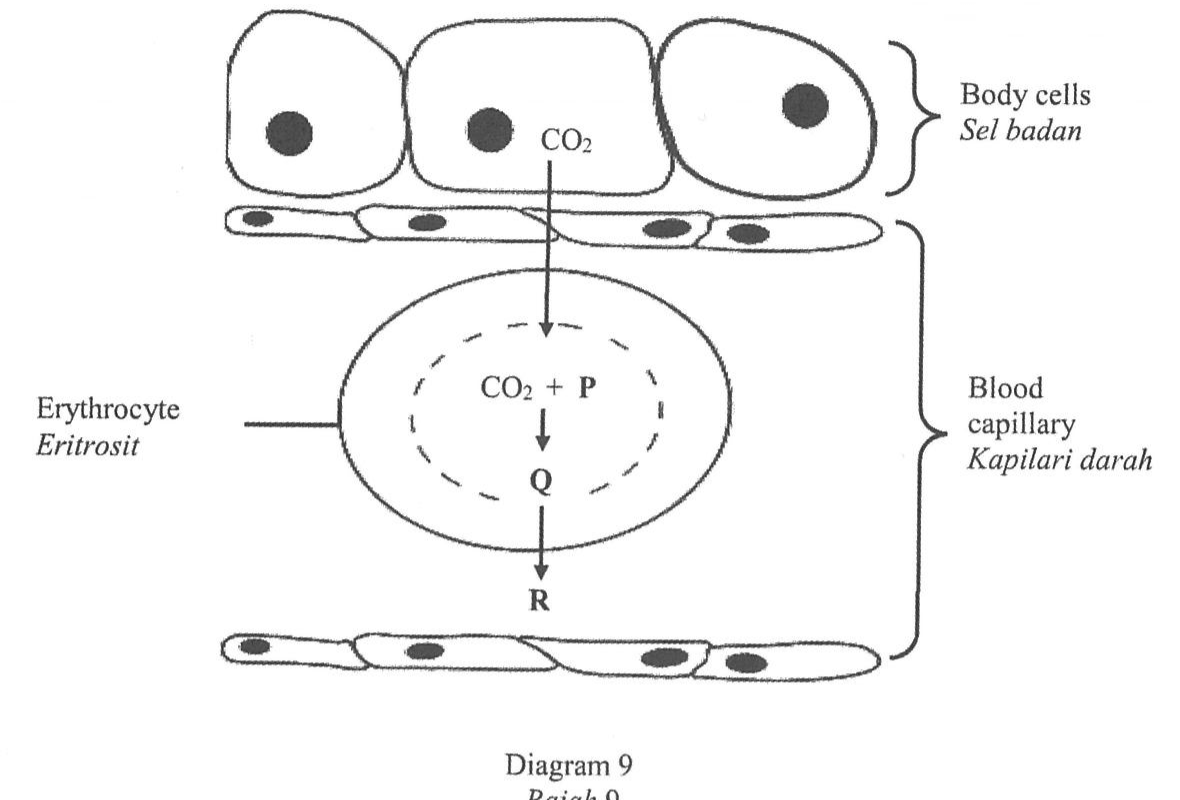
Diagram 9 shows the transportation of carbon dioxide from body cells to blood capillary (in the erythrocyte CO2 + P gives Q, which leaves as R). What are P, Q and R?
Medium
Which of the following statements is correct about the human respiratory structure and its adaptations?
Medium
What would happen to our breathing if the alveoli were damaged and poorly functioning?
Medium
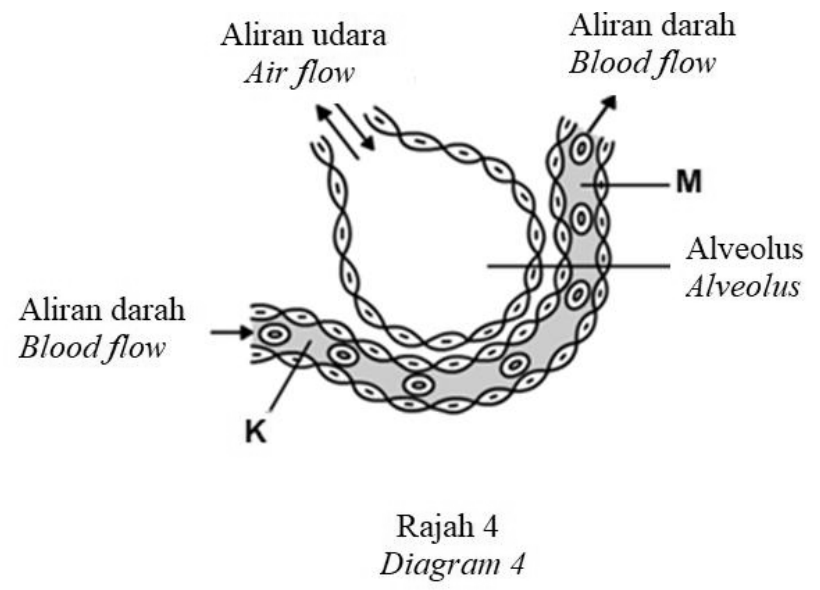
Diagram 4 shows the transport of respiratory gases from the alveolus to blood capillary (K: blood entering the capillary; M: blood leaving the capillary). What are the partial pressure of the oxygen gas and carbon dioxide gas at K and M?
Medium
Diagram 6 shows an organism (a snake). What is the respiratory surface for the organism shown in Diagram 6?
Easy
What is the symptom of chronic bronchitis?
Easy
Statements on transport of carbon dioxide from blood capillaries to alveoli. P - The bicarbonate ion combines again with a hydrogen ion to form carbonic acid. Q - In the blood capillaries the bicarbonate ion in blood plasma diffuses back into the erythrocyte. R - Carbon dioxide diffuses through the blood capillaries into the alveolus and is expelled during exhalation. S - Carbonic acid then breaks down into carbon dioxide and water. Which sequence is correct?
Medium
Diagram 5 shows a device often used by patients to help in breathing to treat disease X. How does this device help to treat disease X?
Medium
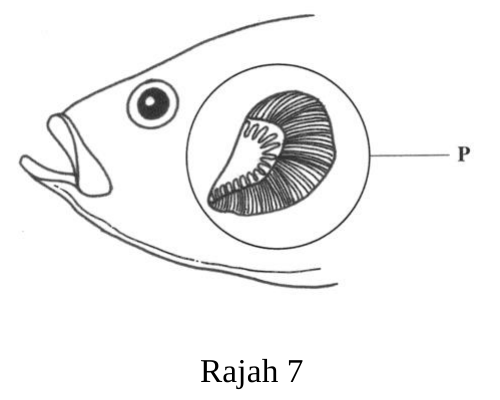
Diagram 7 shows the respiratory system of a fish. What is the adaptation of structure P for optimum gaseous exchange?