Phytoremediation is the process of using X to clean contamination from water an soil. What is X?
Easy
An investigation is done to determine the effect of oxygen-deficient surrounding on the rate of translocation in a plant. The set-up is left for 5 hours under the Sun. The rate of translocation is decreased. What could the inference be?
Medium
A balsam plant has been immersed in water containing black dye. After 24 hours, the plant was removed and cross section is done on the sections of the root and the stem. Which diagram shows the results obtained?
Medium
Xylem vessel is adapted to transport water and mineral from the root to the leaves. Which statement correctly explains the adaptation of a xylem vessel for the function?
Medium
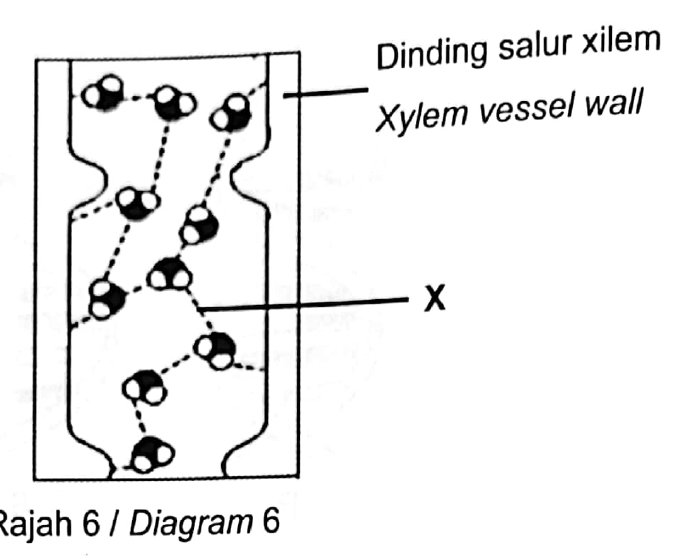
Diagram 6 shows movement of water molecules in xylem vessel (X is the attraction between water molecules). What is force X?
Easy
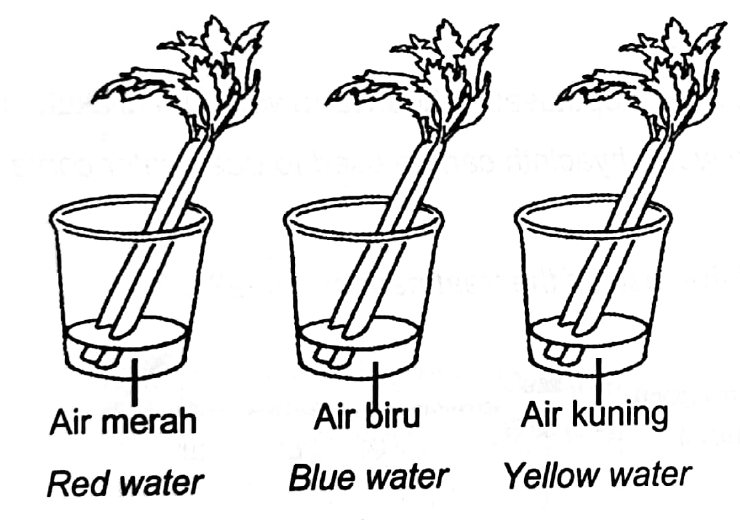
Diagram 24 shows an activity to study transport process in plant (celery stalks placed in red, blue and yellow water). Which of the following tissue function in above process?
Medium
Phytoremediation using water hyacinth can be used to treat water contaminated with ammonia. Which graph represent the result if the treatment be done? (Graphs of ammonia content (ppm) against time (day) at 10, 20, 30 days.)
Medium
The following information describes root pressure which involved in the passage of water and mineral salts from soil to leaves: root pressure moves water from the soil into the xylem vessels of the root via osmosis. What factors affect root pressure?
Medium
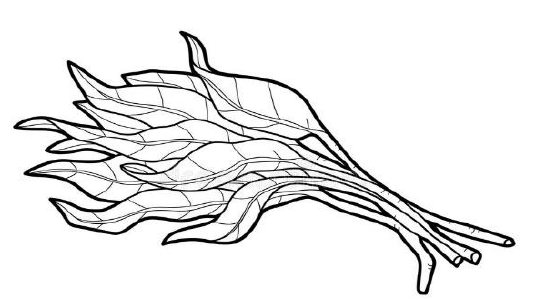
Diagram 16 shows a water spinach used for phytoremediation, a method of treatment for the purpose of degradation, extraction or elimination of pollute substances from soil and water. What is other example of phytoremediation plants that is correctly matched to their function?
Medium
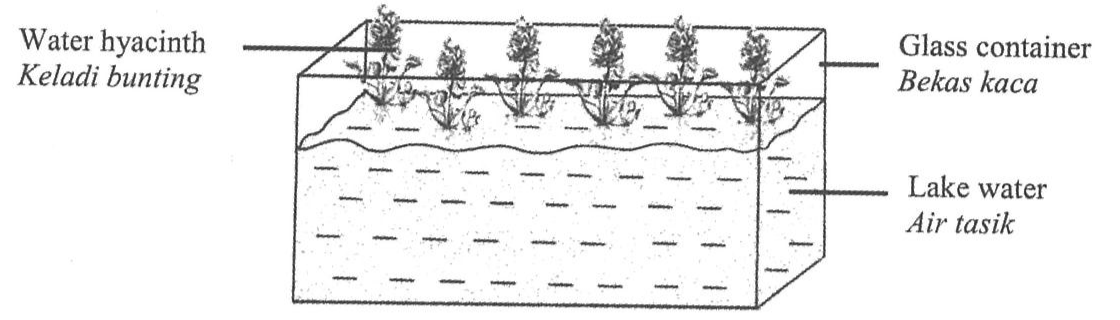
Diagram 25 shows an apparatus set up to study the effectiveness of phytoremediation plants in controlling water pollution. A test was conducted to determine the concentration of ammonia in the lake water. After seven days, the concentration of ammonia in the water sample has decreased. What is the best conclusion from the test?
Medium
Which of the following is true about the differences between transpiration and guttation?
Medium
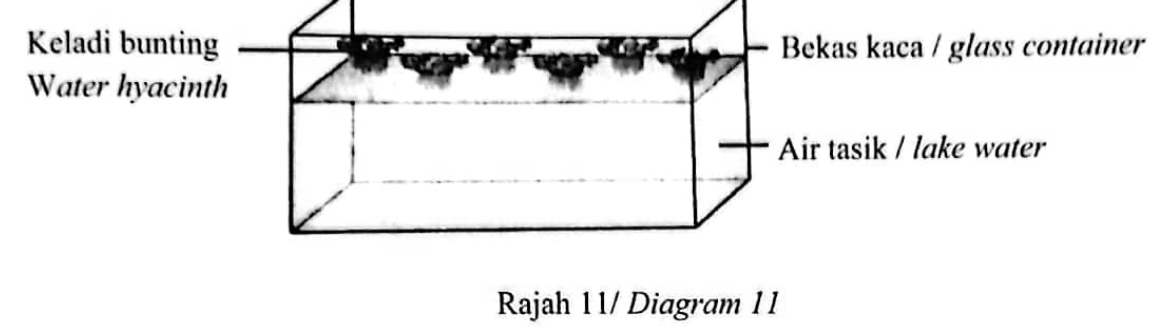
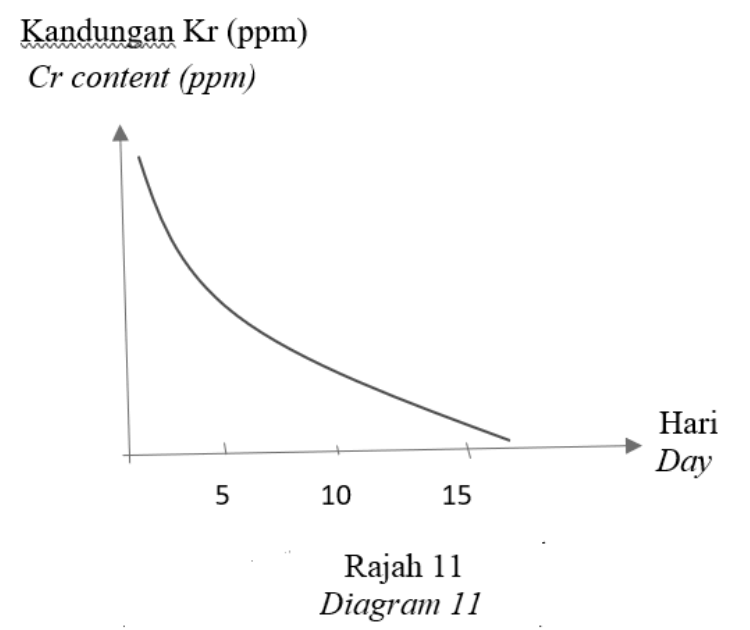
Diagram 11 shows an experiment to demonstrate phytoremediation by using water hyacinth in chromium-contaminated water. What conclusion can be made from the experiment after 2 weeks?
Medium
A complete ring of bark is removed from the stem of a woody plant. The plant dies after a few months. Which statement explains the situation?
Medium
An experiment is carried out to demonstrate phytoremediation by growing water hyacinth in chromium-contaminated water. Diagram 11 shows the result obtained after two weeks (graph of Cr content in ppm against day: decreasing). What conclusion can be drawn from the experiment?
Medium
Which of the following plants can be used to eliminate radioactive substances, such as caesium and strontium in a polluted area?
Easy
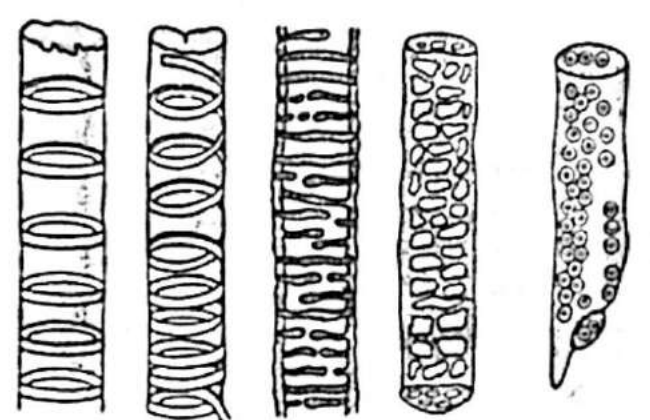
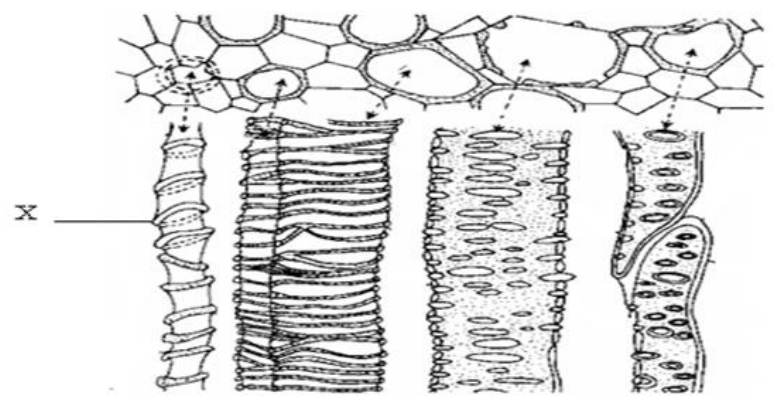
Diagram 19 shows a various lignin thickening pattern in tissue X. What is tissue X?
Medium
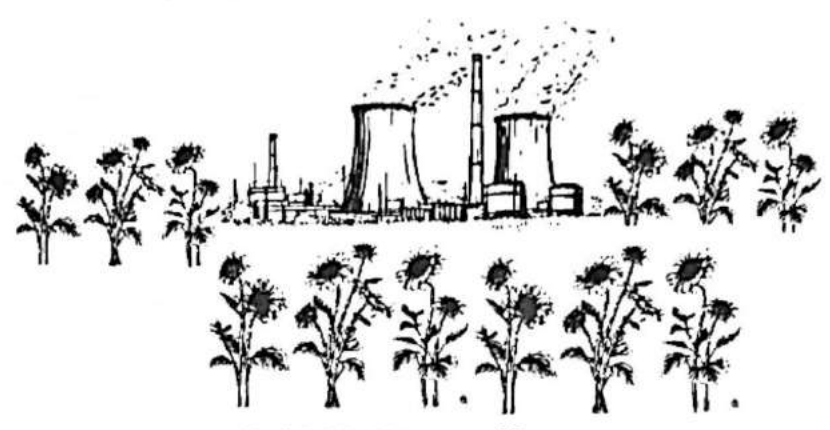
Diagram 20 shows one of the phytoremediation methods in nuclear power plant area. Based on Diagram 20, what is the substance that can be eliminated by the plant?
Medium
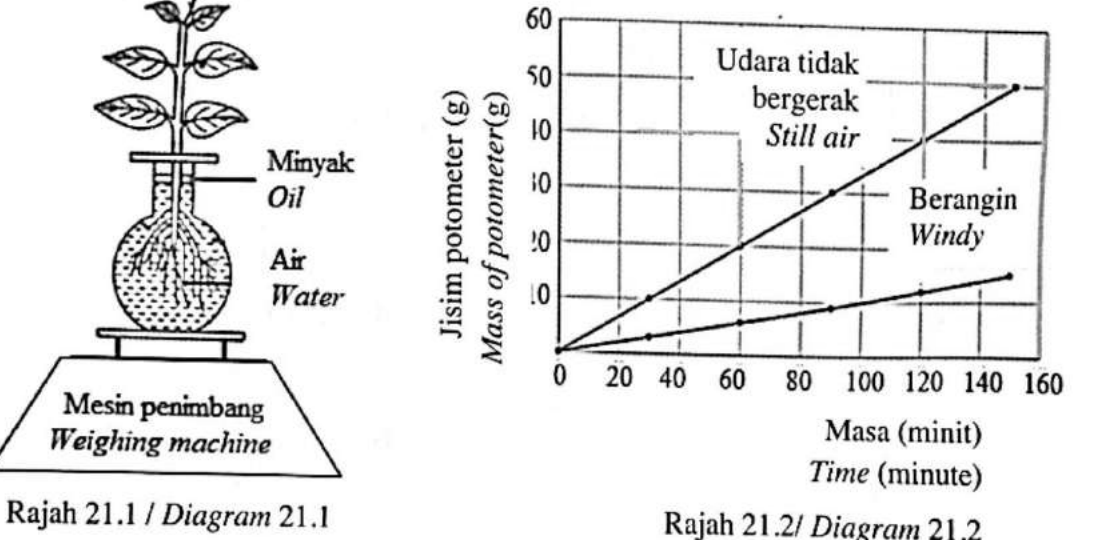
Diagram 21.1 shows the setup of potometer apparatus to study the effect of transpirational pull on water transport. Diagram 21.2 shows the result of the experiment in still air and windy (graph of mass of potometer in g against time in minutes for still air and windy; see figure). Which of the following statements are correct? I On a windy day, transpirational pull increases while the mass of potometer decreases. II Mass of potometer decreases when still air compared to windy. III Mass of potometer decreases due to high water loss during windy. IV The water level in the jar decreases and reduces the mass of potometer during still air.
Medium
Diagram 12 shows a type of plant tissue. What is the importance of the thickening of substance X on this tissue?