After double fertilisation occurs, the triploid endosperm nucleus divides and form the endosperm tissue. What is the function of these endosperm tissue?
Easy
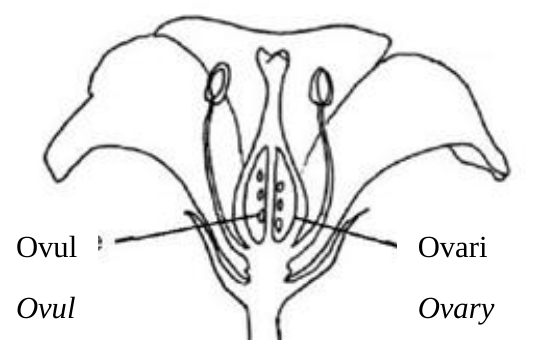
Diagram 10 shows the cross sectional area of a plant. What will happen to ovules and ovaries after fertilization?
Medium
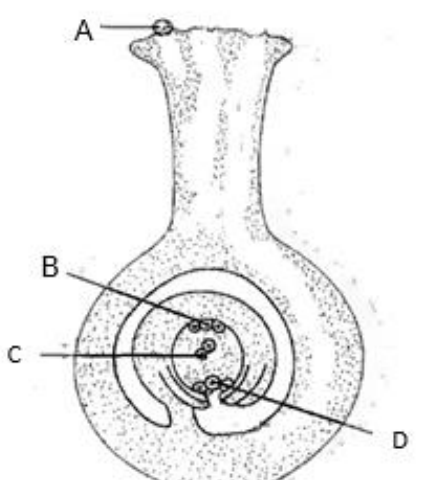
Diagram 13 shows a cross section of a carpel of a plant. Which of the structure labelled A, B, C, and D is a female gamete?
Medium
Ahmad has a hobby of gardening and is cultivating long beans in his garden. He often lets the fruit from some of the trees to mature and dries them to make seeds. What should Ahmad do while storing the seeds so that the seeds are last longer?
Medium
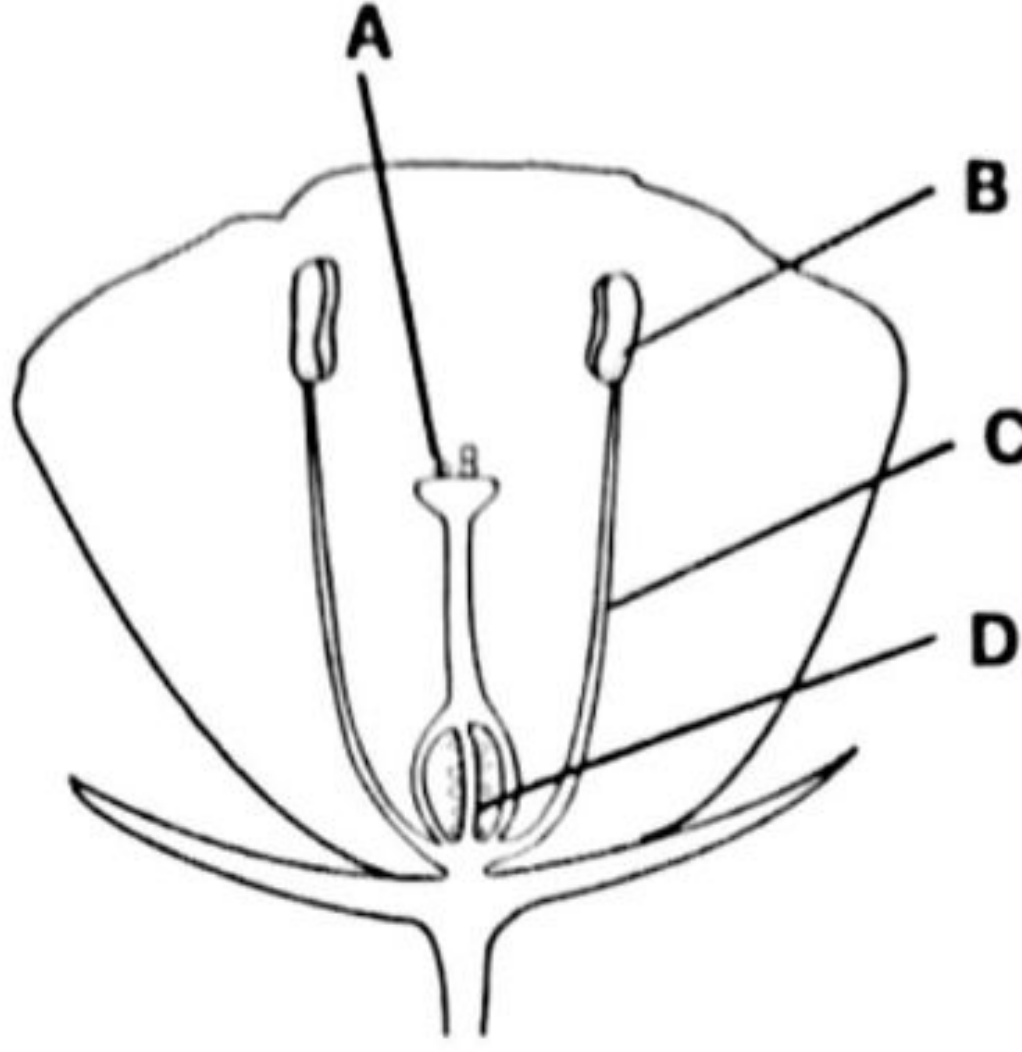
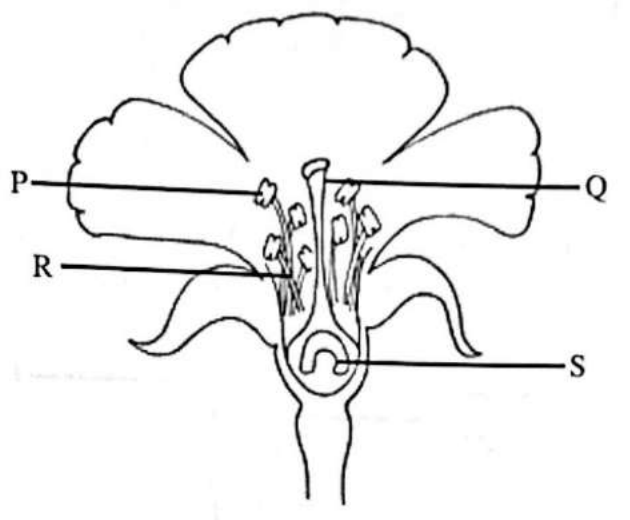
Diagram 18 shows the structure of a flower. Which of the parts A, B, C or D does double fertilisation occur?
Medium
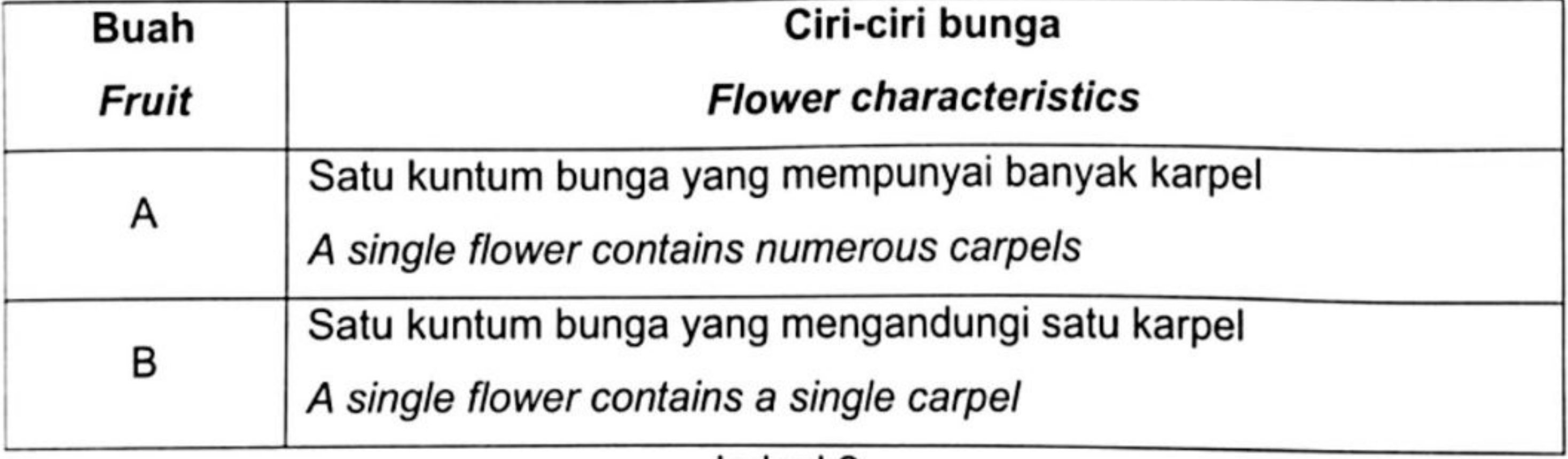
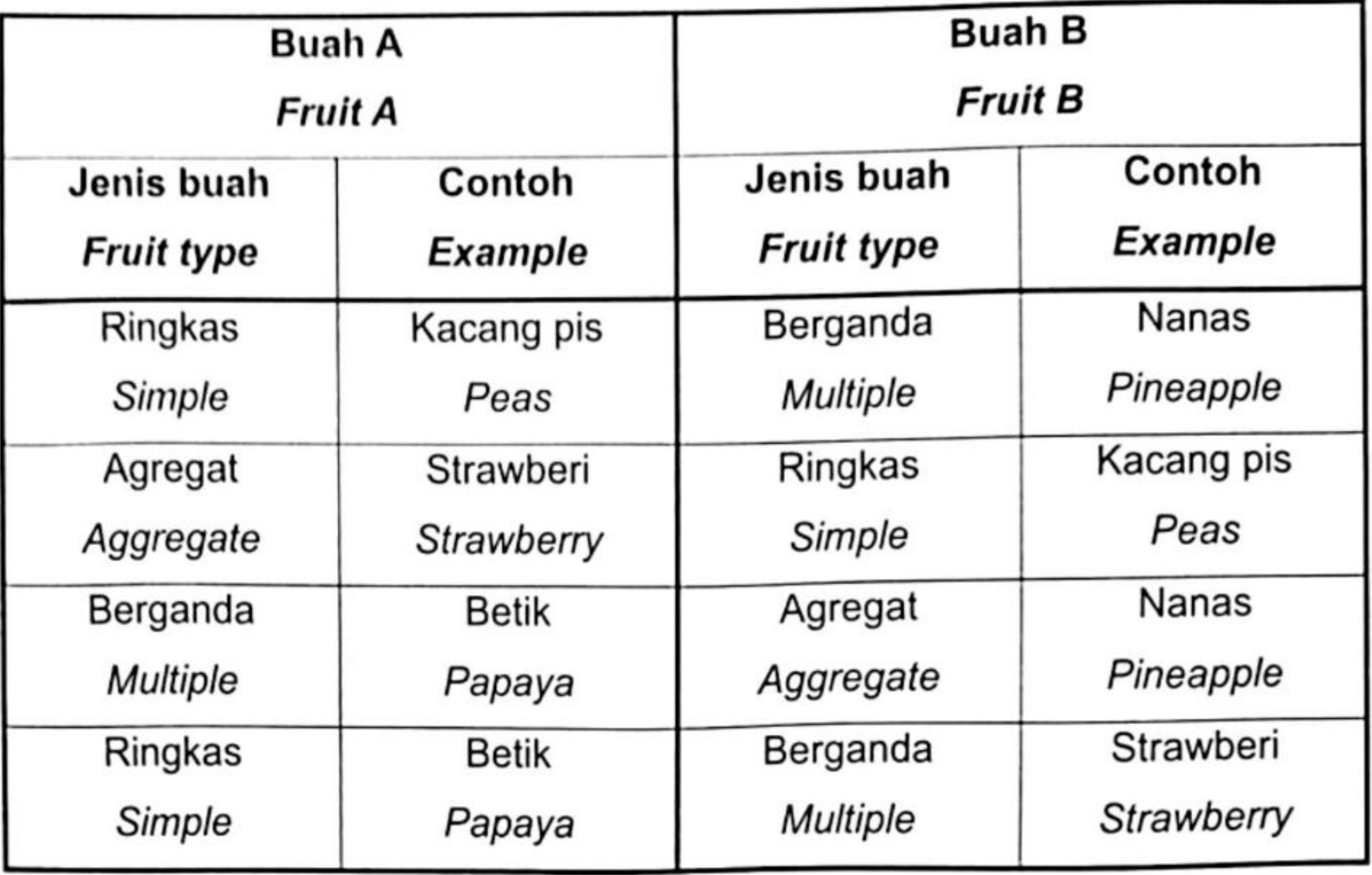
Table 2 shows information about the characteristics of flower of fruit A and fruit B: Fruit A - a single flower contains numerous carpels; Fruit B - a single flower contains a single carpel. Based on Table 2, which of the match is correct?
Medium
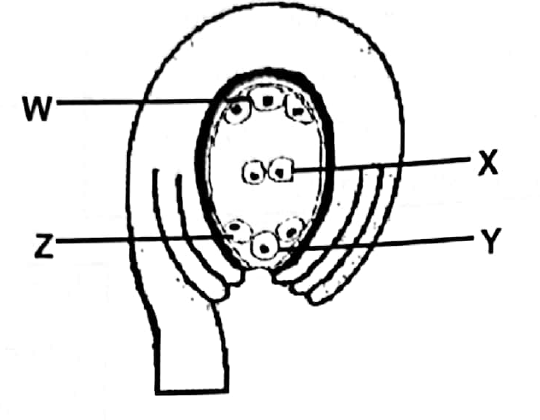
Diagram 26 shows matured ovule structure of flowering plants, with parts labelled W, X, Y and Z. Which of the following labelled part is involve in double fertilization?
Medium
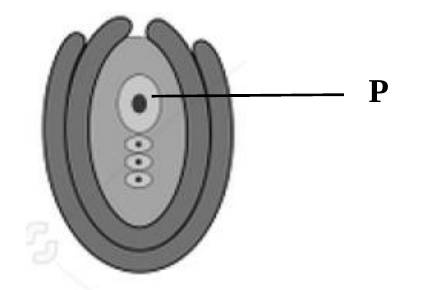
Diagram 18 shows embryo sac of a flowering plant. What will happen to the cell P?
Medium
Which statements are true about formation of male gamete? I The generative nucleus will divide mitotically to form two haploid male gametes; II The tube nucleus will degenerate and both male gametes enter the embryonic sac; III The end of the pollen tube will secrete hormones to digest the tissues of the style; IV Pollen on the stigma will germinate and form a generative tube.
Medium
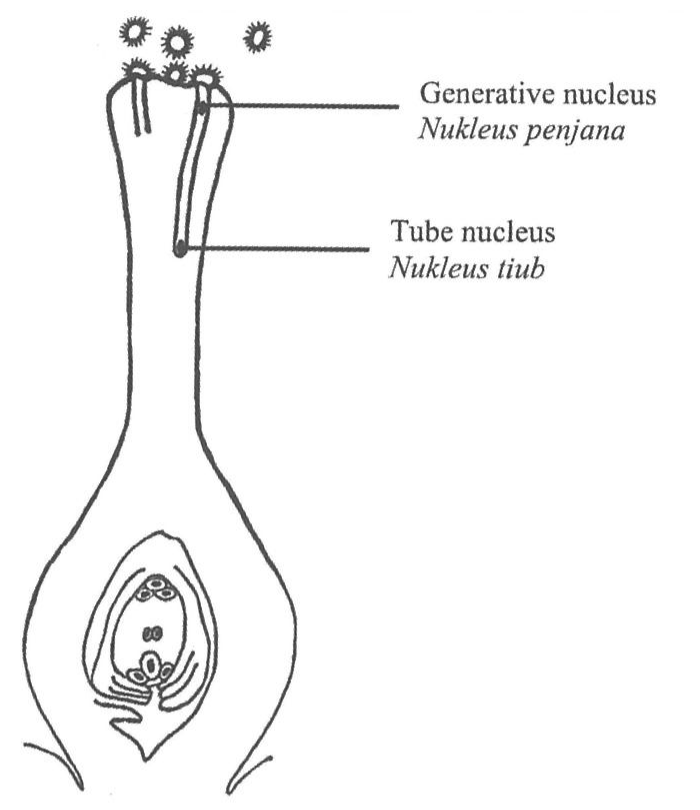
Diagram 27 shows a longitudinal section of an ovule shortly before double fertilization occurs. The generative nucleus will divide by mitosis in the pollen tube. Which of the following is the significance of the division by generative nucleus?
Medium
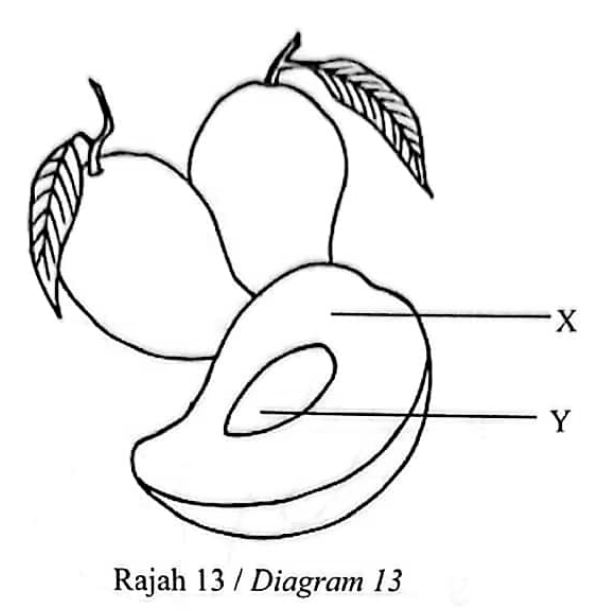
Diagram 13 shows a longitudinal section of a mango. Which part of the flower develop to form structures X and Y?
A X: Ovule, Y: Ovary
B X: Stigma, Y: Ovule
C X: Ovary, Y: Ovule
Medium
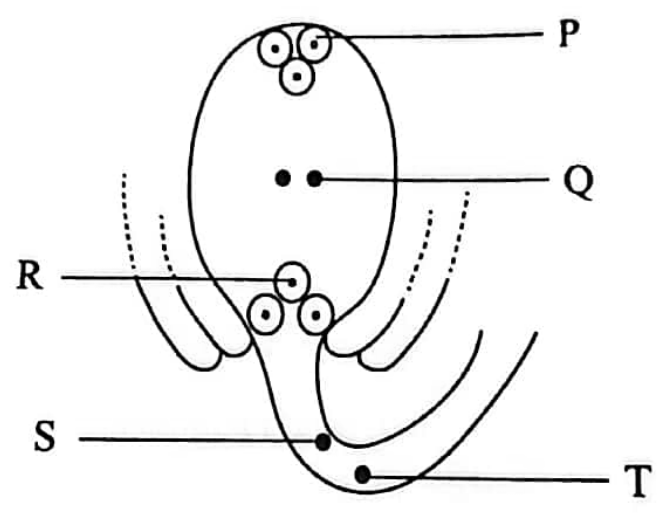
Diagram 14 shows the ovule of a flowering plant containing the nuclei involved in double fertilisation. Which of the following P, Q, R, S or T fuse to form diploid zygote and triploid endosperm?
Medium
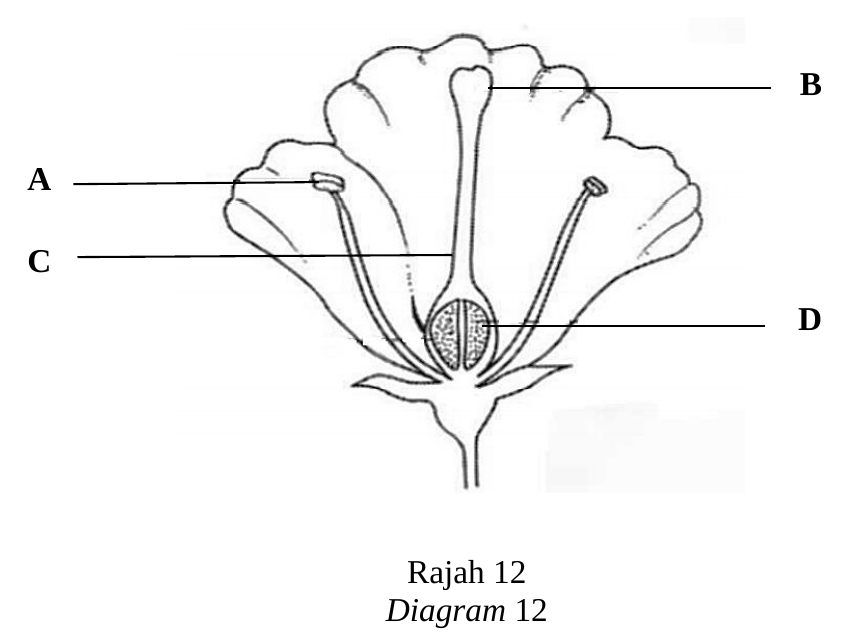
Diagram 12 shows a longitudinal section of a flower. At which part A, B, C or D does the double fertilisation take place?
Easy
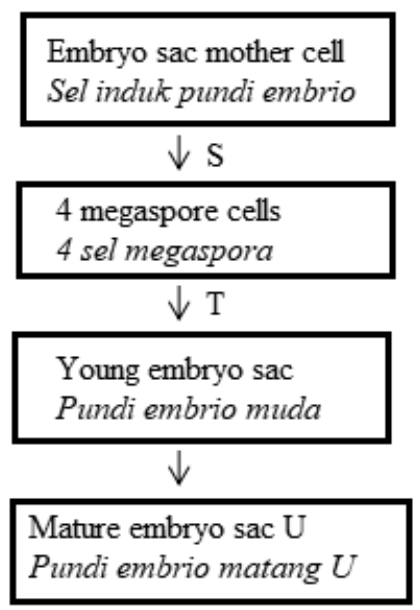
Diagram 16 shows stages in the development of an embryo sac in the ovule of an angiosperm: embryo sac mother cell → (S) → 4 megaspore cells → (T) → young embryo sac → mature embryo sac U. What are S, T and U?
Medium
Diagram 24 shows longitudinal section of a flower. Which of the following are structures of female reproductive organ?
Medium
Which of the following is the correct sequence for the formation of embryo sac? Options A, B and C are drawings in the figures.
Medium
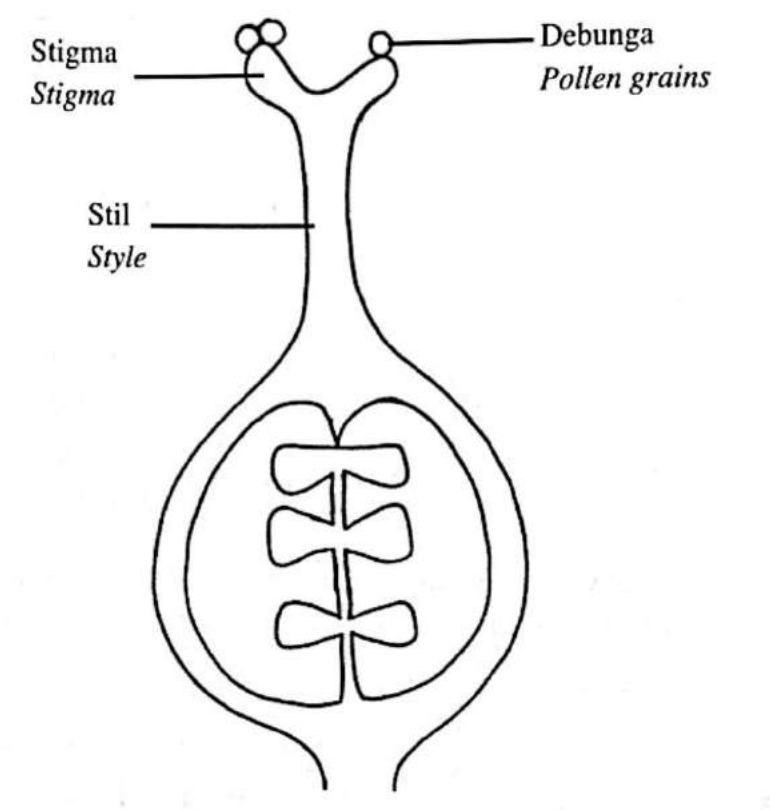
Diagram 25 shows pollen grains that are attached onto the stigma. How many of seeds produced if all pollen grains are successful to germinate?
Medium
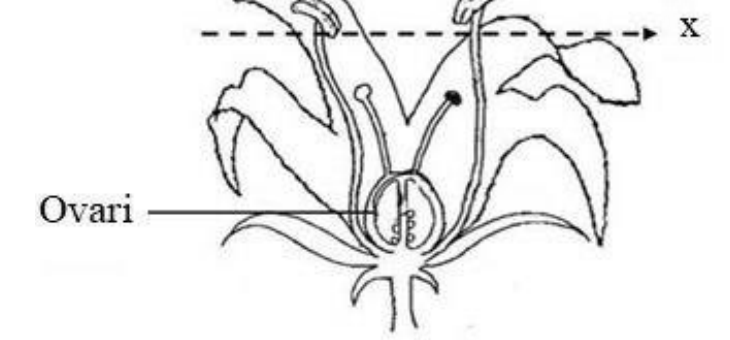
Diagram 14 shows a longitudinal section of a flower. What will happen if part X of the flower is cut?
Medium
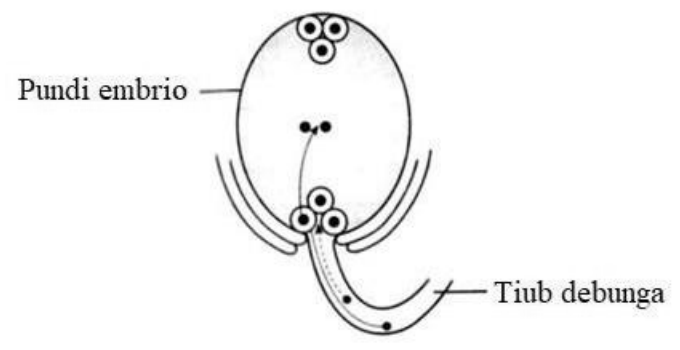
Diagram 15 shows a double fertilisation process in plant reproduction. What are the products of this process?