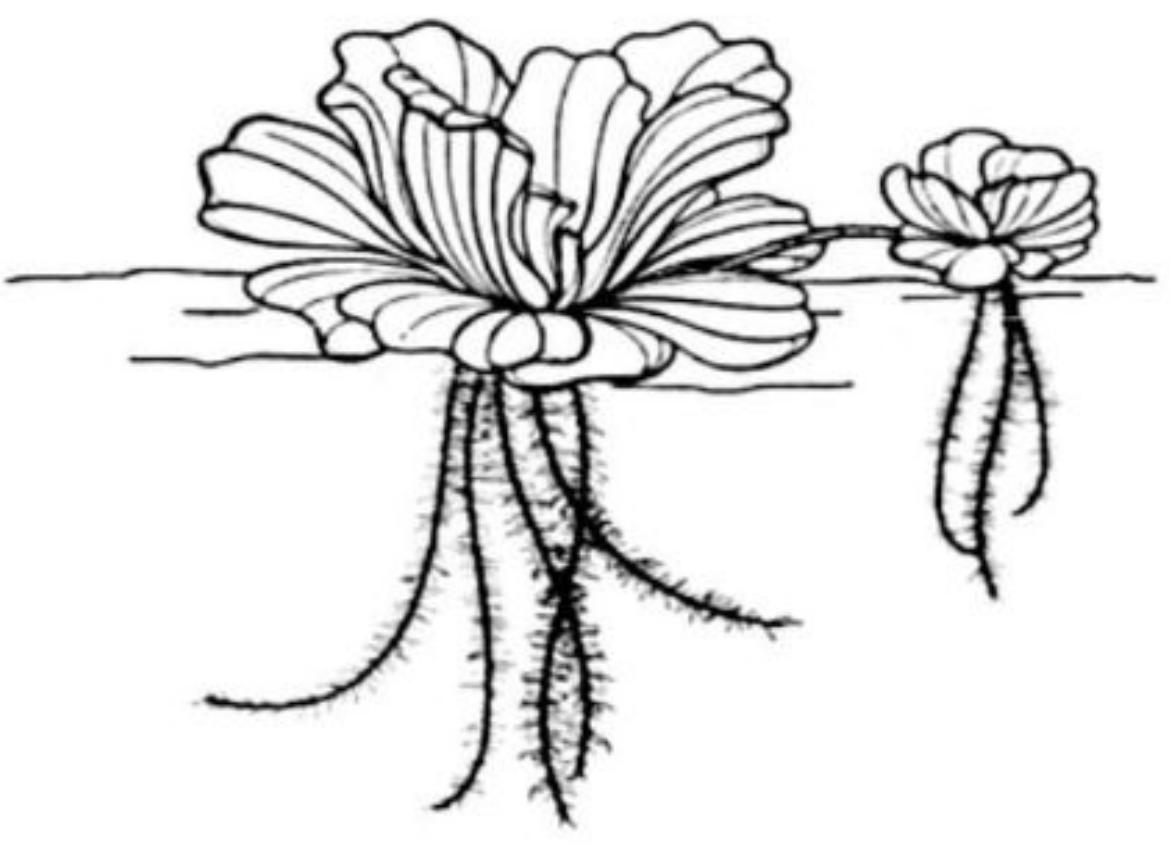
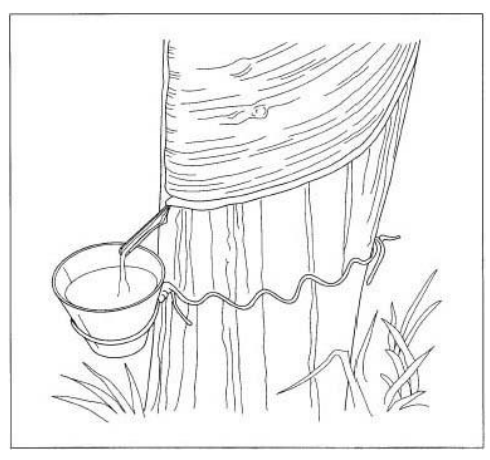
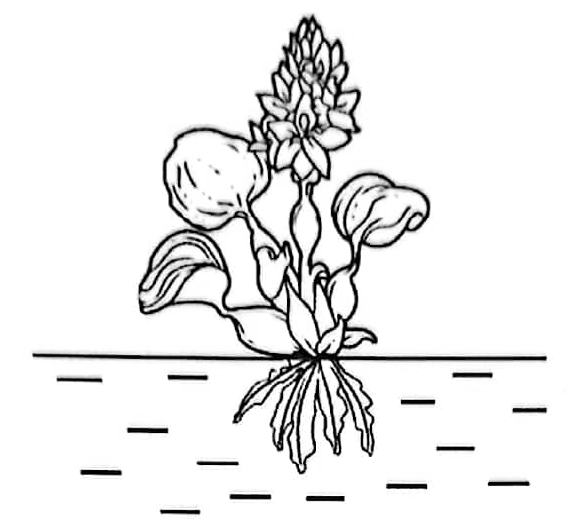
Plants can be classified based on habitat. Which of the following is correctly matched?
Easy
Which of the following are adaptations by the plants in the mangrove swamp that can live in a habitat with high concentration of salt?
I The leaves are succulent and have thick cuticles.
II High osmotic pressure in the cell sap higher than sea water.
III The hydatod pores on the leaves get rid of excess salt.
IV Breathing roots called pneumatophores
Medium
Diagram 19 shows a water lettuce that lives in a habitat. Which of the following matches is correct about the plant shown in Diagram 19?
Medium
Diagram 19 shows a type of plant (a rubber tree being tapped). Which of the following explains about the habitat of the plant?
Medium
Hydrophytes are plants that have adapted to living either partially or fully submerged in water. Which of the following is the typical features of submerged hydrophytes? I Floating, large and thin leaves; II Little or no waxy cuticle; III Poorly developed xylem tissue; IV Stomata are present on upper epidermis
Medium
Diagram 15 shows a hydrophyte plant. Which of the following are adaptations of the plant?
I Most of the stomata are distributed on the upper epidermis layer of the leave
II Stomata only open during the night
III The stem of the plant consists of aerenchyma tissues
IV Small stem helps the plant float upright in the water
Medium
Xerophytes live in conditions with limited water supply such as the desert. What is an adaptation of xerophytic plant?
Medium
Mangrove trees such as Avicennia sp. are halophytes. Which adaptations is found on mangrove trees to survive in water logged condition?
Medium
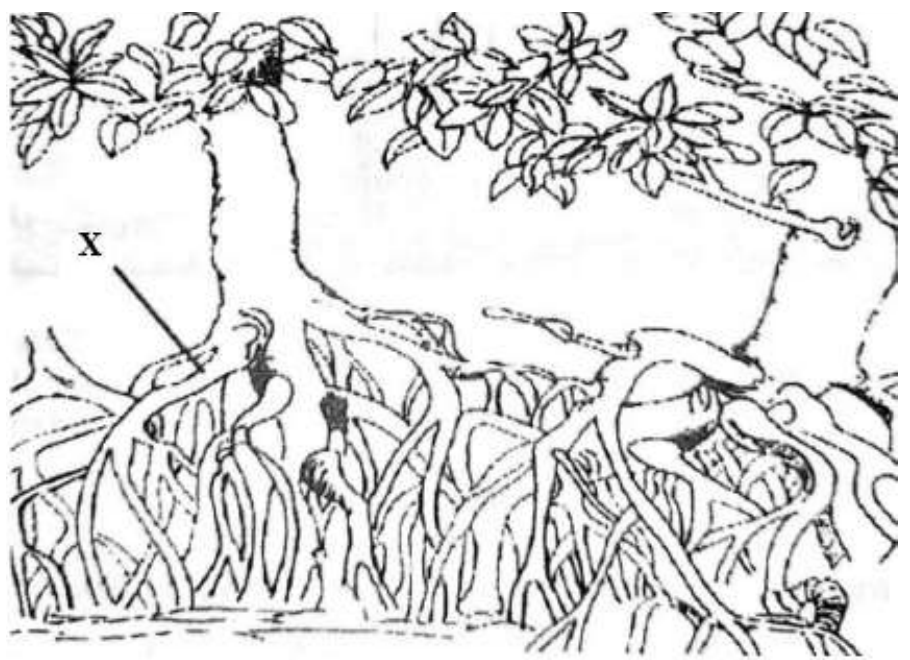
Diagram 18 shows the root structure of a mangrove tree. What is structure X?
Easy
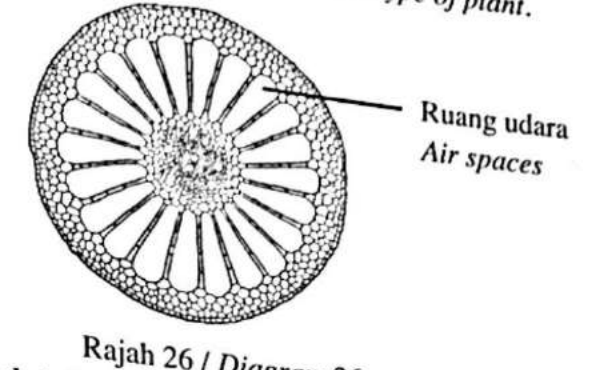
Diagram 26 shows a structure of specialised tissue in a type of plant (with air spaces). Which of the following is the type of plant?
Medium
How do halophytes adapt to live in a habitat with a high concentration of salt?