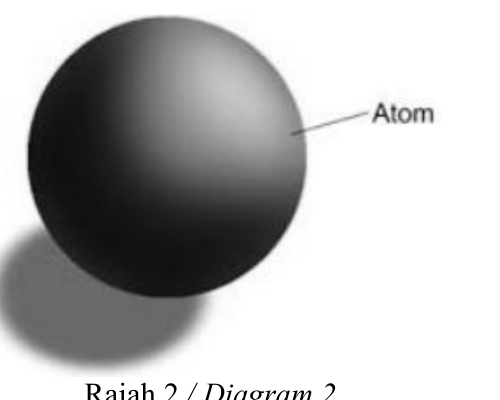
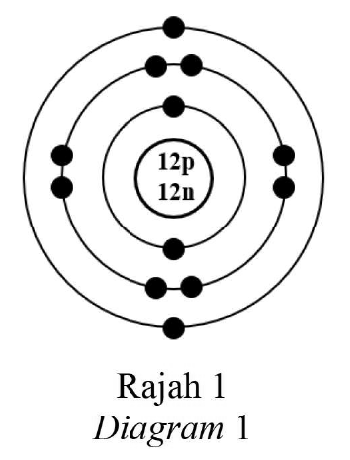
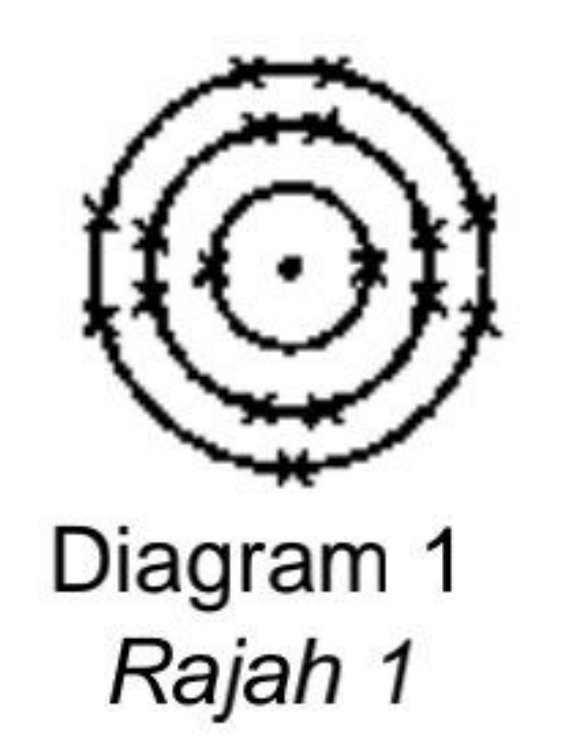
Diagram 1 shows a model of an atom.
Which of the following scientist introduced this model?
Easy
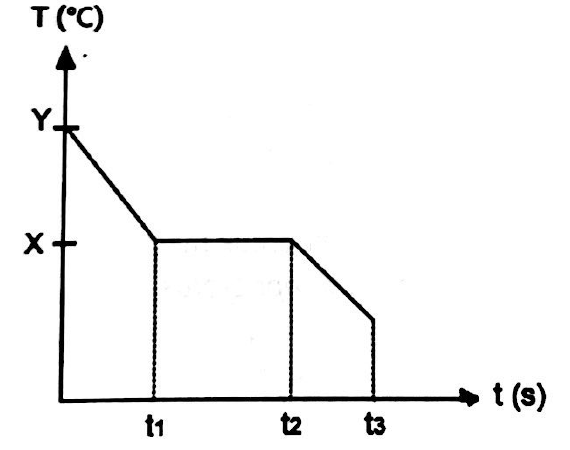
Diagram 6 shows the cooling curve of liquid X.
Which of the following statements is correct?
Medium
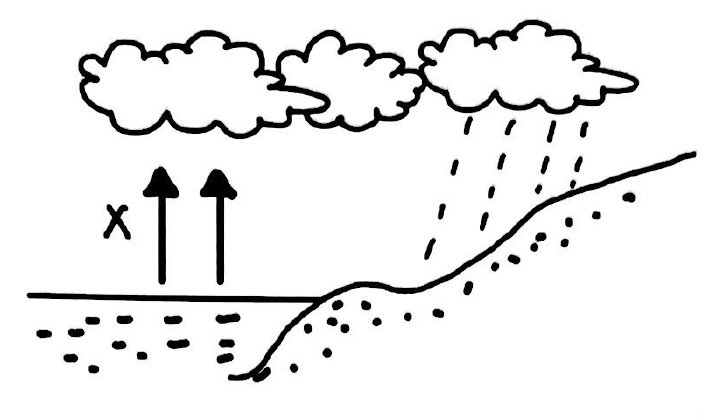
Diagram 8 shows a natural water cycle.
What is process X and the energy change involved?
Easy
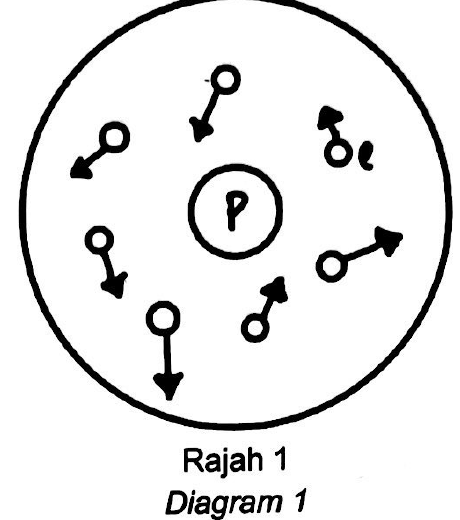
Diagram 2 shows the electron arrangement of an atom of element P. What is the number of valence electrons in atom P?
Easy
What are the subatomic particles in the nucleus?
Easy
Which of the following process changes gas into liquid?
Easy
Which of the following scientists discovered electron?
Easy
Which of the following substances is an isotope of magnesium? I ¹²₂₄Mg; II ¹²₂₆Mg; III ²⁴₁₂Mg; IV ²⁶₁₂Mg
Medium
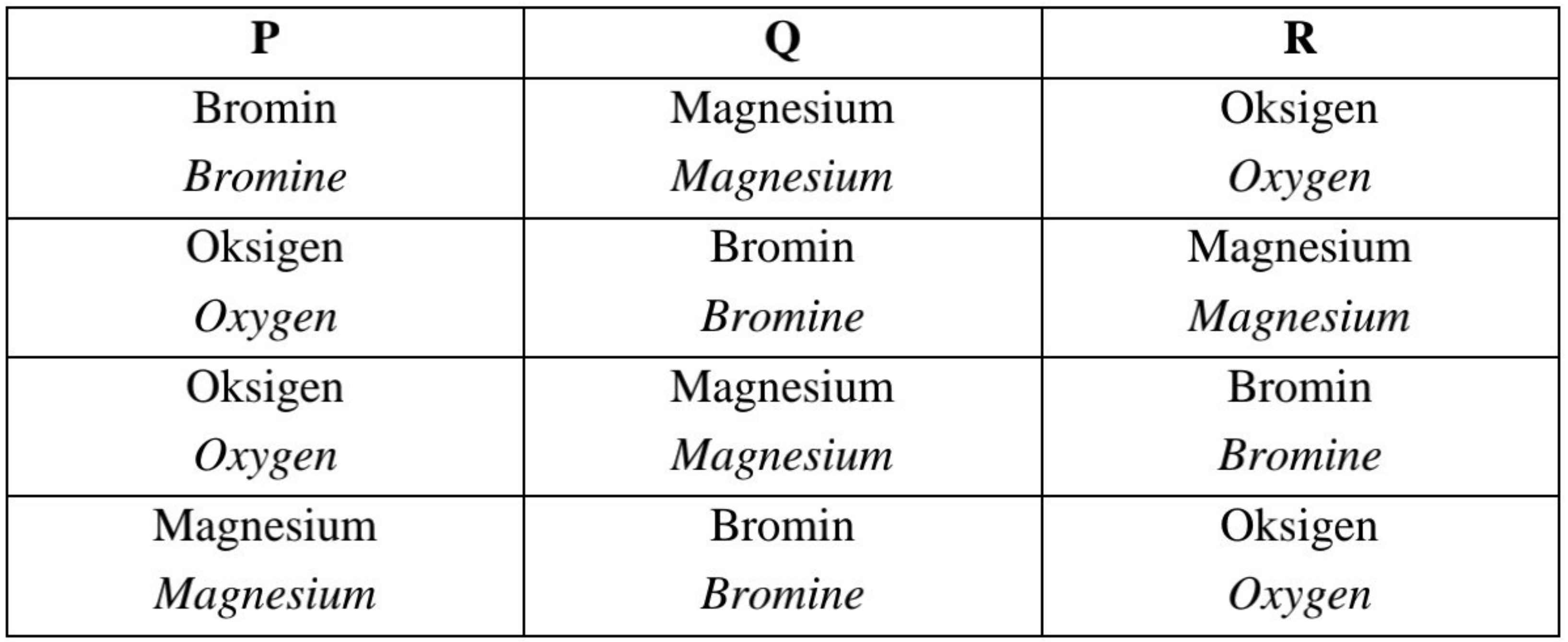
Table 1 shows the proton number of elements P, Q, R and S. Elements P, Q, R, S have proton numbers 7, 8, 17, 15 respectively. Which pair of elements has the same number of valence electrons?
Medium
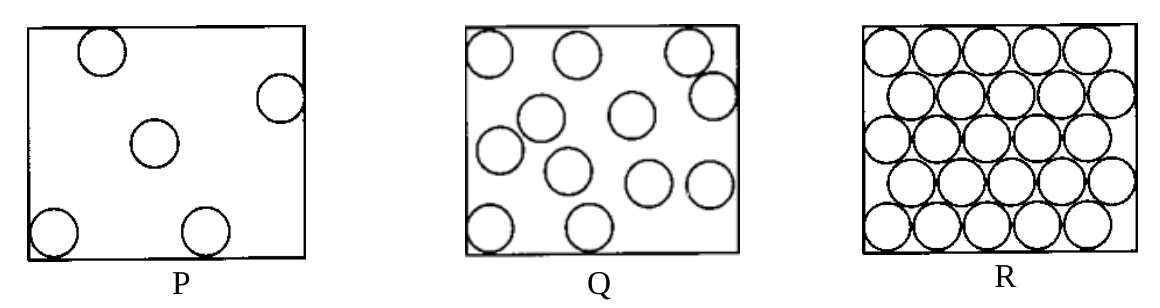
Which diagram shows the weakest attraction between particles?
Easy
A patient has been diagnosed with cancer. Which isotope is used to treat cancer?
Easy
Based on Diagram 2, which scientist proposed that atoms are small spherical bodies, which cannot be created, destroyed or further divided? (Diagram 2 shows a blue sphere labelled Atom.)
Easy
Which substance is an element?
Easy
Which subatomic particle was discovered by James Chadwick?
Easy
Diagram 1 shows the standard representation of aluminium atom: ²⁷₁₃Al (nucleon number 27, proton number 13). What is the number of valence electrons of the atom?
Medium
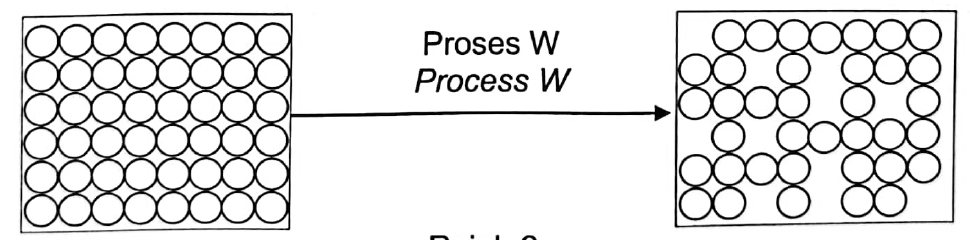
Diagram 2 shows the particles arrangement for the change of state of matter. Which of the following is process W? (Particles change from closely packed, orderly arrangement to a loosely arranged form.)
Easy
Diagram 2 shows the standard representation of a lead atom: 207/82 Pb (nucleon number 207, proton number 82). What are the number of protons, number of neutrons and number of electrons in the lead atom?
Medium
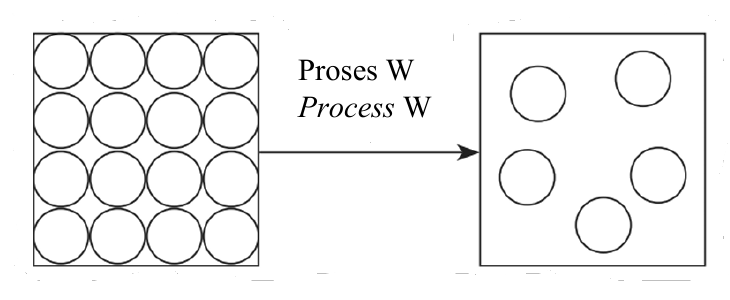
Diagram 18 shows the arrangement of particles of a substance that undergoes change in the physical state through process W (closely packed particles in a regular arrangement change to widely separated particles). Which of the following substances undergo process W?
Medium
Atom Z contains 13 protons, 14 neutrons and 13 electrons. What is the nucleon number of atom Z?
Easy
Which substance is an element?
Easy
Diagram 26 shows the standard representation symbol of a carbon atom, ¹²₆C. What is the number of protons of a carbon atom?
Easy
The following information is about an atomic structure model by a scientist: Discovered neutral particles, that are neutrons, in the nucleus. Neutrons contribute almost half of the mass of an atom. Who is the scientist?
Easy
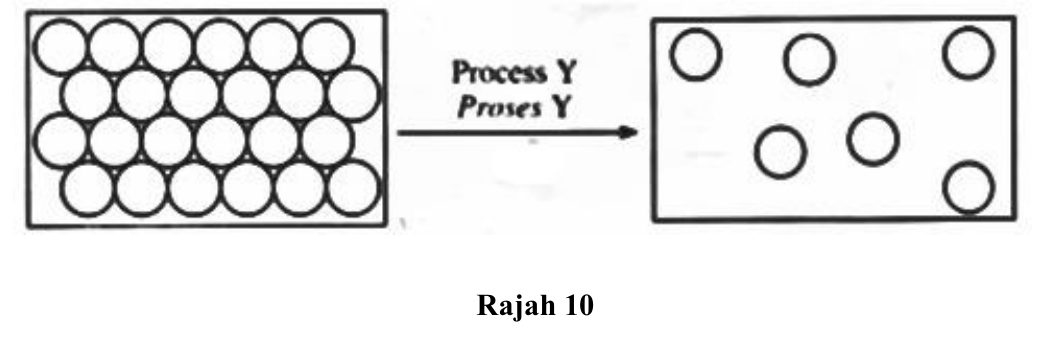
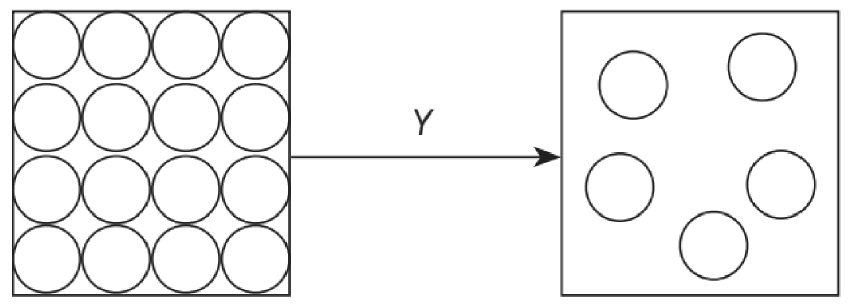
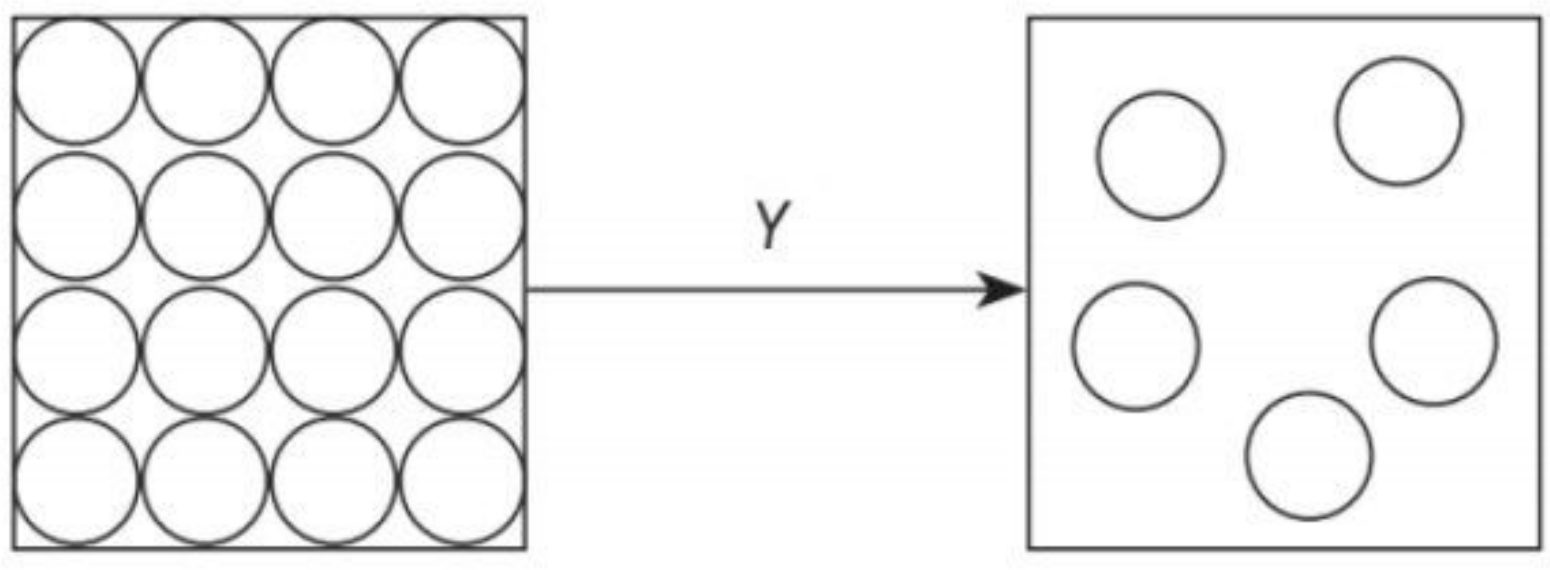
Diagram 10 shows an interconversion of the state of matter (particles closely packed in a regular arrangement change to particles far apart, by process Y). Which of the following statements explains process Y? I Kinetic energy of particles increases II Kinetic energy of particles decreases III Force of attraction between particles increases IV Force of attraction between particles decreases
Medium
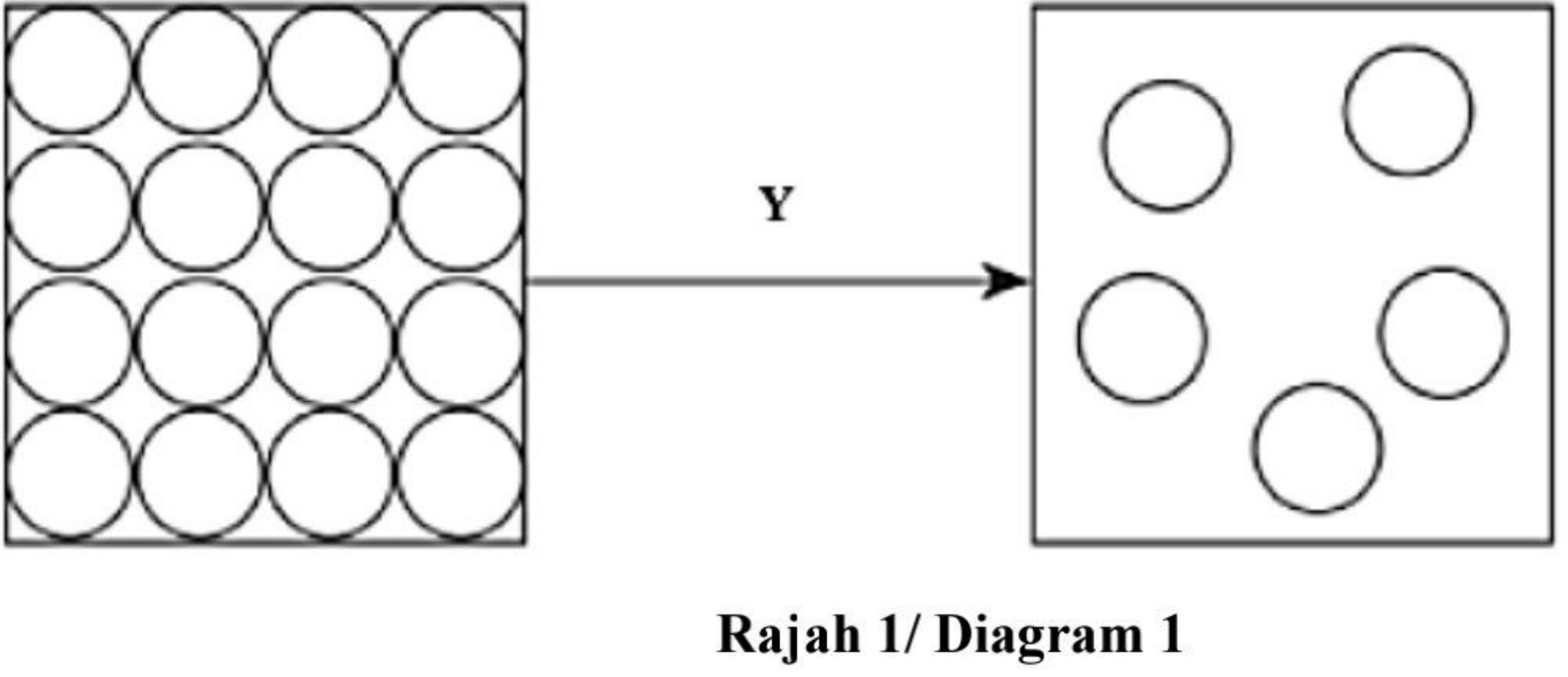
Diagram 1 shows the arrangement of particles of a substance that undergoes a change in physical state when going through process Y at room temperature (solid with particles closely packed in a regular arrangement changes to gas with particles far apart). Which of the following substances undergo process Y?
Easy
Which of the following is an example of matter?
Easy
Which of the following isotopes is used to detect leaks in underground pipes?
Easy
Which of the following is an element?
Easy
Boron consists of two isotopes: isotope ¹¹B and isotope ʸB. Relative atomic mass of boron = 10.81; natural abundance of Boron-11 = 80.0 %; natural abundance of Boron-y = 20.0 %. What is the value of y?
Medium
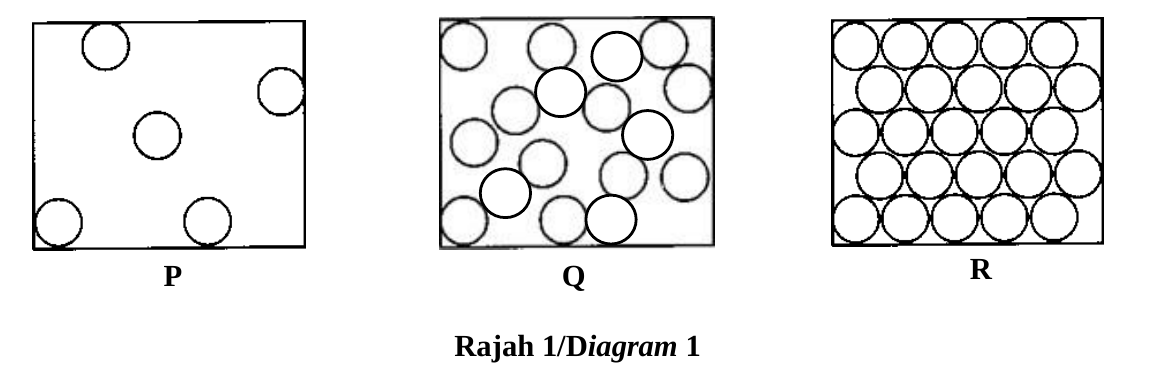
Diagram 1 shows the arrangement of particles in three states of matter at room temperature (P: widely spaced particles, gas; Q: particles close but disordered, liquid; R: particles packed in order, solid). What are substances P, Q and R at room temperature?
Easy
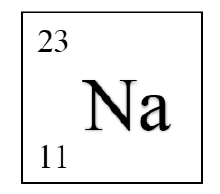
Diagram shows the standard representation of sodium atom (nucleon number 23, proton number 11). What is the number of valence electron of the atom?
Medium
Which of the following are the similarities of isotopes of elements?
I Number of neutrons
II Number of protons
III Physical properties
IV Chemical properties
Medium
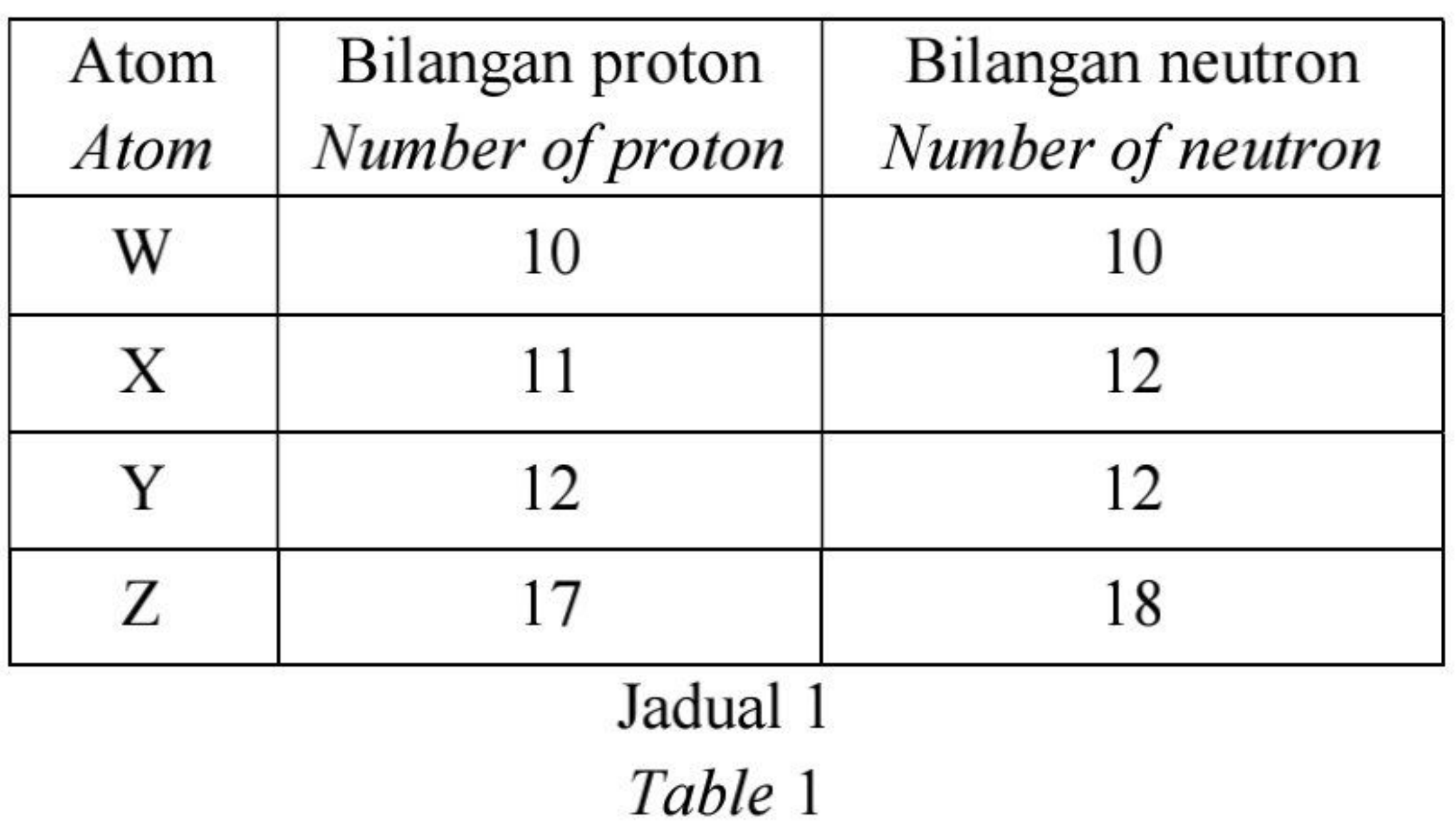
Table 1 shows the number of protons and number of neutrons for atoms W, X, Y and Z: W 10 protons, 10 neutrons; X 11, 12; Y 12, 12; Z 17, 18. Based on Table 1, which atom can form a negative ion?
Medium
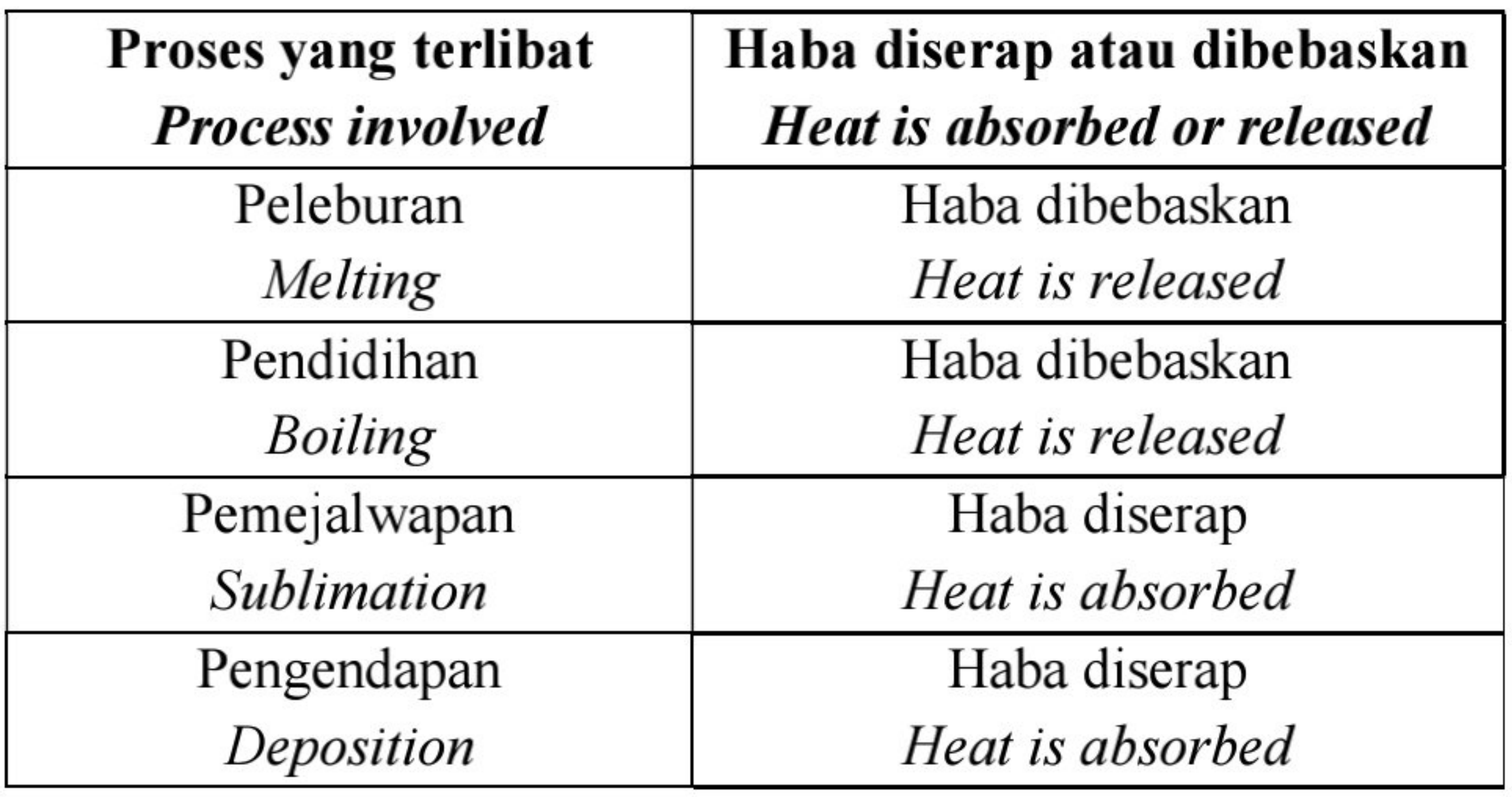
Heat is absorbed or released during conversion of state. Which pair is correctly matched? (Process / heat): A Melting / heat is released; B Boiling / heat is released; C Sublimation / heat is absorbed; D Deposition / heat is absorbed.
Medium
Which of the following is a statement of Dalton's Atomic Model?
Easy
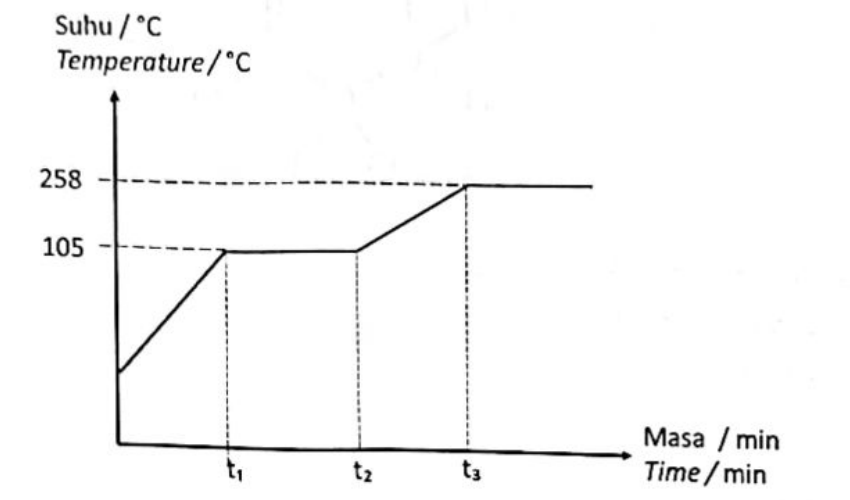
The diagram shows the heating curve of solid Q when heated from room temperature until 258 °C (plateaus at 105 °C from t₁ to t₂ and at 258 °C after t₃). Which statement is correct?
Medium
Ion W²⁺ has an electron arrangement of 2.8 and nucleon number is 24. What is the number of neutron of atom W?
Medium
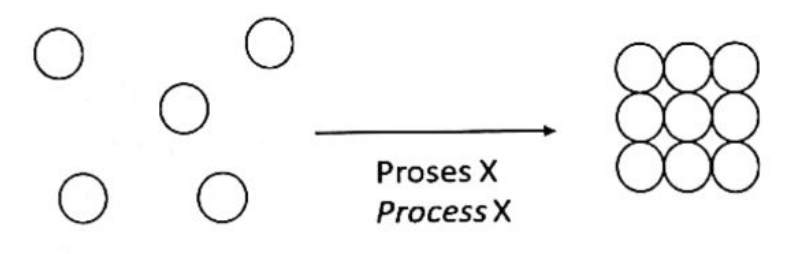
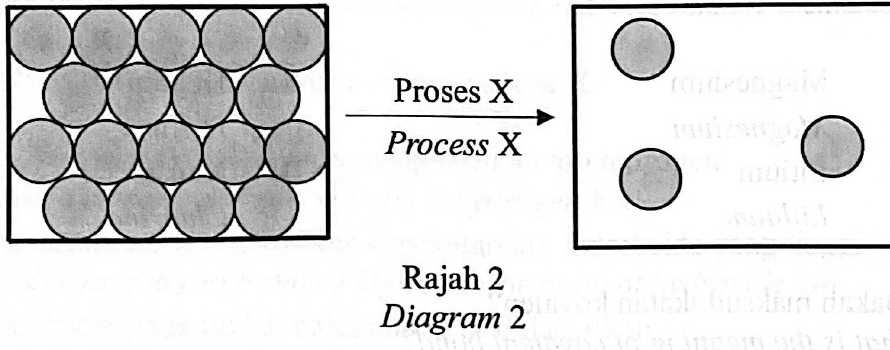
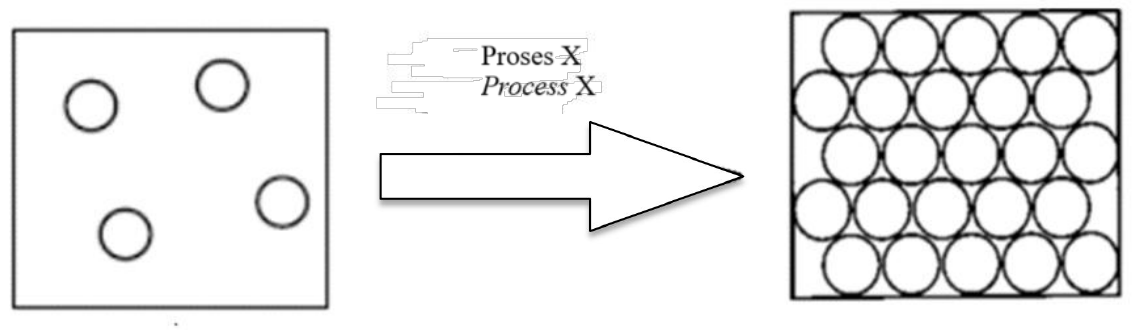
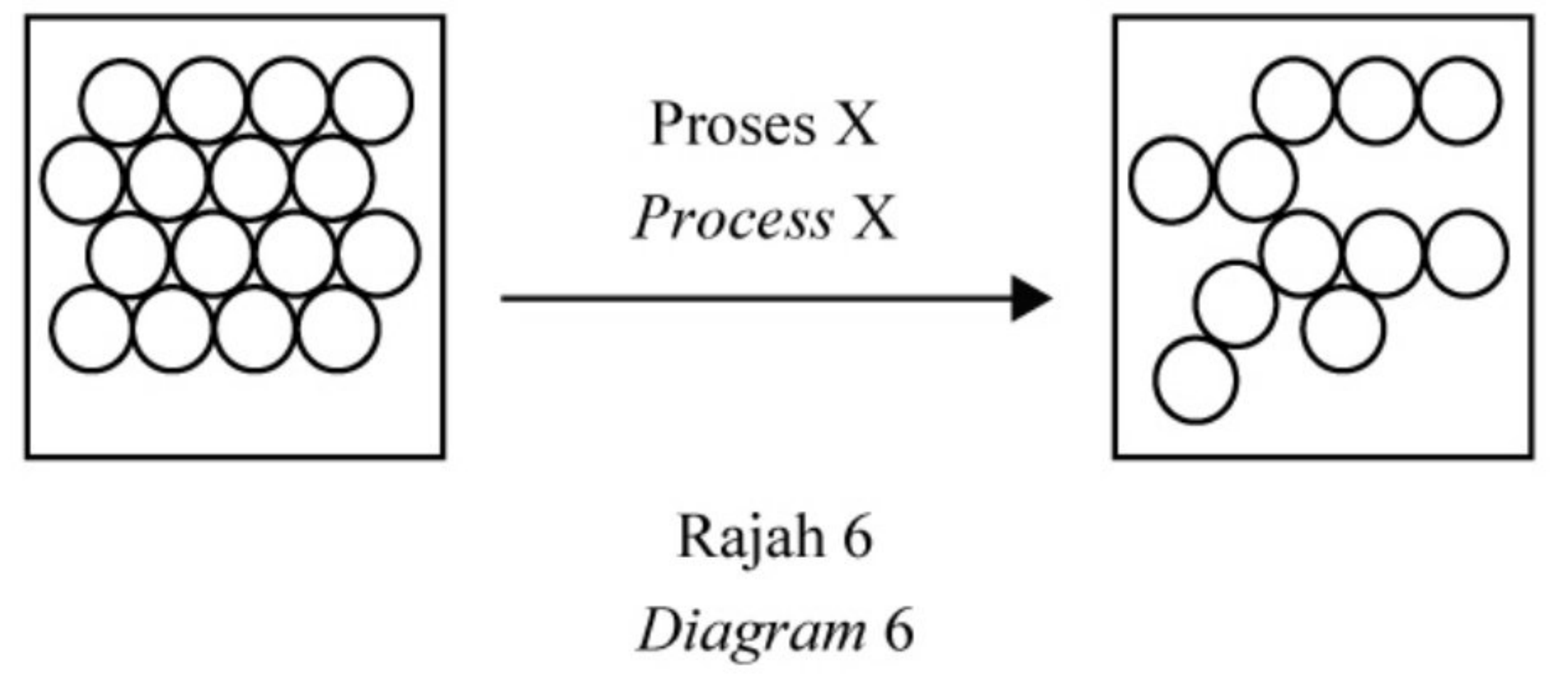
The diagram shows the arrangement of particles which undergoes Process X (scattered particles become closely packed in a regular arrangement). Which of the statements is correct about Process X?
Medium
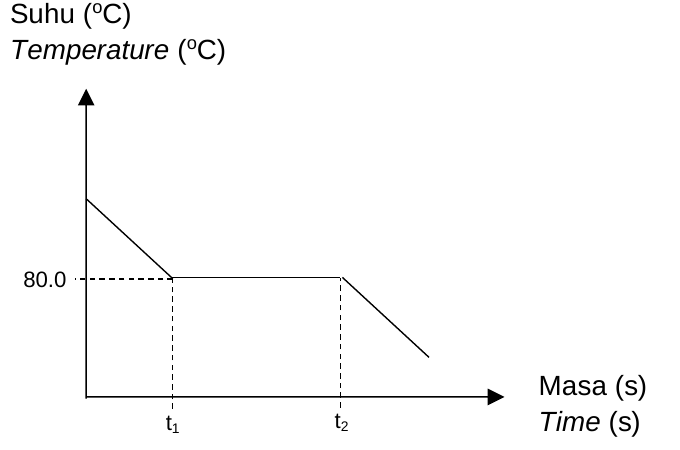
Diagram shows a graph of temperature against time for cooling of substance R (constant 80.0 °C from t1 to t2). Which statement is true about the property of substance R?
Medium
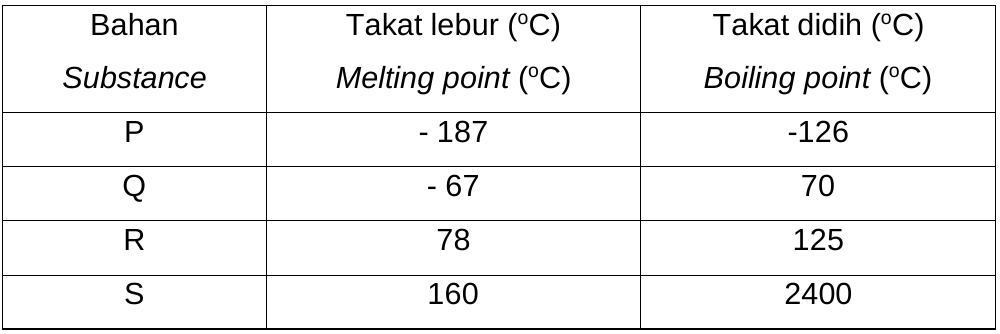
Table shows the melting points and boiling points of four substances: P (-187, -126), Q (-67, 70), R (78, 125), S (160, 2400) in °C. Which substance has an arrangement of particles which are very far apart from each another at room temperature?
Medium
Which substance is an element and exist as molecule?
Medium
Diagram 7 shows electron arrangement of particle X (an ion with charge 2-). What is the number of protons of this particle?
Medium
Who discovered protons?
Easy
The diagram shows the standard representation of a sodium atom: 23/11 Na (nucleon number 23, proton number 11). What is the number of valence electrons of the atom?
Easy
Which of the following are the similarities of isotopes of elements?
I Number of neutrons
II Number of protons
III Physical properties
IV Chemical properties
Medium
Which subatomic particle was discovered by Ernest Rutherford?
Easy
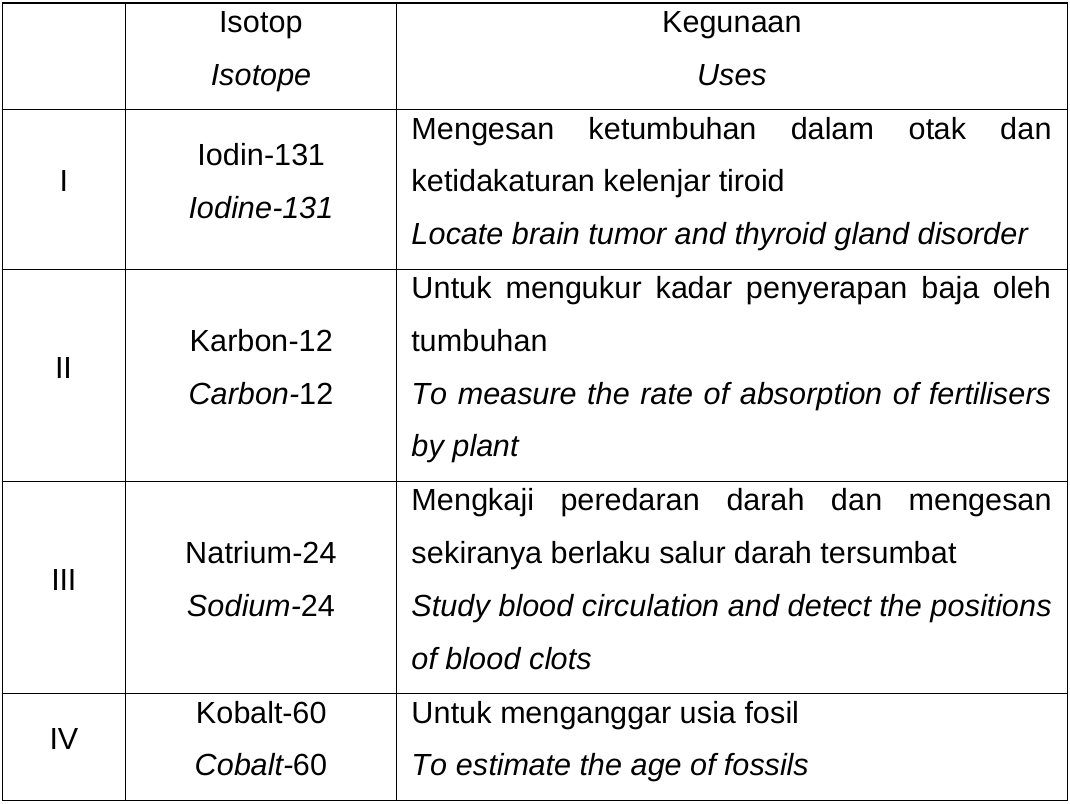
Table below shows several isotopes and their uses.
I: Iodine-131 - Locate brain tumor and thyroid gland disorder
II: Carbon-12 - To measure the rate of absorption of fertilisers by plant
III: Sodium-24 - Study blood circulation and detect the positions of blood clots
IV: Cobalt-60 - To estimate the age of fossils
Which of the following is correct?
Medium
Element S has 4 neutrons and 3 protons. Standard representation of element S is
Medium
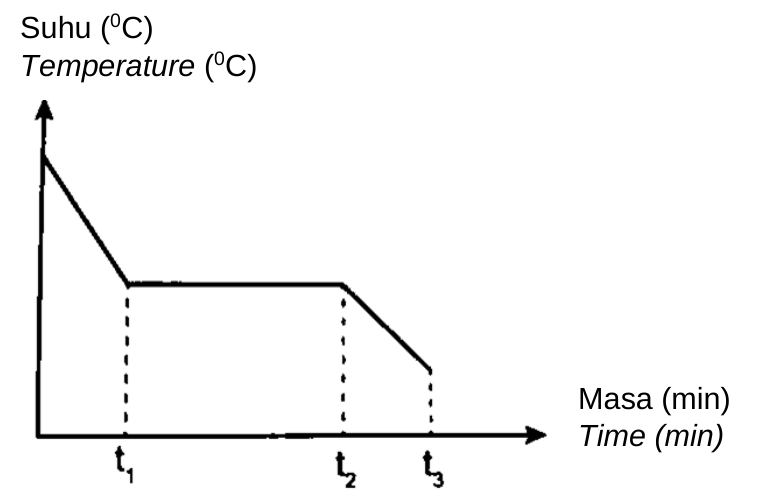
Diagram shows the cooling curve of liquid A (temperature falls to t₁, constant from t₁ to t₂, then falls to t₃). Which of the following statement is correct?
Medium
Which diagram represents the molecules of hydrogen gas?
Easy
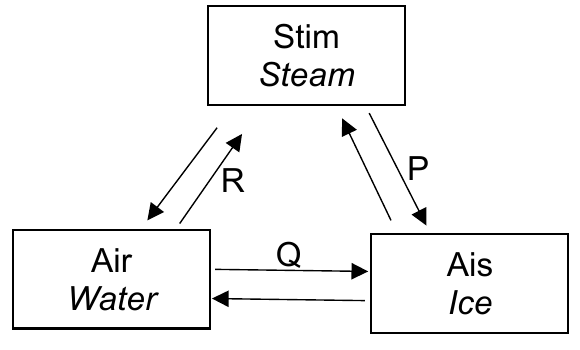
Diagram 2 shows the inter-conversion of the states of matter of a substance (steam, water, ice; arrows P between steam and ice, Q between water and ice, R between water and steam). Which process involves the absorption of heat energy?
Medium
Table 3 shows the melting point and boiling point of four substances. P: -17 C, 58 C; Q: 85 C, 192 C; R: -120 C, -10 C; S: 258 C, 302 C. Which substance is a liquid at room temperature?
Easy
Diagram 1 shows the atomic structure of W. Which of the following is the standard representation of the atom W?
Medium
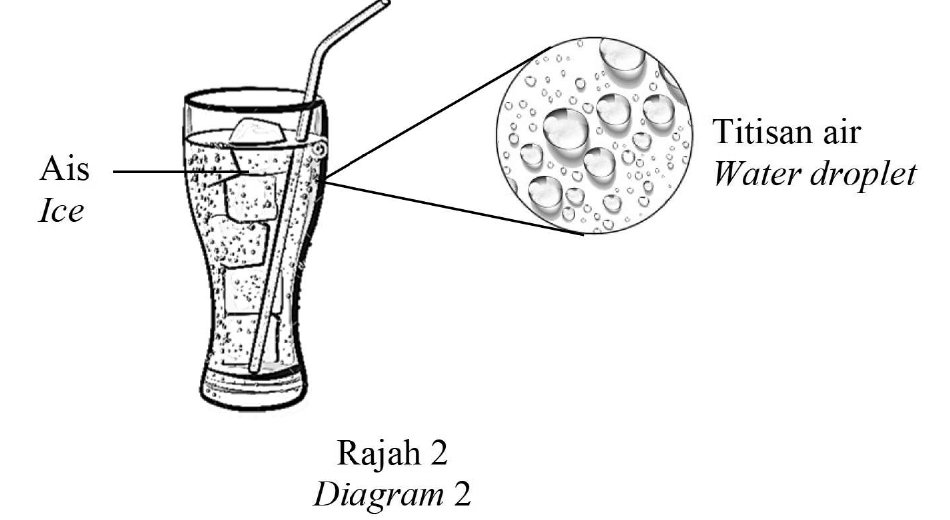
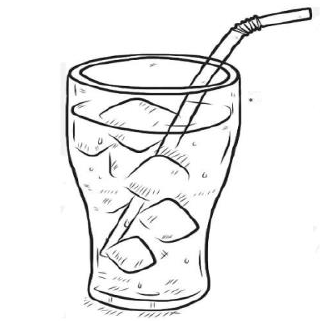
Diagram 2 shows the formation of water droplets on the outer wall of a glass containing a cold drink. What are the process and energy changes involved during the formation of water droplets in Diagram 2?
Medium
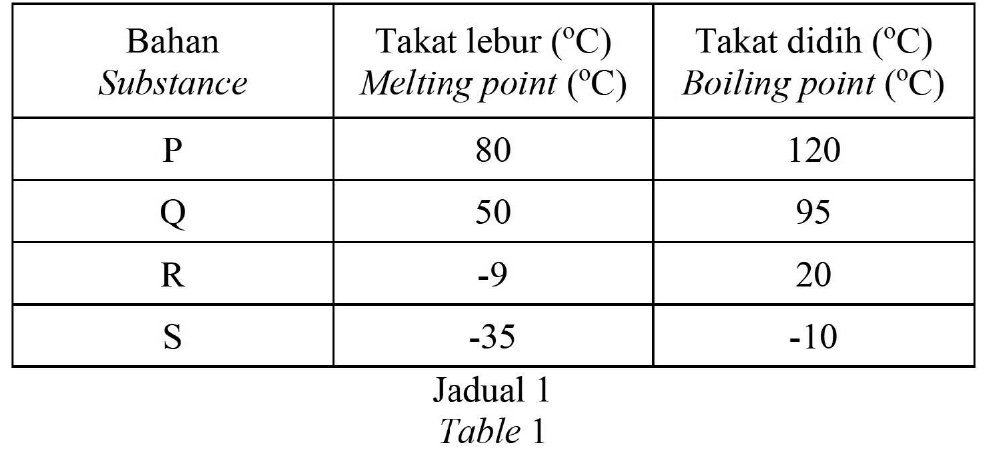
Table 1 shows the melting point and boiling point of some substances: P (80 °C, 120 °C); Q (50 °C, 95 °C); R (-9 °C, 20 °C); S (-35 °C, -10 °C) [melting point, boiling point]. Which substance is a gas at room temperature? I. P II. Q III. R IV. S
Medium
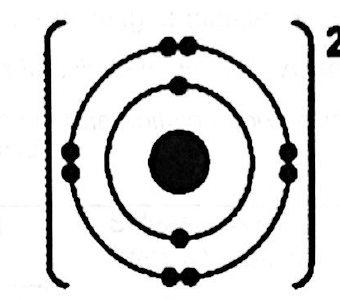
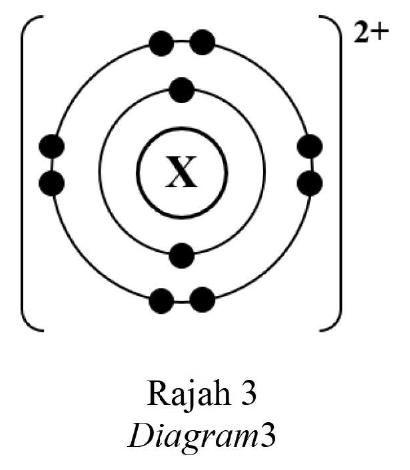
Diagram 3 shows electron arrangement for ion of X (ion X²⁺ with electron arrangement 2.8, shown in brackets). Which of the following is correct about atom X? I. Atom X has 12 protons II. Atom X has 10 electrons III. Number of valence electron of atom X is 2 IV. Number of valence electron of atom X is 8
Medium
Which of the following is an element?
Easy
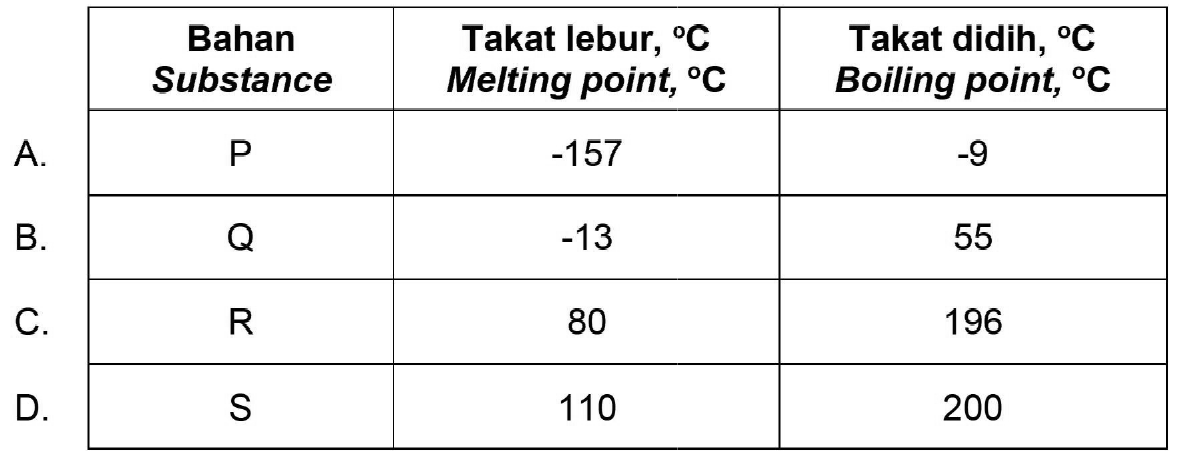
Which of the following substance is a liquid at 100 °C?
Substance / Melting point (°C) / Boiling point (°C): P -157, -9; Q -13, 55; R 80, 196; S 110, 200
Medium
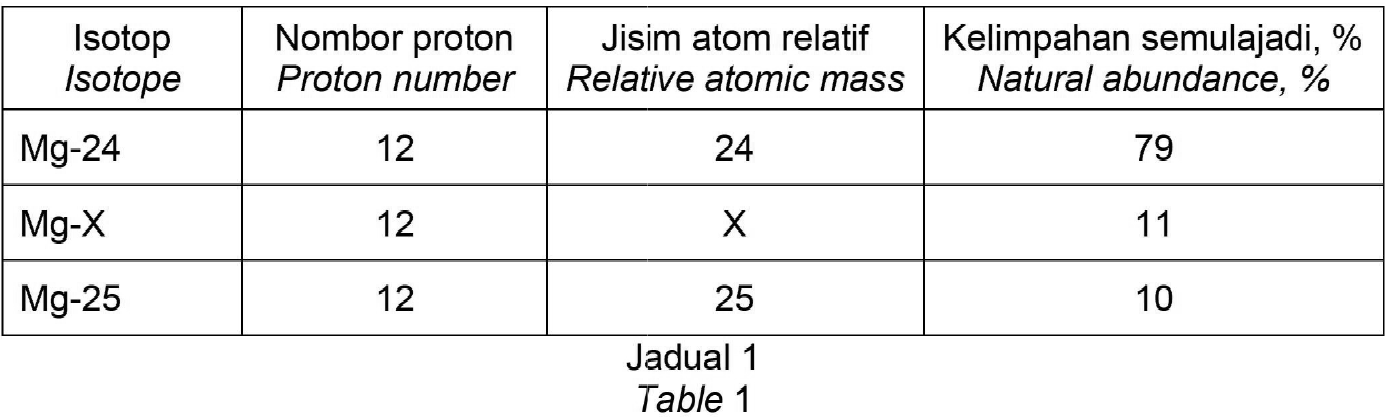
Table 1 shows information for isotopes of magnesium atoms: Mg-24 (proton number 12, RAM 24, abundance 79%); Mg-X (12, X, 11%); Mg-25 (12, 25, 10%). What is value of X? [Relative atomic mass Mg=24]
Medium
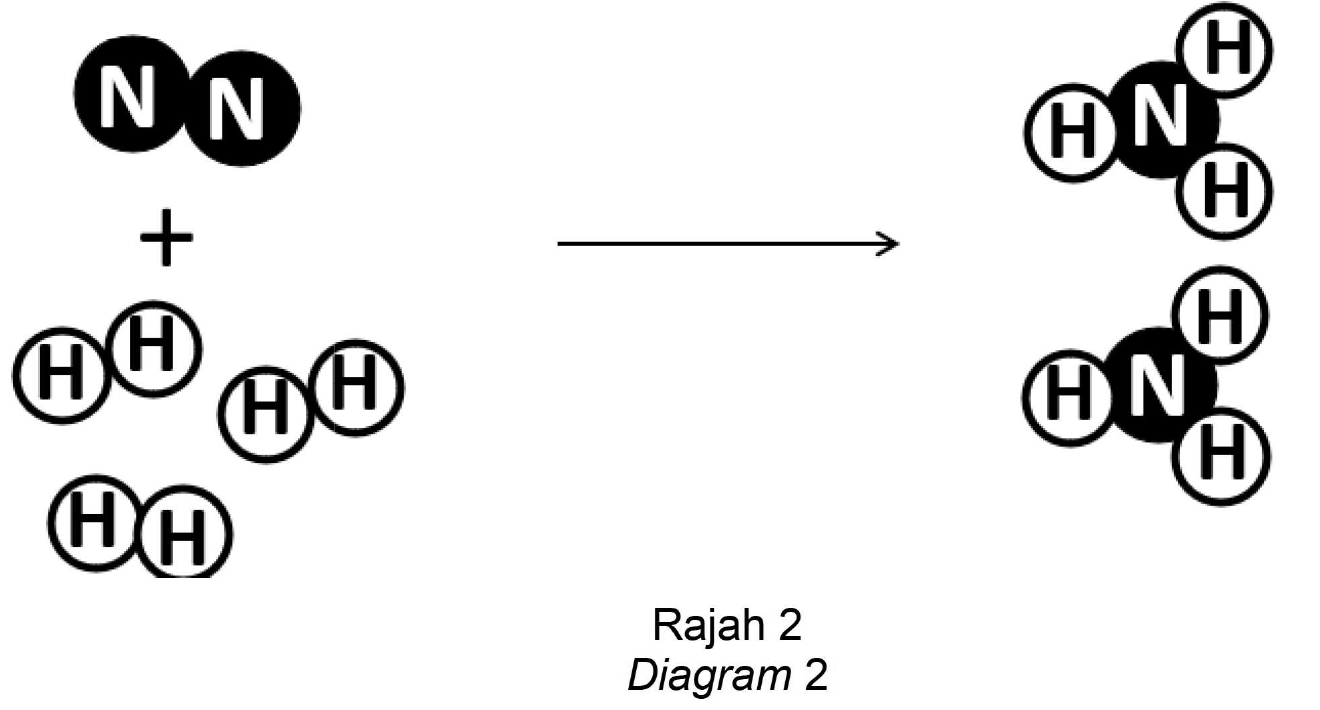
Diagram 2 shows the chemical equation model for the reaction between hydrogen and ammonia. What type of particles are found in the product of the reaction?
Medium
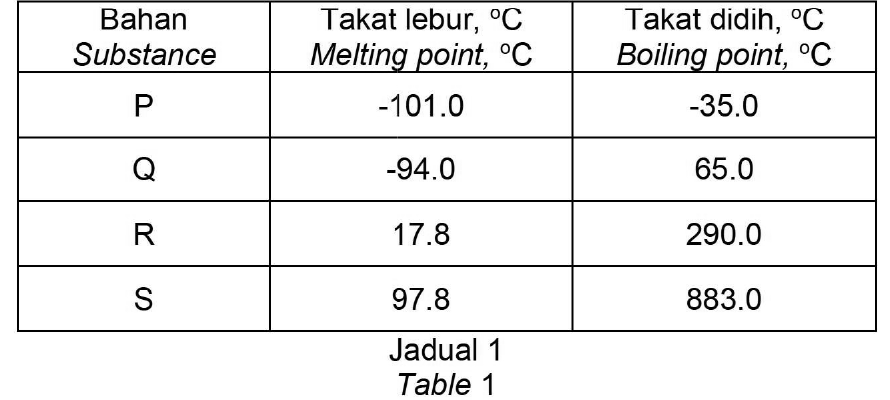
Table 1 shows the information of melting point and boiling point for four substances: P (melting point -101.0 °C, boiling point -35.0 °C); Q (-94.0, 65.0); R (17.8, 290.0); S (97.8, 883.0). What is the physical state of each substance at 30 °C?
Medium
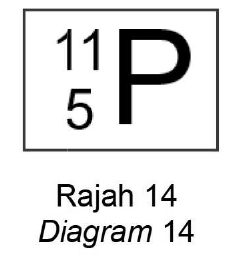
Diagram 14 shows a standard representation of atom of element P (¹¹₅P). Which of the following atomic structure represents ion P?
Medium
Which of the following shows the correct type of particle for each substance?
Medium
Protium, deuterium and tritium are the isotopes of hydrogen. Which of the following are the differences for the three isotopes? I Chemical properties; II Physical properties; III Number of protons; IV Nucleon number
Medium
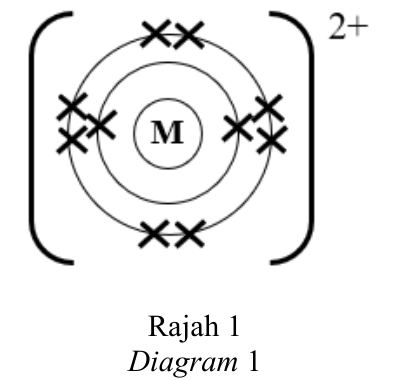
Diagram 1 shows the electron arrangement of ion M²⁺. Ion M²⁺ contains 12 neutrons. What is the nucleon number of atom M?
Medium
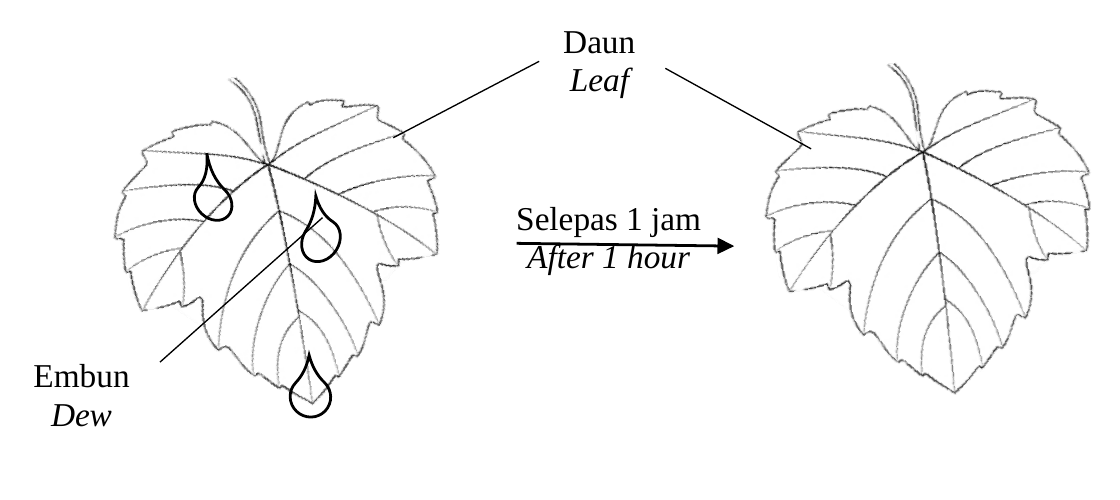
Diagram 10 shows the change of state of matter (dew on a leaf disappears after 1 hour). Which of the following statement explain the kinetic theory of matter shown on Diagram 10?
Medium
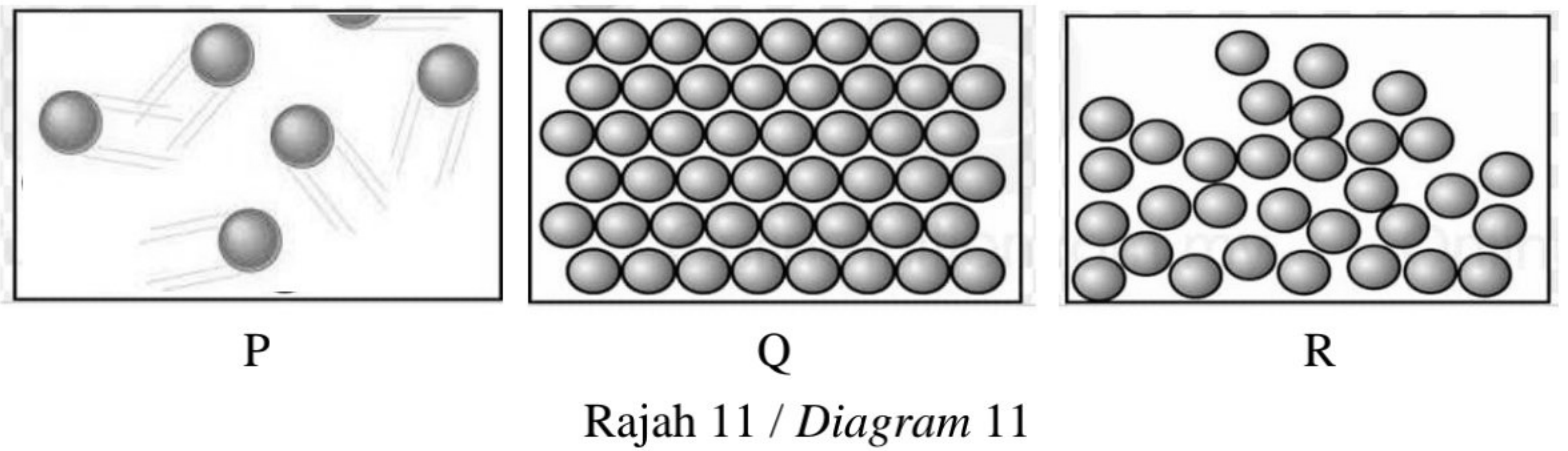
Diagram 11 shows the arrangement of particles for materials P, Q and R at room temperature (P: gas, widely spaced; Q: solid, closely packed in order; R: liquid, closely packed but not in order).
What are the substances of P, Q and R.
Medium
Which of the following is the definition of an isotope?
Easy
Diagram 7 shows the formation of water droplets on the outer wall of the glass containing a cold drink. Which of the following statements is correct about observation in Diagram 7?
Medium
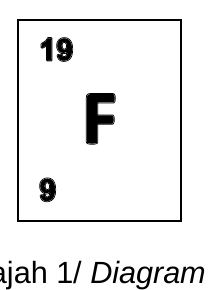
Diagram 1 shows the standard representation of the fluorine atom (nucleon number 19, proton number 9). What is the number of electrons for the atom?
Easy
Table 1 shows isotopes and their uses: Hydrogen-3 - detect leakage in underground pipes; Lead-210 - determine the age of sand and earth layers up to 80 years; Sodium-24 - detector to study sewage and liquid wastes; Phosphorus-32 - used in radiotherapy to kill cancer cells. Which isotope is correct in terms of its use?
Easy
Which of the following types of particles is correctly classified? (Atom / Molecule / Ion)
Medium
Table 1 shows the freezing points and boiling points of several chemical substances.
Substance | Melting point (°C) | Boiling point (°C)
P | -63.5 | 61.2
Q | -111.6 | 12.7
R | -218.8 | -183
S | 80 | 218
Which of the following substances is in a liquid state at room temperature?
Medium
A resident in Kampung Sentosa made a complaint to the Water Department because his water bill increased drastically. The officer of the department found that there was an underground water pipe leakage in the house area by using a detector. What is the substance in the detector used by the officer?
Easy
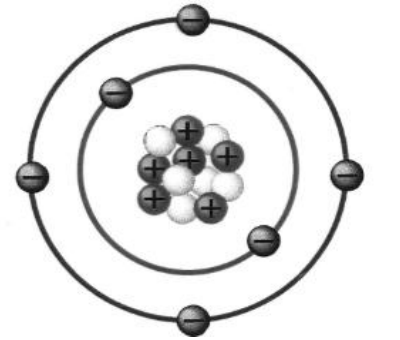
Diagram 6 shows the atomic structure of an element. How many electrons are in this atom?
Easy
Which of the following substances is made up of ions?
Easy
Which element has an isotope that can detect the leakage of underground pipe?
Medium
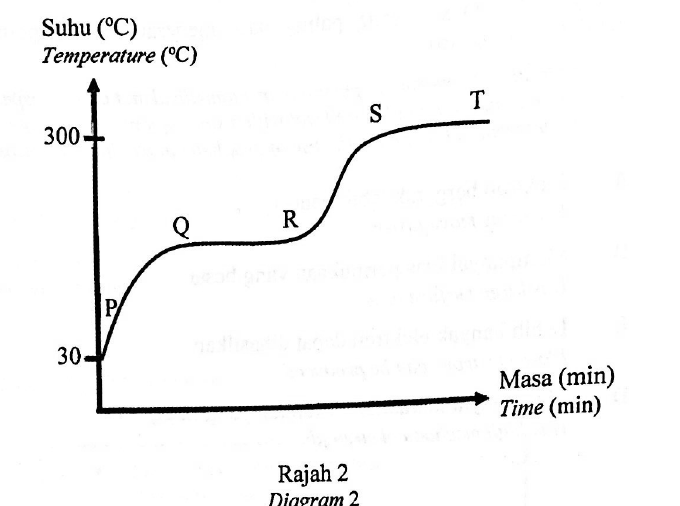
Diagram 2 shows the heating curve of substance M (temperature 30 °C to 300 °C against time; sections P, Q, R, S, T).
Based on Diagram 2, at which section does substance M exist as a mixture of solid and liquid?
Medium
Chlorine-35 and chlorine-37 are isotopes of chlorine. Which of the following statement is correct?
[Proton number of chlorine = 17]
Medium
Protium, deuterium and tritium are the isotopes of hydrogen. Which of the following is the similarity of the isotopes?
Medium
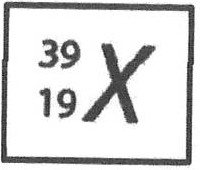
Diagram 7 shows the atomic symbol of element X (nucleon number 39, proton number 19). Which of the following is true about the atom of element X? (Number of neutrons; electron arrangement)
Medium
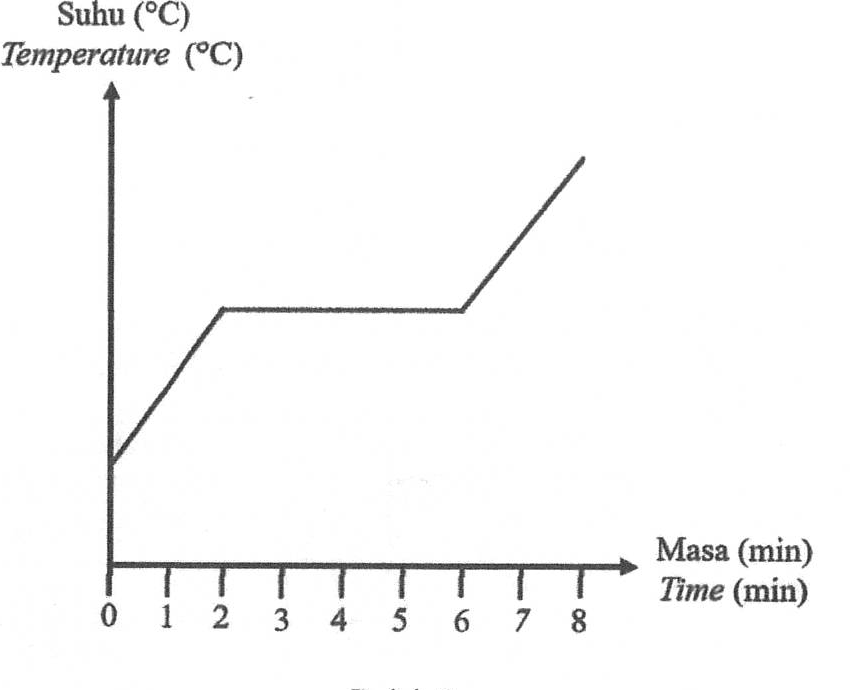
Diagram 8 shows the heating curve of solid acetic acid (temperature rises 0 to 2 min, constant 2 to 6 min, rises after 6 min). Which statement can be deduced from Diagram 8?
Medium
Who discovered electron in atomic model?
Easy
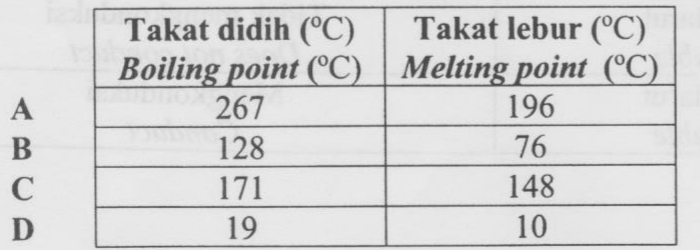
Substance R exists as liquid at 100 °C. Which of the following is the boiling point and melting point of substance R? (Boiling point/Melting point in °C: A 267/196; B 128/76; C 171/148; D 19/10)
Medium
Which substance is an element?
Easy
Diagram 2 shows the particles arrangement for the change of state of matter (solid to gas, process X). Which of the following substances will undergo process X?
Medium
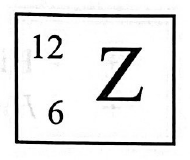
Diagram 5 shows the standard representation for atom Z (carbon-12: nucleon number 12, proton number 6). What is the number of valence electrons for atom Z?
Easy
What is the use of lead-210 isotope?
Easy
Which of the following processes involves the release of heat?
Medium
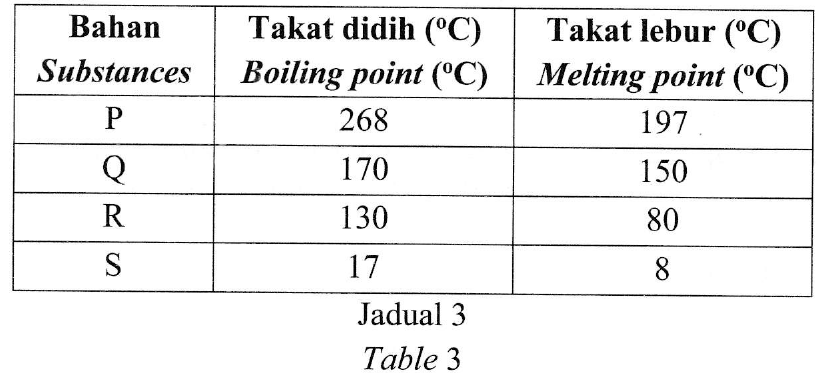
Table 3 shows the boiling point and melting point of substances P, Q, R and S: P 268 °C / 197 °C; Q 170 °C / 150 °C; R 130 °C / 80 °C; S 17 °C / 8 °C (boiling point / melting point). Which substance melts when put into a boiling water?
Medium
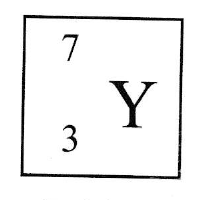
Diagram 6 shows the standard representation of element Y (nucleon number 7, proton number 3). What is the number of valence electrons in atom Y?
Medium
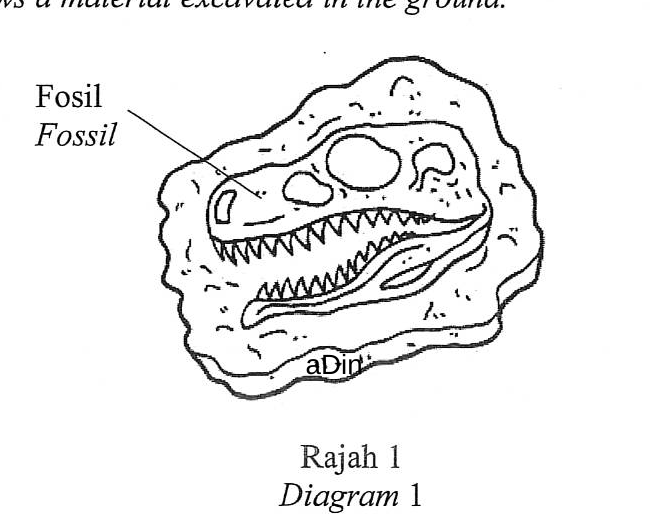
Diagram 1 shows a material excavated in the ground (a fossil). Which of the following isotopes is used to estimate the age of the material?
Easy
Who discovered proton?
Easy
Which substance is a compound?
Easy
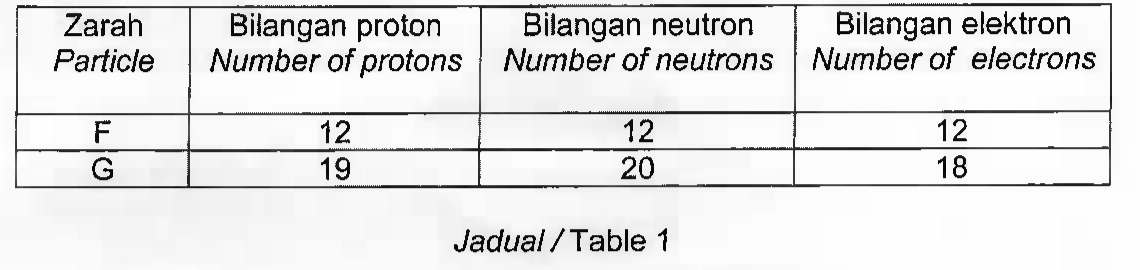
Table 2 shows the number of proton, neutron and electron for particles F and G.
F: 12 protons, 12 neutrons, 12 electrons. G: 19 protons, 20 neutrons, 18 electrons.
Which of the following statement is true about particles F and G?
Medium
Which of the following substances exist as molecules?
Easy
Diagram 2 shows the electron arrangement of atom Y (2.8.2). The number of neutrons of atom Y is 12. What is the standard representation for atom Y?
Medium
A patient is diagnosed of having thyroid cancer. Which isotope is used to treat the patient?
Easy
The following information is about atom T: Number of proton is 3; Nucleon number is 7. Which diagram shows the structure of atom T?
Medium
An atom of element E has 20 neutrons. The nucleon number of element E is 39. Atom E donates electrons to form ion E. How many electrons in ion E?
Medium
Which of the following substances exist as the molecules?
Easy
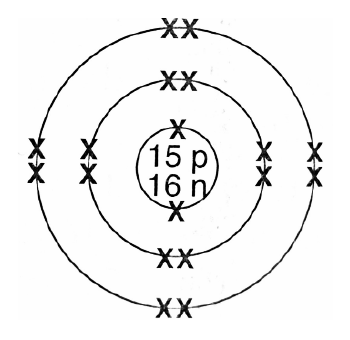
Diagram 1 shows electron arrangement for element X (nucleus: 15 protons, 16 neutrons). Which standard representation represents atom for element X?
Medium
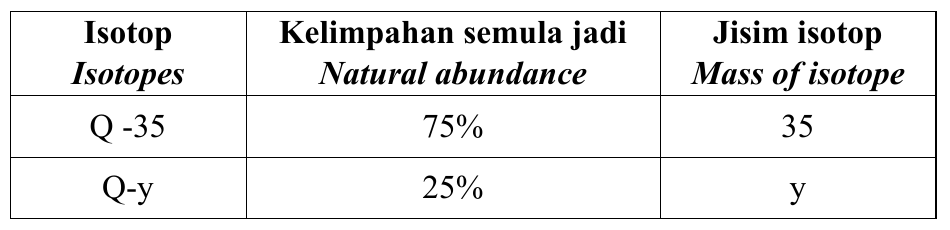
Table 4: isotope Q-35 has natural abundance 75% and mass 35; isotope Q-y has natural abundance 25% and mass y. Calculate value of y. [Relative atomic mass Q = 35.5]
Medium
Which of the following is an example of matter?
Easy
Diagram 1 shows the arrangement of particles of a substance that undergo change in the physical state through process Y (a regular close-packed arrangement of particles changes to widely separated particles). Which of the following substances undergo process Y? I. Bromine II. Iodine III. Chlorine IV. Naphthalene
Easy
Diagram 2 shows the standard representation of sodium-23: 23/11 Na (nucleon number 23, proton number 11). Which of the following statements is correct for Na+ ion? Options give number of protons / neutrons / electrons.
Medium
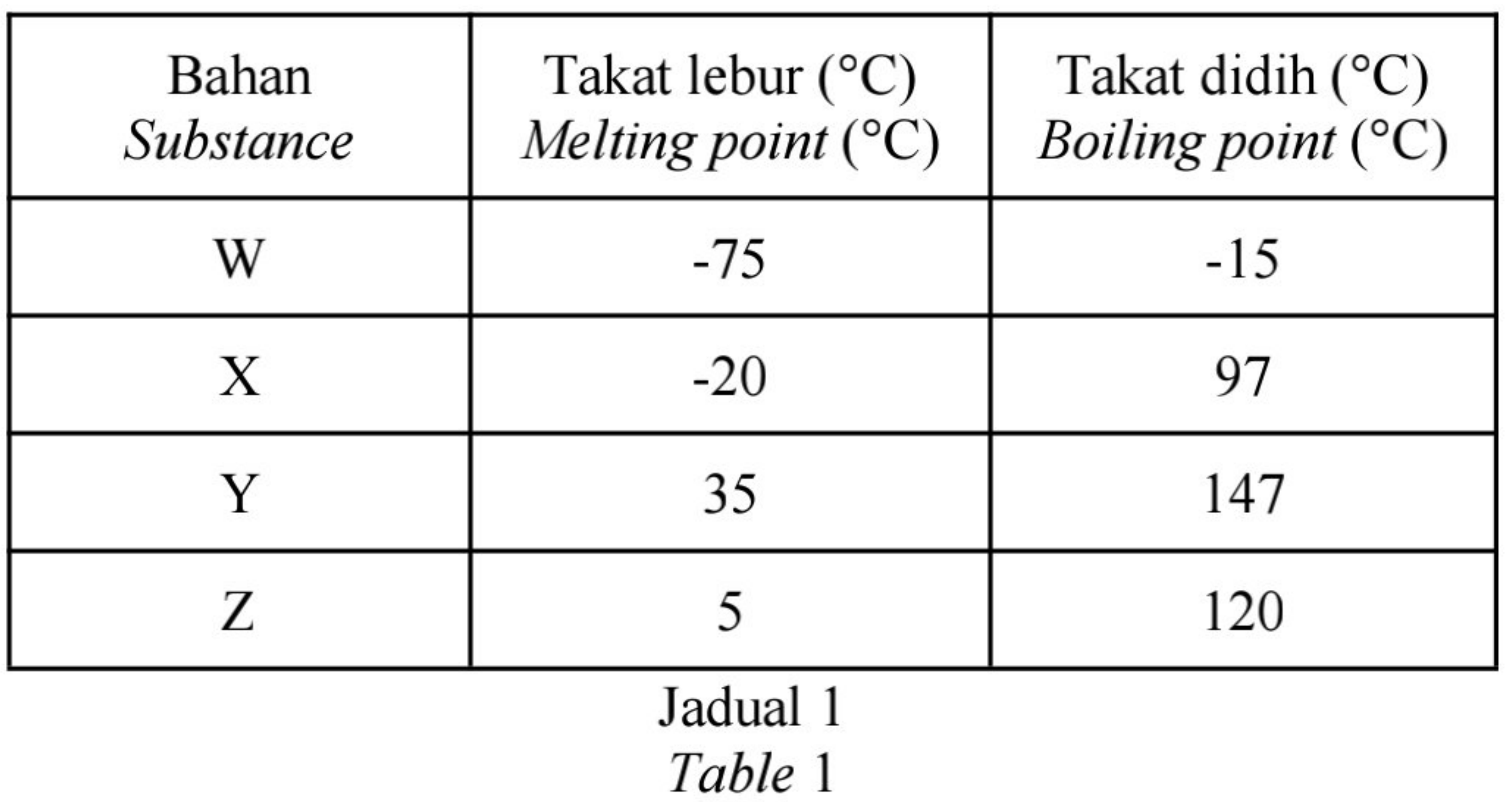
Table 1 shows the melting and boiling points of substances P, Q, R and S. P: melting -75 °C, boiling -15 °C. Q: melting -20 °C, boiling 97 °C. R: melting 35 °C, boiling 147 °C. S: melting 5 °C, boiling 120 °C. Which substances is a liquid at room temperature?
Medium
Which of the following pairs are matched correctly? (Columns: Atom / Ion / Molecule)
Medium
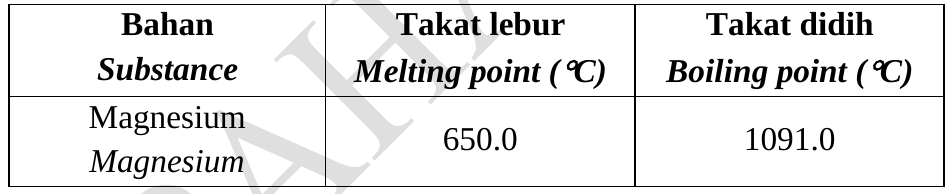
Table 2 shows melting points and boiling points of magnesium: melting point 650.0 °C, boiling point 1091.0 °C. What is the physical state of magnesium at 700 °C?
Easy
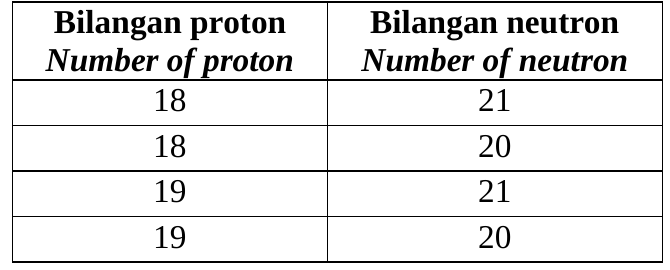
Nucleon number for atom X is 39 and the electron arrangement for ion X⁺ is 2.8.8. What is the number of proton and neutron for atom X?
A 18, 21; B 18, 20; C 19, 21; D 19, 20 (proton, neutron)
Medium
Where is the position of electron in the structure of an atom?
Easy
Who discovered proton?
Easy
Which of the following atoms has three valence electrons?
Medium
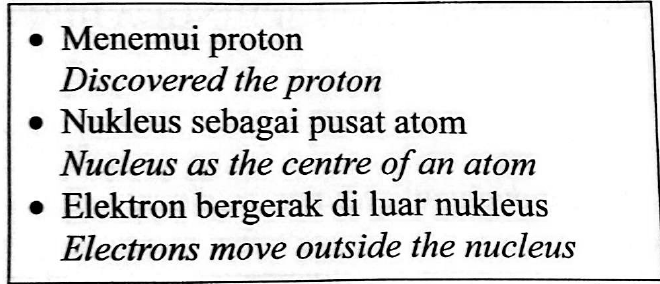
The following statement refers to the contribution of a scientist in the development of ideas about atomic structure: discovered the proton; nucleus as the centre of an atom; electrons move outside the nucleus. Who is the scientist?
Medium
Who discovered neutrons?
Easy
Which of the following is the use of phosphorus-32?
Easy
Which of the following substances exists as atoms?
Medium
Geiger miller is an apparatus which is used to detect an isotope. The isotope is added into the fertilizer to study the metabolism rate of plant. What is the isotope?
Easy
Which of the following is correct? (Scientist – Discovered)
Easy
Diagram 1 shows the arrangement of particles in three states of matter at room temperature. What are substances P, Q and R at room temperature? (P: particles far apart; Q: particles randomly arranged, close; R: particles closely packed in order)
Medium
Y⁺ ion has 12 neutrons and 10 electrons. Which of the following is the proton number and nucleon number for atom Y? (Proton number – Nucleon number)
Medium
Which of the following processes physical change from liquid to gas?
I Boiling
II Condensation
III Evaporation
IV Sublimation
Medium
Which of the following is the use of the isotope iodine-131?
Easy
Which of the following substances is made up of one type of atom only?
Easy
Who discovered neutrons?
Easy
Table 1 shows the melting and boiling points of substances W, X, Y and Z: W -75 °C, -15 °C; X -20 °C, 97 °C; Y 35 °C, 147 °C; Z 5 °C, 120 °C (melting point, boiling point). Which substance is a liquid at room temperature?
Medium
The following statement describes the subatomic particle Q. The relative charge is neutral. The relative mass is 1. Located in the atomic nucleus. What is Q?
Easy
Diagram 1 shows the particle arrangement for the change of state of matter (widely spaced particles in gas state changing to closely packed regular arrangement in solid state). Which of the following is Process X?
Easy
Diagram 1 shows a statement of a scientist: "Nucleus contains neutrons that has no charge and the mass almost equal to protons." Who is the scientist?
Easy
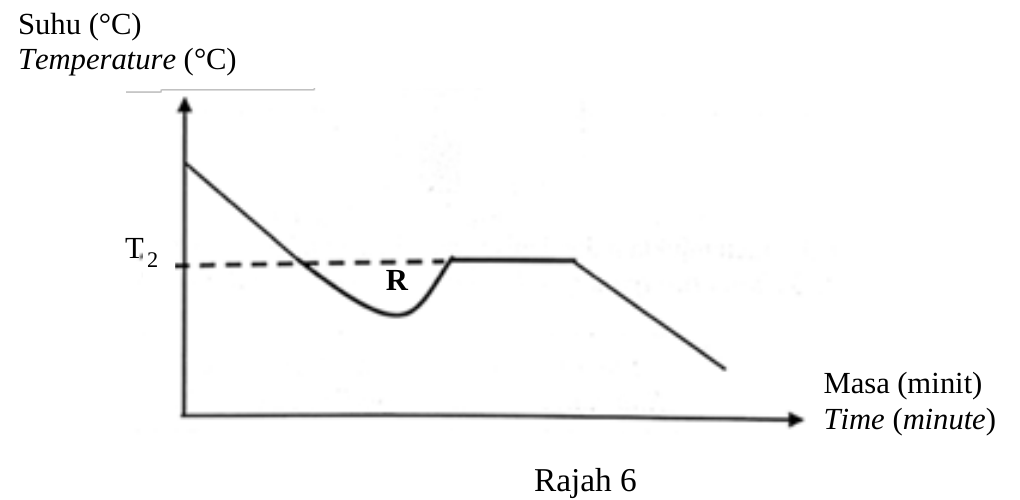
Diagram 6 shows graphs of cooling curves of naphthalene plotted by a student (temperature against time; the curve dips below T2 at R before rising back to the freezing plateau). Which of the following phenomena occur at R?
Medium
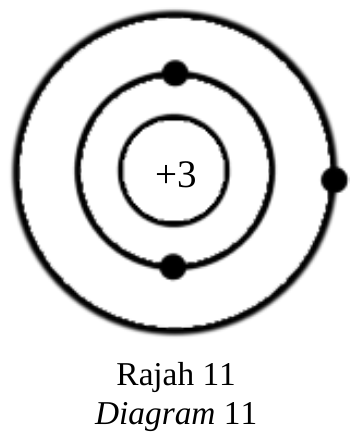
Diagram 11 shows the structure of an atom (nucleus +3, with 3 electrons in two shells). Which statement is true based on Diagram 11?
I Atom X has 3 electrons
II Atom X has +3 charge
III Atom X has no neutron
IV Atom X is neutral
Medium
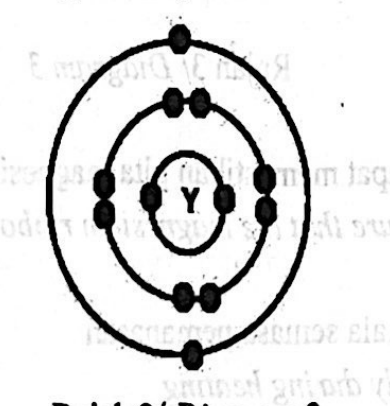
Diagram 1 shows the electron arrangement of an atom of element Q.
What is the number of valence electrons in atom Q?
Medium
Which of the following uses of carbon-14 isotope?
Easy
Diagram 2 shows the arrangement of particles of a substance that undergo change in the physical state through process Y (solid to gas). Which of the following substances undergo process Y? I Bromine II Iodine III Chlorine IV Naphthalene
Medium
Which of the following substance is an element?
Easy
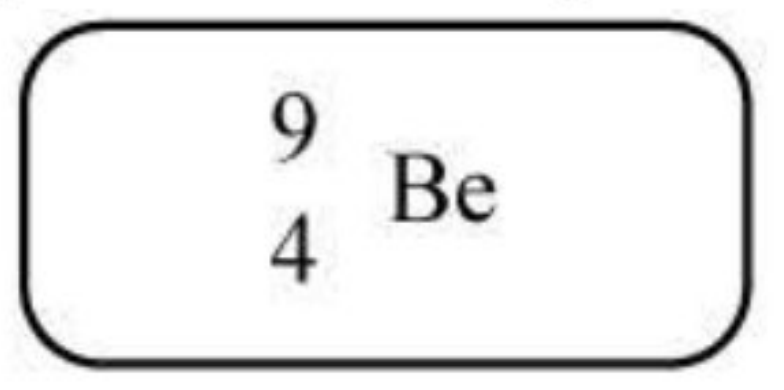
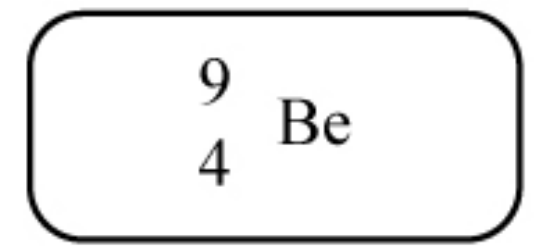
Diagram 3 shows the standard representation symbol of beryllium atom (nucleon number 9, proton number 4, symbol Be). What is the number of valence electron for beryllium atom?
Medium
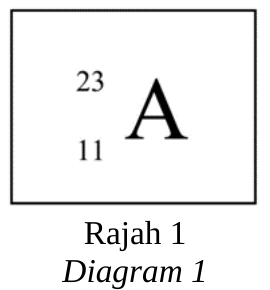
Diagram 1 shows the standard representation of element A (23 on top, 11 at the bottom). Number 23 refers to
Easy
Substance A has melting point of -94.0 °C and boiling point of 65.0 °C. What is the state of matter of Substance A at room temperature?
Medium
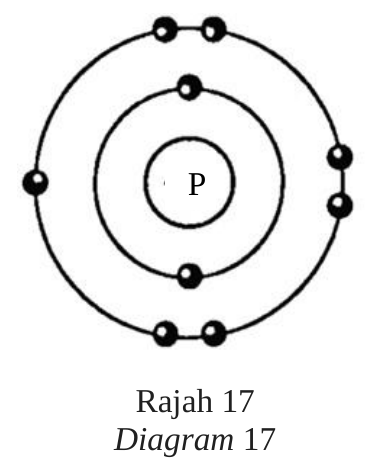
Diagram 17 shows the electron arrangement of atom P (three shells). Which of the following is correct to explain about atom P?
Medium
Which of the following is an element?
Easy
Which of the following is the use of iodine-131 isotopes?
Easy
Which substance undergoes sublimation when heated?
Easy
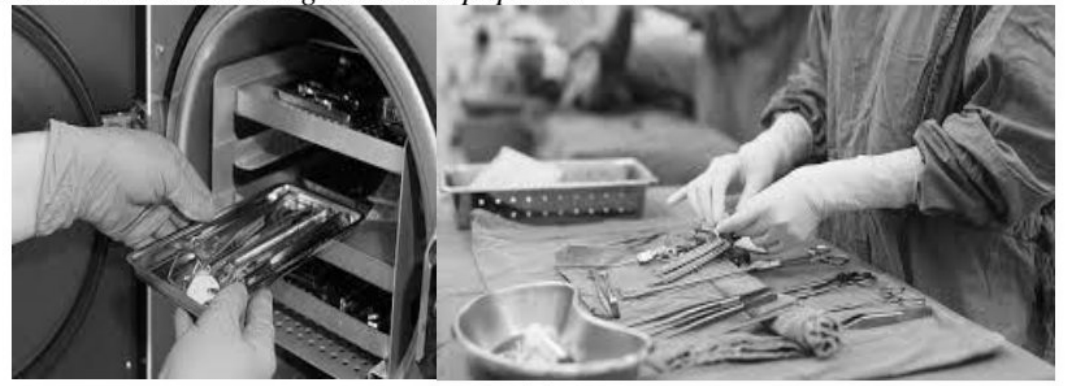
Diagram 5 shows sterilising medical equipment. Which of the following isotope is used to sterile medical equipment?
Easy
Which of the following substances is an element?
Easy
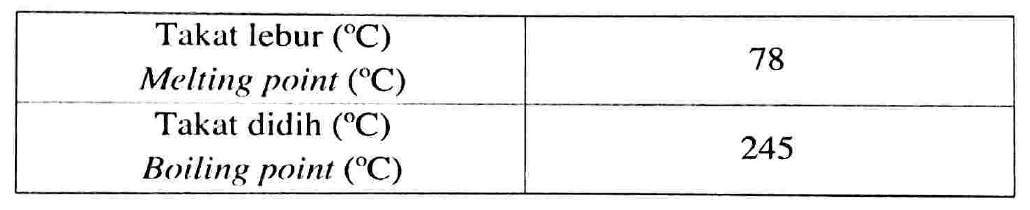
Table 17 shows the melting point and boiling point of substance P: melting point 78 °C, boiling point 245 °C. What is the physical state of substance P at 100 °C?
Medium
Diagram 31 shows the standard representation of atom of element X: ¹²₆X. Which of the following shows the structure of atom X?
Medium
What is the type of particles of neon?
Easy
Which of the following isotopes is used to detect the leakage of underground pipe?
Easy
M and N are two different elements.
Which of the following statements is correct about the atoms of elements?
Medium
Mr. Aaron found that the dry ice in the box of ice cream cake change into fumes.
What is the process and heat energy change occurred to the dry ice?
Medium
Which of the following substances exist as molecule at room temperature?
Medium
Who is the scientist that discovered electron?
Easy
Element X has a boiling point of -34 °C. What is the physical state of element X at room temperature?
Medium
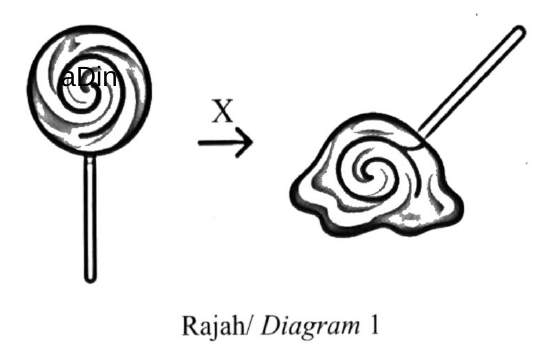
Diagram 1 shows a situation where a candy is placed under sunlight. What is process X?
Easy
Which of the following matches is correct about neutron?
Relative charge / Relative mass
A: -1 / 0
B: 0 / 1
C: 0 / 0
D: +1 / 1
Easy
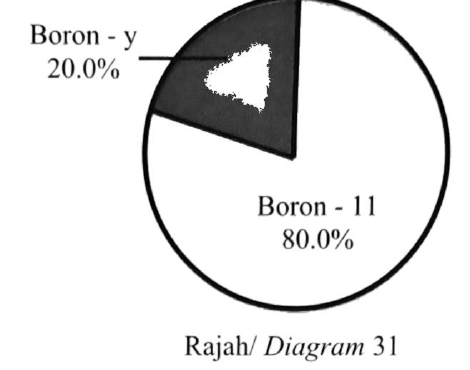
Diagram 31 shows the natural abundance of two isotopes of an element: Boron-y 20.0% and Boron-11 80.0%. What is the value of y? [Relative atomic mass: B = 10.8]
Medium
What is the meaning of isotopes?
Easy
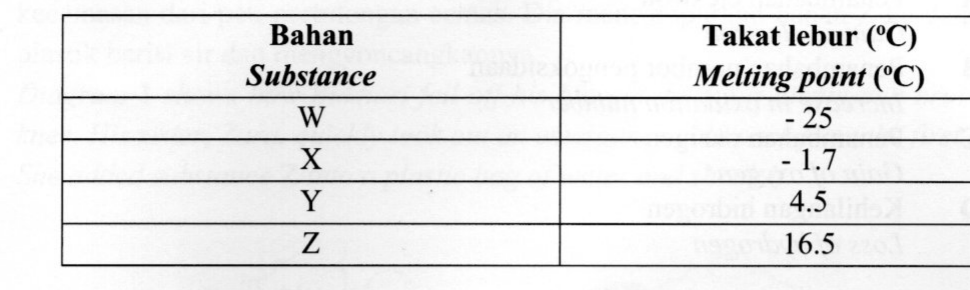
Table 1 shows the melting points for a few substances. Referring to Table 1, which of the following substances is solid at 5°C? (W: −25 °C; X: −1.7 °C; Y: 4.5 °C; Z: 16.5 °C)
Easy
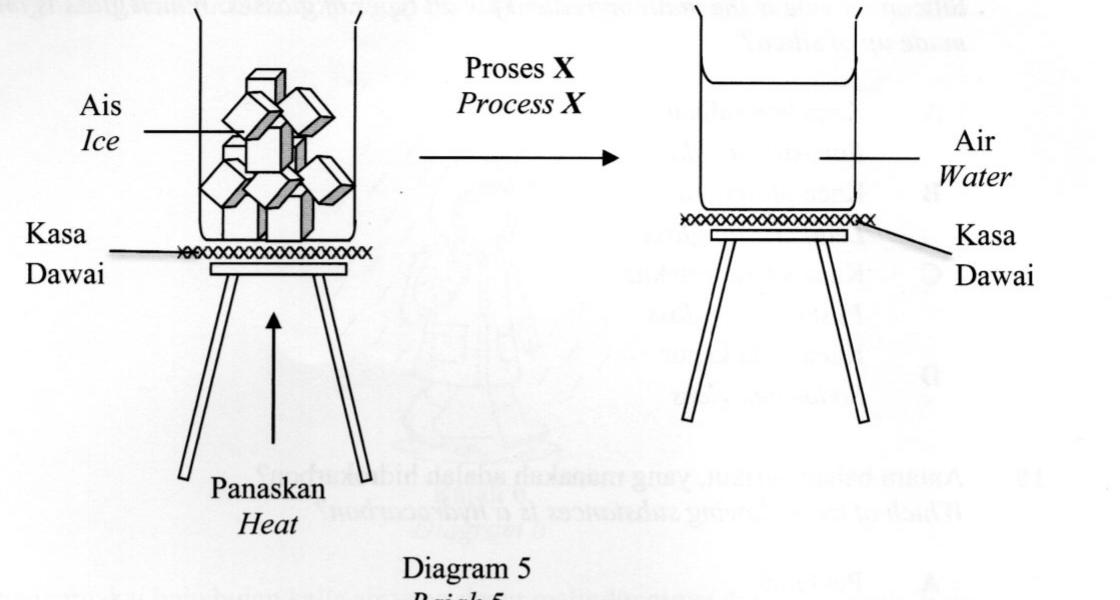
Diagram 5 shows the change in physical state of ice cubes (ice heated on a gauze becomes water). What is process X?
Easy
Diagram 1 shows the standard representation symbol of beryllium atom (nucleon number 9, proton number 4, symbol Be). What is the number of valence electron for beryllium atom?
Easy
Carbon-12 and carbon-14 are isotopes. What is the similarities do both atoms have? I Number of protons; II Number of neutrons; III Physical properties; IV Chemical properties
Medium
A calcium atom has 20 protons and its nucleon number is 40. A calcium ion, Ca²⁺ is formed when a calcium atom donates 2 electrons. How many neutrons in a calcium ion, Ca²⁺?
Medium
Discovered neutral particles, that are neutrons in the nucleus. Neutrons contribute almost half of the mass of an atom. The statements above show the information of an atomic structure model. Who are the scientists who identify this?
Easy
Which of the following inter-conversions of matter causes the kinetic energy of particles to increase?
Medium
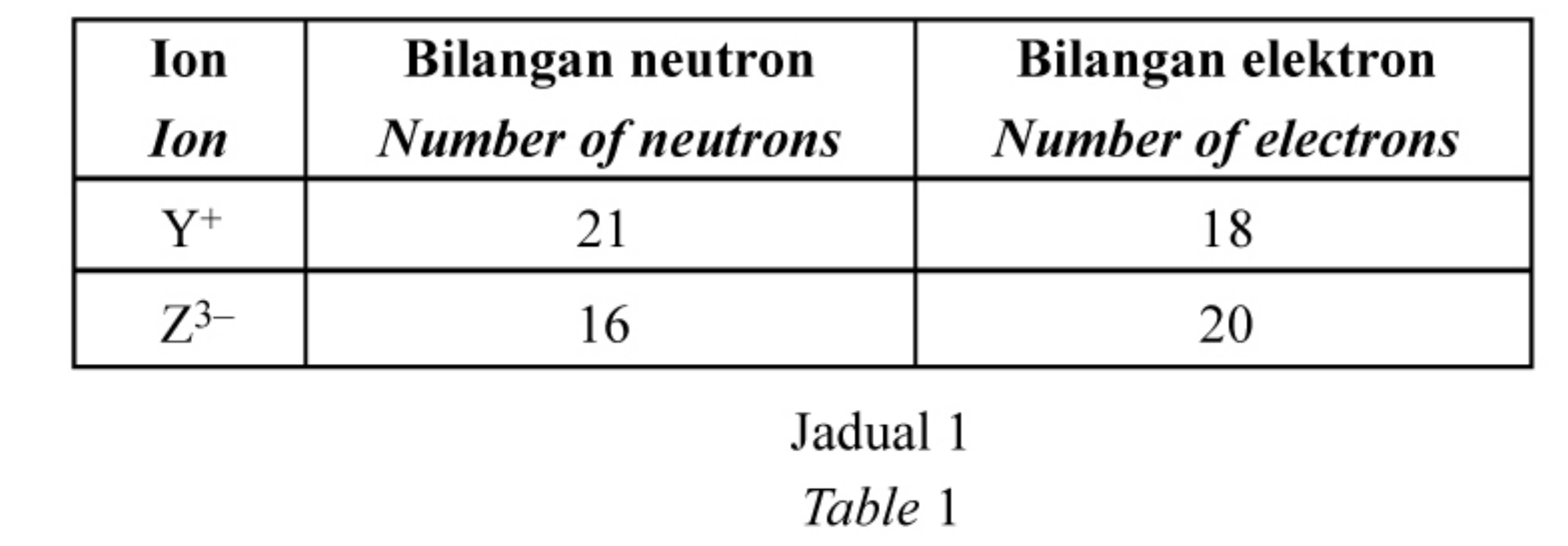
Table 1 shows the number of electrons and neutrons of ion Y⁺ and ion Z³⁻. Which of the following is the correct electron arrangement of atom Y and atom Z?
Table 1: Y⁺ — neutrons 21, electrons 18; Z³⁻ — neutrons 16, electrons 20.
Medium
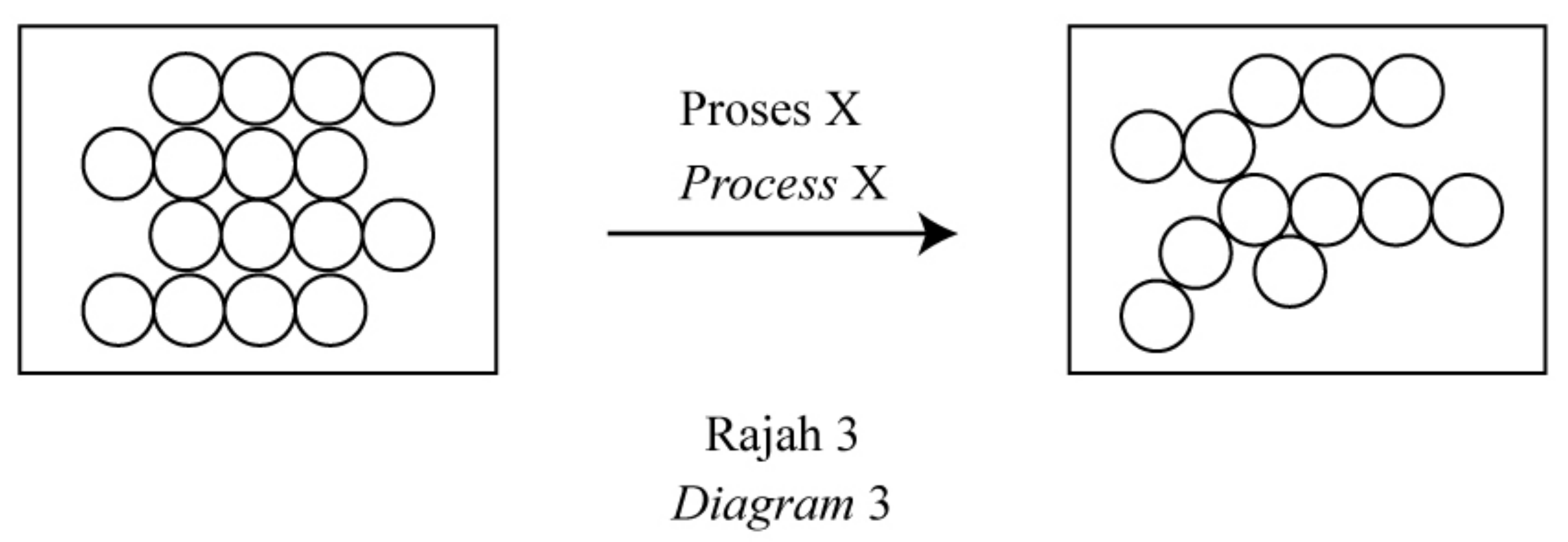
Diagram 3 shows the particles arrangement for the change of state of matter. Which of the following is process X?
Medium
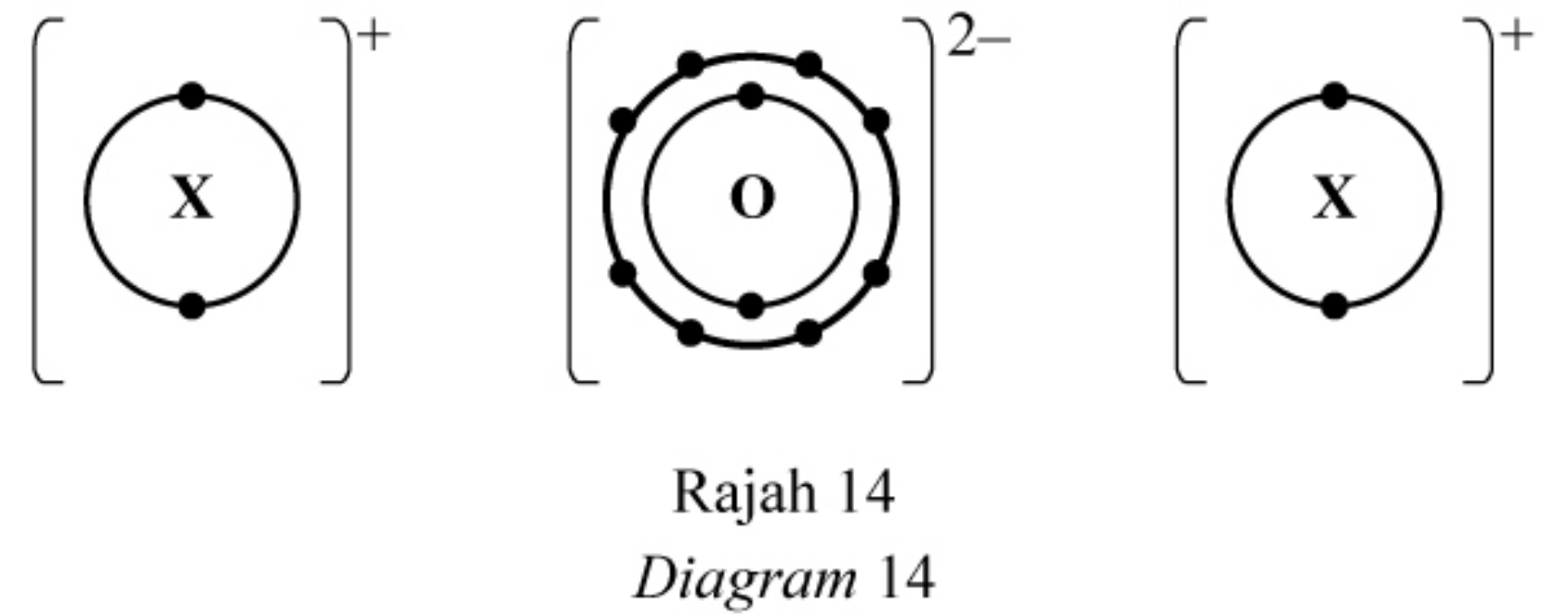
Diagram 14 shows the electron arrangement of a compound. What are the proton number of atoms X and O?
Medium
A silver atom has 47 protons and its nucleon number is 108. A silver ion, Ag⁺ is formed when a silver atom donates 1 electron. How many neutrons in a silver ion, Ag⁺?
Medium
Statements: Discovered negatively-charged particles called electrons; Atom is a positively-charged sphere with several electrons in it. The statements above show the information of an atomic structure model. Which scientist identified it?
Easy
Which of the following substances is made up of one type of atom only?
Easy
Which inter-conversion of matter causes the kinetic energy of particles to decrease?
Easy
Which of the following is an example of matter?
Easy
Diagram 6 shows the particles arrangement for the change of state of matter (closely packed regular arrangement changes to particles further apart, still touching, irregular). Which of the following is process X?
Easy
Element Q reacts with oxygen to form a compound with formula QO₂. What is the correct electron arrangement of Q? [Proton number: O = 8]
Medium
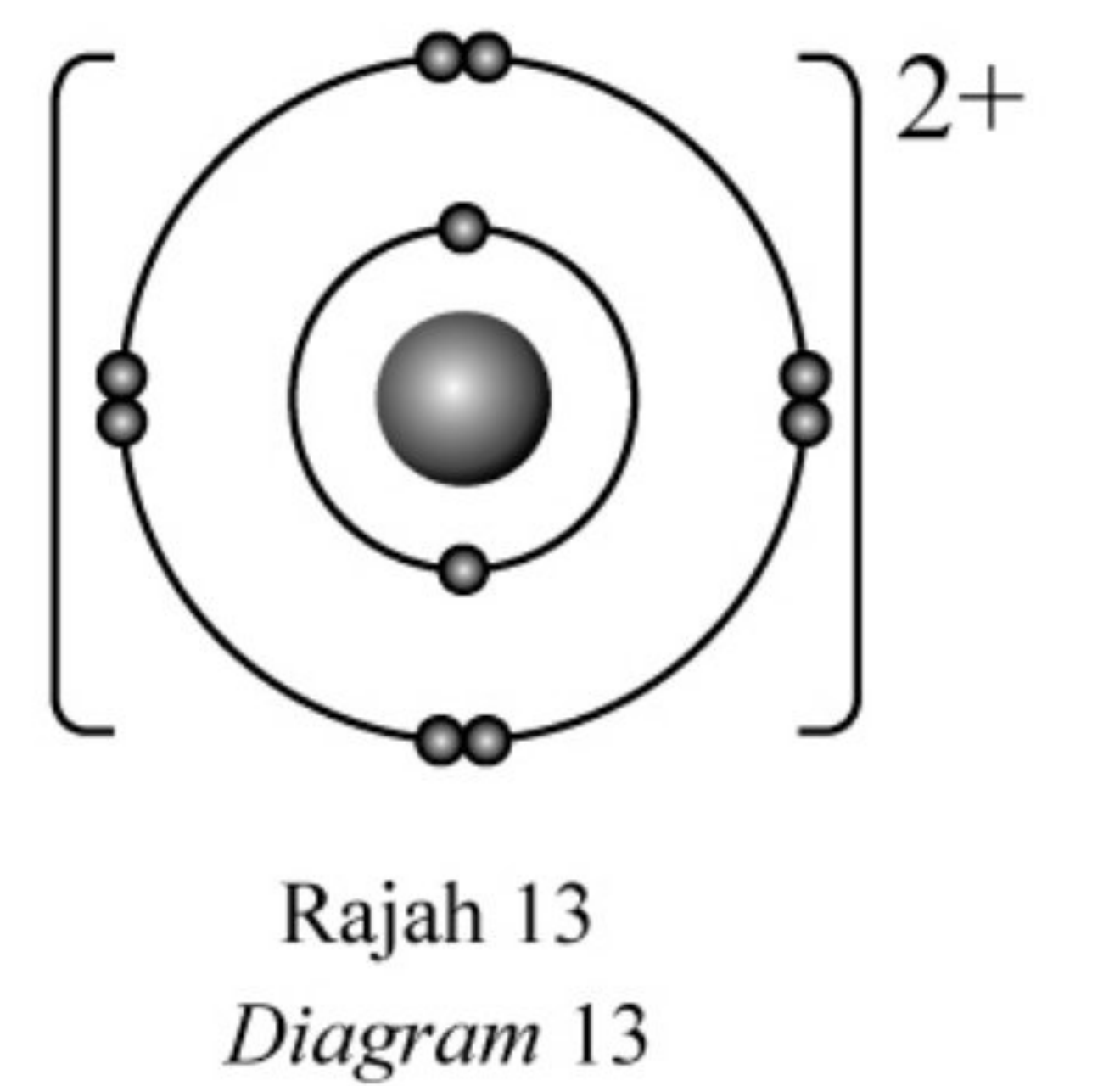
Diagram 13 shows electron arrangement of the Y ion (Y²⁺, with 2 electrons in the first shell and 8 in the second shell). What is the number of valence electron for atom Y?
Medium
What is the types of particles and the state of matter of acetamide at room conditions?
Easy
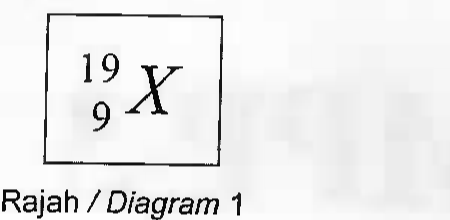
Diagram 1 shows the atomic symbol of element X (19 over 9, X). Which of the following represents 19?
Easy
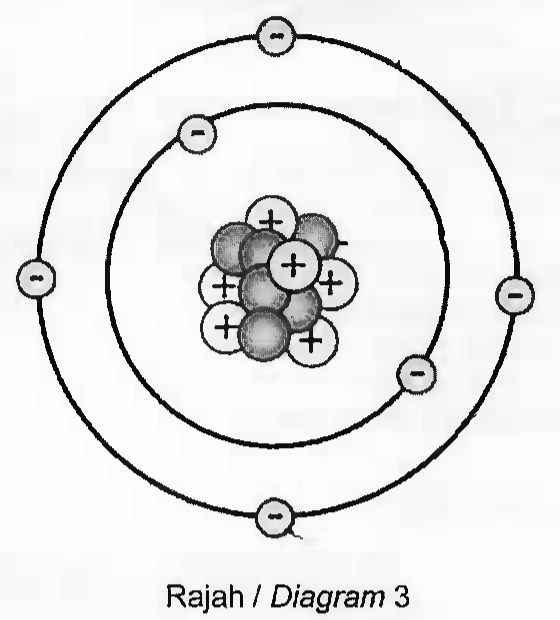
Diagram 3 shows structure of atom. Where is the position of proton in the structure of the atom?
Easy
Table 1 shows the number of protons, neutrons and electrons for particles F and G.
F: protons 12, neutrons 12, electrons 12
G: protons 19, neutrons 20, electrons 18
Which of the following is true about particles F and G?
Medium
Which of the set-up apparatus is correct to determine the melting point of acetamide?
Medium
Where are the valence electrons located in an atom?
Easy
Compound D undergoes deposition process. Which of the following shows the conversion of states of matter of the compound D?