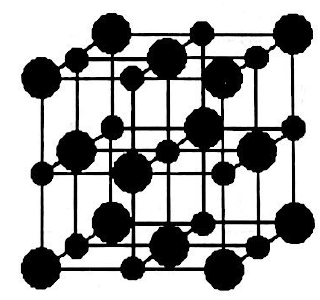
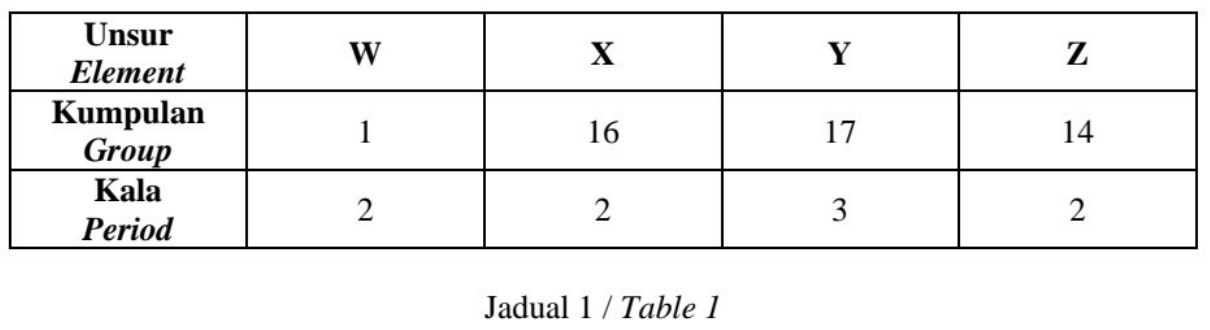
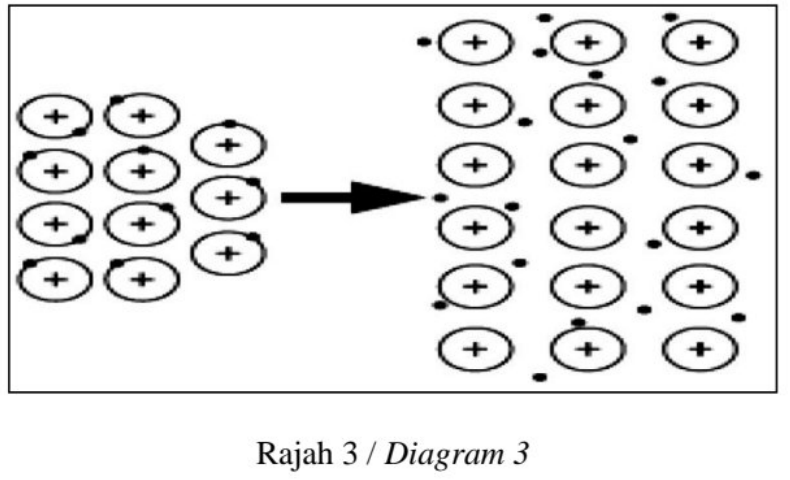
Diagram 3 shows the lattice structure of an ionic compound.
Which substance is likely to have such structure?
Medium
Which of the following compounds hydrogen bond does not exist?
Easy
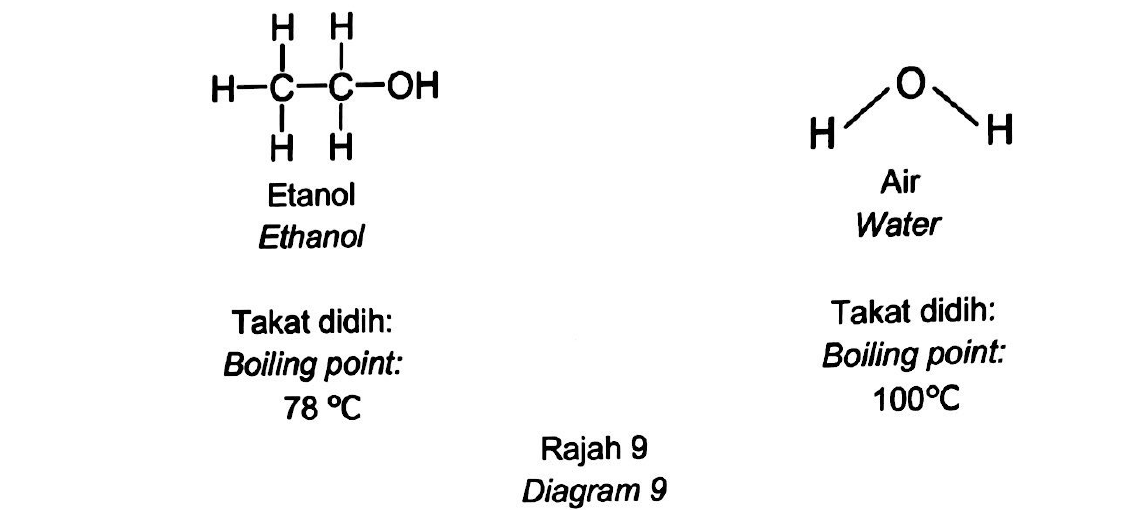
Diagram 9 shows the structure and boiling points of ethanol and water which are commonly used as solvent.
Which of the following statements is the most accurately explain the difference in boiling points of water and ethanol?
Medium
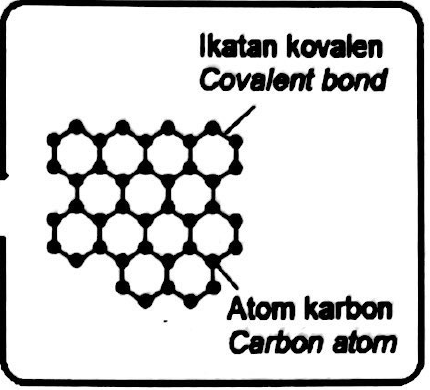
Diagram 12 shows a smartphone battery which is made from material Q.
Which of the following is material Q?
Easy
Which compound is a covalent compound?
Medium
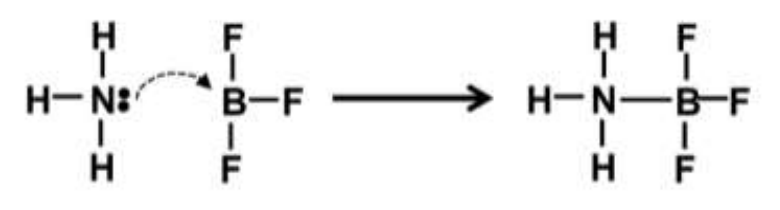
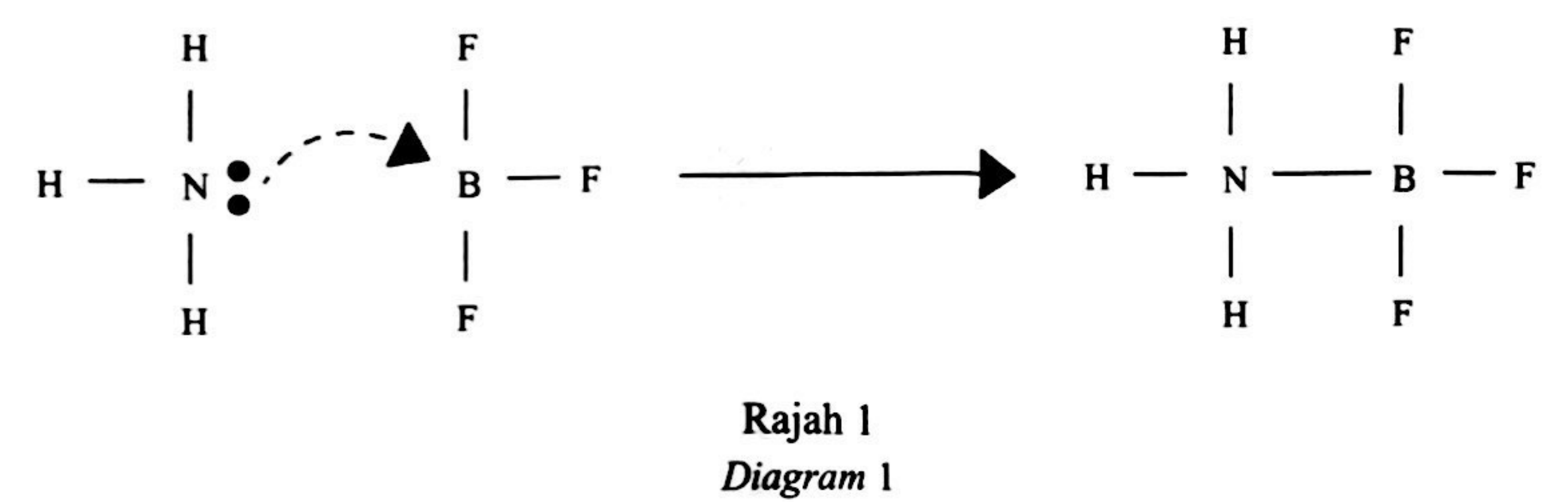
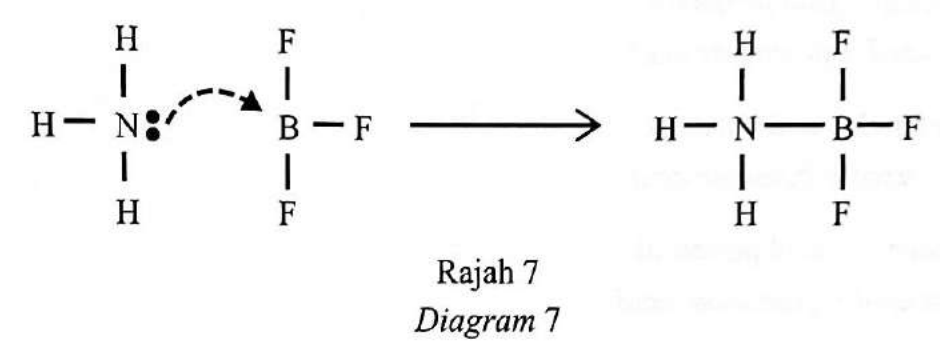
Diagram 19 shows the formation of ammonia boron trifluoride when ammonia NH₃ reacts with boron trifluoride BF₃. What is the chemical bond shown in Diagram 19?
Easy
Element S and T react to form a covalent compound with formula ST₂. Which of the following is true?
Electron arrangement of atom S / atom T
Medium
When the hair is wet, it will stick to each other. This explains the concept and role of a Q bond in everyday life. State the Q bond. Which statement describes the formation of a Q bond?
A Dative bond: strong electrostatic forces form bonds with water molecules
B Dative bond: the lone pair of electrons in water molecule will be shared with hydrogen ion
C Hydrogen bond: weak Van der Waals forces in water molecules
D Hydrogen bond: protein molecules will form bonds with water molecules
Medium
What is the type of chemical bond in sodium carbonate?
Medium
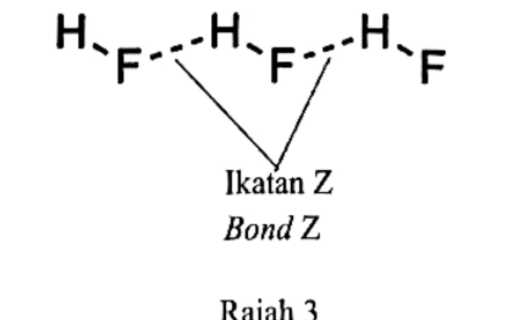
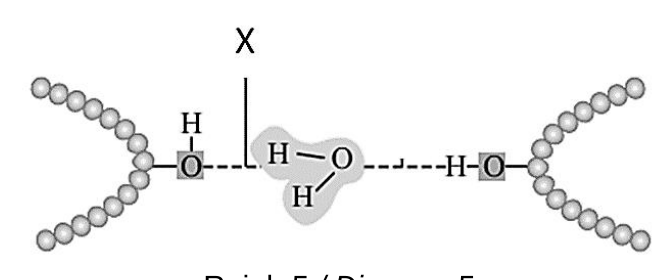
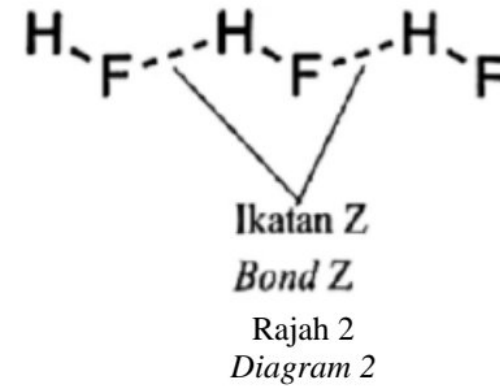
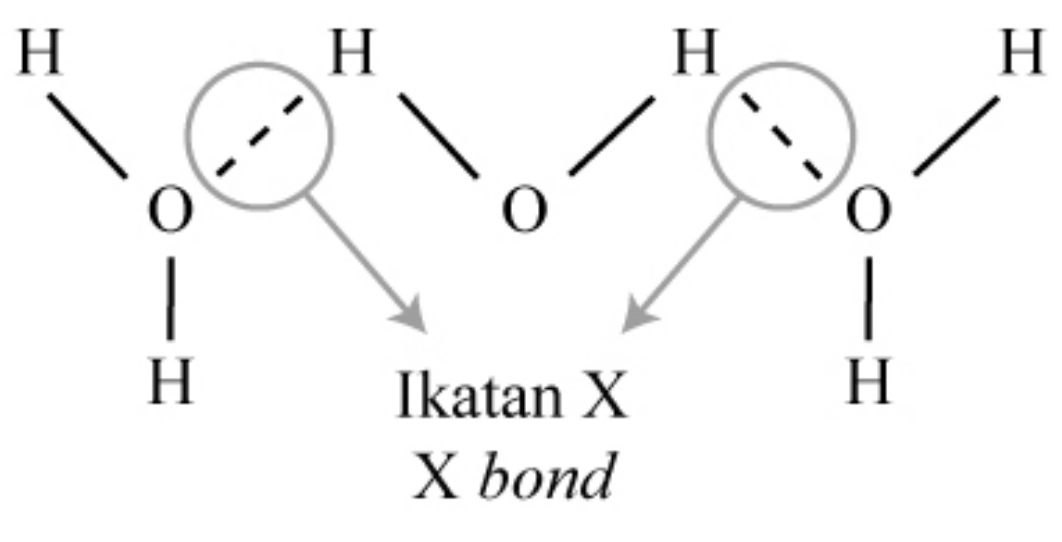
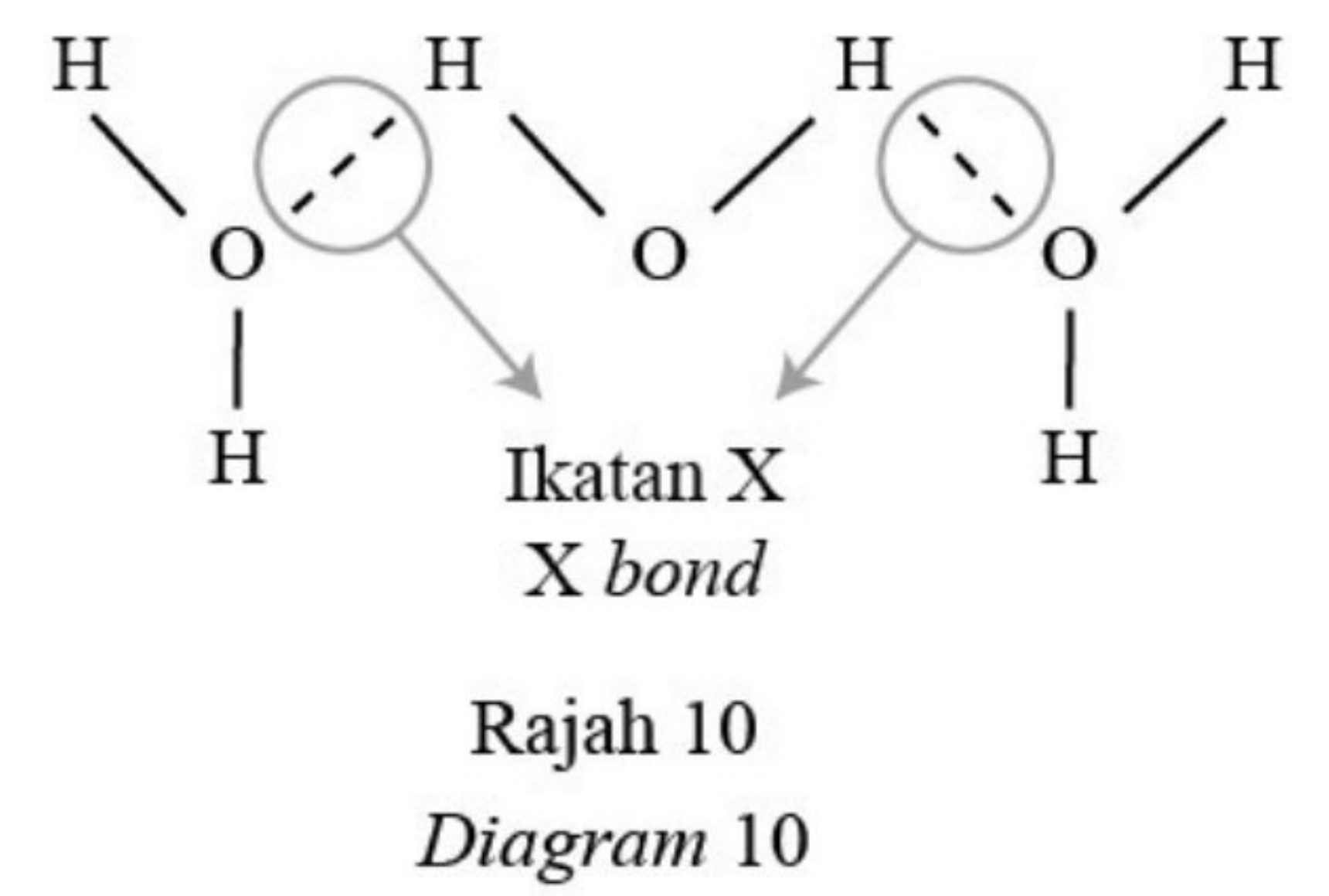
Diagram 3 shows a compound with bond Z (dotted bond between H and F of neighbouring HF molecules). What is bond Z?
Medium
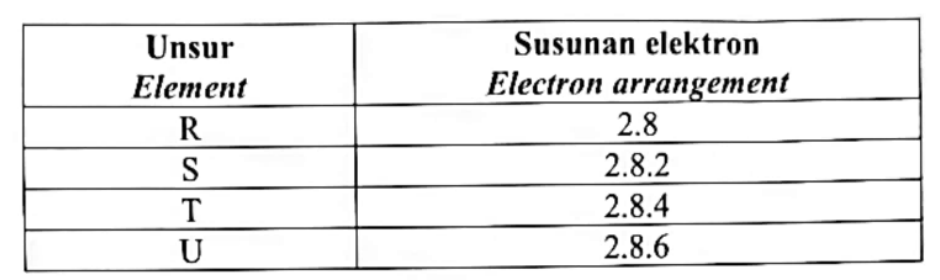
Table 1 shows the electron arrangement of four elements (R 2.8; S 2.8.2; T 2.8.4; U 2.8.6). Which of the following elements will form metallic bond?
Medium
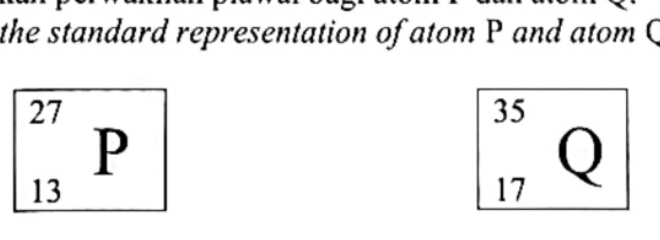
Diagram 13 shows the standard representation of atom P (²⁷₁₃P) and atom Q (³⁵₁₇Q). Calculate the relative molecular mass of the compound formed when atom P forms a bond with atom Q.
Medium
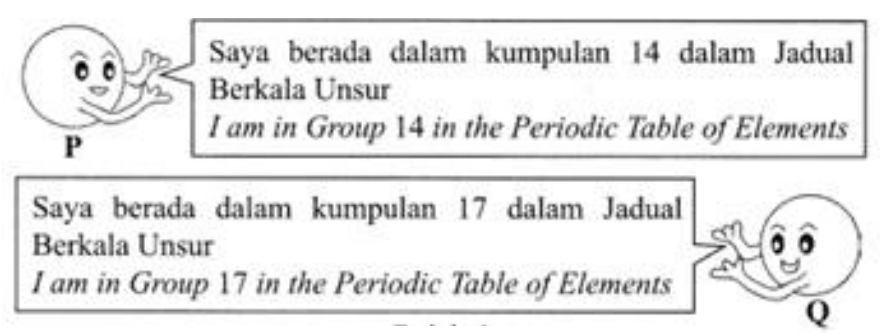
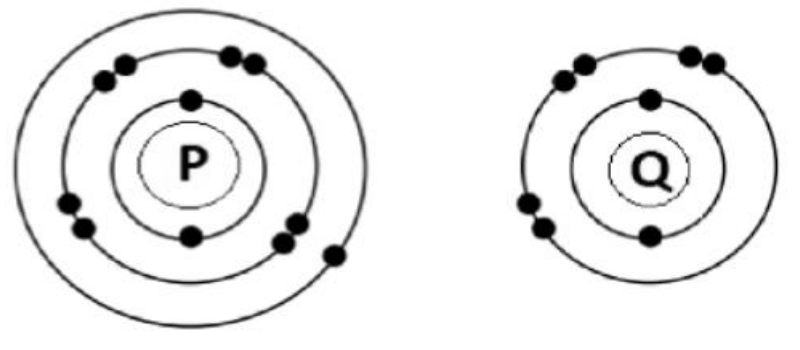
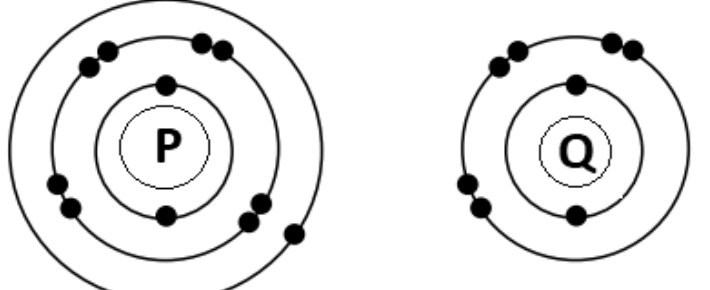
Diagram 2 shows an illustration between atom P and atom Q. Atom P says: 'I am in Group 14 in the Periodic Table of Elements'. Atom Q says: 'I am in Group 17 in the Periodic Table of Elements'. What is the type of chemical bond that will be formed between atom P and atom Q?
Medium
Which of the following illustrations shows the formation of hydrogen bond between molecules?
Medium
Which of the following particles are formed from a dative bond? I H₃O⁺ II NH₄⁺ III NO₃⁻ IV CH₃COO⁻
Medium
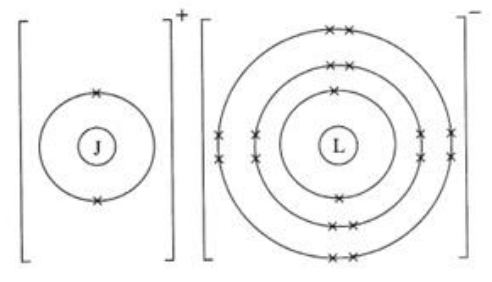
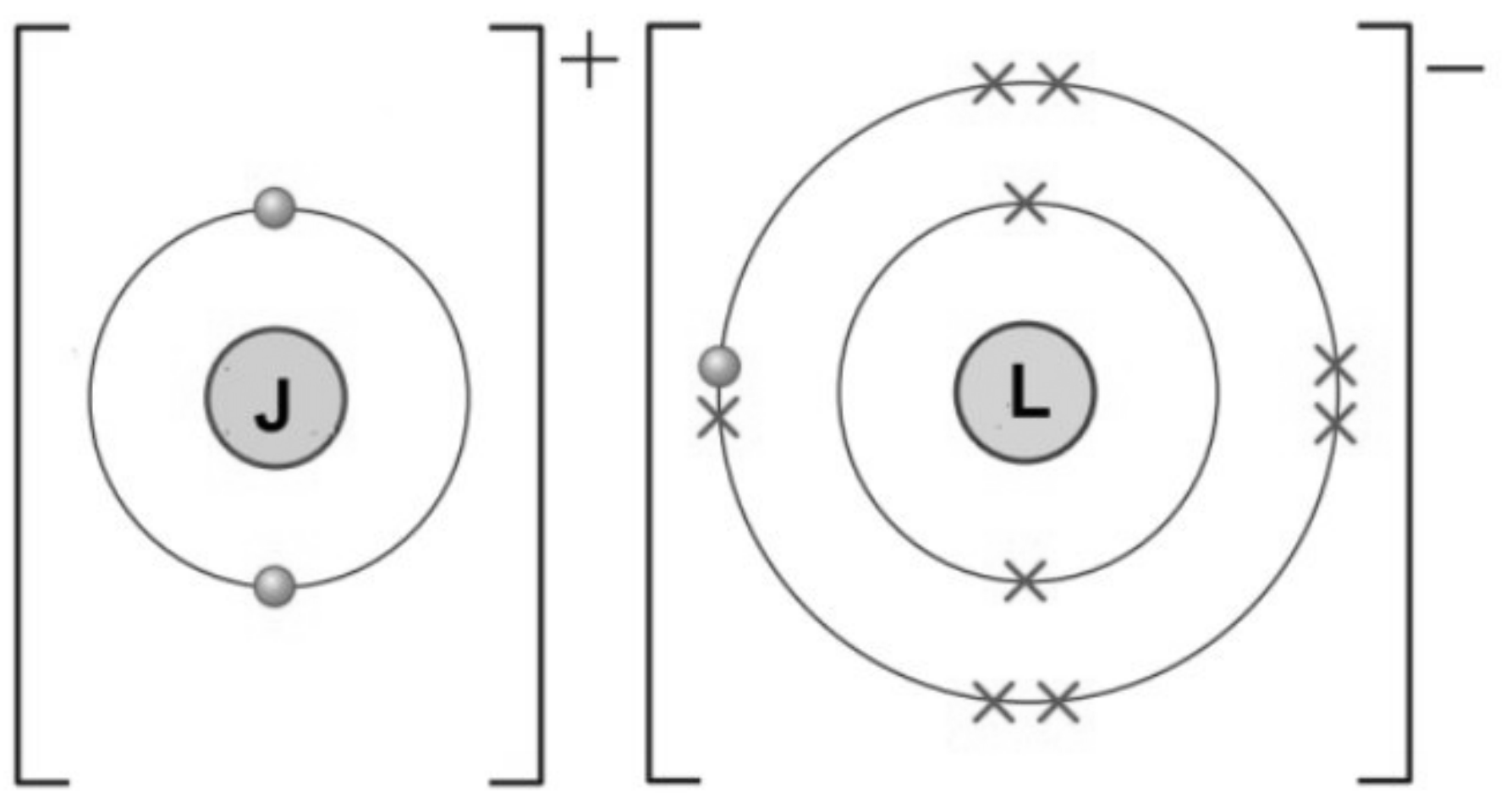
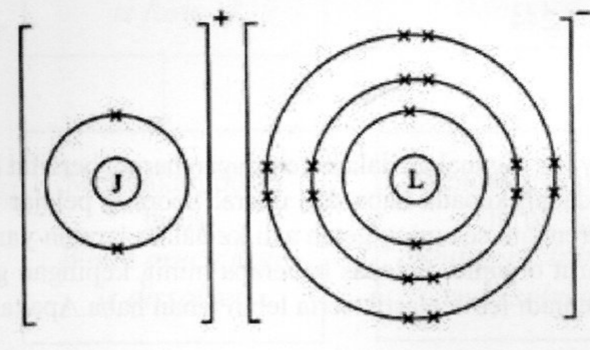
Diagram 4 shows the electron arrangement in compound JL (J⁺ with 2 electrons in one shell; L⁻ with electron arrangement 2.8.8). Which elements are represented by J and L? A J: Lithium, L: Sulphur B J: Lithium, L: Chlorine C J: Beryllium, L: Oxygen D J: Magnesium, L: Oxygen
Medium
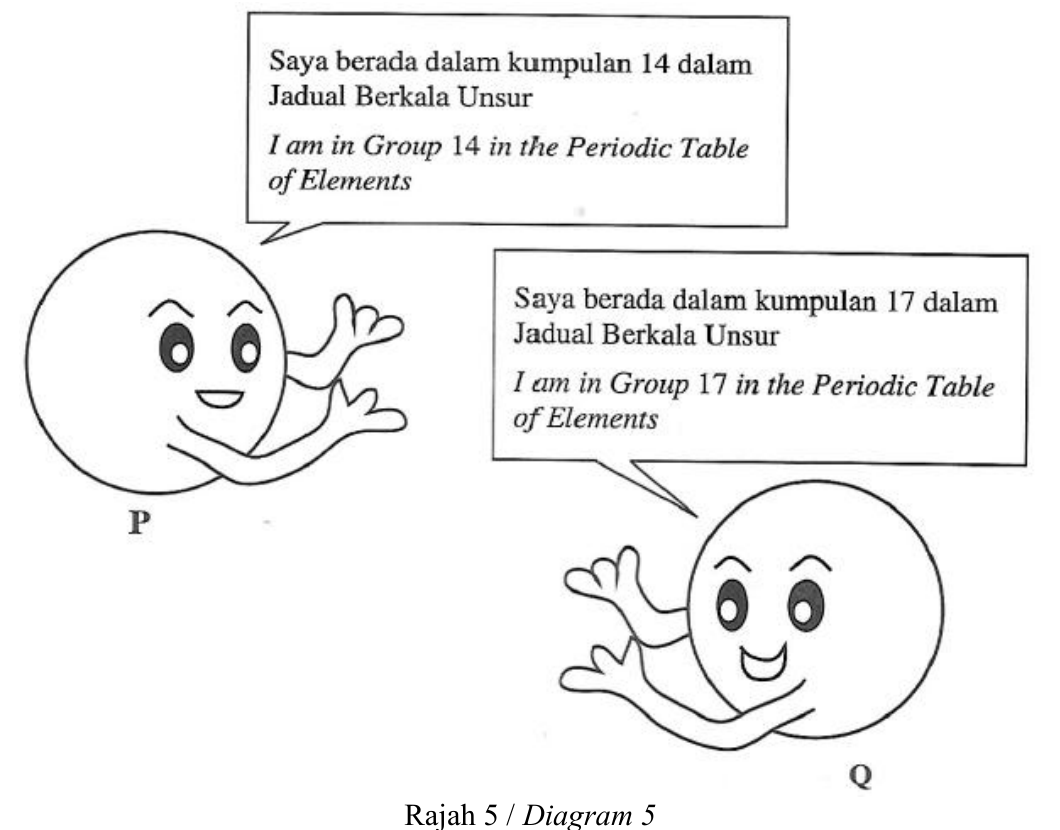
Diagram 5 shows an illustration of conversation between atom P and atom Q. P says: I am in Group 14 in the Periodic Table of Elements. Q says: I am in Group 17 in the Periodic Table of Elements. What is the type of chemical bond that will be formed between atom P and atom Q?
Medium
What type of chemical bond is formed through the transfer of electrons between metal atoms and non-metal atoms?
Easy
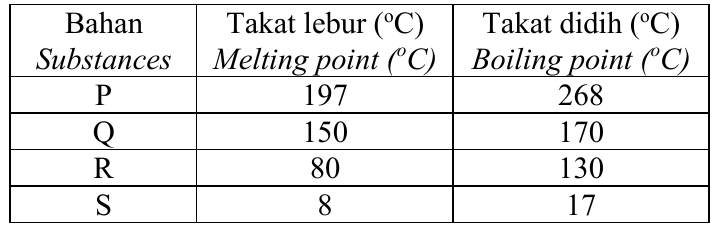
Table 18 shows the melting point and boiling point of substances P, Q, R and S: P 197 °C / 268 °C; Q 150 °C / 170 °C; R 80 °C / 130 °C; S 8 °C / 17 °C (melting point / boiling point). Which substance melts when put into a boiling water?
Medium
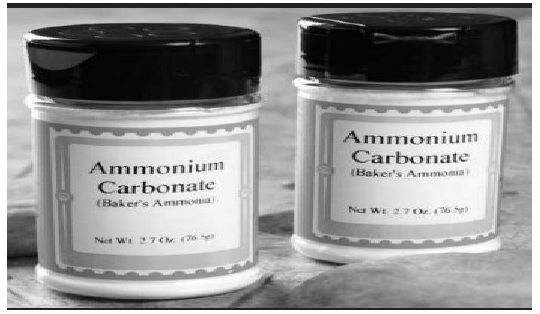
Diagram 21 shows ammonium carbonate powder that is stored in a bottle. Which of the following is the physical properties of ammonium carbonate?
Medium
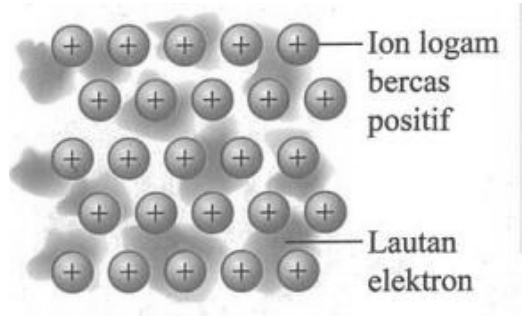
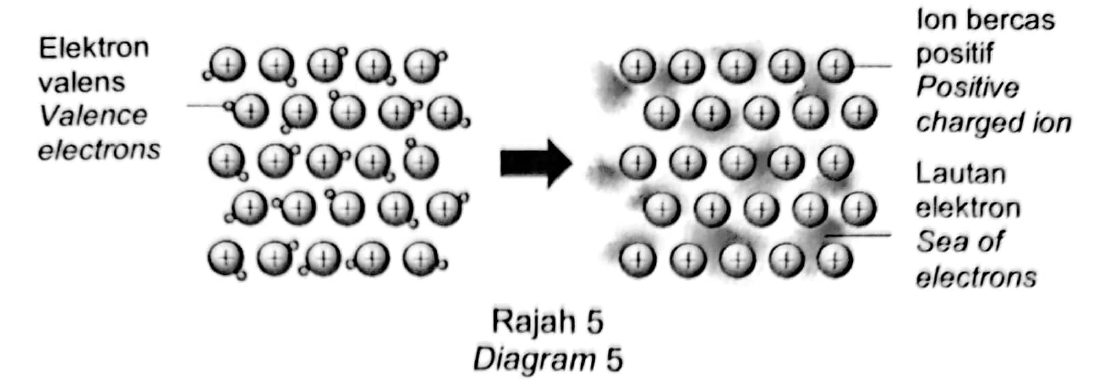
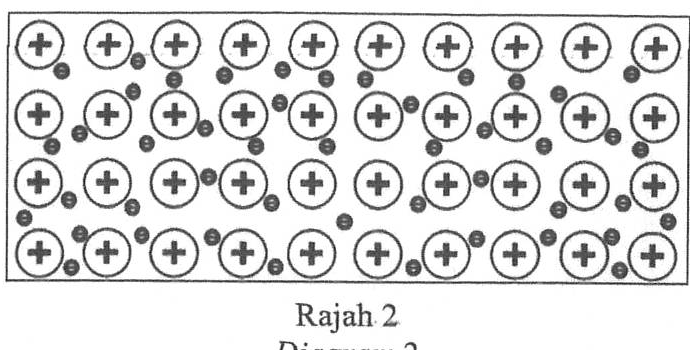
Diagram 27 shows positively charged metal ions in a sea of electrons. Which bond is suitable to explain the formation of bond in diagram 27?
Easy
Which statement best explains the formation of covalent bond?
Easy
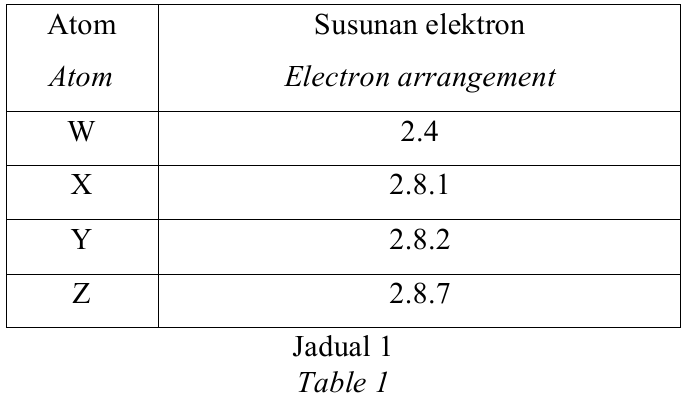
Table 1 shows the electron arrangements of atoms W, X, Y and Z (W 2.4; X 2.8.1; Y 2.8.2; Z 2.8.7). Which of the following pairs of atoms form a compound by sharing electrons?
Medium
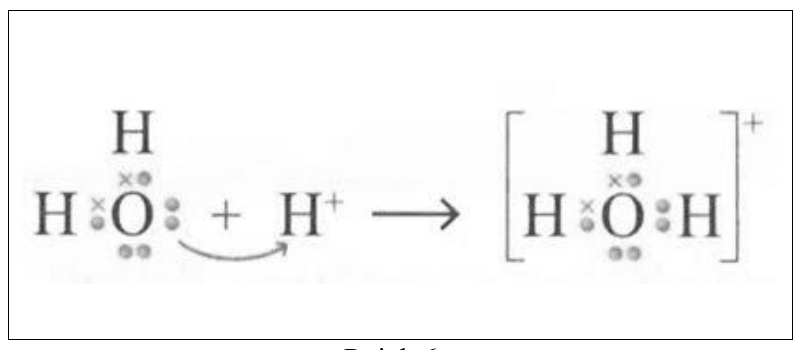
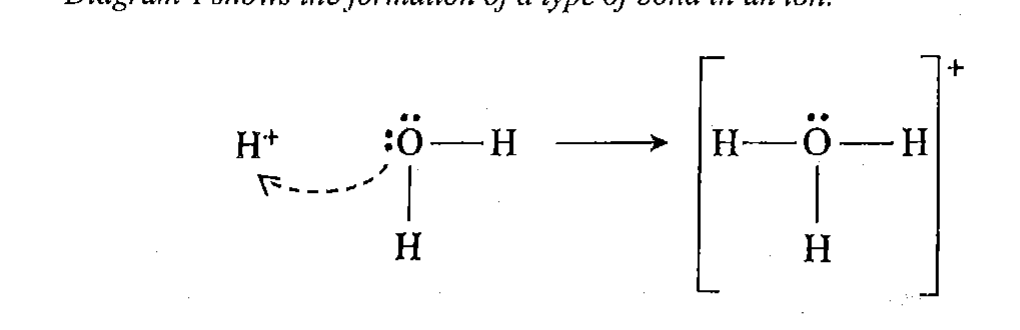
Diagram 6 shows the formation of a type of bond in an ion. What is the type of the bond?
Easy
Which of the following is the correct formula of an ion?
Easy
Which of the following compounds is formed through the sharing of electrons?
Medium
Which of the following substance consists of ions?
Easy
Diagram 5 shows a type of bond (positive charged ions in a sea of electrons; valence electrons shown). What is the name of the bond?
Easy
Which of the following statement about the formation of a dative bond is correct?
Medium
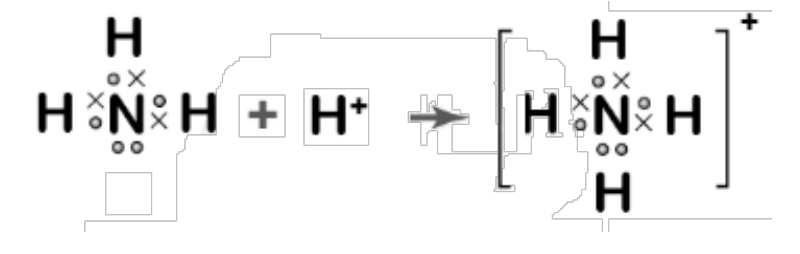
Diagram 5 shows the formation of a chemical bond of the nitrogen atom in ammonia, NH3 donates a pair of electrons to form a bond with the hydrogen ion, H+. What is the type chemical bond formed?
Medium
Which of the following is the property of ionic compound?
Easy
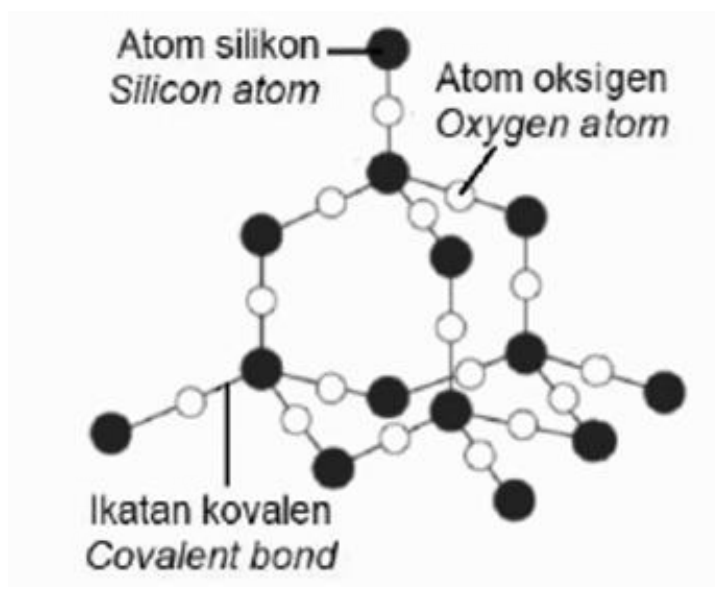
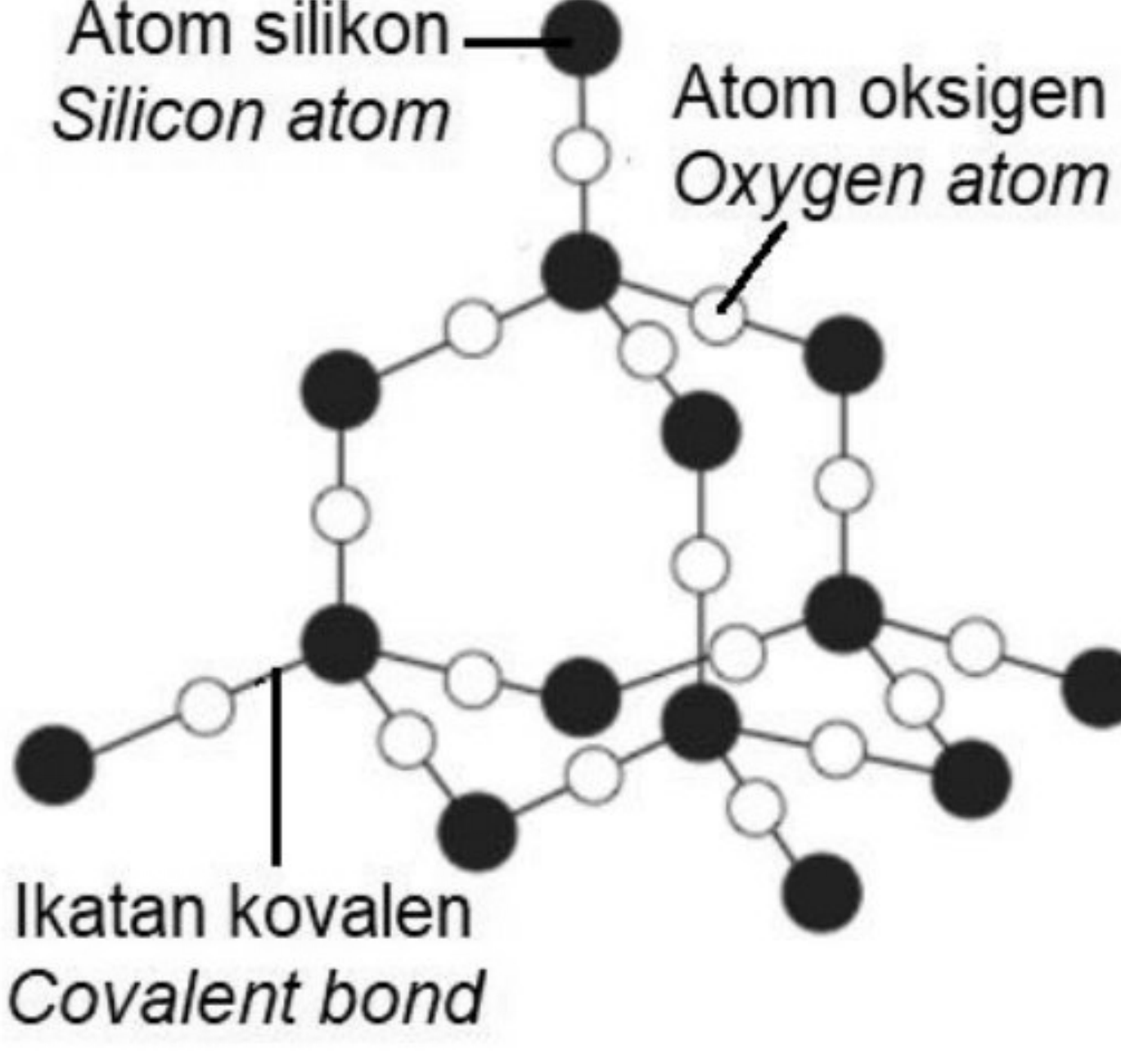
Diagram 21 shows the atom model of a compound (silicon atoms and oxygen atoms joined by covalent bonds in a giant network). Which of the following is correct about the compound?
Medium
Which particles combine to form a dative bond?
Medium
Table 30 shows the number of protons and electrons for atom of elements J, L, P and Q (J: 8 protons, 8 electrons; L: 11, 11; P: 12, 12; Q: 17, 17). The letters J, L, P and Q are not the actual symbols of the elements. Which is the correct formula and type of bond when two of the elements react?
I L2J – Ionic
II LJ2 – Covalent
III P2Q – Ionic
IV PQ2 – Ionic
Medium
Which substance consists of ions?
Easy
Which of the following pairs of physical properties of sodium chloride is true? (Solubility in water; Electrical conductivity when molten)
Medium
Table 1 shows the electron arrangements of element X (2.8.1) and element Y (2.6). Which is correct about the compound formed from the reaction between X and Y?
Medium
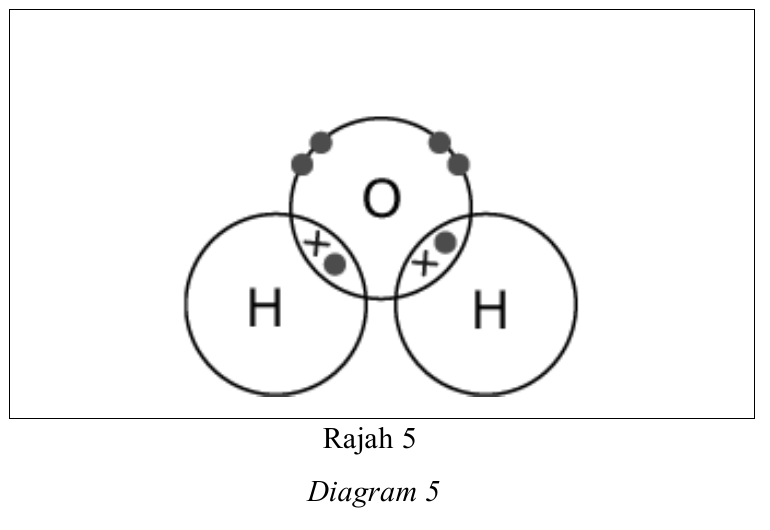
Diagram 5 shows the formation of a type of bond in a water molecule (O shares electrons with two H atoms). What is the type of the bond?
Easy
Which compound is correctly matched with its type of bond? A Oxygen - Ionic; B Ammonium - Covalent; C Sodium oxide - Covalent; D Sulphur trioxide - Ionic
Medium
Which statement best explains the formation of a covalent bond?
Easy
Which of the following substances exists as molecules at room conditions?
Medium
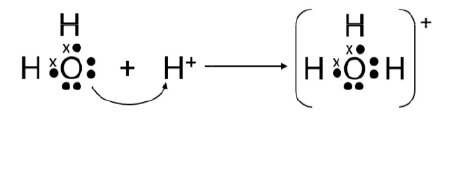
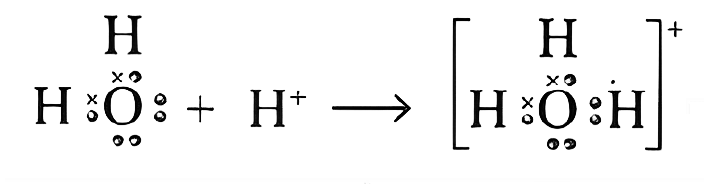
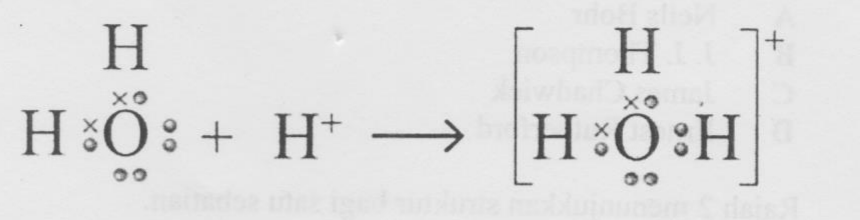
Diagram 17 shows how a chemical bond is formed (H2O + H+ → H3O+). Which of the following statements most accurately defines the chemical bond shown in the diagram?
Medium
Compound Z has the following properties: high melting and boiling points; soluble in water but insoluble in organic solvents. What is Z?
Easy
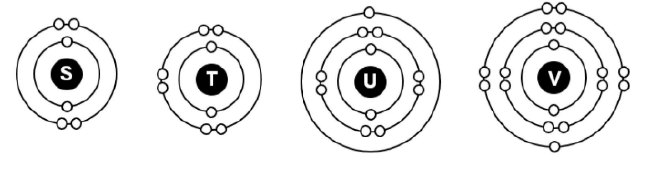
Diagram 38 shows the electron arrangements of atoms S, T, U and V (not the actual symbols). Which pair of elements forms a compound that lights up a bulb in the molten state?
Medium
What is the meaning of metallic bond?
Easy
Which compound is correctly matched with its type of bond? A: Oxygen - Ionic; B: Ammonia - Covalent; C: Sodium oxide - Covalent; D: Sulphur trioxide - Ionic.
Medium
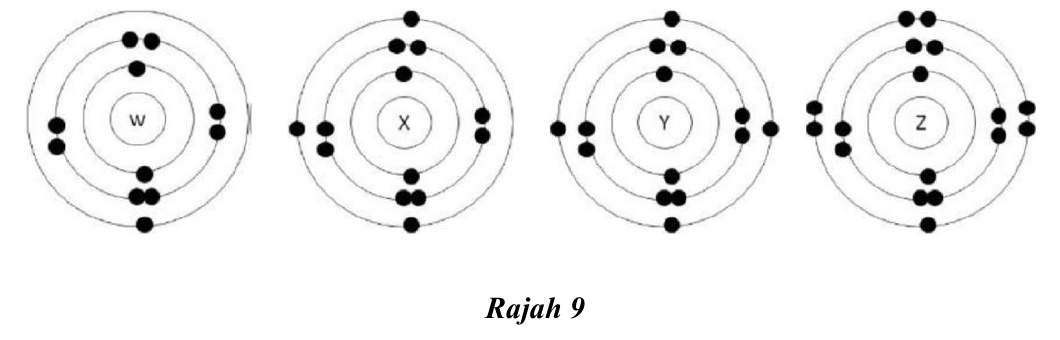
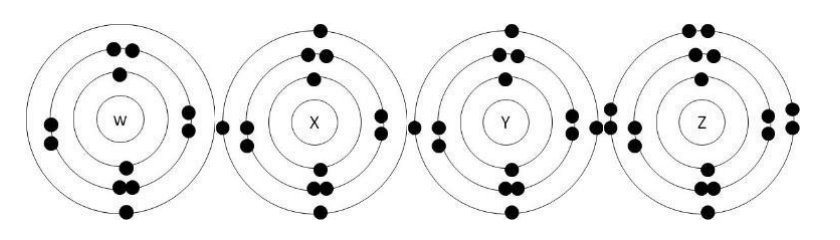
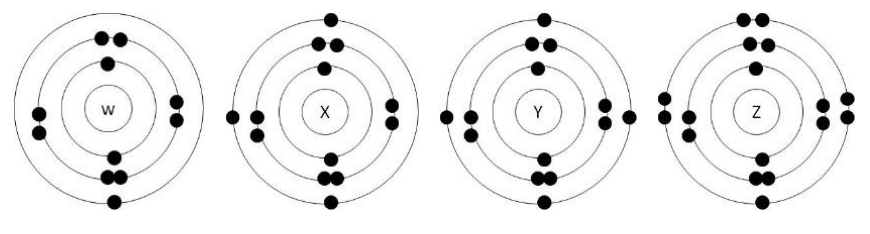
Diagram 9 shows the electron arrangements of atoms W, X, Y and Z. The letters used are not the actual symbols of the elements. Which pair of the elements forms a compound that is insoluble in water?
Medium
Which particles combine to form a dative bond? I Chloride ion II Hydrogen ion III Water molecule IV Ammonia molecule
Medium
Element X reacts with element Z to form a covalent compound with a formula XZ₄. What is the physical properties of this covalent compound?
Medium
Which of the following is the property of ionic compound?
Easy
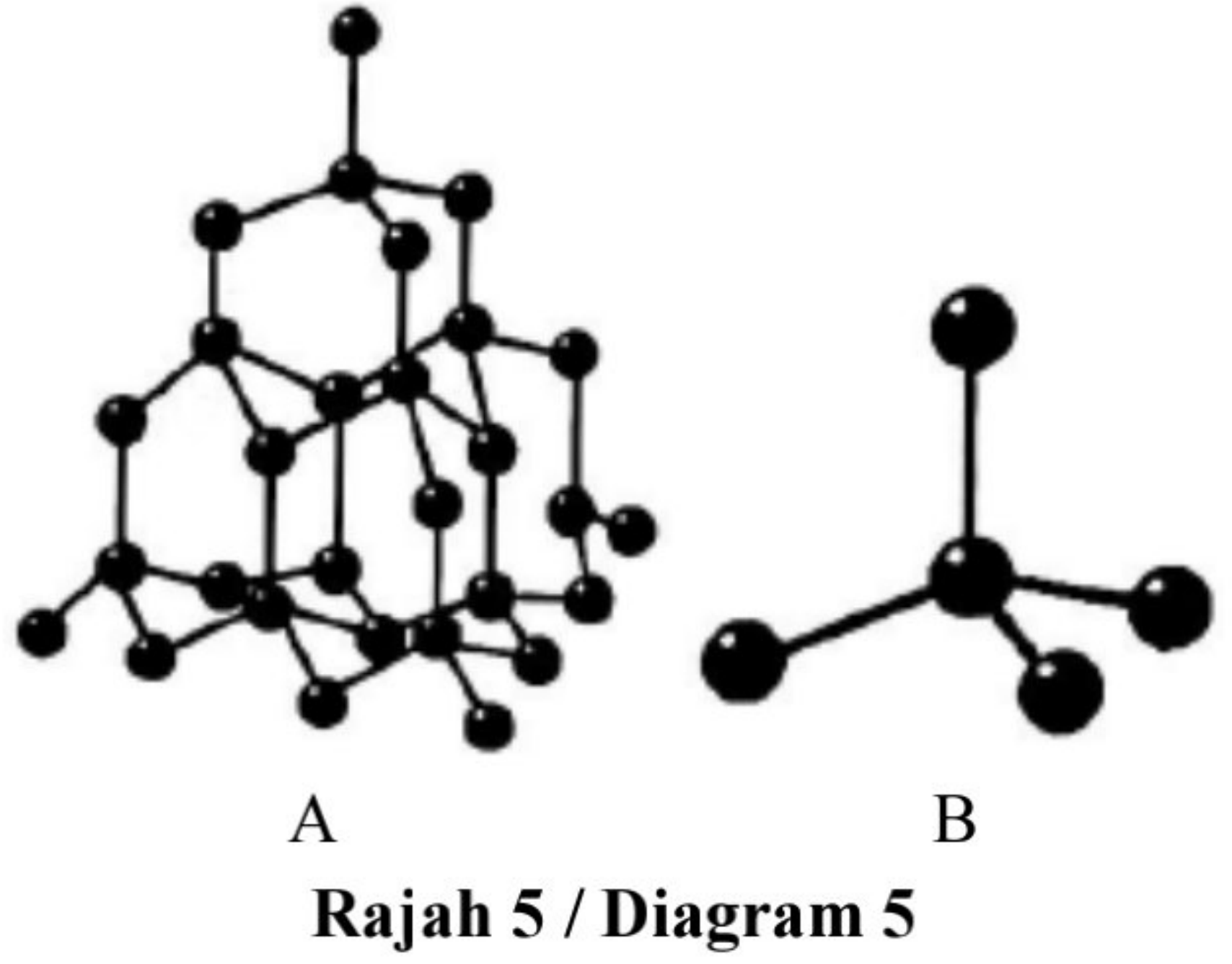
Diagram 5 shows the molecular structure for covalent compound A (giant lattice structure) and B (small molecule). Which of the following statements is incorrect about both compounds above?
Medium
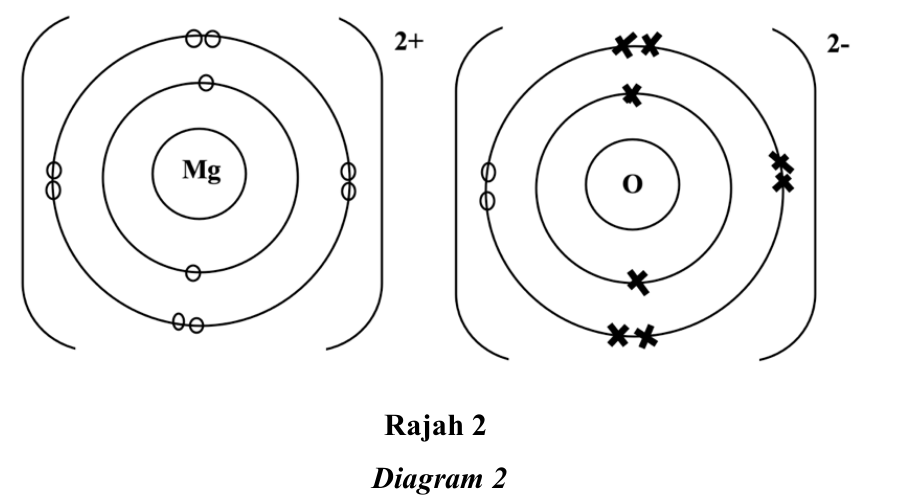
Diagram 2 shows the electron arrangement of magnesium oxide compound. Which of the following are the properties of the compound?
I Conducts electricity in molten state
II Exists as liquid at room temperature
III Has high melting point
IV Dissolve in organic solvent
Medium
"Ethanol is a covalent compound which dissolves in water". Which of the following explains the above statement?
I Covalent bond in ethanol molecule is broken.
II Dative bond and ionic bond in ethanol molecules are very strong.
III Ethanol molecule forms hydrogen bond with water molecules.
IV Hydrogen bond between hydrogen atom and oxygen atom formed because oxygen atom has high electronegativity.
Medium
Which statement is correct about giant covalent molecule?
Medium
Diagram 7 shows the electron arrangements of atoms W, X, Y and Z. W, X, Y and Z are not the actual symbols of the elements. Which pair of elements forms a compound that is insoluble in water?
Medium
Which of the following pair of physical properties is correct about magnesium chloride? (Solubility in water; Electrical conductivity in molten state)
Medium
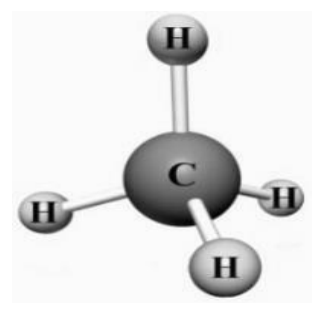
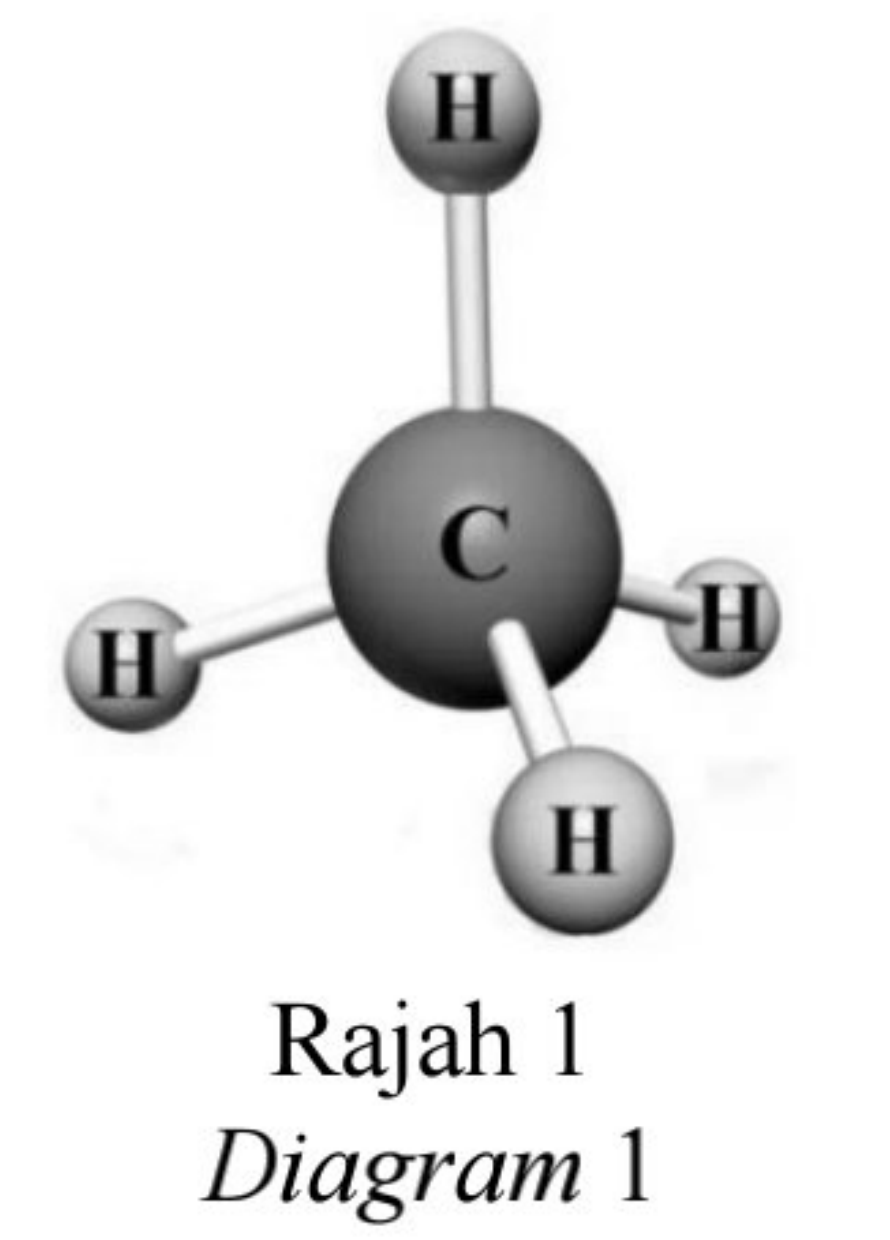
Diagram 9 shows the atom model of a compound (one carbon atom bonded to four hydrogen atoms). Which of the following is the property of the compound?
Medium
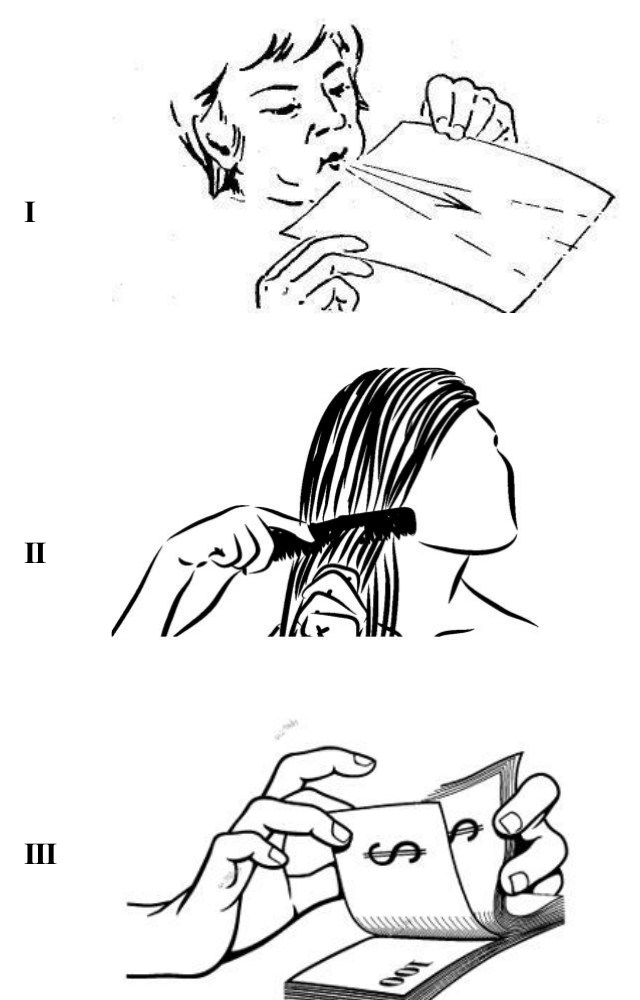
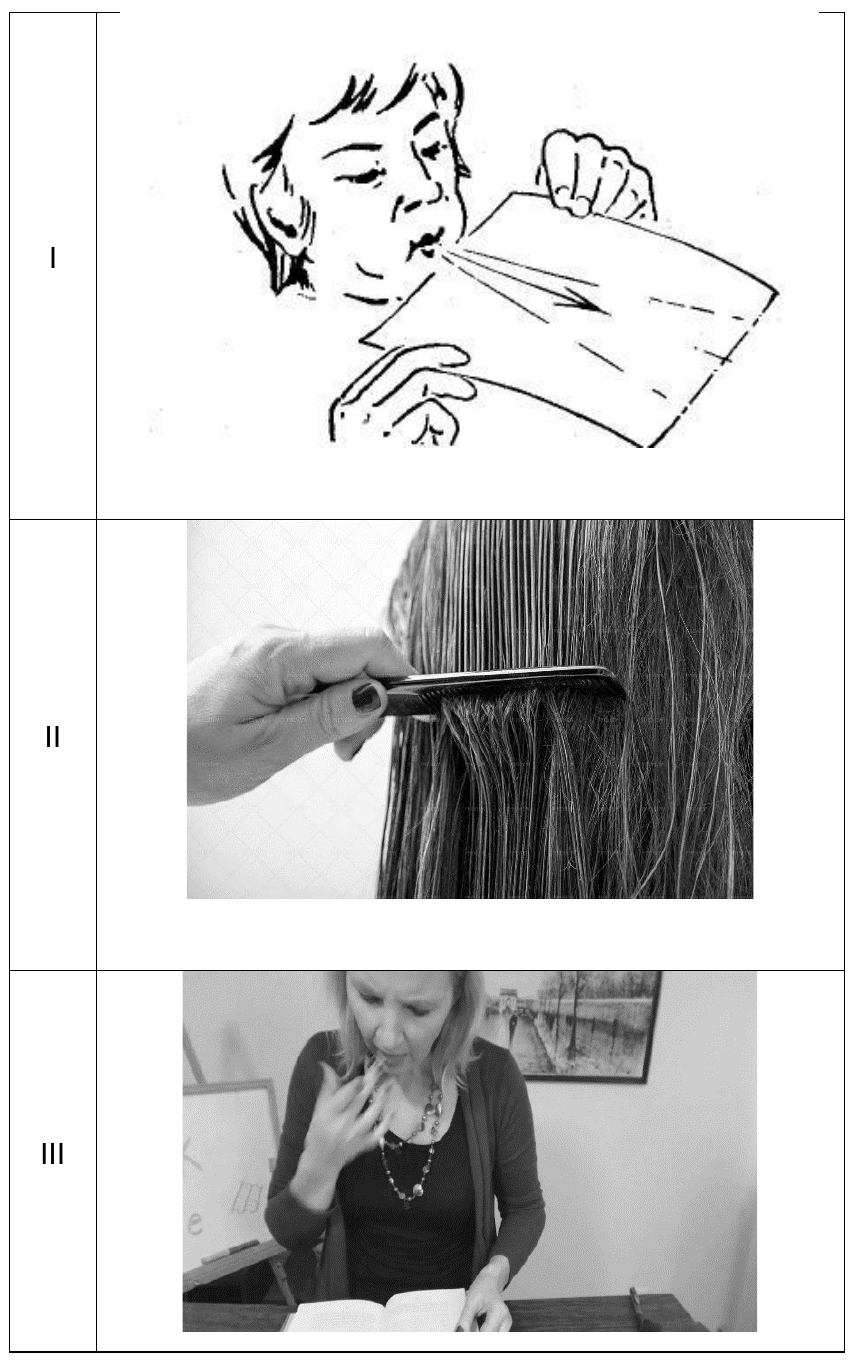
Which of the following activities involve formation of hydrogen bond?
I Blowing air over a sheet of paper
II Combing hair
III Flipping through banknotes (pictures in Diagram)
Medium
Which of the following is the electron arrangement diagram for the formation of ionic compound?
Medium
Which of the following statements is true for hydrogen bond?
Medium
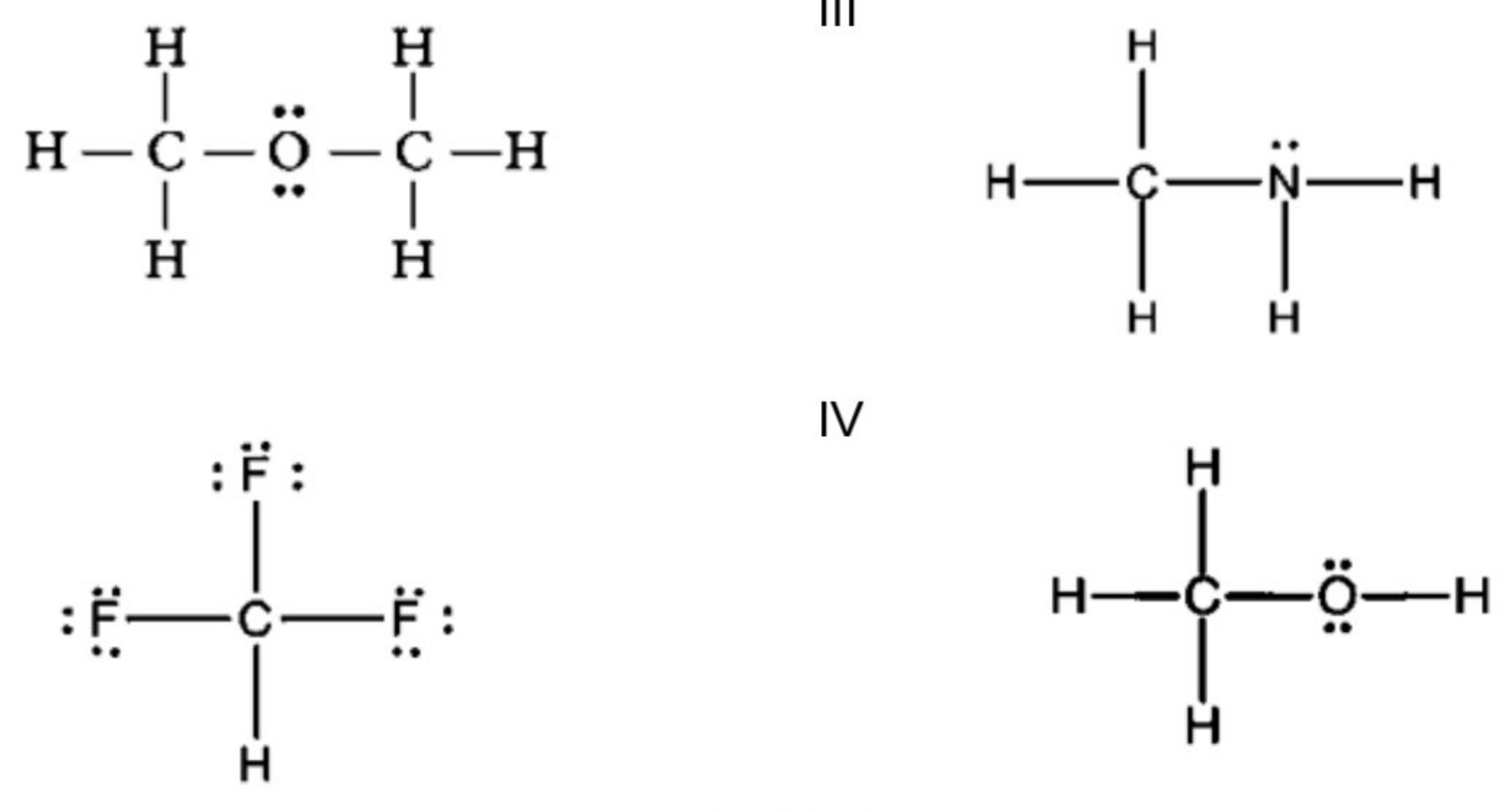
Diagram 4 shows some types of compounds: I CH3–O–CH3 (dimethyl ether), II CHF3, III CH3–NH2, IV CH3–OH. Which compounds are soluble in water?
Medium
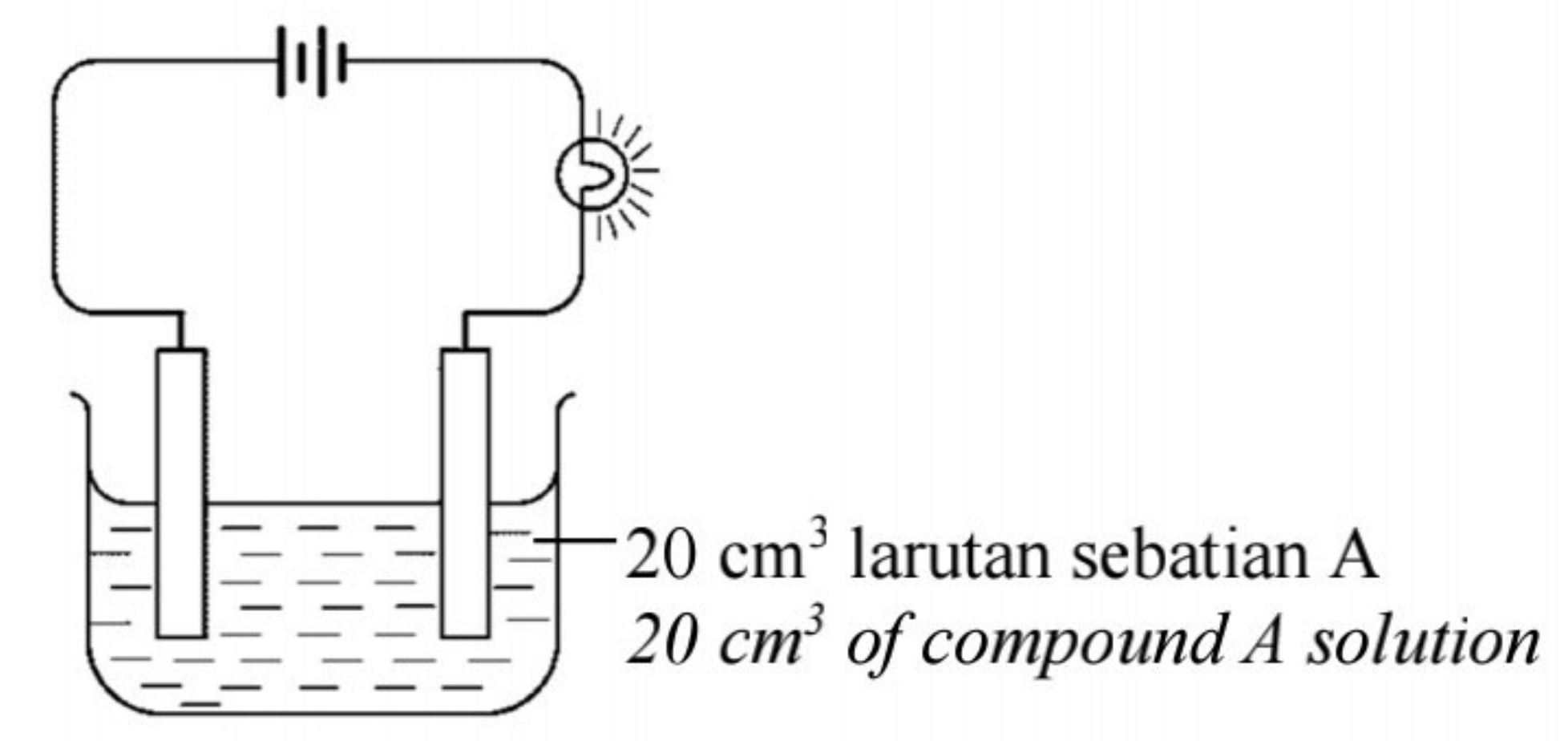
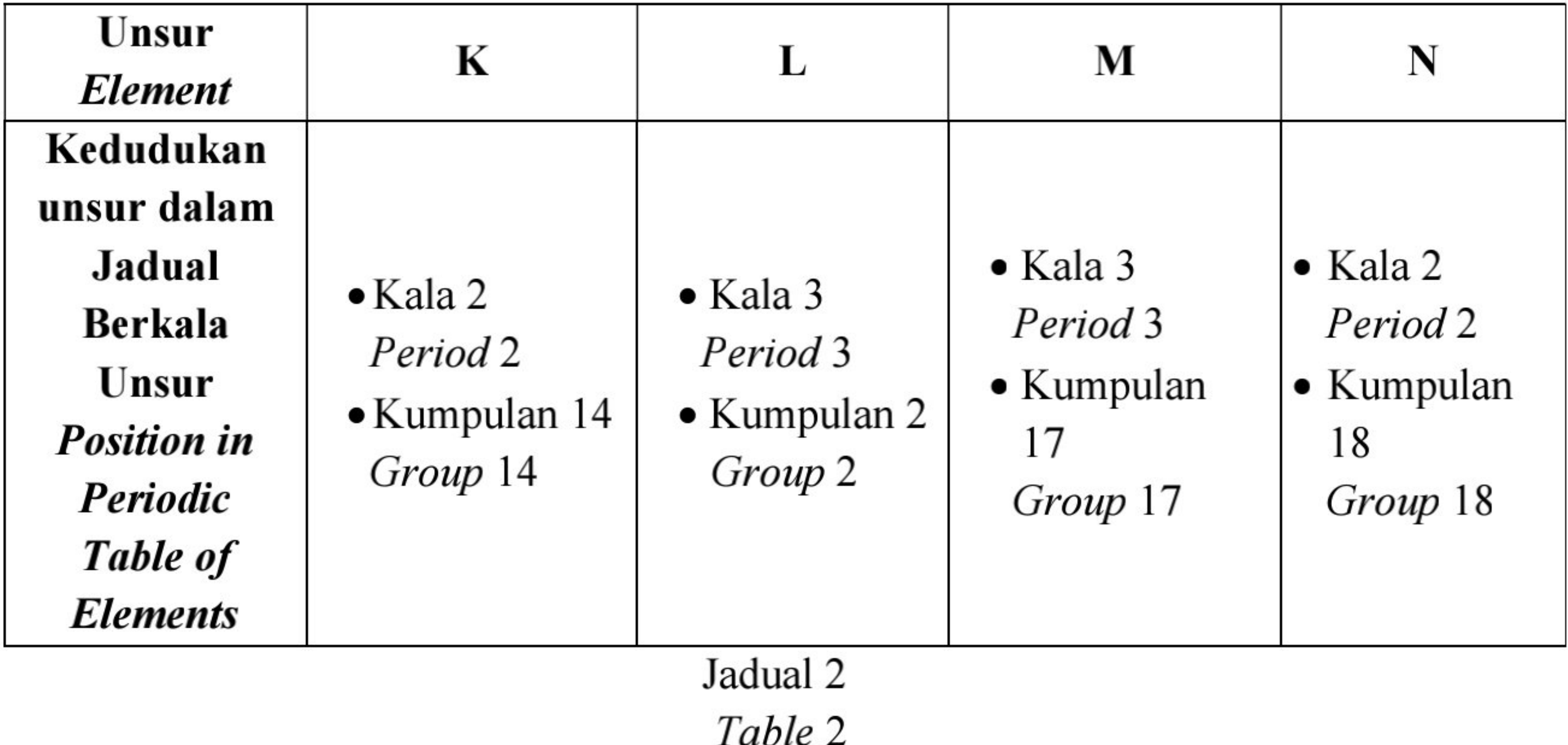
Diagram 5 shows the apparatus set-up and observation for the electrical conductivity of compound A (the bulb lights up in 20 cm³ of compound A solution). Table 2 shows the position in the Periodic Table: K Period 2 Group 14; L Period 3 Group 2; M Period 3 Group 17; N Period 2 Group 18. Based on Diagram 5 and Table 2, choose the elements that can react to form compound A.
Medium
Which of the following shows the correct hydrogen bonding between ammonia molecules?
Medium
Which of the following substance consists of ions?
Easy
The statement shows the effect of X bond on physical properties of ethanol, C2H5OH: ethanol can dissolve in water; X bond is formed between ethanol molecules and water molecules. Which of the following statements is correct about the X bond?
Medium
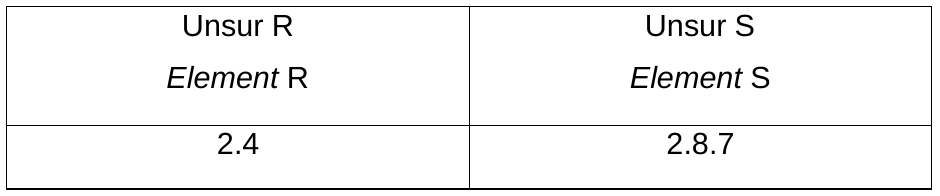
Table shows the electron arrangement of elements R (2.4) and S (2.8.7). What is the formula and the type of bond in the compound formed from the reaction between elements R and S?
Medium
How covalent bond is formed?
Easy
Which of the following is an ionic compound?
Easy
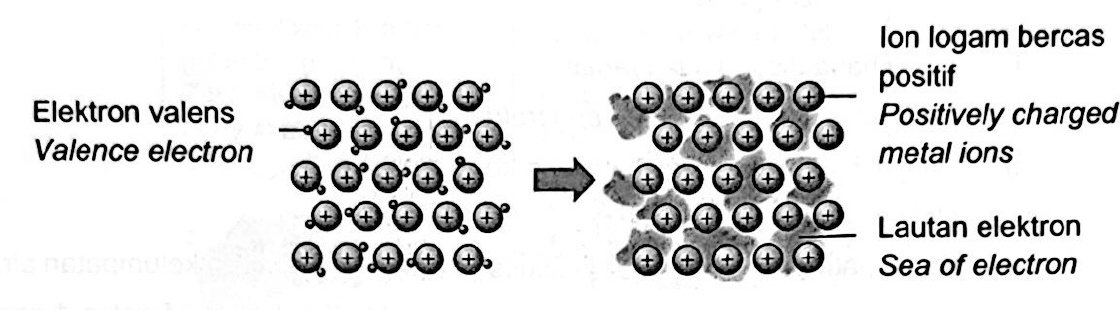
Diagram 4 shows formation of a bond in a substance (valence electrons delocalised into a sea of electrons around positively charged metal ions). Which statement explains the formation of bonds in Diagram 4?
Medium
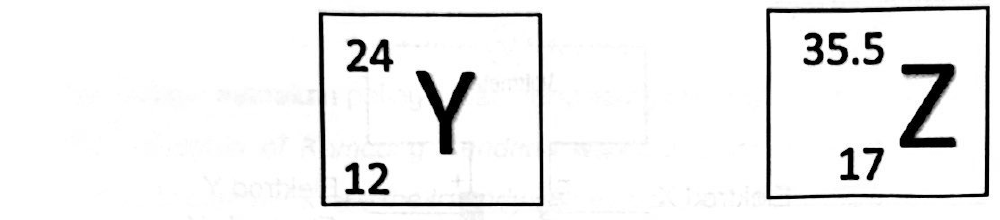
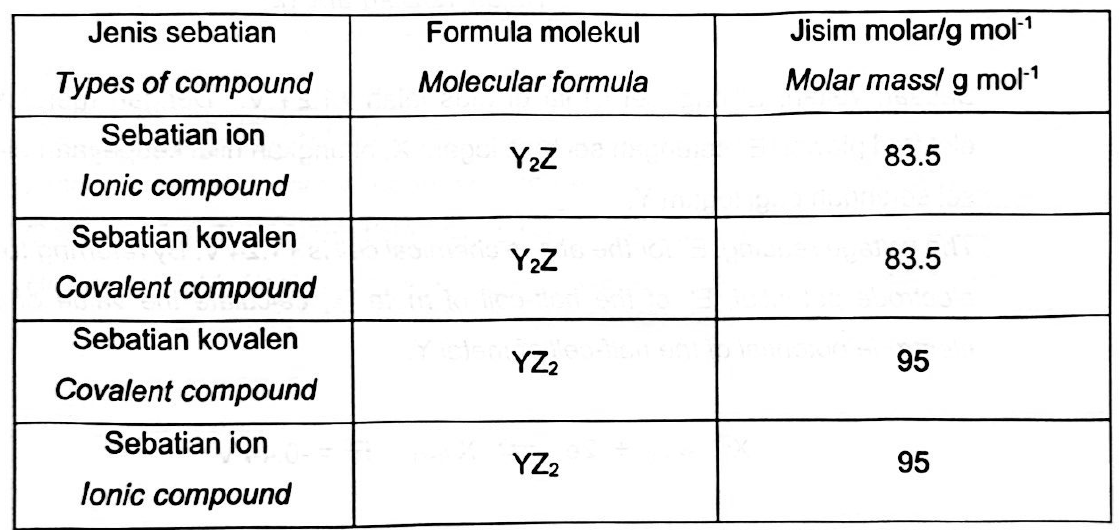
Diagram 13 shows the standard representation of atoms Y (nucleon number 24, proton number 12) and Z (nucleon number 35.5, proton number 17). Which of the following is correct for the compound formed? (Type of compound / Molecular formula / Molar mass g mol⁻¹)
Medium
What is the meaning of dative bond?
Easy
Which of the following pairs of physical properties is correct about magnesium chloride? (Solubility in water; electrical conductivity in molten state)
Medium
Which of the following activities involve formation of hydrogen bond?
I Blowing air onto a sheet of paper
II Combing hair
III A woman wetting her finger with saliva to turn a book page (picture)
Medium
What is the meaning of metallic bond?
Easy
Which molecule has a double covalent bond between its atom?
[Proton Number: H = 1, N = 7, O = 8, Cl = 9]
Medium
Which of the following pairs of physical properties of glucose, C₆H₁₂O₆? (solubility in water; electrical conductivity when molten)
Medium
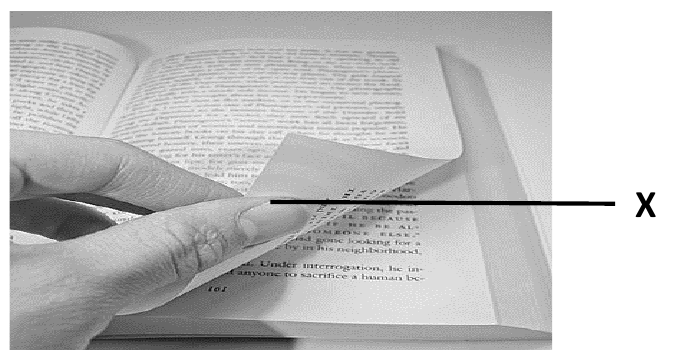
Ahmad lick his finger to turn pages. He noticed that this method is easier to turn pages. What type of bond formed at X?
Medium
Element P and Q react to form a covalent compound with formula PQ2. Which of the following is true? (Electron arrangement of atom P; atom Q)
Medium
Diagram 14 shows the formation of ammonia boron trifluoride when ammonia NH3 reacts with boron trifluoride BF3. What is the chemical bond shown in Diagram 14?
Easy
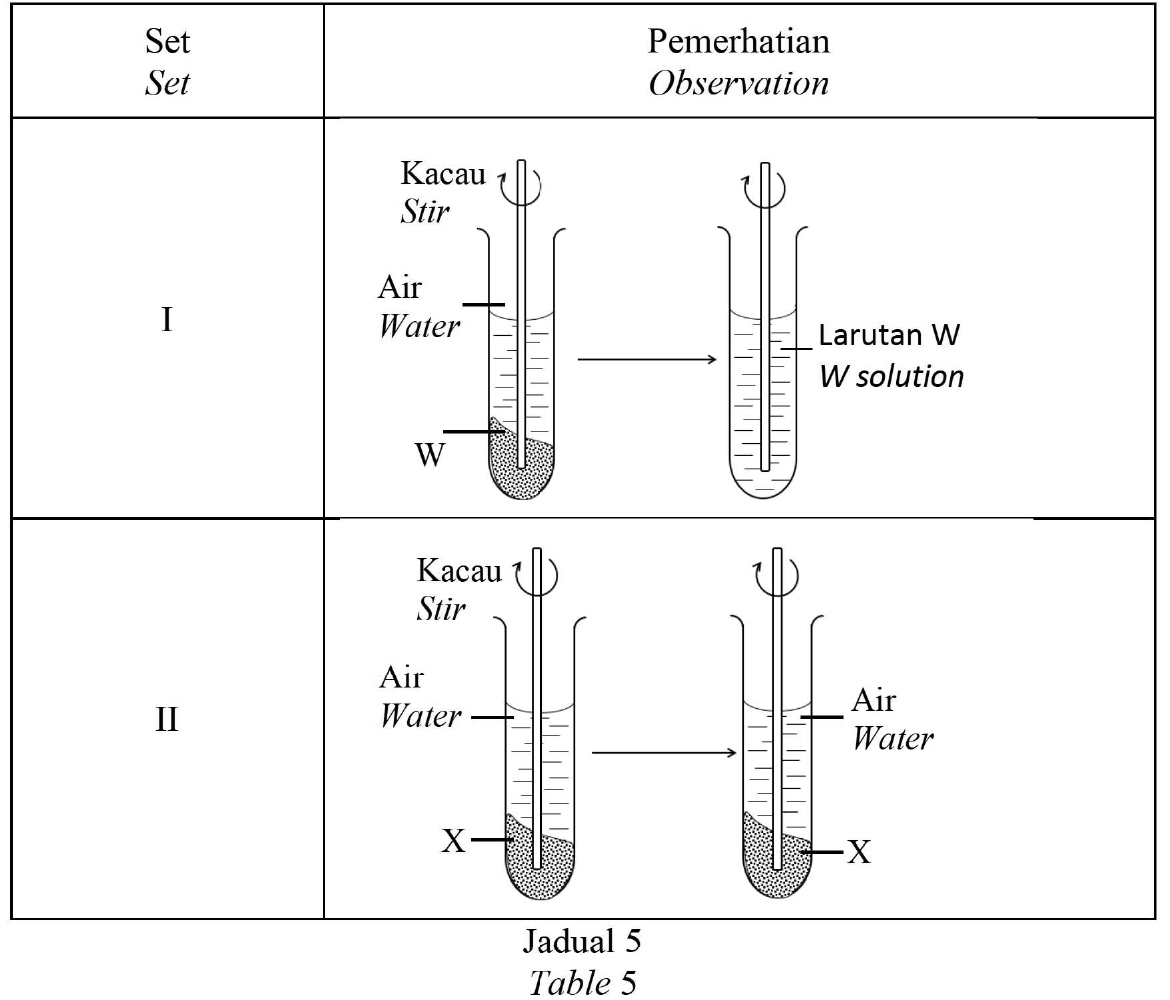
Table 2 shows the observations for the solubility test of compounds W and X in water: Set I, W dissolves in water to form W solution; Set II, X does not dissolve in water. What is compound W and X?
Medium
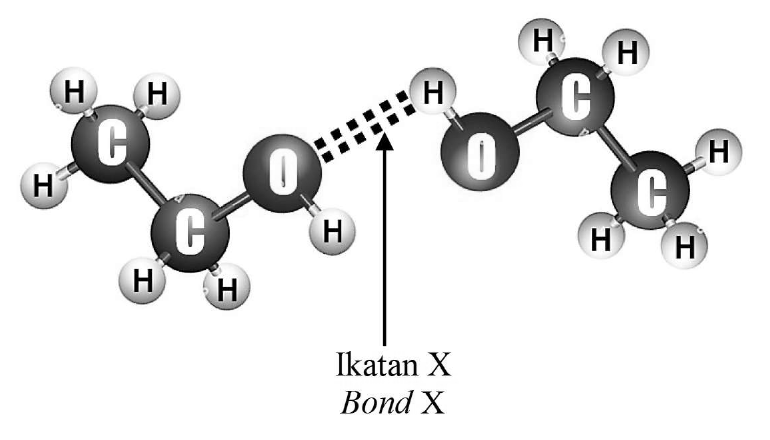
Diagram 5 shows the attractive force formed in one molecule of a carbon compound (a dotted bond X between O of one ethanol molecule and H of the next). What is bond X?
Easy
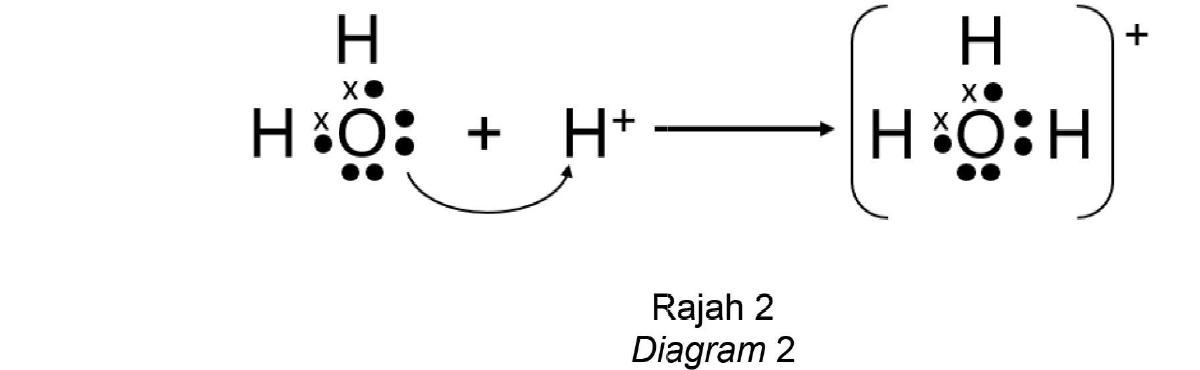
Diagram 2 shows how a chemical bond is formed (H2O + H+ gives H3O+, the lone pair on oxygen is shared with H+). Which of the following statements most accurately defines the chemical bond shown in Diagram 2?
Medium
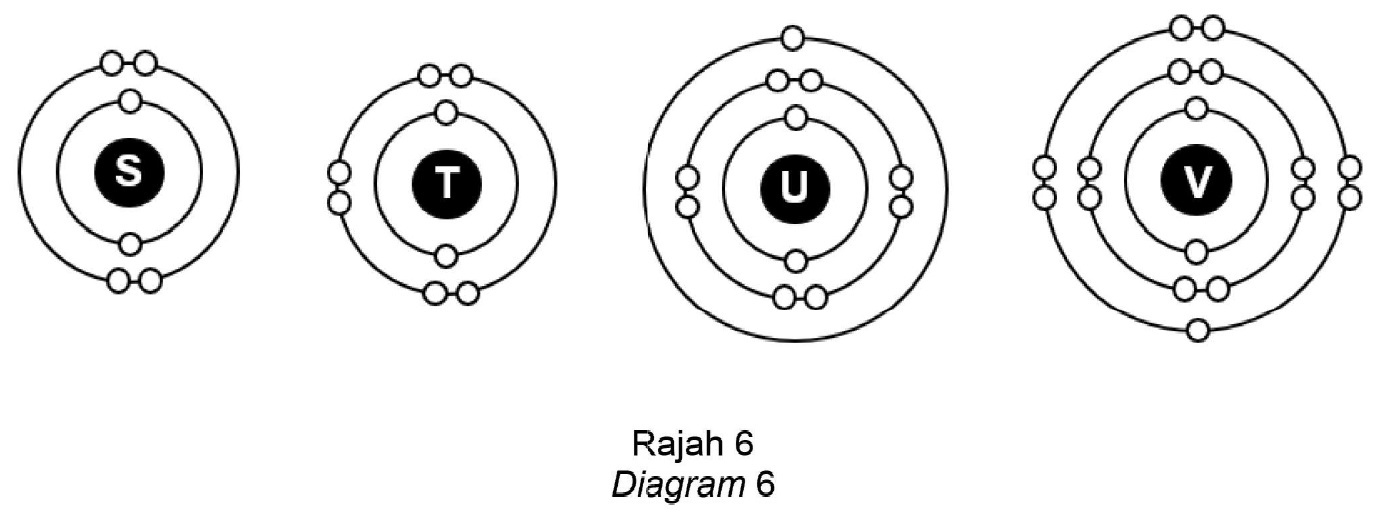
Diagram 6 shows the electron arrangements of atoms S, T, U and V (S, T, U and V are not the actual symbols). Which pair of elements forms a compound that lights up a bulb when in molten state? [printed: 'bulb light up when molten state']
Medium
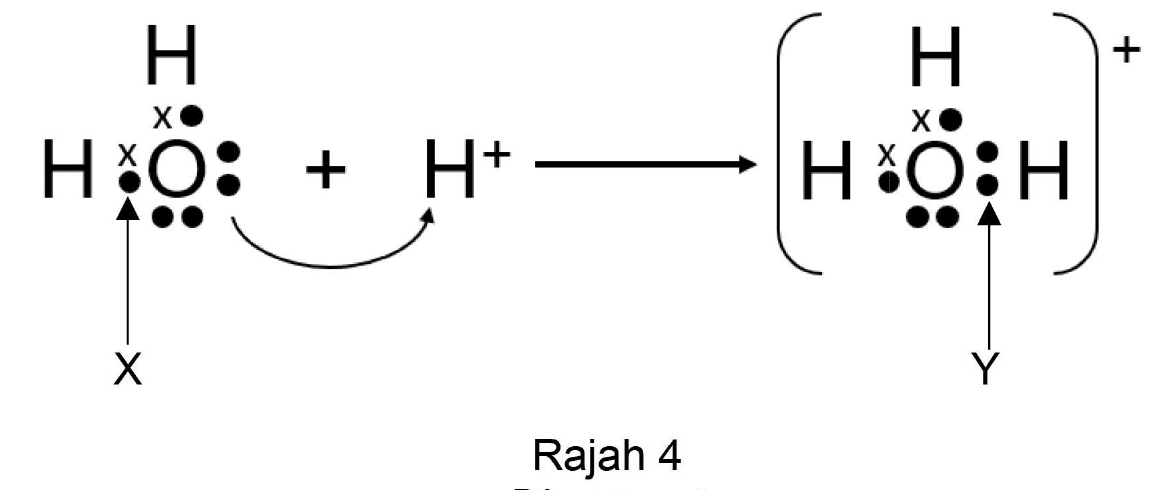
Diagram 4 shows how a chemical bond is formed (H2O + H+ -> H3O+, with bond X in the water molecule and bond Y the new bond). What type of bond is shown in Diagram 4?
Medium
Which of the following can form hydrogen bonds with water?
Medium
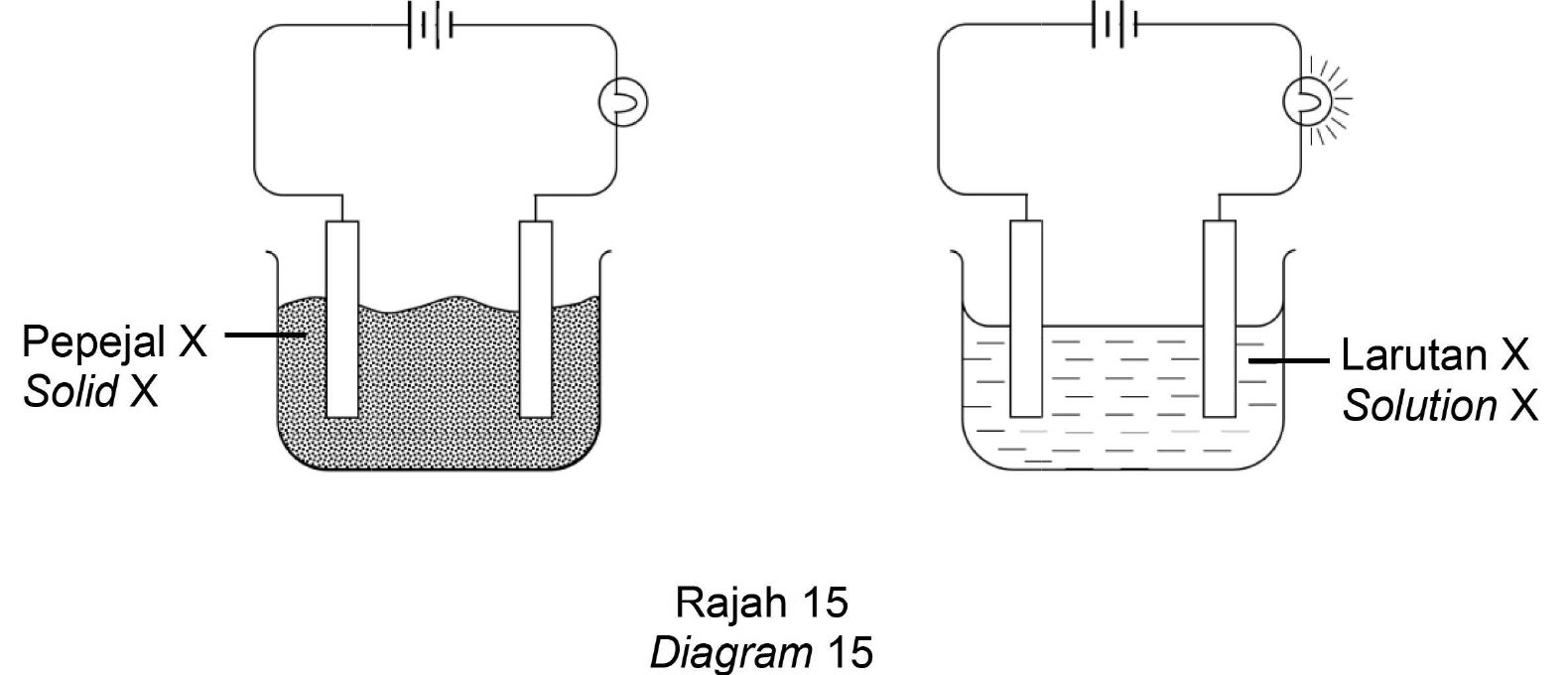
Diagram 15 shows the observations of two experiments carried out on compound X (solid X: bulb does not light; solution X: bulb lights). Which of the following can explain the situation in Diagram 15?
Medium
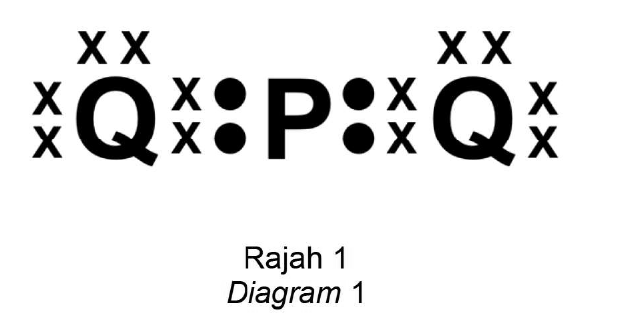
Diagram 1 shows the Lewis structure of compound X. Which of the following is the correct proton number for the pair of atoms that make up compound X? (Table of Atom P and Atom Q proton numbers in options)
Medium
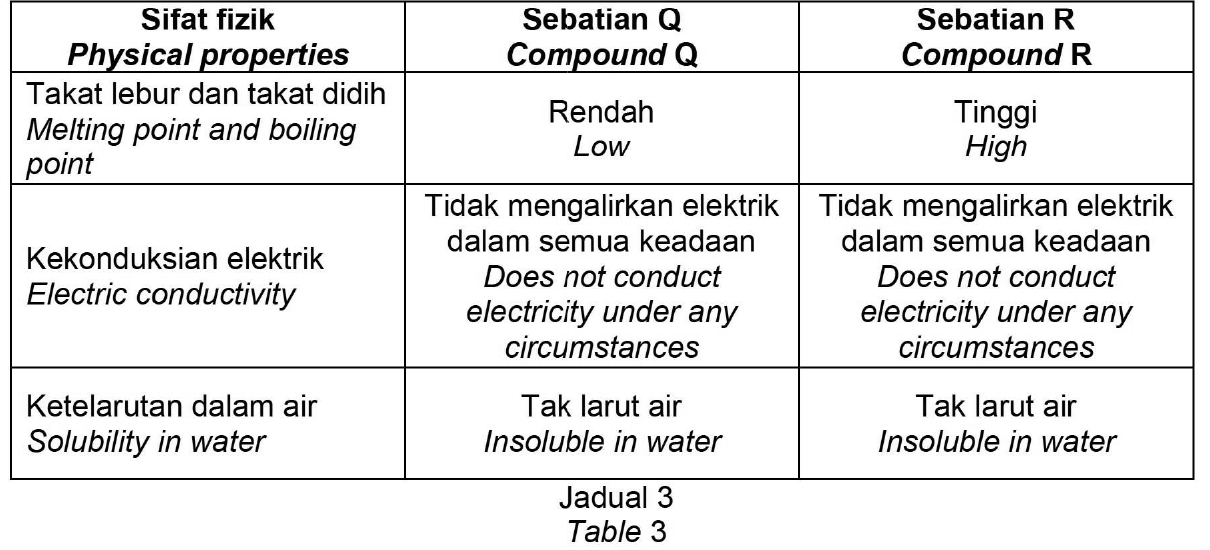
Table 3 shows a comparison of the physical properties of compound Q and compound R. Melting and boiling point: Q low, R high. Electric conductivity: both do not conduct electricity under any circumstances. Solubility in water: both insoluble in water. Which of the following is a possible compound of Q and R?
Medium
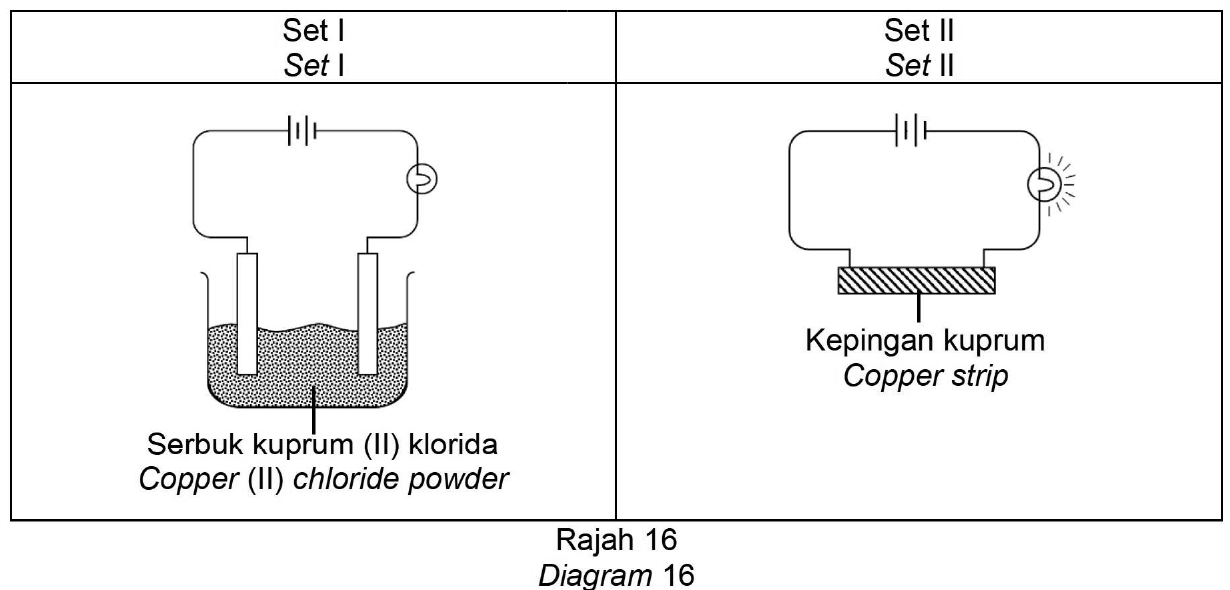
Diagram 16 shows a comparison of the electrical conductivity of two materials in the solid state (Set I: copper (II) chloride powder – bulb does not light; Set II: copper strip – bulb lights). Which of the following is the best explanation for the observation shown in Diagram 16?
Medium
Which of the following statements is true about metallic bond?
Medium
Diagram 3 shows the formation of bond to form hydroxonium ion (H₂O + H⁺ → H₃O⁺, shown with electron arrangements). Which of the following is the type of chemical bond involved in this compound?
Medium
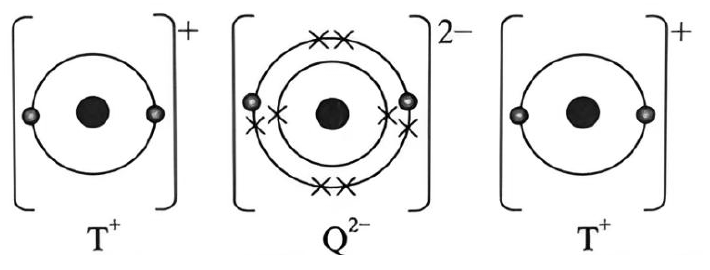
Diagram 4 shows the electron arrangement of a compound formed when element T and element Q react (ions T⁺, Q²⁻ and T⁺). What is the group of element Q in the Periodic Table of Elements?
Medium
Hydrogen bond can be formed between hydrogen atom and atom of
Easy
Diagram 2 shows the electrons arrangements of atoms W, X, Y and Z. W, X, Y, and Z are not the actual symbols of the elements. Which pair of elements forms a compound that is insoluble in water?
Medium
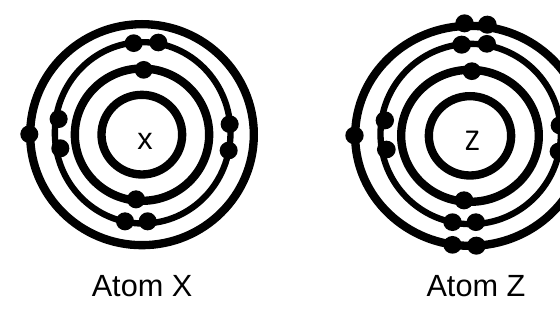
Diagram 4 shows the electron arrangement of two atoms X and Z respectively. Which diagram shows bond formed between atom X and atom Z?
Medium
Wet hair stick together has been linked to the concept and role of hydrogen bonding in daily life. Which statement can explain the formation of hydrogen bonds?
Medium
Which atom forms an anion?
Easy
Statement below shows the physical properties of a compound.
- Soluble in organic solvents
- Low melting and boiling points
Which substance has the physical properties as above?
Medium
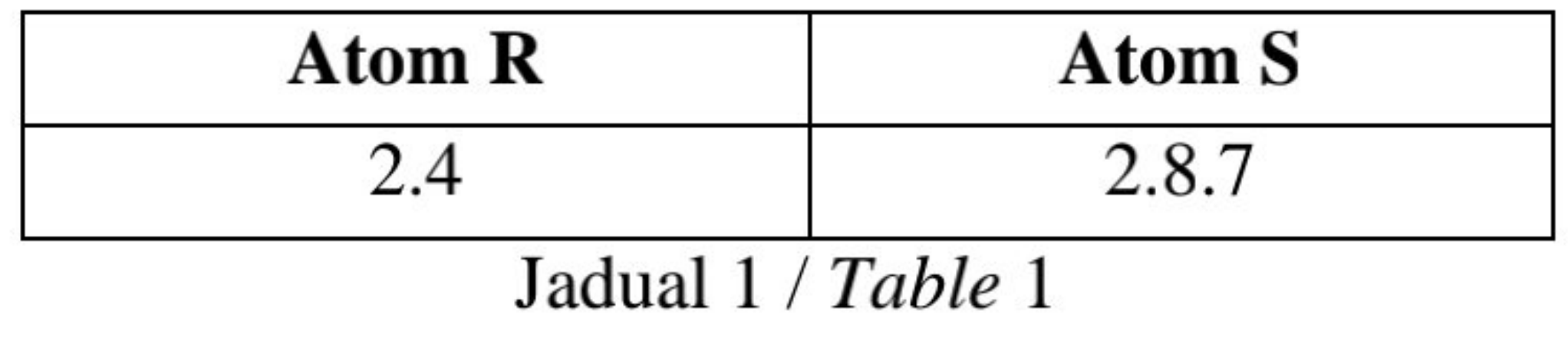
Table 1 shows the electron arrangement of atoms of element R and S.
Atom R: 2.4; Atom S: 2.8.7
What is the formula and the type of bond of the compound formed from the reaction between R and S?
Medium
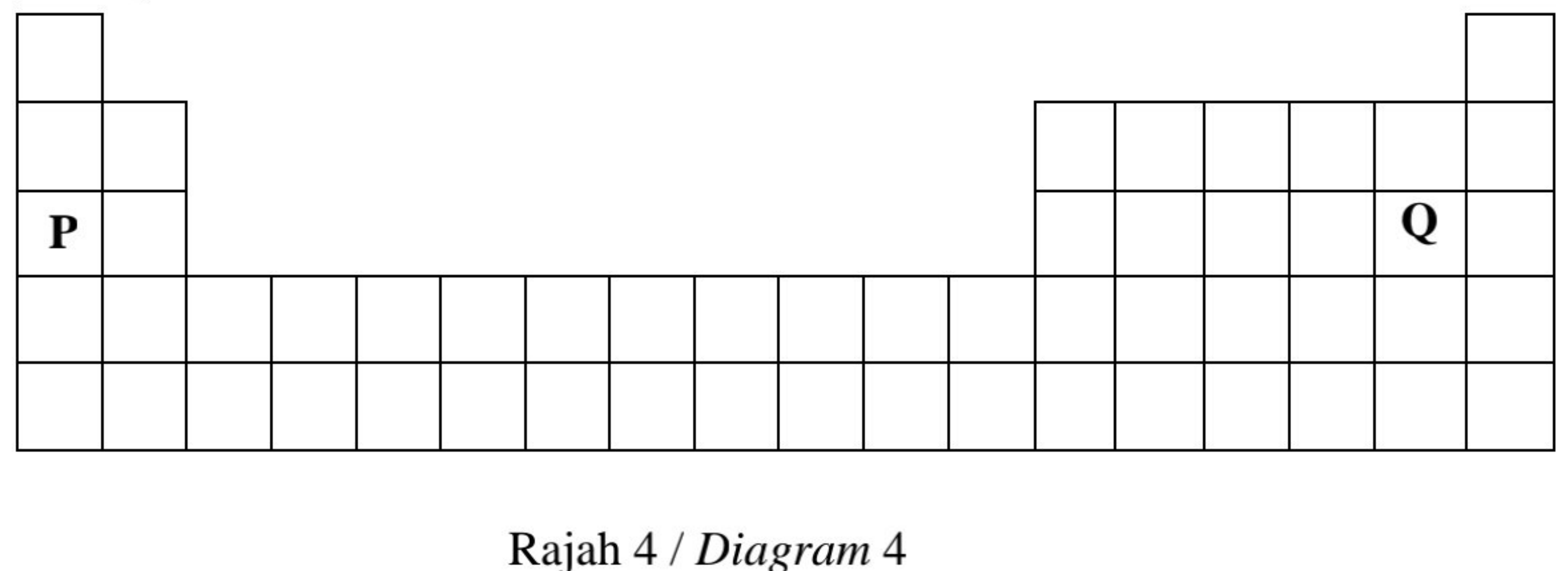
Diagram 4 shows an incomplete Periodic Table of Elements. P and Q are not the actual symbol for the elements. (P is in Group 1, Period 3; Q is in Group 17, Period 3.)
Element P can react with element Q to produce an ionic compound. Which of the following is the chemical equation for this reaction?
Medium
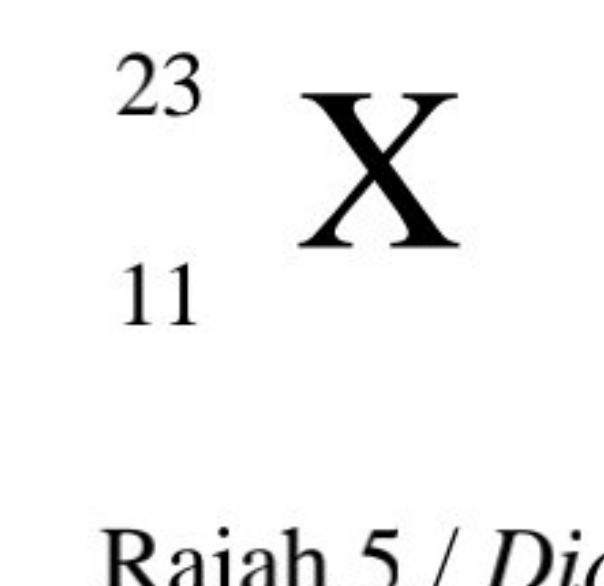
Diagram 5 shows the standard representation of atom of element X: ²³₁₁X.
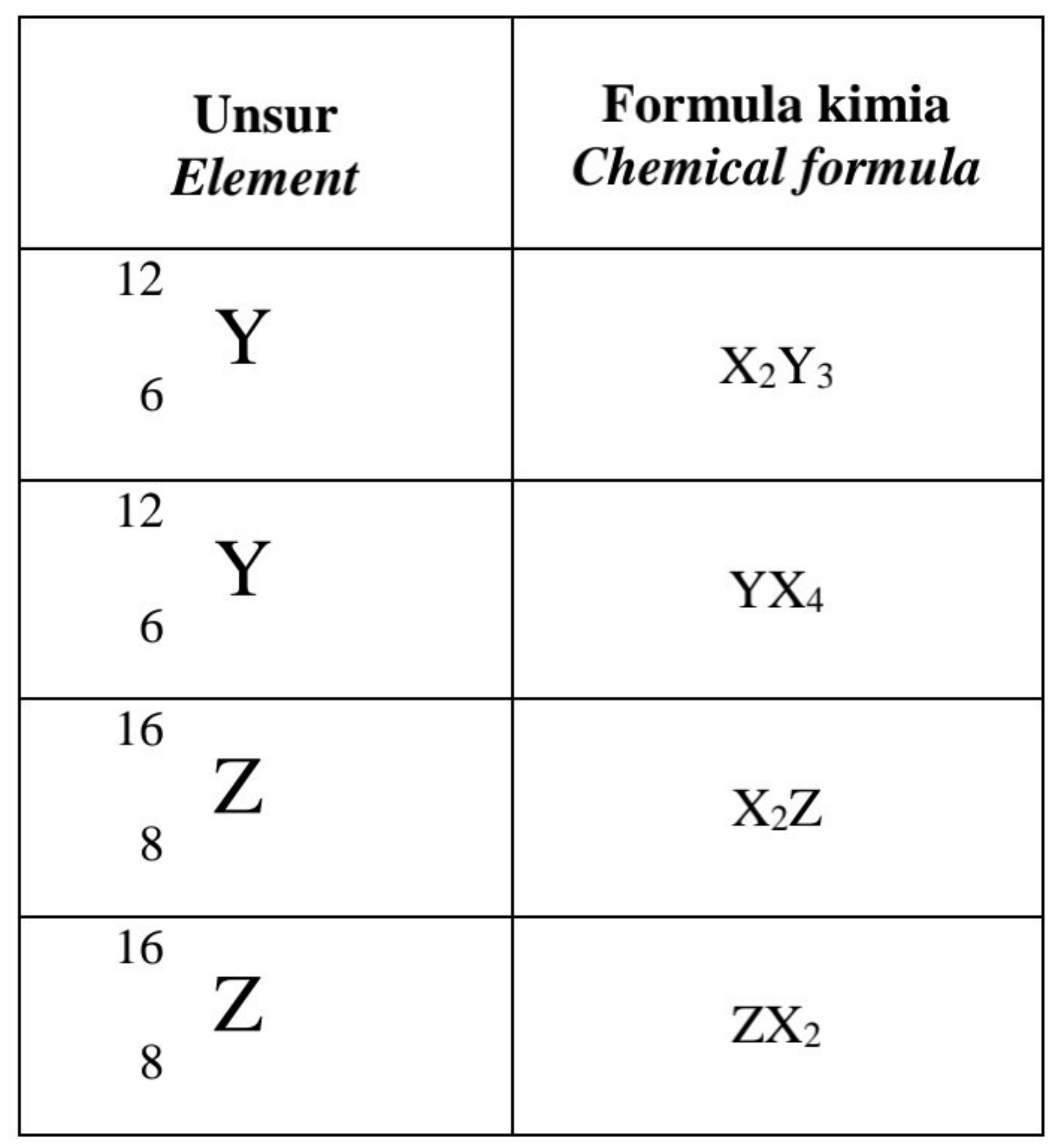
Which of the following atoms of element will form an ionic compound with element X and the correct chemical formula for the compound?
Medium
Which substance is an ionic compound?
Medium
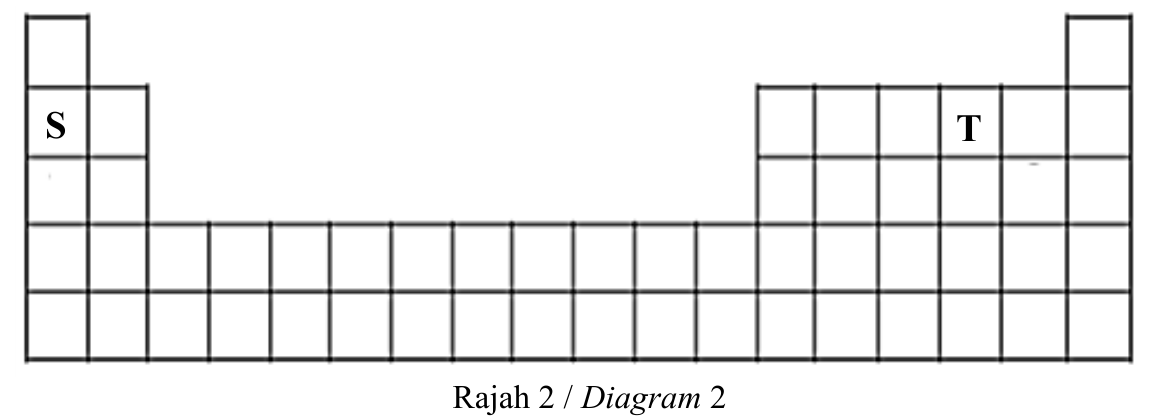
Diagram 2 shows the position of elements S and T in the Periodic Table of Elements. Which of the following is true in terms of the chemical formula and the type of bond formed between S and T?
Formula | Type of bond
A S2T | Ionic
B ST2 | Covalent
C S2T3 | Ionic
D S2T3 | Covalent
Medium
Diagram 12 shows an apparatus set-up carried out by a group of students in laboratory. After 5 minutes, it was found that the bulb still did not light up. What step should be taken by the students to overcome the problem?
Medium
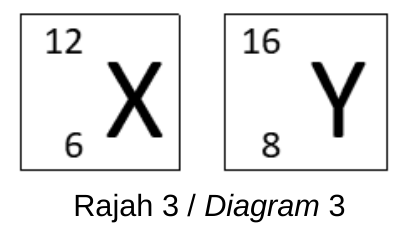
Diagram 3 shows the standard representation of atoms of elements X (nucleon number 12, proton number 6) and Y (nucleon number 16, proton number 8). Which of the following correctly describe the formation of a compound between the two elements? I 1 atom X and 2 atoms Y share electrons; II Atom X releases 2 electrons and atom Y receives 2 electrons; III 1 X atom and 2 Y atoms are required in the formation of the compound; IV 1 X atom and 1 Y atom are required in the formation of the compound.
Medium
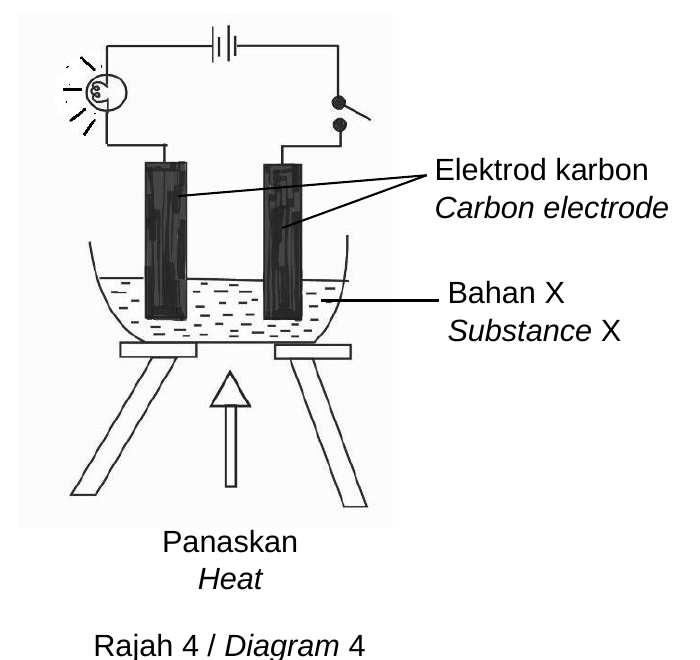
Diagram 4 shows the apparatus set-up to study physical properties of substance X (carbon electrodes in substance X, heated, with a bulb in the circuit). State the physical properties of substance X other than shown in Diagram 4. I Soluble in organic solvent; II Soluble in water; III Low melting and boiling points; IV High melting and boiling points.
Medium
Diagram 5 shows the formation of the X bond (dashed line between a hydrogen atom of one water molecule and an oxygen atom of another molecule). Which of the following statements explains the formation of X bond?
Medium
The following is information about the physical properties of ethanol: ethanol is a covalent compound that is soluble in water. Which of the following statements correctly describes the information?
Medium
Diagram 7 shows the position of X and Y atoms in the Periodic Table of Elements (X in Group 1, Period 2; Y in Group 16, Period 3). Which of the following diagrams represent the compound formed when X reacts with Y?
Medium
Which of the following statements explains why a "sea of electrons" can conduct electric current?
Medium
Diagram 15 shows the electron arrangement for atoms P and Q. Which of the following is true when P reacts with Q?
Medium
How a dative bond can be formed?
Easy
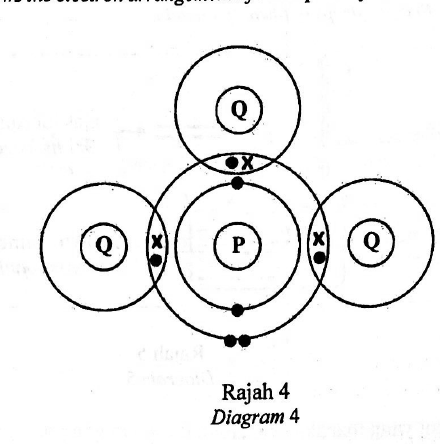
Diagram 4 shows the electron arrangement of a compound formed between atom P and atom Q.
Which of the following statements is true about the compound?
Medium
Diagram 11 shows the uses of wet sponge to overcome the problem of turning the pieces of papers sticking together.
Which of the following is best explained this situation?
Medium
Diagram 2 shows a type of bond. Which of the following is correct about the bond?
Medium
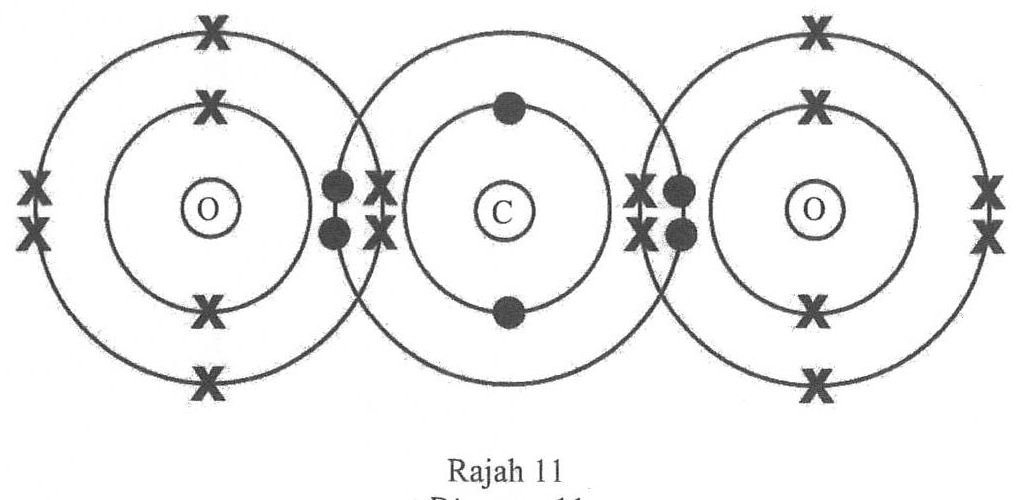
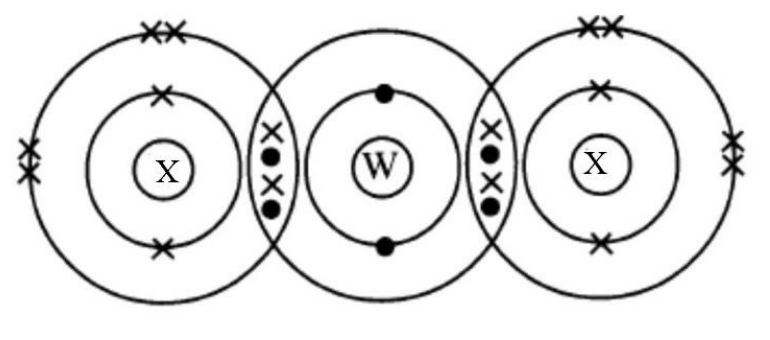
Diagram 11 shows the electron arrangement of a carbon dioxide molecule. Which of the following is true?
Medium
Diagram 20 shows the position of X and Y atoms in the Periodic Table of Elements (X in Group 1, Y in Group 16). Which of the following diagrams represent the compound formed when X reacts with Y?
Medium
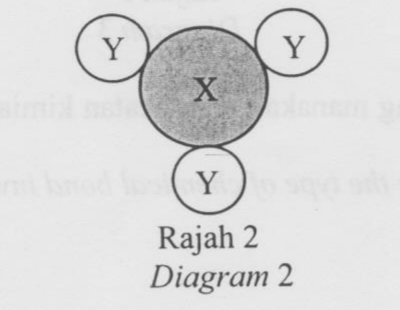
Diagram 2 shows the structure of a compound (one atom X bonded to three atoms Y). Which of the following could be the compound?
Medium
Diagram 3 shows the formation of bond to form hydroxonium ion (H2O + H+ → H3O+). Which of the following is the type of chemical bond involved in this compound?
Easy
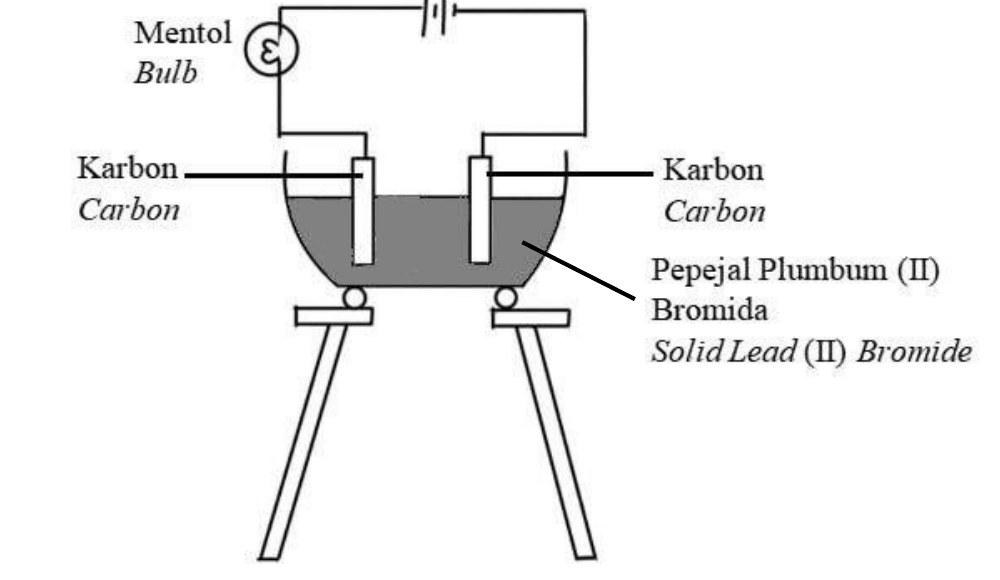
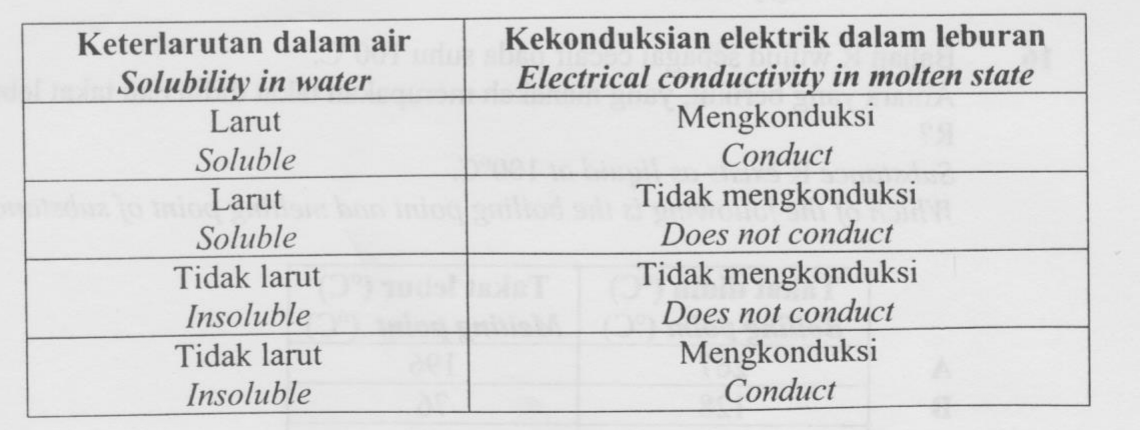
Which of the following pairs of physical properties of lead(II) bromide is true? (Solubility in water / Electrical conductivity in molten state: A Soluble / Conduct; B Soluble / Does not conduct; C Insoluble / Does not conduct; D Insoluble / Conduct)
Easy
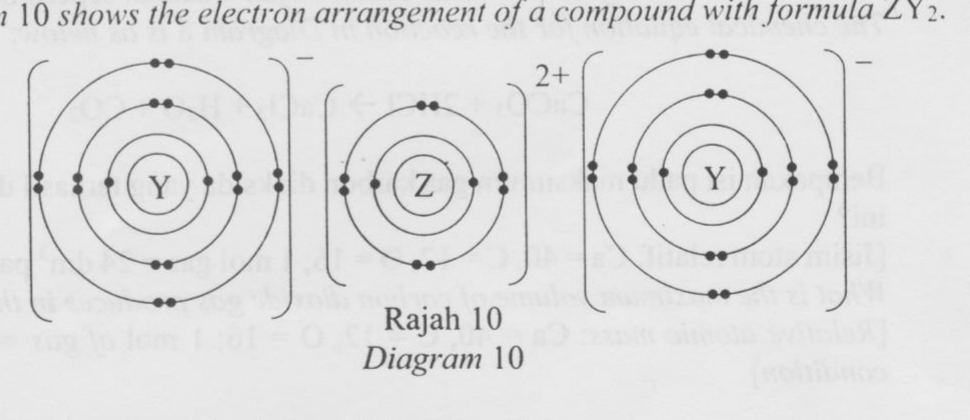
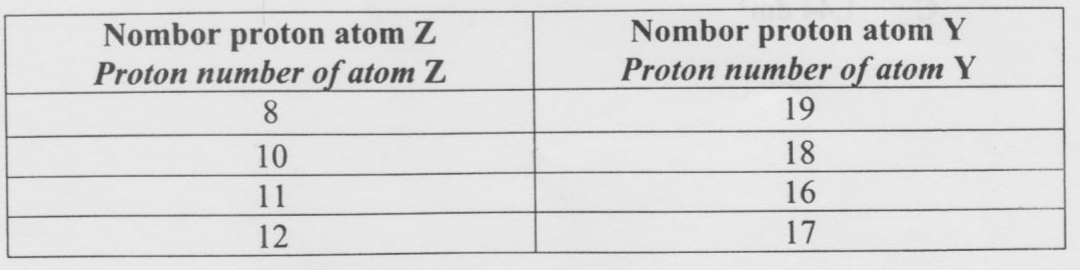
Diagram 10 shows the electron arrangement of a compound with formula ZY2 (Y- ion, Z2+ ion, Y- ion). What are the proton number of atom Z and atom Y? (Z/Y: A 8/19; B 10/18; C 11/16; D 12/17)
Medium
What is the meaning of covalent bond?
Easy
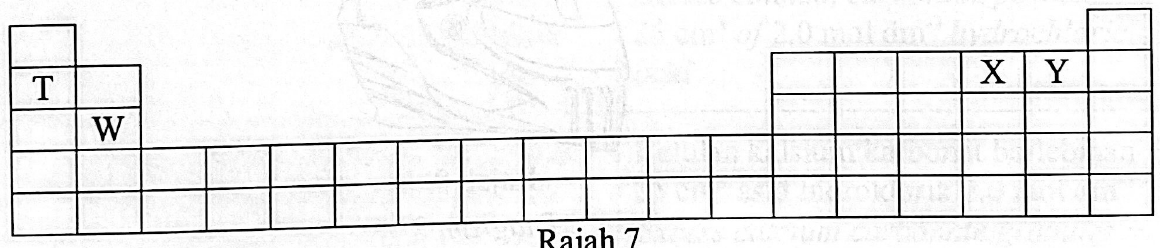
Diagram 7 shows the positions of elements T, W, X and Y in the Periodic Table of Element. T, W, X and Y are not the actual symbol of the elements. Which of the following pairs of elements react to form an ionic compound? I T, W; II X, Y; III T, Y; IV W, X
Medium
Which of the following chemical bond is formed through the transfer of electron?
Easy
Which of the following ions will form compound XZ₂?
Medium
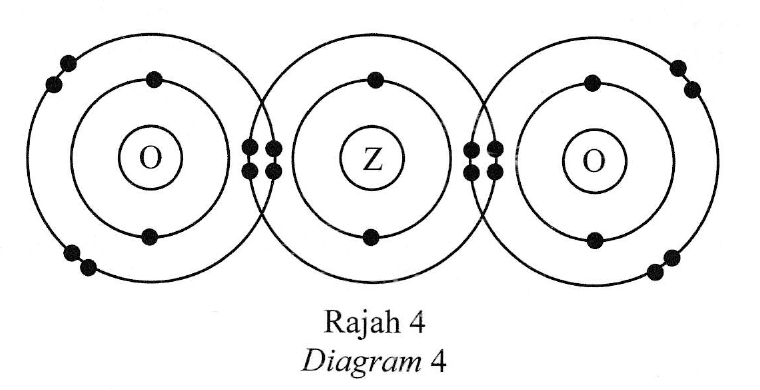
Diagram 4 shows a product formed between element Z and oxygen (electron arrangement diagram: Z shares two pairs of electrons with each of two oxygen atoms). What is Z?
Medium
Which of the following substances is a covalent compound?
Easy
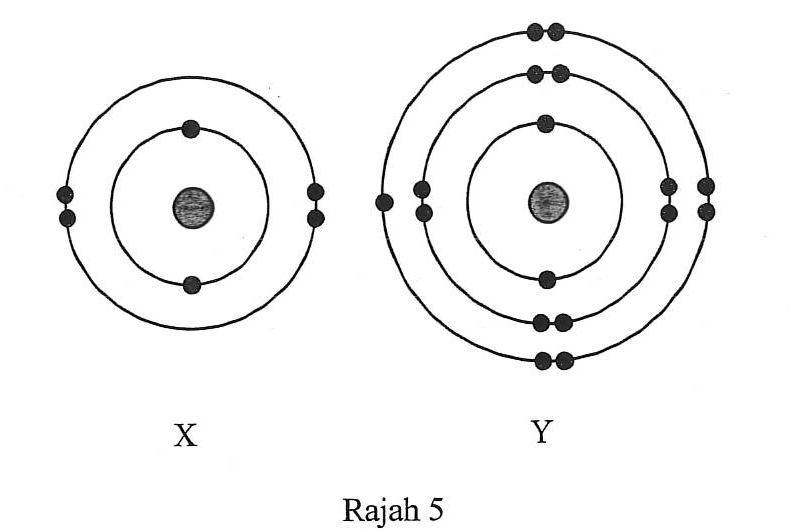
Diagram 5 shows the electron arrangement of atom X and atom Y. X and Y are not the actual symbols of the elements. Which pair of formula and the type of compound is correct?
Medium
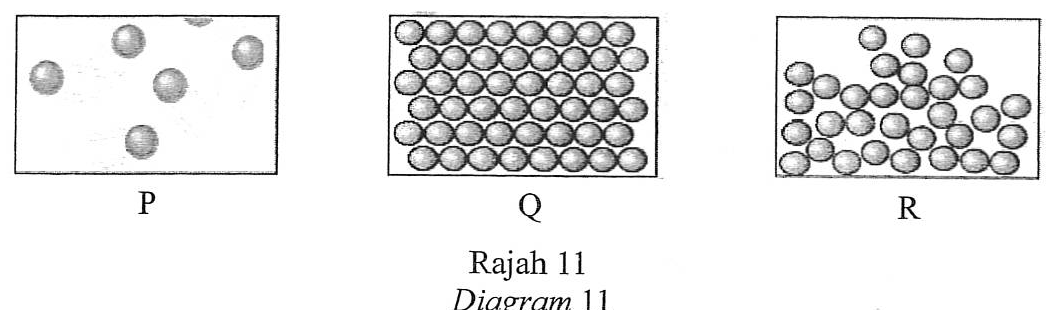
Diagram 11 shows the arrangement of particles for substances P, Q and R at room temperature. Which of the following are substances P, Q and R?
Medium
Which pair of ions has the same number of electrons? [Proton number: O = 8, Na = 11, Mg = 12, Al = 13, Cl = 17, Ca = 20]
Medium
The boiling point of ethanoic acid and sulphur dioxide are 118 °C and -10 °C respectively. Which of the following statement best explains the difference?
Medium
Hydrogen bond can be formed between hydrogen atom and atom of
Easy
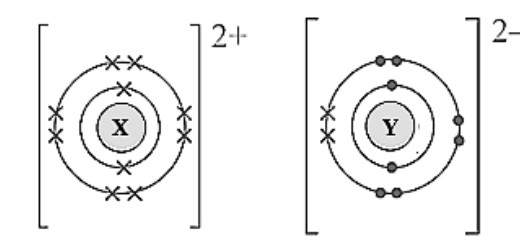
Diagram 4 shows the electron arrangement of a compound (X²⁺ ion and Y²⁻ ion). Which of the following is a property of the compound shown in Diagram 4?
Medium
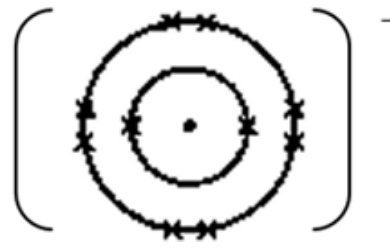
Diagram 9 shows the electron arrangement of Y⁻ ion. Which of the following statement is true about Y⁻ ion?
I. Y⁻ ion is cation
II. Electron arrangement of Y⁻ ion is 2.7
III. Y atom receives one electron to form Y⁻ ion
IV. Y⁻ ion can form an ionic compound with sodium ion
Medium
Silicon dioxide, SiO₂ is a covalent compound with a giant molecular structure. Which of the following is a property of silicon dioxide, SiO₂?
Medium
Properties of metal can be explained in terms of metallic structure and bonding. What is the basis of metallic bond?
Medium
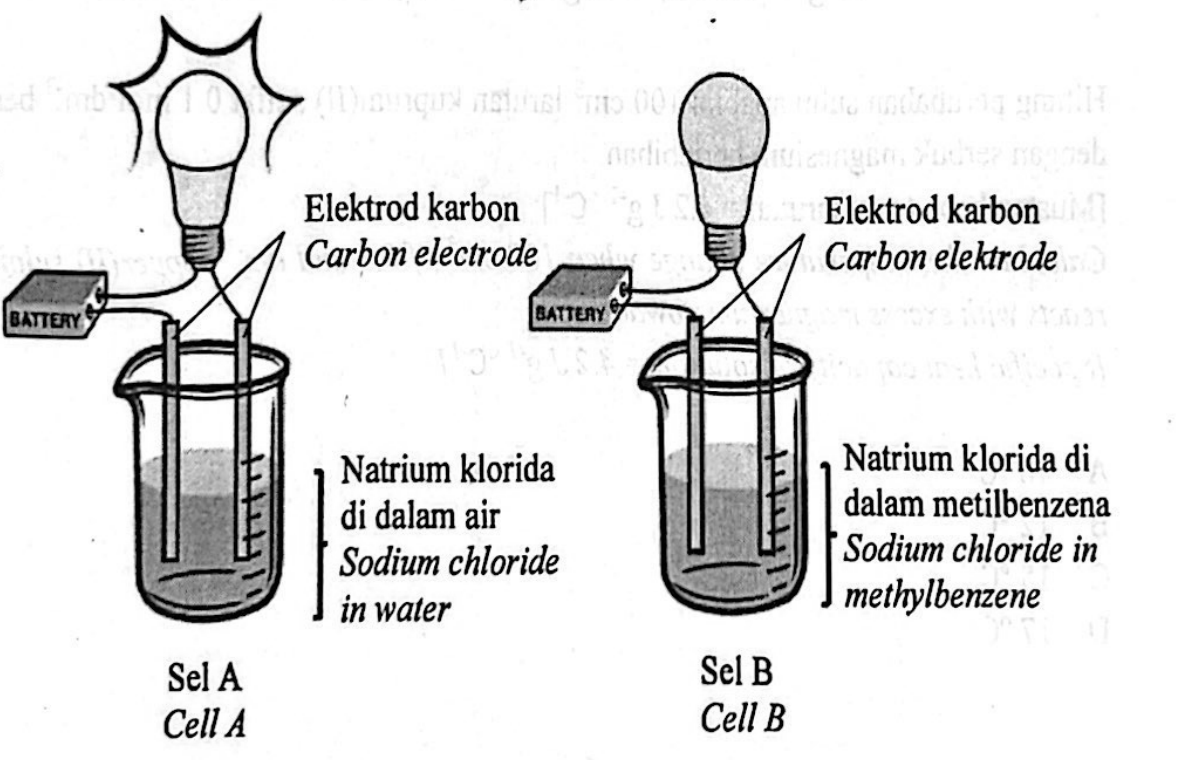
Two experiments study the solubility of sodium chloride in water and methylbenzene. Diagram 12 shows the apparatus set-up to show electrical conductivity of the solutions produced (Cell A: sodium chloride in water; Cell B: sodium chloride in methylbenzene). After 20 minutes, only the bulb in cell A lights up. Which of the following is the inference for the experiment?
Medium
Which compound is formed by transferring electrons?
Easy
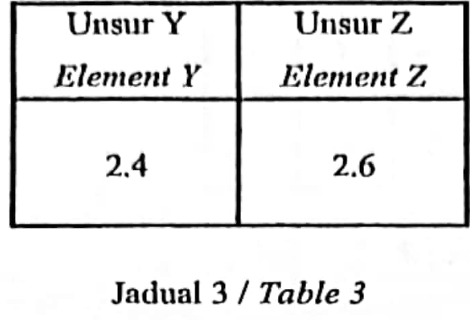
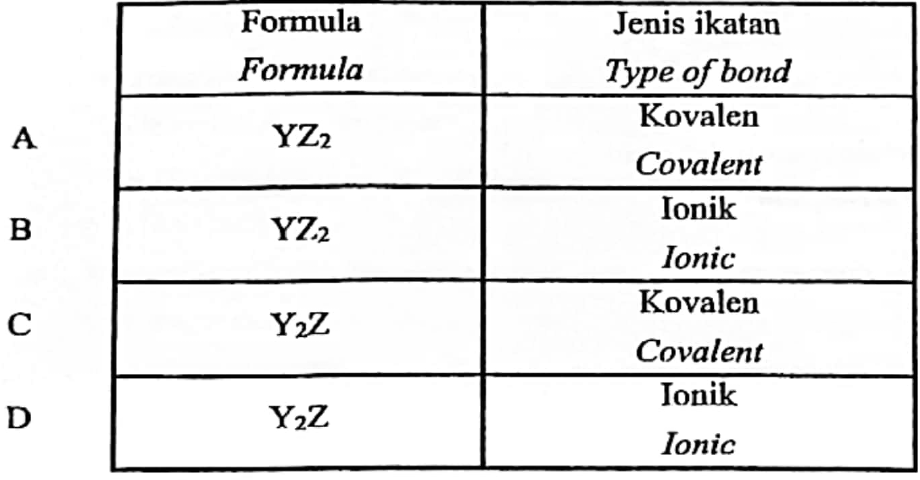
Table 3 shows the electron arrangement of element Y (2.4) and element Z (2.6). What is the formula and the type of bond of the compound formed from the reaction between Y and Z? A YZ2, covalent; B YZ2, ionic; C Y2Z, covalent; D Y2Z, ionic
Medium
Zink chloride is an ionic compound. Which substance can dissolves zink chloride?
Medium
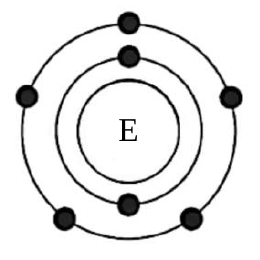
Diagram 3 shows the electron arrangement for atom E. How many pairs of electrons are involved to form molecule E?
Medium
Diagram 11 shows the electron arrangements of atoms P and Q. Which of the following chemical equation represent formation of compound for atoms P and Q?
Medium
Which of the following pairs of physical properties of magnesium chloride is true? (Solubility in water / Electrical conductivity in aqueous solution)
Medium
What is meant by metallic bond?
Easy
Table 3 shows the proton number for six types of element P, Q, R, S, T and U: P 1, Q 6, R 8, S 11, T 12, U 17. Which of the following pairs of element produce substance that is soluble in water?
Medium
The formula of ion for elements Y and Z are as follows: Y³⁺ and Z²⁻. Which of the following chemical formula represents the reaction between Y and Z?
Medium
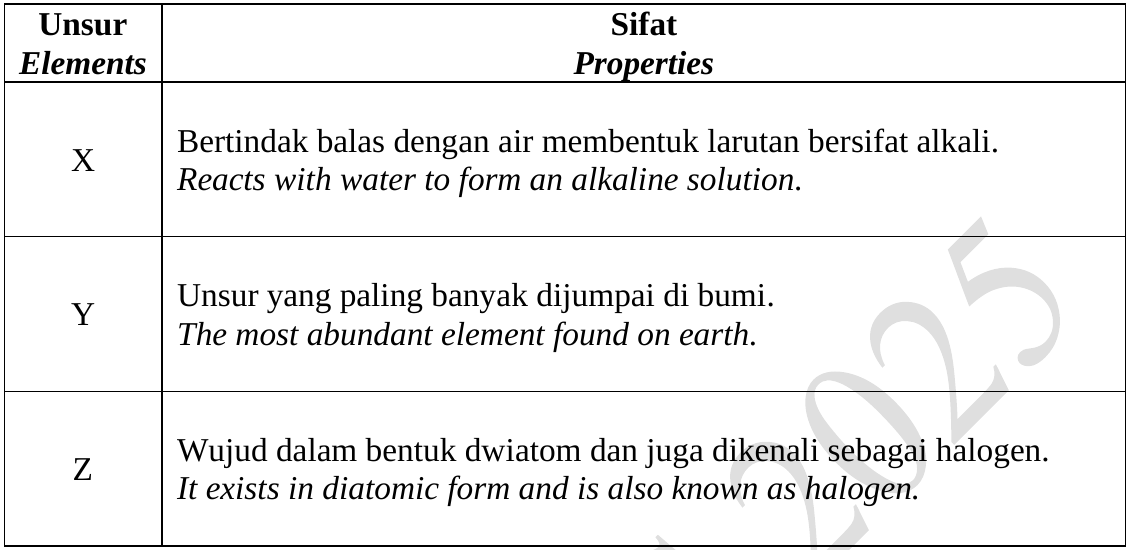
Table 6 shows the properties of elements X, Y and Z: X reacts with water to form an alkaline solution; Y is the most abundant element found on earth; Z exists in diatomic form and is also known as halogen. Compound M is formed from the reaction between atom X and atom Z while compound N is formed from the reaction between atom Y and atom Z. Which compound has a higher melting point?
Medium
Diagram 1 shows the formation of ammonia boron trifluoride when ammonia, NH₃ reacts with boron trifluoride, BF₃. What is the chemical bond formed between ammonia molecule and boron trifluoride molecule?
Medium
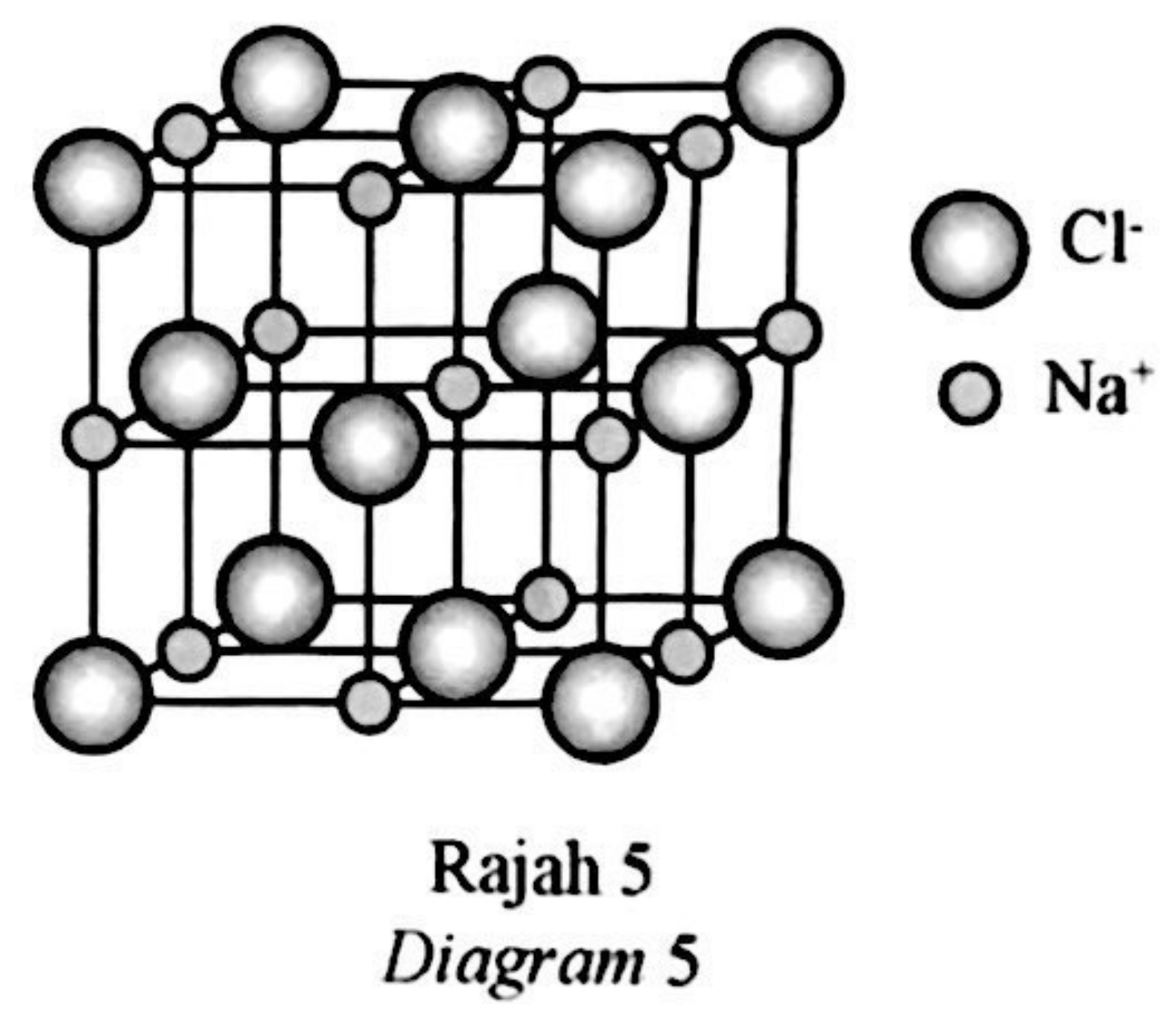
Diagram 5 shows the structure of sodium chloride crystal. Which of the following is correct about the property of the compound?
Medium
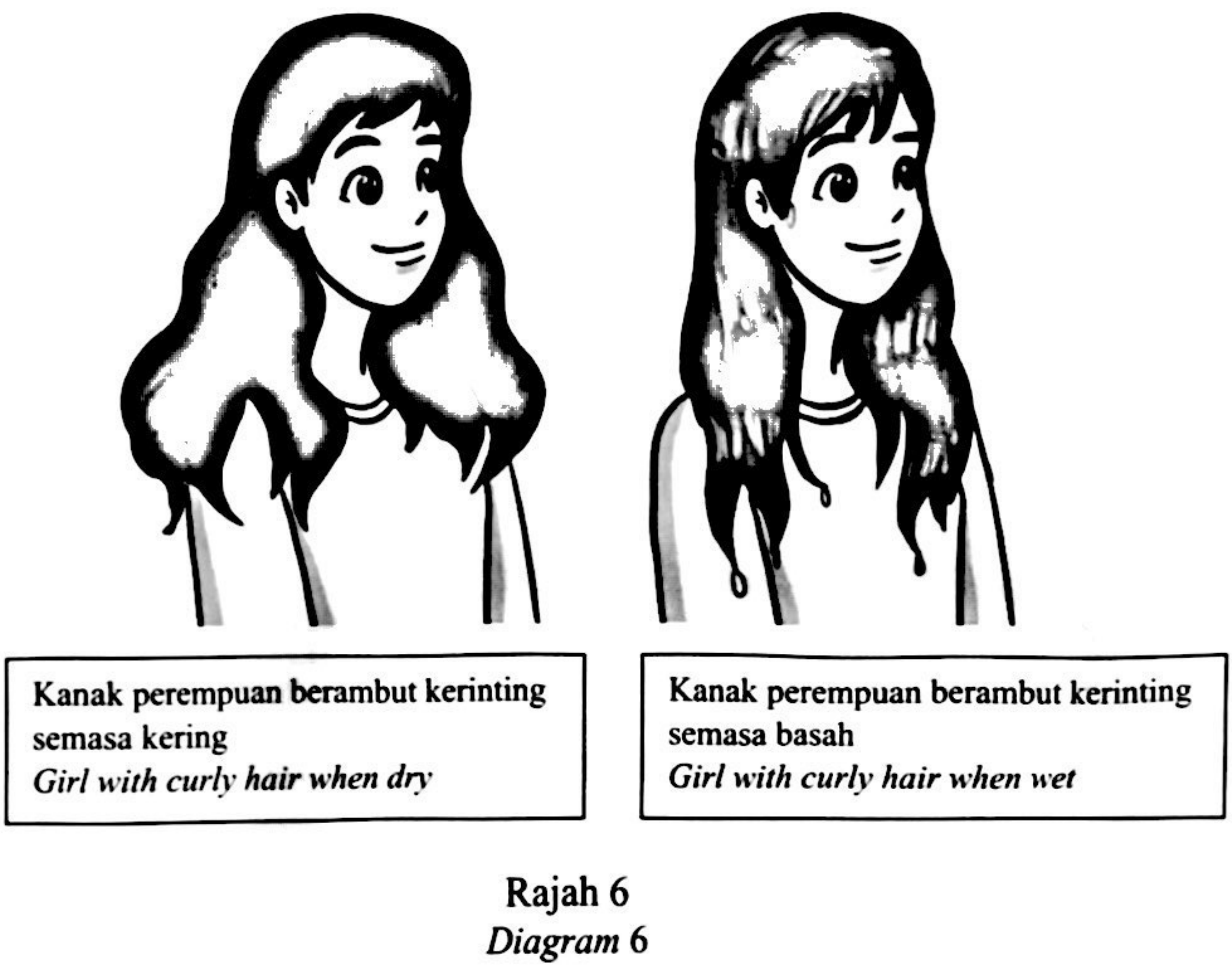
Diagram 6 shows the state of curly hair when dry and wet. Which of the following statements explains the situation?
Medium
Element X and element Y are located in Group 1 and Group 16 respectively in the Periodic Table of Elements. Element X reacts with element Y to form a compound. What is the chemical formula of the compound?
Medium
Which of the following statements explains about dative bond?
Medium
Which of the following substances can dissolve in water?
Easy
Which of the following substances consist of ionic bond?
Easy
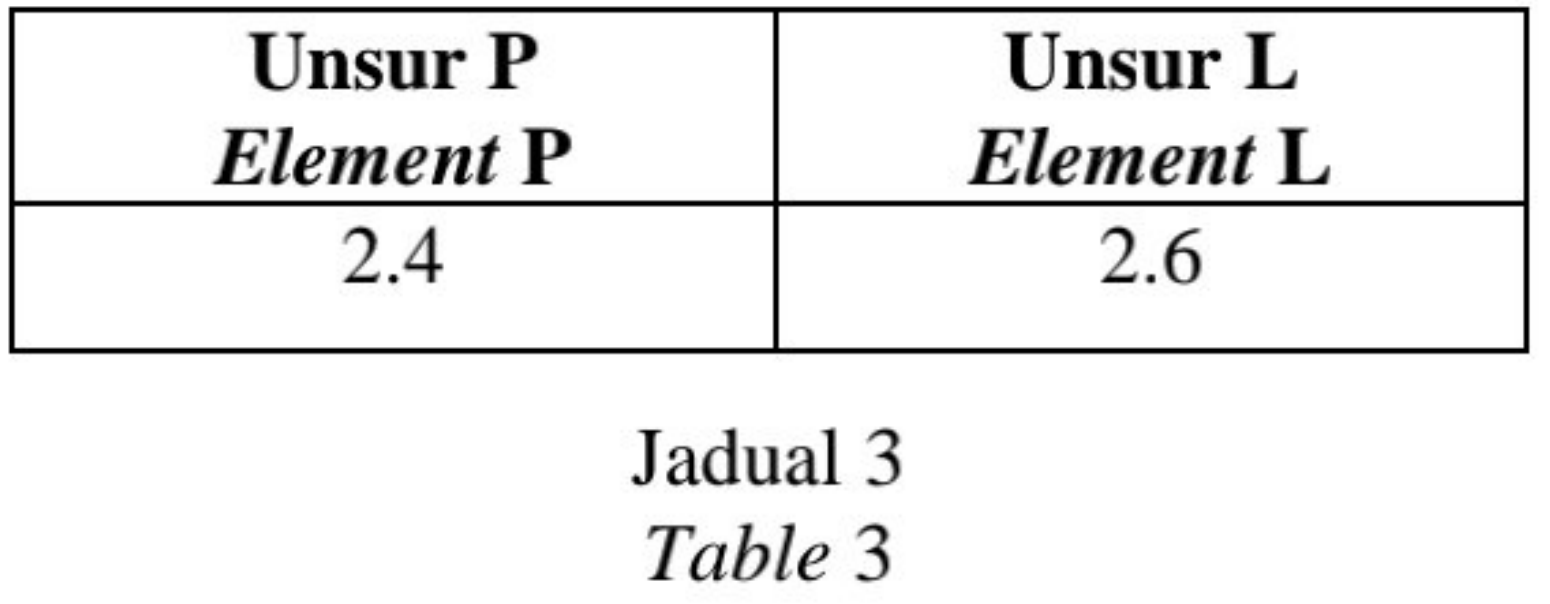
Table 3 shows the electron arrangement of element P (2.4) and L (2.6). What is the chemical formula and the type of bond of the compound formed from the reaction between P and L?
Medium
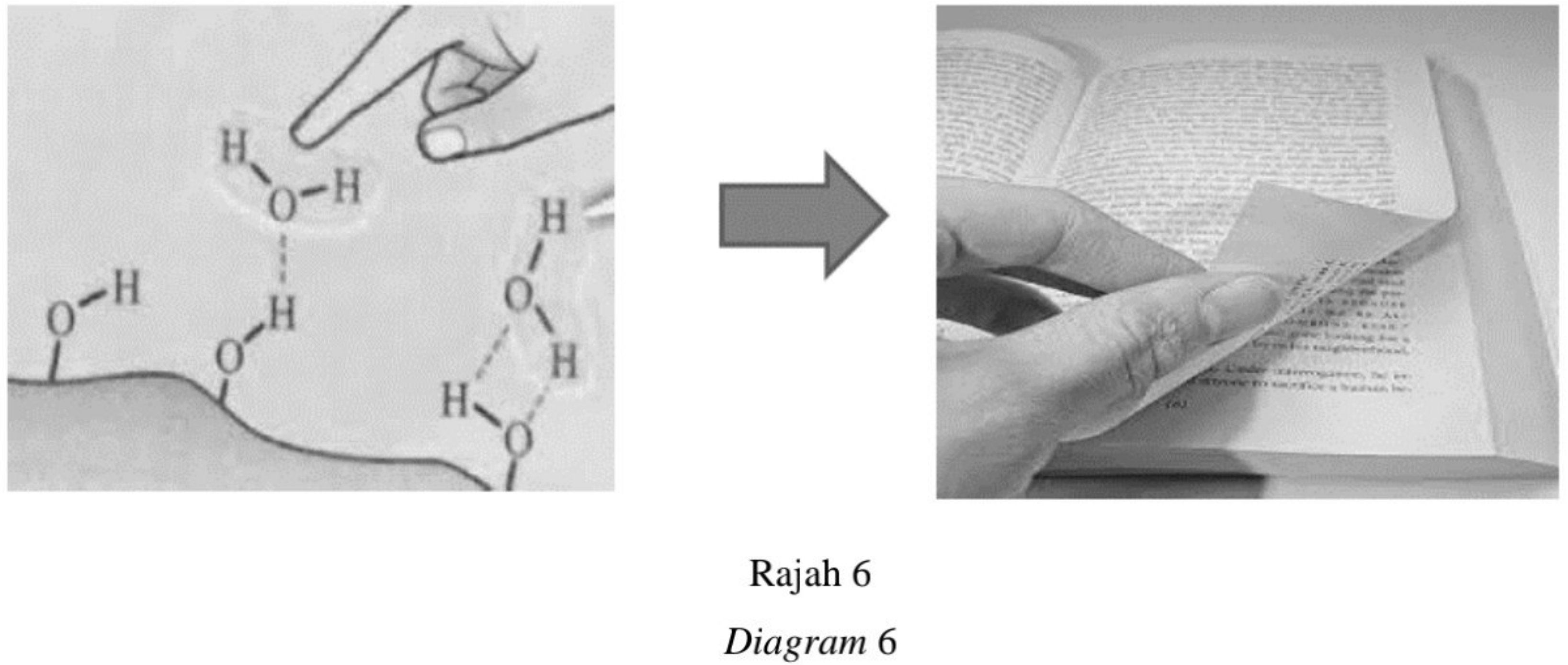
Diagram 6 shows Danish flipping a page in the book by wetting the finger (water molecules at the fingertip and the paper surface). Which of the following statements explains the situation?
Medium
Compound Y consists of oppositely-charged particles. Which of the following are not true about the properties of compound Y?
I Has high melting and boiling points.
II Exists in liquid form at room temperature.
III Soluble in water.
IV Conduct electricity in solid state.
Medium
Which of the following substances consists of covalent bond?
Medium
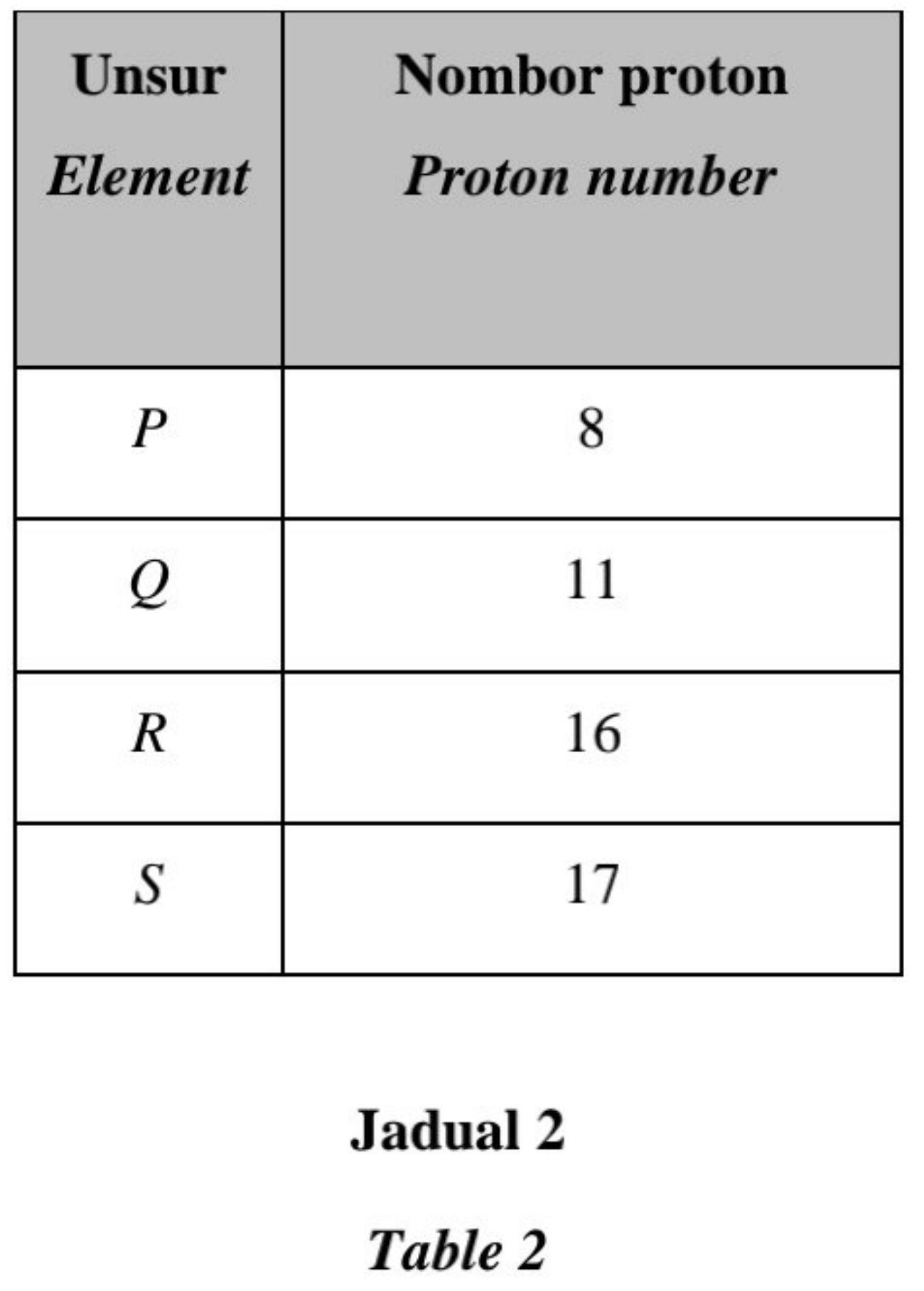
Table 2 shows the proton numbers of four elements P, Q, R and S (P = 8, Q = 11, R = 16, S = 17). Which of the following pairs of elements can combine to form an ionic compound?
Medium
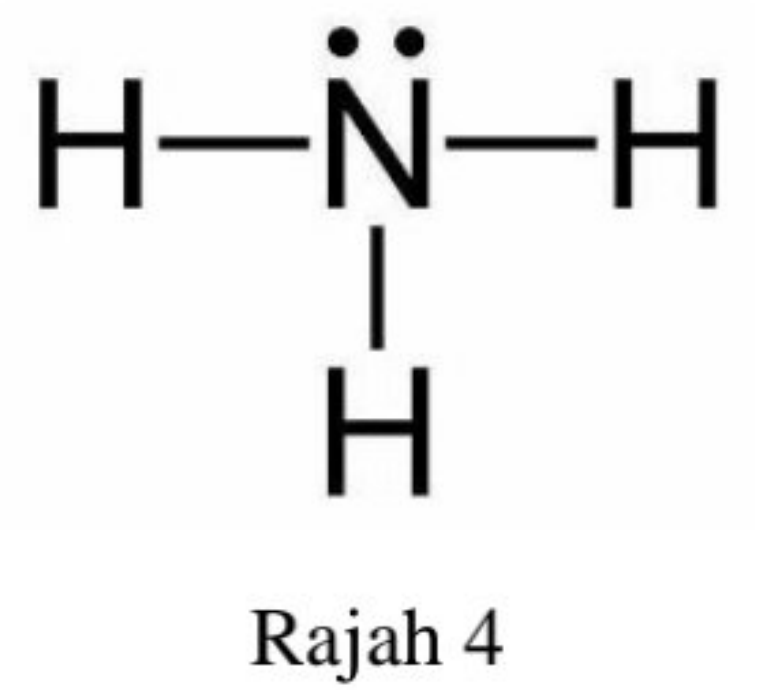
Diagram 4 shows the structure of ammonia molecule (N bonded to three H atoms, with one lone pair on N). What is the maximum number of hydrogen bonds that can be formed by water molecule? [sic: the printed English text says 'water molecule']
Medium
Which of the following is a property of potassium fluoride?
Medium
Which compound is formed by transferring electrons?
Easy
Which compound is correctly matched with its type of bonds? (Substance – Type of bonds)
Medium
Which particles combine to form a dative bond? I Chloride ion; II Hydrogen ion; III Water molecule; IV Ammonia molecule
Medium
What type of chemical bond in water molecules?
Easy
Which statement is correct about the metallic bond?
Easy
Which of the following molecules share three pairs of electrons between two atoms?
Medium
Which substance consists of ions?
Easy
Diagram 1 shows the atom model of a compound. Which of the following is the property of the compound?
Medium
Which compound is covalent compound? I Magnesium oxide, MgO; II Lithium chloride, LiCl; III Butane, C4H10; IV Tetrachloromethane, CCl4
Medium
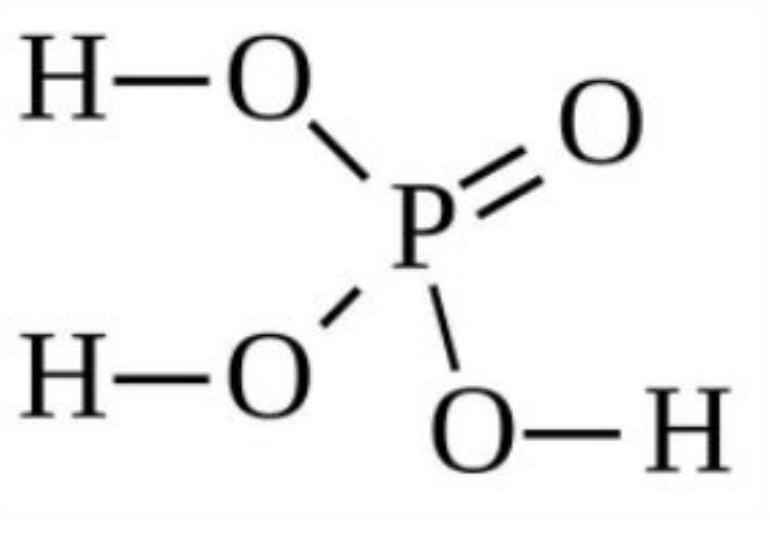
Diagram 6 shows a phosphoric acid molecule (H3PO4: three H-O groups bonded to P, plus P=O). How many electrons are involved in the formation of all covalent bonds in the phosphoric acid molecule?
Medium
What type of chemical bond is formed through the transfer of electrons between metal atoms and non-metal atoms?
Easy
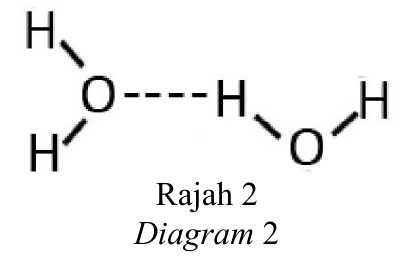
Diagram 2 shows the bond formed between water molecules (H-O···H-O-H, a hydrogen bond shown as dashed line). Which of the following has the same bond as Diagram 2?
Medium
Which pairs will produce covalent compounds? I Copper and chlorine, II Carbon and fluorine, III Hydrogen and chlorine, IV Magnesium and fluorine
Medium
Which of the following statements is correct about chemical bonds?
I A hydrogen bond is a type of covalent bond in which the shared pair of electrons comes from only one atom
II Electrostatic attraction between a sea of electrons and positively charged metal ions forms metallic bonds
III Ionic bonds are formed by the transfer of electrons between metal atoms and non-metal atoms
IV A single covalent bond is formed when two atoms share two pairs of electrons
Medium
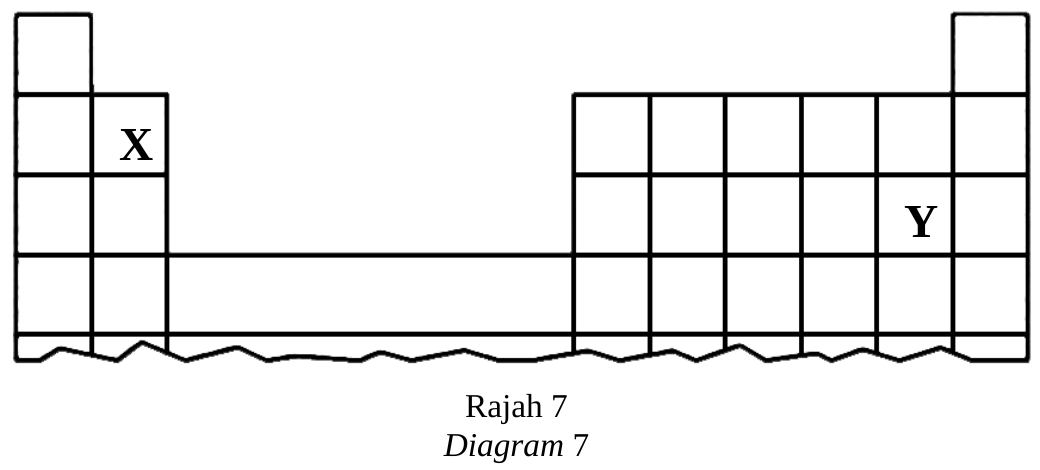
Diagram 7 shows part of the Periodic Table of Elements (X is in Group 2, Y is in Group 17). Which of the following compounds may form when element X reacts with element Y?
Medium
Diagram 8 shows an illustration of conversation between atom P and atom Q. P says: "I am in Group 14 in the Periodic Table of Elements." Q says: "I am in Group 17 in the Periodic Table of Elements." What is the type of chemical bond that will be formed between atom P and atom Q?
Medium
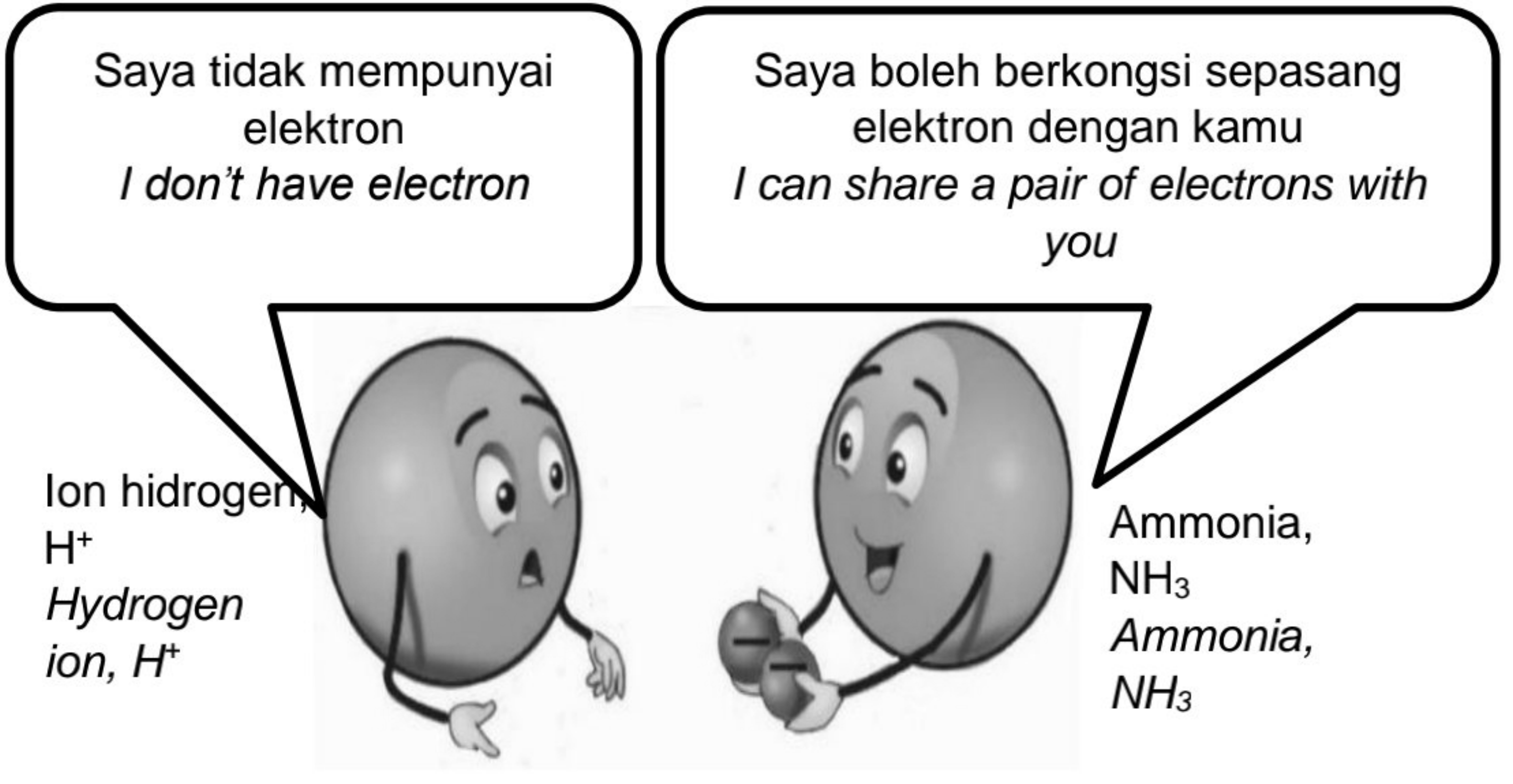
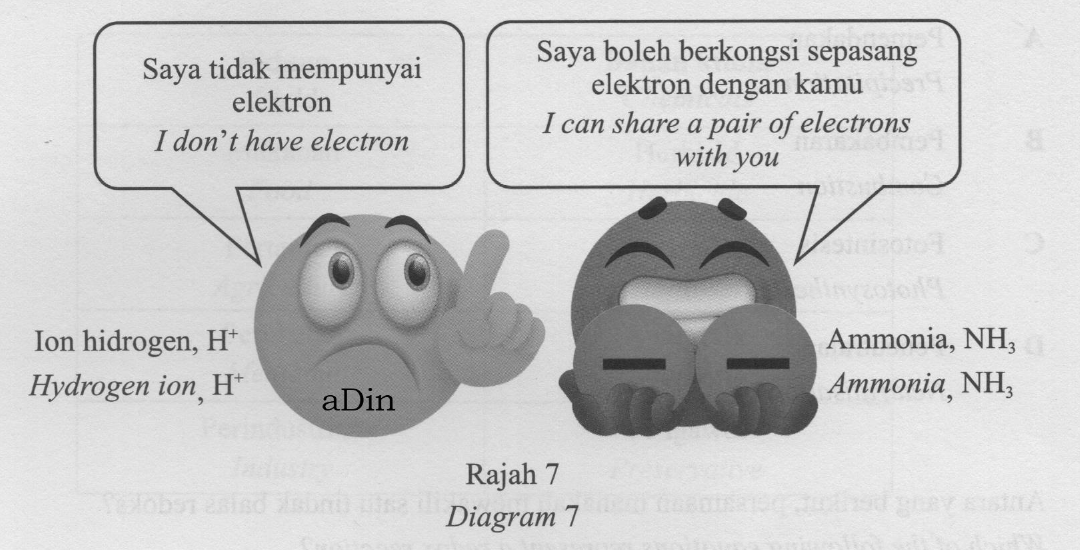
Diagram 3 shows the bond formation of two types of particles. Hydrogen ion, H⁺ says: "I don't have electron". Ammonia, NH₃ says: "I can share a pair of electrons with you".
What is the type of chemical bond formed?
Medium
Which of the following is the property of covalent compound?
Medium
Which of the following is the electron arrangement diagram for the formation of ionic compound?
Medium
Which substance is a covalent compound?
Easy
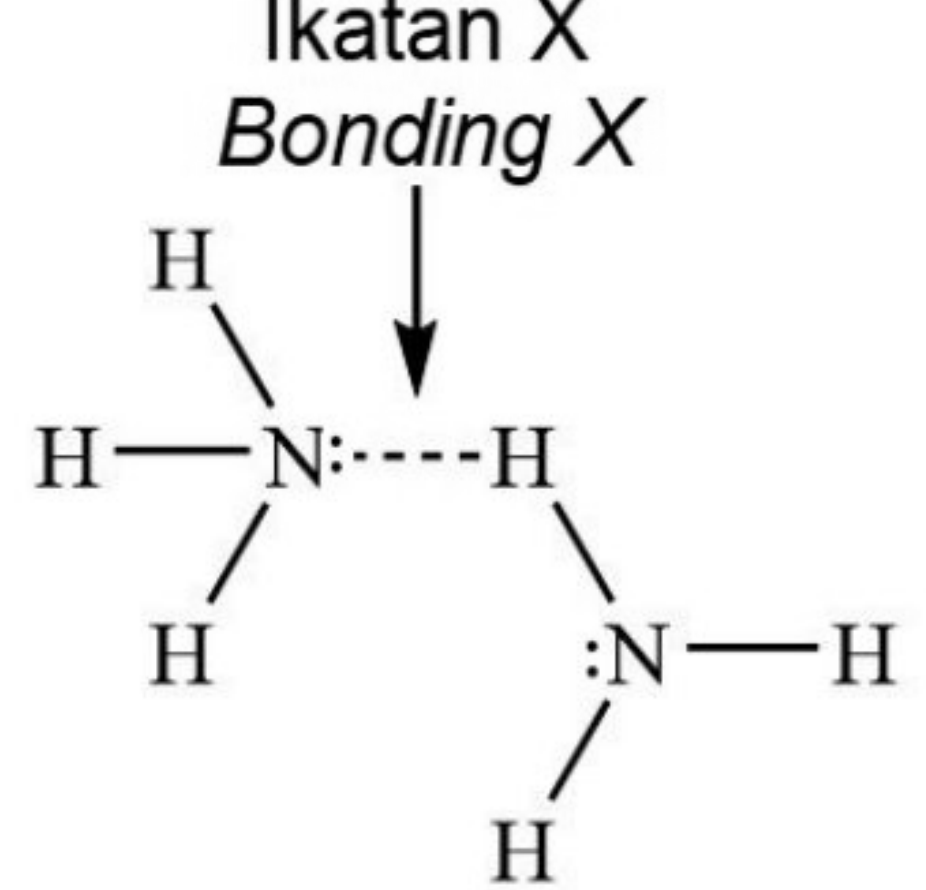
Diagram 4 shows the formation of bonding X (a dotted line from the N atom of one NH3 molecule to an H atom of another NH3 molecule). What is bonding X?
Medium
Why the boiling point of water is higher than methane?
Medium
Diagram 7 shows the atom model of a compound (silicon atoms and oxygen atoms joined by covalent bonds in a giant network). Which of the following is correct about the compound?
Medium
Diagram 9 shows the electron arrangement in compound JL (J+ with 2 electrons in one shell; L- with 2.8.8... shown as electron arrangement of the anion with 8 outer electrons). Which elements is represented by J and L?
Medium
Which of the following is an ionic compound?
Easy
Diagram 19 shows the electron arrangement of a compound formed between atom W and atom X. Atom X also forms a compound with atom Z. Which of the following is the electron arrangement of the compound formed? [Proton number Z = 11]
Medium
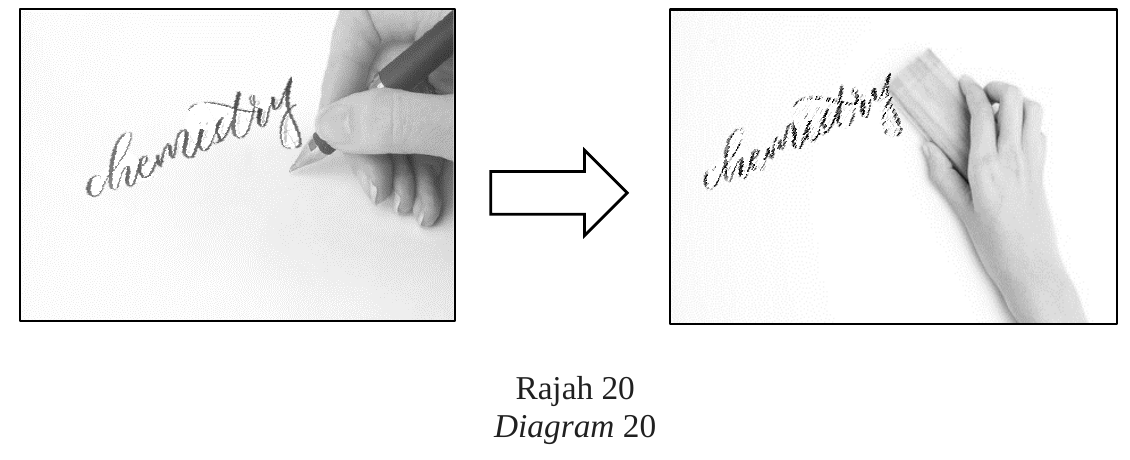
Diagram 20 shows Merqeen trying to erase writing on a whiteboard using solvent X. What is solvent X?
Medium
Table 1 shows the information for the position of elements W, X, Y and Z in the Periodic Table of Elements.
Element: W, X, Y, Z
Group: 1, 16, 17, 14
Period: 2, 2, 3, 2
Which pair of elements form a compound with high melting point?
Medium
Diagram 3 shows a type of bond. Which of the following is correct about the bond?
Medium
Which of the following statements is correct about simple molecule?
Easy
Diagram 2 shows the formation of bond Z (dotted bond between H and F of neighbouring HF molecules). What is bond Z?
Easy
The electron arrangement of an atom of P is 2.8.1 and the electron arrangement of an atom of Q is 2.6. Element P and Q react to form a compound. Which of the following is true about the reaction?
Medium
Which of the following compounds contain dative bond?
Medium
Iron and iron(II) chloride solution conduct electricity. Which pair of bonds distinguish the electrical conductivity of iron and iron(II) chloride solution? (Each option is a diagram pair: iron | iron(II) chloride solution.)
Medium
Which of the following is the property of ionic compound?
Easy
Which of the following substances forms hydrogen bond with water?
Medium
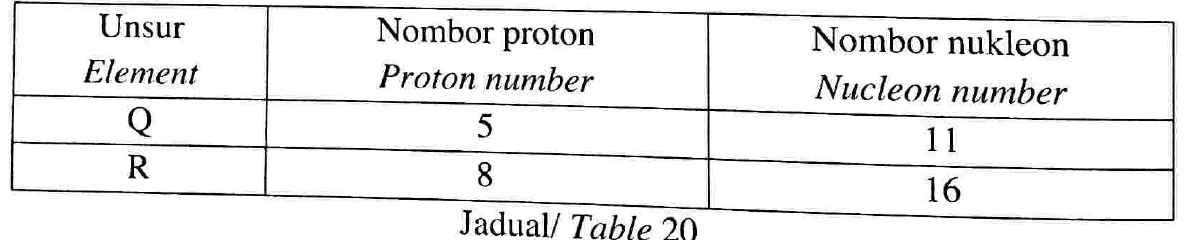
Table 20 shows the information of atom of elements Q and R: Q proton number 5, nucleon number 11; R proton number 8, nucleon number 16. What is the formula of the compound formed between elements Q and R?
Medium
Diagram 1 shows the formation of a type of bond in an ion (H⁺ + H₂O → H₃O⁺, with an arrow from the lone pair of oxygen to H⁺). What is the type of the bond?
Medium
Table 1 shows the electron arrangement of elements Y and Z.
Element Y: 2.4; Element Z: 2.6.
What is the formula and the type of bond in the compound formed from the reaction between elements Y and Z?
Medium
Which of the following compounds has an ionic bond?
Easy
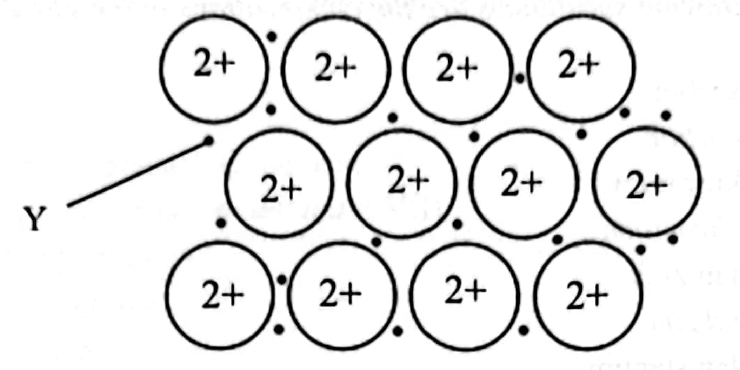
Diagram 2 shows a formation of metallic bond of magnesium. What is Y?
Easy
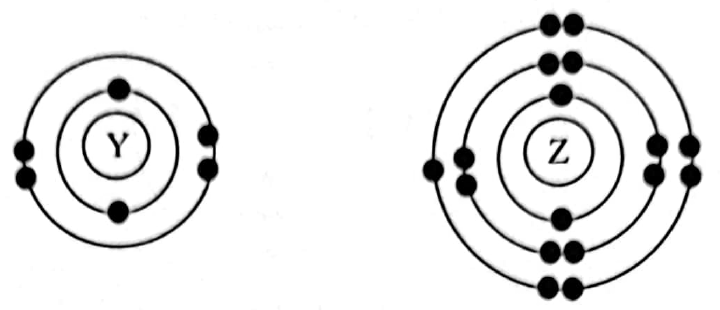
Diagram 5 shows the electron arrangement of atoms Y and Z. Which of following formula and type of bond are correct for the compound formed from the reaction between Y and Z?
Medium
'Electrons are free to move and are not owned by any atom nor ion'. What is the correct term for the statement?
Easy
Diagram 8 shows the electron arrangement of a compound. Which of the following substances can dissolve the compound?
Medium
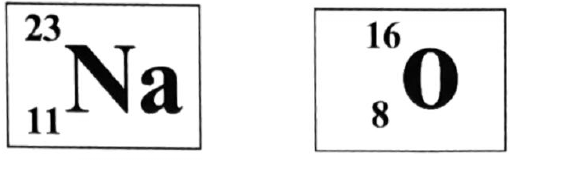
Diagram 21 shows the standard representation of atoms of sodium and oxygen elements: 23/11 Na and 16/8 O. Which of the following statements explains how bond is formed when these two elements react?
Medium
Which of the following chemical bond is formed through the transfer of electron?
Easy
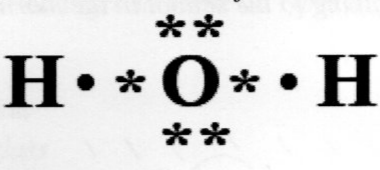
Diagram 7 shows the Lewis structure of a water molecule. What is the maximum number of hydrogen bonds that can be formed by a water molecule?
Medium
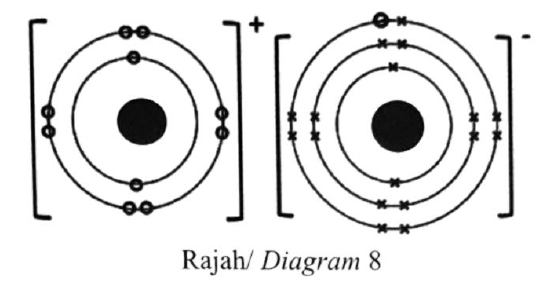
Diagram 14 shows the electron arrangement in compound JL. Which elements are represented by J and L?
Medium
Which of the following substance is an ionic compound?
Easy
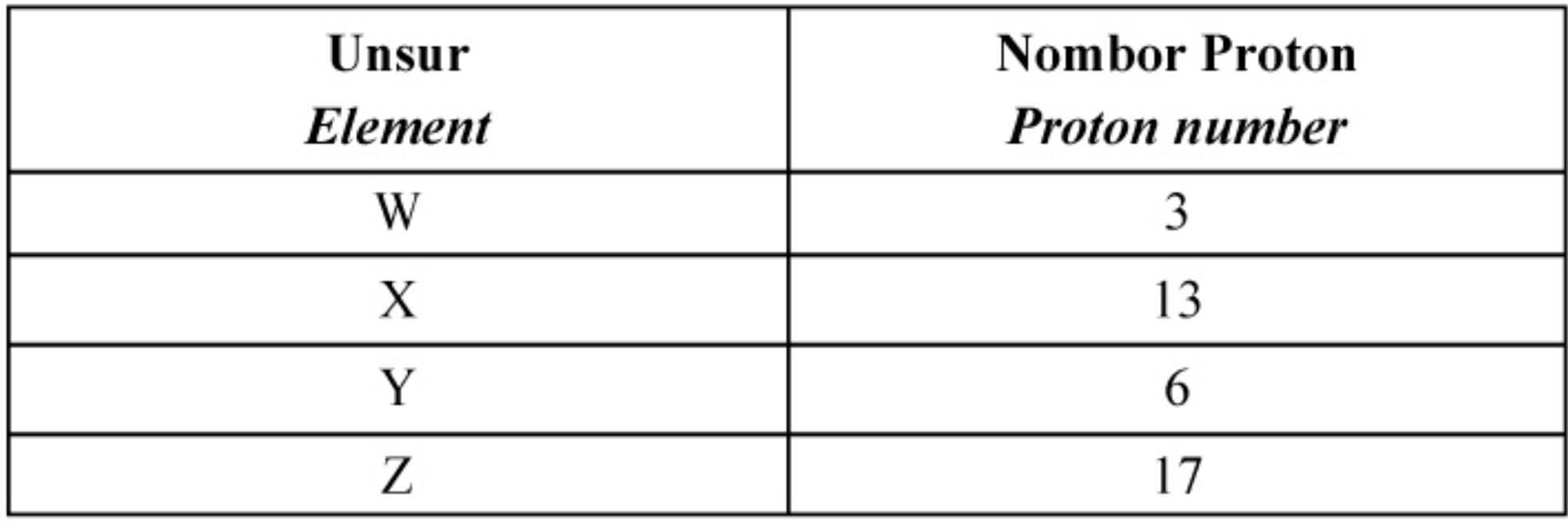
Table 1 shows the proton number of four elements: W = 3, X = 13, Y = 6, Z = 17. Which of the following pair of elements forms a compound that is insoluble in water?
Medium
Diagram 11 shows the bond formed in and between water molecules. What is bond X (the dashed bond between molecules)?
Easy
Which of the following is the property of covalent compound?
Medium
Ethanol, C₂H₅OH is soluble in water. Which of the following statement explains the solubility of ethanol in water correctly?
Medium
Diagram 10 shows the bond formed in and between water molecules. What is bond X?
Easy
Which of the following substances consist of ionic bond?
Easy
Which of the following substances consist of molecules?
Easy
Diagram 7 shows the bond formation of two types of particles: hydrogen ion, H⁺ ("I don't have electron") and ammonia, NH₃ ("I can share a pair of electrons with you"). What is the type of chemical bond formed?
Medium
Which of the following is the property of covalent compound?
Medium
Which substance is a covalent compound?
Easy
Ethanol dissolves in water. Which statement exactly explains why ethanol dissolves in water?
Medium
Which of the following is the property of ionic compound?
Easy
Element P and element Q react to form a covalent compound with formula PQ₂. Which of the following is true? (Electron arrangement of atom P, atom Q)
Medium
Diagram 7 shows the formation of ammonia boron trifluoride when ammonia, NH₃ reacts with boron trifluoride, BF₃. What is the chemical bond shown in Diagram 7?
Easy
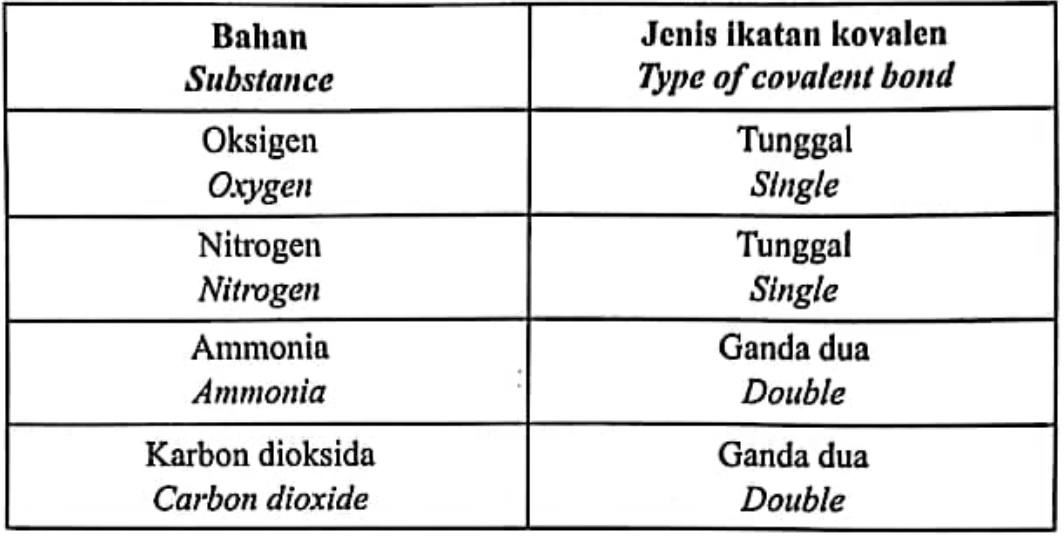
Which substance is correctly matched with its type of covalent bond? [Proton number: H = 1, C = 6, N = 7, O = 8]
Substance | Type of covalent bond
A Oxygen | Single
B Nitrogen | Single
C Ammonia | Double
D Carbon dioxide | Double
Medium
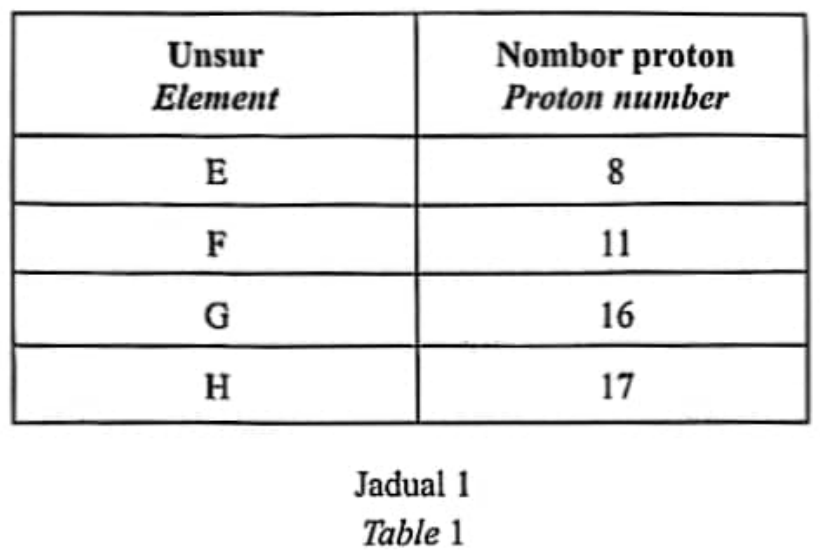
Table 1 shows the proton number of four elements, E, F, G and H: E = 8, F = 11, G = 16, H = 17. Which pairs of elements can combine to form an ionic compound?
Medium
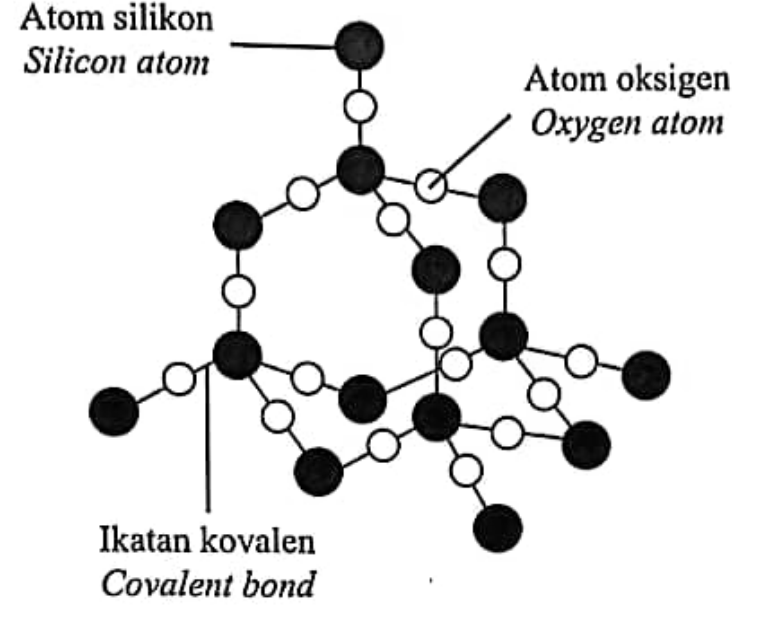
Diagram 14 shows the atomic model of a compound (silicon atoms and oxygen atoms joined by covalent bonds). Which of the following is true about the compound?
Medium
Which statement is best explains the formation of a covalent bond?
Easy
Which of the following is correct about covalent bond?
Easy
Which of the following comparison is correct about ionic compounds and covalent compounds?
Medium
The number of protons of atom R is 19 while the number of protons of atom Q is 8. Atom R reacts with atom Q to form compound Z. Which of the following is a property of the compound Z?
Medium
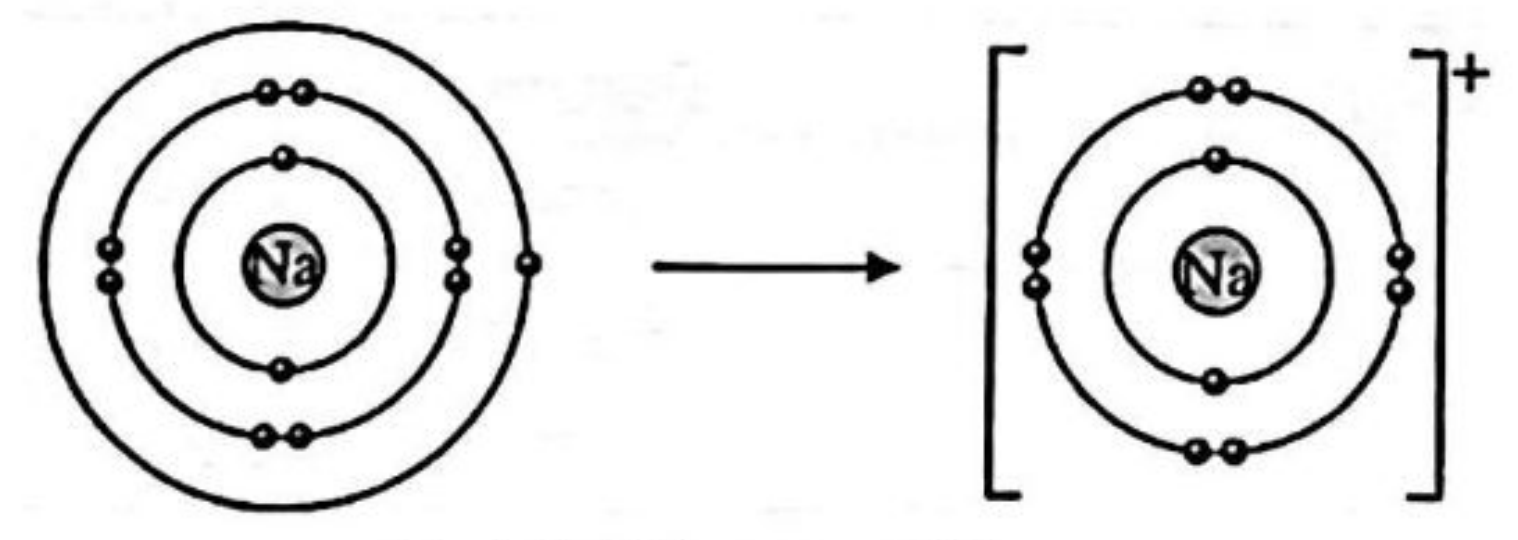
Diagram 20 shows the formation of sodium ions. Which of the following is the half-equation for the formation of sodium ions?