KELANTAN 2022 P2 Q10
MediumWrite your answer on paper. Then open the answer to check it.
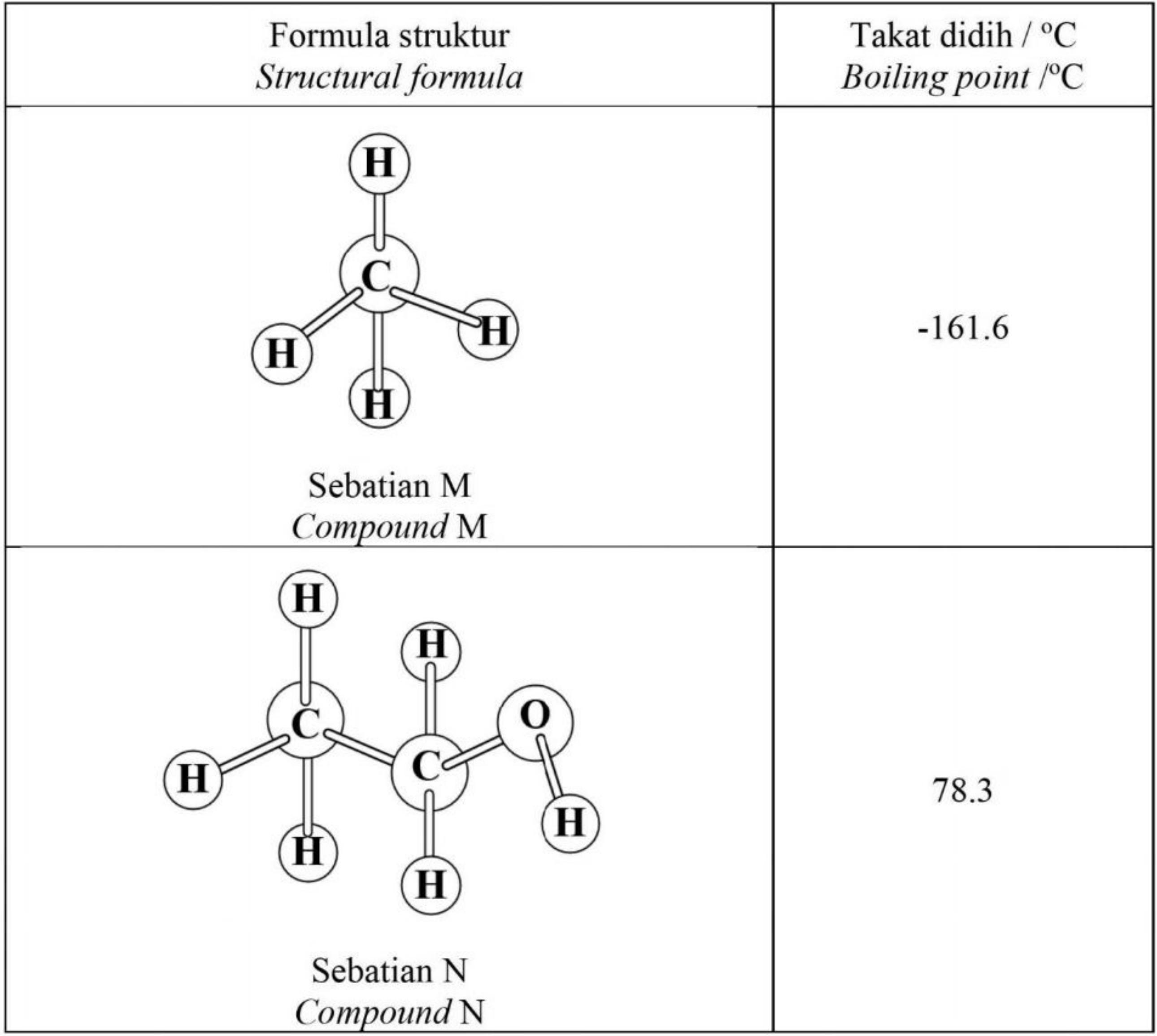
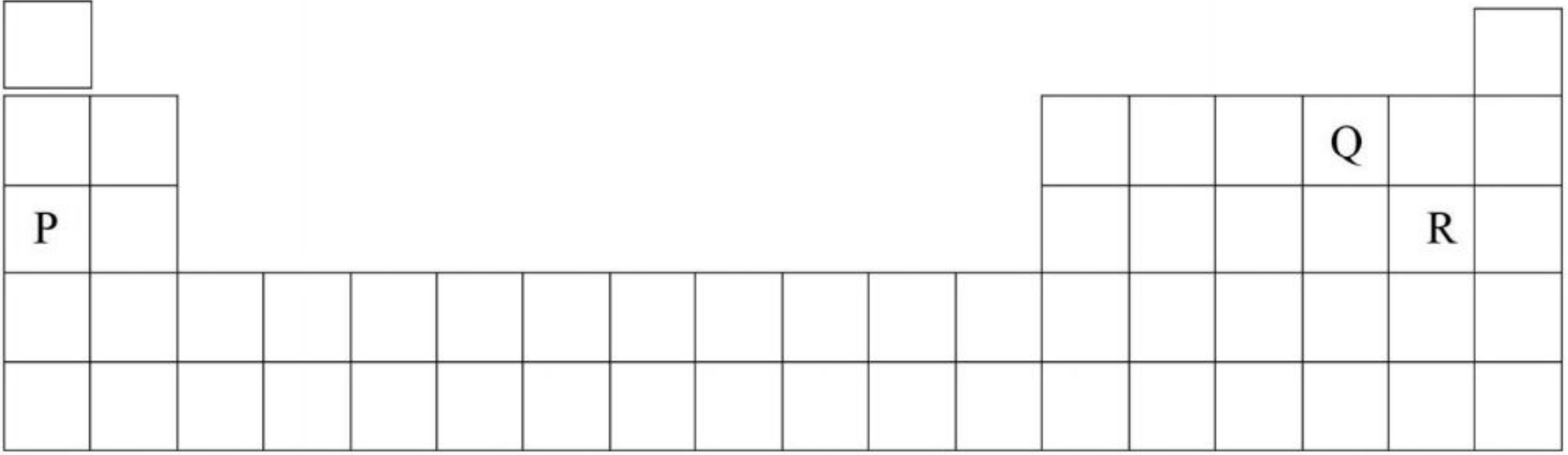
(a) Diagram 8.1 shows the arrangement of apparatus to study the electrical conductivity of compound X (ammeter reads about 0.5) and compound Y (ammeter reads almost 0). Diagram 8.2 shows the position of elements P, Q and R in the Periodic Table of Elements (P in Group 1 Period 3, Q in Group 14 Period 2, R in Group 17 Period 3). (b) Table 6 shows information for compounds M and N.
Medium20 marks- (a)(i)
State the types of compounds X and Y and the types of particles found in both compounds.
[4]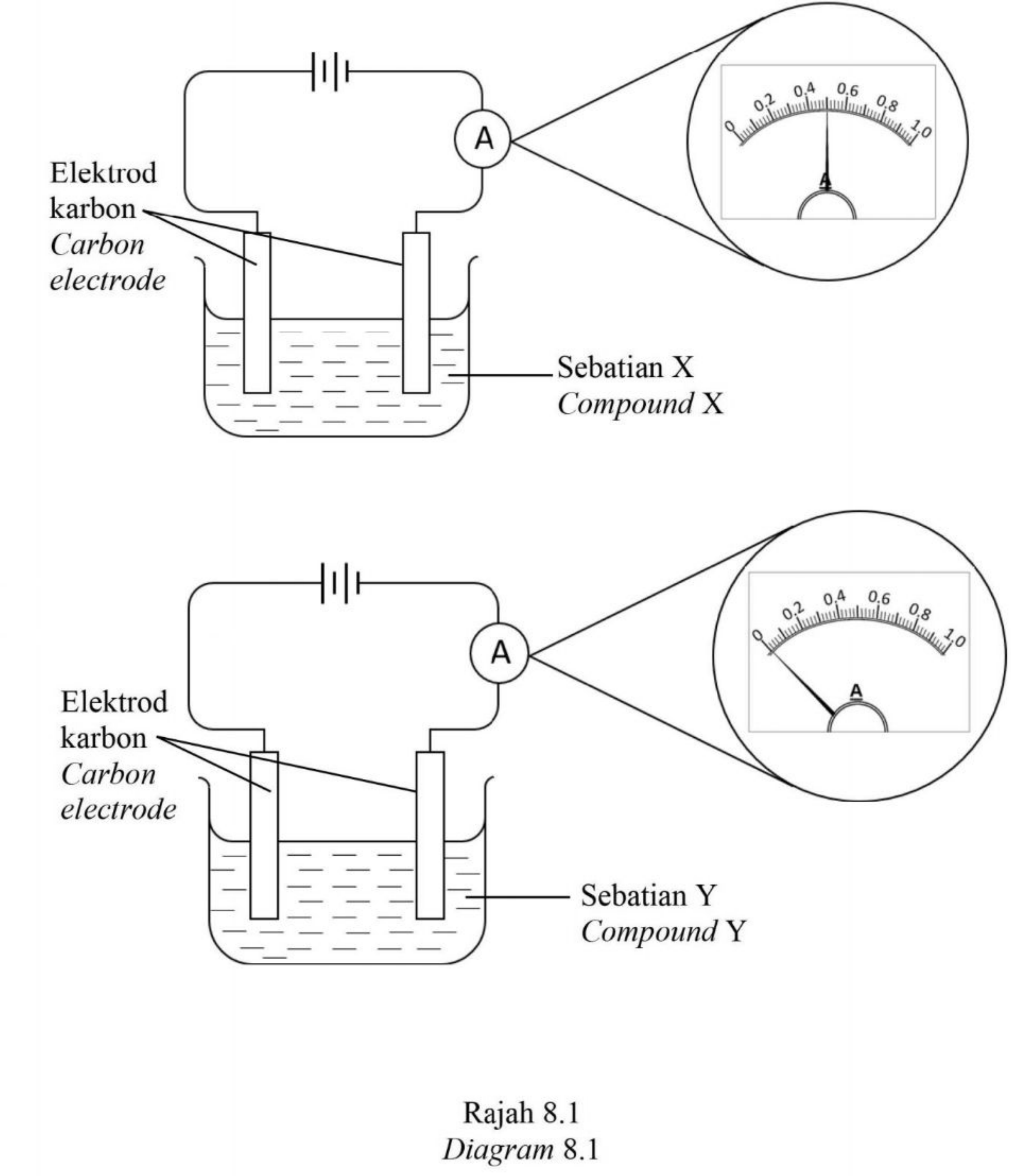
- (a)(ii)
Choose the elements that react to form compound X and compound Y and write the chemical formula for compound X and compound Y. Describe how bonds are formed in compound X.
[9] - (a)(iii)
The following chemical equation shows how potassium reacts with Q to form a compound: 4K + Q₂ → 2K₂Q. Calculate the mass of product formed at the end of the reaction if 7.8 g of potassium reacts with excess Q. [Relative atomic mass: Q = 16, K = 39]
[3] - (b)
Compare the boiling points of compounds M and N. Explain your answer.
[4]