PAHANG 2022 P2 Q11
MediumWrite your answer on paper. Then open the answer to check it.
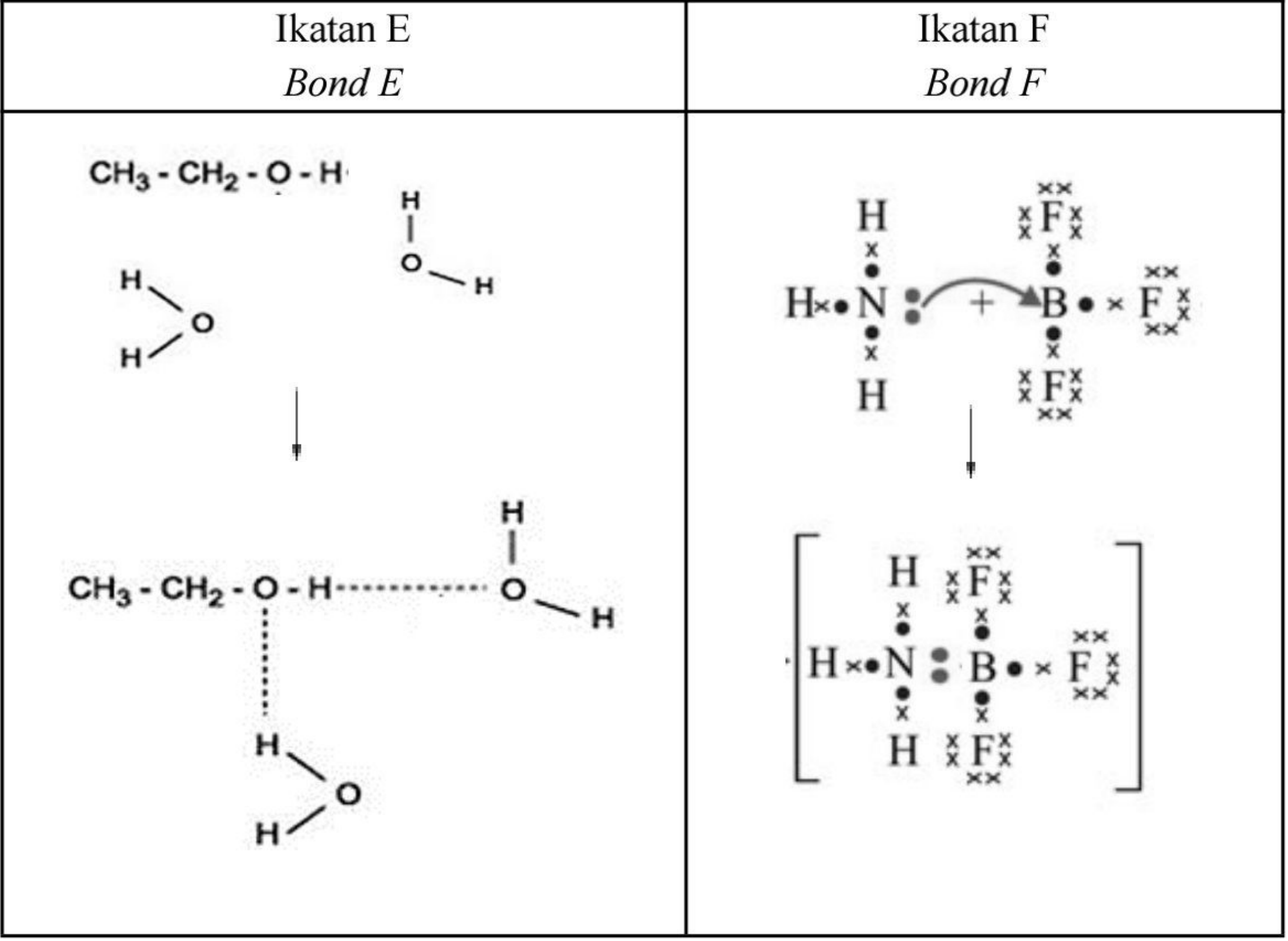
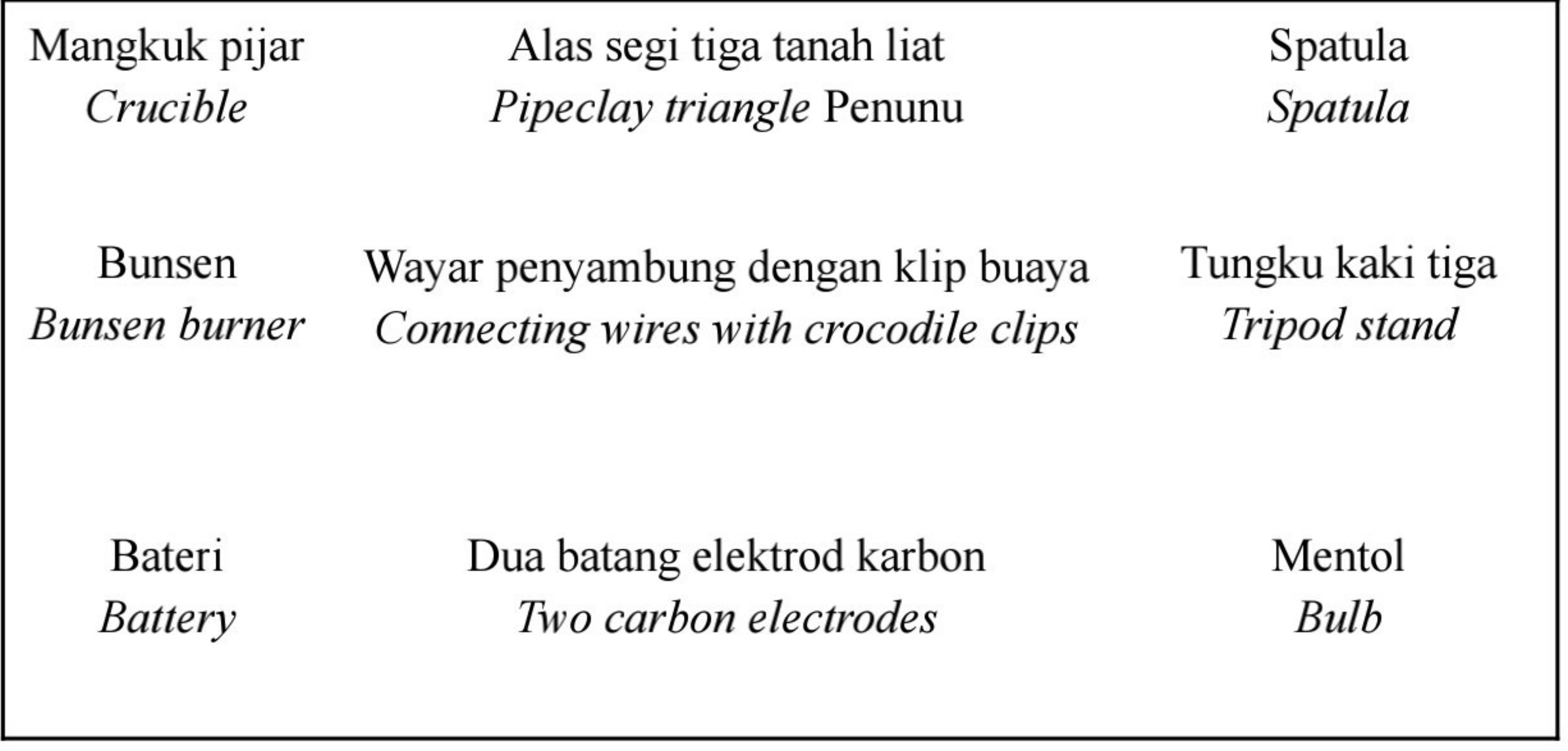
Table 11 shows the proton numbers of elements X (12), Y (8) and Z (6). Diagram 11.1 shows the formation of Bond E (ethanol with water molecules) and Bond F (NH3 and BF3 forming H3N-BF3). Diagram 11.2 lists apparatus: crucible, pipeclay triangle, spatula, Bunsen burner, connecting wires with crocodile clips, tripod stand, battery, two carbon electrodes, bulb.
Medium20 marks
- (a)
Element X can form cation to achieve a stable octet electron arrangement. Define cation and write the formula for the ion. (As corrected by the erratum.)
[2] - (b)(i)
Element Y can form two different types of compounds with element X and with element Z. Draw the electron arrangement for each type of compound formed.
[4] - (b)(ii)
0.05 mol of element Z reacts with excess element Y to form one of the compounds mentioned above. Write the chemical equation for the formation of the compound and calculate the mass of the compound formed. [Molar mass of compound = 44 g mol-1]
[4] - (c)
Diagram 11.1 shows the formation of two types of bonds, Bond E and bond F. Based on Diagram 11.1, identify bond E and bond F. (Question added by the erratum.)
[2] - (d)
Using the list of apparatus given (Diagram 11.2), describe an experiment to study the difference in the physical properties of Powder A and Powder B (two white powders). Include observation and conclusion.
[8]