SPM Tuition
Subject
Request Tuition

FORM 4

01Introduction to Chemistry
02Matter and the Atomic Structure
03The Mole Concept, Chemical Formula and Equation
04The Periodic Table of Elements
05Chemical Bond
06Acid, Base and Salt6.1 The Role of Water in Showing Acidic and Alkaline Properties0/36.2 pH Value0/36.3 Strength of Acids and Alkalis0/36.4 Chemical Properties of Acids and Alkalis0/36.5 Concentration of Aqueous Solution0/36.6 Standard Solution0/46.7 Neutralisation0/46.8 Salts, Crystals and Their Uses in Daily Life0/36.9 Preparation of Salts0/36.10 Effect of Heat on Salts0/36.11 Qualitative Analysis0/4Topical past papers0/446
07Rate of Reaction
08Manufactured Substances in Industry

FORM 5

01Redox Equilibrium
02Carbon Compound
03Thermochemistry
04Polymer
05Consumer and Industrial Chemistry
Past papers
  1. Chemistry
  2. Chapter 6 Acid, Base and Salt
  3. 6.8 Salts, Crystals and Their Uses in Daily Life
  4. Salt formation

6.8 Salts, Crystals and Their Uses in Daily Life: Salt formation

  1. Salt formation
  2. Uses and solubility
  3. Practice

Salt formation

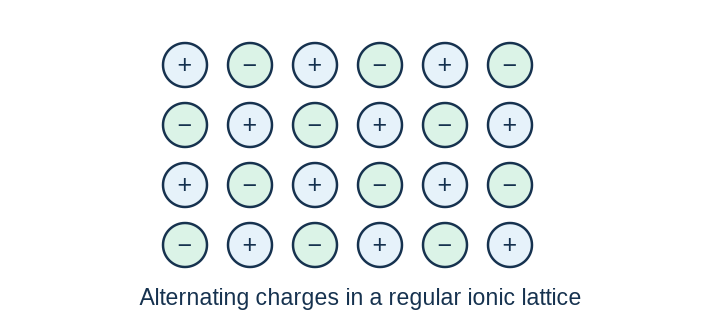
A salt crystal contains an ordered arrangement of ions

In a salt, a metal ion or ammonium ion replaces the acid’s hydrogen ion.

AcidSalt family
Hydrochloric acidChlorides
Sulphuric acidSulphates
Nitric acidNitrates
Carbonic acidCarbonates

Crystals have regular shapes because particles form an ordered structure. Water of crystallisation belongs within some crystal structures.